
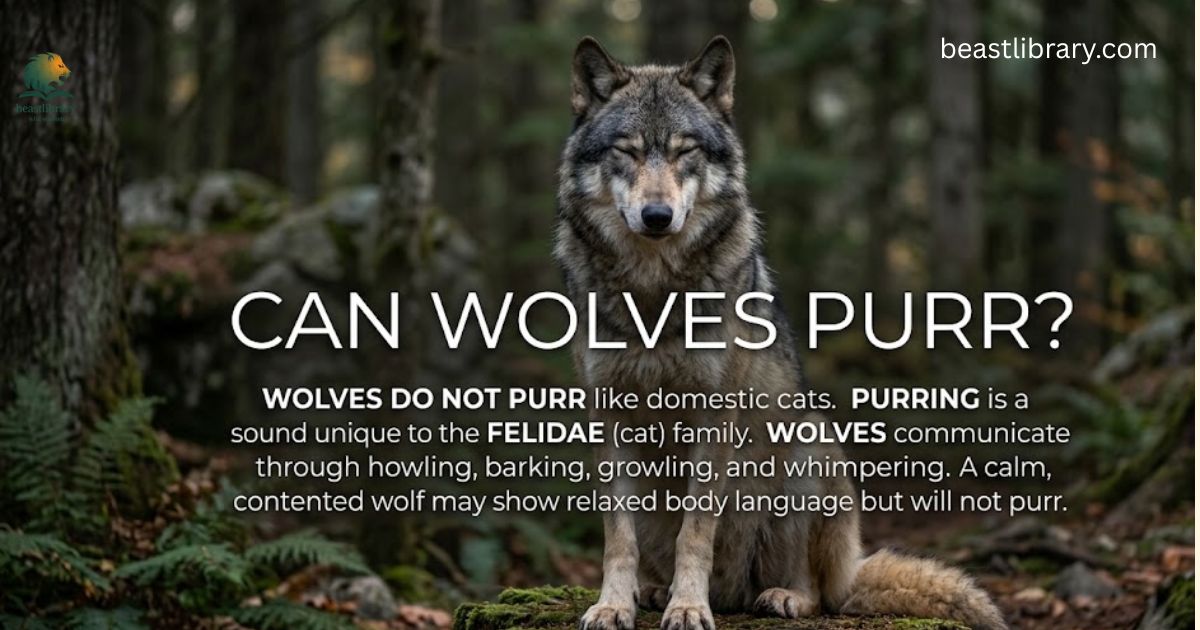
Can Wolves Purr? Facts You Need To Know
Can Wolves Purr? No, wolves cannot purr. Purring is a unique sound made by cats, not by wolves or dogs. It happens when a cat breathes in and out using special throat muscles. Wolves use howling, barking and body language to talk to each other.
What Sounds Do Wolves Make?
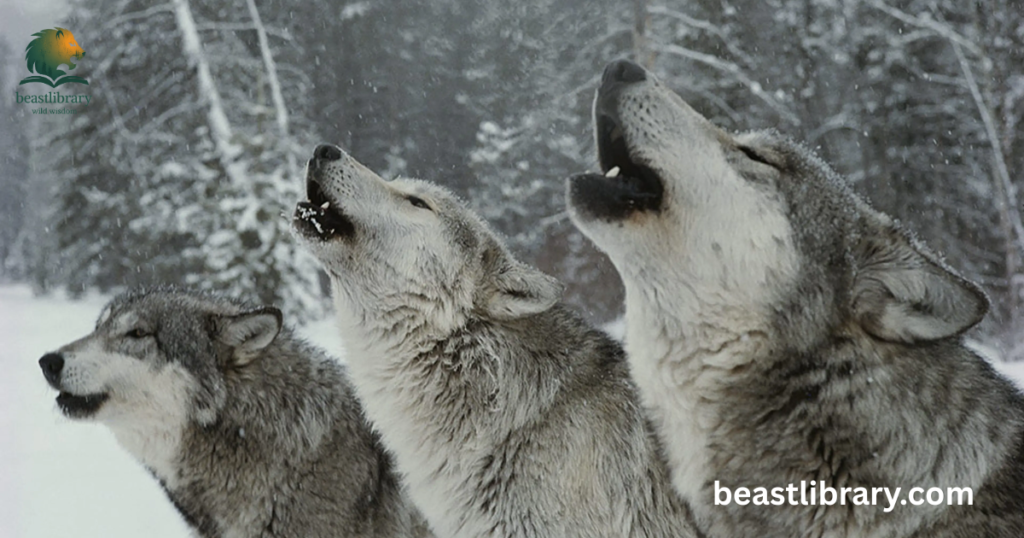
Wolves communicate through sounds like howls, growls, barks, and whines. Their howl can travel for miles and helps pack members locate each other, warn others, and protect their territory. A low growl may indicate aggression whereas playful yips and barks are common during social interactions with pack.
Howls
Wolf are known for their howls, which help group members communicate over long distances. Wolves use different types of howls to warn the pack, find each other, and protect their territory.
The pitch and length of a howl can also shows wolf’s emotional state which includes helping the group members stay connected and coordinated during hunts and other activities.
Barks
Barks are aspect of wolf communication, serving as warning signals and expressions of excitement. When a wolf barks, it often conveys signal of alertness. Wolf barks can also reflect playfulness or curiosity, showing the complexity of their social interactions.
The frequency and intensity of a bark reflects different meanings a sharp bark may signal alarm, while repeated barks can indicate excitement during a hunt or play.
Growls
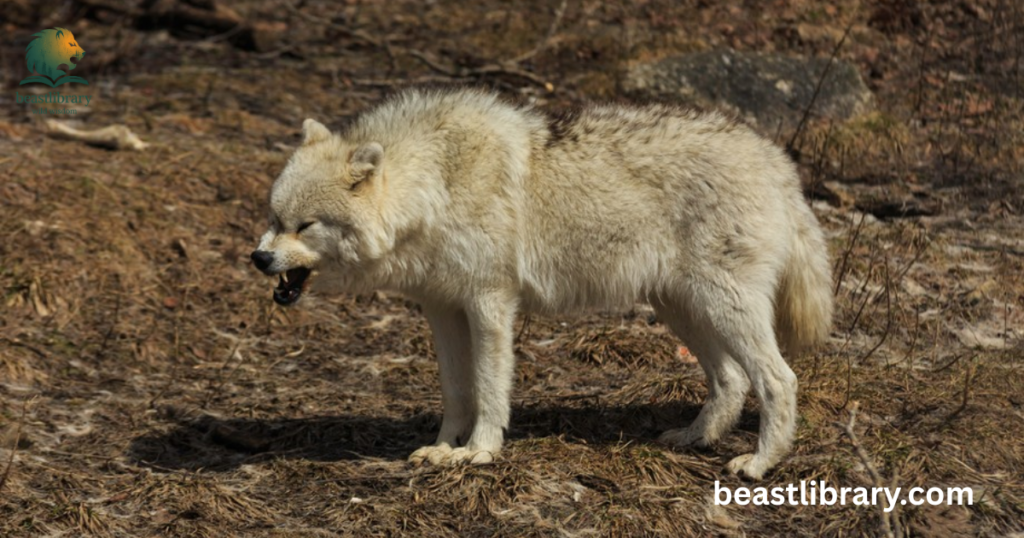
Growls are sound made by wolves serving multiple communication purposes. A low, rumbling growl can signal a warning to outsiders, establishing boundaries within their land. A wolf may also growls when it feels threatened.
When a mother growls at her pups it’s less about aggression and more a form of guidance. She’s teaching them respect and the importance of reading situations.
Whines
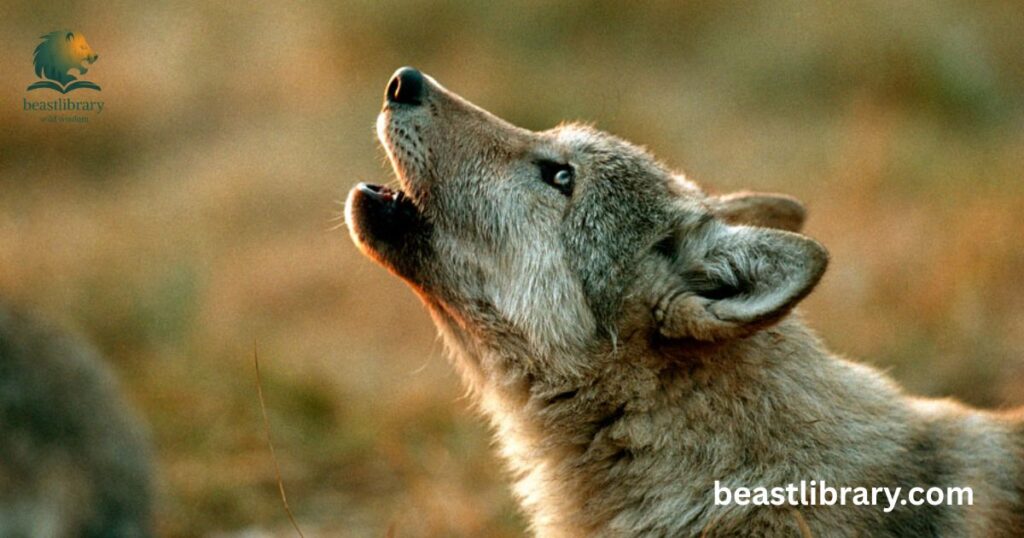
Whining is sound use by wolf, often less noticeable to howls. This soft vocalization can express different emotions such as submission, distress, excitement or even the joy of reuniting with pack members.
Wolves may whine to get attention, signal their needs, or strengthen social connections with their group. A high-pitched whine might indicate excitement or frustration, while a lower, more extended sound could reflect anxiety.
Why Do Wolves Howl At Night?

Nighttime howling is both a natural behavior and an important part of wolf life in the wild. It is not only a way of communication but also helps them stay connected with their group. When wolves howl together, it strengthens their relationship and creates a sense of unity.
This strategy is useful for hunting and protecting their land. At night, air is calm and cool so sound travels farther through which wolves can easily send messages to other pack members, attract mates, or warn rival groups.
Why Can’t Wolves Purr?
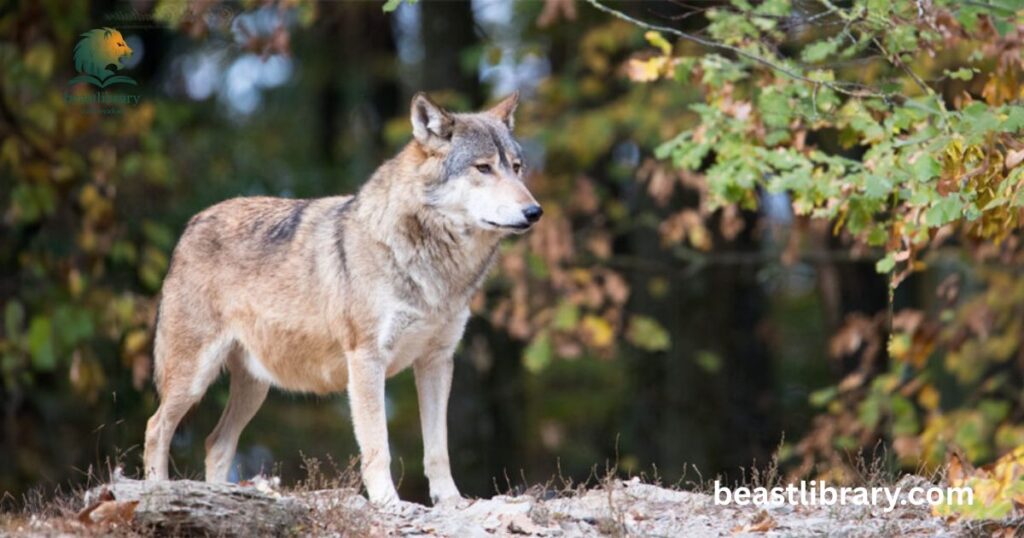
Wolves communicate through a variety of vocal sounds but they cannot purr. This is due to differences in their anatomy, especially their larynx and vocal cords which are designed for sounds like howling, growling, and barking instead.
These vocalizations play an important role in hunting, defending their zone, and maintaining social structure with the pack. The absence of purring reflects their evolution as cooperative predators that rely on teamwork and clear communication.
How Do Wolves Communicate With Each Other?
Wolves communicate through different ways, including sounds, body language, and scent markings. Howling is one of their most important vocal signals, as it helps pack members find each other and strengthens their sense of unity.
The pitch and rhythm of a howl can also give clues about a wolf’s age, health, and mood, making each pack’s sound slightly unique. Movements of the tail, ears, and facial expressions help show dominance, friendliness during play.
How Do Wolves Show Affection?
Wolves show affection through several social behaviors that strengthen their pack bonds. One of the most important is grooming, where they gently lick and nibble each other’s fur. This is not only for cleanliness but also helps build trust and reduce tension between pack members.
Wolves also use soft vocal sounds such as whines, yips, and howls during play or social interaction to express excitement and comfort. Playful body language, like bowing with the front legs stretched forward, invites others to join in and shows friendliness.
Wolves often rest close together which provides warmth and a sense of safety. These behaviors together highlight the strong emotional connection within a wolf pack and show how important companionship is for their survival and well being.
Do Wolves Cuddle?
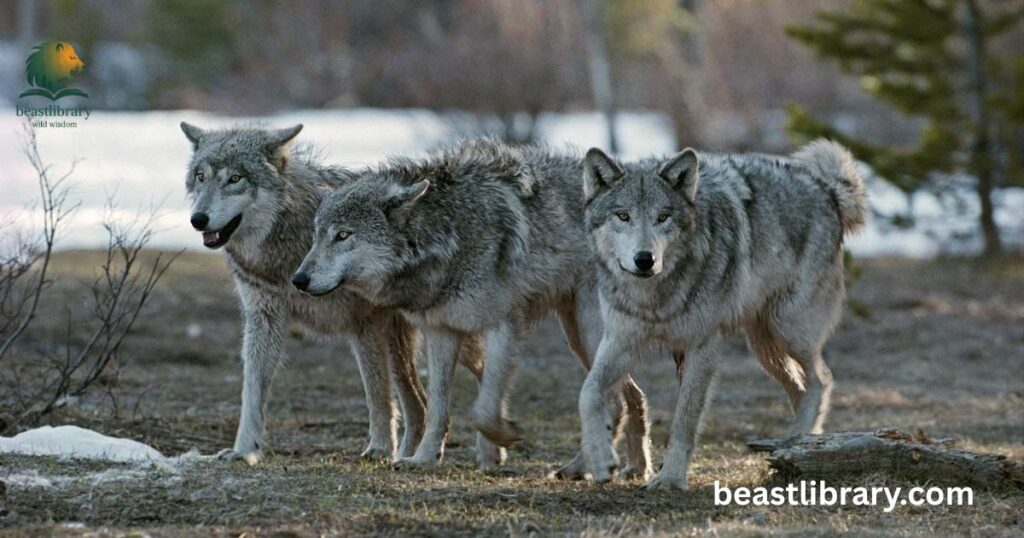
Wolves are not just powerful hunters they are highly social animals that regularly show affectionate behavior within their packs. Wolf is an energetic animal that uses its strength and stamina to hunt in groups and survive in the wild.
Most of the world’s wild wolves are found in Canada, Russia, and Alaska (USA). They are link in close relationship such as nuzzling, grooming, and lying together, especially after hunting or during rest.
This “cuddling” like behavior helps strengthen their social bonds, maintain pack unity, and secure trust among members. It is also important for pups, who rely on constant physical closeness with their mother and siblings for warmth, comfort, and emotional security during early development.
Conclusion- Can Wolves Purr
Can Wolves Purr? The simple answer is no, because wolves belong to the dog family and lack the specific throat muscles required to make a purring sound. Instead of purring, they express their feelings, bond with their pack, and stay safe using howls, growls, and body language.
FAQs
Do wolves purr?
No, wolves cannot purr like cats. They use different sounds like howls, whines, and body language to communicate with pack.
Can wolf laugh?
No, wolf do not laugh the way humans do. However, when they are playing or excited, they can make playful panting, yipping, and short vocal bursts that may sound like laughter
Do wolf bark?
Yes, wolf can bark, but it’s not as common or as varied as in domestic dogs. Their barks are usually short, sharp sounds used mainly as warnings or alarm signals rather than regular communication.