Explore 12 Animals with Shells: Diet & Images
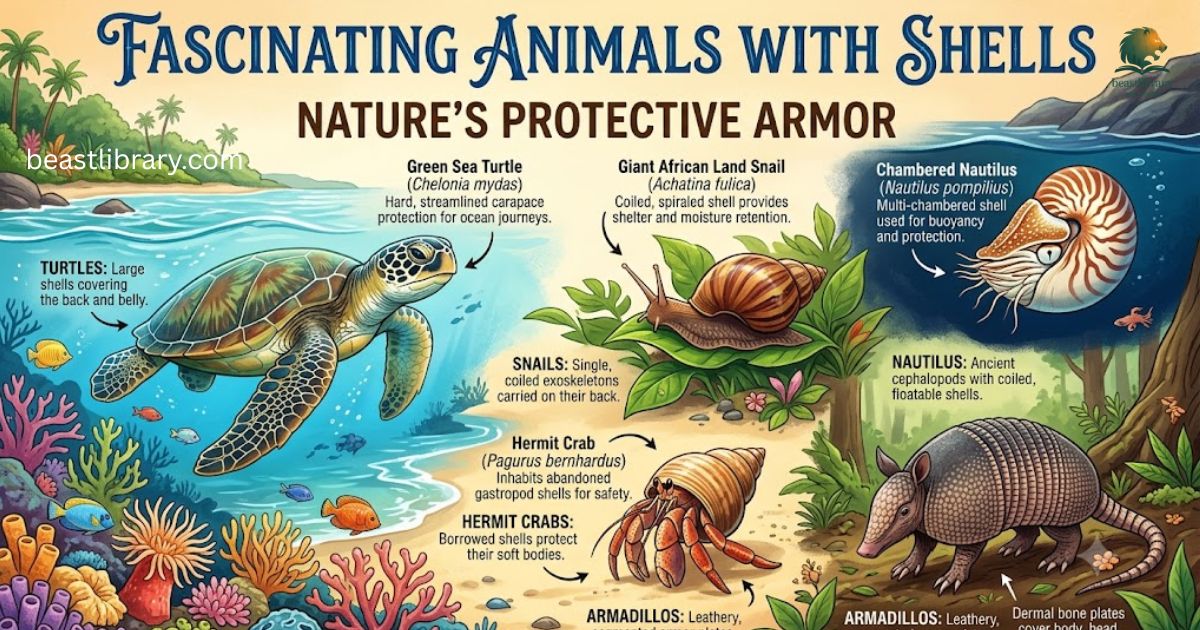
Animals with shells are not just the quiet dwellers of oceans and shores. These shelled creatures hold secrets to survival that attract scientists for ages. By exploring their lives, you’ll gain a deeper knowledge of hard shell animals and the importance they hold in our natural world.
List of Animals with Shells
Here is the list of animals that have a shell:
- Common Snapping Turtle
- King Crab
- Garden Snail
- Gopher Tortoise
- Horseshoe Crab
- Conch
- Nine Banded Armadillo
- Oysters
- Nautilus
- Giant Clam
- Pond Slider
- Texas Ironclad Beetle
1- Common Snapping Turtle
Scientific name: Chelydra serpentina
Class: Reptilia
Diet: Omnivore
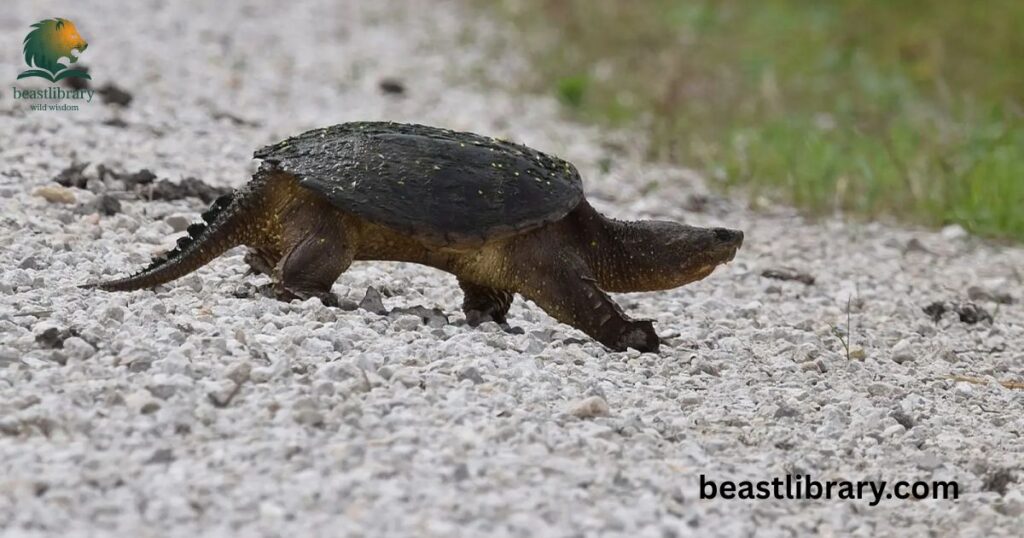
The Common Snapping Turtle are animals with hard shells, remarkable example of evolutionary resilience. This camouflage not only protects it from predators but also allows it to remain nearly invisible as it ambushes unsuspecting prey .
They exhibit a remarkable longevity, often living for several decades. As they play a crucial role in their ecosystems controlling fish populations and these creatures remind us that animals can hold vital ecological significance.
2- King Crab
Scientific name: Paralithodes camtschaticus
Class: Malacostraca
Diet: Omnivore
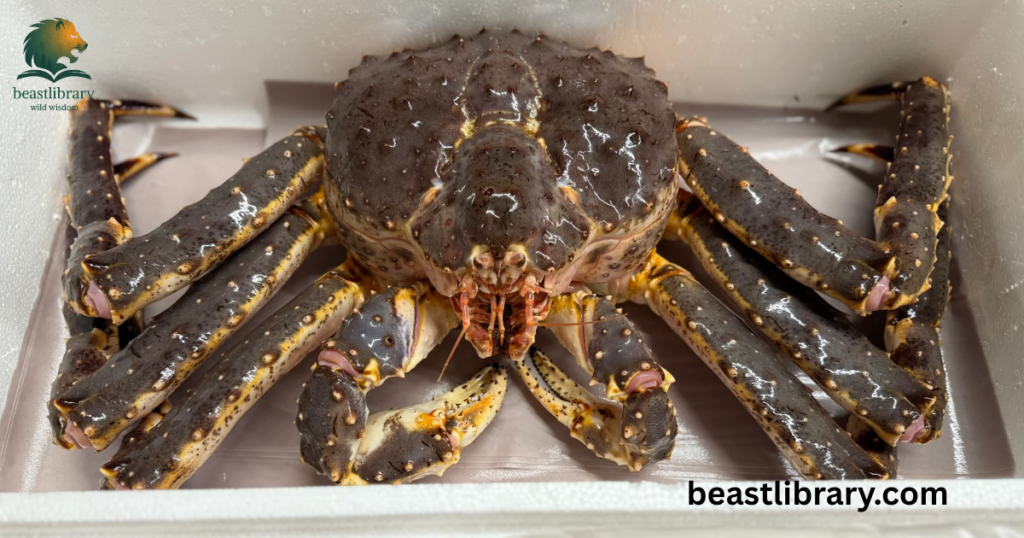
The king crab captivates with its striking appearance and unique adaptations. Its robust shell not only offers protection from predators but also plays a pivotal role in its survival in the frigid waters of the North Pacific.
King crabs exhibit unique social behaviors, often gathering in groups during mating seasons. This communal aspect highlights their complex life cycles. Where young crabs must navigate a perilous journey of molting shedding their shells to grow.
3- Garden Snail
Scientific name: Cornu aspersum
Class: Gastropoda
Diet: Herbivore
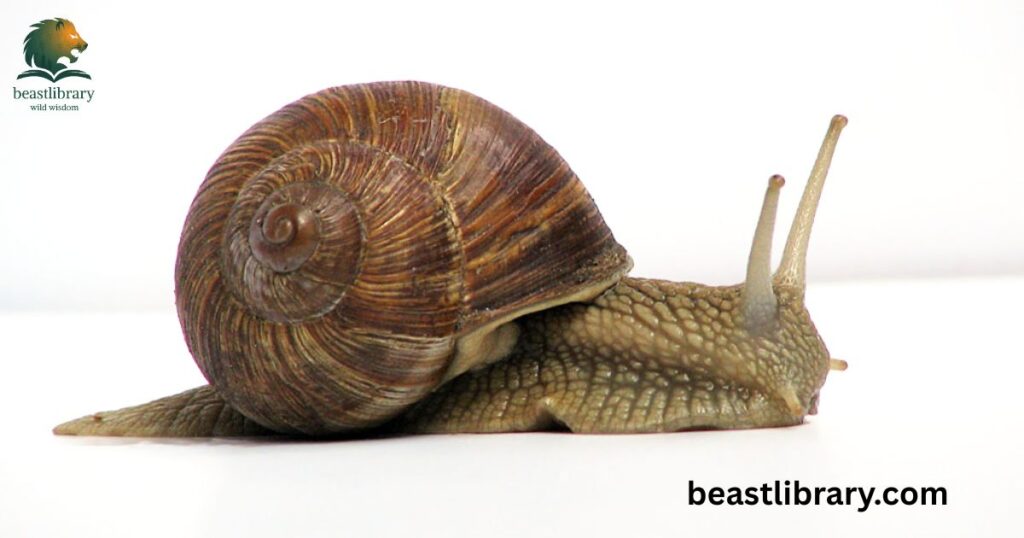
The garden snail plays a pivotal role in the ecosystem. With its slow, deliberate movement and soft body. It looks like a tiny chubby animal beneath its spiral shell. It is slow moving animal of nature. Garden snail is quiet animal of wild.
They are social and use chemical signals in their slime trails to connect with each other, especially for finding mates and navigating their environment. These mucus trails also help reduce water loss, an important adaptation for survival in changing environmental conditions.
4- Gopher Tortoise
Scientific name: Gopherus polyphemus
Class: Reptilia
Diet: Herbivore
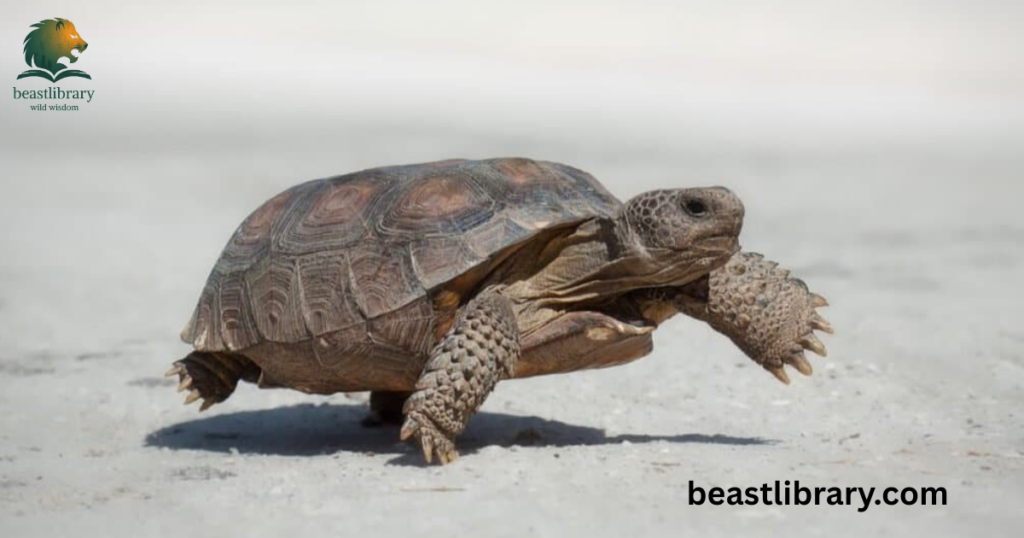
The Gopher Tortoise, a unique shelled creatures belong to the southeastern United States. It is slow-moving reptile with a sturdy shell. Its burrowing behavior transforms the landscape, creating extensive underground tunnels that serve as vital habitats for over 360 species.
With a lifespan that can exceed 40 years. Its shell provide essential protection, helping it survive the challenges of a changing environment. It is animal that eat cactus on earth.
5- Horseshoe Crab
Scientific name: Limulus polyphemus
Class: Merostomata
Diet: Carnivore
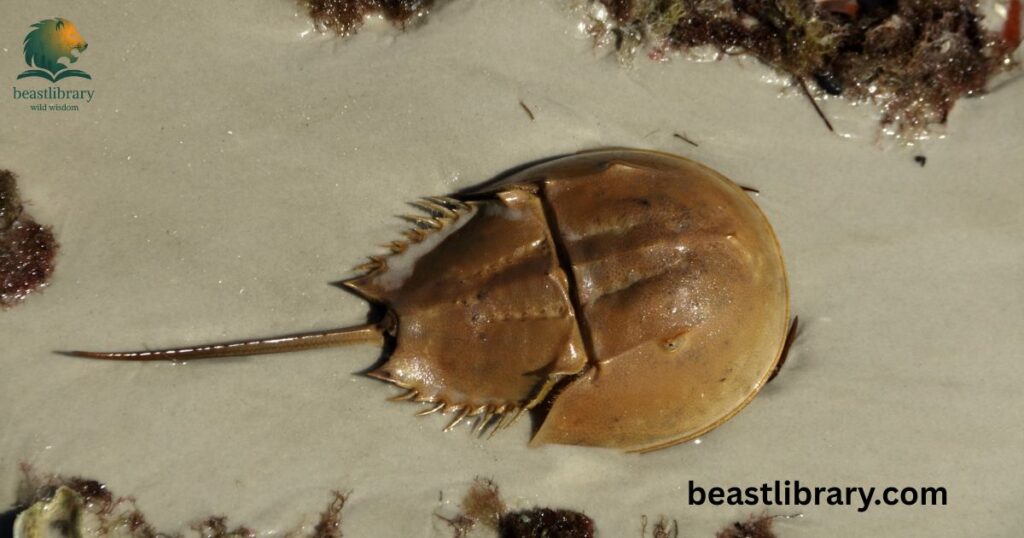
The horseshoe crab, a creature that has roamed the Earth for over 450 million years, belongs to a group of ancient marine arthropods known as chelicerates. Its hard, helmet-like shells serve as a protective barrier against predators.
Their blue blood, rich in copper-based hemocyanin, is prized in medical research to detect bacterial contamination. This blood is crucial in the production of Limulus amebocyte lysate (LAL), an essential component in vaccine safety testing.
Horseshoe crabs play a vital ecological role. They are important for migratory shorebirds, which rely on their eggs as a crucial food source during migration. The annual spawning of horseshoe crabs along North America’s Atlantic coast coincides with migratory birds, creating a dynamic interplay between species.
6- Conch
Scientific name: Strombus gigas
Class: Gastropoda
Diet: Herbivore
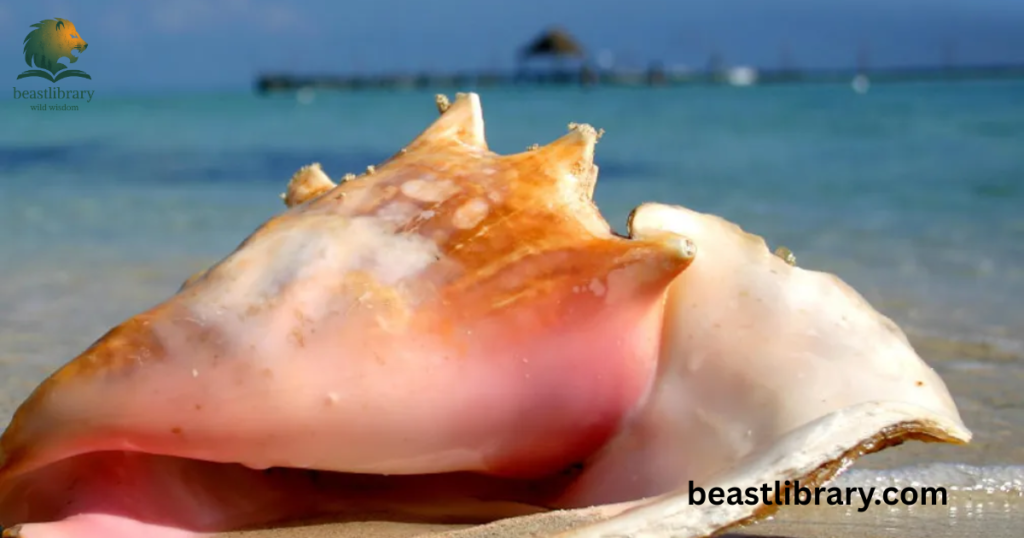
The conch is a mollusk found in tropical and subtropical waters. It plays a vital role in marine ecosystems. Its grazing helps control algae growth on seagrass beds, promoting a healthier underwater habitat for various marine species.
Conchs are animals with hard shells have unique life cycle. Young conchs start out in floating larval forms, drifting with ocean currents before settling to the seabed to grow into their distinctive shells.
7- Nine Banded Armadillo
Scientific name: Dasypus novemcinctus
Class: Mammalia
Diet: Omnivore
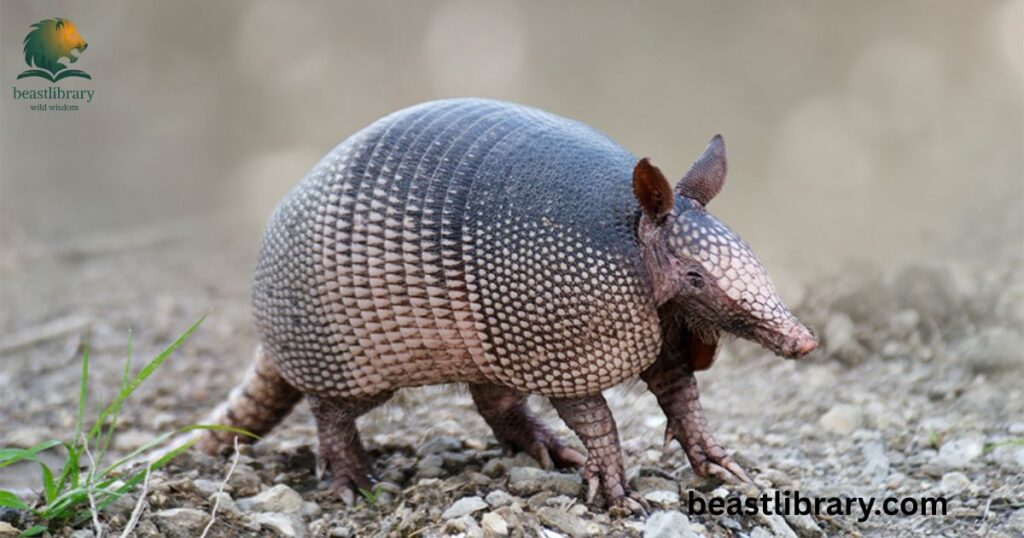
The Nine-Banded Armadillo is a found predominantly in the southeastern United States. It is hard shell animal composed of bony plates covered by a hard skin. The Nine-Banded Armadillo can dig with remarkable speed an ability that helps it escape danger and forage for insects and grubs in the soil.
The species has unique reproductive strategy giving birth to four genetically identical offspring, each encased in a separate skin pouch within the mother’s body until birth. This ensures a high survival rate in their unpredictable environments. It is small ear animal.
8- Oysters- Animals with Shells
Scientific name: Crassostrea virginica
Class: Bivalvia
Diet: Filter feeder
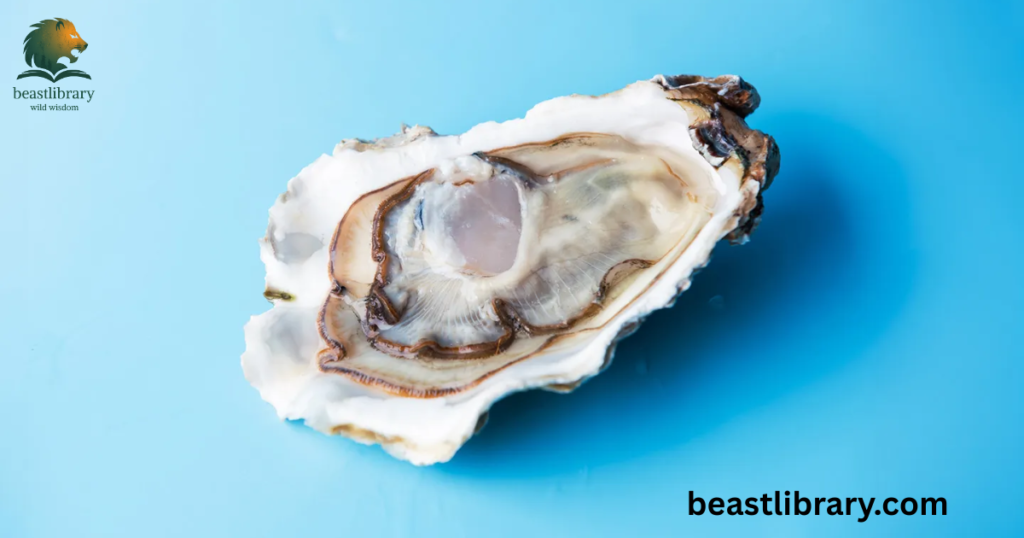
Oysters stand out as remarkable inhabitants of our marine ecosystems. Beyond their iconic hard shells, these bivalves are crucial to maintaining water quality and habitat health. Their filter-feeding process allows oysters to consume plankton and organic matter, cleaning the water around them and providing a clearer, healthier environment for other marine life.
Each oyster’s shell is a canvas of intricate patterns. These adaptations not only offer protection from predators but also serve as effective markers for climate change. It is lowest IQ animal of ocean.
9- Nautilus
Scientific name: Nautilus pompilius
Class: Cephalopoda
Diet: Carnivore/Scavenger
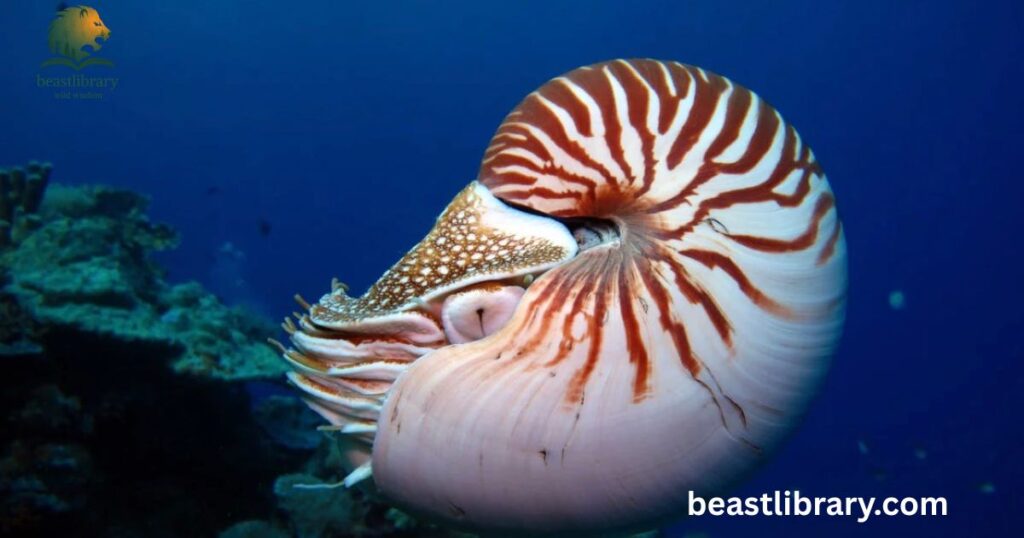
The nautilus, often dubbed the “living fossil,” exemplifies the incredible resilience of nature. This cephalopod has survived for millions of years. The nautilus’s shell isn’t just a pretty exterior; it serves as a complex buoyancy control system, allowing it to navigate the depths of the ocean.
What truly sets the nautilus apart is its unique lifestyle. Unlike its more agile relatives, the octopus and squid, the nautilus glides through the water slowly, preferring to dwell in the dark, mysterious depths.
10- Giant Clam
Scientific name: Tridacna gigas
Class: Bivalvia
Diet: Omnivore
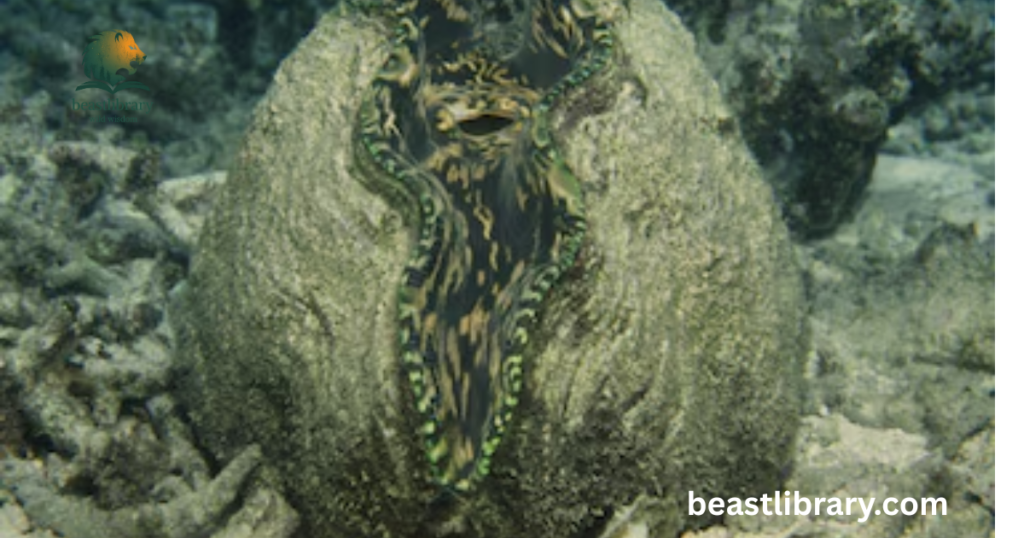
Giant clams are the colossal bivalves of the ocean, reaching up to four feet in length and weighing over 500 pounds. Their shells provide protection and also support small organisms living on their surface.
These giants are hard shell animals can exhibit surprising movement, slowly adjusting their position to optimize light exposure for the algae within their tissues. They contribute to their ecological surroundings by filtering vast amounts of water, thus maintaining the health of their reef habitats.
11- Pond Slider
Scientific name: Trachemys scripta
Class: Reptilia
Diet: Omnivore
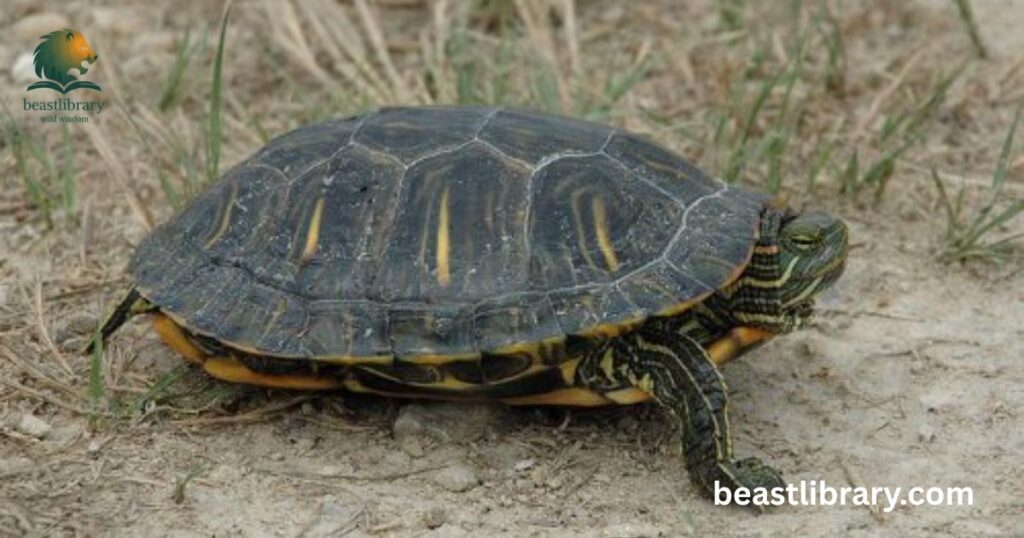
The Pond Slider is native to North America. These semi-aquatic turtles thrive in freshwater environments, basking on logs or rocks while absorbing the sun’s warmth. They can thrive in a variety of conditions, from urban ponds to serene lakes. They are flat tail animals.
Beyond their physical traits, these turtles demonstrate social behaviors. They communicate through bodily gestures and subtle water movements, challenging the stereotypical view of reptiles as solitary creatures. They are consider as webbed feet animals.
12- Texas Ironclad Beetle
Scientific name: Zopherus nodulosus haldemani
Class: Insecta
Diet: Herbivore/Detritivore
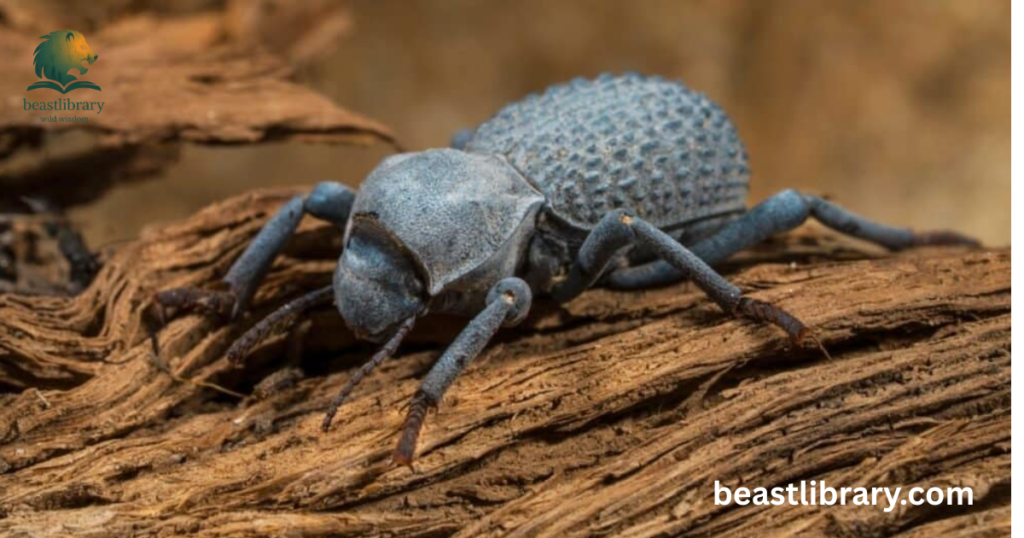
The Texas Ironclad Beetle is found primarily in the dry, arid landscapes of Texas, exemplifies nature’s remarkable ingenuity. Unlike more common shelled animals, this beetle has developed a chitinous exoskeleton that boasts resistance to crushing forces up to 39 times its body weight.
This is not just a product of its environment but a testament to evolutionary design where survival hinges on durability. Instead of retreating into a conventional shell like a turtle, the Ironclad holds its ground, embodying the phrase “tough as nails.”
Its lifeless, matte black exterior belies its extraordinary capabilities. It may not have the charm of a sea turtle or a luscious tortoise, the Texas Ironclad is a marvel of adaptation. When threatened, it doesn’t flee; rather, it relies on its cosmic armor to withstand predatory attacks.
Final Thoughts
Animals with Shells highlights diversity and adaptability of life on Earth. From the durable armor of turtles to the intricate patterns of seashells, these shelled creatures play vital roles in their ecosystems.
As we continue to explore and study these animals with hard shells, it’s essential to remember the impact of environmental changes on their habitats. Let us commit to preserving the biodiversity of our planet and ensuring that future generations can also marvel at the wonders of shelled creatures.
FAQs
What animals have shells?
Animals like turtles, tortoises, snails, clams, crabs, and lobsters have protective shells. These hard outer structures serve as a shield against predators and harsh environments.
Which mammal has a shell?
The only mammal with a natural shell is the armadillo. Its bony, armor-like shell protects it from predators.
What is the largest animal with shell?
The largest animal with a shell is the giant clam (Tridacna gigas). It can grow over 4 feet long and weigh more than 500 pounds, making it the biggest shelled animal in the world.