Top 15 Weakest Animals In The World (With Images)
In this article, we’ll explore the Weakest Animals in the World those that may not possess the strength or ferocity of their counterparts but offer fascinating insights into survival and adaptation. Understanding these vulnerable beings highlights the delicate balance of ecosystems and reminds us of nature’s unexpected marvels. By the end, you’ll gain a new appreciation for these overlooked animals and their roles in our world.
List of Weakest Animals In The World
Below is the list of animals that are weak:
| Number of Animals | Names of Weak Animals in the World |
| 1 | Earthworm |
| 2 | Domesticated Chickens |
| 3 | Jellyfish |
| 4 | Sloths |
| 5 | Snails |
| 6 | Opossums |
| 7 | Frog |
| 8 | Starfish |
| 9 | Rabbit |
| 10 | Tarsiers |
| 11 | Hedgehogs |
| 12 | Sea Cucumber |
| 13 | Star-nosed Moles |
| 14 | Koalas |
| 15 | Goats |
1-Earthworm
Scientific Name: Lumbricus terrestris
Class: Clitellata
Diet: Detritivore
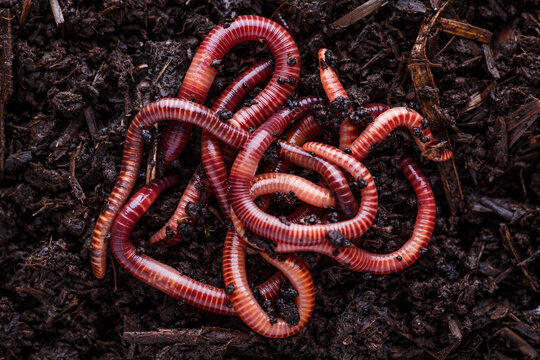
The earthworm, often disregarded in discussions about strength in the animal kingdom, possesses a unique durability that masks its delicate appearance. These segmented segmented operate quietly underground, serving as essential contributors to the oxygenation and overall quality of the earth.
Their muscle driven movement allows them to tunnel through soil, enabling vital fosters cycling that supports entire ecosystems. Earthworms transform their environment, By consuming organic matter and breaking it down, enriching the very soil that nurtures plants.
Interestingly, their lack of a skeleton might suggest fragility, It actually allows them to thrive in a variety of environments, ranging from lush meadows to moist woodland areas. Their seemingly simple life is a proof to flexibility, they embody a different kind of resilience, while they may lack physical strength.
Earthworms also exhibit remarkable survival skills, showcasing a hidden determination that often goes unnoticed. including the ability to regrow lost segments, In the grand tapestry of life, often disguised beneath a layer of soil. their modest yet critical contributions remind us that strength can come in many forms.
2-Domesticated Chickens
Scientific Name: Gallus gallus domesticus
Class: Aves
Diet: Omnivore
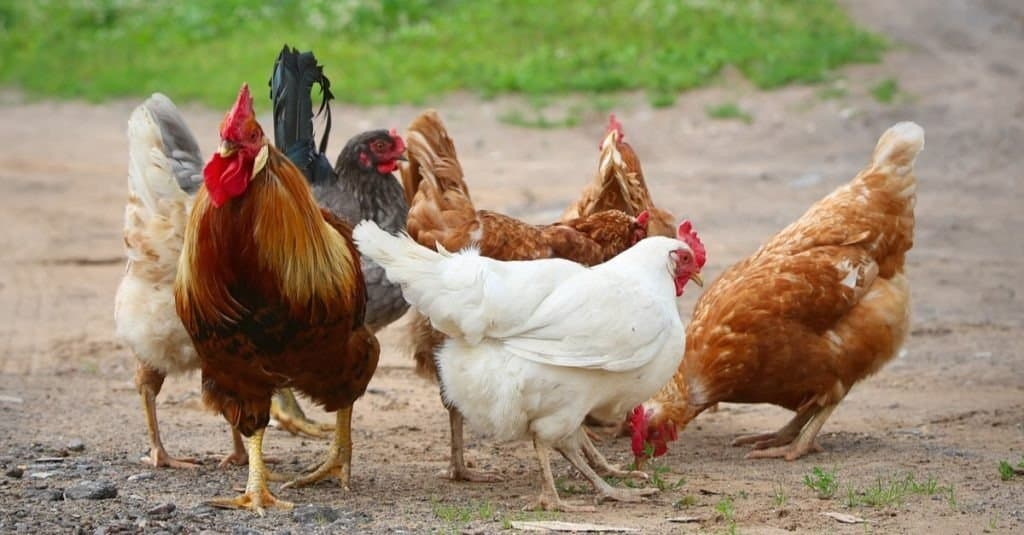
Domesticated chickens, often viewed as ordinary farm animals, actually carry a unique weakness that boosts their status as some of the weakest animals in the world. through centuries of bleeding, they have lost many of sharp natural impulses of their forefathers, chickens are largely defenseless, who possess the quickness and skill to escape predators, making them easy targets for everything from foxes to hawks.
Their natural behavior, which includes scratching and pecking for food, reveals their dependence on a controlled environment, highlighting a crucial shift from self-sufficiency to reliance.Furthermore, these birds display a surprising level of emotional depth that is often ignored . This emotional fragility adds another layer to their vulnerability, positioning them not just as simple livestock but as creatures rich in personality.
Finally, while they may be physically fragile, their complex social connections and emotional capacity highlight that vulnerability is a multifaceted trait, blending survival needs with deep psychological bonds. They form intricate social structures and can bond deeply with their flock, showcasing behaviors like sorrow when a companion falls ill or dies.
3-Jellyfish
Scientific Name: Aurelia aurita
Class: Scyphozoa (or Hydrozoa/Cubozoa depending on species)
Diet: Carnivore
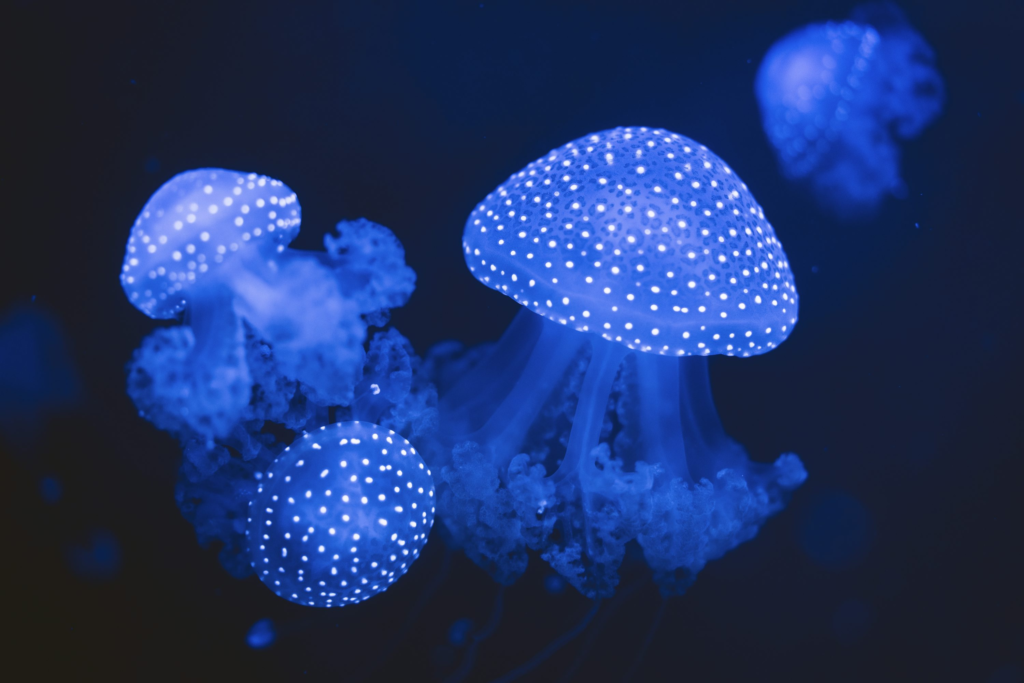
despite their fragile appearance, jellyfish are very old survivors that have lived in our oceans for more than a billion years. Lacking a central nervous system or a complex brain, relying on ocean currents to push themselves, jellyfish drift gracefully through the water. This reliance on their environment makes them weakly beautiful, as these delicate beings can easily be swept away or damaged by changes in water conditions or human activity.
However, their weakness is counterbalanced by a fascinating flexibility. jellyfish are masters of patience, thriving in harsh environments such as a oxygen expert or highly salty waters that would be fatal to most marine life. They are also remarkably expert at regeneration; if a jellyfish is cut in half, both halves can potentially grow into two new organisms.
In a world that often equates power with size and aggression, jellyfish remind us that survival can thrive in gentleness and adaptability. This remarkable ability to emerge whole from hardship serves as a metaphor for strength within weakness, showcasing nature’s contradictory designs.
4-Sloths
Scientific Name:
Two-toed: Choloepus didactylus
Three-toed: Bradypus variegatus
Class: Mammalia
Diet: Herbivore
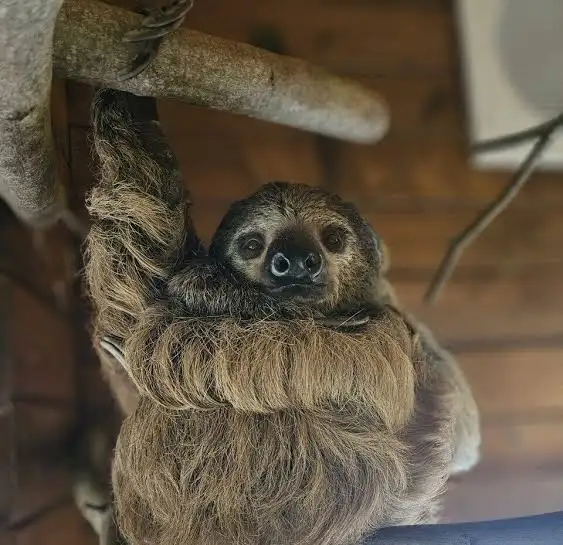
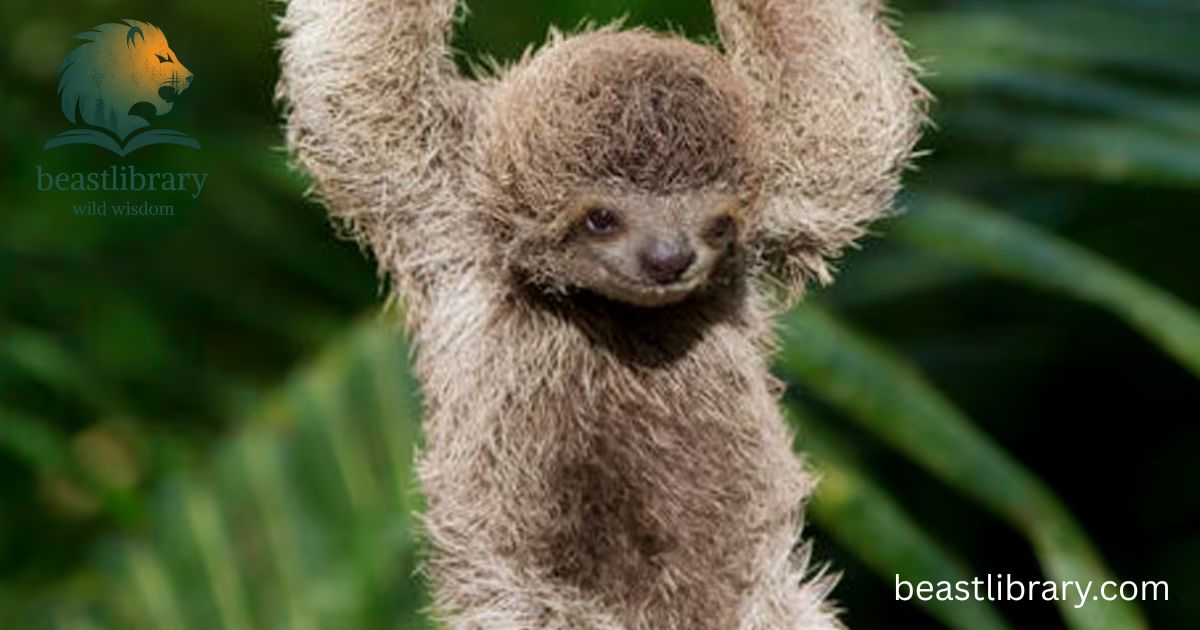
Sloths, often famous for their slow-paced lifestyle, represent a form of fragility that enchants our imagination. Their intentional movements, while lovable, blending seamlessly into their arboreal habitats are a result of their low energy processing speed, By moving slowly, sloths avoid detection from predators, which makes them one of the least energetic creatures on the planet. This relaxed existence is not merely a peculiar trait it serves as a survival process.
By staying relatively still, sloths avoid being noticed by predators, as they merge effortlessly into their leafy environment where the flickering sunlight provides natural concealment.Curiously, their their physical restriction go beyond simple inactivity This nutritional limitation means sloths spend most of their time resting, which may seem inferior by conventional standards but is a evidence to their unique adjustments.
Furthermore, their specialized claws are excellent for gripping to limbs but can also be a drawback, as they make it hard for the animals to protect themselves.
5-Snails
Scientific Name: Cornu aspersum
Class: Gastropoda
Diet: Herbivore/Detritivore
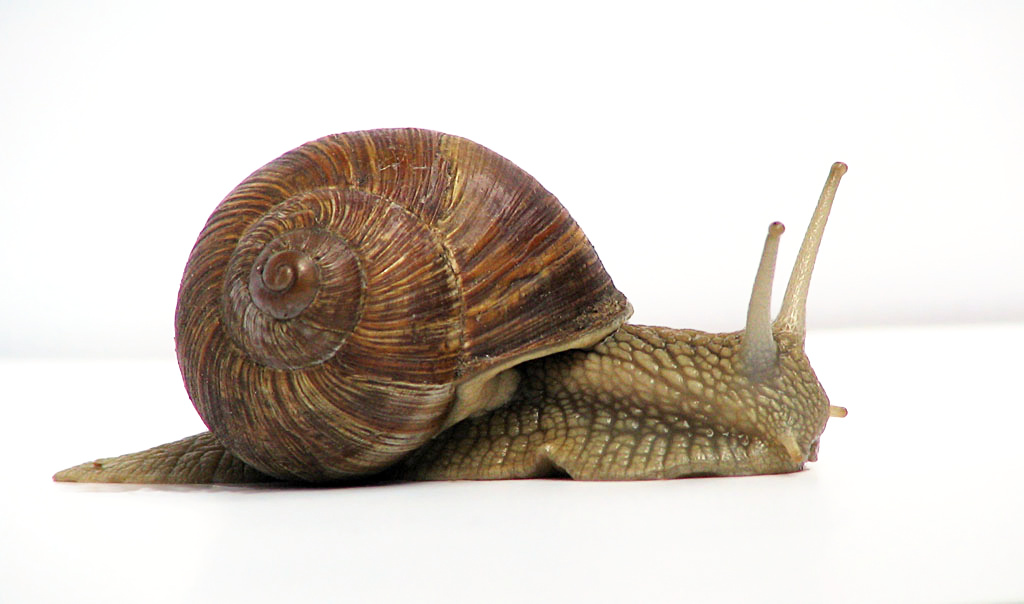
Snail is animal with shell, often neglected in the grand tapestry of the animal kingdom, exemplify fortitude in their perceived delicacy. Their mucus trails, often seen as a mere nuisance, are actually a advanced strategy for moisture retention and mobility, allowing them to navigate harsh terrains while warding off potential threats.
Snails possess an extraordinary ability to enter a state of dormancy, or estivation, when conditions become too adverse whether from drought or extreme temperatures.. While they may lack the physical mastery of swift predators, snails have adapted to flourish in diverse environments, from lush gardens to arid deserts. This unique survival tactic speaks volumes about their resilience.
These soft-bodied mollusks navigate the world at a sluggish pace, but their slow movements conceal remarkable adaptations for survival. With a shell that serves as both armor and refuge, they showcase an innovative duality: vulnerability coupled with ingenious defensive mechanisms.
6-Opossums
Scientific Name: Didelphis virginiana
Class: Mammalia
Diet: Omnivore
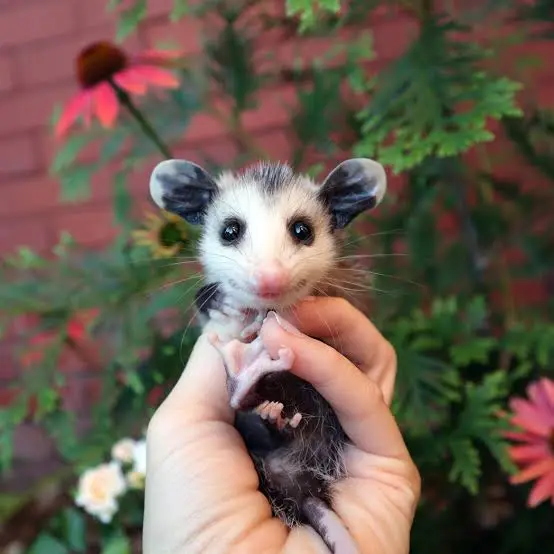
Opossums often wear the badge of exposure with unexpected grace. As North America only these creatures have evolved to succeed in the shadows marsupial, often considered the weakest link in the animal kingdom due to their size and gentle nature.
Yet, it is precisely this seeming weakness that equips them with special survival methods. by consuming thousands of ticks each year, they serve as a natural defense against the spread of Lyme disease, proving themselves to be vital contributors to public health and biological balance.
When threatened, opossums employ a remarkable defense mechanism they “play dead,” a behavior so convincing that hunters often lose interest. this allows them to escape predation while appearing unappetizing and lifeless
7-Frog
Class: Amphibia
Diet: Carnivore
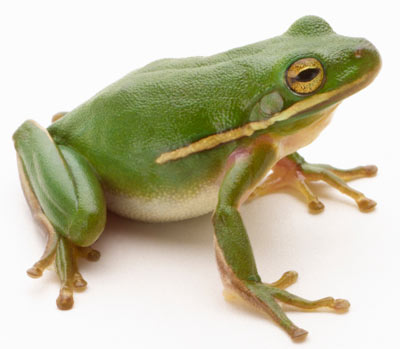
Frogs might categorize among the weakest animals when considering pure strength and toughness. Despite their soft and squishy appearance, frogs possess a unique advantage their bright colors and croaky calls serve as smart camouflage and communication methods.
Their slight bodies are built for quickness rather than power, making them subject to countless threats in their habitats In an environment where might usually determines life or death, frogs have developed specialized methods that highlights rapid flight over direct battle.
8-Starfish
Scientific Name: Asterias rubens
Class: Asteroidea
Diet: Carnivore
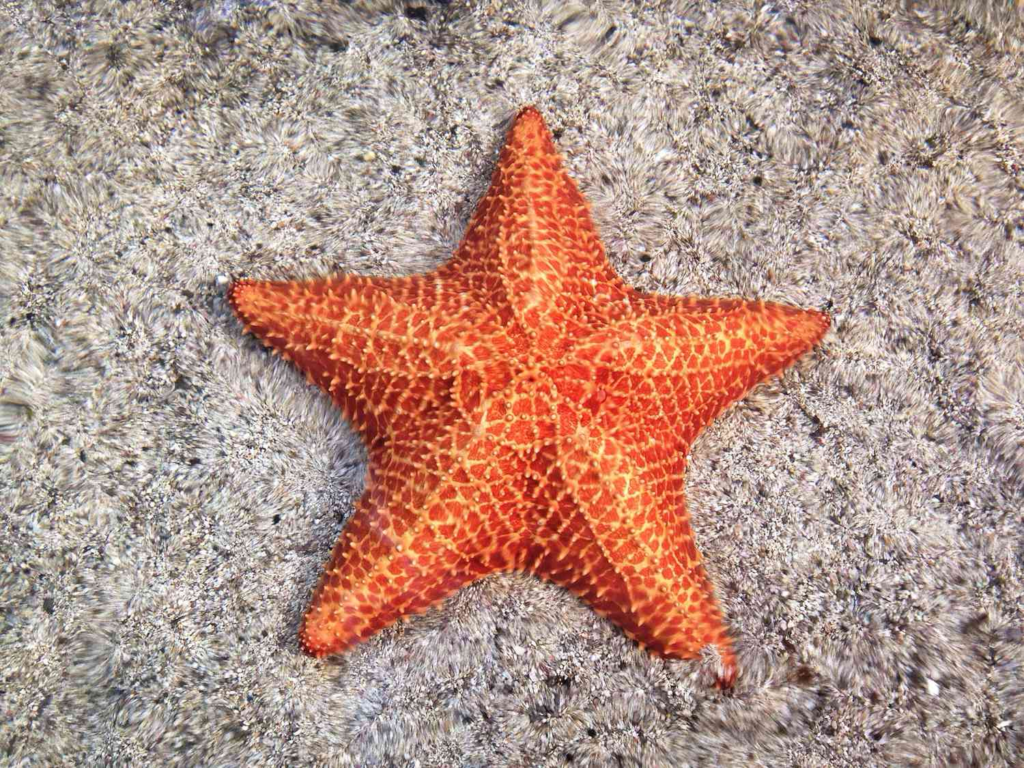
Starfish, often famous for their captivating movements and vibrant colors, present a mystery but they have a mix of both strength and weakness. While they can regrow lost arms and adapt to various environments, their lack of a focused brain makes them dependent on their immediate surroundings.
Moreover, starfish showcase a unique but subtle form of strength in their feeding habits. This reliance underscores their weakness, a starfish trapped in polluted waters or dying coral reefs faces serious consequences that highlight the risky balance of marine ecosystems, Armed with a powerful stomach that can excrete natural chemicals to digest prey outside.
This reliance underscores their vulnerability, a starfish trapped in polluted waters or dying coral reefs faces dire consequences that highlight the precarious balance of marine ecosystems.
9-Rabbit
Scientific Name: Oryctolagus cuniculus
Class: Mammalia
Diet: Herbivore
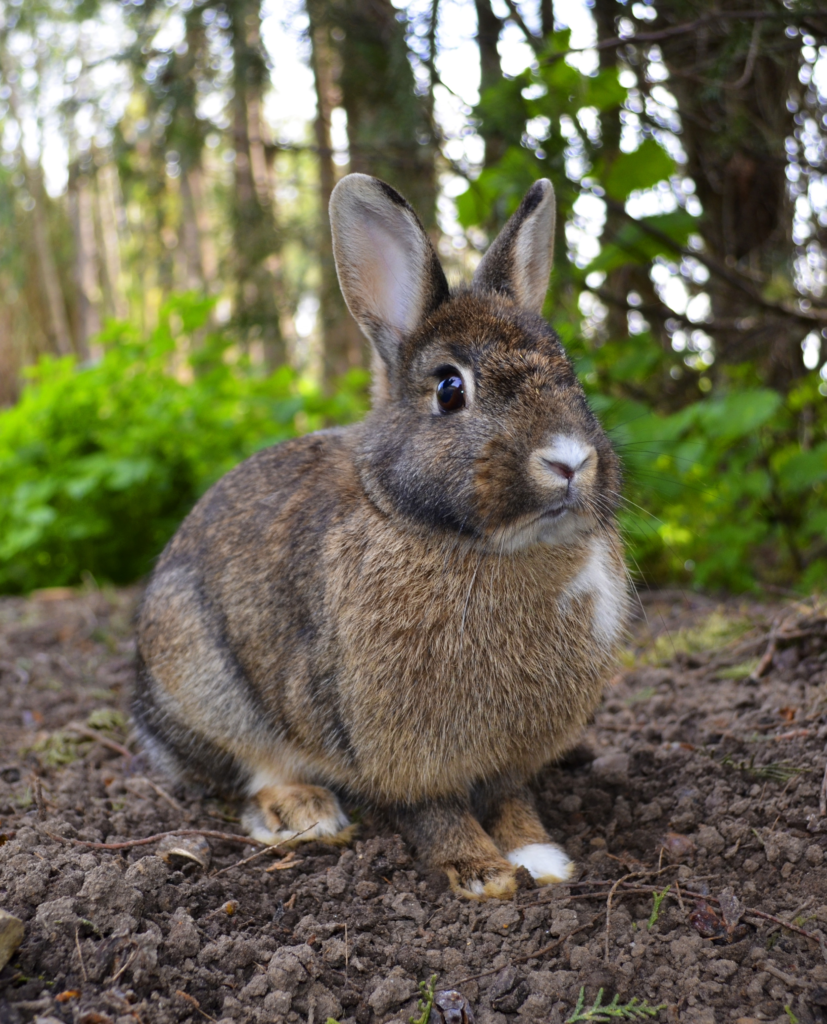
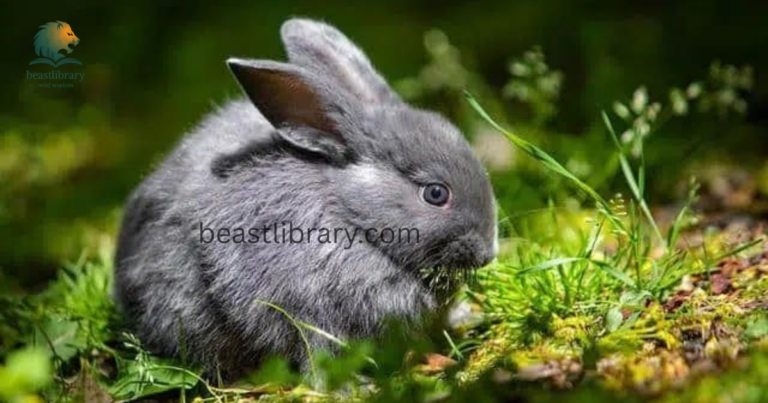
Rabbits are regularly seen as soft and exposed, yet this fragility masks an unexpected endurance. these creatures flourish in varied environments, these creatures thrive in diverse environments, While they might lack the fierce flexibility of apex predators, these creatures thrive in diverse environments, showcasing their adaptability.
A vital survival mechanism against predators, Their big, vivid eyes are not just for show, they provide a panoramic view of their environment. Fundamentally, even if a rabbit lacks raw physical strength, its capacity to survive through smart adjustments and group teamwork reveals a unique form of strength.
10-Tarsiers
Scientific Name: Tarsius tarsier
Class: Mammalia
Diet: Carnivore
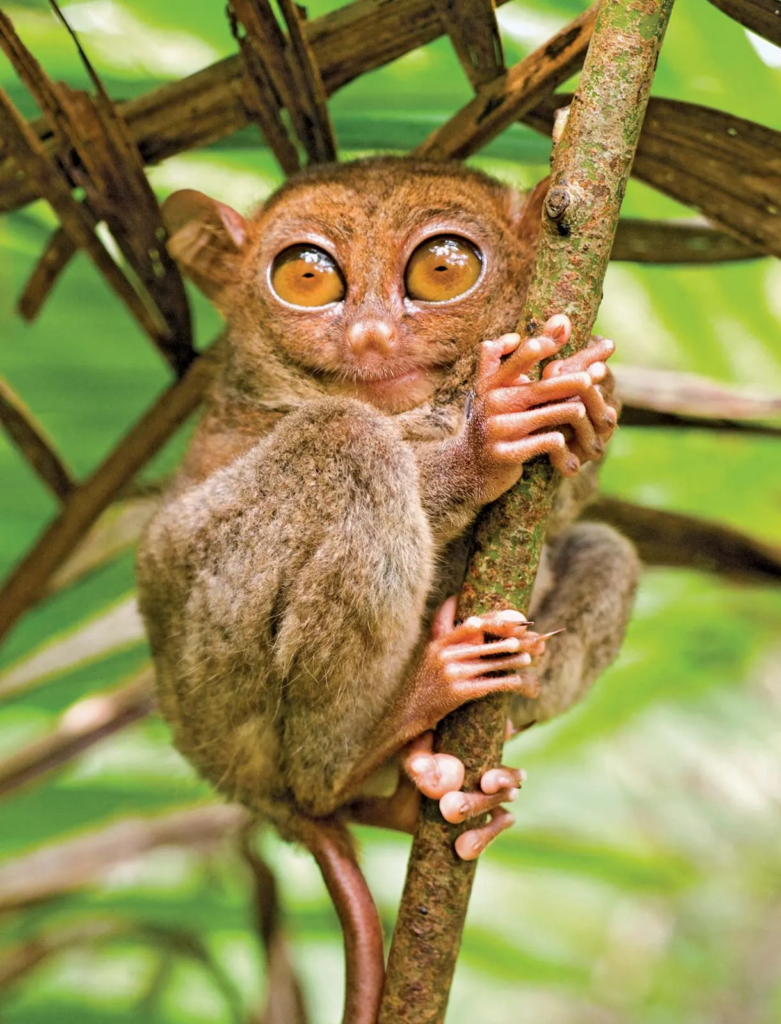
Tarsiers, often outshone by more appealing primates, yet they provide a unique perspective on nature’s intricacy. These diminutive creatures, measuring only about six inches in height, possess massive round eyes that provide them with exceptional night vision. Their distinct adaptations raise a compelling question about strength and survival, their sophisticated social systems and various calls suggest a level of communication depth that contradicts their delicate physical build.
Found mostly in the thick rainforests of Southeast Asia, tarsiers are ambush predators, relying on their exceptional jumping abilities to seize insects and small vertebrates. However, their vulnerability is evident in their habitat, which faces constant threat from habitat loss and hunting.
Tarsiers remind us that survival is about more than sheer strength, it’s about adaptation and toughness in the face of adversity, This fragility prompts a deeper consideration of what it means to be “weak” in the animal kingdom. their current situation serves as a essential reminder that protecting even the smallest species is essential for the smallest species is essential for the health of our entire environment.
11-Hedgehogs
Scientific Name: Erinaceus europaeus
Class: Mammalia
Diet: Omnivore
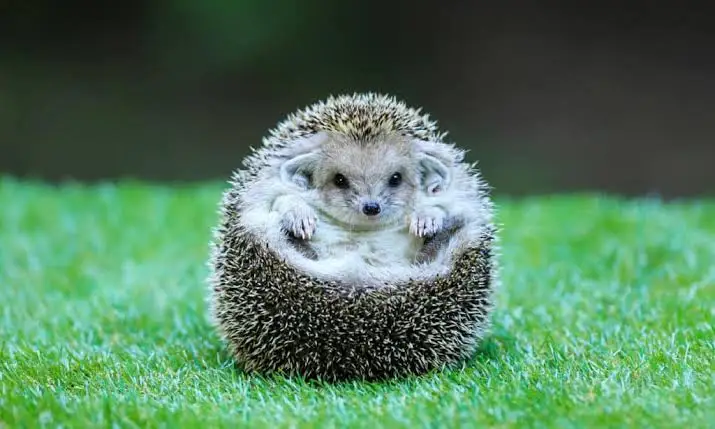
Hedgehogs, often seen as charming little balls of spines, spiny creatures that lack significant strength compared to their animals. Their guarding method relies largely on curling into a tight ball, effectively hiding their sensitive bodies behind a curtain of sharp spikes. Although this tactic provides a level of security against attractive, it highlights a major constraint, they cannot easily run away or engage in a direct fight.
nevertheless, these animals possess a level of toughness that is often ignored. Beyond their physical limitations, they navigate their environment with surprising ability. delicate for insects and worms at night, they showcase a clever adaptability that belies their fragile appearance. this nighttime activity further helps them stay clear of various danger, showing how even smaller species can successfully find their place in the wild.
12-Sea Cucumber
Scientific Name: Holothuria atra
Class: Holothuroidea
Diet: Detritivore
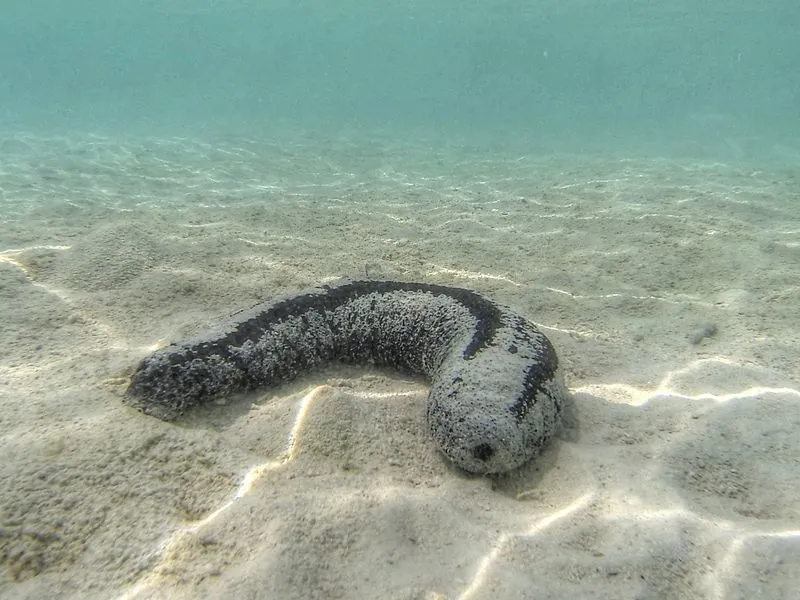
The sea cucumber, often sidelined, represents a unique form of durability despite its soft and unprotected nature. Lacking the hard shells of many marine creatures, these curious echinoderms have developed remarkable protection methods. such as discharging their internal organs to confuse predators. this incredible capacity enables them to persist in demanding underwater habitats, highlighting that true power involves flexibility rather than just raw physical force.
Apart from their protection methods, sea cucumbers play a crucial natural duty in marine ecosystems. this organic reprocess process promotes a thriving aquatic atmosphere, demonstrating an alternative form of influence the impact of contributing to a greater system. Their feeding habits help recycle vital elements, breaking down organic debris and returning essential elements back into the sea floor. In a world that often links power with survival, the sea cucumber serves as a modest lesson of how even the most seemingly fragile creatures can have profound impacts on their surroundings.
13-Star-nosed Moles
Scientific Name: Condylura cristata
Class: Mammalia
Diet: Carnivore
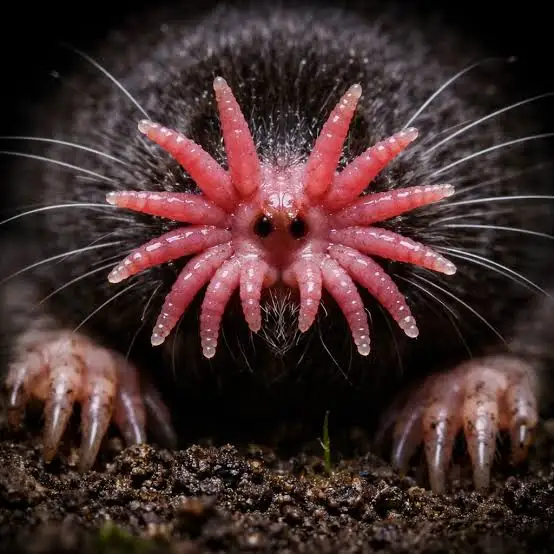
Star-nosed moles, often overlooked as peculiar critters, are surprisingly equipped for survival in the moist, dark ecosystems they inhabit. This sensory marvel allows them to navigate their underground world with incredible accuracy, locating food in complete darkness. With their most remarkable trait the star-like array of 22 fleshy extensions on their snouts, making them far more than just vulnerable animals. they possess a mind blowing sense of touch Their ability to forage for earthworms and other invertebrates in quick instants is a testament to their adaptability.
While their appearance might lead one to believe they are weak, the star-nosed mole prospers in environments where other creatures might struggle. They have developed a unique lifestyle that prioritizes speed over size, completing foraging tasks in mere seconds a survival tactic in a world where every second counts. Their peculiar adaptations offer a glimpse into a different kind of strength, one rooted in resilience rather than raw power.
14-Koalas:Weakest Animals
Scientific Name: Phascolarctos cinereus
Class: Mammalia
Diet: Herbivore
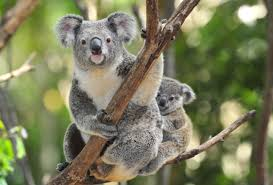
Koalas, often celebrated for their adorable looks and gentle manner, embody a unique puzzle, in the animal kingdom. Despite their cuddly appearance, these marsupials are remarkably exposed.
This dietary limitation forces koalas into a slow moving, energy-conserving lifestyle, making them less resilient to environmental changes and predators. Their diet consists almost exclusively of eucalyptus leaves, which are not only low in nutrients but also toxic in large quantities.
Moreover, habitat destruction has taken a significant toll on koala populations. As urban development oversteps on their natural habitat, these iconic creatures face increasing pressure from climate food sources, disease, and change.
This vulnerability highlights an urgent need for conservation efforts, but for maintaining the ecological balance in the regions they inhabit. protecting their environments is crucial not just for their survival,
15-Goats
Scientific Name: Capra hircus
Class: Mammalia
Diet: Herbivore
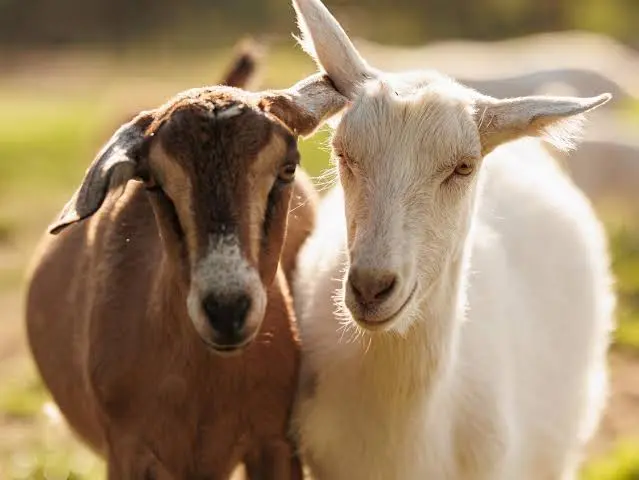
Goats often get a bad rap for their perceived weakness, yet they showcase an unexpected toughness worthy of respect. These creatures have a remarkable ability to adapt to various environments Despite their smaller stature and gentle demeanor, , from rocky mountains to arid deserts. In fact, their unique digestive system allows them to thrive on seemingly inedible plants, transforming tough foliage into necessary sustenance.
Moreover, their social size reveals a depth often overlooked. Goats form unified herds, relying on each other for protection and companionship. In essence,, challenging our perceptions of vulnerability in the animal kingdom, while they may appear weak, goats symbolize a subtler strength rooted in adaptability and social bonds. This collective strength goes beyond mere survival, it fosters cooperation and helps them navigate dangers together.
Final Thoughts
The exploration of the weakest animals reveals much about the complex balance of nature. Many of these seemingly weak beings display extraordinary survival strategies, showcasing that vulnerability does not equate to imperfection. As we reflect on these unique adaptations, it becomes clear that every creature has its place in the natural order. Let’s celebrate the strength found in diversity and work to protect all species, no matter how weak they may appear. Whether they are using concealment to evade predators or forming mutually relationships, their survival stories are nothing short of impressive.
FAQs
Post navigation
What animals are weak?
koalas, star-nosed moles, and goats are weak.
What is the weakest animals in the world?
The Tardigrade(water bear)is often considered the weakest animals because it is tiny, slow-moving and easily by predators.