Hidden World of Badgers in Maine: Facts & Diet
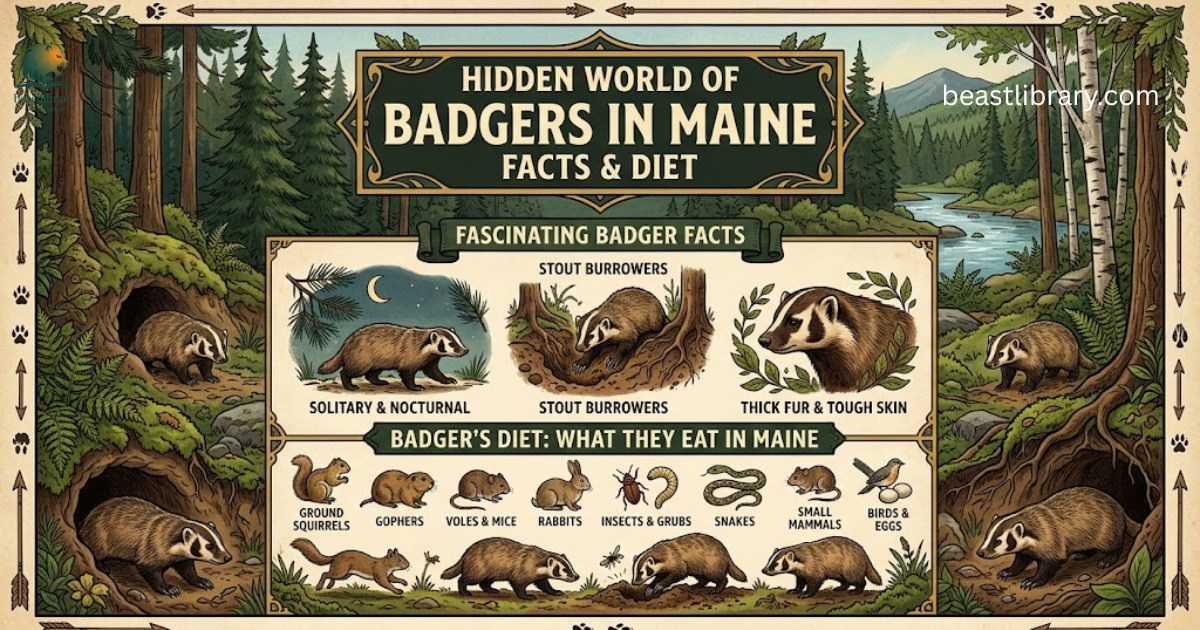
The Hidden World of Badgers in Maine holds many secrets deep beneath the state’s soil. These powerful animals are master diggers, using long claws to build massive tunnels for shelter. Badgers in Maine feed on small mammals like mice, voles, ground squirrels, and wild rabbits.
Are there badgers in Maine?
Contrary to popular belief, badgers are not a common sight in Maine. While these robust creatures are often associated with the Midwest and parts of the West in the U.S. Their presence in the Pine Tree State is virtually nonexistent. They are short leg animals.
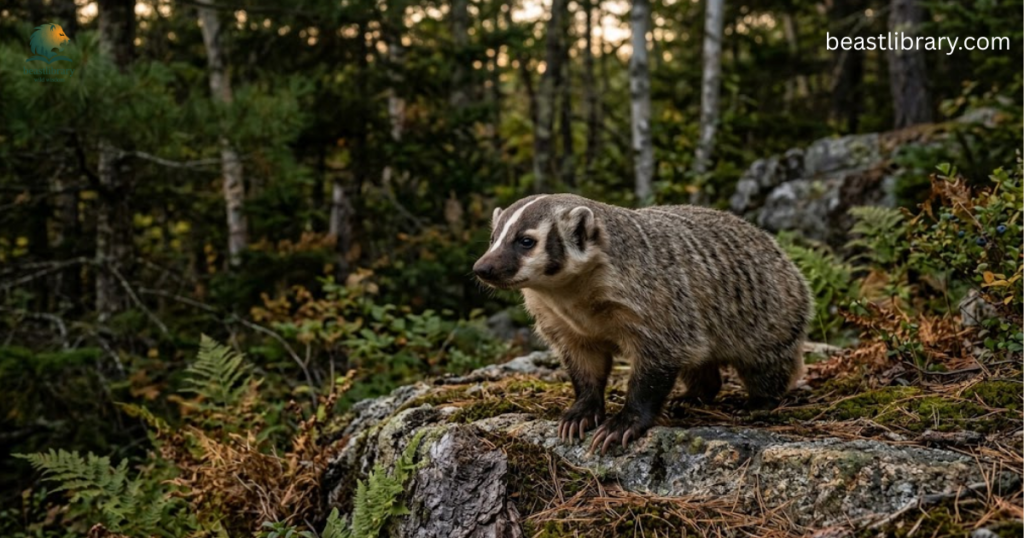
Sightings are rare, and reports generally indicate that any badgers observed are likely wanderers from neighboring regions. This absence highlights a curious aspect of Maine’s ecology, where the climate and landscape favor a different set of native wildlife.
The state’s golden fields and dense forests are home to many species, making them a priority for conservation. Efforts to understand and maintain the delicate balance of Maine’s ecosystems focus on protecting native animals that thrive in this environment.
Badgers In Maine
- Habitat
- Colour
- Diet
- Reproduction
- Predators
- Size, Lifespan And Weight
Habitat
Maine’s diverse ecosystems provide an ideal backdrop for badgers, with their habitats often found in sandy, gritty soils that facilitate easy burrowing. Badger in Maine are typically drawn to open grasslands, agricultural fields. They are stubborn animals of wild.
Their burrows, intricate networks of tunnels, not only serve as homes but also as strategic vantage points for hunting small rodents and insects. The presence of badgers can have a ripple effect on the local ecosystem.
Colour
Badgers in Maine are often cloaked in a striking blend of muted browns and grays, which perfectly camouflages them in the state’s diverse habitats. They have big nose..
As nocturnal creatures, these badgers often remain hidden during the day, blending seamlessly into the underbrush or rocky outcrops, allowing them to ambush small mammals, their primary prey.
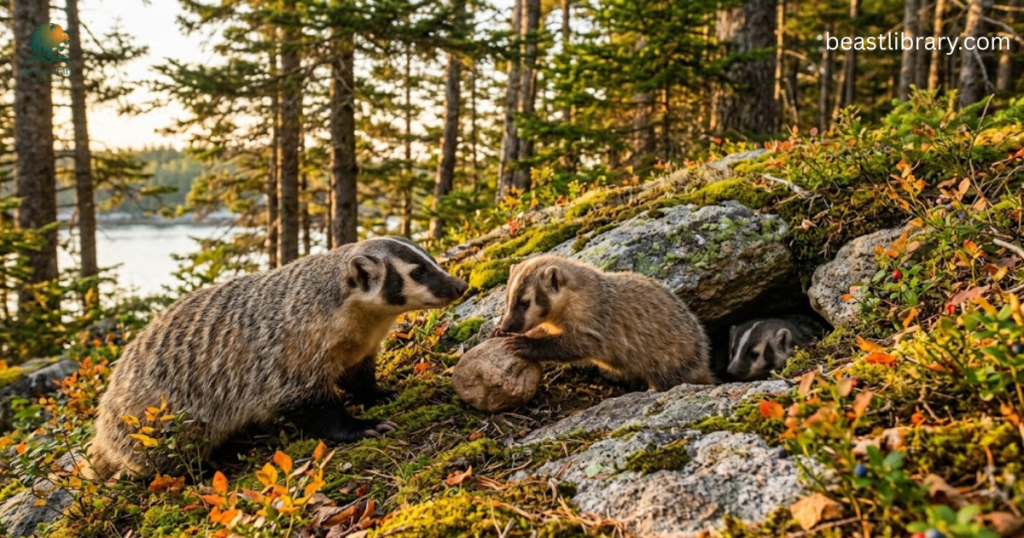
Seasonal shifts in Maine’s landscape also influence how these animals appear. In winter, their thick fur can appear darker, absorbing more heat from the limited sunlight, while in summer, The lighter hues may help to reflect the intense sun, showcasing nature’s adaptation for survival.
Observing a badger in the wild evokes a sense of the rugged beauty of Maine’s wilderness a juxtaposition of their formidable strength and gentle coloration, drawing attention to the complexities of their role within the ecosystem.
Diet
In Maine, badgers exhibit a diverse diet that reflects their opportunistic foraging habits. While they primarily hunt small mammals such as rodents, their palate extends to include a variety of insects, reptiles, and even fruit during the warmer months.
This adaptability not only showcases their role as an ecological balance keeper but also emphasizes their unique behavioral traits; badgers are known to dig up vole tunnels, demonstrating remarkable ingenuity in securing food in tightly hidden spaces.
Reproduction
Reproduction in badgers, particularly in Maine, presents a unique glimpse into the complexities of wildlife adaptation. Badgers typically breed between late winter and early spring, with a unique delay in implantation known as delayed fertilization.
This strategy allows female badgers to time the birth of their young in sync with the availability of food resources, ensuring that their progeny have the best chance of survival during the critical early months.
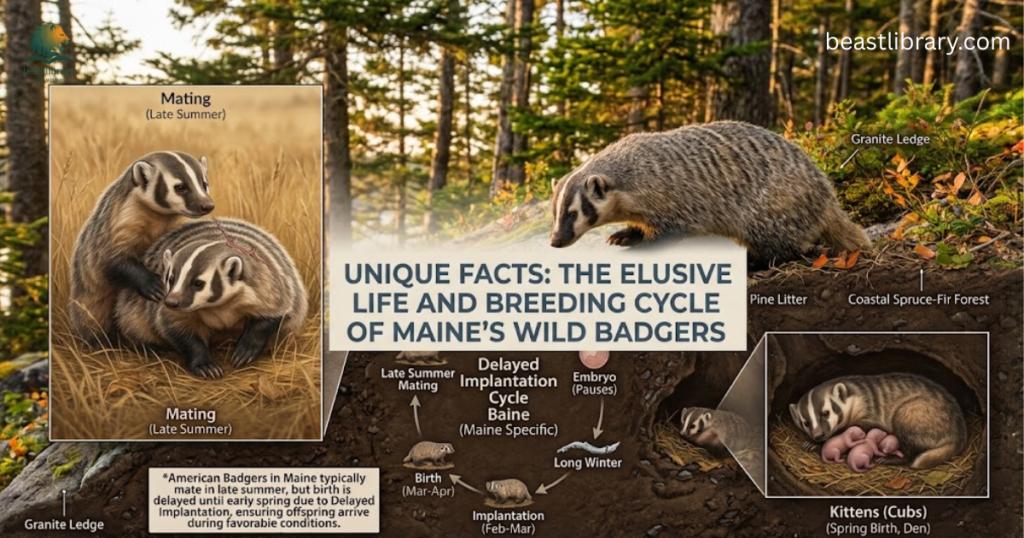
Once the kits are born, typically numbering between one to five, the mother becomes fiercely protective, restricting their initial outings to ensure their safety. This nurturing phase is critical as the young badgers grow rapidly, developing their foraging skills and social behaviors.
The sight of playful kits emerging from their den in the late spring sunshine not only warms the hearts of observers but also highlights the interconnectedness of Maine’s ecosystems.
Predators
Badgers in Maine are often overshadowed by more charismatic wildlife, yet they play a vital role as formidable predators in the ecosystem. These sturdy, stocky mammals thrive in diverse habitats, from fields to forests, showcasing their adaptability.
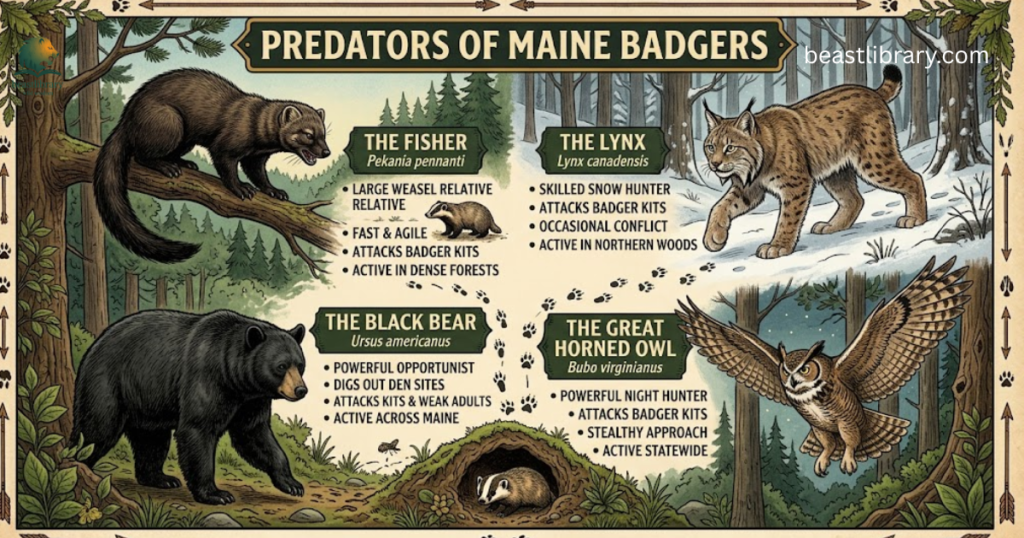
With powerful claws designed for digging, badgers can unearth a variety of prey, from rodents to insects, efficiently controlling animal populations and promoting a healthier balance in their environment.
Their nocturnal habits add an air of mystery to their predatory prowess. While many might envision a silent hunter, badgers are known for their aggressive behavior when threatened, showcasing a boldness that belies their size.
Size, Lifespan And Weight
Badgers in Maine often overlooked due to their elusive nature. Typically averaging about 24 to 30 inches in length, these impressive mammals possess a stout body and short legs, creating an intriguing profile that blends speed and agility with a robust build.
Weighing anywhere from 15 to 30 pounds, Maine’s badgers exhibit sexual dimorphism, with males generally larger than females. This size advantage aids them in territorial disputes and during the mating season, showcasing the importance of physicality in their survival.
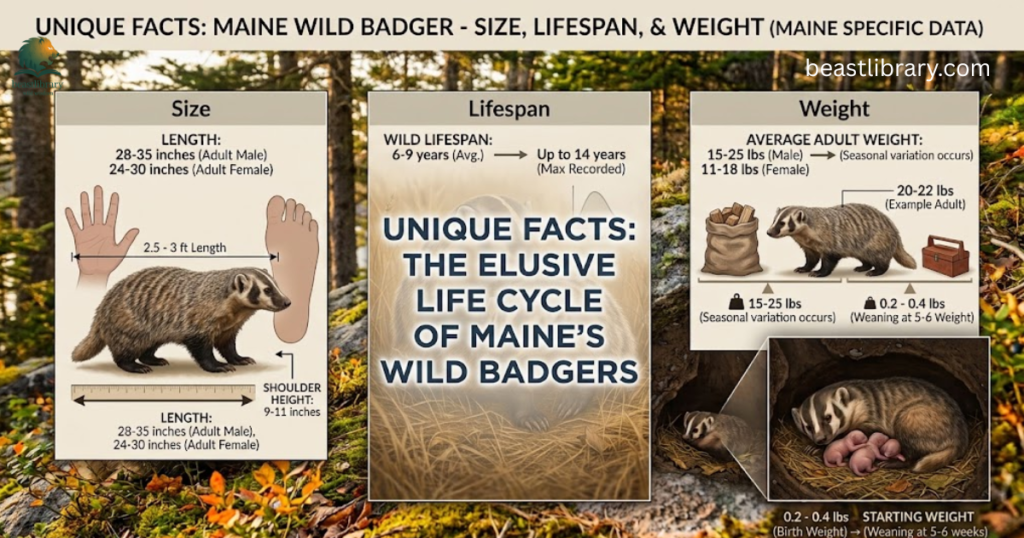
In terms of lifespan, badgers in the wild can live around 5 to 7 years, although some individuals have been known to reach up to 14 years when conditions are favorable. Their longevity is often influenced by factors such as habitat quality, food availability, and predation risks.
Badgers’ burrowing behavior not only helps them evade predators but also creates a complex underground network that serves other wildlife. They live in Prairies grassland.
Conclusion
A badger in Maine works tirelessly underground, creating crucial shelters that benefit many other animals. Their steady hunting keeps rodent populations healthy and balanced across local habitats. Protecting badger maine helps preserve Maine’s rich biodiversity for generations to come.
FAQs
Are there badgers in maine?
No, badgers are extremely rare in Maine. Unlike western and central U.S. states, Maine does not have a stable badger population, and sightings are very uncommon.
What do badgers eat in the wild?
Badgers mainly feed on small animals such as rodents, rabbits, ground squirrels, insects, and reptiles. Their excellent digging skills help them catch prey hiding underground.