Top 16 Dirtiest Animals in The World (With Images) 2026
While we often associate Dirtiest Animals in The World to disease and filth, many of these creatures play crucial roles in our ecosystems and challenge our perceptions of cleanliness. Prepare to be astonished by the complexity of nature and the resilience of these often-misunderstood beings.
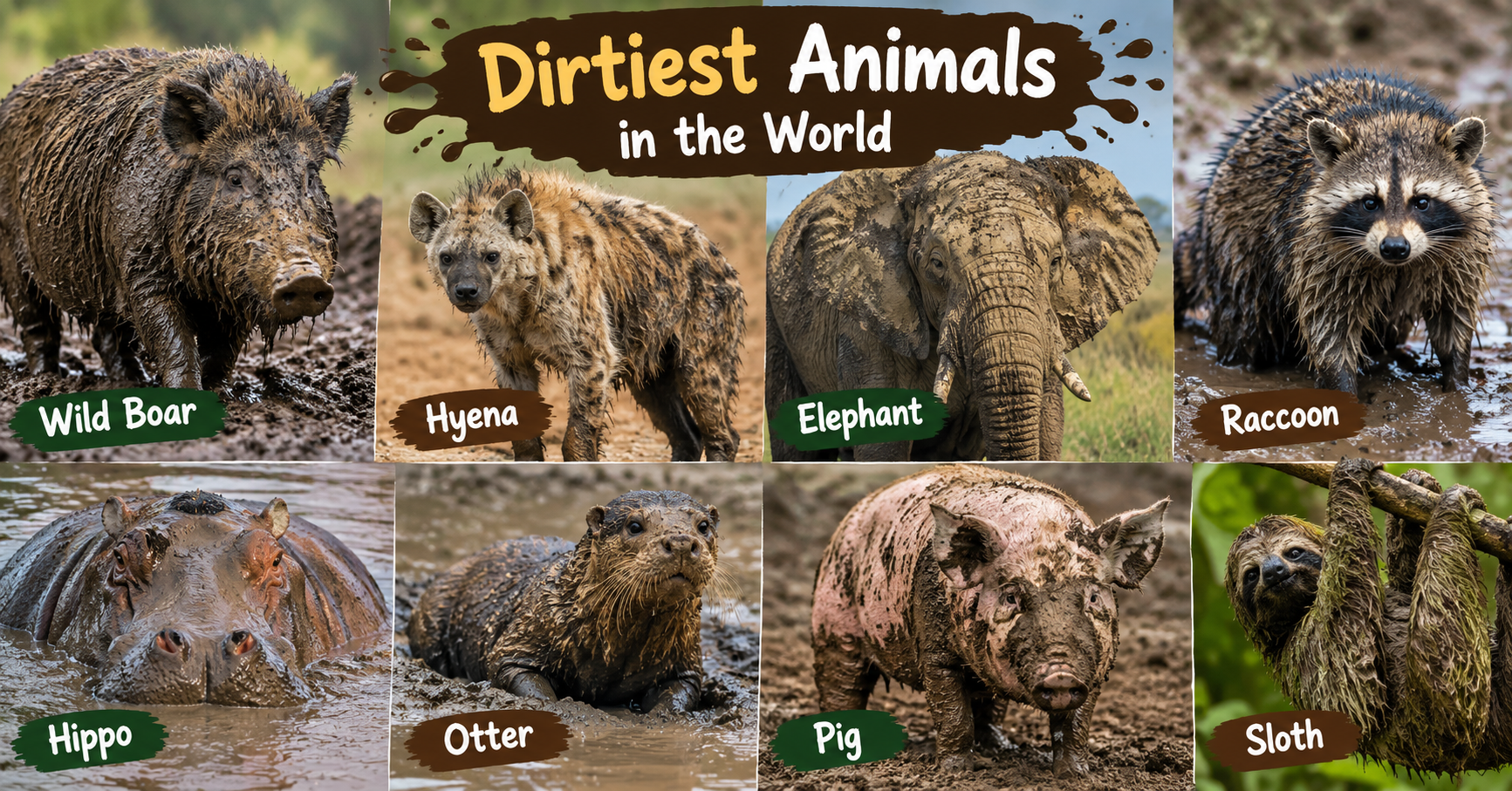
List of Dirtiest Animals in The World
Below is the list of most dirtiest animals in the world:
- Pigs
- Pigeons
- Cockroaches
- Crows
- Vultures
- Rats
- Flies
- American Bison
- Raccoons
- Hyenas
- Dung Beetles
- Frogs
- Sloths
- Hippos
- Cape Buffalo
- Wild Boars
1. Pigs
Scientific Name: Sus scrofa domesticus
Class: Mammalia
Diet: Omnivore
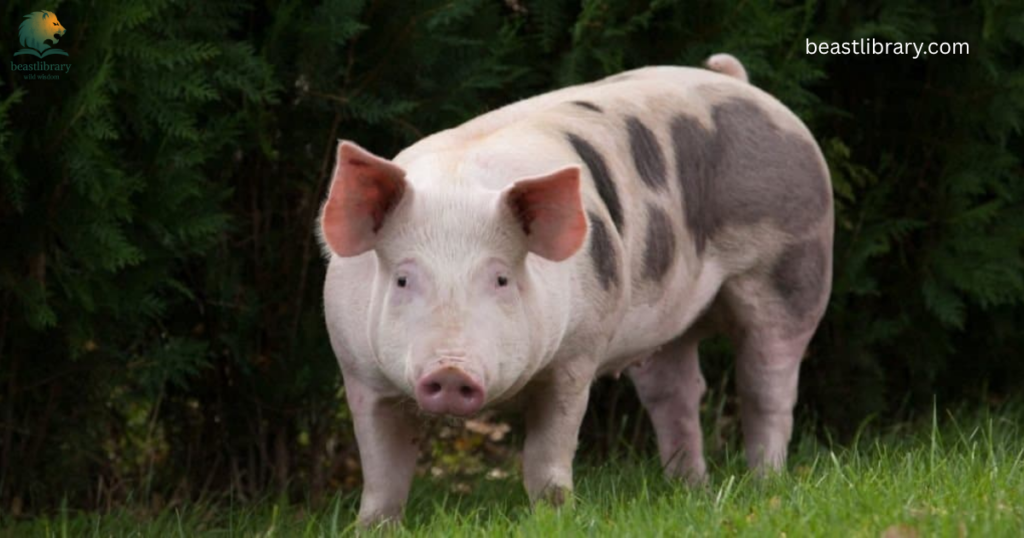
Pigs often get a bad reputation for their mud-loving antics, but this perception overlooks their remarkable intelligence and social dynamics. While their love for wallowing in the dirt might suggest a lack of hygiene, this behavior actually serves crucial purposes it helps regulate their body temperature and protects their skin from sunburn and parasites.
Pigs are far more fastidious than many believe; they’ll designate specific areas for eating, sleeping, and relieving themselves, demonstrating a natural sense of cleanliness within their environment.
2. Pigeons
Scientific Name: Columba livia
Class: Aves
Diet: Omnivore
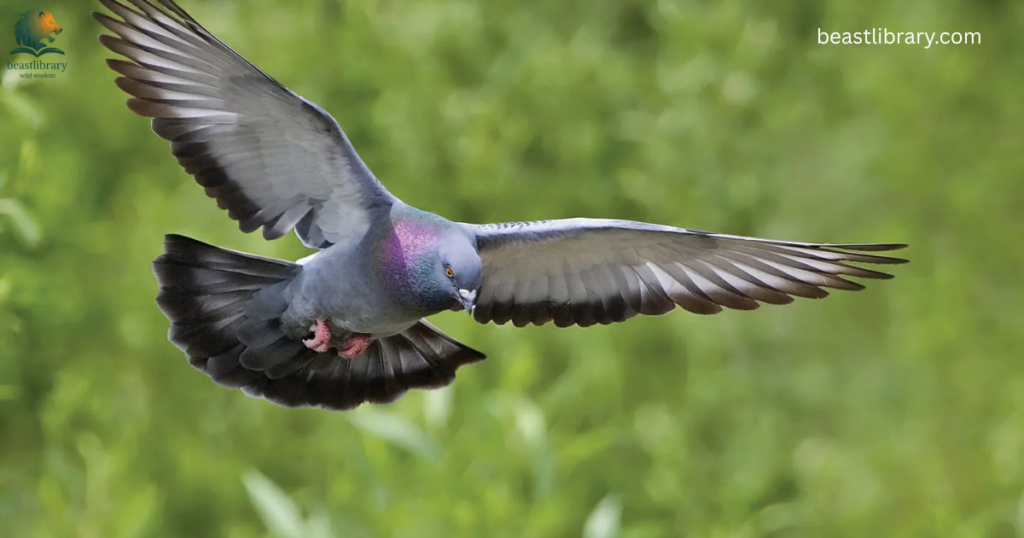
Pigeons, often dismissed as urban nuisances, are good when you dig deeper. Their adaptability is unmatched; these filthiest animals in the world thrive in bustling cities, feasting on scraps while acting as a living testament to resilience.
But it’s not just their survival skills that captivate it’s their intricate social behaviors. These birds form complex hierarchies, engage in affectionate bonding, and even display remarkable problem-solving abilities, showcasing a level of intelligence that often goes unnoticed amid their dirty reputations.
3. Cockroaches
Scientific Name: Periplaneta americana
Class: Insecta
Diet: Omnivore
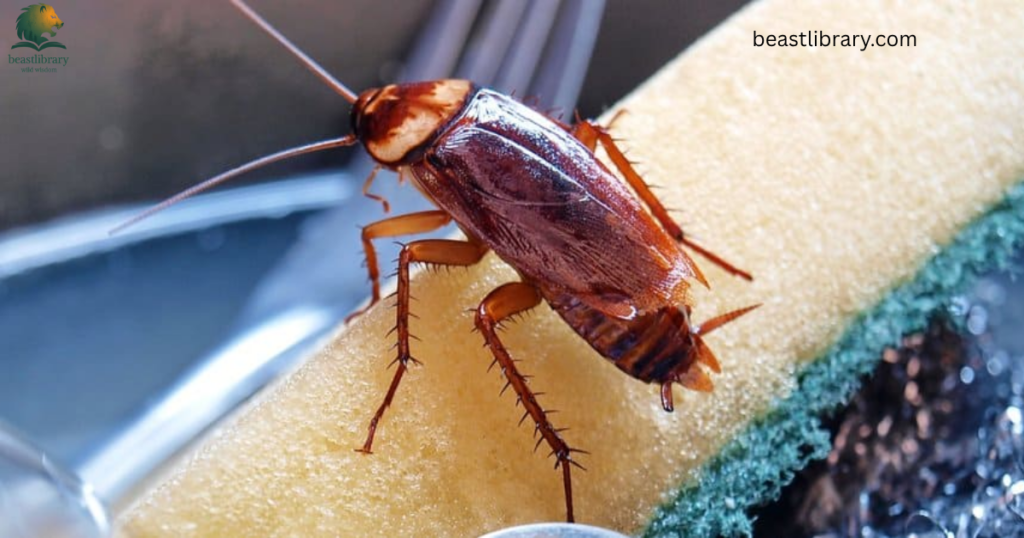
Cockroaches often reign supreme in discussions about the dirtiest animals, but there’s more to their story than simply being grungy pests. These resilient creatures can thrive in environments filled with bacteria, thanks to their unique digestive systems.
Their gut microbiota can break down complex organic matter, enabling them to detoxify even the most contaminated surroundings. While this ability is impressive, it also means they can transport pathogens on their bodies, they are disease carrying pests.
4. Crows
Scientific Name: Corvus brachyrhynchos
Class: Aves
Diet: Omnivore
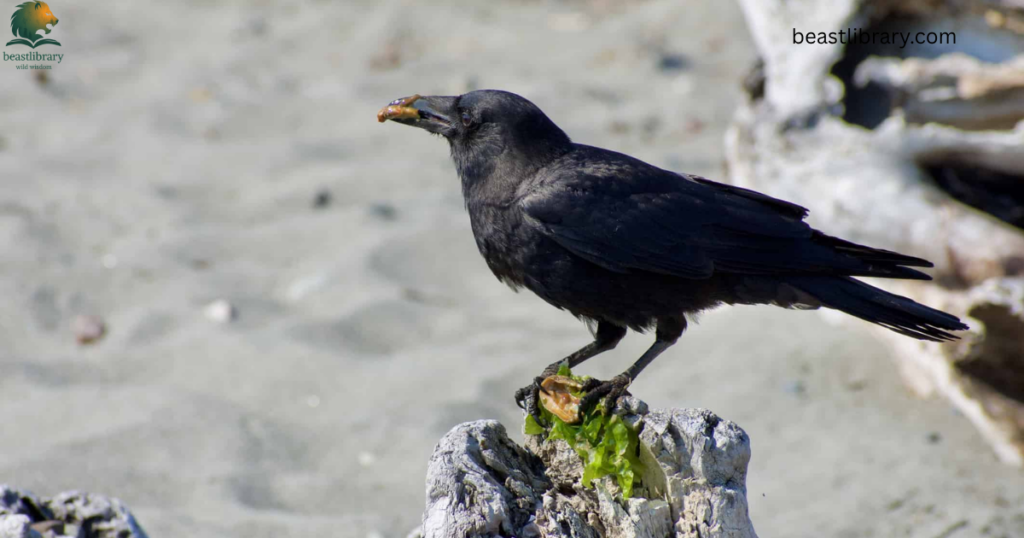
Crows, often hailed as the cleverest birds in the avian world, are also some of the messiest. Their carrion eaters and scavengers lead them to rummage through urban refuse, whether it’s tearing open garbage bags or raiding picnic baskets.
This foraging behavior is not just a means of survival; it showcases their impressive problem-solving skills. A crow can even remember faces and associate humans with food sources, making them a little unsettling to encounter in city parks.
5. Vultures
Class: Aves
Diet: Carnivore / Scavenger
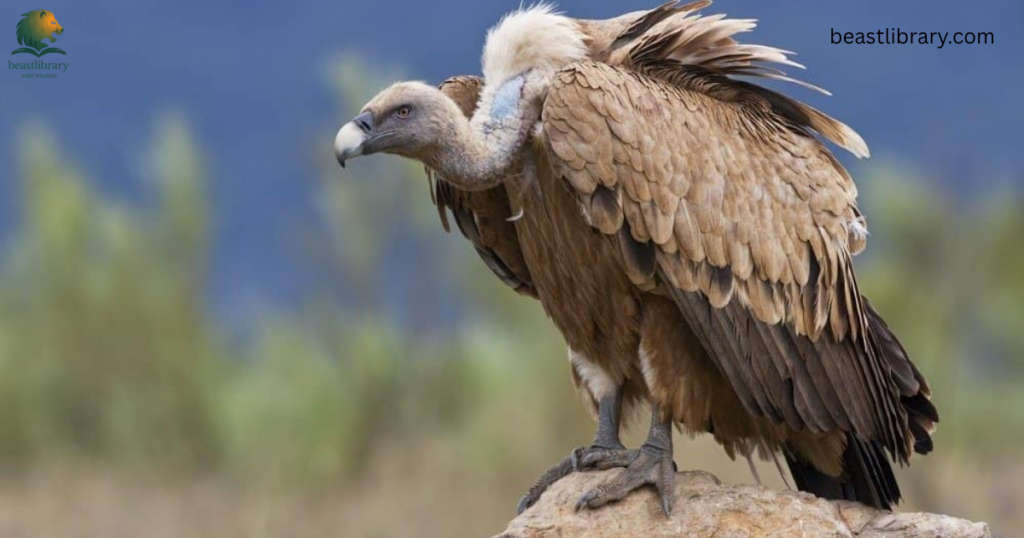
Vultures often evoke thoughts of decay, yet they play an essential role in our ecosystems, acting as nature’s cleanup crew. Despite their reputation, these birds boast a remarkable set of adaptations that make them essential in preventing the spread of disease.
Their highly acidic stomachs can neutralize harmful pathogens, allowing them to consume rotting carcasses without falling victim to the very bacteria that could devastate other animals. This unique digestive ability positions them as unsung heroes in maintaining ecological balance.
6. Rats
Scientific Name: Rattus norvegicus
Class: Mammalia
Diet: Omnivore
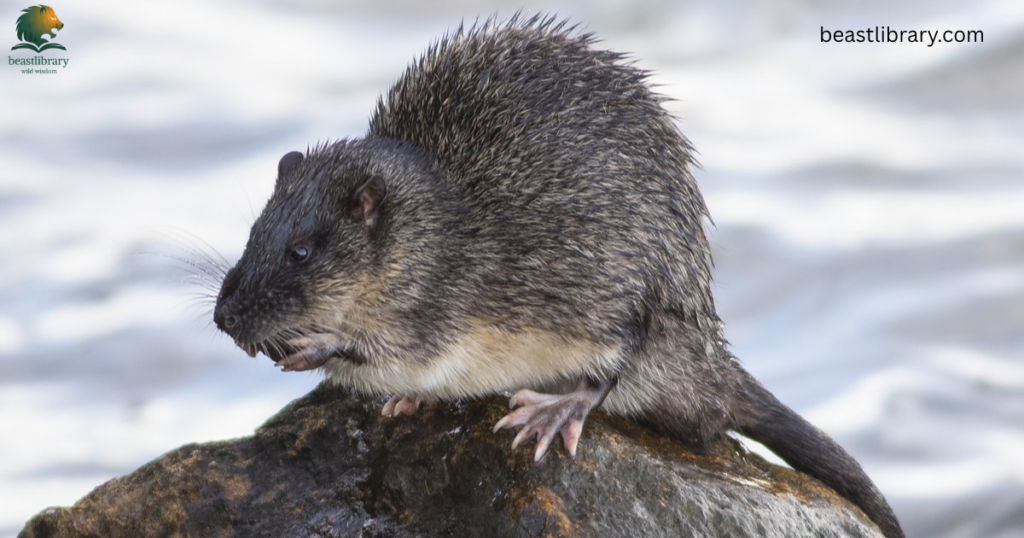
Rats often evoke images of filth and disease, yet they possess an incredible adaptability that makes them resilient. These creatures thrive in urban environments, exploiting our waste and one of the disgusting animal rankings, leftover scraps with impressive ingenuity.
What many don’t realize is that their seemingly dirty lifestyle has granted them a remarkable immune system, allowing them to resist pathogens that would incapacitate other animals. In essence, their filth may just be a ticket to survival in the urban jungle.
7. Flies
Scientific Name: Musca domestica
Class: Insecta
Diet: Omnivore
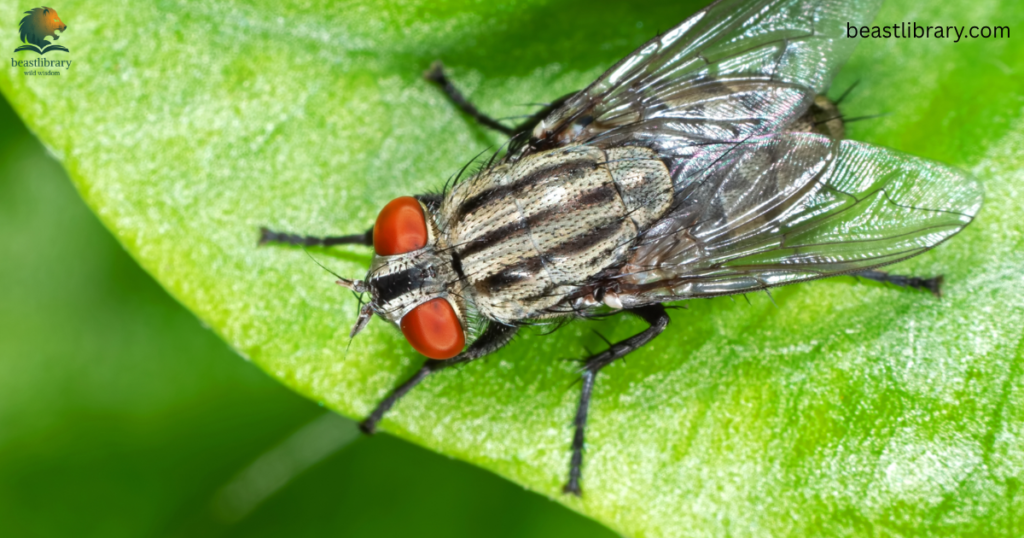
Flies are often overlooked as mere nuisances buzzing around our food, but their role in the ecosystem is surprisingly complex. Beyond their irritating presence, these creatures serve as pivotal scavengers, helping to break down decaying organic matter.
This natural process not only recycles nutrients back into the soil but also supports a rich food web, benefiting countless other species. Their rapid reproduction laying hundreds of eggs at a time ensures that they thrive in even the most challenging environments, from bustling kitchens to remote forests.
8. American Bison
Scientific Name: Bison bison
Class: Mammalia
Diet: Herbivore
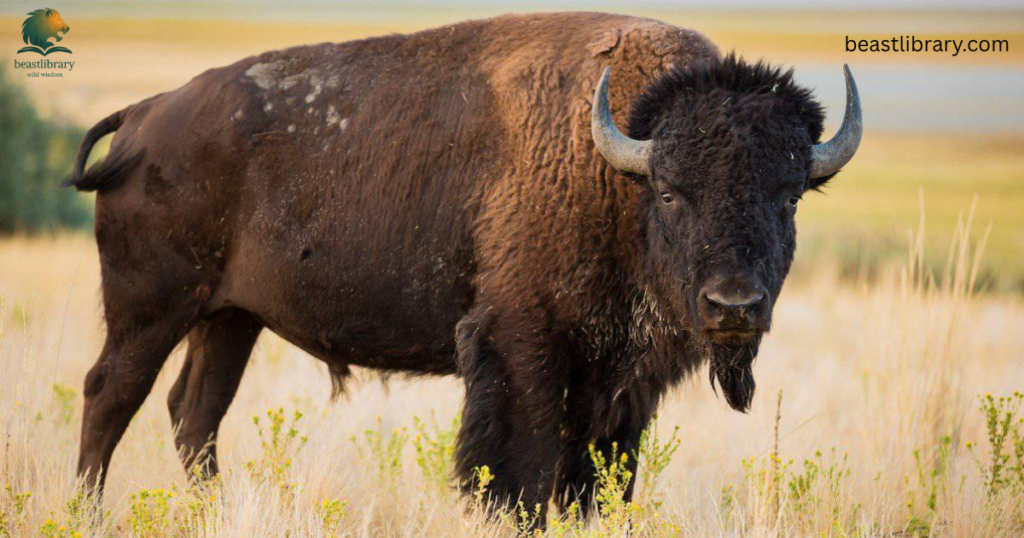
The American bison, often romanticized as a symbol of the wild American west, carries a reputation that diverges sharply from its majestic image. Known for their massive bulk and shaggy fur, these animals can be one of the Dirtiest Animals in The World.
Bison spend a considerable part of their day rolling in mud and dust, an instinctual behavior known as wallowing. This muddy ritual serves multiple purposes: it helps regulate their body temperature, protects their skin from the harsh sun, and, perhaps most importantly, acts as a natural insect repellent.
9. Raccoons
Scientific Name: Procyon lotor
Class: Mammalia
Diet: Omnivore
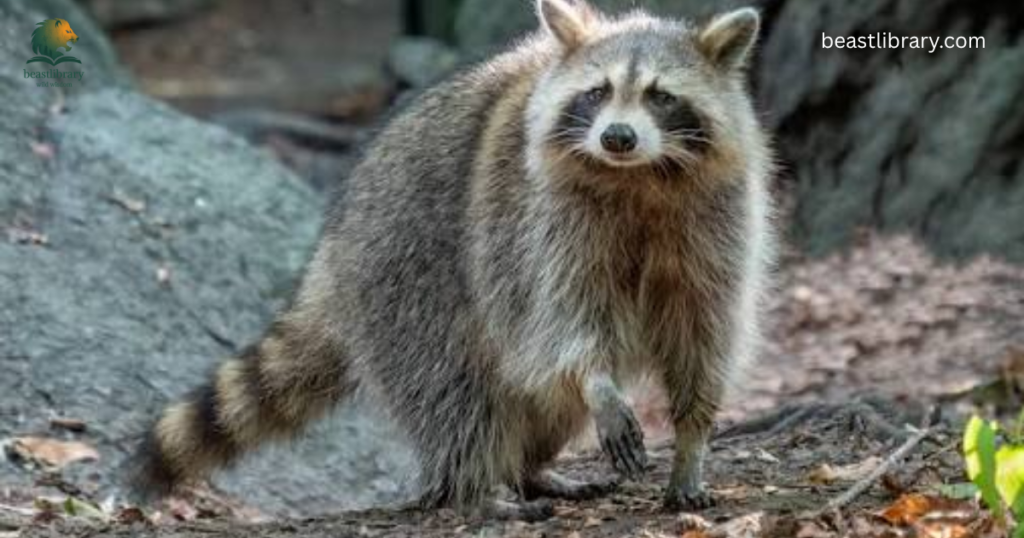
Raccoons, often dubbed as nature’s mischievous bandits, have an uncanny ability to thrive in urban environments, turning their scavenging reputation into an art form. With dexterous paws skin to human hands, these creatures can open containers, unlock gates, and rummage through trash cans, showcasing a level of intelligence that both intrigues and appalls.
Their natural curiosity leads them to explore, giving them a reputation for being Dirtiest Animals in The World, but it is this very tenacity that makes them surprisingly adaptable survivors in a rapidly changing world.
10. Hyenas
Scientific Name: Crocuta crocuta
Class: Mammalia
Diet: Carnivore / Scavenger
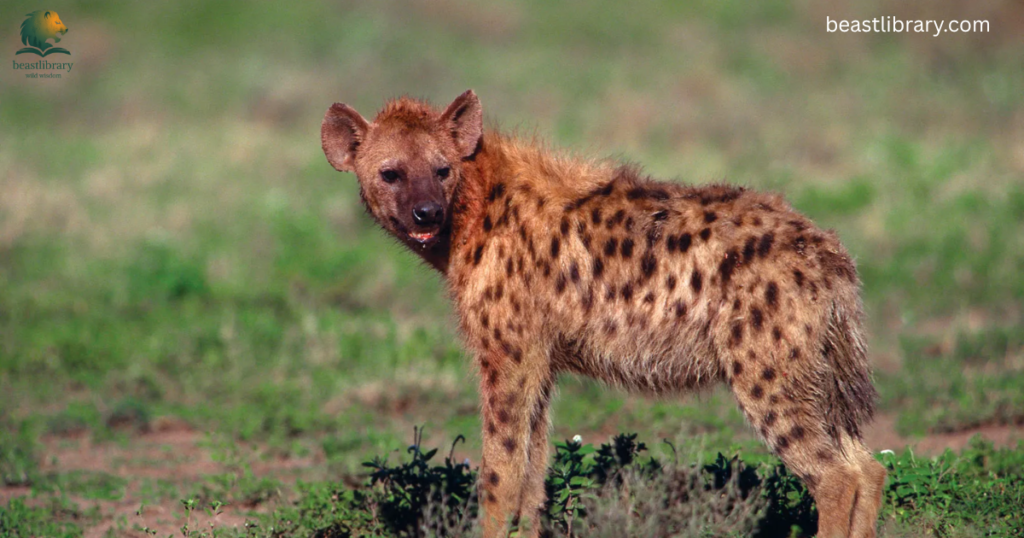
Hyenas often evoke a sense of revulsion due to their scavenging habits, but these misunderstood creatures are far more complex than their reputation suggests. Notably, their social structures resemble those of primates, characterized by intricate hierarchies and strong familial bonds.
This communal approach to life allows hyenas to efficiently scavenge and hunt, showcasing not just the savagery often attributed to them but also their remarkable intelligence and adaptability.
11. Dung Beetles
Class: Insecta
Diet: Coprophagous
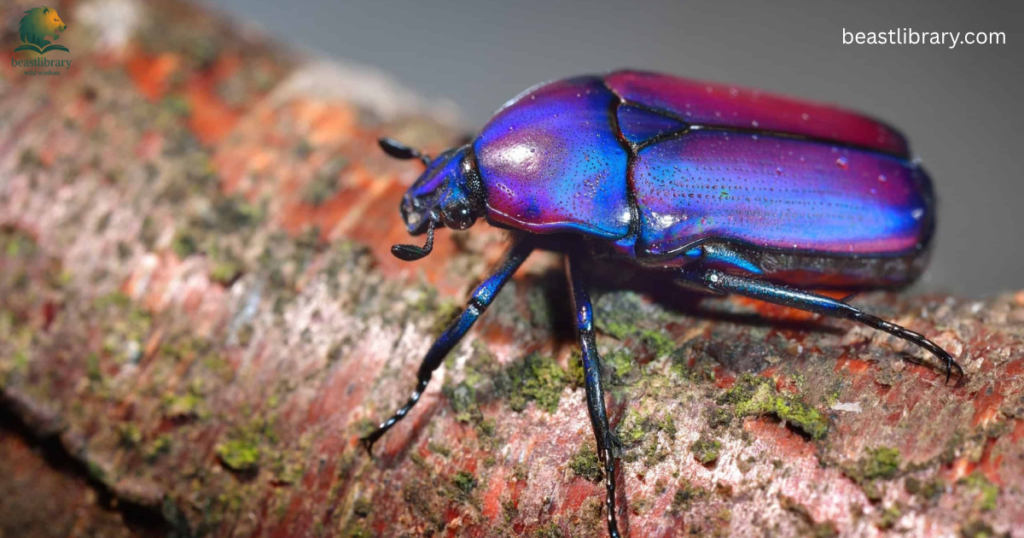
Dung beetles, often seen as the unsung heroes of the ecosystem, transform what many consider repulsive into a crucial natural resource. These industrious insects play a vital role in nutrient cycling, breaking down animal waste and returning essential nutrients to the soil.
Their unique behaviors, such as rolling and burying dung, not only alleviate the foul odors associated with waste but also prevent the spread of parasites, making them ecological champions.
12. Frogs
Class: Amphibia
Diet: Carnivore
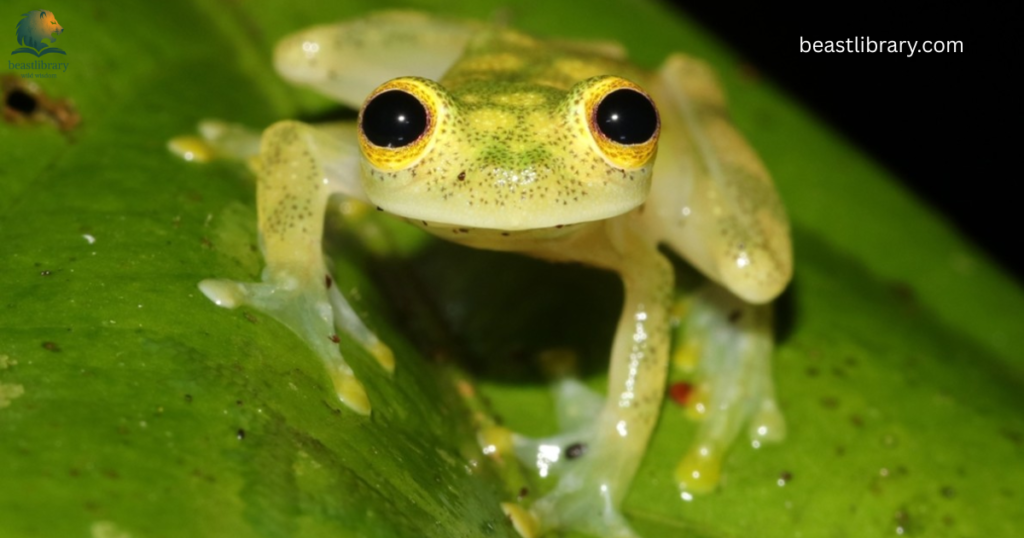
Frogs may not immediately spring to mind when considering Dirtiest Animals in The World, yet their unique lifestyles and habitats often lead them to inhabit environments teeming with bacteria and parasites.
Amphibians thrive in wet, sometimes murky environments where they are constantly on the move, jumping between terrain that often includes decomposing organic matter. This proximity to decay can foster a range of microscopic organisms that hitch rides on their slimy skin, essentially turning these creatures into unwitting hosts for environmental pathogens.
13. Sloths
Scientific Name: Bradypus variegatus
Class: Mammalia
Diet: Herbivore
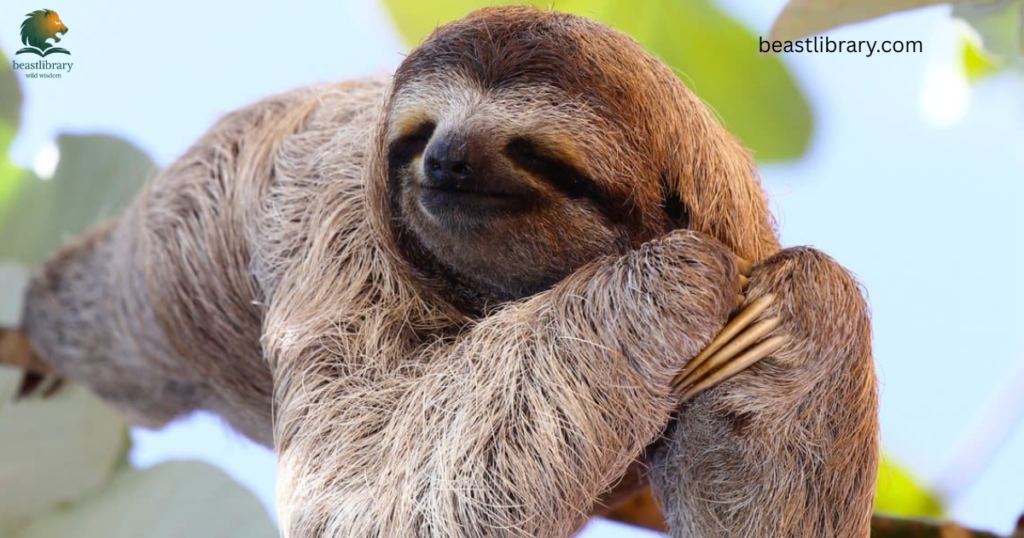
Sloths, often celebrated for their relaxed demeanor and slow-motion lifestyles, have garnered a surprising reputation as some of the Dirtiest Animals in The World.
Their fur is home to a variety of microorganisms, including algae, which can give them a green tint and serve as a form of camouflage. This unique symbiosis not only provides a protective color but also aids in attracting insects that sloths devour.
14. Hippos
Scientific Name: Hippopotamus amphibius
Class: Mammalia
Diet: Herbivore
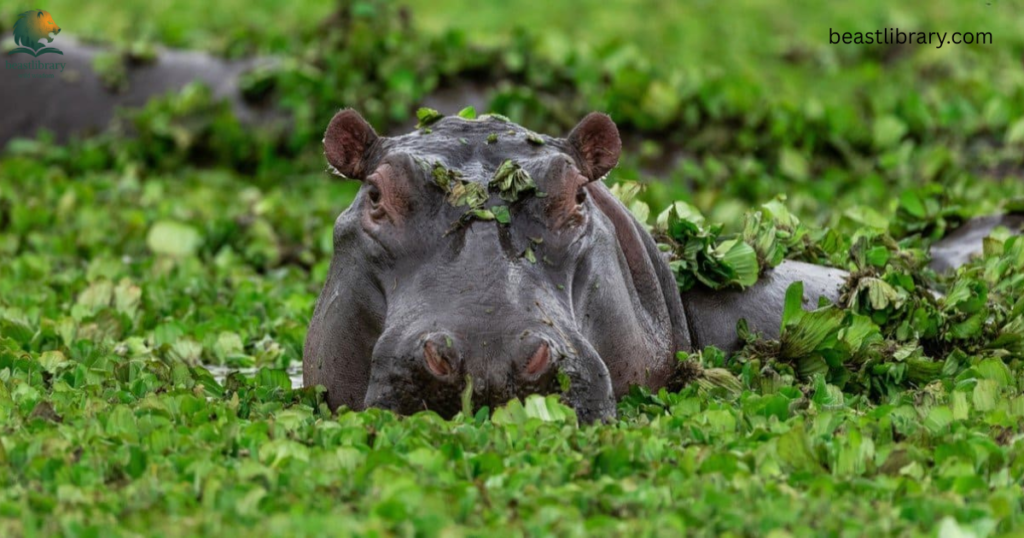
Hippos, often romanticized as adorable river dwellers, harbor a surprising truth beneath their rotund exteriors they are among the dirtiest animals on the planet. While most people envision hippos lounging languidly in water, the reality is far grimmer.
These massive creatures spend much of their day submerged, yet this does little to keep them clean. In fact, they secrete a thick, oily substance often referred to as “blood sweat,” which is a mix of sweat and oil.
15. Cape Buffalo
Scientific Name: Syncerus caffer
Class: Mammalia
Diet: Herbivore
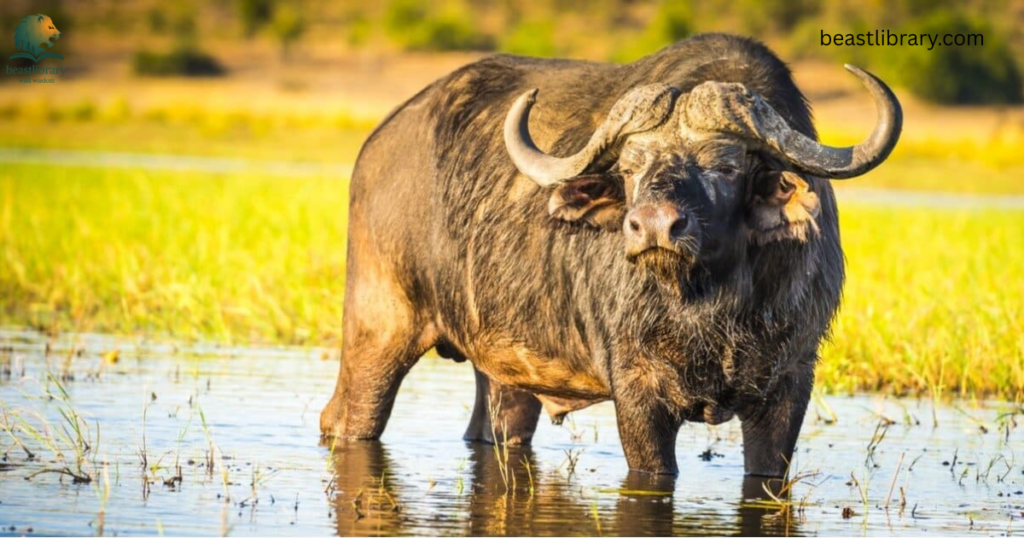
The Cape buffalo, often viewed as a symbol of untamed wilderness, carries a reputation that’s as robust as its physique. Known for their remarkable resilience, these animals are not only fierce but also unapologetically dirty, often wallowing in muddy waterholes.
This behavior is more than mere indulgence it serves a crucial function in regulating their body temperature and protecting their skin from biting insects and sunburn. The muck shields their sensitive skin, acting as a natural sunscreen and repellent.
16. Wild Boars
Scientific Name: Sus scrofa
Class: Mammalia
Diet: Omnivore
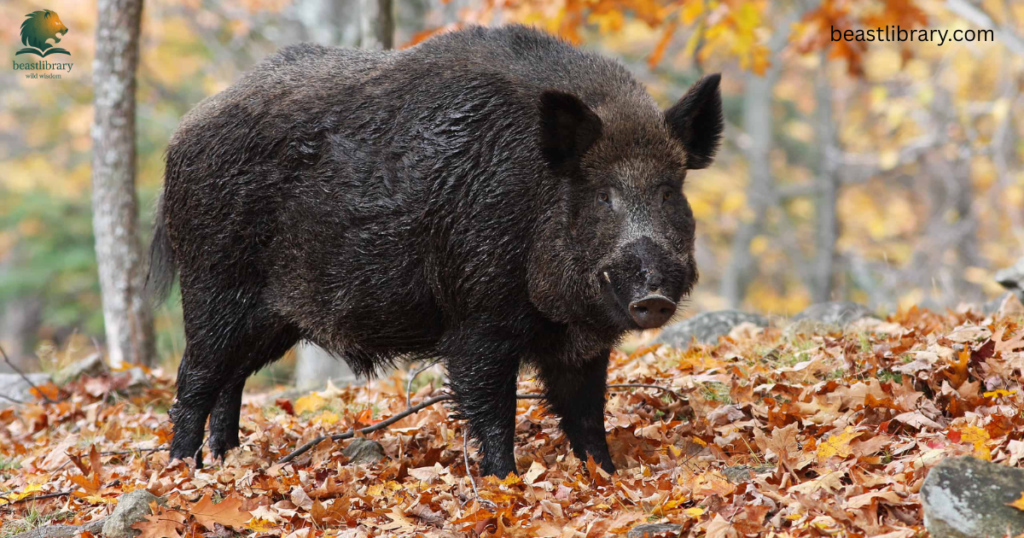
Wild boars are often mischaracterized as simply dirty creatures, but this reputation oversimplifies their complex behavior. These cunning animals thrive in diverse environments, exhibiting a remarkable adaptability that speaks to their intelligence.
While they may roll in mud to cool off and ward off parasites, this seemingly filthy behavior serves a dual purpose, acting as a natural sunscreen against the harsh sun.
Final Thoughts– Dirtiest Animals in The World
Dirtiest Animals in The World may initially elicit a sense of disgust, they play crucial roles in maintaining ecological balance. From scavengers like vultures to creatures like the common housefly, these animals contribute to the decomposition process and help manage waste in their environments.
FAQs
What is the dirtiest animal in the world?
The title of the dirtiest animal often goes to the pig. Pigs are infamous for their love of rolling in mud and filth, which helps them cool down and protect their skin from sunburn and parasites.
Are pigs the dirtiest animals?
Pigs often get a bad reputation for being dirty, but this isn’t entirely accurate. While they do roll in mud, this behavior is essential for their health. The mud helps cool them down and protects their skin from the sun and pests.
What is the most gross animal?
The blob fish often tops lists of the “grossest” animals, and it’s easy to see why. Its jelly-like, saggy body looks more like a discarded pile of goo than a creature from the ocean. Found deep in the waters off Australia and New Zealand, its appearance is largely due to the extreme pressure in its natural habitat.