Top 13 Small Monkey Breeds: Facts (With Images)
Small Monkey Breeds around the world attract animal lovers with unique behaviors, looks, and complex social structures to the wild. These small monkey communicate through complex, high-pitched ultrasonic calls that humans cannot even hear.
List of Small Monkey Breeds
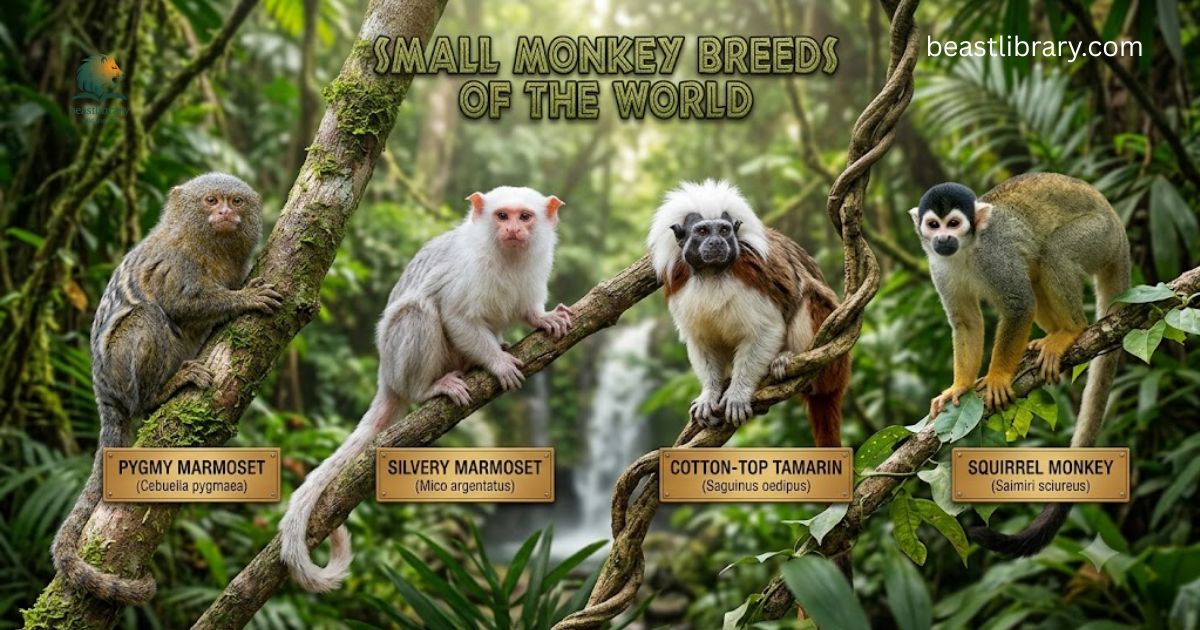
Below is the types of small monkeys in the world:
- Common Marmoset
- Squirrel Monkey
- Talapoin Monkey
- Graells’s Tamarin
- Pygmy Marmoset
- Tarsiers
- Golden Lion Tamarin
- Night Monkey
- Cotton‑Top Tamarin
- Silvery Marmoset
- Red-handed Tamarin
- Dusky Titi
- Capuchin Monkey
1- Common Marmoset
Scientific name: Callithrix jacchus
Size: 18–23 cm body length; tail 28–35 cm
Weight: 250–350 g
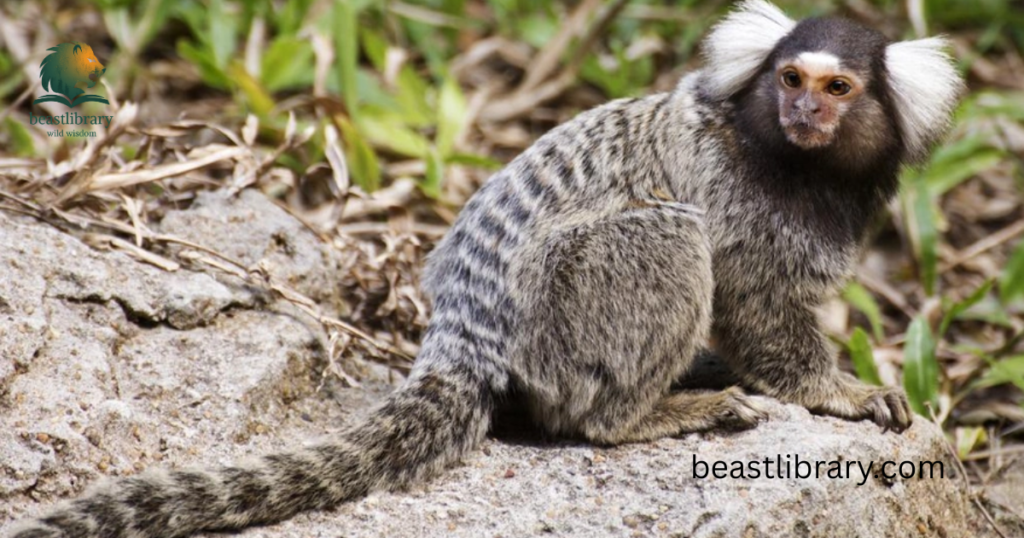
The Common Marmoset is a small monkey found in the forests of South America, known for its expressive eyes and playful nature. These highly social animals live in groups and their unique vocalizations, facilitate communication & reflect complex social dynamics.
They mainly eat insects and tree sap, while their agility allows them to move quickly through trees and find food efficiently. Scientists are still studying how they decide where and when to search for food.
Fun fact: Common Marmosets can rotate their heads up to 180 degrees, helping them stay alert and spot predators easily.
2- Squirrel Monkey
Scientific name: Saimiri sciureus
Size: 25–35 cm body length; tail 35–42 cm
Weight: 500–1,100 g
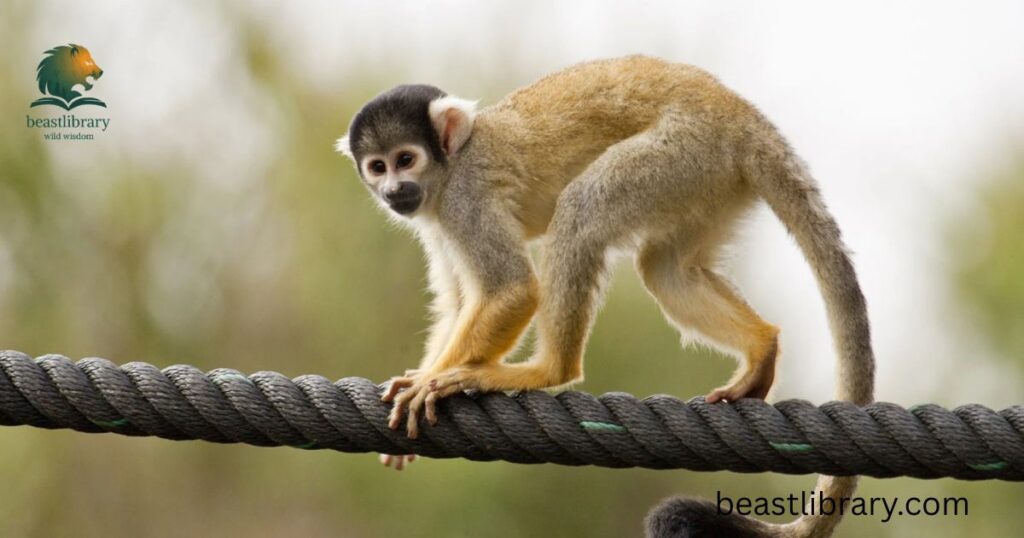
Squirrel monkeys are among the most playful and nimble of the small monkey breeds, known for their yellow, black fur and expressive faces. They are energetic animals have ability to leap and swing through trees in the wild.
They communicate through a wide range of vocalizations that express both information and emotions, reflecting their intelligence and complex social structure. Their diet is mainly fruit-based as this animal love to eat oranges but they also eat insects and small animals.
Fun fact: Squirrel monkeys have a large brain compared to their body size, which helps them learn quickly and behave smartly in their social groups.
3- Talapoin Monkey
Scientific name: Miopithecus talapoin
Size: 32–45 cm body length
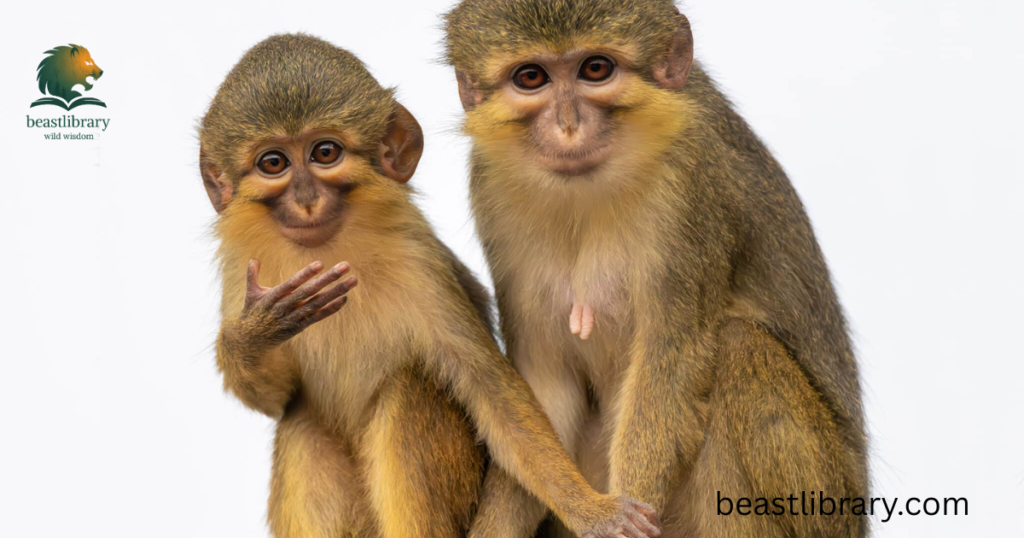
The Talapoin monkey is a charming little primate that belongs to the swamps and forests of Central Africa. They live in groups of 4 to 30 individuals, showing strong communal bonds. Their small size, typically about 4 to 10 pounds, helps them move and find food easily.
They use different sounds to warn each other about danger and to stay together while moving around. This shows they are smart and can communicate well. They are not currently classified as endangered, but their homes are being destroyed, which can be a threat to them in the future.
Fun fact: They are very good swimmers, which helps them move safely through swampy areas and escape from danger.
4- Graells’s Tamarin
Scientific name: Leontocebus graellsi
Size: 20–28 cm body length; tail around 30–42 cm
Weight: 300–500 g
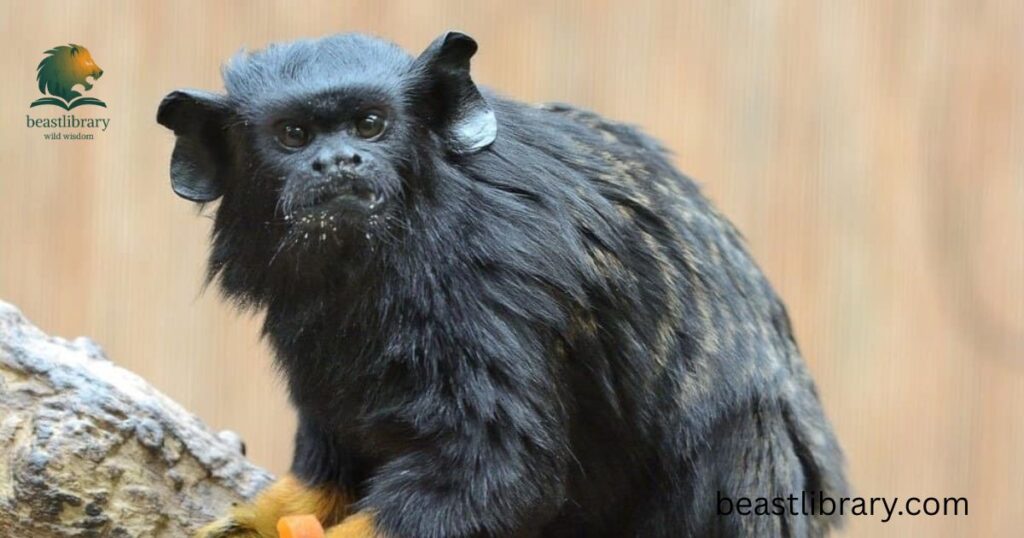
The Graells’s Tamarin is a small primate native to tropical forests of Bolivia and is known for its golden and black fur. It lives in family groups, showcasing complex social behaviors that highlight its intelligence.
It communicates a variety of vocal sounds while moving through the forest canopy. Due to deforestation, habitat loss poses a significant threat to its survival, leading to conservation efforts to protect both its natural environment and social structure.
Fun fact: The Graells’s Tamarin often travels with other monkey species in mixed groups, which helps it stay safer from predators.
5- Pygmy Marmoset
Scientific name: Cebuella pygmaea
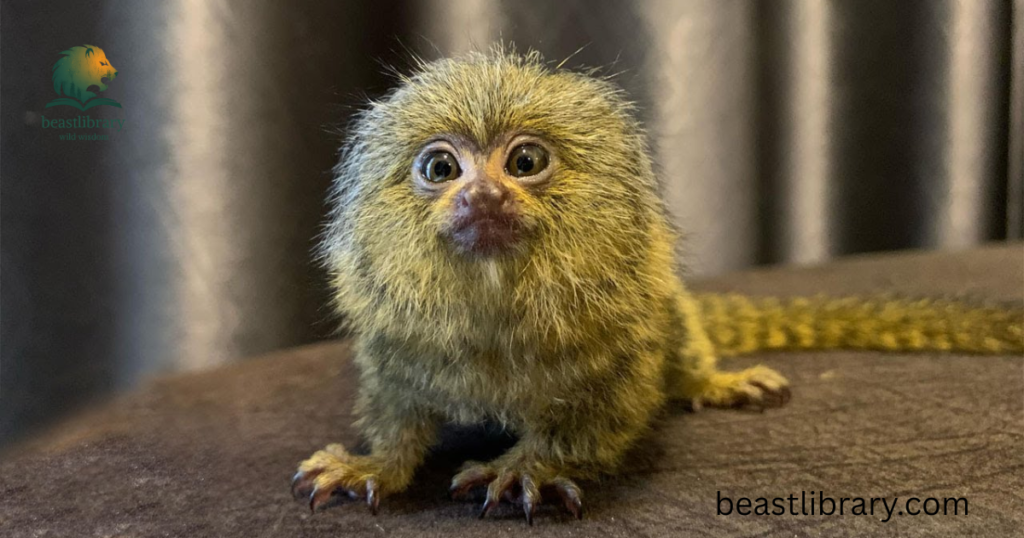
The Pygmy Marmoset is the world’s smallest monkey, weighing about 3.5 ounces and measuring just under 5 inches long. It is known for its very small size face, expressive eyes, and strong claw-like nails that help it cling to tree bark and move rapidly between branches.
These small monkeys are highly social and live in groups. They communicate through different vocal sounds and gestures. In the wild, they help the environment by spreading seeds, which supports rainforest growth and biodiversity.
Fun fact: A Pygmy Marmoset can turn its head almost 180 degrees, helping it stay alert for predators even while staying still on a tree branch.
6- Tarsiers
Size: 9–16 cm body length; tail 20–25 cm
Weight: 80–160 g
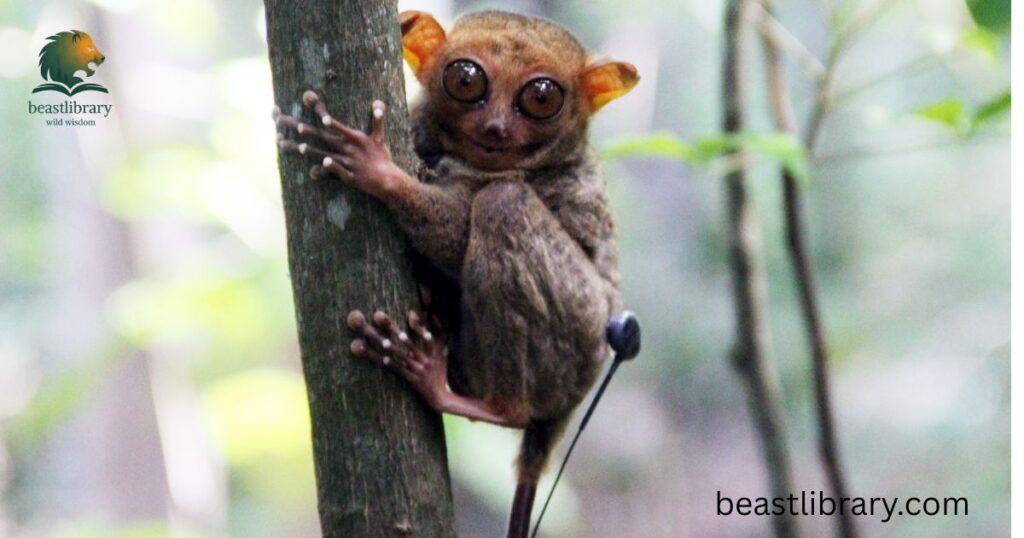
Tarsiers are small primates known for their large eyes and long fingers. They are nocturnal and native to Southeast Asia. They can rotate their heads almost completely to help them hunt prey in forest. They are shy animals of wild. They are small ear animals consider as weakest animals.
They communicate through high-pitched sounds and grooming behaviors, and they live in small family groups that strengthen social bonds. They are threatened by deforestation and human activities. They are animals that can see in the dark.
Fun fact: Tarsiers have eyes that are so large that each eye is almost the same size as their brain, helping them see extremely well at night.
7- Golden Lion Tamarin
Scientific name: Leontopithecus rosalia
Size: 20–34 cm body; tail 32–40 cm
Weight: 450–800 g
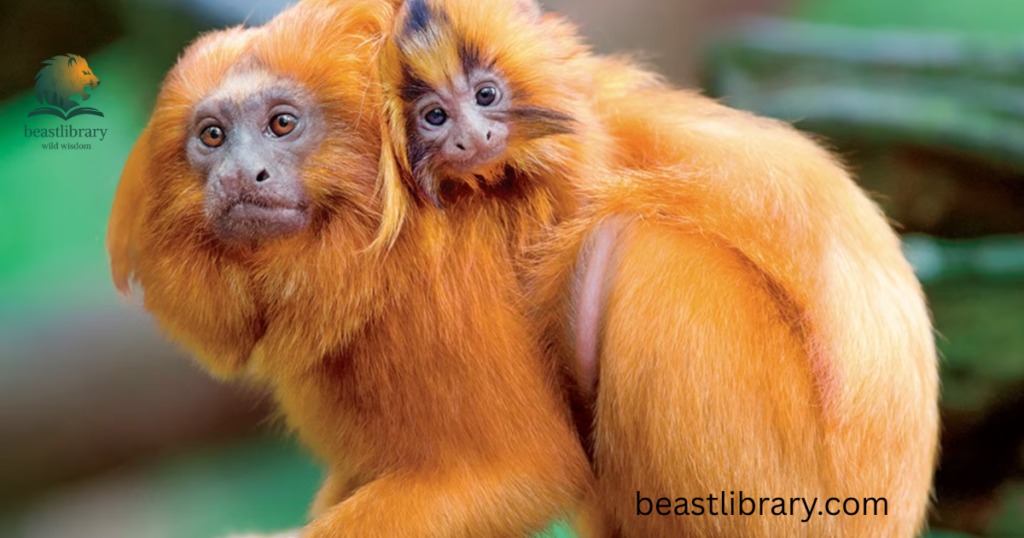
The Golden Lion Tamarin is a small monkey species native to the Atlantic coastal forests of Brazil. It is known for its bright orange-yellow fur and hair around the head which makes it visually eye-catching. They are curled tail animals.
They communicate through a variety of chirps and whistles to stay connected and warn each other of danger. They live in strong family groups especially with their young. They play an important ecological role by dispersing seeds, which helps in forest regeneration.
Fun fact: Golden Lion Tamarins were once considered critically endangered, but thanks to successful conservation efforts in Brazil, their population has significantly improved, and they are now a symbol of wildlife recovery.
8- Night Monkey- Small Monkey Breeds
Scientific name: Genus Aotus
Size: 24–37 cm body length
Weight: 700–1,200 g
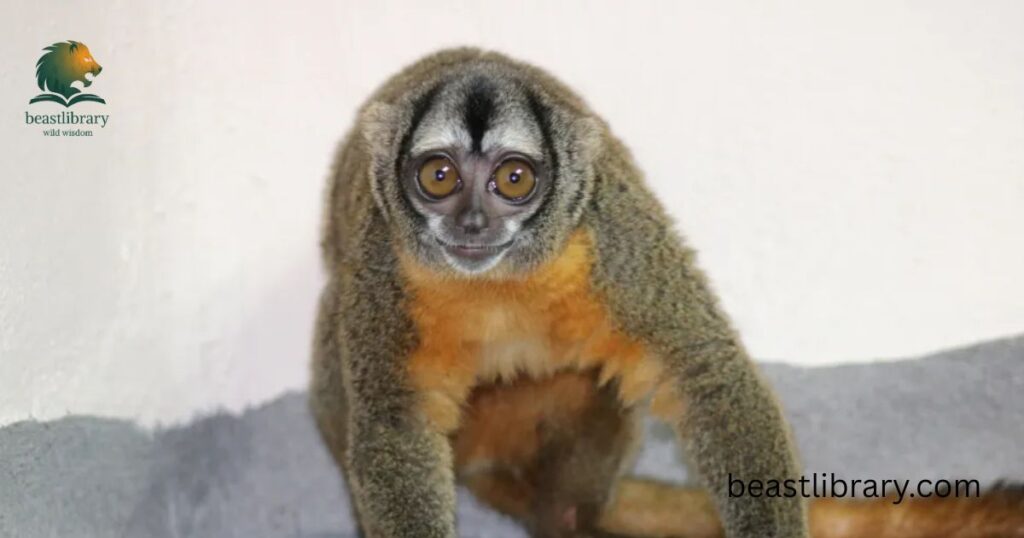
The night monkey, also known as the owl monkey, is a small primate native to Central and South America. These unique creatures are the only truly nocturnal monkeys, brilliantly adapted to their lifestyle with large eyes that enhance their night vision.
They use different sounds at night to show their area and to make their bond with their mate stronger. These small night monkeys are threatened by habitat loss and the illegal pet trade. Their protection is most important because they play a vital role in maintaining their ecosystem.
Fun fact: Night monkeys are special because male (father) does most of the baby care. The father carries the baby almost all the time, and the mother mainly feeds it.
9- Cotton‑Top Tamarin
Scientific name: Saguinus oedipus
Size: 20–26 cm body; tail 33–41 cm
Weight: 410–450 g
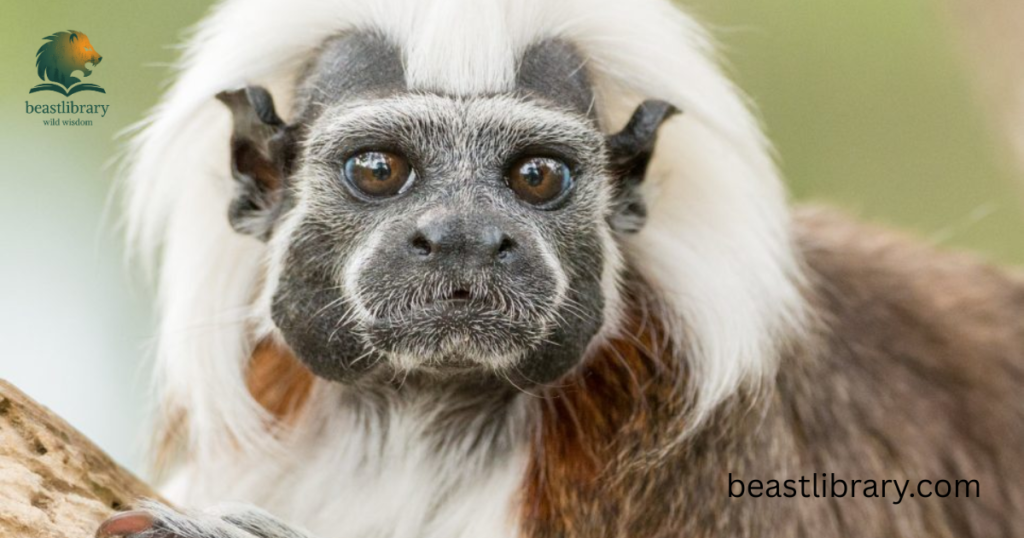
The Cotton-Top Tamarin is a small monkey breed known by its white crown of fur, which resembles a tufted hairstyle fit for a rock star. They have a rich social structure formed by tight-knit family units, and they communicate through a variety of chirps and whistles.
Cotton-top tamarin is threatened by habitat loss and the illegal pet trade. Engaging in ecotourism initiatives not only helps protect their precious environment but also offers locals sustainable economic opportunities.
Fun fact: They can jump quickly between trees using their strong legs and claws.
10- Silvery Marmoset
Scientific name: Mico argentatus
Size: 18–25 cm body; tail 30–36 cm
Weight: 300–400 g
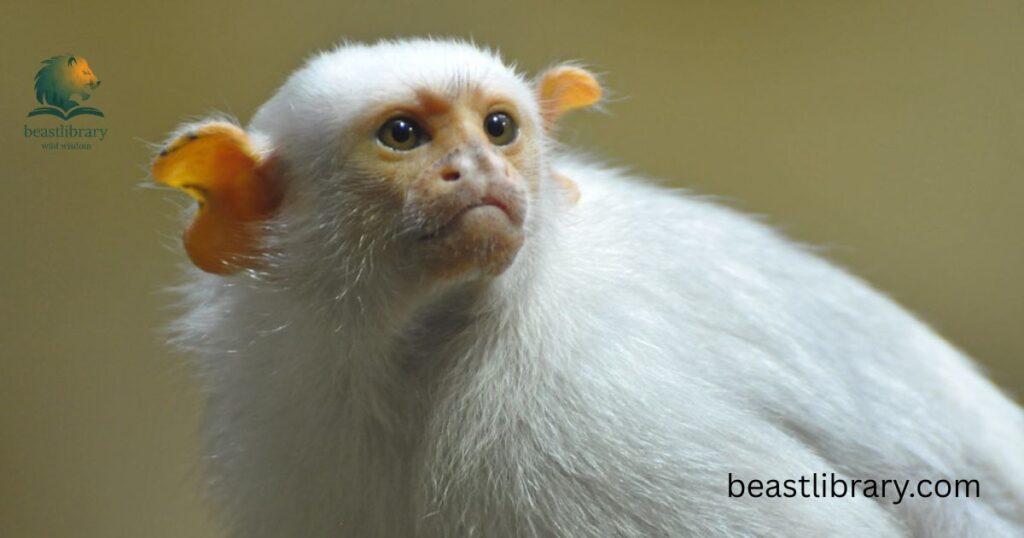
The Silvery Marmoset is a petite primate native to the lush canopies of the Brazilian rainforest, known for its striking silver fur and expressive eyes. This small monkey lives in groups and moves quickly between branches in search of insects and fruits.
These vibrant creatures communicate using an array of vocalizations, showing their complex social structures. They play a vital role in ecosystem.
11- Red-handed Tamarin
Scientific name: Saguinus midas
Size: 20–28 cm body; tail 31–44 cm
Weight: 400–550 g
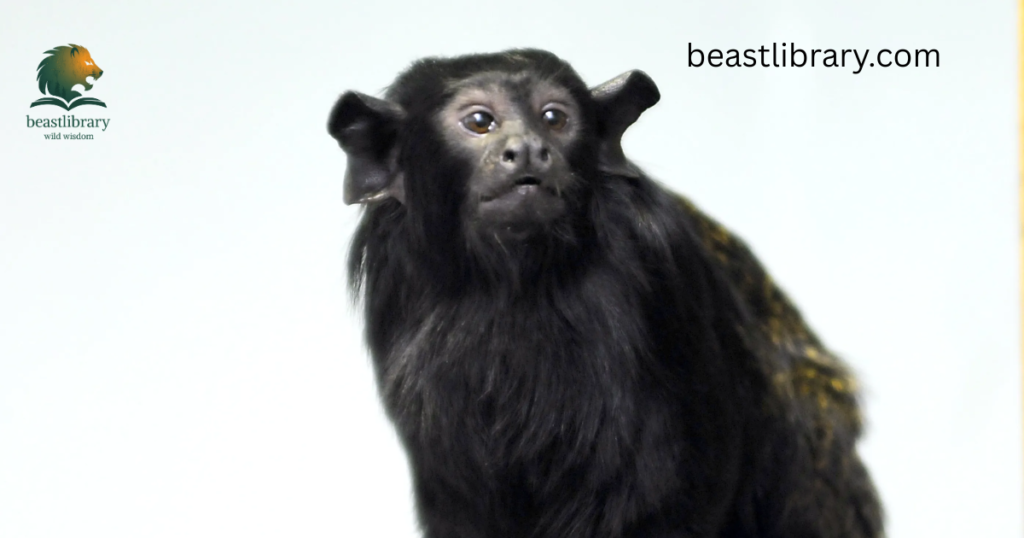
The red-handed tamarin, a tiny monkey native to the forests of South America. It is known for its bright orange limbs and black body and with social structures that emphasize cooperation and communication.
They primarily feed on fruits, insects, and small vertebrates, using an agile and acrobatic approach to reach their food sources. They often cooperate with other species, like capuchins, to find food and detect enemies.
Fun fact: They are excellent climbers and jump easily between trees.
12- Dusky Titi
Scientific name: Callicebus moloch
Size: 28–39 cm body
Weight: 800–1,200 g
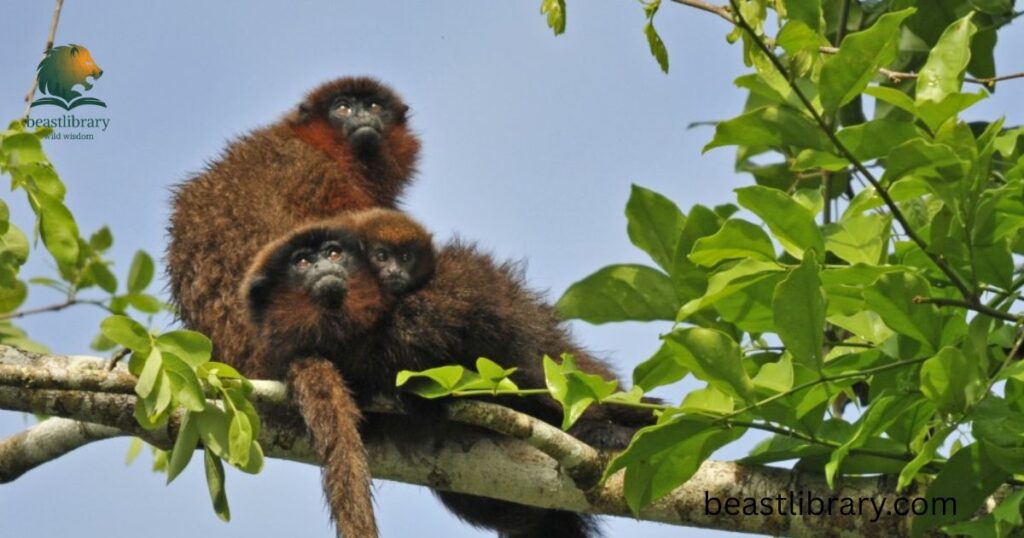
The Dusky Titi is a tiny monkey found in dense forests of South America. These charming primates, typically weighing around 3 to 4 pounds. Exhibit a lush, dark fur that serves as excellent camouflage among the foliage.
They are known for strong pair bonds and affectionate interactions, often seen grooming and embracing each other. They mostly live in treetops, where they skillfully navigate through branches using their prehensile tails.
Their diet mainly consists of fruits and leaves, showcasing their role as vital seed dispersers in their habitat. They are threatened by deforestation and habitat loss. Conservation efforts are crucial to keeping their population safe.
Fun fact: They communicate using soft calls and chirping sounds.
13- Capuchin Monkey
Size: 30–56 cm body; tail 30–55 cm
Weight: 1.3–4.8 kg
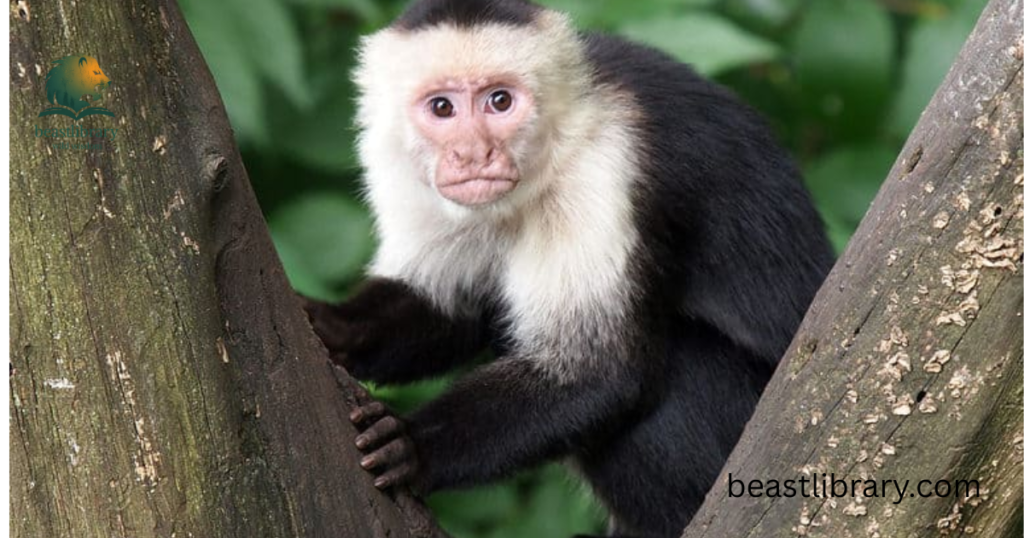
Capuchin monkeys, with their expressive faces and agile movements, hold a special place in the hearts of both pet enthusiasts and wildlife lovers alike. These small monkeys are native to Central and South America and are well known as an animal with curly tail, which helps them balance and even grasp branches.
Capuchins can form strong bonds with their human caretakers, often showing playful and affectionate personalities. People should consider about ethical concerns, as the pet trade and habitat loss are serious issues.
Fun fact: Capuchins use tools like stones and sticks to get food.
Final Thoughts
Small monkey breeds offer a attractive glimpse into the diversity of the primate world and many people searching for a small monkey pet for sale are often drawn to their charm. These tiny creatures captivate not only through their size but also their unique behaviors and social structures.
It is crucial to remember the importance of responsible ownership and the conservation of their natural habitats. As we explore the world of small monkeys further, let us make a commitment to promote their well-being and protect their environments.
FAQs
What is the smallest breed of monkey?
It is found in the Amazon rainforest and usually weighs around 100 grams about the size of a small apple.
What is the best monkey as it pit?
Monkeys are not suitable pets. They need special care, social groups, and proper habitats, so they are best kept in the wild or sanctuaries, not at home.