18 Amazing Animals With Curled Tails- You Won’t Believe #7
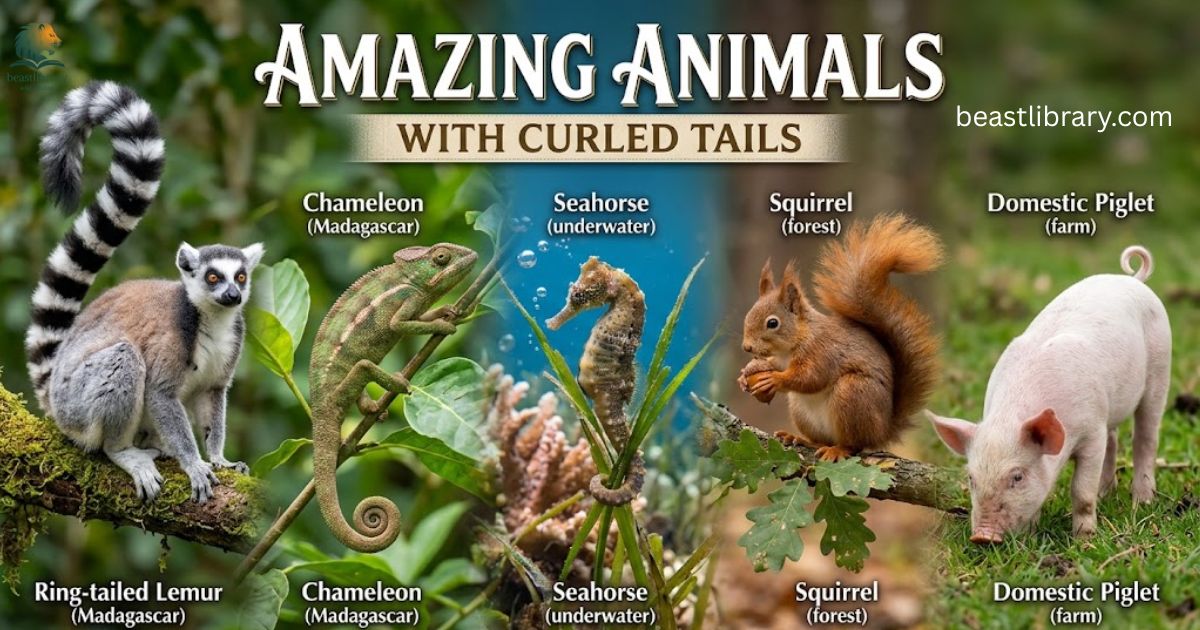
Animals with curled tails opens a window into the diversity of life on Earth. From balancing in trees to unique animals that hang upside down by their tails, these shapes are built for survival. Here you will explore the full list of animals with curly tails with pictures.
List of 18 Animals with Curled Tails
| Rank | Animal | Scientific Name | Class | Diet |
| 1 | Pig | Sus scrofa domesticus | Mammalia | Omnivore |
| 2 | Seahorse | Hippocampus spp. | Actinopterygii | Carnivore |
| 3 | Pug Dog | Canis lupus familiaris | Mammalia | Omnivore |
| 4 | Chameleon | Chamaeleonidae | Reptilia | Insectivore |
| 5 | Ring-tailed Lemur | Lemur catta | Mammalia | Omnivore |
| 6 | Spider Monkey | Ateles spp. | Mammalia | Omnivore |
| 7 | Scorpion | Scorpiones | Arachnida | Carnivore |
| 8 | Pangolin | Manis spp. | Mammalia | Insectivore |
| 9 | Opossum | Didelphis spp. | Mammalia | Omnivore |
| 10 | Kinkajou | Potos flavus | Mammalia | Omnivore |
| 11 | Salamander | Urodela | Amphibia | Carnivore |
| 12 | Leopard Gecko | Eublepharis macularius | Reptilia | Insectivore |
| 13 | Fennec Fox | Vulpes zerda | Mammalia | Omnivore |
| 14 | Binturong | Arctictis binturong | Mammalia | Omnivore |
| 15 | Coati | Nasua spp. | Mammalia | Omnivore |
| 16 | Tree Kangaroo | Dendrolagus spp. | Mammalia | Herbivore |
| 17 | Tamarin Monkey | Saguinus spp. | Mammalia | Omnivore |
| 18 | Prehensile-tailed Porcupine | Coendou spp. | Mammalia | Herbivore |
Detailed Guide About 18 Animals With Curled Tails
1. Pig
- Scientific Name: Sus scrofa domesticus
- Class: Mammalia
- Order: Artiodactyla
- Diet: Omnivore)
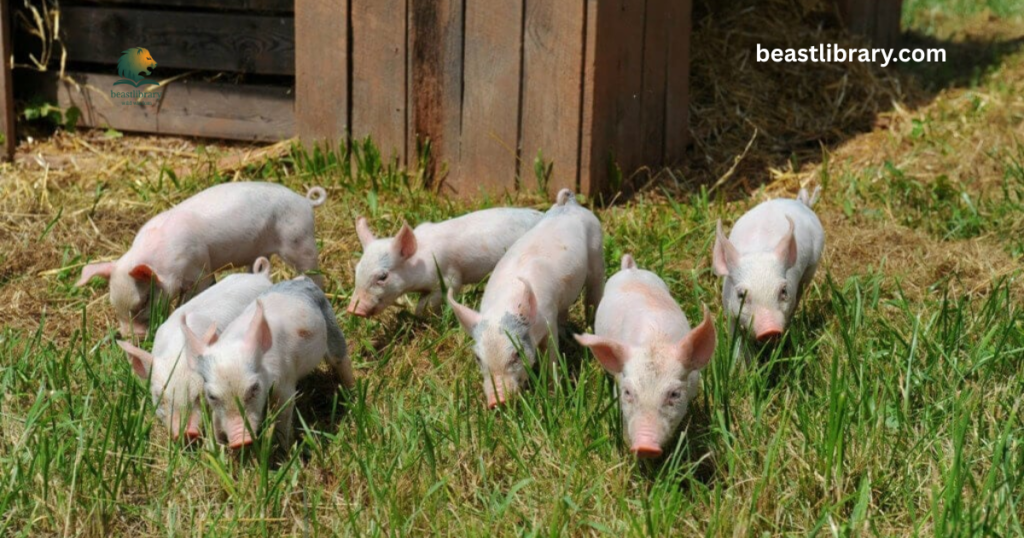
The pig is most recognized curled-tail animal in the world. Their iconic corkscrew-shaped tail is a result of selective breeding and genetics, formed by a spiral arrangement of vertebrae and muscles that naturally twist the tail into a tight curl.
A healthy, relaxed pig will carry its tail in a loose, bouncy curl . A straightened or limp tail can actually signal stress, illness, or discomfort making the tail a surprisingly useful health indicator for farmers and veterinarians.
2. Seahorse
- Scientific Name: Hippocampus
- Class: Actinopterygii
- Order: Syngnathiformes
- Diet: Carnivore)
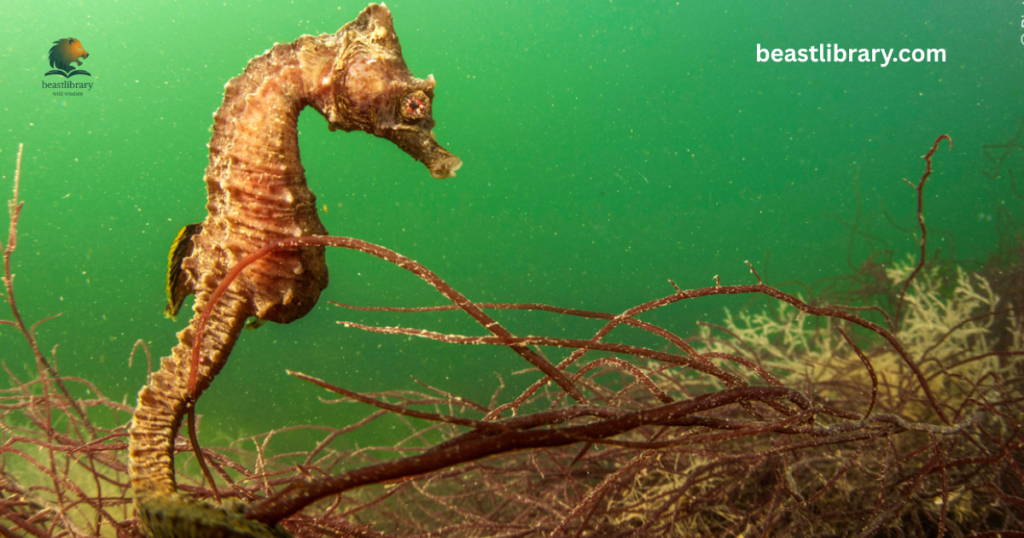
The seahorse is animal in ocean, found in shallow coastal waters of the United States and tropical regions worldwide. It has a long curled tail made of small square-shaped bony plates that grip and wrap tightly around seagrass and branches to help itself against strong ocean currents.
The seahorse’s curled tail is not just adorable, it is an essential survival tool that keeps this slow-moving, delicate creature anchored and stable in one of the world’s most powerful and unpredictable environments, the open ocean. Seahorse is unique aquatic animal with no leg.
3. Pug Dog
- Scientific Name: Canis lupus familiaris
- Class: Mammalia
- Order: Carnivora
- Diet: Omnivore)
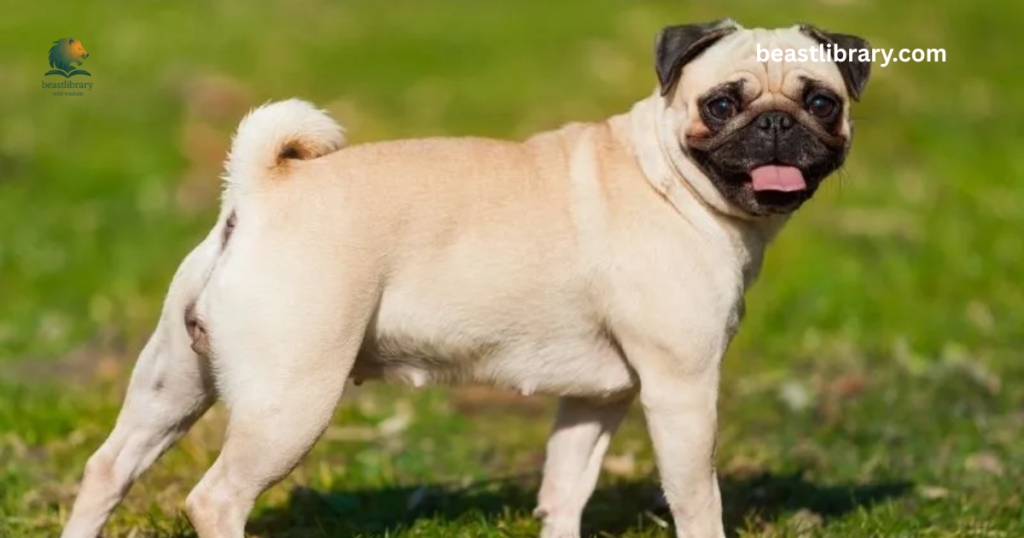
The Pug is one of the most beloved and recognizable dog breeds in the United States, known for its wrinkled flat face, big eyes, and its signature tightly curled up tail that sits neatly coiled over its lower back like a little cinnamon roll.
The Pug’s iconic curled tail is caused by a genetic condition called hemivertebrae, where the vertebrae in the tail grow in a wedge or butterfly shape rather than a normal cylindrical form, forcing the tail into a permanent tight spiral that cannot be straightened even if gently pulled.
4. Chameleon
- Scientific Name: Chamaeleonidae
- Class: Reptilia
- Order: Squamata
- Diet: Carnivore)
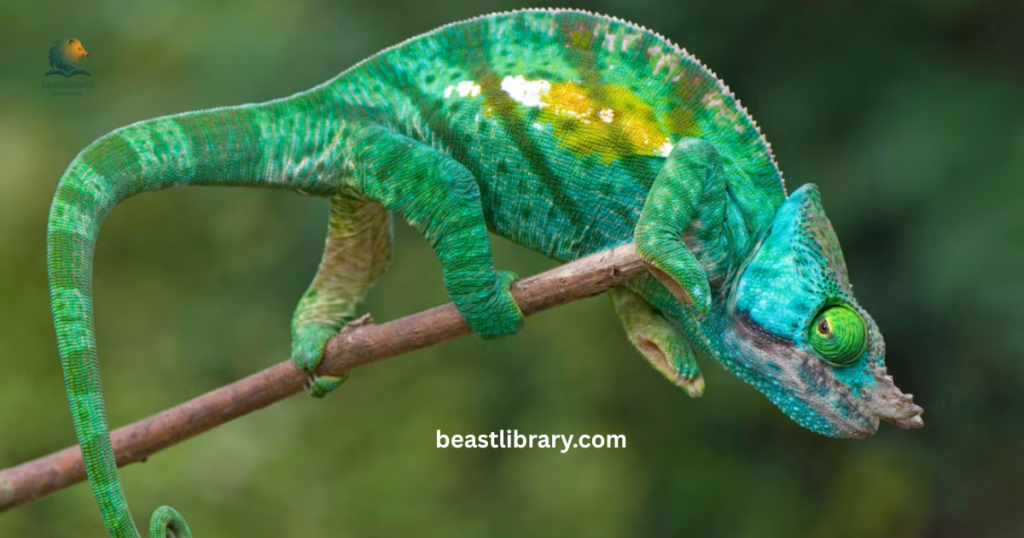
The chameleon possesses a fully long curled tail that functions like a fifth limb, wrapping tightly around tree branches and twigs to provide a secure grip and perfect balance as it moves slowly and deliberately through its forest habitat.
5. Ring-tailed Lemur
- Scientific Name: Lemur catta
- Class: Mammalia
- Order: Primates
- Diet: Omnivore)
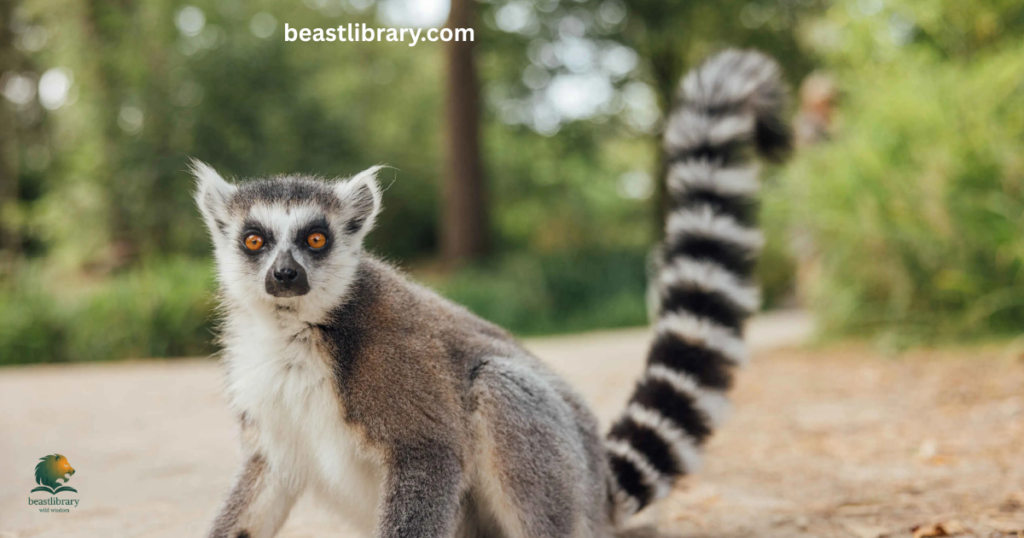
The ring-tailed lemur is one of the most instantly recognizable and visually striking primates in the animal kingdom, famous across the United States for its bold black-and-white striped tail that it holds high in the air in a dramatic upward curl while walking across the ground with its troop.
Unlike most lemurs that spend the majority of their time in the trees and ground, using its long striped curled tail as a visual flag to keep the troop together and communicate with other members during group travel through the dry forests.
6. Spider Monkey
- Scientific Name: Ateles
- Class: Mammalia
- Order: Primates
- Diet: Omnivore)
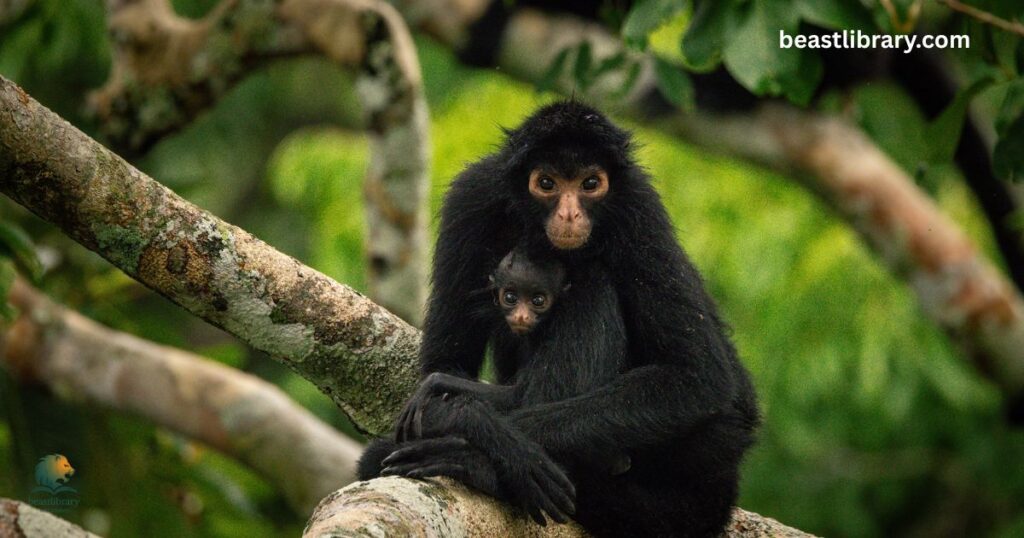
The spider monkey is most agile and acrobatic primates in the entire animal kingdom, widely admired across the United States through zoo exhibits and wildlife documentaries for its long limbs, hairless face.
Its remarkably powerful prehensile tail that curls and grips with the strength and precision of a fully functioning fifth hand. While it might remind you of a farm animals with curly tail crossword clue, this monkey’s tail is built for heavy lifting.
7. Scorpion
- Scientific Name: Scorpiones
- Class: Arachnida
- Order: Scorpiones
- Diet: Carnivore)
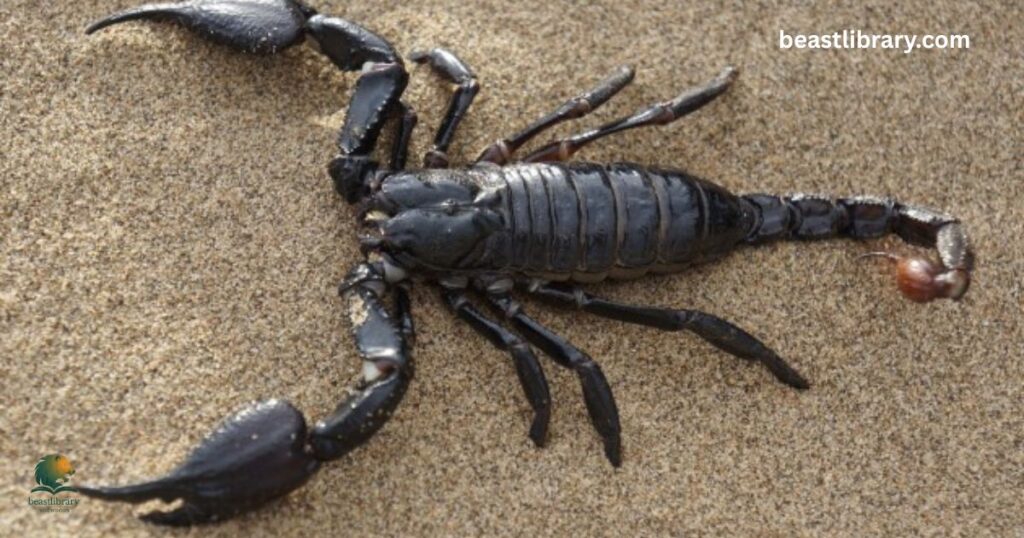
The scorpion is most ancient predators on the planet, having existed for over 430 million years and found across the United States. Unlike the soft tails of mammals, the scorpion’s curled tail known as the metasoma is a rigid segmented structure made of five hard exoskeleton sections.
Its curled tail is one of the most iconic and evolutionarily perfected structures in the entire animal kingdom, representing millions of years of survival engineering that has made the scorpion one of the toughest, and most successful predators ever to walk the surface of the Earth.
8. Pangolin
- Scientific Name: Manis
- Class: Mammalia
- Order: Pholidota
- Diet: Insectivore)
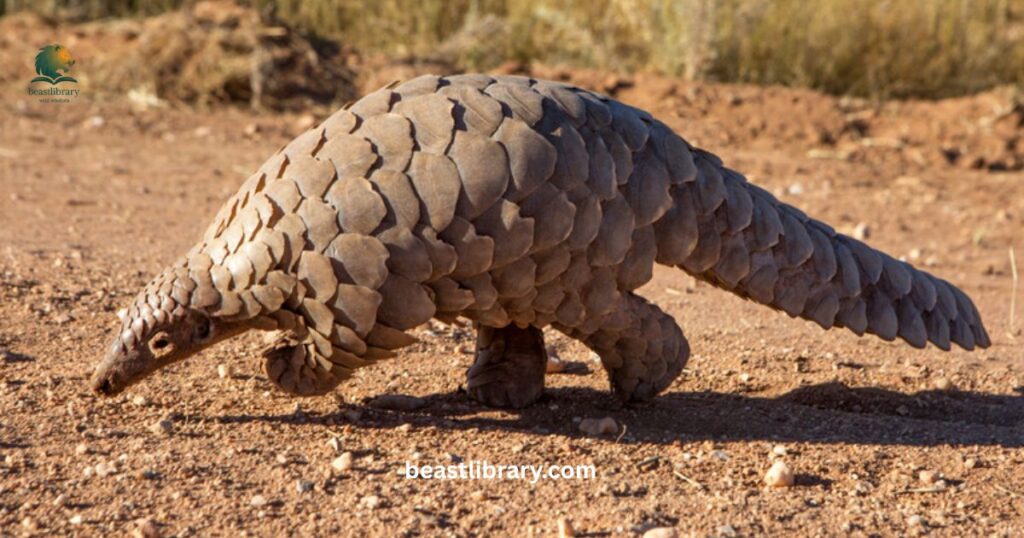
The pangolin is mammal on the planet, known across the United States. The pangolin’s long tail plays a central role in its survival, curling tightly around its body when threatened to form a nearly impenetrable armored ball that protects its soft vulnerable underbelly from enemies. It is animal that eats ants.
9. Opossum
- Scientific Name: Didelphis virginiana
- Class: Mammalia
- Order: Didelphimorphia
- Diet: Omnivore)
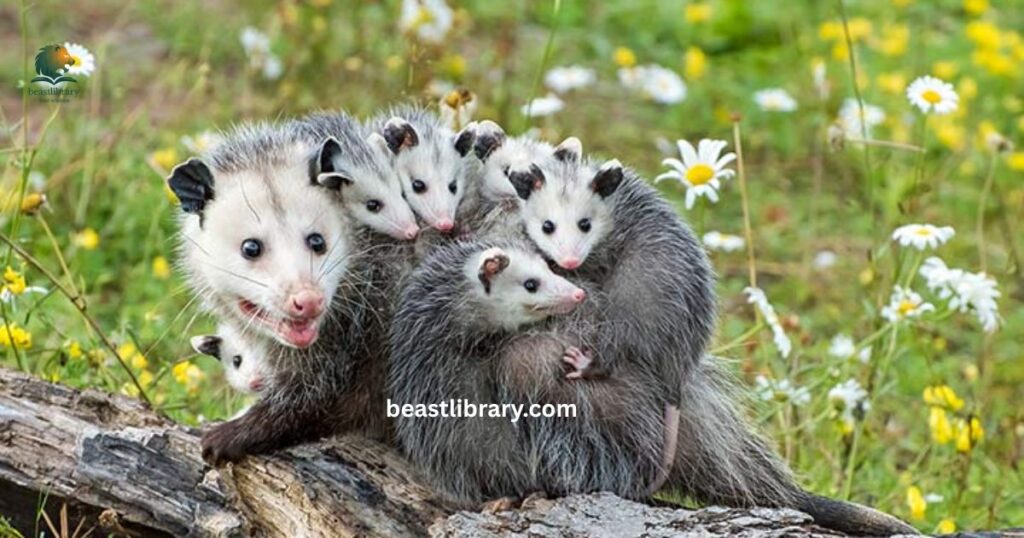
The long, muscular tail of the opossum helps it balance and stabilize while moving through trees, fences, and rooftops. Found across the Americas, these adaptable creatures even use their tails for steady ground feeding and temperature control.
While young opossums can hang from branches, adults mostly use the tail as a supportive grip rather than full suspension. When playing dead in danger, the loosely curled tail acts as part of their defence.
10. Kinkajou
- Scientific Name: Potos flavus
- Class: Mammalia
- Order: Carnivora
- Diet: Omnivore)
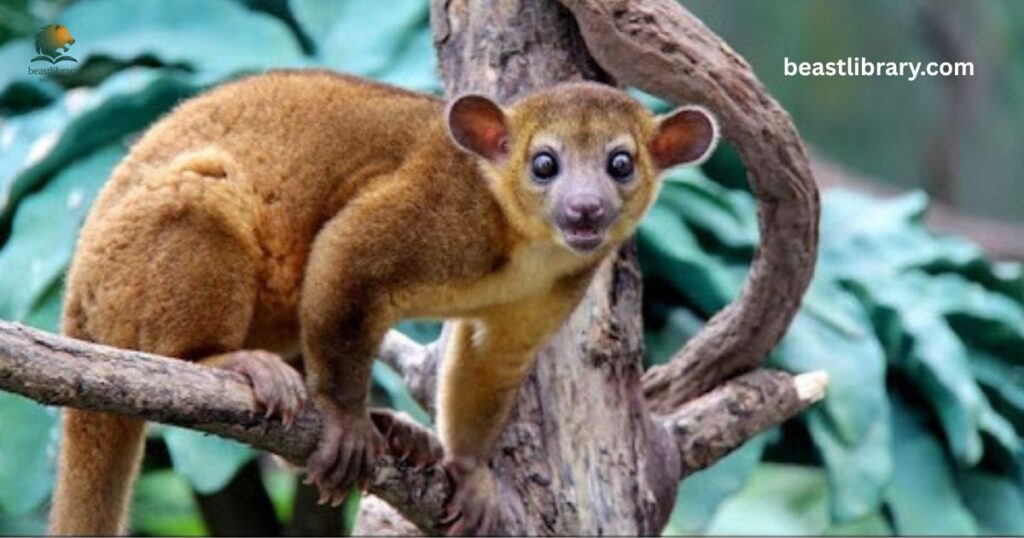
The kinkajou is one of the most charming and little-known tropical mammals in the animal kingdom, sometimes called the “honey bear” across the United States due to its big round eyes, soft golden-brown fur, and its remarkable habit of using its long tongue to extract sweet nectar.
The kinkajou possesses the most impressive prehensile curled tails in the entire mammal world, a fully muscular and highly flexible tail that can wrap, grip, and anchor itself around tree branches with extraordinary strength, allowing the kinkajou to hang upside down, swing between trees.
11. Salamander
- Scientific Name: Caudata
- Class: Amphibia
- Order: Urodela
- Diet: Carnivore)
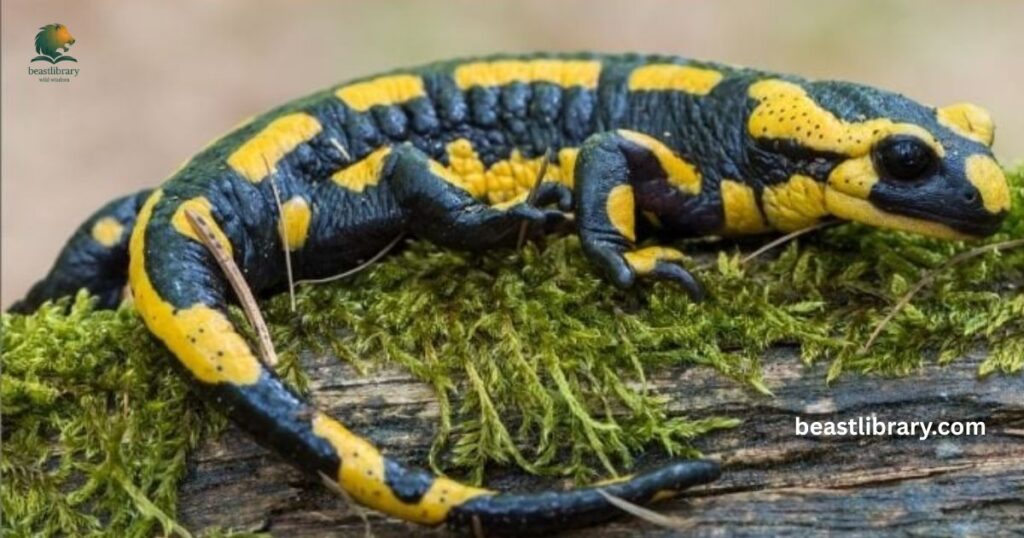
The salamander is the most ancient amphibians on the planet, found in United States. While not all salamander species display a curled tail, many aquatic and semi-aquatic species naturally striped curl, their long flexible tails to one side during rest, swimming, and defensive posturing.
One of the extraordinary biological abilities of the salamander is its remarkable capacity for regeneration capable of re-growing its curled tail, limbs, portions of its heart, and even parts of its brain after injury or predator attacks.
12. Leopard Gecko
- Scientific Name: Eublepharis macularius
- Class: Reptilia
- Order: Squamata
- Diet: Carnivore
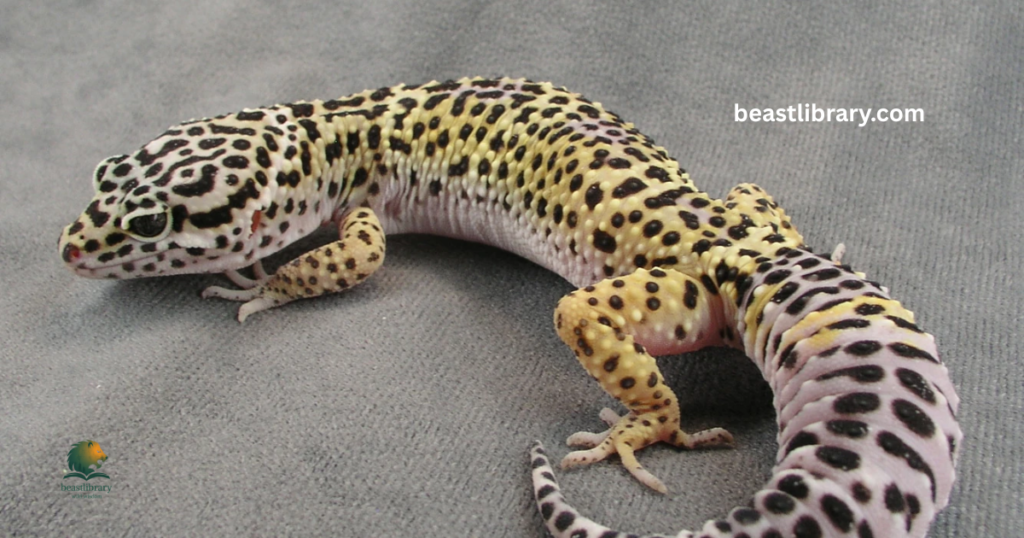
The leopard gecko is a popular reptile pet in the United States, known for its spotted skin and thick, slightly curled tail used for fat storage. Unlike many geckos, it has movable eyelids and a ground-dwelling lifestyle, often found in dry, rocky habitats.
Its tail can curl gently and even detach as a defense mechanism, later regenerating over time. The leopard gecko’s unique tail and calm nature make it one of the most beginner-friendly reptiles for pet owners.
13. Fennec Fox
- Scientific Name: Vulpes zerda
- Class: Mammalia
- Order: Carnivora
- Diet: Omnivore
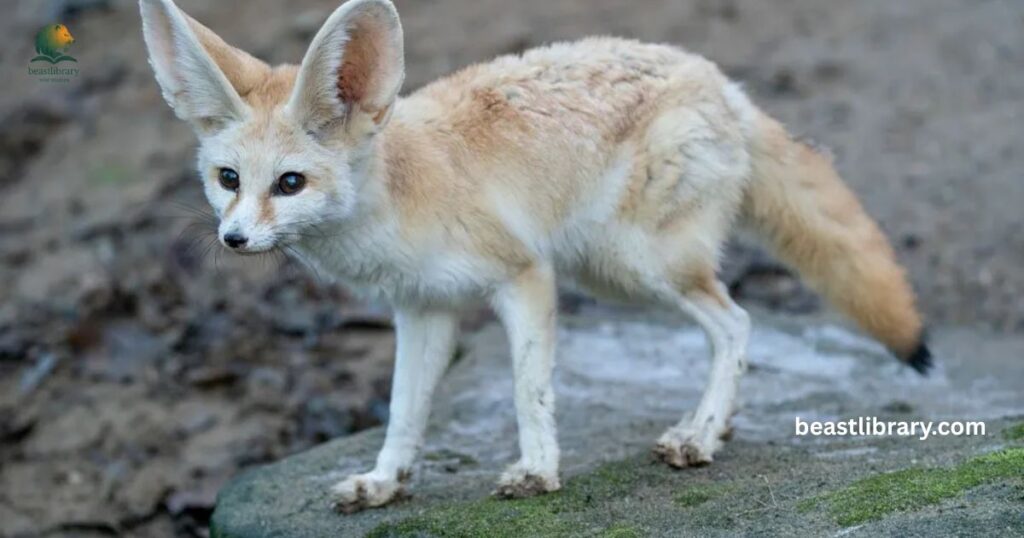
The fennec fox is a small desert animal famous for its big ears and soft, fluffy curled tail, which adds to its adorable appearance admired across the United States. Native to the Sahara Desert.
Its bushy tail often curls around its body, helping it stay warm during cold desert nights while also aiding in balance and communication. It is mostly nocturnal, staying active at night, it is one of the shy animals and conserve energy.
14. Binturong
- Scientific Name: Arctictis binturong
- Class: Mammalia
- Order: Carnivora
- Diet: Omnivore
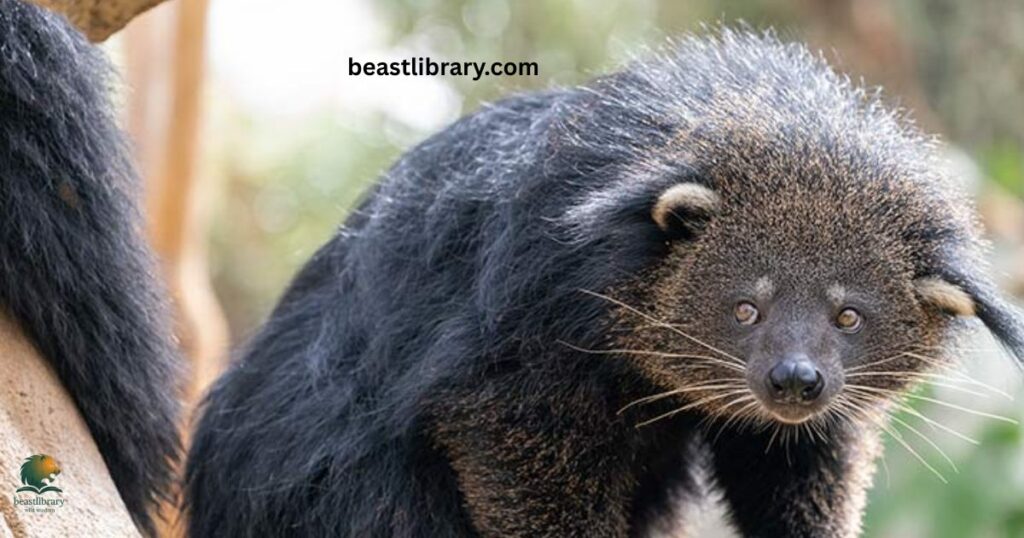
The binturong, also known as the bearcat, is a rare tree-dwelling mammal known for its long, curled tail. Native to Southeast Asia. Its strong tail can curl and grip branches like a fifth limb, helping it climb and balance in trees.
The curled tail plays a key role in its daily life, providing stability while moving and resting in the forest canopy. The binturong is shy animal, staying active during the night. Overall, it is one of the most curled-tail animals in the wild.
15. Coati–Animals With Curled Tails
- Scientific Name: Nasua
- Class: Mammalia
- Order: Carnivora
- Diet: Omnivore
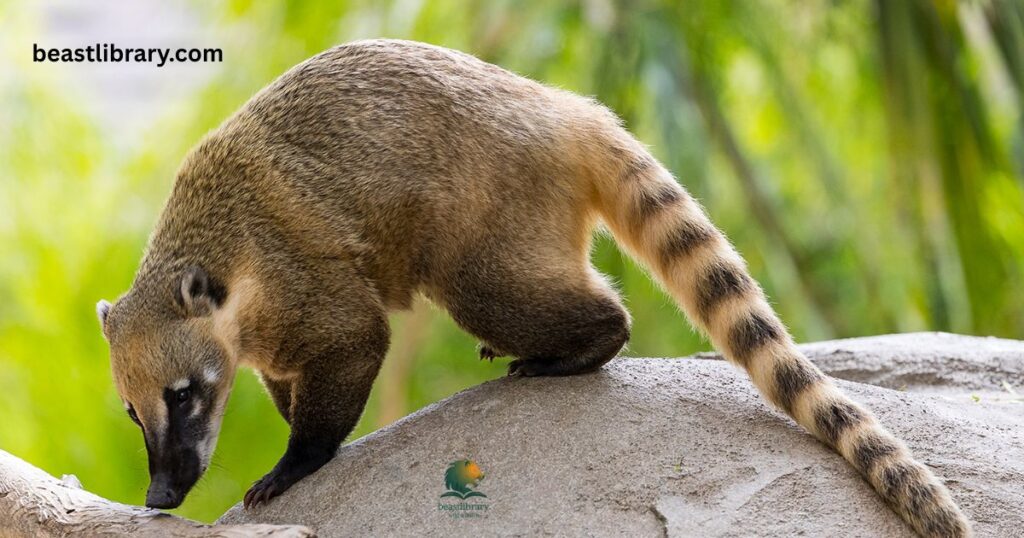
The coati is a lively and intelligent mammal known for its long, flexible tail that often curls upward or slightly over its back. Native to Central and South America. Its tail helps with balance while climbing trees and acts as a visual signal when moving in groups.
The coati eats fruits, small animals, eggs, and roots. It is social, often seen traveling in bands, especially females and young. The curled tail is usually held upright, making it easy for group members to follow each other. Coatis are active during the day, constantly foraging for food.
16. Tree Kangaroo
- Scientific Name: Dendrolagus
- Class: Mammalia
- Order: Diprotodontia
- Diet: Herbivore
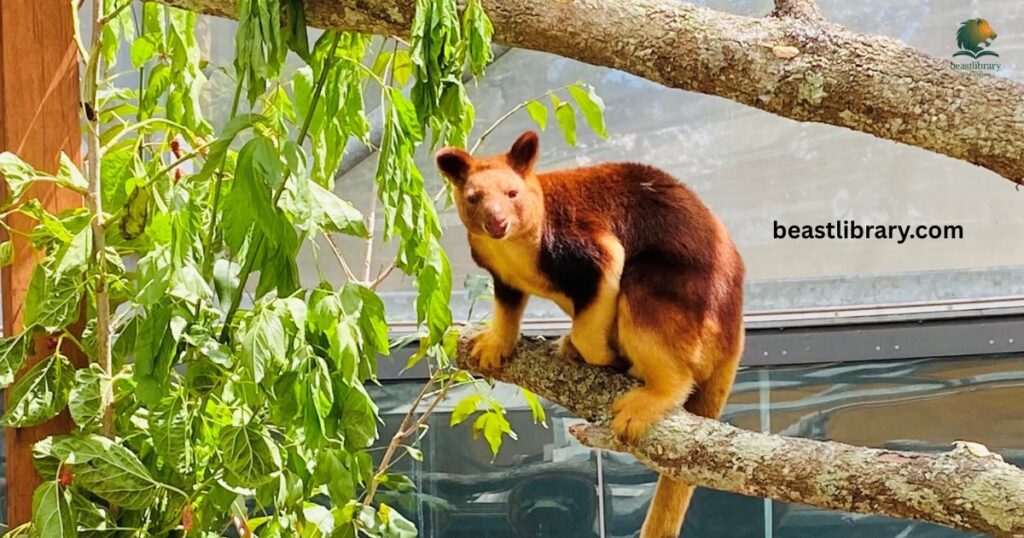
The tree kangaroo is a rare marsupial known for its long, thick tail that curls slightly and helps with balance in trees. Native to the rainforests of Papua New Guinea and parts of Australia. Its tail acts like a counterbalance while climbing, leaping high above the ground.
It feeds on leaves, fruits, and bark, carefully selecting food. The tree kangaroo moves slowly and carefully compared to its ground relatives, using strong limbs for gripping branches. Its curled and balanced tail plays a key role in stability and survival in dense rainforest environments.
17. Tamarin Monkey
- Scientific Name: Saguinus
- Class: Mammalia
- Order: Primates
- Diet: Omnivore
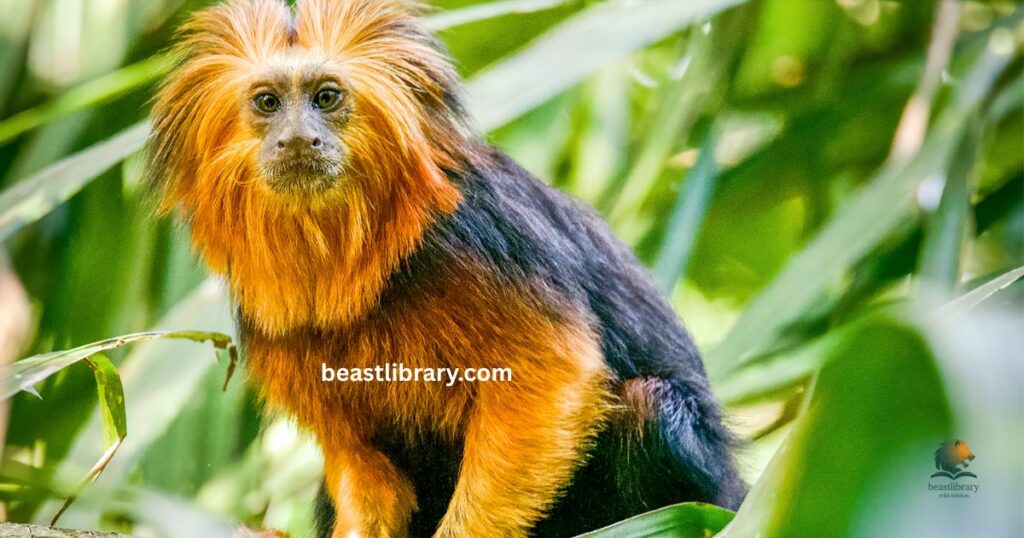
The tamarin monkey is a small, energetic primate known for its long tail that curls and helps with balance in trees. Native to the rainforests of South America. Its tail is not fully prehensile but is used for stability while leaping between branches and moving through dense forest canopies.
As an omnivore, it feeds on fruits, insects, flowers, nectar, and small animals, depending on seasonal availability. The curled tail helps them maintain balance during quick movements and jumps.
18. Prehensile-tailed Porcupine
- Scientific Name: Coendou
- Class: Mammalia
- Order: Rodentia
- Diet: Herbivore
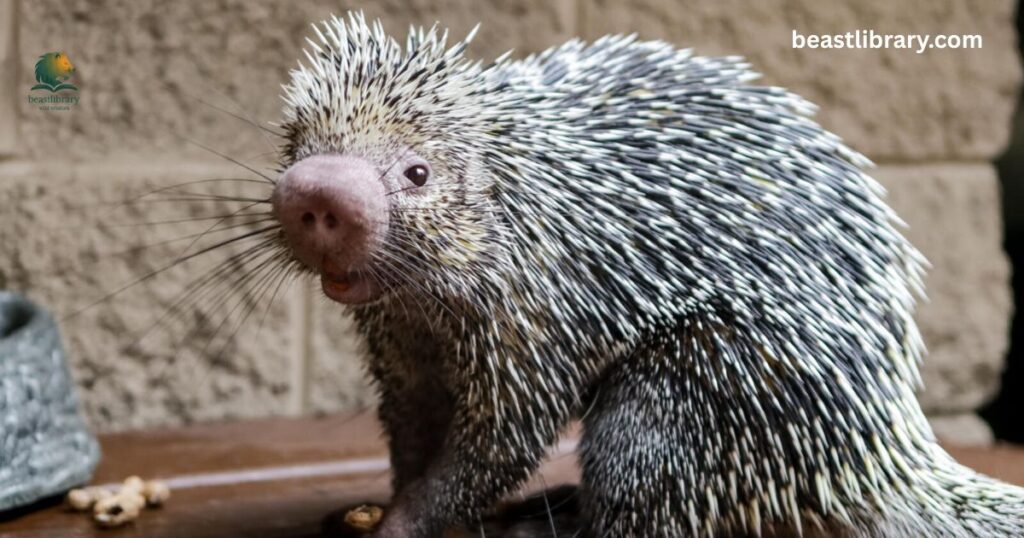
The porcupine is a slow-moving nocturnal rodent known for its strong, curly tail that works like a gripping hand. Native to the forests of Central and South America. Its tail is fully prehensile and can curl tightly around branches, helping it climb and stay stable high in the trees.
It feeds mainly on leaves, fruits, bark, and buds found in the forest canopy. This porcupine spends most of its life in trees, moving carefully and slowly to avoid predators. Its tail provides extra support, allowing it to hang and balance while feeding or resting.
Conclusion
Animals with curled tails are unique because curly tail is not just a shape it is a vital survival tool for them. From wild monkeys to tiny seahorses, creatures use it for balance, grip, defense, and communication. Even in domestic animals, the curl shows their health and mood.
FAQs
Which animals with curled tails are native to the United States?
Animals with Curled Tails native to US, including the Virginia opossum, the gray squirrel, the ringtail cat (Arizona’s state mammal), and various scorpion species found throughout the Southwest.
Do all dog breeds with curled tails have the same type of curl?
No. Different breeds carry very different Tail Curl styles. Pugs have a tight corkscrew double Curl and Samoyeds have a loose. Each curl is defined by the breed standard and reflects the dog’s historical origins and function.
Are curled tails in animals a sign of good health?
In domestic animals, a well-maintained curl is considered a sign of good health and relaxed temperament. A pig that loses its characteristic tail curl, for example, may be experiencing stress or illness.