Unique 12 Animals That Sleep a Lot: Reasons & Pictures
Animals that sleep a lot spend hours sleeping because their food gives them very little energy to move around. This long sleep saves strength and helps their bodies digest heavy meals. But as a result, these sleepy animals can easily get attacked by enemies while they are fast asleep.
List of Animals That Sleep a Lot
Below is the list of sleepy animals:
- Giant armadillo
- Koala
- Virginia opossum
- Brown bat
- Pythons
- Treeshrew
- Owl monkey
- Sloth
- Tiger
- Giant Panda
- Lion
- Domestic Cat
1. Giant Armadillo
Scientific name: Priodontes maximus
Class: Mammalia
Diet: Insectivore
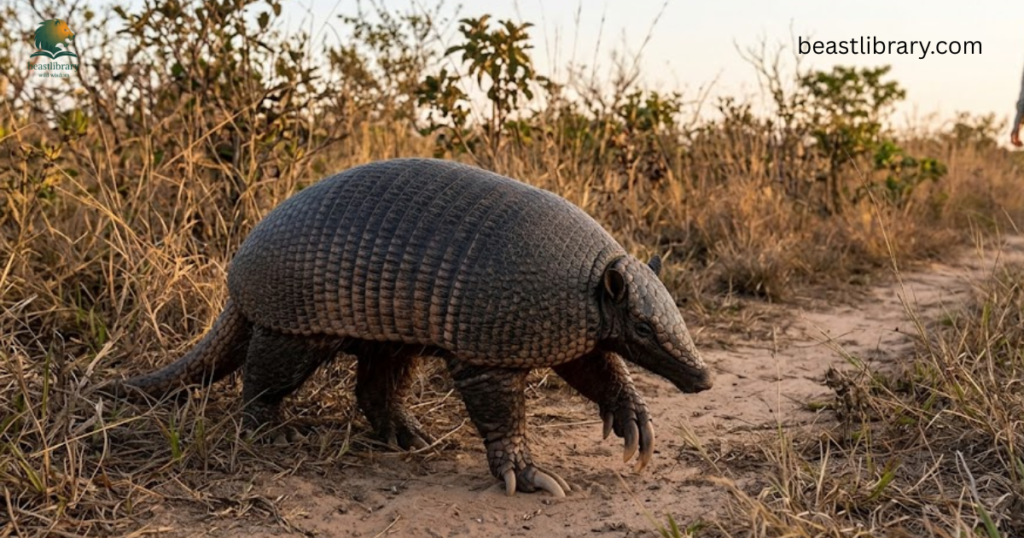
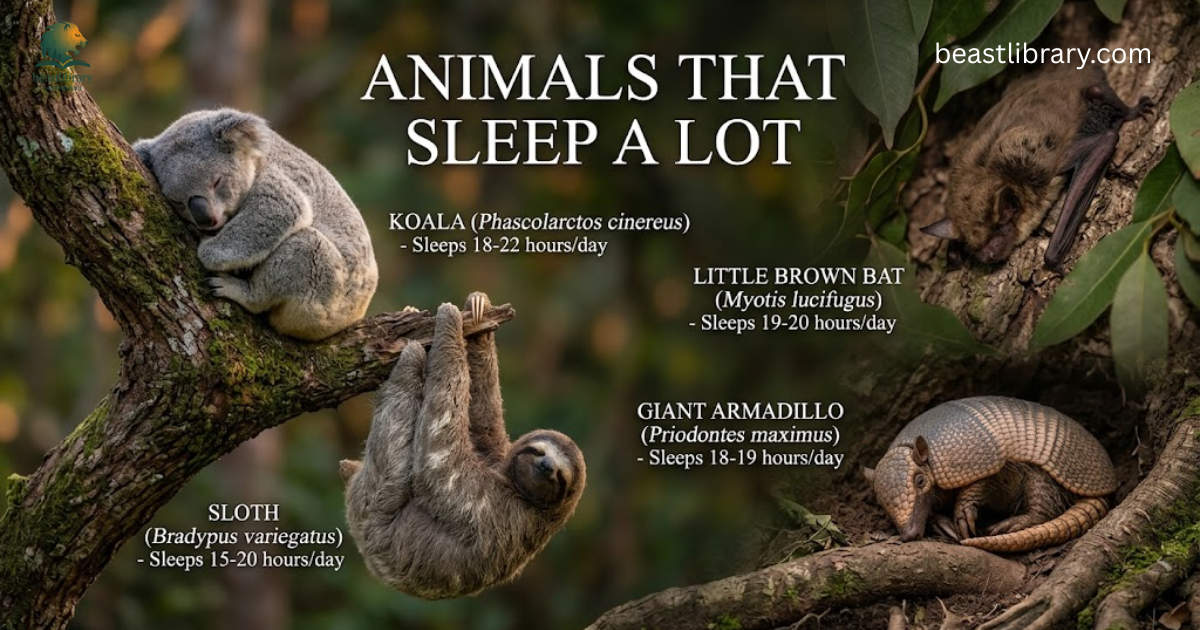
The giant armadillo is thickest skin sleepy animal native to South America. These mammals can sleep anywhere from 18 to 20 hours a day, primarily underground in burrows they dig with their sharp claws. It conserves energy while minimizing vulnerability to predators.
By spending so much time buried below the surface, they aerate the soil and enhance its quality. Their nocturnal nature means that while they enjoy long stretches of sleep. They are wild shelled animals.
2. Koala
Scientific name: Phascolarctos cinereus
Class: Mammalia
Diet: Herbivore
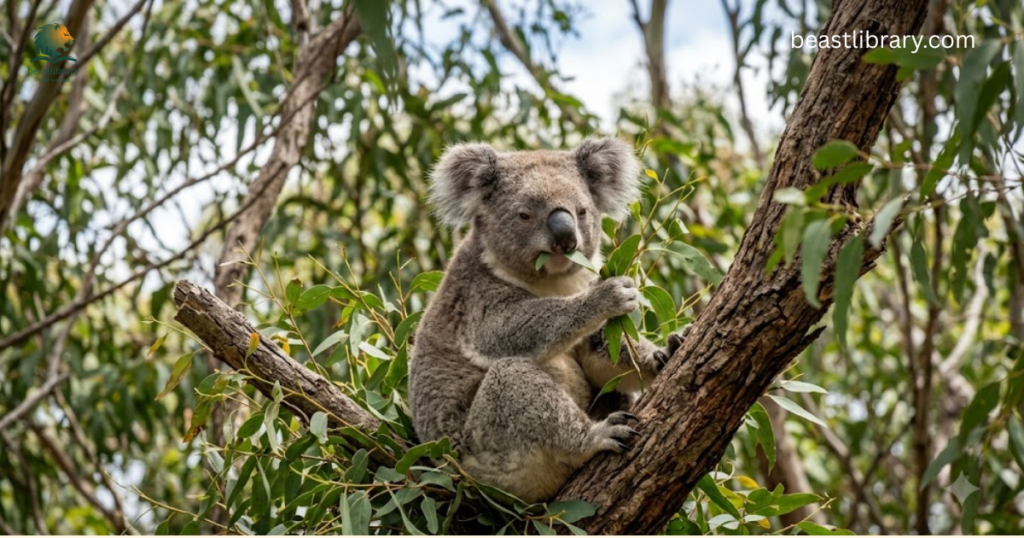
Koalas are known by sleeping habits, snoozing away an impressive 18 to 22 hours a day. This extensive slumber is largely attributed to their unique diet, which consists almost entirely of eucalyptus leaves.
These leaves, while abundant, are challenging to digest and provide minimal nutrients, compelling koalas to conserve energy. By maximizing their rest, they can carefully manage their caloric intake and sustain their energy for foraging.
This deep sleep serves a dual purpose. During these long hours, koalas not only recharge but also integrate vital information about their surroundings through a phenomenon called “sleep-dependent learning“. They are cute animals with pouches.
They are arboreal animals of wild. Recent studies suggest that the way koalas nap might enhance their sensory awareness, allowing them to navigate their eucalyptus-laden habitats more effectively upon waking.
3. Virginia opossum
Scientific name: Didelphis virginiana
Class: Mammalia
Diet: Omnivore
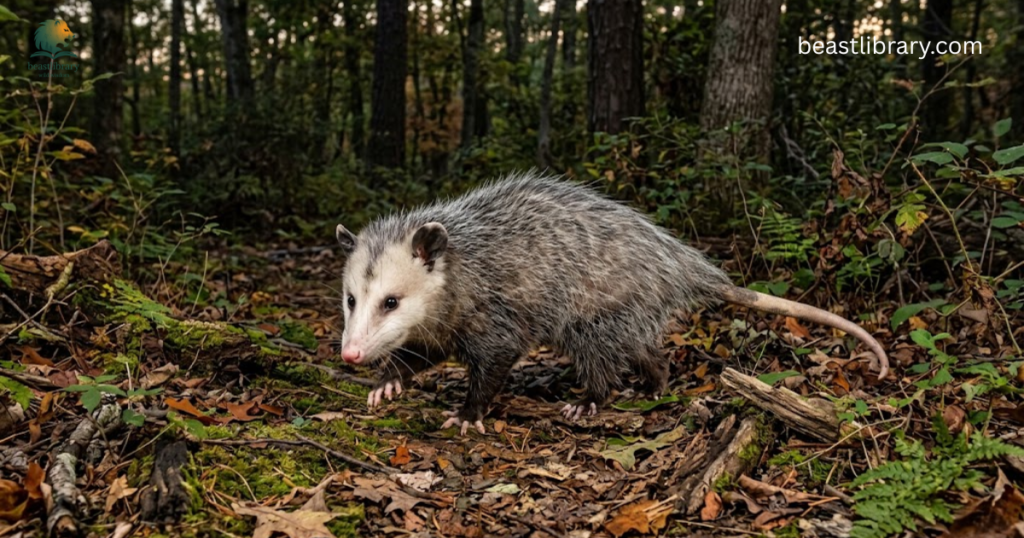
The Virginia opossum, a unique scavenger animals native to North America, spends a remarkable portion of its life in slumber averaging up to 18 hours a day. This extensive sleep serves crucial survival purposes.
By resting in dens or hidden spaces, they minimize the risk of predation, allowing them to conserve energy for the quieter moments when they venture out to forage. Opossums have developed a unique response to threats: playing dead.
This behavior, often referred to as “playing possum,” can last for several hours. Their slow metabolism and widespread distribution also allow them to adapt to varying environments, thriving in both urban and rural settings.
4. Brown bat
Scientific name: Myotis lucifugus
Class: Mammalia
Diet: Insectivore
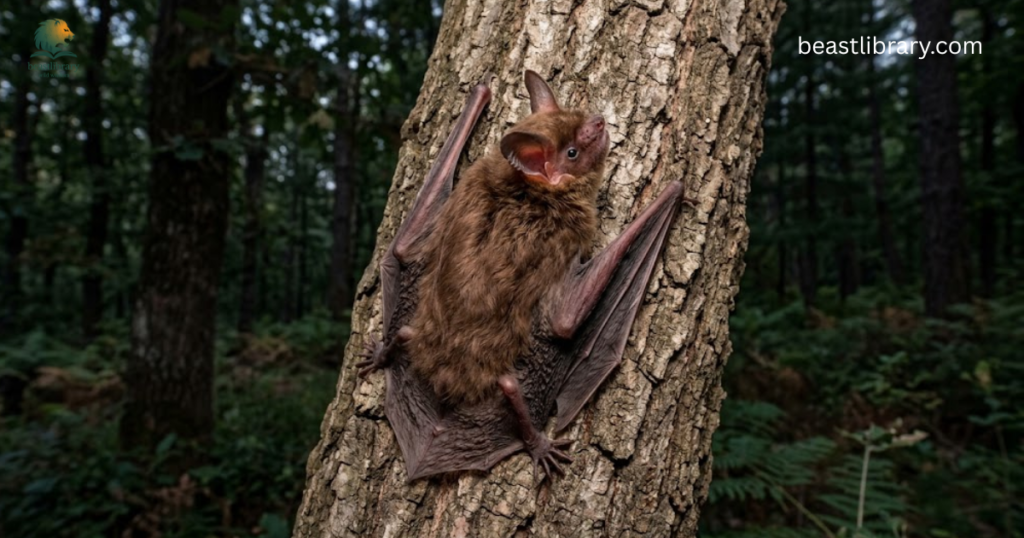
Brown bats astonishing 20 hours of sleep each day. This deep slumber is crucial for their survival, allowing them to conserve energy for their nocturnal foraging. As masters of echolocation, these bats sacrifice much of their daylight for rest, emerging only at dusk to hunt for flying insects.
The secret to their extensive sleep lies in their unique biology; brown bats enter a state called torpor, where their metabolic rate plummets, conserving precious energy during times when food is scarce.
5. Pythons
Class: Reptilia
Diet: Carnivore
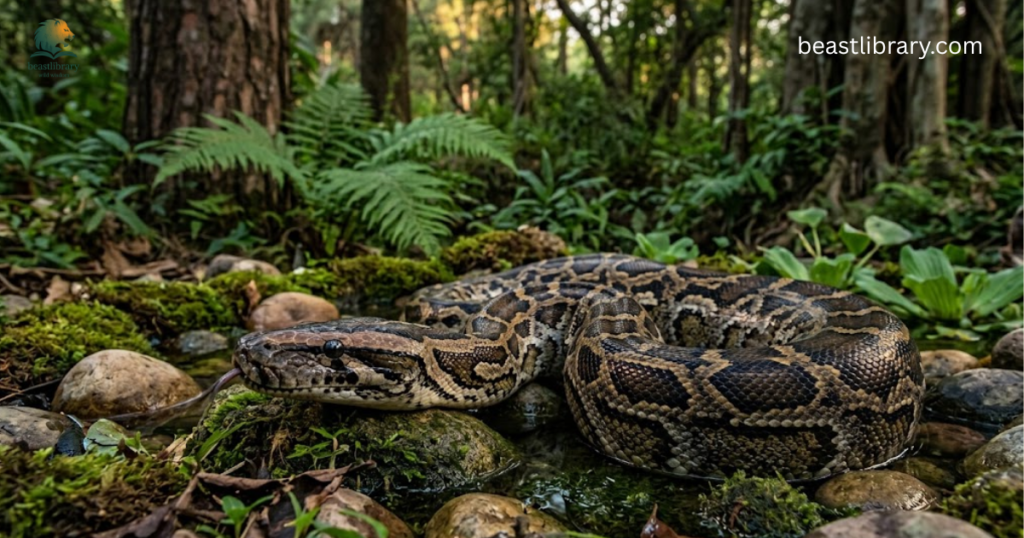
Pythons exhibiting a unique sleep pattern that often surprises people. These reptiles can sleep for up to 18 hours a day, especially after a large meal, as their metabolic rate slows significantly during digestion.
This prolonged inactivity is a crucial survival strategy, enabling them to remain undetected by both prey and potential threats. They often choose tight spaces, such as hollow logs or rock crevices, which not only provide security but also some insulation.
6. Treeshrew
Class: Mammalia
Diet: Omnivore
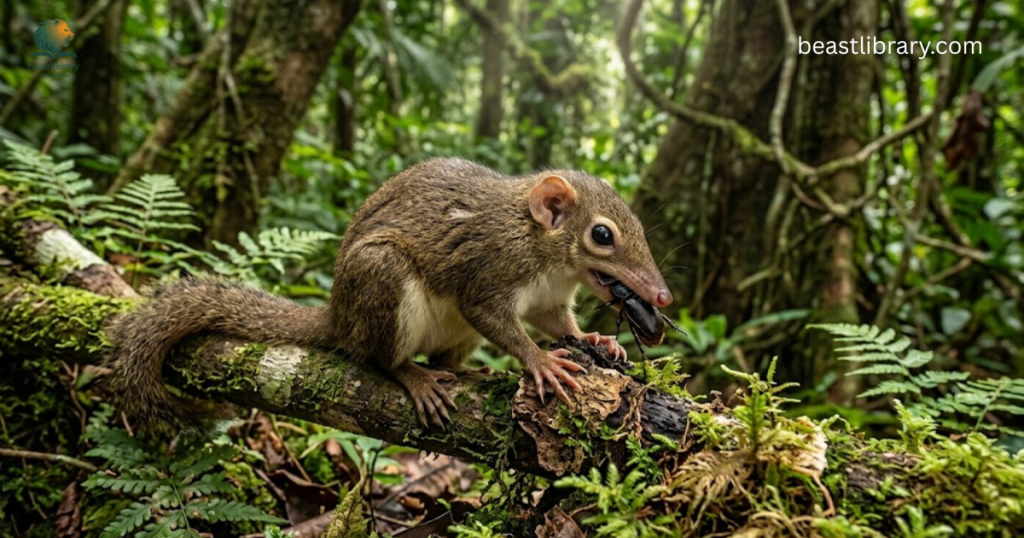
The tree shrew, a small, squirrel-like mammal found primarily in Southeast Asia known as sleepy animal of wild. These sleepy animals have a unique sleep pattern, often resting for over 14 hours a day. This extensive downtime isn’t merely a lazy habit, it plays a critical role in their survival.
During these restful periods, treeshrews enter a state of torpor, allowing them to conserve energy and maintain body heat while foraging for food at night in the humid, canopy-rich jungles. Treeshrew’s sleep habits also intersect with their diet.
As insectivores, they have access to a rich variety of insects and fruits at night, which can be easily consumed but require precise hunting skills. Their prolonged sleep cycles ensure that they are well-rested and agile during nocturnal foraging, striking a delicate balance between energy conservation and nutritional needs.
7. Owl monkey– Animals That Sleep a Lot
Class: Mammalia
Diet: Omnivore
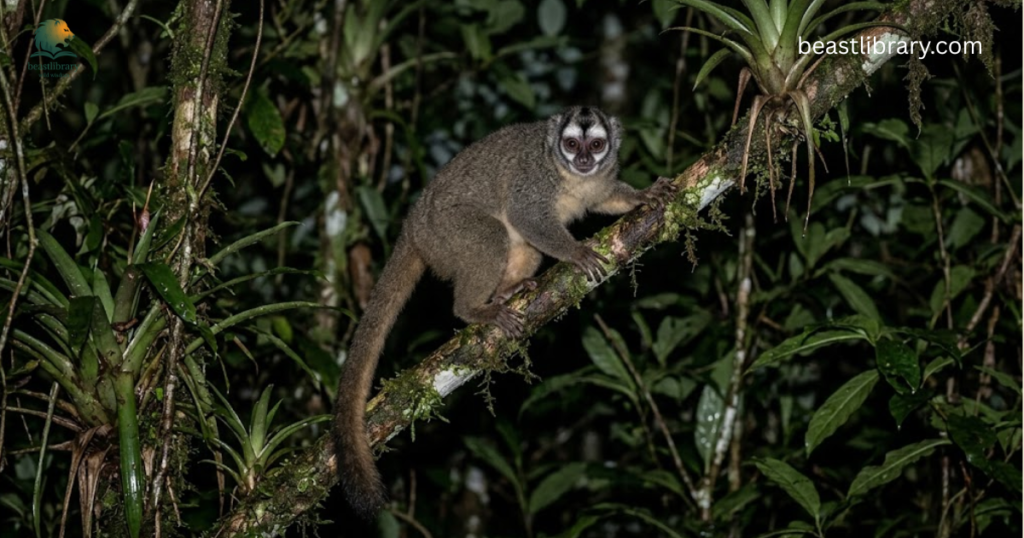
The owl monkey, often dubbed the “drowsy primate” of the Amazon, has an impeccable reputation for its sleep habits. These nocturnal creatures can snooze up to 17 hours a day, a phenomenon that speaks volumes about their unique adaptations.
By conserving energy through long sleep cycles, owl monkeys are primed for the active hours of the night, when they venture out in search of fruit and insects. Owl monkeys are small monkey breeds of nature.
They live in small social groups, often seen cuddled up together, which aids in not only warmth but also security during vulnerable sleep. This communal aspect illustrates a tight-knit bond, where trust and cooperation enhance their survival.
8. Sloth
Class: Mammalia
Diet: Herbivore
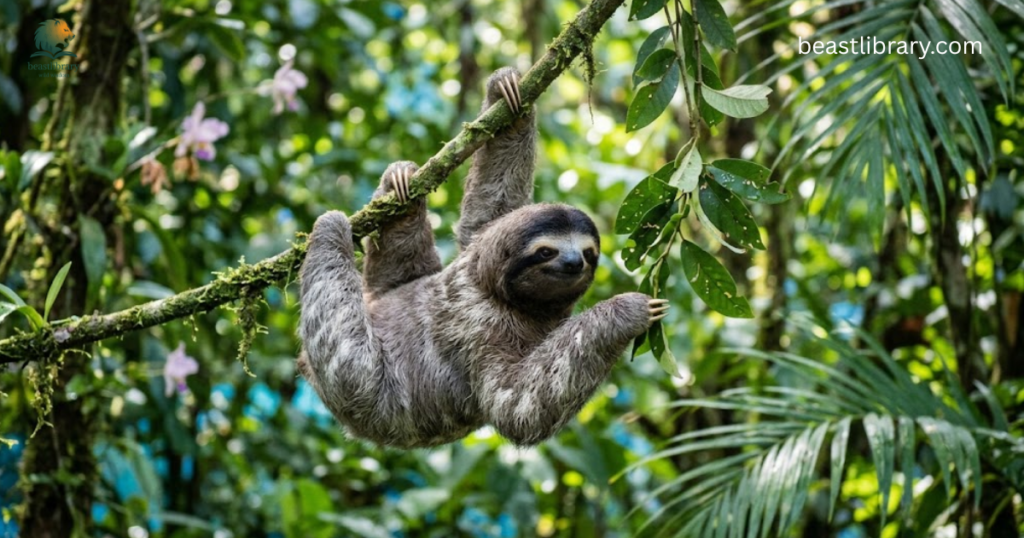
The sloth nature’s ultimate embodiment of leisure, spends a staggering 15 to 20 hours a day in slumber, making it one of the most formidable nappers in the animal kingdom. This extensive rest isn’t merely a quirky trait; it’s a survival technique intricately linked to their diet.
Sloths primarily consume leaves, which are low in energy and nutrients, necessitating a slow-paced lifestyle. By minimizing activity, they conserve energy and maximize their chances of survival in dense tropical rainforests. They are consider as world weakest animals.
Sloth’s unique physiology complements its sleepy existence. Their slow metabolism is matched by an unusually low body temperature, allowing them to function efficiently on their modest nutrient intake.
9. Tiger
Scientific name: Panthera tigris
Class: Mammalia
Diet: Carnivore
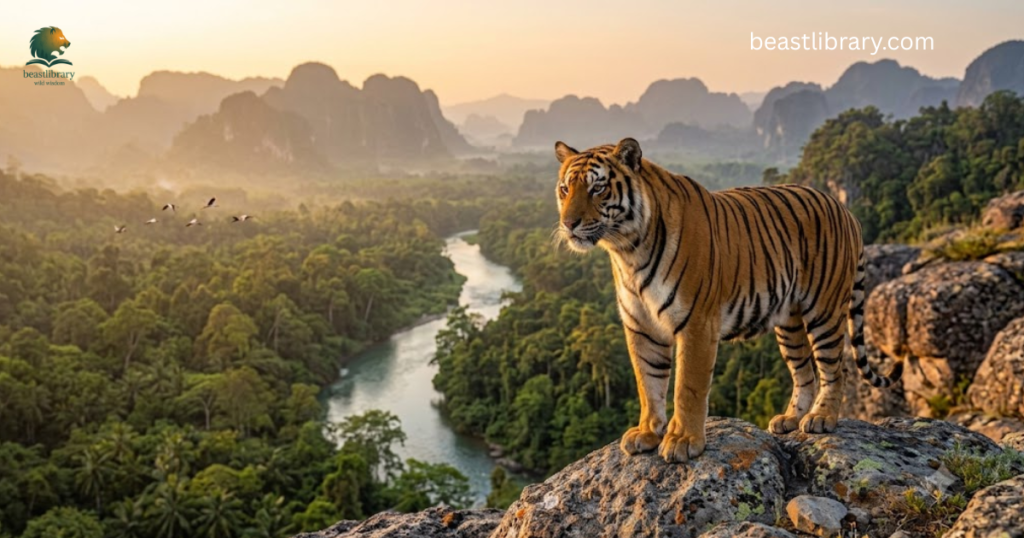
Tigers, the majestic apex predators, are fearsome hunters and also champions of snoozing. On average, these big cats can sleep between 16 to 18 hours a day, indulging in extended slumbers that help them conserve energy for their intense hunting activities.
In the sweltering heat of their habitats, these stealthy felines often seek shade, utilizing their naptime to avoid the oppressive midday sun and recharge for the cooler hours when they are most active.
This behavior allows them to remain alert to potential threats while still catching up on their essential rest. They are sneaky animals of world.
10. Giant Panda
Scientific name: Ailuropoda melanoleuca
Class: Mammalia
Diet: Herbivore
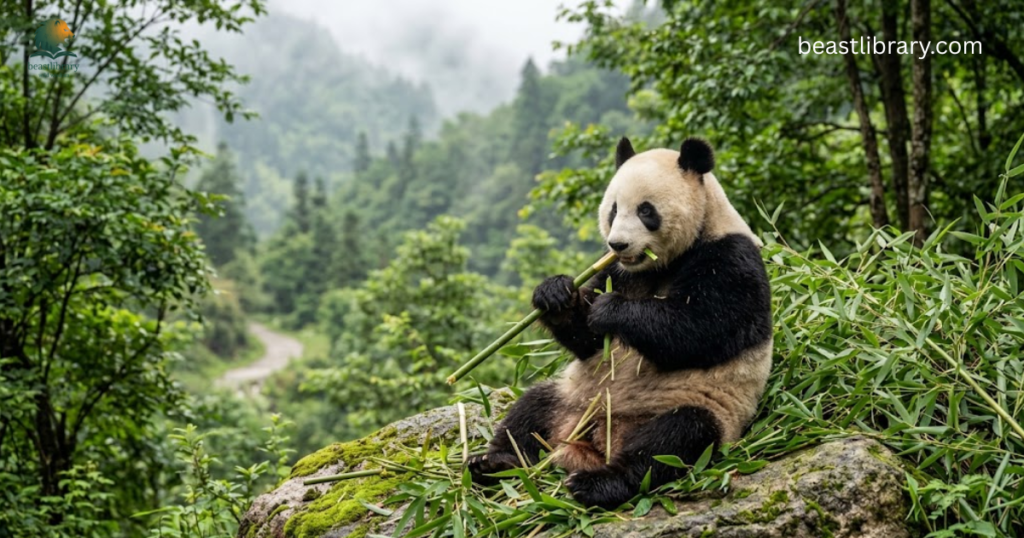
The giant panda, known for its charismatic appearance and gentle demeanor, is also one of the world’s most dedicated sleepers. These enchanting bears spend an astonishing 10 to 16 hours per day snoozing, a habit largely driven by their specialized diet of bamboo.
This fibrous plant, while abundant, offers little nutritional value, necessitating long hours of consumption and, consequently, ample rest. In the wild, they prefer a mix of daylight and nocturnal lounging, allowing them to avoid competition with other herbivores.
11. Lion
Scientific name: Panthera leo
Class: Mammalia
Diet: Carnivore
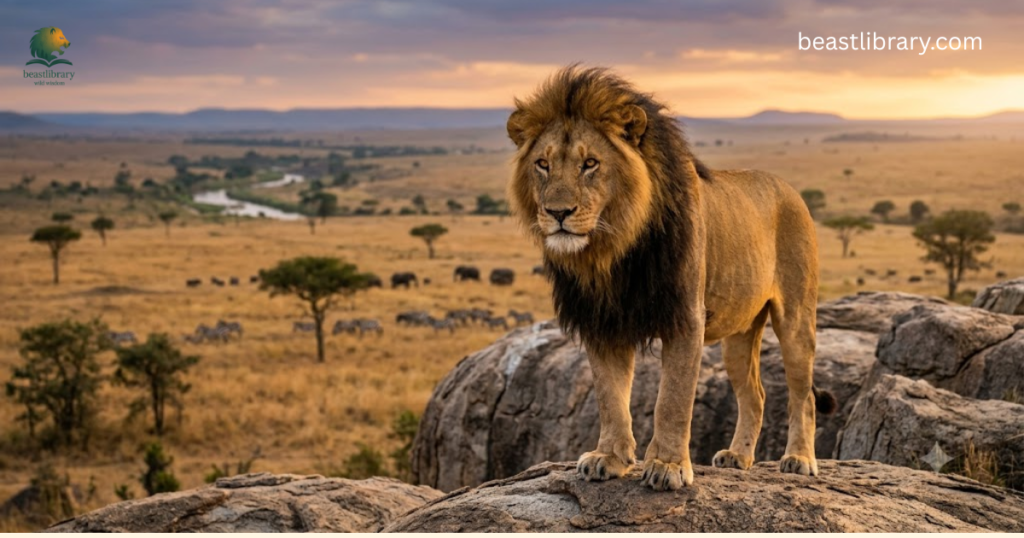
Lions, often dubbed the “kings of the jungle,” are surprisingly prolific sleepers, spending up to 20 hours a day in slumber. This behavior isn’t merely a product of laziness; rather, it’s a strategic adaptation honed by the fierce realities of their environment.
Sleeping allows lions to conserve energy for hunting and socializing, critical components of their existence. When they aren’t napping under the shade of acacia trees, they are engaged in cooperative hunts or bonding with their pride, activities that necessitate bursts of energy and teamwork.
Female lions, typically the primary hunters, balance their day between rest and vigilantly looking after the cubs.
12. Domestic Cat
Scientific name: Felis catus
Class: Mammalia
Diet: Carnivore
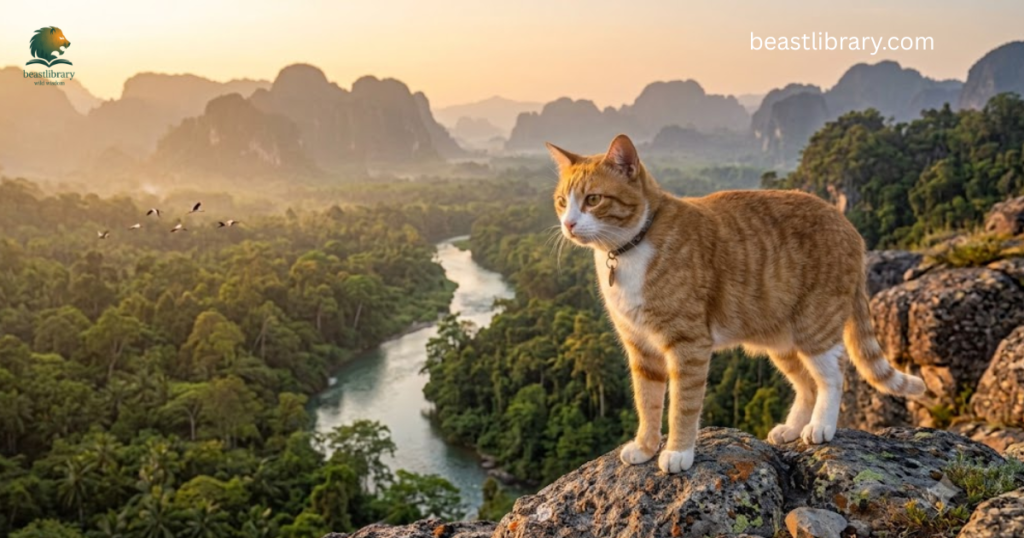
Domestic cats are masters of the art of napping, often sleeping between 13 to 16 hours a day. This propensity for rest isn’t just laziness; it’s a survival trait inherited from their wild ancestors. In the wild, cats need to conserve energy for hunting, as their prey small mammals or birds requires bursts of energy for successful captures.
Domestic cats retain this instinct, often dozing off in sunlit patches or cozy corners, appearing blissfully unaware of the world. But their sleep isn’t just about conserving energy. Those long hours spent napping are crucial for brain function and health.
During deep sleep, cats experience REM (rapid eye movement) sleep, during which they dream often about hunting or playing. This mental stimulation helps enhance their learning and memory, making them agile thinkers despite their seemingly sedentary lifestyle.
Conclusion
Animals that sleep a lot need all this rest just to stay alive, fix their bodies, and keep their health good. Even though taking long naps makes these sleepy animals an easy target for danger. This life is the only way they can survive in nature.
FAQs
What animal spends 90% of its life sleeping?
The koala spends up to 90% of its life sleeping or resting, often clocking in around 18 to 22 hours of sleep every day. This happens because their diet of eucalyptus leaves provides very little energy, so they must stay still to survive.
What animal is lazy and sleepy?
The sloth is widely known as the most lazy and sleepy animal, sleeping up to 15 to 20 hours a day in tree branches. They move so extremely slowly that algae even grows on their fur to help them hide from predators.