Explore Top 25 Most Energetic Animals (With Pictures)
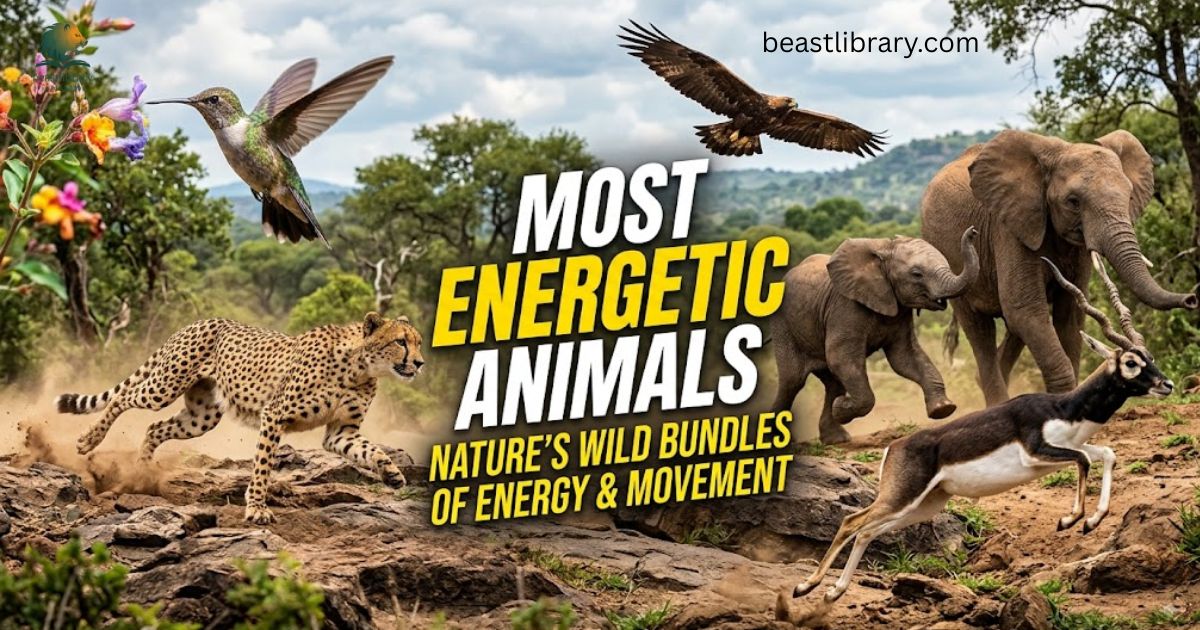
Most Energetic Animals keep nature active and balanced. This continuous activity helps these energy animals do daily work like finding food, making homes, and traveling far. Animals with a lot of energy give advantage for protection against predators.
List of Most Energetic Animals
Here is the list of high energy animals in the world:
- Pronghorn
- Ants
- Arctic Tern
- Dolphins
- Kangaroos
- Mustang Horse
- Squirrel
- Cheetahs
- Adélie Penguin
- Capuchin Monkey
- Wolf
- Hummingbirds
- Tasmanian Devil
- African Wild Dogs
- Swallow
- Siberian Husky
- Dragonfly
- Shrews
- Sea Otters
- Chimpanzee
- Baby Goats
- Border Collies
- Honeybees
- Jack Russell Terrier
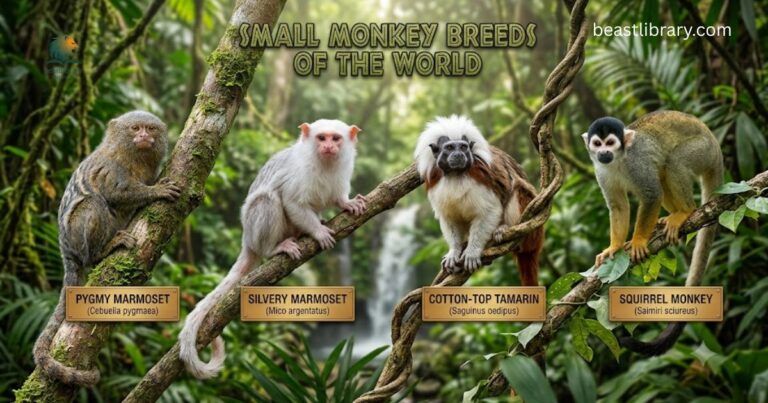
- Squirrel Monkeys
1- Pronghorn
Scientific name: Antilocapra americana
Class: Mammalia
Diet: Herbivore
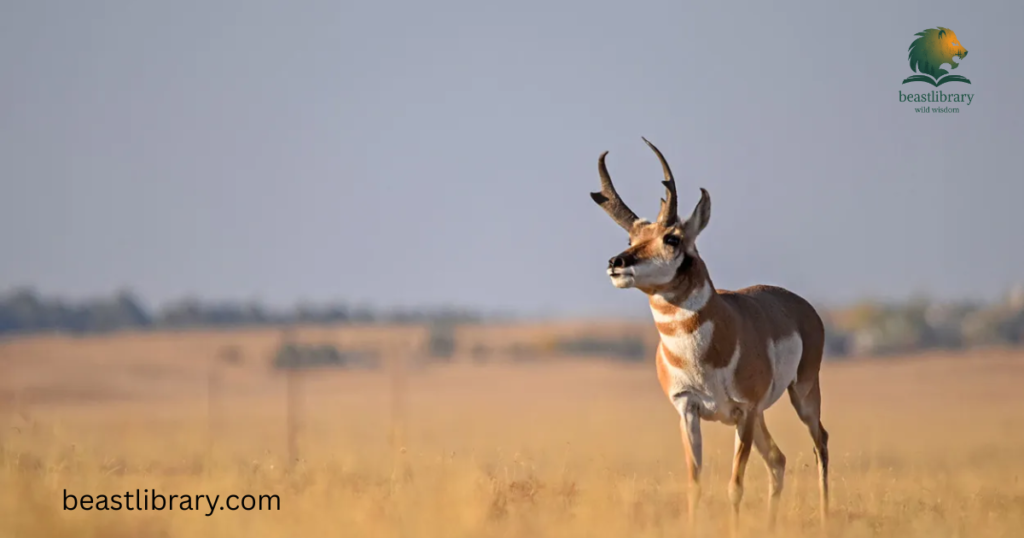
The pronghorn is high energy animal belong to North American wildlife. It is the second-fastest land mammal with long horns, capable of reaching speeds up to 55 miles per hour and sustaining high speeds over long distances, even outperforming the cheetah in endurance.
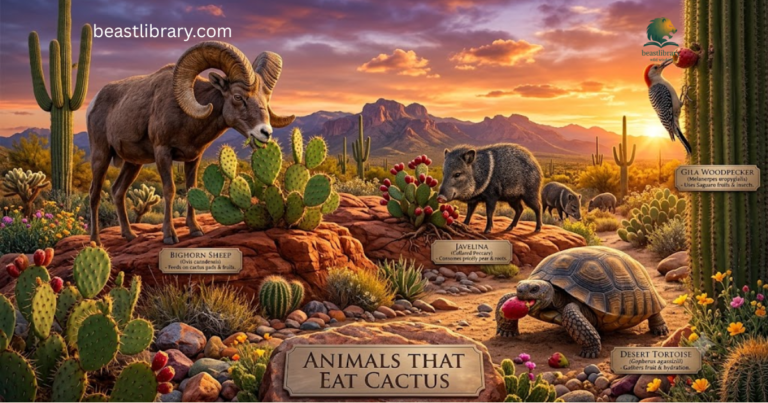
This heightened sense of awareness, combined with their swiftness, helps them avoid predators. They are social hoofed animals and live in Prairies, which which enhances their ability to stay alert and respond quickly to danger. They are animals that eat cactus.
2- Ants
Scientific name: Formicidae
Class: Insecta
Diet: Omnivore

Ants are underrated heroes of the animal kingdom, known as animals with a lot of energy & teamwork. With over 20,000 species worldwide, they can carry objects up to 50 times their body weight. Their strong bodies and endurance make them a model of efficiency and strength.
Ants communicate through signal danger, food sources, and even coordinate tasks. This chemical communication helps the colony function as a unified system. They are animals that feed on honey. They are Scavenger Animals of wild.
3- Arctic Tern- Energetic Animal
Scientific name: Sterna paradisaea
Class: Aves
Diet: Carnivore
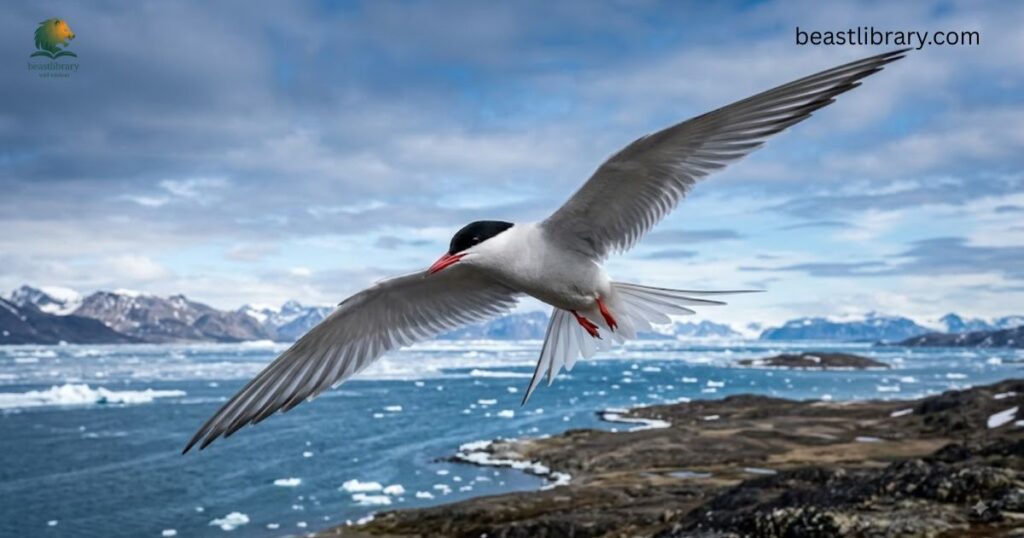
The Arctic Tern migrates up to 44,000 miles every year, traveling from its breeding grounds in the Arctic to their wintering areas in the Antarctic. Its streamlined body, strong wings, and keen navigation skills allow it to travel vast oceans during this journey.
It has remarkable ability to maximize sunlight exposure, leading to a unique lifestyle that incorporates summer in both polar regions. This long-distance migration is an example of extreme migratory adaptation in birds.
4- Dolphins
Scientific name: Delphinidae
Class: Mammalia
Diet: Carnivore
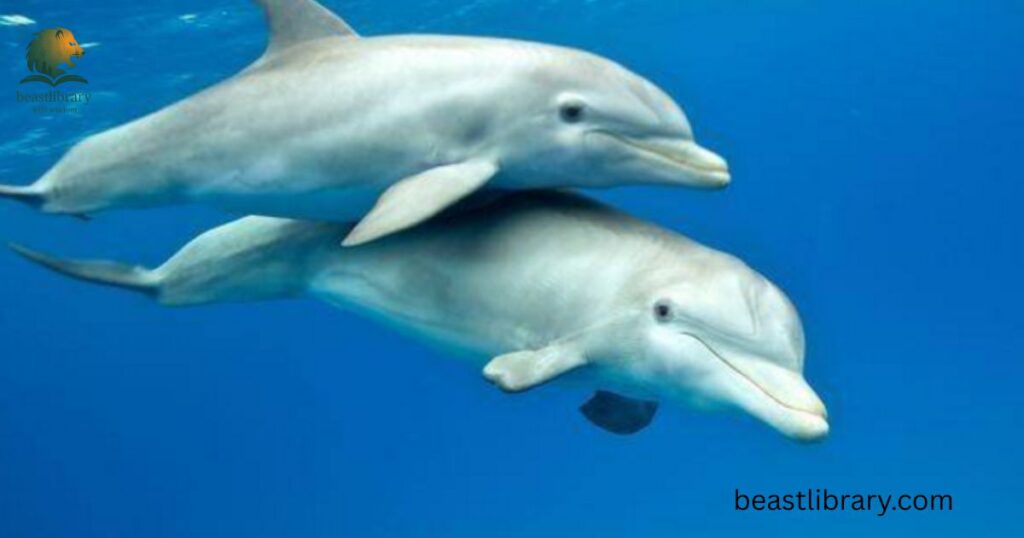
Dolphins are not just agile acrobats of the sea also they are highly social humble creatures communicate with a complex system of clicks, whistles, and body language, showing social intelligence. They are Mischievous Animals of world & also world happiest animals.
This growing understanding of dolphin intelligence not only reshapes how we view these Curious Animals but also underscores the importance of preserving their natural habitats. They are no leg animals of wild having sharp teeth.
5- Kangaroos
Scientific name: Macropush
Class: Mammalia
Diet: Herbivore
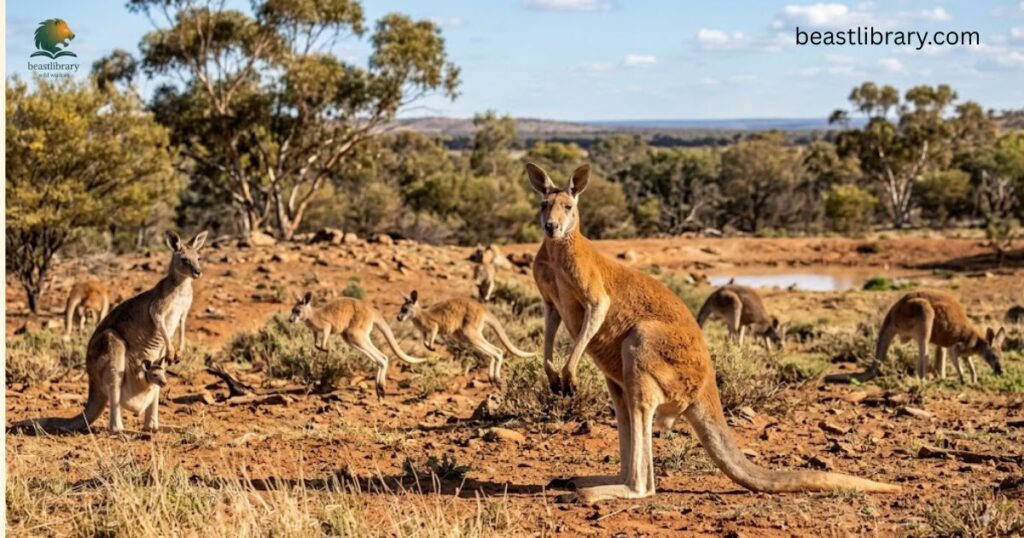
Kangaroos are grumpy animals often seen as symbols of Australia. A single bound can cover over 30 feet, showing their powerful hind legs an evolutionary marvel. That facilitates movement across vast arid landscapes but also helps them escape predators quickly.
Living in groups called mobs. They display intricate social dynamics that enhance their survival. Through coordinated movements and vocalizations. They communicate subtle cues, ensuring the safety of the group while also forming strong social bonds among members.
6- Mustang Horse
Scientific name: Equus ferus caballus
Class: Mammalia
Diet: Herbivore
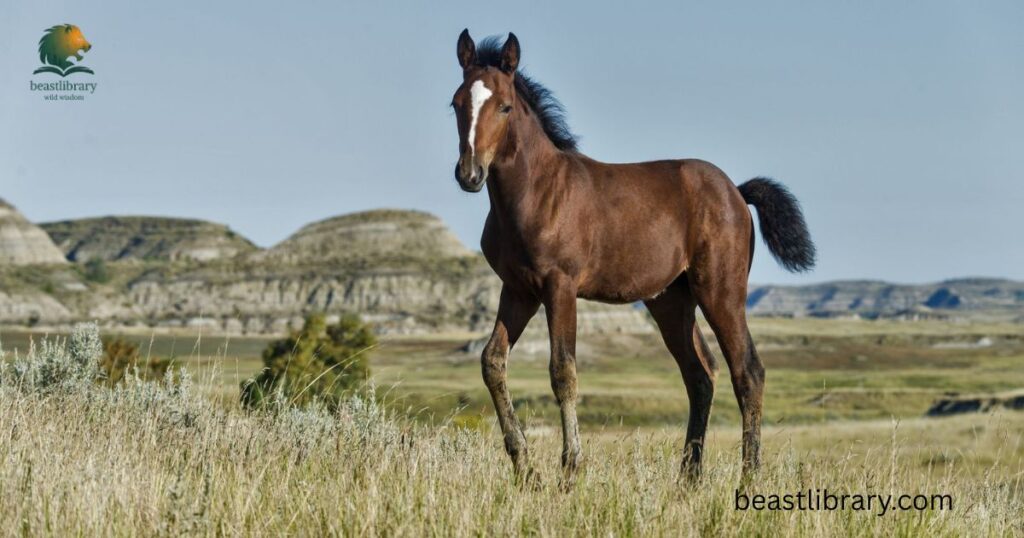
The Mustang horse, a symbol of freedom, embodies resilience in its untamed existence. Mustang horses roam the expansive prairies of North America, showcasing impressive agility and stamina. Mustangs are high energy animals capture attention with their powerful energy.
Mustangs are a living testament to adaptability. They’ve survived in harsh conditions, developing strong survival instincts and a strong social structure herds system. This social behavior highlights the importance of connection and support, reflecting the the value of unity in facing challenges.
7- Squirrel
Scientific name: Sciuridae
Class: Mammalia
Diet: Omnivore
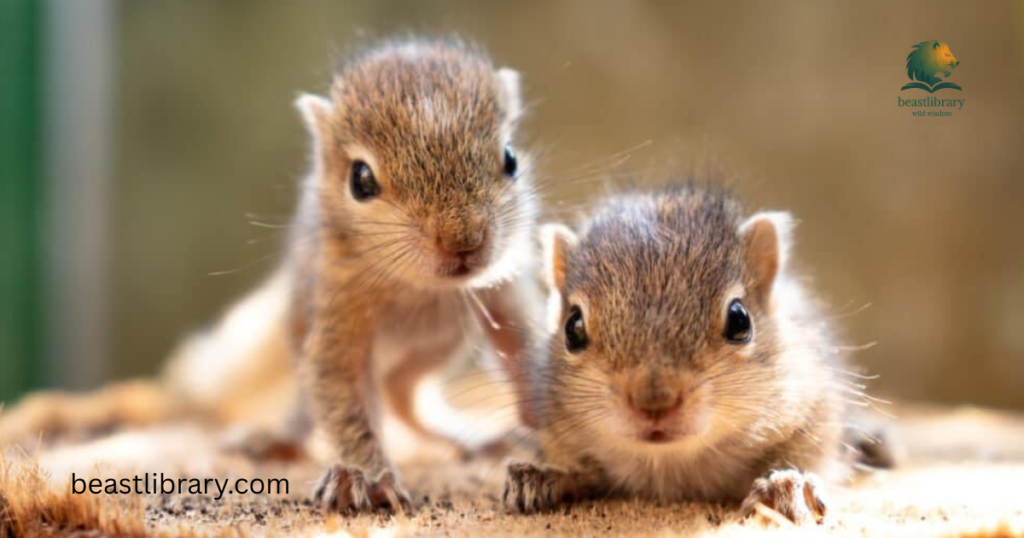
Squirrels, with their nimble bodies and twitchy tails, known as most energetic animals. Their acrobatic prowess, leaping between branches and deftly navigating urban landscapes. They are flexible animals of wild & eat coconuts.
They are high energy animals and communicate through chirps and chatter and play crucial role in forest ecosystems. By burying nuts that they often forget, squirrels inadvertently plant new trees, contributing to biodiversity. In wild many animals look like squirrels.
8- Cheetahs
Scientific name: Acinonyx jubatus
Class: Mammalia
Diet: Carnivore
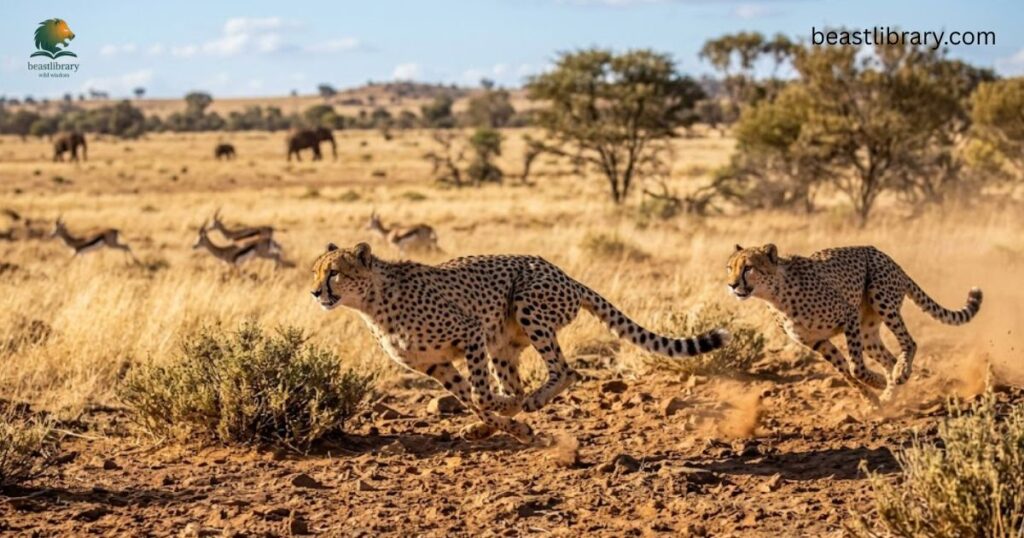
Cheetahs are the epitome of speed and grace, with abilities that go beyond velocity. Their specialized bodies are built for acceleration, allowing them to go from 0 to 60 miles per hour in just three seconds.
Female cheetahs are devoted mothers fiercely protect their cubs, while male siblings may form coalitions to enhance their hunting success and territory defense. These limited but meaningful social bonds play an important role in survival and reveal the complex interactions that exist in the wild.
9- Adelie Penguin
Scientific name: Pygoscelis adeliae
Class: Aves
Diet: Carnivore
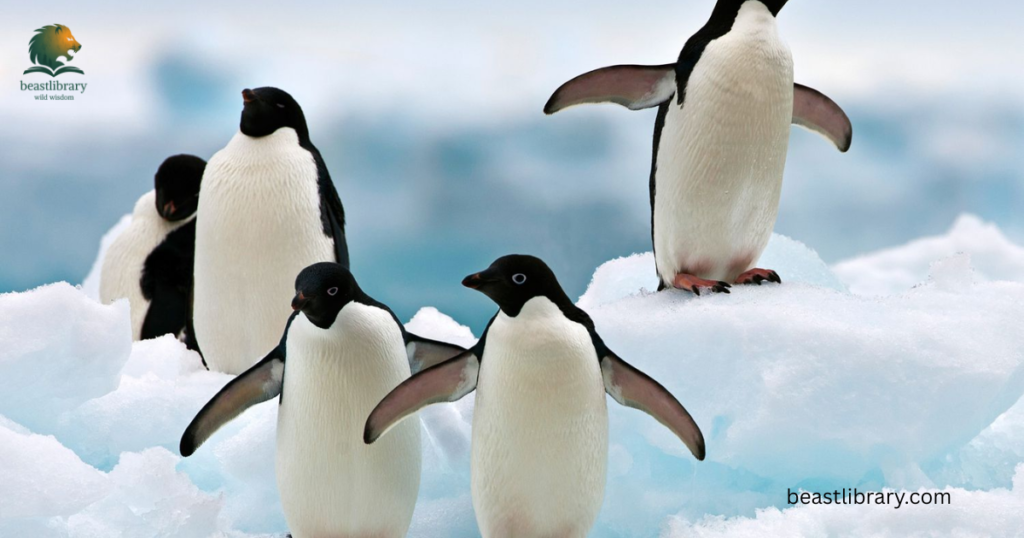
The Adelie penguin, known by its distinctive tuxedo-like appearance, captivates not only with its charm but also with its resilience in one of the harshest environments on Earth Antarctica. These birds are expert divers and agile swimmers, capable of reaching depths of over 500 feet while hunting for krill, fish, and other marine prey.
Adélie penguins are gregarious and display intricate social interactions that enhance their survival. They engage in spirited courtship displays, where couples pairs perform synchronized movements on the ice, reinforcing bonds and signaling readiness for nesting.
Their communal nesting sites, often termed penguin cities bustle with activities that highlight their cooperative breeding strategy, showcasing a unique blend of competition and cooperation.
10- Capuchin Monkey
Class: Mammalia
Diet: Omnivore
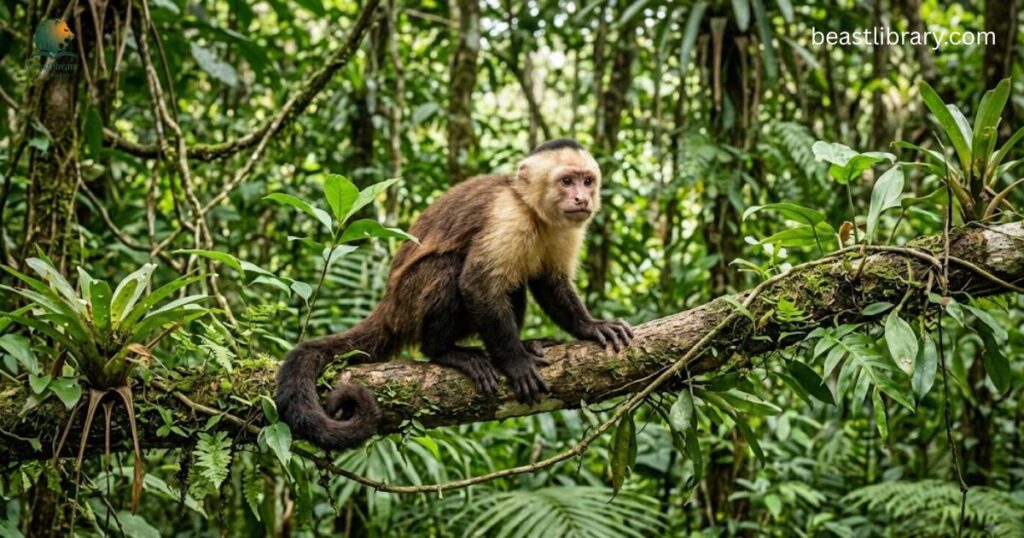
Capuchin monkeys are not just charming with their expressive faces and playful antics. They are intelligent primates that exhibit a high degree of social complexity. They have been observed using tools to obtain food, such as cracking nuts with rocks or using sticks to extract insects from tree bark.
They are known for their cooperative behavior, often grooming which strengthen bonds within their groups. Capuchins can also display empathy, comforting others in distress, which adds a layer of emotional depth to their social structure.
Observing these monkeys reveals not only their playfulness but also the complexity of their social lives, where even seemingly playful behavior serves important survival and bonding functions.
11- Wolf
Scientific name: Canis lupus
Class: Mammalia
Diet: Carnivore
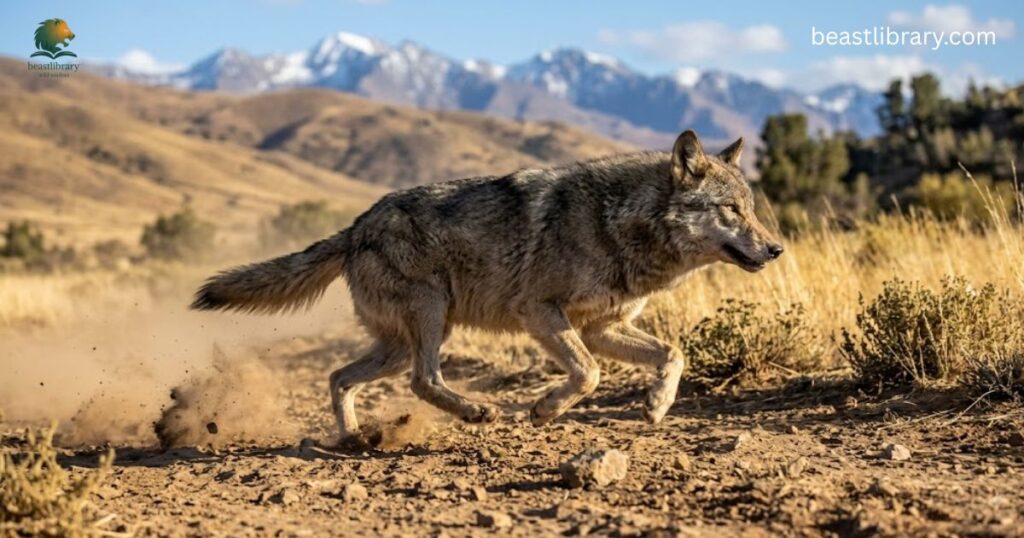
Wolves are known as symbols of strength and loyalty, embody a unique kind of energy that transcends the wild. Their howls, a haunting yet beautiful communication, resonate across vast landscapes, marking territory and forging social bonds within packs.
Observing a wolf pack in action reveals a profound synergy, where each member plays a vital role. This coordination showcases a seamless blend of instinct and cooperation, highlighting the importance of teamwork in nature.
12- Hummingbirds
Scientific name: Trochilidae
Class: Aves
Diet: Omnivore
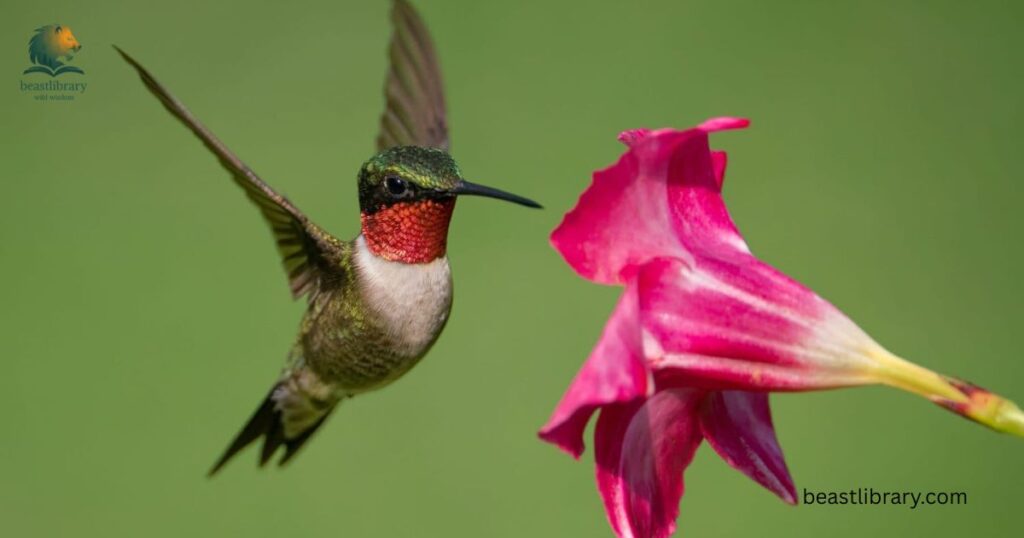
Hummingbirds are nature’s marvels, embodying energy in compact form yet transcendent. With their iridescent feathers flashing in the sunlight, these tiny birds are not just a feast for the eyes. They are engineers of aerial agility, capable of hovering in midair with remarkable precision.
Their rapid wing beats can reach up to 80 times per second, creating a mesmerizing blur that seems almost supernatural. They also play important role in ecosystem as pollinator. Their high metabolism means they must consume around twice their body weight in nectar daily, leading them to visit numerous blooms in a single day.
13- Tasmanian Devil
Scientific name: Sarcophilus harrisii
Class: Mammalia
Diet: Carnivore
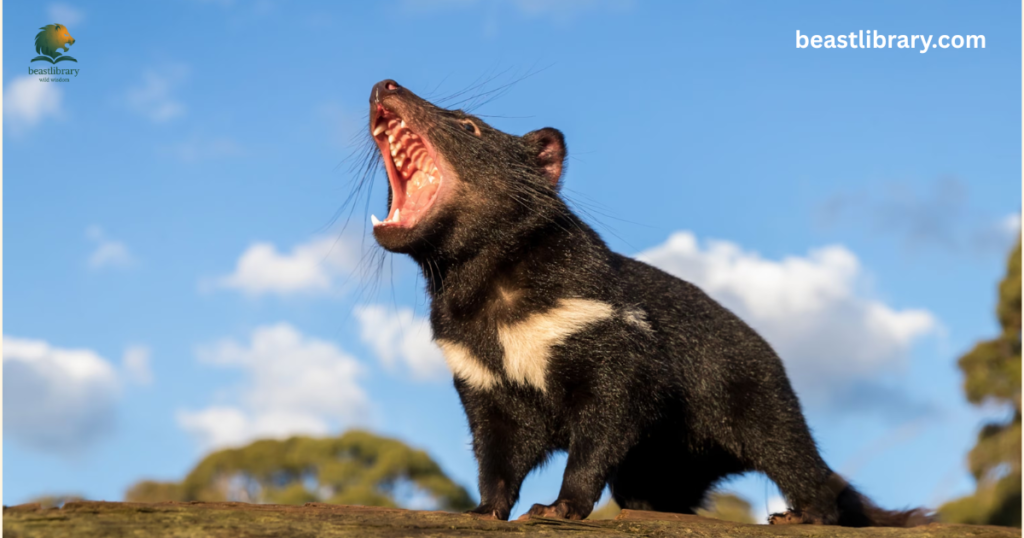
The Tasmanian Devil are animals with a lot of energy. Known for its distinctive screeches and growls. This nocturnal marsupial communicates with sounds that echo through the dense Tasmanian forests, often sending shivers down the spines of fellow predators.
Yet, the Tasmanian Devil faces grave threats, primarily due to a contagious cancer known as Devil Facial Tumor Disease (DFTD), which has drastically reduced its population. As global awareness of ecosystem fragility increases, the plight of the Tasmanian Devil serves as a powerful reminder of the delicate balance of nature.
14- African Wild Dogs
Scientific name: Lycaon pictus
Class: Mammalia
Diet: Carnivore
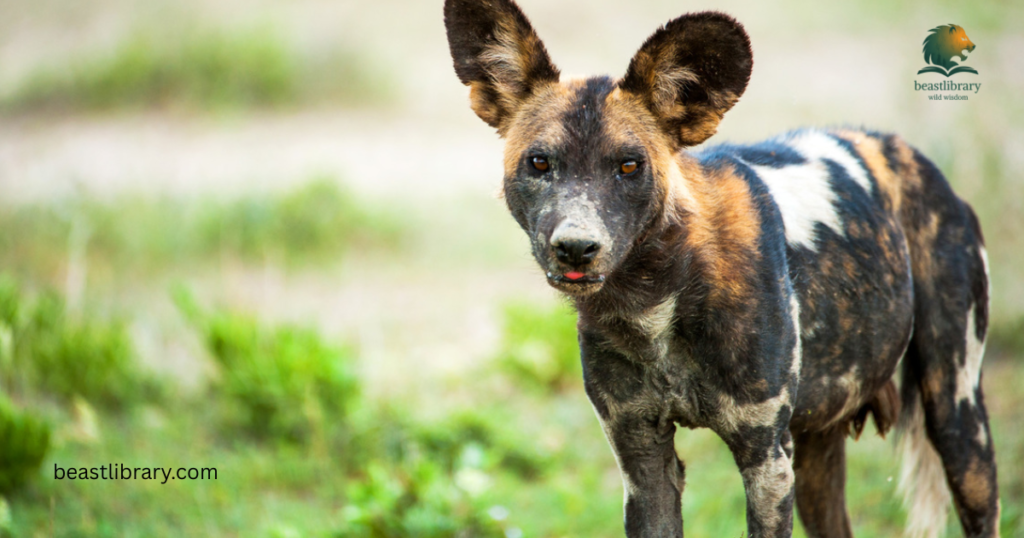
African wild dogs are mesmerizing in their social dynamics and unique hunting strategies. African wild dogs exhibit a level of cooperation, using complex vocalizations and body language to coordinate movements during hunts.
Their success rates soar to nearly 80% a testament to their strategic prowess and energy management. Meaning that they expend less energy than their prey, leading to sustainable hunting practices in the harsh African savanna.
15- Swallow
Scientific name: Hirundinidae
Class: Aves
Diet: Insectivore
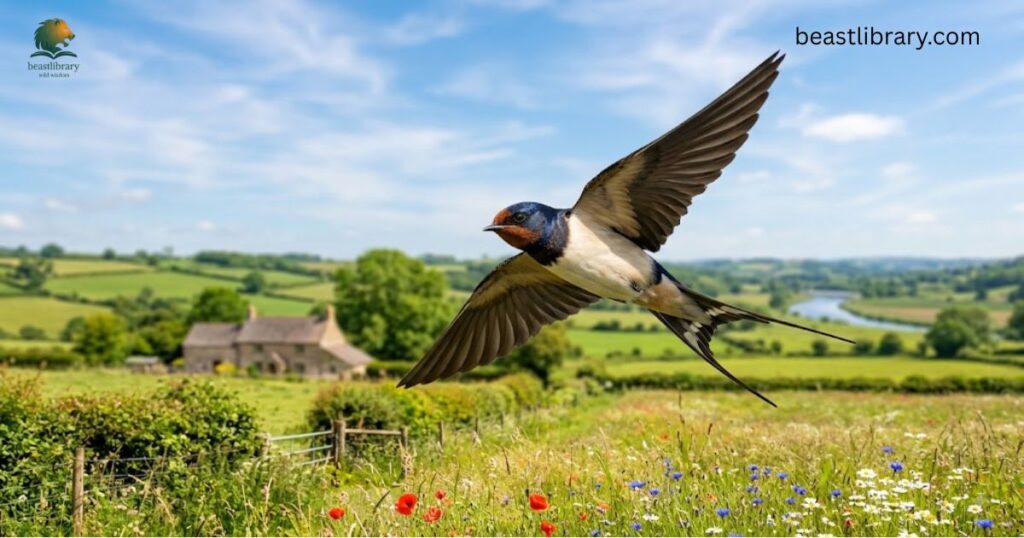
Swallows are nature’s high flying acrobats, embodying agility and grace. Their agile movements as they dart through the sky are a mesmerizing sight, especially during the dawn and dusk hours. With their sleek, aerodynamic bodies and pointed wings, they can catch insects mid-flight, turning food retrieval into a performance art.
Swallows travel thousands of miles between breeding and wintering grounds, showcasing an incredible sense of navigation that has fascinated researchers for centuries. Their ability to recognize specific landmarks and use the Earth’s magnetic fields is a profound testament to nature’s intelligence.
16- Siberian Husky
Scientific name: Canis lupus familiaris
Class: Mammalia
Diet: Omnivore
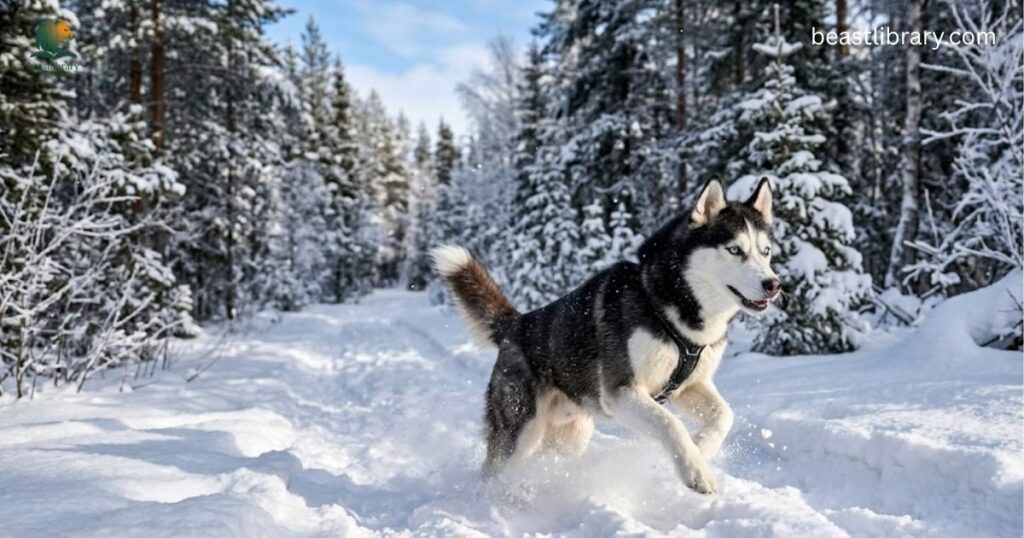
The Siberian Husky, often recognized for its striking blue or multicolored eyes, is much more than just a pretty face. Huskies have an innate drive to run and explore, making them ideal candidates for activities like sledding and mushing.
With a range of vocalizations that includes howls, whines, and barks, they communicate in a way that reflects their intelligent and social character. This breed thrives in an environment where companionship and interaction are abundant, forming strong bonds with their human families.
17- Dragonfly
Scientific name: Anisoptera
Class: Insecta
Diet: Carnivore
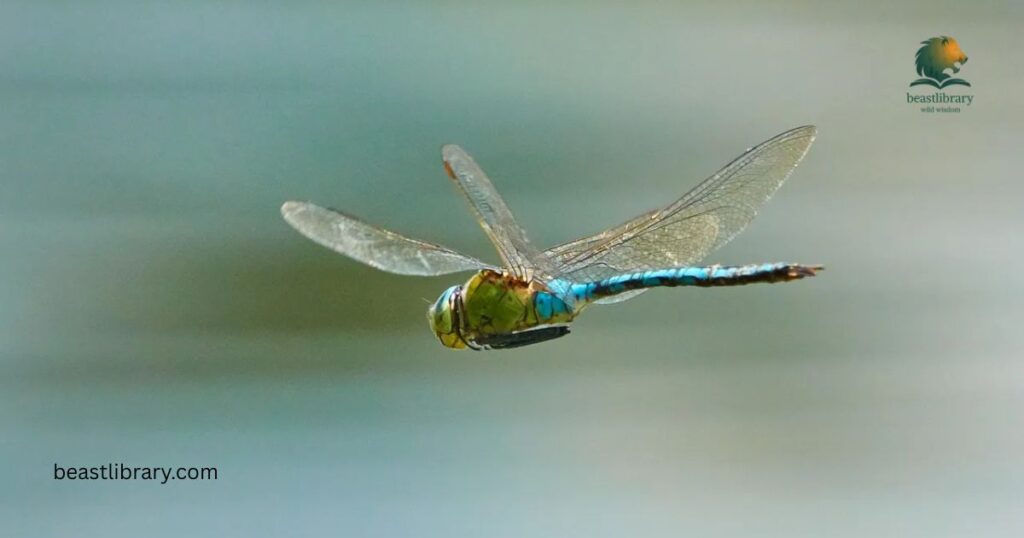
The dragonfly, with its iridescent wings and agile movements, epitomizes energy in the animal kingdom. With the capacity to reach speeds of up to 30 miles per hour, dragonflies are not just elegant but fierce predators, capturing up to 95% of their prey mid-air.
As voracious insect hunters, they help control mosquito and pest populations, serving as important indicators of healthy wetland ecosystems. Through their remarkable aerial agility, Dragonflies demonstrate that survival depends not only on speed but also on precision and adaptation.
18- Shrews
Scientific name: Soricidae
Class: Mammalia
Diet: Insectivore
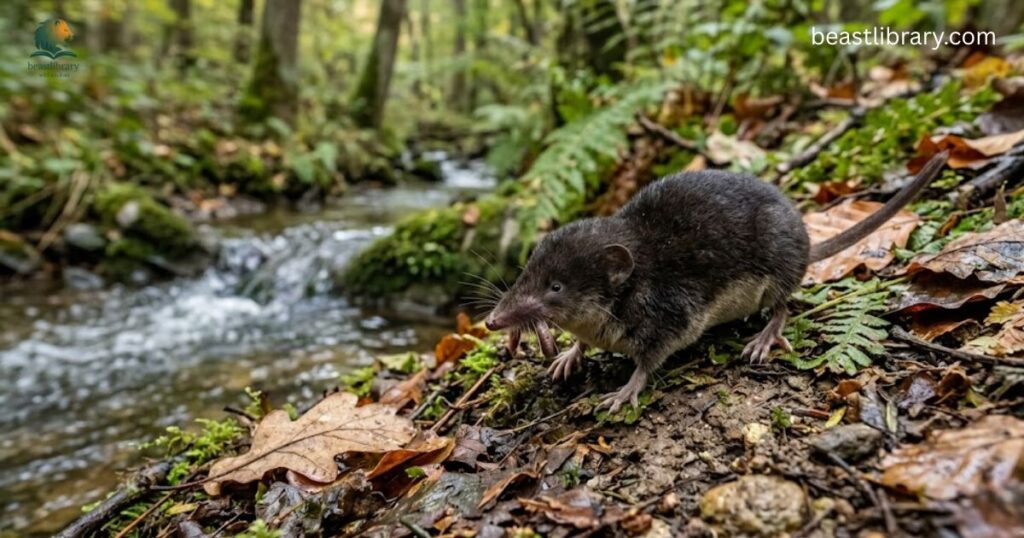
Shrews are miniature powerhouses of the animal kingdom, often outperforming larger animals in terms of energy levels and metabolic rates. These tiny mammals, weighing barely an ounce, possess an astonishingly high metabolism that demands they consume approximately their body weight in food daily.
Equipped with sharp teeth and a voracious hunger, they dart through their habitats with remarkable precision, often employing a unique method of echolocation to navigate their environment.
19- Sea Otters
Scientific name: Enhydra lutris
Class: Mammalia
Diet: Carnivore
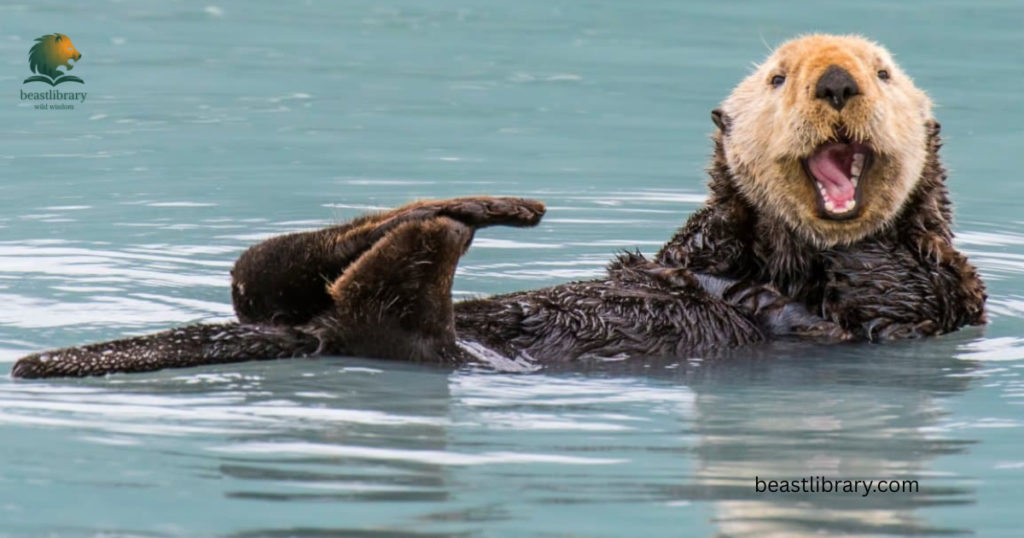
Sea otters are powerhouse athletes in the water. These lively marine mammals boast a ability to use tools, showcasing their intelligence and dexterity. Watching them crack open mollusks on their chests with rocks while floating on their backs is a testament to their resourcefulness.
Sea otters play a crucial role in their ecosystem. By controlling sea urchin populations, they help maintain kelp forest health, indirectly supporting a diverse marine community. This ecological balance makes them vital players in their habitats.
These energetic creatures remind us of the interconnectedness of life in our oceans and the importance of protecting their habitats.
20- Chimpanzee- Most Energetic Animals
Scientific name: Pan troglodytes
Class: Mammalia
Diet: Omnivore
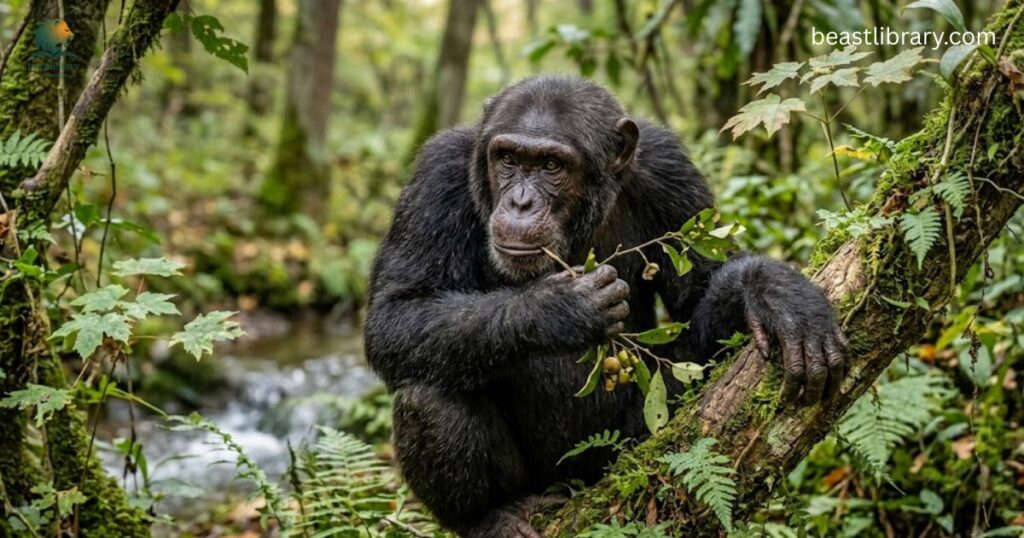
Chimpanzees are most powerful animals that captivates anyone lucky enough to observe them in the wild. Their playful antics, from swinging through the trees to engaging in spirited games of chase, reveal a depth of social interaction that goes beyond mere survival..
They often form tight-knit bonds within their communities, working together to find food, care for one another, and protect their territory. This dynamic makes them not just energetic, but also incredibly strategic and social.
21- Baby Goats
Scientific name: Capra aegagrus hircus
Class: Mammalia
Diet: Herbivore
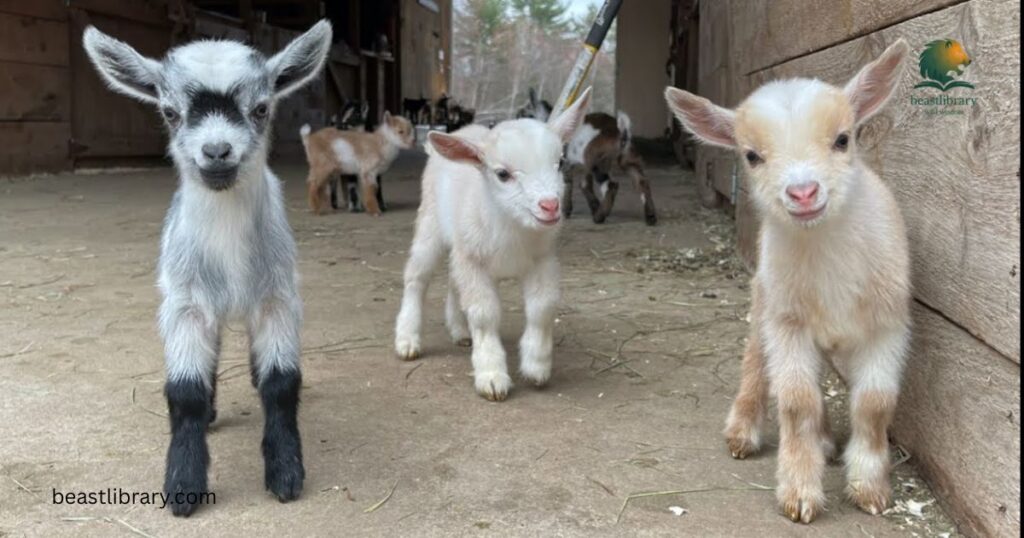
Baby goats are most power animals in land embody pure joy and exuberance, leaping and bounding with seemingly limitless energy. Their flexible bodies allow for astonishing jumps, often seen soaring over obstacles as if gravity doesn’t exist.
Baby goats exhibit a remarkable capacity for social bonding. They thrive in groups, using their high energy play sessions to develop social skills and establish hierarchies. Watching them interact reveals an intricate dance of communication through bleats, head butting, and playful nips.
22- Border Collies
Class: Mammalia
Diet: Omnivore
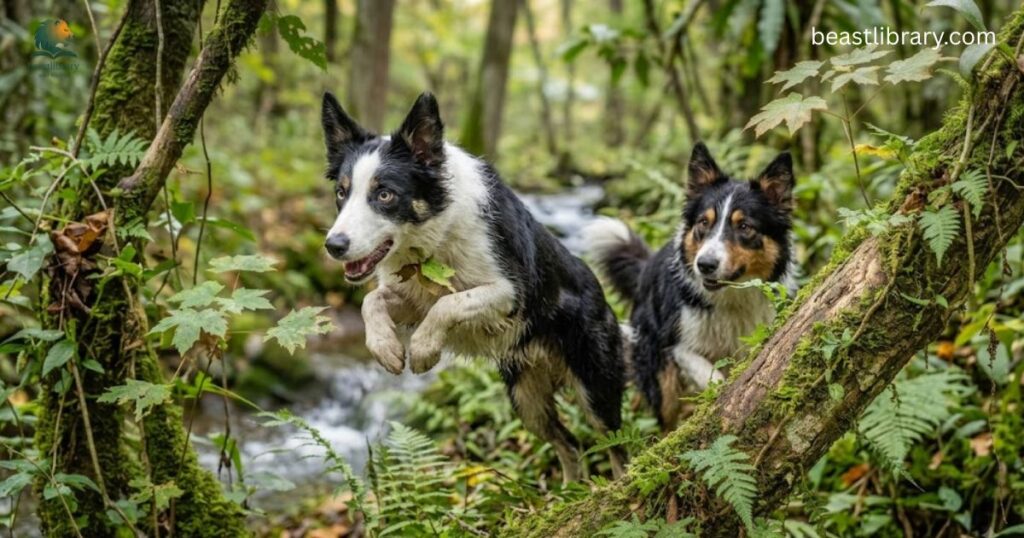
Border Collies are a whirlwind of energy, embodying the spirit of a true working dog. Originally bred for herding sheep in the rugged landscapes of Scotland and England, their astonishing agility and intelligence set them apart. These dogs thrive on mental and physical stimulation.
Beyond their impressive athleticism, Border Collies possess a unique ability to connect with humans. Their keen intelligence allows them to pick up commands rapidly, often learning complex tasks in mere minutes.
23- Honeybees
Scientific name: Apis mellifera
Class: Insecta
Diet: Herbivore
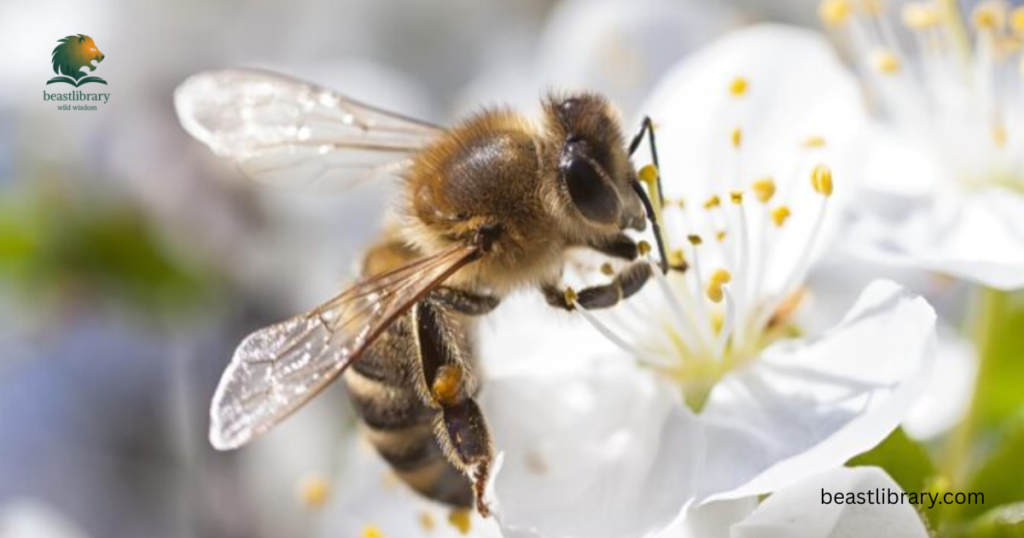
Honeybees are small creatures can flap their wings up to 200 times per second, creating a buzz that signifies not just movement, but a communal rhythm that sustains their entire colony. This frenetic energy is vital for pollination, enabling them to visit up to 2,000 flowers in a single day.
Honeybees exhibit an impressive form of communication known as the waggle dance. Their relentless work ethic not only fuels their survival but also plays a crucial role in maintaining biodiversity a testament to their energetic impact on ecosystems around the globe.
24- Jack Russell Terrier
Class: Mammalia
Diet: Omnivore
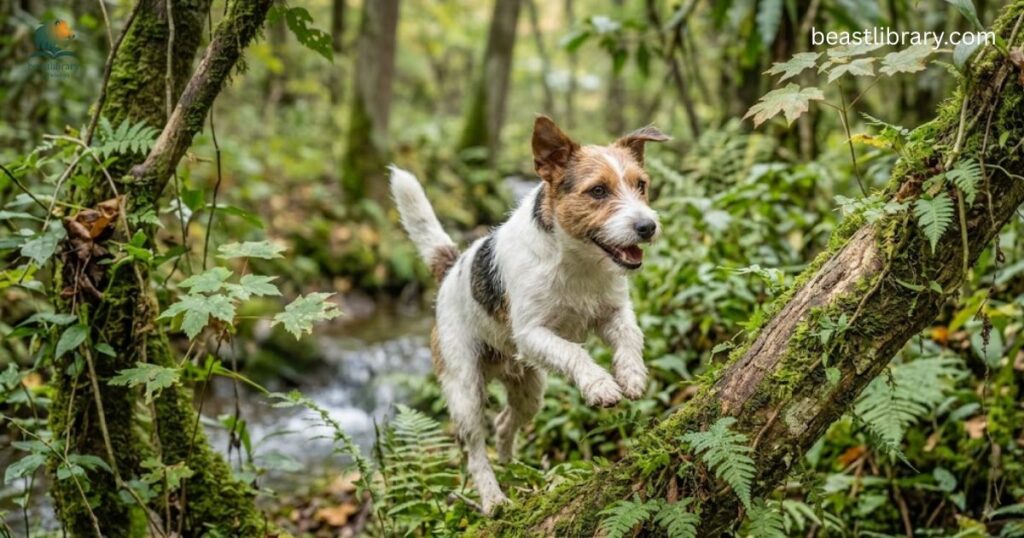
Jack Russell Terriers are the epitome of boundless energy and enthusiasm. With their compact size and athletic build, these spirited dogs are like small dynamos, always ready for action. Their insatiable curiosity drives them to explore every nook and cranny, making them natural adventurers
They thrive on mental stimulation just as much as physical exercise leaving them bored can lead to mischievous antics. Their energy levels may seem daunting, but with proper training and socialization.
25- Squirrel Monkeys
Scientific name: Saimiri
Class: Mammalia
Diet: Omnivore
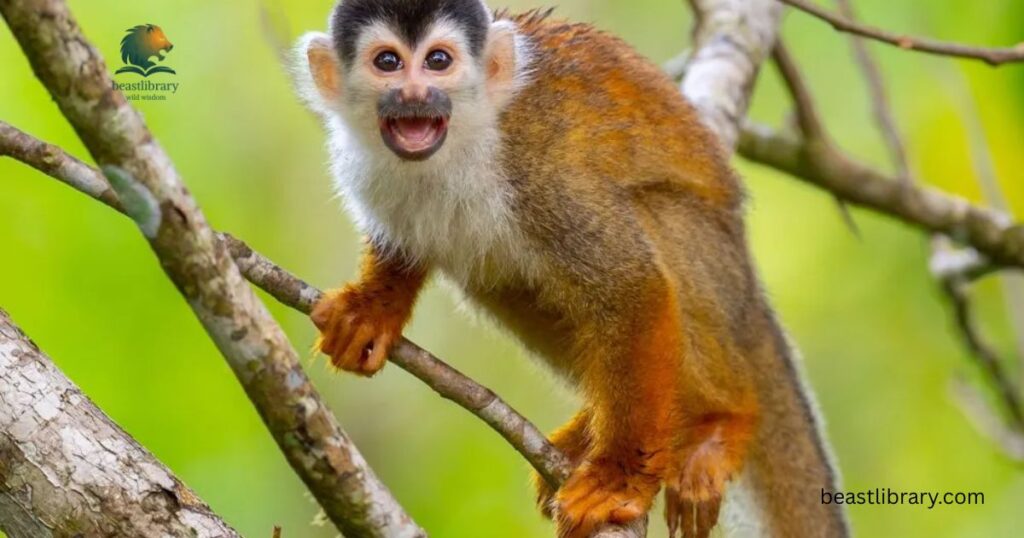
Squirrel monkeys are the embodiment of energy and agility, often darting about in the lush canopies of Central and South America. They are known for their remarkable ability to leap between branches with extraordinary precision, aided by their long limbs and prehensile tails.
Living in cohesive troops of up to 30 members, they engage in vocal communication and play, reinforcing social bonds essential for survival. Their interaction supports teamwork in both foraging and avoiding predators.
Final Thoughts
Most Energetic Animals use their power to stay strong and safe. Quick speed gives these high energy animals a big advantage for protection against dangerous predators. Their daily hard work shows how vital energy and speed are to survive in nature.
FAQs
What animal has a lot of energy?
The Cheetah is the fastest land animal, capable of reaching speeds up to 60 mph. It can only sustain this speed for about 20–30 seconds. This short burst of energy helps it quickly chase and catch prey.
What is the most energetic pet?
The Border Collie is one of the most energetic pets, known for its stamina and intelligence. Bred for herding, it needs plenty of exercise and mental stimulation to stay happy and avoid boredom.
What is the most active animal?
The Hummingbird is one of the most active animals, beating its wings 50–80 times per second. Its rapid movement helps it hover while feeding on nectar, which fuels its high energy levels.