Top 14 Unique Animals That Eat Cactus 2026 (With Images)
Did you know that some animals happily munch on the spiky cacti that many of us avoid? “Animals That Eat Cactus” dives into the world of these unexpected herbivores. These creatures adapt to their harsh environments not only highlights the resilience of nature but also sheds light on ecosystem balance.
List of Animals That Eat Cactus
Here is the list of animals that can eat cactus:
- Bighorn Sheep
- Galápagos Tortoise
- Kangaroo Rats
- Camels
- Desert Iguana
- Javelinas
- Prairie Dogs
- Pronghorn antelope
- Squirrels
- Cactus Wren
- Mule Deer
- Rabbits
- Pack Rats
- Desert Tortoises
1. Bighorn Sheep
Scientific name: Ovis canadensis
Class: Mammalia
Diet: Herbivore
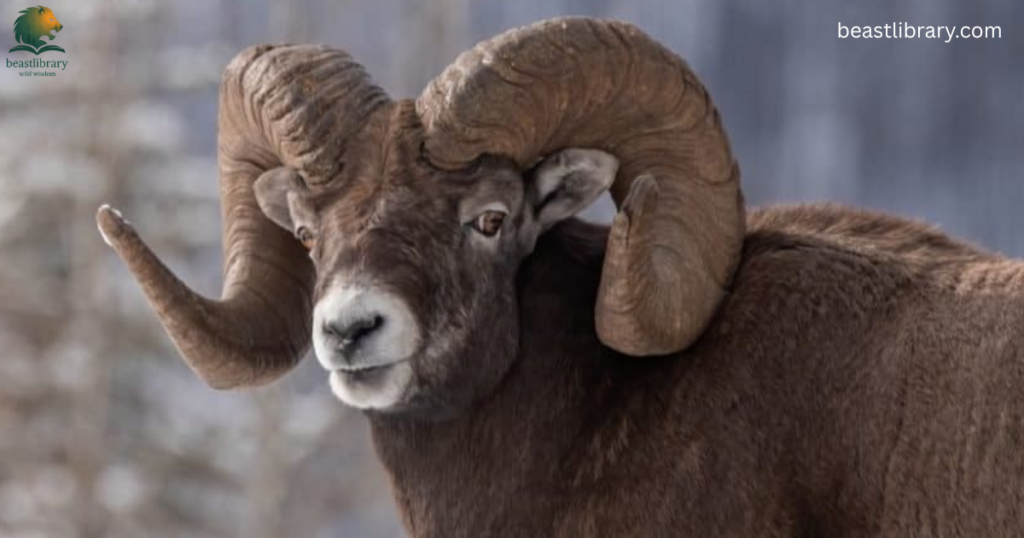
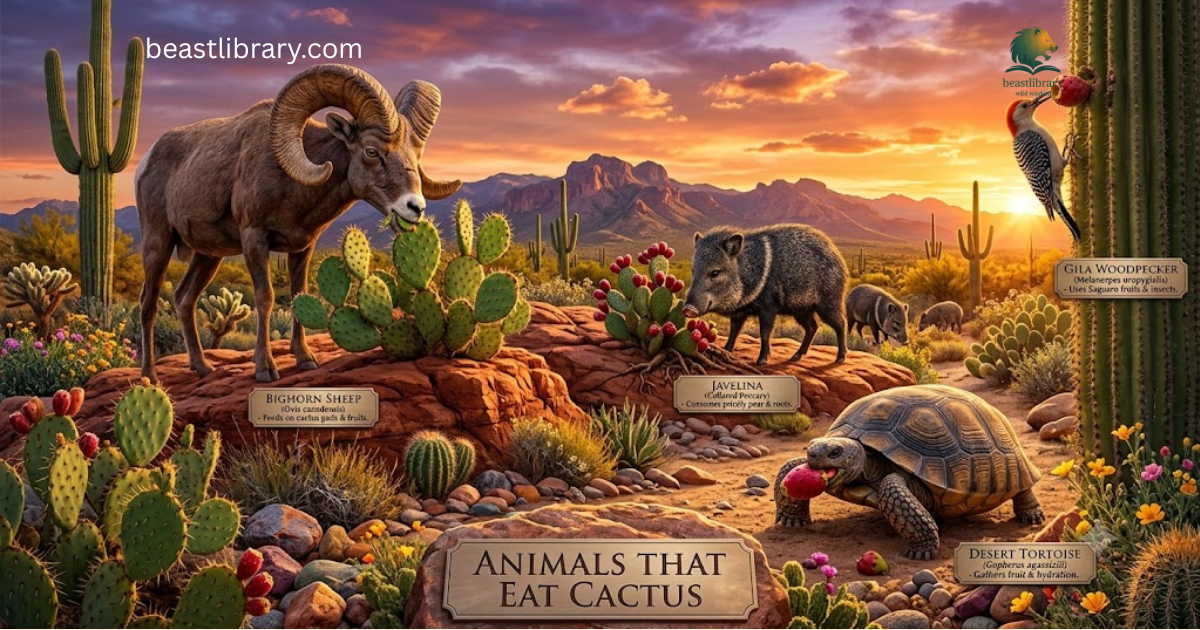
Bighorn sheep, with their impressive curved horns and agile bodies, thrive in harsh desert environments where few other animals can. One of their surprising adaptations is their ability to consume cacti, particularly the spiky and often unwelcoming prickly pear.
While many avoid these spiny plants, bighorn sheep have evolved specialized digestive systems that allow them to process the tough, fibrous material. Their foraging behavior showcases not just their resilience but also the intricate balance of desert ecosystems, where they are both predator and prey.
2. Galápagos Tortoise
Scientific name: Chelonoidis nigra
Class: Reptilia
Diet: Herbivore
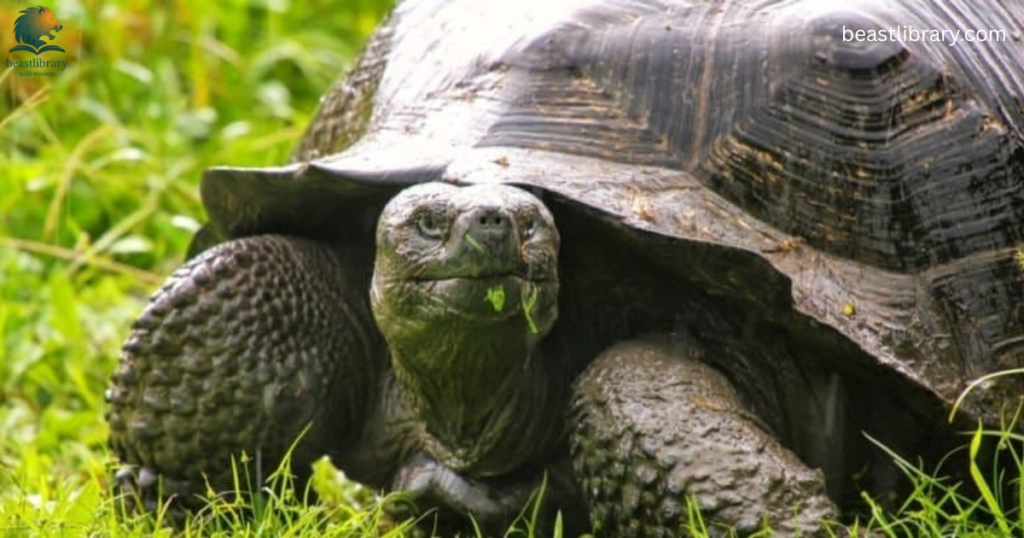
The Galápagos tortoise, an iconic resident of its namesake islands, showcases a remarkable adaptation in its diet: the ability to consume cactus. These slow-moving giants are not just herbivores; they’re specialists, selecting from various cactus species.
3. Kangaroo Rats
Scientific name: Dipodomys
Class: Mammalia
Diet: Herbivore
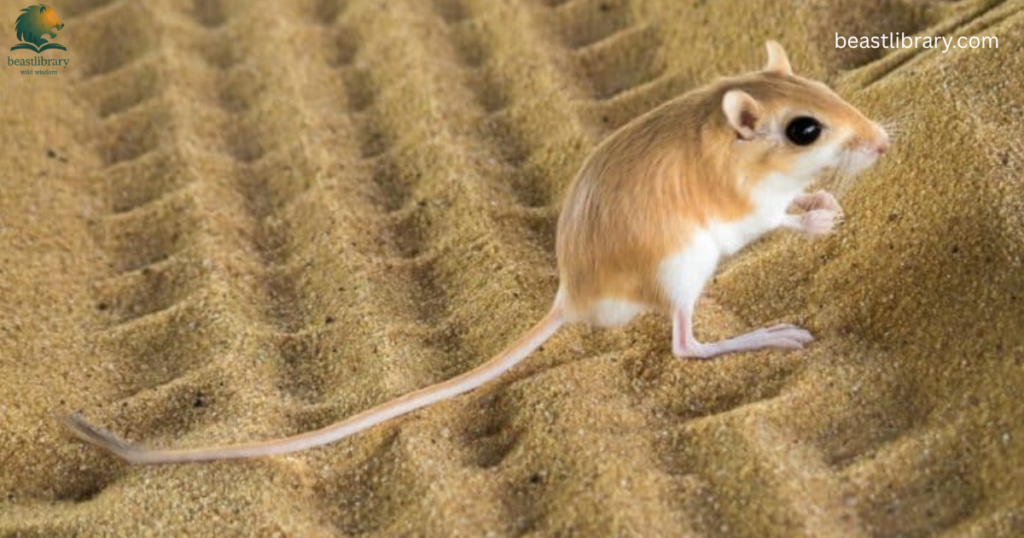
Kangaroo rats are remarkable desert dwellers, showcasing an extraordinary adaptation to their arid environment. These nimble rodents may not immediately come to mind when thinking about cactus grazers, but they play a significant role in the desert ecosystem.
While most animals shy away from the prickly plant, kangaroo rats have developed a unique palate for certain cactus species, particularly the tender pads of the prickly pear. Their specialized jaws allow them to consume these spiny snacks with remarkable finesse, skillfully navigating around sharp spines.
4. Camels
Class: Mammalia
Diet: Herbivore
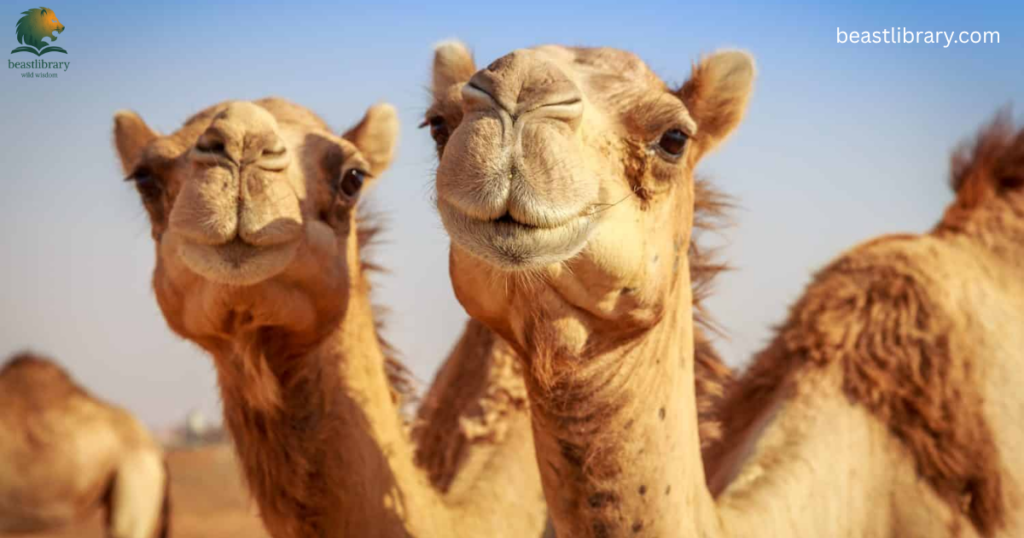
Camels, often dubbed the “ships of the desert,” are iconic for their resilient adaptations to arid environments. One of the lesser-known aspects of their diet is their ability to thrive on cactus, particularly species like the prickly pear.
This hardy herbivore has evolved a unique set of physiological traits that allow it to consume tough and spiny plants without suffering from painful injuries, showcasing nature’s incredible problem-solving prowess.
Their rough tongues and thickened mouths act as natural adaptations, enabling them to expertly manipulate and ingest these prickly morsels. Beyond survival, eating cactus provides vital hydration and essential nutrients, enabling camels to endure the harsh desert climate.
5. Desert Iguana
Scientific name: Dipsosaurus dorsalis
Class: Reptilia
Diet: Herbivore
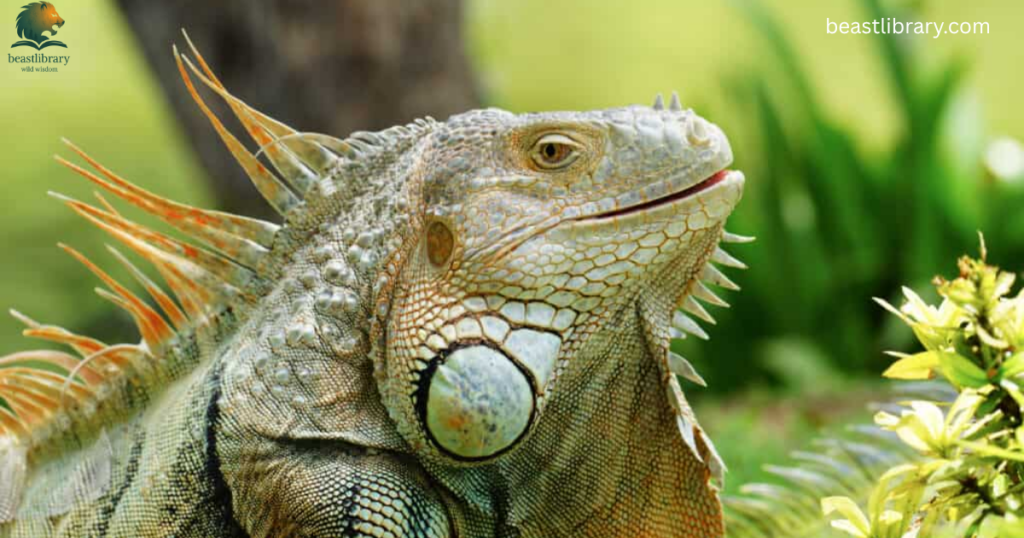
The Desert Iguana, a inhabitant of the arid southwestern United States and northern Mexico, has developed a remarkable ability to thrive in harsh desert environments. These reptiles are particularly known for their unique diet, which prominently features cactus.
More than just a survival strategy, their cactus consumption showcases a brilliant adaptation to the severe limitations of their habitat, where water is scarce and nutrients are often sparse.
6. Javelinas
Scientific name: Pecari tajacu
Class: Mammalia
Diet: Omnivore
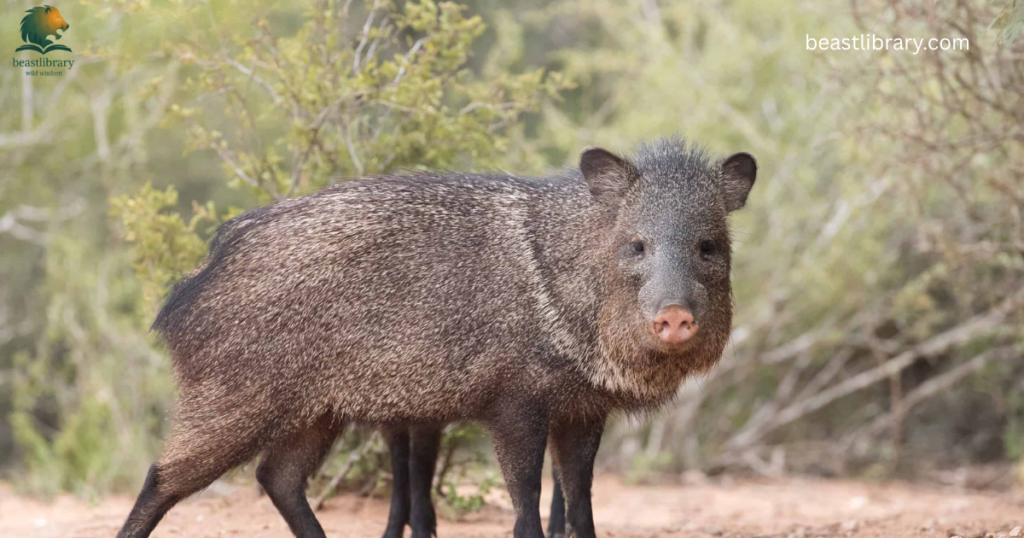
Javelinas, often mistaken for wild pigs, have adapted remarkably to desert ecosystems, showcasing their unique relationship with cacti. These creatures possess a remarkable ability to consume the spiky, fibrous pads of cactus plants, such as the prickly pear, which many animals shy away from due to their formidable defenses.
Their intriguing eating habits highlight a lesser-known aspect of survival in the harsh environments of the Southwest: the clever utilization of plants that might otherwise be off-limits.
7. Prairie Dogs
Scientific name: Cynomys
Class: Mammalia
Diet: Herbivore
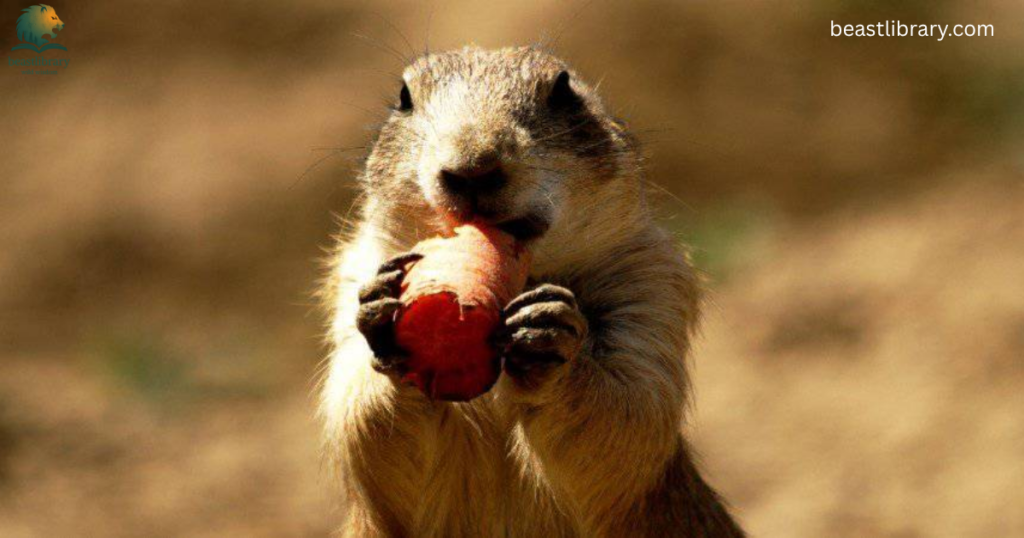
Prairie dogs are creatures that have adapted to their arid environments in remarkable ways, one of which includes their diet. These social animals, often seen in large colonies or “towns,” will munch on a variety of plant materials, but they have a particular fondness for cactus.
Consuming the pads and even the spines of certain cacti, prairie dogs expertly navigate this prickly fare. Their tough mouths and digestive systems are specially adapted to handle the fibrous texture and moisture content of these desert plants.
8. Pronghorn antelope
Scientific name: Antilocapra americana
Class: Mammalia
Diet: Herbivore
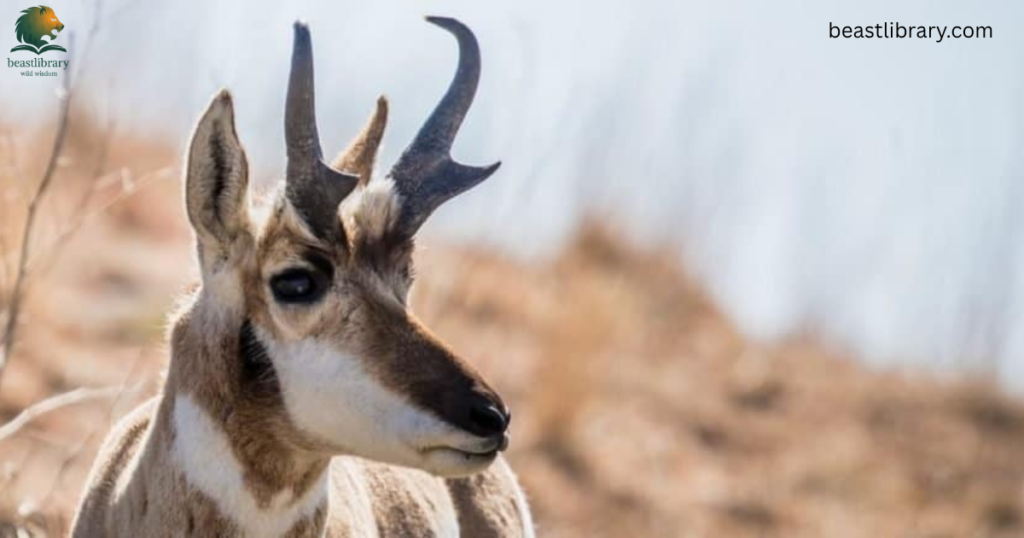
Pronghorn antelope, often celebrated for their incredible speed and resilience, have an unexpected culinary curiosity they indulge in cactus. These remarkable creatures are not just grazing herbivores they are selective eaters that have adapted to thrive in the arid landscapes of the American West.
What animals eats cactus avoid the spiny embrace of cactus, pronghorns have developed a unique feeding strategy. Their tough lips and palate allow them to deftly navigate around sharp spines, consuming the fleshy pads and juicy fruit that provide crucial hydration and nutrients.
9. Squirrels
Class: Mammalia
Diet: Omnivore
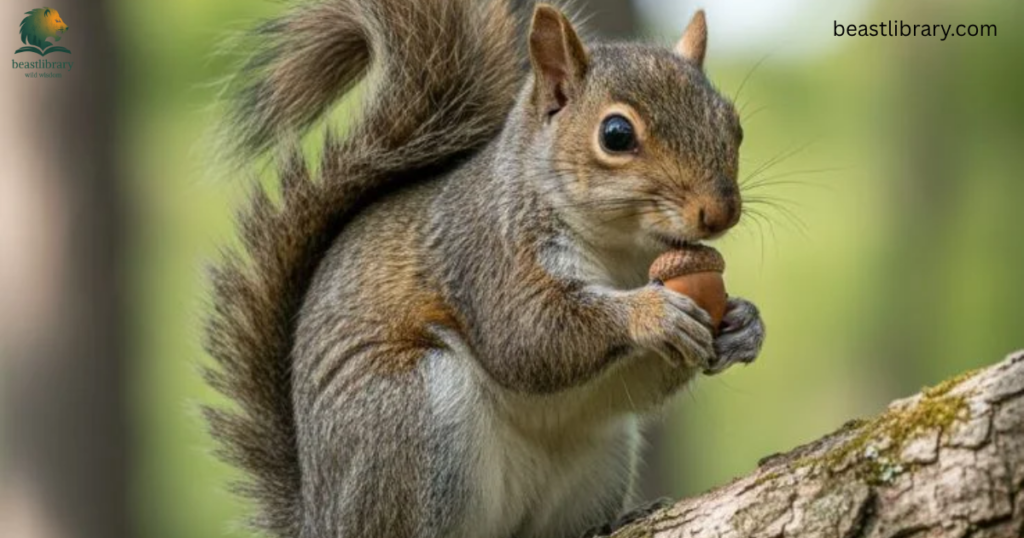
Squirrels, known as animals that eats cactus acrobatics and nut-gathering skills, have a surprising affinity for cactus. In arid environments where other food sources may be scarce, these nimble creatures have adapted to include cactus in their diet. Their sharp incisors are not just for cracking open nuts; they also easily slice through the spines and tough exterior of prickly pear and saguaro cacti. This enables squirrels to access the moisture-rich flesh inside, a vital resource in drought-prone regions.
10. Cactus Wren
Scientific name: Campylorhynchus brunneicapillus
Class: Aves
Diet: Omnivore
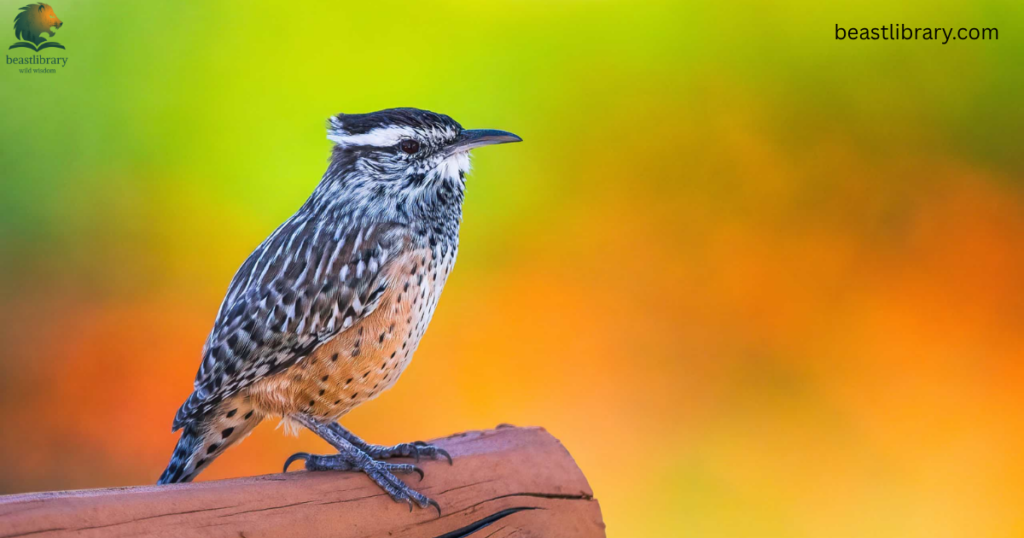
The Cactus Wren, a resilient avian resident of the arid southwestern United States and Mexico, has developed a remarkable relationship with cactus. It is an animal eating cactus. This quirky bird, known for its distinctive brown and white streaked plumage.
Often makes its home within the protective arms of cactus plants like the saguaro and cholla. These plants not only provide shelter but also a vital source of nutrition, illustrating a fascinating example of adaptation and survival.
11. Mule Deer
Scientific name: Odocoileus hemionus
Class: Mammalia
Diet: Herbivore
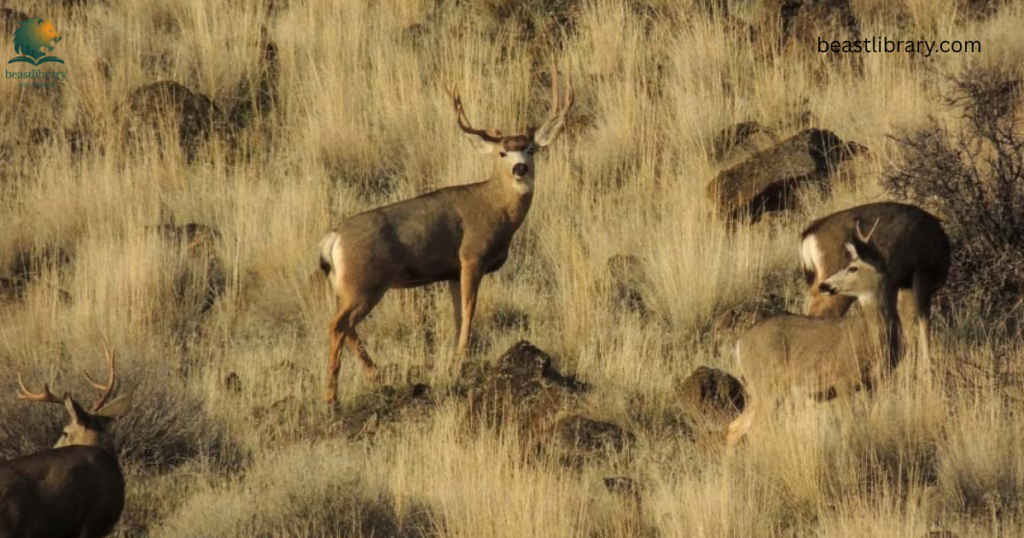
Mule deer are survivors of the arid landscapes they inhabit, showcasing an unexpected affinity for cacti. While many animals shy away from prickly plants, these nimble foragers demonstrate a remarkable tolerance for the spines of certain cactus species, particularly the tender pads of prickly pear.
Their unique digestive systems allow them to extract moisture and nutrients from these seemingly inhospitable sources, a skill that becomes crucial during dry seasons when water is scarce.
12. Rabbits
Scientific name: Oryctolagus cuniculus
Class: Mammalia
Diet: Herbivore
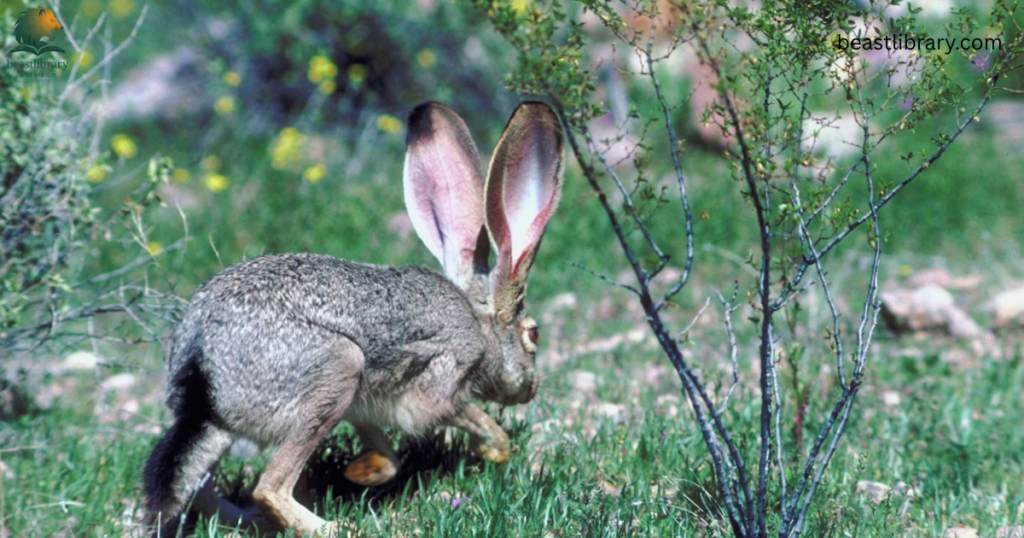
Rabbits, often associated with lush greenery, exhibit surprising adaptability in arid environments, where cacti thrive. These nimble herbivores have evolved not just to survive, but to thrive on the spiny, succulent flesh of these desert plants.
Their incisors are finely tuned for overcoming the tough exterior of cacti, allowing them to enjoy the moisture-rich inner flesh an invaluable resource where water is scarce.
13. Pack Rats
Class: Mammalia
Diet: Omnivore
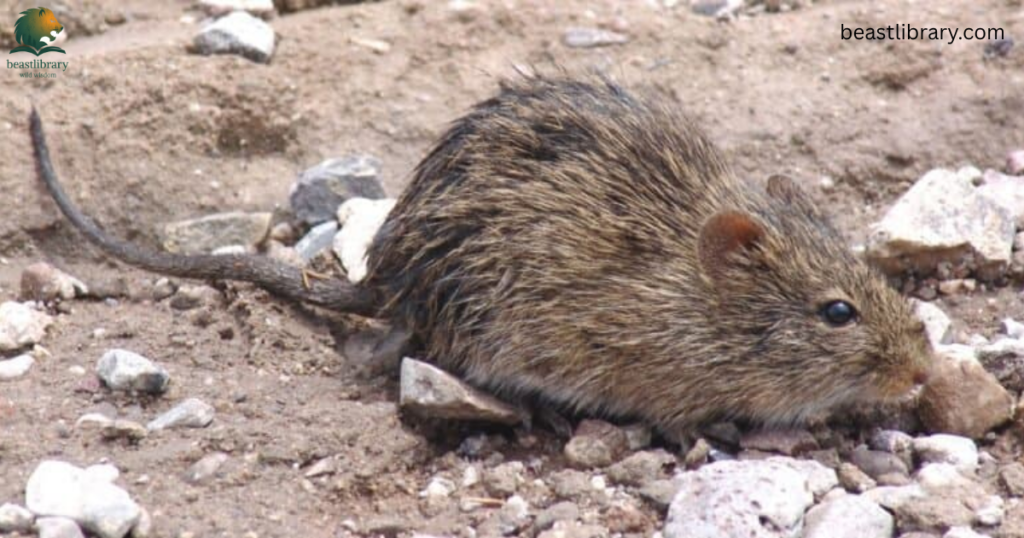
Pack rats, also known as wood rats, are creatures that have a unique relationship with cacti in their arid habitats. These clever rodents have adapted remarkably well to their desert surroundings, often using cacti not just for sustenance but also for shelter.
Their dense fur acts as a natural insulation against the harsh heat, enabling them to venture out during the day to forage on the succulent pads of prickly pear and other cacti.
14. Desert Tortoises
Scientific name: Gopherus agassizii
Class: Reptilia
Diet: Herbivore
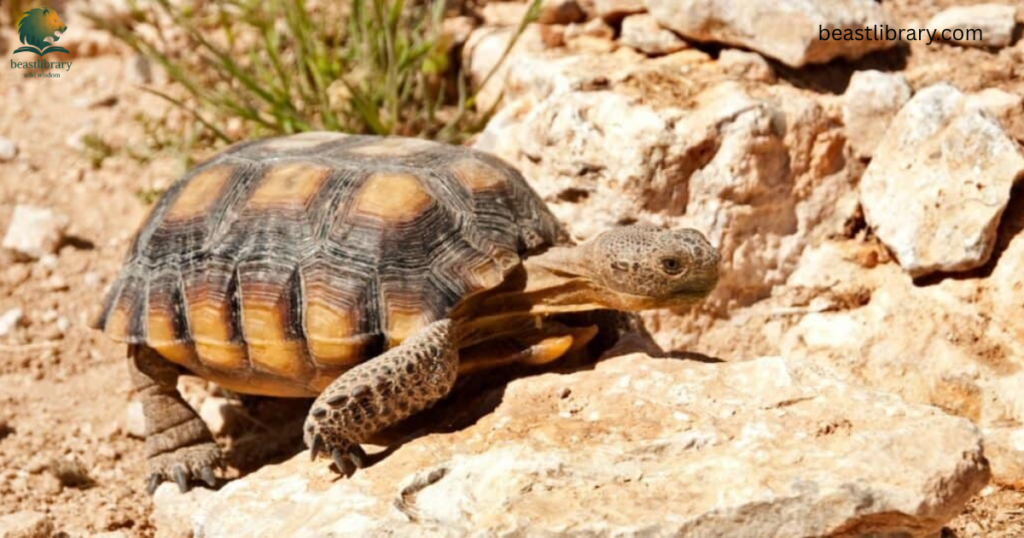
Desert tortoises are not ancient lineage but also for their unique dietary habits of eating cactus. These resilient reptiles have adapted to thrive in harsh desert environments, relying heavily on the prickly pads and juicy fruit of cacti to sustain them.
Their digestive systems are specially adapted to process the fibrous material and extract moisture, making cacti a vital source of hydration during extended dry spells.
Final Words– Animals That Eat Cactus
Animals That Eat Cactus show relationship between animals and cacti showcases the remarkable adaptability of nature. From desert tortoises to birds, these creatures creatively exploit the cactus’s water-storing capabilities and nutritional benefits, ensuring their survival in harsh environments.
FAQs
What animal eats a cactus?
Several animals eat cacti, with one of the most notable being the cactus wren. These birds not only eat the fruits and flowers but also make their nests in the protective spines of the cactus, providing them with safety from predators. Various mammals, such as javelinas and desert tortoises, munch on cactus pads for their moisture. These animals have adapted to thrive in arid environments, making use of cacti as a crucial food source.
Is camel eat cactus?
Yes, camels can eat cacti. In fact, they are quite well adapted to consuming prickly plants due to their unique physiology. Their tough mouths allow them to chew through spines and thorns without injury, helping them thrive in arid environments where food can be scarce. Cacti provide not just nutrition but also hydration for camels, which is crucial in desert conditions. While they have a varied diet that includes grasses and other vegetation, cacti serve as an important food source, especially when other options are limited.