Top 25 Unique Greedy Animals in the World (Images Included)
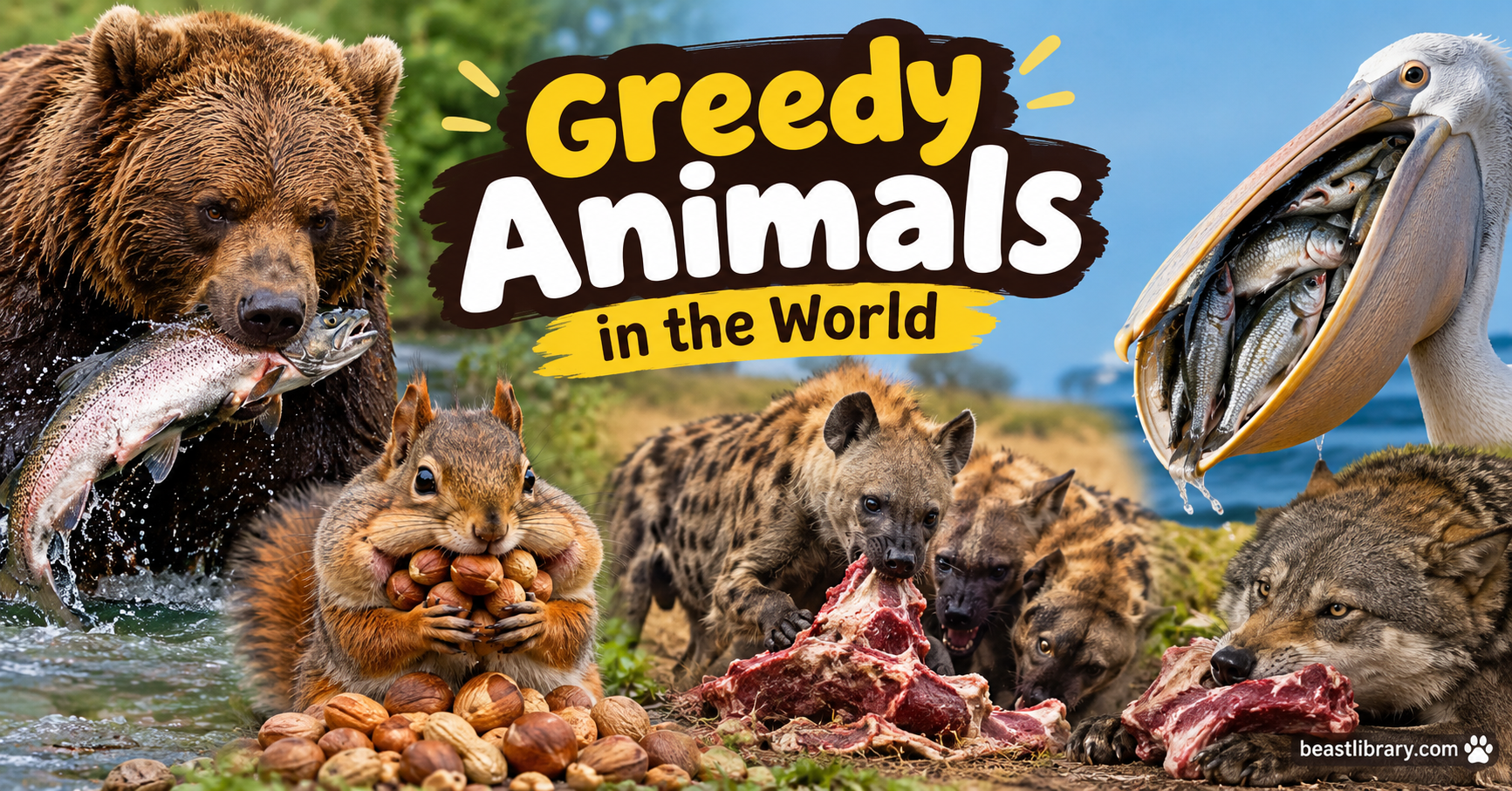
Greedy animals in the world reveals insights into how nature works. This piece will dive into the behaviors and traits of these competitive creatures, emphasizing their crucial roles within ecosystems and offering a fresh perspective on wildlife behavior.
List of Greedy Animals in the World
Below is the list of most greedy animals in the world
- Hyenas
- Squirrels
- Hamsters
- Vulture
- Chimpanzees
- Pigeons
- Raccoons
- Brown Bears
- Pigs
- Gorillas
- Tiger Sharks
- Tasmanian Devils
- Octopus
- Foxes
- Pufferfish
- American Pygmy Shrews
- Rat
- Lion
- Seagulls
- Wild Boar
- Puffins
- Crocodile
- Burmese Python
- Honey Badgers
- Wolverine
1-Hyenas
Scientific name: Crocuta crocuta
Class: Mammalia
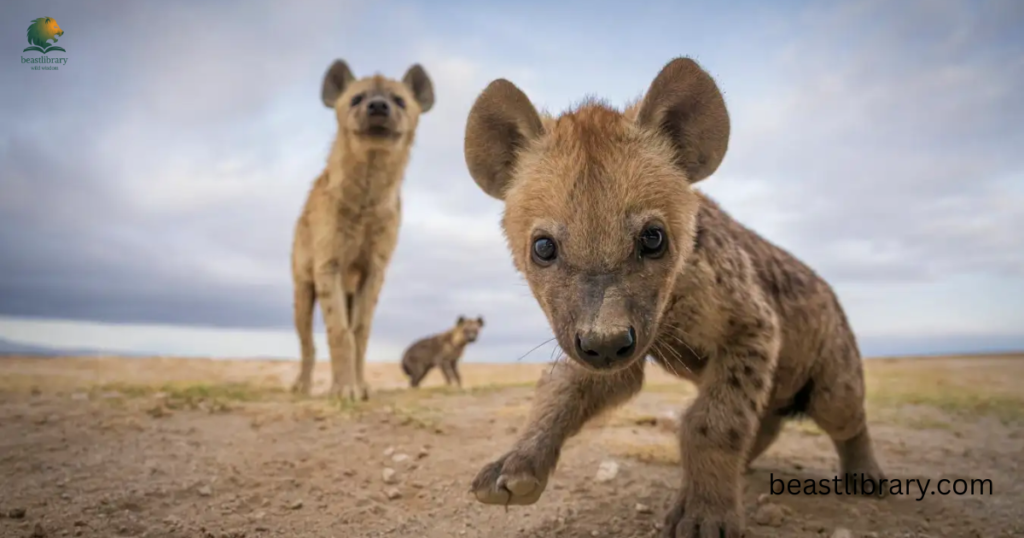
Hyenas, often misunderstood as mere scavengers, hyenas actually display an intricate set of behaviors that highlight their intellect and community dynamics. Their notorious reputation stems from their opportunistic feeding habits, this perception often undermines their true impact on nature.
In observing hyenas, we find a lens through which to understand complex ecosystems, shedding light on the subtle interplay between hunting and scavenging in the wildlife kingdom.
2-Squirrels
Class: Mammalia
Diet: Omnivore
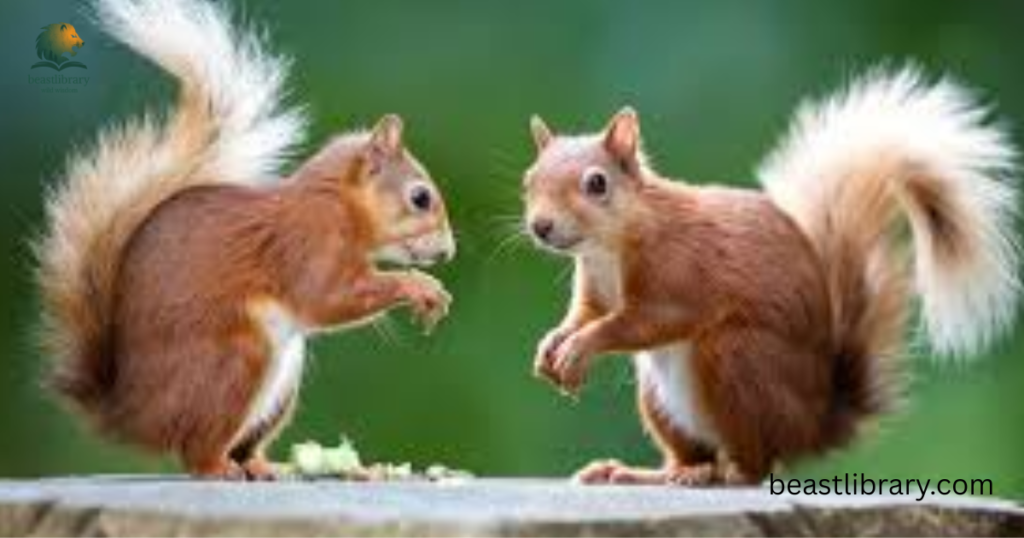
Squirrels are often approached with a sense of whimsy, darting through trees with their signature long tails streaming behind them. This tail isn’t just for show; it’s a versatile tool that plays a critical role in their daily lives.
When they leap from branch to branch, their long, bushy tails help them maintain balance and stability, essentially acting as a rudder that guides them mid-air. This agility allows them to traverse their arboreal kingdoms with confidence and grace.
3-Hamsters
Scientific name: Cricetus cricetus
Class: Mammalia
Diet: Omnivore
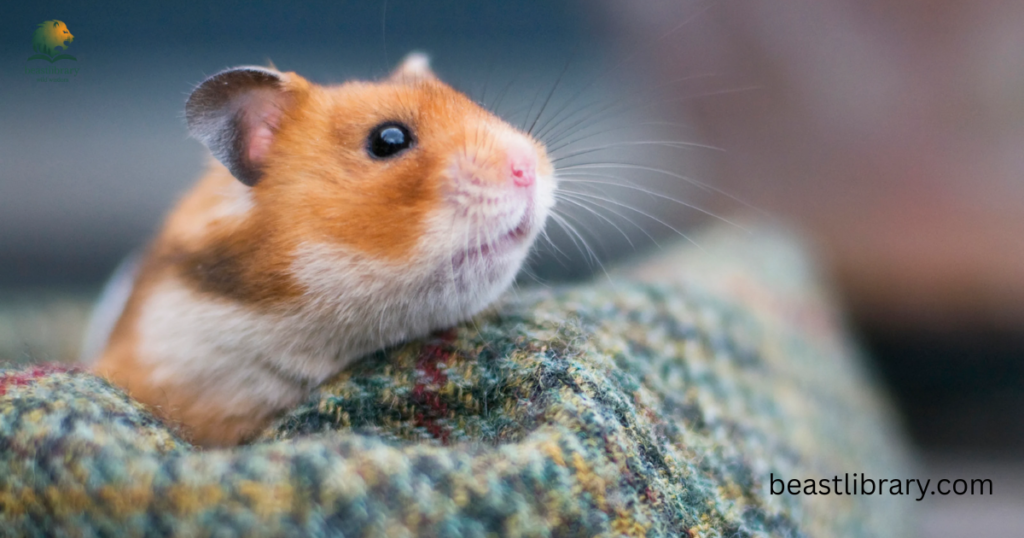
Hamsters are often seen as the quintessential pet, but their insatiable appetite reveals a side of their behavior. These tiny creatures have cheek pouches that can stretch astonishingly, allowing them to store food for later.
This behavior raises intriguing questions about compliance and competition in animal societies, hinting at a blend of survival instinct and social interaction. Watching these little furballs scurry around, paws laden with their latest find, highlights the relentless pursuit of survival in even the most unassuming creatures.
4-Vulture
Class: Aves
Diet: Carnivore/Scavenger
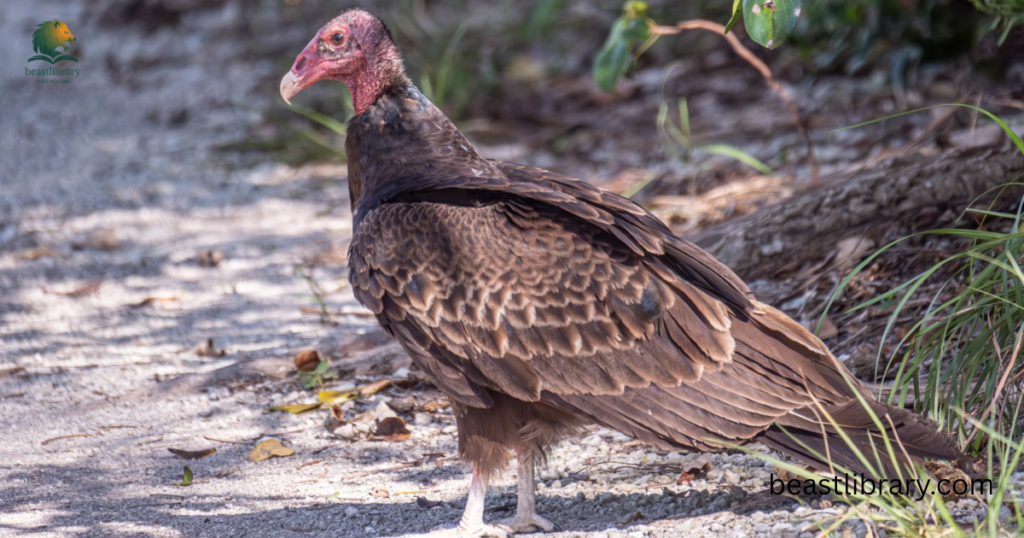
Vultures often evoke a mix of fascination and revulsion, yet they play a crucial role in maintaining ecological balance. These scavengers are nature’s cleanup crew, feasting on carcasses that other animals might shy away from, ensuring that disease does not spread in their habitats.
Their highly developed digestive systems can neutralize harmful bacteria, such as anthrax and botulism, making them essential for the health of the ecosystem.
With increasingly scarce food sources due to habitat loss and poisoning, vultures are now facing significant threats, prompting conservation efforts that remind us how interconnected all species are within the web of life.
5-Chimpanzees
Scientific name: Pan troglodytes
Class: Mammalia
Diet: Omnivore
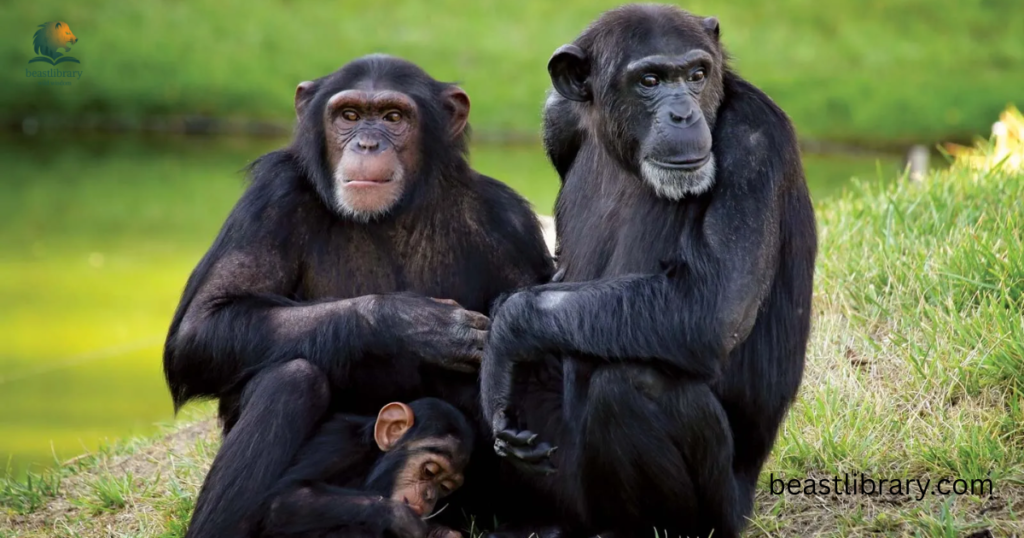
Chimpanzees, our nearest relatives in the animals world, are renowned for their playful and often mischievous animals behavior. These intelligent primates display an incredible amount of curiosity, showcasing their cleverness in problem-solving and resource management.
They’ve been observed stealing tools from each other and hoarding food. Imagine stumbling upon a troop of chimps playing a raucous game of catch, where they skillfully avoid tree limbs while funnily pulling on one another’s tails. They are animals that eat honey.
6-Pigeons
Scientific name: Columba livia
Class: Aves
Diet: Herbivore/Granivore
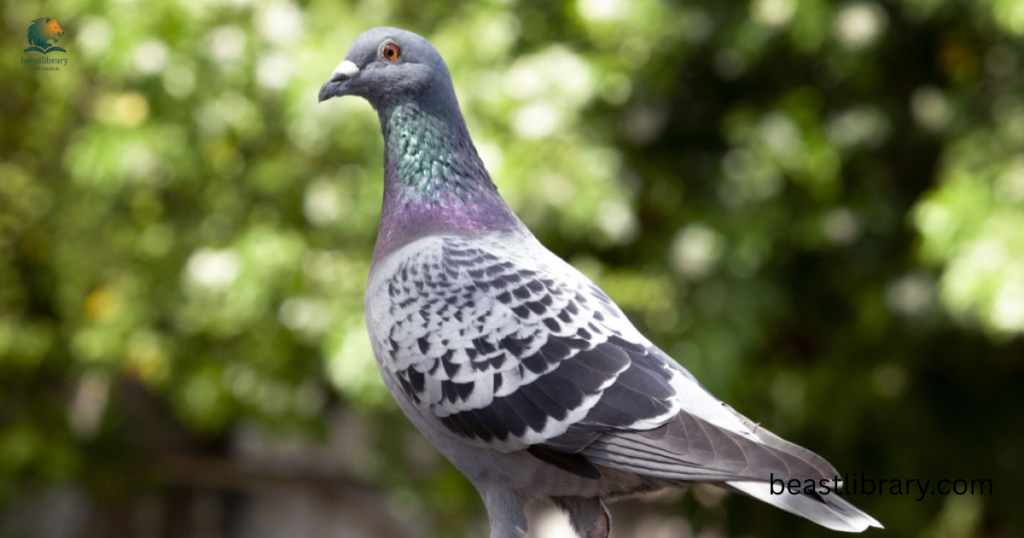
Pigeons, often dismissed as mere city pests, exhibit behaviors that reveal their complex social structures and foraging strategies. Observing a flock feasting on scattered crumbs, one might notice how their interactions mirror a hierarchy of greed.
This innate intelligence has not only allowed them to thrive in diverse environments but has also sparked curiosity in researchers studying animal cognition. By harnessing their “greed” for food, scientists gain insights into problem-solving skills and social dynamics, reshaping how we view these often-overlooked avians.
7-Raccoons
Scientific name: Procyon lotor
Class: Mammalia
Diet: Omnivore
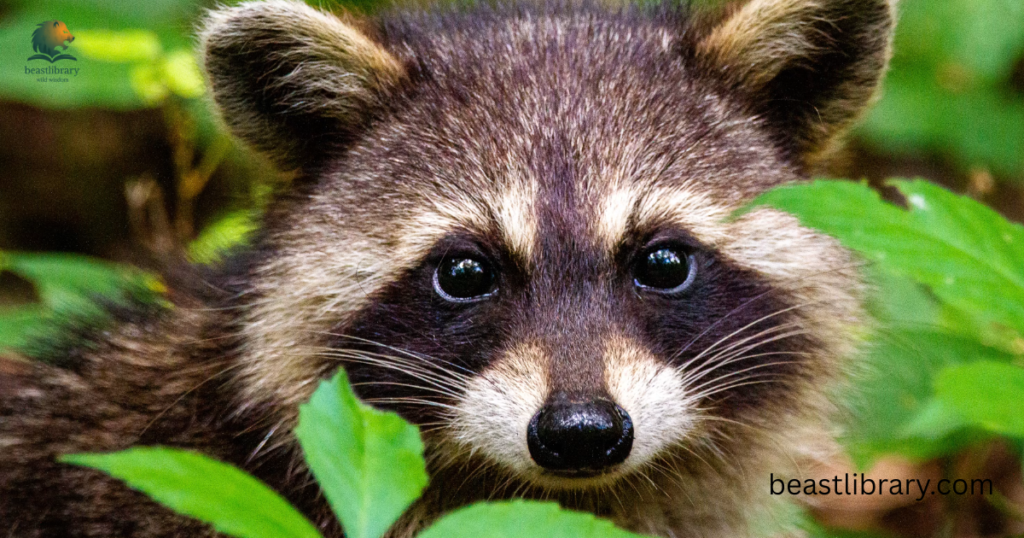
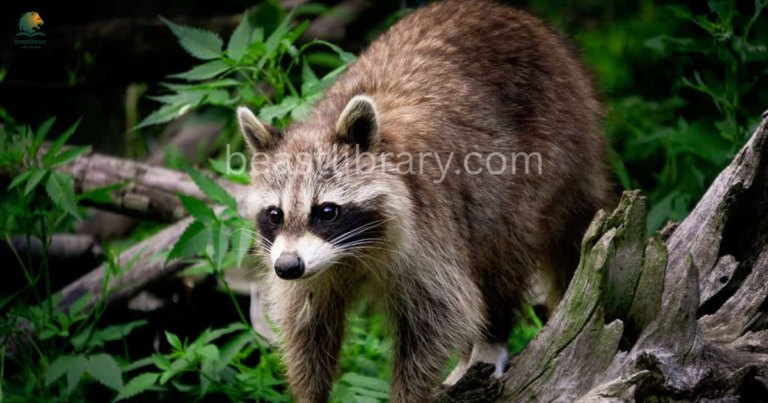
Raccoon are often the embodiment of stubbornness in the animal kingdom, showing a remarkable combination of cleverness and grit. Known for their dexterous front paws, these masked creatures tackle difficulties with an unwavering resolve.
This innate stubbornness serves them well in urban environments, where they have successfully learned to flourish regardless of people’s effort to block their clever actions. They are honey eating animals.
Whether they’re attempting to open a trash can or navigating complex puzzles set up by researchers, raccoons display cognitive abilities that easily match those of apes.
8-Brown Bears
Scientific name: Ursus arctos
Class: Mammalia
Diet: Omnivore

What’s particularly is how brown bears demonstrate a distinct social hierarchy during feeding frenzies. Dominant males often secure the best fishing spots, while mothers with cubs employ clever tactics to navigate these battles for food, ensuring their young have enough to eat without risking confrontation.
This complex social dynamic underscores that their “greed” is deeply rooted in survival tactics rather than mere indulgence. As they gorge on food to build fat reserves for hibernation, we witness a compelling cycle of life that intertwines their instincts with the rhythms of nature.
The bear’s seemingly relentless quest for food is, in essence, a masterclass in the interconnectedness of species, environment, and the primal dance of struggle and sustenance.
9-Pigs
Scientific name: Sus scrofa domesticus
Class: Mammalia
Diet: Omnivore
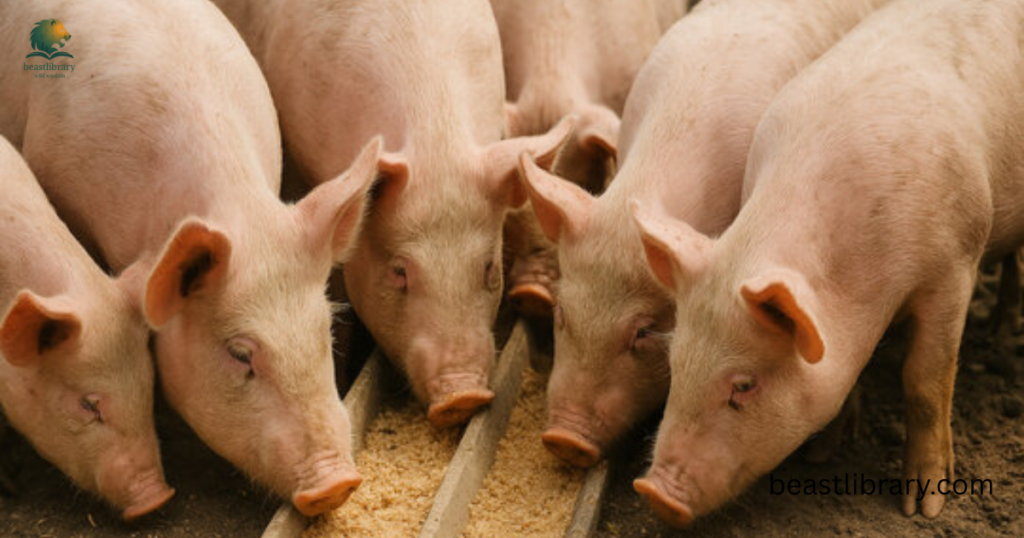
Pigs often receive a negative for being greedy, but this reputation overlooks their remarkable intelligence and adaptability. when they stand their ground quite literally you might witness a captivating blend of determination and ingenuity.
If they decline to stir from a particular location, it might be because they’ve spotted a hidden treat or are attempting to outsmart their surroundings. This action emphasizes their sharp power of perception and analytical reasoning capabilities.
Their strong-willed nature can sometimes be a strategic move; in the wild, a swine’s defiance assists it in moving across difficult landscapes and defending itself against hunters. Pigs are problem-solvers, too.
10-Gorillas
Scientific name: Gorilla gorilla
Class: Mammalia
Diet: Herbivore
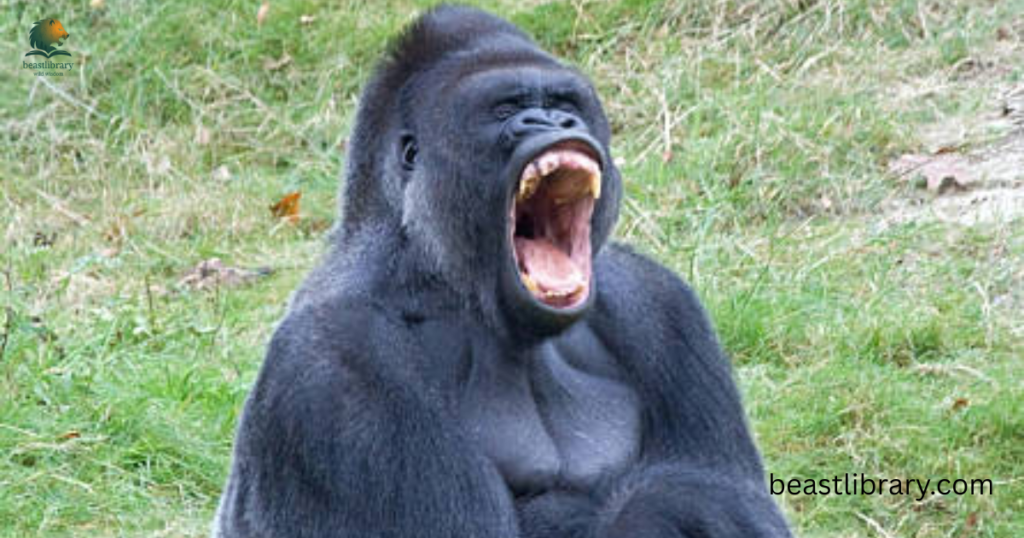
Gorillas are greedy creatures not only for their undeniable strength but also for their impressive appetites. These gentle giants typically consume around 40 pounds of food each day, primarily consisting of fruits, leaves, and stems.
What’s intriguing is their selective eating behavior; while they eat copious amounts, they exhibit a remarkable degree of discernment in choosing their meals.
This selective diet ensures they acquire the necessary nutrients while promoting ecological balance in their habitat by controlling plant growth.
11-Tiger Sharks
Scientific name: Galeocerdo cuvier
Class: Chondrichthyes
Diet: Carnivore
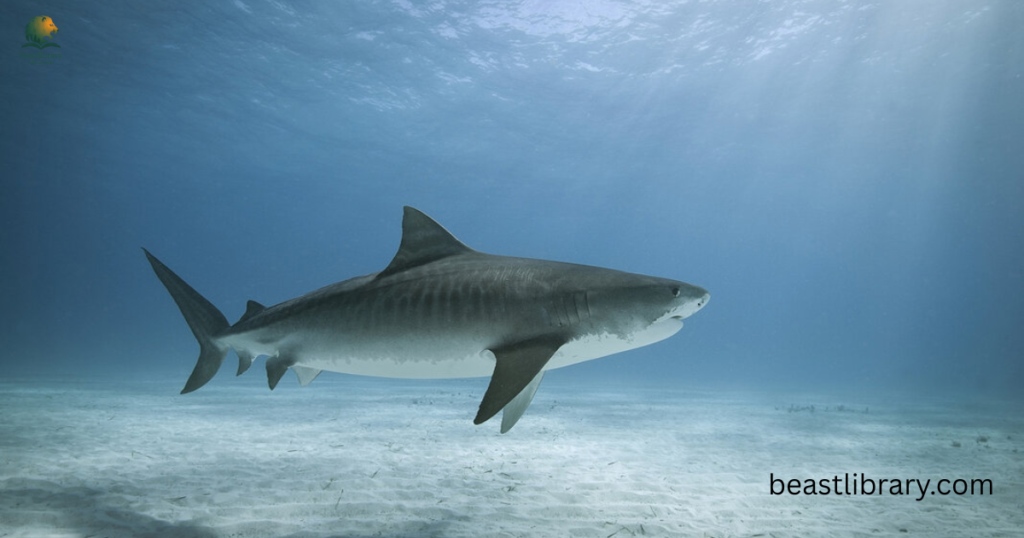
Tiger sharks, often dubbed the “garbage cans of the ocean,” are greedy predators with an insatiable appetite. These formidable hunters don’t just feast on fish; their diets encompass everything from sea turtles to discarded debris, making them a unique barometer of marine health.
While their voracious consumption might seem reckless, it actually reflects a finely-tuned survival instinct, showcasing their role in maintaining the balance of the oceanic ecosystem.
12-Tasmanian Devils
Scientific name: Sarcophilus harrisii
Class: Mammalia
Diet: Carnivore
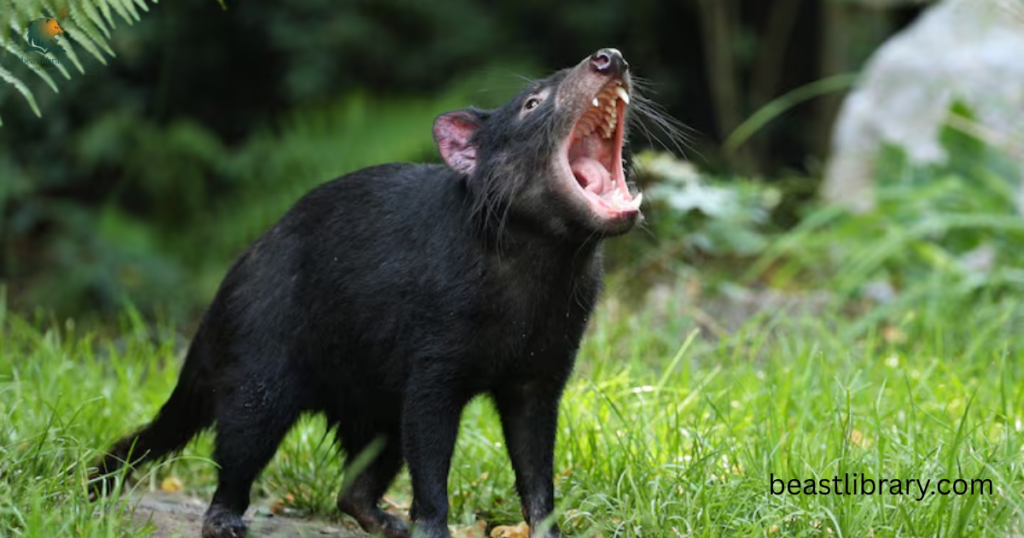
The Tasmanian devil is the world’s largest carnivorous marsupial, found only on the Australian island of Tasmania, where it serves as a critical scavenger and predator in its ecosystem. Classified under class Mammalia and order Dasyuromorphia.
Despite their small size, Tasmanian devils are bold, aggressive feeders that will confront animals much larger than themselves when competing over food, emitting blood-curdling screams and releasing pungent odor when threatened.
13-Octopus
Scientific name: Octopus vulgaris
Class: Cephalopoda
Diet: Carnivore
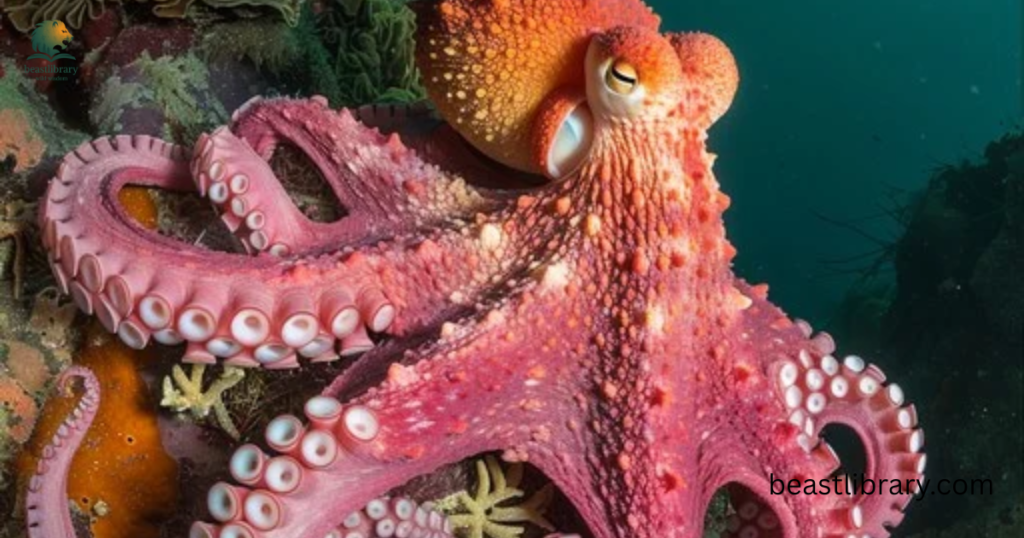
The octopus, often regarded as a master of camouflage, the octopus has an extraordinary talent for altering its colors and skin patterns to instantly vanish into its environment. This remarkable skill is not merely a defense mechanism against predators; unbroken connection between the creature and its ocean home.
They have shown the ability to figure out complicated mazes, twist open jars, and even use tools behaviors once believed to be exclusive to mammals. prompting a deeper appreciation for how life’s quieter creatures possess profound wisdom and skills that often go unseen in our busy world.
14-Foxes
Scientific name: Vulpes vulpes
Class: Mammalia
Diet: Omnivore
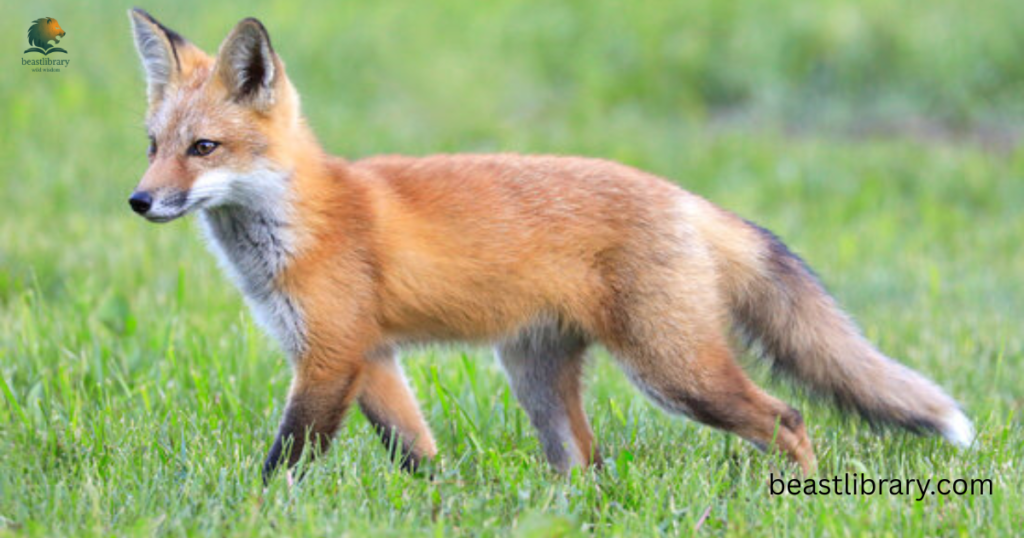
Among the elusive creatures of the wild, foxes display an intriguing mix of cunning intelligence and vocal prowess. Known for their striking red fur and bushy tails, these animals aren’t shy about expressing themselve.
What’s good is the context in which foxes employ their growls. In dense foliage or during the twilight hours, these sounds can relay an intricate social dynamic within their packs.
With over a dozen types of vocalizations, including yelps and howls, the growl serves as merely one tool in their communication toolbox.
15-Pufferfish
Class: Actinopterygii
Diet: Carnivore
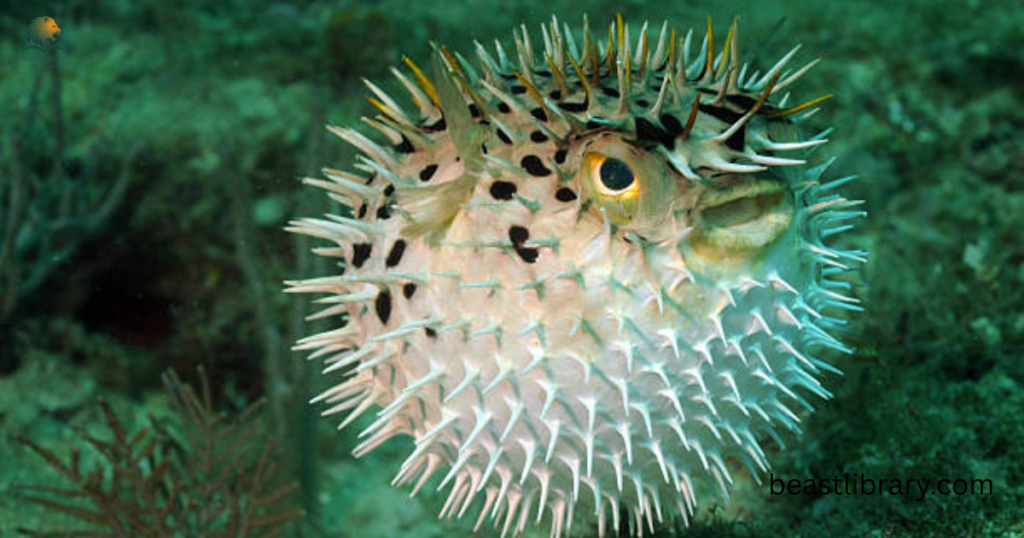
Pufferfish are perhaps most famous for their extraordinary capacity to inflate when intimidated, but their defenses extend beyond this peculiar inflating behavior. These a potent neurotoxin found in their hide and internal parts intriguing creatures boast a unique adaptation high levels of tetrodotoxin.
Furthermore, recent studies suggest that some pufferfish might alter their toxin levels based on environmental factors, hinting at a complex relationship between their surroundings and their venomous capabilities.
16-American Pygmy Shrews
Scientific name: Sorex hoyi
Class: Mammalia
Diet: Insectivore
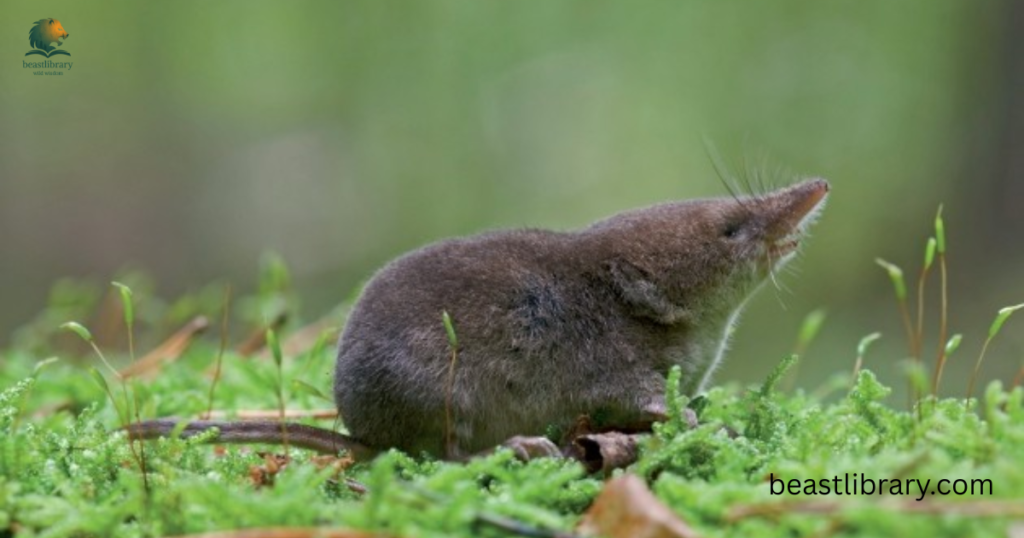
American pygmy shrews are creatures not only for their minuscule size but also for their astonishing metabolic demands. Weighing in at a mere 2 to 4 grams, these tiny mammals must consume a staggering amount of food up to twice their body weight each day.
Unlike many larger mammals that can go days without a meal, pygmy shrews experience an unrelenting hunger, scavenging for insects and other small invertebrates to sustain their rapid energy expenditure.
17-Rat
Scientific name: Rattus norvegicus
Class: Mammalia
Diet: Omnivore
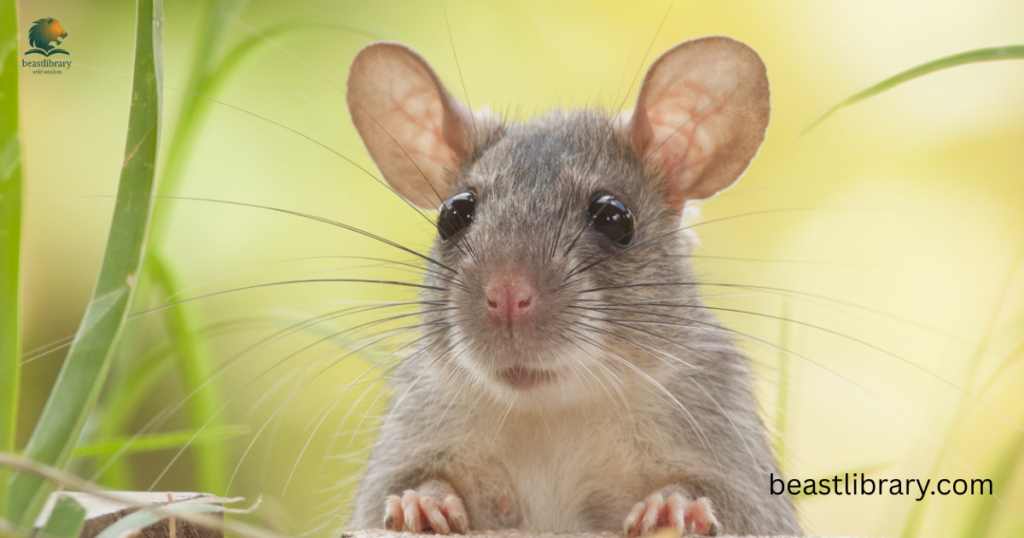
Rats are often misunderstood animals, but their sensitive whiskers are very important for survival. These fine hairs help rats sense small changes in air and move safely in dark or tight places. This is useful for their night time lifestyle, where vision is limited.
Whiskers also help rats in social interaction, as they use them to understand other rats and build connections. These abilities show how rats depend on touch-based sensing to survive and communicate.
18-Lion
Scientific name: Panthera leo
Class: Mammalia
Diet: Carnivore
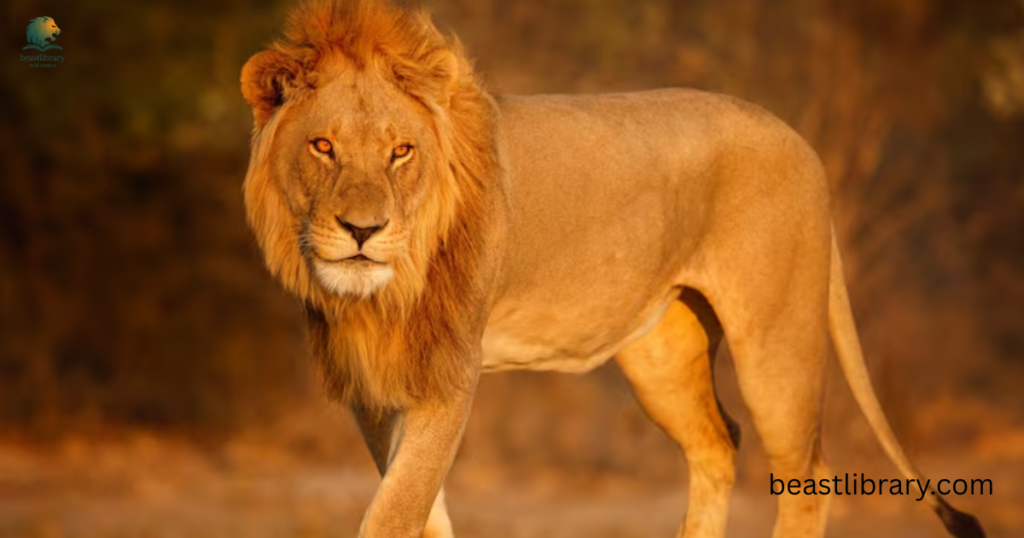
The lion also called the “King of the Jungle,” is one of the most powerful predators on Earth, primarily found in the grasslands and savannas of sub-Saharan Africa. Lions possess large, curved canine teeth that can grow up to 3 inches long, designed specifically to grip.
Apex predators, lions hunt large mammals such as zebras, wildebeest, and buffalo, often working in coordinated group hunts called prides. Their sharp carnassial teeth work like scissors to shear meat from bone, making feeding efficient even on large carcasses.
19-Seagulls
Class: Aves
Diet: Omnivore
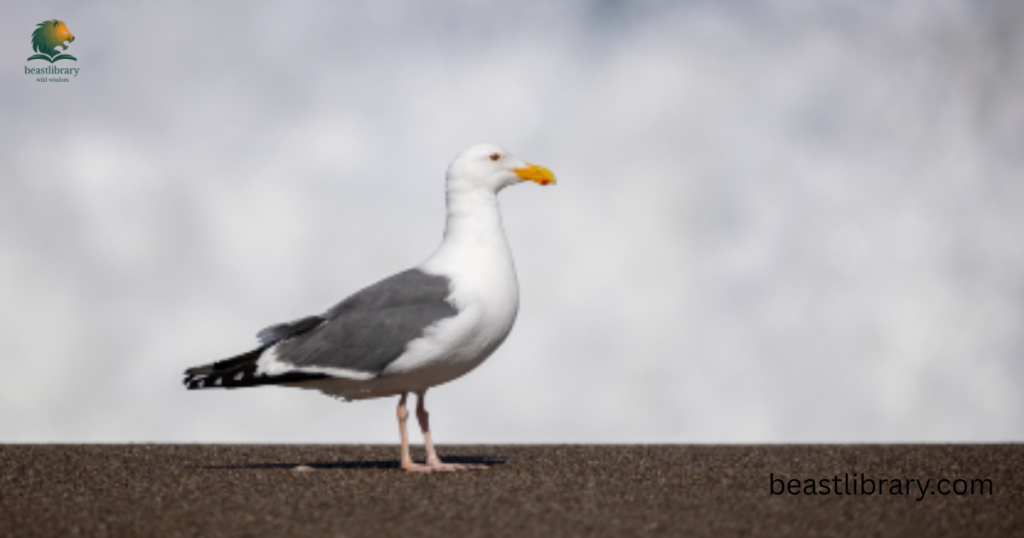
Seagulls are not only the skilled flying acrobats of the seashores, they are also the quintessential tricksters of the animal kingdom. Their boundless curiosity encourages them to investigate areas where humans live, leading to increasingly audacious antics.
In urban settings, they often team up, employing a “diversion method” where a single gull flies down to draw attention away while the rest escape with the food. Every encounter with these playful scavengers is an invitation to witness a unique blend of survival instinct and playful trouble, showing us that sometimes, the most wonderful surprises come from unexpected places.
20-Wild Boar
Scientific name: Sus scrofa
Class: Mammalia
Diet: Omnivore
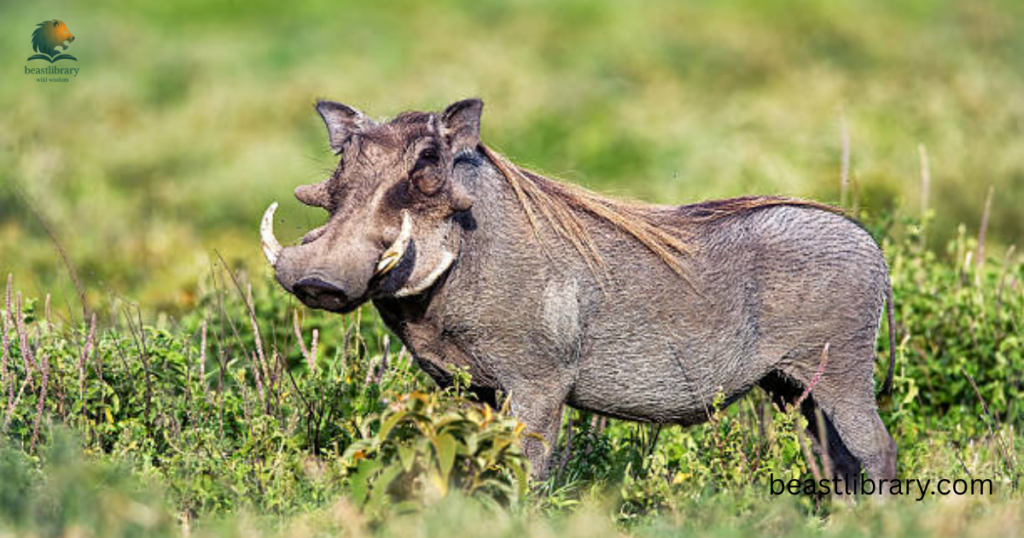
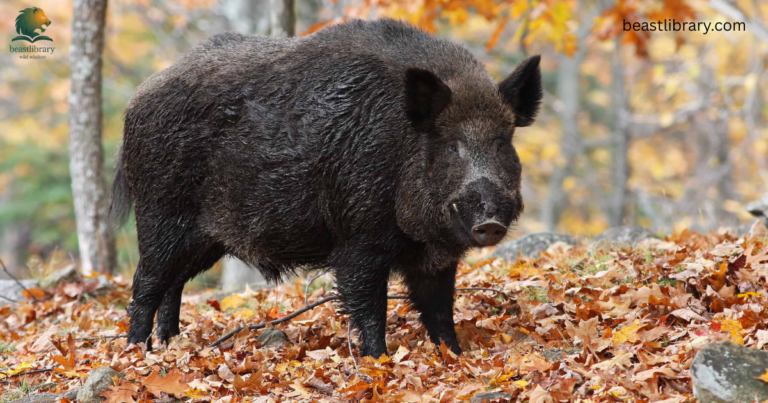
Wild boar is a mammal having cloven hooves and are greedy. Hooves enable it to move freely and effectively in forests, grasslands, and wetlands. they chew and ruminate to the fullest to obtain the greatest intake of nutrients.
Splenic hooves give stability and support. Hooves permit it to move on soft forest soil, muddy soil, and irregularity of land.They are root feeders, tuber feeders, nut feeders, fruit feeders, small animal feeders, and insect feeders.
21-Puffins
Scientific name: Fratercula arctica
Class: Aves
Diet: Carnivore
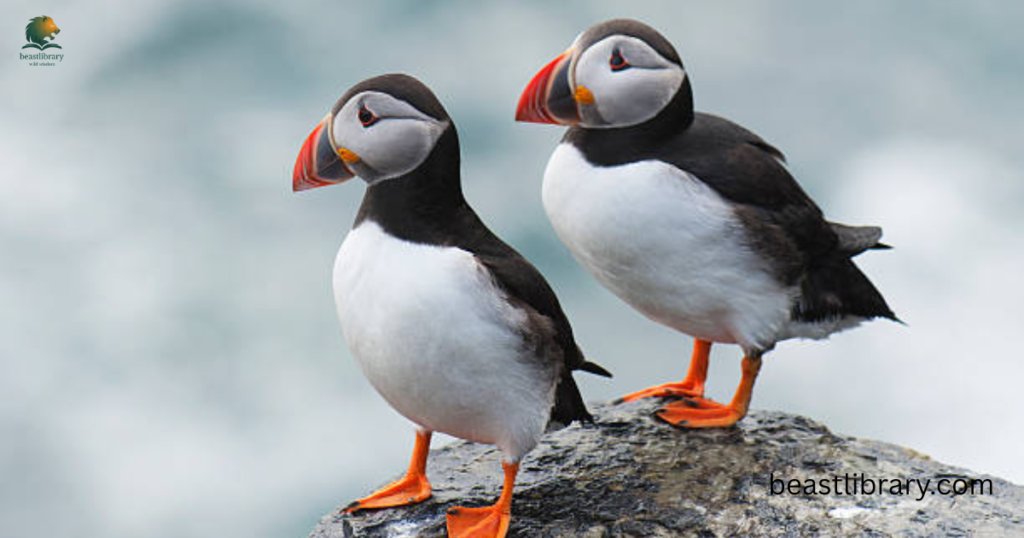
Puffins, with their vibrant beaks and quirky waddles, are often dubbed the “clowns of the sea.” But delve deeper, and you’ll uncover a fervent side to these seemingly comical birds. Puffins are known for their impressive foraging skills; an adult can catch and hold up to 30 fish in its beak at once.
Puffins engage in intricate social behaviors while hunting. They often compete in groups, showcasing their agility and feeding prowess in a way that seems almost theatrical. Yet, this playful competition isn’t merely for show; it serves to strengthen bonds within the colony.
22-Crocodile
Scientific name: Crocodylus niloticus
Class: Reptilia
Diet: Carnivore
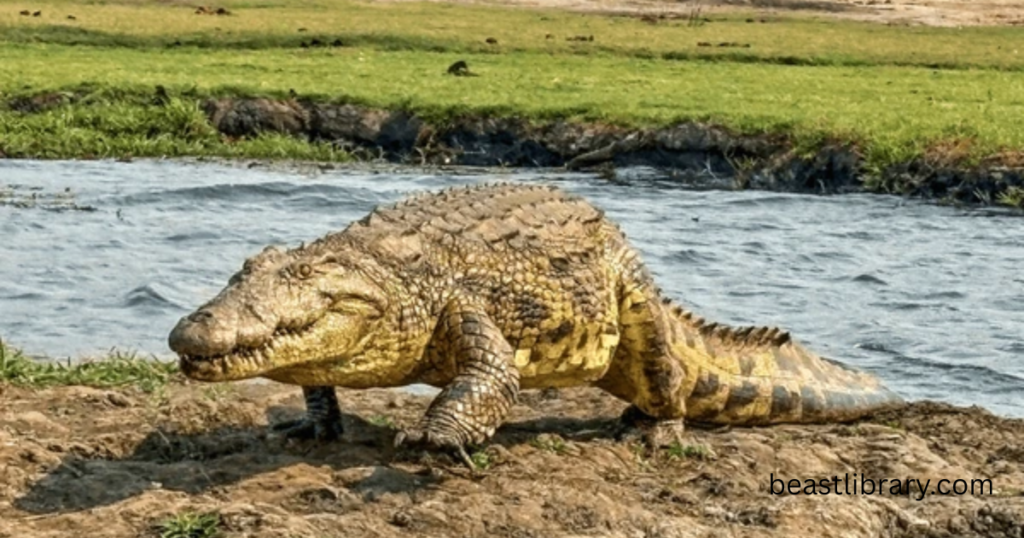
Crocodiles are among the oldest and greedy reptiles on Earth, having survived virtually unchanged for over 200 million years, making them true evolutionary success stories. They possess 64–68 large, conical teeth designed not for chewing but for gripping and holding prey.
The saltwater crocodile holds the record for the strongest bite force of any living animal, measured at a staggering 3,700 PSI. Crocodiles employ a signature hunting technique known as the “death roll,” spinning violently in water to dismember prey.
23-Burmese Python
Scientific name: Python bivittatus
Class: Reptilia
Diet: Carnivore
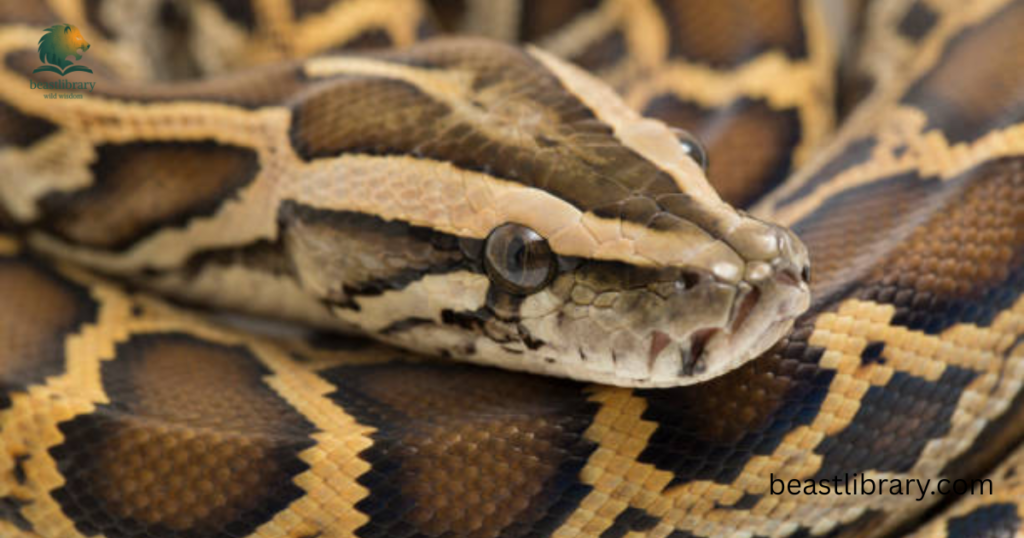
Burmese pythons are creatures Greedy Animals in the World renowned for their remarkable feeding habits. These massive snakes possess an extraordinary ability to consume prey significantly larger than themselves, thanks to their unique anatomical structure.
With skulls and jaws that can stretch wide, they can easily engulf animals such as deer, pigs, and even alligators. This adaptive eating strategy allows them to thrive in various environments, from tropical forests to suburban areas, showcasing their remarkable adaptability as apex predators.
24-Honey Badgers
Scientific name: Mellivora capensis
Class: Mammalia
Diet: Omnivore
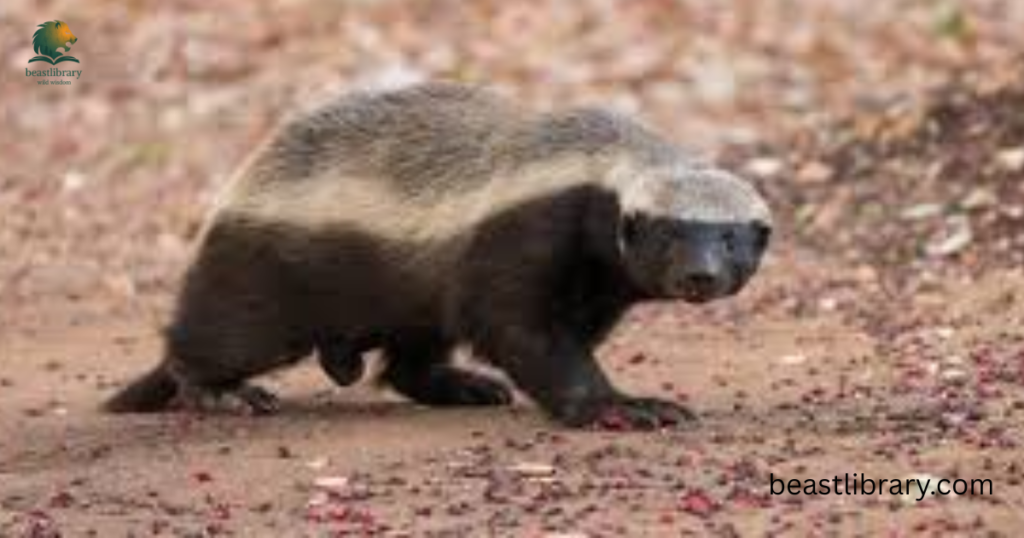
Honey badger is fearless animal famous for raiding bee nests to eat honey, bee larvae, and wax. It has thick skin that protects it from bee stings and allowing them to attack hives without hesitation. They are honey eating animals.
This strong and clever animal use honey as an important food source, showing its excellent survival skills in the wild. Because of its unique approach to foraging makes it stand out in the wild. In many ways, this small creature shows that even the tiniest animal can have a big impact on their environment.
25-Wolverine
Scientific name: Gulo gulo
Class: Mammalia
Diet: Carnivore
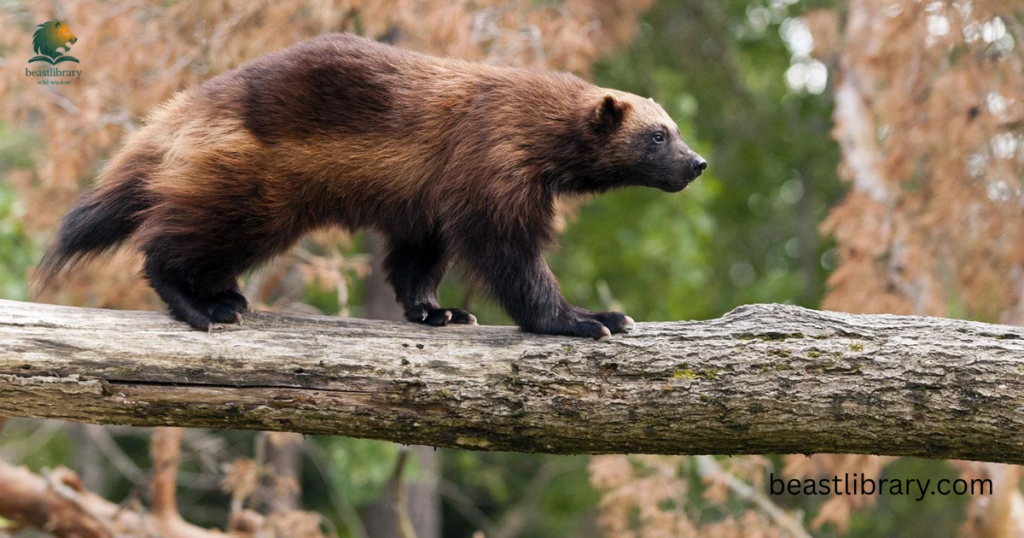
The wolverine is pound-for-pound one of the most ferocious and tenacious predators on Earth, a stocky mustelid found across the boreal forests, tundras, and alpine regions of North America, Europe, and Siberia.
Classified under class Mammalia and family Mustelidae, wolverines possess extremely dense, strong teeth including hardened molars capable of breaking through frozen meat and crushing large bones that would defeat most carnivores of similar size.
Conclusion– Greedy Animals in the World
Greedy Animals in the World serves as reflection of survival instincts and adaptation in the wild. These creatures, whether foraging for food or hoarding resources, demonstrate the lengths to which they will go to ensure their survival.
From the cunning raccoon to the insatiable seagull, their actions remind us of the primal urgency that drives wildlife. Such behaviors highlight not only the complexities of animal psychology but also the delicate balance of ecosystems they inhabit.
FAQs:
What is the most animal in the world?
The most numerous animal in the world is the Antarctic krill.
Which animals in the pickiest eater?
The Giant panda is one of the pickiest eaters, eating almost only bamboo.