Do Porcupines Live In Georgia? Fact & Pictures
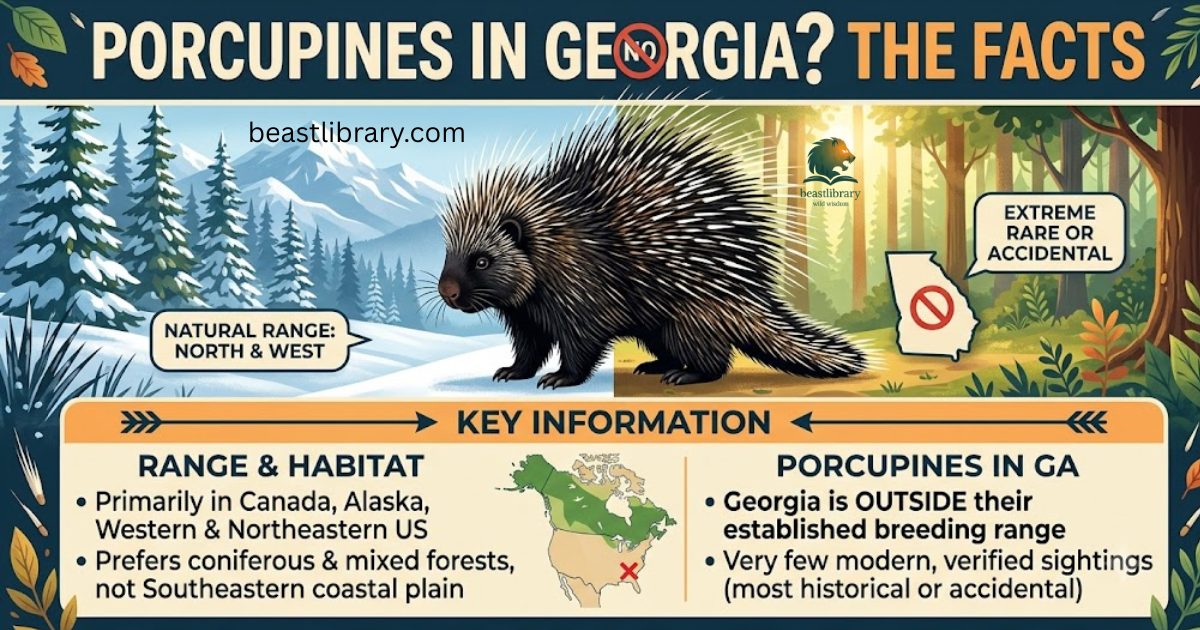
Do Porcupines live in Georgia? It is a common question for nature lovers exploring the state. These quilled creatures are famous across North America but their actual presence in Georgia. Studying their habitat helps us protect local wildlife and ecosystems.
Do Porcupines Live In Georgia?
Scientific name: Hystricidae (Old World porcupines) / Erethizontidae (New World porcupines)
Class: Mammalia
Diet: Herbivorous
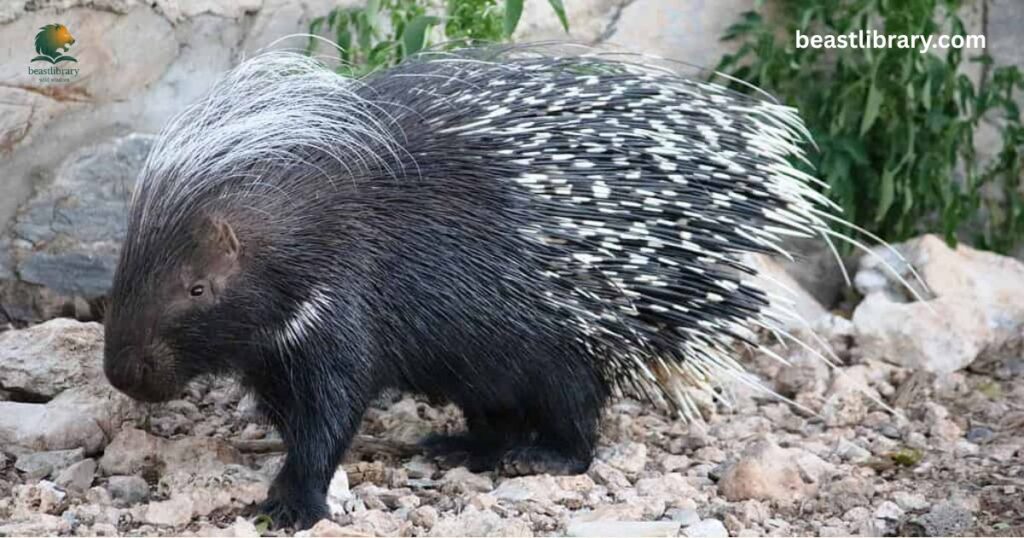
Porcupines in Georgia? Surprisingly, yes! generally linked to the northern territories of the U.S. These short leg creatures have been migrating southward and establishing populations in Georgia. Particularly in the Northern areas where dense forests offer ample food and cover.
Georgia’s porcupine presence has re- ignited a fresh curiosity in the region’s biological diversity. These prickly mammals contribute to forest health by feeding on bark, foliage, and roots, serving as organic caretakers of their habitats.
Where To Find Porcupines In Georgia?
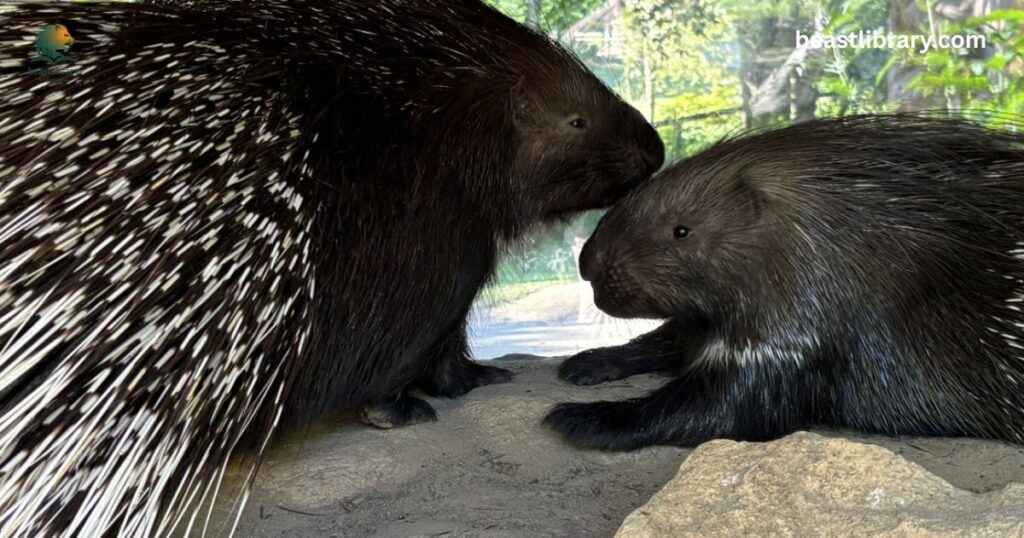
Porcupines bushy tails are often elusive creatures, but in Georgia, specific environments are highly ideal for encountering these remarkable rodents. They tend to favor mixed hardwood forests, especially around areas with abundant vegetation.
Search in zones like the Northern Georgia foothills, where they can frequently be found moving through thick thickets or chewing on tree bark particularly pine variants. In wooded areas, they can be spotted near water sources, since they need water and feeding on aquatic vegetation.
For the best tracking experience, time your search during dawn or dusk. When porcupines are most active, public woodlands like the the Chattahoochee and Oconee provide excellent chances, and with well-maintained trails that weave through their preferred habitats.
What States Do Porcupines Live In?
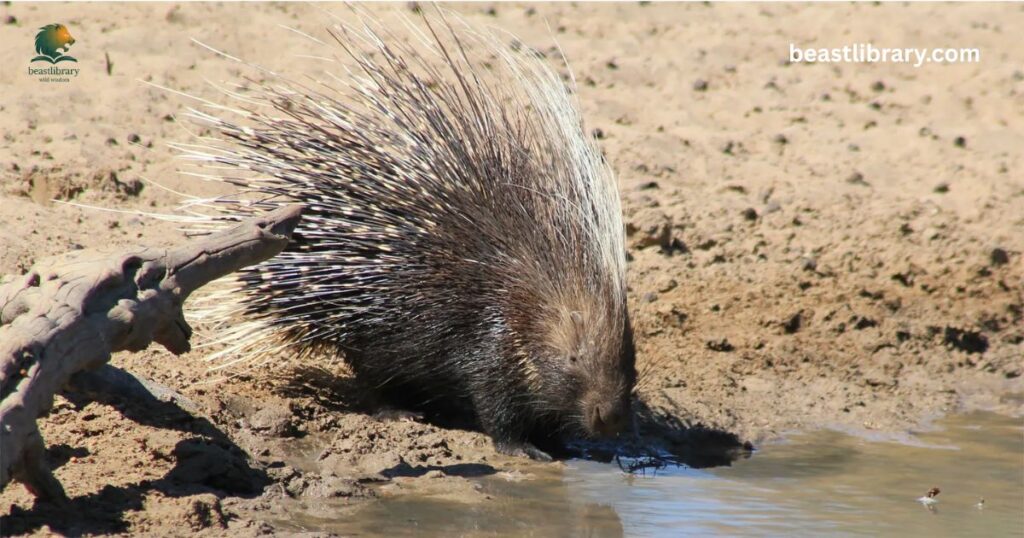
Porcupines are animals distributed across North America, in wooded areas and regions with abundant vegetation. Across the united states, they occupy a broad selection of regions, spanning from the thick woodlands of the dry landscapes of the west.
Porcupines are quite adaptable and can be spotted in a variety of environments, including swamps and deserts. such as wetlands and arid lands, finding refuge in park landscapes and gardens, these shy mammals have been making their way into urban areas.
Can A Porcupine Hurt You?
Porcupines, frequently misinterpreted animals of the wilderness, wield a unique defense mechanism. It’s simple to envision a porcupine shooting its quills like darts in a frantic effort to protect itself, the reality is more nuanced.
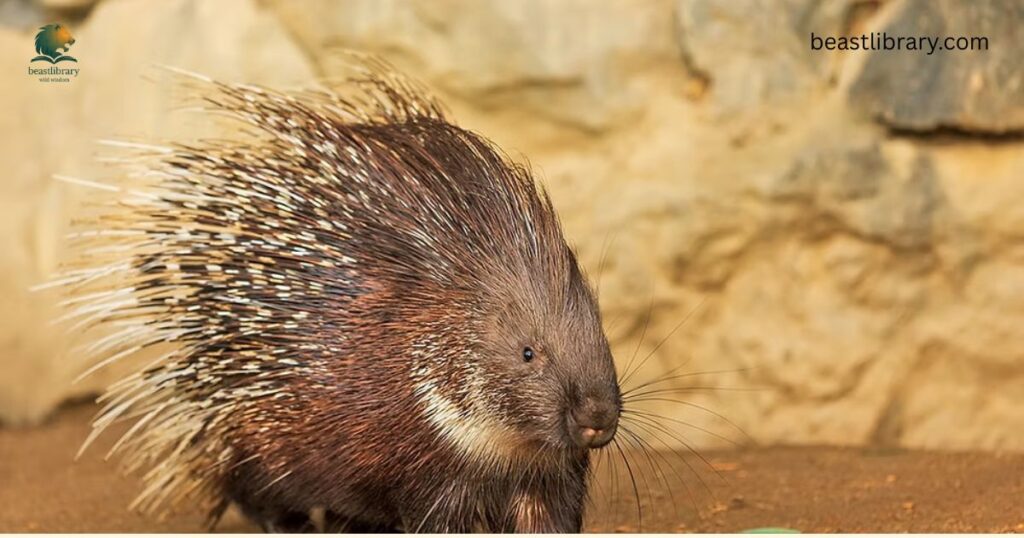
They can only release their quills when touched or threatened, and it’s vital to realize that they cannot shoot them through the air from afar. When feeling threatened, displaying their quilled backs and making little effort to chase or harm potential intruders.
They often resort to bluffing rather than attack. for domestic animals or unwary individuals who approach too near, the danger of an agonizing quill wound is genuine. The quills can embed deep into skin, causing pain and potential infection if not treated properly.
So, while a porcupine isn’t out to harm you, it certainly possesses the capacity to create an unfortunate incident if boundaries are crossed. Realizing this fragile boundary between retreat and protection can increase our respect for these unique creatures.
Fun Facts
Young porcupines are able of eating vegetation within a week after birth, but they generally stay with the female through the summer. Juvenile survival rates are high. Predators of porcupines include coyotes, bobcats, mountain lions, black bears, fishers, martens, great horned owls, and others. They have small ear.
What To Do If A Porcupine Is In Your Yard?
Finding a porcupine in your yard can be surprising, but it is important to remember that these creatures prefer to avoid humans whenever possible. If you spot one, the first step is to keep your distance. Porcupines are known for their defensive quills, which can easily cause harm if they feel threatened.
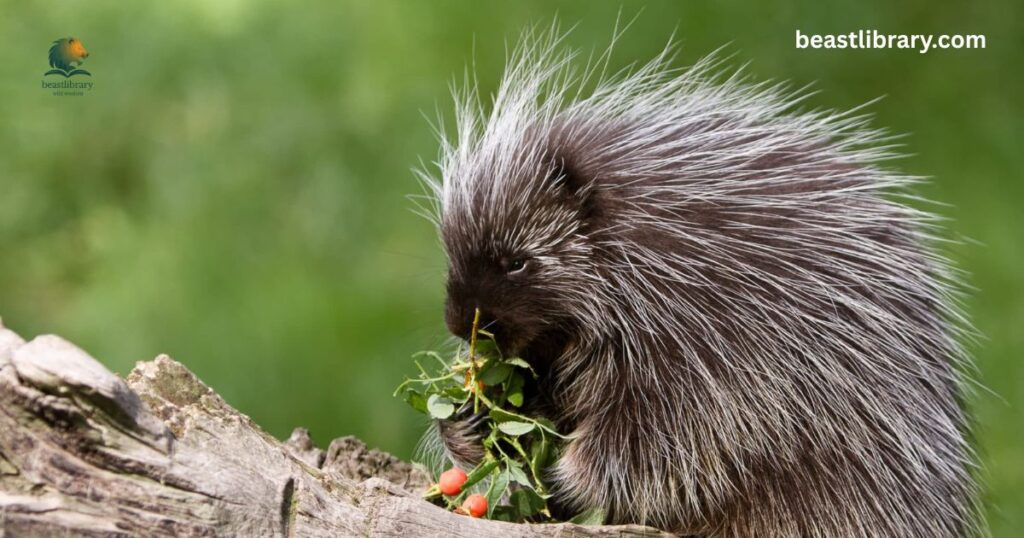
To gently persuade the visitor to move on, make sure these is an open, unobstructed route for it to wander away. Remove potential attractants like dropped fruits, birdseed, or exposed vegetables from your garden. Clear away any food sources that might be attracting it.
Also, securing your trash and compost can prevent future visits. If the porcupine persists, you might need to contact local wildlife control for safe relocation options. Turning a potentially bothersome encounter into an opportunity for appreciation of nature’s unique inhabitants.
Conclusion
Porcupines live in Georgia, and finding them in the state’s wooded areas is a wonderful reminder of the region’s rich biodiversity. Protecting these unique, quilled animals and their natural habitats is essential for keeping Georgia’s ecosystems healthy and balanced.
FAQs
Are these Porcupines is Georgia?
Yes, porcupines can be found in Georgia, mainly in forested northern areas.
If you meant Georgia, porcupines also live there in some mountainous and wooded regions.
What is the rarest animal in Georgia?
In Georgia, the red wolf is one of the rarest animals due to its critically endangered status.
In Georgia, the Persian leopard is considered one of the rarest wild animals.
Why do porcupines keep coming to my house?
Porcupines are likely coming to your house in search of food, as they are drawn to salty items like wooden tool handles, deck railings, and specific plants or trees in your yard. They also seek out safe, dark shelter options underneath structures like porches, decks, or sheds.