Top 14 Animals That are Like Raccoons (With Images)
This adaptability makes them truly unique among wildlife, but they aren’t the only animals with similar traits. In this article, we’ll explore Animals That are Like Raccoons, revealing fascinating creatures that share their cleverness and looks with the common raccoon-like creatures and see what makes them so special.
List of Animals That are Like Raccoons
Below is the list of animals that are like Raccoons:
| Number of Animals | Names of Animals Like Raccoons |
| 1 | Ringtails |
| 2 | Coati |
| 3 | Northern Olingo |
| 4 | Cacomistle |
| 5 | Japanese Raccoon Dog |
| 6 | Kinkajous |
| 7 | Olinguitos |
| 8 | Burmese Ferret-Badger |
| 9 | Red Panda |
| 10 | Fox |
| 11 | Skunks |
| 12 | Wolverine |
| 13 | American badger |
| 14 | Marten |
1-Ringtails
Scientific name: Bassariscus astutus
Class: Mammalia
Diet: Omnivore
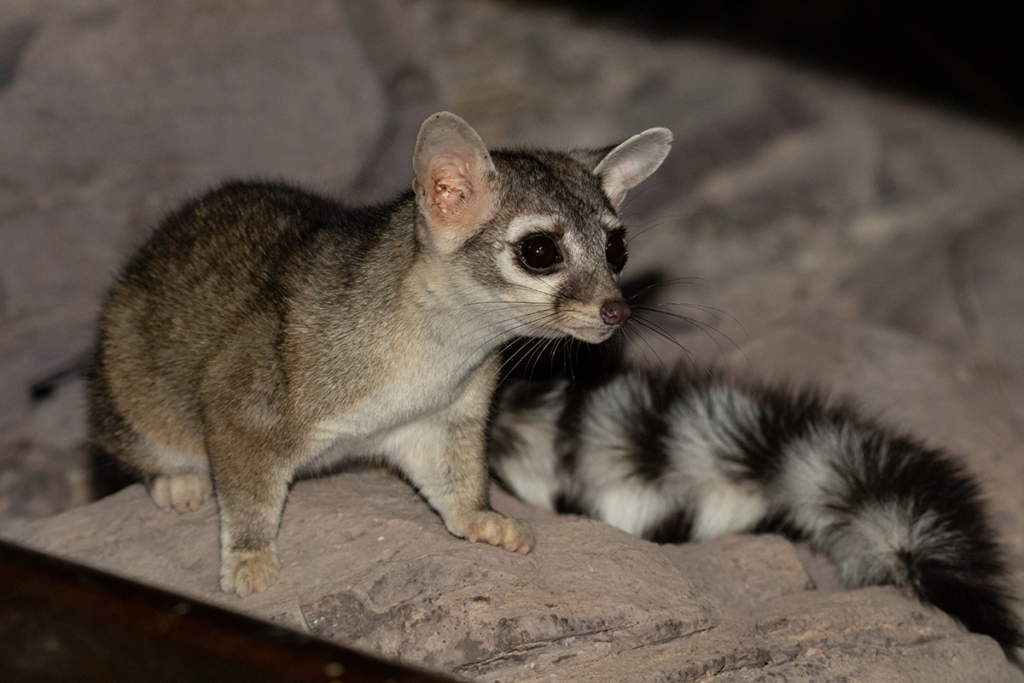
Often missed in wildlife discussions, share more than just a resemblance to raccoons; they embody a fascinating blend of adaptability and intelligence. These nocturnal animals thrive in the arid southwestern united states displaying a rugged resilience similar to their better known cousins. With their ringed tails and large, strikingly long, expressive eyes, ringtails showcase not only physical similarities but also a playful curiosity that captures the imagination.
One of the most intriguing aspects of ringtails is their remarkable agility. While raccoons are adept climbers, ringtails have mastered navigating steep rocky crevices and high branches, using their long tail for perfect balance. This keen adaptability allows them to hunt for insects, small mammals, and even fruits in the wilderness. though typically solitary, their playful interactions and survival instincts make them a captivating hidden gem of the animal kingdom.
2-Coati
Scientific name: Nasua narica
Class: Mammalia
Diet: Omnivore
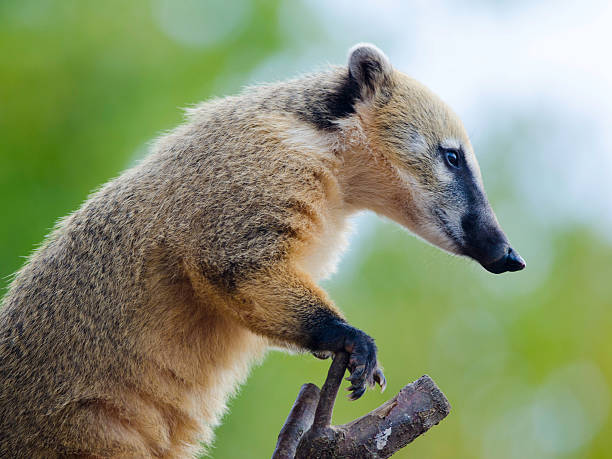
Coatis, often outshone by their more famous raccoon relatives, Exude a playful charm that can captivate any wildlife lover. Featuring long, thin snouts and bushy tails decorated with distinctive rings, these animals are a notable mix of beauty and curiosity. Found primarily in Central and South America, coatis are incredibly social animals, often seen foraging in groups. their prying nature pushes them to investigate everything from high tree branches to the forest floor, making them creative problem solvers in their quest for food!
What sets coatis apart, however, is their impressive flexibility. Unlike raccoons, which show nocturnal habits, coatis are diurnal, making use of daylight hours to engage in playful pranks and foraging. Their ability to bloom in diverse habitats, from lush rainforests to arid regions, demonstrates their strength in the face of environmental challenges. Observing coatis interact in their natural habitat reveals a complex social structure: they communicate through a series of cries and often take part in grooming rituals that reinforce their social bonds.
3-Northern Olingo
Scientific name: Bassaricyon gabbii
Class: Mammalia
Diet: Omnivore
The Northern Olingo, often overshadowed by its more popular cousin, the raccoon, possesses a captivating set of characteristics that distinguish it as a notable members of the procyonid family. With its slender body, wide eyes, and bushy tail, yet it possesses its own unique charm this nocturnal creature exhibits a striking resemblance to raccoons. native mainly to the cloud forests of Central America
Like raccoons, Northern Olingos are highly intelligent and resourceful, employing their keen dexterity to forage for fruits and small insects high in the treetops. Their social behavior adds another layer of intrigue; they often engage in playful antics similar to those seen in raccoon families, emphasizing their strong bonds and playful nature.
Interestingly, while raccoons are often seen rummaging through urban refuse, Northern Olingos are more specialized for a life high among the branches, showcasing a lesser-known aspect of adaptability in the animal kingdom. Their ability to alternate between solitary and social living speaks volumes about the diversity within animal interactions, highlighting the intricate balance of nature that thrives well beyond the ground-level.
4-Cacomistle
Scientific name: Bassariscus sumichrasti
Class: Mammalia
Diet: Omnivore
Cacomistles are delightful and interesting animals that, despite being less well-known than their raccoon relatives, possess many similar characteristics. These tiny, nocturnal mammals live mostly in central America and the southwestern U.S., showing off a gripping mix of smarts and playfulness. With their striped tails and dexterous paws, cacomistles skillfully navigate their arboreal habitats, much like a raccoon hunting for a snack.
What really makes cacomistles unique is how social they are. Unlike solitary raccoons, these creatures often exhibit a more collective lifestyle, sometimes seen grooming each other or playing in groups. Their flexible diet which includes insects, fruits and small vertebrates also showcases their flexibility.
Watching them in the wild shows off their natural curiosity, they often approaching new objects with a mix of caution and excitement, much like the rascal raccoon digging through garbage cans. These delightful beings remind us of the hidden wonders in nature, encouraging us to value the variety wildlife living right nearby.
5-Japanese Raccoon Dog
Scientific name: Nyctereutes procyonoides viverrinus
Class: Mammalia
Diet: Omnivore
The Japanese raccoon dog, also known as the tanuki, embodies a captivating blend of charm and puzzle, similar to its distant relative, the raccoon. Unlike raccoons, tanukis are not merely scavengers, they occupy a respected position in japanese legends, frequently portrayed as playful tricksters and shape-shifters. This cultural importance enriches our understanding of the tanuki beyond its physical traits, casting it as a symbol of both mischief and adaptability.
In nature, tanukis are known for their amazing ability to prosper in diverse environments, from urban areas to urban spots. Their thick fur and round, expressive faces make them adorable, yet their intelligence matches that of a raccoon. While raccoons are break-in specialists, tanukis tend to be opportunistic eaters, consuming a diverse diet that includes fruits, insects, and even small mammals. this adaptability emphasizes their strong survival instincts and provides a unique contrast to the more city-focused lifestyle of raccoons.
6-Kinkajous
Scientific name: Potos flavus
Class: Mammalia
Diet: Omnivore
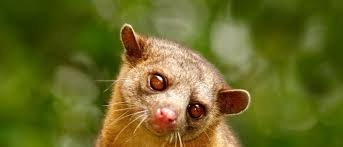
Kinkajous, often called “honey bears” share a playful spirit with raccoons but boast their own unique traits that make them equally intriguing. Originating from the thick forest of central and South America, prehensile tails that allow them to navigate the treetops with quickness, these nocturnal mammals are known for their long, making them natural acrobats of the jungle. Unlike raccoons, kinkajous have a diverse diet that heavily features fruit, which has earned them their lovable moniker. particularly the sweet nectar from flowers.
What truly sets kinkajous apart, however, is their social behavior. While raccoons often prefer individual foraging, kinkajous are very social, residing in small communities and participating in friendly activities that make them favorites among animal enthusiasts. Their curious nature and vocalizations ranging from chirps to whistles create a symphony of sounds that echo through the forest, highlighting their energetic personalities. seeing these animals in the wild provides a look at a life where smarts, community ties, and speed come together, proving that kinkajous are much more than just relatives of the raccoon.
7-Olinguitos
Scientific name: Bassaricyon neblina
Class: Mammalia
Diet: Omnivore
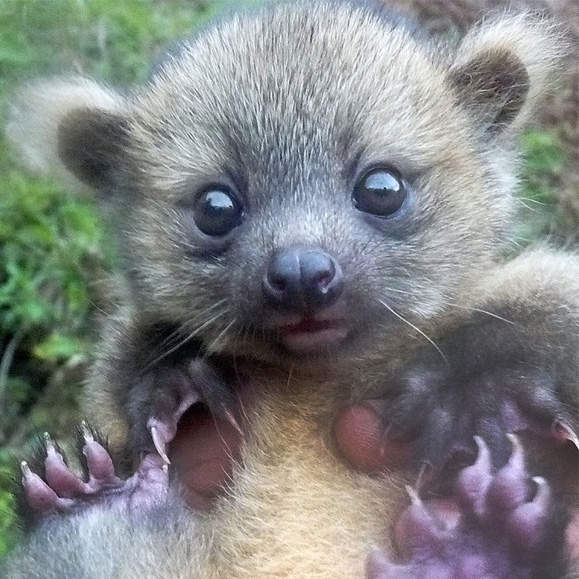
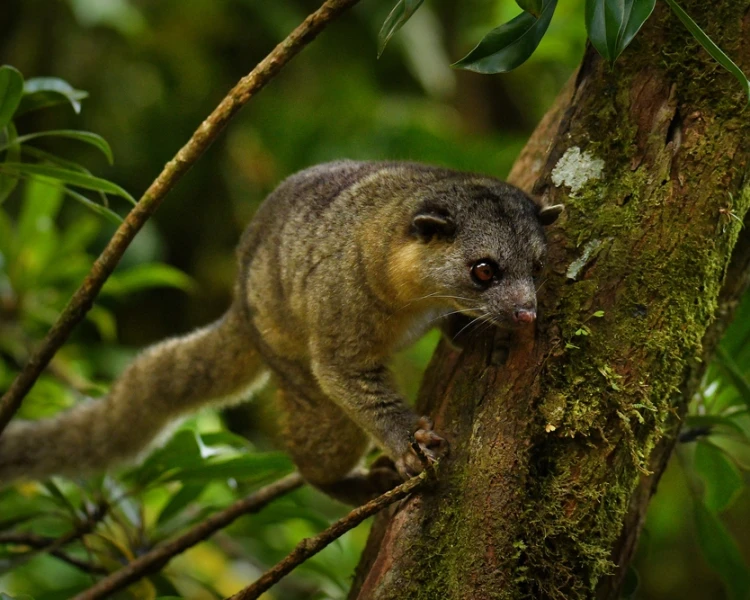
Olinguitos, the lesser-known cousins of raccoons, are animals that thrive with fascinating in South American cloud forests. Sporting a dense, velvety coat and large, meaningful eyes, they possess a charm that rivals their more famous relatives. Like raccoons, olinguitos are nocturnal, preferring to wander the treetops under the veil of night. their quick climbing abilities and impressive capacity to adjust to life in the trees show a distinct to adjust to life in trees show a unique evolutionary journey, illustrating the varied ways animals find their place in nature.
These small, carnivorous mammals are primarily fruit-eaters, often indulging in berries and insects, showcasing their omnivorous diet that leans towards the vegetarian. This eating habit makes them vital for spreading seeds, highlighting their role in maintaining the health of their forest environment. Additionally, olinguitos display a energetic nature similar to raccoons, with playful behaviors that can be delightful to observe. In a world increasingly impacted by habitat loss, their hard to find nature adds a layer of curiosity, reminding us of the secret treasures in our world still waiting to be found.
8-Burmese Ferret-Badger
Scientific name: Melogale personata
Class: Mammalia
Diet: Omnivore
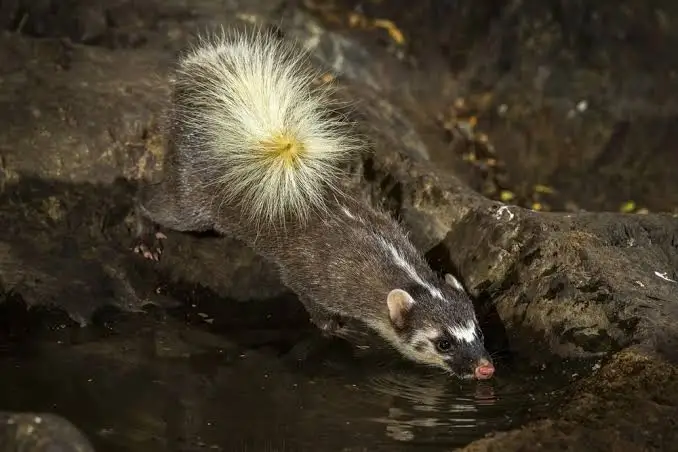
The Burmese ferret-badger, often outshone by its more famous raccoon cousin, displays a unique blend of charm and flexibility. Native to Southeast Asia, this small, nocturnal mammal flourishes in diverse habitats, from dense forests to agricultural regions. it unique look featuring a masked face and a sturdy body immediately brings raccoons to mind, yet their similarities go beyond just physical appearance. Much like raccoons, these ferret-badgers are omnivorous with a flexible diet consisting of small mammals, fruits, insects, which demonstrates their cleverness in finding food.
In their interactions, Burmese ferret-badgers reveal fascinating social behaviors similar to those of raccoons. they are recognized for using various sounds to communicate and can exhibit a playful side that makes their personality quite likeable. Some researchers suggest that understanding the social structure of these creatures could provide valuable understanding into their ecological roles and behavior. Observing them rummaging through leaf litter or foraging near human settlements, one see a clear parallel to the raccoon’s success in living close to humans.
9-Red Panda
Scientific name: Ailurus fulgens
Class: Mammalia
Diet: Omnivore
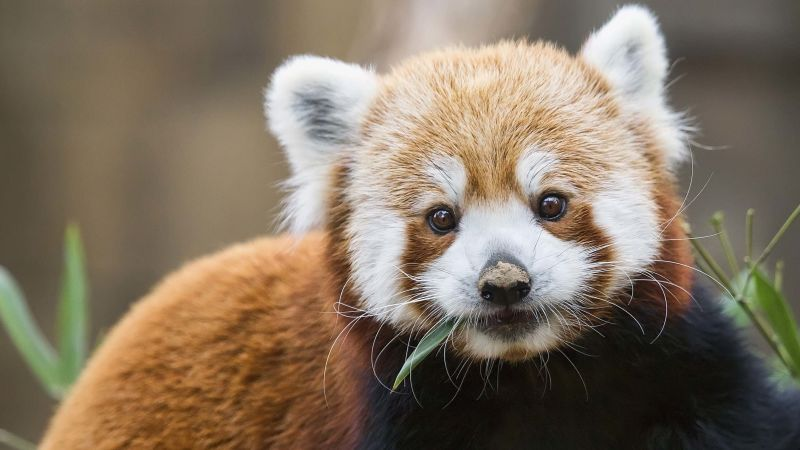
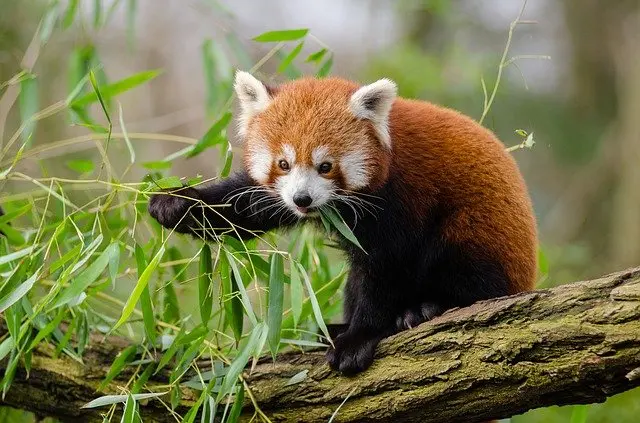
Raccoons are known for their nocturnal pranks and skillful paws, and red pandas share a similar charm through their impressive agility and playful nature. With striking reddish-brown fur and a unique masked face, they possess a lovable quality that reflects in interesting appeal of raccoons. Both animals showcase notable problem-solving skills, often seen utilizing their nimble limbs to forage for food, whether it’s bamboo for red pandas or scavenged items for raccoons.
What truly unites these two species is their ability to adapt to different environments. Just as raccoons flourish in urban settings and natural environments alike, red pandas can navigate the varying heights of the mountainous forests of the Himalayas. their eating habits show a similar pattern: red pandas primarily consume bamboo, while raccoons are omnivorous scavengers, , yet they exhibit some of the same behavioral traits when seeking out food. It’s this blend of capability and adaptability that highlights the shared resilience of these remarkable creatures, prompting us to value the complex connections within nature that link even the most surprising creatures.
10-Fox: Animals That are Like Raccoons
Scientific name: Vulpes vulpes
Class: Mammalia
Diet: Omnivore
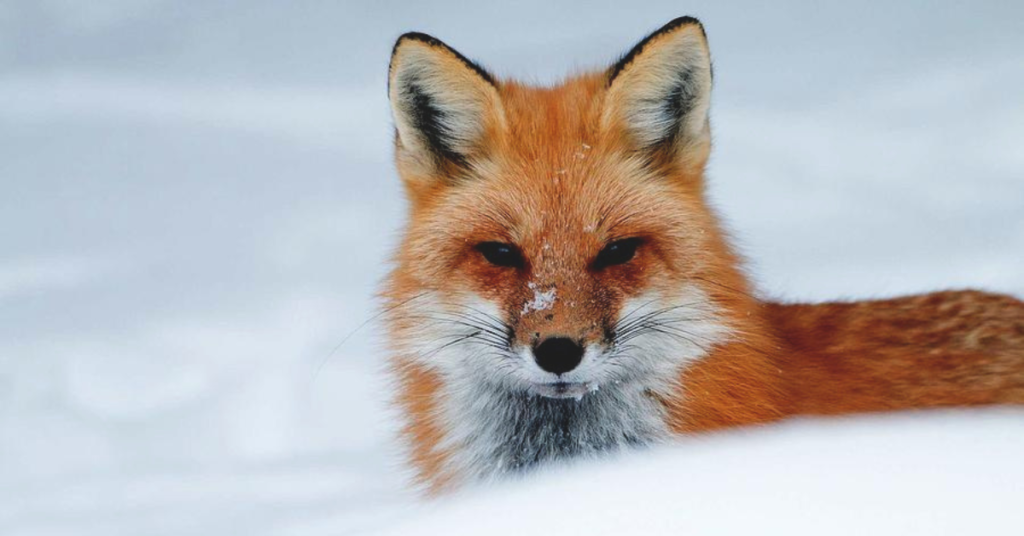
Foxes, often seen as the charming tricksters of the animal kingdom, share several fascinating traits with their raccoon counterparts. Both species are exceptionally adaptable, thriving in diverse setting ranging from city neighborhoods to thick woodlands. This adaptability stems from their omnivorous diets; just as raccoons rummage through garbage cans for a midnight snack, foxes are equally resourceful, scouring fields and suburbia for small mammals, fruits, or even discarded human food.
In team of social interaction, foxes show intriguing habits that mirror those of raccoons.. While raccoons are known for their playful, often mischievous antics, foxes have their own brand of cunning that can be just as adorable. Their playful nature is not just for fun; it’s crucial for teaching young foxes essential survival skills. Similar to raccoons, foxes skillful impressive intelligence and adaptability, which are known for their dexterous paws and problem-solving abilities,, often evading predators and foraging efficiently through complex habitats.
11-Skunks
Scientific name: Mephitis mephitis
Class: Mammalia
Diet: Omnivore
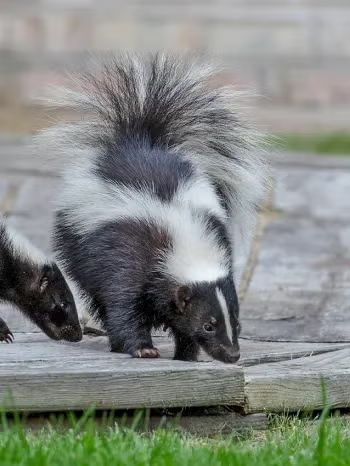
Skunks, often misunderstood due to their well-known reputation, share interesting similarities with raccoons that make them fascinating creatures in their own right. Both are considered ” trash pandas” of the animal kingdom, flourishing in urban and suburban environments where human activity provides an plenty of food sources. much like raccoons, skunks are quite handy with their front paws, using them to sift through garbage cans and navigate their habitats with impressive agility.
The primary factor that differentiates skunks is their specialized protection method a powerful spray made of sulfur-based chemicals. This strikingly unique ability not only protects them from predators but also draws a vivid line between them and raccoons, who rely more on their crafty nature and social behaviors to escape threats.
Furthermore, skunks possess a charmingly varied diet; while they are known for raiding garbage, fruits, and even small rodents, they also enjoy a banquet of insects, showcasing their flexibility in various landscapes. In the grand tapestry of wildlife, skunks bring a captivating splash of color, reminding us of the complex survival strategies they share with their raccoon relatives.
12-Wolverine
Scientific name: Gulo gulo
Class: Mammalia
Diet: Omnivore
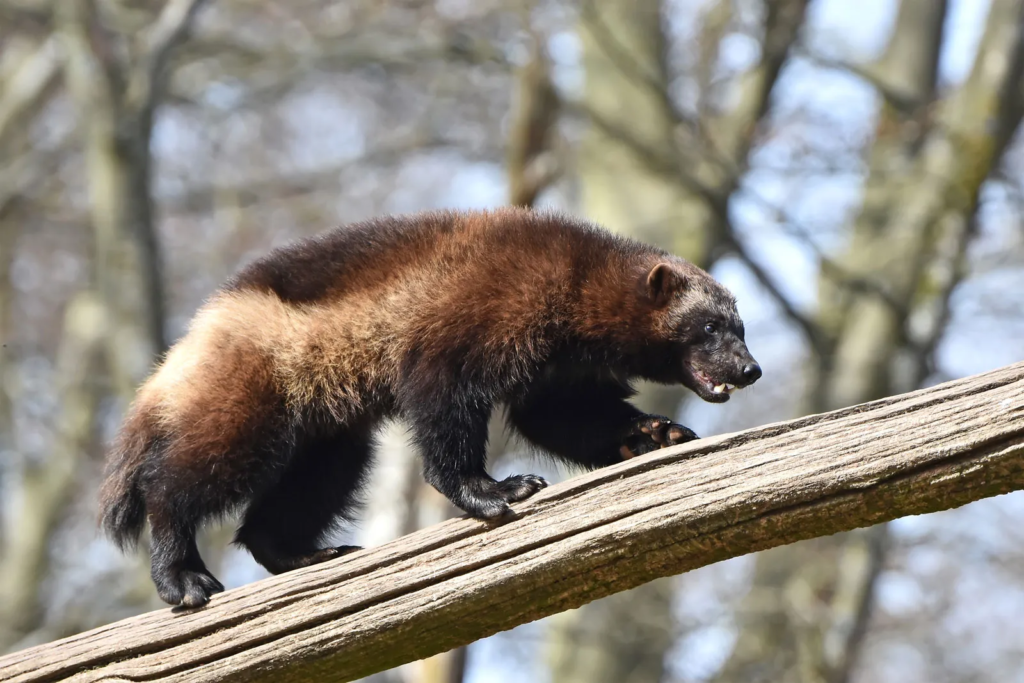
Wolverines share an strange similarity to raccoons in their resourcefulness and determination. Both species exhibit a remarkable ability to flourish in challenging environments, snow-laden terrains of the Arctic while raccoons navigate urban landscapes. This adaptability not only highlights their intelligence but also showcases a noticeable similarity in their foraging behaviors. Like raccoons, , capable of consuming anything from carrion to berries, wolverines are omnivorous scavengers, underscoring their adaptable diets.
Despite their solitary nature, wolverines display a behavioral determination that echoes with the curious spirit of raccoons. They are known for their fearless approach to securing food, sometimes intimidating larger predators to claim leftovers. This boldness is mirrored in raccoons, which are infamous for their clever escapades in search of food, often leveraging their nimble paws and sharp minds to access human food sources. Together, proving that both animals these traits form a fascinating tapestry of adaptation and survival, , embody persistent pursuit of life’s necessities in a world that can often be unforgiving. although from different families
13-American badger
Scientific name: Taxidea taxus
Class: Mammalia
Diet: Carnivore
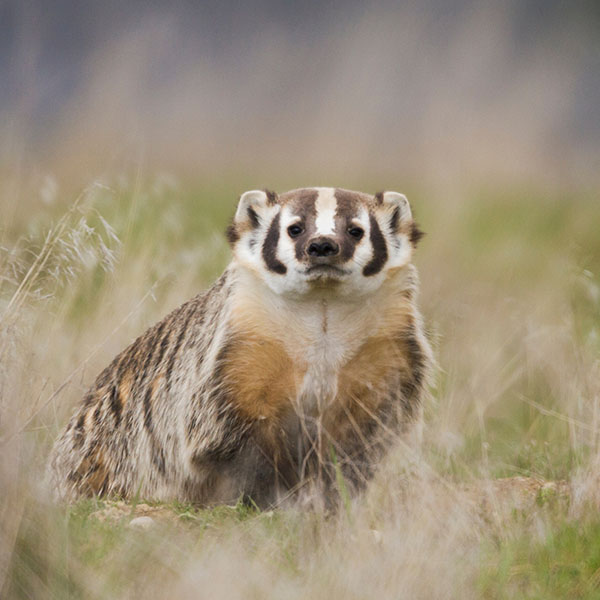
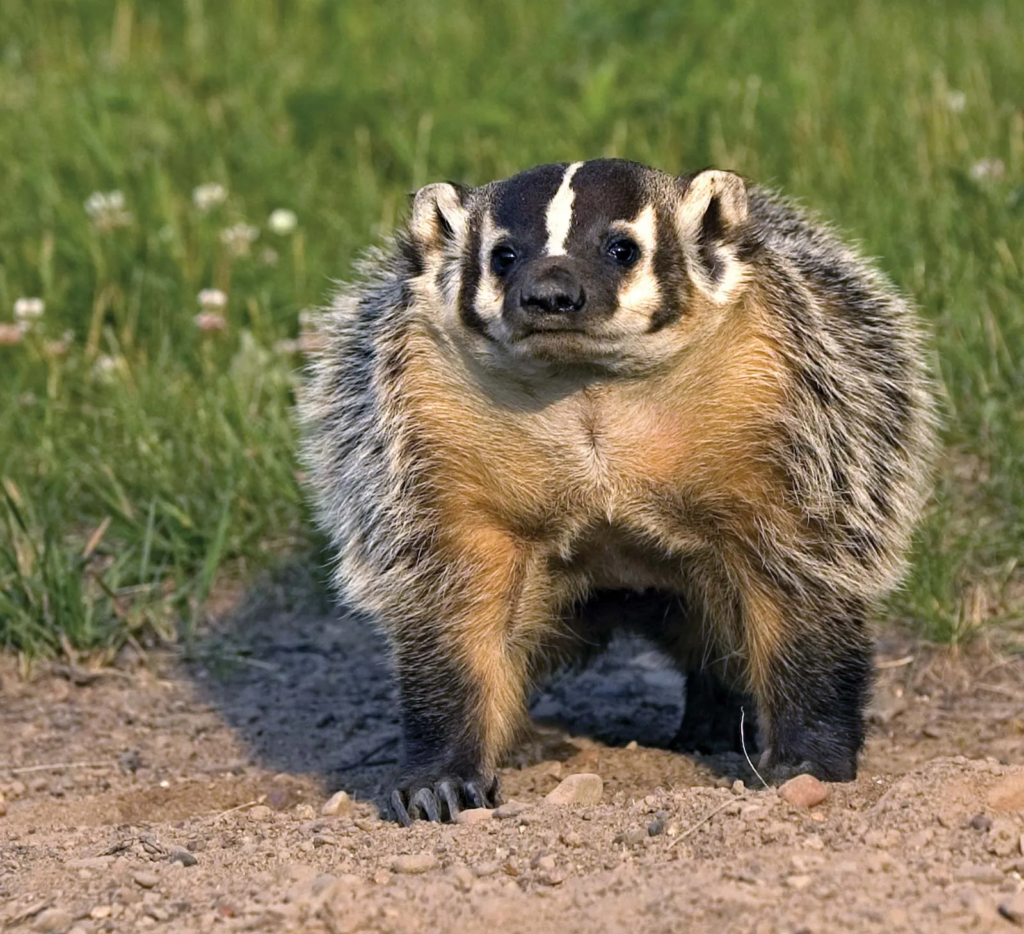
The American badger, often overshadowed by its raccoon counterpart, owns several captivating characteristics is common with that well-known forager.. Although badgers belong to the weasel family, their creative and adaptable nature reflects that of raccoons. Much like utilizing their powerful claws to dig up small mammals, badgers are expert diggers, raccoons that search through trash and forage for food. This determination not only emphasizes their status as flexible eaters but also highlights their amazing digging abilities, as they shape the earth while hunting for food.
Another interesting quality of the American badger is its social structure, which, can reflect raccoon-like behaviors in specific contexts, though typically alone. During the breeding season, similar of raccoon mother-offspring dynamics, these animals may establish temporary family groups. Both species, in their own right, play vital roles in maintaining ecological stability, play essential roles in maintaining ecological balance, with badgers helping control rodent populations while offering raccoons the chance to scavenge on leftovers.
14-Marten
Scientific name: Martes americana
Class: Mammalia
Diet: Omnivore
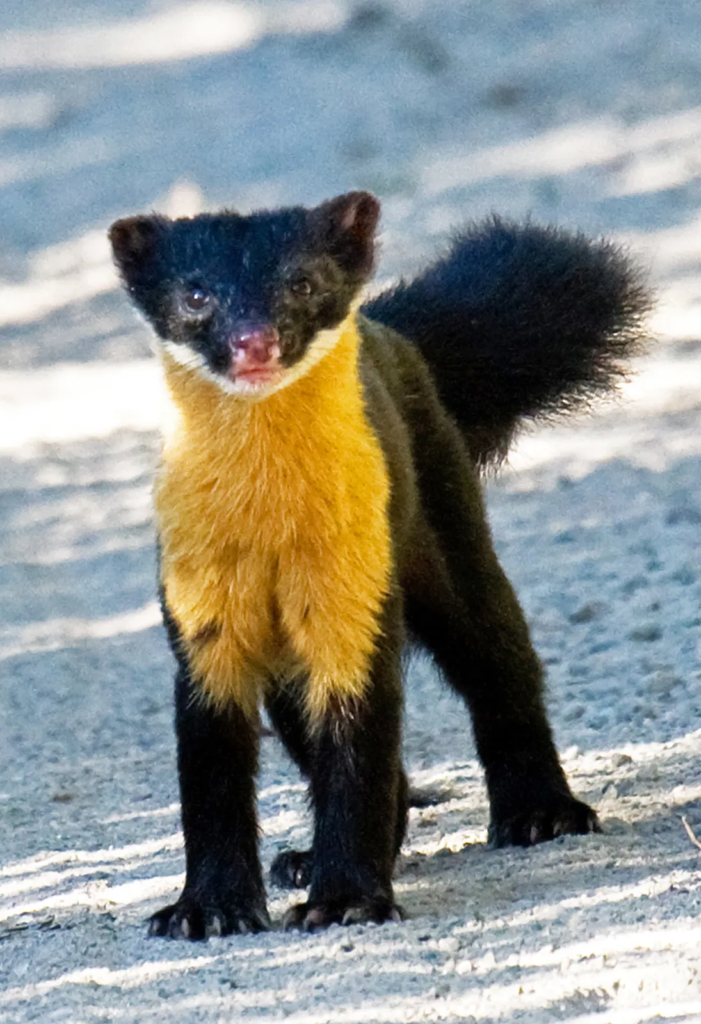
Martens, often outshone by their more famous cousin the raccoon, provide a charming look into the lives of mirror carnivores. These agile mammals, primarily found in the forests of Europe and North America, display impressive adaptability to their environments, much like raccoons. With their slim bodies, and luxurious fur, elongated faces, martens are not only beautiful but also highly skilled climbers, often seen gracefully navigating trees in pursuit of squirrels or bird nests. their agile feet and keen instincts enable them to thrive in varied landscapes, ranging from evergreen woods to broadleaf forests.
Although raccoons are famous for their foraging tendencies and sharp mental abilities, martens demonstrate a different type of cleverness through their predatory techniques. They primarily predate on rodents, employing stealth and agility to catch evasive prey, birds, and insects. Moreover, communicating with a range of chirps and whistles that add an interesting layer to their social behavior martens are known for their elaborate vocalizations. proving that intelligence and resourcefulness come in various shapes and sizes, Both creatures represent the charm of adaptability in the animal kingdom, extending far beyond the familiar masks of urban raccoon.
Final Words
While raccoons are beloved for their charming antics and intelligence, many other animals exhibit similar traits that intrigue and inspire. the intriguing features of species such as the coati and the ring tailed cat serve as reminders of the varied survival tactics that flourish in the wild. By fostering a greater awareness and understanding of these animals, we can cultivate a deeper respect for all wildlife. Join the effort toward wildlife preservation and help defend our world’s diverse ecosystem for future generations.
FAQs
Post navigation
What animals is similar to raccoons?
Animals similar to Raccoon include coatis, kinkajous, ringtails, and red pandas because they share similar traits like climbing, dexterous paws, and omnivorous diets.
What looks like a raccoon but is bigger?
A Coati looks like a larger, longer-snouted raccoon, while a Red Panda has similar markings but a fluffier body.
The Wolverine and Badger can also resemble raccoons but are stockier and much bigger.