Top 14 Unique Animals That Eat Rabbits (With Pictures)
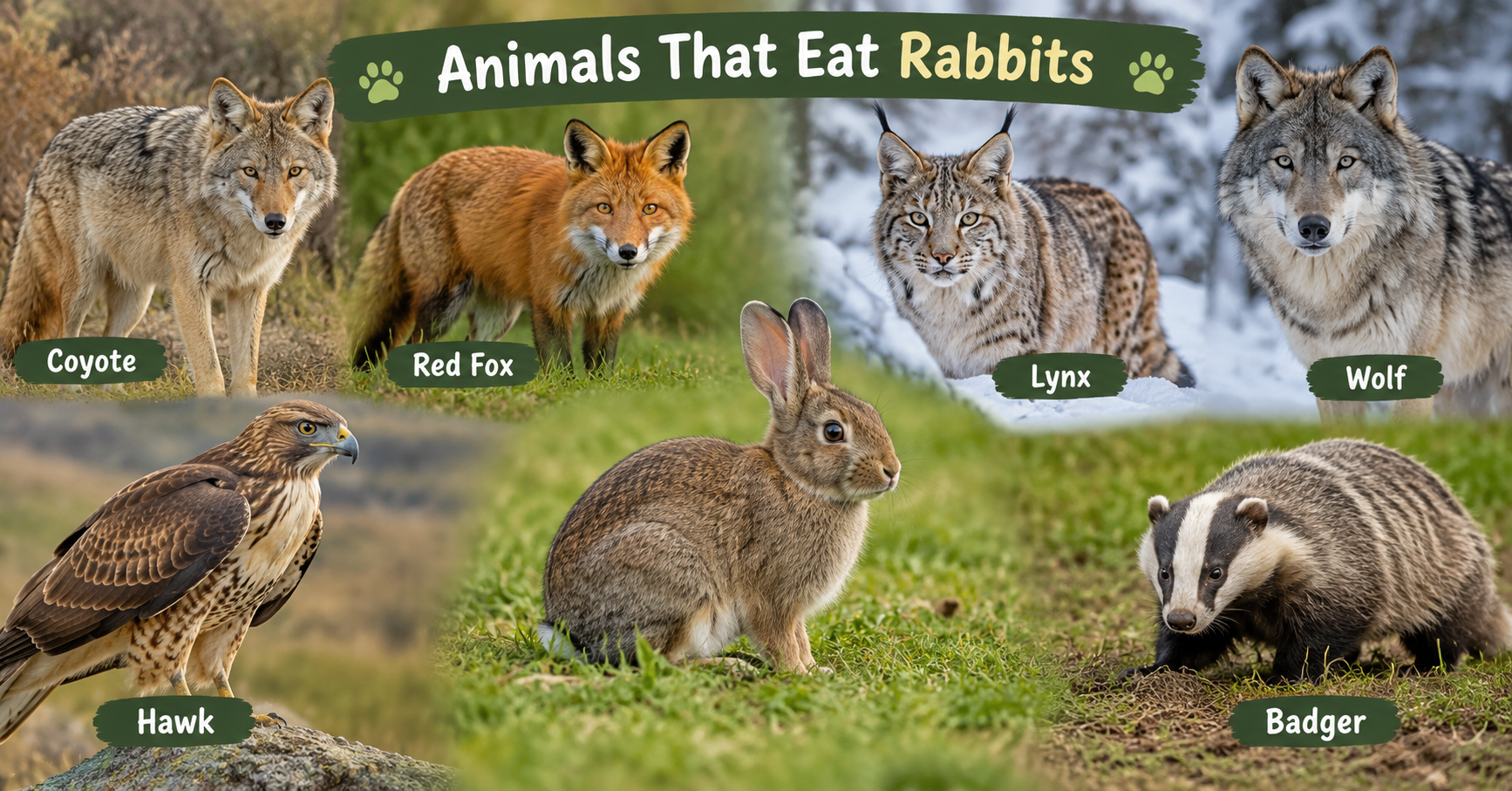
Animals That Eat Rabbits hunt wide variety of animals, Examining these wildlife dynamics, especially looking closely at Animals That Eat Rabbits, reveals the intricate web of predator and prey relationships.
List of Animals That Eat Rabbits
Below is the list animals that eat rabbits:
- Foxes
- Badgers
- Bobcat
- Weasel
- Dogs
- Great Horned Owl
- Ferrets
- Golden Eagle
- Wolves
- Eurasian Lynx
- Snakes
- Red-tailed Hawk
- Bears
- Coyotes
1-Foxes: Animals That Eat Rabbits
Scientific Name: Vulpes vulpes
Class: Mammalia
Diet: Omnivore
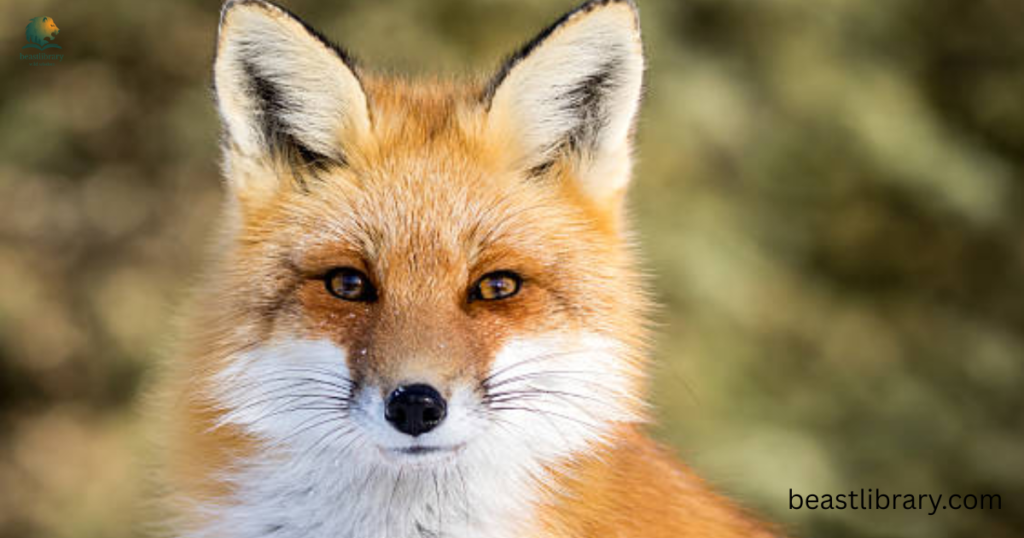
Among the elusive creatures of the wild, foxes display an intriguing mix of cunning intelligence and vocal prowess. Known for their striking red fur and bushy tails, these animals aren’t shy about expressing themselves, and they are Animals That Eat Rabbits.
Unlike the deep, menacing growls of larger predators, the fox’s growl tends to be more nuanced, often resembling a series of barks or chortles that can signify everything from alerting family members to warnings about potential threats.
2-Badgers
Scientific Name: Meles meles
Class: Mammalia
Diet: Omnivore
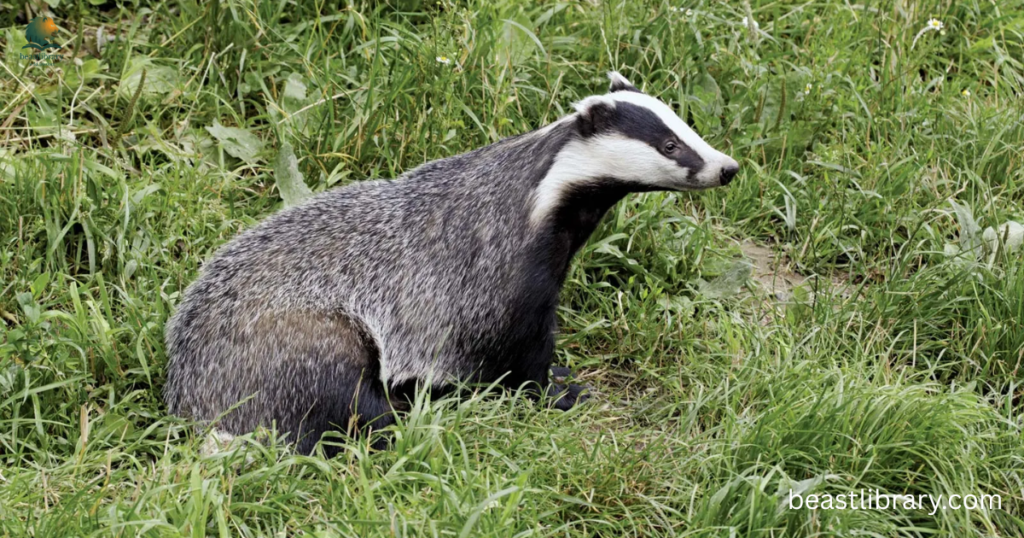
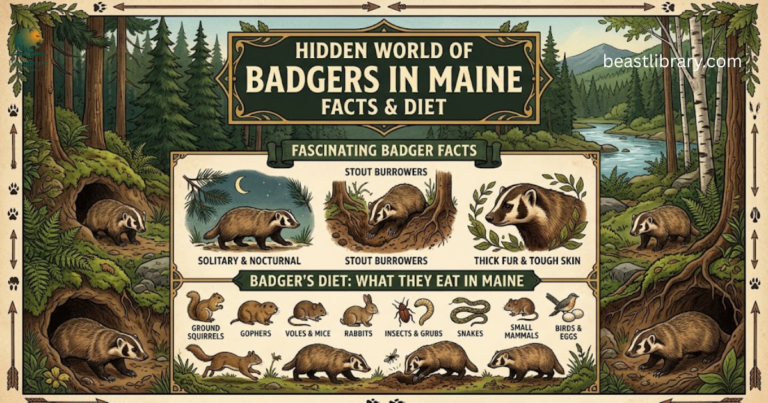
Badgers are remarkable but often go unnoticed in the grand tapestry of world. They are Animals That Eat Rabbits. By utilizing their strong front limbs and an exceptional sense of smell, badgers can track down rabbits hidden in their burrows or flush them out into the open.
This hunting plays a vital role in balancing the ecosystem by regulating rabbit populations, as it helps control rabbit populations that can otherwise explode and lead to overgrazing.
3-Bobcat
Scientific Name: Lynx rufus
Class: Mammalia
Diet: Carnivore
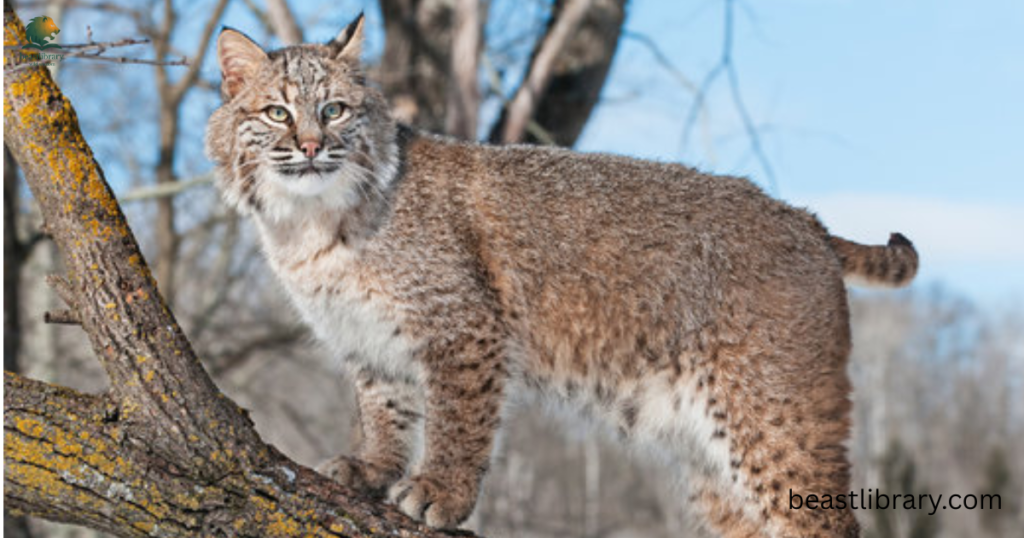
Bobcats are North American Animals That Eat Rabbits. They have tufted ears that assist them in identifying their prey such as rabbits, Forests, brushlands, birds and rodents. these residents of forest, swamps possess and brushlands, and ears designed to amplify ambinent sounds.
Their ears rotate easily to follow target movements while stalking. bobcats are solitary, territorial predators. They spend daylight hours resting inside dense bushes, keeping their ears constantly tuned for signs of trouble.
4-Weasel
Scientific Name: Mustela nivalis
Class: Mammalia
Diet: Carnivore
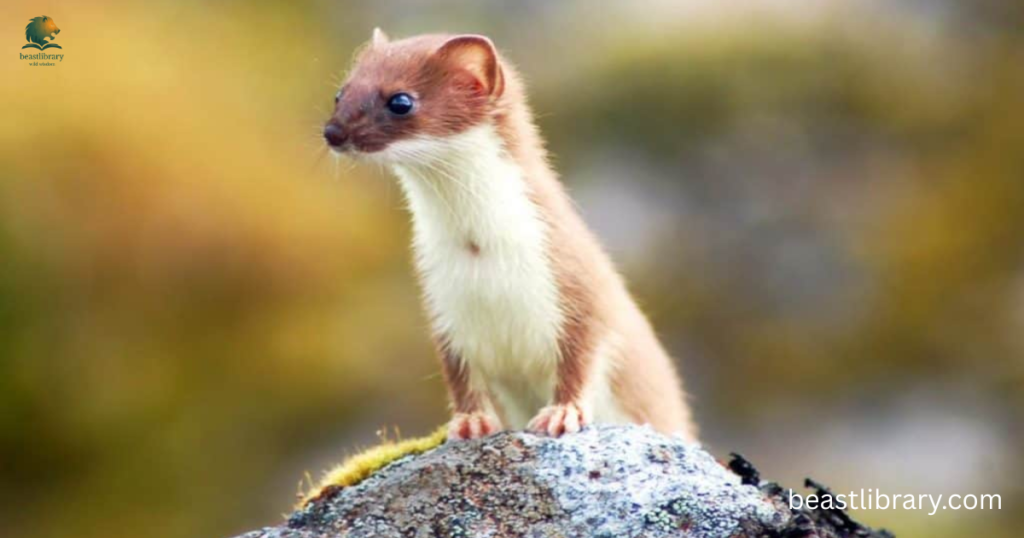
A weasel is a small, slim wild Animals That Eat Rabbits known for its speed, agility, and hunting skills . Their thin body that helps it move easily through narrow spaces. Weasels live in different environments like forests and grasslands, and as prominent rabbit predators.
Both creatures are masters of adaptation and cleverness. They can survive in many conditions and use their speed both to catch prey and escape from predators. Their behavior can change depending on the environment. Some weasels live alone, but they may come together during breeding season.
5-Dogs
Scientific Name: Canis lupus familiaris
Class: Mammalia
Diet: Omnivore

Dogs are long leg mankind’s finest companions, a title well-earned through millennia of companionship and cooperation. When exploring the question of what hunts rabbit, their calm nature often arises from their distinctive social systems, which closely reflect human societies.
A well trained puppy raised in a positive environment will display a more docile nature than one lacking early social interactions. The brain of a dog is particularly the areas that process social interactions, granting them ability to interpret human body language with incredible precision.
6-Great Horned Owl
Scientific Name: Bubo virginianus
Class: Aves
Diet: Carnivore
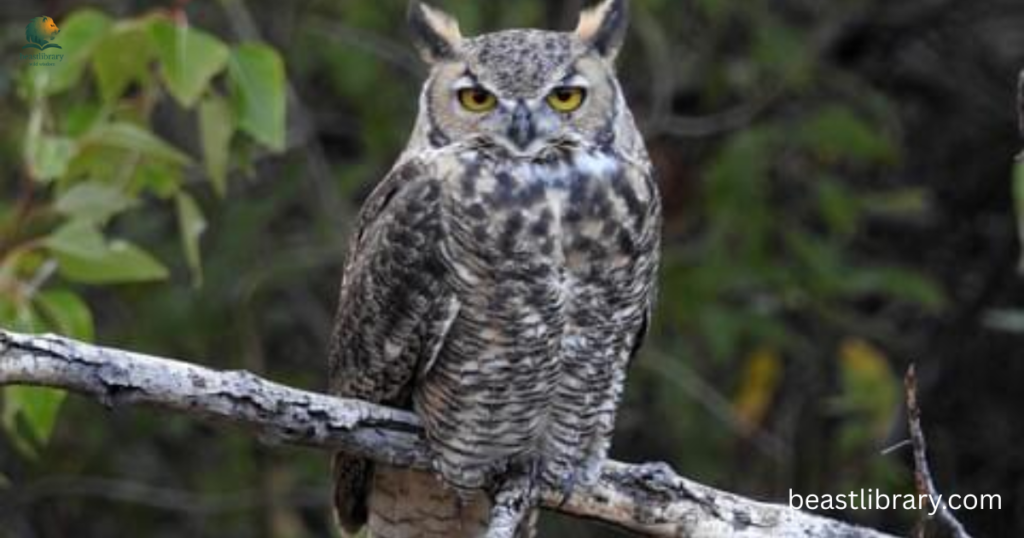
Owls, often emblematic of wisdom in various cultures, carry an air of mystique that captivates nature enthusiasts and casual observers alike. When wondering what Animals That Eat Rabbits.
Designed to minimize turbulence as they glide, showcases nature’s extraordinary engineering skills, The unique structure of their feathers.
Past their hunting prowess, owls are deeply misunderstood nocturnal creatures. While their haunting calls evoke a sense of solitude, they actually play a vital part in keeping our ecosystems balanced.
7-Ferrets
Scientific Name: Mustela putorius furo
Class: Mammalia
Diet: Carnivore
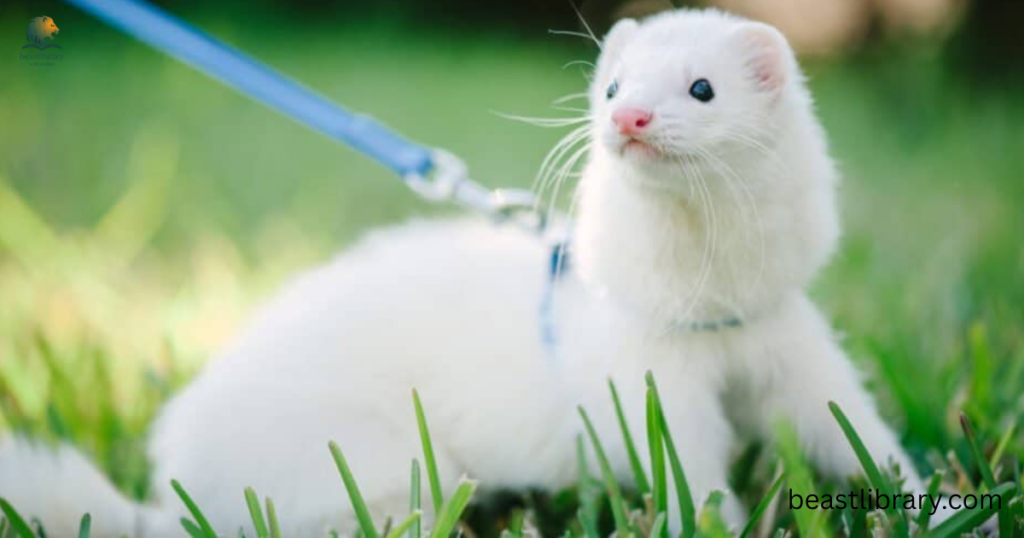
Ferrets, with their sleek bodies and playful demeanor, are often overlooked in the realm of pets. These creatures are not just adorable; they possess a rich social complexity that rivals that of dogs and cats.
Known for their boundless energy, they thrive in interactive environments, making them superb companions for those willing to engage in spirited play. Their natural curiosity drives them to explore every nook and cranny, often leading to delightful antics that showcase their intelligence.
8-Golden Eagle
Scientific Name: Aquila chrysaetos
Class: Aves
Diet: Carnivore
Golden eagles cruise at altitudes between 10,000 to 15,000 feet above sea level. when favored by optimal thermal and weather situations their peak heights have been documented hitting up to 15,000 feet (4,572 m) in the air.
Eagles are among the highest-flying birds in the world. Many people ask, “How high can an eagle fly in feet?” In reality, eagles can soar thousands of feet above the ground while searching for prey and riding thermal air currents.
9-Wolves
Scientific Name: Canis lupus
Class: Mammalia
Diet: Carnivore
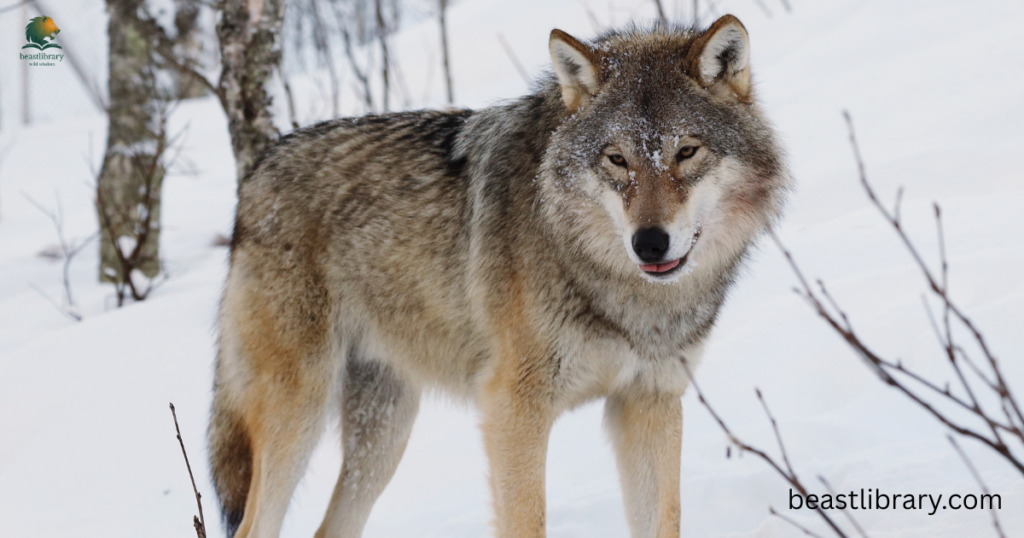
Wolves are top-tier predators, renowned for their pack mentality and strategic hunting techniques. In regards to their nutrition, rabbits often serve as an important source of sustenance.
Typically found in abundant numbers, these tiny mammals are not just nimble but also function as a vital component of the food web in multiple environments. Wolves capitalize on this by hunting rabbits during twilight hours, employing their acute sense and cooperative efforts to drive their prey out of thick bushes.
10-Eurasian Lynx
Scientific Name: Lynx lynx
Class: Mammalia
Diet: Carnivore
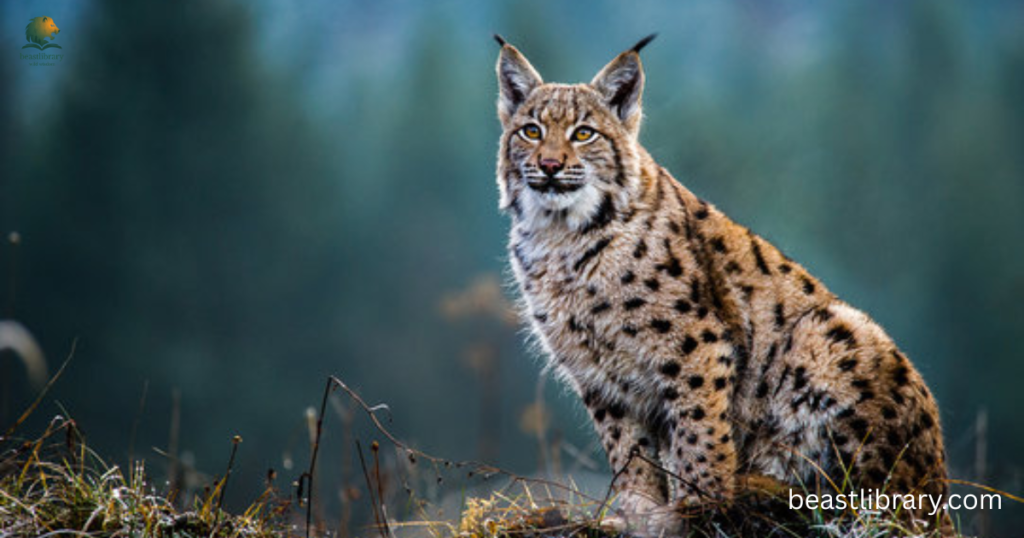
The Eurasian Lynx, an expect in secrecy and quick movements, roams the dense boreal forests of Europe and Asia, having acquired a strong preference for preying on rabbits in the wilderness. With its tufted ears and powerful legs, this mysterious wildcat is far more than a simple nighttime predator; it embodies the elegance of predator and prey dynamics.
The wildcat’s approach to capturing food depends heavily on perseverance and quiet approach, often stalking its prey before launching an explosive burst of speed. They utilize their keen eyesight and acute hearing to track the rustling movements of rabbits amidst the underbrush.
11-Snakes
Scientific Name: Serpentes
Class: Reptilia
Diet: Carnivore
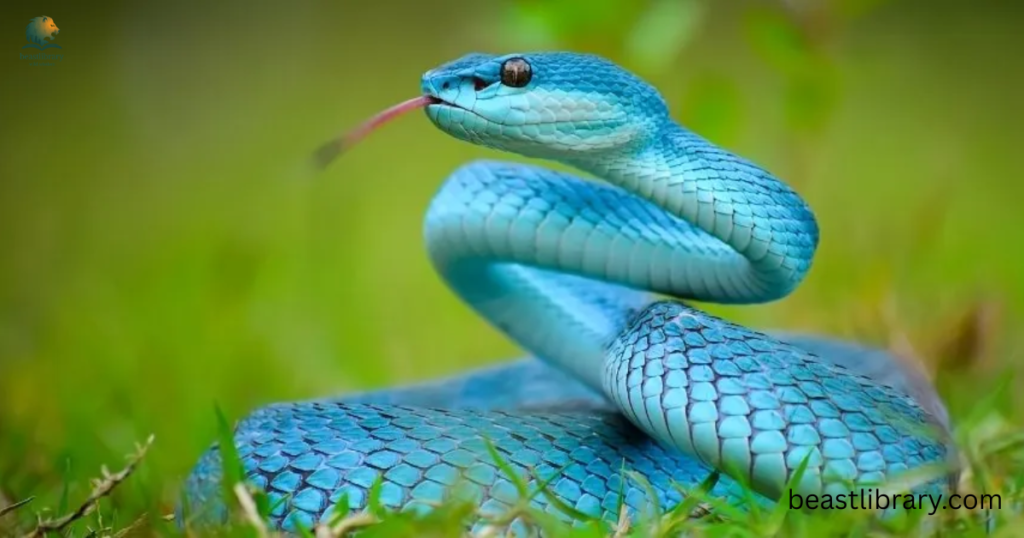
Snakes are striped reptiles showing how creatures can live without limbs. These sharp teeth legless reptiles have the art of movement through a series of complex muscle contractions and coordinated scales that allow them to glide, and climb with remarkable agility.
Each scale acts like a tiny grip against the surface, enabling them to ascend vertical surfaces or even swim effortlessly through water. This unique mode of locomotion not only enhances their hunting techniques but also provides a strategic advantage against predators.
12-Red-tailed Hawk
Scientific Name: Buteo jamaicensis
Class: Aves
Diet: Carnivore
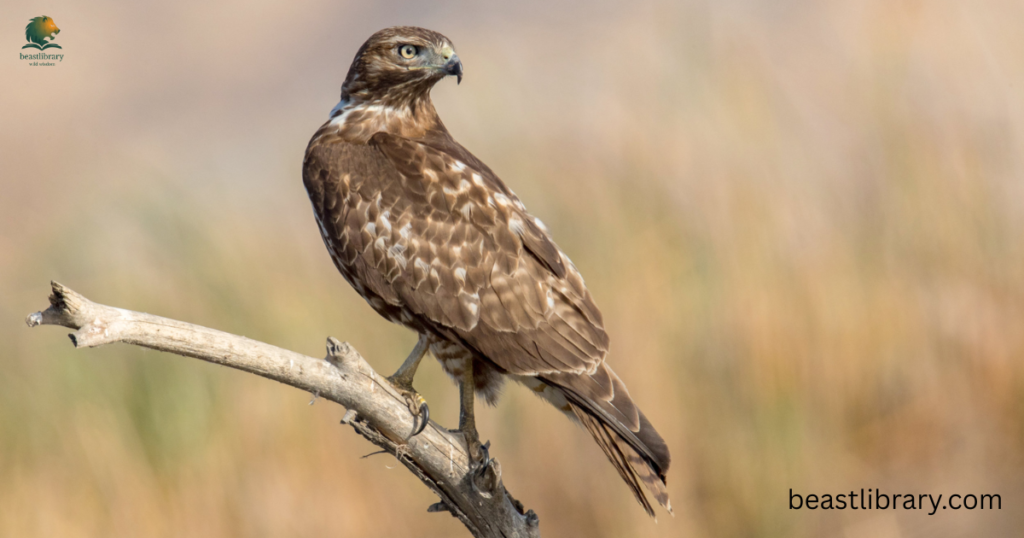
The Red-tailed Hawk stands as one of the most formidable predators in North America, perfectly integrated into the natural framework of its environment. When exploring what eat rabbit, these birds are prominent examples.
This incredible eyesight, coupled with a wingspan of up to four feet, enables them to dive down swiftly and catch prey off guard, transforming a peaceful setting into a fierce arena for survival.
13-Bears
Scientific Name: Ursidae
Class: Mammalia
Diet: Omnivore
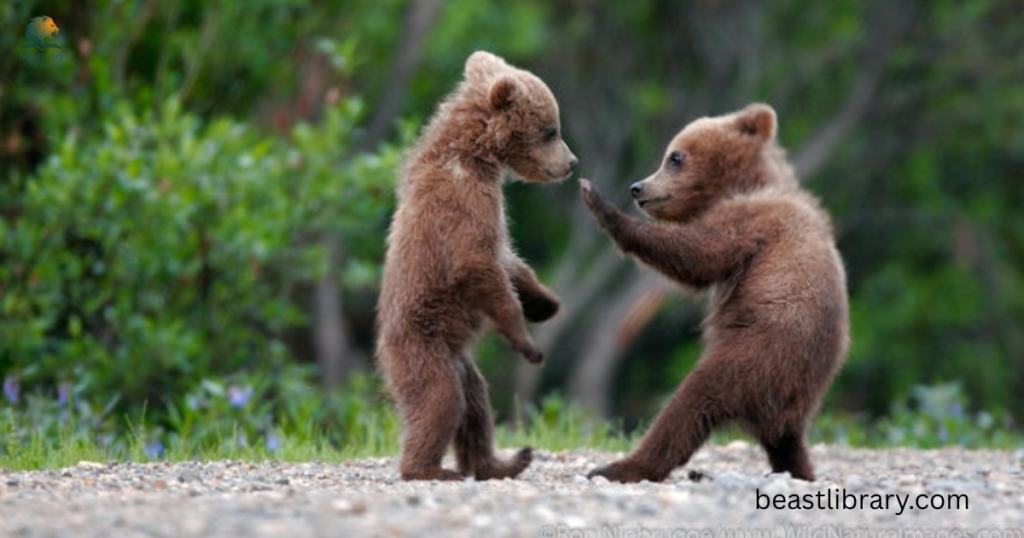
Bears, particularly species like the black bear and grizzly, showcase a surprisingly diverse diet. When researching what animal eat rabbit, that includes the opportunistic consumption of rabbits. These omnivorous giants have a remarkable ability to adapt their foraging behavior based on seasonal availability and environmental conditions.
During the warmer months, when rabbits are more active, a bear’s keen sense of smell can detect their presence from afar, allowing them to capitalize on this easy source of protein.
14-Coyote
Scientific Name: Canis latrans
Class: Mammalia
Diet: Omnivore
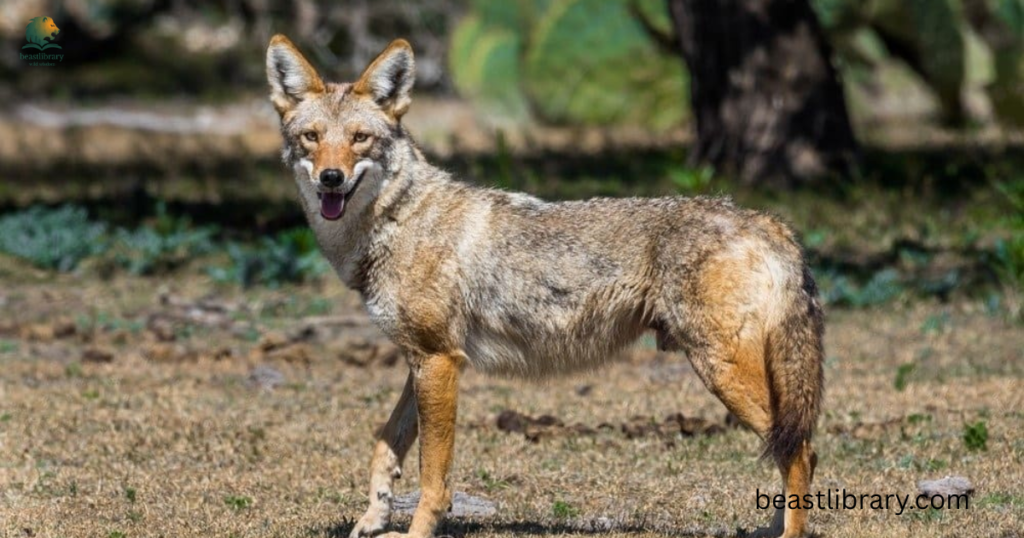
Coyotes has big ear renowned as the nimble survivors of the prairie ecosystem, are creatures that embody adaptability. equipped with sharp instincts and high intelligence, these animals thrive in a variety of setting, ranging from bustling cities to expansive nature fields.
Their auditory signals ranging from haunting howls to playful yips create a symphony of sound that echoes across the plains, marking their communicating with pack members. This ability to adjust ensures their own survival & also maintains the health of the prairie environment.
Final Thoughts
The wide variety of Animals That Eat Rabbits showcases the intricate balance of ecosystems and the roles different species fulfill within them. From formidable predators such as foxes and coyotes to smaller hunters like hawks and weasels, each plays a part in managing rabbit populations and sustaining environmental harmony.
FAQs
What eats rabbits?
Animals such as foxes, hawks, snakes, owls, and wolves eat rabbits.
Do bears eat rabbits?
Yes, bears sometimes eat rabbits, though they are not a major part of their diet.
Do foxes eat rabbits?
Yes, foxes commonly eat rabbits as one of their main prey.