Top 13 Animals That Eat Oranges (Images Included)
There are many animals that eat oranges and have developed a strong fondness for various citrus fruits. While we often associate these juicy snacks with humans, a surprising number of wild creatures love the refreshing flavor and vital nutrients that oranges offer. This article cover that the fascinating world of wildlife and uncover why this unique food choice matters to their survival and our environment.
1-Raccoons:Animals That Eat Oranges
Scientific Name: Procyon lotor
Class: Mammalia
Diet: Omnivore
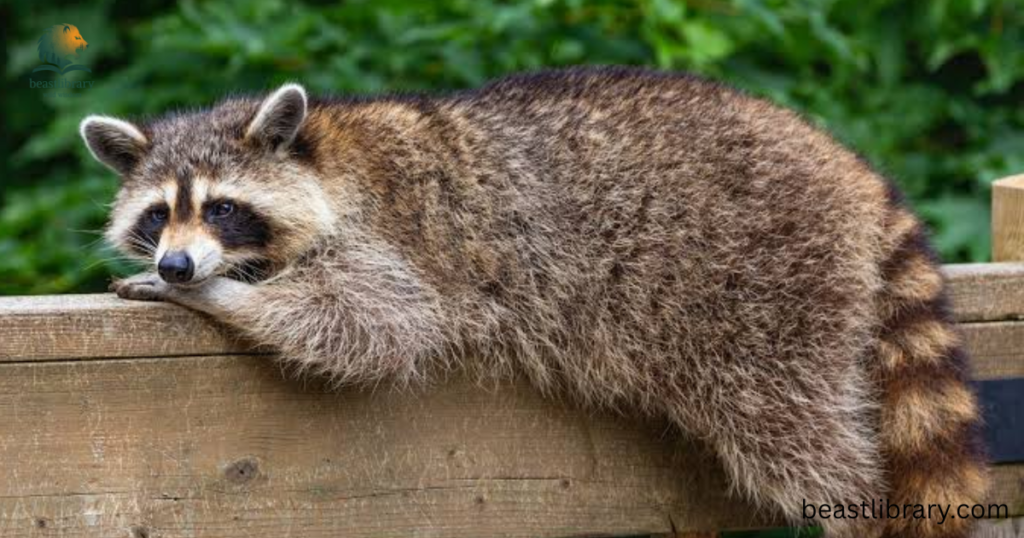
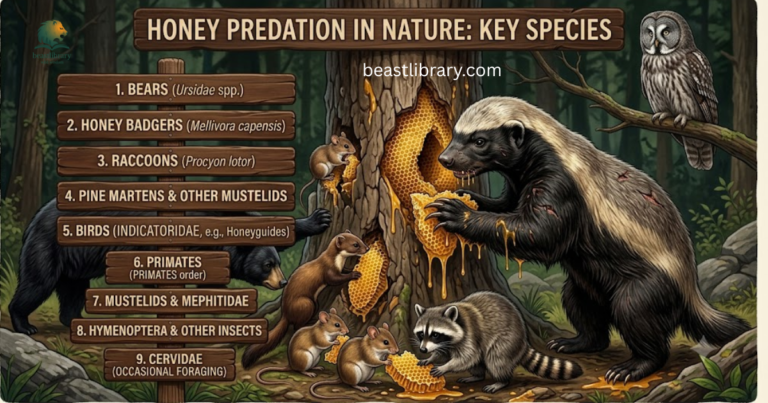
When you think of grumpy animals, the raccoon effortlessly fits the bill with its perpetually uninterested expression and unique knack for mischief. Also counted among the clever animals that eat oranges, known for their dexterous paws and masked faces, these creatures often emerge at night, revealing their cantankerous charm. They are honey eating animals.
Their reputation for rummaging through trash gives them a scrappy persona yet there’s a surprising intelligence lurking behind those piercing eyes. Raccoons possess an exceptional memory that allows them to remember solutions to tasks for at least three years, making them much more than just adorable bandits.
2-Deer
Scientific Name: Cervidae
Class: Mammalia
Diet: Herbivore
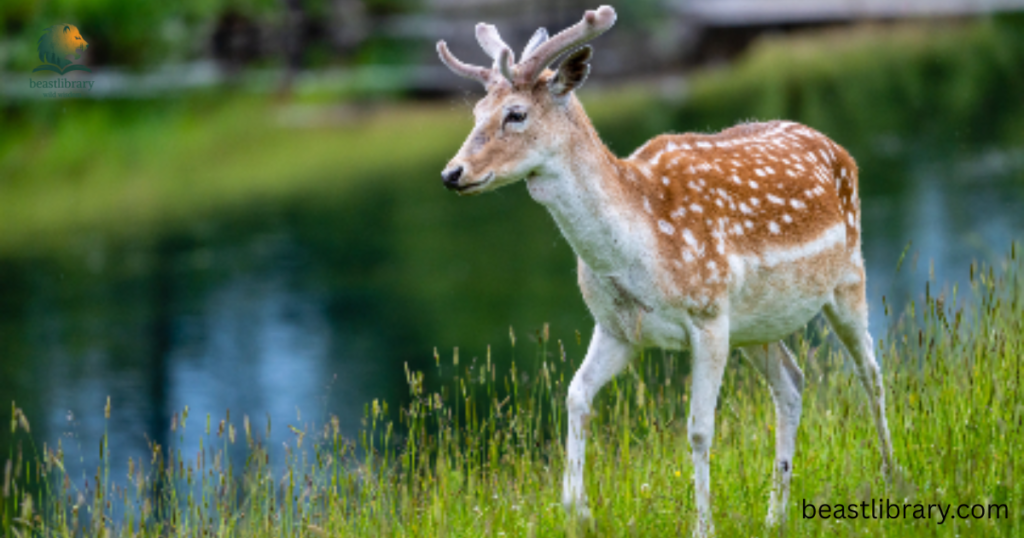
Deer, often observed elegantly moving through woodlands and fields, embody a remarkable blend of elegance and gentleness that charms wildlife lovers. if you are researching what animals like oranges, these adaptable herbivores are known to occasionally enjoy sweet citrus fruits.
Their large, these creatures possess a surprising resilience, Often viewed as timid expressive eyes and slender limbs create an image of vulnerability.
The environment are subtle yet impactful; In every graceful leap and gentle browse, deer remind us of the beauty inherent in coexistence with nature, they contribute to the health of plant populations, fostering biodiversity
3-Red-bellied Woodpeckers
Scientific Name: Melanerpes carolinus
Discover more
Class: Aves
Diet: Omnivore
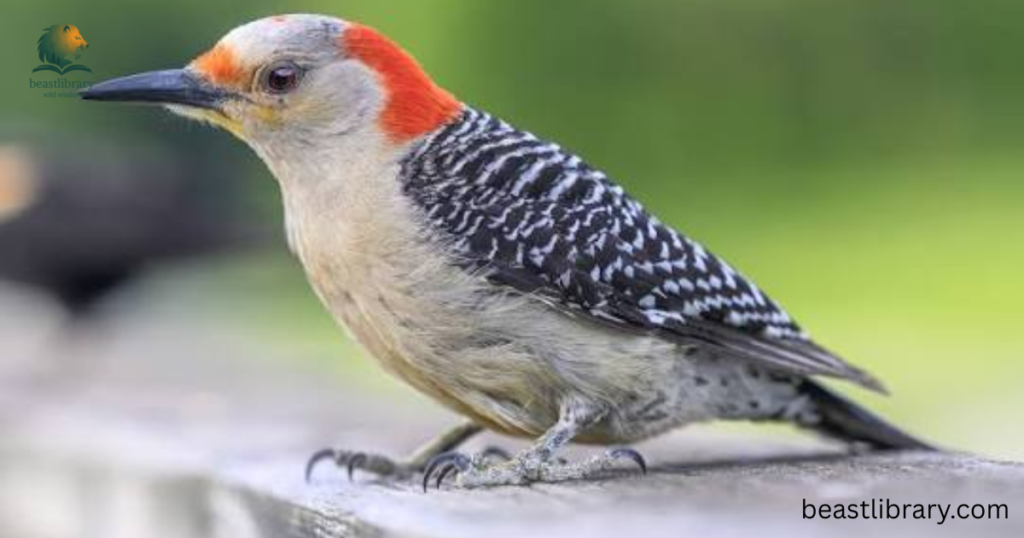
Red-bellied woodpeckers, which are often confused with other similar looking woodpecker varieties, showcase an unexpected culinary delight savoring oranges. while these colorful birds, with their striking red napes and patterned backs, are typically known for their bark-pecking and insect-seeking behavior.
When fruit is available. using their thin, sharp tongues, they easily pull out juicy pieces from oranges slices, highlighting a fascinating adaptability in their diet.
What sets red-bellied woodpeckers apart is their distinct interaction with their environment when they feed on oranges, they accidentally help scatter seeds, supporting the reproduction and growth of various plant species, aiding in the growth of diverse plant species.
4-Bears
Scientific Name: Ursidae
Class: Mammalia
Diet: Mostly Omnivore
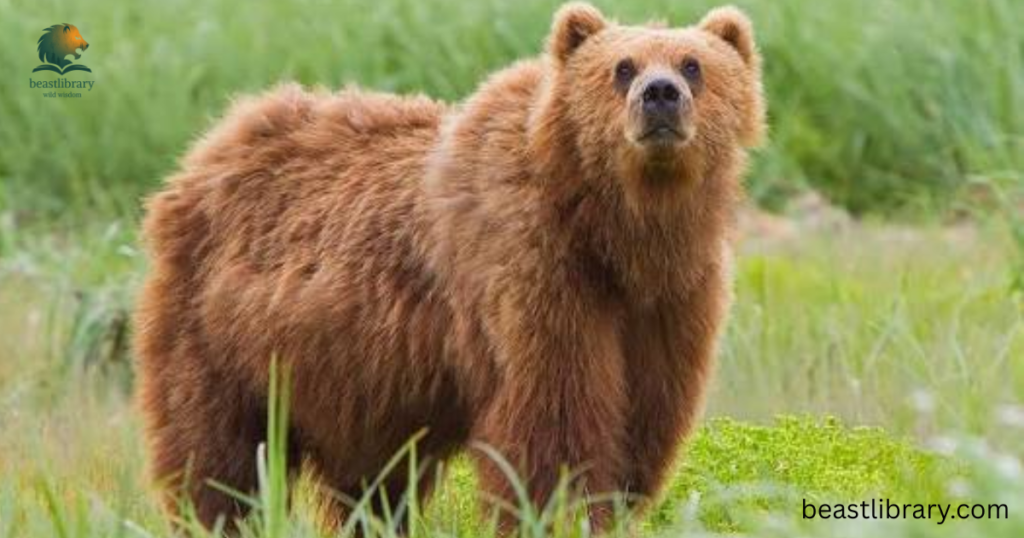
Bears, particularly species like the black bear and grizzly, showcase a surprisingly diverse diet. When researching what animal eat rabbit, that includes the opportunistic consumption of rabbits. These omnivorous giants have a remarkable ability to adapt their foraging behavior based on seasonal availability and environmental conditions.
During the warmer months, when rabbits are more active, a bear’s keen sense of smell can detect their presence from afar, allowing them to capitalize on this easy source of protein.
Rabbit hunting can be a strategic behavior for bears. Unlike their typical forage of berries and nuts, targeting rabbits provides a quick energy boost, which is essential for building fat reserves before hibernation.
5-Tamarins
Scientific Name: Saguinus
Class: Mammalia
Diet: Omnivore
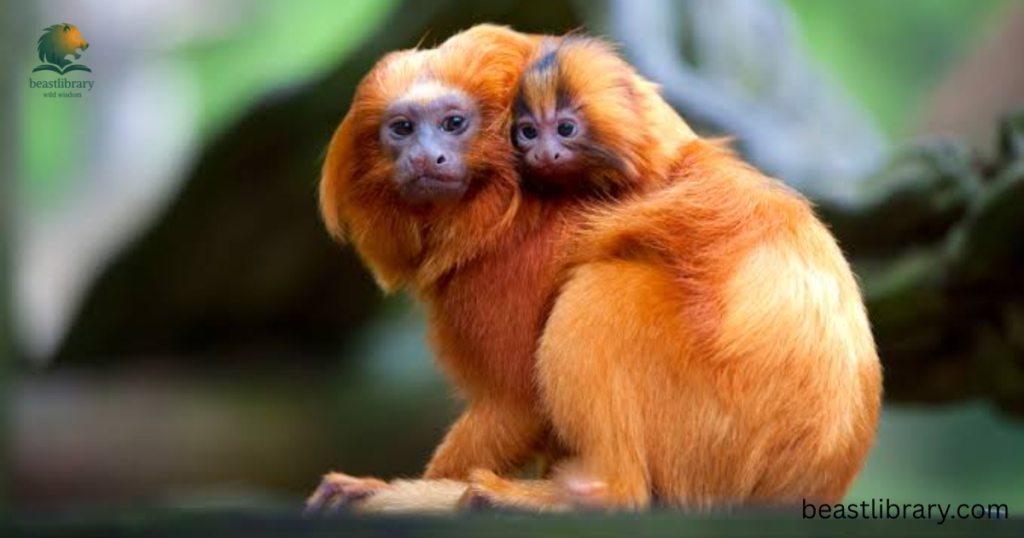
Tamarins, those delightful little primates, have a surprising knack for embracing the tangy sweetness of oranges. These creatures, exhibit fascinating foraging behaviors that extend to citrus fruits, predominantly found in the lush rainforests of Central and South America.
Their keen sense of smell helps them locate ripe oranges in the dense foliage, showcasing their adaptability in a changing habitat. Unlike many other fruit-eating animals, often using their agile limbs to snatch fruits from the branches effortlessly, tamarins utilize their size to nimbly navigate through the trees,
6-Fruit Bats
Scientific Name: Pteropodidae
Class: Mammalia
Diet: Frugivore
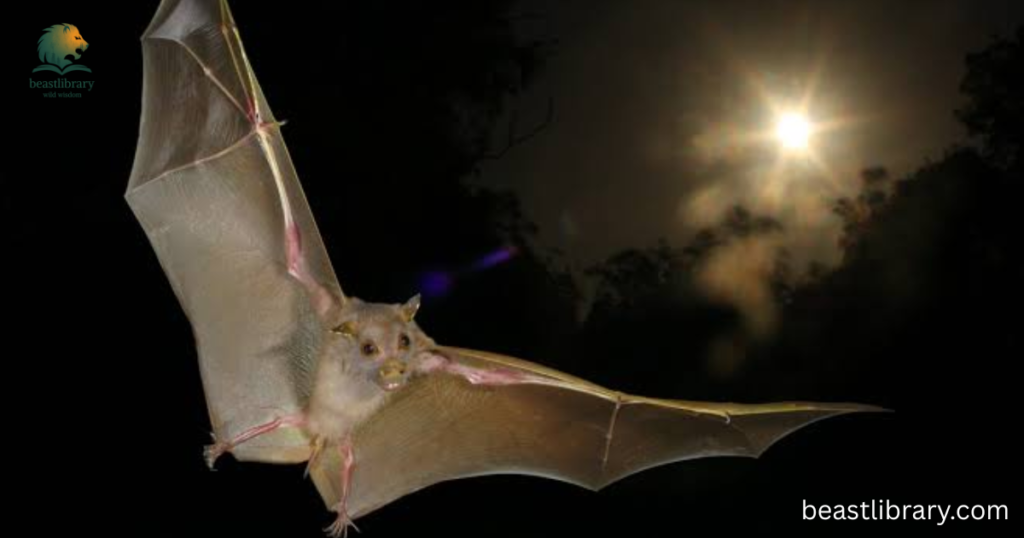
If you are wondering exactly what animals eat oranges, fruit bats are a perfect example. Fruit bats, often regarded as nature’s pollinators, they possess a surprising fondness for citrus that goes well beyond a simple snack.
These nocturnal mammals are equipped with keen eyesight and a delightful sense of smell, juicy fruits in the dark. As they feed on oranges, which they utilize to locate ripe, they don’t just indulge their taste buds; they also play a crucial role in the ecosystem by dispersing seeds.
This crucial activity allows new plants to take root far away from the original tree, which boosts genetic variety and keeps forest thriving. the attracting these bats to their groves, farmers can foster a natural balance, reducing the need for chemical pesticides.
7-Northern Mockingbirds
Scientific Name: Mimus polyglottos
Class: Aves
Diet: Omnivore
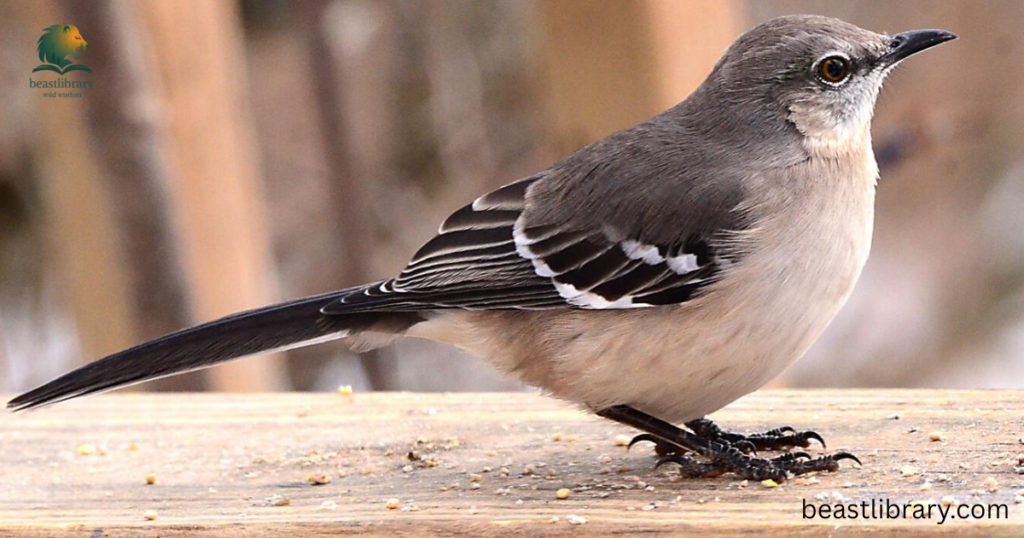
Northern mockingbirds are more than just melodic songsters; they are incredibly bold eaters that eagerly add citrus fruits to their regular diet for anyone researching what animals eat orange peels or the fruit itself.
These resourceful birds have developed a penchant for citrus fruits, and their attraction to ripe oranges can be witnessed in backyards and gardens. while they are famously known for their high intelligence and ability to mimic surrounding sounds, but this adaptability extends to their culinary choices as well.
Observing mockingbirds feast on oranges offers a glimpse into their behavior and the ecosystem they inhabit. this simple interaction highlights the delicate balance of the natural world, where even the simplest act of dining can have wider implications for the environment.
8-Squirrels
Scientific Name: Sciuridae
Class: Mammalia
Diet: Omnivore
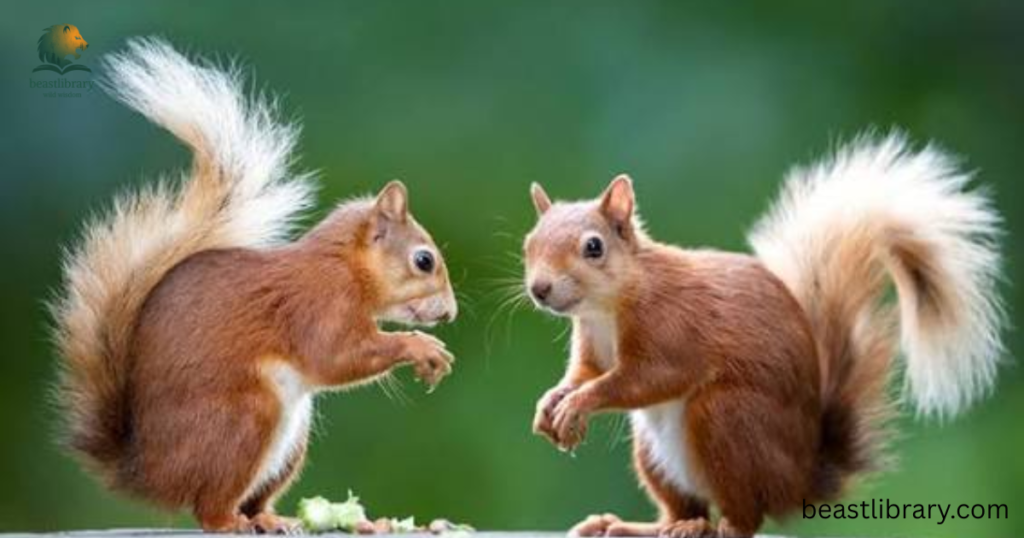
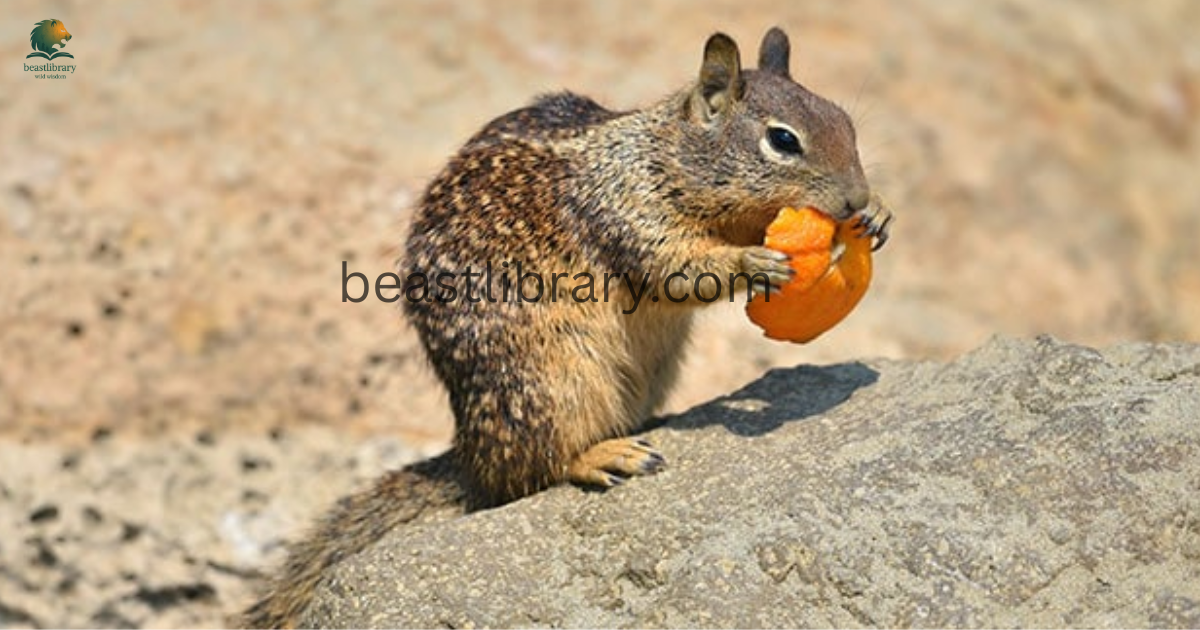
Squirrels, known as animals that eats cactus acrobatics and nut-gathering skills, have a surprising affinity for cactus. In arid environments where other food sources may be scarce, these nimble creatures have adapted to include cactus in their diet.
Their sharp incisors are not just for cracking open nuts; they also easily slice through the spines and tough exterior of prickly pear and saguaro cacti. This enables squirrels to access the moisture-rich flesh inside, a vital resource in drought-prone regions.
9-Pigs
Scientific Name: Sus scrofa domesticus
Class: Mammalia
Diet: Omnivore
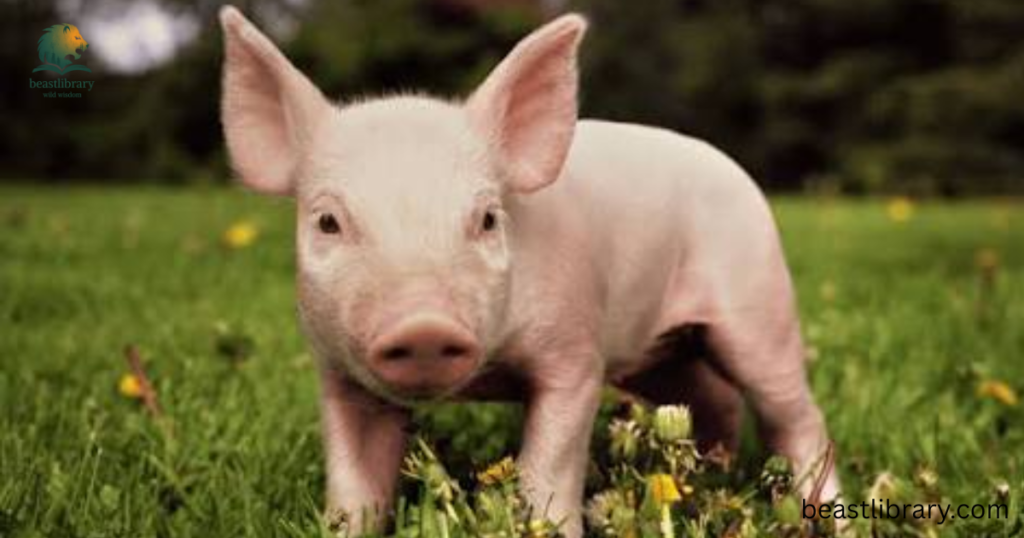
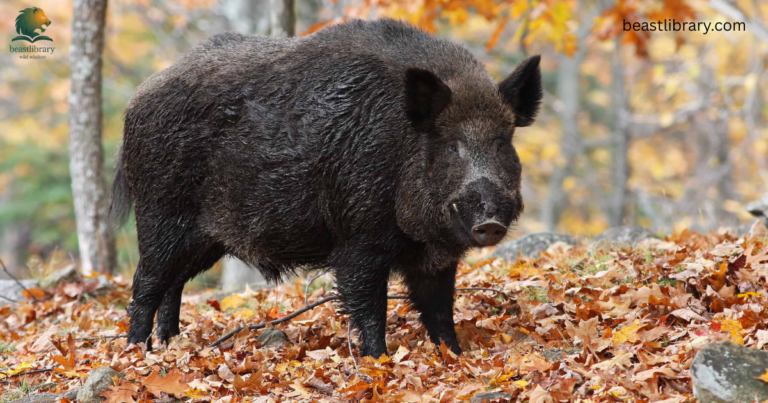
Pigs often receive a negative for being obstinate, but this reputation overlooks their remarkable intelligence and adaptability. when they stand their ground quite literally you might witness a captivating blend of determination and ingenuity.
Their strong-willed nature can sometimes be a strategic move; in the wild, a swine’s defiance assists it in moving across difficult landscapes and defending itself against hunters. Pigs are problem-solvers, too. They have curled tail and big nose.
If they decline to stir from a particular location, it might be because they’ve spotted a hidden treat or are attempting to outsmart their surroundings. This action emphasizes their sharp power of perception and analytical reasoning capabilitie
10-Parrots
Scientific Name: Psittaciformes
Class: Aves
Diet: Herbivore/Omnivore
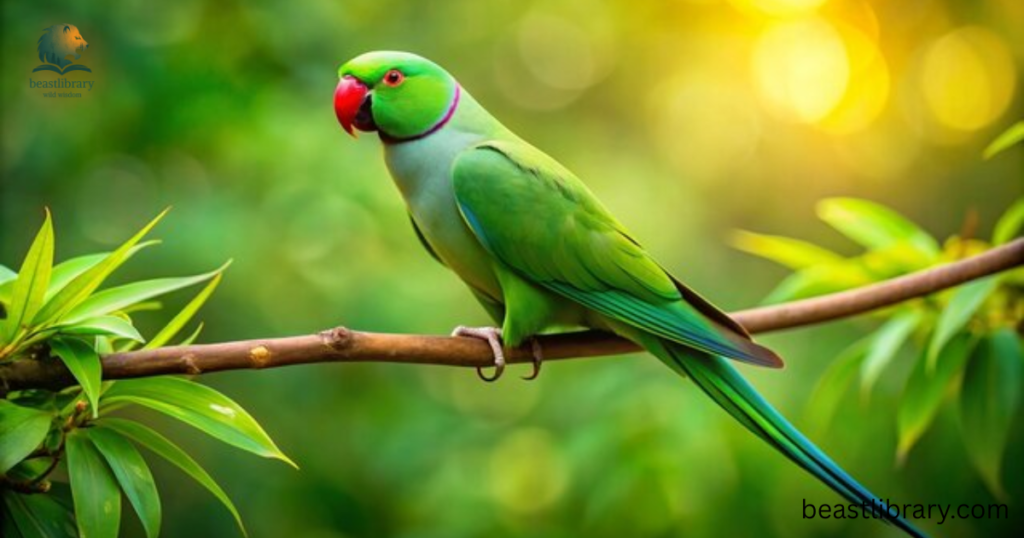
What exploring what animals eat oranges, Parrots are not just vibrant in color, but also in their dietary choices. fresh fruit is a major part of their diet, and oranges hold a special allure for these intelligent birds.
Packed with vitamin C, this tangy citrus fruit helps strengthen their immune system while maintaining the brilliant shine of their feathers. Watching a parrot deftly peel away the bright skin of an orange is a marvel; their dexterity reveals an evolved skill set designed for food foraging.
Their relationship with this fruits goes far beyond just eating it; parrots often use oranges as a form of play. This fruit serves not only as nutrition but also as an avenue for mental engagement, highlighting the complex relationship parrots have with their environment and the foods they encounter.
11-Orangutans
Class: Mammalia
Diet: Mostly Frugivore
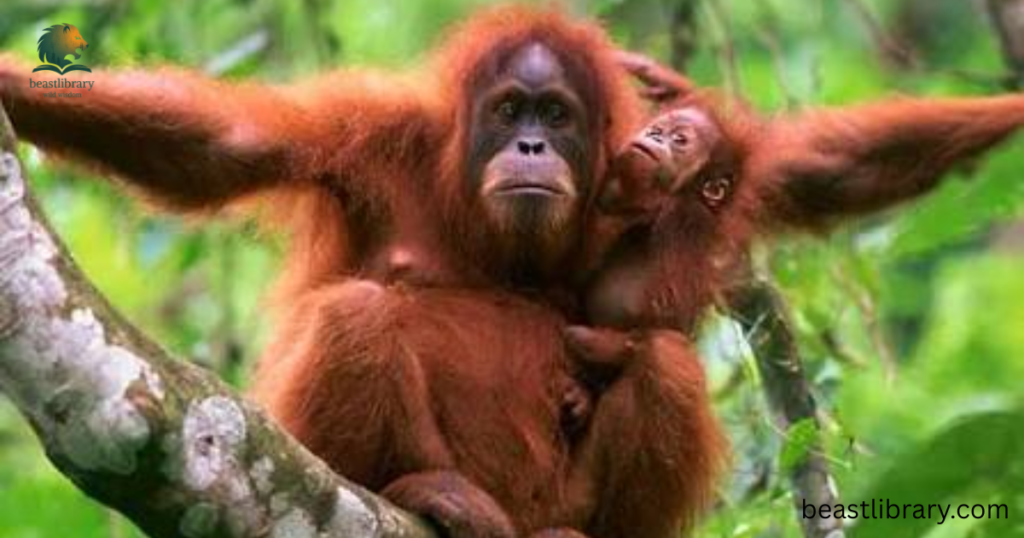
Orangutans are heavy bodied apes that lack tails. Their bodies are constructed to live in the trees. In slow motion, the support is done by arms that are long and the movement is supported with branches. Flexible joints and grip strength give an individual balance.
The availability of food varies with seasons. They feed on tougher plants when food is unavailable. The use of the tools aids in accessing the seeds and the insects. The process of learning occurs by observation. No tail is needed for balance.
12-Black Rats
Scientific Name: Rattus rattus
Class: Mammalia
Diet: Omnivore
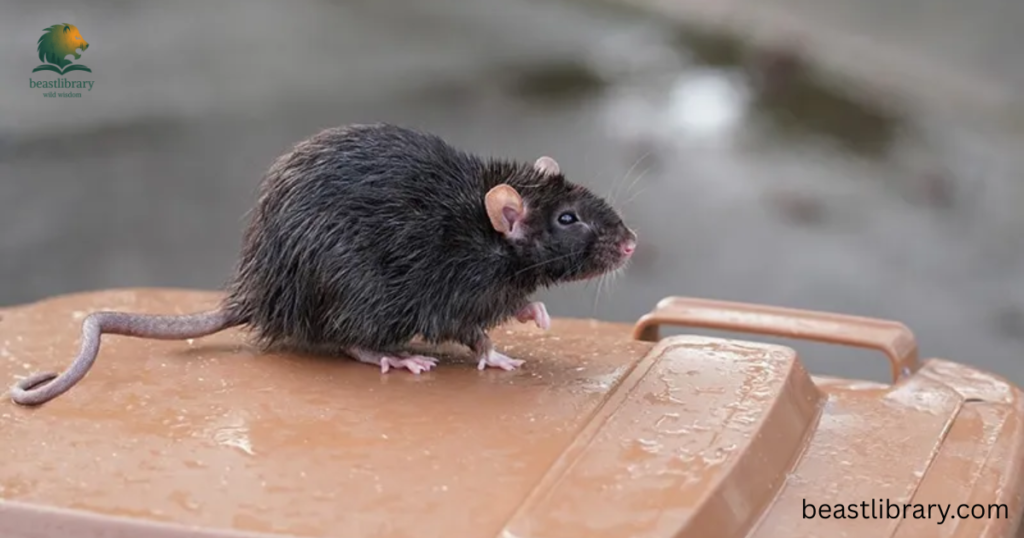
Rats often evoke images of filth and disease, yet they possess an incredible adaptability that makes them resilient. These creatures thrive in urban environments, exploiting our waste and one of the disgusting animal rankings, leftover scraps with impressive ingenuity.
What many don’t realize is that their seemingly dirty lifestyle has granted them a remarkable immune system, allowing them to resist pathogens that would incapacitate other animals. In essence, their filth may just be a ticket to survival in the urban jungle.
13-Squirrel Monkeys
Scientific Name: Saimiri
Class: Mammalia
Diet: Omnivore
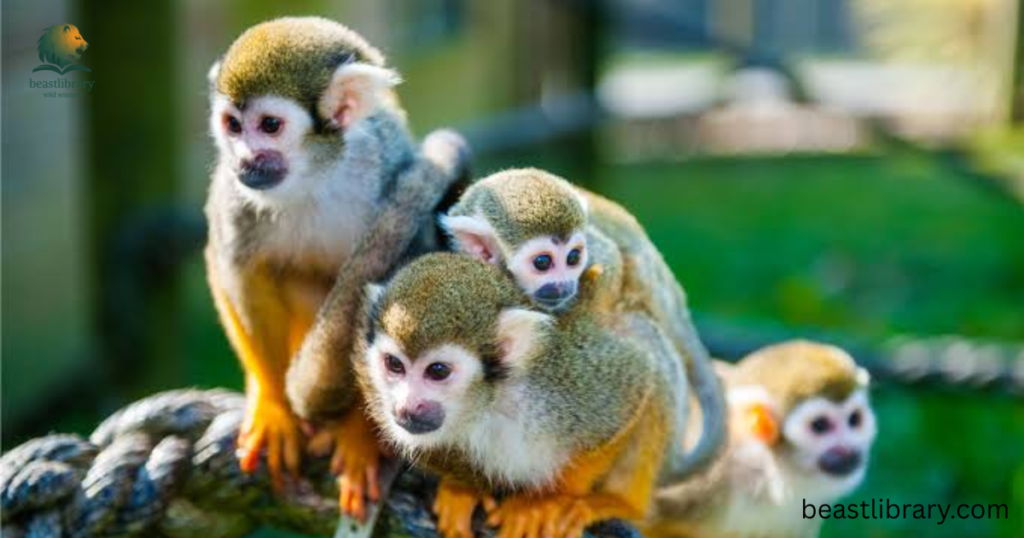
Squirrel monkeys are the embodiment of energy and agility, often darting about in the lush canopies of Central and South America. They are known for their remarkable ability to leap between branches with extraordinary precision, aided by their long limbs and prehensile tails.
Living in cohesive troops of up to 30 members, they engage in vocal communication and play, reinforcing social bonds essential for survival. Their interaction supports teamwork in both foraging and avoiding predators
Conclusion
The wide variety of animals that eat oranges highlights the deep interconnectedness of the natural world and the unique role each species plays within our ecosystem. it’s a curious raccoon or a foraging squirrel, these fruit loving creatures serve as a reminder of the rich resources that natural offers.
By supporting sustainable agricultural practices, we can help ensure that both animals and humans continue to benefit from the delicious and nutritious offerings of citrus. let’s collaborate to protect our natural environment and build a safe home whee every living creatures can flourish.
FAQs:
What animals like oranges?
Quite a few animals love oranges! Because oranges are sweet, juicy, and packed with energy, they are a favorite treat for many species in the wild and in captivity.
Can squirrels eat oranges?
Yes, squirrels can eat the flesh of oranges in small amounts, but they often avoid the acidic peel and prefer their natural diet of nuts and seeds.
Do cow eat oranges?
Yes, cows can safely eat oranges—including the peel—and often enjoy them as a sweet, high-energy treat or supplemental feed.
Does a rabbit eat oranges?
Yes, rabbits can eat orange flesh as a rare, tiny treat, but the high sugar and acid can upset their sensitive digestion, so they should never eat the peel.