Explore Top Unique 14 Animals With Prehensile Tails (With Images)
Did you know that some animals can literally grab their surroundings with their tails? Animals with prehensile tails have evolved remarkable adaptations that allow them to navigate their environments with incredible dexterity. This trait not only showcases the diversity of the animal kingdom but also emphasizes the importance of understanding these unique creatures.
List of Animals With Prehensile Tails
Below is the list of animals with prehensile tails:
- Spider Monkey
- Prehensile-tailed Rat
- Chameleon
- Brazilian Porcupine
- Seahorse
- Kinkajou
- Binturong
- Southern Tamandua
- Monkey-tailed Skink
- Virginia Opossum
- Eurasian Harvest Mouse
- Tree Pangolin
- Green Iguana
- Howler Monkey
1. Spider Monkey
Scientific name: Ateles
Class: Mammalia
Diet: Omnivore
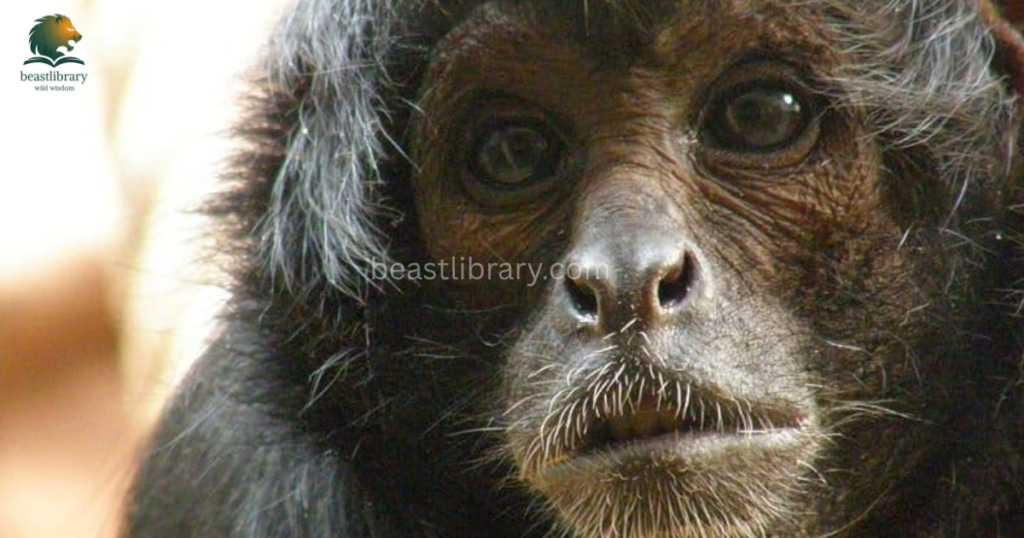
Spider monkeys are prime examples of adaptation in the animal kingdom, showcasing remarkable prehensile tails that are crucial for their arboreal lifestyle. This unique feature acts almost like a fifth limb, enabling them to swing effortlessly through the treetops of Central and South American forests. Their tails are not just for balance; they are strong and highly sensitive, allowing these monkeys to grasp branches with incredible precision, making them incredibly agile in navigating their complex habitat.
2. Prehensile-tailed Rat
Class: Mammalia
Diet: Omnivore
The prehensile-tailed rat, native to the lush rainforests of New Guinea, epitomizes the marvels of evolutionary adaptation. With a long, flexible tail that acts almost like a fifth limb, this remarkable rodent showcases its incredible agility as it navigates the complex canopies of its arboreal habitat. Unlike many of its terrestrial relatives, the prehensile-tailed rat utilizes its tail for gripping branches and balancing while foraging for fruits and seeds, making it a master of its vertiginous real
3. Chameleon
Scientific name: Chamaeleonidae
Class: Reptilia
Diet: Carnivore
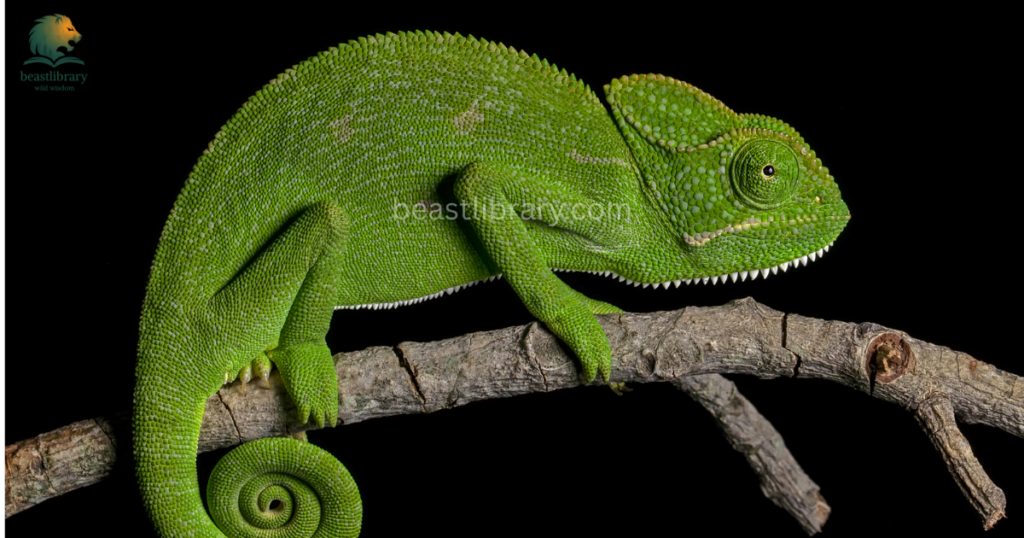
Chameleons, often celebrated for their vibrant colors and remarkable ability to blend into their surroundings, possess a lesser-known yet fascinating feature: their prehensile tails. These tails, adept at grasping branches and twigs, transform the chameleon’s arboreal existence, allowing for greater stability and maneuverability as they navigate their leafy habitats. Unlike the rigid tails of some reptiles, a chameleon’s tail curls tightly around branches like a fifth limb, providing an extra anchor as the lizard surveys its environment or captures elusive prey.
4. Brazilian Porcupine
Scientific name: Coendou prehensilis
Class: Mammalia
Diet: Herbivore
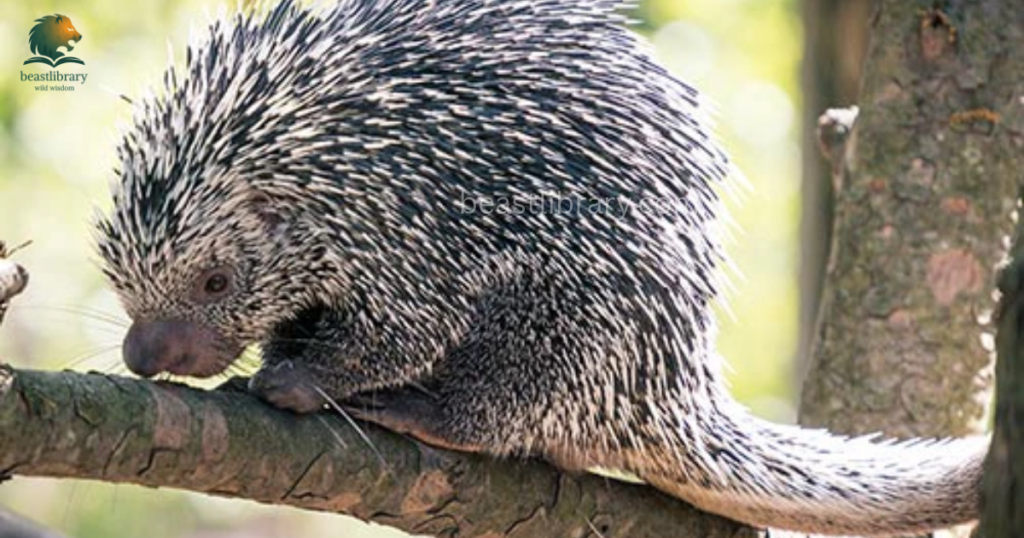
The Brazilian porcupine is a remarkable creature, renowned not just for its quilled defense mechanism but also for its prehensile tail, which adds a fascinating dimension to its behavior and adaptability. Unlike many rodents, this tail acts almost like a fifth limb, allowing the porcupine to grasp branches as it navigates its arboreal habitat. This adaptation is particularly advantageous in the dense rainforests of Brazil, where balance and agility are essential for foraging and evading predators.
Moreover, the Brazilian porcupine’s tail is not just functional; it serves a social purpose too. During interactions with other porcupines, these animals use their tails to communicate, signaling their intentions and emotional states. This nuanced form of expression illustrates the complexity of their social behavior, revealing that even solitary creatures rely on intricate forms of communication in the wild.
5. Seahorse
Class: Actinopterygii
Diet: Carnivore
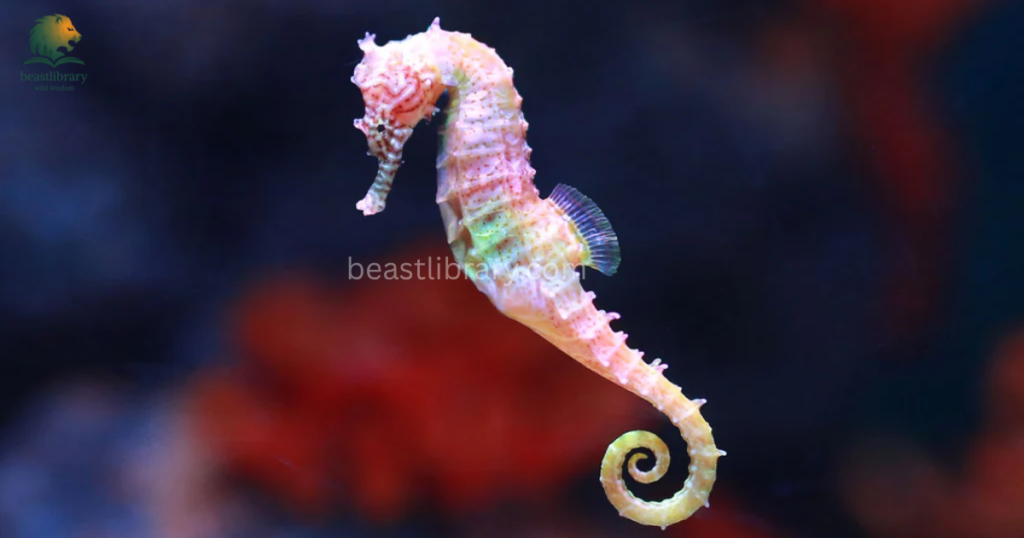
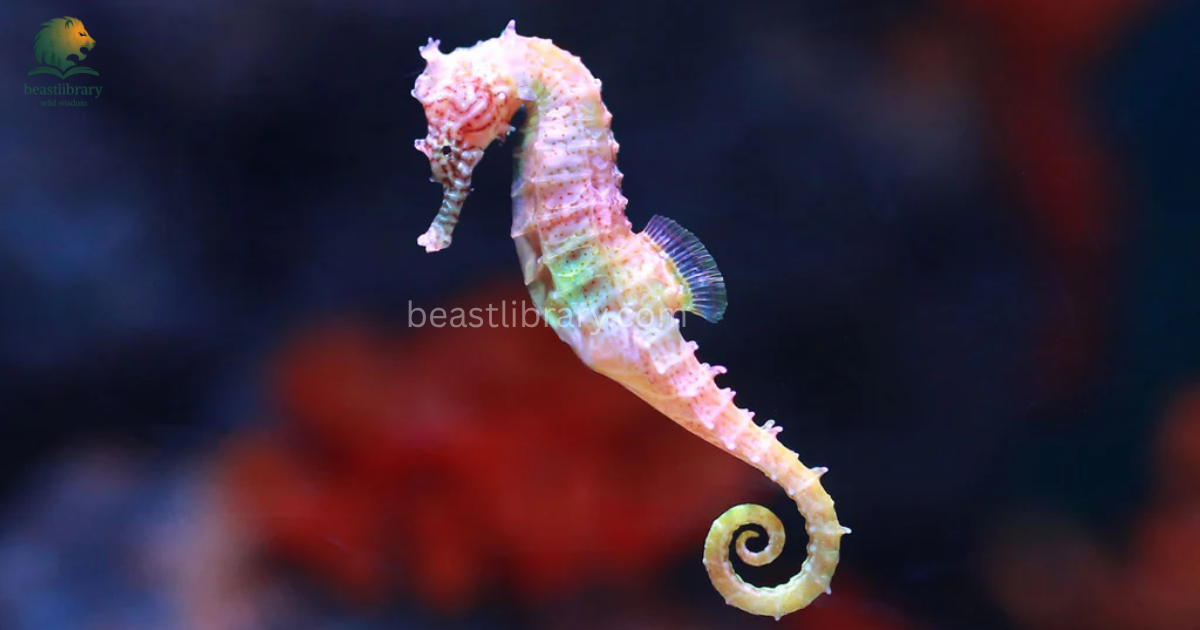
The seahorse is a marvel of evolution, showcasing the unique ability of its prehensile tail. Unlike most fish, seahorses possess a tail that acts like a curling appendage, allowing them to anchor themselves to seagrasses or coral in their underwater habitats. This remarkable adaptation is not merely for stability; it offers a strategic advantage against strong currents, enabling these delicate creatures to conserve energy while foraging for food.
6. Kinkajou
Scientific name: Potos flavus
Class: Mammalia
Diet: Omnivore
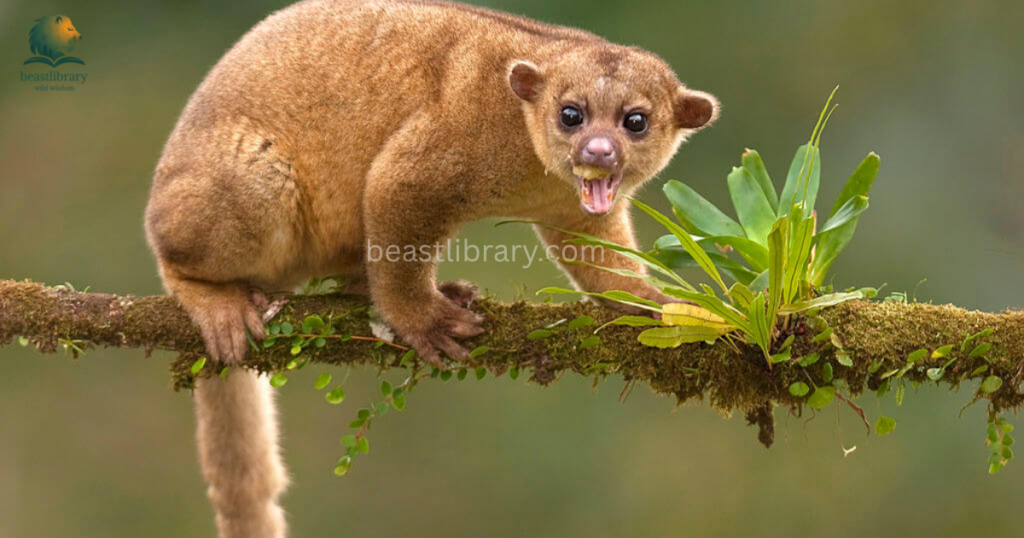
The kinkajou, often dubbed the “honey bear,” is a remarkable creature of the rainforest, celebrated not only for its playful nature but also for its incredible prehensile tail. This tail serves as a fifth limb, allowing the kinkajou to expertly navigate the dense foliage of its arboreal habitat. With a remarkable grip, it helps the kinkajou swing from branch to branch in search of fruit and nectar, showcasing an agility that is both mesmerizing and essential for its survival.
7. Binturong
Scientific name: Arctictis binturong
Class: Mammalia
Diet: Omnivore
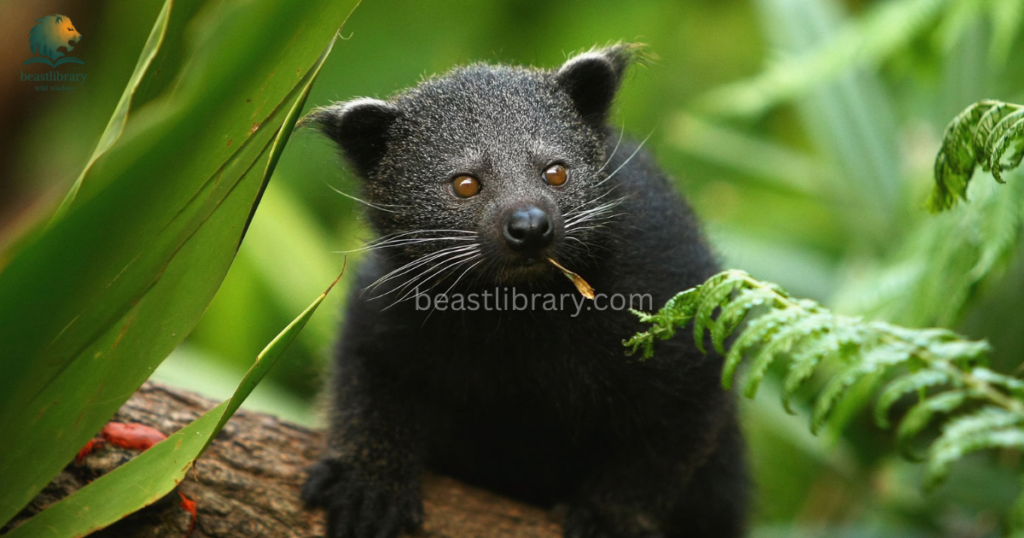
The binturong, also known as the bearcat, is a creature that showcases the extraordinary adaptability of evolution. Its prehensile tail, which can reach up to 29 inches in length, functions almost like a fifth limb, allowing it to navigate the dense canopies of Southeast Asian rainforests with remarkable agility. This tail not only aids in balance while climbing but also assists in grasping branches, making the binturong a master of its arboreal habitat.
8. Southern Tamandua
Scientific name: Tamandua tetradactyla
Class: Mammalia
Diet: Insectivore
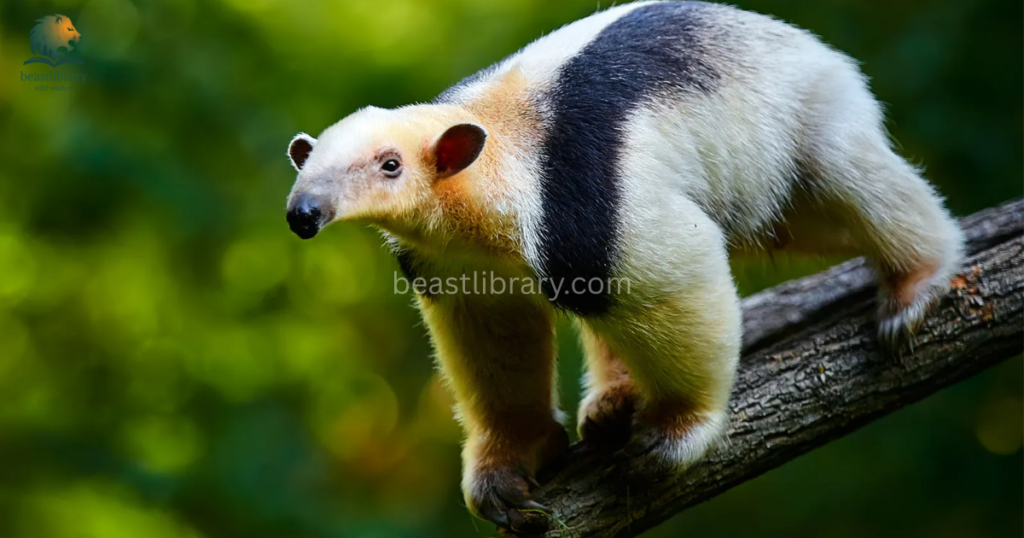
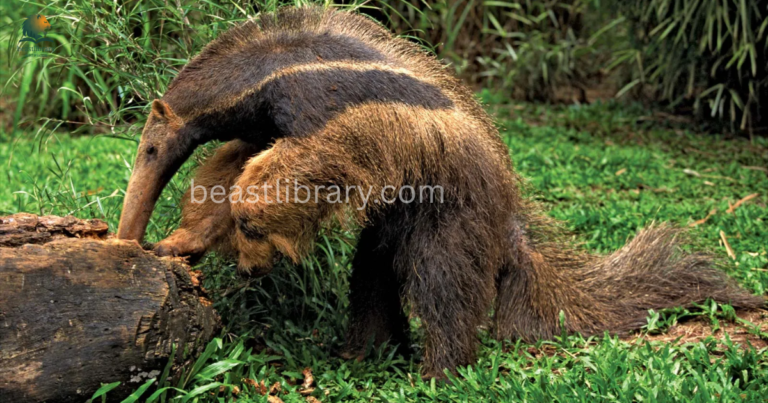
The Southern Tamandua, a remarkable anteater found in the lush forests and grasslands of Central and South America, showcases the incredible versatility of prehensile tails. Unlike many animals that use their tails primarily for balance or communication, the Southern Tamandua employs its tail as a third limb, adeptly grasping branches to navigate its arboreal environment. This adaptation not only aids in foraging for ants and termites but also provides a secure grip for resting high above ground, away from potential predators.
9. Monkey-tailed Skink
Scientific name: Corucia zebrata
Class: Reptilia
Diet: Herbivore
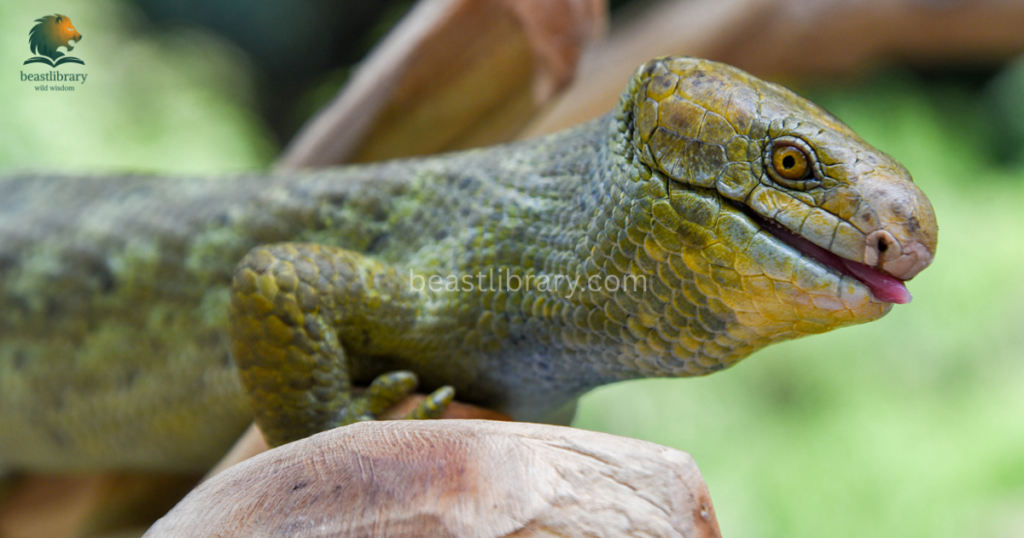
The monkey-tailed skink is an extraordinary creature that showcases the unique adaptations of reptiles to their environments. Hailing from the tropical forests of the Solomon Islands, this skink wields its prehensile tail not just for balance but as an essential tool for navigating the complex arboreal landscape. With a tail that can grasp branches securely, it allows the skink to explore its habitat with remarkable agility, showcasing a behavior reminiscent of primates.
But what truly sets the monkey-tailed skink apart is its dual ability to climb and forage. While its prehensile tail provides stability, it also aids in reaching foliage that other creatures might miss. By leveraging their tail, these skinks can hang delicately upside down to feast on leaves, flowers, and fruits, adapting their diet and behavior to ensure survival in a highly competitive ecosystem.
10. Virginia Opossum
Scientific name: Didelphis virginiana
Class: Mammalia
Diet: Omnivore
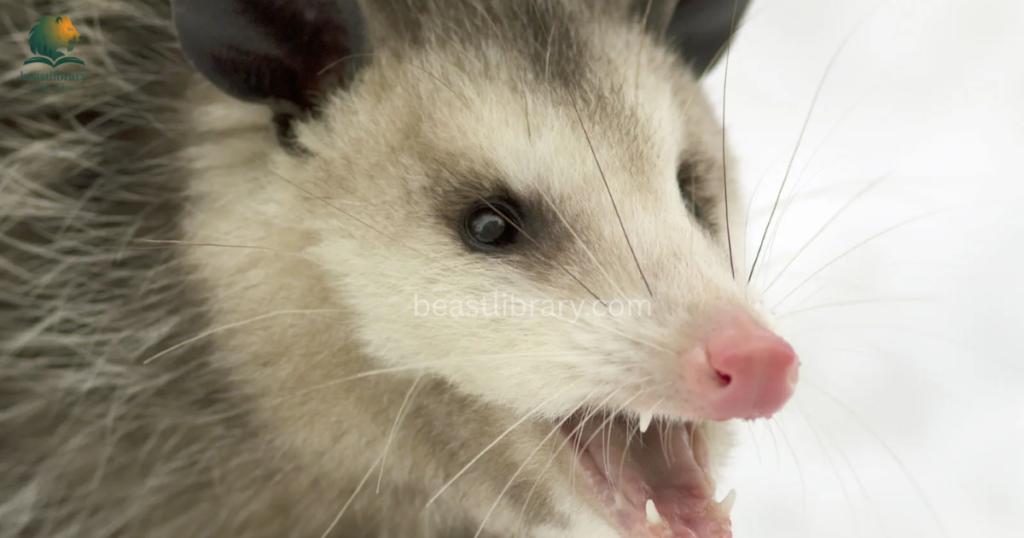
The Virginia opossum, often mistaken for a mere nocturnal pest, is a marvel of adaptation, particularly due to its prehensile tail. Unlike many other marsupials, the opossum uses its tail as a fifth limb, allowing it to grasp branches as it navigates the trees. This evolutionary advantage not only helps it maintain balance while foraging but also provides an extra grip when evading predators or climbing in pursuit of food.
Beyond its physical prowess, the opossum’s tail serves a vital role in its survival strategy. During colder months, the opossum can hang from a branch, thus conserving energy while resting. This remarkable feature highlights not just the adaptability of the opossum, but also its unique ecological niche, where it thrives in varied environments from suburban backyards to dense woodlands.
11. Eurasian Harvest Mouse
Scientific name: Micromys minutus
Class: Mammalia
Diet: Omnivore
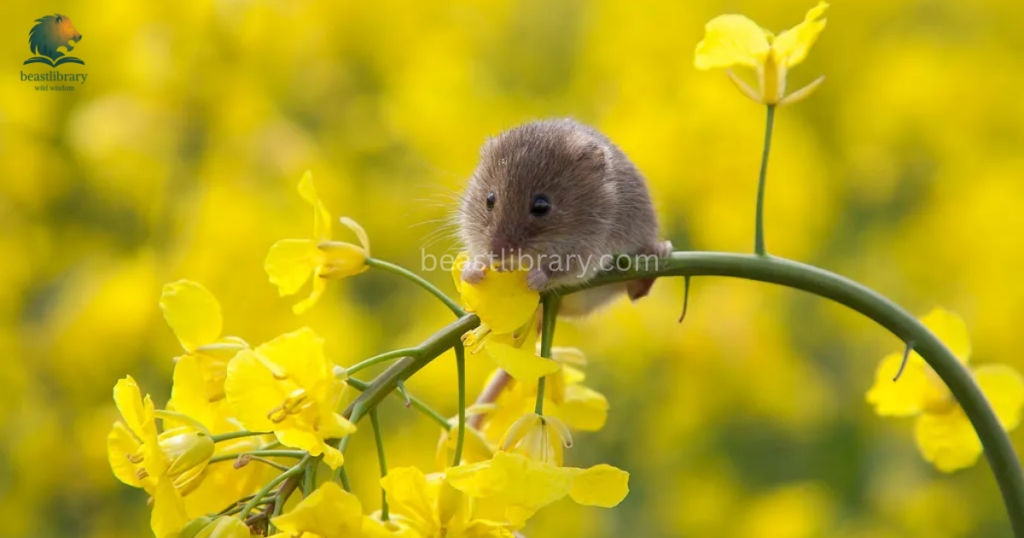
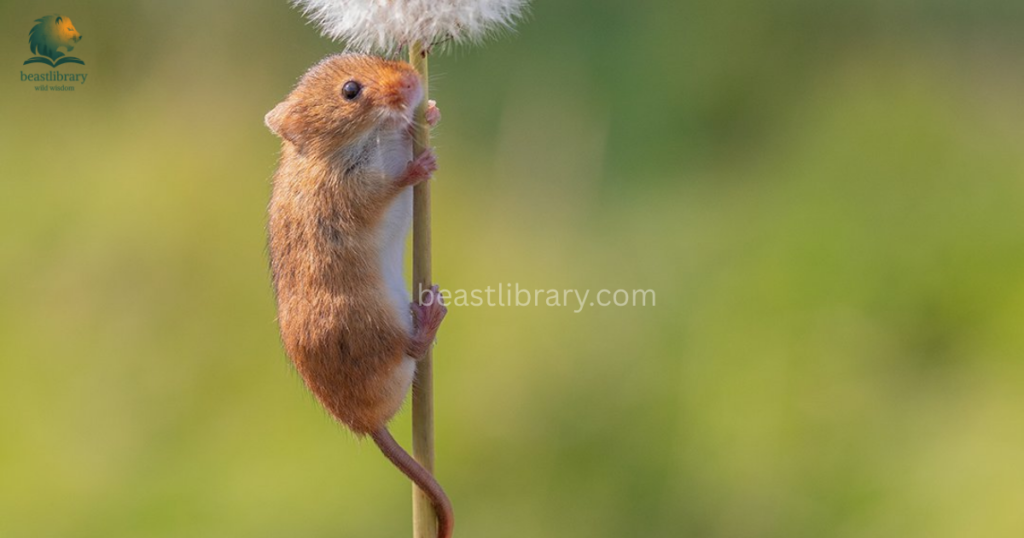
The Eurasian Harvest Mouse, a diminutive creature often overlooked, showcases the remarkable adaptability of nature through its prehensile tail. Unlike many rodents, this mouse uses its tail as a fifth limb, enabling it to navigate the swaying grasses of its habitat with astonishing agility. As it forages for seeds and grains, the mouse deftly clings to stalks, expertly balancing itself while reaching for its next meal. This tail has evolved not just for balance, but as a crucial tool for survival, revealing the intricate relationship between habitat and physical evolution.
12. Tree Pangolin
Scientific name: Phataginus tricuspis
Class: Mammalia
Diet: Insectivore
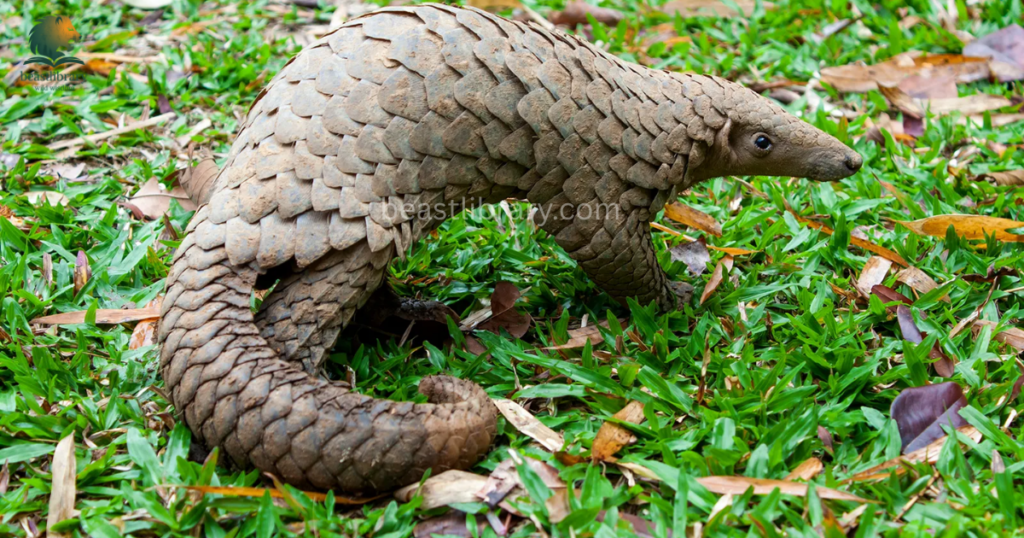
The tree pangolin, a unique member of the pangolin family, showcases the marvels of evolution with its prehensile tail, which serves as a remarkable adaptation for life in the trees. Unlike other pangolins that primarily scuttle on the ground, tree pangolins are agile climbers, using their tails not just for balance but also as an extra limb to grasp branches. This adaptation enhances their ability to forage for ants and termites hidden in tree bark, allowing them to navigate their arboreal environment with astonishing ease.
13. Green Iguana
Scientific name: Iguana iguana
Class: Reptilia
Diet: Herbivore
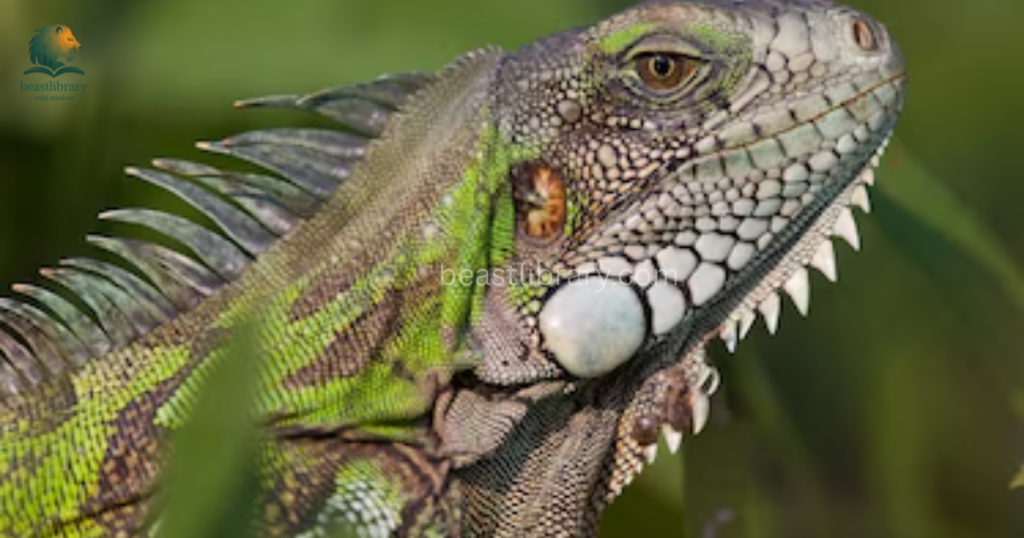
The green iguana, a master of adaptation, employs its prehensile tail as an essential tool for survival in the lush canopies of Central and South America. This impressive appendage serves multiple purposes: it can grasp branches for stability while navigating the treetops and act as a self-defense mechanism when threatened. If a predator dares to attack, a green iguana can whip its tail with astonishing speed, stunning or deterring its foe.
Beyond its defensive utility, the prehensile tail reflects the iguana’s remarkable evolution as an arboreal creature. This tail, which can be nearly as long as its body, is heavily muscled and incredibly flexible, allowing the iguana to reach out and manipulate its surroundings with surprising dexterity.
14. Howler Monkey
Scientific name: Alouatta
Class: Mammalia
Diet: Herbivore
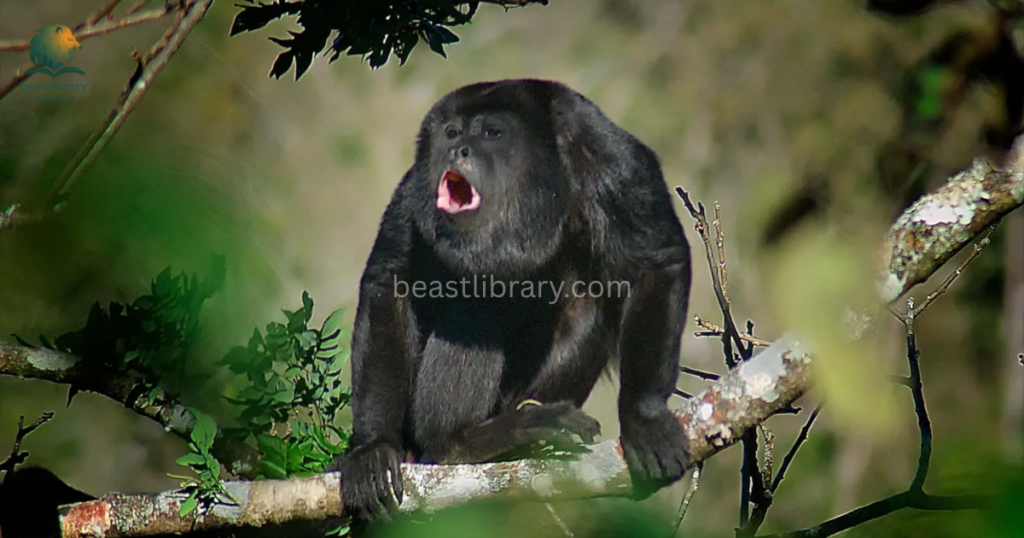
Among the inhabitants of tropical rainforests, the howler monkey stands out not only for its iconic vocalizations but also for its remarkable prehensile tail. This highly adaptive appendage acts almost like a fifth limb, allowing these monkeys to navigate the complex canopy with acrobatic ease. As they swing from branch to branch, the tail provides a strong, gripping force that ensures stability, enabling them to forage for fruits and leaves high above the forest floor.
What’s truly compelling is the social aspect of their tail’s functionality. Howler monkeys often engage in playful interactions, using their tails to latch onto each other during play, demonstrating a surprising bond within the troop. This behavior reflects their intelligence and the critical role that social structures play in their survival.
Final Thoughts– Animals With Prehensile Tails
Animals with prehensile tails showcase the incredible adaptability found in nature, allowing them to thrive in diverse environments. These remarkable adaptations enhance their ability to climb, forage, and navigate their surroundings, highlighting the intricate relationships between form and function in the animal kingdom. From the charismatic opossum to the agile spider monkey, each species demonstrates the unique evolutionary paths that have led to their specialized tail functions.
FAQs
What is a prehensile tail?
A prehensile tail is a tail that can grasp, hold, or wrap around objects such as tree branches. It acts like an extra limb, helping animals climb, balance, carry food, and move safely through trees.
Which animals have prehensile tails?
Several animals have prehensile tails, including spider monkeys, howler monkeys, capuchin monkeys, kinkajous, opossums, binturongs, and some species of porcupines. Most of these animals live in forests, where a strong, flexible tail helps them navigate the treetops efficiently.