
Amazing 10 Animals Like Mongoose: Diet & Pictures
Animals like mongoose belong to very active and smart family, but there are also many other animals that look like meerkats. These cute little mongoose like animals are famous for standing on their back legs to look around and living together in big, friendly groups.
List of Animals Like Mongoose:
Below is the list of animals like mongoose:
- Meerkats
- Weasel
- Ferrets
- Linsang
- Genet
- Marten
- Stoat
- Civets
- Mink
- Tayra
1- Meerkats
Scientific name: Suricata suricatta
Class: Mammalia
Diet: Omnivore
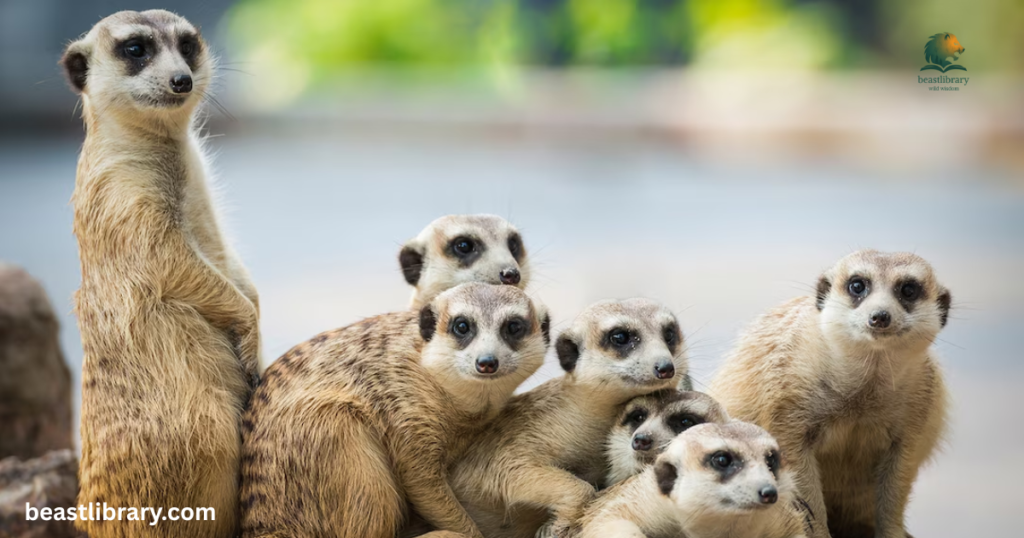
Meerkats are similar animals like mongooses and live in close family groups called mobs. These animals like mongoose are skinny animals exhibit remarkable cooperation and communication. Some meerkats stand guard and watch for danger while others look for food, reflect teamwork.
They eat both plants and animals. Meerkats use different sounds to communicate like warning others about danger or telling them everything is safe. They are considered as happiest animals that have long legs . They are shy animals also playful and caring.
2- Weasel
Scientific name: Mustela nivalis
Class: Mammalia
Diet: Carnivore
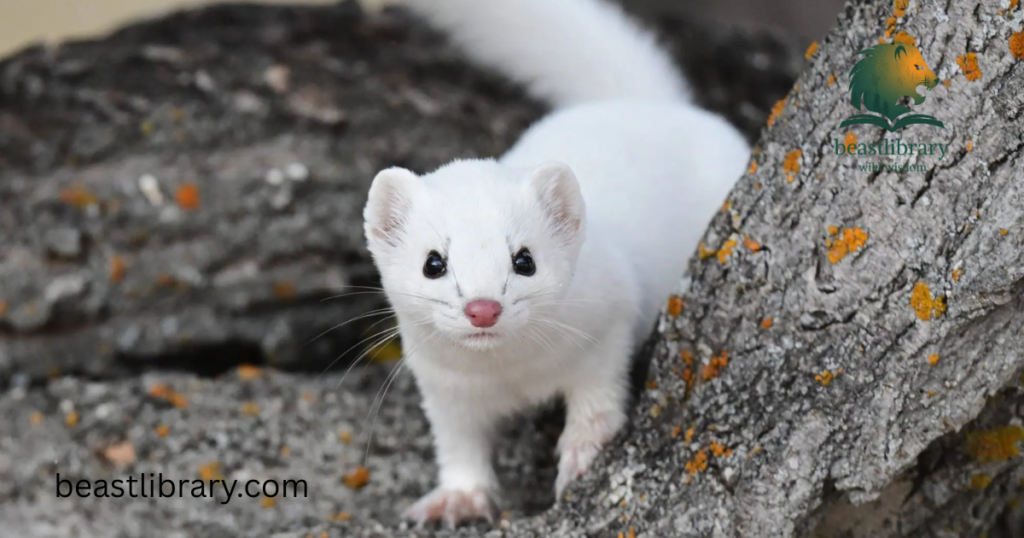
A weasel is a small, slim wild mongoose type animal known for its speed, agility, and hunting skills . It has a long, thin body that helps it move easily through narrow spaces. Weasels live in different environments like forests and grasslands. They hunt small animals, birds, and insects.
Weasels are shy animals that live alone, but they may come together during breeding season. They also have smart defense strategies such as pretending to be dead or acting aggressively to scare enemies which is similar to how mongooses protect themselves.
3- Ferrets
Scientific name: Mustela putorius furo
Class: Mammalia
Diet: Carnivore
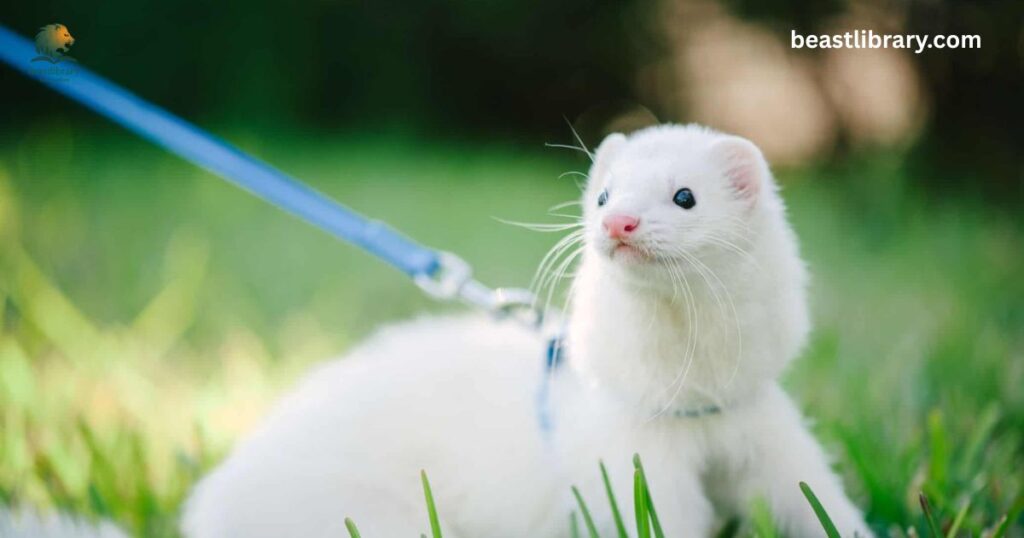
Ferrets are small playful animals related to weasels and mongooses. These mongoose like animals share a lineage with the mongoose highlighting remarkable combination of agility and intelligence. Ferrets are known for their curious nature and activeness.
Ferrets are social and enjoy living with other ferrets or even humans which helps keep them mentally active and happy. They have also been used in hunting because they can chase prey into burrows. They sleep a lot up to 14-18 hours a day but are very energetic animal when awake.
4- Linsang
Scientific name: Prionodon
Class: Mammalia
Diet: Carnivore
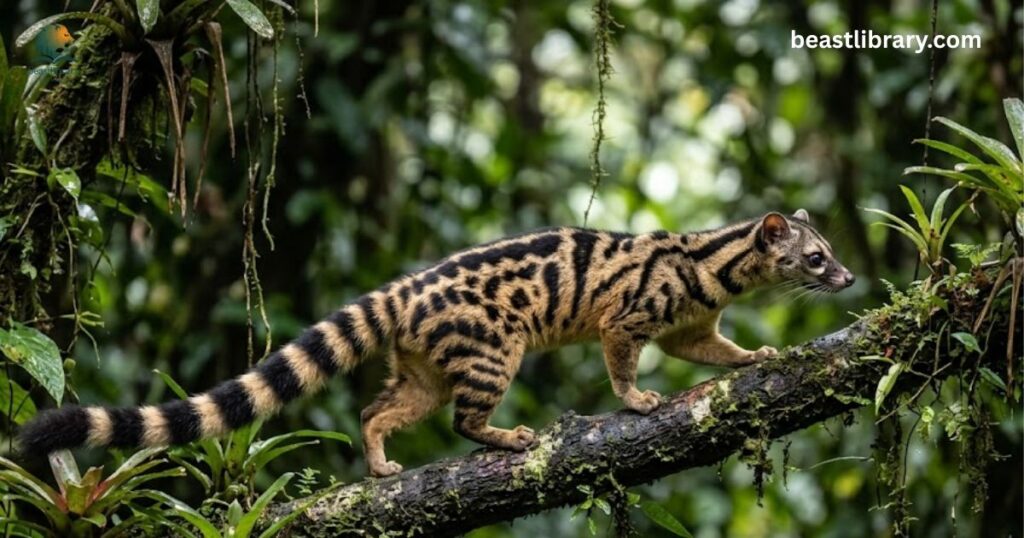
The linsang is striped animal found in the forests of Southeast Asia. It has a slim body, long tail and soft brown fur and it looks similar to civets and mongooses. Unlike mongooses it lives mainly in trees and is very skilled at climbing and moving between branches.
They feed on fruits, small mammals and birds . Linsang has its unique hunting strategy it employs a combination of silence and speed to capture prey. The linsang is also known for its keen sense of smell which helps it track down food in heavy greenery.
5- Genet
Scientific name: Genetta genetta
Class: Mammalia
Diet: Omnivore
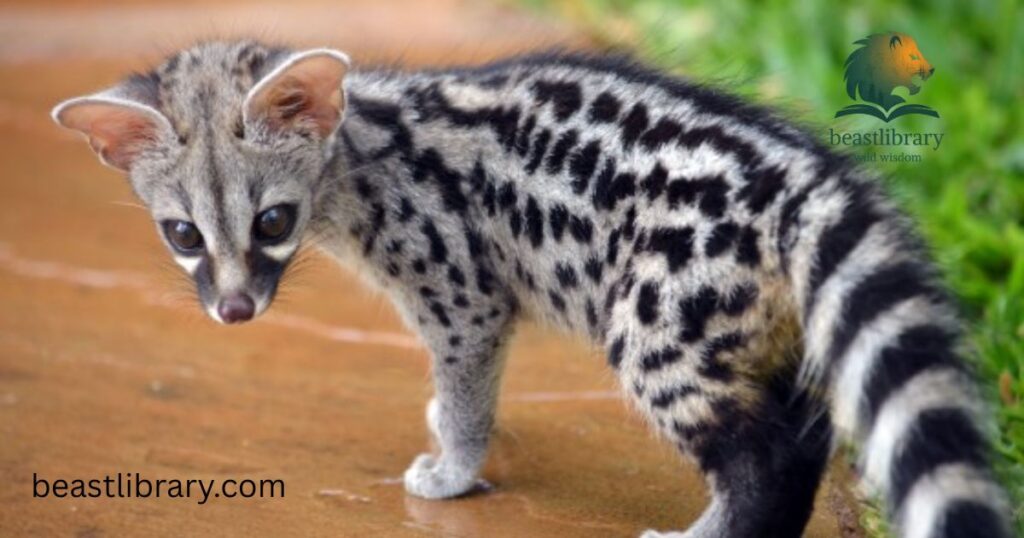
The gents animals like mongoose bring a unique elegance to the African and European landscapes. They have slim bodies, long tails and spotted fur and are often mistaken for cats because of their appearance and agility.
They are nocturnal hunters use silence and a strong sense of smell to catch prey like rodents, birds. Genets are solitary animals and cover large areas on their own. They can live in different environments such as forests and savannahs. They are excellent climbers and often spend time in trees.
6- Marten
Scientific name: Martes martes
Class: Mammalia
Diet: Omnivore
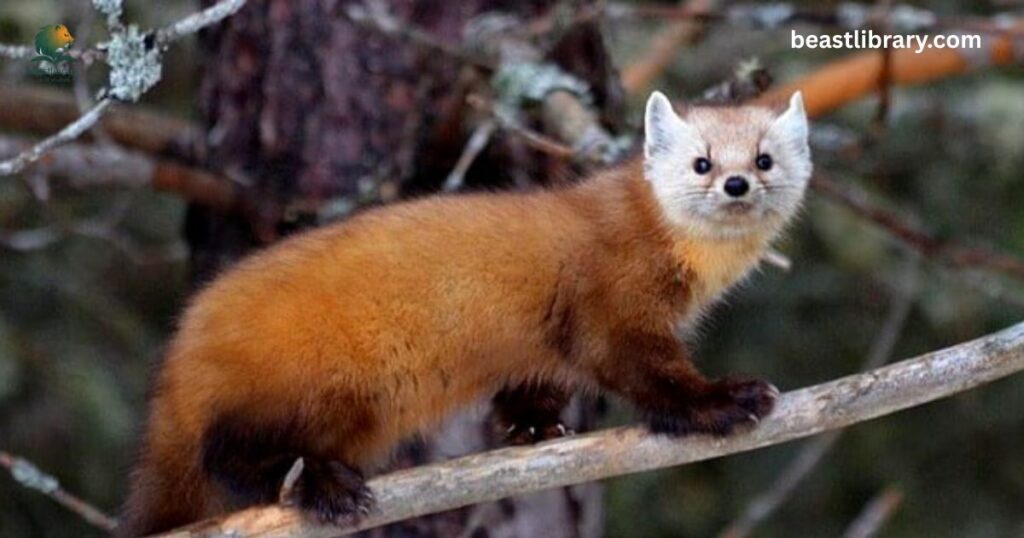
Martens are mongoose like animals, are found across Northern Hemisphere. These agile mammals are known for their slim bodies, bushy tails, and sharp claws. That help them exceptional climbers and move easily through forests and rocky areas.
Martens are animals like raccoon. Martens exhibit a remarkable omnivorous flexibility. They eat small mammals, birds, and even fruits. Beyond their diet, their presence helps maintain ecological balance in forests by controlling rodent populations. They eat honey also.
7- Stoat– Animals Like Mongoose
Scientific name: Mustela erminea
Class: Mammalia
Diet: Carnivore
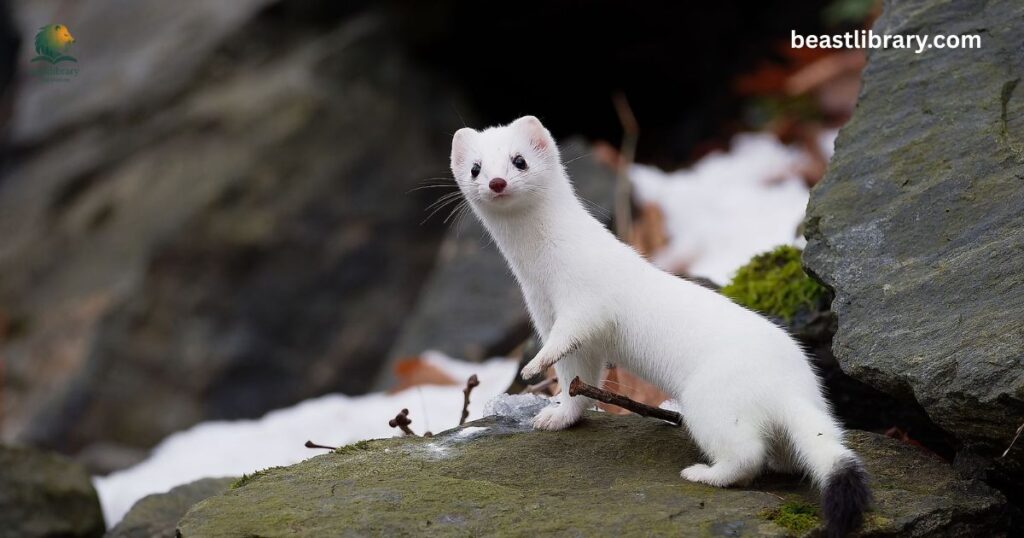
The stoat are animals that look like meerkats. This small carnivore exhibits a remarkable ability to thrive in diverse environments, from dense forests to mountains. Its thick fur transforms with the seasons turning white in winter, allowing it to blend seamlessly with snowy landscape
They are skilled hunters and mainly eat small animals like rabbits and voles. They use fast, precise attacks to catch their prey and are known for being intelligent. They are very fast and can take down prey larger than themselves.
8- Civets
Scientific name: Paradoxurus hermaphroditus
Class: Mammalia
Diet: Omnivore
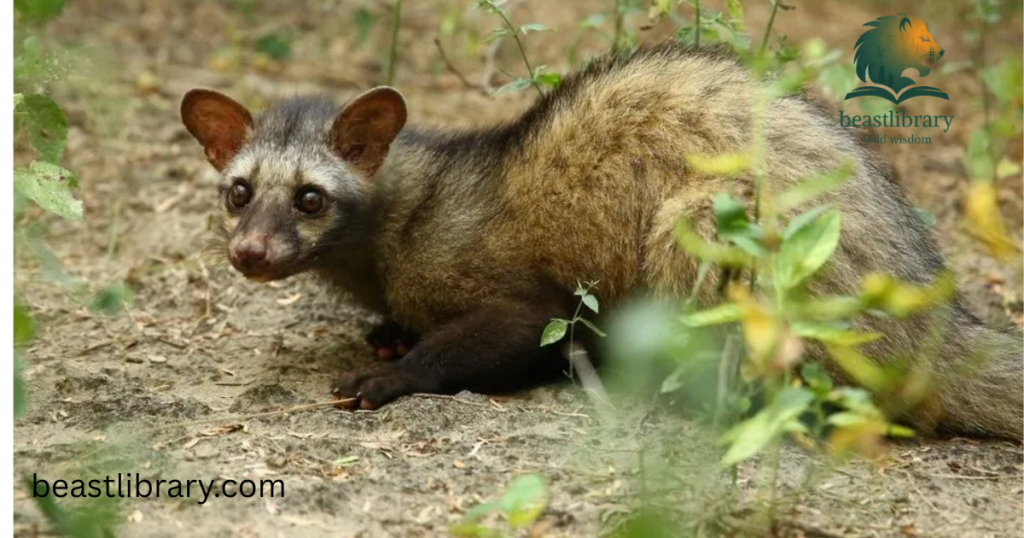
Civets are meerkat similar animals, bring a unique charm and ecological significance to their environments. They have cat-like faces and agile bodies. Civets lives in forests, savannas, and even urban areas.
As they consume various fruits, they help in the regeneration of their habitats, making them crucial players in the health of ecosystems. Civets are flat tail mostly solitary animals and use strong scent markings to define their territory and communicate with others.
9- Mink
Scientific name: Neovison vison
Class: Mammalia
Diet: Carnivore
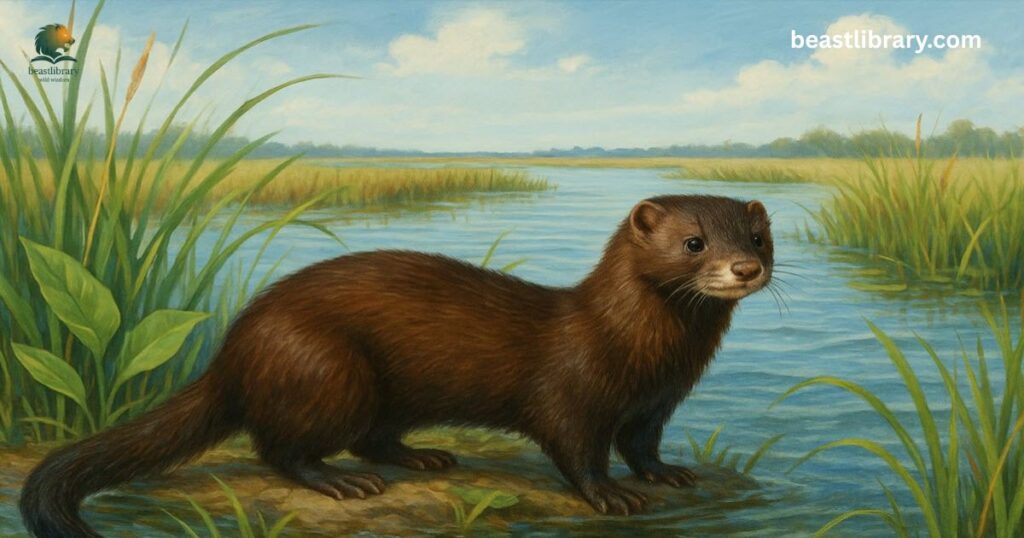
Mink are animals that look like meerkats. They live in North America and Eurasia and are well adapted to both land and water. They have playful nature. They have thick fur and are strong swimmers, often hunting in lakes, and wetlands.
Minks are intelligent, solitary animals that hunt fish, amphibians, and small mammals using stealth and agility. They mark their territory with a strong scent for communication and survival. Their fur has been widely used in the fashion industry.
10- Tayra
Scientific name: Eira barbara
Class: Mammalia
Diet: Omnivore
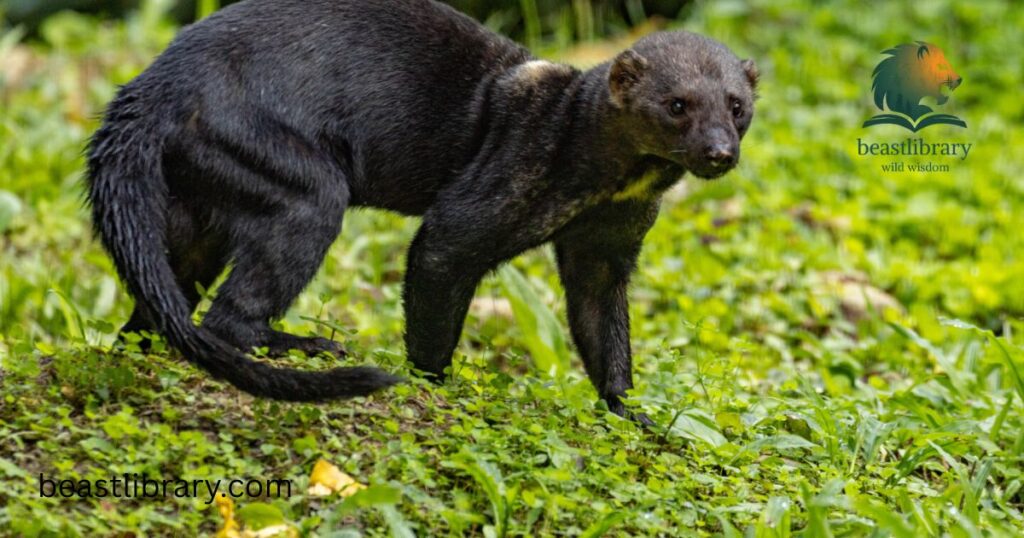
The Tayra are found in Central and South America. Resembling a ferret with its body and bushy tail. Tayra is an agile climber, often seen in tree branches. Unlike many solitary animals, Tayras are social and often live in small family groups.
They eat fruits, insects, and small animals, and help nature by spreading seeds and cleaning up dead animals. What truly sets the Tayra apart is its intelligence and being curious and adaptable, sometimes using simple tools to help get food. They are mostly active during the day (diurnal).
Final Thoughts
Animals Like Mongoose are globally admired for their lightning-fast reflexes, brilliant teamwork, and amazing survival skills in the wild. Belonging to the same family, animals like meerkats are known for living in large, cooperative groups where they watch out for each other’s safety.
FAQs
What animal is similar to mongoose?
Animals similar to mongoose include meerkats, weasels, stoats, ferrets, civets, genets, and martens. They share traits like agility, hunting skills, and adaptability.
What does mongoose look like?
Mongoose like animal is a small, slender mammal with a long body, short legs, pointed face, small ears, and a long tail. It usually has brown, grey, or sandy-colored fur, which helps it blend into its surroundings.