Unique 18 Animals with Claws: Built To Grip & Hunt with Images
Animals with claws are dangerous animals of wild. These sharp claws help them catch food, build homes, and stay safe from enemy. Without their claws, many of clawed animals would not be able to survive in the wild.
Table of Top 18 Animals with Claws:
| Rank | Animal Name | Scientific Name | Class | Diet |
| 1 | Lion | Panthera leo | Mammalia | Carnivore |
| 2 | Bald Eagle | Haliaeetus leucocephalus | Aves | Carnivore |
| 3 | Grizzly Bear | Ursus arctos horribilis | Mammalia | Omnivore |
| 4 | Tiger | Panthera tigris | Mammalia | Carnivore |
| 5 | Wolverine | Gulo gulo | Mammalia | Carnivore |
| 6 | Domestic Cat | Felis catus | Mammalia | Carnivore |
| 7 | Harpy Eagle | Harpia harpyja | Aves | Carnivore |
| 8 | Sloth Bear | Melursus ursinus | Mammalia | Omnivore |
| 9 | Giant Anteater | Myrmecophaga tridactyla | Mammalia | Insectivore |
| 10 | Snow Leopard | Panthera uncia | Mammalia | Carnivore |
| 11 | Red Fox | Vulpes vulpes | Mammalia | Omnivore |
| 12 | Honey Badger | Mellivora capensis | Mammalia | Omnivore |
| 13 | Koala | Phascolarctos cinereus | Mammalia | Herbivore |
| 14 | Great Horned Owl | Bubo virginianus | Aves | Carnivore |
| 15 | Raccoon | Procyon lotor | Mammalia | Omnivore |
| 16 | African Fish Eagle | Haliaeetus vocifer | Aves | Carnivore |
| 17 | Polar Bear | Ursus maritimus | Mammalia | Carnivore |
| 18 | Monitor Lizard | Varanus niloticus | Reptilia | Carnivore |
1- Lion
Lions are famous African predators that rely on their powerful claws to survive.
Protection: Their claws stay hidden in “sheaths” when not in use. This keeps them sharp because they don’t rub against the ground.
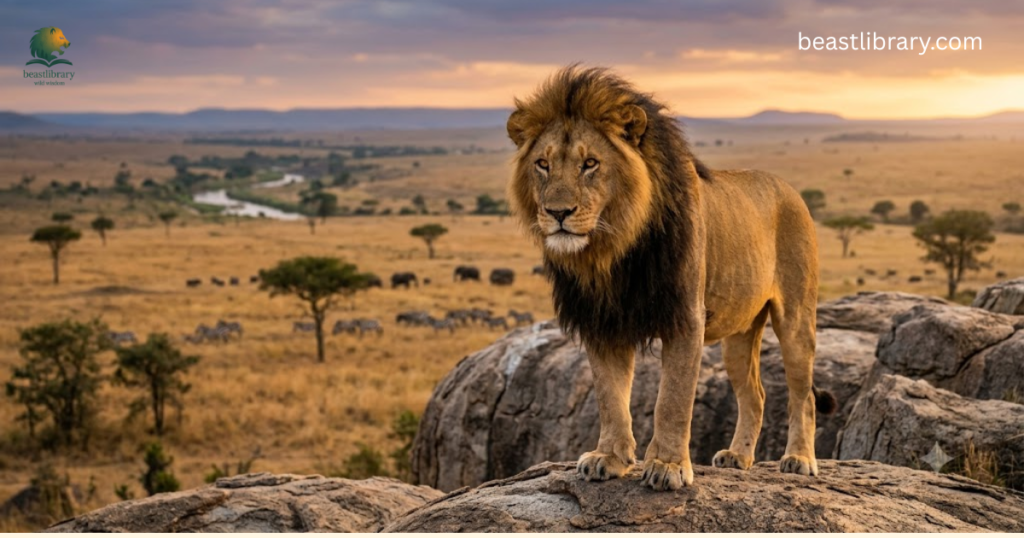
Size & Shape: Each claw is about 1.5 inches long and slightly curved, making it perfect for gripping prey.
Hunting: When they attack, their claws come out instantly to grab and hold onto large animals like zebras and wildebeests.
Environment: They prefer open spaces like grasslands and savannas. They avoid thick rainforests and dry deserts because they need solid ground to run and catch prey.
Night Hunters: Lions are most active at night.
Territory: While females hunt, males use their claws to fight other lions and protect their home.
2- Bald Eagle
Bald eagles are North American birds of prey famous for their incredible grip and fishing skills. The Grip: A bald eagle’s claws are called talons. They are curved and designed to “fasten” onto prey with crushing force. They are strong as Golden Eagle.
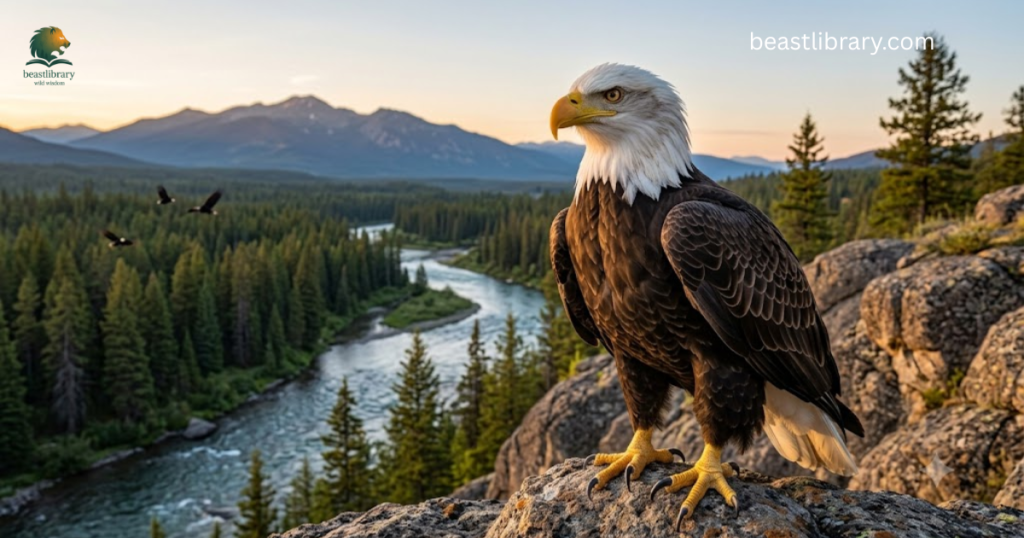
Always Ready: Unlike lions, eagles cannot hide their claws. Their talons stay out all the time, which helps them grab food while flying.
Location: You can find them across Canada, the United States, and Northern Mexico. They especially love Alaska.
A Success Story In the 1970s, bald eagles were in danger of disappearing. After certain harmful chemicals (pesticides) were banned, their population grew back quickly. Today, they are a common sight across North America again.
3- Grizzly Bear
Grizzly bears have some of the most impressive claws of any land animal in North America. Unlike cats, their claws are built more like heavy-duty shovels than sharp hooks.
Long and Strong: A grizzly’s claws can be up to 4 inches long about the length of a human finger.
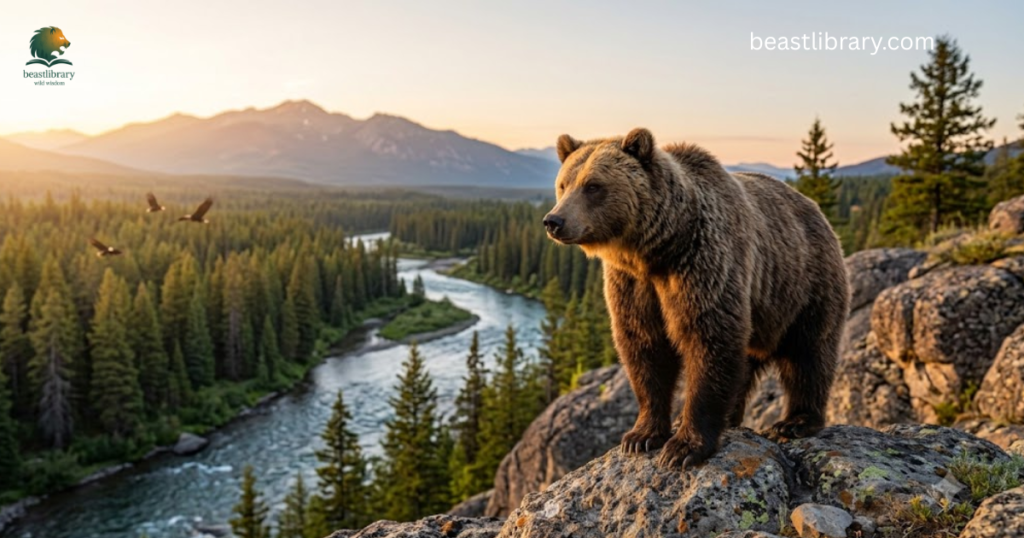
Non-Retractable: They cannot pull their claws in. They stay out all the time, which makes them blunt but very sturdy. They are animals that eat a lot.
Special Design: Their front claws are longer than their back claws. This makes them perfect for digging up roots, ground squirrels, and insect nests.
Climbing: While small cubs can climb trees, adult grizzly bears are usually too heavy. Their long, straight claws are better for power on the ground than for gripping tree bark.
Visible Contrast: Their claws are often a lighter color than their fur, which makes them stand out.
Location: They are found in Alaska, Western Canada, and parts of the northwestern United States (like Yellowstone and Glacier National Parks).
Habitat: They love forests, mountain meadows, and river basins where they can find plenty of food. They are strongest bite animals.
4- Tiger
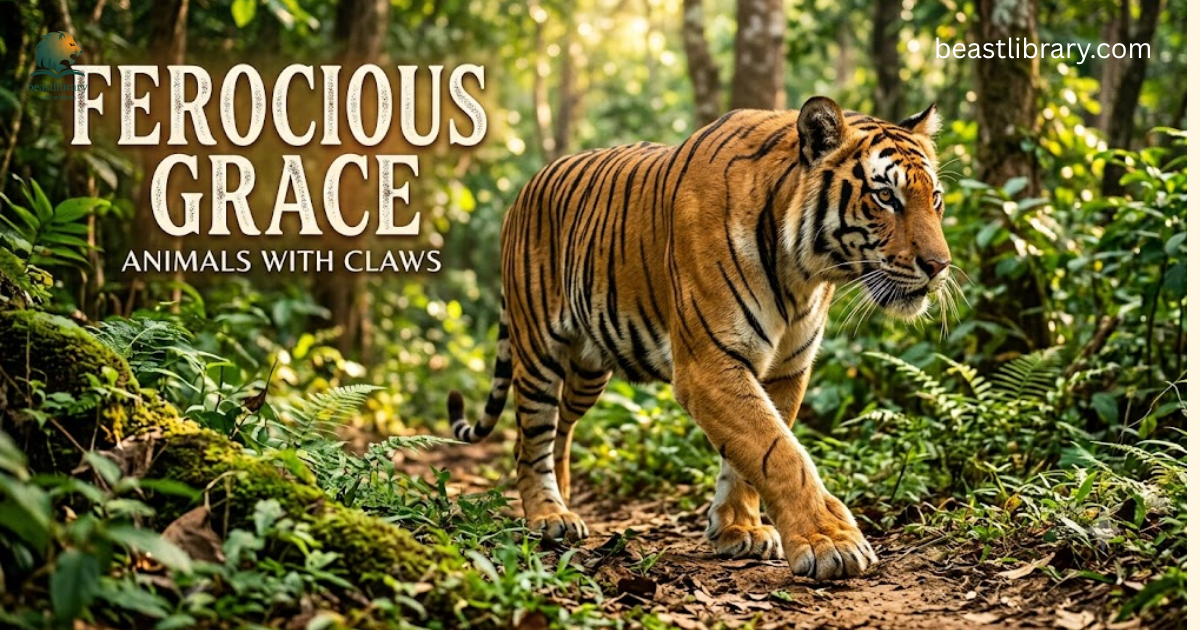
Tigers are the largest and most powerful cats in Asia. They use their claws for everything from hunting to swimming.
Retractable: Just like a house cat, a tiger can pull its claws inside its paws. This keeps them from getting dull while walking, so they stay razor-sharp.

Size: Their claws can be up to 3 inches long and curve inward. This hook-like shape makes it impossible for prey to wiggle away.
Location: Tigers live in parts of India, Russia, and Southeast Asia. You can find them in many places, including snowy forests, grasslands, and even swampy “mangrove” forests.
Power Over Speed: Tigers aren’t as fast as cheetahs, but they are much stronger. They use their claws to wrestle and hold down heavy prey. They are striped animals.
Swimming: Unlike most cats, tigers love to swim. Their claws help them grip muddy riverbanks so they don’t slip.
5- Wolverine
The wolverine might look like a small bear, but it is one of the toughest animals in the world. It is built to survive in freezing, snowy places where other animals struggle.
The “Snowshoe” Claws Always Out: Unlike cats, wolverines cannot pull their claws in. They stay out all the time, which helps them dig through frozen ground and hard snow.
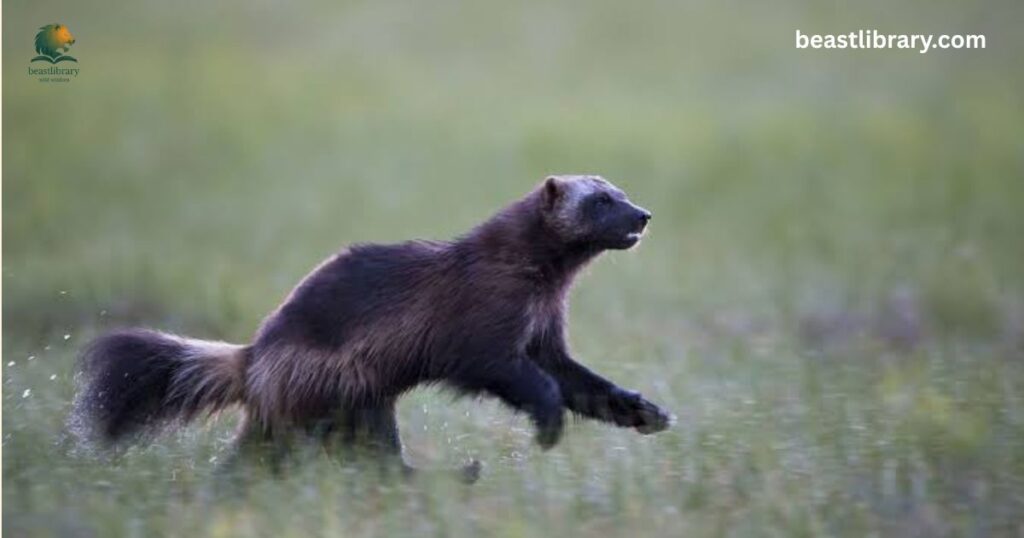
Snow Travel: Their large paws and long claws work like crampons (spikes for ice), allowing them to run across slippery snow and ice without falling.
Location: They live in the coldest parts of the world, including Alaska, Northern Canada, Scandinavia, and Siberia.
Fighting Giants: Even though they are small, wolverines are incredibly brave. They use their sharp claws to defend their food against much larger animals, like wolves and bears.
Grip: When hunting animals larger than themselves, they use their curved claws to “lock on” and keep a firm grip during a fight.
6- Domestic Cat
Domestic cats are common pets found in homes all over the world. They have very sharp claws that can pull back into “sheaths” when they aren’t being used. This keeps the claws sharp and ready for action.

Location: Cats live on every continent except Antarctica. They are great at living in different places, such as: City apartments, Farmlands, Forests, Coastal towns. They are successful animals because they can adapt easily and are excellent hunters.
Front claws: These are curved to help them grab and hold onto prey.
Back claws: These help the cat stay steady when they are running or climbing.
Marking Territory: When cats scratch, they leave their scent from special glands in their paws and remove dead layers from their nails.
Safety: Claws allow cats to climb high to escape from danger. Most predators cannot follow them up vertical surfaces.
7- Harpy Eagle
The harpy eagle is one of the strongest birds of prey in the world. It lives in tropical rainforests and has massive claws.
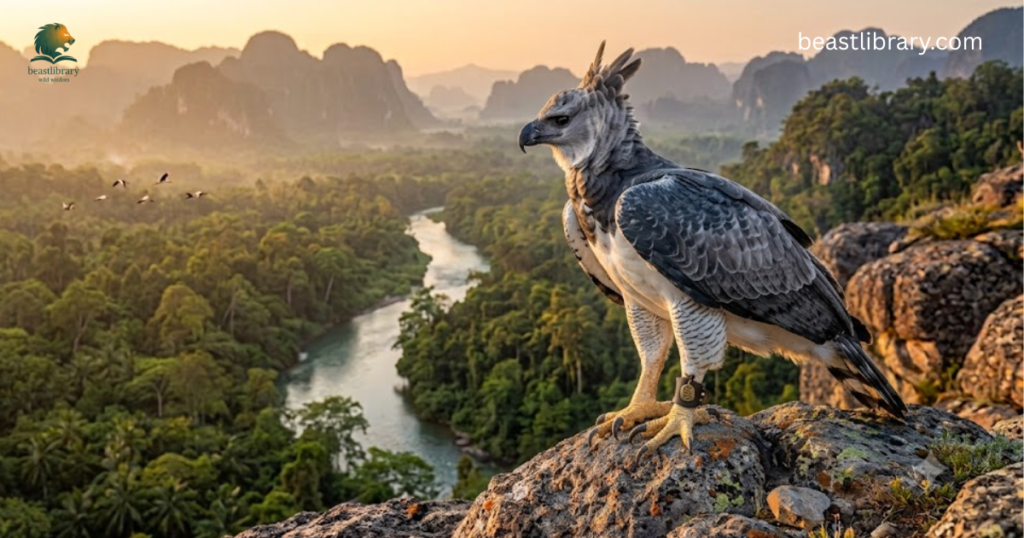
Size: Their back talon can be over 5 inches long.
Strength: These claws are strong enough to grab heavy animals like monkeys and sloths from the tops of trees.
Protection: Their feet have thick scales to keep them from getting hurt during a hunt.
Silent Flight: It flies quietly through the branches so prey can’t hear it.
The Attack: Once it sees an animal, it attacks quickly.
The Grip: Its talons lock onto the prey instantly.
8- Sloth Bear
The sloth bear is a unique animal with long, curved claws shaped like sickles. Unlike other bears, their claws are built for digging rather than hunting large animals.

Where They Live: Sloth bears live in the Indian subcontinent, specifically in: India, Sri Lanka,
Nepal. They prefer dry forests and grasslands where they can find plenty of termite mounds. They usually stay in flat areas and do not climb high into the mountains. The sloth bear’s front claws are very special:
Length: They can grow up to 4 inches long.
Shape: They curve inward and cannot be pulled back (non-retractable).
Purpose: These claws act like strong shovels to break open hard ground and insect nests.
9- Giant Anteater
The giant anteater is a very unique animal from South America. It has long, sharp, curved claws on its front feet that are built specifically for breaking into insect nests.
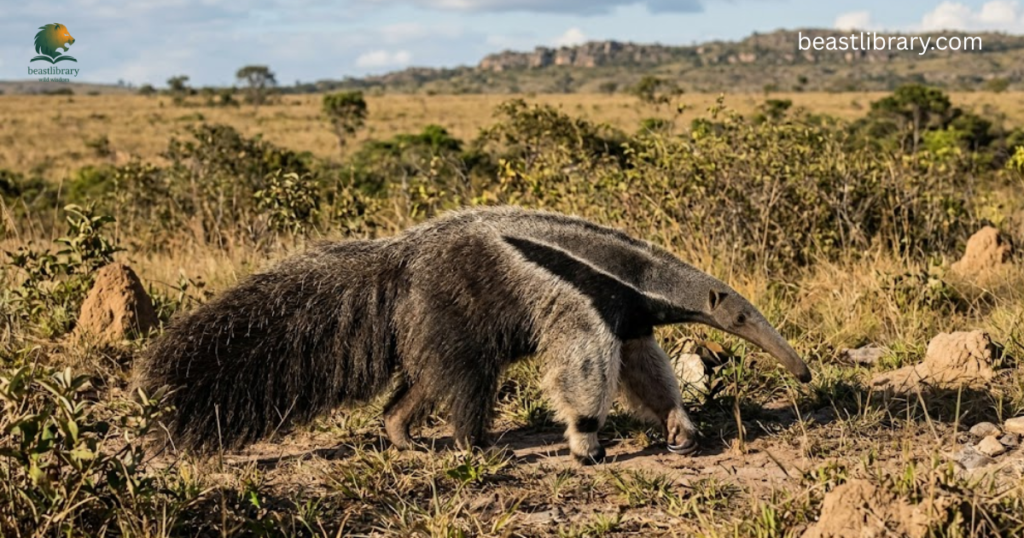
Where They Live: Giant anteaters live in grasslands and open forests. They live in areas where they can find plenty of ants and termites to eat. Their homes are being threatened by the growth of large farms.
The Claws: Each front foot has three main claws. The middle claw is the longest and strongest.
Knuckle-Walking: Because the claws are so big and sharp, the anteater walks on its knuckles. This keeps the claws from getting dull or worn down on the ground.
10- Snow Leopard
The snow leopard is a powerful cat that lives in the high, cold mountains of Asia. It is famous for being incredibly agile and having sharp, retractable claws that help it survive in the roof of the world.
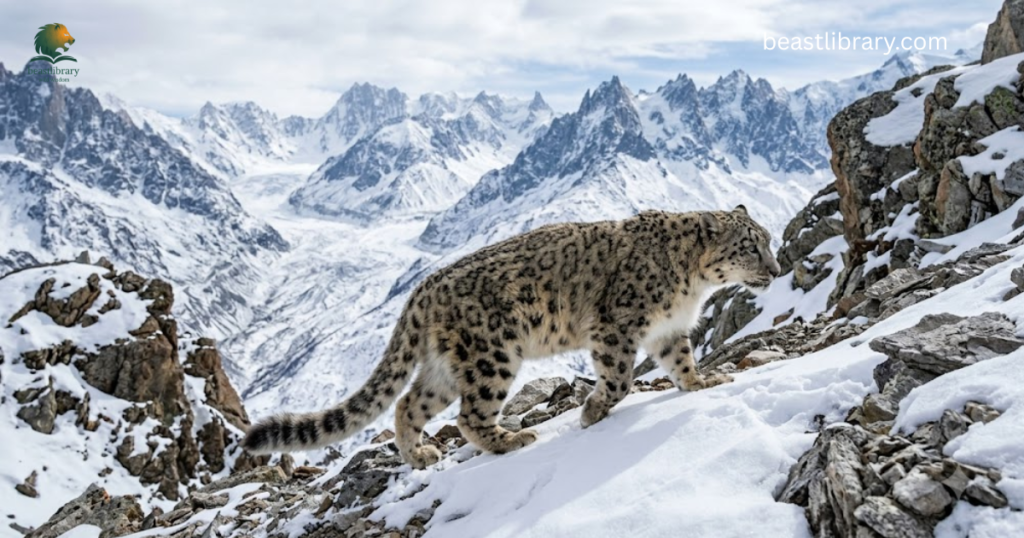
Location: Snow leopards live at very high altitudes in Central Asia. Their homes are made of steep, rocky cliffs and snowy ridges where the air is very thin.
Retractable Claws: Just like a house cat, they can pull their claws into “sheaths.” This protects the claws from getting dull while walking on rough rocks.
Superb Grip: Their curved claws act like mountain climbing gear, providing a firm grip so they don’t slip on ice or steep slopes.
Why Their Claws Matter: Living in the Himalayas means surviving harsh winters and dangerous cliffs. Without their retractable claws, snow leopards wouldn’t be able to climb the vertical rocks or catch the fast-moving animals they need to eat. These claws are their most important tool for mountain life.
11- Red Fox
The red fox is one of the most flexible animals in the world. It has sharp, slightly curved claws that stay out all the time (non-retractable). These claws are built for digging, gripping the ground, and moving easily over different types of land.
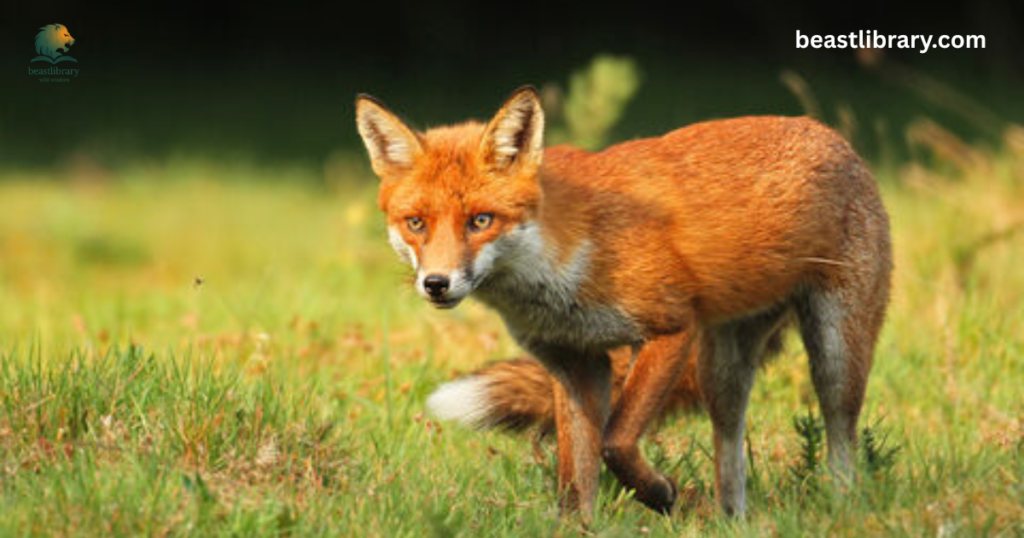
Location: You can find them across: North America, Europe and Asia, Parts of North Africa.
How Their Paws Work: They have five claws on their front paws and four on the back.
Traction: Their claws act like cleats on sports shoes, helping them run without slipping.
Excavation: They use their claws to dig dens (underground tunnels). These dens are safe places for mother foxes to raise their pups and hide from danger.
12- Honey Badger
The honey badger is famous for being one of the most fearless animals in the world. It has long, powerful front claws that are built for two main jobs: digging and shredding. The honey badger uses its claws like heavy-duty tools to get food and stay safe.
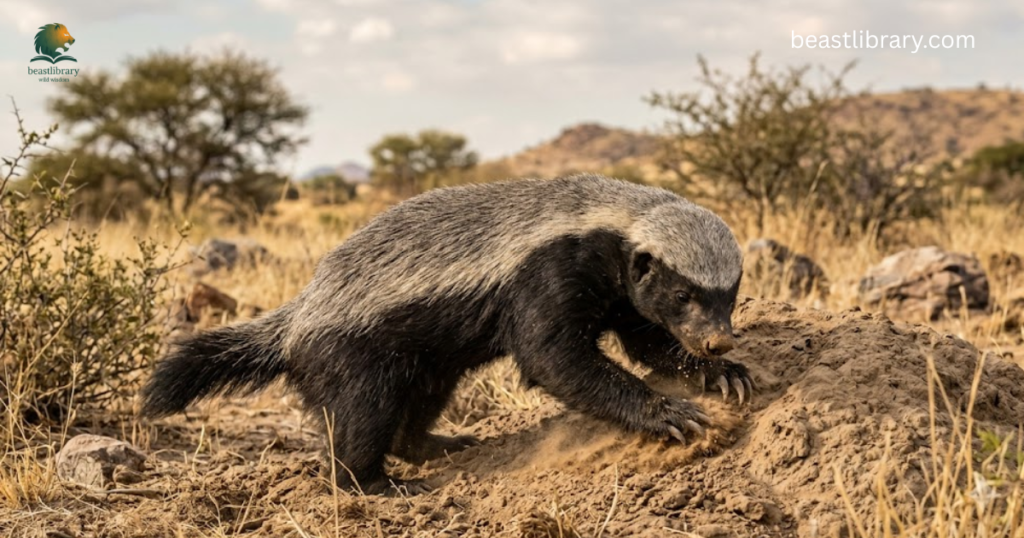
Where They Live: Honey badgers are found across Africa, the Middle East, and parts of India. They prefer living in: Savannas (grassy plains), Dry forests, Semi-deserts. Their front claws can be nearly 2 inches long.
Breaking In: They use them to tear open rock-hard termite mounds and shred beehives to get to honey and larvae.
Self-Defense: Even though they are small, honey badgers are very brave. If a large predator like a lion attacks, the badger uses its sharp claws to fight back and drive the predator away.
13- Koala– Animals with Claws
The koala is one of the few plant-eating animals with claws designed specifically for living in trees. Their claws are sharp and curved, but they use them for climbing and staying balanced rather than hunting.
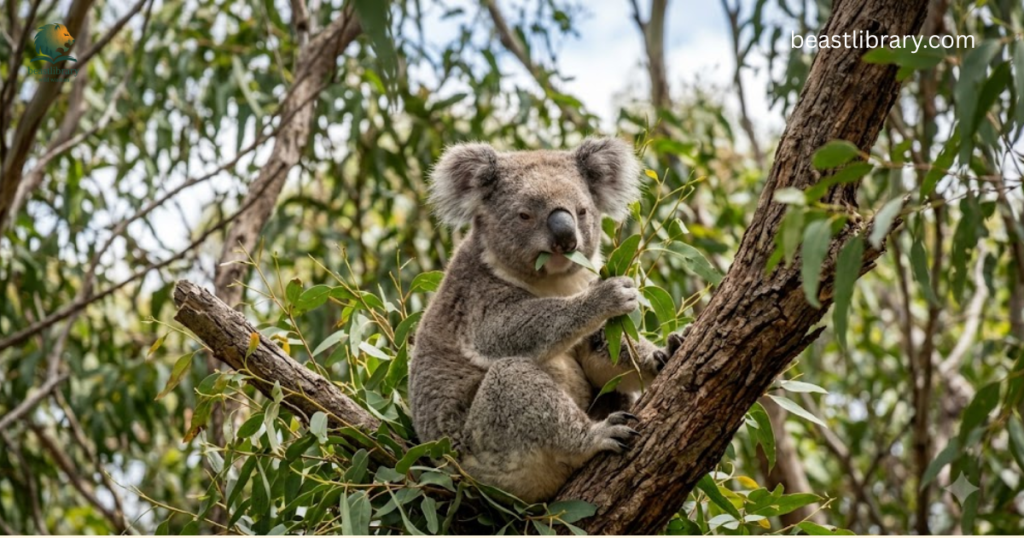
Food: They eat almost nothing but eucalyptus leaves.
Front Paws: They have two “thumbs” (opposable digits) and three regular fingers. Each finger has a strong, sharp claw. This allows them to grip branches like we grip a steering wheel.
Back Paws: These also have sharp claws for climbing, except for one special toe used for grooming their fur.
Safety Hooks: Their claws act like hooks, allowing them to stay tucked safely in high branches even while they sleep or eat. They very rarely fall to the ground.
14- Great Horned Owl
The great horned owl is one of the most powerful birds of prey in North and South America. It is famous for its thick, curved, and incredibly strong claws, called talons. The feet of a great horned owl are built like high-tech hunting traps.
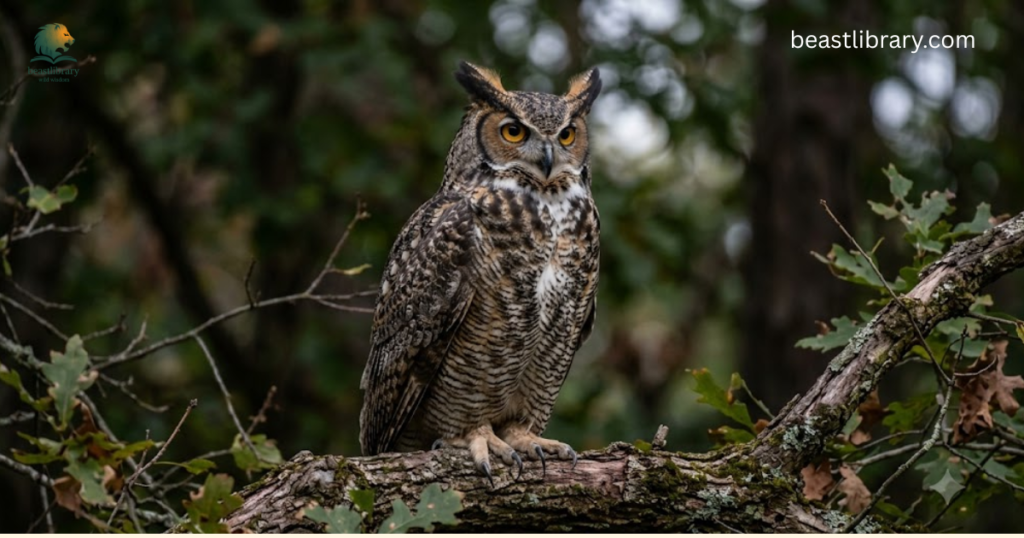
The Rotating Toe: Each foot has four toes with sharp talons. One of these toes can
rotate backward, which helps the owl get a much better grip on struggling prey.
Crushing Strength: Their grip is incredibly strong over 300 pounds per square inch. This is strong enough to easily catch rabbits, skunks, and other medium-sized animals.
15- Raccoon
The raccoon is one of the smartest animals in North America. It has tiny, sharp claws that don’t pull back (non-retractable). Instead of just using them for hunting, raccoons use their claws like small tools to touch, move, and open things.
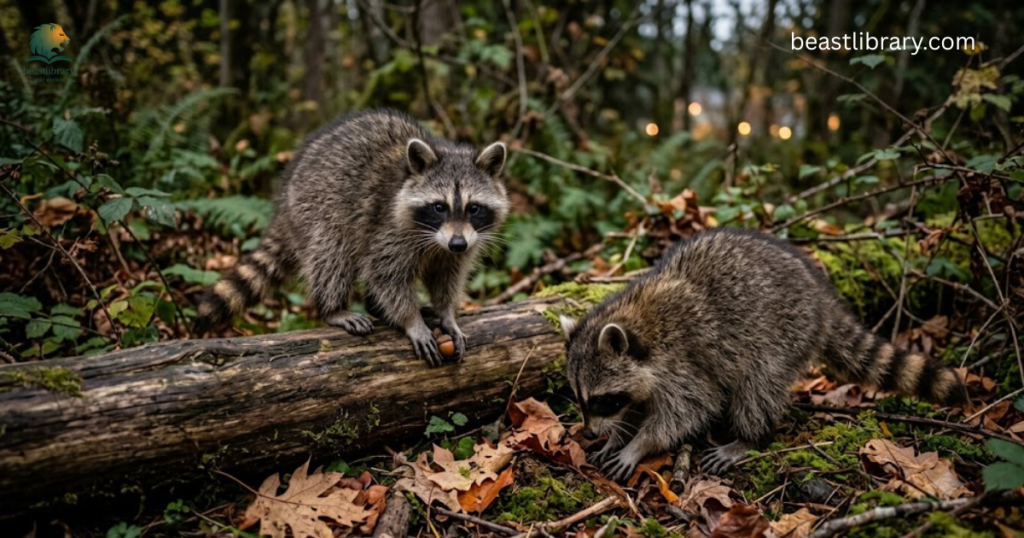
The Digits: They have five long, thin fingers on each paw, each with a curved claw at the end.
The Grip: These claws help them grab onto tree bark while climbing or hold onto slippery food. They are Scavenger Animals of nature.
Finding Food: Raccoons are active at night (nocturnal). They use their claws to dig in shallow soil for insects or to grab eggs and small animals. They are animals that eat oranges.
Climbing: Their sharp claws allow them to scramble up trees or utility poles to stay safe from predators.
16- African Fish Eagle
The African fish eagle is one of the most famous birds of prey found near water in Africa. It has powerful, sharp claws called talons. That are specifically designed to grab and hold onto slippery fish. They are very common in countries like Kenya, Tanzania, Zambia, and South Africa.
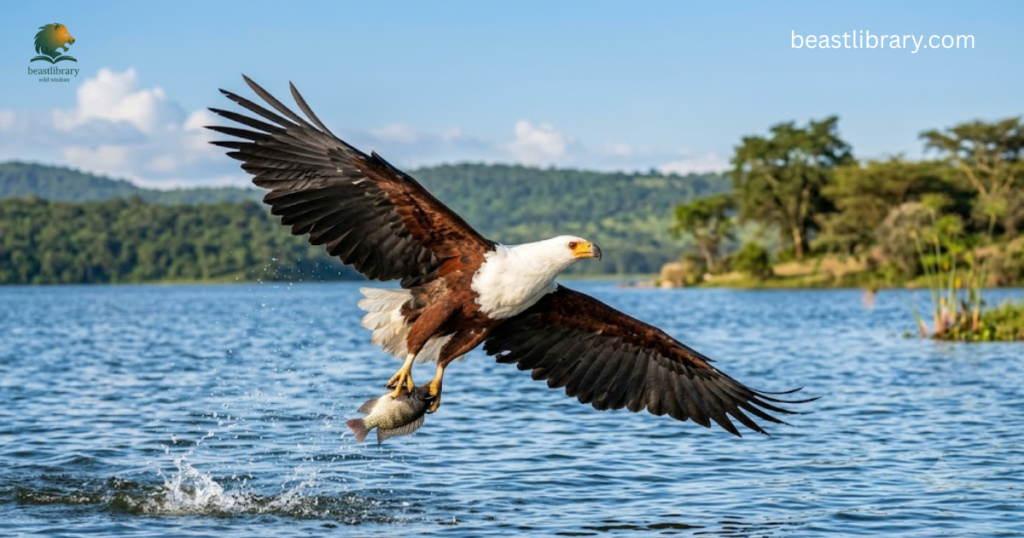
The Talons: Each foot has four talons. The back talon is extra thick and very curved, which helps it pierce deep into a fish to keep it from slipping away.
Non-Slip Grip: The bottom of their feet have rough, sandpaper-like pads. These pads help the eagle hold onto wet, slimy fish scales.
17- Polar Bear
The polar bear is the largest land predator in the world and one of the strongest animals in the Arctic. It has thick, slightly curved claws that do not pull back (non-retractable). These claws are built to act like ice picks for grip and as powerful tools for hunting.
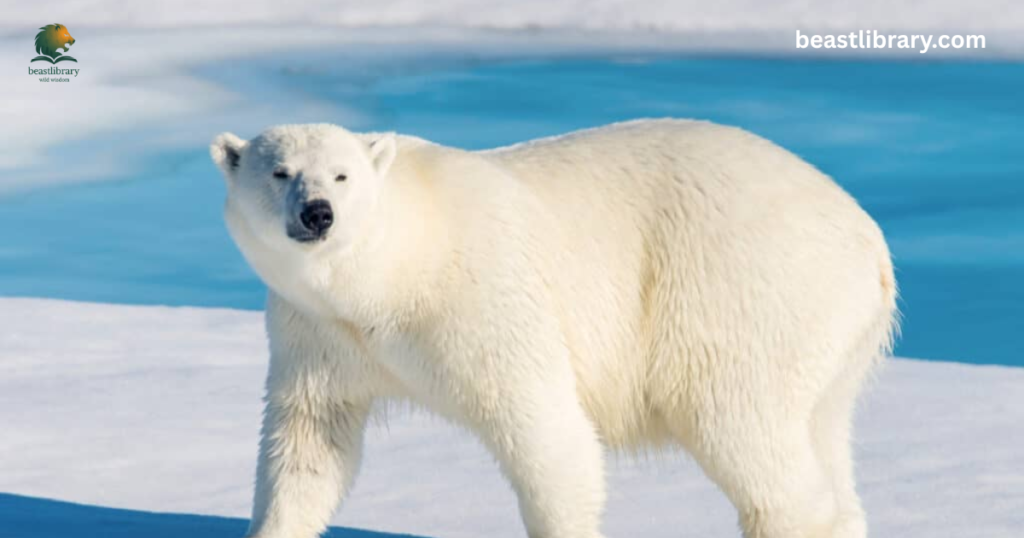
Giant Paws: Each paw can be up to 12 inches wide about the size of a large dinner plate! This helps spread their weight so they don’t break through thin ice.
Short and Strong: Their claws are shorter than a grizzly bear’s but very thick. They act like cleats to keep the bear from slipping on slick ice.
18- Nile Monitor Lizard
The Nile monitor is one of the largest lizards in Africa. It is a powerful reptile with long, sharp claws that never pull back. These claws are perfect for climbing, digging, and hunting near the water.
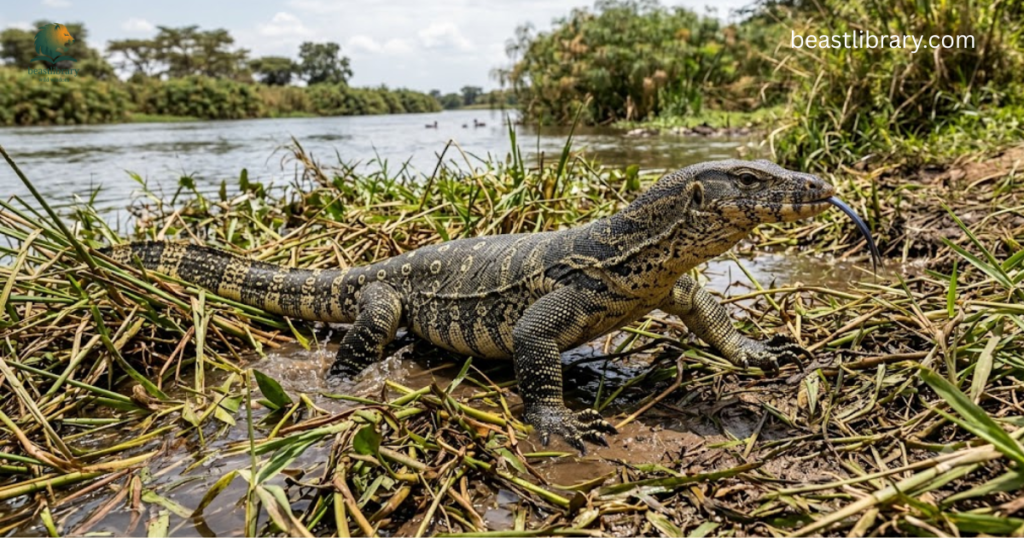
Five Sharp Claws: Each foot has five curved claws that act like sturdy metal hooks.
Tree Raiders: They use these claws to climb high into trees to steal eggs or young birds from nests.
The Nest: They also use their claws to dig deep holes in sandy beaches to lay their eggs.
The Tail and Claw: If a Nile monitor feels threatened, it can be very dangerous. It will hiss, whip its powerful tail, and strike out with its razor-sharp claws.
Moving in Mud: Their claws provide a great grip, allowing them to move quickly through slippery mud, loose sand, and tangled tree roots along the river.
Summary:
Animals with claws play a powerful role in maintaining the balance of the wild. Across nature, all things with claws rely on these sharp features not just to hunt, but to shape their environments and protect themselves every day.
FAQs:
Which animals have claws or nails?
Mammals like cats, dogs, bears, and primates along with reptiles, birds, and amphibians have claws or nails attached to their digits. They use these strong structures for walking, climbing, digging, self-defense, or grooming.
What is the difference between Claws and Talons?
Claws are common sharp nails on mammals and reptiles used for walking, digging, or climbing. Talons are extra-strong, hook-shaped claws on hunting birds (like eagles and hawks) made specifically for catching prey.
What are animals with pincers?
Animals with pincers include crustaceans like crabs and lobsters, arachnids such as scorpions, and insects like earwigs and stag beetles. These pincers creatures use their hinged claws to capture prey, defend themselves, dig burrows, and compete for mates.