Unique 9 Animals with Trunks: Class & images
Animals with trunks are unique creatures of animal kingdom. Trucked animals use their flexible snouts to grab food, smell, and trace their environments. These versatile trunks are key to their survival, showing just how clever nature can be.
List of Animals with Trunks
Below is the list of animals that have trunks:
- Elephant Shrew
- Giant Anteater
- Elephants
- Proboscis Monkey
- Aardvark
- Elephant Seal
- Saiga Antelope
- Wild Boar
- Tapir
1. Elephant Shrew
Class: Mammalia
Diet: Insectivore
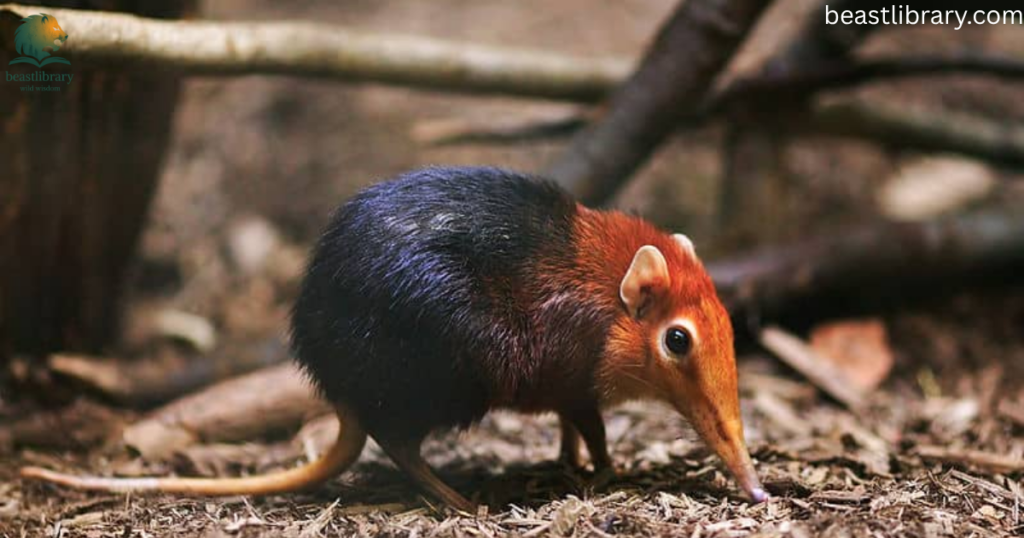
The elephant shrew are animals with big noses. Often referred to as “sengi,” the elephant shrew’s trunk-like snout is not merely for show it plays an integral role in foraging. They are small ear animals.
Equipped with a keen sense of smell. These animals can navigate through dense underbrush, uncovering insects and other small treasures hidden beneath the forest floor. Studies have shown that young sengis often learn vital survival skills by observing their mothers.
2. Giant Anteater
Scientific Name: Myrmecophaga tridactyla
Class: Mammalia
Diet: Insectivore
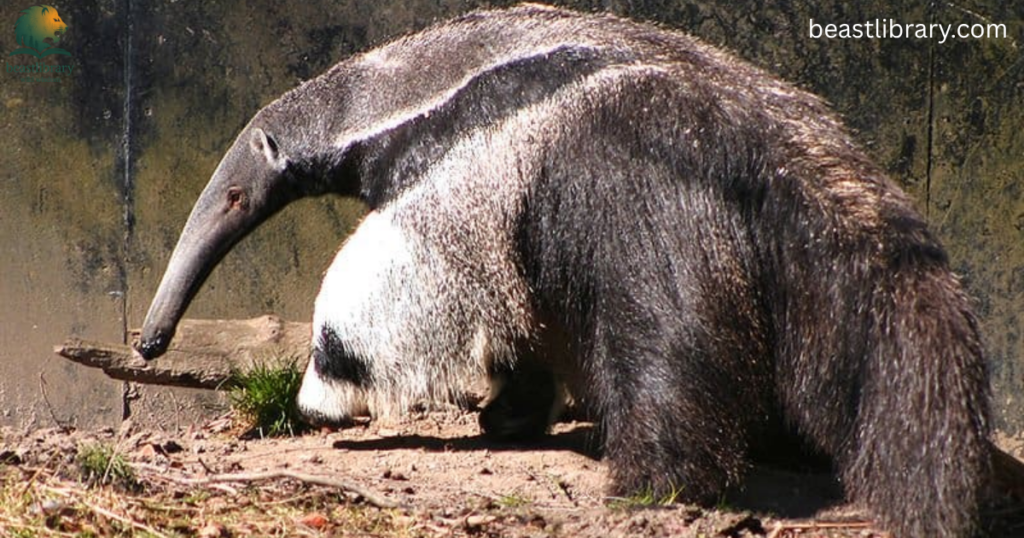
The giant anteater have sharp claws. Anteater deploys its snout as a highly specialized tool, allowing it to probe into ant hills and termite mounds, which would be inaccessible to others. They are long tail animals of wild.
This snout, along with an extraordinarily long tongue that can extend up to 16 inches, aids in slurping up thousands of ants and termites in a single day, showcasing a remarkable niche in the animal kingdom. They feed on ants.
3. Elephants
Scientific Name for African elephant: Loxodonta africana
Scientific Name for Asian elephant: Elephas maximus
Class: Mammalia
Diet: Herbivore
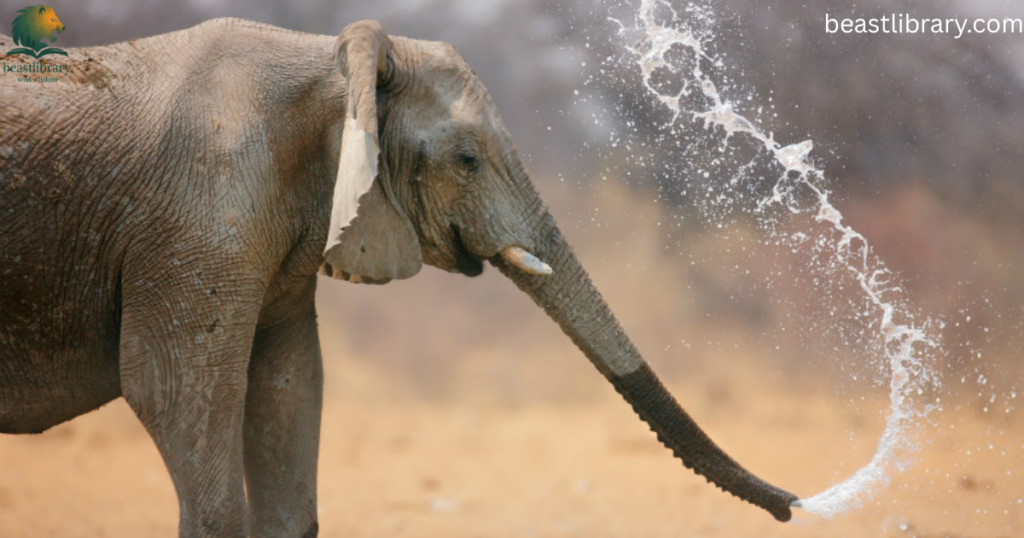
Elephants, the gentle giants of the Animals with Trunks kingdom, exhibit remarkable intelligence and emotional depth that often astonish researchers. Animals with Trunks a unique fusion of nose and upper lip, enable them to perform a stunning array of tasks. They are humble animals.
From delicate movements like picking up a single blade of grass to powerful actions such as uprooting entire trees. Elephant are growling animals that like to live in mud. They love to eat coconuts with the hep of their trunks.
4. Proboscis Monkey
Scientific Name: Nasalis larvatus
Class: Mammalia
Diet: Herbivore
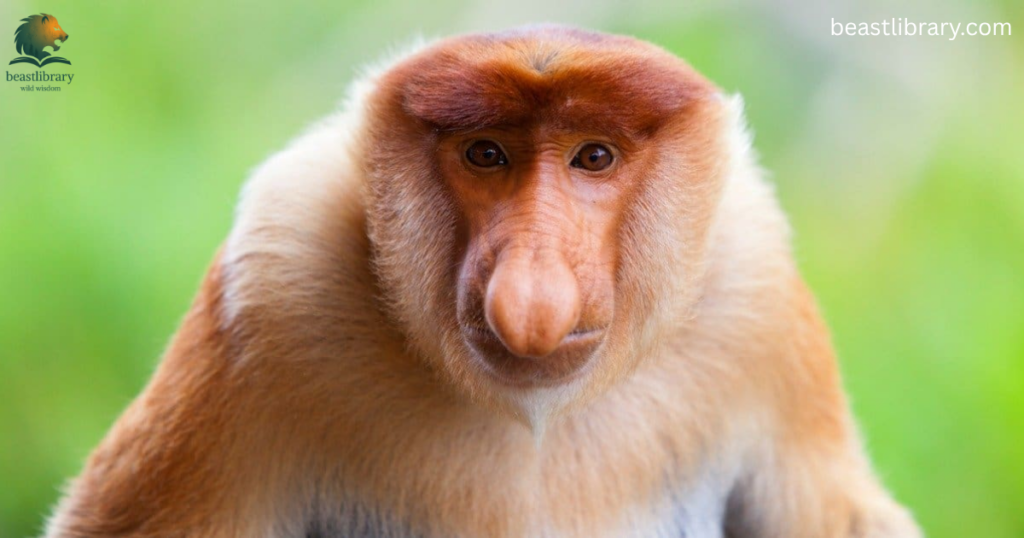
The proboscis monkey, with its unmistakable large nose, captivates not only with its appearance but also with its unique adaptations.
Their elongated snouts are not just for show they enhance vocalizations, allowing them to communicate effectively through the dense foliage of their habitat. They drink a lot of water.
5. Aardvark
Scientific Name: Orycteropus afer
Class: Mammalia
Diet: Insectivore
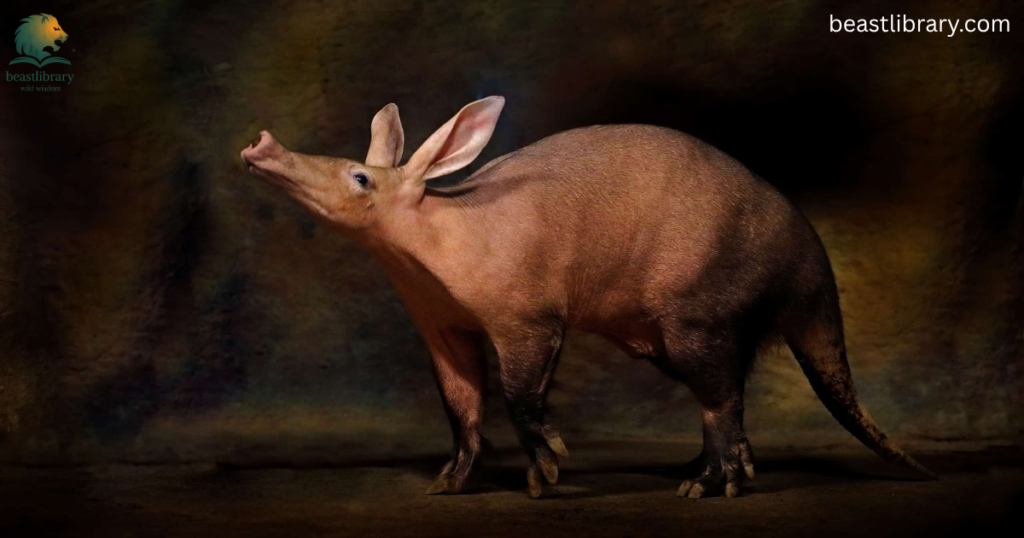
Aardvarks, often overshadowed by their more famous relatives in the wild, are creatures that embody a unique blend of characteristics, including their distinctive long snouts resembling a trunk.
These nocturnal foragers possess an incredible sense of smell, allowing them to detect ants and termites from a distance. With their powerful digging skills, they can excavate extensive burrows in search of food. They are small ear animals.
6. Elephant Seal
Scientific Name for Northern Elephant Seal: Mirounga angustirostris
Scientific Name for Southern Elephant Seal: Mirounga leonina
Class: Mammalia
Diet: Carnivore
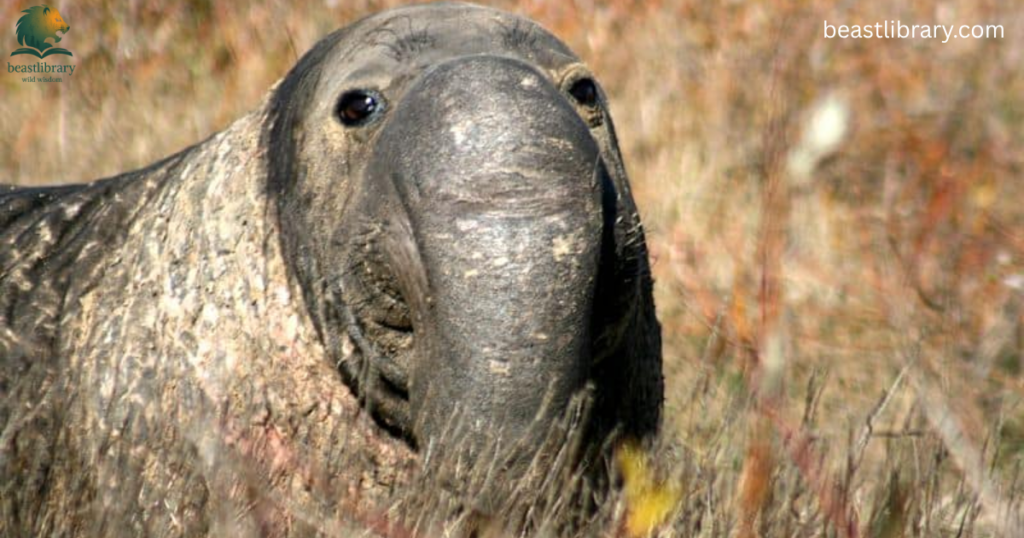
Among the remarkable members of the pinniped family, the elephant seal stands out not only for its size but also for its adaptations. These marine mammals can weigh up to 4,500 pounds. They are animals with flippers.
This “trunk” serves multiple purposes: it aids in vocalizations during mating season, enabling males to produce powerful, resonant calls that echo across their breeding grounds, and it helps assert dominance among rivals.
7. Saiga Antelope
Scientific Name: Saiga tatarica
Class: Mammalia
Diet: Herbivore
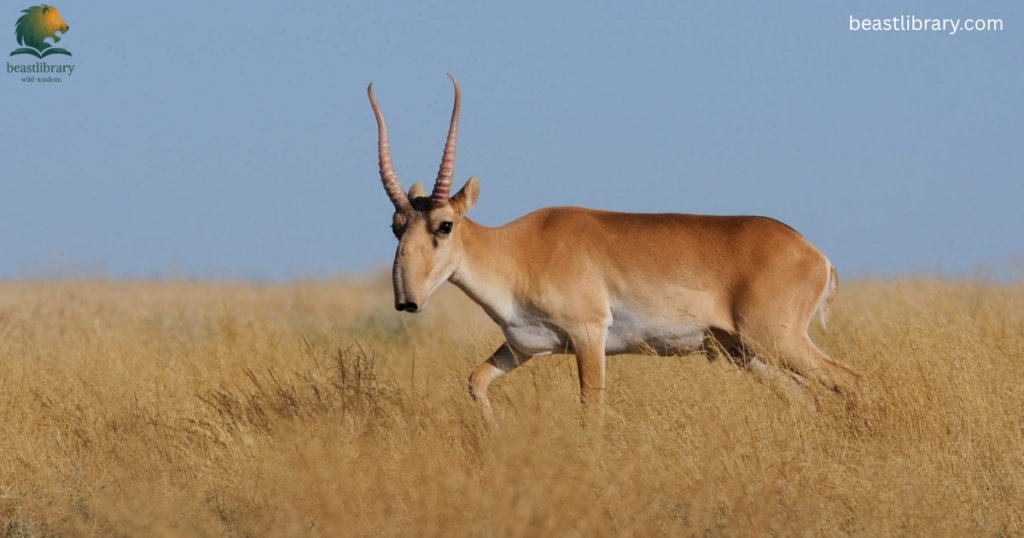
The Saiga antelope, with its distinctive bulbous nose, is an enchanting reminder of nature’s capacity for adaptation. Found primarily in the steppes of Central Asia. This unique feature filters dust and regulates body temperature during the temperature extremes of its habitat.
As they roam in herds across vast landscapes, these antelopes embody the stories of resilience, battling against habitat loss, poaching, and the pressing threat of climate change. They are horned animals.
8. Wild Boar
Scientific Name: Sus scrofa
Class: Mammalia
Diet: Omnivore
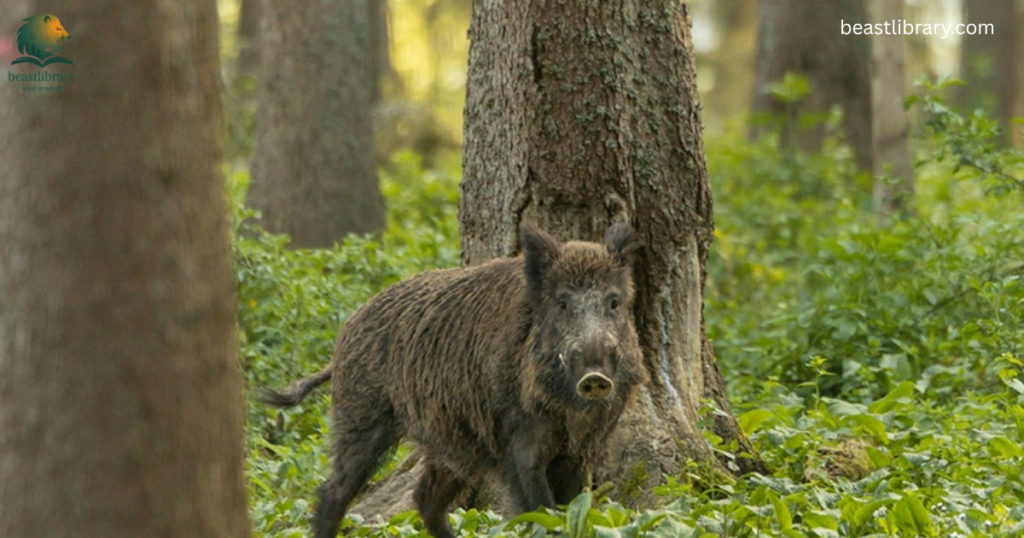
Wild boars, often overlooked in the discussion of trunked animals, offer a glimpse into nature’s adaptability. With their stout bodies and powerful snouts, these creatures utilize their unique anatomy to root through the earth in search of food.
Their skillful foraging not only sustains them but also plays a crucial role in their ecosystems, aerating the soil and facilitating seed dispersal. They are animals with hooves in wild.
9. Tapir
Scientific Name: Tapirus
Class: Mammalia
Diet: Herbivore
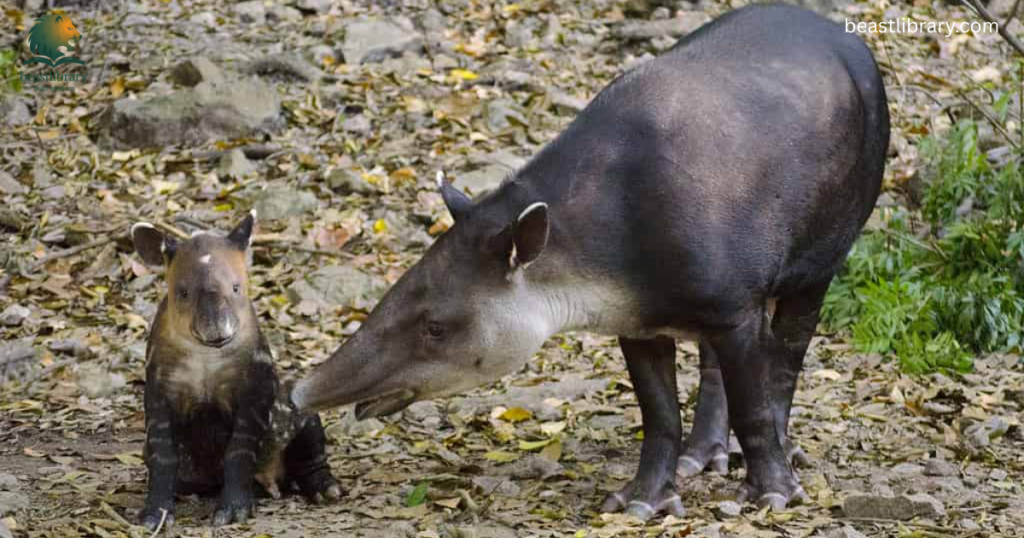
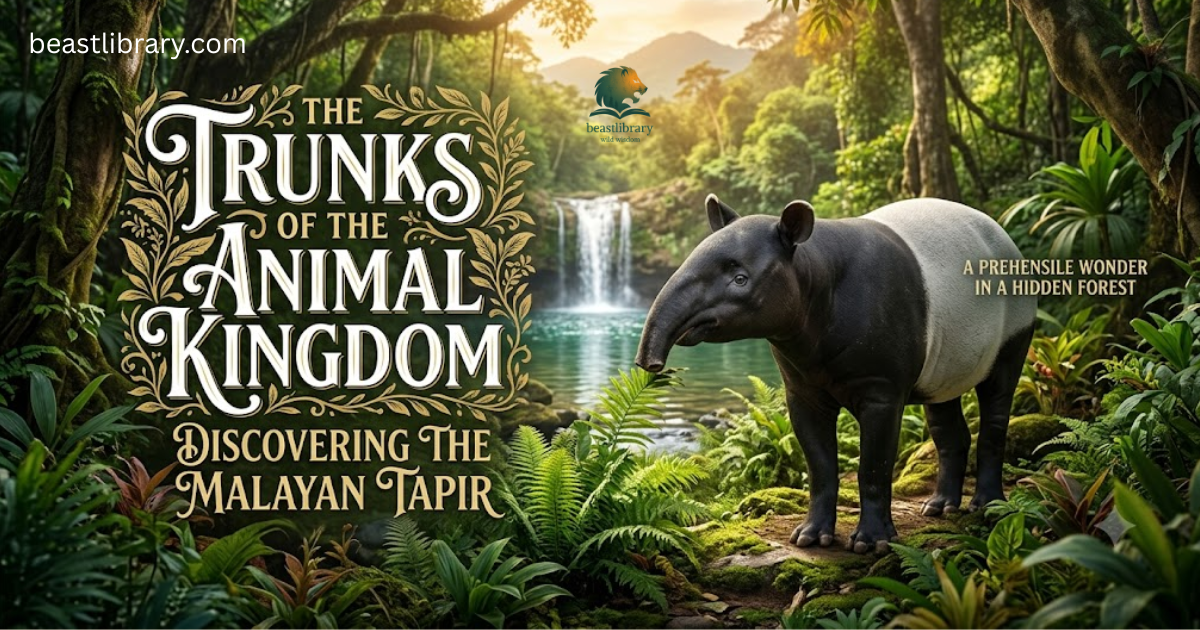
The tapir, striped creature that resembles a cross between a pig and an elephant. Boasts a unique trunk-like snout that makes it stand out in the animal kingdom. This flexible appendage serves various purposes for the tapir, from foraging to social interaction.
Their snouts help them grasp leaves, fruits, and aquatic plants, allowing them to thrive in dense rainforest habitats. This unique feeding adaptation not only supports their diet but also plays a crucial role in seed dispersal, making tapirs vital to their ecosystems.
Conclusion– Animals with Trunks
Animals with trunks show how one unique body part helps creatures live in totally different places. From deep oceans to thick jungles, these trunk animals rely on their special snouts to survive every single day. Protecting trucked animals helps keep our world full of amazing and strange wildlife.
FAQs
Which animal is famous for having trunk?
The animal most famous for having a trunk is the elephant. Elephants are known for their long, flexible trunks, which they use for a variety of purposes. These trunks serve as both a nose and a hand, allowing them to breathe, eat, drink, and interact with their environment.
What animal has the longest trunk in the world?
The animal with the longest trunk in the world is the elephant. African elephants, in particular, have exceptionally long trunks that can measure up to seven feet in length.