Amazing 20 Animals With Flat Tails: Diet, Facts & Pictures
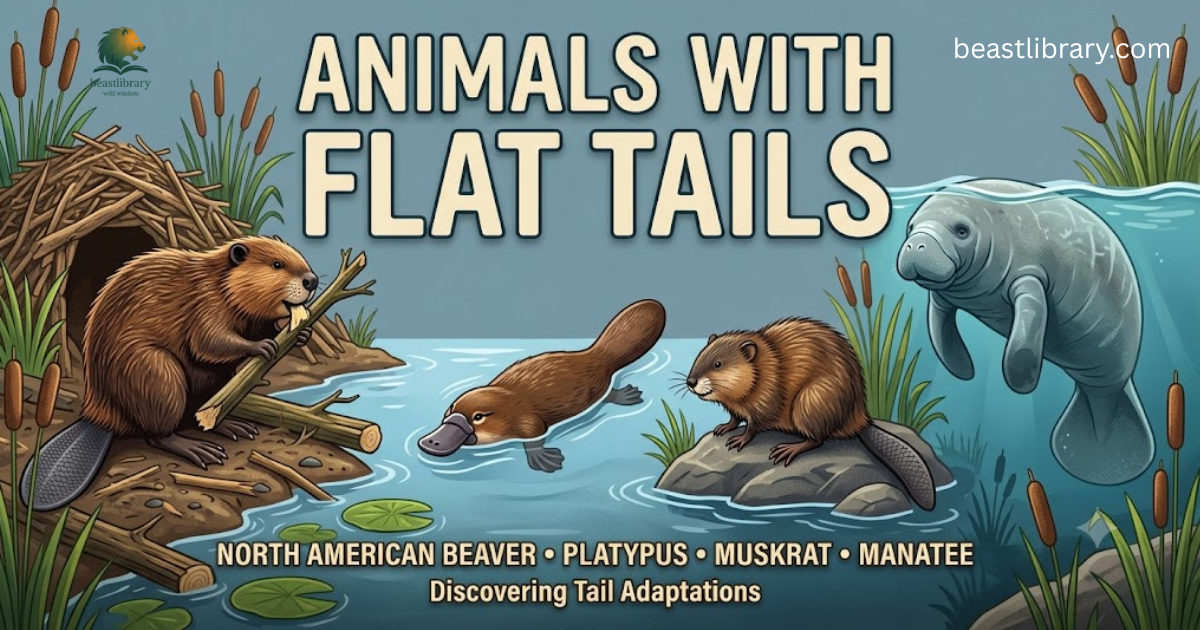
Animals with Flat Tails have unique features that help them swim, maintain balance and communication purpose. There flat tails are usually strong and broad. In this article, we will explore flat tailed animals lives, diets & interesting facts.
Table of Flat tail animals:
| No. | Animal Name | Scientific Name | Class | Diet |
| 1 | Beaver | Castor canadensis | Mammalia | Herbivore |
| 2 | Alligator | Alligator mississippiensis | Reptilia | Carnivore |
| 3 | Platypus | Ornithorhynchus anatinus | Mammalia | Carnivore |
| 4 | Crocodile | Crocodylus niloticus | Reptilia | Carnivore |
| 5 | Muskrat | Ondatra zibethicus | Mammalia | Herbivore |
| 6 | Flat-Tailed Gecko | Uroplatus fimbriatus | Reptilia | Carnivore |
| 7 | Capybara | Hydrochoerus hydrochaeris | Mammalia | Herbivore |
| 8 | Tasmanian Devil | Sarcophilus harrisii | Mammalia | Carnivore |
| 9 | Wood Duck | Aix sponsa | Aves | Omnivore |
| 10 | Sea Otter | Enhydra lutris | Mammalia | Carnivore |
| 11 | Spiny Softshell Turtle | Apalone spinifera | Reptilia | Omnivore |
| 12 | Common Muscovy Duck | Cairina moschata | Aves | Omnivore |
| 13 | Bison | Bison bison | Mammalia | Herbivore |
| 14 | Otter Civet | Cynogale bennettii | Mammalia | Carnivore |
| 15 | Nutria (Coypu) | Myocastor coypus | Mammalia | Herbivore |
| 16 | Green Iguana | Iguana iguana | Reptilia | Herbivore |
| 17 | Common Bearded Dragon | Pogona vitticeps | Reptilia | Omnivore |
| 18 | Ring-Tailed Lemur | Lemur catta | Mammalia | Omnivore |
| 19 | Red-Eared Slider | Trachemys scripta elegans | Reptilia | Omnivore |
| 20 | Black-Capped Capuchin | Cebus capucinus | Mammalia | Omnivor |
Detailed Look at Animals With Flat Tails
1. Beaver
Scientific Name: Castor canadensis
Class: Mammalia
Diet: Herbivore
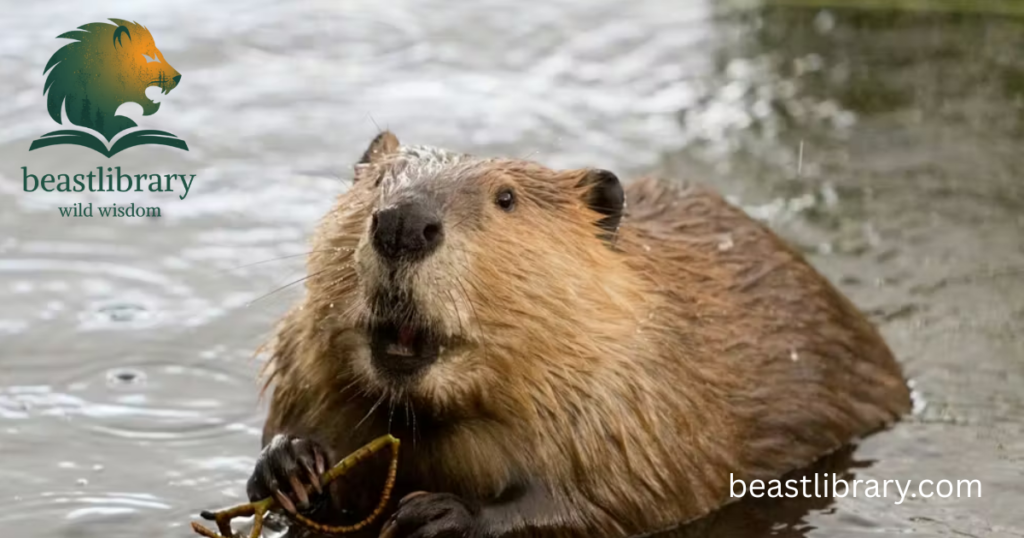
The beavers are known by the flat paddle-shaped tails. They are semi aquatic animals close to rivers, lakes and streams. They have flat tails that help them to swim and navigate water. Beavers are known to construct a dam. They are sensitive whiskers animals.
Their tails are also used to serve warnings. They have small ears & in case of danger a beaver taps his tail on the water to warn other animals about enemy. It also has the ability to store fat in the tail in order to survive extreme winters.
Beavers have powerful teeth which keep on increasing. They eat bark, leaf and water plant. Beavers are social animals and they also tend to live in families. They are webbed feet animals and their flat tails make them excellent swimmers.
Fun Fact: Beavers are one of the few animals that can create their own habitats, and their tails play a crucial role in their survival.
2. Alligator
Scientific Name: Alligator mississippiensis
Class: Reptilia
Diet: Carnivore
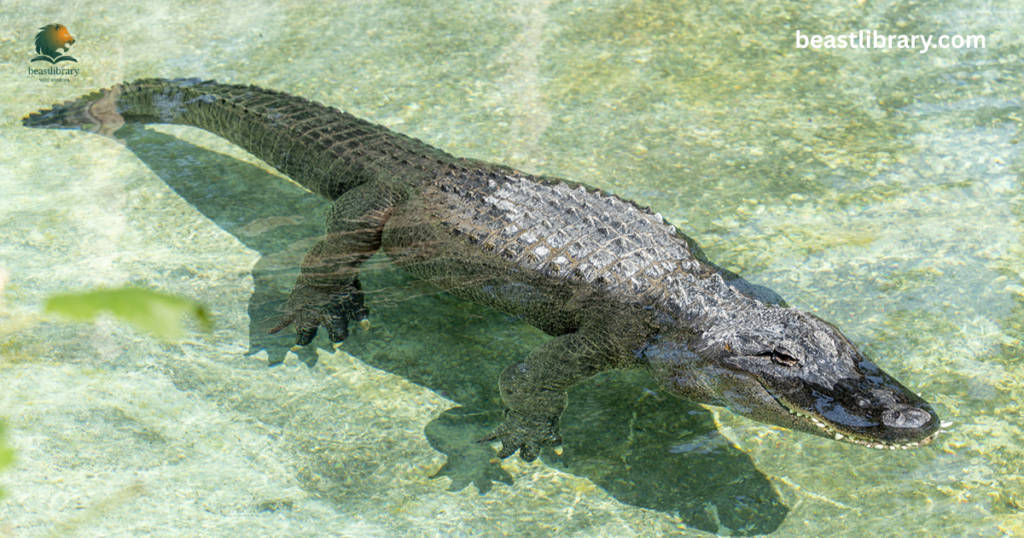
Alligators tails are very big, long and flat topped. Their tails serve the purpose of swimming. They are used to burrow through water and prey on fish, birds and small mammals. Alligators inhabit fresh water in rivers, lakes and swamps. An alligator can hit with its tail to frighten the predators.
The tail also stores fat that helps them survive in times of food shortage. Alligators have very tough skin that works as shield during attacks. They are ambush predators. Alligators might tend to conceal themselves in water and only the eyes and nostrils are visible. They are sharp teeth animals.
Fun Fact: An alligator can use its tail to break through ice in winter or even to herd fish into shallow water for hunting.
3. Platypus
Scientific Name: Ornithorhynchus anatinus
Class: Mammalia
Diet: Carnivore
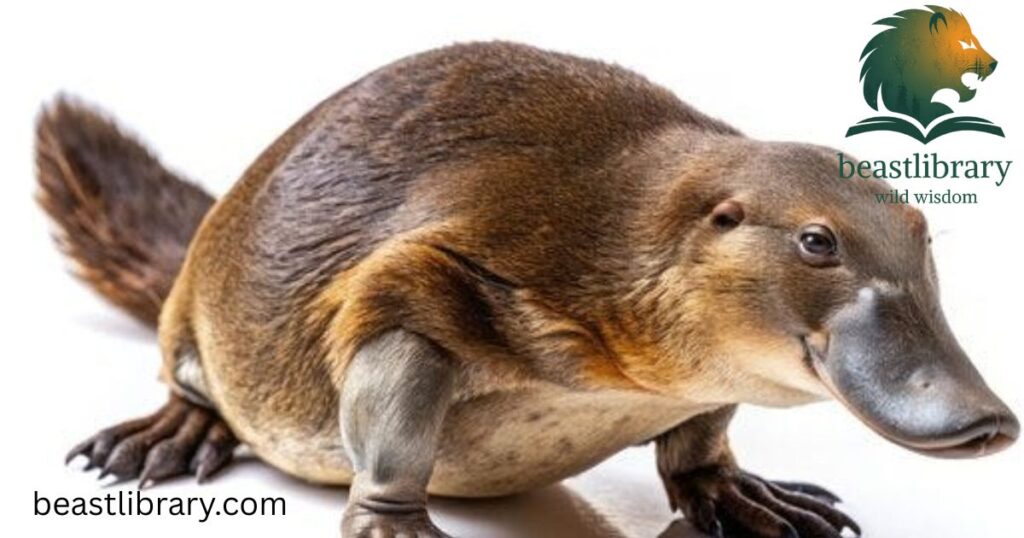
Platypus is unique mammals that have flat tail. Their tail helps them swim in water of eastern Australia. Platypus is webbed feet animal, mostly active at night and spends the majority of its time in water in search of food. Platypuses are short leg animals, feed on insects, larvae etc.
Fat is also stored in the tail which is helpful in the winter season when there is a lack of food. On land their tail helps them balance while digging burrows. They live alone and are able to seal their ears and eyes in water. Their tails help them to keep track of direction during hunting.
Fun Fact: Males have spurs on their hind legs, but their flat tails are harmless and help them swim.
4. Crocodile
Scientific Name: Crocodylus niloticus
Class: Reptilia
Diet: Carnivore
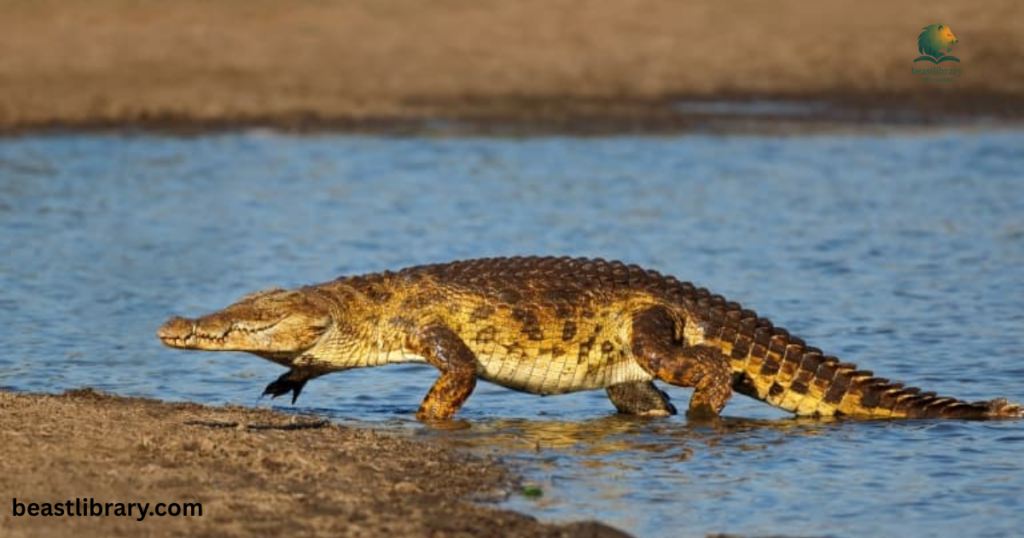
The tails of crocodiles are flat and muscular and they are useful in swimming. They are fast in water by side to side tail movements. The crocodiles feed on fish, birds and mammals, usually hiding in the water to ambush the prey. The tail also acts as a weapon.
They use their tail to hit pray, protect themselves and attract opposite sex. On land, the tail beams their huge bodies. The crocodiles are aquatic animals of Africa, savannas and other places. They can stay in water for a long time with the help of their tail.
Fun Fact: Crocodiles have excellent wound healing abilities.
5. Muskrat
Scientific Name: Ondatra zibethicus
Class: Mammalia
Diet: Herbivore
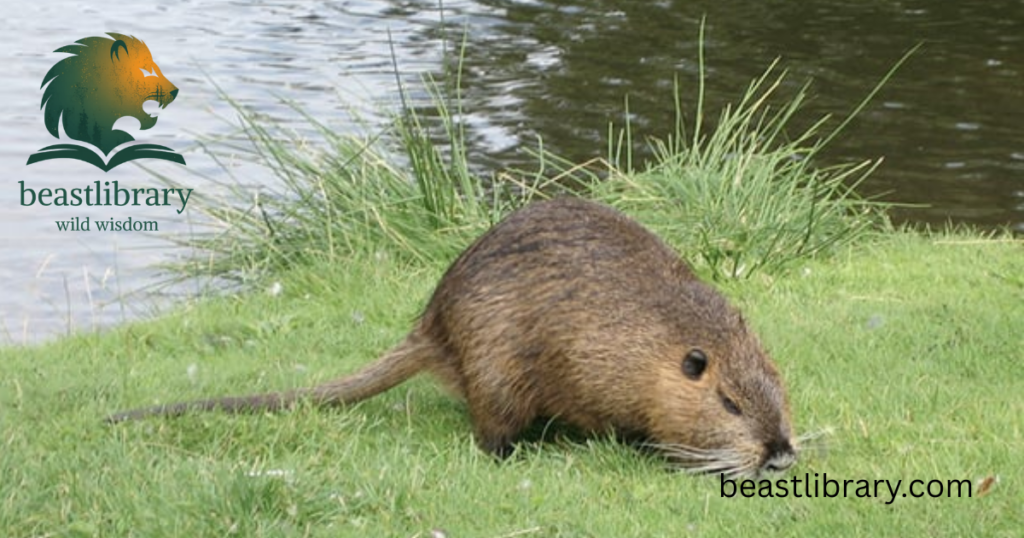
The tails of muskrats are flattened and scaly to help them to swim in ponds and marshes. They eat plants, roots and aquatic vegetation. On land they balance with their tail and in water they help propel themselves. They are small ears animals.
The muskrats are generally night animals and they tap their tails in water to warn others. Their tails not only keep fat but also help them live in cold season. Muskrats are able to swim a number of minutes in water having not come to the surface any more.
Fun Fact: Muskrats can eat underwater by holding plants in their paws and using their tails for stability.
6. Flat-Tailed Gecko
Scientific Name: Uroplatus fimbriatus
Class: Reptilia
Diet: Carnivore
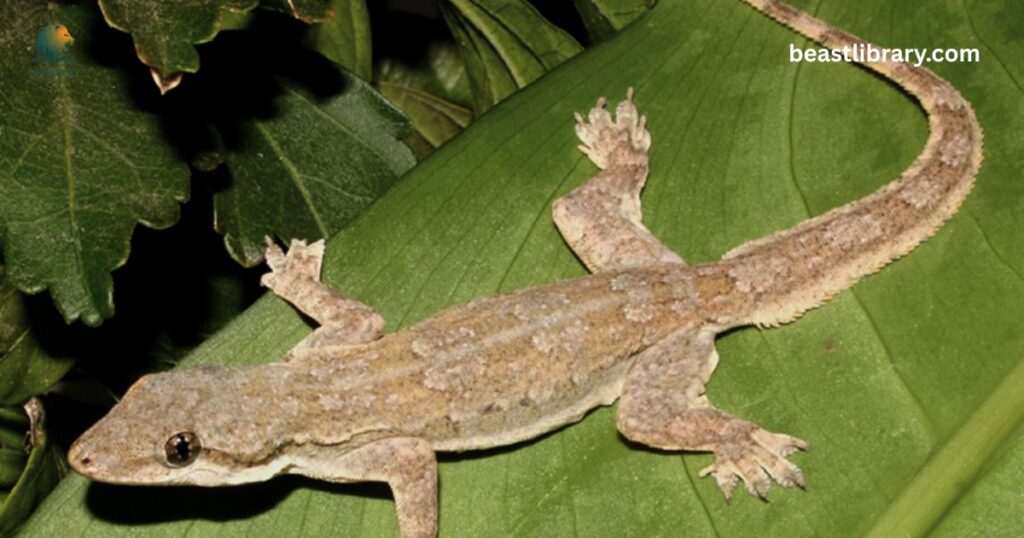
The flat-tailed gecko lives in Madagascar forests. It has a large flat tail which makes it blend into tree bark. This tail is one of its main elements of camouflage. It enables the gecko to remain out of sight of predators.
The gecko is primarily a night animal. It also preys at night, eat insects, spiders, and other small invertebrates. Flat-tailed reptiles have the ability to lose their tails when they are in threat. This is called autotomy. They also use their flat tails in climbing. They communicate in minor gestures.
Fun Fact: The flat-tailed gecko’s tail can grow back if lost, but the new tail often looks slightly different from the original.
7. Capybara
Scientific Name: Hydrochoerus hydrochaeris
Class: Mammalia
Diet: Herbivore
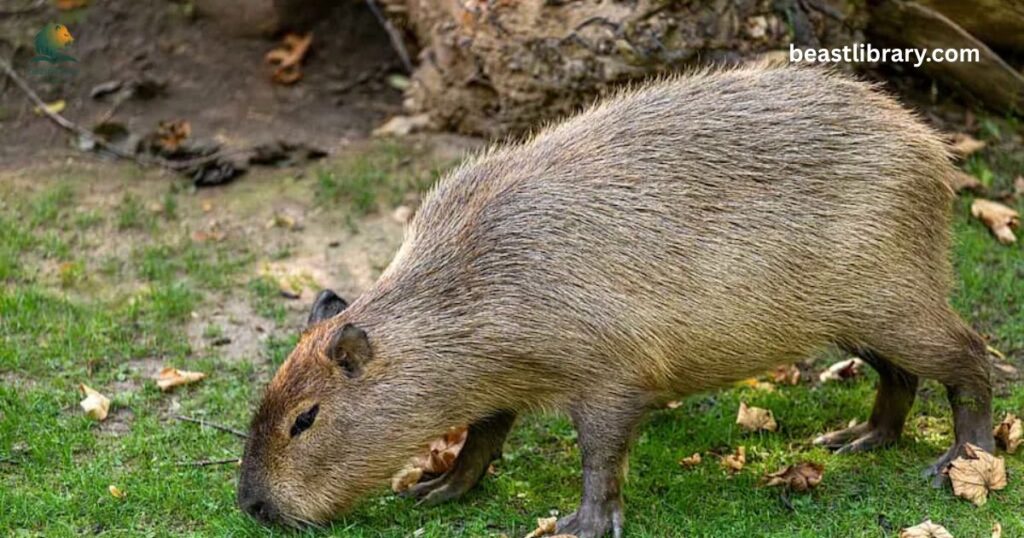
Capybara are the biggest docile rodents in the world. Their tails are very short and almost flat but they serve the purpose of balancing the body when the animals amble across water. Capybara are clumsy animals that eat grass, water plants and fruit.
The tails helps them to move and turn rapidly when they are running away as they rule predation. These live in families around rivers, lakes and marshes in South America. Their tails can also show mood and young capybaras learn swimming and balance by using their tails.
Fun Fact: Capybaras have partially webbed feet that, together with their flat tails, make them one of the fastest swimming rodents.
8. Tasmanian Devil
Scientific Name: Sarcophilus harrisii
Class: Mammalia
Diet: Carnivore
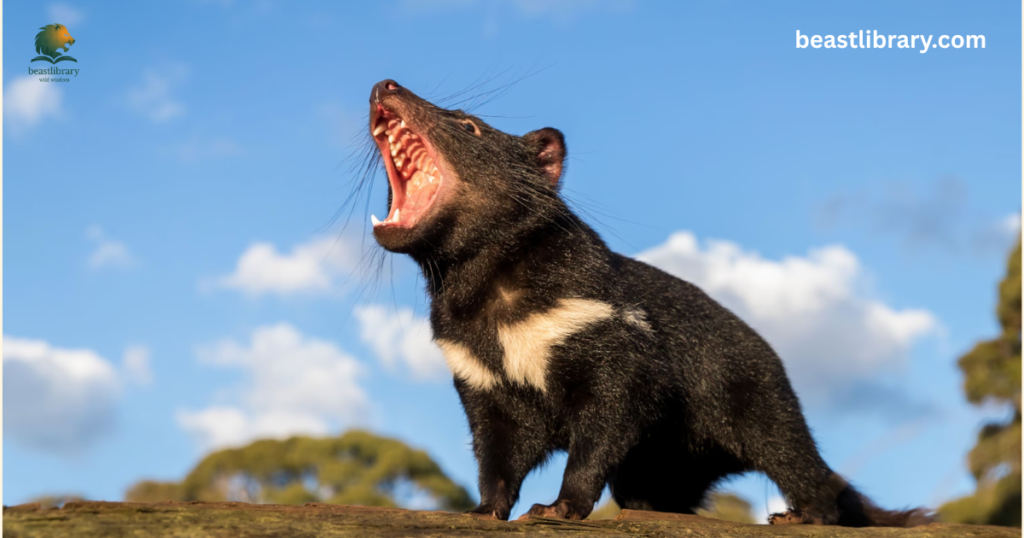
The Tasmanian devils are actually thick and flat tailed which help in the balancing as they walk or run. They are only found in Tasmania, Australia. They are hunters and vultures. They are greedy animals.
They feed on small mammals, birds, insects and carrion. Devils are mostly nocturnal. Tasmanian devils used to communicate by growls, screams, and movement of their tails. In times of danger they can also smoke their tails as part of a show.
Children of the devil have their tails as support when walking or climbing with adult devils. Their tails are inflexible like other mammals, yet they give them strength to survive. They are sharp teeth animals.
Fun Fact: A devil’s tail can store enough fat to help it survive up to two weeks without eating.
9. Wood Duck
Scientific Name: Aix sponsa
Class: Aves
Diet: Omnivore
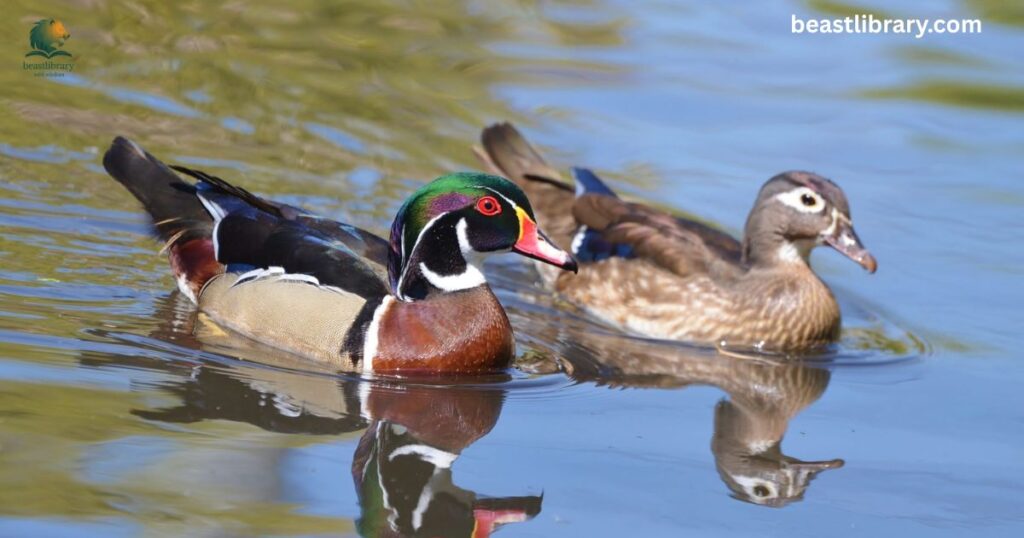
They live along riverbanks, lakes and wetlands in North America. The tail acts as a rudder when the duck move through water and during it is taking off or landing. They feed on seeds, water plants, insects and minor fish. They are webbed feet animals, good swimmer and diver.
When diving or floating, their tails help to steer and in maintaining balance and also they communicate using tail. The nest of the wood duck is in a cavity of trees. The young ducks swim with the flat tail that helps them to move efficiently after leaving the nest. .
Fun Fact: Wood duck’s flat tails can spread wide to act like a brake, helping them stop quickly on water.
10. Sea Otter
Scientific Name: Enhydra lutris
Class: Mammalia
Diet: Carnivore
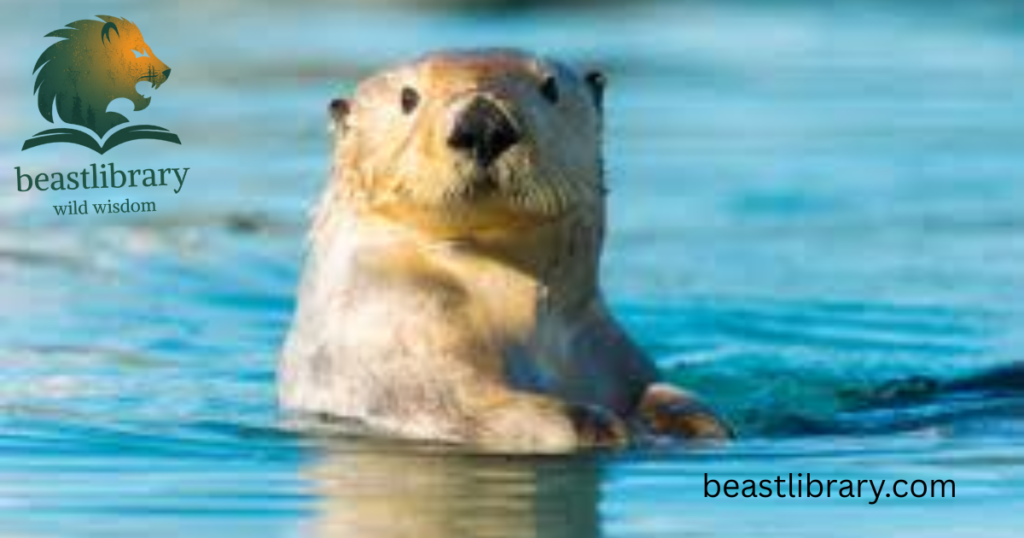
The sea otters are long muscular flat tailed animals. Their tails help them to propel themselves in the water as they hunt sea urchins, crabs and fish. They are chubby animals that live along northern Pacific Ocean.
They have short legs and use flat tail to balance on water when they are lying on their backs. The tail conserves power and gives stabilization in high currents. Otters are social animal and often live in groups. They are thick fur animals with flippers.
Fun Fact: Sea otters wrap themselves in kelp and use their tails to anchor so they don’t drift away while sleeping.
11. Spiny Softshell Turtle
Scientific Name: Apalone spinifera
Class: Reptilia
Diet: Omnivore
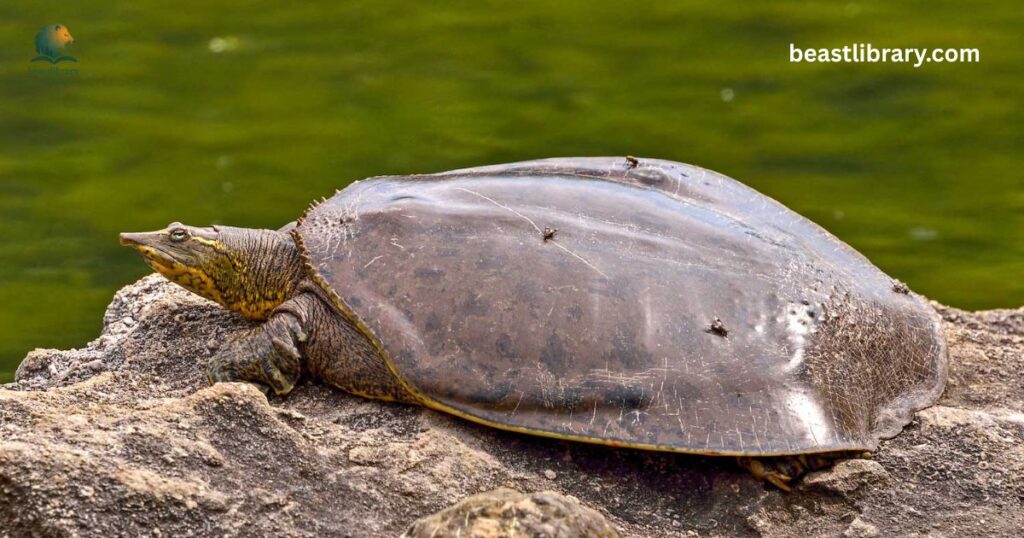
The spiny softshell turtle has tail that helps in swimming. It lives along the rivers, lakes and streams in North America. The tail is not long but strong and flexible which helps in movement underwater.
They have a flat tail that is used to act as a rudder helping it steer and escape predators. Their tails are round and therefore they are balanced on the land when making nests. This is because females clear sand using tails and hind limbs before laying eggs.
Fun Fact: The spiny softshell turtle can hide its head and limbs, but its tail stays visible, helps it steer while buried in sand.
12. Common Muscovy Duck
Scientific Name: Cairina moschata
Class: Aves
Diet: Omnivore
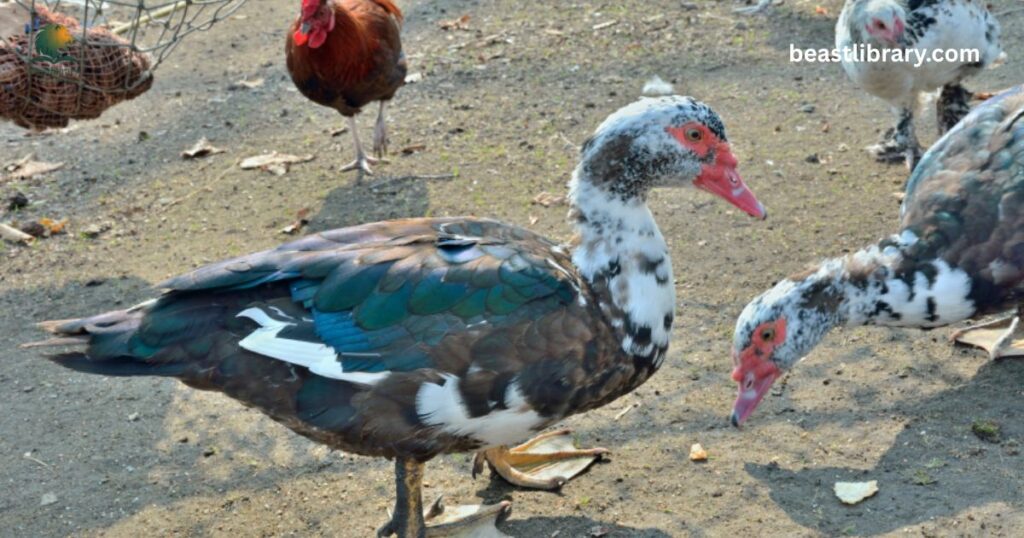
The muscovy ducks are animals with flat tails. They are found in Central and South American regions where they live around rivers, ponds, and wetlands. The tail serves to control the manoeuvres in water. They eat insects, seeds, plants and little fish.
When swimming the tail help in balancing and steering. Muscovy ducks also do very well on land and make sharp turns. The tail as well conveys social messages. A duck can raise his tail when they warn about danger. Young ducks learn how to swim and steer, keeping track with the tails.
Fun Fact: Muscovy ducks can spread their tails wide while swimming to slow down quickly and make sudden stops.
13. Bison– Animals With Flat Tails
Scientific Name: Bison bison
Class: Mammalia
Diet: Herbivore
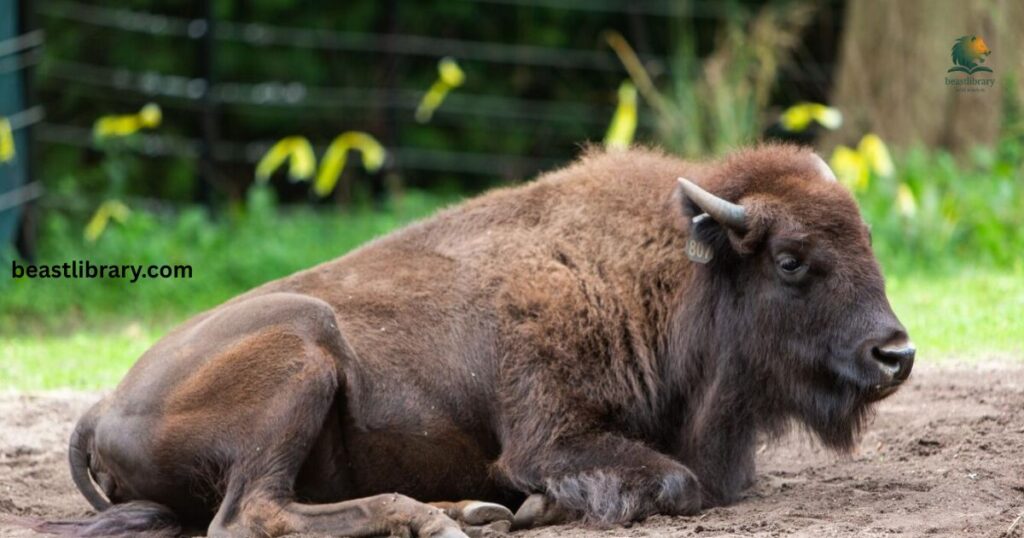
Bison is horned animal have short, wide tails which are flat at the bottom. Their tail help them to keep the insects away and to balance themselves during running. They are found in grasslands, plain and prairies in North America. They consume grass, bountiful herbs and shrub roots.
Calves are dependent on the protection of the mothers and the tails help in balance whether running with the adults. Bison have a maximum top speed of 35 miles per hour and the tails serve as rudders to help them avoid falling. It is dirtiest animal in the world.
Fun Fact: Bison tails can be flicked rapidly, and some can beat flies at more than 50 times per minute.
14. Otter Civet
Scientific Name: Cynogale bennettii
Class: Mammalia
Diet: Carnivore
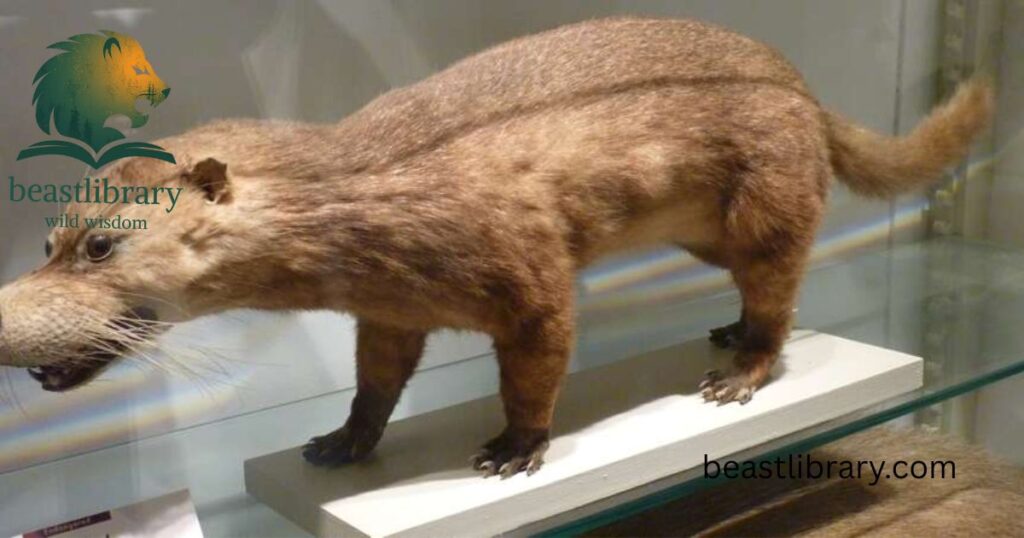
Otter civet has a wide long flat tail which helps in swimming and balancing. It inhabits the fresh rivers and streams in Southeast Asia. The tail is powerful and help in steering when fish and crustaceans are being chased. They consume small water creatures, insects, and amphibian living beings.
Otter civets are mostly active nighttime and are generally lonely. Communication is also helped by the tail. When the tail is in an up position, it can be sign of alertness, aggression or curiosity. Tails are used as the swimming practice of the juveniles overseen by the mother.
Otter civets are great swimmers. Their webbed feet and flat tails ensure that they are good hunters. They spend a lot of their time in water.
Fun Fact: Otter civets can remain submerged for several minutes, using their tails as rudders to navigate efficiently.
15. Nutria (Coypu)
Scientific Name: Myocastor coypus
Class: Mammalia
Diet: Herbivore
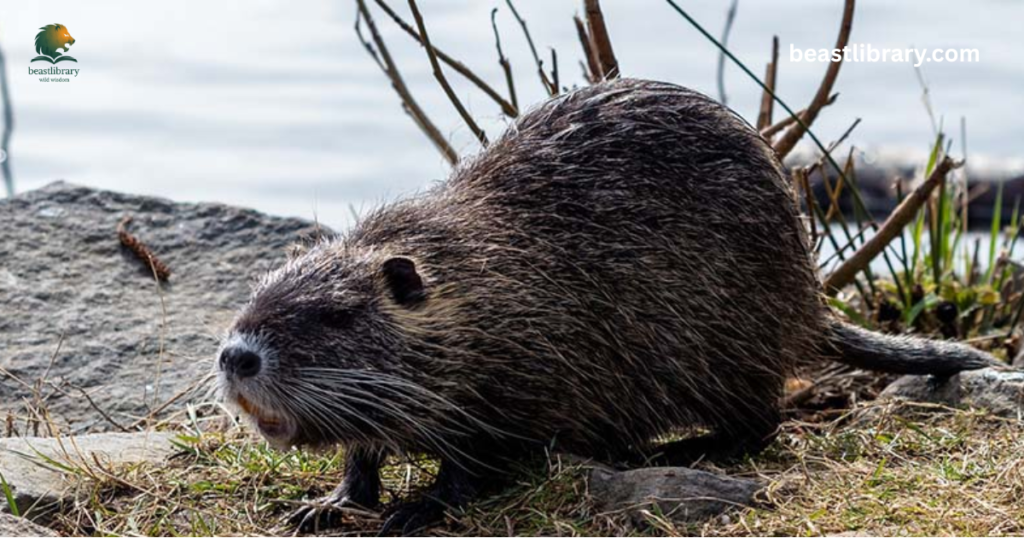
The tail of a nutria is flattened with scales and helps in pushing the nutria in water. They are native to South America where they are found in wetlands worldwide. Their tails are used as rudders when they are swimming and climbing banks. They eat aquatic plants, roots and crops.
Nutria are active at night and they live in burrows that are close to water. In cooler water nutria are able to bundle their bodies around the tails to keep warm. Nutria reproduce very quickly and damage natural environments, so they are considered harmful and unwanted in most places.
Fun Fact: Nutrias use their tails as paddles to dig burrows underwater and escape predators quickly.
16. Green Iguana
Scientific Name: Iguana iguana
Class: Reptilia
Diet: Herbivore
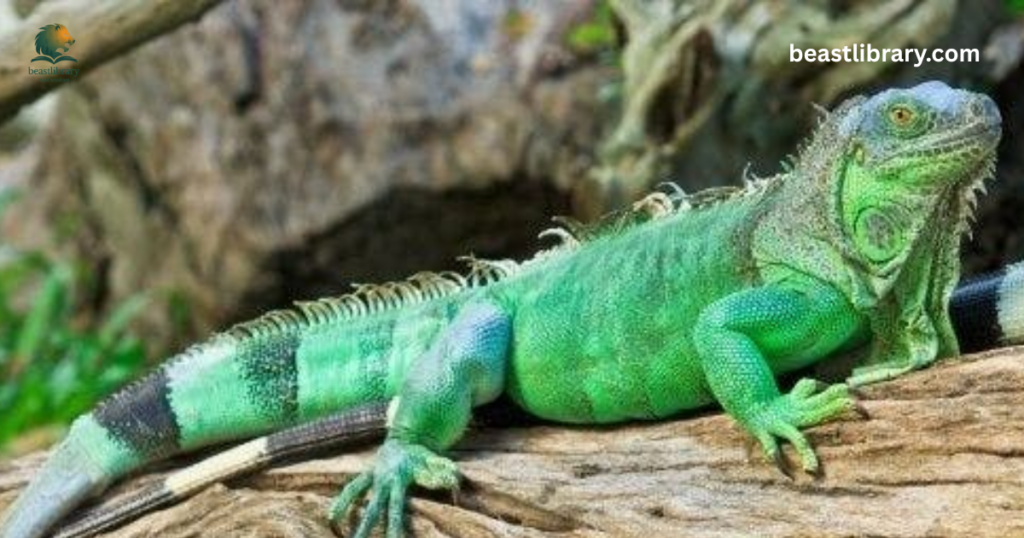
Green iguanas have long flat tail and they play on them to maintain balance in climbing trees and when swimming on a river or a pond. Their tails may also serve as a whip, in order to defend them against the enemy. Iguanas feed on flowers, fruit, and leaves.
Their tails store fat which gives them energy when there is a shortage of food. In case of danger, an iguana can shake its tail fast to frighten the predators or escape when caught. The green iguanas are mostly live in trees.
Fun Fact: Green iguanas can drop their tails to escape predators and the tail will grow back, though it looks slightly different.
17. Common Bearded Dragon
Scientific Name: Pogona vitticeps
Class: Reptilia
Diet: Omnivore
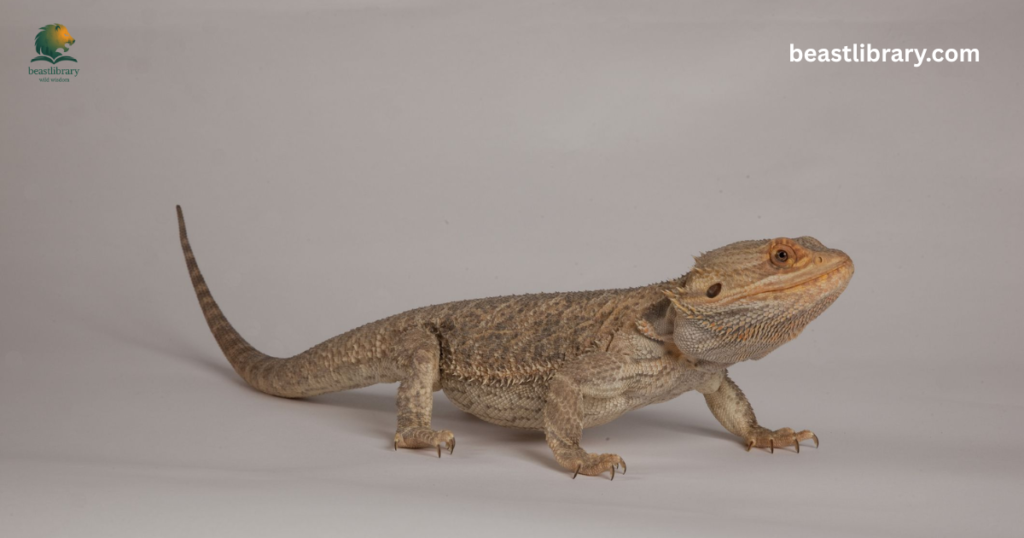
The tails of bearded dragons are flat which makes them more stable on barks and rocks. They consume insects, small animals, fruits and plants. This is done by the tail which is used in communication, a beardy will wave its tail in order to show social interaction.
Tails are used by juveniles in learning how to climb and hunt. Bearded dragons are primarily land based but arboreal in cases where it is needed. They are also able to whip their tails in case they are threatened, but not as strong as some reptiles.
The fat is stored in the tail and this can be used in extreme conditions. It also assists in thermoregulation where by heat exposure is controlled during basking.
Fun Fact: Bearded dragons can display their tails while turning their bodies to appear larger to predators.
18. Ring-Tailed Lemur
Scientific Name: Lemur catta
Class: Mammalia
Diet: Omnivore
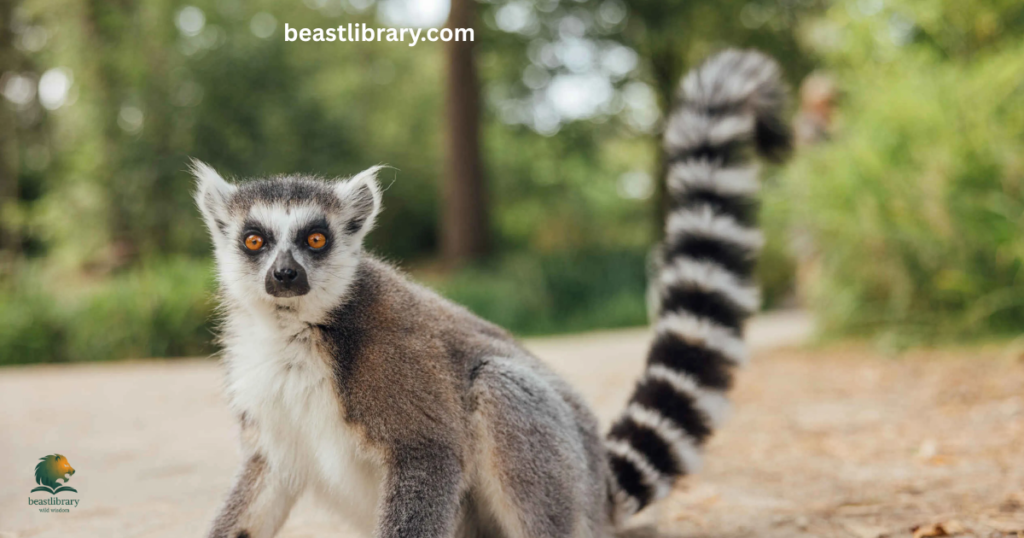
Ring-Tailed Lemur is stripped flat tail animal which help them to balance as they travel over the trees and the ground. They live along Madagascar forests and scrublands. The importance of their tails is due to their stability and communication. They consume fruit, leaves, flowers and insects.
Lemurs attract attention by their tail positions that indicate group cohesion to other members of the group to food or danger. Ring-tailed lemurs are social mammals and inhabit large groups referred to as troops. The tail assists in the coordination of movement when at rest.
Fun Fact: Lemurs often wave their tails like flags to maintain group visibility in dense forests.
19. Red-Eared Slider
Scientific Name: Trachemys scripta elegans
Class: Reptilia
Diet: Omnivore
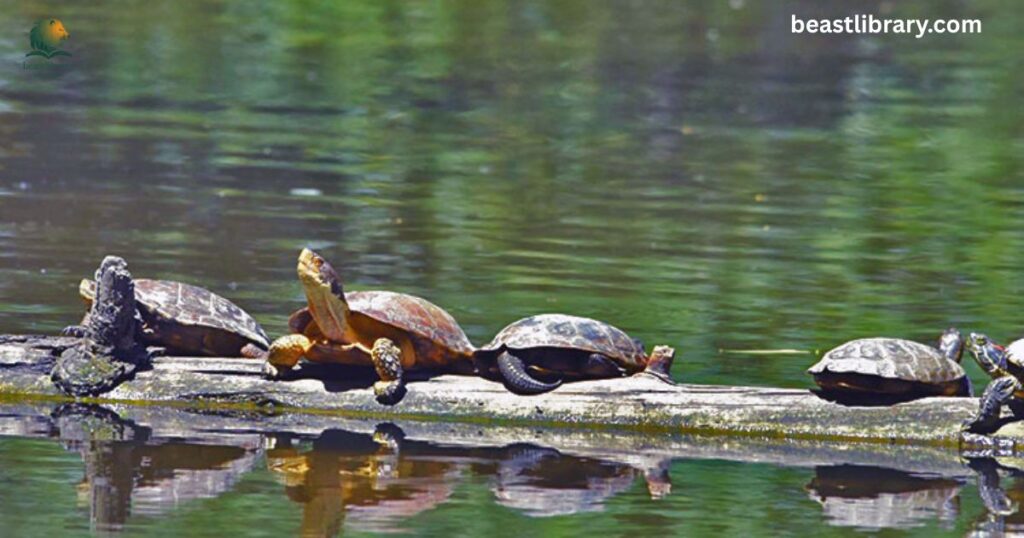
Red-Eared Slider is flat tailed animal and it makes them swim effectively in the pond and lakes. They live in North America. Swimming and turning are carried on by the rudder of the tail. They are webbed feet animals that consume plants, insects, small fish and algae.
Their tails give them stability in water particularly when the fish are in search of food. The tail is also useful in basking. Tails are used by adults to help in mating. Sliders with red ears are powerful swimmers.
Fun Fact: Red-eared sliders can move their tails underwater to create waves which tells other turtles that they are alert.
20. Black-Capped Capuchin
Scientific Name: Cebus capucinus
Class: Mammalia
Diet: Omnivore
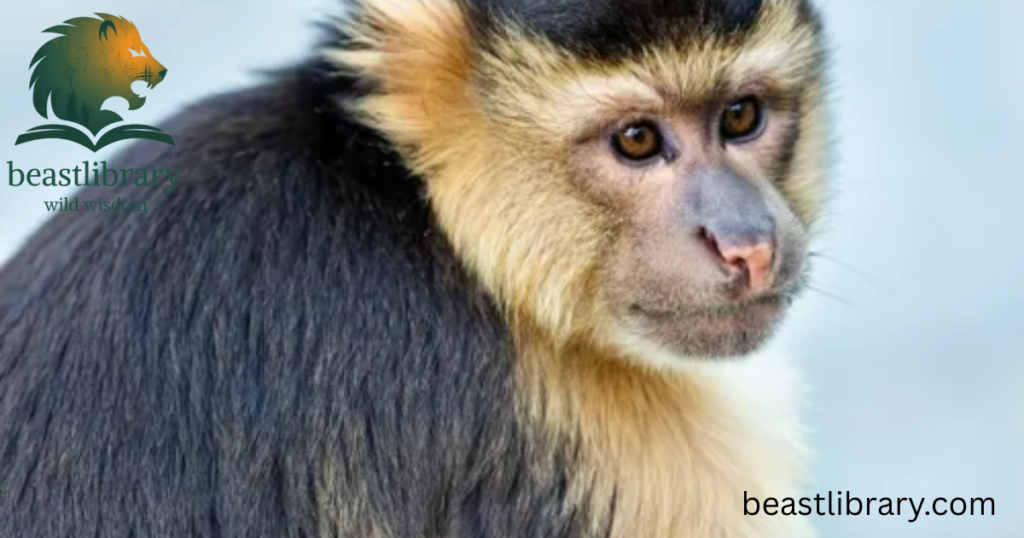
Black-capped capuchin monkeys use their strong flat tail to help them balance, hang from branches, and move easily through trees. Their tails also support them during feeding and other complex movements. They eat fruits, insects, small animals, and nuts.
Young capuchins learn to use their tails for holding and balance while climbing and avoiding predators. These monkeys are very social and may use tail movements in communication during activities. Their tails are very important for survival, helping them reach food and move safely in the forest.
Fun Fact: Capuchins sometimes use their flat tails to carry small items temporarily while using their hands for other tasks
Final Words
Animals with flat tails teach us that all animals have been perfectly created in their life. They can be viewed as humble things, but necessary to survive in nature. Flat tail aid in swimming, balancing, communication, and protection from enemies.
FAQs
What animal has a flat tail?
The most famous animal with a flat tail is the beaver, which uses its paddle-shaped tail like a rudder to steer while swimming and slaps it against the water to warn others of danger. Other examples include platypuses, which store fat in their flat tails, and manatees, which use their large, paddle-like tails to slowly propel themselves through coastal waters.
Do only mammals have flat tails?
No, Reptiles and some fish also have flat tails.
What is the strongest in a flat tail animal?
The tail muscles are strongest in flat tail animals.