Amazing 14 Animals with Big Eyes: Class & Diet
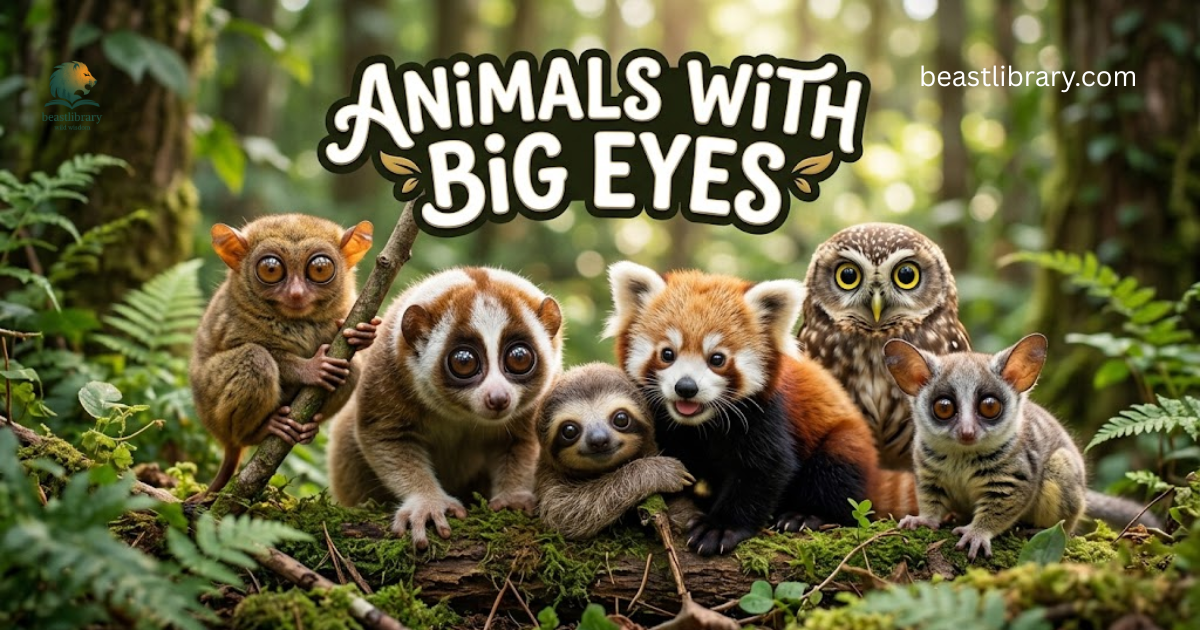
Animals with big eyes are not only attractive but also these eyes play an important role in their survival. These big eyes help them see better in the dark, hunt more effectively and survive in their environment. Big eyed animals provide information about animals life style and behavior.
List of Animals with Big Eyes
Below is the list of cute big eyed animals in the world:
- Slow Loris
- Tree Frog
- Sphynx Cat
- Aye-aye
- Giant Squid
- Swordfish
- Owl
- Tarsier
- Chameleon
- Lemur
- Bushbaby
- Rabbit
- Pygmy Marmoset
- Ostrich
1- Slow Loris
Scientific name: Nycticebus coucang
Class: Mammalia
Diet: Omnivore
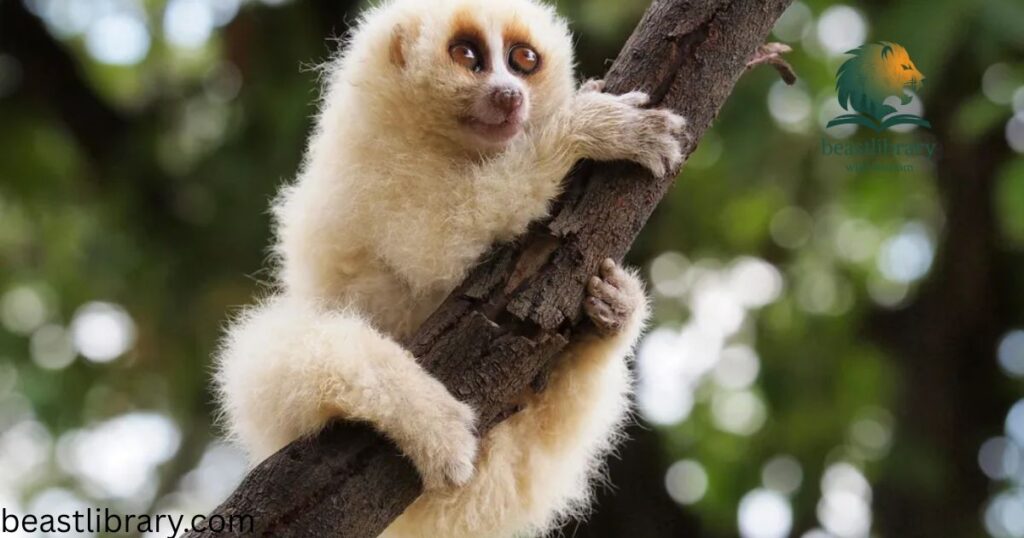
The Slow Loris is a small cute animal with big eyes from Southeast Asia. These big eyes help this arboreal animal see at night to find food and move around its habitat. It lives in trees and eats fruits, nectar, and insects. It is animal that walk slowly.
An important point is that the slow loris can be dangerous because it has a special poison in its body and can give a harmful bite to protect itself. Many people catch this shy animal to keep them as pets which is illegal.
2- Tree Frog- Animals with big eyes
Class: Amphibia
Diet: Carnivore
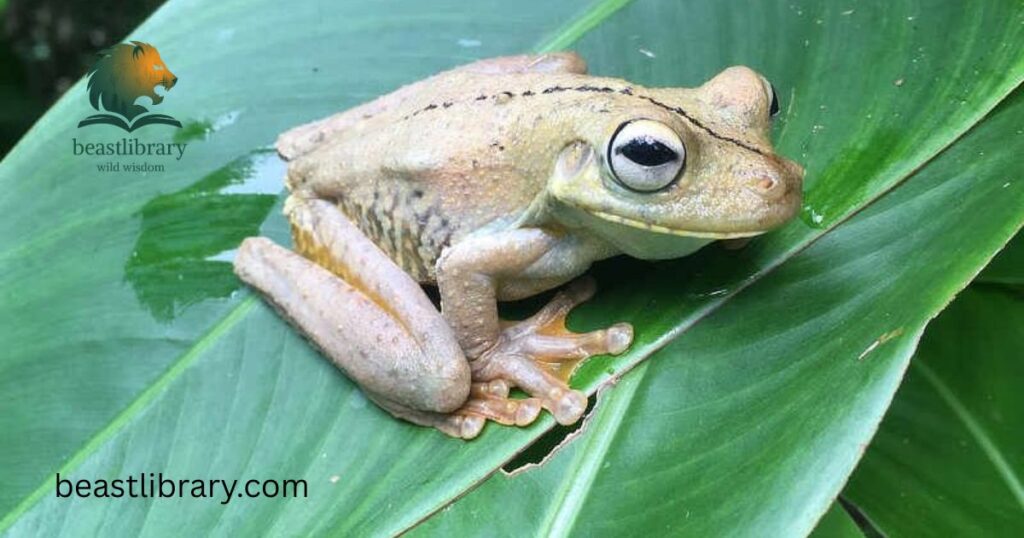
The Tree Frog are small primates with big eyes that are mostly found in trees. These big eyes help them see better, identify enemy, and find partners. Their eyes also help them notice small movements, which keeps them safe from enemies. They are animal with out tail.
Some tree frogs also have bright skin and eye colors that help them blend into leaves, making it harder for predators to see them. This defense strategy is an important part of their survival in their natural habitat. They can swallow their whole food easily.
3- Sphynx Cat
Class: Mammalia
Diet: Carnivore
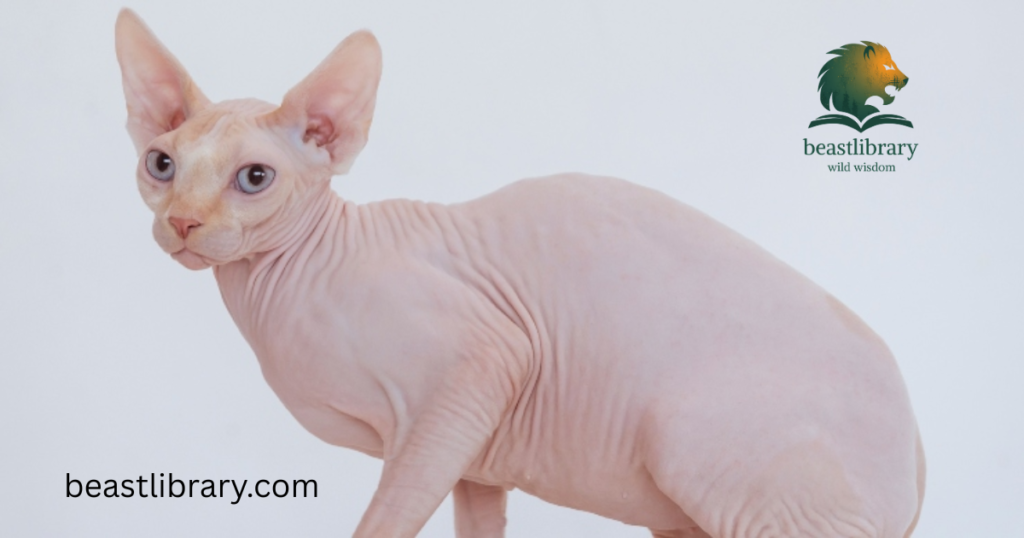
Sphynx cat is a unique hairless cat known for its very large eyes that make it look attractive and almost otherworldly. Their eyes reflect curiosity, intelligence, and a playful nature. Sphynx cats like to explore a lot and sometimes try to escape in search of adventure.
Overall, their appearance and personality together make them very attractive and lovely pet. They feel warmer than normal cats because they don’t have fur to trap heat.
4- Aye-aye
Scientific name: Daubentonia madagascariensis
Class: Mammalia
Diet: Omnivore
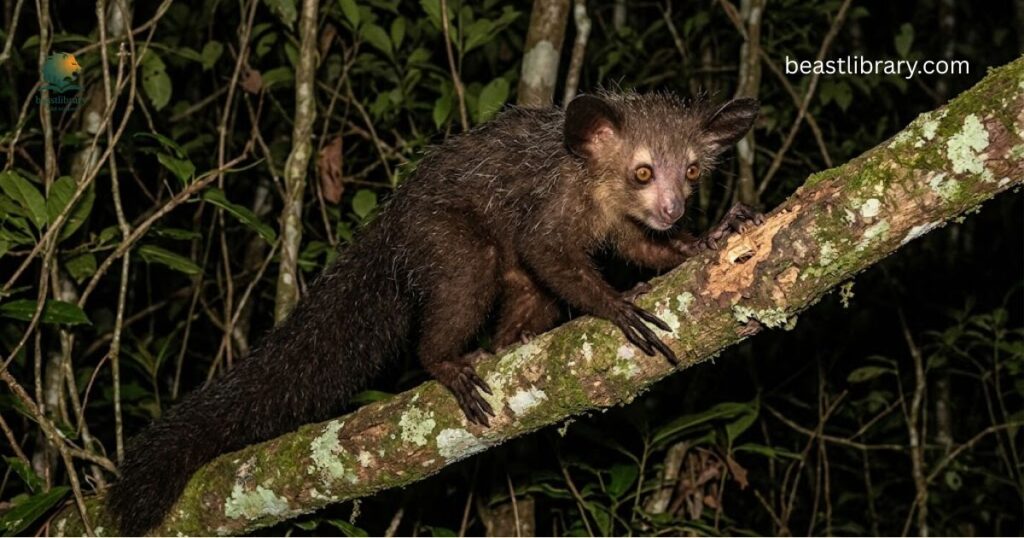
The aye-aye is a strange and unique animal found only in Madagascar. It has very big eyes that help it see in the dark because it is active at night. This helps them find food and stay safe from enemies. They are animals mostly eat coconuts, insects, and seeds.
It has a very long middle finger through which it tap on tree wood and find insects hiding inside. Then it digs them out and eat them. This special way of finding food is called percussive foraging. It is very rare and looks a bit scary so some people think it is unlucky.
5- Giant Squid
Scientific name: Architeuthis dux
Class: Cephalopoda
Diet: Carnivore
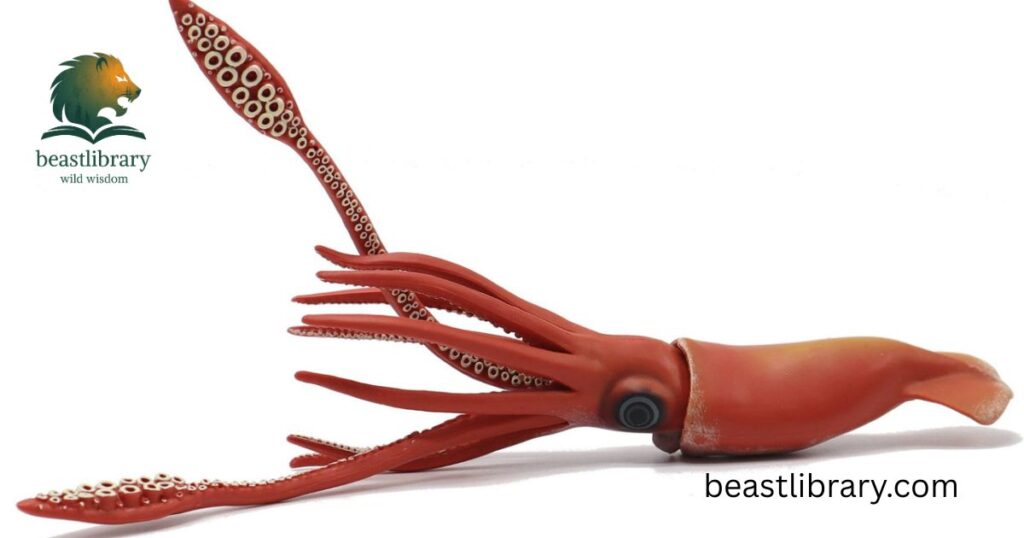
The Giant squid lives deep in the ocean and is rarely seen. It has some of the largest eyes in the animal kingdom about the size of a basketball. These eyes help it see in the dark and detect light from glowing sea creatures (bioluminescence).
These big eyes also help it find food, avoid danger, and survive in the deep sea where almost no light exist. Its eye size is an important adaptation for life in the ocean’s depths. It can grow very large sometimes up to 13–15 meters long (including tentacles).
6- Swordfish
Scientific name: Xiphias gladius
Class: Actinopterygii
Diet: Carnivore
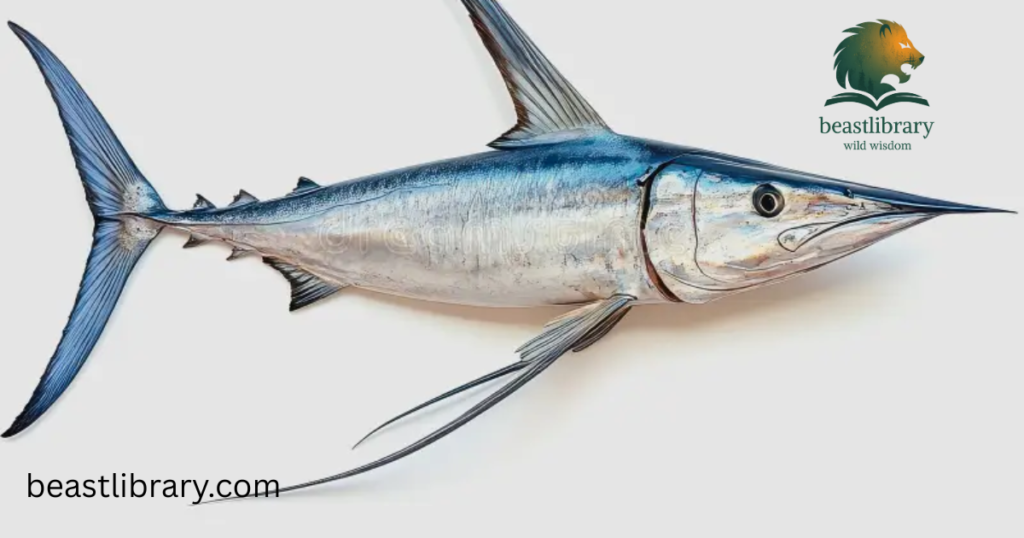
The swordfish is a large ocean predator found in warm and temperate oceans worldwide. It is known for its long sword-like bill and big eyes. It can warm its eyes and brain which helps it see in dark water where sunlight is weak.
This helps it find and catch fast moving prey like fish and squid. Its strong vision also helps it judge distance and strike quickly while hunting. Swordfish can swim very fast up to around 60–100 km/h.
7- Owl
Scientific name: Strigiformes
Class: Aves
Diet: Carnivore
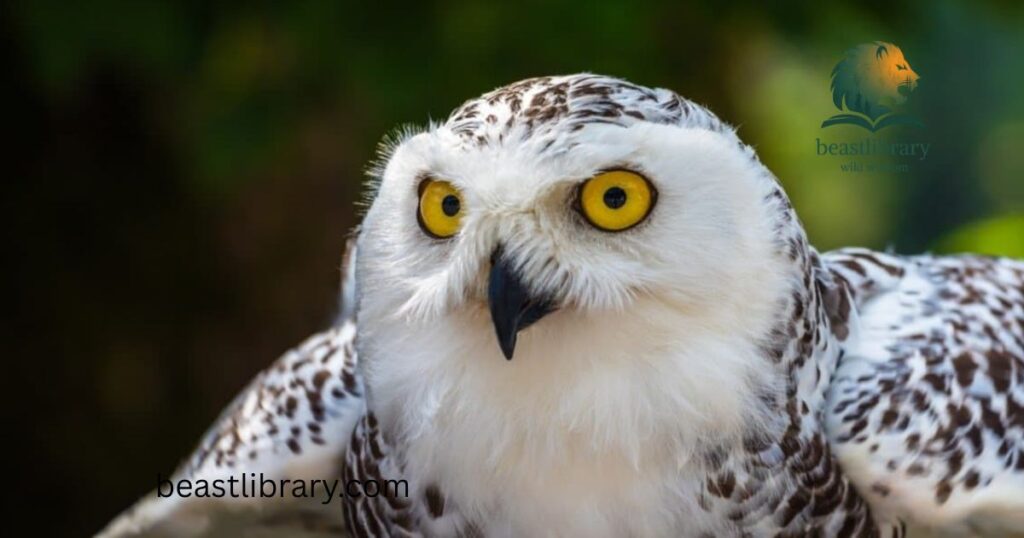
Owls are nocturnal sneaky birds known for their large, expressive eyes that help them see very well in low light. These big eyes help them to hunt effectively during night. Their eyes are fixed in place so they must turn their heads up to 270° to look around.
Their eyes also contain many rod cells, which improve their night vision and make them strong predators. Different eye colors may indicate whether an owl is more active at night or during the day. They have excellent night vision, but they can’t see well in bright light.
8- Tarsier
Scientific name: Tarsius
Class: Mammalia
Diet: Carnivore
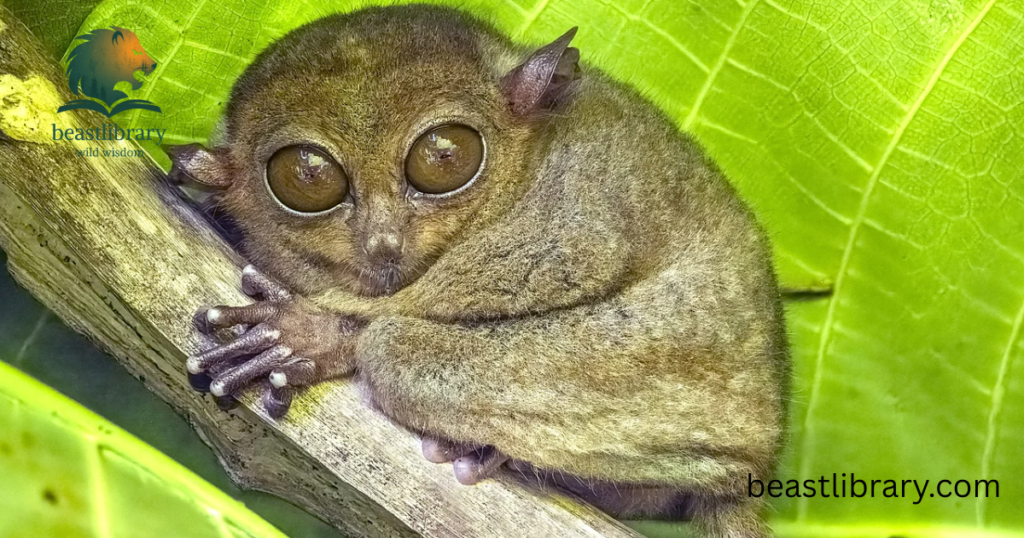
The Tarsier is a small primate belong to Southeast Asia, is well known for its large eyes, which can measure over 16 millimeters in diameter making them one of the largest relative to body size in the animal kingdom.
Each eye is about the same size as its brain. These eyes help it see clearly at night and hunt insects and small animals. They belong to small monkey breeds in wild.
The tarsier usually lives alone and depends on its night vision to survive. They communicate through high pitched sounds that humans sometimes can not hear. Tarsiers cannot move their eyes, so they turn their heads almost 180°.
9- Chameleon
Scientific name: Chamaeleonidae
Class: Reptilia
Diet: Carnivore
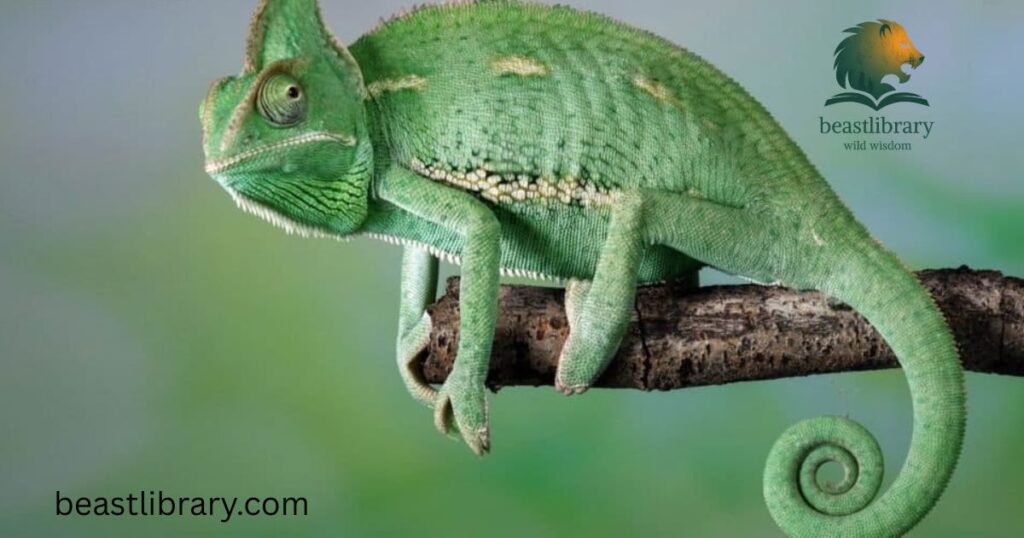
Chameleons are unique reptiles with large eyes that can move independently, giving them a 360° view. This ability makes it easier to spot predators and catch prey. Their strong vision also helps them use their long, sticky tongue to catch insects from a distance.
Their eyes even play a role in communication by showing their mood. They change color not just for defense but also to show mood and temperature. They are curled tail animal. They mostly eat insects but some larger ones can eat small animals.
10- Lemur
Scientific name: Lemuroidea
Class: Mammalia
Diet: Omnivore
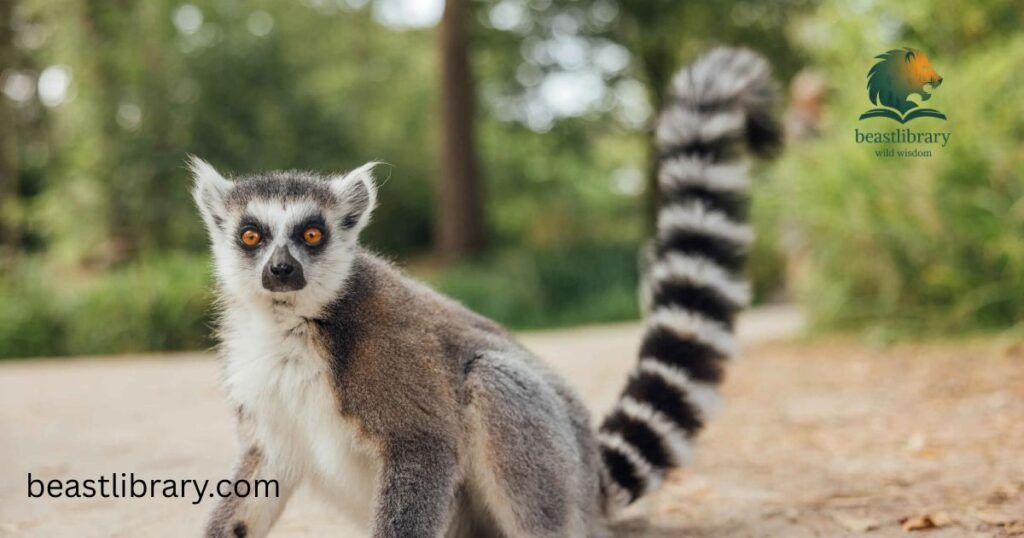
Lemurs are primates only found in Madagascar known for their big, expressive eyes. These large eyes help them see well at night and move easily in the forest while searching for food. They eat fruits, leaves, and sometimes insects.
Their eyes also help them communicate emotions like curiosity and playfulness. They are social animals and live in groups. They are animals that hibernate in wild. Many lemurs are nocturnal and their eyes can look bright in the dark.
11- Bushbaby
Class: Mammalia
Diet: Omnivore
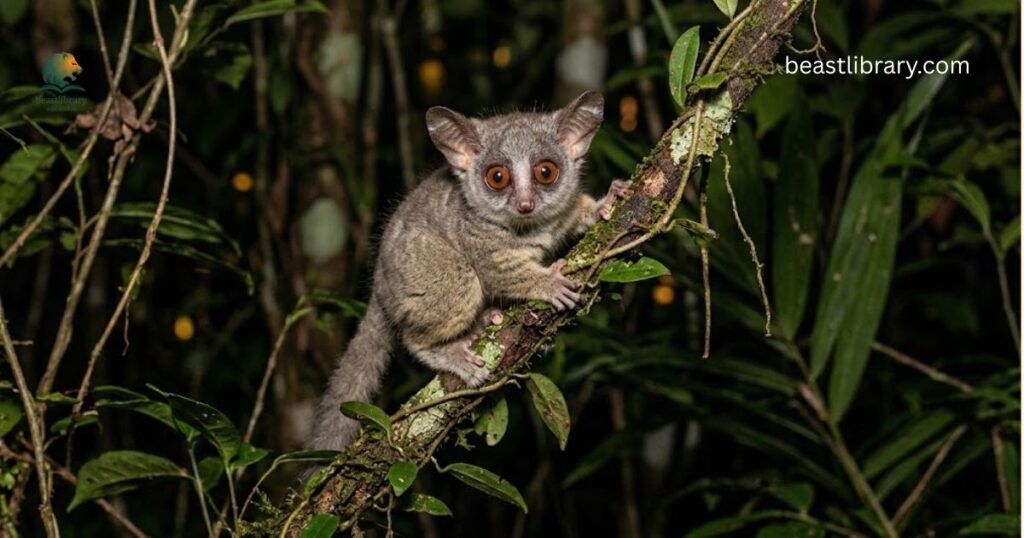
The bushbaby (galago) is a small nocturnal animal big eyes. These eyes help them see in the dark. Its strong night vision and sharp hearing help it find food. It can detect even tiny movements of insects at night using their sharp vision.
They get their name from their baby-like crying sound. They like to eat insects, fruits, and small animals. Even though it looks cute, it is very active and can jump up to 10 times their body length. They are curious animals of nature.
12- Rabbit
Scientific name: Oryctolagus cuniculus
Class: Mammalia
Diet: Herbivore
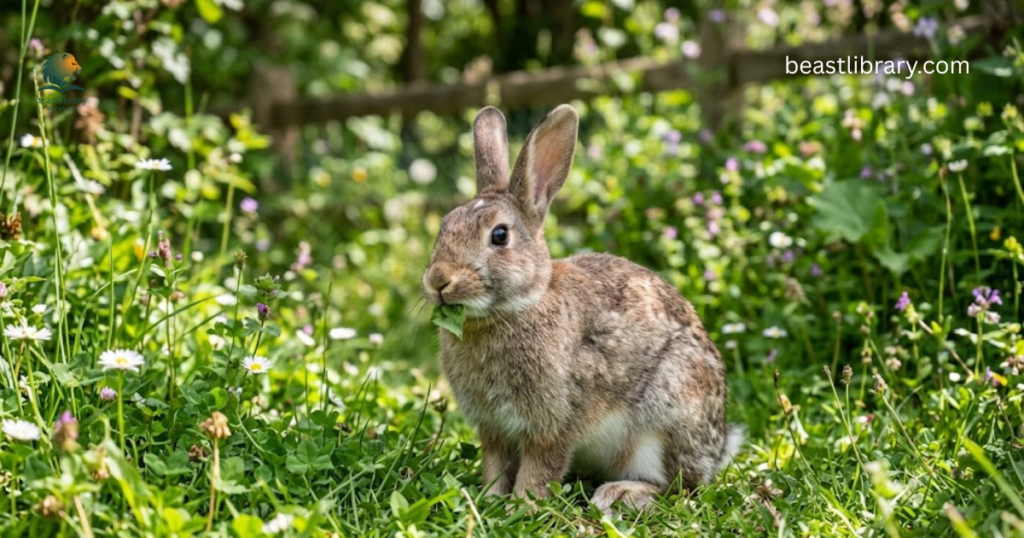
Rabbits have large eyes placed on the sides of their head. These eyes give them a wide (almost 360°) view to easily detect fast-moving predators quickly and stay safe. Their eyes also help them see well in low light, which supports their early morning and nighttime activity.
They have a blind spot directly in front of their nose. Their eye expression can show emotions like calmness or fear which help us to understand their mood. They are animals with fur of wild.
13- Pygmy Marmoset
Scientific name: Cebuella pygmaea
Class: Mammalia
Diet: Omnivore
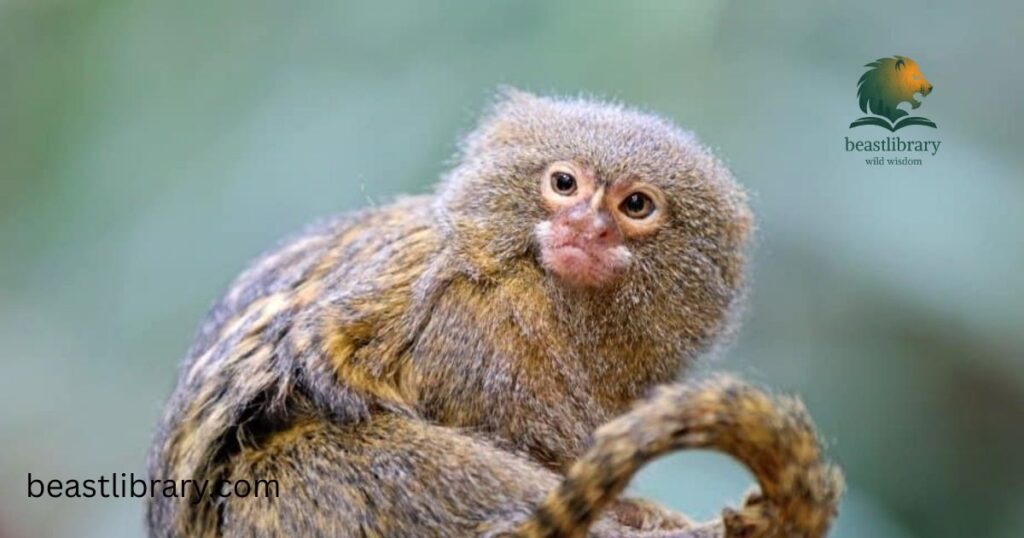
The Pygmy marmoset (finger monkey) is a very small primate with large eyes. These eyes help it see in low light inside rainforests. They love to eat fruits and insects.
They are social animals and live in family groups . They communicate through high pitched sounds. They can jump very far between tree branches for their size.
14- Ostrich
Scientific name: Struthio camelus
Class: Aves
Diet: Omnivore
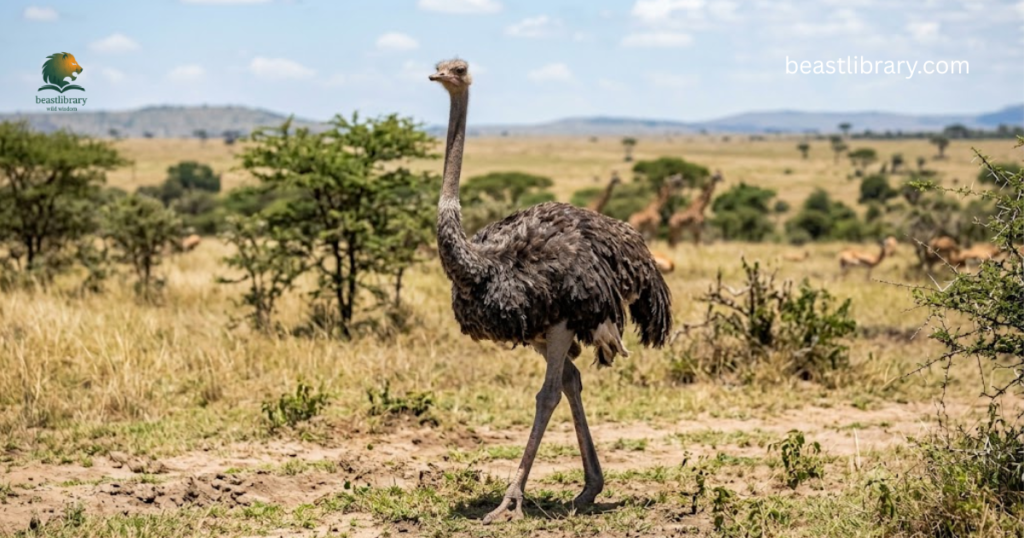
Ostriches are the largest birds with long neck in the world, but can not fly .They are big eye animals that help them see afar across open plains and spot predators early. Their eyes give them a wide view of their surroundings without moving much.
They also rely on strong eyesight along with fast running to escape danger, as they can run very quickly. They use their strong long legs to kick predators in defense.
Conclusion
Animals with Big Eyes use their incredible vision to hunt, stay safe, and see in the dark. Every mammal with big eyes relies on this special physical trait to read its surroundings and survive tough wild conditions.
FAQs
What animal has the biggest eye?
The animal with the biggest eyes is the giant squid, which huge eyes that can measure up to 10 inches (25 centimeters) in diameter. These massive eyes help it navigate the dark depths of the ocean.
What is cute animal with big eyes?
The tarsier is often considered the cutest animal with big eye in the world. These tiny primates, belong to Southeast Asia, have enormous eyes that are perfectly adapted for their nocturnal lifestyle.
Which bird has huge eyes?
Owls are known for their huge, striking eyes. Their large eyes are adapted for low-light conditions, allowing them to see well at night. This feature is essential for their hunting strategy, as many owls are nocturnal predators.