Top 15 Interesting Animals With Fur (With Images)
This remarkable feature not only keeps Animals With Fur warm but also plays a crucial role in camouflage and protection. In this article, we’ll explore the diverse world of animals with fur, uncovering facts about their behavior, habitats, and adaptations.
List of Animals With Fur
Here is the list of animals that have fur:
- Polar Bear
- Musk Ox
- Komondor
- Highland Cattle
- Arctic Fox
- Norwegian Forest Cat
- Afghan Hound
- Mountain Goat
- Angora Rabbit
- Yak
- Sea Otter
- Snow Leopard
- Alaskan Malamute
- Wolverine
- Arctic wolf
1. Polar Bear
Scientific Name: Ursus maritimus
Class: Mammalia
Diet: Carnivorous
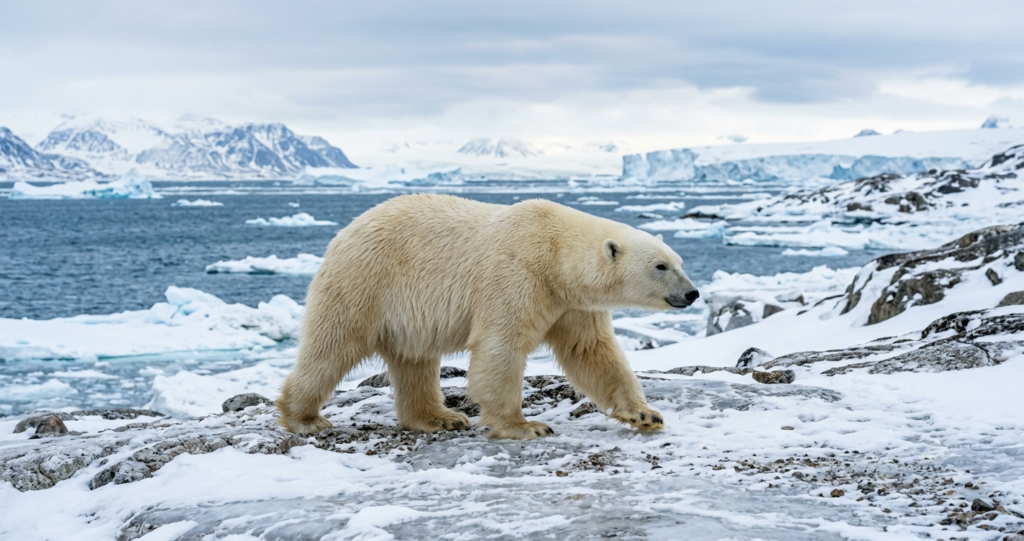
The polar bear, a magnificent sentinel of the Arctic, is not just a symbol of remote icy landscapes; it embodies an intricate balance between strength and vulnerability. Beneath its thick, white fur lies a dense layer of fat that can measure up to four inches, tailored for insulation against frigid temps that can plummet to -50°F (-45°C). This unique adaptation allows polar bears to thrive in an environment where few other creatures can survive, making them apex predators on sea ice where they hunt seals.
2. Musk Ox
Scientific Name: Ovibos moschatus
Class: Mammalia
Diet: Herbivorous
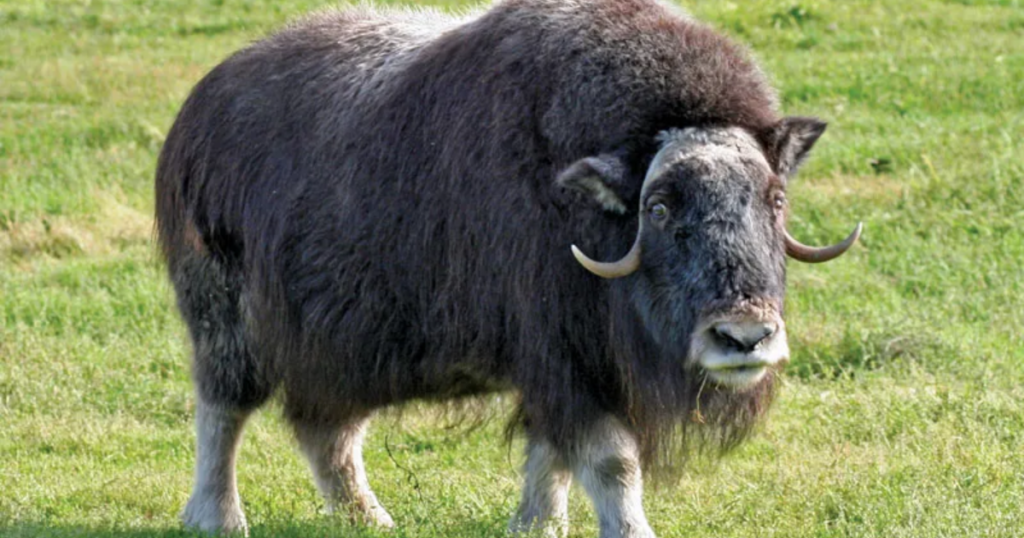
Musk oxen, with their thick, shaggy coats and striking curved horns, are examples of adaptation in the harsh Arctic environment. These prehistoric-looking creatures, native to Greenland, Canada, and parts of Alaska, possess an extraordinary insulating layer of fur called qiviut, under which lies a dense layer of fat that helps shield them from extreme cold. Interestingly, qiviut is considered one of the softest fibers in the world, rivaling cashmere, and is exceptionally warm yet lightweight an evolutionary marvel that allows these animals to thrive even in temperatures that plummet to -40°F.
3. Komondor
Class: Mammalia
Diet: Omnivorous
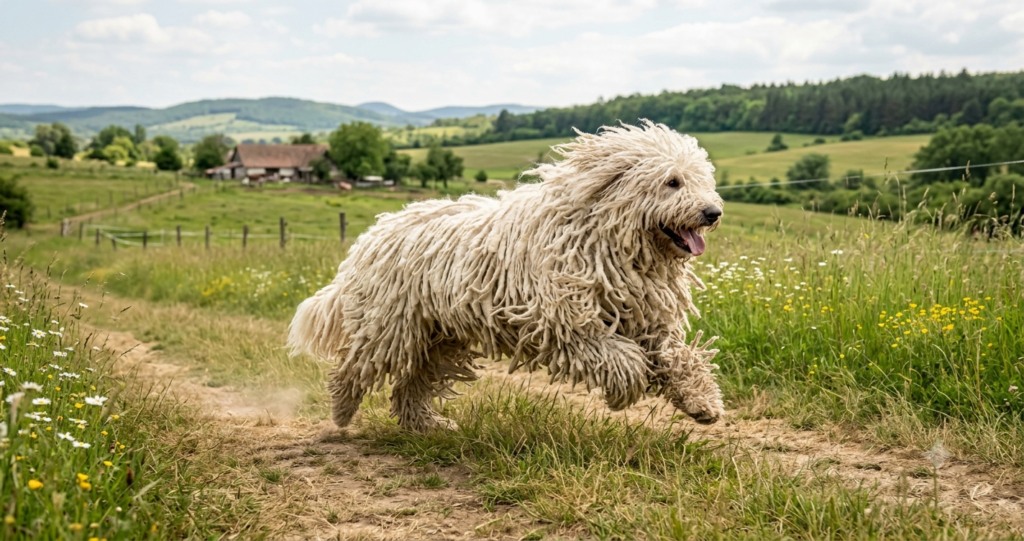
The Komondor, often referred to as the “mop dog” due to its distinctive corded coat, is nothing short of a living testament to nature’s artistry. Originally bred in Hungary as a livestock guardian, these majestic dogs are characterized by their long, thick, and rope-like fur, which forms naturally over time. This unique coat is not merely for aesthetic appeal; it serves a vital purpose, providing protection against harsh weather and predators, while also helping them blend seamlessly into sheep herds.
4. Highland Cattle
Class: Mammalia
Diet: Herbivorous
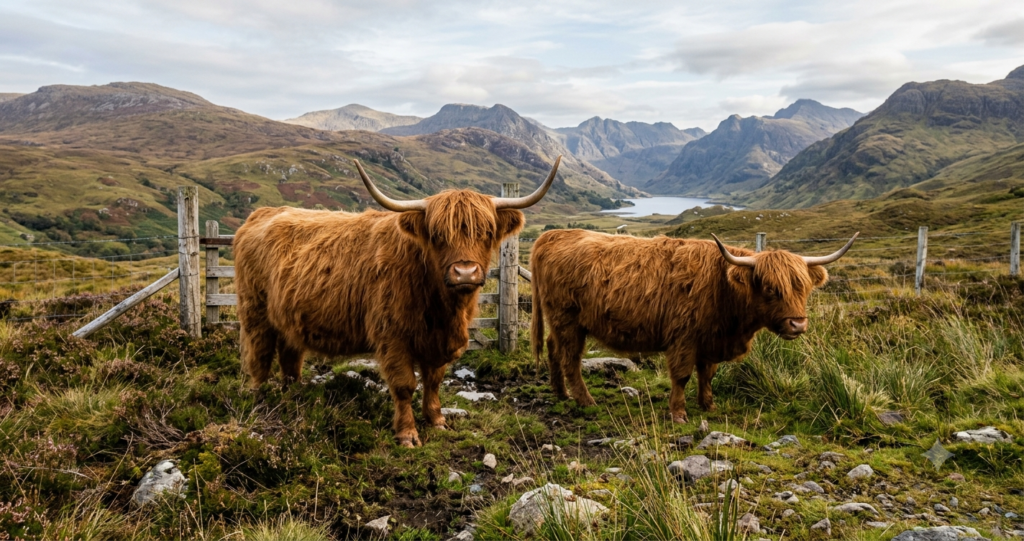
Highland cattle, with their iconic long horns and distinctive shaggy coats, are a true marvel among livestock. Originating from Scotland’s rugged Highlands, these animals have adapted to some of the harshest climates, thanks in part to their unique double-layered fur. The outer layer repels water and wind, while the inner layer provides insulation, making them a living testament to nature’s ingenuity in survival. This remarkable fur not only shields them from the elements but also creates a striking visual appeal, often making highland cattle a favorite subject for photographers and nature lovers alike.
5. Arctic Fox
Scientific Name: Vulpes lagopus
Class: Mammalia
Diet: Omnivorous
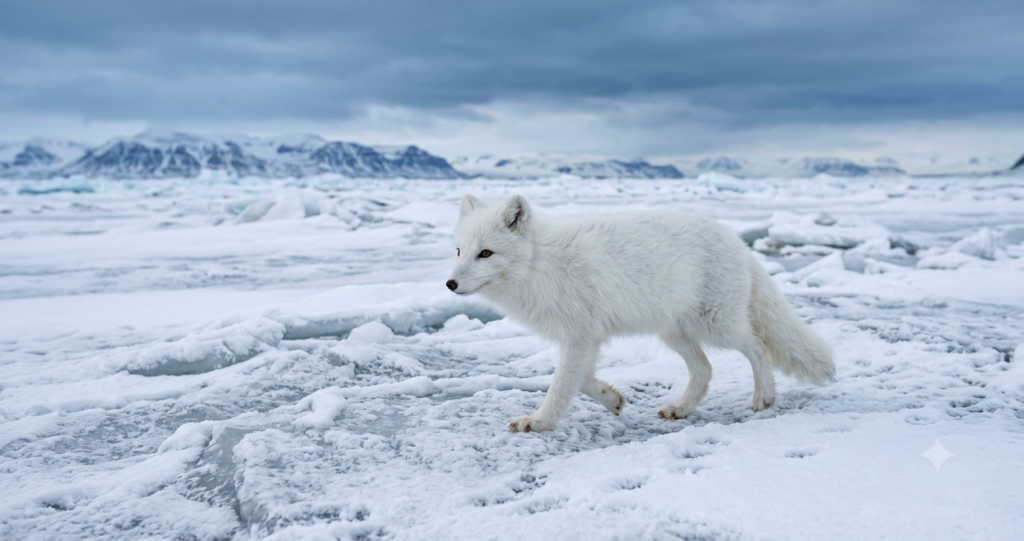
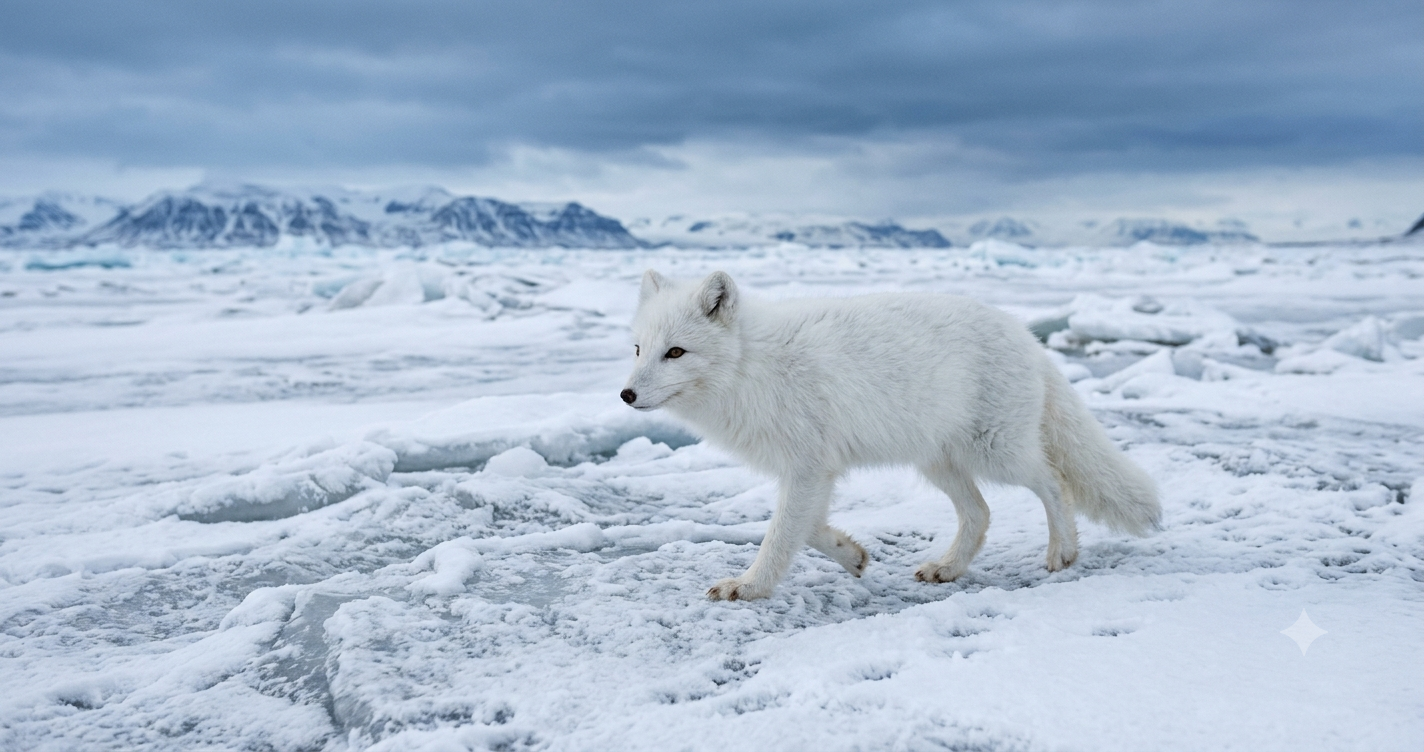
The Arctic fox, with its thick, fluffy coat, is a marvel of adaptability in one of the harshest environments on Earth. This small predator undergoes a remarkable transformation with the changing seasons its fur shifts from a brilliant white in winter, blending seamlessly with the snow, to a brown or gray hue in summer, allowing it to camouflage against the tundra’s rocky landscapes. This seasonal coat change isn’t just for aesthetics; it is a vital survival mechanism that aids in hunting and evading predators.
6. Norwegian Forest Cat
Class: Mammalia
Diet: Carnivorous
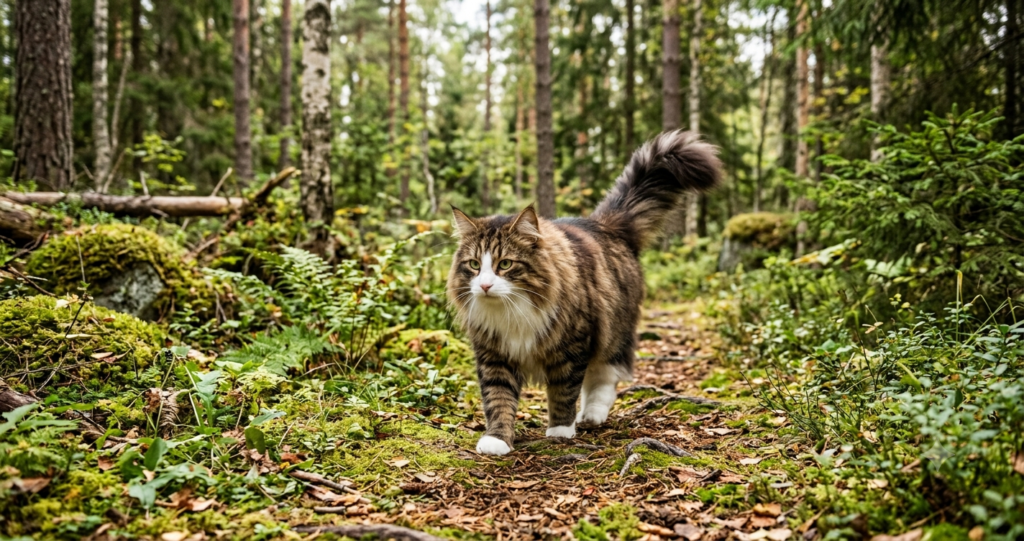
The Norwegian Forest Cat, a breed steeped in legend and history, boasts a striking coat that’s more than just beautiful; it’s a marvel of evolution. This breed, known for its thick, water-repellent fur, was designed to thrive in the harsh climates of Scandinavia, where snow and rain are regular visitors. The double-layered fur not only insulates them against the cold but also aids in shedding moisture, allowing these cats to roam freely in wet and wild environments.
7. Afghan Hound
Class: Mammalia
Diet: Omnivorous
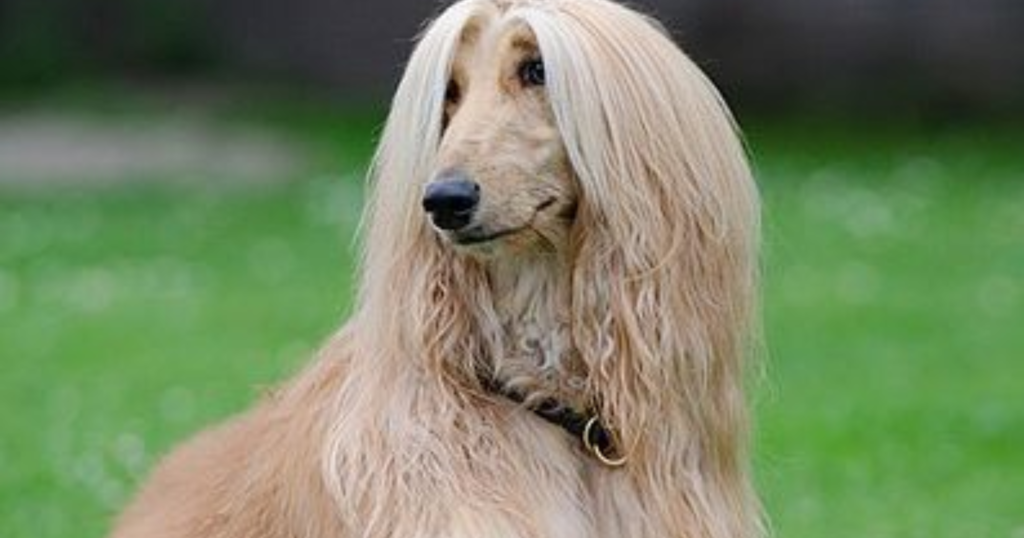
The Afghan Hound, with its majestic, flowing coat, embodies elegance and grace in the canine world. Originating from the rugged terrains of Afghanistan, this breed was traditionally used for hunting large game, showcasing not only beauty but also remarkable speed and agility. Their long, silky fur, which requires diligent grooming, serves a purpose beyond aesthetics; it acts as insulation against harsh weather, highlighting their adaptability to extreme conditions.
8. Mountain Goat
Scientific Name: Oreamnos americanus
Class: Mammalia
Diet: Herbivorous
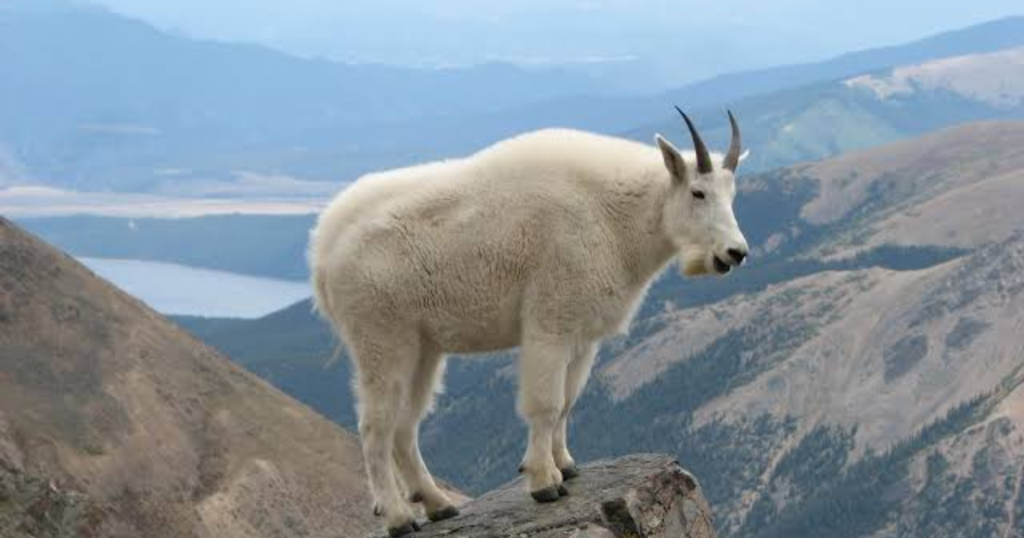
Mountain goats are truly remarkable creatures, not just for their impressive climbing abilities but also for their unique fur adaptations. Their thick, white coats are designed to insulate them against frigid mountain temperatures, acting as a shield against biting winds and snow. Interestingly, this fur isn’t merely for warmth; it serves as camouflage among the rocky terrains, allowing them to blend seamlessly into their alpine habitats. This strategic coloration is crucial for evading predators and navigating harsh environments.
9. Angora Rabbit
Scientific Name: Oryctolagus cuniculus
Class: Mammalia
Diet: Herbivorous
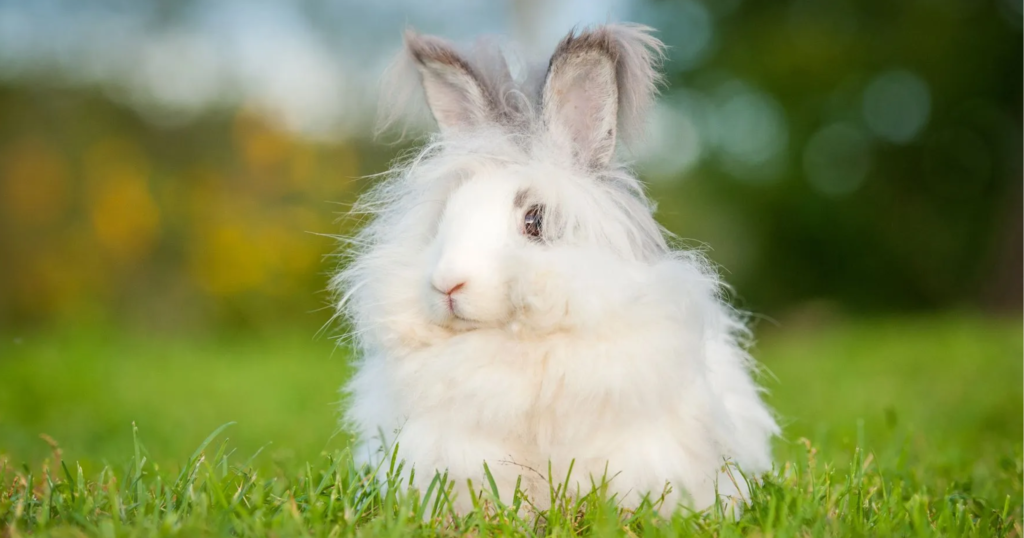
The Angora rabbit, a marvel of nature, captivates not just with its stunningly soft fur but also with its unique characteristics. Originating from Ankara, Turkey, these rabbits have been bred for centuries primarily for their luxurious wool, which can be spun into exquisite yarn. Unlike typical rabbits, Angoras have a rich history intertwined with the textile industry, making them pastoral companions and sources of artisanal delight. Their long, fluffy fur grows continuously, requiring regular grooming, which creates a unique bond between the rabbit and its caretaker.
10. Yak
Scientific Name: Bos grunniens
Class: Mammalia
Diet: Herbivorous
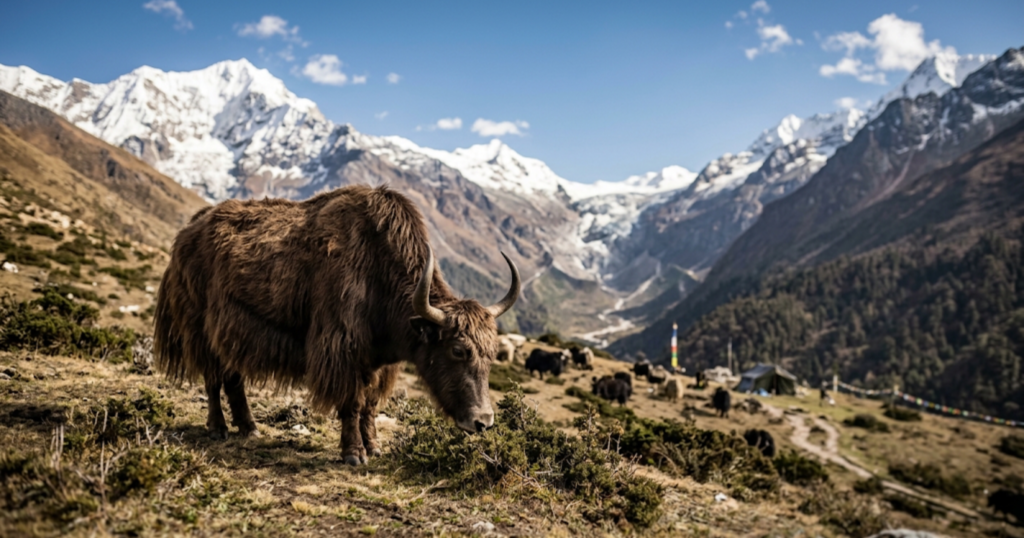
The yak, a magnificent creature native to the high-altitude plateaus of Central Asia, embodies resilience and adaptability. Its thick, long fur serves not only as protection against the biting cold of the Tibetan plateau but also as a resource for local communities.
Beyond their utility, yaks are also in their social structures. They thrive in matriarchal groups, with females often guiding herds through treacherous terrains and ensuring the safety of their young. This social bonding enhances their survival in extreme climates, showcasing the depth of their instincts and relationships. Observing these interactions offers a glimpse into the intricate balance of life in harsh environments, reminding us of the delicate ecosystems that exist beyond our immediate surroundings.
11. Sea Otter
Scientific Name: Enhydra lutris
Class: Mammalia
Diet: Carnivorous
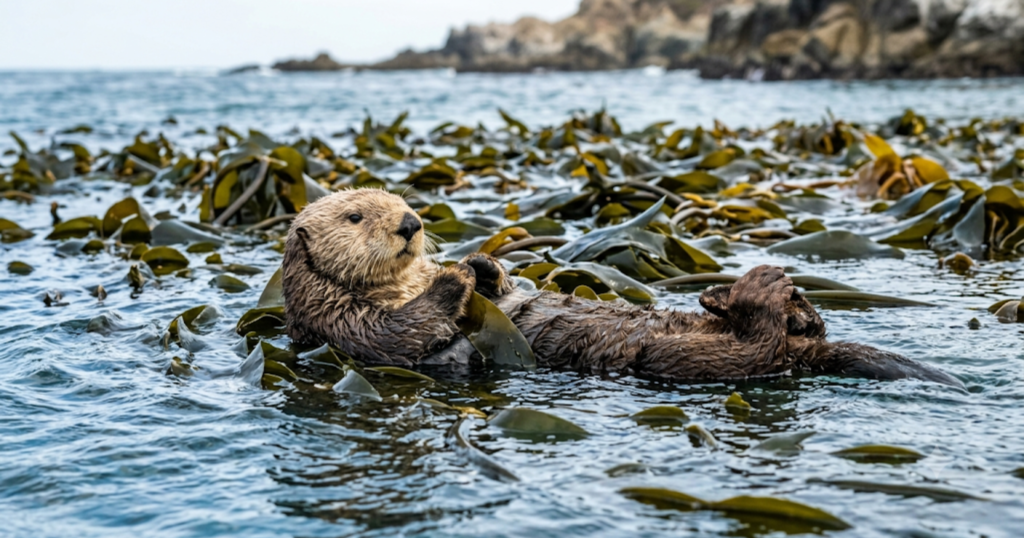
Sea otters are captivating creatures that exemplify the remarkable adaptations of marine life, particularly through their fur. Unlike other marine mammals, their dense, waterproof fur housing up to a million hair strands per square inch acts as an insulator. This extraordinary coat not only keeps them warm in icy waters but also highlights their grooming habits; sea otters spend a significant amount of time maintaining their fur to ensure it remains oily and buoyant.
12. Snow Leopard
Scientific Name: Panthera uncia
Class: Mammalia
Diet: Carnivorous
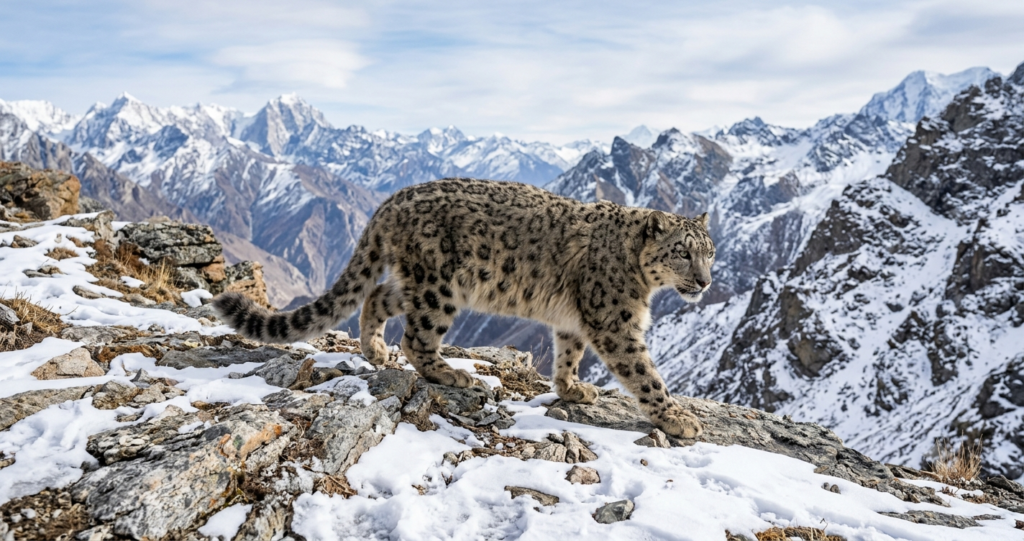
The snow leopard, often dubbed the “ghost of the mountains,” is as elusive as it is good. Its thick, luxurious fur is not just for beauty; it serves a crucial function in its harsh environment, providing insulation against the bitter cold of high-altitude habitats. Each snow leopard is adorned with a unique coat pattern of smoky-gray and black rosettes, allowing it to blend seamlessly into its rocky surroundings. This camouflage is essential for both hunting and avoiding detection, a characteristic that underlines the snow leopard’s reputation as a masterful predator.
13. Alaskan Malamute
Class: Mammalia
Diet: Omnivorous
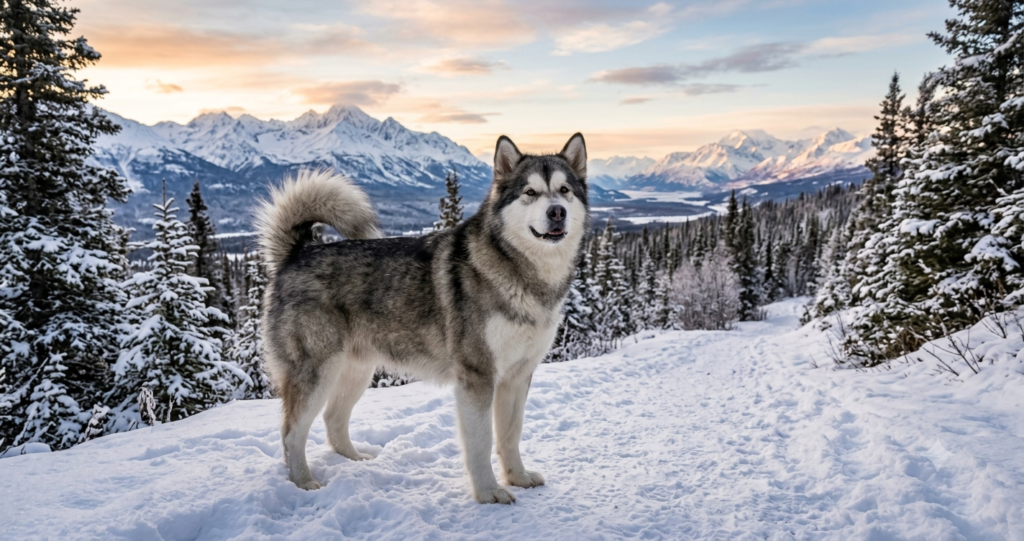
The Alaskan Malamute, often mistaken for a husky, boasts a striking presence with its thick, plush coat designed for extreme cold. This noble breed was originally developed by the Mahlemuts, an Inuit tribe, to haul heavy sleds across the rugged terrain of Alaska. Their fur isn’t just for looks; it insulates against frigid temperatures, making them superb companions for those who appreciate the great outdoors.
14. Wolverine
Scientific Name: Gulo gulo
Class: Mammalia
Diet: Carnivorous
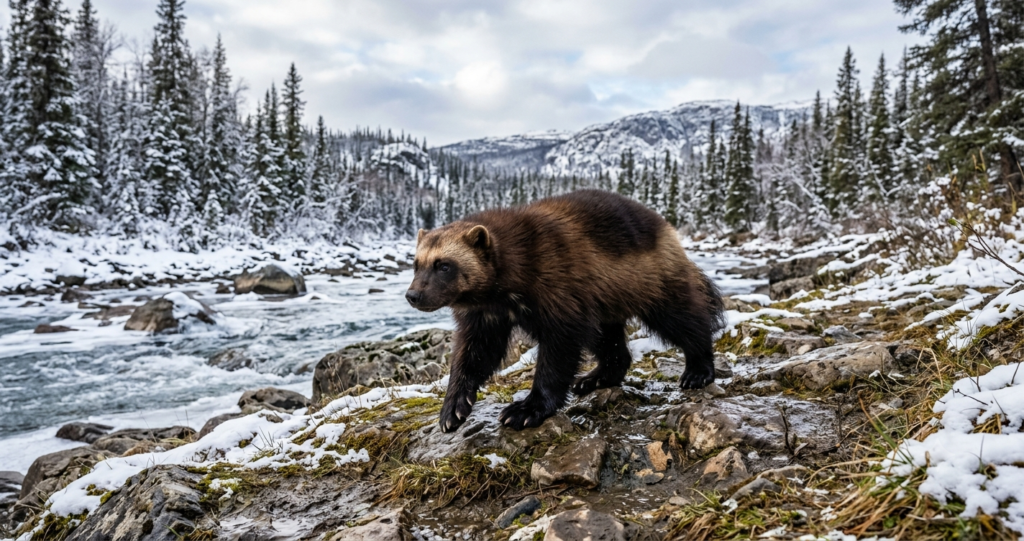
The wolverine, often misunderstood due to its fierce reputation, is a remarkable creature that embodies resilience in the face of harsh environments. Known for its stocky build and thick fur, it thrives in cold, rugged terrains, primarily across the northern boreal forests and tundra. This underrated member of the weasel family has an impressive metabolism, allowing it to traverse vast areas in search of food, including carrion, small mammals, and even the occasional larger prey. Its ability to cover distances up to 15 miles in a single day showcases both its tenacity and adaptability.
15. Arctic wolf
Scientific Name: Canis lupus arctos
Class: Mammalia
Diet: Carnivorous
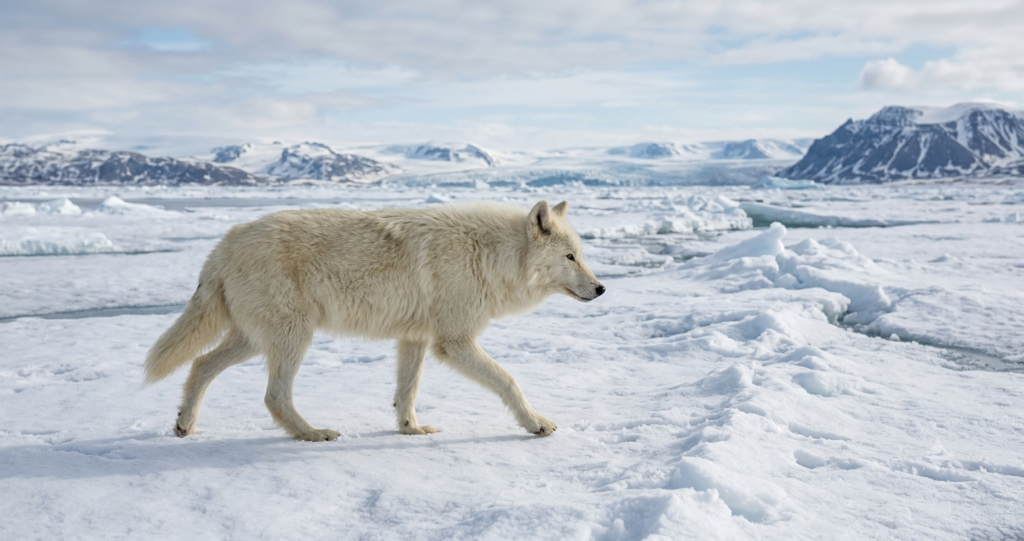
The Arctic wolf, a true embodiment of resilience, thrives in one of the harshest environments on Earth. With its thick, multilayered fur that ranges from pure white to gray, this majestic creature seamlessly blends into its icy surroundings. This adaptation isn’t merely for camouflage; it acts as an insulator, trapping air to keep the wolf warm during the frigid northern winters.
Final Thoughts
The diversity of Animals With Fur showcases the incredible adaptations that allow them to survive and flourish in our world. They not only enrich our lives with their presence but also contribute significantly to the balance of nature. Understanding and protecting these animals is essential, as they face numerous threats from habitat loss to climate change.
FAQs
What animals have fur?
Mammals such as cats, dogs, bears, rabbits, foxes, and squirrels have fur that helps keep their bodies warm and protected.
Why do animals have fur?
Fur helps animals stay warm, protect their skin, and sometimes blend into their surroundings.