Top 12 Animals That Eat Squirrels (With Images)
There are several animals that eat squirrels, learning about these natural predators helps us see an interesting side of nature. This article delves into the surprising relationships between these creatures and their prey, showing how predator help keep nature in balance.
1-Hawk: Animals That Eat Squirrels
Scientific Name: Buteo jamaicensis
Class: Aves
Diet: Carnivore
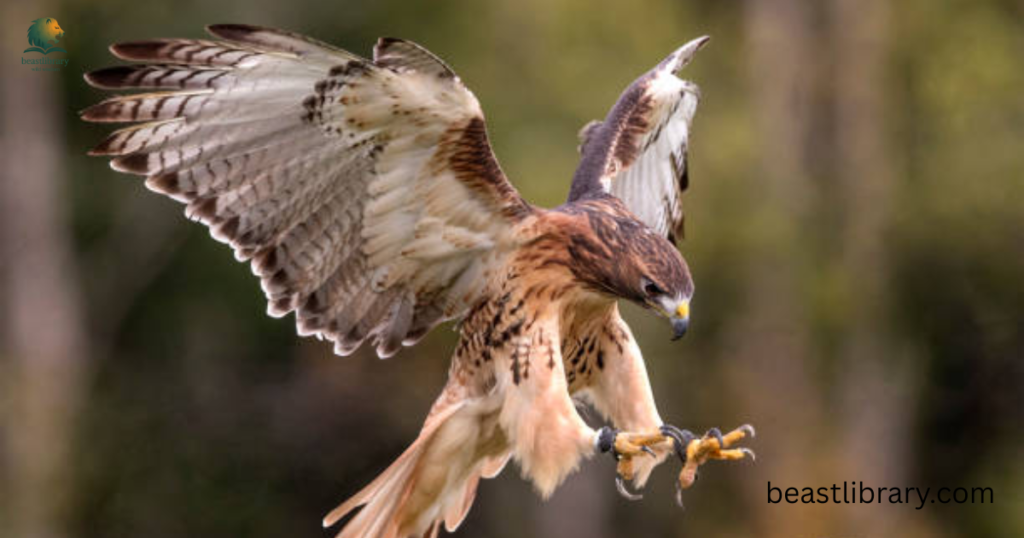
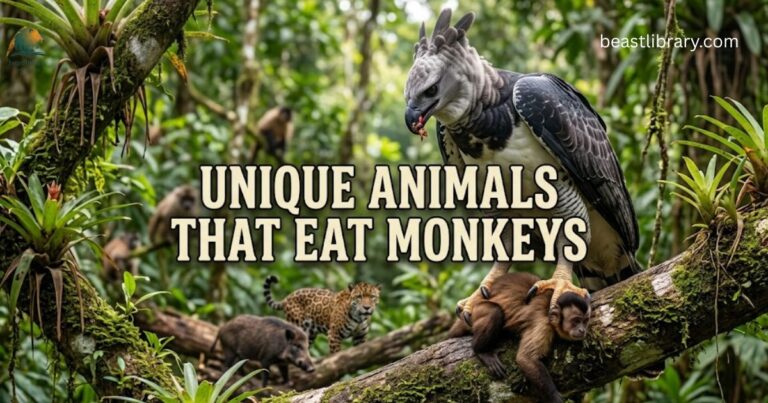
Hawks, with their keen eyesight and masterful hunting skills, are adept predators in the animal kingdom, occasionally setting their sights on monkeys. Though these raptors primarily hunt smaller mammals or birds, certain species of hawks have been observed employing impressive aerial tactics to snatch primates, especially young or weaker individuals.
If you are wondering what animals hunt squirrels, these birds of prey are perfect example, though they mostly catch smallar mammals or birds.
This predation highlights a fascinating dynamic: the balance of ecosystems where even primates, often seen at the top of their food chain due to their intelligence and social structures, can fall victim to aerial hunters.
2-Raccoon
Scientific Name: Procyon lotor
Class: Mammalia
Diet: Omnivore
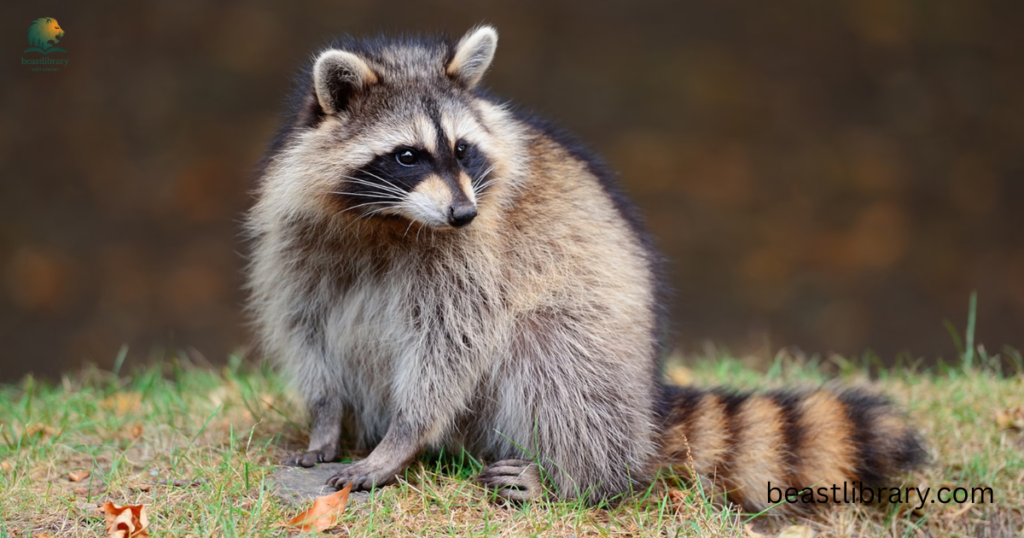
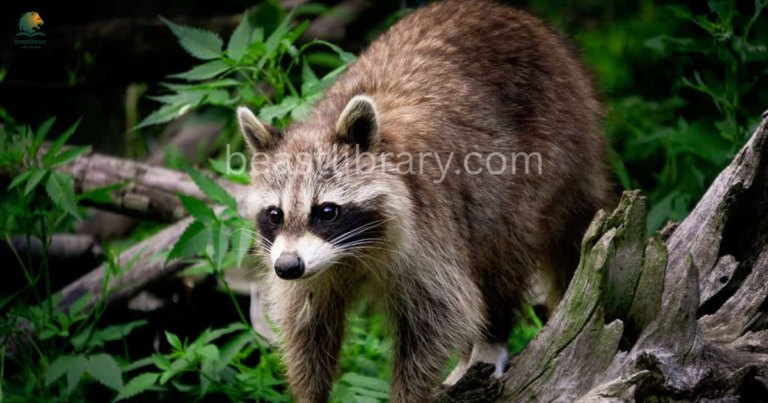
Raccoons, often dubbed as nature’s mischievous bandits, have an uncanny ability to thrive in urban environments, turning their scavenging reputation into an art form.
With dexterous paws akin to human hands, these creatures can open containers, unlock gates, and rummage through trash cans, showcasing a level of intelligence that both intrigues and appalls.
Their natural curiosity leads them to explore, giving them a reputation for being Dirtiest Animals in The World, but it is this very tenacity that makes them surprisingly adaptable survivors in a rapidly changing world.
3- Coyote
Scientific Name: Canis latrans
Class: Mammalia
Diet: Omnivore
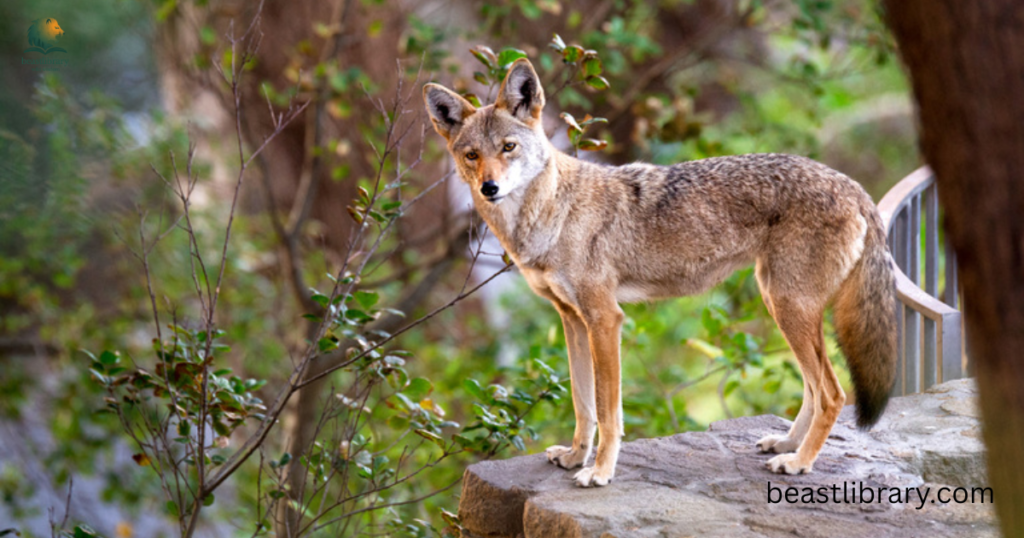
Coyotes has big ear renowned as the nimble survivors of the prairie ecosystem, are unique creatures that embody adaptability. equipped with sharp instincts and high intelligence, these animals thrive in a variety of setting, ranging from bustling cities to expansive nature fields.
If you wonder what are squirrels predators, coyotes are definitely on that list.
Their auditory signals ranging from haunting howls to playful yips create a symphony of sound that echoes across the plains, marking their communicating with pack members. This ability to adjust ensures their own survival & also maintains the health of the prairie environment.
4-Great Horned Owl
Scientific Name: Bubo virginianus
Class: Aves
Diet: Carnivore
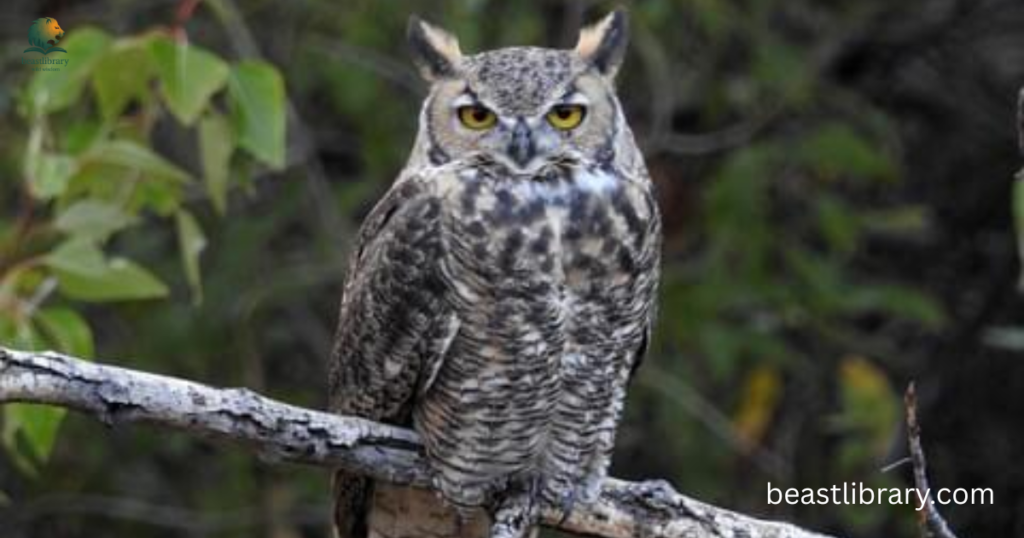
Owls, often emblematic of wisdom in various cultures, carry an air of mystique that captivates nature enthusiasts and casual observers alike. When wondering what animals are quiet in their behavior, This adaptation allows them to approach prey stealthily, making them formidable nocturnal hunters.
Past their hunting prowess, owls are deeply misunderstood nocturnal creatures. While their haunting calls evoke a sense of solitude, they actually play a vital part in keeping our ecosystems balanced.
Owls regulate rodent populations, and their presence signals a healthy environment. , they possess incredible vision and hearing, and their presence signals a healthy environment. , allowing them to navigate the darkness with astonishing precision.
5-Domestic Cat
Scientific Name: Felis catus
Class: Mammalia
Diet: Carnivore
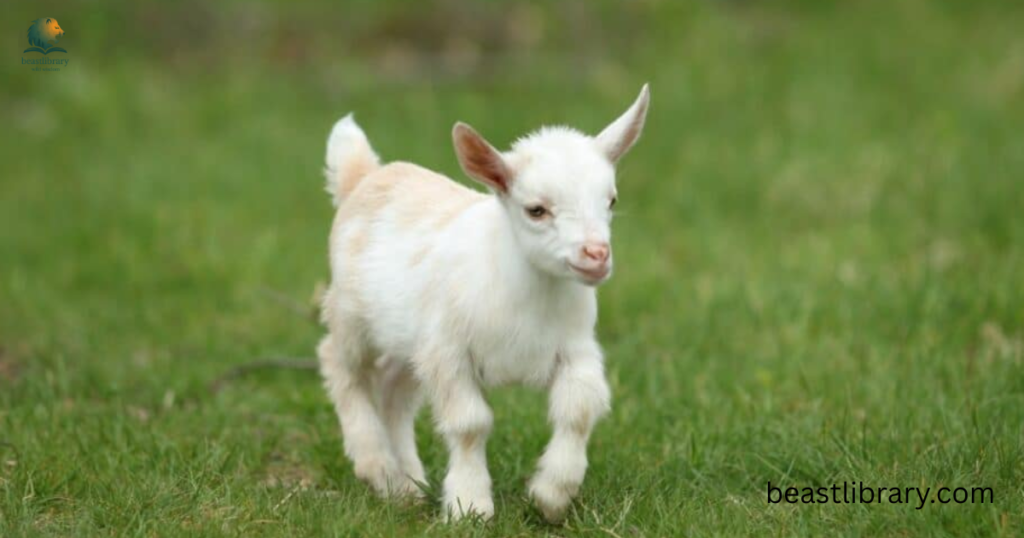
The domestic goat are hooved animals often surprises those unfamiliar with its personality. These creatures are far more than basic livestock. They are affectionate companions with a knack for forming strong connections with their human keepers.
Plenty of owners can confirm their distinctive, playful antics, which can range from climbing to the highest point in the yard to participating in impromptu games of chase. This playful spirit makes them delightful companions and a source of joy for families.
While a goat is an herbivore and not an animals that eat squirrels, they excel in their social environments.
Goats excel in their social setups, typically forming tight knit herds that prioritize cooperation and mutual support. Their innate curiosity drives them to investigate and communicate, not just with their own kind but with entirely different animals too.
6-Eagle
Scientific Name: Haliaeetus leucocephalus
Class: Aves
Diet: Carnivore
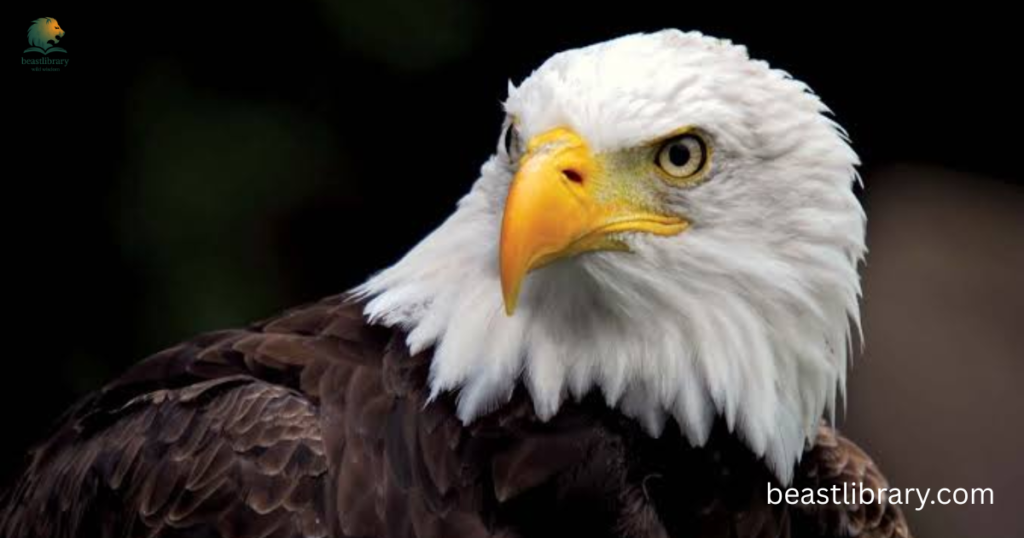
Eagles are North American birds of prey famous for their incredible grip and fishing skills. Here is a simplified look at how they use their claws and where they live:
High-Pressure Talons
The Grip: A bald eagle’s claws are called talons. They are curved and designed to “fasten” onto prey with crushing force.
If you are researching what eat squirrels, these powerful birds are prime example as they hunt small mammals when fish is scare. A golden eagle can fly at 28-32 mph in level soaring flight.
As they travel between seasons, these eagles ride wind current over extensive mountain ranges and ridge systems, (especially in North America and Eurasia). They can migrate at an altitude of 10,000 to 12,000 feet above high mountain passes.
Studies of the Rocky Mountain ridgeline migration of golden eagles revealed regular routes. they glide effortlessly at high altitudes where alternative migratory species would find it impossible to stay aloft.
In Central Asian territories, they fly right across the highlands of Kazakhstan and Mongolia, which has a 5,000 to 8,000 feet base elevation. They fly higher above that land than they are above sea level.
Golden eagles do not fly aimlessly. It’s a challenging mountain pass, hundreds of miles long.
7-Alligator
Scientific Name: Alligator mississippiensis
Class: Reptilia
Diet: Carnivore
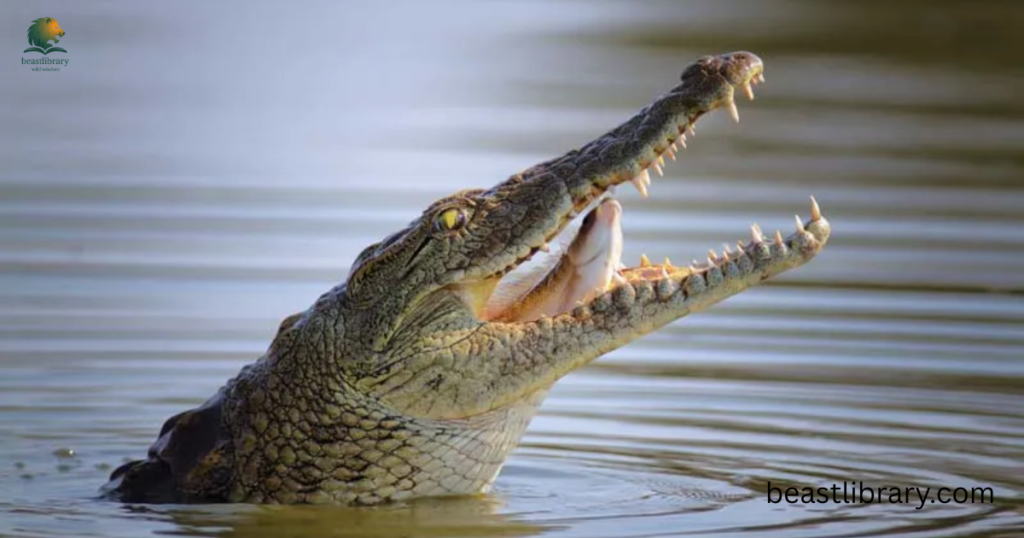
Crocodiles are among the oldest living reptiles on Earth, having survived virtually unchanged for over 200 million years, making them true evolutionary success stories. They possess 64–68 large, conical teeth designed not for chewing but for gripping and holding prey.
Classified under the class Reptila and order Crocodiles, crocodiles are opportunistic carnivores that feed on fish, birds, mammals, and even large animals like buffalo and wildebeest near water sources. They are found in savannas.
The saltwater crocodile holds the record for the strongest bite force of any living animal, measured at a staggering 3,700 PSI. Crocodiles employ a signature hunting technique known as the “death roll,” spinning violently in water to dismember prey.
8-Snakes
Scientific Name: Serpentes
Class: Reptilia
Diet: Carnivore
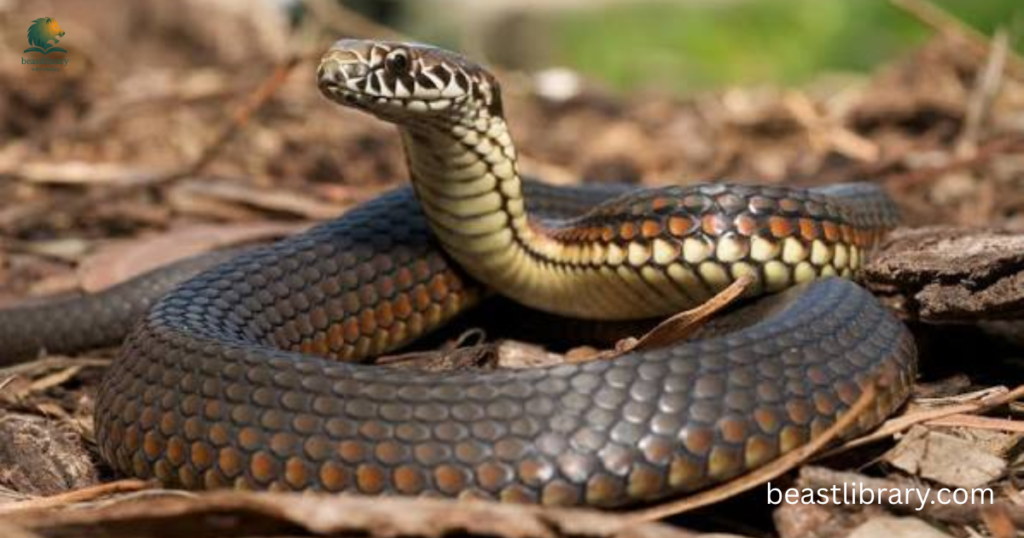
Snakes are striped reptiles showing how creatures can live without limbs. These sharp teeth legless reptiles have the art of movement through a series of complex muscle contractions and coordinated scales that allow them to glide, and climb with remarkable agility.
Each scale acts like a tiny grip against the surface, enabling them to ascend vertical surfaces or even swim effortlessly through water. This unique mode of locomotion not only enhances their hunting techniques but also provides a strategic advantage against predators.
9-Gray Wolf
Scientific Name: Canis lupus
Class: Mammalia
Diet: Carnivore
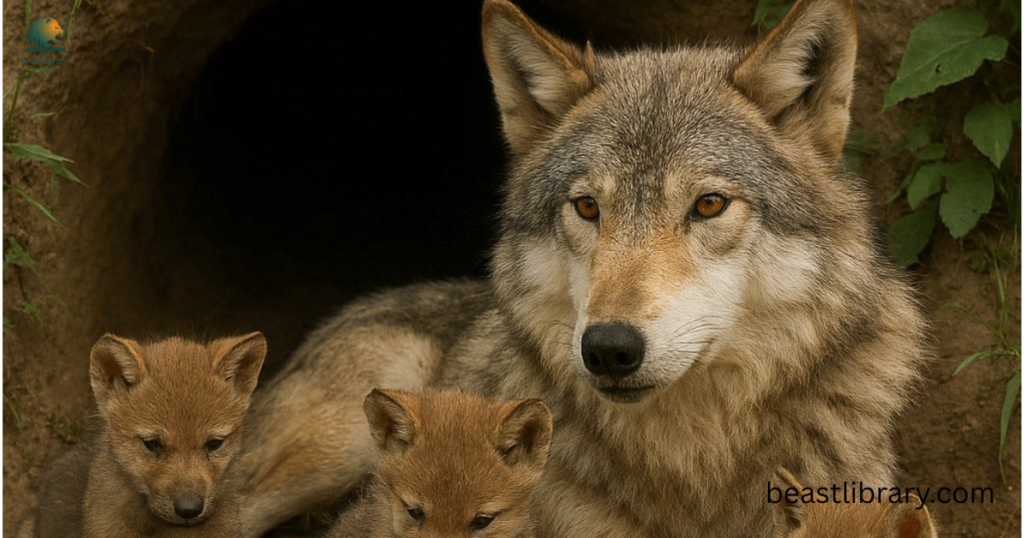
The gray wolf prairie landscape animal. It plays a fundamental capacity in sustaining the ecological balance. Functioning as top tier predator, they moderate the populations of grazers like deer, which mitigates the destruction of plant life and promotes lush vegetation.
Each pack works together to hunt and raise their young, exemplifying their intelligence and teamwork. Every member of the group collaborates to hunt and nurture their offspring, demonstrating impressive collective intelligence.
The howl of a gray wolf reverberates across the open prairies, not merely as a mechanism of communication but as a evocative reminder of the wildness that still exists in our rapidly changing world.
10-Weasels
Scientific Name: Mustela nivalis
Class: Mammalia
Diet: Carnivore
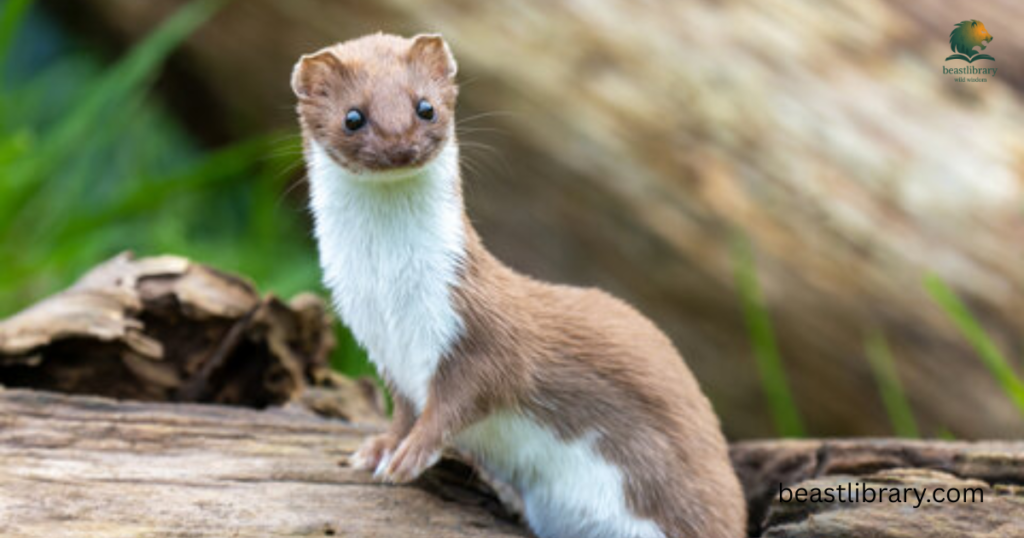
A weasel is a small, slim wild mongoose type animal known for its speed, agility, and hunting skills . It has a long, thin body that helps it move easily through narrow spaces. Weasels live in different environments like forests and grasslands, and as prominent rabbit predators, they hunt small animals, birds, and insects.
Both creatures are masters of adaptation and cleverness. They can survive in many conditions and use their speed both to catch prey and escape from predators. Their behavior can change depending on the environment. Some weasels live alone, but they may come together during breeding season.
They also have smart defense strategies such as pretending to be dead or acting aggressively to scare enemies which is similar to how mongooses protect themselves.
11-Fox
Scientific Name: Vulpes vulpes
Class: Mammalia
Diet: Omnivore
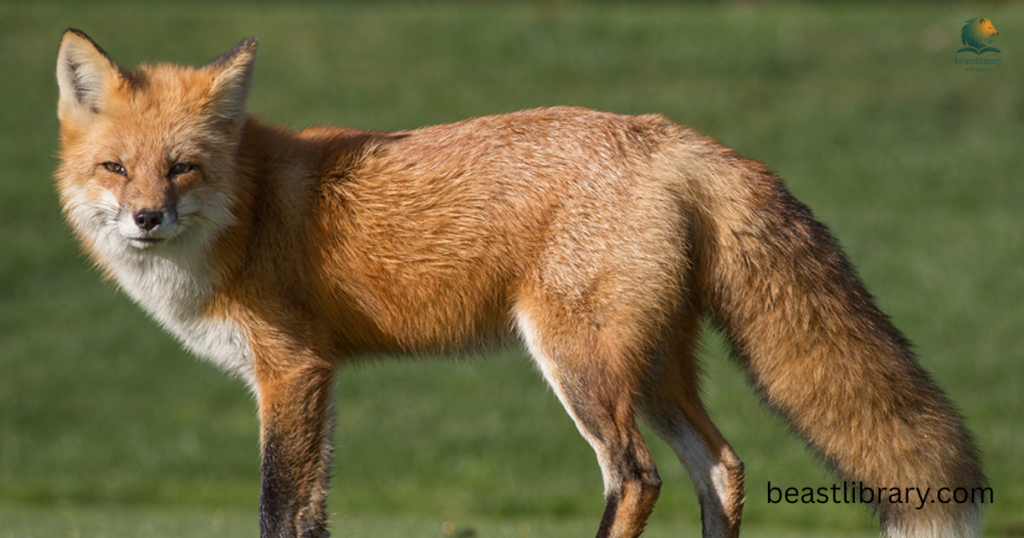
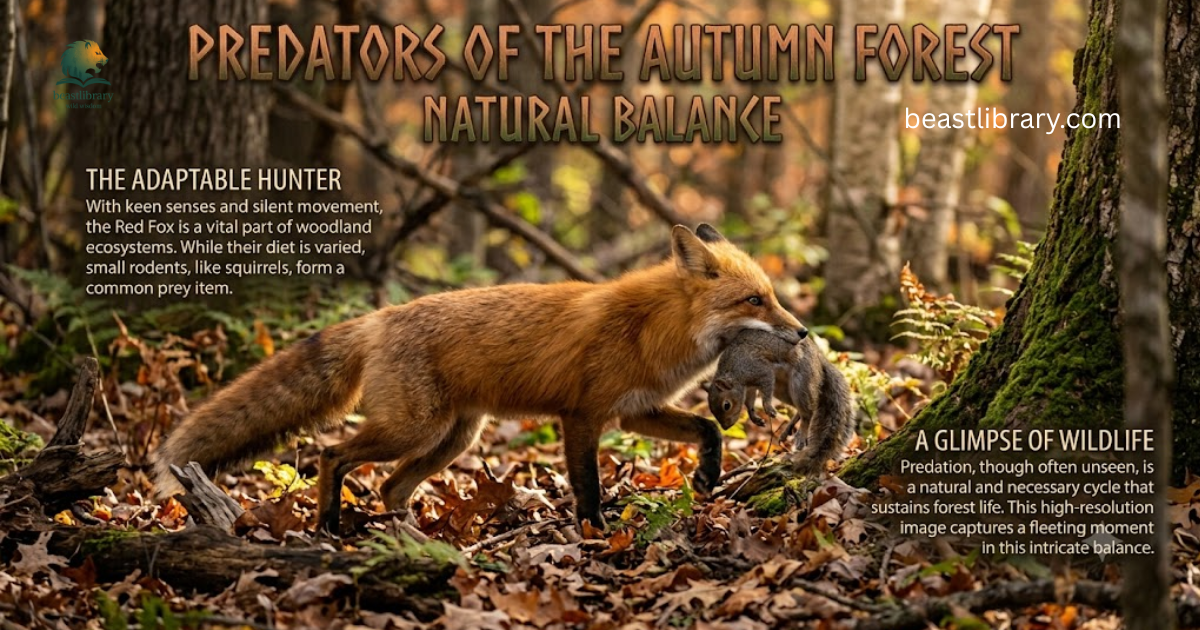
In the intricate web of nature, the cunning fox emerges as a surprising predator, albeit infrequently, of monkeys. While primarily known for their agility and adaptability in diverse environments, foxes are opportunistic feeders.
Among the elusive creatures of the wild, foxes display an intriguing mix of cunning intelligence and vocal prowess. Known for their striking red fur and bushy tails, these animals aren’t shy about expressing themselves, and their growls are an essential part of their communication repertoire.
Unlike the deep, menacing growls of larger predators, the fox’s growl tends to be more nuanced, often resembling a series of barks or chortles that can signify everything from alerting family members to warnings about potential threats.
In areas where their habitats overlap with monkey populations, such as certain forested regions, a fox may target young or weak primates, especially if other food sources are scarce. This unusual dietary choice highlights the versatility of the fox in navigating the complexities of the food chain.
12-Bobcat
Scientific Name: Lynx rufus
Class: Mammalia
Diet: Carnivore
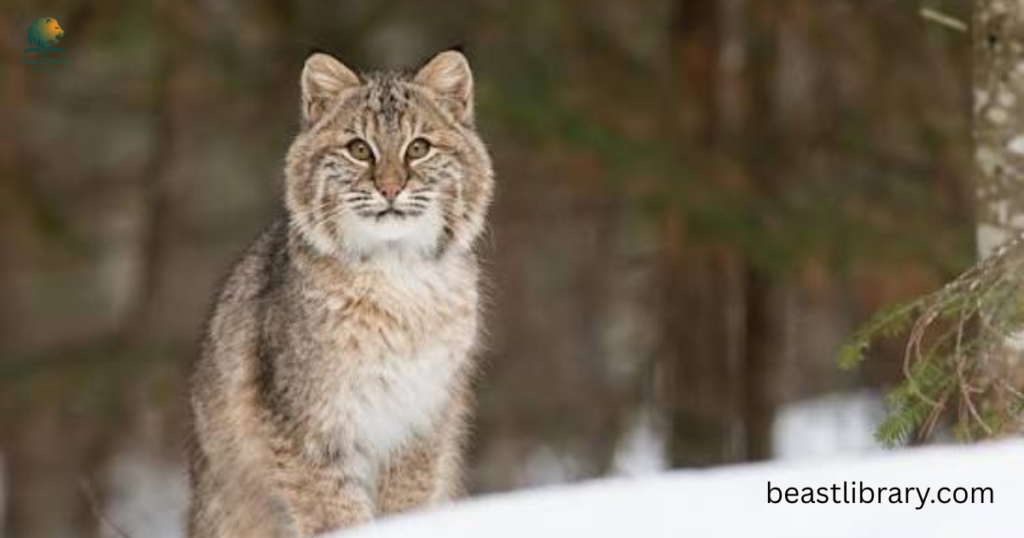
Bobcats are North American animals. They have tufted ears that assist them in identifying their prey such as rabbits, Forests, brushlands, birds and rodents. these residents of forest, swamps possess and brushlands, and ears designed to amplify ambinent sounds.
They spend daylight hours resting inside dense bushes, keeping their ears constantly tuned for signs. as key predators of squireels and other small creatures, these inhabitants of forests, swamps, and brushlands have ears designed to boost surrounding sounds.
Their ears rotate easily to follow target movements while stalking. bobcats are solitary, territorial predators. they spend daylight hours resting inside dense bushes, keeping their ears constantly tuned for signs of trouble. they prefer to hunt during dawn and dusk, staying hidden while waiting for the eight movement.
Final Words
The predators that hunt animals that eat squirrels show the amazing working of nature’s food chain. Various species, likes foxes, raccoons, and owls, contribute to the ecological balance by managing squirrel populations.
Every interaction between a predator and its prey reminds us how closely connected life is in our environment. By gaining insights into these relationships, we can better understand the importance of wildlife conservation efforts.
FAQs
What eat squirrels?
Squirrels eat nuts, seeds, fruits, and insects. They also eat berries, mushrooms, and sometimes bird eggs.
What animals eat squirrels the most?
Hawks, owls, foxes, and snakes are the main animals that eat squirrels. These predators hunt squirrels for food in forests and fields.
Can a snake eat a squirrels?
Yes, some large snakes can eat squirrels. They catch and swallow squirrels whole if they can overpower them.
Do falcons eats squirrels?
Yes, some Falcon species can eat squirrels. They hunt small squirrels, especially young or small ones.