Top 8 Unique Mammals That Cannot Jump (With Pictures)
Did you know all Mammals That Cannot Jump, While many are born to jump, a surprising number of interesting mammals, including elephants and sloths, are grounded by their anatomy and lifestyle. In this article, we’ll explore the curious world of mammals that cannot jump, uncovering their unique adaptations and roles in the ecosystem.
List of Mammals That Cannot Jump
Below is the list of mammals that cannot jump:
- Rhinos
- Elephants
- Porcupines
- Walrus
- Hippos
- Manatees
- Sloths
- Opossums
1. Rhinos
Scientific name: Rhinocerotidae
Class: Mammalia
Diet: Herbivore
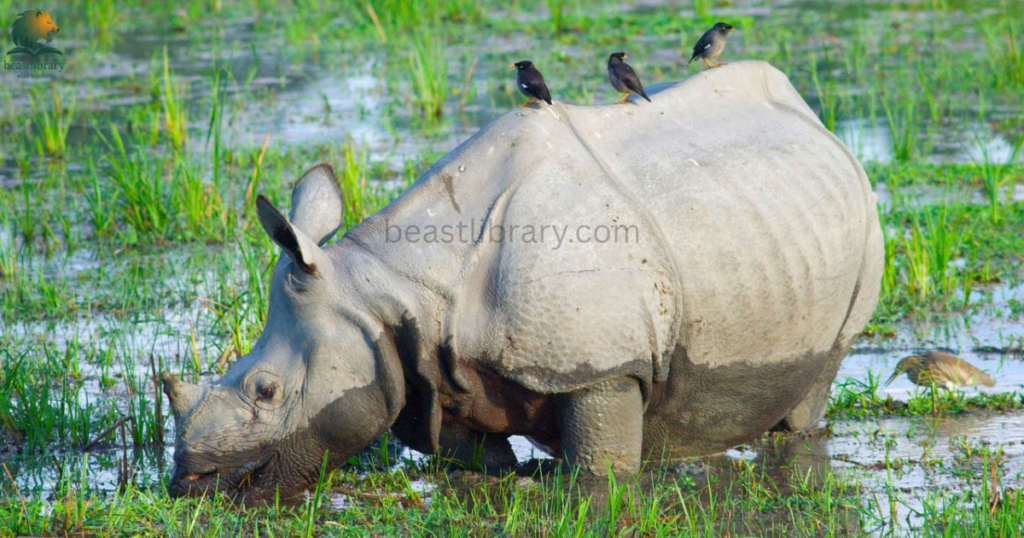
Rhinos, with their immense size and thick skin, epitomize strength, but they also flaunt a surprising limitation: their inability to jump. Unlike many mammals that rely on leaping as a means of eviction or escape, rhinos, with their heavy bodies and stout legs, are perfectly adapted to a ground-dwelling lifestyle. They are wild growling animals. Their weight, which can reach up to 2,300 kilograms, makes any form of jumping not just impractical, but nearly impossible. Instead of agility, these majestic creatures possess a lumbering grace, moving with a slow confidence that integrates seamlessly with their rich ecosystems.
2. Elephants
Scientific name: Elephantidae
Class: Mammalia
Diet: Herbivore
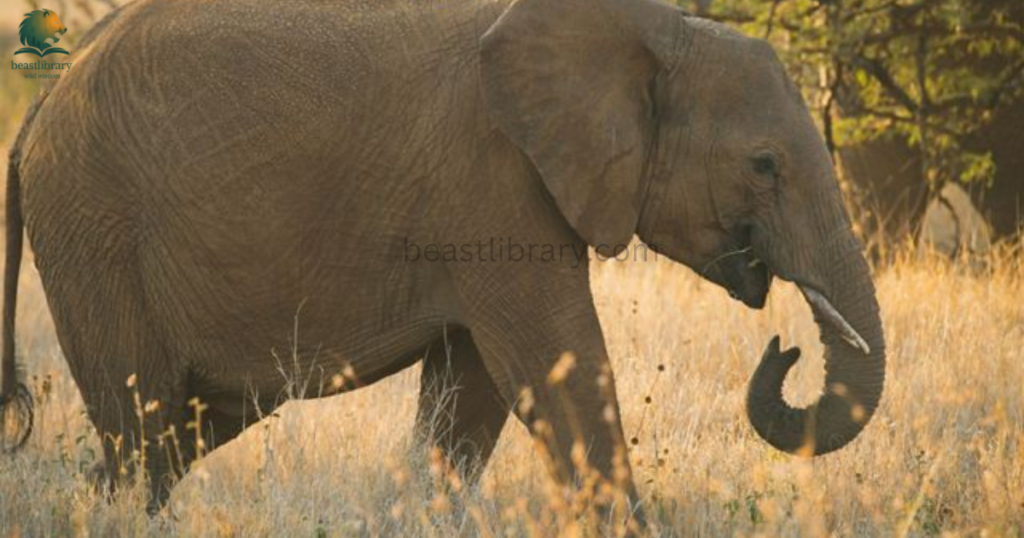
Elephants, the gentle giants of the animal kingdom, captivate our hearts with their intelligence and social bonds, but their inability to jump is a aspect often overlooked. Unlike many mammals that rely on jumping as a means of escape or play, elephants have evolved their massive bodies for strength and endurance rather than agility. This lack of vertical leap might seem limiting, yet it speaks volumes about their adaptability to diverse environments. With an average weight of 6,000 to 15,000 pounds, jumping isn’t just impractical; it’s biomechanically unfeasible, necessitating a different survival strategy attuned to their social structures and habitat.
3. Porcupines
Class: Mammalia
Diet: Herbivore
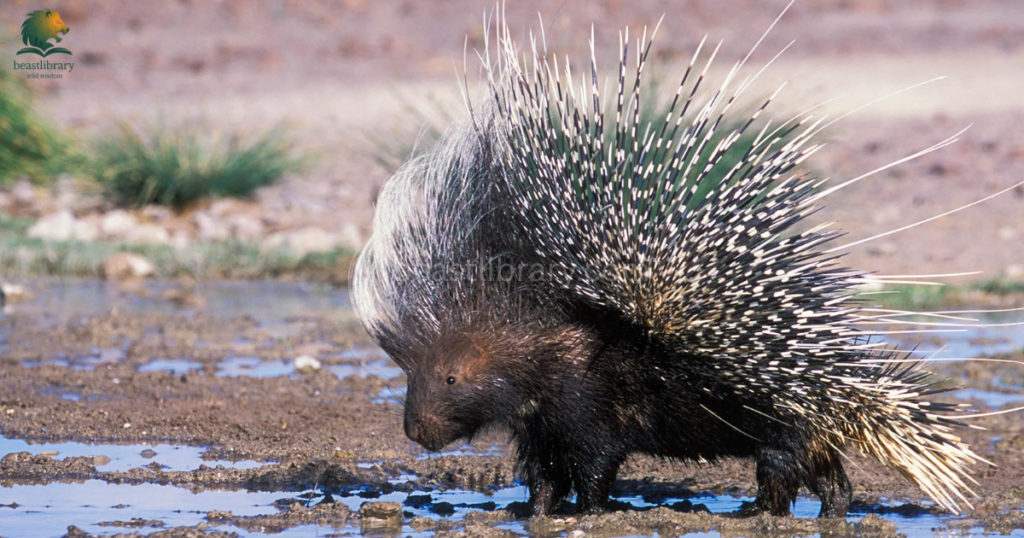
Porcupines are animals With heavy, stocky bodies and sturdy limbs, these creatures are built for stability rather than agility. Their short legs are optimized for foraging on the forest floor, a moist habitat where they can munch on leaves and bark without needing to leap over obstacles. This design makes porcupines masterful climbers rather than jumpers, allowing them to navigate trees with surprising ease and grace.
Yet, what they lack in vertical prowess, they more than make up for with a powerful defense mechanism. Equipped with sharp quills, porcupines rely on their formidable spines to ward off predators, a clever strategy reflecting their evolutionary adaptation to a jumping-free lifestyle. Instead of fleeing in flight, they maintain a low profile, using their surroundings to blend in and avoid detection.
4. Walrus
Scientific name: Odobenus rosmarus
Class: Mammalia
Diet: Carnivore
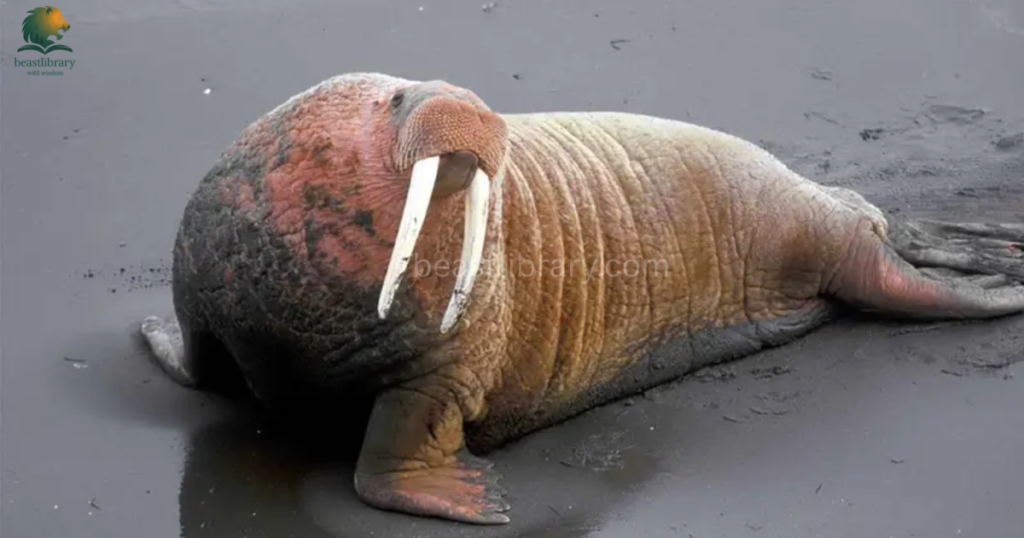
The walrus, a majestic marine mammal, possesses a charm that lies not in its agility but in its sheer mass, unique adaptations, and social behavior. With their blubbery bodies often tipping the scales at over a thousand pounds, these gentle giants glide gracefully through the icy waters rather than defying gravity with leaps. Their hefty bulk may prevent them from jumping, but this limitation fosters a remarkable lifestyle perfectly suited to life on the icy coasts of the Arctic.
What they lack in vertical prowess, walruses make up for in social complexity. Often seen lounging in massive colonies, they engage in vocalizations that resonate across the ice, forging bonds and establishing hierarchies. Their long tusks, which can grow to impressive lengths, serve not only as tools for defense and hauling themselves onto ice but also as a means of communication.
5. Hippos
Scientific name: Hippopotamus amphibius
Class: Mammalia
Diet: Herbivore
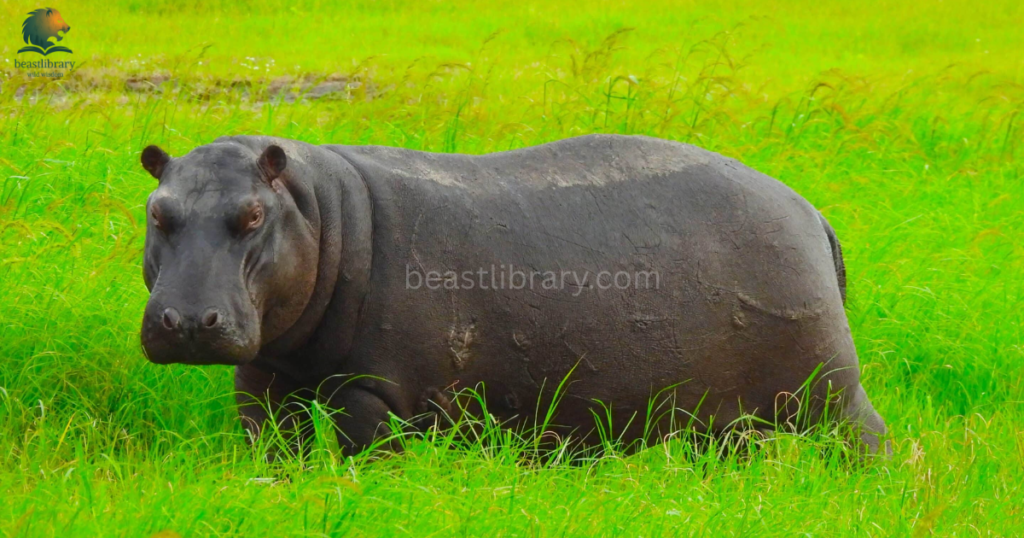
The hippopotamus, a colossal creature known for its massive size and serene demeanor, is often dismissed as merely a lumbering giant. However, its inability to jump offers insights into its evolutionary adaptations. Unlike many mammals that rely on agility to escape predators, hippos have evolved a different survival strategy. Their impressive weight often exceeding 4,000 pounds renders jumping both impractical and unnecessary.
Their unique structure accommodates a powerful, muscular frame ideal for swimming and survival rather than jumping. Hippos have evolved to be semi-aquatic, with their eyes and nostrils positioned on top of their heads, allowing them to observe their surroundings while mostly submerged. This adaptation grants them a significant advantage in the wild, where their strength and territorial behavior take precedence over agility.
6. Manatees
Scientific name: Trichechus
Class: Mammalia
Diet: Herbivore
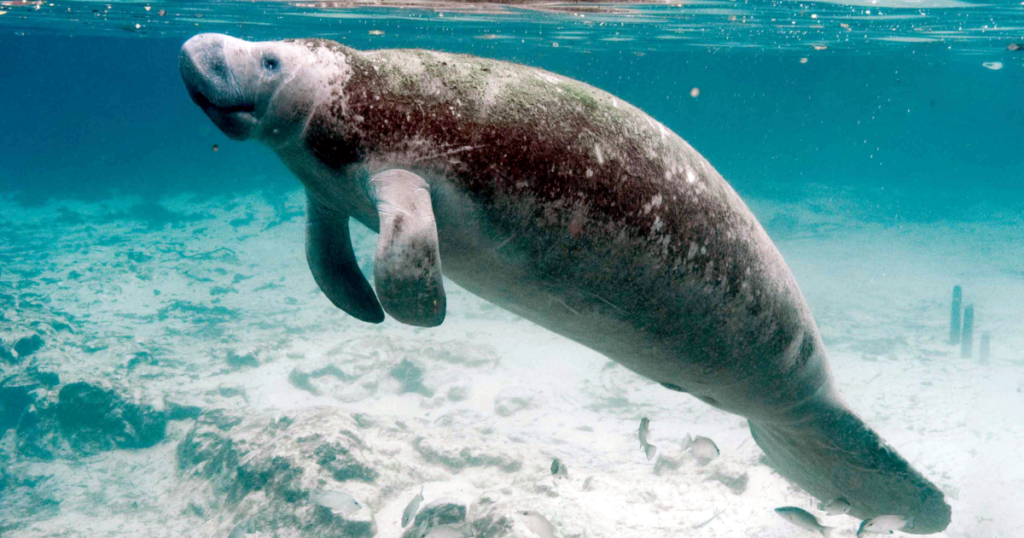
Manatees, often affectionately referred to as “sea cows,” glide gracefully through the warm, shallow waters of coastal regions. Unlike many mammals that leap into the air with agility, manatees are bound to a more grounded existence. Their large, hefty bodies, which can weigh up to 1,300 pounds, lack the skeletal structure required for jumping. Instead, these gentle giants rely on buoyancy and their powerful paddle-like flippers to navigate their aquatic world, creating a mesmerizing dance in the water rather than the leap of a deer or kangaroo.
7. Sloths
Class: Mammalia
Diet: Herbivore
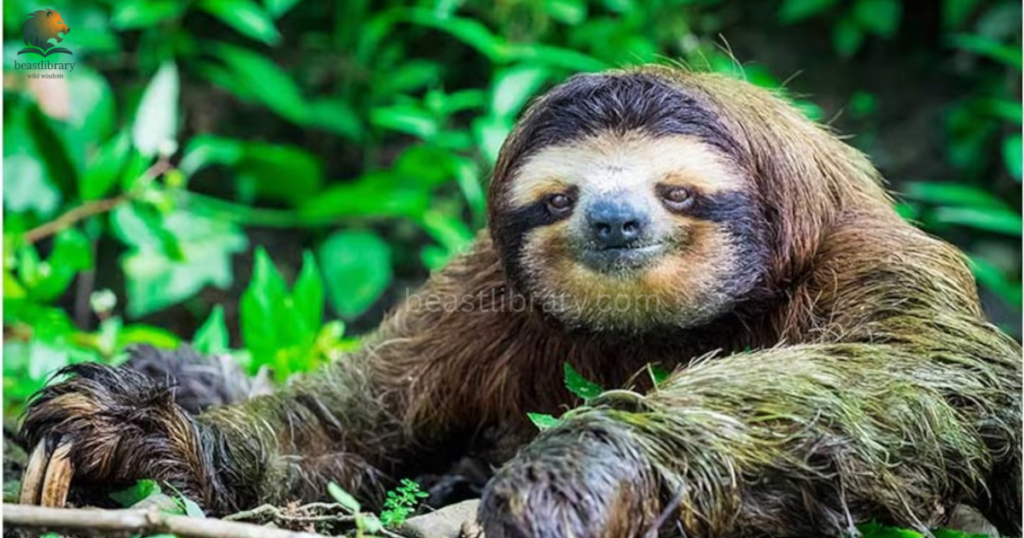
Sloths, often esteemed for their leisurely lifestyle, are intriguing creatures for many reasons; their inability to jump sets them apart in the mammalian world. These slow-moving animals, native to the rainforests of Central and South America, rely on their specialized anatomy to navigate their arboreal habitats. With their long limbs and curved claws, sloths are perfectly designed for climbing and hanging, allowing them to move through trees with a deliberate grace that contrasts sharply with the typical agility associated with most mammals.
8. Opossums
Scientific name: Didelphis virginiana
Class: Mammalia
Diet: Omnivore
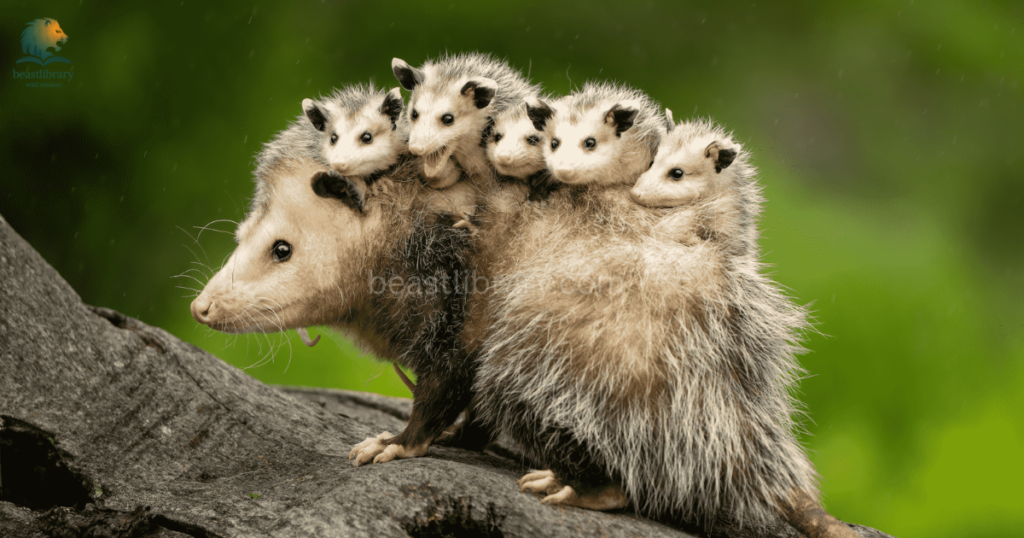
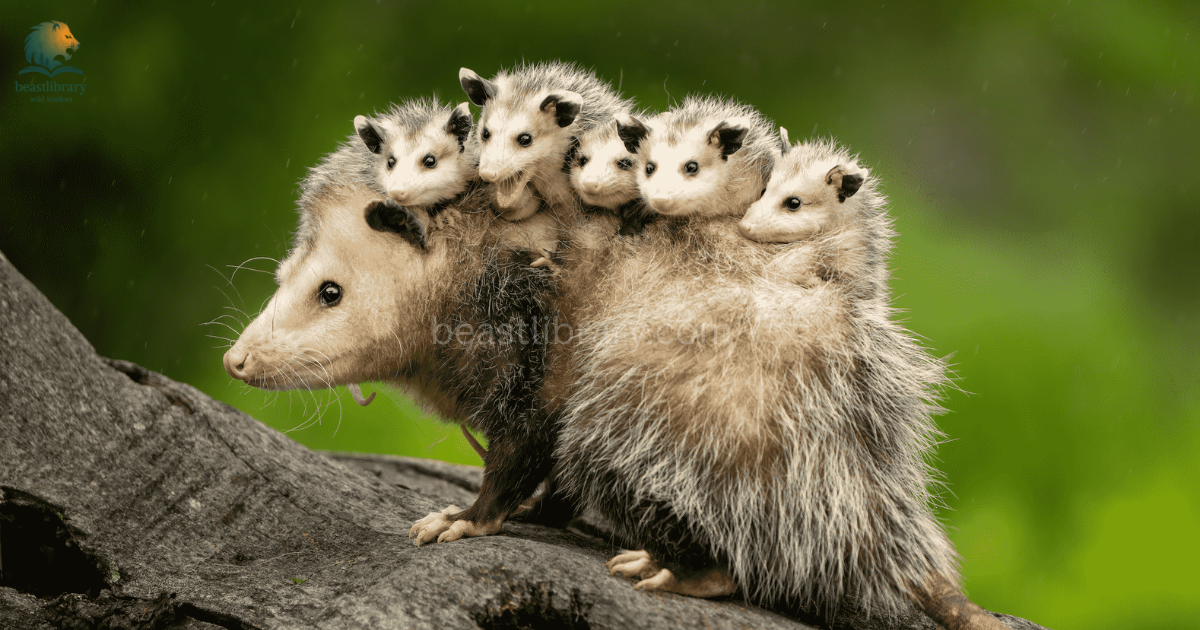
Opossums are creatures that defy the common image of nimble mammals capable of leaping gracefully through the air. Unlike many of their rodent and marsupial relatives, these nocturnal scavengers are limited in their ability to jump due to their unique anatomical structure. Their bodies are adapted more for climbing and grasping than for high-energy leaps. With their prehensile tails and opposable thumbs on their back feet, opossums excel at navigating trees and urban landscapes, showcasing a different kind of agility.
Final Words
Mammals That Cannot Jump showcases the incredible diversity of adaptations that different species have developed to thrive in their environments. From the massive elephants that roam the savannahs to the sleek, gliding sloths that inhabit the treetops, these animals display a range of fascinating physical and behavioral traits. Their inability to jump often highlights their unique evolutionary paths, shaped by the challenges of their habitats.
FAQs
Which mammals cannot jump?
Several mammals cannot jump due to their body structure, weight, or leg anatomy. Some of the best-known mammals that cannot jump include elephants, rhinos, hippos, sloths, and certain species of pigs. These animals have evolved different ways to move efficiently without the ability to jump.
Why can’t some mammals jump?
Some mammals cannot jump because their bones, muscles, and joints are not designed to generate the force needed to lift all four feet off the ground at once. Instead, they rely on walking, running, climbing, or swimming, depending on their habitat and lifestyle.