Amazing 20 Animals With Horns: Facts & Pictures
Animals with Horns live in habitats like grasslands, forests, deserts, and mountains. They use their horns for defense, mating, and survival. Unlike antlers, horns stay permanently attached to the skull.
Table Of 20 Horned Animals Names
| Rank | Animal Name | Scientific Name |
| 1 | African Buffalo | Syncerus caffer |
| 2 | American Bison | Bison bison |
| 3 | Springbok | Antidorcas marsupialis |
| 4 | Black Rhinoceros | Diceros bicornis |
| 5 | White Rhinoceros | Ceratotherium simum |
| 6 | Domestic Goat | Capra aegagrus hircus |
| 7 | Ibex | Capra ibex |
| 8 | Musk Ox | Ovibos moschatus |
| 9 | Water Buffalo | Bubalus bubalis |
| 10 | Saiga Antelope | Saiga tatarica |
| 11 | Wildebeest | Connochaetes taurinus |
| 12 | Greater Kudu | Tragelaphus strepsiceros |
| 13 | Ankole-Watusi | Bos taurus africanus |
| 14 | Yak | Bos grunniens |
| 15 | Markhor | Capra falconeri |
| 16 | Chamois | Rupicapra rupicapra |
| 17 | Oryx | Oryx gazella |
| 18 | Gaur | Bos gaurus |
| 19 | Nilgai | Boselaphus tragocamelus |
| 20 | Highland Cattle | Bos taurus |
List Of Animals with Horns & Photos
1. African Buffalo
Scientific Name: Syncerus caffer
Class: Mammalia
Diet: Herbivore
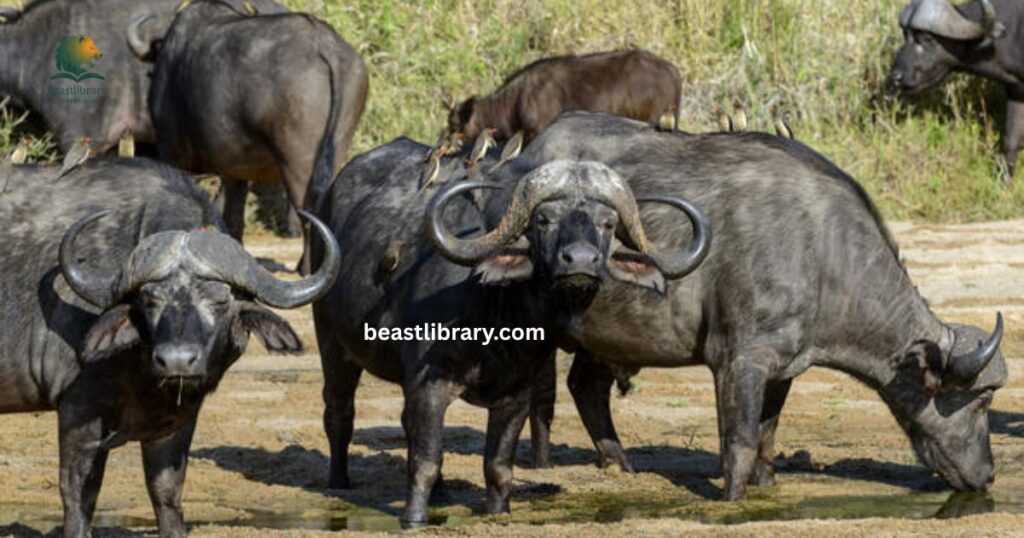
The African buffalo is a large, social herbivore found in regions south of the Sahara Desert, living in habitats like grasslands and forests. It lives in herds for protection from predators. African buffalo is consider as stubborn animal of earth.
Both males and females have strong long horns used for defense and dominance. They mainly feed on grass, stay active during cooler times of the day, and drink a lot of water.
Fun fact: African buffalo protect each other as team and bravely face enemies
2. American Bison
Scientific Name: Bison bison
Class: Mammalia
Diet: Herbivore
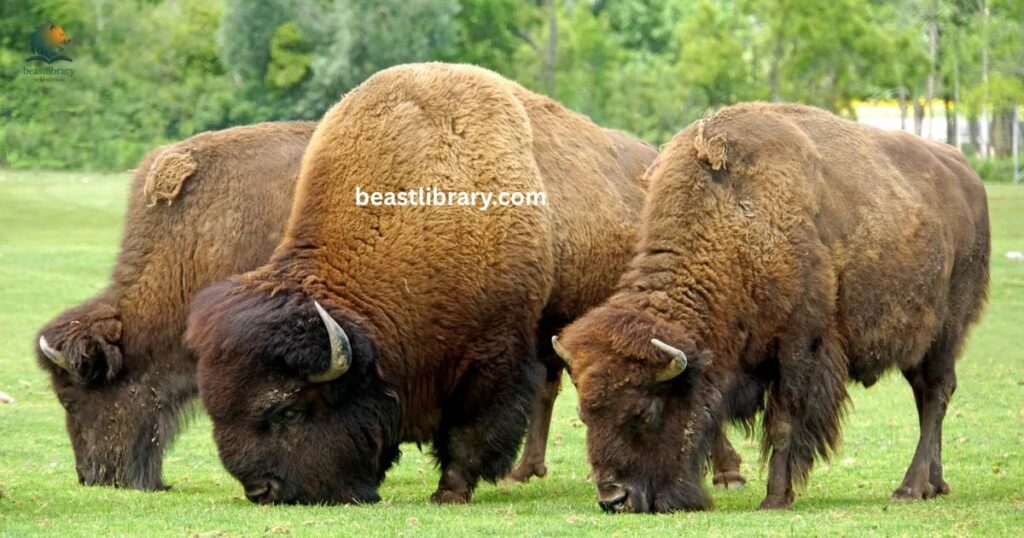
The American bison is the largest land animals look like bulls found in North America. It lives in prairies, eats grass, and uses its horns for protection and fighting. Even though it is heavy, it can run fast and move to different places for the search of food and water.
Fun fact: The American bison is an important animal in the United States and in Native American culture. Its horns grow wider with age and are used by males to show their strength and for communication purpose.
3. Springbok
Scientific Name: Antidorcas marsupialis
Class: Mammalia
Diet: Herbivor

The springbok is a medium-sized found in southern Africa. It lives in herds for protection from predators like lions and cheetahs. Both males and females springbok have curved horns used for defense and fighting. It feeds on grass and can survive in dry areas.
Springboks are very fast and also known for jumping high in the air repeatedly, a behavior used to show strength and warn predators.
Fun fact: Pronking is not only a protective action but also a way for springboks to show quickness and strength, which is attractive to potential mates and help keep away predators.
4. Black Rhinoceros
Scientific Name: Diceros bicornis
Class: Mammalia
Diet: Herbivore
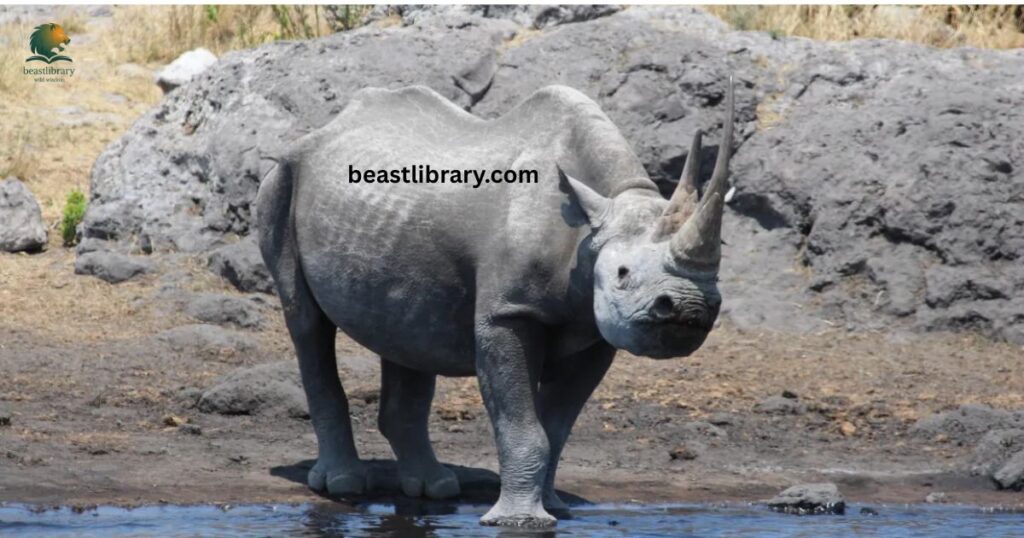
The black rhinoceros is a critically endangered animal found in eastern and southern Africa. It lives in savannas, and forest regions covered with heavy greenery. They have poor eyesight but rely strongly on smell and hearing for survival.
They have two horns, with the front horn being longer. These horns are used for defense, digging for water, in fights for dominance and mating rights. Black rhinos are browsers, feeding on leaves, branches, and bushes instead of grass.
Even though their heavy body, they can run up to 30 miles per hour when threatened. Black rhinos are mostly active at night, but they can also be seen in early morning and late afternoon.
Fun fact: Unlawful hunting for their horns is the biggest danger to black rhinos, so their protection is very important.
5. White Rhinoceros
Scientific Name: Ceratotherium simum
Class: Mammalia
Diet: Herbivore
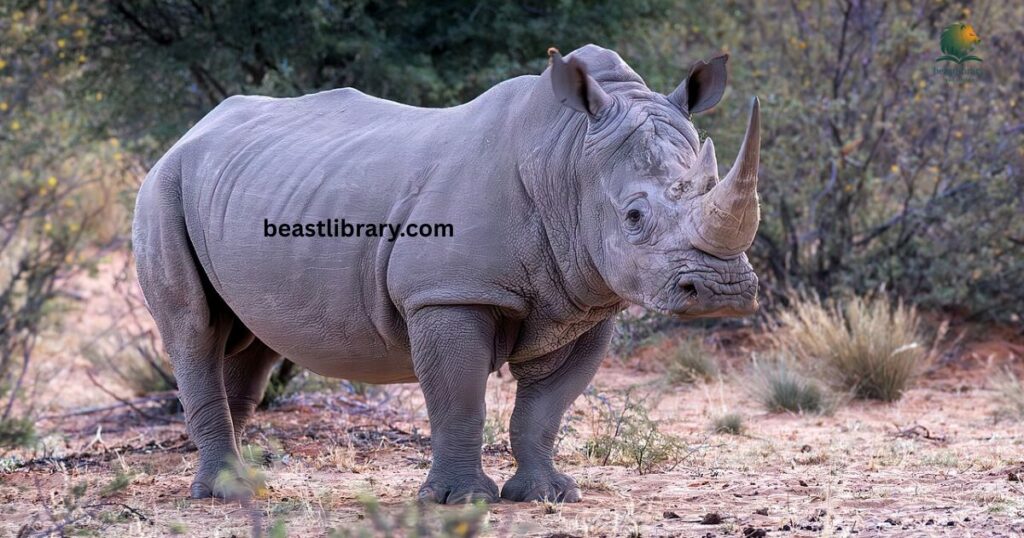
The white rhinoceros is the largest rhino found in southern Africa. It lives in groups called crashes and mostly made up of females and calves, while males are often alone. It has two horns used for defense and dominance.
White rhinos mainly eat grass using their wide, square mouths. They stay calm but can become aggressive if threatened and can run fast when in danger.
Fun fact: White rhinos are known as ‘square-lipped rhinos’ because of their wide mouths used for eating grass.
6. Domestic Goat
Scientific Name: Capra aegagrus hircus
Class: Mammalia
Diet: Herbivore
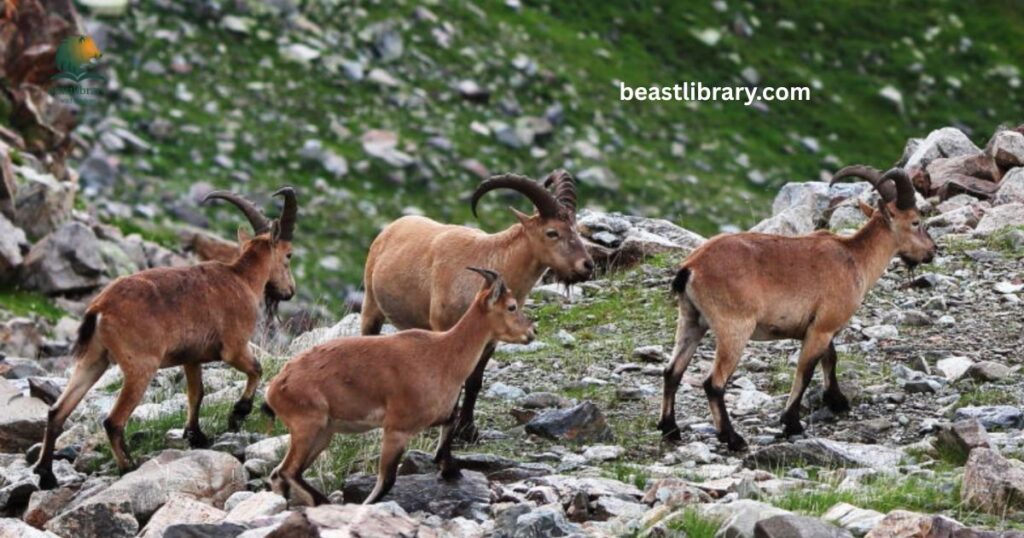
Domestic goats are one of the widely kept horned animals that are found in the world. They are active, curious and tend to move on the rocky houses in search of food. Their food is seasonal as per the vegetation. Goats are stubborn animals that are docile also.
Goats speak through soft crying , movements of the head and body language. Horns are also useful in thermoregulation where it releases heat in warm weather. Domestic goats are versatile and have been released into other climates of the world.
Fun fact: Goat horns continue growing throughout life, the size and shape of horns can indicate age, health, and dominance within the herd. Their climbing ability makes them unique among all animals with horns
7. Ibex
Scientific Name: Capra ibex
Class: Mammalia
Diet: Herbivore
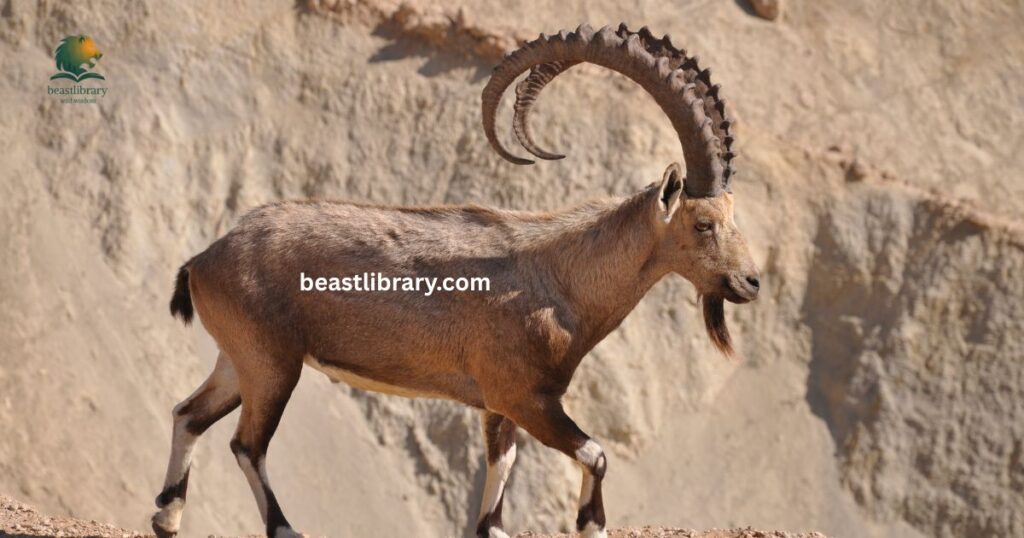
The ibex, also known as the Alpine goat, is a wild animals that have horns originally comes from the Alps of Europe, the Middle East and parts of North Africa. It lives in steep, high cliff areas, which help protect it from predators.
Males use their horns to show dominance and gain the right to breed. Ibex are herbivores and eat grass, leaves, and herbs. They have excellent balance and can climb steep rock surfaces to find food.
Fun fact: Male ibex have long horns that can grow over three feet, with rings showing their age and status.
8. Musk Ox
Scientific Name: Ovibos moschatus
Class: Mammalia
Diet: Herbivore
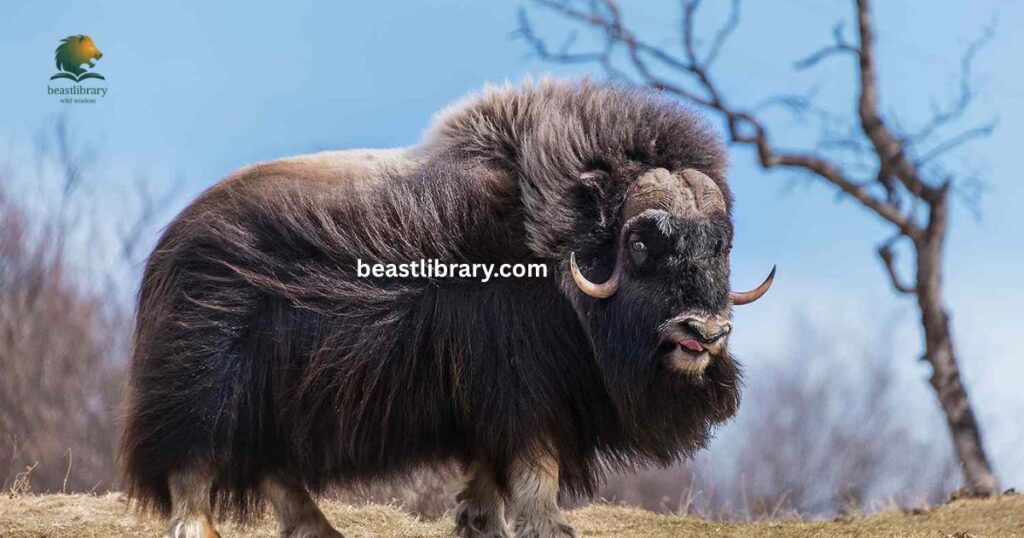
The musk ox is a large, thick fur animal that lives in the cold Arctic regions of North America and Greenland. Both males and females have curved horns, which are used for defense and for fights between males.
When in danger, they form a circle around their young with horns facing outward to protect them. They communicate using sounds and body movements and may move to different areas in search of food.
Fun fact: The qiviut wool of musk oxen is highly valued for its softness and warmth. Musk oxen loose it naturally in spring, and humans collect it to make clothing.
9. Water Buffalo– Animals with horns
Scientific Name: Bubalus bubalis
Class: Mammalia
Diet: Herbivore

The water buffalo is a large stubborn horned animal found in South and Southeast Asia. It lives in wetlands, rivers, and usually forms herds for protection and survival. Both males and females have strong backward curving horns used for defense, dominance, and sometimes for digging.
They are hooved animals , feed on grasses and aquatic plants. Water buffalo are strong swimmers and often roll in mud or water to cool down and protect themselves from sun and insects. They are generally calm but can become aggressive when threatened.
Fun fact: Large horns of male buffalo can cover up to six feet across, making them one of the most recognizable features in cattle animals. Their ability to adjust allows them to survive and grow well in both wild and farming environment.
10. Saiga Antelope
Scientific Name: Saiga tatarica
Class: Mammalia
Diet: Herbivore
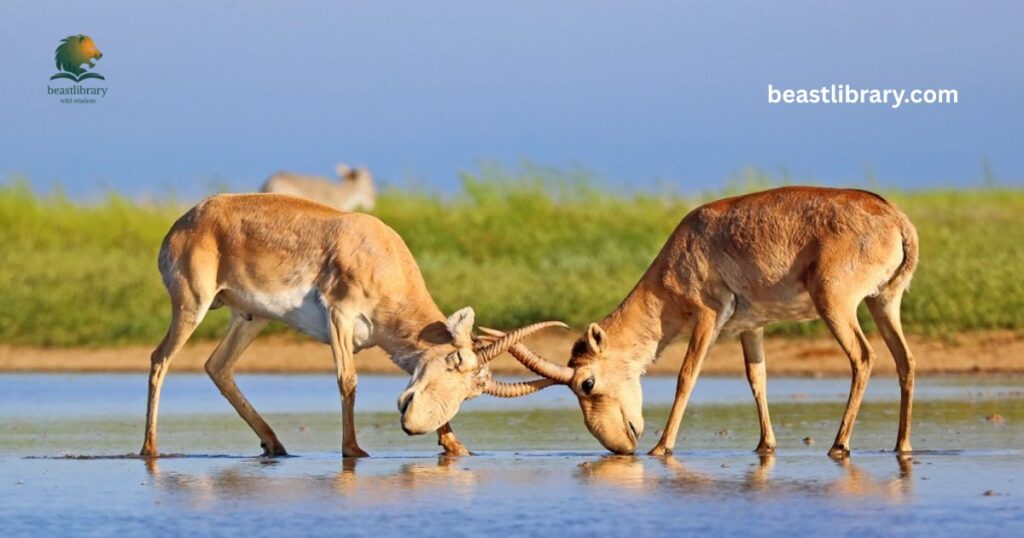
The Saiga antelope lives in the grass land and semi-deserts of Central Asia and moves in large herds to find food and water. These social groups help protect them from predators like wolves and foxes.
Males have unique upward-curved horns used for defense and dominance during mating, while females usually do not have horns. They mainly eat grasses, herbs, and are well adjusted to dry, harsh environments.
A special flexible nose helps filter dust in summer and warm cold air in winter. They communicate using sounds and body language, but their population is threatened by illegal hunting and habitat loss, making conservation important.
Fun fact: Saiga horns are in high demand for traditional medicine, which has led to a major drop in their population in recent years
11. Wildebeest
Scientific Name: Connochaetes taurinus
Class: Mammalia
Diet: Herbivore
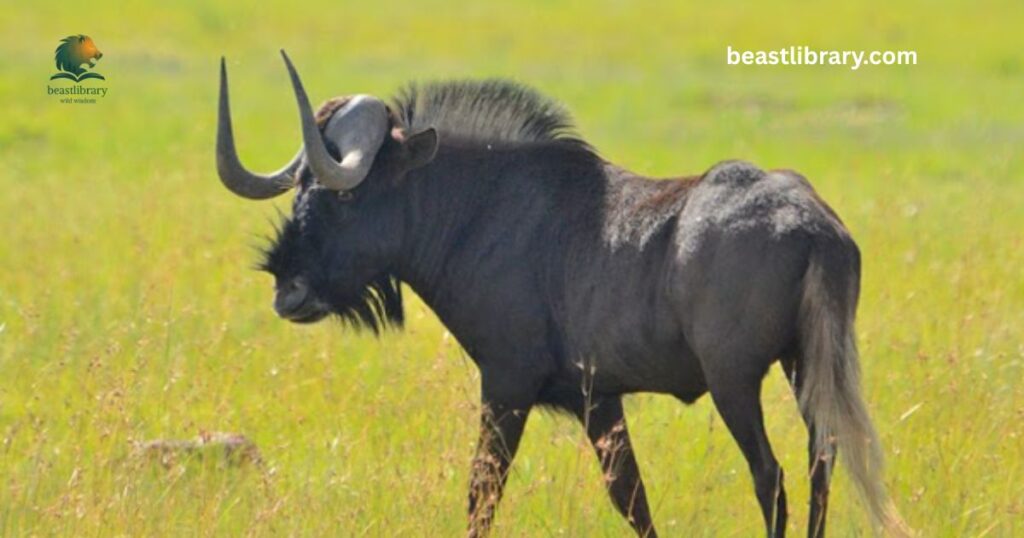
The wildebeest is a large antelope found in the grasslands and savannas of Africa. It moves in huge herds and migrates seasonally in search of grass and water, which also helps protect it from predators.
Wildebeests are grazers and mainly eat short grass. They are fast runners and can escape predators like lions and hyenas. Herds communicate using sounds and signals, and calves are born at the same time to improve survival.
Fun fact: The wildebeest migration is one of the largest animal movements in the world, with more than a million animals traveling together.
12. Greater Kudu
Scientific Name: Tragelaphus strepsiceros
Class: Mammalia
Diet: Herbivore
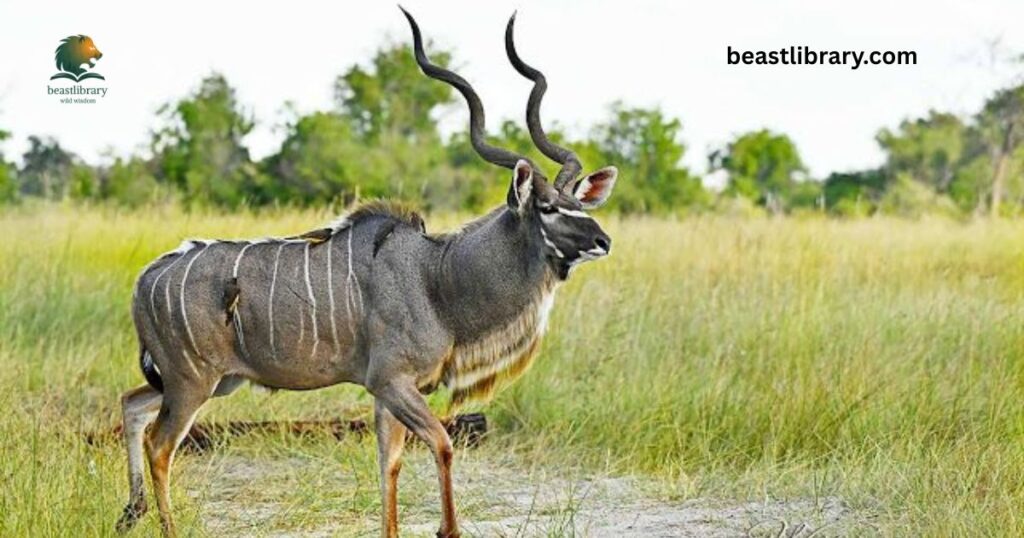
The greater kudu is a large wild grazing animal found in eastern and southern Africa. It lives in woodlands, and scrublands with dense vegetation that helps it hide from predators. Adults are usually solitary, except females with calves and during the mating season.
Kudus are herbivores that eat leaves, shoots, and sometimes fruits. When threatened, they can leap over obstacles or escape into thick bushes. They communicate through sounds and scent marking. They are most active during early morning and late afternoon to avoid heat.
Fun fact: Greater kudu horns can grow up to six feet long, turning in elegant spirals, making them one of the most visually attacking horned species in Africa.
13. Ankole-Watusi
Scientific Name: Bos taurus africanus
Class: Mammalia
Diet: Herbivore
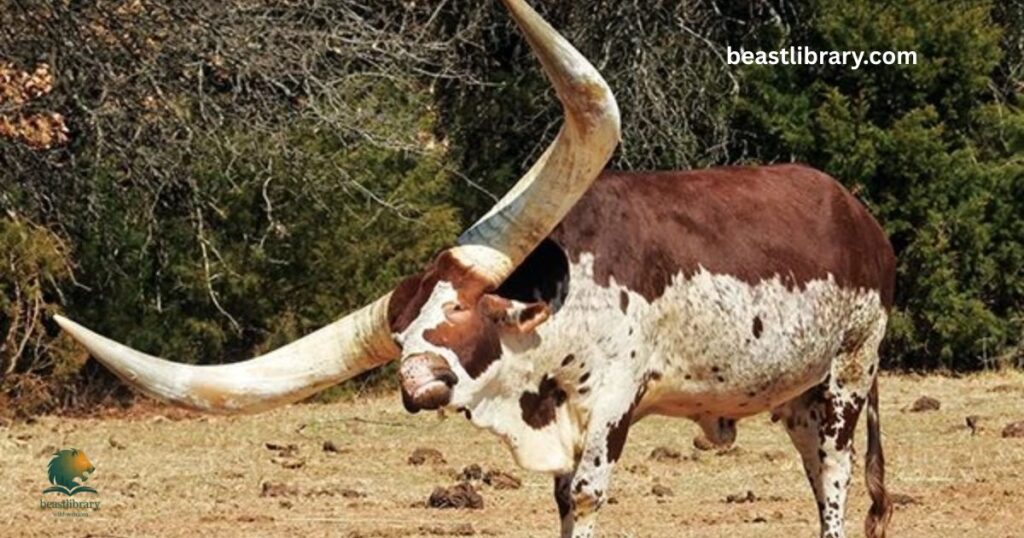
The Ankole-Watusi is a large breed of domestic cattle found in East Africa, living in savannas, grasslands, and farms. They stay in herds led by dominant males that help maintain order and safety. Both males and females have very large horns, which can grow up to eight feet.
They mainly eat grass but also feed on shrubs and leaves when food is limited. Ankole-Watusi are hardy animals that can survive in dry conditions with little water. They communicate through sounds and body movements.
Fun fact: The Ankole-Watusi’s horns are among the largest in the animal kingdom relative to body size and serve both practical and social functions.
14. Yak
Scientific Name: Bos grunniens
Class: Mammalia
Diet: Herbivore
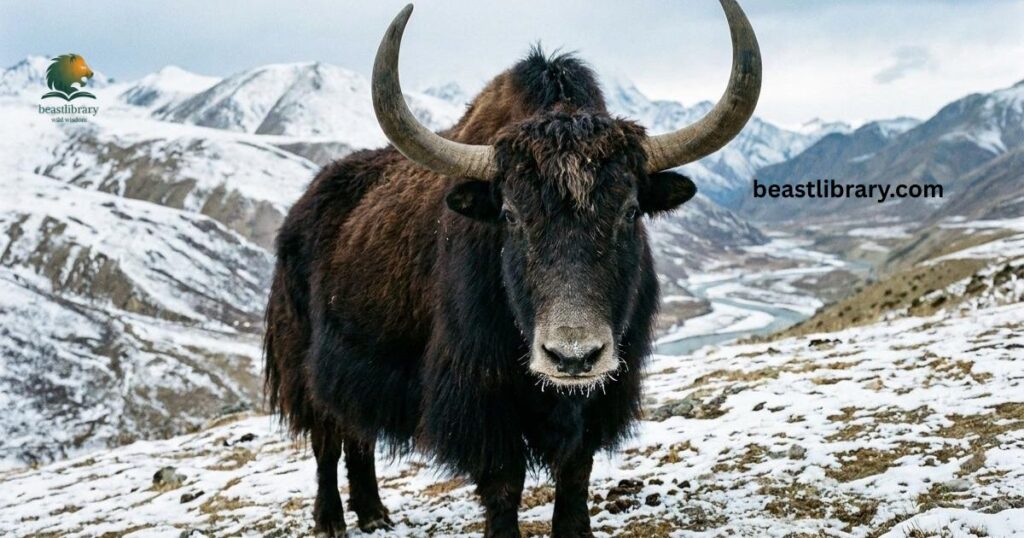
Yak is the animal with thick fur found in the Himalayan region, and Mongolia. It lives in high mountain areas and they are well suited to very cold environments due to their thick fur and low energy use.
Yaks are stubborn herbivores and they communicate with each other using their sounds, body language and may move seasonally to find better grassy areas. In mountain areas human use Yak for carrying load because it is very strong animal and have best ability to bear heavy loads.
Fun fact: Yak horns release heat during cold weather which shows their strength and also they have ability to live in those areas where oxygen is very low, this talent make them unique among all cow family animals.
15. Markhor
Scientific Name: Capra falconeri
Class: Mammalia
Diet: Herbivore
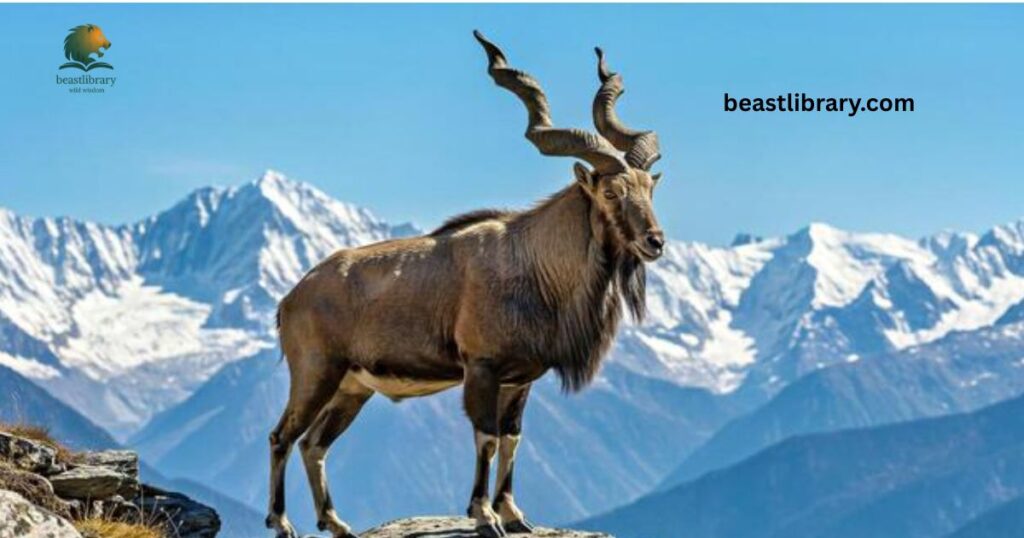
Markhor is a wild mountain goat found in the mountainous regions of Central Asia, including parts of Pakistan, Afghanistan, and northern India. It lives on sharp cliffs and forest edges, where it uses its agility to escape predators.
These horns are used for fighting, dominance, and mating competitions. Markhors are herbivores and they usually live in herds while they are very strong climbers and can easily move across rocky places to find food and stay safe from predators.
Fun fact: The name Markhor comes from Persian and means “snake-eater,” describing its spiral, snake-like horns rather than its diet.
16. Chamois
Scientific Name: Rupicapra rupicapra
Class: Mammalia
Diet: Herbivore
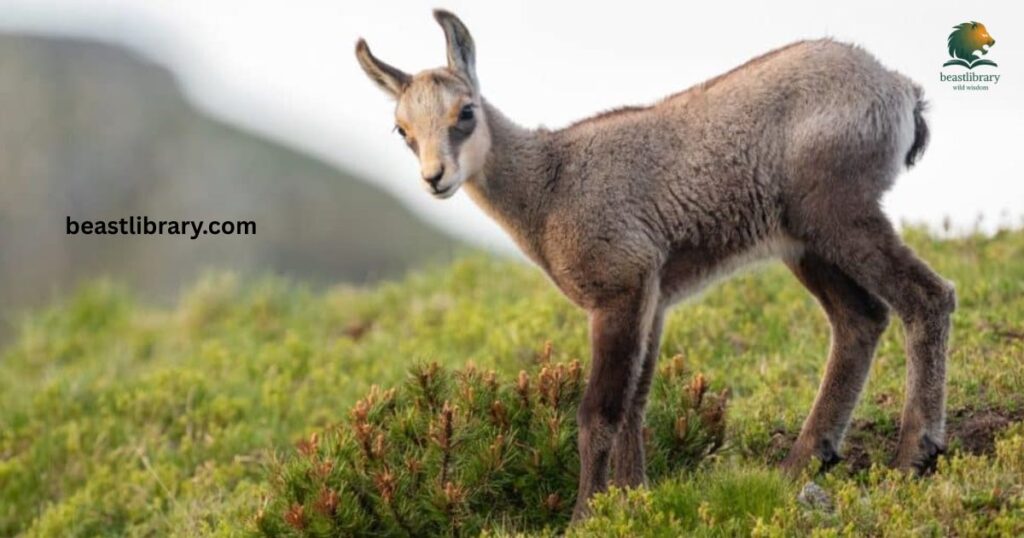
Chamois is a small, agile mountain animal found in regions like the Alps, and parts of Turkey. It lives on rocky slopes, and forested areas, and moves in herds for protection from predators. Both males and females have short, hooked horns, with males having thicker ones.
Chamois feed on grasses, and leaves, often climbing sharp cliffs to find food and stay safe. They communicate through body signals, scent marking, and sounds, and are well trained for fast climbing and jumping in rugged mountain terrain.
Fun fact: They are excellent climbers and can easily move down very sharp, almost vertical slopes without slipping, which helps them survive in harsh mountain environments.
17. Oryx
Scientific Name: Oryx gazella
Class: Mammalia
Diet: Herbivore
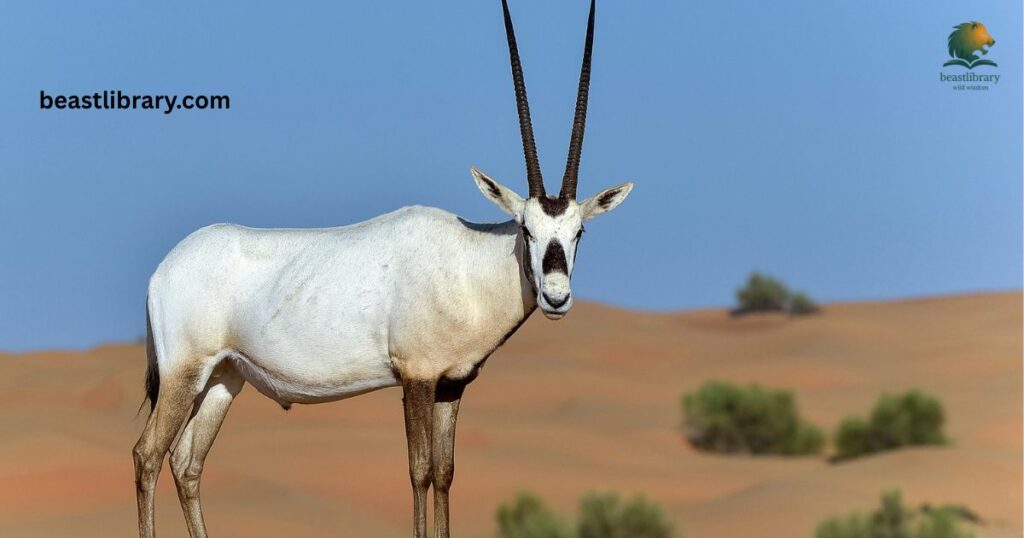
Oryx is a desert animal found in dry grasslands of Africa and the Arabian Peninsula. It lives in open plains where it can easily spot predators. Oryx live in herds of about 10 to 40 animals. Both males and females have long, straight horns used for defense and fighting.
They eat grass, herbs, , and can survive long periods without water by getting moisture from plants. They stay alert to avoid danger, move in search of food and water, and communicate using sounds like snorts and grunts along with body signals.
Fun fact: Oryx horns can be lethal to predators. They can also be used to dig for water in arid habitats, showcasing their adaptation to extreme desert environments.
18. Gaur
Scientific Name: Bos gaurus
Class: Mammalia
Diet: Herbivore
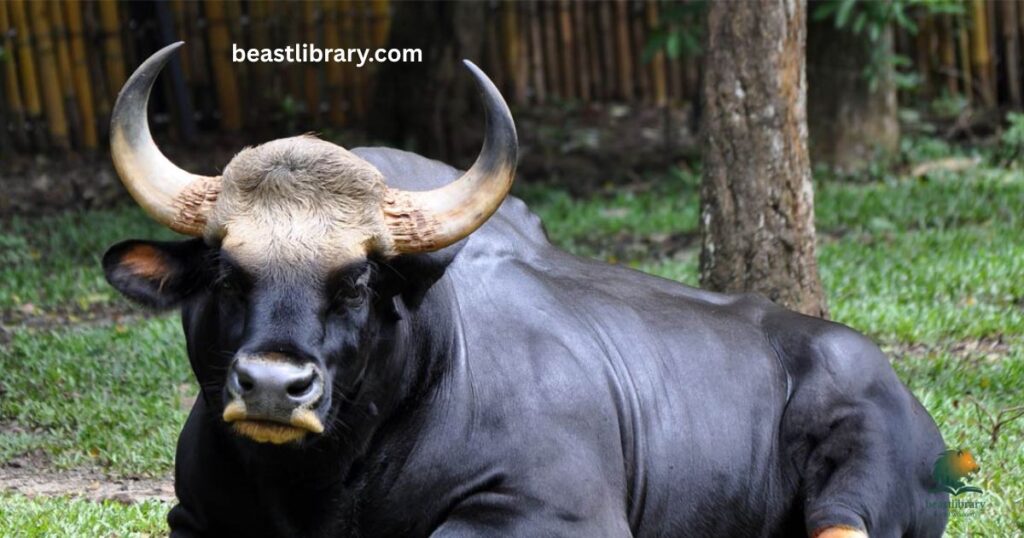
Gaur are the largest horned wild cattle species and are native to South and Southeast Asia. They inhabit forests, grasslands, and hilly regions. Both males and females have large, curved horns that are thick at the base and taper toward the tips.
Gaurs are herbivores, they are mostly active during the day, though they may become more nocturnal in areas with heavy human disturbance. Communication within herds occurs through body postures, and grunting sounds, helping maintain social coordination and alertness.
Fun fact: Gaurs can weigh over 2,000 pounds, making their horns vital for protection and social dominance.
19. Nilgai
Scientific Name: Boselaphus tragocamelus
Class: Mammalia
Diet: Herbivore
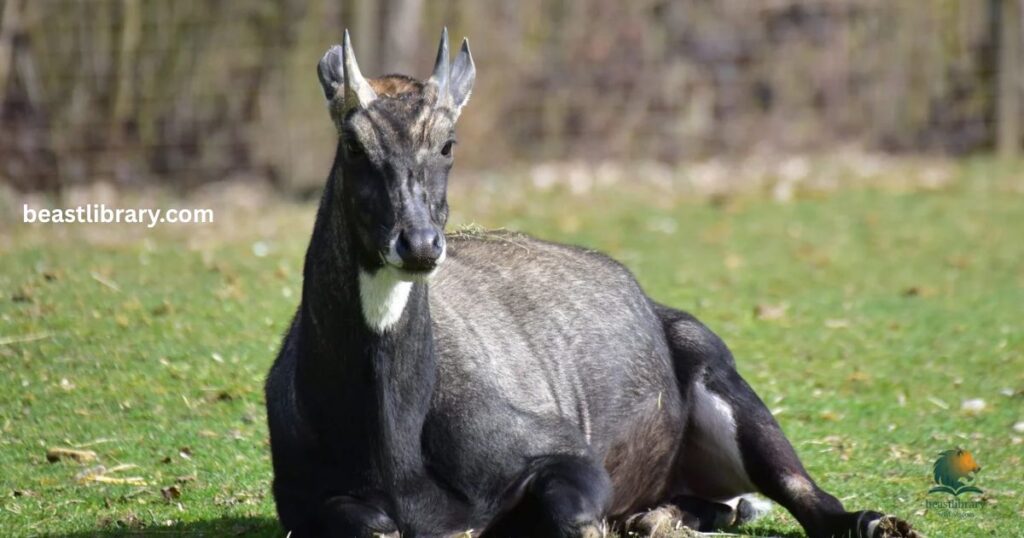
Nilgai, also called the blue bull, is the largest antelope found in India and parts of Nepal. It lives in grasslands, and farmland areas. Nilgai usually form small groups of 10 to 20 animals, while adult males often stay alone.
Both males and females have short, conical horns, though males are larger and use them for dominance fights and during mating competition. Nilgai are both grazers and browsers. They are highly suited and can survive in dry areas with limited water.
These animals are alert and rely on speed to escape predators. They communicate through sounds, body signals, and scent marking. They are most active in the early morning and evening to avoid heat.
Fun fact: The nilgai is considered sacred in parts of India, which has helped protect it from hunting.
20. Highland Cattle
Scientific Name: Bos taurus
Class: Mammalia
Diet: Herbivore
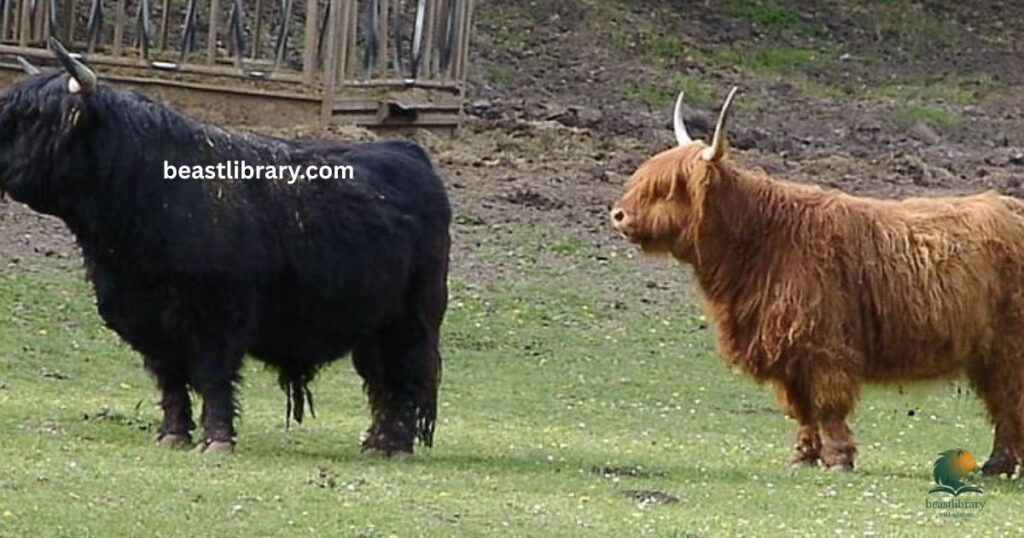
Scottish Highland cattle are a hardy domesticated breed that lives in cold, wet, and mountainous regions as well as grasslands. They usually form small herds which helps protect the young and maintain social order.
They feed mainly on grass, herbs, and shrubs. Their thick, shaggy coat allows them to survive in very harsh, cold climate. They are important in farming and conservation because they can graze in rough terrains where many other livestock cannot survive, helping maintain natural grasslands.
Fun fact: Highland cattle horns can grow outward and upward, creating an impressive outline They continue to grow throughout life and serve both functional and social purposes within the herd.
Closing Summary
Animals with horns are found across continents and habitats, from African savannas to Himalayan mountains. The horned animals exhibit great adaptations both in the wild and domestic as seen in the spiraled horns of Markhors and heat-controlling horns of Ankole-Watusi.
FAQs
What are horned animals?
Horned animals are mostly mammals like cattle, goats, and antelopes that grow hard, permanent, pointed structures on their heads made of a bony core covered in keratin.
How does the difference between horns and antlers come about?
Horns are never shed but made of a combination of keratin over bone whereas the antlers are also formed of bone and are shed annually.
What horned animals have been endangered?
Poaching, loss of habitat, and human activity are some of the factors that have contributed to endangering the existence of black rhinoceros, saiga antelope, and markhor.
And are horned creatures able to live without horns?
Horns play a significant role in defense, mating, and in social relations and because of losing them, survival is impacted, yet certain animals can evolve in a few aspects.