Amazing 13 Animals with Big Noses: Class, Diet & Pictures
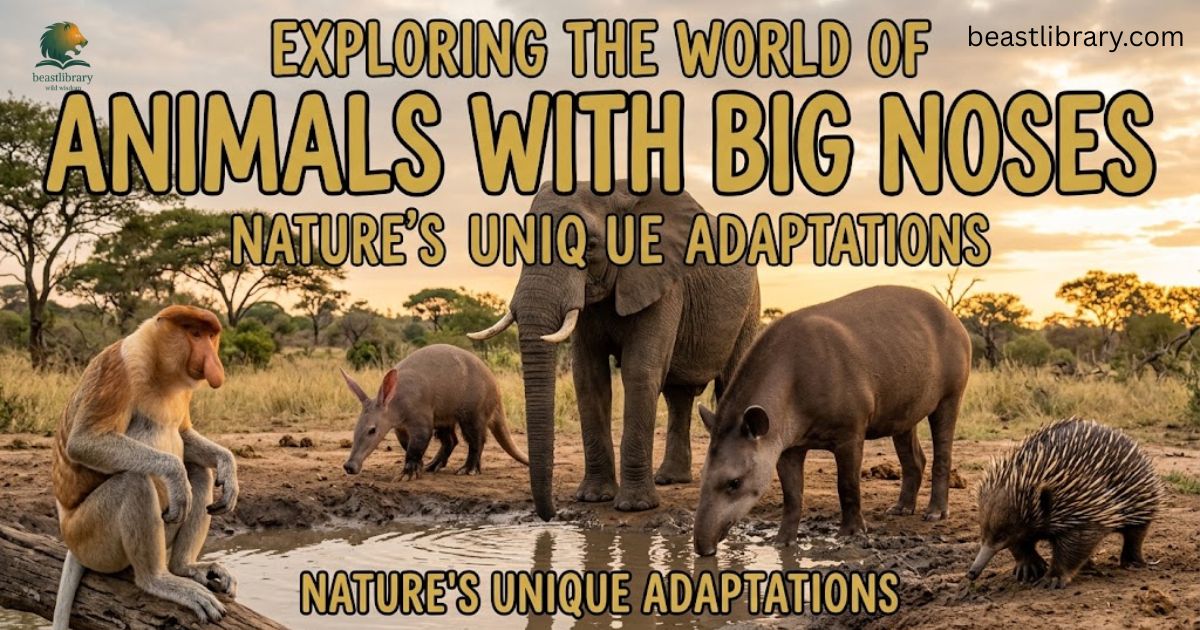
Animals with big noses are unique creatures. These long noses help them survive, communicate, and find food in the wild. In this article, you will discover the top unique animals with the biggest noses. From strange appearances to impressive abilities, these animals will truly surprise you.
List of Animals with Big Noses:
Here is the Long Nose Animals list:
- Hammerhead Shark
- Proboscis Monkey
- Aardvark
- Sawfish
- Long-nosed Bandicoot
- Saiga Antelope
- Star-Nosed Mole
- Tapirs
- Elephant
- Elephant Shrew
- Elephant Seal
- Anteater
- Hammer-headed Bat
1- Hammerhead Shark
Class: Chondrichthyes
Diet: Carnivorous
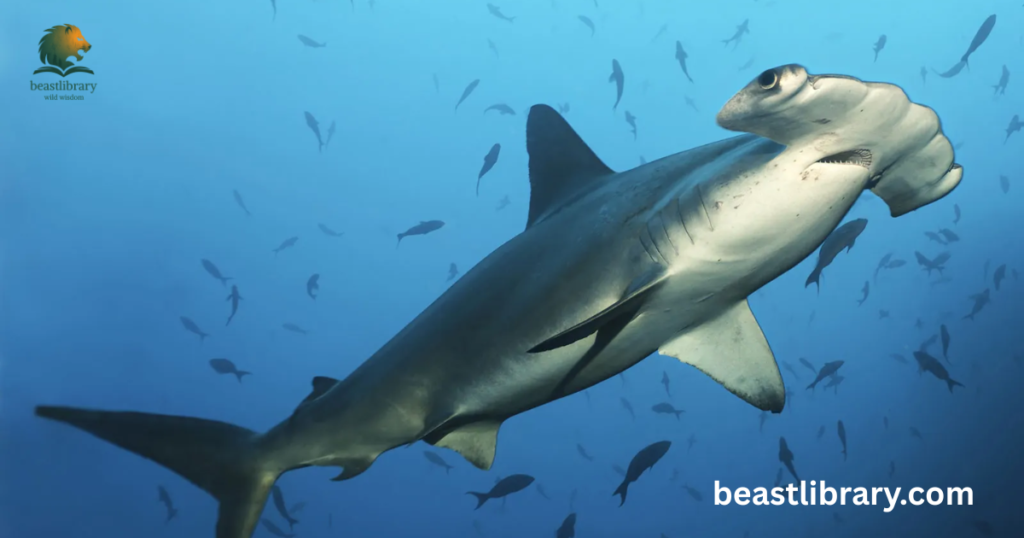
The hammerhead shark has big eyes, unique flat wide head that helps it in survival. This shape help it to detect electric signals from prey and making it easier to hunt. Hammerhead Shark eyes are placed on the sides of its head.
It gives a wider view of surrounding and better depth focus to find food and avoid danger. This special head design also helps it move and hunt in groups more effectively.
2- Proboscis Monkey
Scientific Name: Nasalis larvatus
Class: Mammalia
Diet: Folivorous
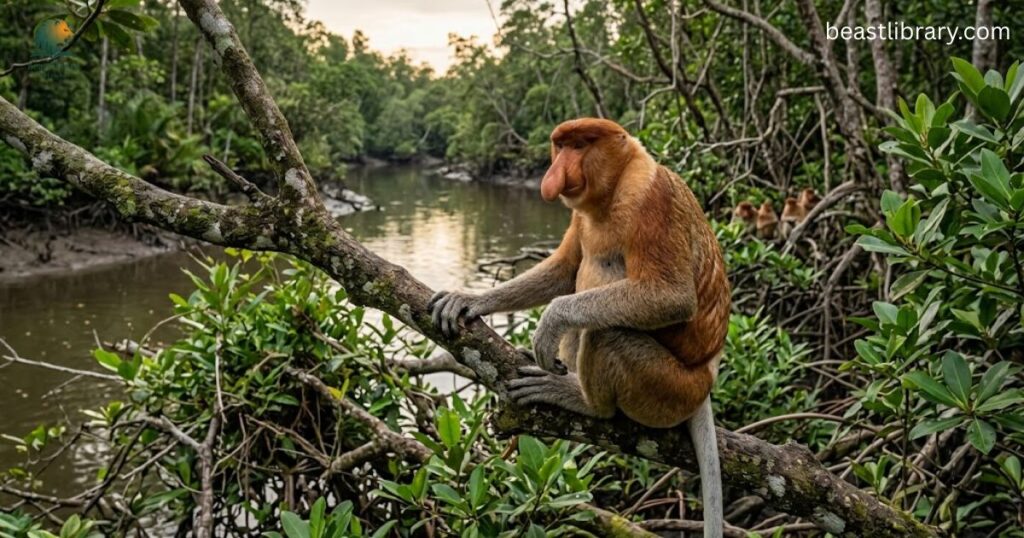
The Proboscis monkey is native to the rainforests of Borneo. Male monkeys have biggest nose, sometimes up to 4 inches long. They use it to attract females and make loud vocal sounds that travel through the forest. These monkeys mainly eat leaves, fruits, and seeds.
Their stomach is specially adapted to break down tough, hard food which helps them survive in their habitat. Proboscis monkeys are also good swimmers and they have webbed feet that help them move easily through rivers and marshy areas.
3- Aardvark
Scientific Name: Orycteropus afer
Class: Mammalia
Diet: Insectivorous
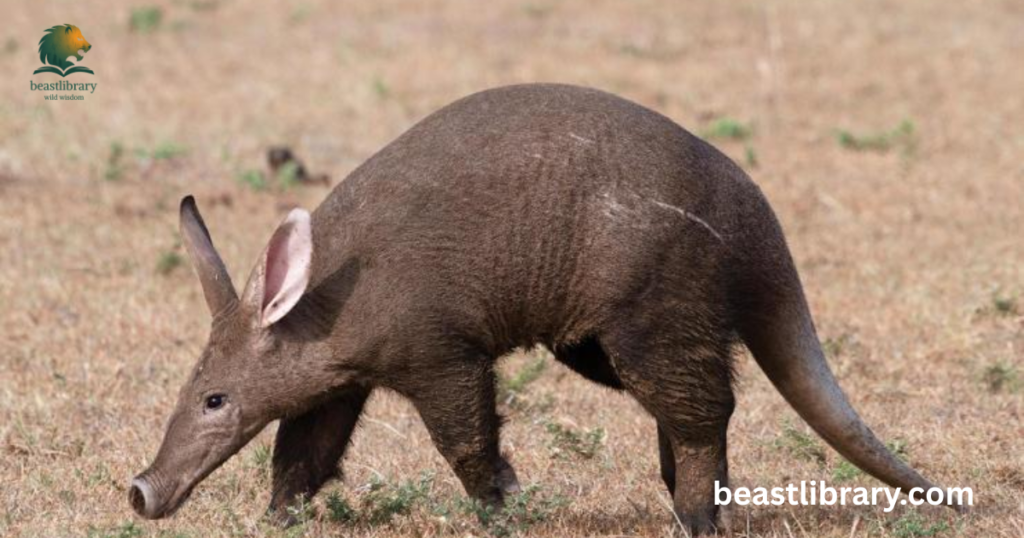
The aardvark is a nocturnal animal have trunk and found in Africa. It is animal with long nose and small eyes specially known for its long snout holes and strong sense of smell. This long nose help it to find and eat ants and termites underground.
It has ability to dig into the soil and eat thousands of insects in one night. This helps control insect populations in its environment. The aardvark’s snout also helps in breathing and keeping its body cool in hot weather.
4- Sawfish- Animal with big noses
Class: Chondrichthyes
Diet: Carnivorous
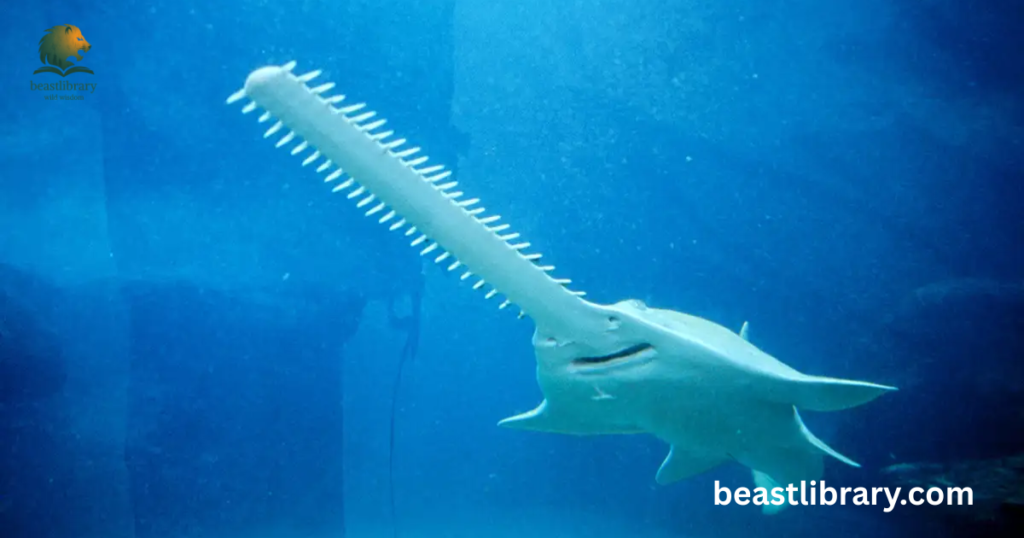
Sawfish is known for its saw-shaped long snout called a rostrum. It is marine animal live in coastal waters and skilled hunter. Its rostrum has special sensors that help it detect movement of fish hiding in the sand. It use rostrum to find and catch prey.
Sawfish is important in the ecosystem because it help control fish populations. However, it is now threatened by habitat loss and fishing activities, so conservation is important to protect this creature.
5- Long-nosed Bandicoot
Scientific Name: Perameles nasuta
Class: Mammalia
Diet: Omnivorous
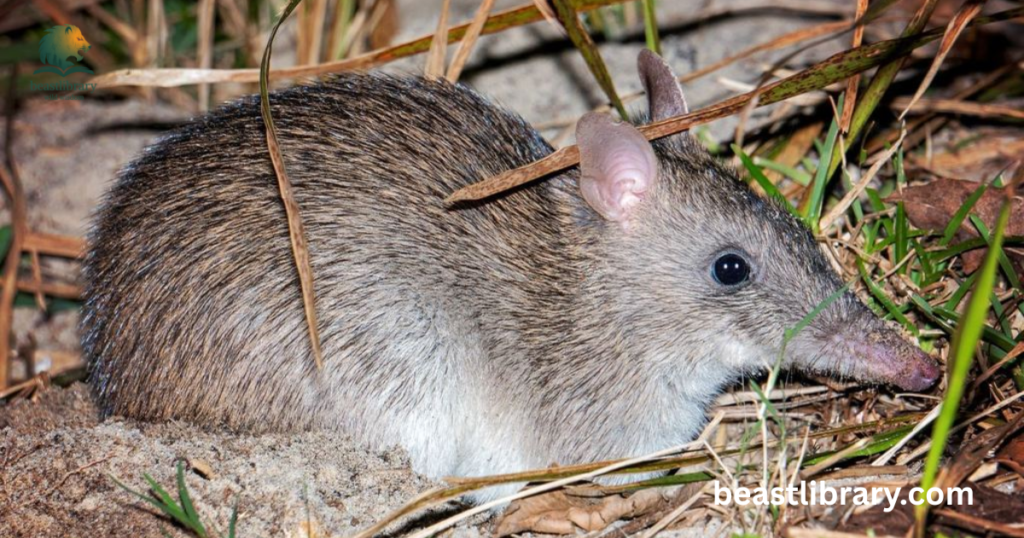
Long-nosed Bandicoot is found in Australia and New Guinea. It is small ear and long snout animal, which helps it survive. Bandicoot uses its nose to dig into the soil and find insects and small animals hidden underground.
Because of digging, it also helps improve the soil by softening it and mixing nutrients, which benefits the environment but habitat loss is a major threat to its life. It is nocturnal animals and carries its baby in a pouch.
6- Saiga antelope
Scientific Name: Saiga tatarica
Class: Mammalia
Diet: Herbivorous
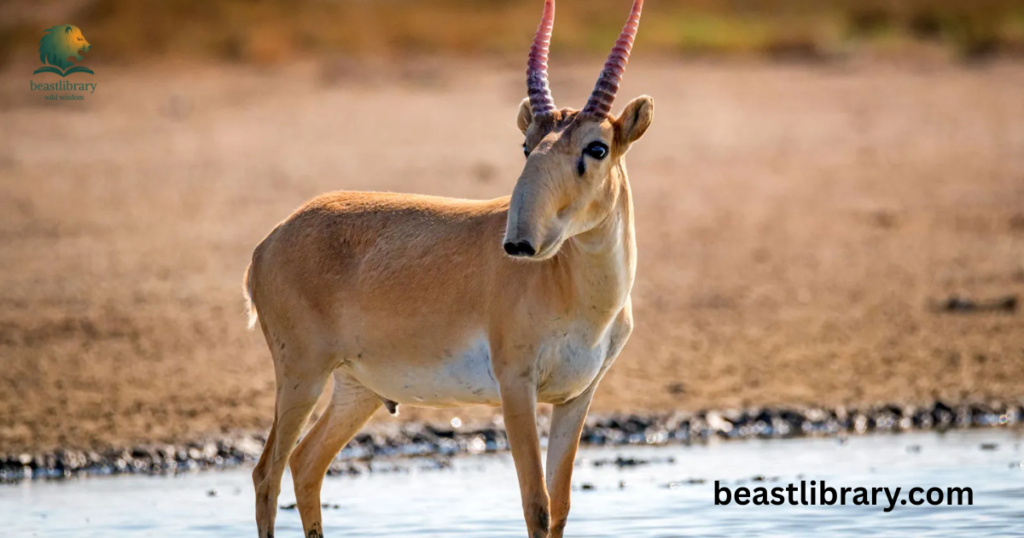
The Saiga antelope is animal with horns and a big nose found across the vast steppes of Central Asia. It is identify by its oversized nose. The Saiga’s large nasal cavity filters dust particles and regulates air temperature.
Males have horns and use their prominent features to attract females, particularly during the breeding season. As the Saiga population faces climate change and habitat loss its unique adaptations show how animals survive in difficult environments through evolution.
7- Star-Nosed Mole
Scientific Name: Condylura cristata
Class: Mammalia
Diet: Insectivorous
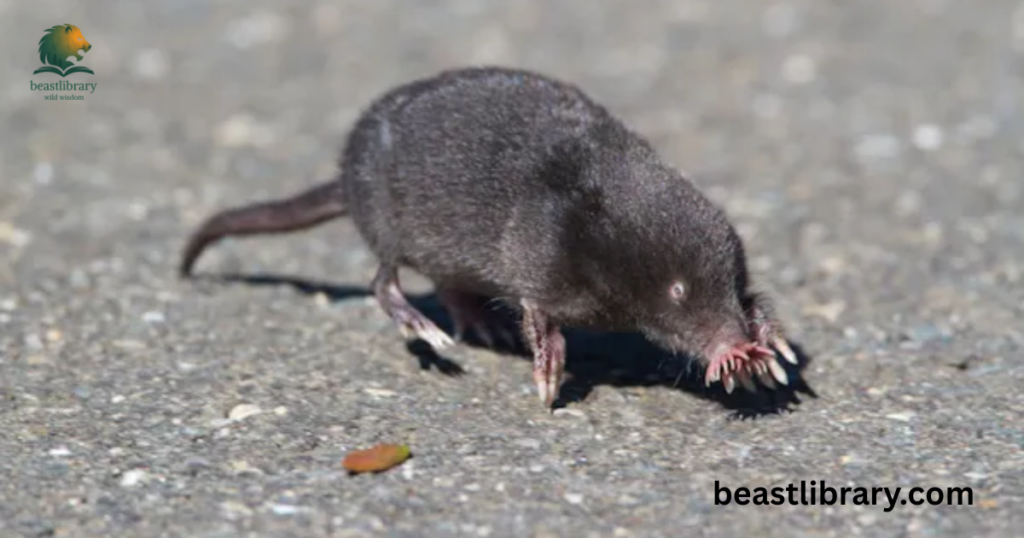
The star-nosed mole is a unique animal with small eyes and known for its star-shaped nose with 22 fleshy tentacles. These sensitive tentacles help it detect insects and small underground animals in dark, wet environments.
It is one of the fastest-eating mammal because its nose help it to find and eat food very quickly. It digs tunnels, helps loosen and improve the soil, which supports the ecosystem. These special adaptations help the star-nosed mole survive easily in its habitat.
8- Tapirs- Animals with Big Noses
Scientific Name: Tapirus
Class: Mammalia
Diet: Herbivorous
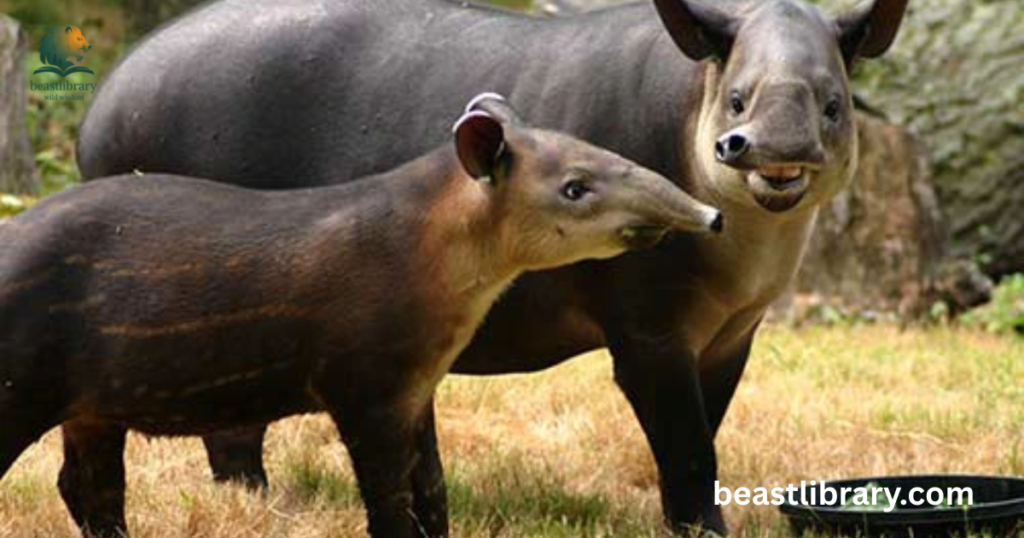
Tapirs are large rainforest animals known for their long, flexible noses. They use their snouts to grab leaves, fruits, and aquatic plants, which helps them find food in dense forests. They also have a strong sense of smell that helps them locate food and stay alert from enemies.
Tapirs are strong swimmers and spend time near rivers and wetlands to stay cool and safe. These herbivorous animals play an important role in the ecosystem by spreading seeds through the forest, which helps plants grow and maintain biodiversity.
9- Elephant
Scientific Name: Loxodonta africana (African), Elephas maximus (Asian)
Class: Mammalia
Diet: Herbivorous
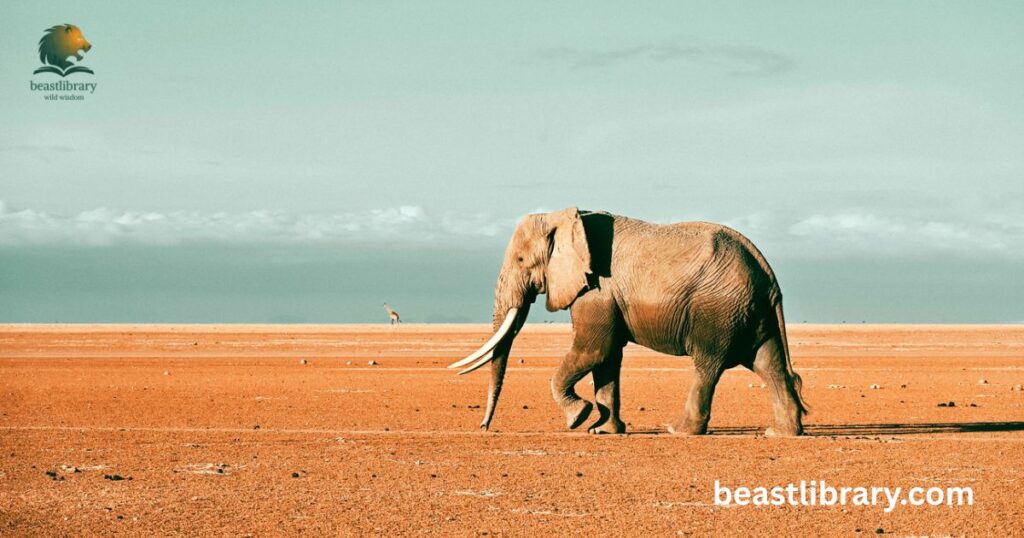
Elephant is the docile big nose animal and mostly live in savannas. They are intelligent creatures have a nose (their trunk) that can reach up to 7 feet long and can also weigh up to 400 pounds. Animals with long noses like elephant use their nose to drink and grab things with it.
Millions of years ago, the elephant ancestor actually had two sets of trunks that made it hard for them to graze and eat with their mouths. They slowly evolved to having only one trunk, which has made it easier for them to eat and thrive as a species.
10- Elephant Shrew
Class: Mammalia
Diet: Insectivorous
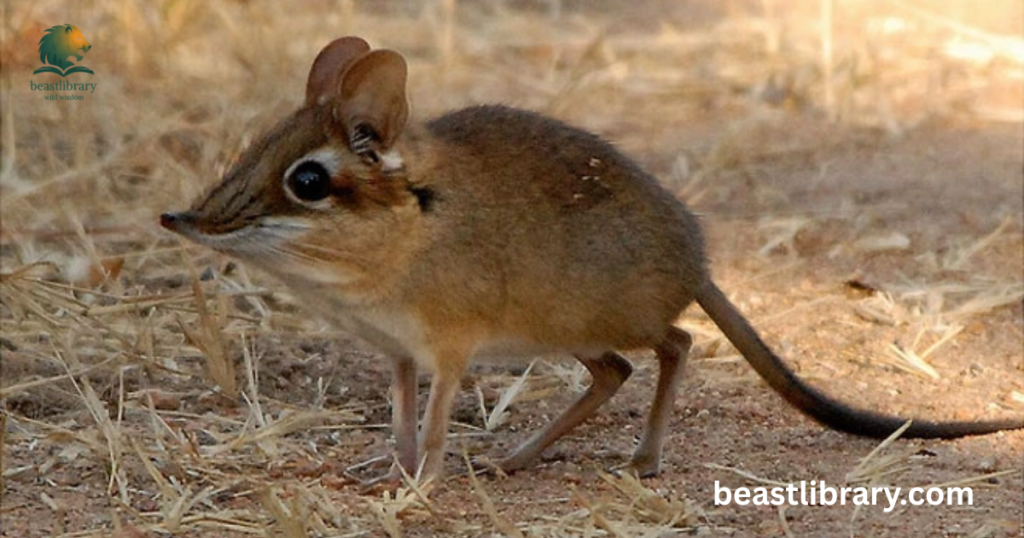
The elephant shrew is a small African mammal have unique long, flexible snout and flat tail. It uses its nose to find insects, fruits, and small invertebrates covered under leaves and soil. Its keen sense of smell helps it to detect predators, and find mates in dense habitats.
Elephant shrews are active during the day and can run quickly to escape danger. These animals play an important role in the ecosystem by helping control insect populations and maintaining balance in their environment.
11- Elephant Seal
Class: Mammalia
Diet: Carnivorous
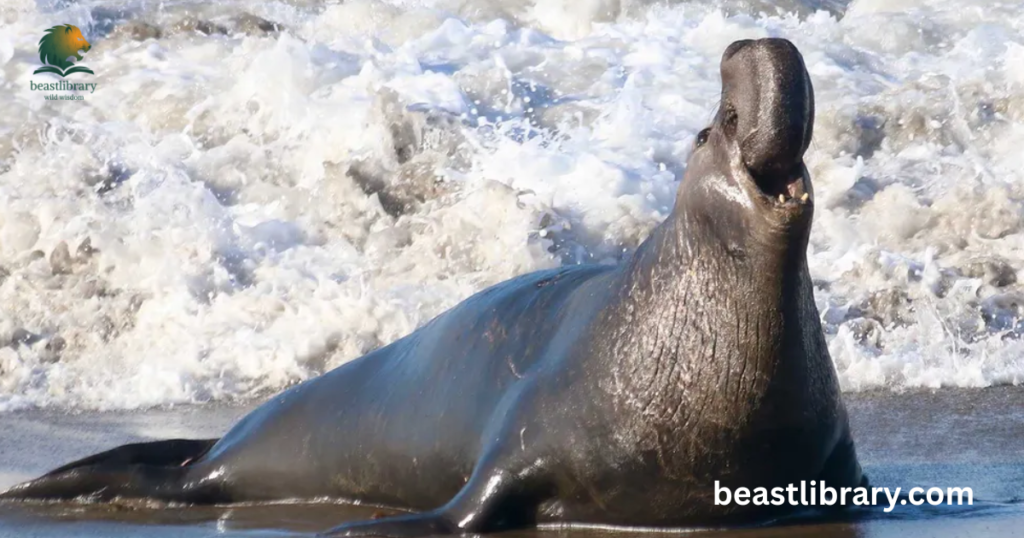
The elephant seal is a large marine cute animal with long nose specially for the male’s long, inflatable nose. During mating season, males use nose to make loud calls and show dominance over other males. Their nose also helps regulate body temperature in cold ocean waters.
Elephant seals are deep divers and can swim more than a mile below the surface while hunting for food. Their strong sense of smell helps them find their way back to shore and survive in the ocean.
12- Anteater
Class: Mammalia
Diet: Insectivore
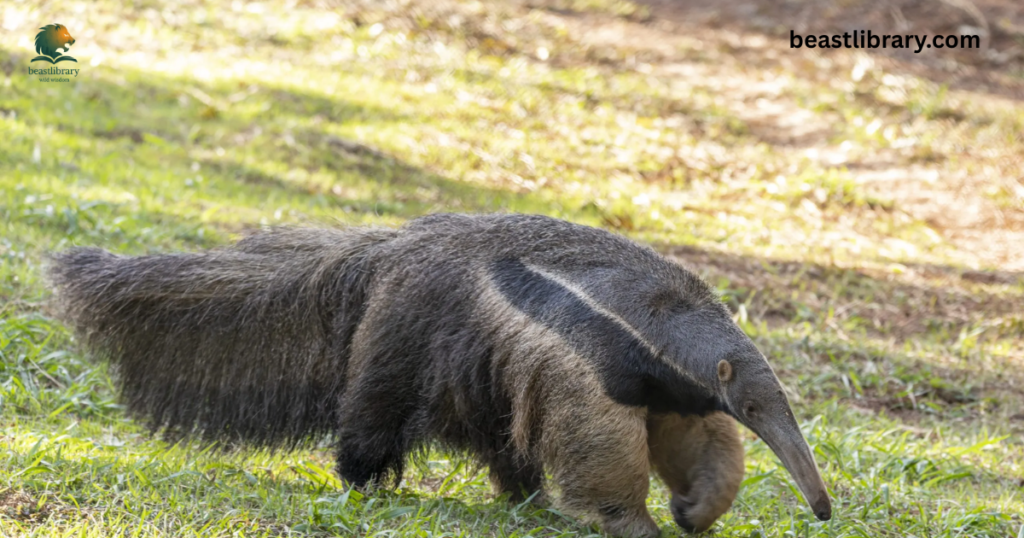
Anteater are known by their long nose which is structured as fused upper and lower jaw bones. They have rubbery skin, huge claws, and long hairs. Anteaters walk on their knuckles to protect their long claws from becoming dull.
They also have an impressively long tongue up to 24 inches (50cm) in length.
13- Hammer-headed Bat
Class: Mammalia
Diet: Frugivore
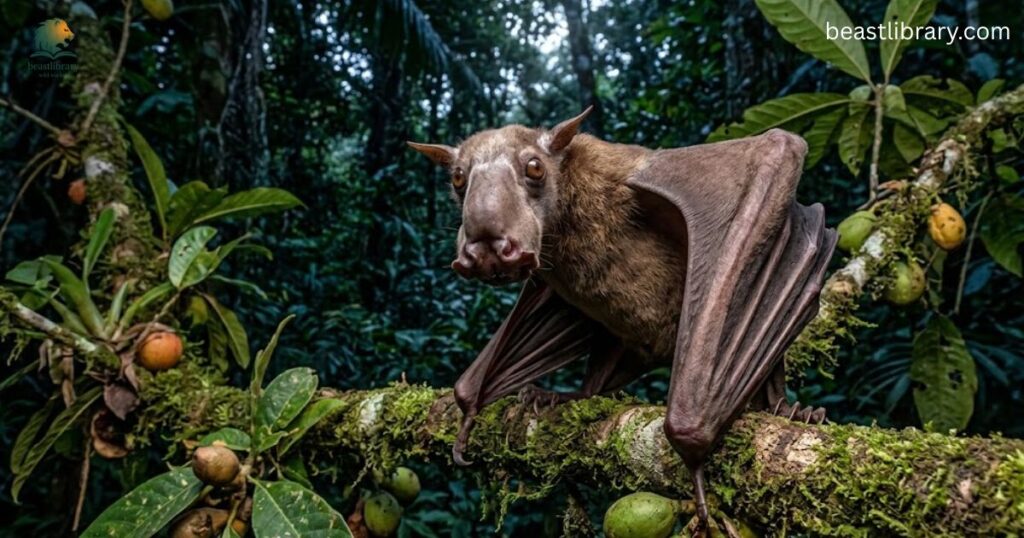
The male hammer-headed bat has a large, square-shaped head. Its snout and nose are huge and work like a built-in speaker, making its voice sound much louder. Its wings can stretch out to almost three feet wide.
Because its head looks just like a hammer, it is one of the most unusual and special animals in the world. Even though it looks scary and strange like an alien, it is actually the biggest fruit bat in Africa. It does not eat meat, it mostly eats figs, mangoes, and bananas.
Final Thoughts
Animals with big noses are unique creatures of animal kingdom. Animals use their noses for smelling, eating, support communication and safety. These animals also help maintain balance in ecosystems. Protecting their habitats is important to preserve biodiversity for the future.
FAQs
What are animals with big noses?
Animals with big noses are species that have long shaped snouts used for smelling, finding food, and survival. These adaptations help them communicate, detect danger, and live successfully in their environments.
What animals has the biggest noses in the world?
Animals with the biggest noses name include the elephant, proboscis monkey, elephant seal, saiga antelope, and tapir. Their large noses help them breathe, smell, find food, and communicate.