Discover 23 Quiet Animals in the World: Diet & Images
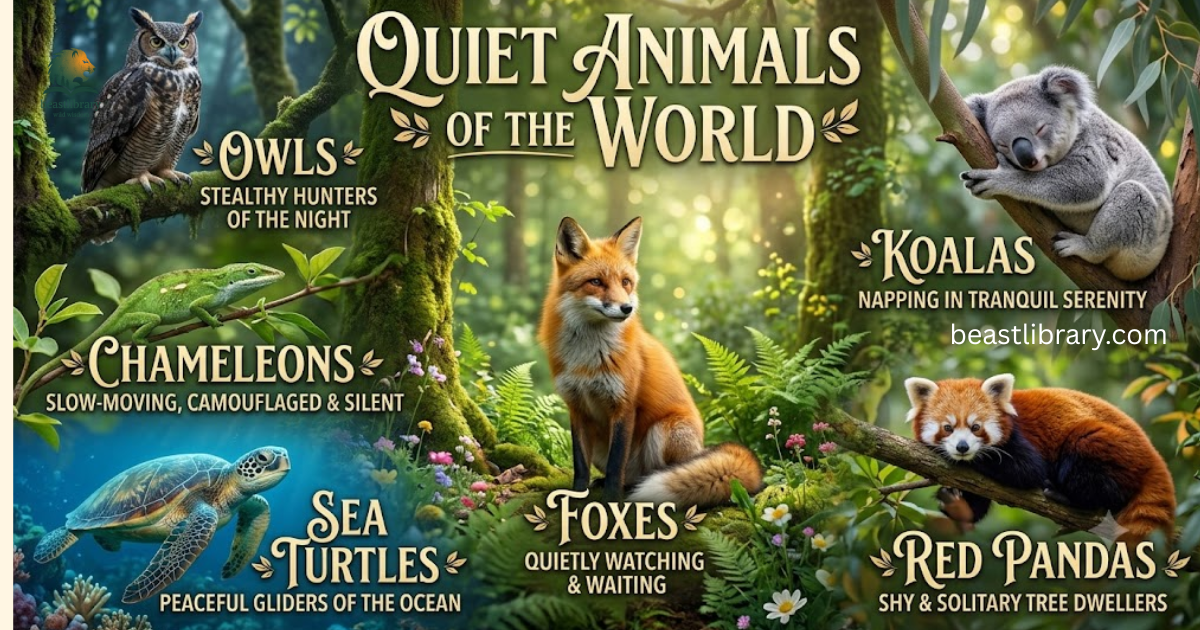
Quiet animals play a unique and peaceful role in the natural world. These quiet animals rely on silent movement to hunt or stay safe from danger. Learning about animals that are quiet reveals how silence serves as a powerful survival tool.
List of Quiet Animals in the World
Below is the list of animals that are quiet:
- Octopus
- Butterfly
- Turtles
- Spiders
- Rabbits
- Worms
- Lizards
- Snow leopard
- Jellyfish
- Snakes
- Snails
- Crabs
- Bat
- Sharks
- Giraffes
- Sloths
- Owls
- Goldfish
- Llama
- Deer
- Koala
- Manatee
- Pangolin
1- Octopus
Scientific name: Octopus vulgaris
Class: Cephalopoda
Diet: Carnivore
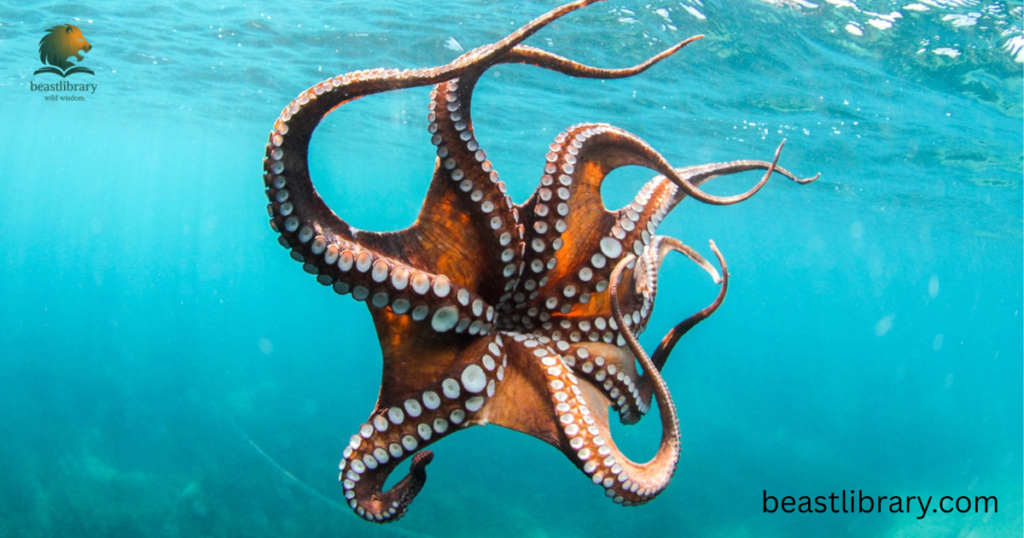
The octopus is spotted animal known as a master of camouflage. The octopus has an talent for altering its colors and skin patterns to instantly vanish into its environment. This quiet creature is independent animal of water. It has ability to swallow their whole food.
By adjusting its appearance, it communicates with other cephalopods, sharing moods and silent signals through a breathtaking display of shades that could easily outshine a painter’s finest work. Octopuses are consider as animal with no legs in water.
2- Butterfly
Scientific name: Danaus plexippus
Class: Insecta
Diet: Herbivore
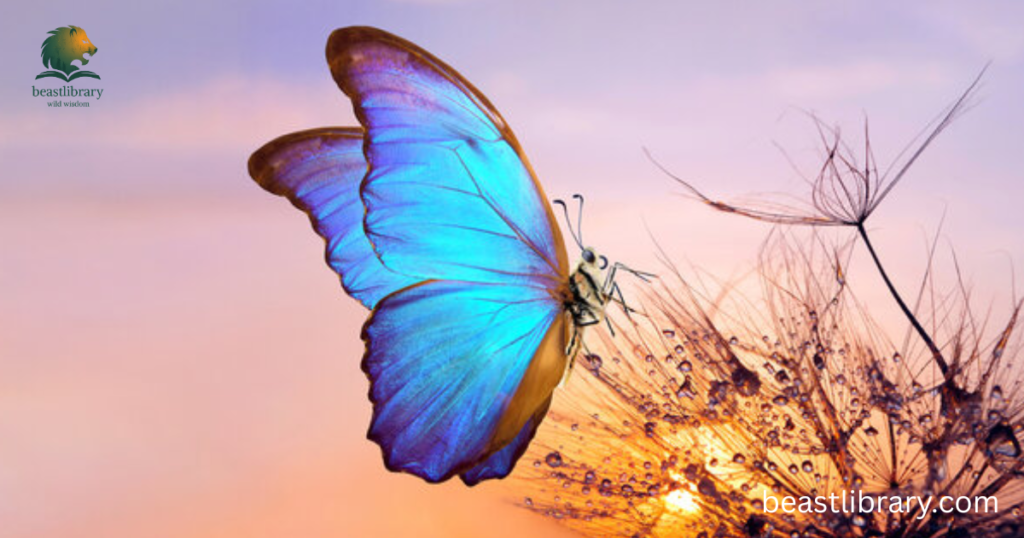
Butterflies, through often ignored because of their calm demeanor, embody a profound quietude that speaks volumes in the delicate ecosystems they inhabit. As their colorful wings drift noiselessly across backyards and fields.
Every soft touchdown on a petal is a reminder of their purpose. Highlighting how the phenomena of beauty and existence can thrive in complete silence.
3- Turtles
Scientific name: Testudines
Class: Reptilia
Diet: Omnivore
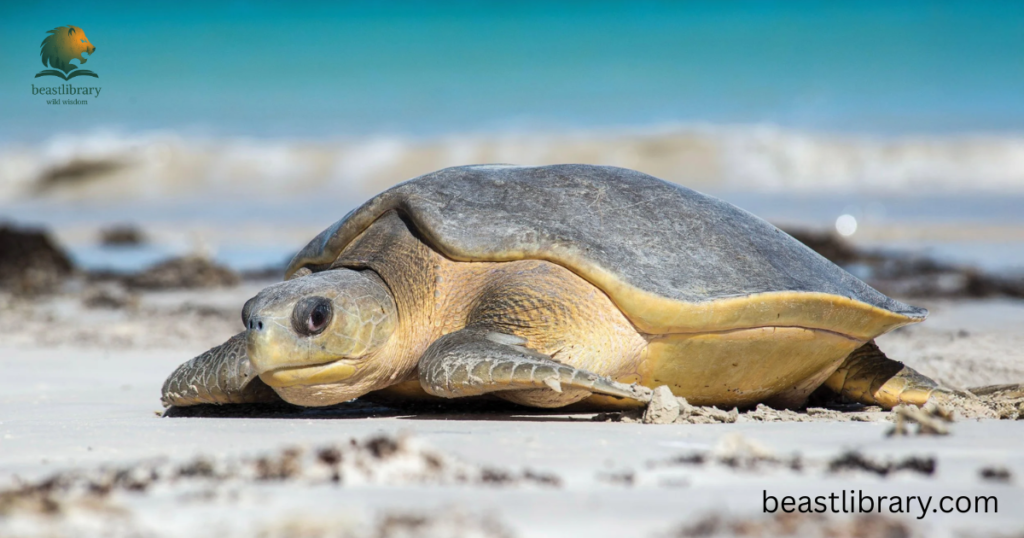
Turtles, often seen as the shy dwellers of both water and land realms, embody a unique blend of tranquility and resilience. Providing a sense of calm to their surroundings, Unlike many vibrant creatures of the wild, their quiet demeanor allows them to thrive in various ecosystems.
Because they move so unhurriedly, people watching them might easily misjudge how smart they actually are. Turtles possess remarkable navigational skills, often traveling thousands of miles to return to their birthplaces.
4- Spiders
Scientific name: Araneae
Class: Arachnida
Diet: Carnivore
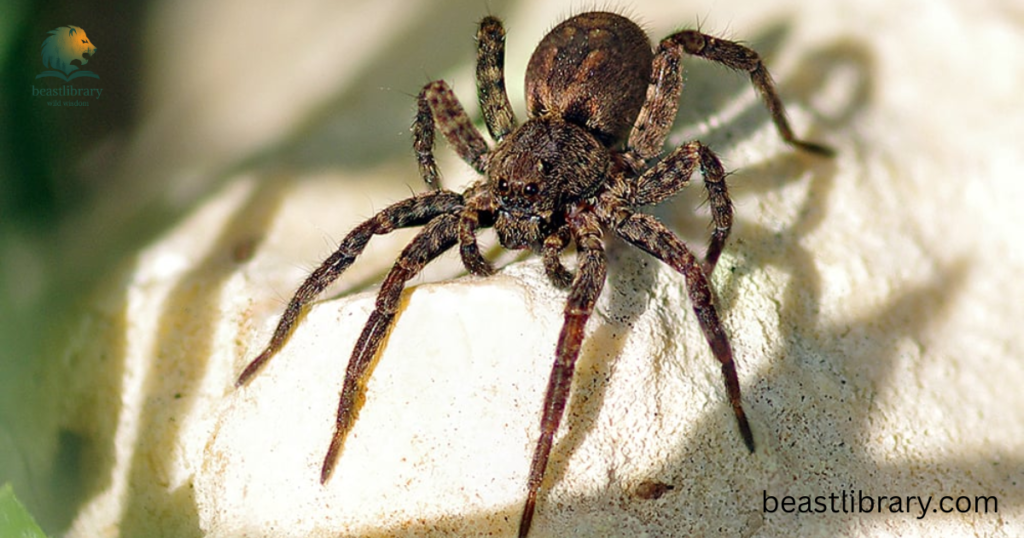
Spiders, often portrayed as the unearned antagonists of nature, hold captivating secrets beneath their eight legs. Even though their presence triggers fear in many, these quiet architects create intricate webs that serve as both homes and effective trapping zones.
Varieties like the orb weaver show remarkable calmness, waiting peacefully for food to get tangled in their carefully spun designs. Spirited hunters or calm ambush artists, spiders embody an extraordinary resilience and diversity that enrich our ecosystems, silently steering the ecosystem without ever needing any attention.
5- Rabbits
Scientific name: Oryctolagus cuniculus
Class: Mammalia
Diet: Herbivore
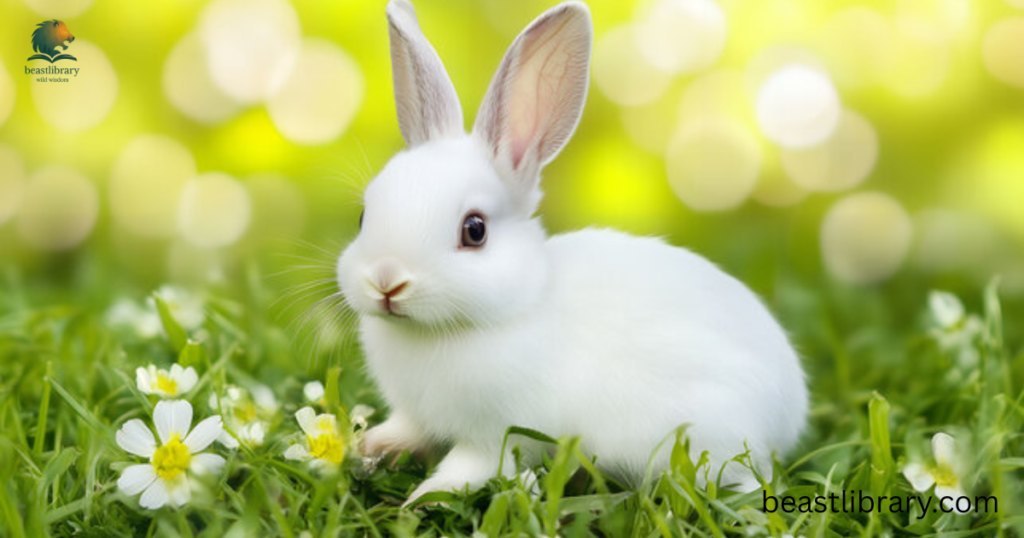
Rabbits are often overshadowed in favor of noisier animals, but they possess a rich tapestry of silent communication. Through their wiggling snouts and highly responsive ears. These gentle animals that are quiet convey emotions without a noise every flick and wiggle tells a story.
Rabbits are highly social quiet animals that thrive on companionship. They communicate through subtle body language, shifting their ears and twitching to convey how they feel. This sensitivity makes them not just pets, but companions that reflect the energy of their environment.
6- Worms
Scientific name: Lumbricus terrestris
Class: Clitellata
Diet: Detritivore
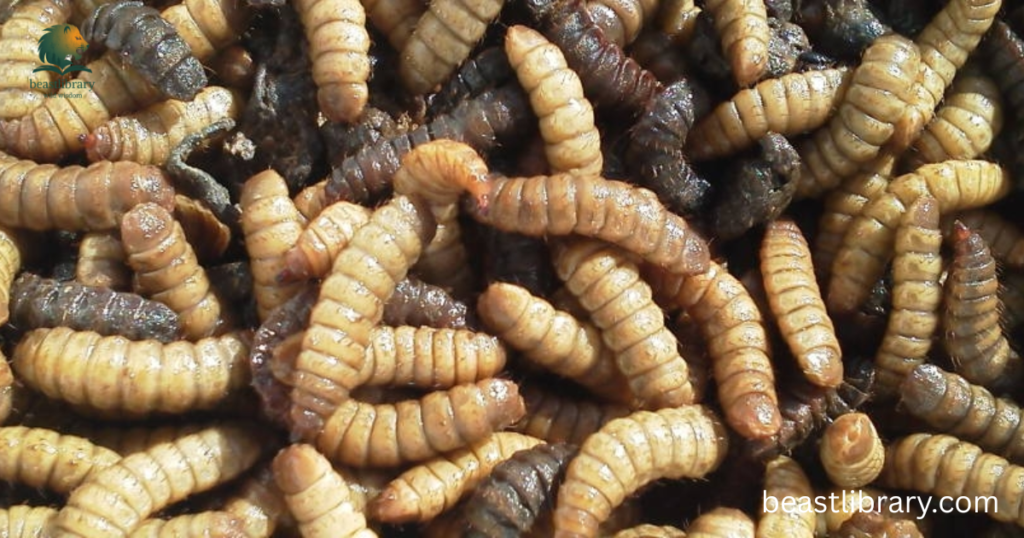
Worms act as the quiet animals of the environment, performing a vital role in maintaining underground health and habitat stability. Living largely beneath our feet, transforming it into nutrient-rich compost that supports plant life.
Their distinctive physical structure, featuring a series of segments known as annuli, allows them to navigate through the earth with impressive agility, leaving behind the channels that introduce air into the ground.
Recognizing the importance of these quiet yet powerful animals can shift our perspective on gardening and farming practices, In a world increasingly aware of environmental issues, steering us toward more eco-friendly approaches.
7- Lizards
Scientific name: Lacertilia
Class: Reptilia
Diet: Carnivore / Omnivore
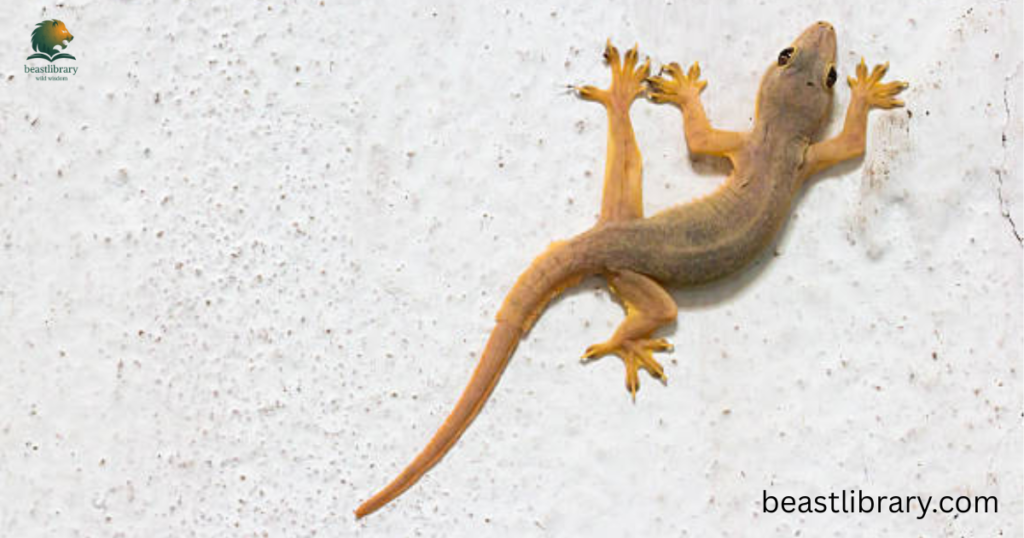
Lizards are often disregarded when discussing silent wildlife, but they possess remarkable adaptations that allow them to thrive in silence. Their physical characteristics, such as the ability to blend seamlessly into their surroundings, grant them a distinct method of interaction through visual disguise instead of vocalizations.
This silent artistry enables them to evade predators and surprise unsuspecting prey, highlighting the brilliant engineering found in nature. Many lizard species exhibit unique social behaviors, broadcasting their whereabouts through physical gestures and shifting shades instead of cries.
8- Snow leopard
Scientific name: Panthera uncia
Class: Mammalia
Diet: Carnivore
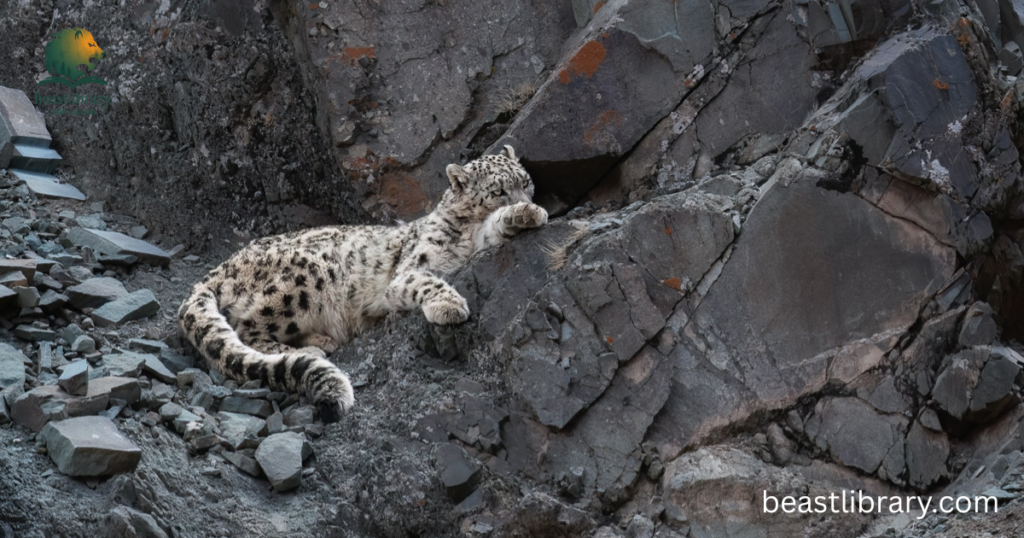
The snow leopard, often deemed the ghost of the mountains, that attract people not only because it is so hard to spot, but also for its remarkable adaptations to one of the most inhospitable habitats on the planet.
With its thick fur and long tail, this majestic feline is perfectly evolved to traverse the freezing, craggy landscapes of Central Asia, where temperatures can plummet. Its stealthy movements and noiseless technique have made it a master hunter, capable of overpowering targets more than twice its size with remarkable accuracy.
9- Jellyfish
Scientific name: Aurelia aurita
Class: Scyphozoa
Diet: Carnivore
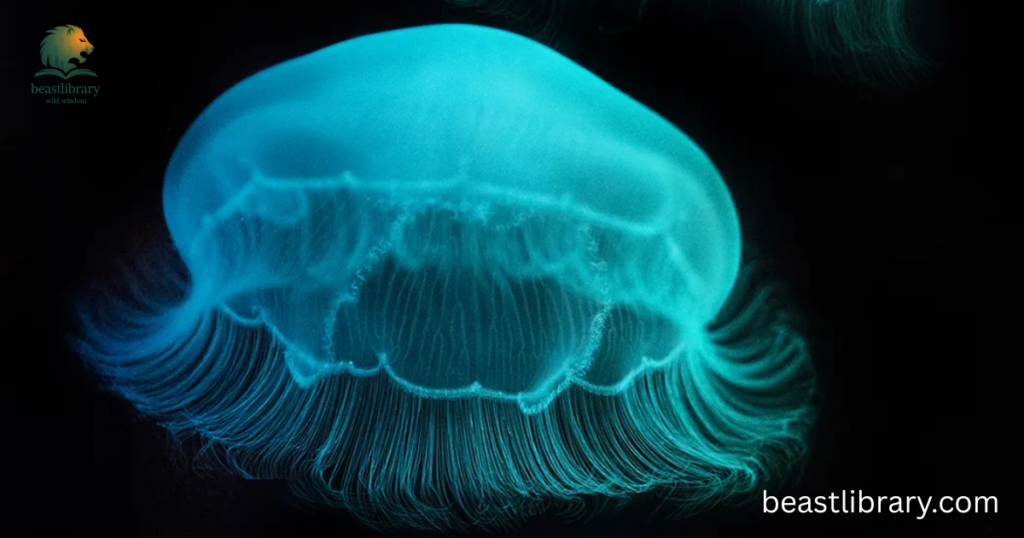
Jellyfish are captivating marine organisms that drift through sea currents, embodying a strange beauty. With their translucent bodies and ethereal movement, these silent, soft bodied entities are intriguing but often ignored.
They lack brains, hearts, and bones, yet they have existed for over 500 million years by adjusting to their surroundings in astonishing ways. This longevity raises questions about resilience and survival, shedding light on how these basic lifeforms conquer an environment full of difficulties
Some species even possess bioluminescent properties, while serving as a defense mechanism against predators, creating visual displays that mesmerize wandering eye. In a world increasingly marred by environmental changes, jellyfish stand as a silent testament to the enduring strength of the natural world.
10- Snakes
Scientific name: Serpentes
Class: Reptilia
Diet: Carnivore
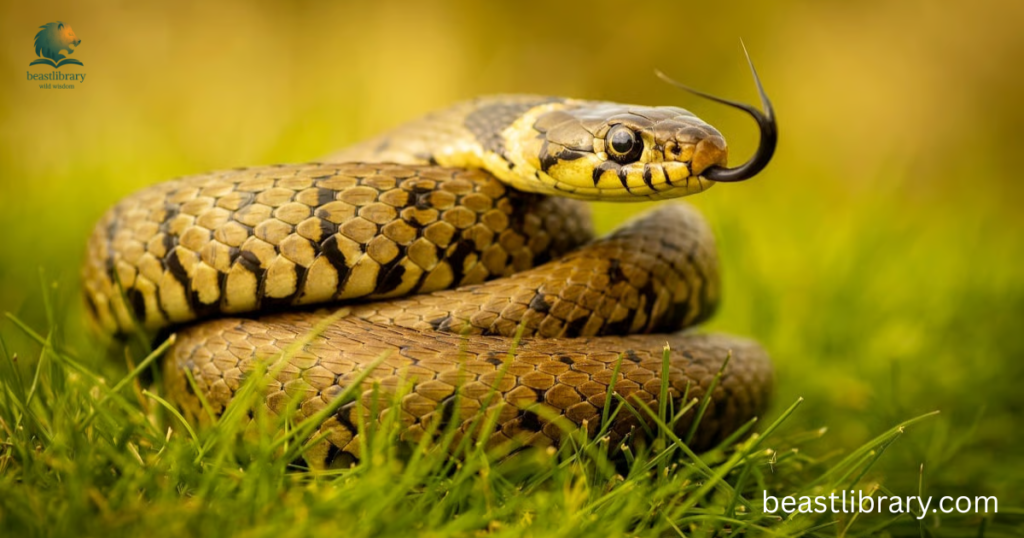
In the realm of quiet animals, snakes are remarkable because of their astonishing survival traits. Unlike many vocal creatures, crafting a silent dialogue that speaks volumes, snakes communicate through body language and pheromones.
Their ability to navigate the world without relying on sound reveals a unique evolutionary path, one that thrives in hush and shadow. For example, the captivating manner in which a snake dissolves effortlessly into its background, becoming one with the foliage or sand, is a testament to its mastery of camouflage.
These reptiles also possess a form of social intelligence often overlooked. Opposite to the common belief that they are always loners. Some snake species exhibit social behavior, forming communal dens or foraging in groups during certain seasons.
11- Snails
Scientific name: Helix aspersa
Class: Gastropoda
Diet: Herbivore
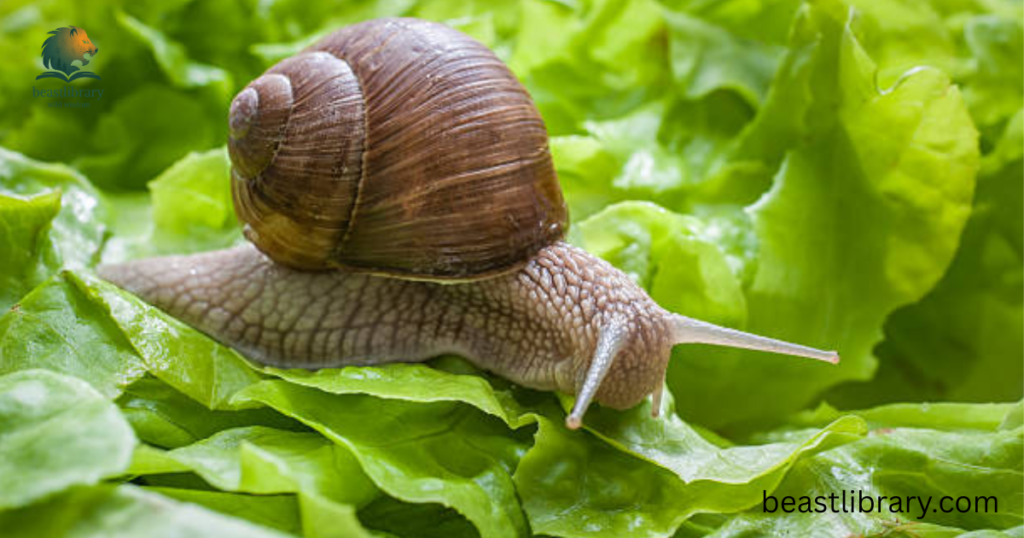
The garden snail plays a pivotal role in the ecosystem. With its slow, deliberate movement and soft body, it looks like a tiny chubby animal beneath its spiral shell. It contributes to soil health by feeding on decaying plant material and helping in nutrient cycling.
They are social and use chemical signals in their slime trails to connect with each other, especially for finding mates and navigating their environment. These mucus trails also help reduce water loss, an important adaptation for survival in changing environmental conditions.
12- Crabs
Scientific name: Brachyura
Class: Malacostraca
Diet: Omnivore
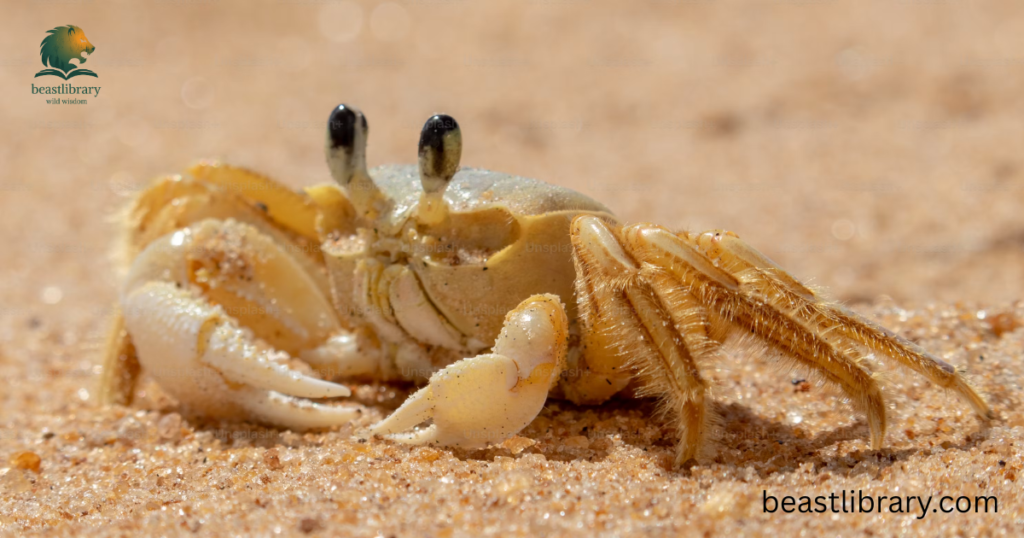
Crabs, often overlooked in the animal kingdom, present a captivating study in natural adaption. With over 6,800 species, these ocean-dwelling crustaceans demonstrate incredible diversity in both appearance and behavior.
From the strikingly colorful blue crab to the elusive red rock crab that burrows into sandy shores, crabs are perfect examples of animals that are quiet while remaining masters of camouflage and survival.
These silent creatures are also crucial to their respective ecosystems. operating as natural scavenger, breaking down organic material and feeding on detritus, they play a vital role in nutrient cycling, which helps maintain the balance of their habitats.
13- Bat
Scientific name: Chiroptera
Class: Mammalia
Diet: Omnivore / Insectivore / Frugivore
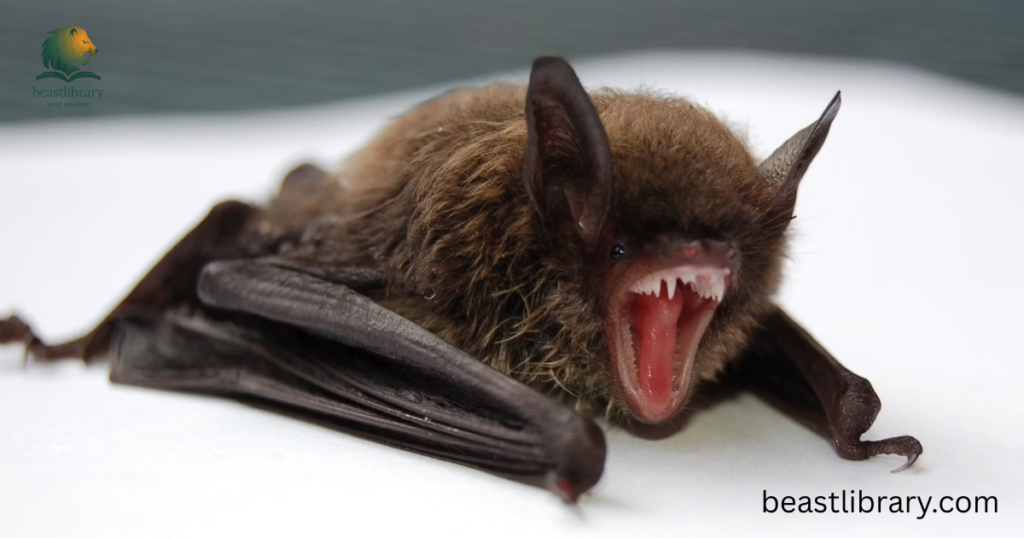
Bats are nature animals that are quiet. Many people don’t realize that over 1,400 species of bats exist, and nearby all of them are completely harmless, focusing on insects and fruits rather than seeking out human interaction.
Often leading to elaborate “chatter” among roost mates that can be mistaken for raucous celebration. They use sophisticated echolocation to navigate and communicate. making bats not just docile, but incredibly fascinating members of our animal kingdom.
14- Sharks
Scientific name: Selachimorpha
Class: Chondrichthyes
Diet: Carnivore
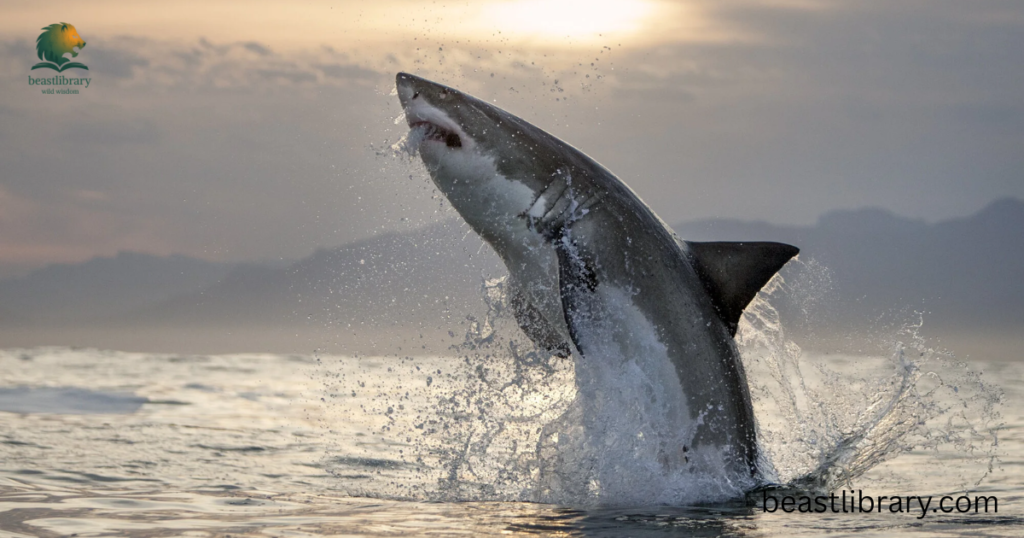
Sharks often conjure images of terrifying predators, but beneath their fearsome exterior lies a world of peaceful complexity. These apex predators are masters of their surroundings, employing stealth and precision rather than loud noise to hunt.
They are prime examples of calm animals, allowing them to navigate the vast oceans with an understated grace. This silent capability is vital not just for their own survival, but also for maintaining the delicate balance of marine life.
Sharks possess have an incredible sensitivity to underwater vibration, using their lateral lines to detect even the faintest movements in the water. This unique skill enables them to track down prey with out needing aggressive behavior or loud displays.
15- Giraffes
Scientific name: Giraffa camelopardalis
Class: Mammalia
Diet: Herbivore
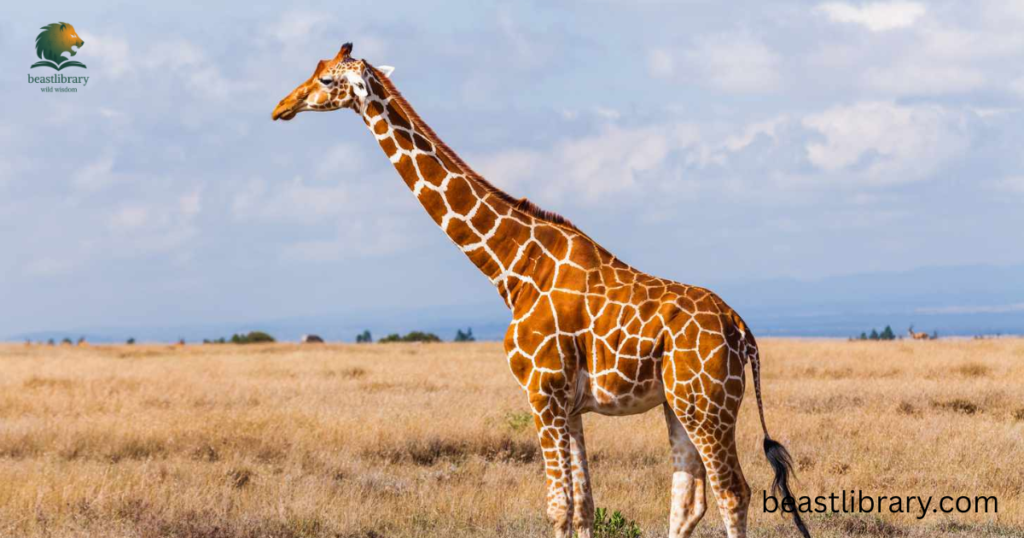
The giraffe is the tallest land animal and most iconic animals that live in savannas. It occurs in open grasslands and dispersed woodland in sub-Saharan Africa. The acacia trees are closely associated with giraffes.
Under short distances ,hooved animals giraffes have a speed of up to 60 kilometers per hour. Their height is an added advantage of detecting predators. A giraffe has a big and strong heart. It forces blood into the long neck of the brain.
They mainly feed on leaves, shoots as well as flowers of tall trees. Their long neck enables them to feed on food stuffs that are inaccessible by many other herbivores. It has the prehensible tongue to strip the leaves off thorny branches.
16- Sloths
Scientific name: Bradypus variegatus
Class: Mammalia
Diet: Herbivore
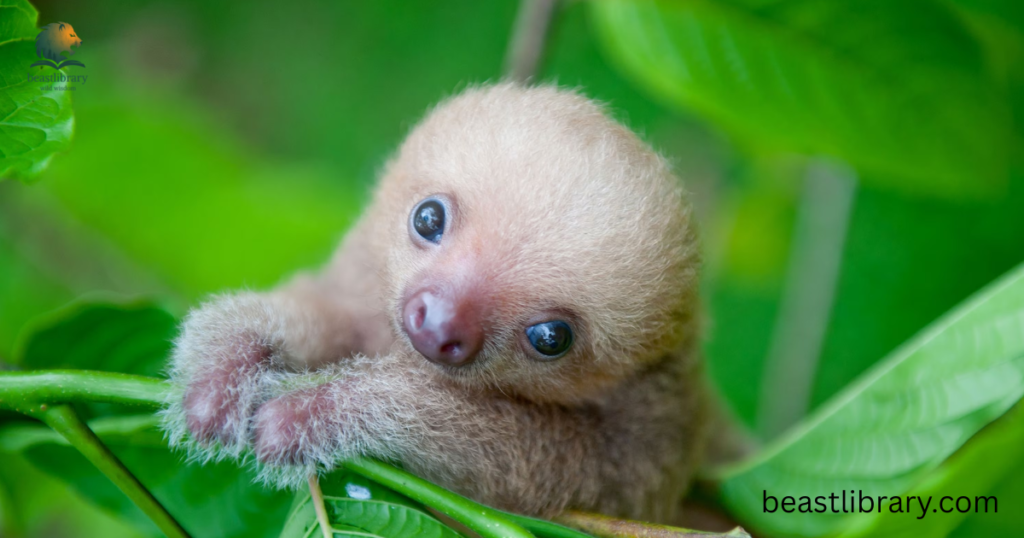
Sloths are truly captivating animals for their unique adaptations that highlight the beauty of a quiet existence. Their unhurried speed helps them save precious energy, making their lives a delicate dance of survival in the dense canopies of Central and South America.
Sloths have a specialized digestive system that ferments food over a considerable period, But there’s more to sloths than their famous sluggishness. Their slow movements and greenish fur, rich in algae, provide excellent camouflage against the dense foliage of their tropical rainforest habitat. They are clumsy animals.
17- Owls
Scientific name: Strigiformes
Class: Aves
Diet: Carnivore
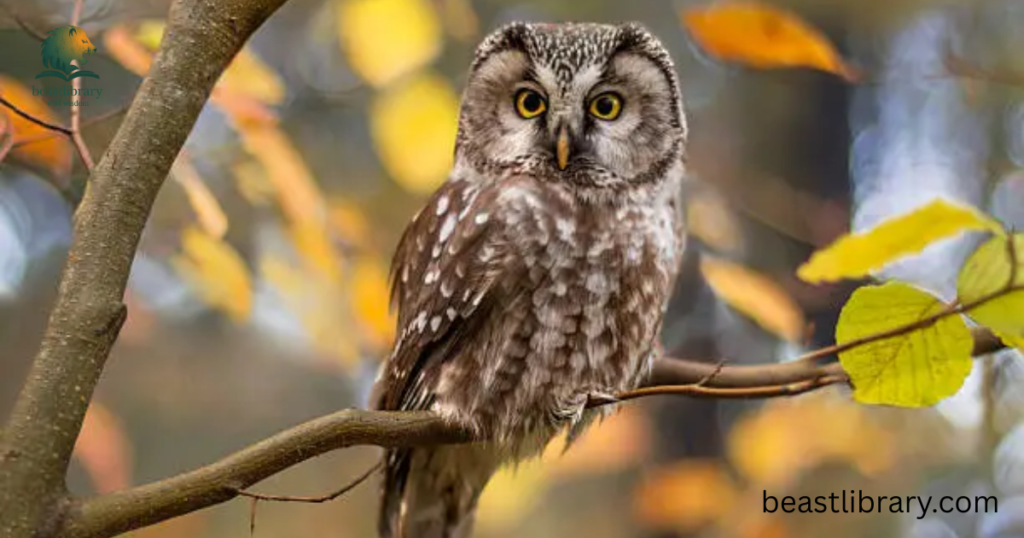
Owls are quiet animals of wild. When wondering what animals are quiet in their behavior, This adaptation allows them to approach prey stealthily, making them formidable nocturnal hunters.
Owls are deeply misunderstood nocturnal creatures. While their haunting calls evoke a sense of solitude, they actually play a vital part in keeping our ecosystems balanced. Owls regulate rodent populations, and their presence signals a healthy environment.
They possess incredible vision and hearing, and their presence signals a healthy environment. , allowing them to navigate the darkness with astonishing precision. Observing an owl in its natural habitat invites us to reflect on the interplay of silence and sound in the animal kingdom.
18- Goldfish
Scientific name: Carassius auratus
Class: Actinopterygii
Diet: Omnivore
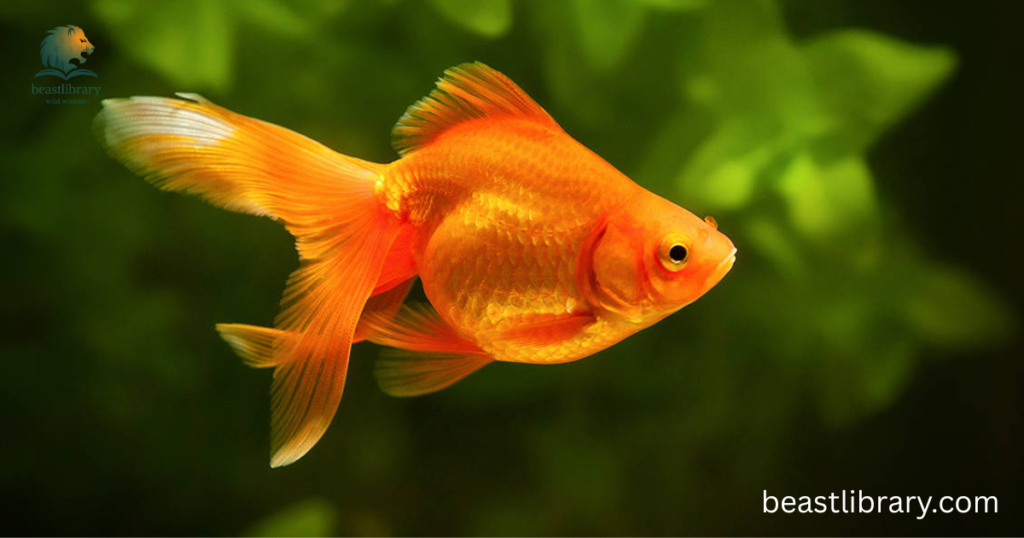
Goldfish often evoke visions of tranquil aquariums, where there graceful swimming creates a calm and soothing environment. But beneath their placid exterior lies a unique world of behavior and intelligence.
Research has revealed their capacity to learn and remember tasks for months. Contrary to the outdated belief that goldfish possess a mere three-second memory. This adaptability showcases their potential for enrichment; inviting owners to engage with them in stimulating ways.
Goldfish exhibit a surprising social behavior. often forming bonds with their tank mates, within their underwater world, They communicate through subtle body language and color changes. Observing these interactions can be a mesmerizing experience, while others show much bolder and more curious traits.
19- Llama
Scientific name: Lama glama
Class: Mammalia
Diet: Herbivore
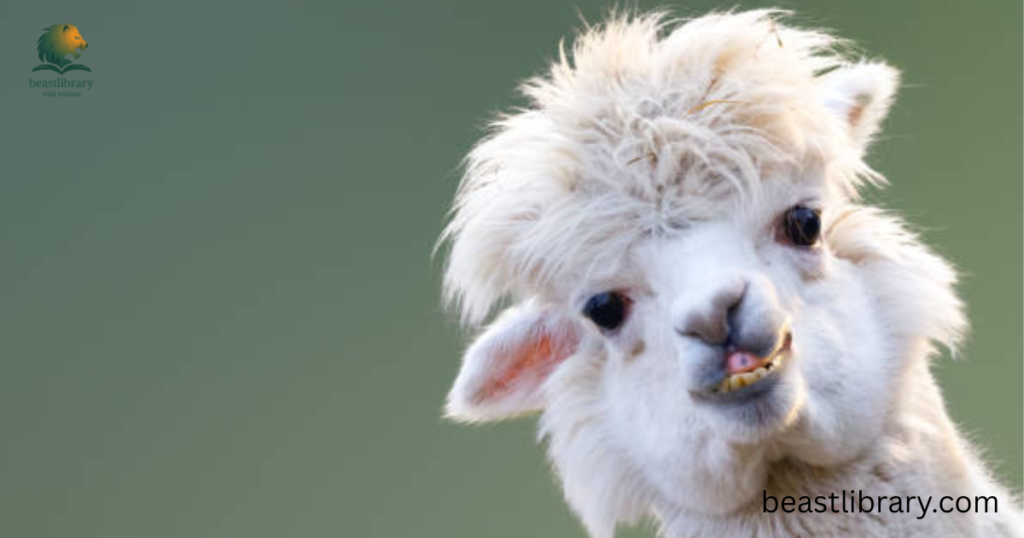
Llamas are widely recognized for their peaceful nature. Their temperament originates from their community framework, llamas thrive in herds, relying on the company of others to feel secure. Their highly communicative expressions and physical gestures can reflect the moods of individual.
This remarkable blend of sociability and emotional intuition that llama are often considered among the friendliest wild animals in domesticated settings, serving as both delightful partners. This social intelligence allows them to bond closely with humans and other animals, establishing a symbiotic supportive bond.
20- Deer
Scientific name: Cervidae
Class: Mammalia
Diet: Herbivore
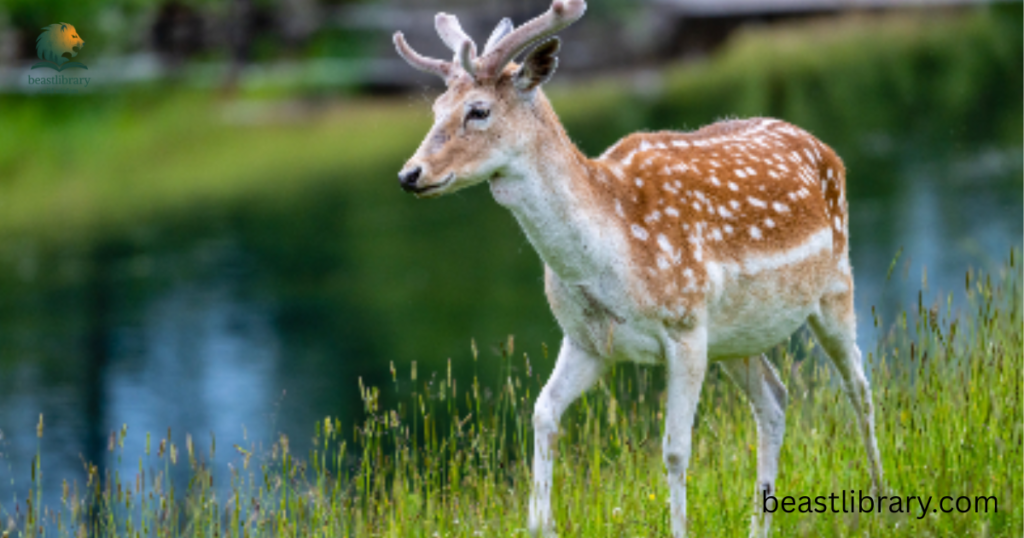
Deer, often observed elegantly moving through woodlands and fields, embody a remarkable blend of elegance and gentleness that charms wildlife lovers. Their interactions with the environment are subtle yet impactful. They are nature humble animals.
In every graceful leap and gentle browse, deer remind us of the beauty inherent in coexistence with nature, they contribute to the health of plant populations, fostering biodiversity. These docile creatures display social behaviors that mirror human friendship.
21- Koala
Scientific name: Phascolarctos cinereus
Class: Mammalia
Diet: Herbivore
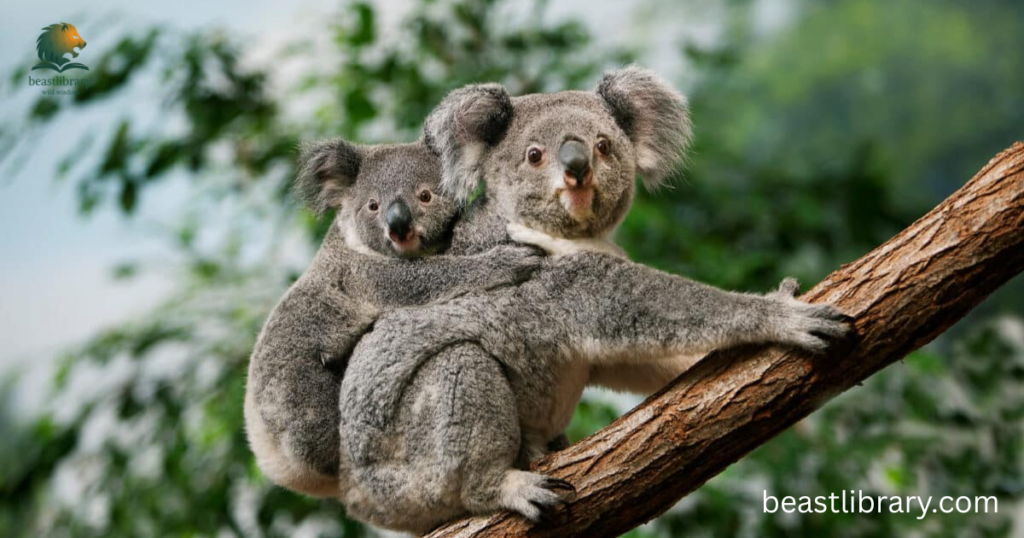
The koala, widely recognized as a classic symbol of Australia, embodies a serene lifestyle that underscores the beauty of stillness in nature. They use loud call to show dominance or convey urgent massages, koalas are quiet animals, mostly during mating season, choosing to express themselves through soft grunts and occasional bellows.
This reserved conduct fits beautifully with their unhurried lifestyle, as they spend most of their time nestled in eucalyptus trees. They are animals with Pouches, consuming a diet primarily composed of leaves that few creatures dare to touch.
22- Manatee
Scientific name: Trichechus manatus
Class: Mammalia
Diet: Herbivore
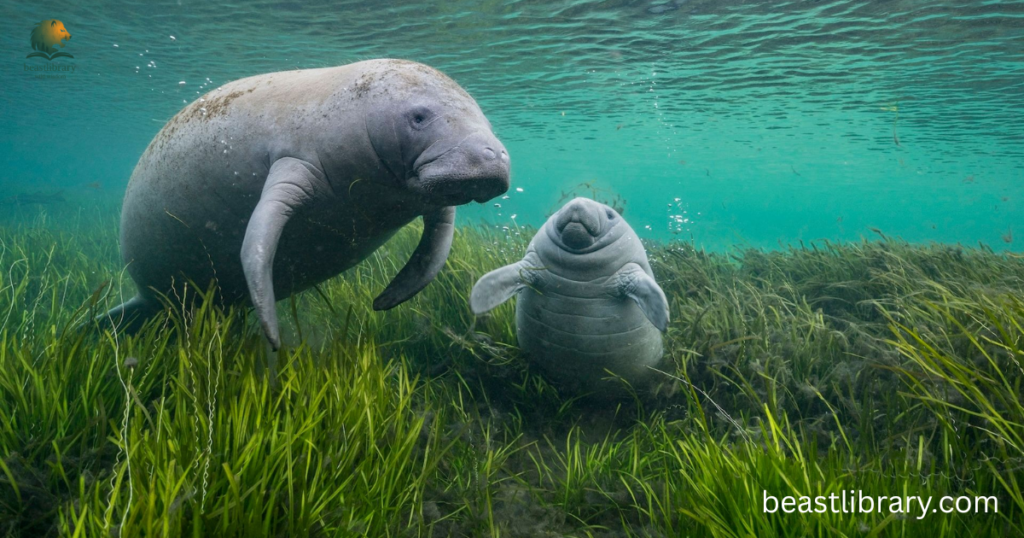
Manatees, often affectionately dubbed “sea cows,” embody the charm of chubby animals with their gentle demeanor and rotund bodies. These aquatic giants can weigh up to 1,300 pounds and can grow to lengths of about 10 to 13 feet. They are whiskered animals and walk slowly.
As human activities continue to threaten their habitats, understanding this relationship underscores the importance of conservation efforts, reminding us that even in their chubby charm. Manatees contribute significantly to our planet’s health.
23- Pangolin
Scientific name: Manis (Genus) / Pholidota (Order)
Class: Mammalia
Diet: Insectivore
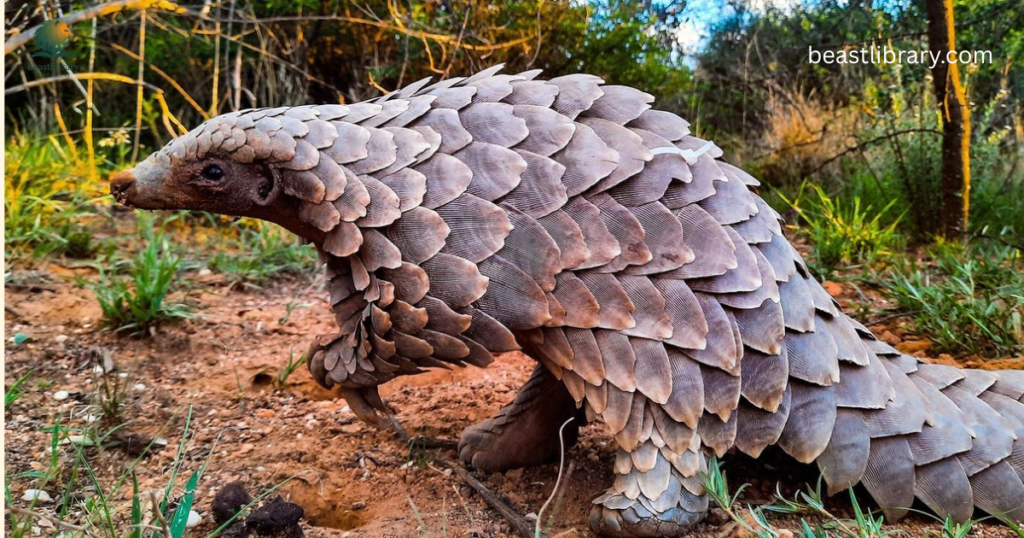
The pangolin is most unique quiet mammals in the world. They are known for its protective armor made of keratin scales. Among the many animals that are quiet, pangolins stand out because they do not make vocal sounds like roaring, barking, or chirping to communicate.
Instead, these shy, nocturnal creatures move softly through forests and grasslands. Using their keen sense of smell to hunt for ants and termites in complete silence. Pangolin is animal that has scales in wild. It has curled tail to support.
Conclusion
Quiet Animals across the world plays a crucial role in maintaining ecological balance, often going unseen in the hustle and bustle of noisier wildlife. These quiet animals show the power of silence and the smart strategies they use for survival.
FAQs
What animals are quiet?
Animals that are quiet are Sloth, Giraffe, and Rabbit, which make very few sounds.
What animals are quiet and observant?
Quiet and observant animals include the Owl, Cat, and Fox, which often watch their surroundings carefully before acting.
What is the quietest animal in the world?
The sponge is considered the quietest animal in the world, as it has no vocal cords, organs, or nervous system and produces zero sound. Among creatures that move and fly, owls and sloths are the quietest due to their silent flight feathers and ultra-slow movements.