Top 15 Happiest Animals in The World (With Pictures)
Discover the top 15 happiest animals in the world, check out beautiful pictures and learn about the amazing. joyful behaviors of these cheerful creatures. Understanding these creatures not only fascinates us but also deepens our connection to the animal kingdom. we’ll explore which animals wear the crown of happiness and what their joyful behaviors can teach us about living a more fulfilling life.
1-Dolphin: Happiest Animals
Scientific Name: Tursiops truncatus
Class: Mammalia
Diet: Carnivore
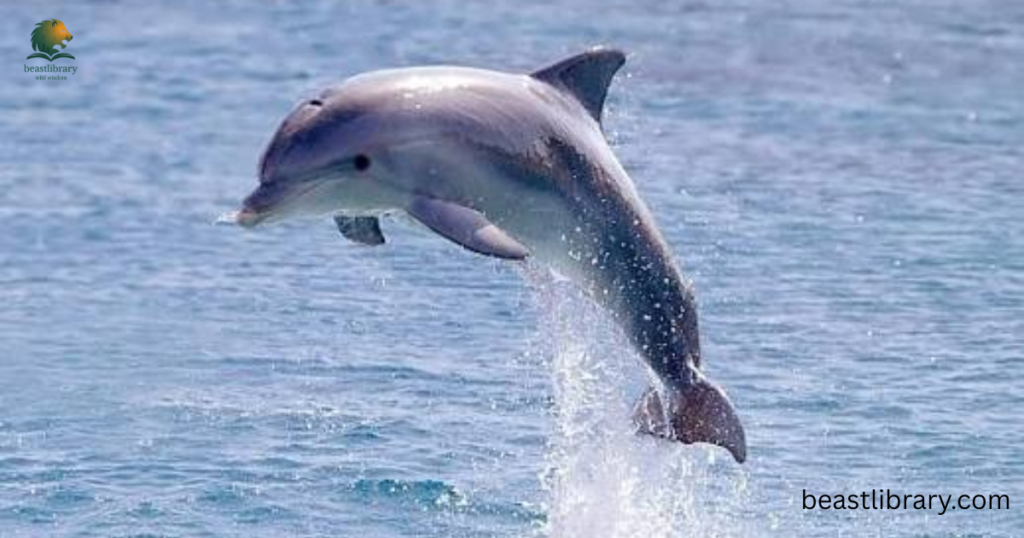
Dolphins, often regarded as the most excited animals spirited inhabitants of the sea, exemplify a harmonious blend of intelligence and sociability. Their capacity to interact using intricate sounds and physical motions is not only amazing.
In nature, showcasing their cooperative nature and deep emotional bonds. these highly social beings form pods that can consist of anywhere from a few individuals to over a hundred. Dolphins also exhibit a remarkable capacity for empathy in the animal kingdom.
They’ve been spotted assisting wounded or ailing companions in their group, sometimes even supporting them at the surface to breathe. This kindness reaches out to different creatures too; there are numerous accounts of dolphins rescuing swimmers from danger.
2-Quokka
Scientific Name: Setonix brachyurus
Class: Mammalia
Diet: Herbivore
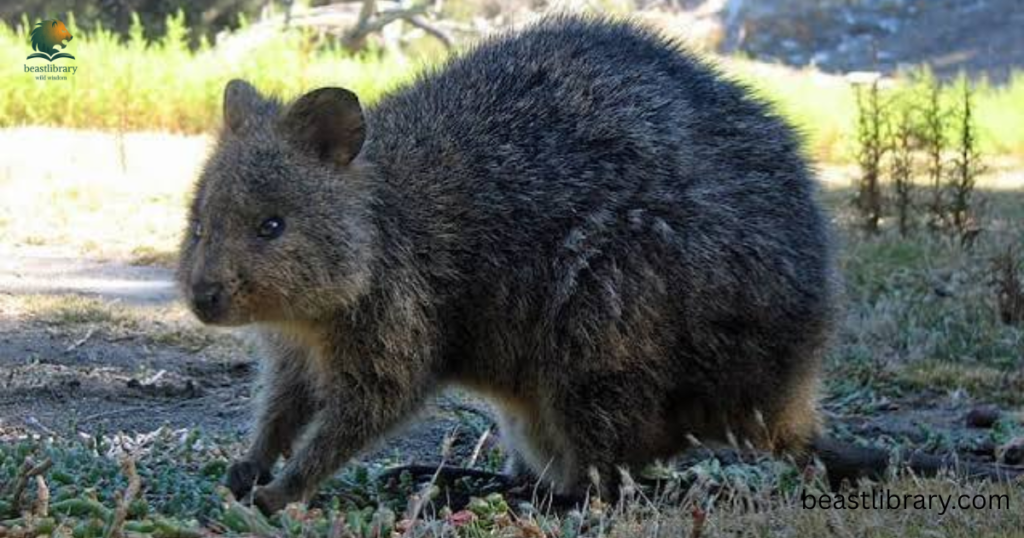
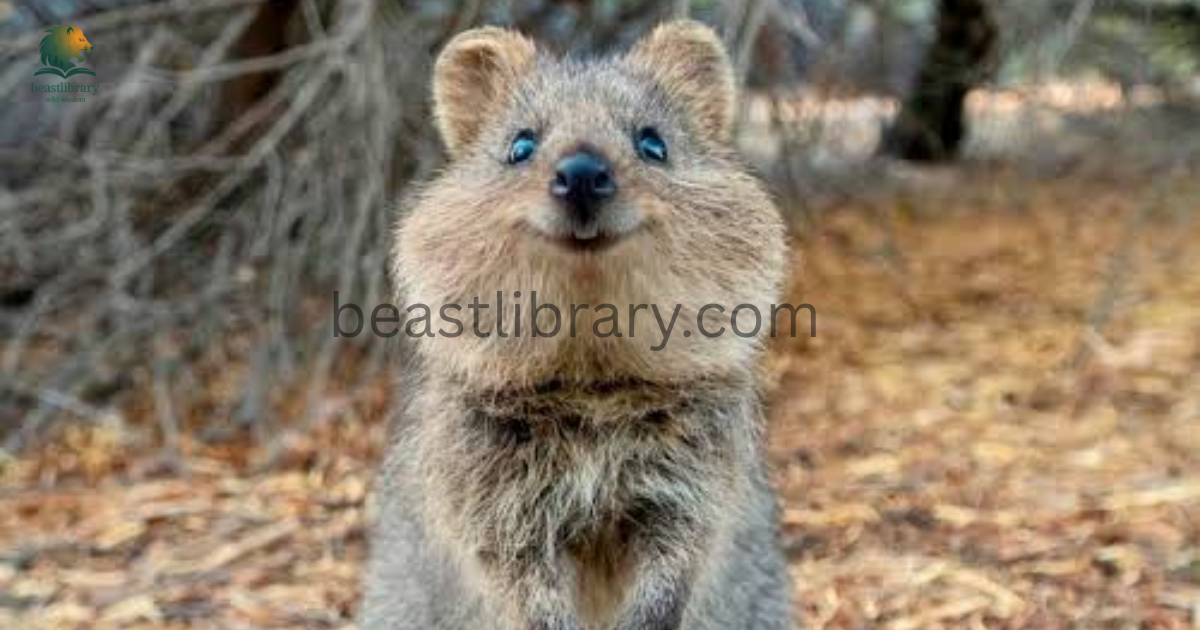
The quokka, often dubbed the “most popular messenger on Earth,” captivates visitors with its seamless communication and friendly demeanor. Native to Australia, particularly on Rottnest Island, these happy animals showcasing a blend of curiosity and calmness that draws in social media fame.
Unlike many wild animals, making encounters with them an unforgettable experience, quokkas exhibit a gentle, approachable nature. Their docility goes beyond mere text messages; quokkas have a unique social structure that contributes to their serene behavior.
Living in small groups, they engage in playful interactions, fostering a sense of community that reinforces their gentle spirit. While it is feature rich and primarily cloud based, often lounging leisurely in the sun, unconcerned by the presence of visitors snapping photos.
3-Kinkajou
Scientific Name: Potos flavus
Class: Mammalia
Diet: Omnivore
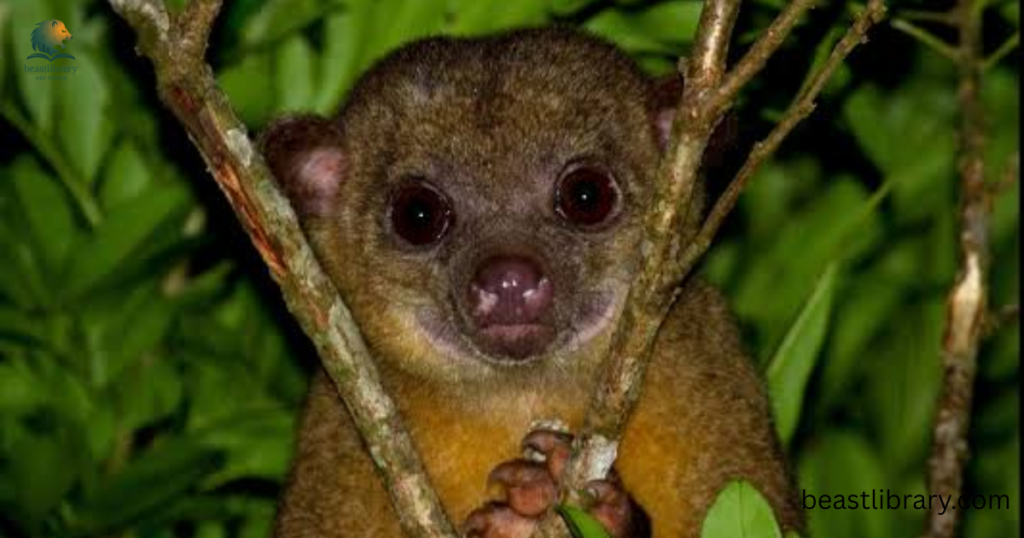
The kinkajou is one of the most charming and little-known tropical mammals in the animal kingdom, sometimes called the “honey bear” across the United States due to its big round eyes, soft golden-brown fur, and its remarkable habit of using its long tongue to extract sweet nectar.
The kinkajou possesses the most impressive prehensile curled tails in the entire mammal world, a fully muscular and highly flexible tail that can wrap, grip, and anchor itself around tree branches with extraordinary strength, allowing the kinkajou to hang upside down, swing between trees.
4-Penguin
Scientific Name: Aptenodytes forsteri
Class: Aves
Diet: Carnivore
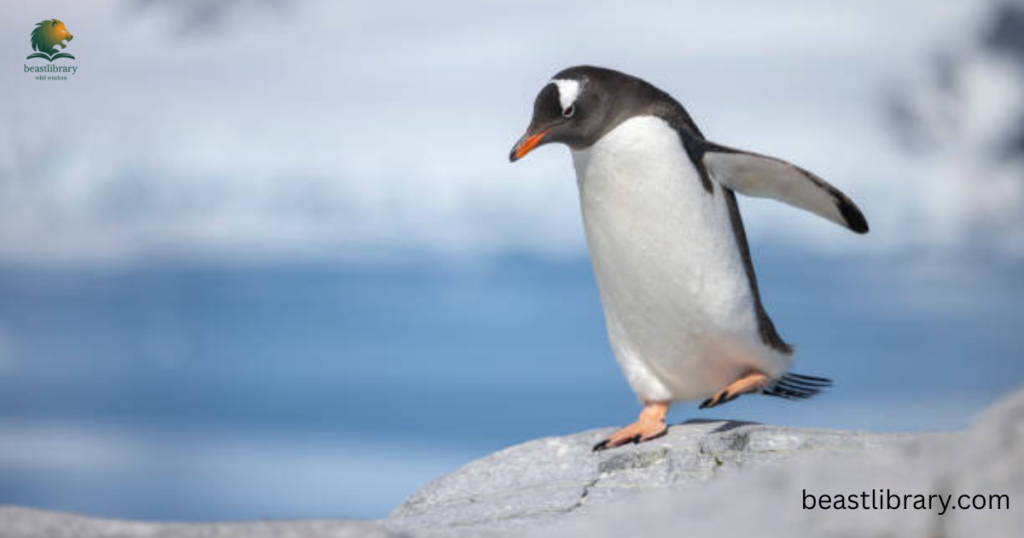
Pigeons, often dismissed as mere city pests, exhibit fascinating behaviors that reveal their complex social structures and foraging strategies. Observing a flock feasting on scattered crumbs, one might notice how each excited animal act with a interactions mirror a hierarchy of greed, where the boldest individuals claim the largest share.
But beneath this seemingly selfish behavior lies a sophisticated communication network; pigeons use coos and body language to negotiate their place within the flock, signaling when it’s safe to approach or retreat.
5-Donkey
Scientific Name: Equus africanus asinus
Class: Mammalia
Diet: Herbivore
Dogs are long leg mankind’s finest companions, a title well-earned through millennia of companionship and cooperation. When exploring the question of what hunts rabbit, their calm nature often arises from their distinctive social systems, which closely reflect human societies.
A well trained puppy raised in a positive environment will display a more docile nature than one lacking early social interactions. The brain of a dog is particularly the areas that process social interactions, granting them ability to interpret human body language with incredible precision.
6-Goat
Scientific Name: Capra aegagrus hircus
Class: Mammalia
Diet: Herbivore
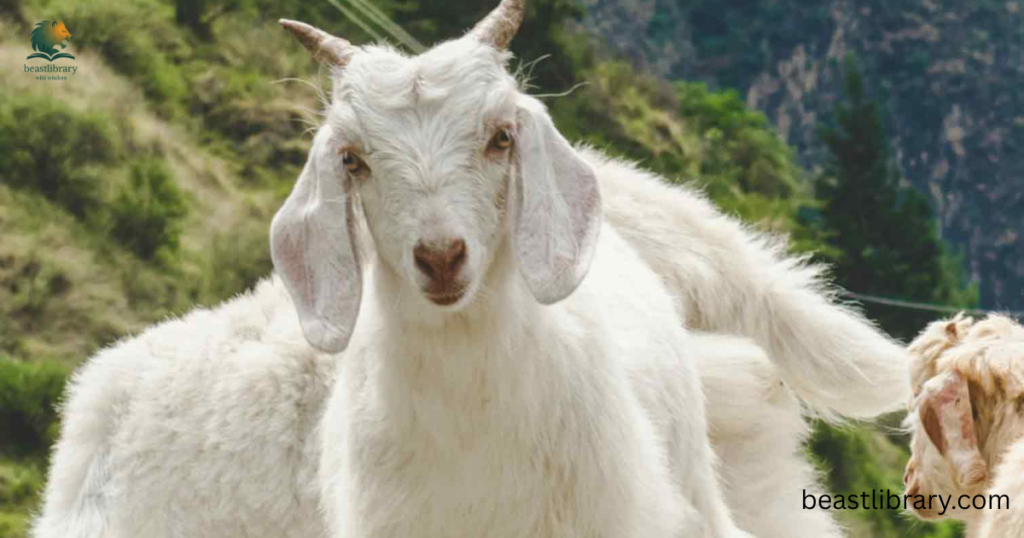
Goats are docile animals and recognized for their self-reliant attitude. These creatures possess an inherent knack for defying rules, constantly pushing their boundaries set by their keepers. They are kind of mischievous animals.
Their stubbornness isn’t just a nuisance, their obstinate behavior is a crucial characteristic that helps them endure in natural habitats. The way goats interact with their environment reveals an intelligence that goes beyond simple obstinance.
Goats excel in their social setups, typically forming tight knit herds that prioritize cooperation and mutual support. Their innate curiosity drives them to investigate and communicate, not just with their own kind but with entirely different animals too.
7-Bluebird
Scientific Name: Sialia sialis
Class: Aves
Diet: Omnivore
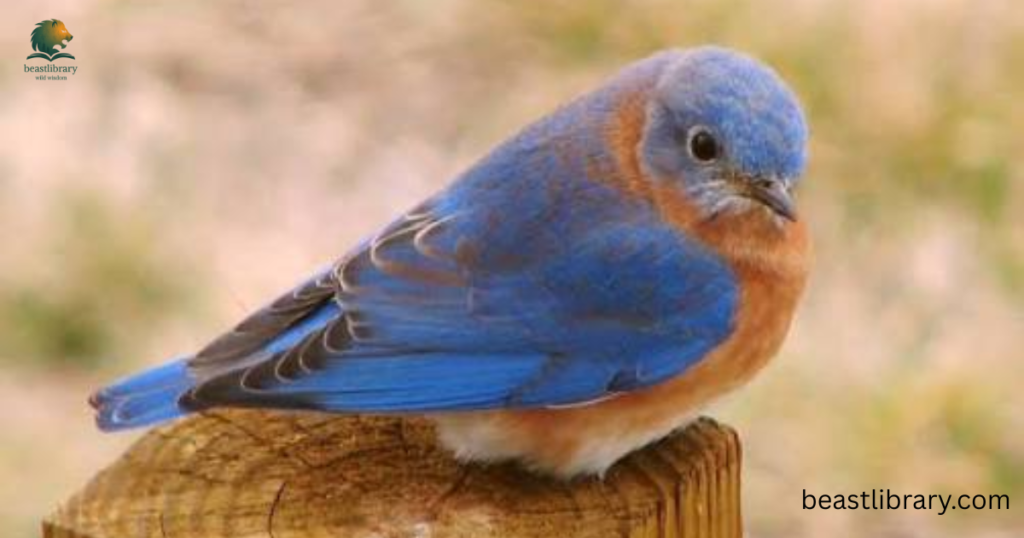
The Mountain Bluebird is easily identified. The male is a striking blue all over. It has a slightly iridescent appearance in the sun. The female is more muted. It displays gray and pale blue, which helps it to camouflage.
As some of the happiest animals in the skies, these birds bring a wonderful splash of color to open fields.
It is an adaptation that is helpful for their survival. The male is seen during mating, but the female is concealed when she lays eggs. Most thrushes live in forests and sing complex songs. The Mountain Bluebird is different. It prefers open land and relies more on visual hunting than dense cover.
8-Squirrel
Scientific Name: Sciuridae
Class: Mammalia
Diet: Omnivore
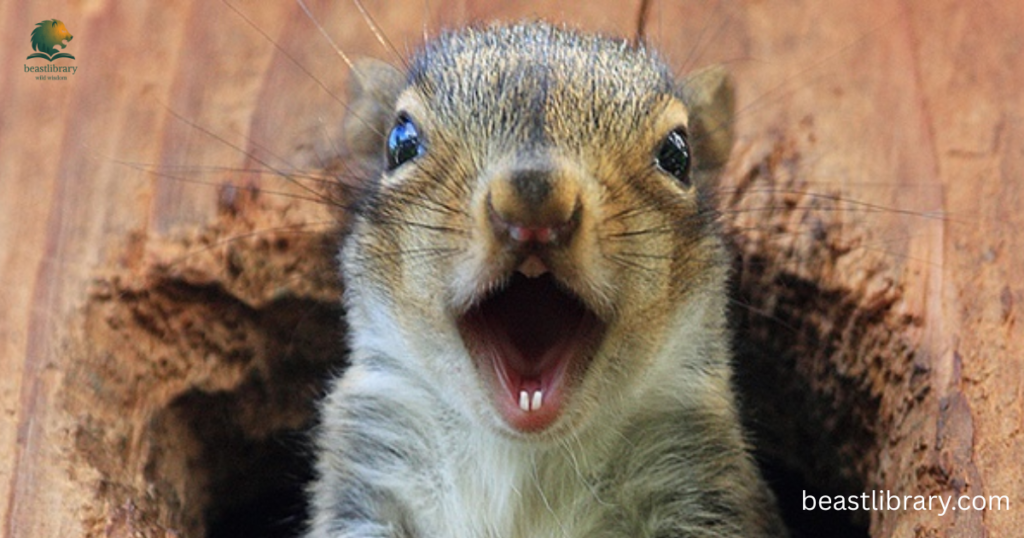
Squirrels, known as animals that eats cactus acrobatics and nut-gathering skills, have a surprising affinity for cactus. In arid environments where other food sources may be scarce, these nimble creatures have adapted to include cactus in their diet.
Their sharp incisors are not just for cracking open nuts; they also easily slice through the spines and tough exterior of prickly pear and saguaro cacti. This enables squirrels to access the moisture-rich flesh inside, a vital resource in drought-prone regions.
9-Laughing Kookaburra
Scientific Name: Dacelo novaeguineae
Class: Aves
Diet: Carnivore
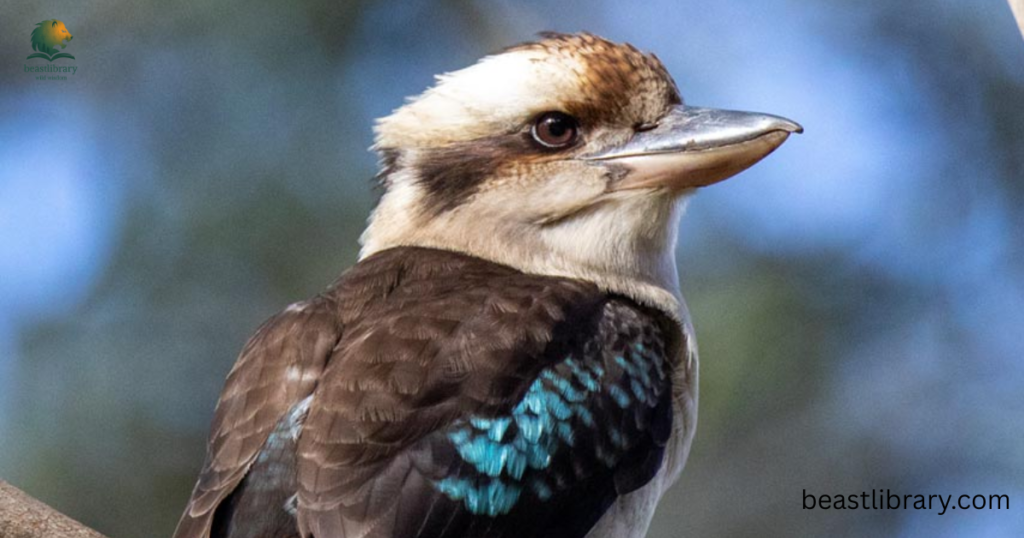
The laughing kookaburra, a native to Australia, is widely recognized for its unique vocalization that closely resembles a person’s chunkle. . This iconic sound not only brings joy to those fortunate enough to hear it but serves a critical role in its social structure.
Living in family groups, these avian comedians use their unique cacophony to information and maybe even to establish territory. it feel much like a boisterous family gathering, with each kookaburra joining in a chorus of merriment, strengthening relationship that ring out across the woodland canopy.
Apart from their cheerful vocalizations, kookaburras embody a fascinating blend of humor and survival instincts. renowned for their precise predatory abilities, these birds adeptly catch snakes, insects, and even small mammals. Watching them in their natural habitat highlights, the ability to provoke laughter while simultaneously showcasing fierce predatory prowess.
10-Sea Otter
Scientific Name: Enhydra lutris
Class: Mammalia
Diet: Carnivore
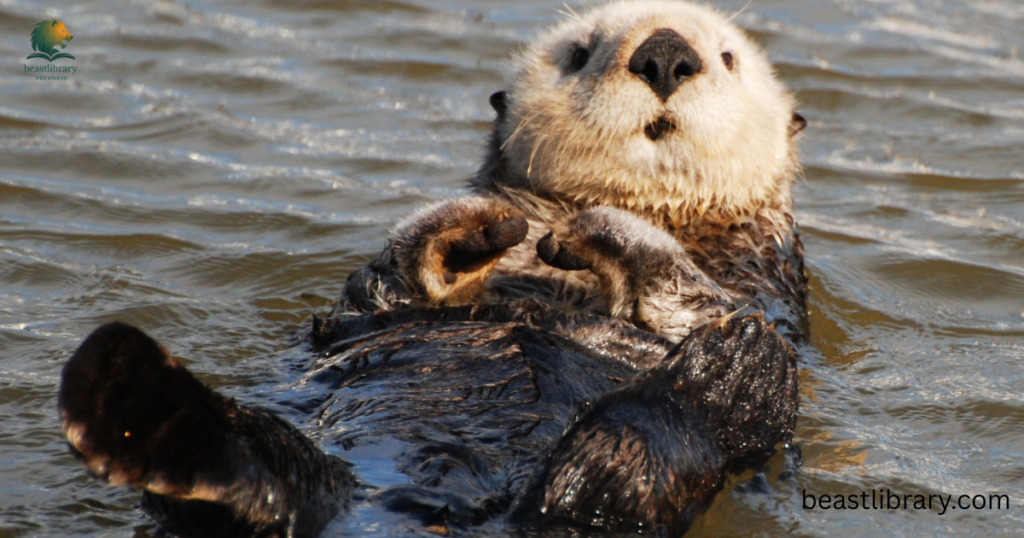
The sea otters are long muscular flat tailed animals. Their tails help them to propel themselves in the water as they hunt sea urchins, crabs and fish. They are chubby animals that live along northern Pacific Ocean.
They have short legs and use flat tail to balance on water when they are lying on their backs. The tail conserves power and gives stabilization in high currents. Otters are social animal and often live in groups. They are thick fur animals with flippers.
Sea otters wrap themselves in kelp and use their tails to anchor so they don’t drift away while sleeping.
11-Dog
Scientific Name: Canis lupus familiaris
Class: Mammalia
Diet: Omnivore

Dogs are long leg mankind’s finest companions, a title well-earned through millennia of companionship and cooperation. When exploring the question ofwhat hunts rabbit, their calm nature often arises from their distinctive social systems, which closely reflect human societies.
A well trained puppy raised in a positive environment will display a more docile nature than one lacking early social interactions. The brain of a dog is particularly the areas that process social interactions, granting them ability to interpret human body language with incredible precision.
12-Red Panda
Scientific Name: Ailurus fulgens
Class: Mammalia
Diet: Omnivore
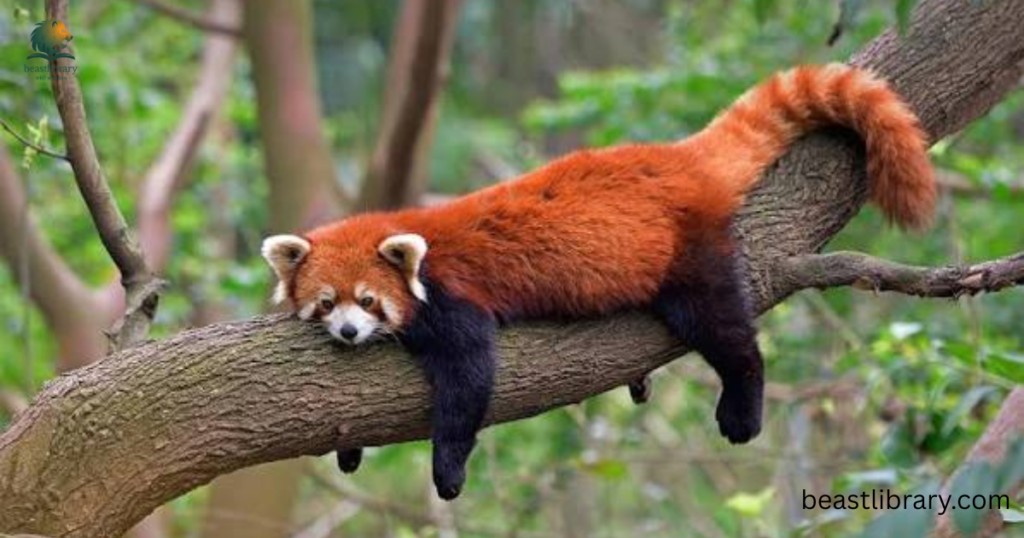
Red pandas are chubby animals live in the temperate forests of the Himalayas which include Nepal, Bhutan, India and China. Bushy tails are essential in climbing and warming up. Red pandas are largely solitary with the tails being used to signal or curl them around their body during rest.
They mainly live on bamboo though they complement it with fruits, berries, eggs and small insects. Red pandas sleep a lot and active during the dawn and evening and are active and skilled tree climbers with much of their time spent in trees.
Pandas, often lauded for their adorable appearance, have a surprisingly low IQ compared to other animals, with their intelligence often categorized as slightly below average. This singular focus on bamboo, while efficient in their niche, makes them less adaptable, particularly when faced with changes in habitat or available food sources.
13-Capybara
Scientific Name: Hydrochoerus hydrochaeris
Class: Mammalia
Diet: Herbivore
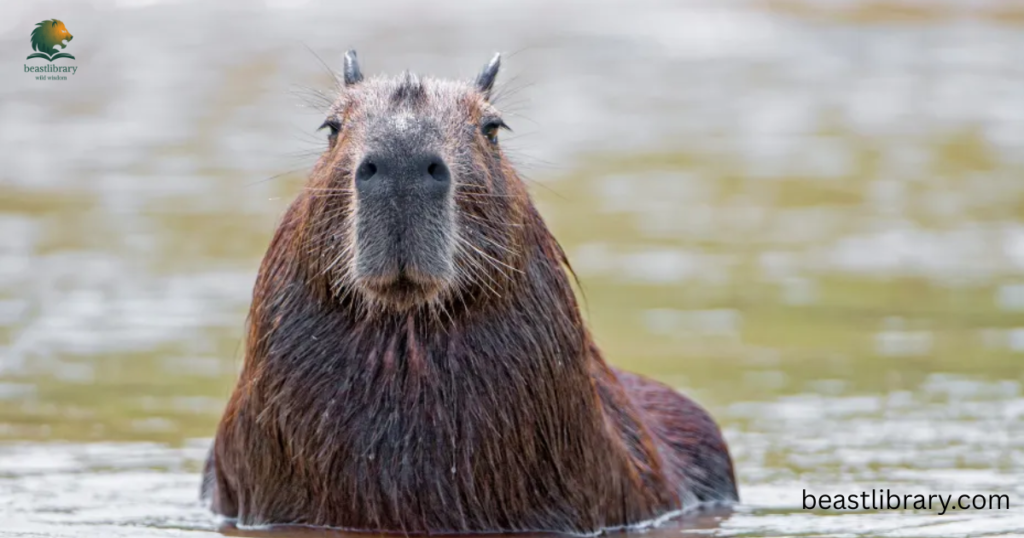
Capybara are the biggest docile rodents in the world. Their tails are very short and almost flat but they serve the purpose of balancing the body when the animals amble across water. Capybara are clumsy animals that eat grass, water plants and fruit.
The tails helps them to move and turn rapidly when they are running away as they rule predation. These live in families around rivers, lakes and marshes in South America. Their tails can also show mood and young capybaras learn swimming and balance by using their tails.
14-Meerkat
Scientific Name: Suricata suricatta
Class: Mammalia
Diet: Omnivore
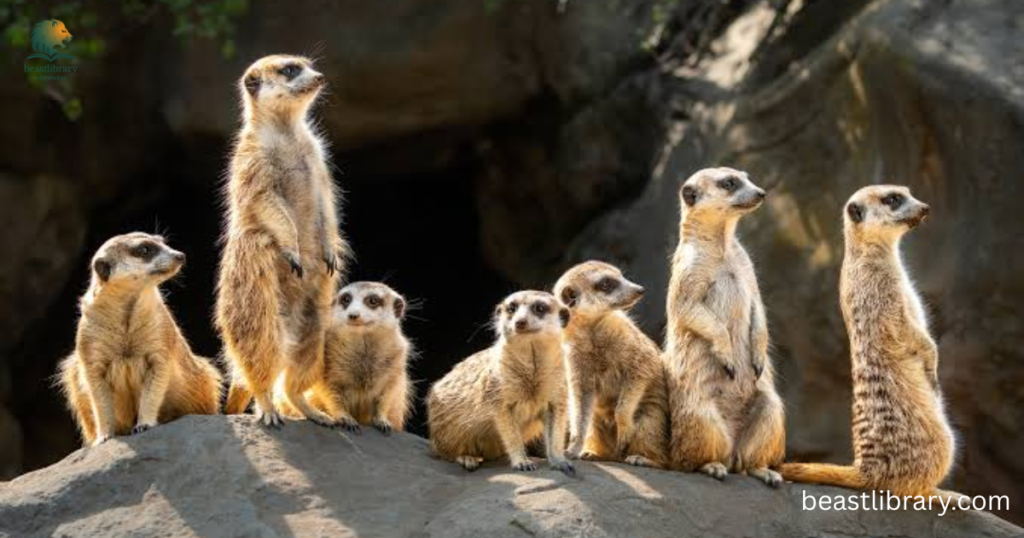
Meerkats are the small mammals Animals With Long Legs which make them stand straight and run rapidly in the desert. They belong to the Kalahari Desert in southern Africa. Their hind legs are ideal in creating burrows and seeing the predators far away.
Meerkats are social creatures and they live in small groups referred to as mobs and they may consist of up to 30 meerkats. Every group has a dominant pair that reproduces.
They feed on insects, small reptiles, eggs and fruits. Their long legs enable them to construct well and run when in danger. Meerkats are very social and cooperative and adult Meerkats instruct the young on how to deal with dangerous prey, such as scorpions.
15-Kea
Scientific Name: Nestor notabilis
Class: Aves
Diet: Omnivore
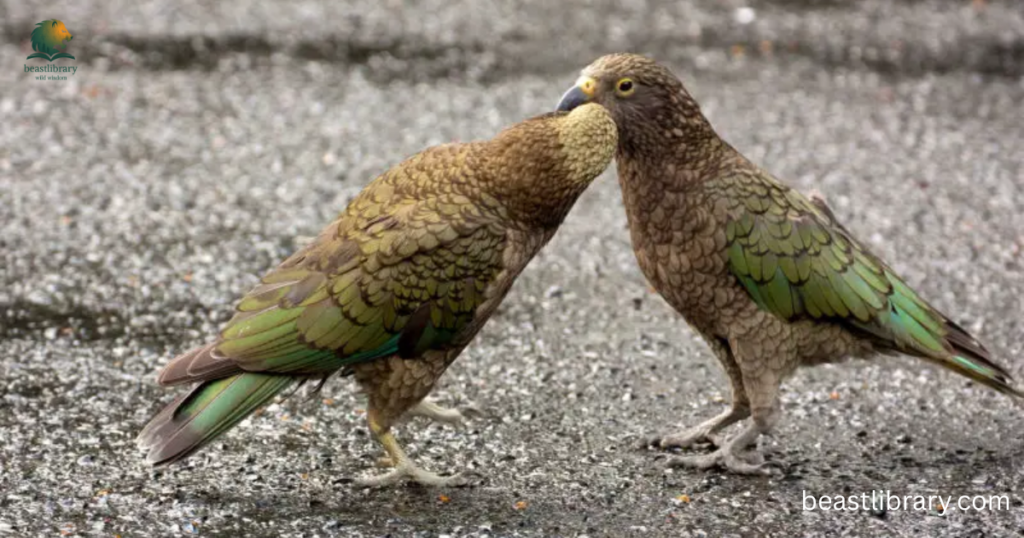
The Kea, an alpine parrot native to new zealand, is widely celebrated as one of the globe’s most joyful animals. With their inquisitive nature, these brilliant green birds possess an intelligence that rivals many mammals.
Watching a kea engage with its surroundings feels like observing an expert problem-solver; they are famous for skillfully handling objects,, showcasing a curious spirit that thrives on exploration.
What renders the kea especially captivating is its highly social behavior, as they are often observed enjoying fun games with fellow parrots, often seen engaging in playful antics with its peers.
Their vocalizations range from cheerful squawks to melodious whistles, forming a vibrant harmony that resonates through the rocky mountain peaks. This vibrant social dynamic not only enriches their lives but also strengthens their bonds, revealing the emotional depth of these feathered friends.
Final Thoughts
Exploring the lives of the happiest animals provides us with profound insights into the nature of joy and companionship. From the exuberant wag of a dog’s tail to the serene playfulness of sea otters, these animals exemplify the happiness we all seek.
Their ability to express joy in such vibrant ways serves as a powerful reminder of the bliss that can be found in everyday moments. By understanding and protecting these happy species, we not only contribute to their well-being but also enrich our own existence.
FAQs
What is the happiest animals in the worlds?
The Quokka is often called the world’s happiest animal because it looks like it’s always smiling. Other animals that seem happy and playful include Dolphin, Dog, and Sea otter.
What is the kindest animals ever?
The Capybara is often considered one of the kindest animals because it is calm and friendly with many other animals. Other gentle and caring animals include Elephant, Dog, and Dolphin.
What is the most claming animal?
The Capybara is often considered one of the calmest animals because it is gentle, relaxed, and friendly. Other calm animals include Sloth and Sea otter.
What is the least aggressive animal?
The Capybara is often considered one of the least aggressive animals because it is gentle and rarely fights. Other very peaceful animals include Manatee and Sloth.