Top 15 Interesting Hard Working Animals in The World (With Images)
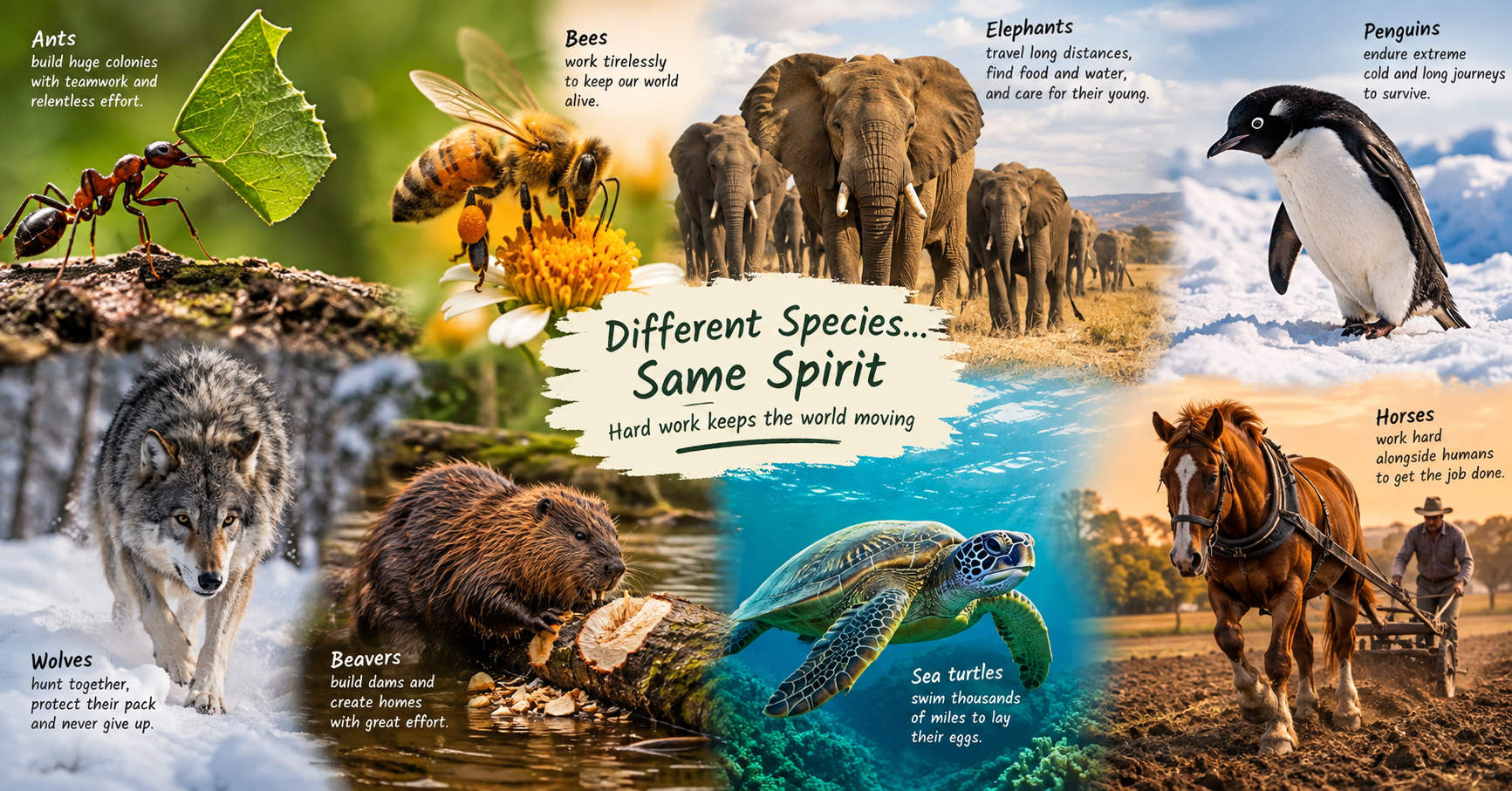
The hard working animals in the world often go unnoticed, yet they are pivotal to agriculture, transportation, and even our emotional well-being. This article delves into the incredible stories and abilities of these tireless workers, providing insight into how their efforts impact our lives.
List of Hard Working Animals in The World
Below is the list of most hard working animals:
- Honey Bees
- Ants
- Beavers
- African Elephant
- Bowerbirds
- Ox
- Earthworms
- Termite
- Dog
- Female Lions
- Emperor Penguins
- Horse
- Camel
- African Wild Dogs
- Cleaner Wrasse
1. Honey Bees
Scientific Name: Apis mellifera
Class: Insecta
Diet: Nectar and pollen
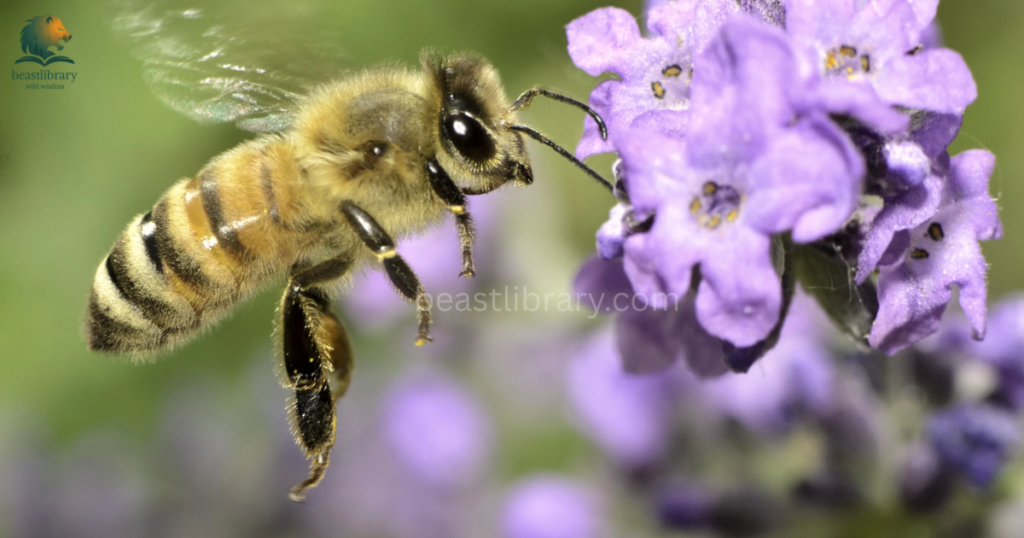
Honey bees are marvels of organization and Hard Working Animals in The World, embodying industriousness in their intricate colonies. Each bee plays a specific role, from foragers who venture out into the world, collecting nectar and pollen, to the nurse bees that care for the queen’s brood.
They are honey eating animals. Remarkably, a single forager can visit up to 1,500 flowers in one day, showcasing not only their tireless effort but also their crucial role in pollination. This natural service is vital, as it boosts biodiversity and supports agricultural systems that sustain human life.
2. Ants
Scientific Name: Formicidae
Class: Insecta
Diet: Omnivorous
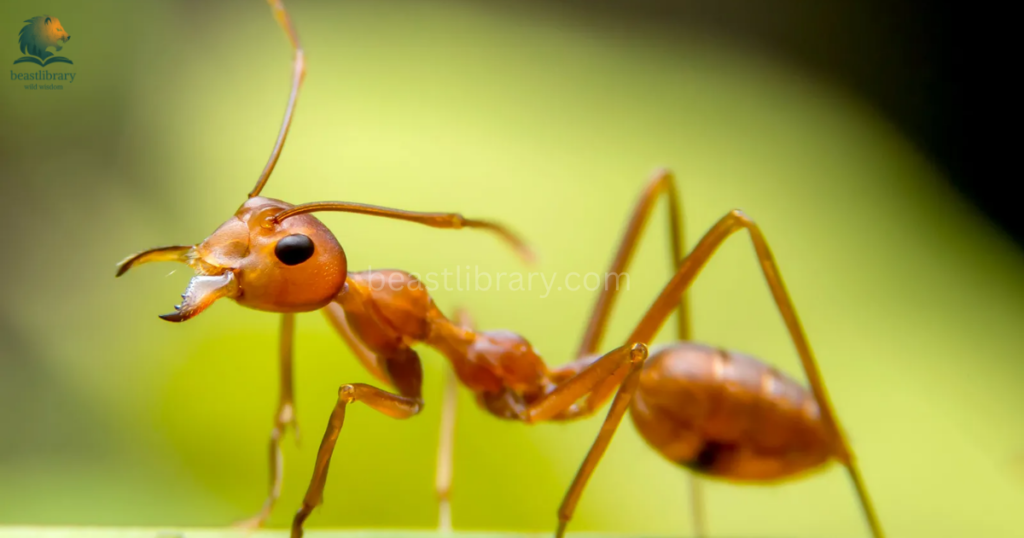
Ants epitomize teamwork and industriousness in the animal kingdom. A single ant may seem insignificant, but when united, a colony becomes a powerhouse of labor, capable of constructing elaborate underground cities and transporting food far exceeding their own body weight.
Their ability to divide tasks among specialized workers such as foragers, nurses, and soldiers exhibits a unique social structure that parallels human civilization in complexities and efficiencies.
3. Beavers
Scientific Name: Castor canadensis
Class: Mammalia
Diet: Herbivore
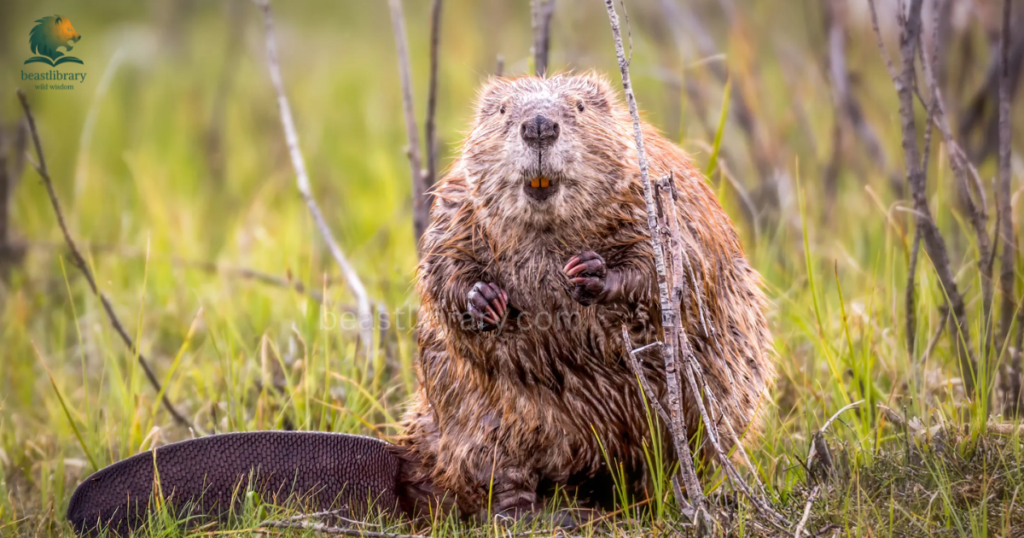
Beavers are nature’s consummate engineers, transforming entire landscapes with their relentless work ethic. These industrious creatures are often celebrated for their dam-building abilities, which not only create serene ponds but also enhance biodiversity by providing critical habitats for numerous species.
A single beaver can fell trees and assemble logs with remarkable precision, showcasing an innate understanding of construction that rivals human innovation. This complex behavior isn’t just instinctual; it’s a learned skill passed down through generations, demonstrating a unique form of cultural transmission among these semi-aquatic animals.
4. African Elephant
Scientific Name: Loxodonta africana
Class: Mammalia
Diet: Herbivore
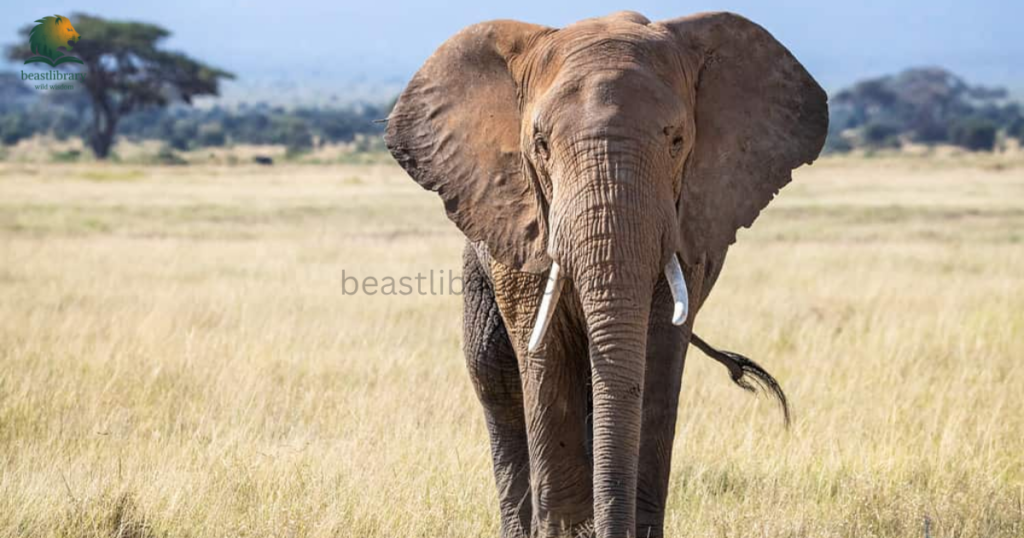
The African elephant, often revered for its sheer size and intelligence, plays an essential role in maintaining the ecosystem of its habitat. As natural engineers, these gentle giants uproot trees and create clearings, which promote a diverse range of plant life and provide new homes for various species.
This behavior, often overlooked, illustrates their impact beyond mere foraging; they actively shape their environment, fostering biodiversity in ways that extend far beyond their immediate needs.
5. Bowerbirds
Scientific Name: Ptilonorhynchidae
Class: Aves
Diet: Omnivorous
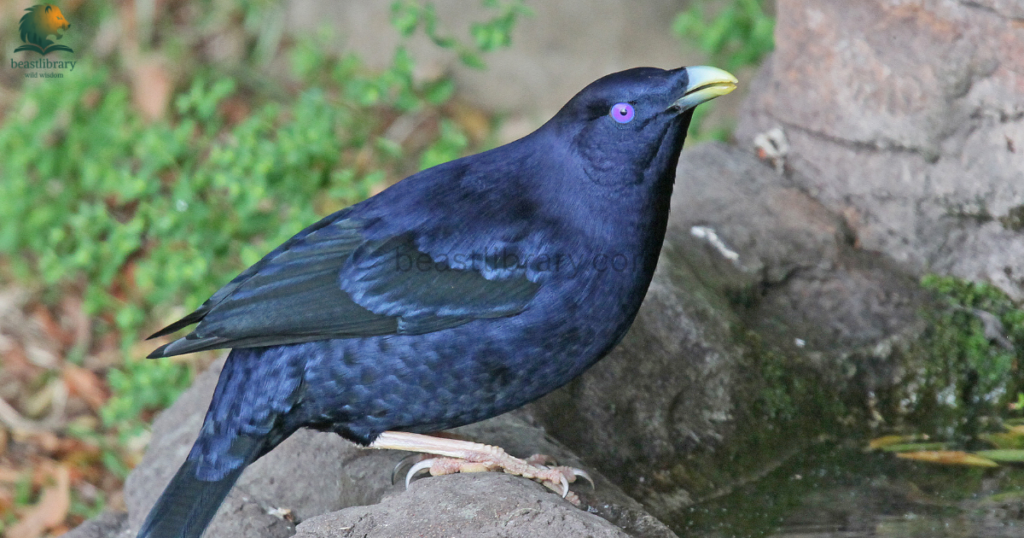
Bowerbirds, often hailed as nature’s architects, exhibit an extraordinary blend of creativity and industriousness. Found primarily in Australia and New Guinea, these birds create elaborate structures known as bowers to attract mates.
What’s good is that it’s not just about the construction; the bower serves as a canvas for their artistic expression. Males meticulously arrange various objects colorful flowers, shiny beetle shells, and even bits of plastic carefully selected to appeal to female mates. Each bower is unique, reflecting the individual bird’s personality and preferences.
6. Ox
Scientific Name: Bos taurus
Class: Mammalia
Diet: Herbivore
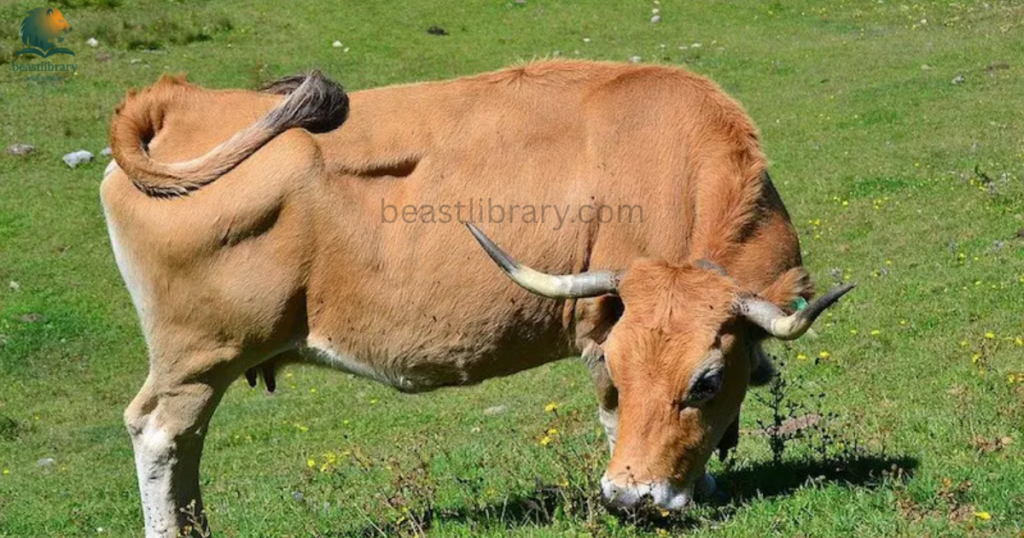
Oxen are more than just beasts of burden; they embody resilience and unwavering dedication to human endeavors. These impressive animals have been pivotal in agriculture for thousands of years, not only facilitating plowing and transportation but also nurturing a deeper connection between humans and the land.
Their strength and stamina come from their unique physiology, allowing them to work long hours in the fields, often in challenging conditions.
Beyond their physical capabilities, oxen offer fascinating insights into the principles of teamwork and cooperation. Typically paired in yokes, they learn to communicate and adjust their efforts to one another, showcasing a remarkable ability to harmonize their movements.
7. Earthworms
Scientific Name: Lumbricus terrestris
Class: Clitellata
Diet: Detritivore
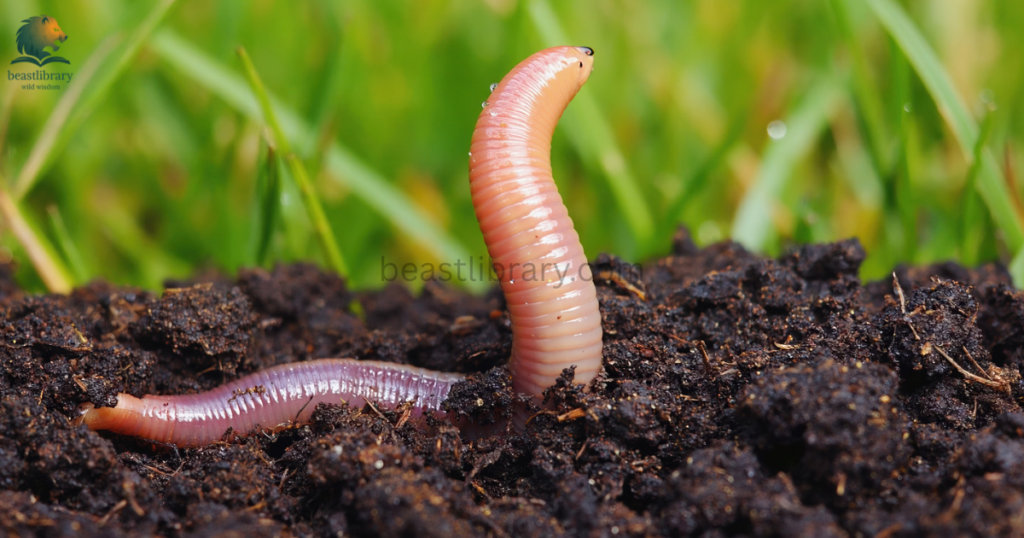
Earthworms, often overlooked in the grand tapestry of nature, are champions of soil health and ecosystem balance. By tunneling through the earth, they aerate the soil, allowing air and water to penetrate deeper, which in turn promotes robust plant growth.
Their digestive process is remarkable: as they consume organic matter like dead leaves and decomposing plants, they break it down into nutrient-rich castings that enrich the soil. This natural recycling is vital, supporting not just plants but entire food webs.
8. Termite
Scientific Name: Isoptera
Class: Insecta
Diet: Herbivore/Detritivore
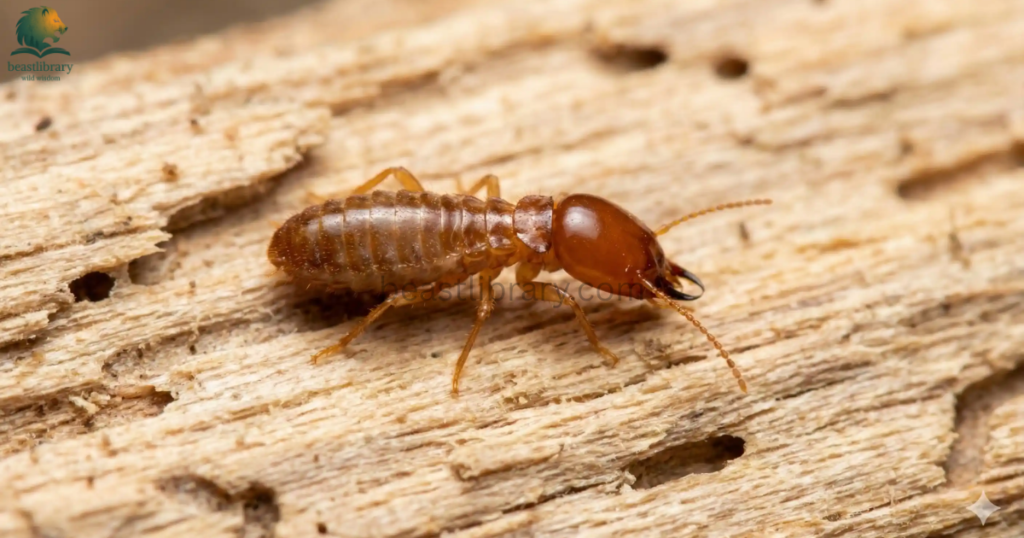
Termites, often overlooked and dismissed as mere pests, are remarkable architects and engineers of the natural world. These tiny creatures play a vital role in their ecosystems by breaking down cellulose from wood and plant material, recycling nutrients back into the soil.
Their intricate tunneling systems and mounds not only aerate the earth but also create habitats for various other species, fostering biodiversity.
9. Dog
Scientific Name: Canis lupus familiaris
Class: Mammalia
Diet: Omnivorous
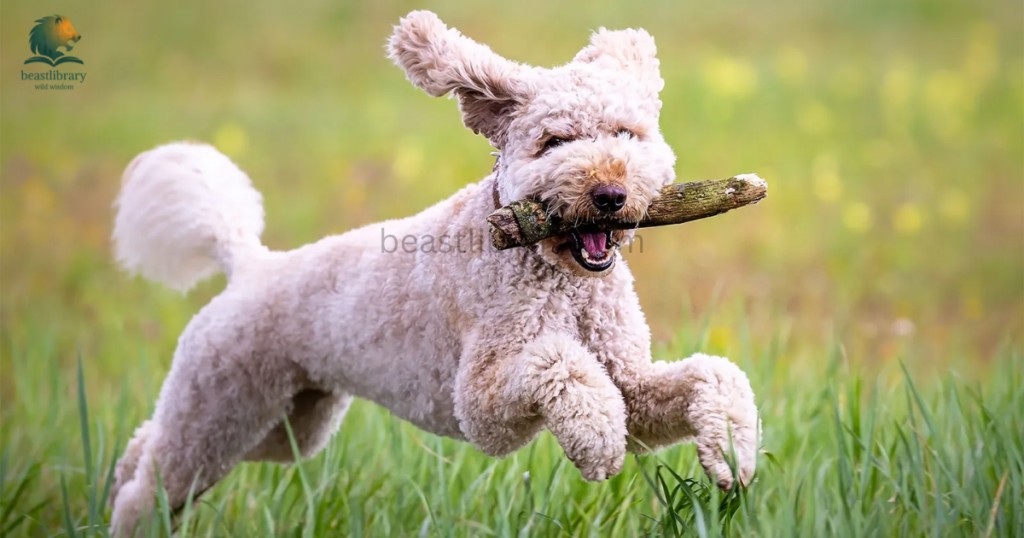
Dogs have an impressive history as hard-working companions, functioning in roles that extend far beyond the household pet. From herding livestock to serving as search-and-rescue partners, these animals embody a unique blend of intelligence and loyalty.
The bond formed through shared labor not only strengthens their relationship with humans but also highlights their adaptability across various environments.
10. Female Lions
Scientific Name: Panthera leo
Class: Mammalia
Diet: Carnivore
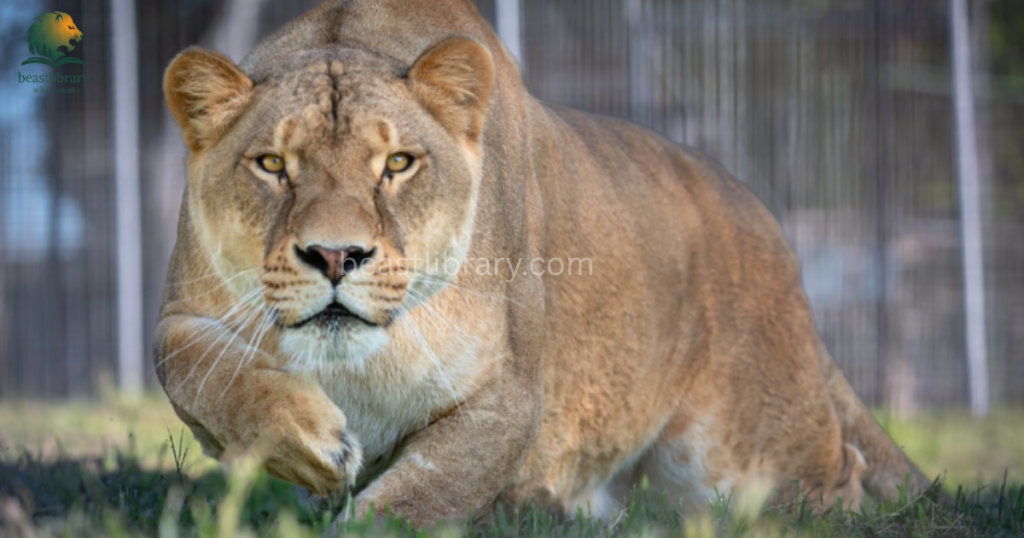
In the heart of the African savanna, female lions embody the essence of teamwork and resilience. Unlike their male counterparts, who often bask in the sun, lionesses are the primary hunters of the pride, showcasing remarkable prowess and strategy.
Their hunting techniques are a masterclass in cooperation often forming intricate formations to outsmart their prey. Each lioness plays a crucial role, from the stealthy stalkers to the swift chasers, ensuring that the pride thrives.
11. Emperor Penguins
Scientific Name: Aptenodytes forsteri
Class: Aves
Diet: Carnivore
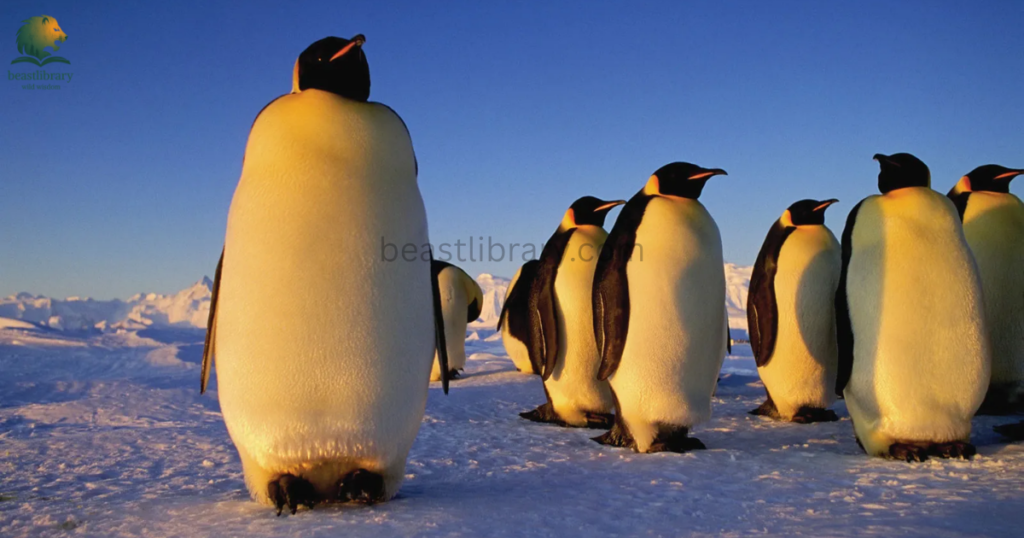
Emperor penguins epitomize resilience and teamwork in the harshest conditions on Earth. As the only penguin species that breeds during the brutal Antarctic winter, they demonstrate a remarkable commitment to their young.
Males endure the biting cold for weeks, balancing a single egg on their feet to keep it warm, while females brave the icy landscape to forage for food. This shared burden not only signifies the depth of their parental care but also highlights an extraordinary adaptation to survive in extreme temperatures that can plummet below -60 degrees Celsius.
12. Horse
Scientific Name: Equus ferus caballus
Class: Mammalia
Diet: Herbivore
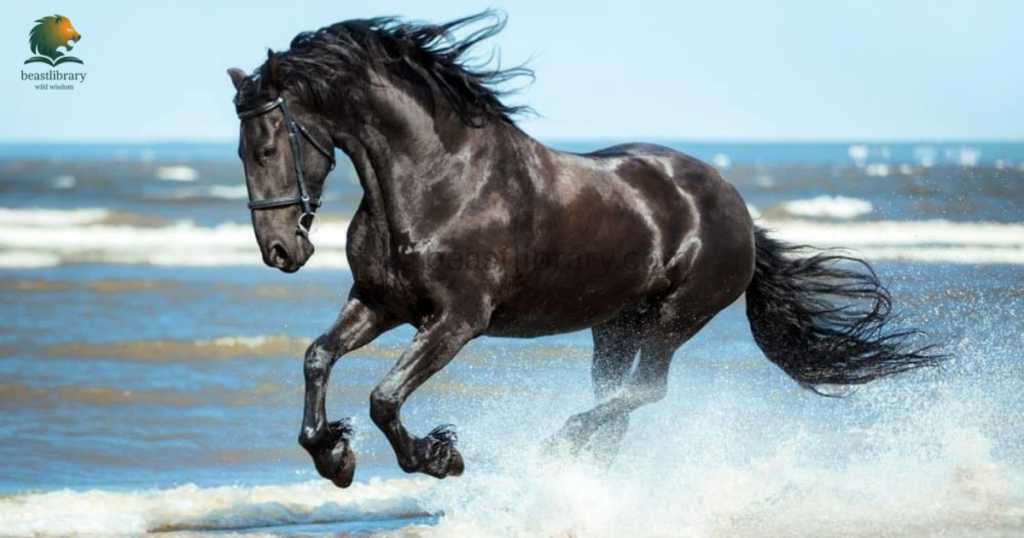
Horses are remarkable companions in the world of hard work, embodying strength and grace. These majestic animals have long been humanity’s allies, transforming labor-intensive tasks into feats of efficiency. From plowing fields to transporting goods, a horse’s power not only drives the economy but also fosters a deep bond with its handler.
What’s often overlooked is the emotional intelligence these creatures exhibit. Horses respond to human cues and emotions, their sensitivity allowing for a symbiotic relationship that enhances productivity. This connection is not just about physical labor; it’s a partnership built on trust and understanding.
13. Camel
Scientific Name for 1-hump: Camelus dromedarius
Scientific Name for 2-hump: Camelus bactrianus
Class: Mammalia
Diet: Herbivore
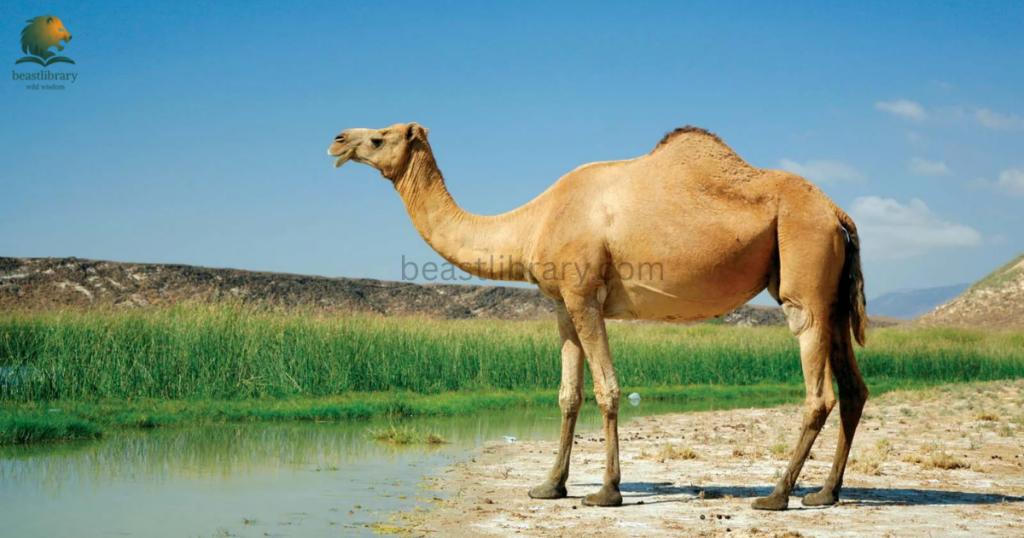
Camels, often called the “ships of the desert,” are remarkable creatures that have adapted to some of the harshest environments on Earth. Beyond their iconic humps, which store not water but fat as an energy reserve, these animals are incredibly efficient in regulating their body temperature, allowing them to thrive in extreme heat.
A camel can lose up to 25% of its body weight through sweat without adverse effects, showcasing an extraordinary evolutionary prowess that few other animals possess.
14. African Wild Dogs
Scientific Name: Lycaon pictus
Class: Mammalia
Diet: Carnivore
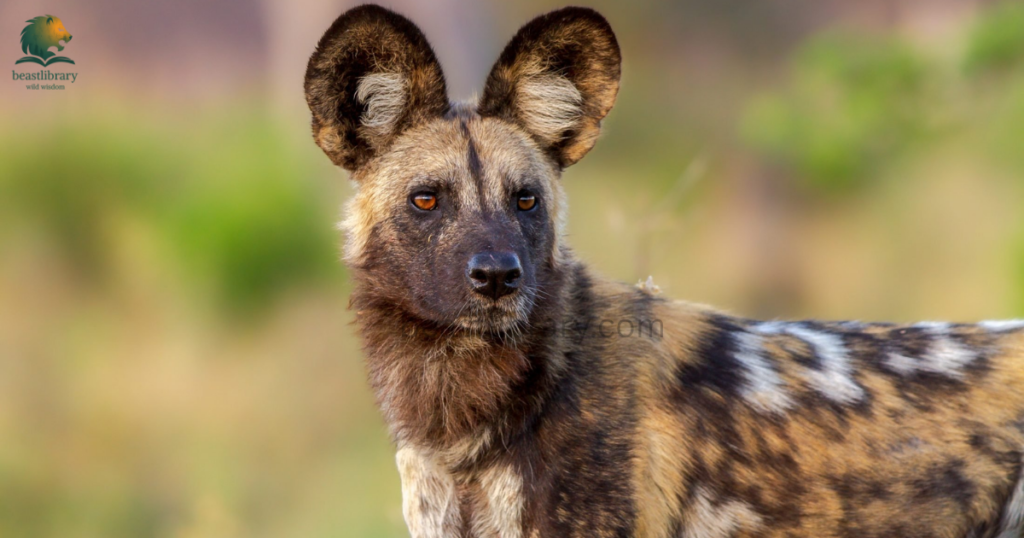
African wild dogs, also known as painted wolves, are among the most efficient hunters in the animal kingdom. Their remarkable cooperative hunting techniques allow them to take down prey considerably larger than themselves, showcasing not only strength but also strategic intelligence.
Unlike many solitary hunters, these dogs rely on a sophisticated social structure that enables them to coordinate attacks with remarkable precision. Pack members communicate through a series of vocalizations and body language, ensuring everyone is in sync during a chase.
15. Cleaner Wrasse
Scientific Name: Labroides dimidiatus
Class: Actinopterygii
Diet: Carnivore
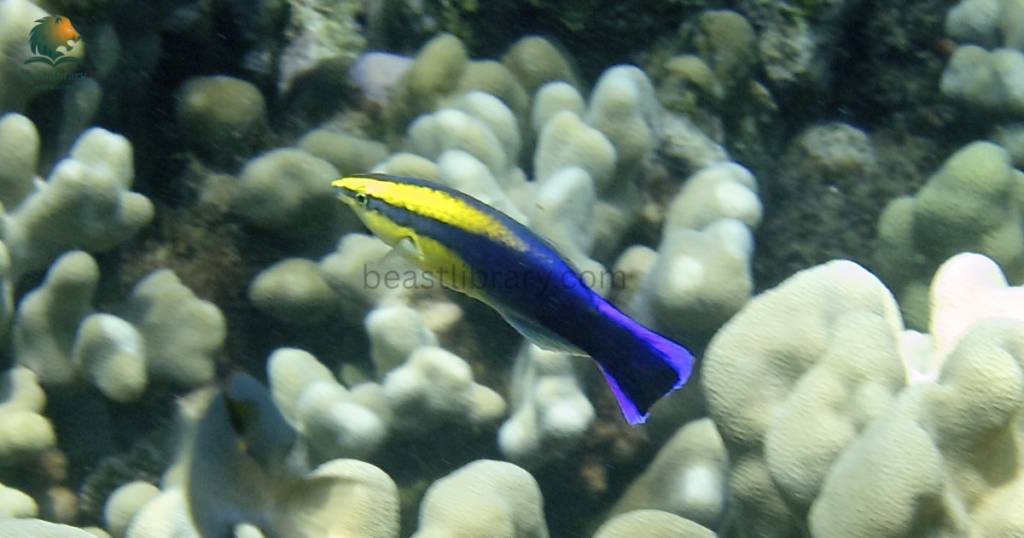
The cleaner wrasse stands out in the marine world not just for its vibrant colors but for its extraordinary role within its ecosystem. These small, nimble fish are the unsung heroes of reef health, engaging in a symbiotic relationship with larger fish species.
As they nibble away parasites, dead skin, and bacteria from the bodies of their clients, cleaner wrasses provide a vital service that keeps the reef’s inhabitants thriving. This unique partnership illustrates a remarkable ecosystem balance while the wrasse benefits from a steady food source, the larger fish enjoy improved health and vitality.
Final Words– Hard Working Animals in The World
Hard Working Animals in The World are invaluable, as they provide essential services that support our livelihoods and communities. Their unwavering loyalty and strength allow us to accomplish tasks that might otherwise be impossible. As we honor the commitment of animals like horses, dogs, and even elephants, we must also consider the responsibilities we have towards their welfare.
FAQs
What is the hardest working animal in the world?
The hardest working animal depends on the type of work being considered. Ants are often regarded as the hardest working because they cooperate in large colonies to gather food, build nests, and care for their young. Other incredibly hardworking animals include bees, oxen, horses, elephants, and sled dogs, all of which perform demanding tasks for survival or assist humans.
Why are some animals considered hardworking?
Animals are considered hardworking because they spend much of their time searching for food, building shelters, protecting their families, or carrying out physically demanding tasks. Many domesticated animals, such as horses and oxen, also help humans with farming, transportation, and other labor-intensive jobs, making them valuable working companions.