Top 18 Unique Animals That Can See in The Dark (With Images)
Did you know that some Animals That Can See in The Dark with remarkable ease? This article explores the abilities of Animals That Can See in the Dark, revealing how they thrive in environments where light is scarce. Understanding these creatures not only deepens our appreciation for biodiversity but also highlights the incredible adaptations that allow life to flourish in the shadows.
List of Animals That Can See in The Dark
Here is the list of animals that can see in the dark:
- Owls
- Raccoons
- Frogs
- Wolf
- Bats
- Dung Beetles
- Sharks
- Pit Vipers
- Foxes
- Leopard
- Crocodile
- Domestic cats
- Cockroach
- Tarsiers
- Mountain Lions
- Moths
- Cuttlefish
- Alligators
1. Owls
Scientific Name: Strigiformes
Class: Aves
Diet: Carnivorous
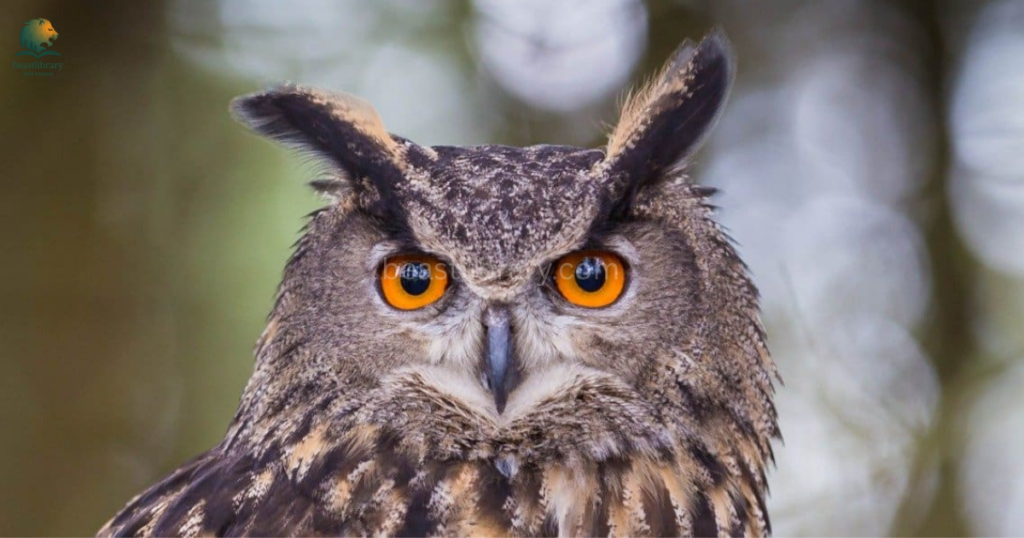
Owls, often regarded as the quintessential nocturnal hunters, possess a remarkable adaptation that sets them apart in the animal kingdom: their extraordinary eyesight. Unlike many creatures, an owl’s eyes are specially structured to maximize light intake, allowing them to navigate and hunt in near pitch-black conditions. Their large, forward-facing eyes collect even the faintest light, providing a panoramic view of their surroundings. As a result, these raptors can detect subtle movements that other animals might easily overlook, ensuring they remain formidable predators in the shadows of the night.
2. Raccoons
Scientific Name: Procyon lotor
Class: Mammalia
Diet: Omnivorous
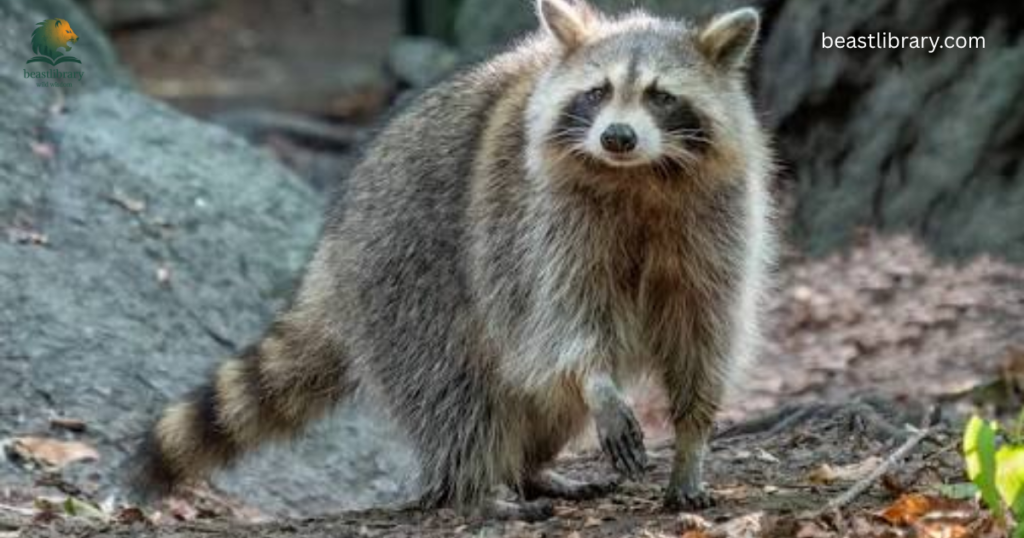
Raccoons are the nocturnal acrobats of the animal kingdom, equipped with an extraordinary set of adaptations that enable them to thrive in the dark. Their strikingly large eyes not only grant them acute night vision but also have a unique structure that enhances light sensitivity. This allows them to navigate their surroundings with remarkable precision, even in near-total darkness. As masters of exploration, these clever creatures have a complex behavior that involves meticulous paw dexterity, making them exceptionally proficient at opening containers or manipulating objects in their quest for food.
3. Frogs
Class: Amphibia
Diet: Carnivorous
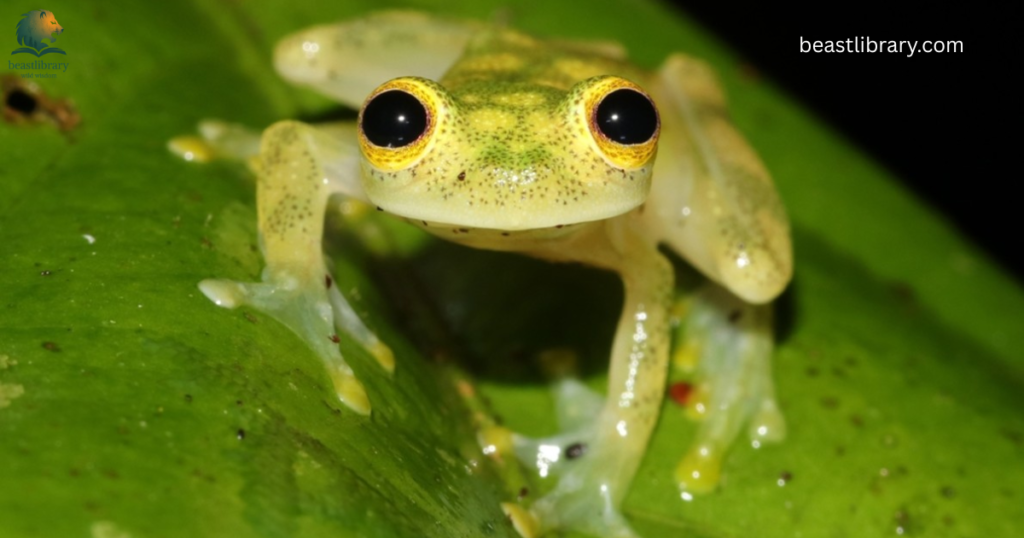
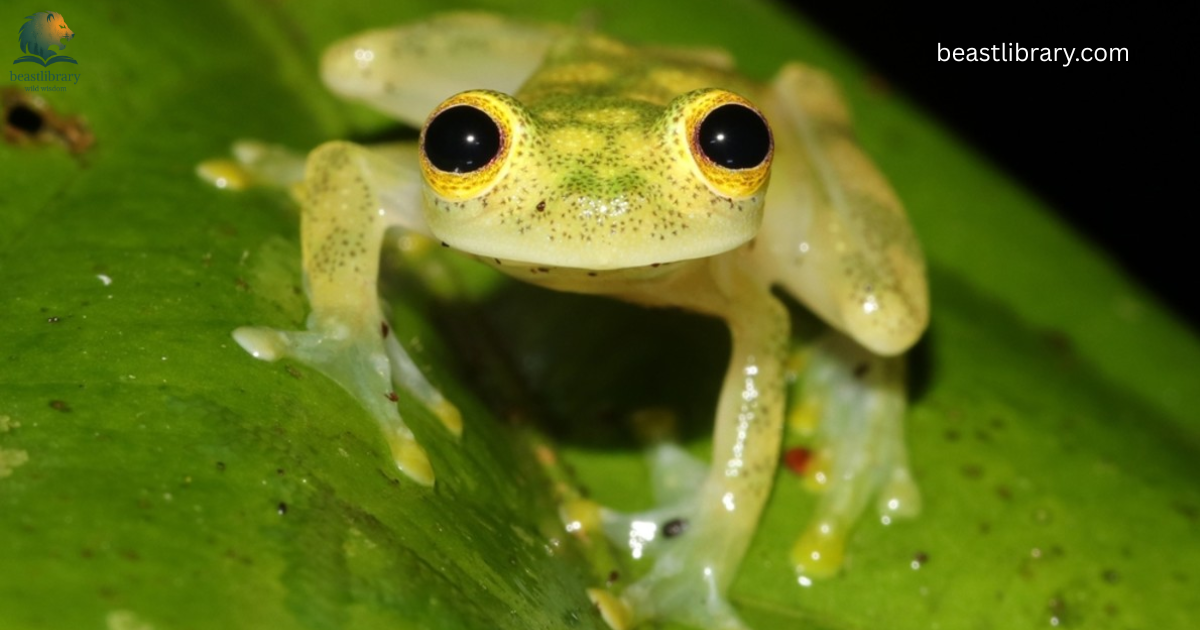
Frogs possess an extraordinary adaptation that enables them to thrive in nocturnal habitats: their large, sensitive eyes. Unlike many other creatures, a frog’s eyes are equipped with a high number of rod cells, allowing them to detect low-light conditions with impressive acuity. This adaptation is particularly valuable for species that hunt at night, as it enhances their ability to spot prey be it a scrumptious insect or a smaller frog amidst the shadows of twilight.
Frogs utilize a unique visual technique known as “convergence,” where their eyes work synchronously to create a more comprehensive view of their surroundings. This ability not only aids in navigation but also heightens their awareness of predators lurking in the dark. Interestingly, some frog species even exhibit enhanced color vision during the night, giving them an advantage in distinguishing between different hues in the muted light, while their pupils can dilate significantly to capture as much light as possible.
4. Wolf
Scientific Name: Canis lupus
Class: Mammalia
Diet: Carnivorous
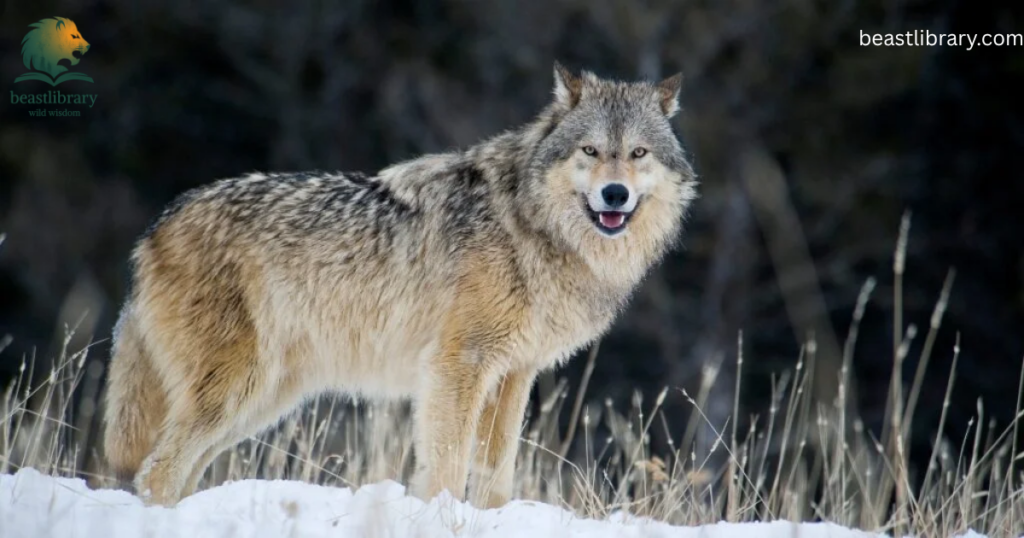
Wolves are fascinating nocturnal hunters, equipped with remarkable adaptations that allow them to navigate the darkness with ease. Their eyes are structured with a higher proportion of rod cells, sensory cells essential for low-light vision. This unique adaptation enhances their ability to see in dim conditions, making them efficient predators during twilight hours when many of their prey are most active. Moreover, a reflective layer behind their retinas, known as the tapetum lucidum, amplifies the available light, giving their eyes an eerie glow a sight that has intrigued humans for generations.
5. Bats
Scientific Name: Chiroptera
Class: Mammalia
Diet: Insectivorous / Frugivorous
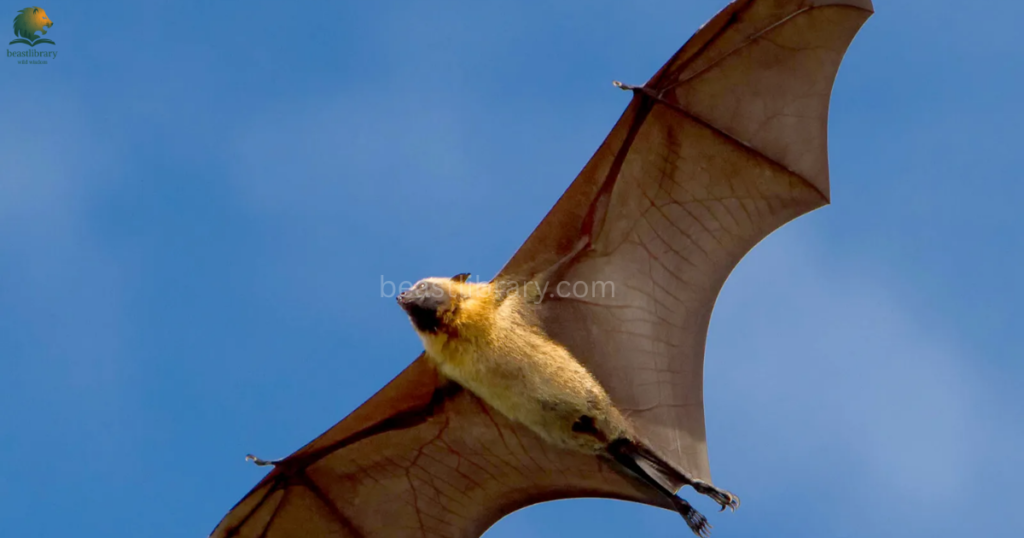
Bats are the quintessential nighttime navigators, relying on a sophisticated echolocation system to traverse the dark skies. While many creatures struggle to find their way in low light, bats emit high-frequency sound waves that bounce off objects, allowing them to “see” their surroundings through auditory feedback. This remarkable ability is not just a survival tool; it showcases nature’s ingenuity in adaptation. They can accurately detect the flutter of a moth’s wings, making them expert hunters in the silent night.
6. Dung Beetles
Scientific Name: Scarabaeinae
Class: Insecta
Diet: Coprophagous
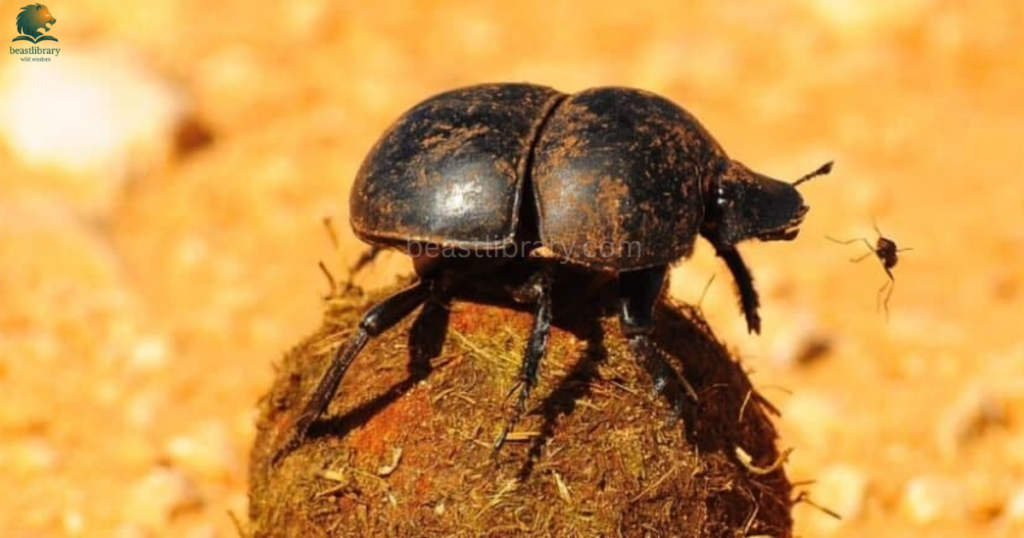
Dung beetles are nature’s unsung heroes, thriving in the shadowy realms of twilight and darkness. Their remarkable vision allows them to navigate through dimly lit environments with impressive precision. Equipped with specialized compound eyes, they can detect even the faintest traces of light, enabling them to spot dung piles from surprising distances. This skill is no mere accident; it’s vital for their survival, as dung serves not only as food but also as a breeding ground.
What’s even more fascinating is how these tiny creatures utilize the Milky Way as a navigational tool. Studies show that dung beetles can orient themselves using celestial cues, effectively transforming the night sky into a roadmap. This cosmic connection enhances their foraging efficiency, demonstrating a level of adaptability rarely seen in the animal kingdom.
7. Sharks
Scientific Name: Selachimorpha
Class: Chondrichthyes
Diet: Carnivorous
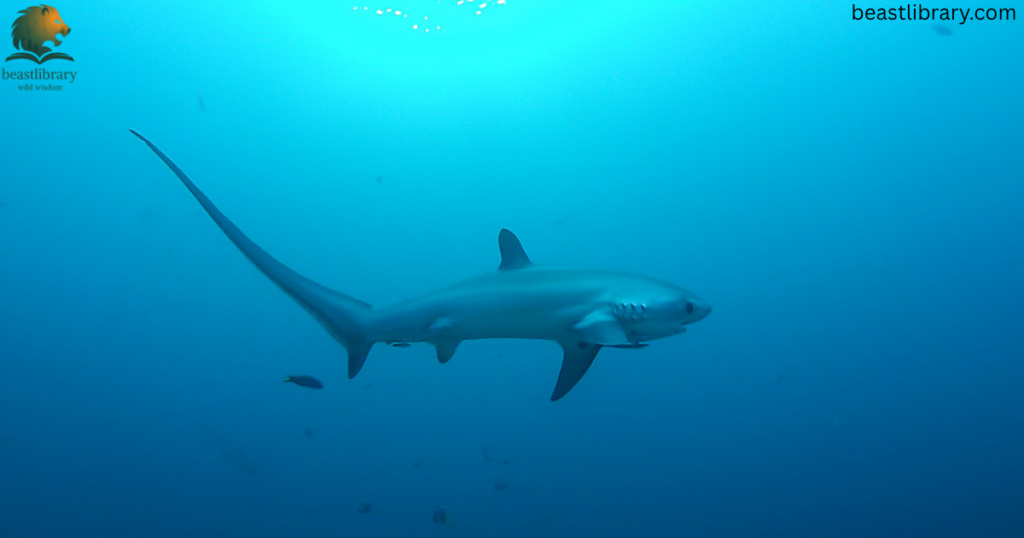
Sharks possess an extraordinary adaptation that allows them to thrive in the elusive twilight of the ocean depths: their remarkable ability to see in low light. This supernatural vision stems from a high concentration of rod cells in their retinas, which enhances their sensitivity to light. Many sharks possess a unique reflective layer behind their retinas known as the tapetum lucidum, similar to what’s found in cats. This biological feature not only amplifies the faintest glimmers of light but also enables them to detect the subtle movements of prey lurking in the shadows.
8. Pit Vipers
Scientific Name: Crotalinae
Class: Reptilia
Diet: Carnivorous
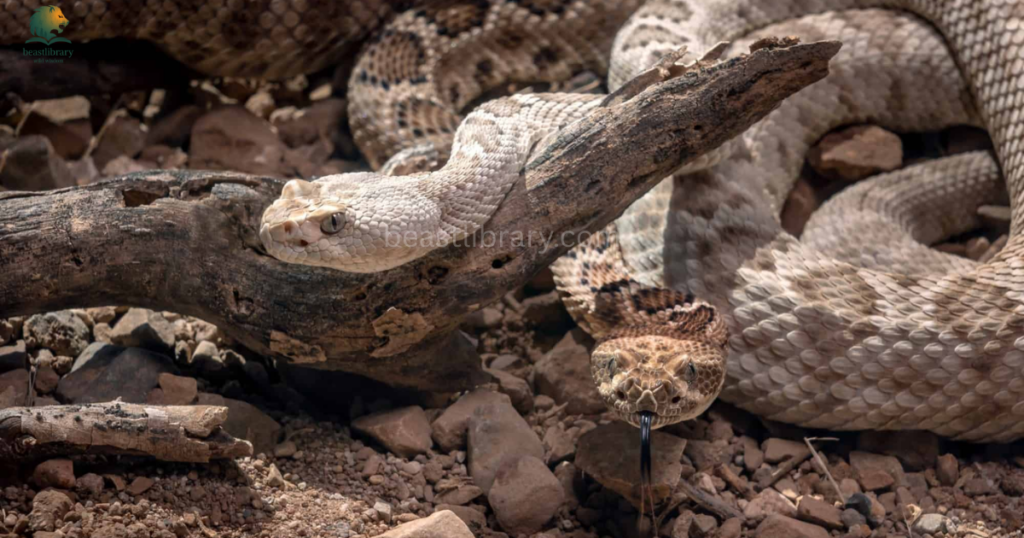
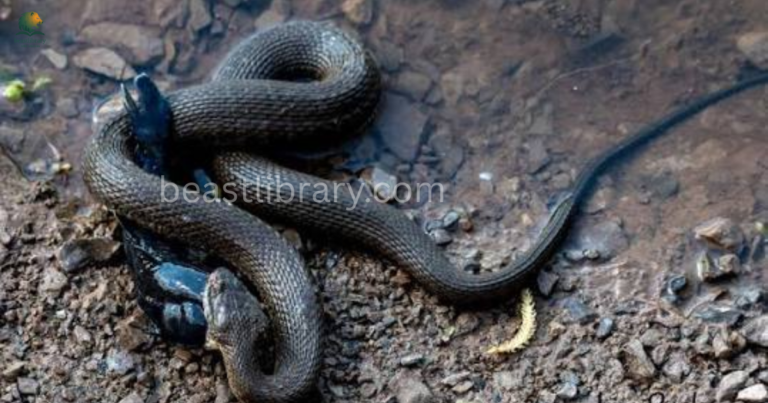
Pit vipers, a fascinating group of snakes, possess an extraordinary adaptation that allows them to excel in low-light environments: their heat-sensing pits. Located between their eyes and nostrils, these specialized sensory organs detect infrared radiation emitted by warm-blooded prey, enabling pit vipers to “see” heat. This gives them a remarkable edge in dark surroundings, allowing the snakes to hunt effectively at night or in dense foliage where visibility is limited.
9. Foxes
Scientific Name: Vulpes
Class: Mammalia
Diet: Omnivorous
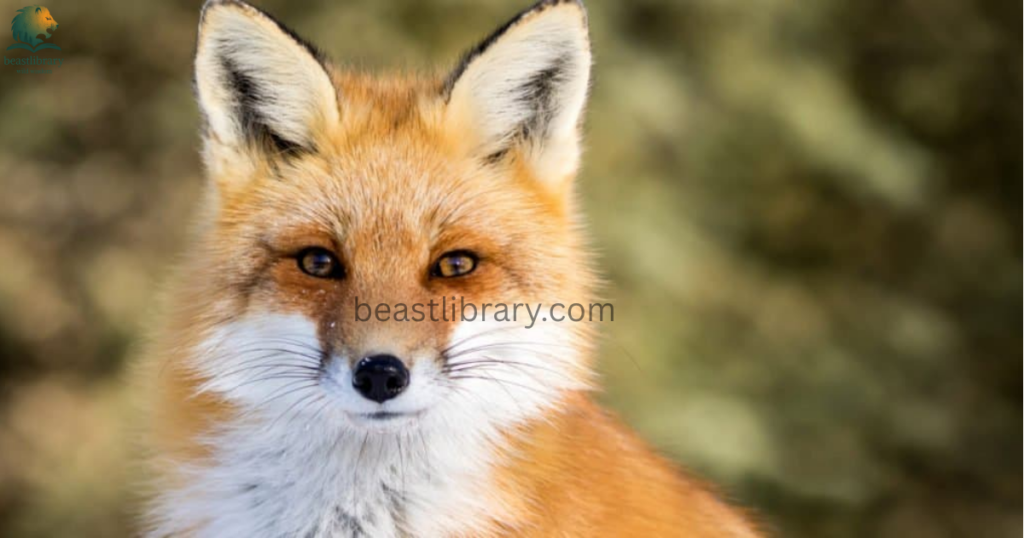
Foxes are fascinating nocturnal hunters, uniquely adapted for life in the shadows. Their exceptional eyesight, coupled with a heightened sense of hearing, allows them to navigate and thrive in low-light environments. The structure of their eyes reflects their adaptations; they contain a high concentration of rod cells, which are sensitive to dim light, enabling them to detect movement and shapes on moonlit nights. This keen vision is crucial for spotting prey, whether it be small rodents or birds, allowing them to pounce with precision during their twilight excursions.
10. Leopard
Scientific Name: Panthera pardus
Class: Mammalia
Diet: Carnivorous
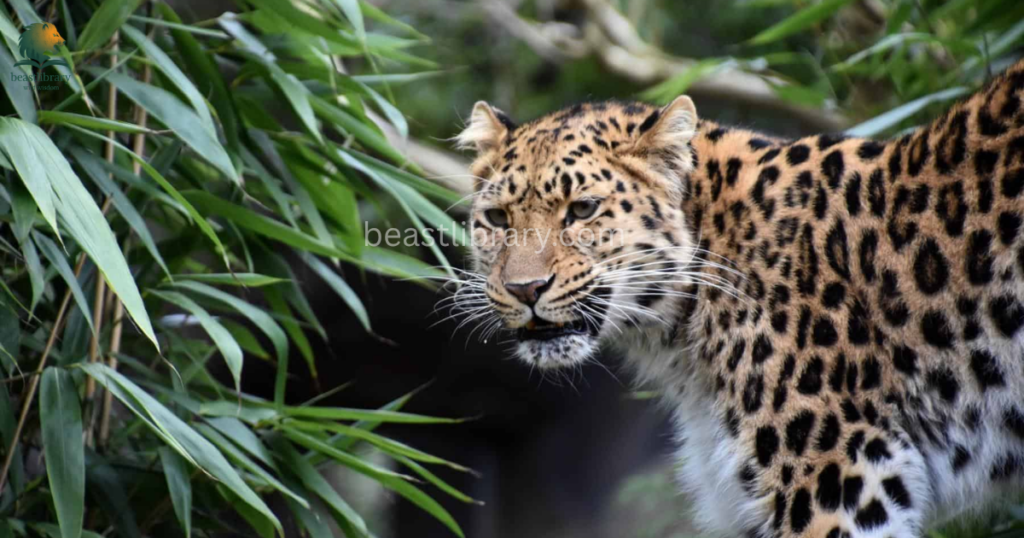
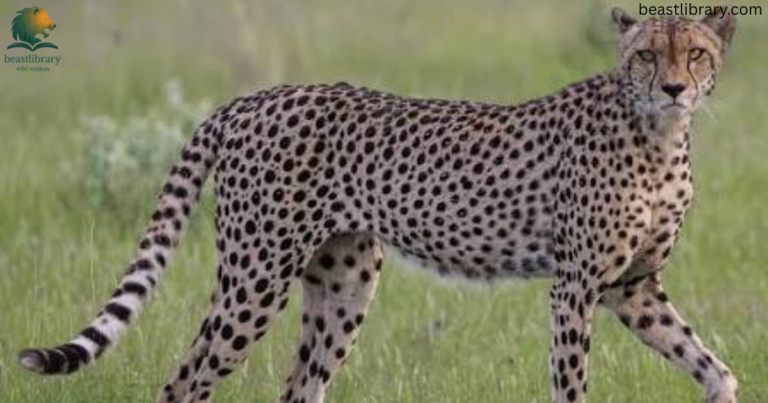
Leopards are remarkable night hunters, equipped with extraordinary adaptations that allow them to thrive in low-light environments. Their eyes contain a high density of rod cells, which are responsible for vision in dim light. This unique structure gives leopards a sight capability that’s around six to eight times better than that of humans at twilight or in near darkness. What’s even more fascinating is their tapetum lucidum, a reflective layer behind the retina that enhances night vision by bouncing light that passes through the retina back into the eye, amplifying their ability to detect movement and shapes even in the blackest of nights.
11. Crocodile
Scientific Name: Crocodylus
Class: Reptilia
Diet: Carnivorous
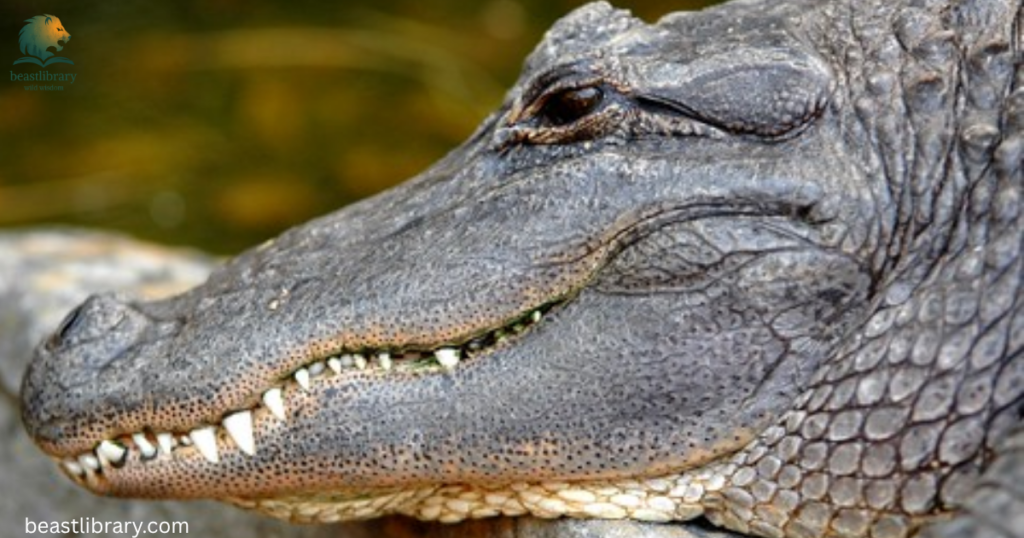
Crocodiles are fascinating creatures with remarkable adaptations that enable them to thrive in low-light conditions. Their eyes contain a layer of reflective cells known as the tapetum lucidum, which enhances their night vision by reflecting light that passes through the retina back into the eye. This biological feature allows them to detect even the slightest movements in their dark wetland habitats, making them formidable nocturnal hunters. While most reptiles rely on daylight, crocodiles have mastered the art of navigating murky waters under the cover of night.
12. Domestic cats
Scientific Name: Felis catus
Class: Mammalia
Diet: Carnivorous
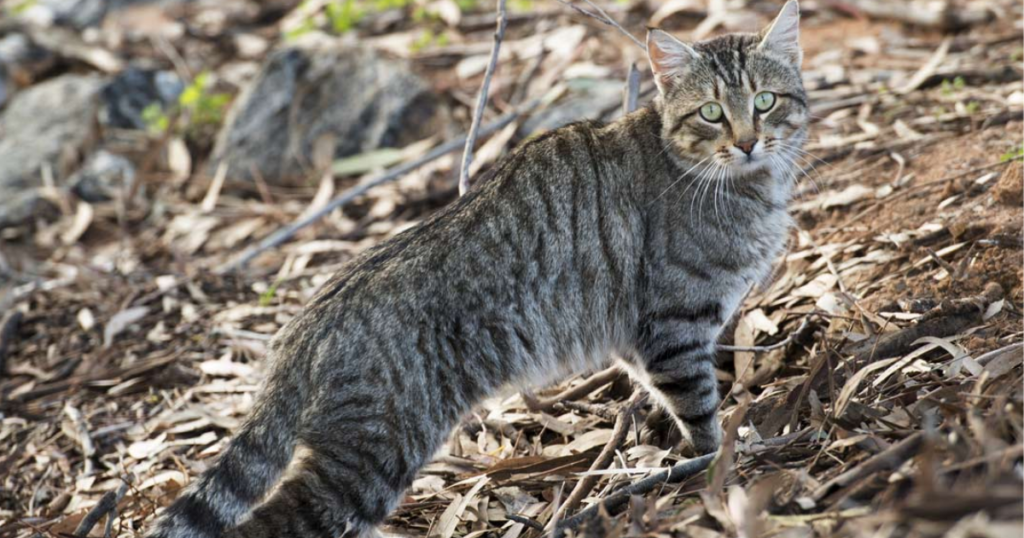
Domestic cats often regarded as the ultimate night hunters, possess an extraordinary ability to see in low-light conditions. This remarkable trait is attributed to their large corneas and pupils, which allow maximum light to enter their eyes. Cats have a layer of cells called the tapetum lucidum behind their retinas, which reflects light and enhances their night vision. This adaptation makes them approximately six to seven times more effective at seeing in dim light compared to us.
13. Cockroach
Scientific Name: Blattodea
Class: Insecta
Diet: Omnivorous
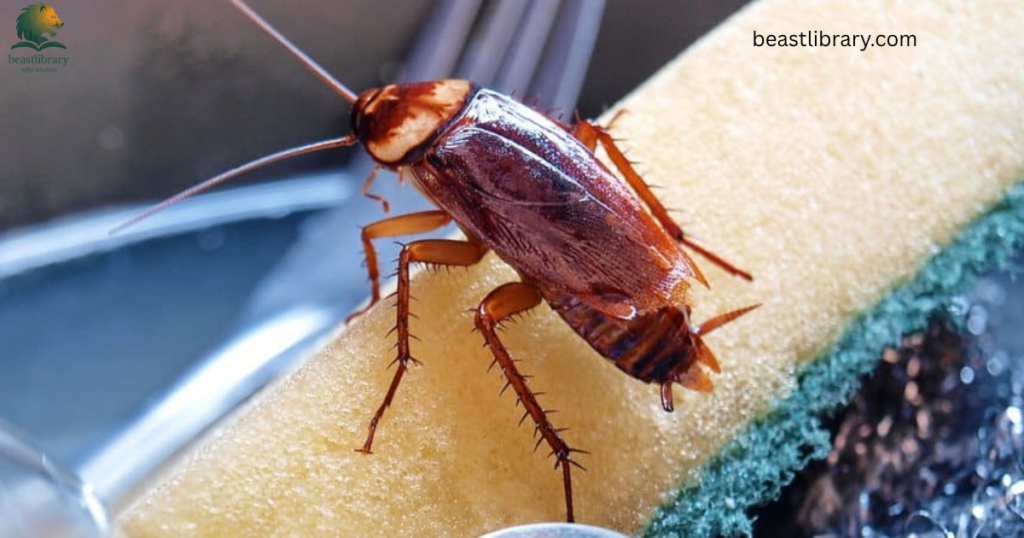
Cockroaches possess an incredible ability to navigate through darkness, thanks in large part to their compound eyes, which are finely tuned for low-light conditions. Each eye consists of thousands of tiny lenses that work together to capture even the faintest specks of light, allowing cockroaches to scuttle around effortlessly in the dark. Unlike humans, these insects don’t rely solely on visual signals; their sensitive antennae also help them detect changes in their environment, letting them sense potential threats or food sources even when visibility is low.
14. Tarsiers
Scientific Name: Tarsiidae
Class: Mammalia
Diet: Carnivorous / Insectivorous
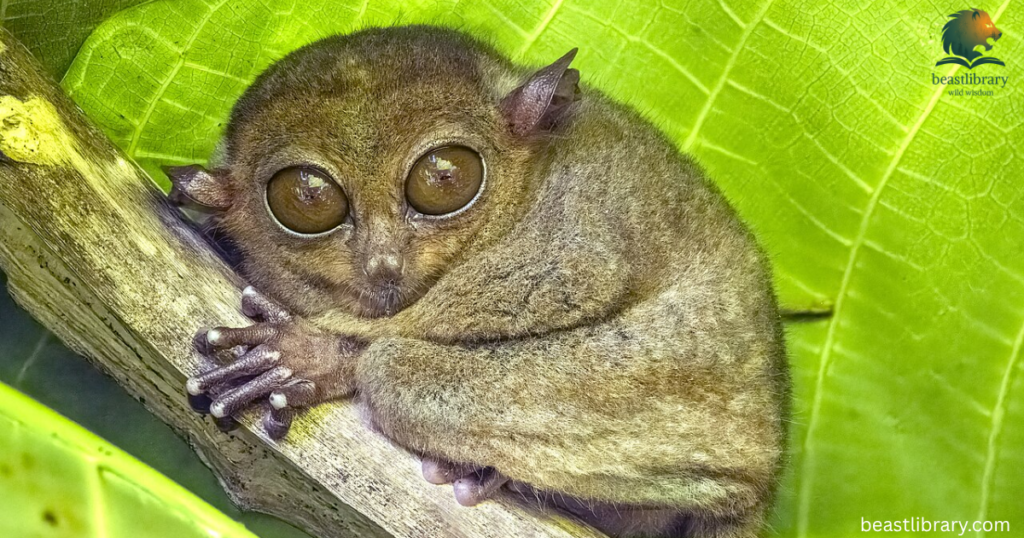
Tarsiers, a small primate found in the lush rainforests of Southeast Asia, are remarkable creatures with extraordinary nocturnal abilities. Unlike many animals, these tiny primates boast enormous eyes, often surpassing the size of their own brains. This unique adaptation allows them to capture even the faintest glimmers of light, making them exceptional nighttime hunters. Equipped with a unique visual system, tarsiers can effectively navigate the dark, spotting prey like insects and small vertebrates with astonishing precision.
15. Mountain Lions
Scientific Name: Puma concolor
Class: Mammalia
Diet: Carnivorous
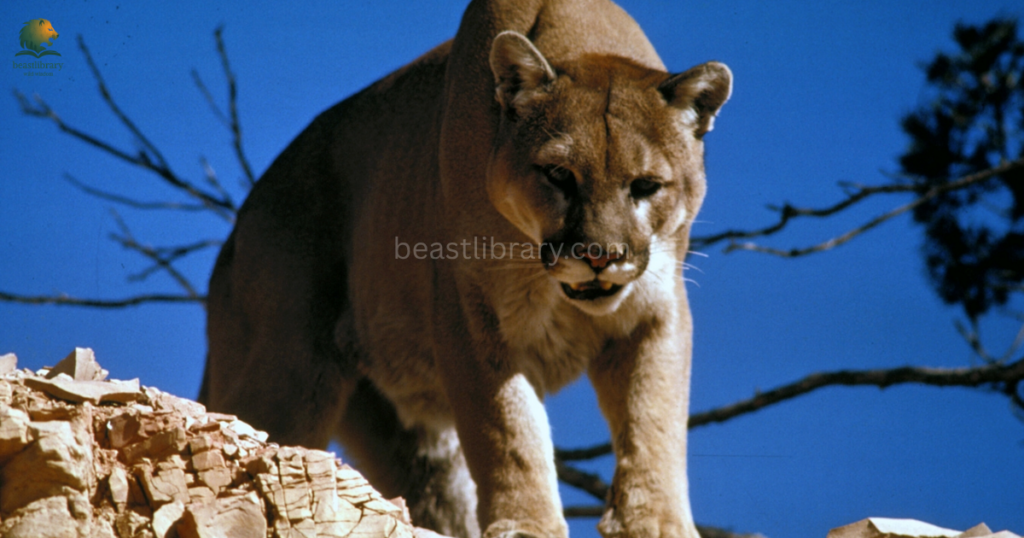
Mountain lions, or cougars, exemplify nature’s incredible adaptations for survival. Equipped with a unique reflective layer behind their retinas called the tapetum lucidum, these big cats can maximize the low-light conditions of their habitats. This biological feature not only enhances their night vision but also allows them to navigate the rugged terrains of the mountains with eerie stealth. As twilight descends, their pupils dilate, permitting more light to enter, which sharpens their predatory instincts.
16. Moths
Scientific Name: Lepidoptera
Class: Insecta
Diet: Nectar / Plant matter
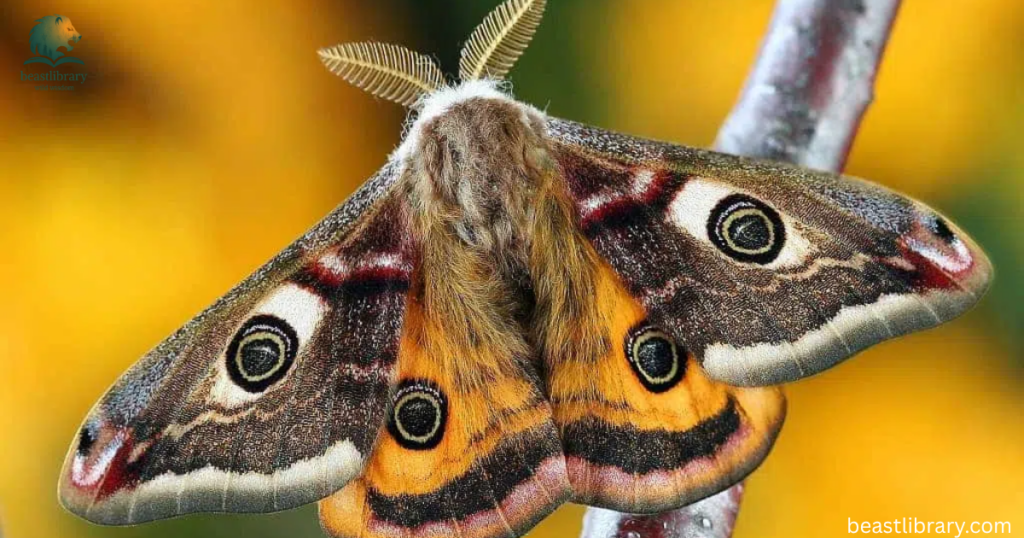
Moths, the nocturnal wonders of the insect world, possess an astonishing ability to navigate and thrive in complete darkness. Their unique compound eyes are finely tuned to detect even the faintest glimmers of light, allowing them to locate mates and food in the dead of night. Equipped with a structure known as retinular cells, moths can pick up on a broad spectrum of wavelengths, including ultraviolet light, which is invisible to many predators and humans. This remarkable vision empowers them to evade danger while deftly flitting from one flower to another, seeking out nectar with an efficiency honed by evolution.
17. Cuttlefish
Scientific Name: Sepiida
Class: Cephalopoda
Diet: Carnivorous
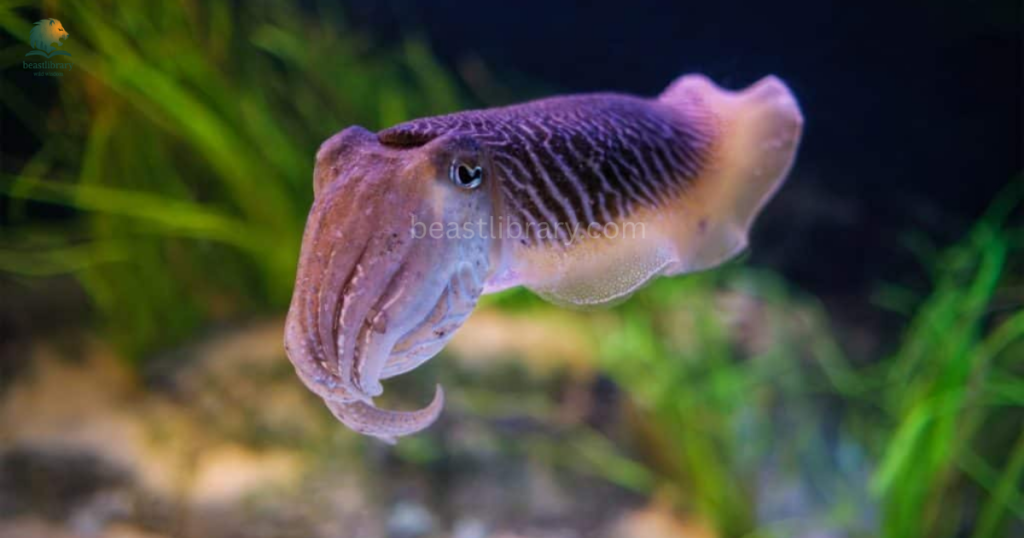
Cuttlefish, often misunderstood as mere ocean dwellers, possess incredible adaptations that make them masters of the twilight zone.
Their ability to navigate and hunt effectively in low-light conditions is largely attributed to their sophisticated eyes, which have a unique structure allowing them to detect polarized light.
This adaptation helps cuttlefish spot prey and predators where regular visibility wanes, giving them a distinct advantage during dusk or dawn when many marine creatures are most active.
Cuttlefish don’t just rely on their eyesight alone; they also utilize an advanced form of camouflage.
18. Alligators
Class: Reptilia
Diet: Carnivorous
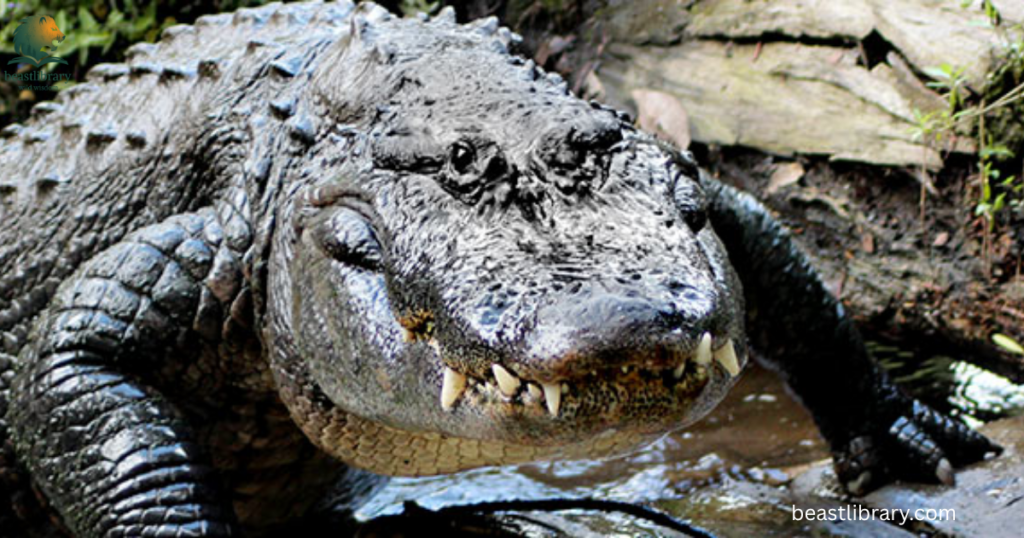
Alligators possess an extraordinary adaptation that allows them to thrive in the murky waters of their habitats, particularly at night. Their retinas are packed with a layer of cells called tapetum lucidum, which significantly enhances their night vision by reflecting light that passes through their eyes back into the retina. This ability not only enables them to navigate their surroundings in near-total darkness but also aids in hunting, making them efficient predators during twilight hours when many other animals are retreating.
In addition to their physiological adaptations, alligators have an impressive sensory arsenal. They rely not just on sight but also on highly sensitive vibrations and chemical cues in the water, giving them a comprehensive understanding of their environment. This multimodal approach sets them apart from other nocturnal hunters and underscores the alligator’s role as a key player in their ecosystems.
Final Thoughts
The ability of certain Animals That Can See in The Dark showcases the remarkable adaptations evolved in the animal kingdom. Species such as owls, cats, and certain types of fish have developed unique anatomical features that enhance their vision in low-light conditions. This extraordinary capability not only aids their survival but also highlights the intricate balance of ecosystems where nocturnal and diurnal creatures coexist.
FAQs
Which animal can see best in the dark?
The owl is one of the animals that can see best in the dark because its large eyes collect more light than human eyes. Other excellent night-vision animals include cats, tarsiers, and bush babies, which rely on special eye structures to hunt or move safely at night.
Why can some animals see in the dark?
Animals that can see in the dark have special adaptations, such as large pupils, more rod cells in their retinas, and a reflective layer called the tapetum lucidum. These features help them use even tiny amounts of light, allowing them to see much better than humans in low-light conditions.