Top 20 Unique Animals With Flippers (With Pictures) 2026
Animals with flippers, like seals and penguins, have evolved adaptations that allow them to thrive in aquatic environments. Understanding unique creatures not only deepens our appreciation for biodiversity also highlights the incredible ways nature finds solutions to survival.
List of Animals With Flippers
Below is the the list of animals that have flippers
- Humpback Whale
- Orca
- Harbor Seal
- Blue Whale
- California Sea Lion
- Walrus
- Bottlenose Dolphin
- Green Sea Turtle
- Elephant Seal
- Manatee
- Leatherback Sea Turtle
- Emperor Penguin
- Dugong
- Dall’s Porpoise
- King Penguin
- Leopard Seal
- Kemp’s Ridley Sea Turtle
- Sea Otter
- Galapagos Penguin
- Monk Seal
1. Humpback Whale
Scientific Name: Megaptera novaeangliae
Class: Mammalia
Diet: Carnivore
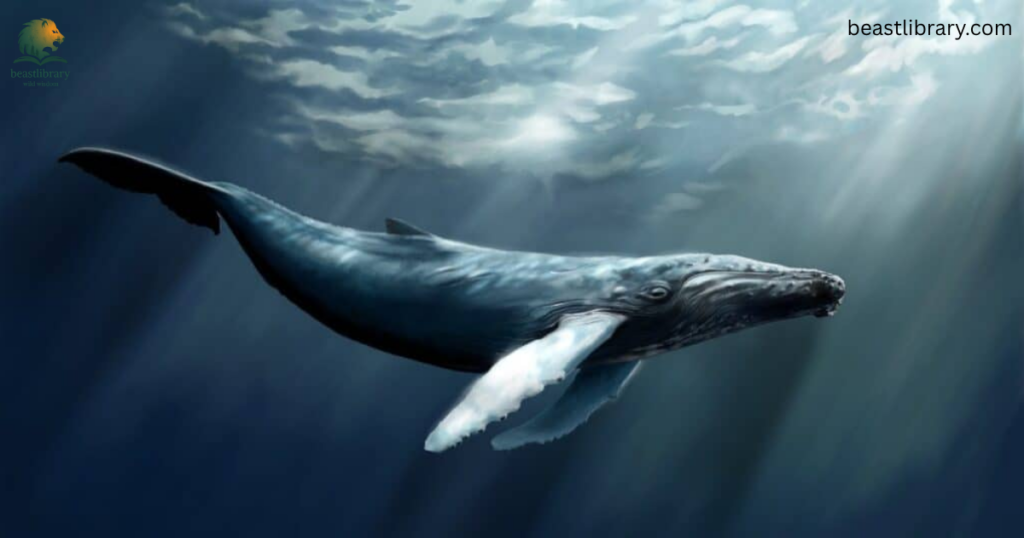
Humpback whales, renowned for their acrobatic displays, use their powerful flippers not just for propulsion but also for intricate social interactions. These majestic marine mammals can grow up to 50 feet long and possess flippers that span nearly one-third of their body length.
This unique morphology allows them to maneuver gracefully through turbulent waters, enabling impressive breaching and slapping displays that communicate with other whales, and perhaps even showcase their sheer joy.
2. Orca
Scientific Name: Orcinus orca
Class: Mammalia
Diet: Carnivore
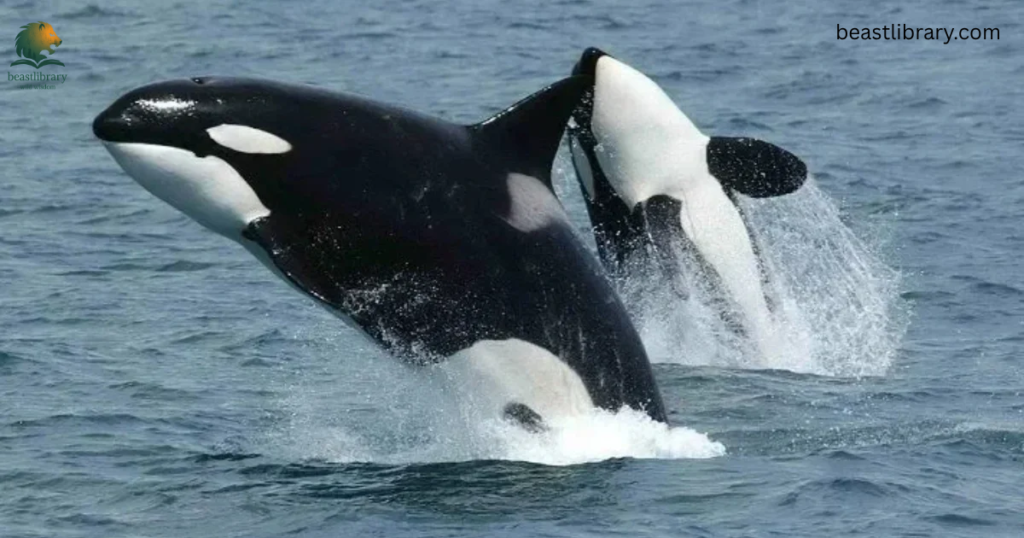
Orcas, often known as killer whales, are among the marine mammals, not just because of their striking appearance but also due to their incredibly complex social structures. These apex predators live in matriarchal pods. They are animals with flippers.
Their flippers, sleek and powerful, allow for agile maneuverability in the water, enabling them to perform incredible acrobatics and swift turns while hunting. This efficiency is crucial as they target varied prey.
3. Harbor Seal
Scientific Name: Phoca vitulina
Class: Mammalia
Diet: Carnivore
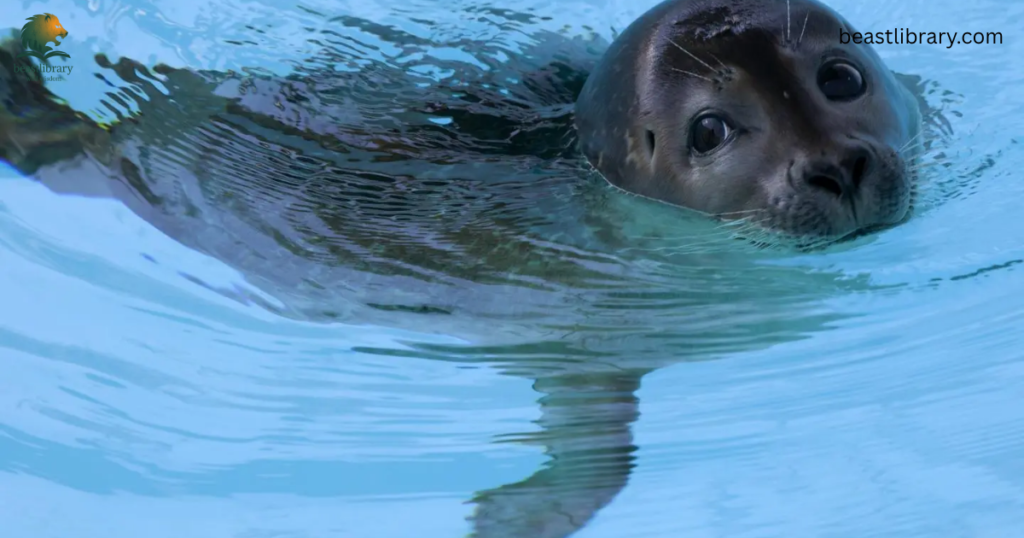
The harbor seal, with its distinctive spotted coat and soulful eyes, is a master of adaptation in its coastal habitat. Found in temperate and sub-Arctic waters, these pinnipeds are not just adept swimmers but also social creatures Animals with Flippers that can often be spotted basking on rocky shores or sandy beaches.
One remarkable aspect of harbor seals is their unique communication methods. They have a repertoire of calls, ranging from barks to growls, that serve to establish dominance or attract mates. Interestingly, when they haul out on land.
4. Blue Whale
Scientific Name: Balaenoptera musculus
Class: Mammalia
Diet: Carnivore
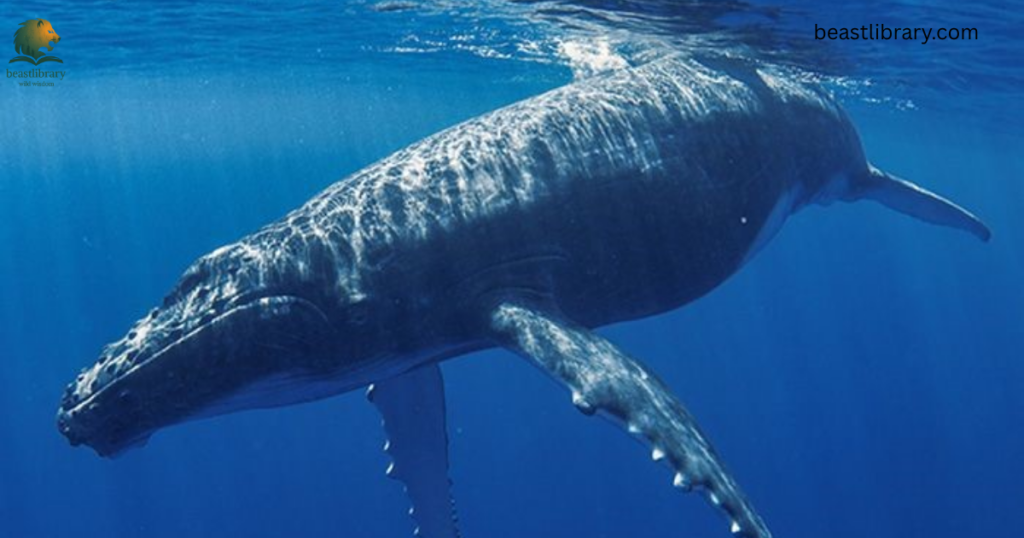
The blue whale, the largest animal to ever grace our planet, commands respect not just for its sheer size but also for its remarkable adaptations. Flippers, though relatively small compared to its massive body, play a crucial role in its navigation through the vast oceans.
These flippers are not merely appendages; they are finely tuned instruments of finesse, allowing the whale to execute graceful turns and maintain stability in the water, contrasting with its immense bulk.
5. California Sea Lion
Scientific Name: Zalophus californianus
Class: Mammalia
Diet: Carnivore
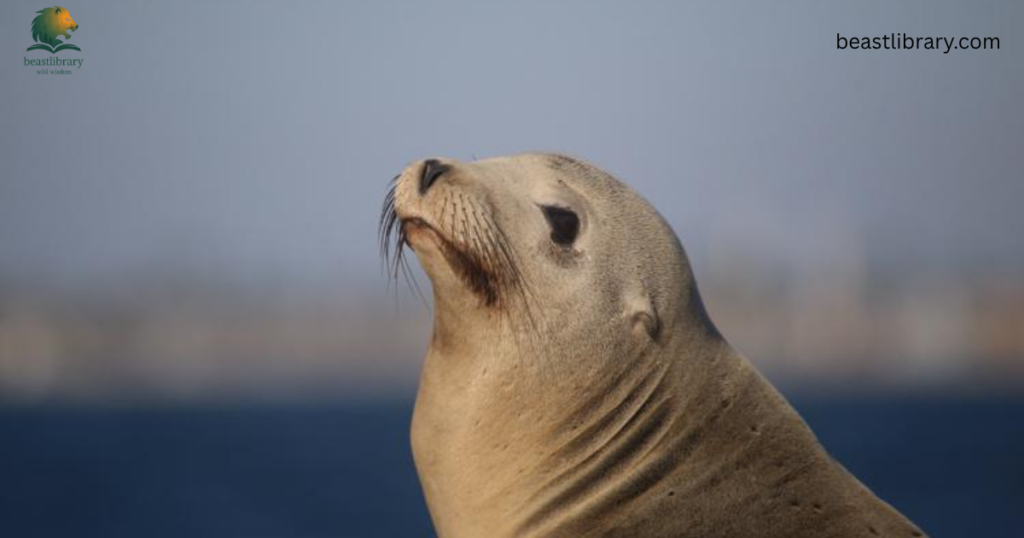
The California sea lion, with its playful demeanor and acrobatic skills, is also marine Animals with Flippers that embodies the spirit of the Pacific Coast. Known for their intelligence, these sea lions exhibit problem-solving abilities that rival those of some terrestrial mammals.
Observant visitors might catch them engaging in elaborate social interactions, from barking vocalizations to synchronized swimming displays, showcasing their complex social structures and communication skills. They are animals with out legs.
6. Walrus
Scientific Name: Odobenus rosmarus
Class: Mammalia
Diet: Carnivore
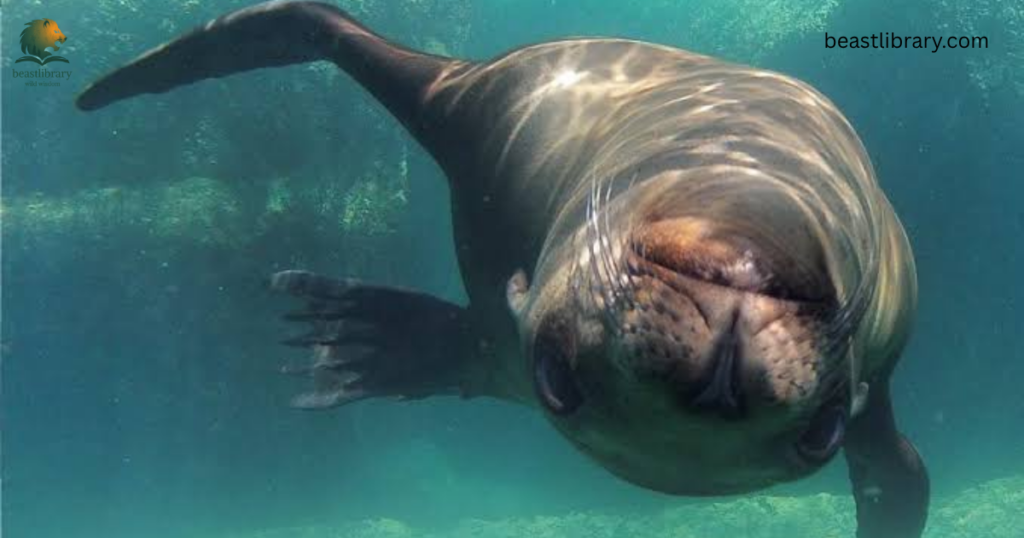
The walrus, with its iconic tusks and blubbery body, is a remarkable creature that thrives in the frigid waters of the Arctic have sharp flippers. These marine mammals possess a unique blend of adaptability and sociability, often seen lounging together on ice floes in large herds.
The tusks, which can grow up to three feet long, are not only impressive but serve various purposes: from establishing dominance in social hierarchies to aiding in hauling their hefty bodies onto ice. Walrus is animals with out legs.
7. Bottlenose Dolphin
Scientific Name: Tursiops truncatus
Class: Mammalia
Diet: Carnivore
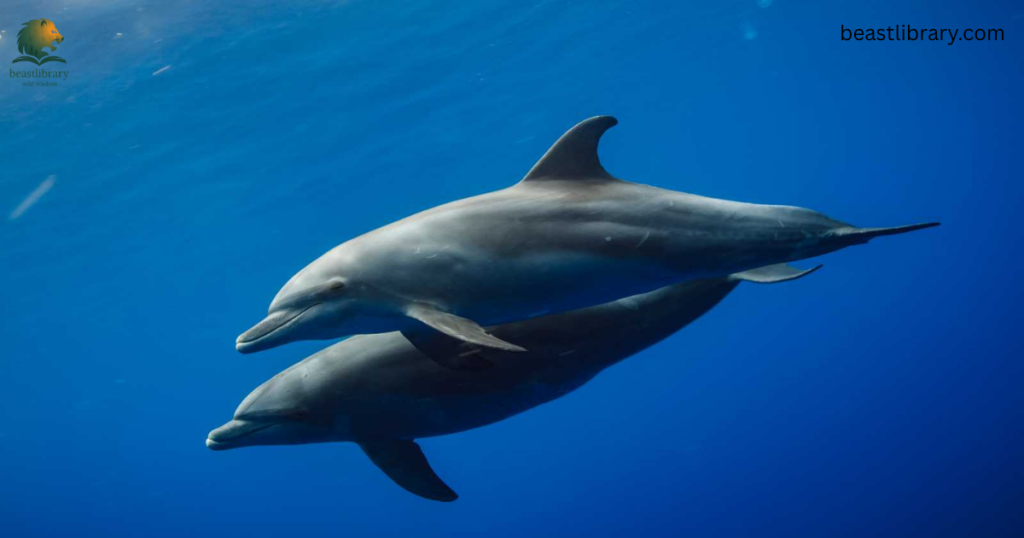
Bottlenose dolphins, with their sleek bodies and dynamic behavior, are one of the most recognizable marine mammals, captivating both casual beachgoers and dedicated marine biologists alike. They have flippers.
These agile swimmers use their flippers to perform a variety of maneuvers, often displaying acrobatics that range from impressive spins to graceful leaps, showcasing their intelligence and playful nature.
8. Green Sea Turtle
Scientific Name: Chelonia mydas
Class: Reptilia
Diet: Herbivore
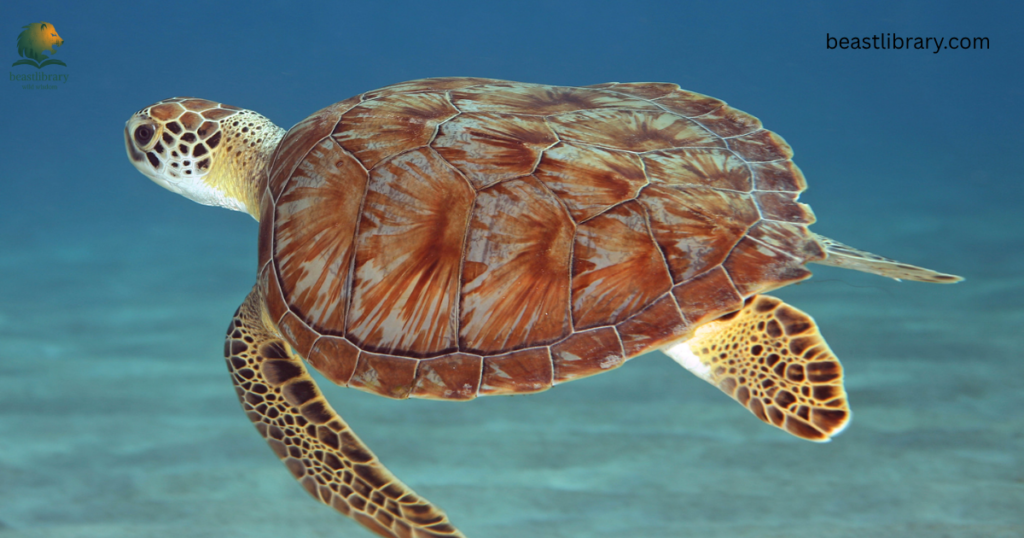
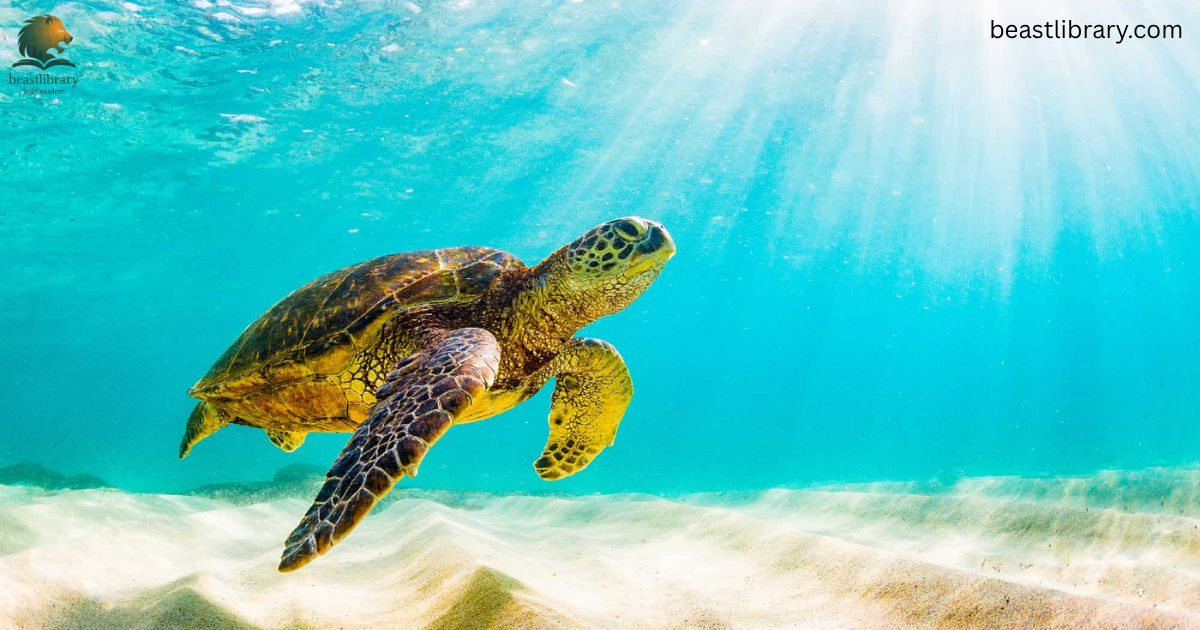
The green sea turtle, a marvel of evolution, demonstrates the perfect harmony between agility and grace in the ocean. With its flipper-like limbs, this gentle leviathan glides effortlessly through the water, reaching speeds of up to 35 miles per hour when threatened.
Unlike many creatures of the sea, the flippers of the green sea turtle are not just tools for propulsion; they also embody a unique blend of strength and dexterity, allowing these turtles to navigate complex marine environments with ease. These are Animals with Flippers.
9. Elephant Seal
Scientific Name: Mirounga
Class: Mammalia
Diet: Carnivore
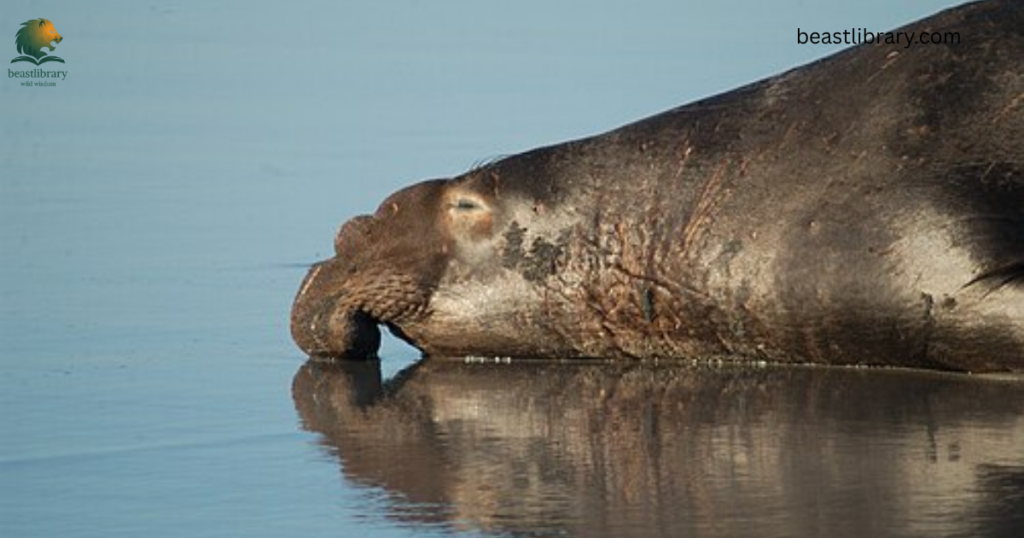
The elephant seal, a remarkable marine mammal, stands out with its impressive size and unique adaptations. Males can weigh up to 4,500 pounds and sport a pronounced proboscis, particularly during the breeding season, they have long flippers.
When these massive creatures haul themselves onto rocky beaches, the sight is both awe-inspiring and humbling, highlighting the extremes of evolution. Underneath their blubbery exterior, elephant seals exhibit extraordinary swimming capabilities.
10. Manatee
Scientific Name: Trichechus manatus
Class: Mammalia
Diet: Herbivore
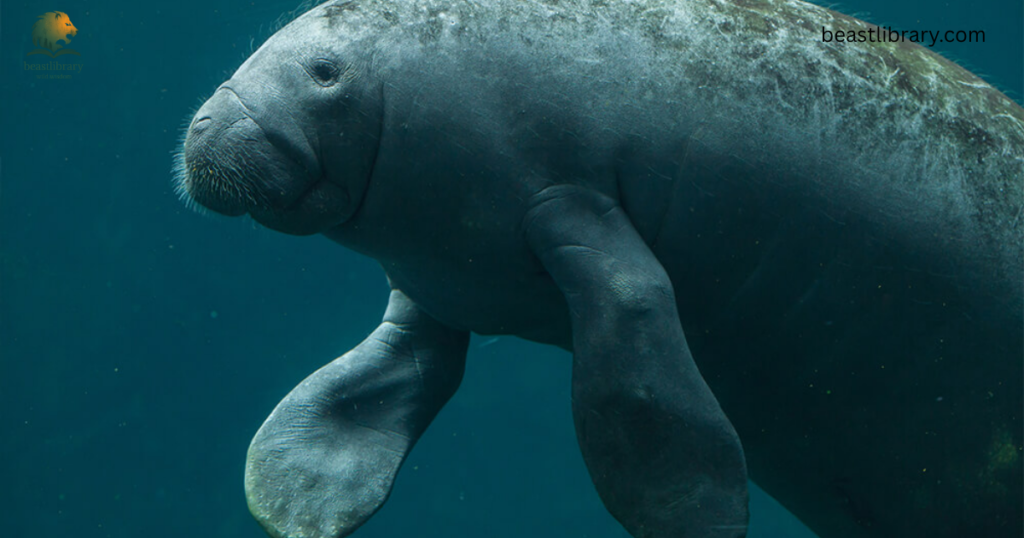
Manatees, often affectionately dubbed “sea cows,” are gentle giants that glide through the waters with an elegant grace that belies their sizable frames. These aquatic mammals possess flippers that are not merely tools for navigation.
Unlike traditional flippers seen in fish, manatee flippers are equipped with five digits, providing them the fine motor skills necessary to grasp and manipulate aquatic vegetation. This unique feature enables them to perform intricate tasks. These are Animals with Flippers.
11. Leatherback Sea Turtle
Scientific Name: Dermochelys coriacea
Class: Reptilia
Diet: Carnivore
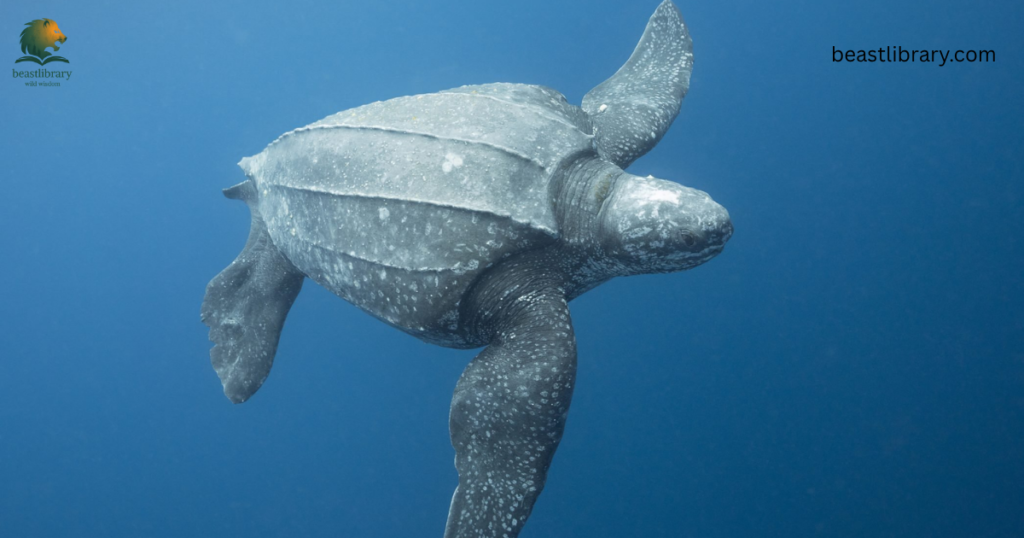
The leatherback sea turtle stands out not just for its size often reaching over six feet in length but also for its unique adaptations that challenge our perceptions of marine life. Unlike other sea turtles with hard, bony shells, the leatherback’s carapace is a leathery.
This remarkable adaptation allows it to plunge to depths of 4,000 feet in search of jellyfish, its primary food source, which it skillfully locates through echolocation and navigation techniques honed over millions of years.
12. Emperor Penguin
Scientific Name: Aptenodytes forsteri
Class: Aves
Diet: Carnivore
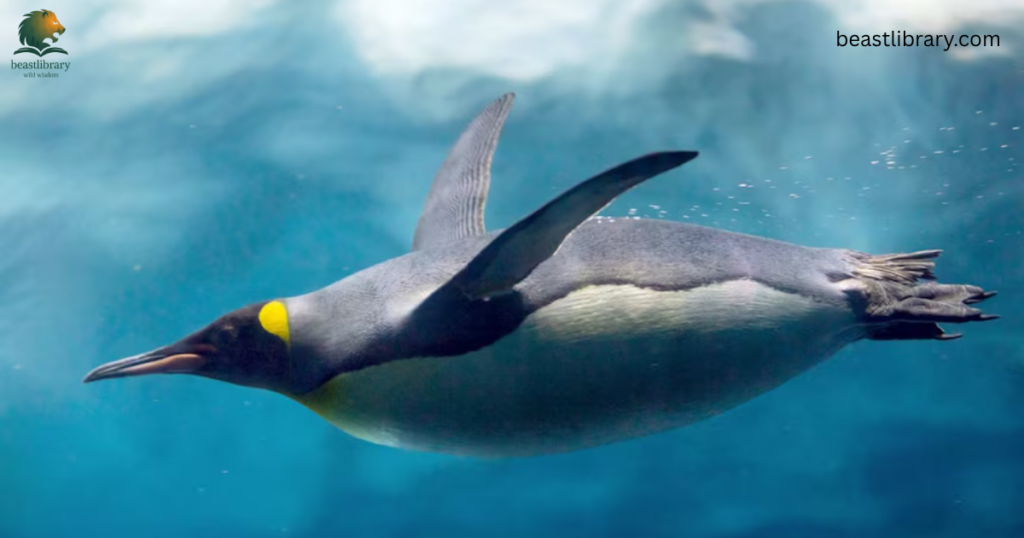
The Emperor Penguin, Animals with Flippers, the largest of all penguin species, is a marvel of adaptation and resilience in one of Earth’s harshest environments. Standing nearly four feet tall and weighing up to 90 pounds.
During the brutal Antarctic winter, males endure extreme temperatures, often reaching as low as -76°F, while huddling together in massive colonies, rotating positions to share body heat. These animals have large flippers.
13. Dugong
Scientific Name: Dugong dugon
Class: Mammalia
Diet: Herbivore
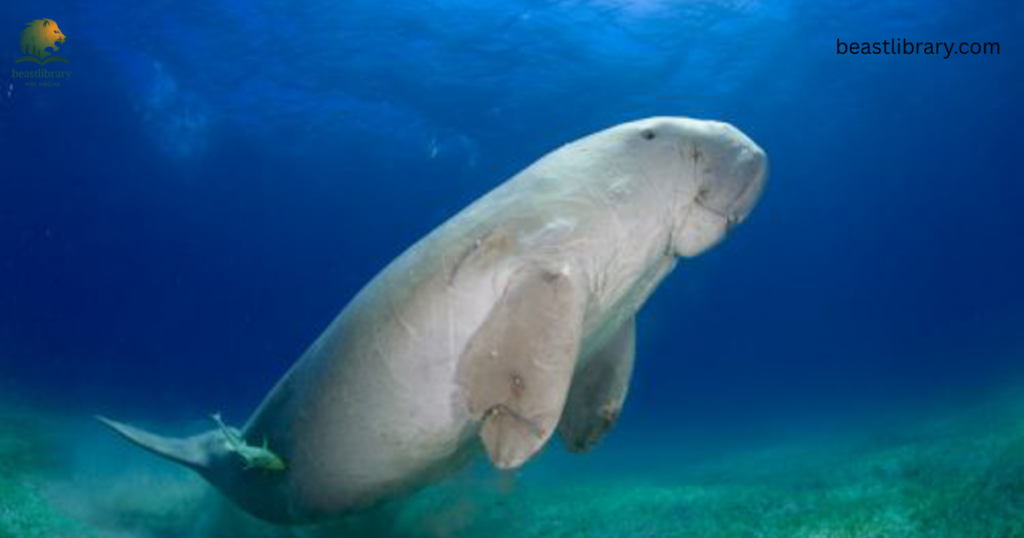
The dugong, Animals With Flippers, often overshadowed by its more famous relatives like the manatee, is a remarkable marine mammal that thrives in the warm coastal waters of the Indian and western Pacific Oceans.
This behavior not only showcases their refined feeding habits but also highlights their ecological role in maintaining seagrass ecosystems, which are crucial for carbon sequestration and coastal protection.
14. Dall’s Porpoise
Scientific Name: Phocoenoides dalli
Class: Mammalia
Diet: Carnivore
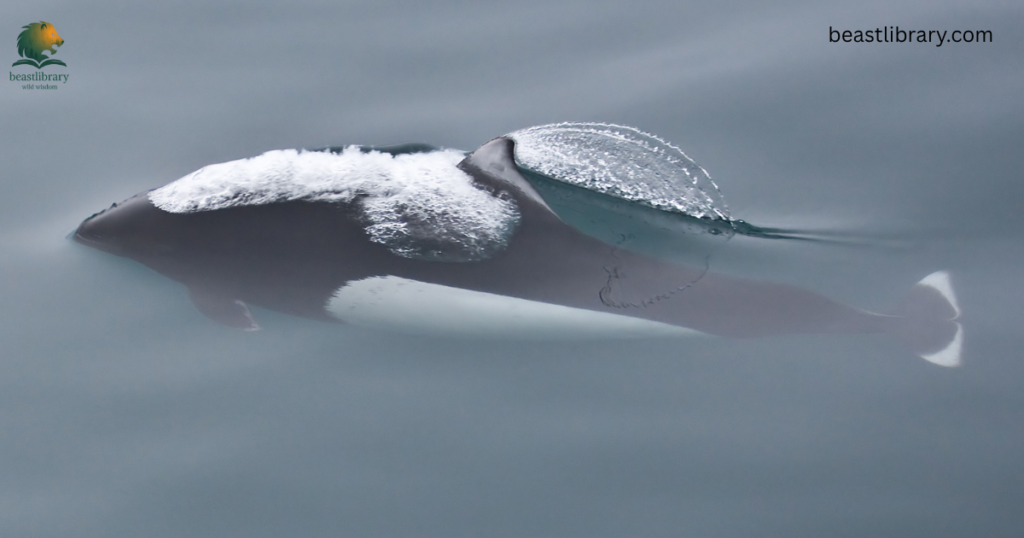
Dall’s porpoises, with their sleek, torpedo-shaped bodies, are the ocean’s unsung acrobats. Often mistaken for dolphins due to their playful nature and impressive speed, these creatures can reach up to 55 km/h, making them one of the fastest marine mammals.
These flippered marvels are also incredibly social, forming tight-knit pods that often engage in exhilarating displays of synchrony. You might catch them riding the bow waves of boats, a behavior that showcases their inherent curiosity and playfulness.
15. King Penguin
Scientific Name: Aptenodytes patagonicus
Class: Aves
Diet: Carnivore
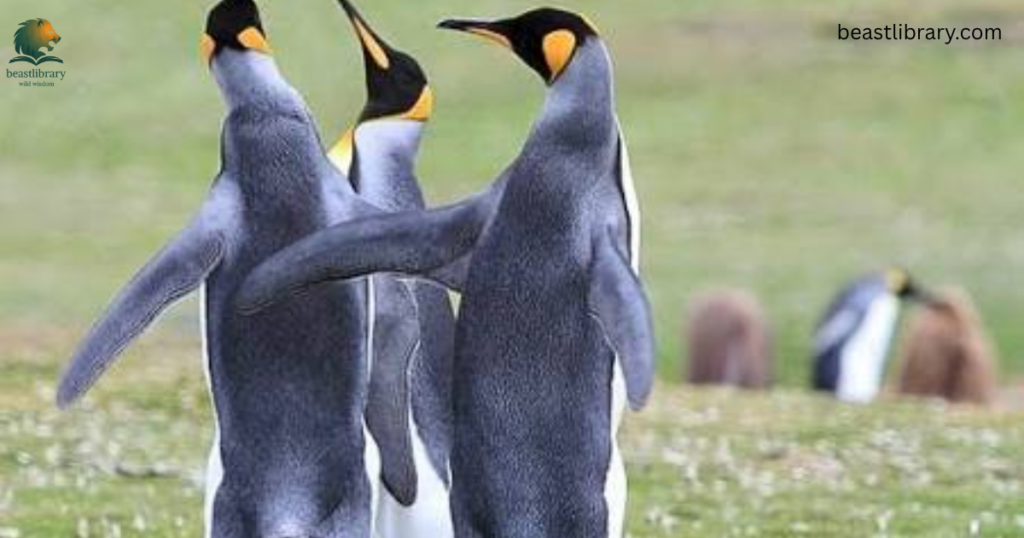
The King Penguin, the second-largest species of penguin, captivates with its striking appearance and remarkable adaptability. Sporting a sleek, streamlined body adorned with vibrant orange and yellow accents, these birds are not just visually stunning; they are also sophisticated hunters.
Unlike their smaller relatives, King Penguins have the unique ability to dive to impressive depths of over 300 meters in search of fish, squid, and krill, showcasing a level of foraging capability that few other birds can rival. These are clumsy animals With Flippers.
16. Leopard Seal
Scientific Name: Hydrurga leptonyx
Class: Mammalia
Diet: Carnivore
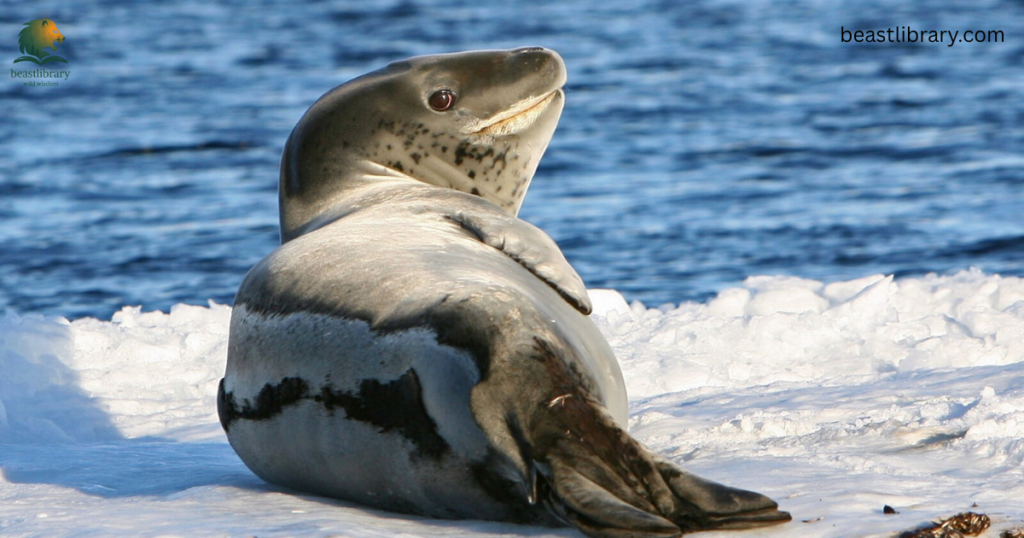
The leopard seal, with its striking spotted coat, stands out among the Antarctic predators, embodying both beauty and ferocity. Unlike their more playful counterparts, sea lions, leopard seals possess an enigmatic, solitary nature.
Their powerful flippers are not just tools for swift movement through icy waters; they serve as elegant paddles that slice through waves, allowing these formidable hunters to chase down krill, fish, and even the occasional penguin.
17. Kemp’s Ridley Sea Turtle
Scientific Name: Lepidochelys kempii
Class: Reptilia
Diet: Carnivore
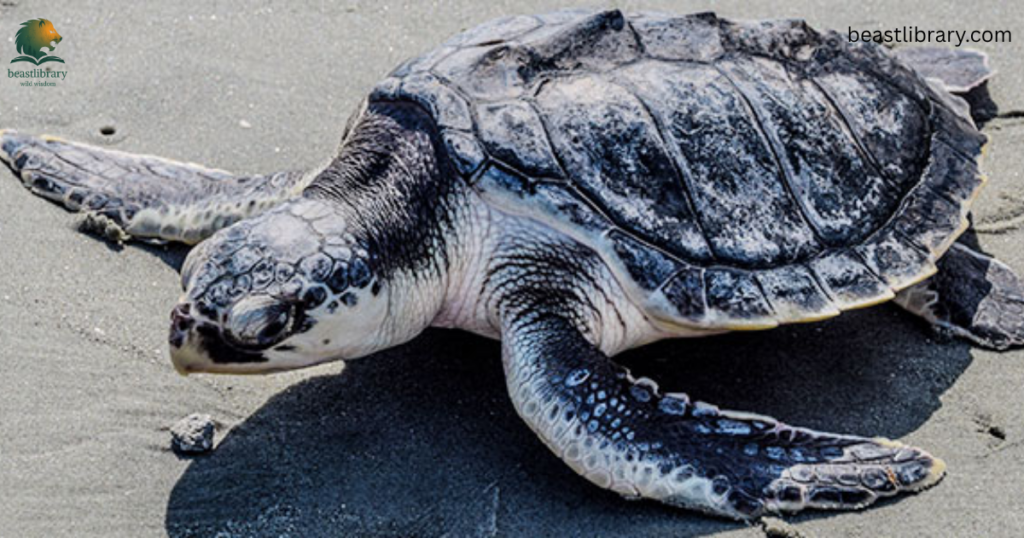
The Kemp’s Ridley sea turtle, one of the most endangered turtle species, showcases nature’s design marvel with its uniquely adapted flippers. These remarkable limbs not only enable the turtle to glide gracefully through the ocean’s depths but also play a critical role.
Remarkably, Kemp’s Ridleys are known for their synchronized nesting events, known as “arribadas,” where thousands come ashore simultaneously, a spectacle both awe-inspiring and crucial for their survival.
What makes these flippers is their efficiency in foraging. With powerful strokes and a streamlined design, Kemp’s Ridley turtles excel in catching crustaceans, primarily their favorite blue crabs.
18. Sea Otter
Scientific Name: Enhydra lutris
Class: Mammalia
Diet: Carnivore
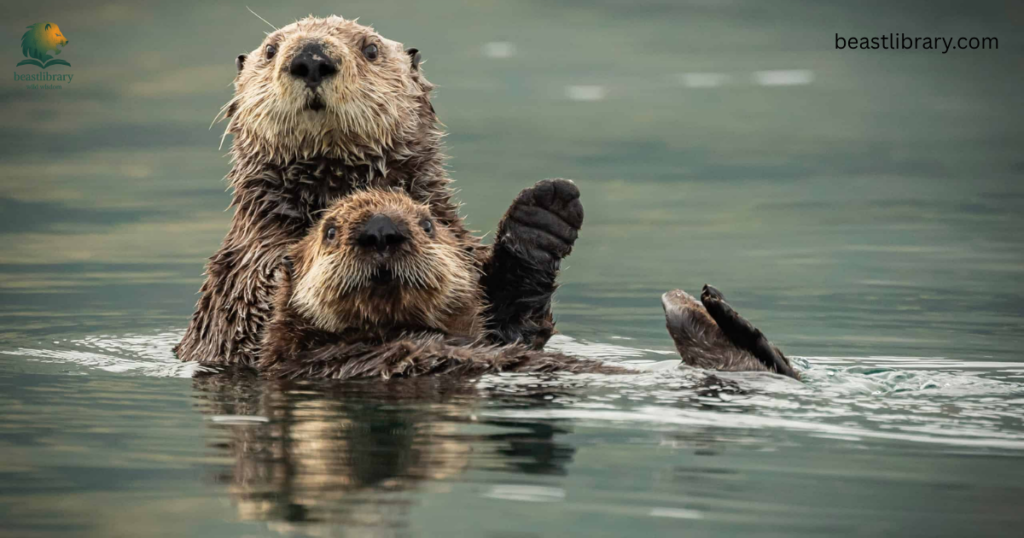
Sea otters, often seen floating on their backs, are more than just adorable fluffballs of fur; they are vital players in their ecosystems. These marine mammals possess a unique set of flippers, allowing them to navigate the currents with grace and agility. How Animals With Flippers use these flippers to forage for food sea urchins.
More than just skilled hunters, sea otters serve as keystone species. By controlling sea urchin populations, they help maintain healthy kelp forests, which are crucial habitats for countless marine organisms.
19. Galapagos Penguin
Scientific Name: Spheniscus mendiculus
Class: Aves
Diet: Carnivore
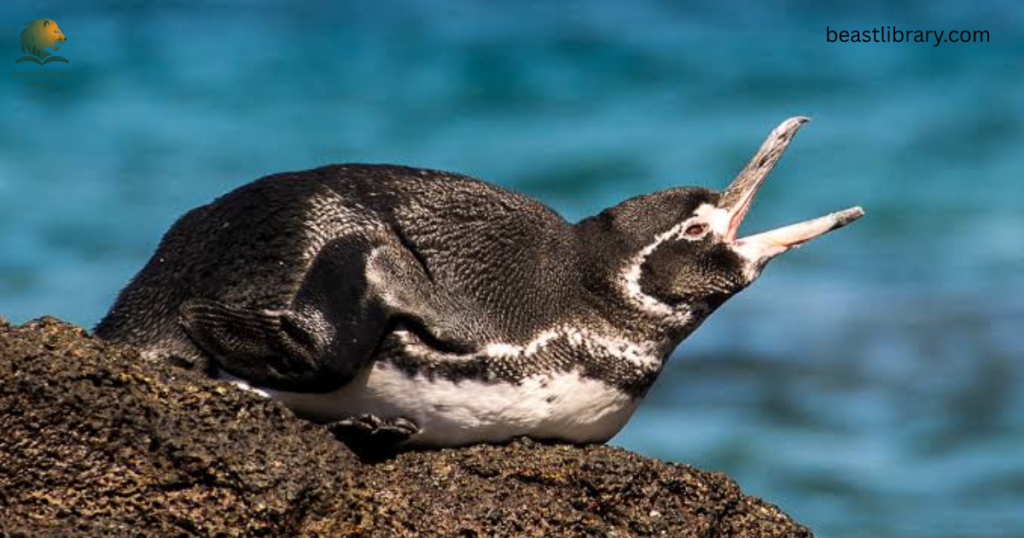
The Galapagos penguin, the only penguin species found north of the equator, represents a example of adaptation and resilience. These small, black-and-white birds thrive in the warm waters of the Galapagos Islands, making them unique among their cold-weather relatives.
Unlike many other penguins that rely on large colonies, Galapagos penguins often prefer to live in smaller groups, allowing them to navigate their environment with greater agility and cooperation, especially when hunting for small fish and invertebrates.
One of the most striking traits of the Galapagos penguin is its remarkable ability to regulate body temperature. Their unique feather arrangement helps insulate them against the heat, a vital adaptation for coping with the equatorial sun.
20. Monk Seal
Scientific Name: Monachus monachus (Mediterranean) / Neomonachus schauinslandi (Hawaiian)
Class: Mammalia
Diet: Carnivore
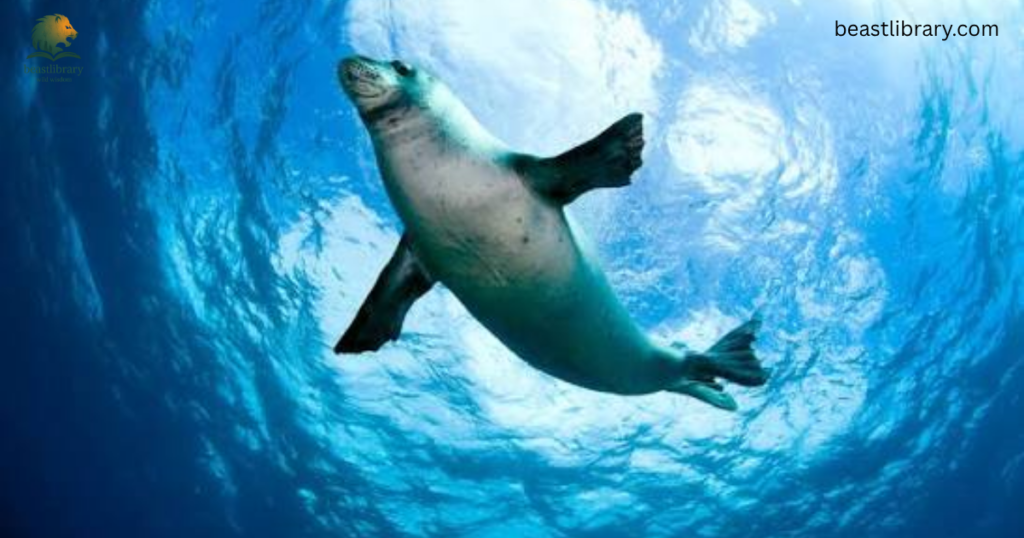
Monk seals, often described as the gentle giants of the ocean, are intriguing not just for their serene demeanor but also for their unique evolutionary traits. With their blubbery bodies and flipper-like limbs, these seals are adapted to glide effortlessly through water.
Unlike their more agile relatives, monk seals have a slower, more deliberate swimming style, which is perfectly suited for foraging in shallow coastal regions. This slower pace allows them to skillfully hunt for fish and crustaceans hidden in the substrate of sandy beaches or rocky crevices.
Interestingly, monk seals are also known for their sociable nature, often seen basking together on sun-soaked shores. Their flippers play a crucial role in communication, as they use them to interact with one another through a series of subtle gestures and movements.
Final Thoughts– Animals With Flippers
Animals with flippers showcase the incredible diversity of life adapted to aquatic environments. From the playful antics of sea lions to the majestic gliding of penguins, these creatures exemplify how evolution shapes anatomy for survival.
As we continue to explore and understand these animals, it becomes crucial to advocate for their conservation. Protecting their environments ensures that future generations can witness the beauty and wonder of Animals With Flippers.
FAQs
Are penguin wings called flippers?
Penguins have wings. These wings are really different from what you think of as wings. They are actually great for swimming and people usually call them flippers. Penguin wings are not, like the wings of birds that can fly. The wings of penguins are short. They do not bend easily. They are also very flat. When penguins swim their wings work like paddles. This helps penguins move through the water fast like they are flying. Scientists sometimes call these wings flipper- wings or just flippers because that is what they are used for. Penguins use their flippers to swim and dive in the water.
Is a dolphin have flippers?
Dolphins have flippers.
A dolphin has two flippers on the sides of its body. These flippers help the dolphin steer and balance in the water. They also help the dolphin move in the water. Dolphins have some things that help them swim too. Dolphins also have:
* A dorsal fin, on the back of the dolphin. This dorsal fin helps the dolphin stay steady.
* A tail fluke. The tail fluke helps the dolphin swim forward.
Which bird has flippers instead of wings?
Penguins are birds. Their wings are really different. They are strong. Look like paddles. Penguins use these to swim in the water. Penguins cannot fly in the air. Penguins are really swimmers. They use their wings to move through the water like they are flying. Other birds like Ostrich and Emu and Kiwi cannot fly either.. These birds still have wings. They do not have flippers, like Penguins do.