Top 11 Animals Without Eyes (With Pictures)
Many remarkable animals without eyes have completely lost their vision but continue to thrive beautifully in their unique habitats. we delve into the intriguing lives of these creatures, revealing how they navigate, hunt, and thrive in darkness. This exploration offers amazing insights into evolution and the diverse strategies life employs to endure. you’ll not only appreciate these extraordinary organisms but also gain a deeper understanding of adaptation in nature.
1-Texas Blind Salamander
Scientific Name: Eurycea rathbuni
Class: Amphibia
Diet: Carnivore
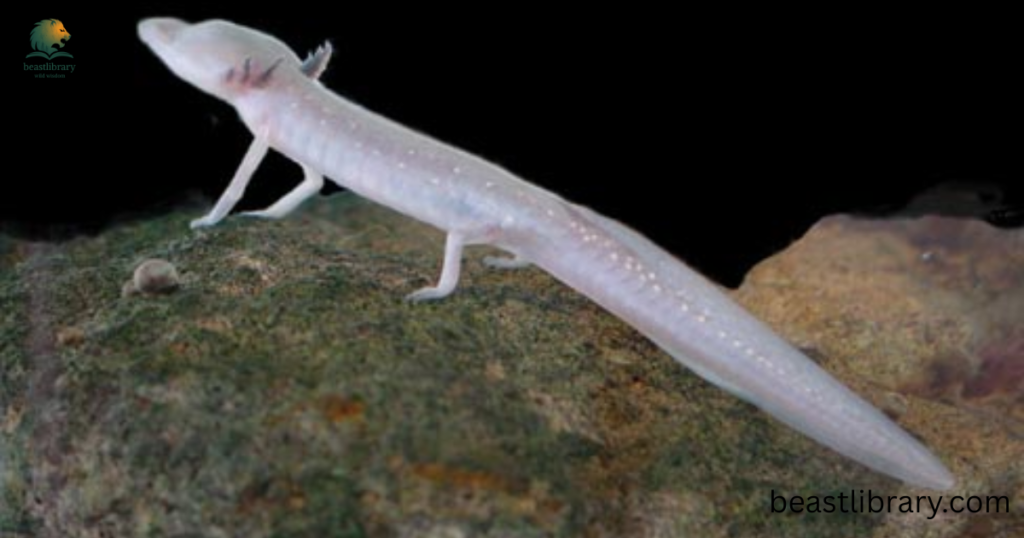
The Texas blind salamander, captures the imagination with its unique adaptations, a fascinating creature of the subterranean world, these salamanders have evolved to thrive without sight Living exclusively in the dark confines of the Edwards Aquifer. Their pale, almost ghostly appearance is a testament to their underground habitat,
Every feature they possess, from their sensitive skin to their delicate external gills, boosts their capacity to hunt and navigate through an environment where sight is completely unnecessary.
2-Star–Nosed Mole: Animals Without Eyes
Scientific Name: Condylura cristata
Class: Mammalia
Diet: Carnivore
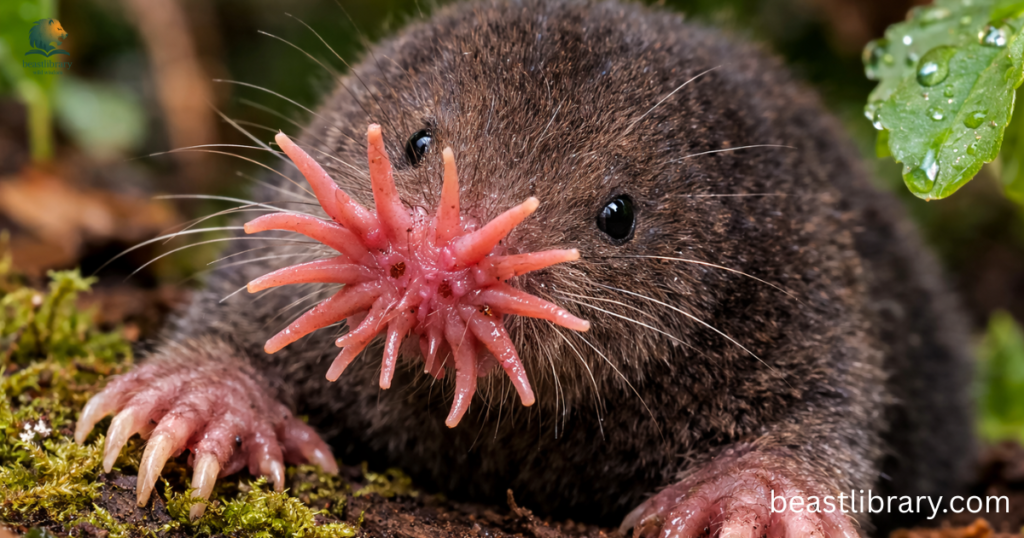
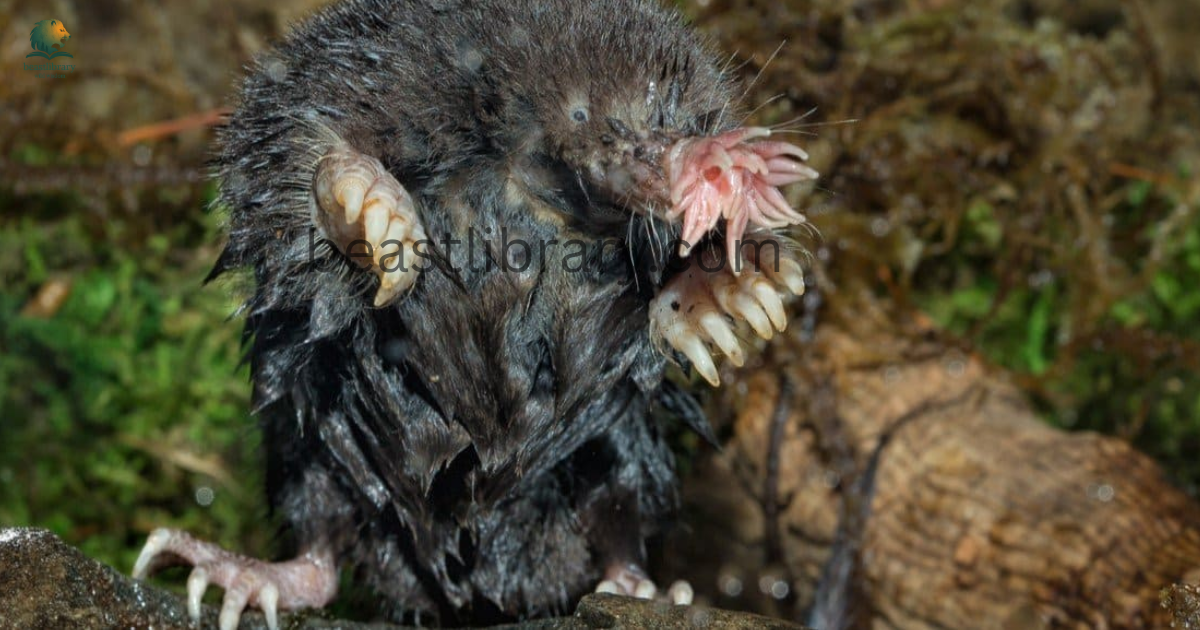
Star-nosed moles, often overlooked as peculiar critters, are surprisingly equipped for survival in the moist, dark ecosystems they inhabit. This sensory marvel allows them to navigate their underground world with incredible accuracy, locating food in complete darkness.
With their most remarkable trait the star-like array of 22 fleshy extensions on their snouts, making them far more than just vulnerable animals. they possess a mind blowing sense of touch Their ability to forage for earthworms and other invertebrates in quick instants is a testament to their adaptability.
While their appearance might lead one to believe they are weak, the star-nosed mole prospers in environments where other creatures might struggle. They have developed a unique lifestyle that prioritizes speed over size, completing foraging tasks in mere seconds a survival tactic in a world where every second counts.
3-Caecilian
Class: Amphibia
Diet: Carnivore
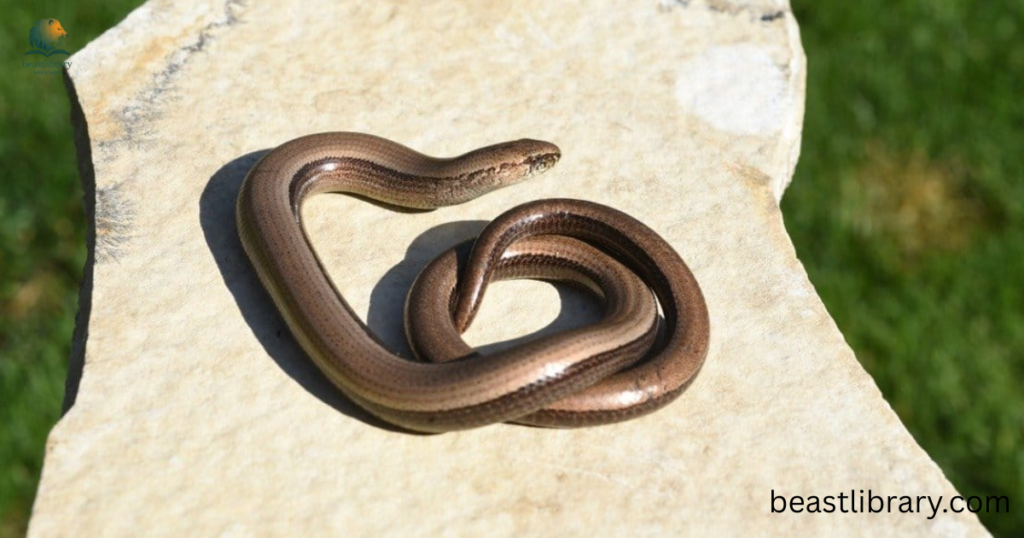
Caecilians possess a unique locomotion, using muscle contractions and their vertebral column to glide through soil, showing a level of adaptability that highlights the wonders of evolution. With over 200 species known, their adaptations vary, from striking patterns to cryptic colors.
That help them blend seamlessly into their environment. Some species even exhibit parental care, a rarity among amphibians, wherein mothers nourish their young with skin secretions rich in nutrients. They are scaled creatures.
4-Freshwater Hydra
Scientific Name: Hydra vulgaris
Class: Hydrozoa
Diet: Carnivore
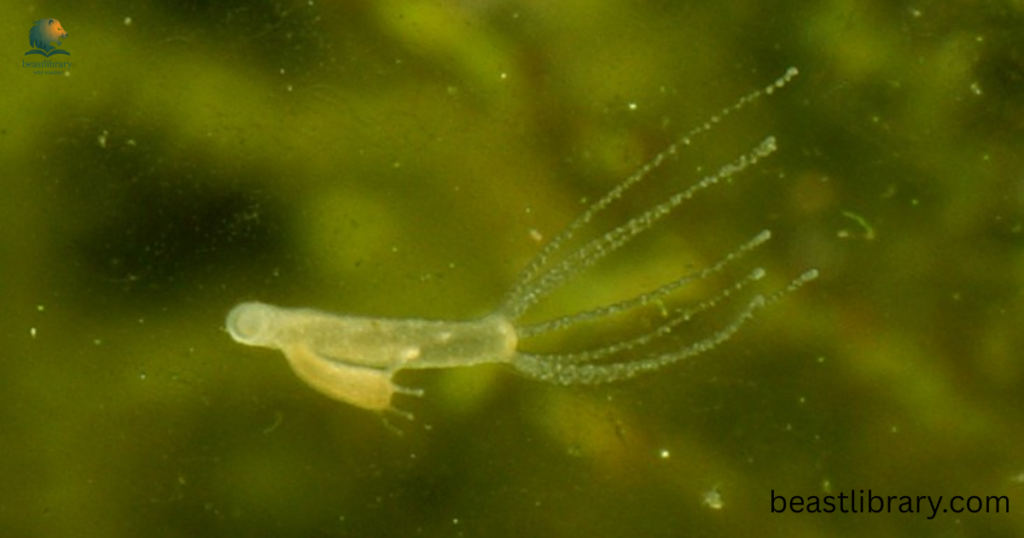
The freshwater hydra, a simple but remarkable organism, captivates the imagination with its incredible adaptability and resilience. Found in ponds and rivers, this minuscule creature survives conditions that would be fatal to most forms of life, showcasing an extraordinary form of biological creativity.
Although it possesses no standard vision, the hydra navigates its environment through a sophisticated set of sensory tentacles, which are crucial for finding food and perceiving dangers. researchers are diving into its cellular mechanisms to uncover secrets of longevity, sparking hopes for breakthroughs in regenerative medicine for humans.
The hydra’s unique perspective on life, thriving without sight and showcasing an alternative form of awareness, challenges our concepts of sensory awareness in the animal kingdom, reminding us that life can adapt in multiple ways.
5-Sea Sponge
Class: Demospongiae
Diet: Filter feeder
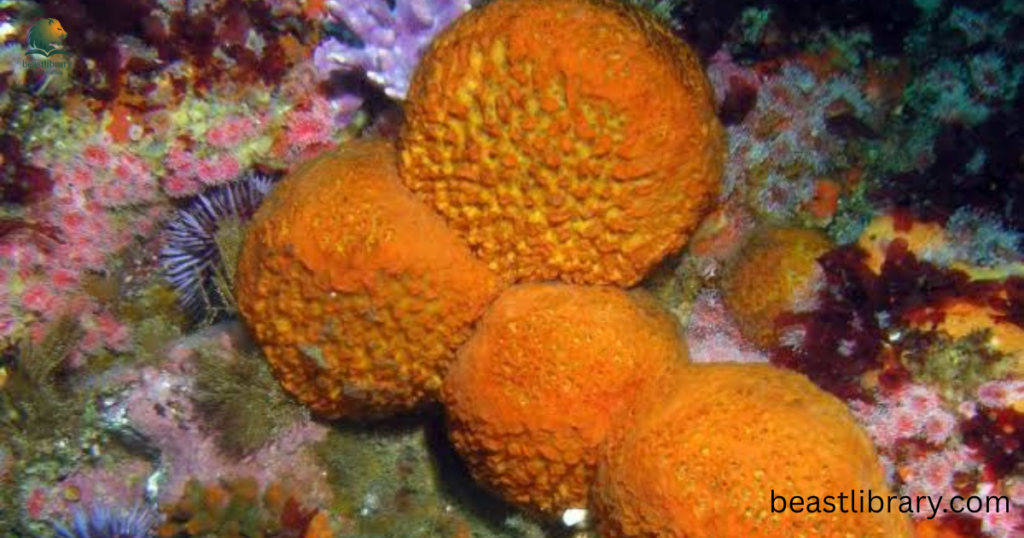
The sea sponge may not be the poster child for intelligence, but its unique biological structure offers a glimpse into a world where least intelligent animals belong. Without a nervous system or brain, these simple organisms thrive in their underwater habitats through a remarkable array of passive adaptations.
While they lack the learning or problem-solving skills we typically admire in more complex animals, their effectiveness in ecological roles is unparalleled. They don’t require vision to navigate their world; instead, they have evolved chemical signaling systems to communicate with one another and respond to environmental changes.
6-Widemouth Blindcat
Scientific Name: Satan eurystomus
Class: Actinopterygii
Diet: Carnivore
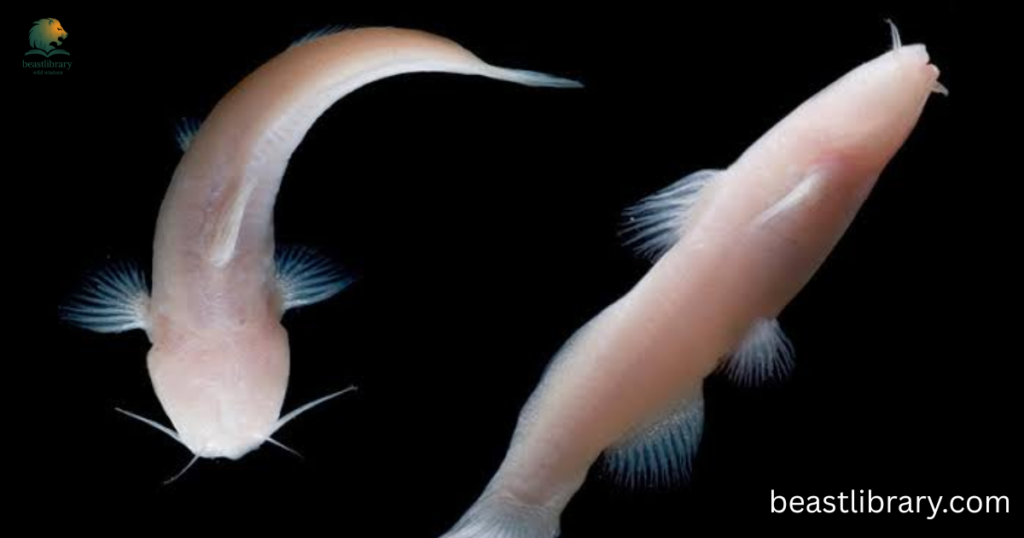
The widemouth blindcat, an intriguing lifeform the subsurface of texas, demonstrates nature’s ability to adapt in extraordinary ways. With its large, open mouth and the complete absence of eyes, this elusive fish has evolved to thrive in the pitch-black depths of caves, where food scarcity and darkness dictate survival strategies.
In such environments, where both sustenance is rare and absolute darkness prevails, an intricate sensory system that enables them to detect vibrations and movements in the water a true testament to the wonders of evolution.
The widemouth blindcat’s unique look contradicts common views of natural aesthetic value. While many might consider vision as crucial for survival, this species has fully adopted a life dependent on alternative senses.
7-Kaua’i Cave Wolf Spider
Scientific Name: Adelocosa anops
Class: Arachnida
Diet: Carnivore
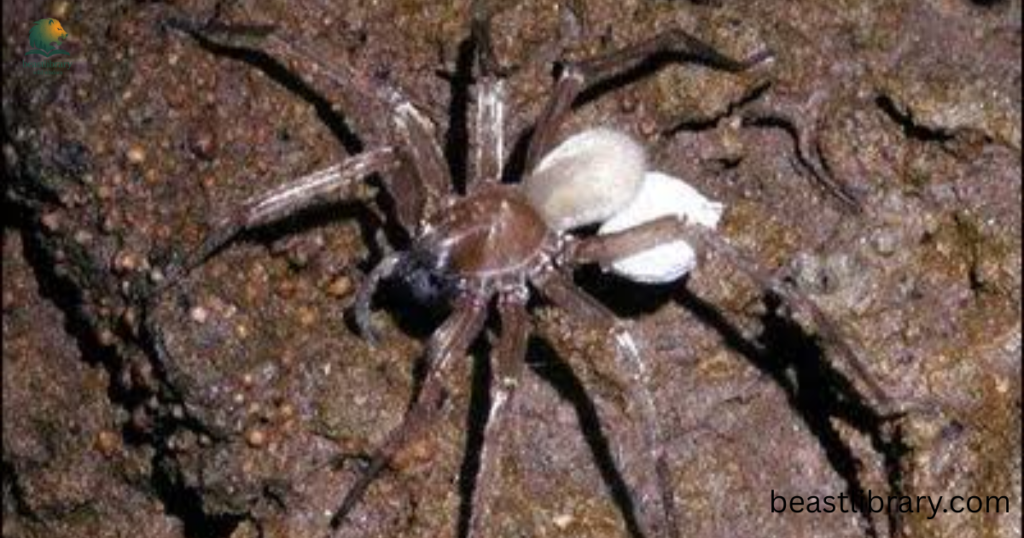
The Kaua’i cave wolf spider, illustrates nature’s uncanny adaptability, a remarkable yet often overlooked inhabitant of Hawaii’s underground caves. This species, entirely devoid of eyes, revealing a fascinating paradox: in darkness, vision becomes a hindrance, thrives in the pitch black chambers of its tropical habitat.
Making them adept hunters despite their lack of sight, this evolutionary trade-off highlights how creatures can develop heightened sensitivity to vibrations and chemical signals
Its elongated legs and pale coloration are not merely survival advantages; they are adaptations that underscore its unique ecological niche. relying on their refined sensory capabilities to locate prey, these spiders navigate their subterranean world with extraordinary precision.
8-Blind Cave Crayfish
Scientific Name: Orconectes australis
Class: Malacostraca
Diet: Omnivore
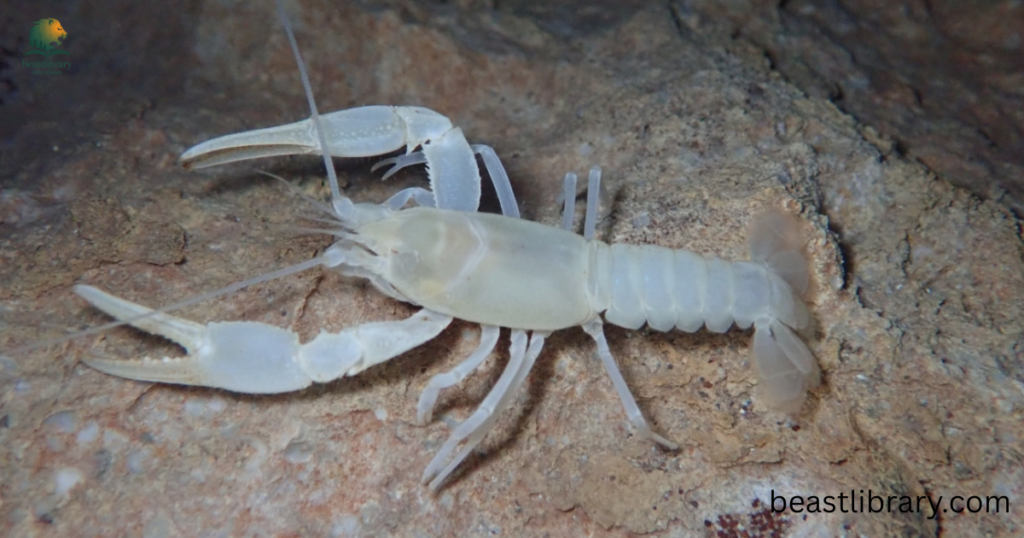
The blind cave crayfish, offers a remarkable glimpse into evolution’s adaptability, a fascinating creature native to underground aquatic ecosystems, these crustaceans have evolved to thrive without the need for sight, showcasing nature’s ability to repurpose sensory modalities.
Transforming the lack of vision into an exceptional ability to interact with their surroundings, their tactile sensory hairs and acute chemical receptors enable them to navigate their environment with impressive precision.
This unique adaptation raises questions about what it means to “see.” For the blind cave crayfish, the world is navigated through touch and taste, fundamentally altering the experience of existence.
9-Olm
Scientific Name: Proteus anguinus
Class: Amphibia
Diet: Carnivore
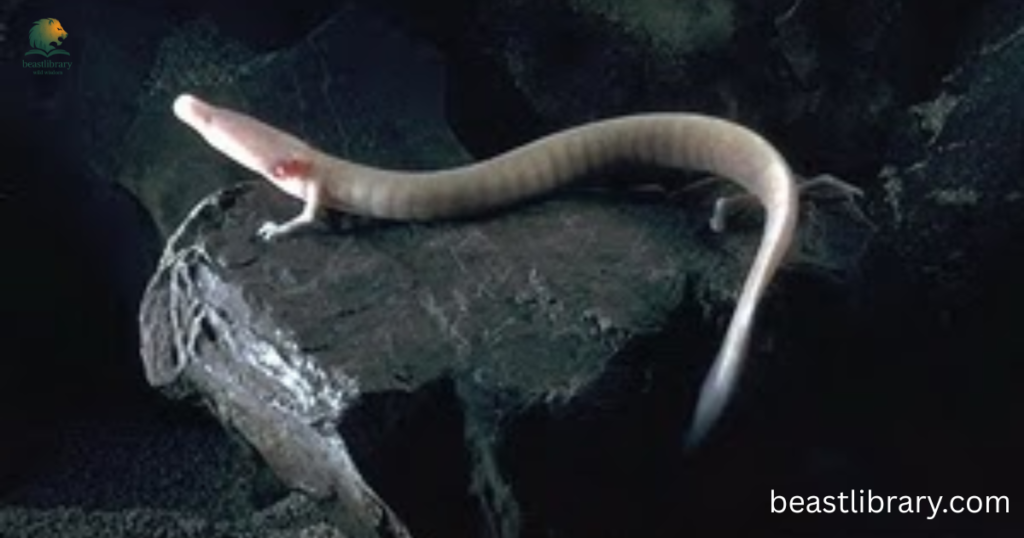
The olm, relying on an extraordinary set of adaptations a fascinating cave-dwelling amphibian, thrives in total darkness. Found primarily in the subterranean waters of Slovenia and surrounding regions, utilizing an enhanced sense of hearing and touch instead, these creatures have evolved to navigate life without eyes.
Their skin, a delicate shade of pale pink, is not just for show, making them adept hunters of small invertebrates, it’s loaded with sensory cells that allow them to detect the slightest vibrations in the water
10-Mexican Tetra
Scientific Name: Astyanax mexicanus
Class: Actinopterygii
Diet: Omnivore
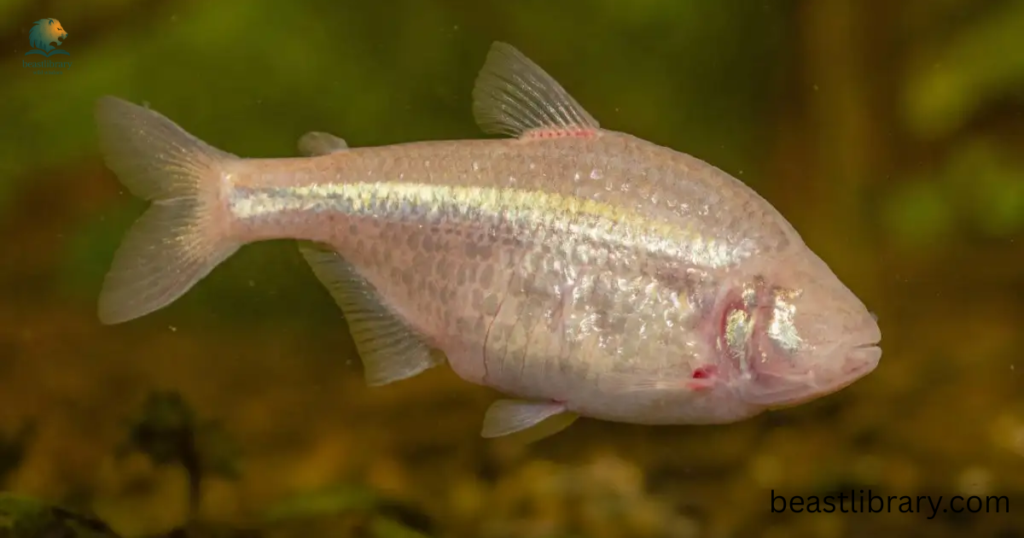
The Mexican Tetra, native to the rivers of Mexico and parts of Texas, offers a fascinating glimpse into evolution’s adaptability. While most fish rely on their eyesight for survival, particularly in its cave-dwelling form the Mexican Tetra has evolved in complete darkness.
Over generations, these fish have become blind, but this loss has been counteracted by a remarkable enhancement of their other senses. they can detect vibrations and pressure changes in their environment, equipped with heightened lateral line systems, allowing them to navigate and find food with astonishing precision.
The Mexican Tetra’s unique adaptation challenges our traditional understanding of sensory perception. The fish also showcases a fascinating example of convergent evolution; despite their blindness, often engaging in behaviors that suggest a strong reliance on community for survival, these tetra remain playful and social.
11-Sea Lily
Class: Crinoidea
Diet: Filter feeder
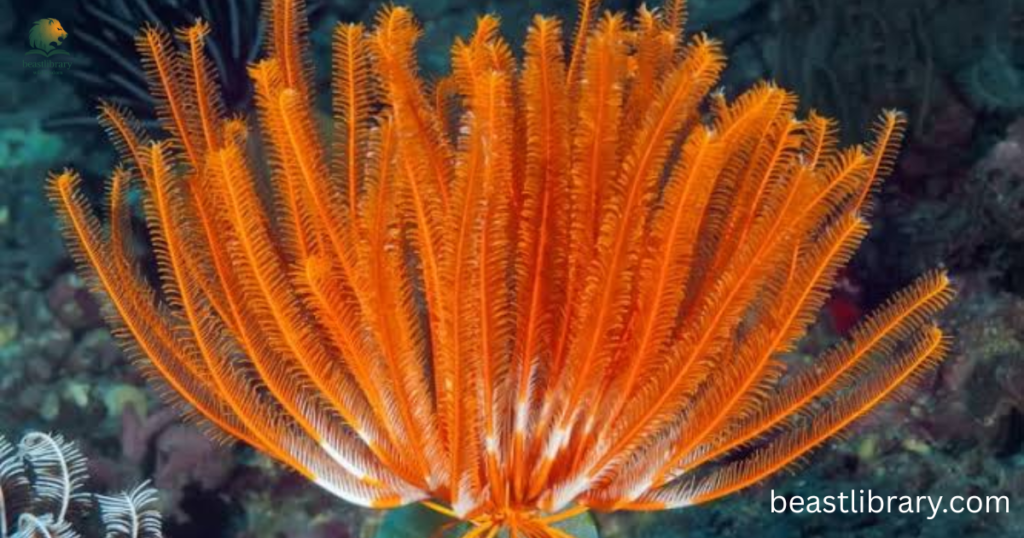
The sea lily, as it resides in a world largely unexplored, fascinating marine organism, may seem an unlikely candidate for a discussion on eyeless animals. These echinoderms, thrive on the ocean floor, often mistaken for plants, attached to rocks or coral.
While they lack eyes, sea lilies possess unique sensory capabilities, navigating their underwater environment with remarkable precision, allowing them to detect light and chemicals in the water.
Sea lilies have evolved to fully embrace their surroundings through a sophisticated network of tube feet, Unlike many creatures that rely on vision, which they use to capture food and sense their environment.
Final Thoughts
Animals without eyes showcase the incredible variety of adaptations on our planet, demonstrating that survival can thrive even in the absence of sight. These remarkable organisms have developed alternative sensory systems to explore their surrounding, highlighting the resilience of nature.
Whether living in the deepest ocean trenches or the darkest underground caverns, these beings remind us of the incredible variety of life forms and their specialized ways of interacting with the world.. Let us celebrate the wonders of nature and advocate for the conservation of habitats that shelter these exceptional beings alive.
FAQs:
Which animal does not have eyes?
The earthworm is a common animal that does not have eyes, instead using special light-sensitive cells to detect its surroundings.
What animal is fully blind?
The star-nosed mole is functionally blind, relying entirely on its 22 fleshy tentacles to navigate and “see” its dark underground world.
Which animal has 24 eyes?
The box jellyfish has 24 eyes clustered into four structures called rhopalia, allowing it a 360-degree view of its ocean environment.