Top 25 Interesting Animals With Lowest IQ (With Pictures)
In exploring the world of Animals With Lowest IQ, we uncover fascinating insights into nature’s most bewildering critters. Understanding the intelligence levels of different species not only enriches our knowledge of animal behavior but also invites us to ponder the wider implications of intelligence itself.
List of Animals With Lowest IQ
Below is the list of animal with low iq:
- Koalas
- Jellyfish
- Pandas
- Kakapos
- Flamingos
- Killdeer
- Norwegian Lemmings
- Starfish
- Sloths
- Snails
- Turkeys
- Jerboas
- Sea Cucumber
- Oysters
- Sea sponge
- Flatworms
- Secretary Birds
- Coral
- Komodo Dragons
- Cane Toads
- Slugs
- Ostriches
- Horned Lizard
- Slow Loris
- Goldfish
1. Koalas
Scientific Name: Phascolarctos cinereus
Class: Mammalia
Diet: Herbivore
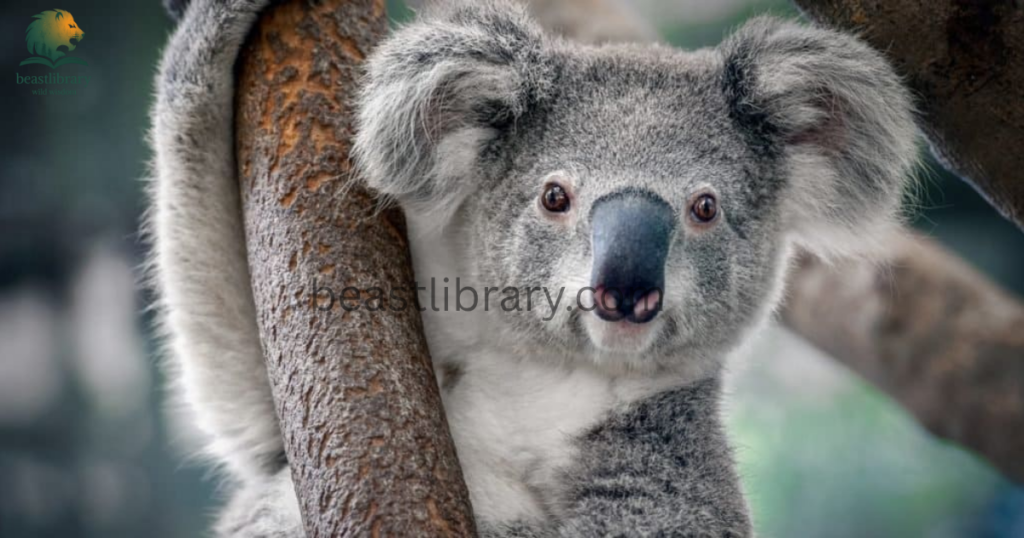
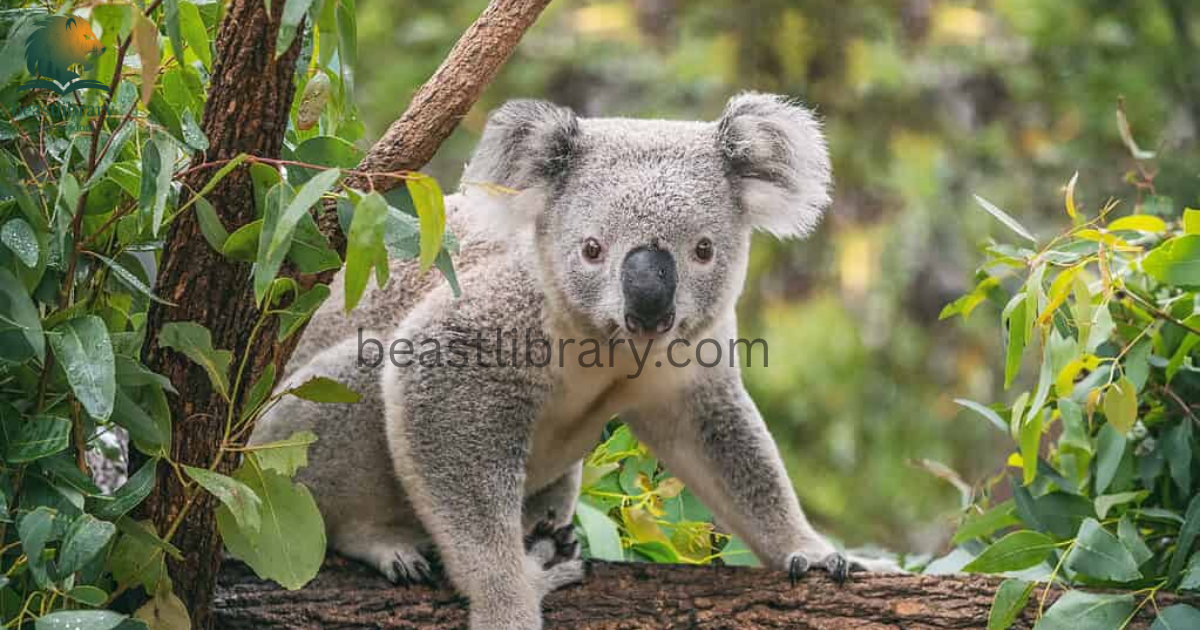
Koalas, often celebrated for their adorable faces and eucalyptus-eating habits, also rank surprisingly low on the intelligence scale. Their brains are small relative to their body size, reflecting a lifestyle that doesn’t demand complex problem-solving or social interactions. This simplicity in their cognitive abilities can be attributed to their specialized diet, which largely consists of eucalyptus leaves. These leaves are low in nutrients and require an incredibly slow metabolism, leaving little energy for developing advanced brain functions.
2. Jellyfish
Scientific Name: Aurelia aurita
Class: Scyphozoa
Diet: Carnivore
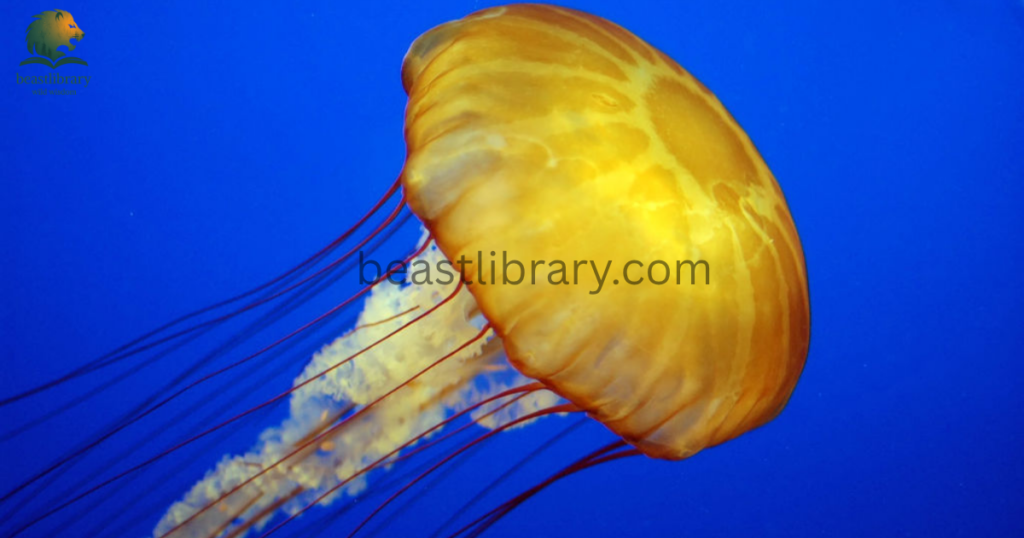
Jellyfish, some of the oldest creatures on Earth, have a simplistic approach to life that often leaves us pondering the nature of intelligence. With no brain, heart, or complex nervous system, these mesmerizing marine animals operate through a decentralized nerve net. This allows them to respond to environmental stimuli in basic ways, such as contracting their bell to swim or pulsate through the water. Yet, in their simplicity lies an efficiency that has enabled them to thrive for over half a billion years, adapting to various ecosystems with remarkable resilience.
3. Pandas
Scientific Name: Ailuropoda melanoleuca
Class: Mammalia
Diet: Herbivore

Pandas, often lauded for their adorable appearance, have a surprisingly low IQ compared to other animals, with their intelligence often categorized as slightly below average. Their dietary specialization, relying almost exclusively on bamboo, compels them to exhibit limited problem-solving skills that would otherwise aid creatures in navigating their environments. This singular focus on bamboo, while efficient in their niche, makes them less adaptable, particularly when faced with changes in habitat or available food sources.
4. Kakapos
Scientific Name: Strigops habroptilus
Class: Aves
Diet: Herbivore
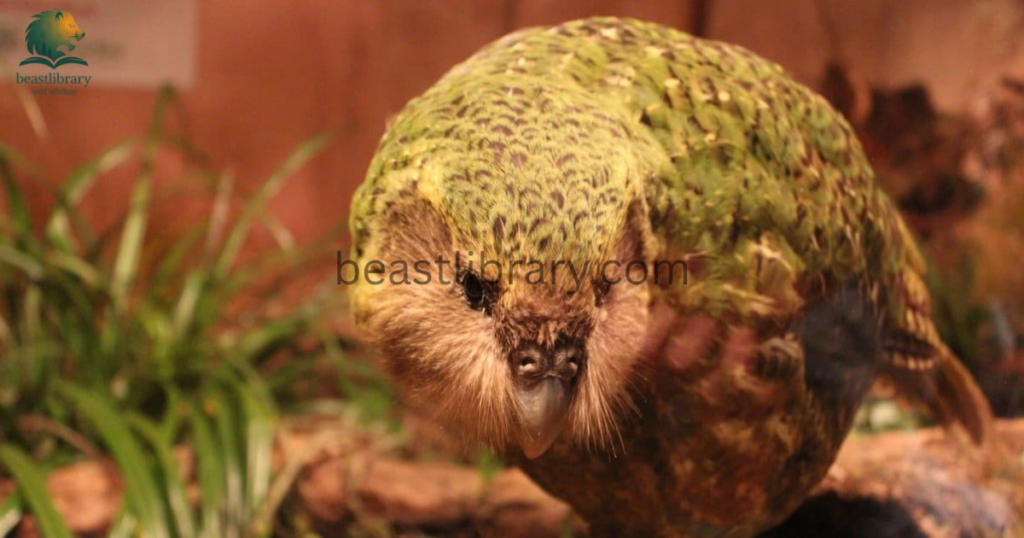
Kakapos, the nocturnal parrot native to New Zealand, embody a unique blend of charm and bewilderment. Known as the world’s only flightless parrot, these birds possess an IQ that might bemuse many. Their low IQ doesn’t impede the kakapo’s social structure or breeding habits. These parrots engage in a mating display called “lekking,” where males gather in specific areas to showcase their vocal prowess and physical appeal.
It’s a spectacle that relies more on instinct than intellect, fostering a community bond among the birds. Their survival, despite the odds, highlights a poignant truth: intelligence isn’t the sole determinant of a species’ place in the ecosystem. Kakapos remind us that adaptability often outweighs brainpower, crafting a narrative of resilience amidst the struggle for survival.
5. Flamingos
Scientific Name: Phoenicopterus roseus
Class: Aves
Diet: Omnivore

Flamingos, with their striking pink feathers and graceful stature, captivate us with their beauty, but their cognitive abilities tell a different story. Studies suggest that these vibrant birds exhibit limited problem-solving skills and lack complex social interactions compared to many other species. Their instinctual behaviors like feeding and migrating rely heavily on environmental cues rather than learned intelligence, placing them among the animals with the lowest IQ in the avian world.
6. Killdeer
Scientific Name: Charadrius vociferus
Class: Aves
Diet: Carnivore
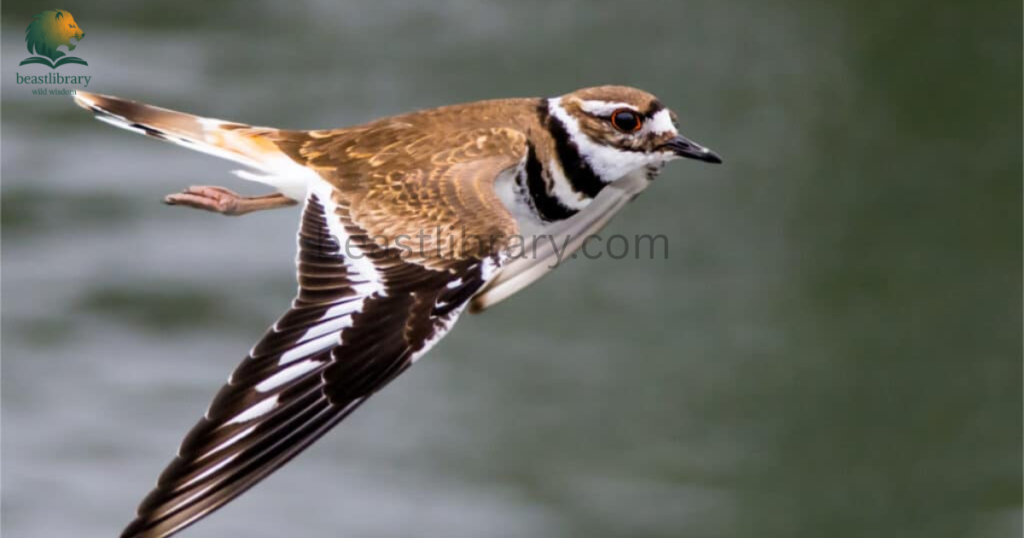
The Killdeer, a small shorebird known for its distinctive call and striking appearance, is often considered among the animals with the lowest IQ. Despite its lack of cognitive complexity, this bird has evolved survival strategies that highlight nature’s ingenuity. The Killdeer’s most remarkable tactic is its ‘broken-wing’ display: when threatened, it pretends to be injured, luring predators away from its nest. This behavior is not merely an instinct but a calculated move that showcases an innate understanding of its environment, revealing that survival skills can take various forms beyond intelligence.
7. Norwegian Lemmings
Scientific Name: Lemmus lemmus
Class: Mammalia
Diet: Herbivore
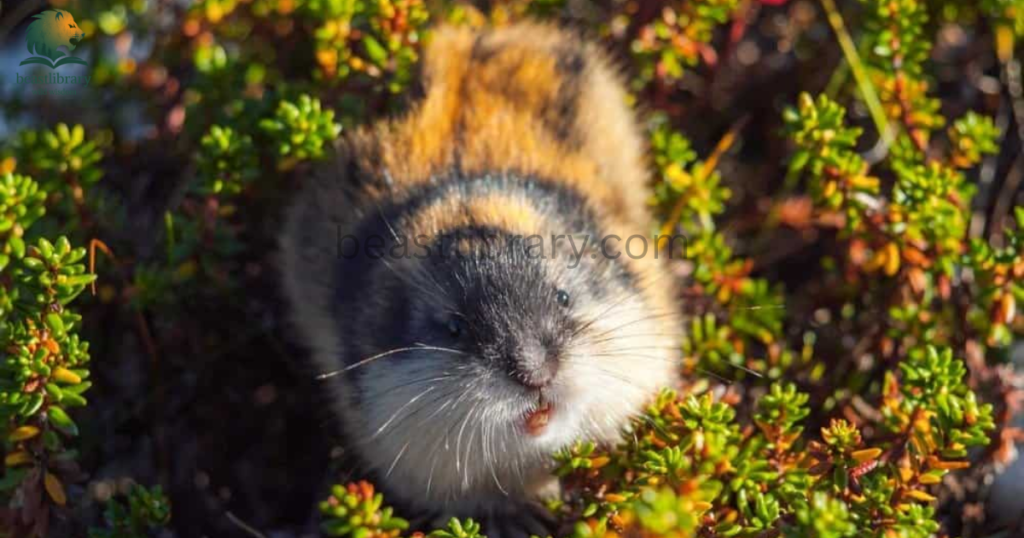
Norwegian lemmings might be notorious for their dramatic population cycles and mass migrations, but their low IQ often overshadows their ecological role in the tundra. These small, fur-covered rodents may not possess advanced cognitive capacities, yet their survival tactics are intriguingly adaptive. In a landscape where winters are brutal and food scarce, lemmings have evolved to prioritize instinct over intellect. Their impressive ability to reproduce quickly ensures that even in dire circumstances, their lineage continues, showcasing a different kind of survival intelligence.
8. Starfish
Class: Asteroidea
Diet: Carnivore
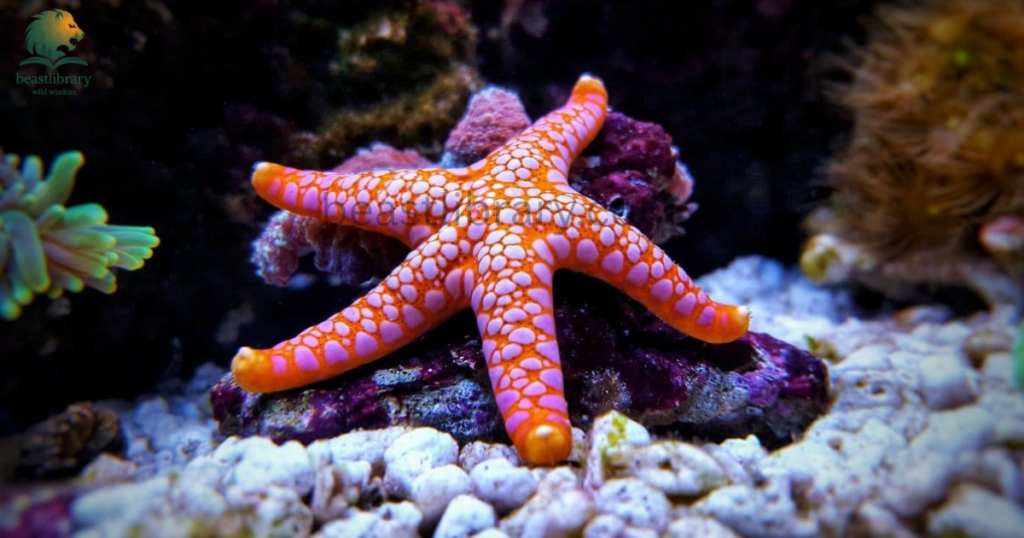
Starfish, often perceived as simply beautiful marine creatures, possess a unique biological makeup that challenges conventional notions of intelligence. Unlike creatures that rely on a centralized brain, starfish operate with a decentralized nervous system, consisting of a network of nerves that enables them to respond to their environment. This lack of a centralized processing unit contributes to their low IQ classification, but it also reflects an intriguing evolutionary adaptation. Instead of navigating the world through cognitive reasoning, starfish engage in survival strategies that are purely instinctual, using their keen sensory capabilities to thrive in various underwater habitats.
9. Sloths
Class: Mammalia
Diet: Herbivore
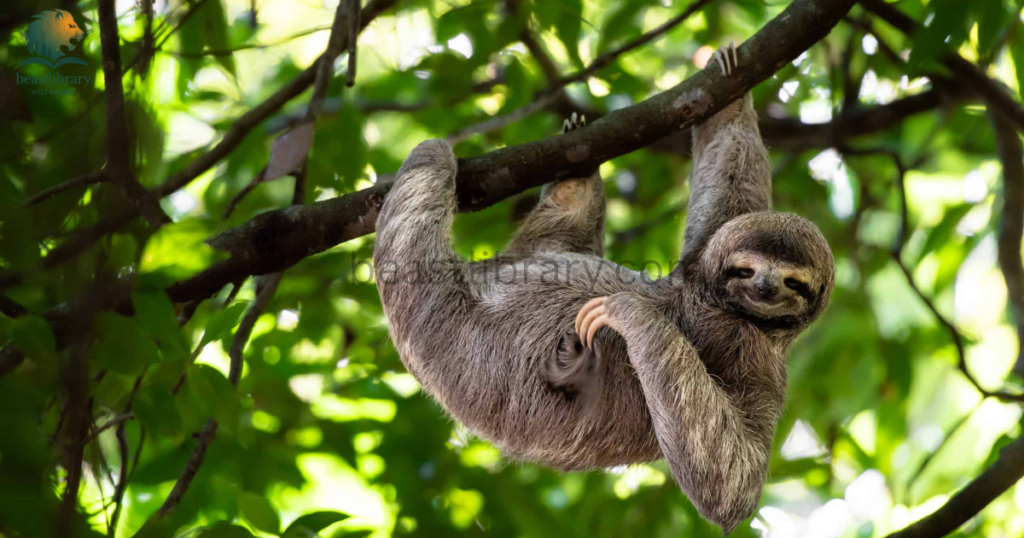
Sloths, often lauded for their adorable demeanor and leisurely lifestyle, are far from the sharpest tools in the animal kingdom. While they may not be winning any IQ contests, their low intelligence is a testament to their unique evolutionary adaptations. Living in the treetops of Central and South America, sloths have evolved to move slowly, conserving energy and avoiding predators that might be more agile. This relaxed pace allows them to thrive in their specific niche, relying on dense foliage for camouflage rather than wits and cunning.
10. Snails
Class: Gastropoda
Diet: Mostly Herbivore/Some Omnivores
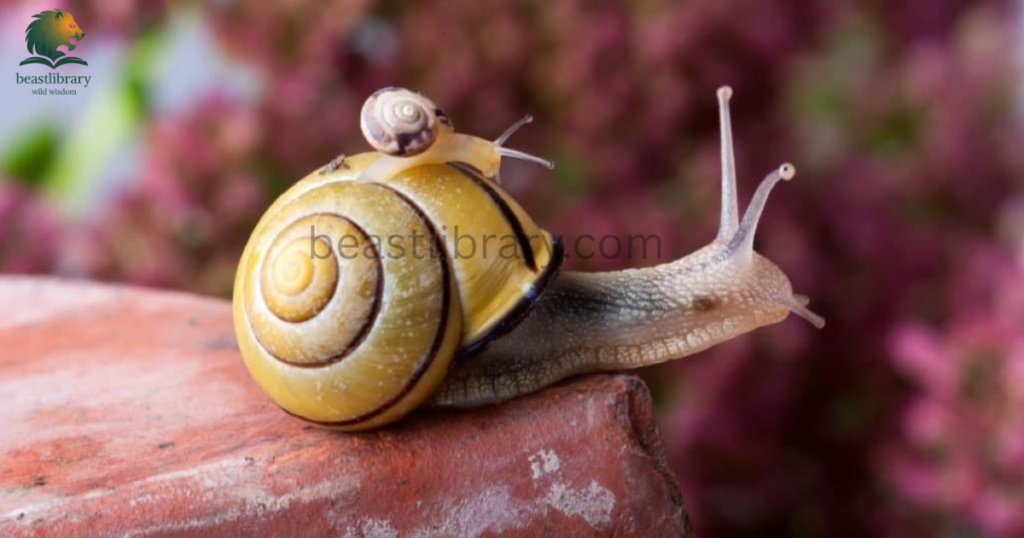
Snails, often overlooked in discussions of animal intelligence, have adapted to their environments in unique, albeit simplistic ways. Their slow, deliberate movements may suggest a lack of cognitive ability, but this is merely a reflection of their evolutionary strategy. With a nervous system that is fundamentally different from more complex creatures, snails rely less on rapid responses and more on instinctive behaviors. For instance, their ability to secrete mucus not only aids in locomotion but also helps them navigate various terrains by protecting them from harsh conditions.
11. Turkeys
Scientific Name: Meleagris gallopavo
Class: Aves
Diet: Omnivore
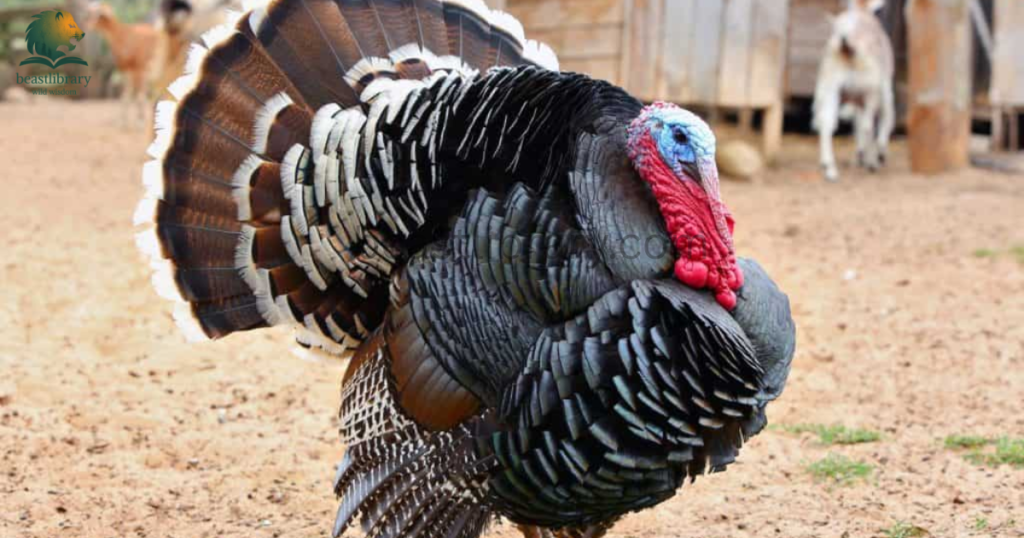
Turkeys, often seen as the quintessential farm animal, have earned a reputation for being less-than-bright when it comes to intelligence. With a brain that weighs a mere 0.18 ounces, it’s no surprise that their cognitive abilities seem limited. Observers often note their bewildered behavior, from staring into the sky during a downpour to their propensity to get easily startled. In fact, a group of turkeys can sometimes be seen running in circles after one of them becomes frightened an instinctive response rather than a calculated one.
12. Jerboas
Scientific Name: Dipodidae
Class: Mammalia
Diet: Omnivore
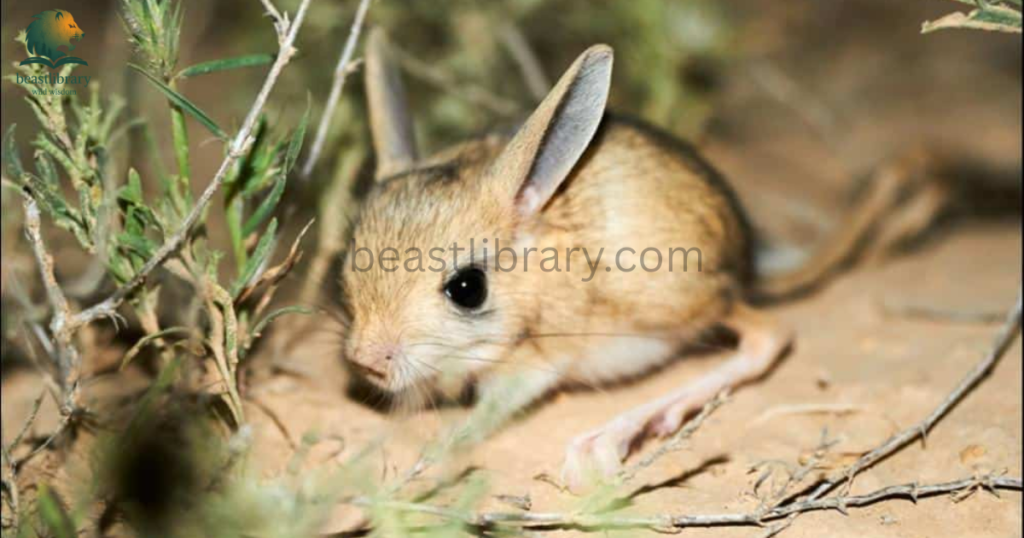
Jerboas are animals with the lowest encephalization quotient, often overlooked in discussions about animal intelligence. These small, nocturnal rodents, primarily found in desert regions, have evolved uniquely to thrive in harsh environments. Their incredible hopping ability a trait that allows them to traverse vast expanses of sand may seem like a sign of agility and adaptability, but it comes with a price: their cognitive abilities are on the lower end of the animal intelligence spectrum.
13. Sea Cucumber
Class: Holothuroidea
Diet: Detritivore
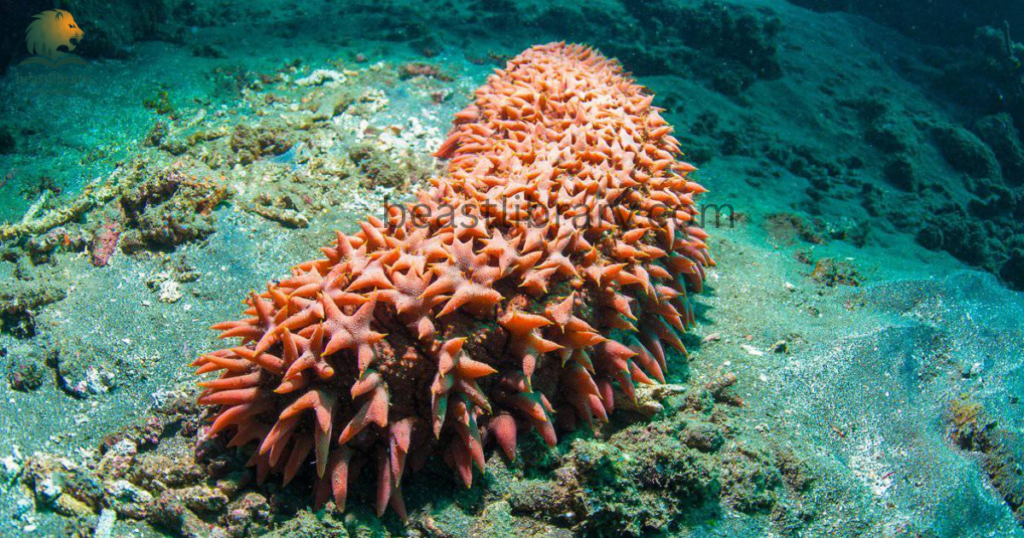
The sea cucumber may not appear to be the sharpest tool in the ocean toolbox, often earning its spot near the bottom of the intelligence scale. Lacking a centralized brain, this gelatinous creature operates on instinct, showcasing a life largely devoid of complex behavioral patterns.Sea cucumbers have evolved intriguing defense mechanisms despite their low IQ. When threatened, they can expel their internal organs, which may confuse predators and provide a means of escape.
14. Oysters
Scientific Name: Ostreidae
Class: Bivalvia
Diet: Filter feeder
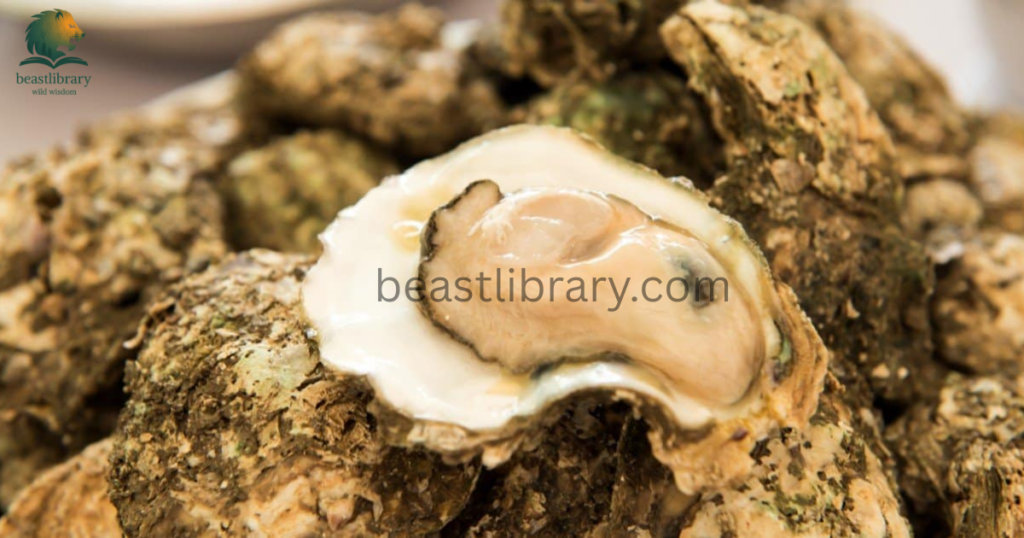
Oysters, often regarded as simple filter feeders, are creatures that highlight an entirely different aspect of intelligence in the animal kingdom. With a central nervous system that’s vastly different from that of mammals, oysters lack the brain structure typically associated with higher cognitive functions. While their IQ might be low in the traditional sense, oysters play a crucial role in maintaining marine ecosystems. Their ability to purify water contributes significantly to the health of their habitats, acting as natural water filters.
15. Sea sponge
Scientific Name: Porifera
Class: Demospongiae
Diet: Filter feeder
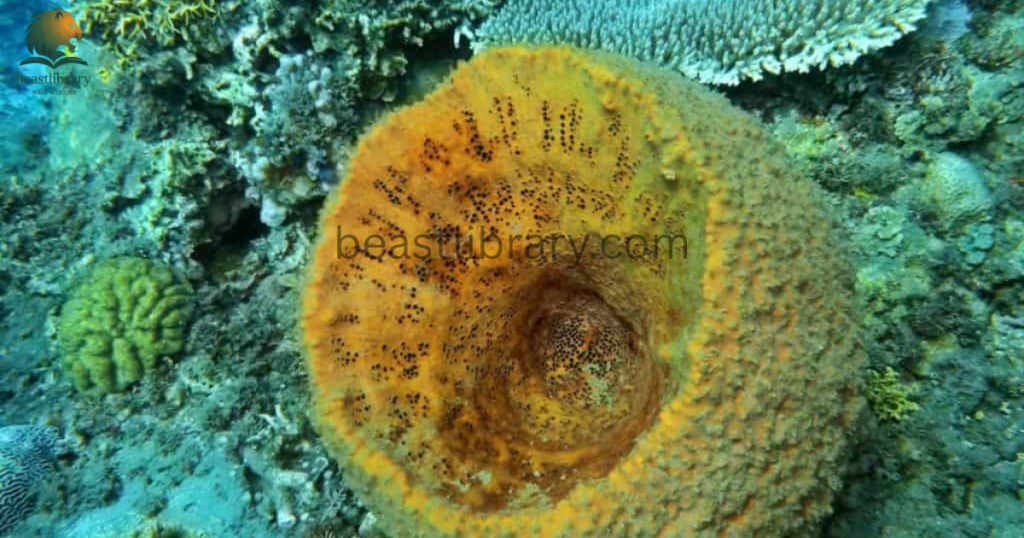
The sea sponge may not be the poster child for intelligence, but its unique biological structure offers a glimpse into a world where least intelligent animals belong. Without a nervous system or brain, these simple organisms thrive in their underwater habitats through a remarkable array of passive adaptations. While they lack the learning or problem-solving skills we typically admire in more complex animals, their effectiveness in ecological roles is unparalleled.
16. Flatworms
Scientific Name: Platyhelminthes
Class: Turbellaria
Diet: Carnivore/Parasite
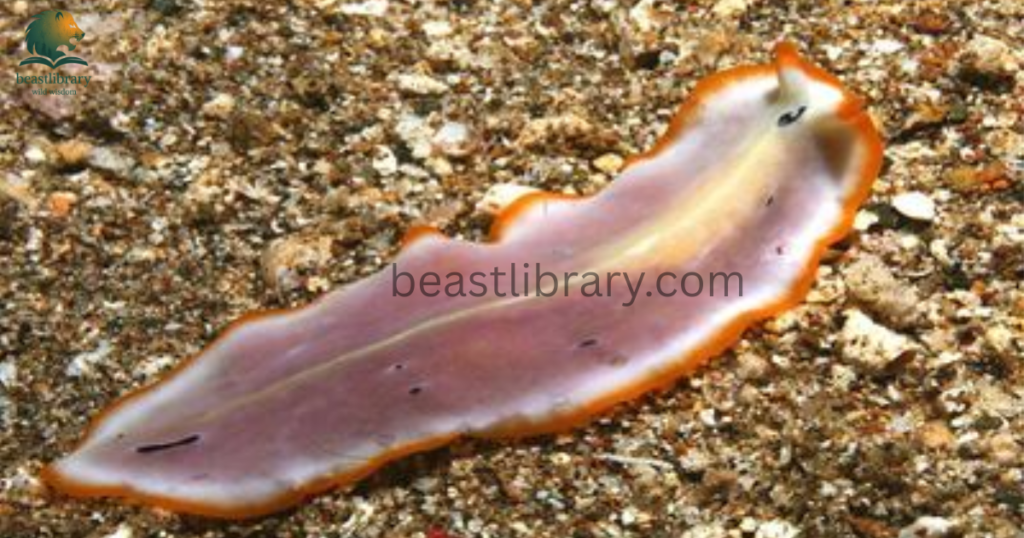
Flatworms are creatures that challenge our conventional understanding of intelligence in the animal kingdom. Despite having one of the lowest IQs, they exhibit remarkable survival adaptations. The simplicity of flatworms offers insights into the evolutionary pathways of intelligence. With their rudimentary nervous systems essentially a network of nerve cords flatworms exhibit instinctual behaviors based on basic stimuli rather than complex decision-making processes.
17. Secretary Birds
Scientific Name: Sagittarius serpentarius
Class: Aves
Diet: Carnivore
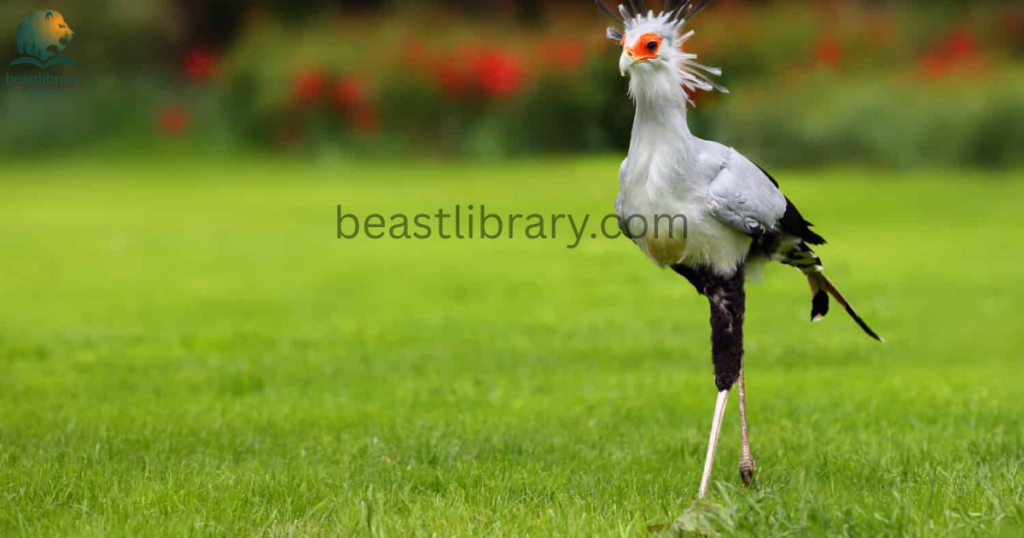
The secretary bird, an iconic raptor native to the African savannah, showcases a unique blend of physical prowess and an intriguing lack of cognitive complexity. Moreover, their remarkable hunting technique dispatching venomous snakes by delivering lethal blows with their long legs illustrates how physical adaptation can sometimes eclipse the need for high intelligence. In this way, secretary birds challenge conventional wisdom about survival; their success is rooted not in mental prowess, but rather in an evolutionary design that emphasizes strength and agility.
18. Coral
Class: Anthozoa
Diet: Carnivore
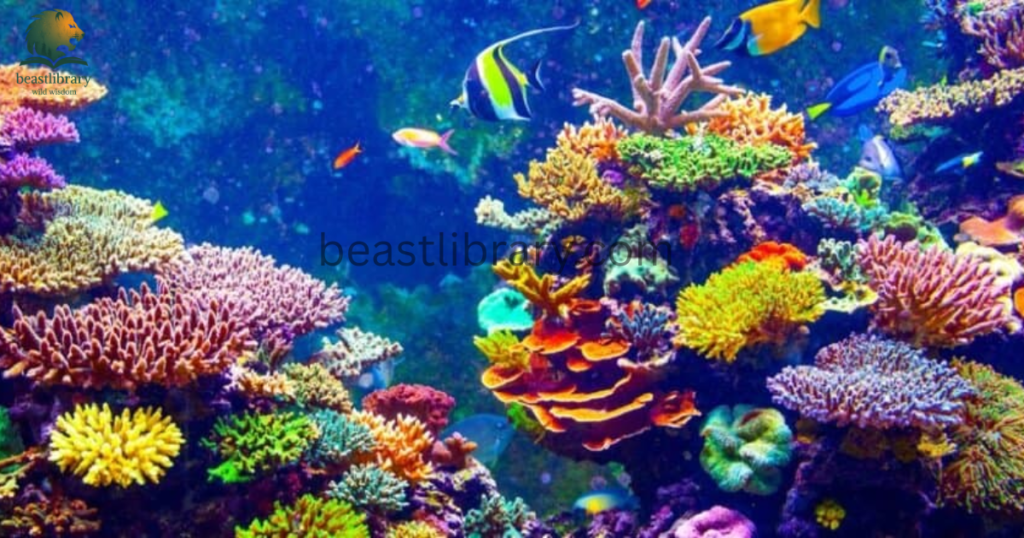
Coral, often overlooked in discussions of intelligence, challenges the very definition of what it means to be “smart.” While it may lack a central nervous system or conventional brain, coral exhibits complex behaviors that reflect a unique form of adaptability and resilience. These marine organisms thrive in some of the most challenging environments on Earth, demonstrating survival strategies that can astound even the most seasoned biologists.
19. Komodo Dragons
Scientific Name: Varanus komodoensis
Class: Reptilia
Diet: Carnivore
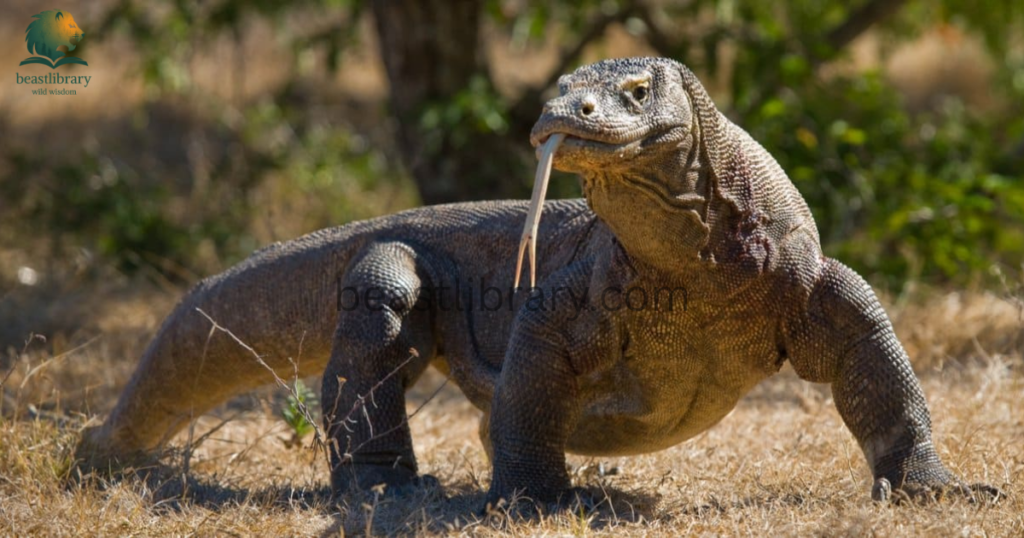
Komodo dragons, the world’s largest lizards, may not win any awards for intelligence, but their survival skills are truly good. While traditional measures of IQ often overlook the intricate survival strategies of these reptiles, they display a dumbest animals in the world. For example, despite their seemingly low cognitive capacity, Komodo dragons have evolved remarkable hunting tactics that enable them to ambush prey effectively, showcasing a primal intelligence that transcends human definitions of smartness.
20. Cane Toads
Scientific Name: Rhinella marina
Class: Amphibia
Diet: Carnivore
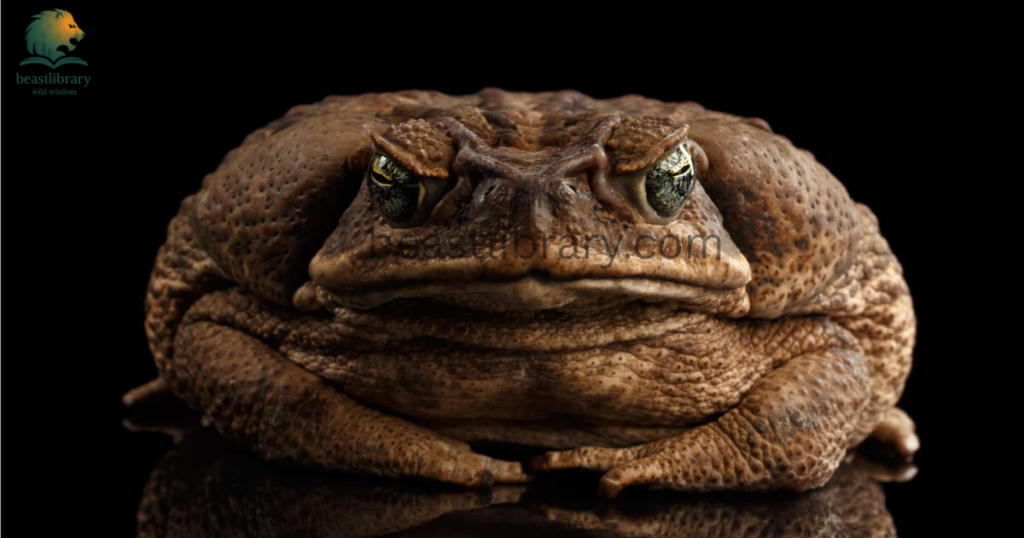
Cane toads, often perceived as simpletons in the animal kingdom, are a fascinating study in survival despite their low perceived intelligence. Indigenous to Central and South America, these amphibians were introduced to various regions as pest control agents, but they quickly became infamous for their environmental impact. Their robustness and adaptability might overshadow their cognitive abilities, leading some to underestimate their ecological significance. What they lack in intelligence, they more than make up for in resilience, demonstrating a remarkable capacity for thriving in diverse and challenging environments.
21. Slugs
Class: Gastropoda
Diet: Mostly Herbivore/Some Omnivores
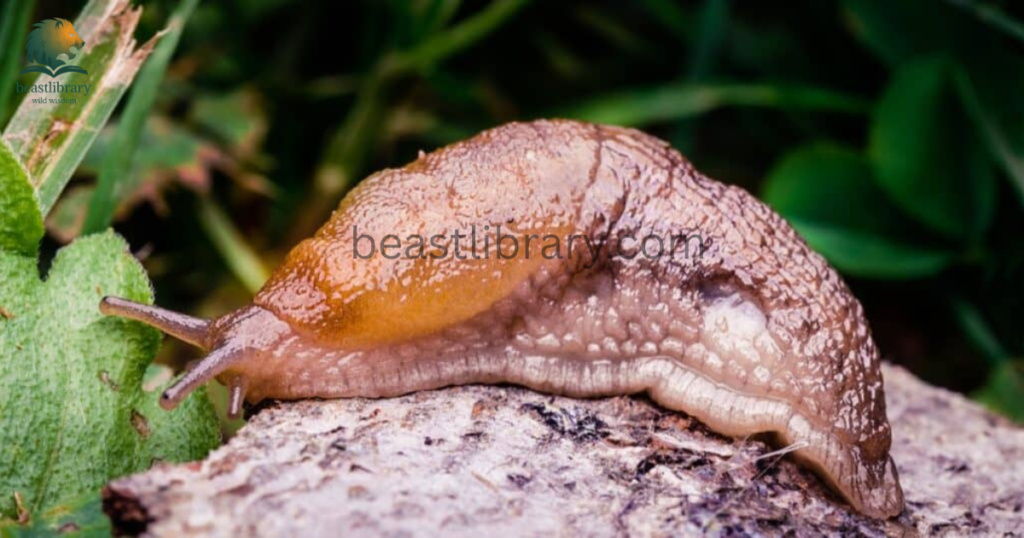
Slugs, often overshadowed by their more charismatic mollusk cousins like snails, offer a fascinating glimpse into the world of low cognitive abilities. These soft-bodied creatures lack a centralized brain, relying instead on a simple nerve cord. This rudimentary nervous system allows for basic functions but limits their capacity for advanced thinking or problem-solving. Interestingly, their survival hinges not on intelligence but on instinctual behaviors, such as seeking moisture and shelter from predators.
22. Ostriches
Scientific Name: Struthio camelus
Class: Aves
Diet: Omnivore
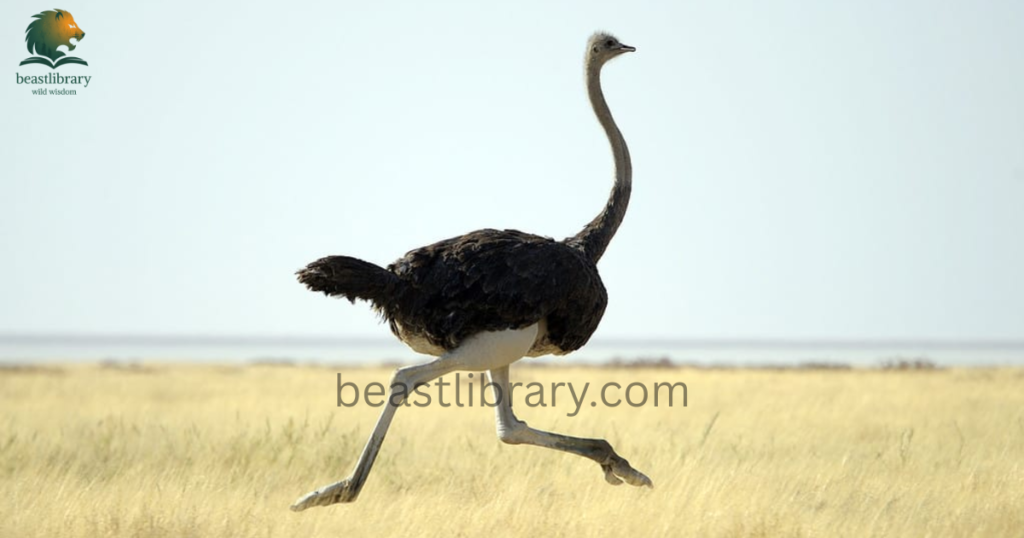
Ostriches, the world’s largest birds, are often misjudged due to their surprisingly low IQ. Their limited problem-solving skills are starkly contrasted with the tactical instincts of smaller, more intelligent bird species. Ostriches rely heavily on instinct rather than cognitive reasoning. They navigate the world through a series of ingrained behaviors rather than learned responses, showcasing a natural simplicity that some may find endearing. While they might not win any intelligence contests, ostriches remind us that survival does not always hinge on brainpower; sometimes, speed and instinct are all you need in the wild.
23. Horned Lizard
Scientific Name: Phrynosoma
Class: Reptilia
Diet: Carnivore
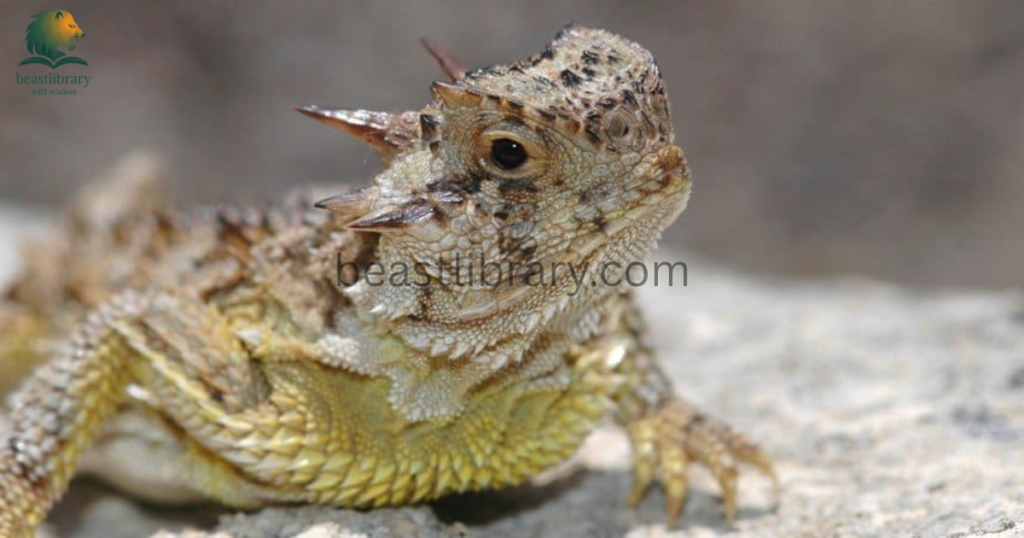
The horned lizard, often dubbed the “horny toad,” may not command high rankings on the intelligence scale, but its evolutionary adaptations tell a remarkable story of survival. While it might lack in IQ, the horned lizard showcases the brilliance of nature’s designs, demonstrating that intelligence isn’t always about problem-solving or complex thought processes. Its survival strategies highlight a different form of wisdom, one that prioritizes instinct over intellect.
24. Slow Loris
Scientific Name: Nycticebus
Class: Mammalia
Diet: Omnivore
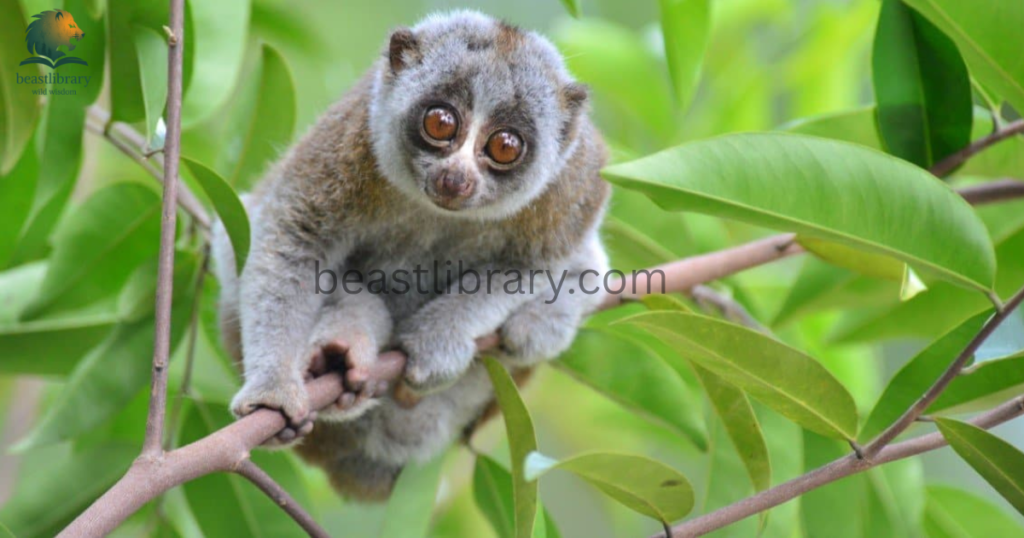
The Slow Loris, a curious and captivating creature, may not win any intelligence contests, but its unique adaptations offer fascinating insights into survival over smarts. With an estimated IQ hovering at the lower end of the scale, this nocturnal primate thrives in the dense canopies of Southeast Asia through its specialized skills rather than cognitive prowess. Its most intriguing trait is its slow, deliberate movements, which serve as an effective camouflage among foliage, allowing it to evade predators and sneak up on unsuspecting prey.
25. Goldfish
Scientific Name: Carassius auratus
Class: Actinopterygii
Diet: Omnivore
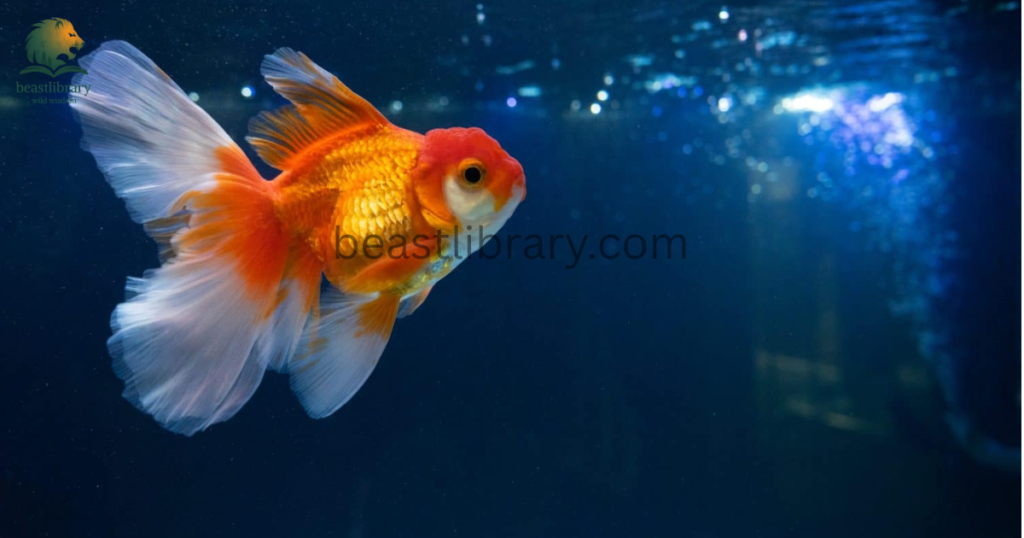
Goldfish, often dismissed as mere ornamental pets, possess surprising cognitive abilities that challenge our traditional notions of intelligence. While studies suggest that their IQ ranks low compared to other animals, these aquatic creatures showcase fascinating learning capabilities. Remarkably, goldfish can recognize their owners and even respond to specific cues, indicating a level of awareness that belies their reputation. These fish are able to remember tasks for several months, suggesting a memory capacity that many might overlook.
Final Thoughts– Animals With Lowest IQ
Animals With Lowest IQ can be measured in various ways, some species consistently rank lower on the IQ scale. Such as the sloth and certain types of fish, demonstrate that survival often hinges more on instinct than intellect. These creatures have adapted successfully to their environments, showing that intelligence isn’t the only metric of a species’ success.
FAQs
How do scientists measure an animal’s intelligence or IQ?
Scientists do not use traditional IQ tests for animals. Instead, they measure intelligence using the Encephalization Quotient (EQ), which is the ratio of an animal’s brain size relative to its total body size. They also test cognitive skills, such as problem-solving abilities, tool usage, memory, and social communication within their environments.
Which animal is widely considered to have the lowest IQ?
The sea sponge is technically the least intelligent animal on Earth, as it possesses no brain, central nervous system, or nerve tissues. Among land mammals, the koala is often cited near the bottom of the list. Koalas have incredibly small, smooth brains that lack the complex folds (gyri) found in higher-functioning mammals, meaning they struggle to adapt to tasks outside of their basic routine.
If these animals have a low IQ, how do they survive in the wild?
Intelligence is only one path to survival. Many low-IQ animals rely on evolutionary specialization. For example, sloths survive through extreme camouflage and low energy consumption, while turkeys rely on large flock numbers. As long as an animal’s specific habitat provides plenty of food and low predator pressure, high intelligence is simply not required for the species to thrive.