Top 15 Animals That Live in Grassland (With Pictures)
Mary incredible animals that live in grassland environments have adapted grassland are buzzing with diverse wildlife, support a variety of species that play crucial roles in their ecosystems. In this post we will explore the often lives of various grassland inhabitants, examining their adaptations, social structures, and interactions with the environment.
1-Pronghorn: Animals That Live in Grassland
Scientific Name: Antilocapra americana
Class: Mammalia
Diet: Herbivore
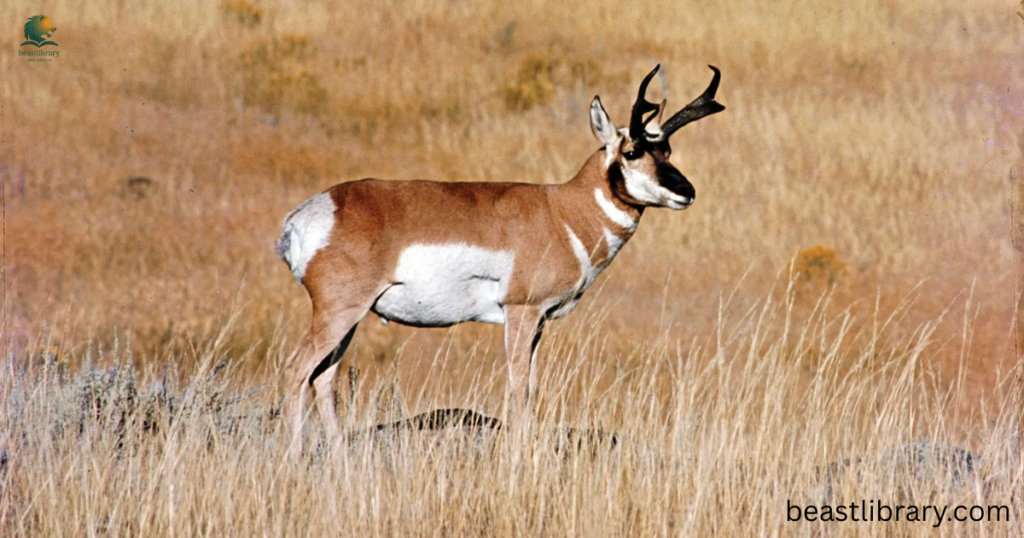
Pronghorns, often mistaken for antelope, are a captivating symbol of the North American prairie. Their amazing velocity hitting up to 55 miles per hour ranks them as the second swiftest land mammals on Earth, following only the cheetah.
This adaptability is a defense strategy against predators, allowing pronghorns to Pronghorns possess remarkable stamina, escape efficiently across vast grasslands. they can sustain their impressive pace over longer distances, which is vital in the open prairie where cover is limited.
What sets pronghorns apart is their speed & their adaptation to the prairie ecosystem. These animals have long horns and are endowed with unique digestive systems that allow them to thrive on a diet primarily consisting of tough, fibrous plants.
2-Cheetah
Scientific Name: Acinonyx jubatus
Class: Mammalia
Diet: Carnivore
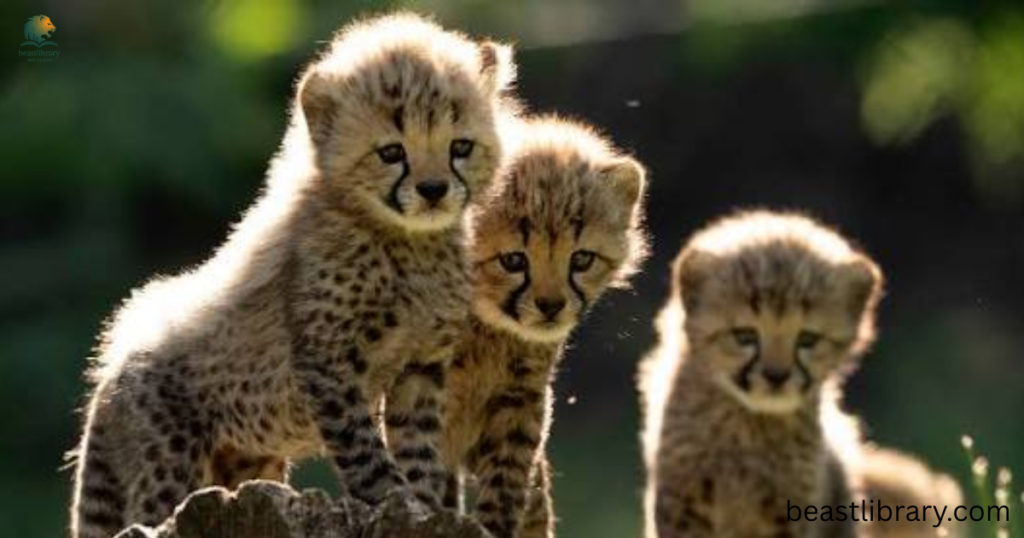
Among the world’s fastest land animals, cheetahs are renowned for their incredible speed, reaching up to 60 miles per hour in mere seconds. Yet, beneath this powerful exterior lies a surprisingly timid personality. Cheetah is spotted animal.
Unlike their more aggressive big cat relatives, cheetahs often exhibit cautious behavior, using their acute vision and stealth rather than brute force to navigate their environment. This shyness, coupled with their preference for solitary or small group living, offers a unique glimpse into how adaptability shapes survival strategies in the wild.
3-Long-billed Curlew
Scientific Name: Numenius americanus
Class: Aves
Diet: Omnivore
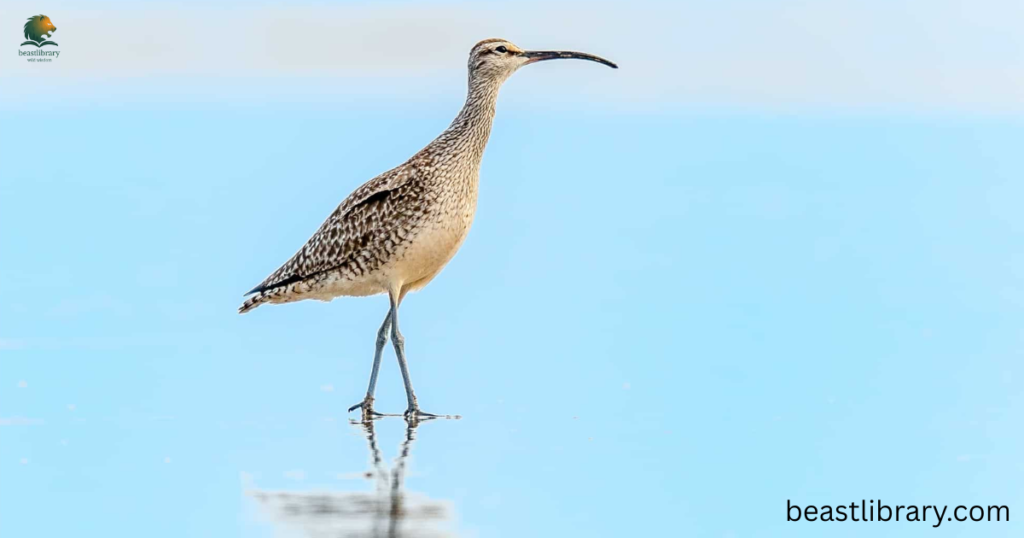
The Long-billed Curlew, embodies the spirit of the grasslands, with its strikingly long, curved beak. Its unique morphology is perfectly suited for foraging; the curlew skillfully probes the moist soil to uncover a bounty of insects and crustaceans hidden beneath.
Where every species plays a part in maintaining the balance of life, this adaptation not only highlights the creature’s role as a forager but also emphasizes the intricate relationships within the grassland ecosystem.
Traveling thousands of miles between their breeding and wintering grounds. as migratory birds, Long-billed Curlews are symbols of seasonal change. Serving as a reminder of nature’s symphony, their haunting, melodious calls echo across expansive fields.
4-Prairie Dog
Scientific Name: Cynomys
Class: Mammalia
Diet: Herbivore
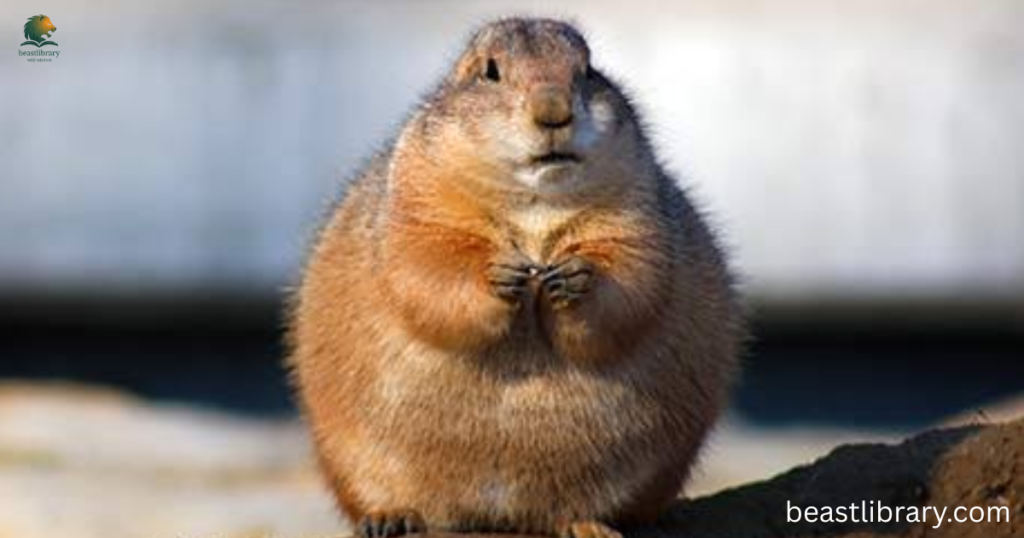
Prairie dogs are creatures that have adapted to their arid environments in remarkable ways, one of which includes their diet. These social animals, often seen in large colonies or “towns,” will munch on a variety of plant materials, but they have a particular fondness for cactus.
Prairie dogs are seen to emerge out of holes to survey the horizon and they have short legs that they use to dive fast into the earth. Birds of prey, coyotes and foxes are made harmless by their burrows. Digging and social life are sustained by short legs. They are open plains adapted low to the ground, herbivores that are efficient.
Short legs make prairie animals fast, stable, and stealthy in the ground, although they are of small size. They are also one of the important species which manipulate the ecosystem through grazing and burrowing. They are held down, both literally and figuratively, by short legs.
5-Przewalski’s horse
Scientific Name: Equus ferus przewalskii
Class: Mammalia
Diet: Herbivore
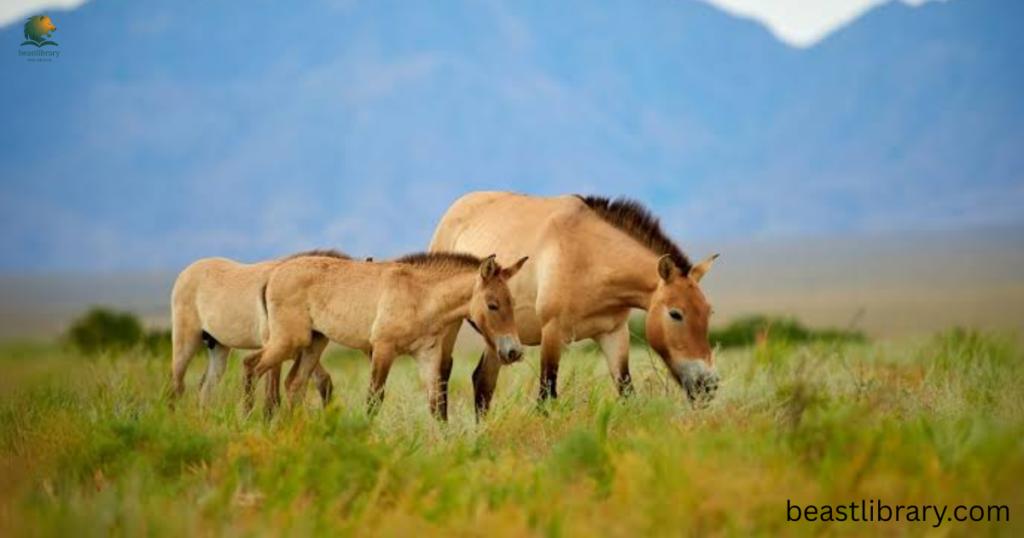
Przewalski’s horse, embodying resilience and historical significance, often regarded as the last truly wild horse species, roams the vast grasslands of Central Asia.
These equines are adapted to survive in harsh environments, unlike their domesticated cousins, arid terrain of the steppes equipped with a stout build and sturdy legs that allow them to traverse the rugged.
This unique adaptation is complemented by their ability to thrive on coarse grasses, showcasing their remarkable evolutionary traits that have enabled survival in a challenging ecosystem.
These horses have been reintroduced into the wild through dedicated conservation efforts, once relegated to a status of mere legend, highlighting the potential for recovery in nature when given the right resources and commitment.
6-Elephant
Scientific Name for African Elephant: Loxodonta africana
Scientific Name forAsian Elephant: Elephas maximus
Class: Mammalia
Diet: Herbivore
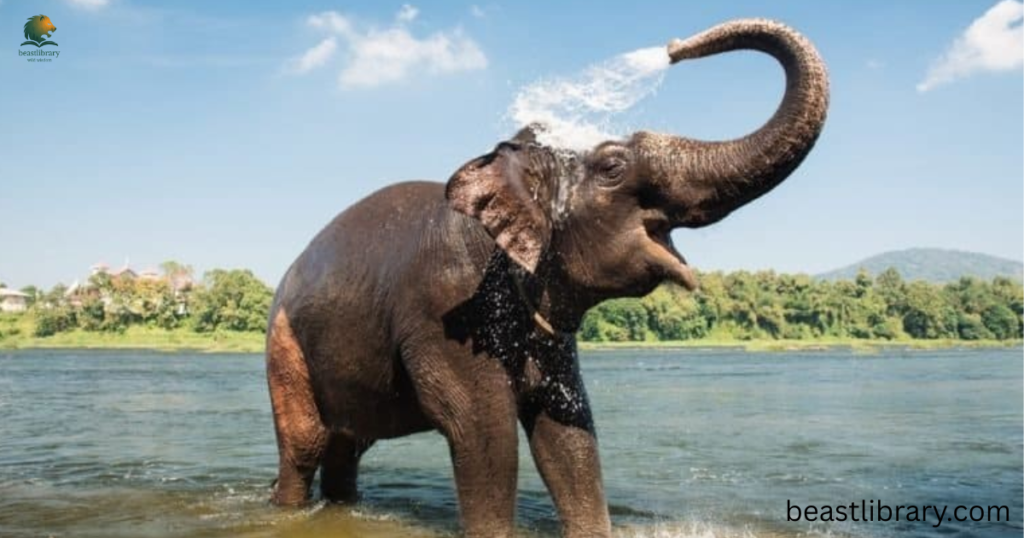
Elephants, the gentle giants of the animal kingdom, captivate our hearts with their intelligence and social bonds, but their inability to jump is a aspect often overlooked. Unlike many mammals that rely on jumping as a means of escape or play, elephants have evolved their massive bodies for strength and endurance rather than agility.
This lack of vertical leap might seem limiting, but it speaks volumes about their adaptability to diverse environments. With an average weight of 6,000 to 15,000 pounds, jumping isn’t just impractical; it’s biomechanically unfeasible, necessitating a different survival strategy attuned to their social structures and habitat.
7-Zebra
Scientific Name: Equus quagga
Class: Mammalia
Diet: Herbivore
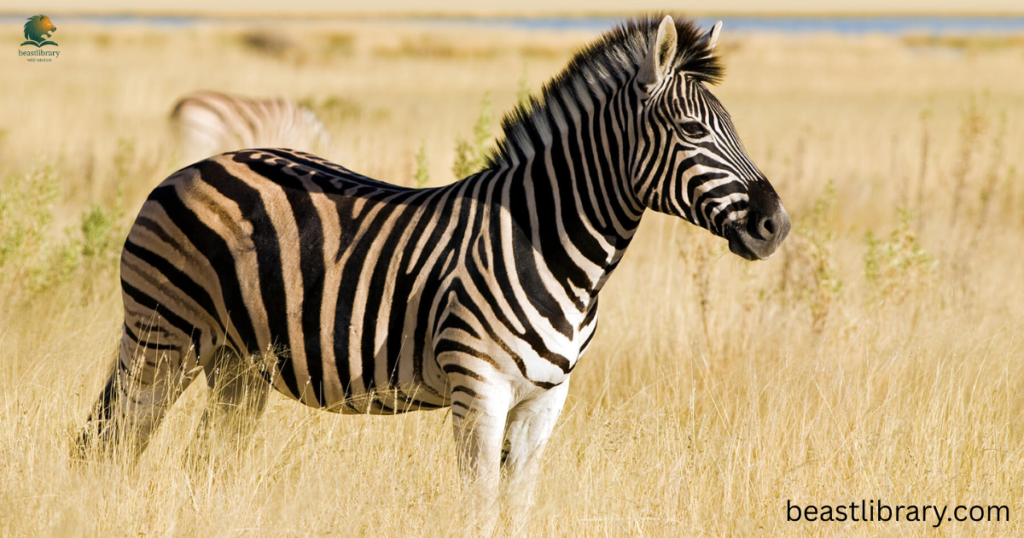
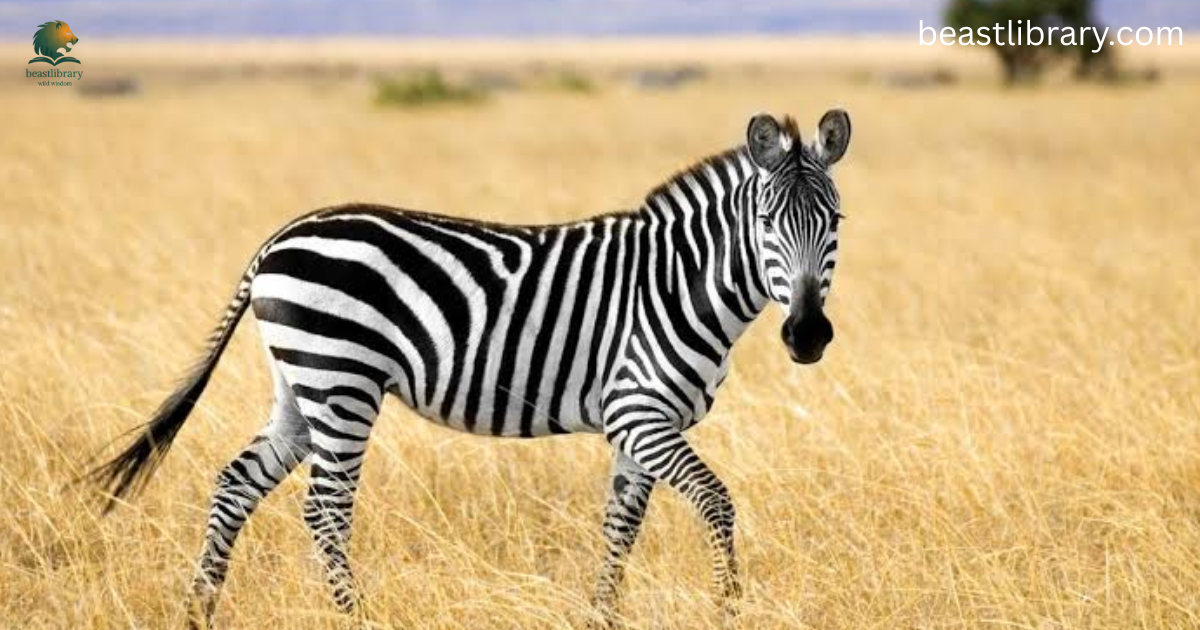
Zebras, aren’t just visually captivating; these patterns serve vital purposes in their grassland habitats, with their striking black-and-white stripes. which may help in individual recognition within herds, each zebra has a unique stripe pattern, much like human fingerprints, which may help in individual recognition within herds.
This social aspect is crucial, forming tight-knit groups that protect one another from predators, as zebras are inherently gregarious animals, forming tight-knit groups that protect one another from predators. The stripes also play a role in thermoregulation and may confuse biting insects, providing another layer of survival in the open savannah.
Often choosing nutrient-rich shoots that promote health and vigor, their diet primarily consists of grasses, but zebras are selective grazers, often choosing nutrient-rich shoots that promote health and vigor. Allowing other herbivores access to food. This selective feeding helps maintain the grasslands.
8-Lion
Scientific Name: Panthera leo
Class: Mammalia
Diet: Carnivore
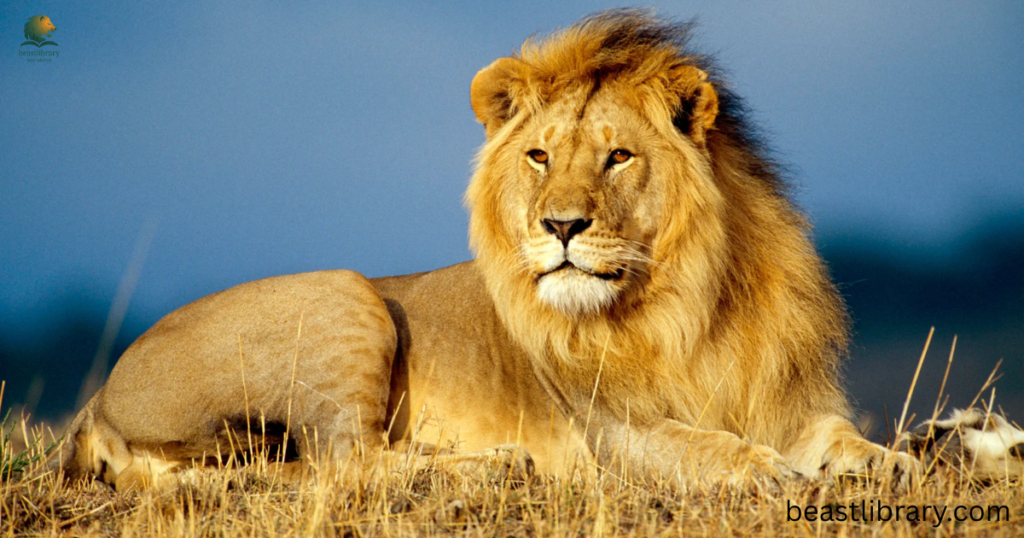
The lion, often called the “king of the jungle,” possesses a bite force that underscores its reputation as a dominant predator. With a bite force measured at around 650 PSI, lions are equipped to tackle large prey, from wildebeests to buffalo.
The powerful bite is not just for hunting; it’s also essential for the social structure within prides. Lions use their powerful jaws to assert dominance, protect their territory, and maintain cohesion among pride members.
A lion’s bite strength is often overlooked in discussions about animal power, despite its capability to crush bone. This adaptation allows lions to access nutrient-rich marrow, which is crucial for their survival, particularly in arid environments where food can be scarce.
9-African Buffalo
Scientific Name: Syncerus caffer
Class: Mammalia
Diet: Herbivore
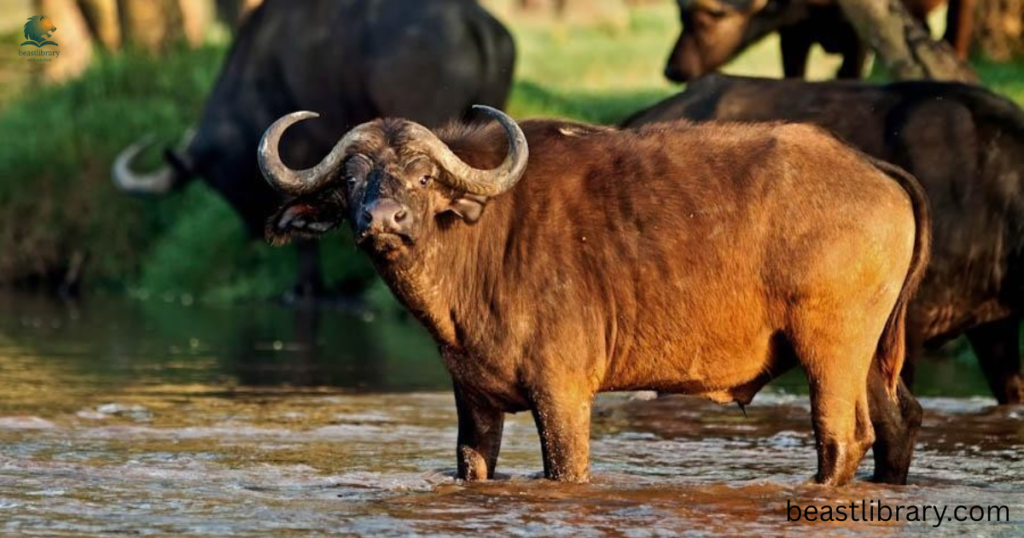
African buffalo, with their imposing size and fierce demeanor, epitomize the term “grumpy.” Far more than just a curmudgeonly-looking creature, these massive mammals embody a complex social structure often misunderstood.
Their herd dynamics reveal a tight-knit community where bonds are forged through cooperation, and individuals display a surprising resilience to threats.
Observing a herd in the wild, one might notice the protective behavior of the matriarchs, who display a watchful grumpiness when any danger approaches, demonstrating that their fierce exteriors conceal a deep care for the well-being of their kin.
African buffalo are not mere complacent grazers; their grumpy exterior serves as a strategic advantage. With powerful, curved horns capable of defending against predators like lions, these animals have evolved to embody an indomitable spirit.
10-Common Emu
Scientific Name: Dromaius novaehollandiae
Class: Aves
Diet: Omnivore
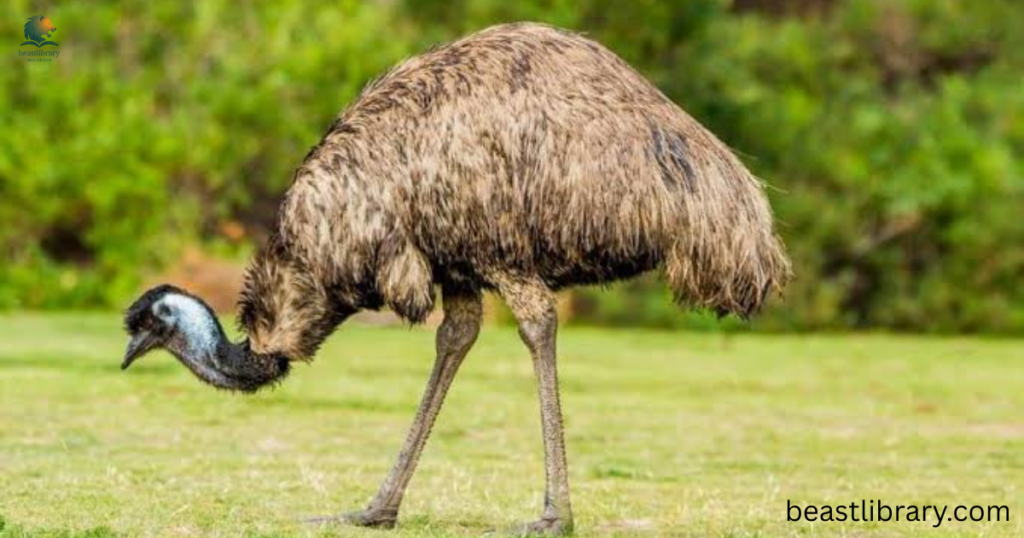
The commons emus, the large, flightless birds native to Australia, possess more than just a striking figure. Their long necks serve as unique adaptive tools in their environment. Emus utilize their elongated necks to survey expansive landscapes for predators and food sources.
Emu’s neck plays a key role in social interactions and communication. They have a unique vocalization system that utilizes the resonance of their long necks to produce low-frequency sounds, which can be heard over vast distances.
11-Giraffe
Scientific Name: Giraffa camelopardalis
Class: Mammalia
Diet: Herbivore
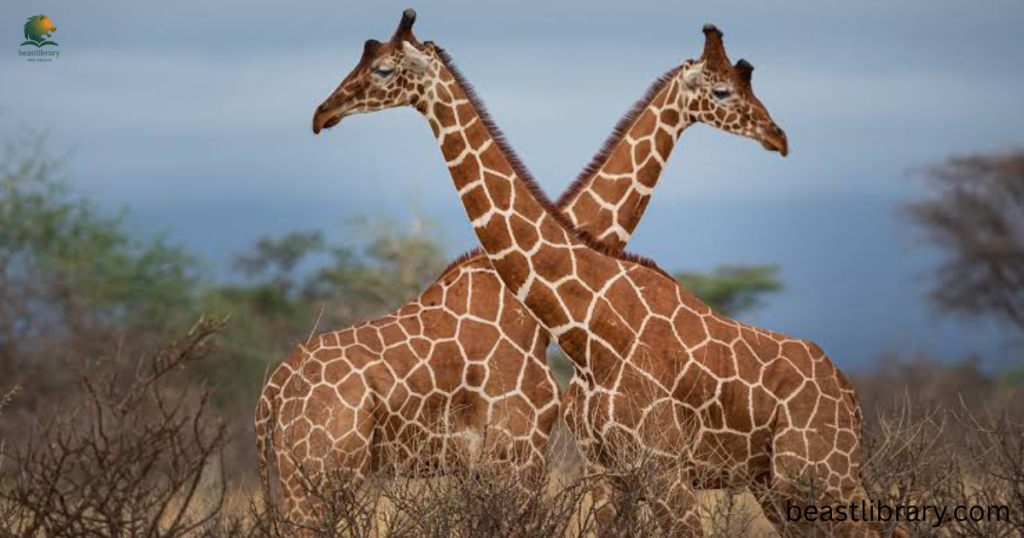
Giraffes are nature’s towering marvels, with necks that extend up to six feet a feature that’s more than just for show. This incredible length allows them to browse treetops for foliage that many herbivores can’t reach, granting them an exclusive dining experience.
The giraffe’s neck is composed of just seven elongated vertebrae, much like humans, but the sheer size of these bones illustrates an extraordinary evolutionary journey molded by their environment. They are big feet animals of wild.
Socially, giraffes exhibit intriguing behaviors that are as tall as they are. Often seen in loosely bonded herds. They communicate through subtle movements and low-frequency sounds. They are clumsy animals of nature. They are skinny animals on Earth.
12-Hyena
Scientific Name: Crocuta crocuta
Class: Mammalia
Diet: Carnivore/Scavenger
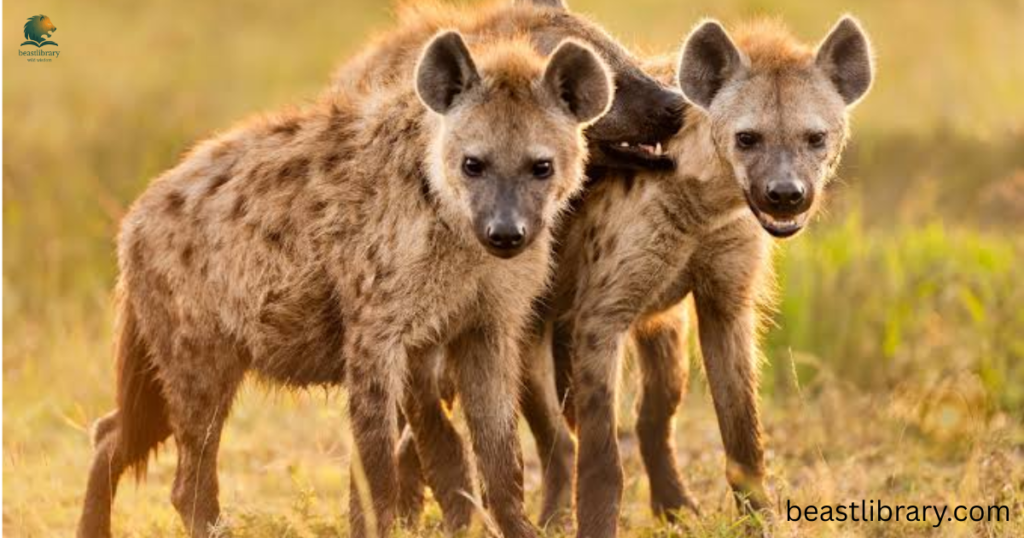
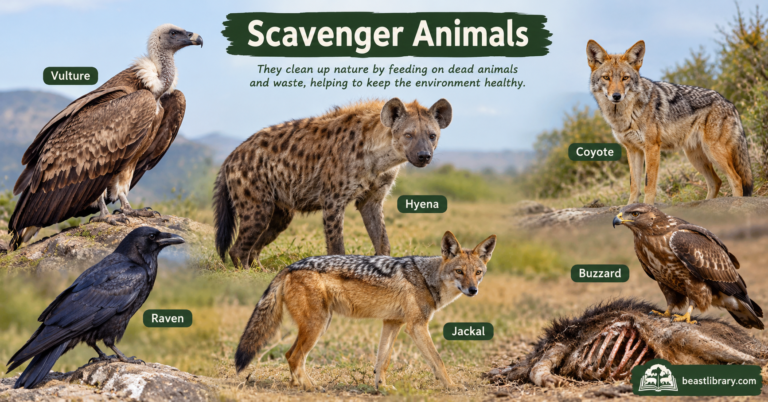
Hyenas often evoke a sense of revulsion due to their scavenging habits, and they are often stereotyped as a coward animal by those who misunderstand them these creatures are far more complex than their reputation suggests. Notably, their social structures resemble those of primates, characterized by intricate hierarchies and strong familial bonds.
This communal approach to life allows hyenas to efficiently scavenge and hunt, showcasing not just the savagery often attributed to them but also their remarkable intelligence and adaptability.
13-Black-Footed Ferret
Scientific Name: Mustela nigripes
Class: Mammalia
Diet: Carnivore
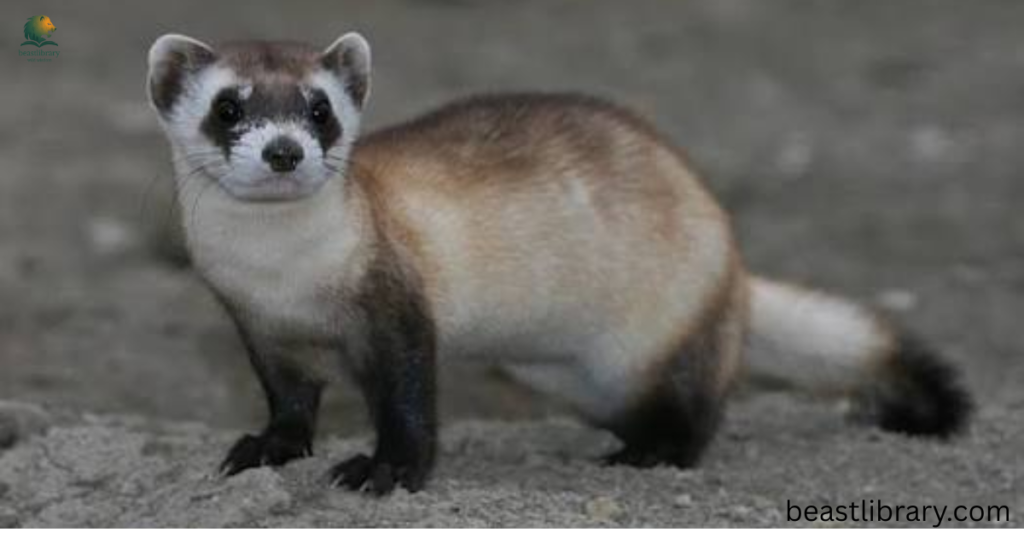
The black footed ferret, a compact but aggressive predator, plays a pivotal role in the prairie ecosystem. predominantly found in North America, these night active animals depend heavily on prairie dog habitats to subsist prairie dogs leave behind.
They don’t just hunt prairie dogs for food, they also live in the tunnels that prairie dogs leave behind. This elaborate symbiosis exemplifies the delicate balance of prairie habitats, where the diminution of prairie dogs can directly endanger the ferrets.
Their sleek, agile bodies are designed for stealth and speed, enabling them to maneuver the complex tunnel systems of prairie dogs. Protection programs have done a lot to help their numbers grow, showing how working together can restore a species and heal the whole.
14-American Bison
Scientific Name: Bison bison
Class: Mammalia
Diet: Herbivore
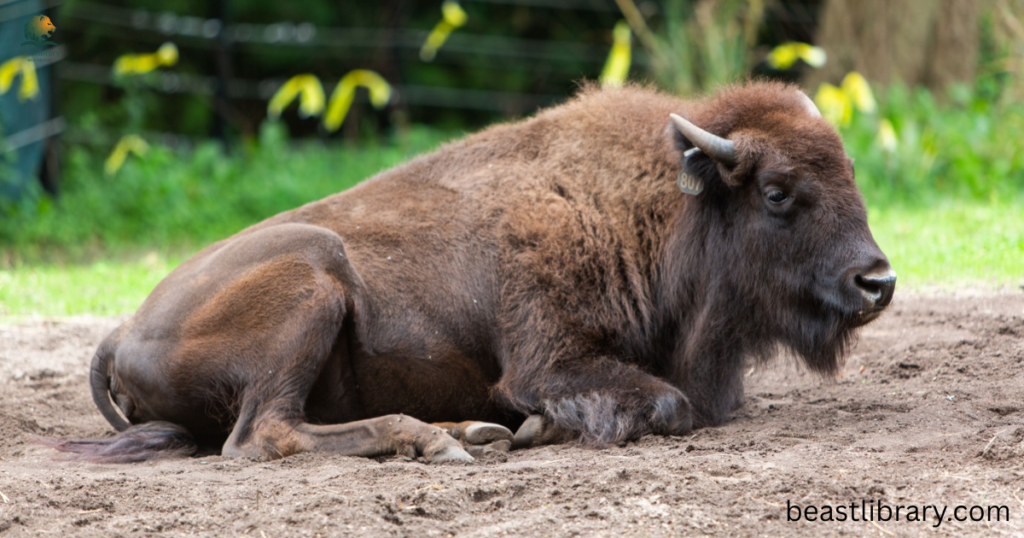
Bison are often depicted as the quintessential symbols of the American West, but delve deeper, and you’ll find their grumpy demeanor is equally fascinating. With their massive frames and shaggy coats, these wild giants exude a formidable presence, embodying the raw essence of untamed nature.
But it’s the bison’s unpredictable temperament that catches the attention of both wildlife enthusiasts and casual observers alike. When faced with perceived threats, their powerful snorts and menacing glares can be a reminder of how easily awe can turn into respect, or even fear.
15-Swift Fox
Scientific Name: Vulpes velox
Class: Mammalia
Diet: Omnivore
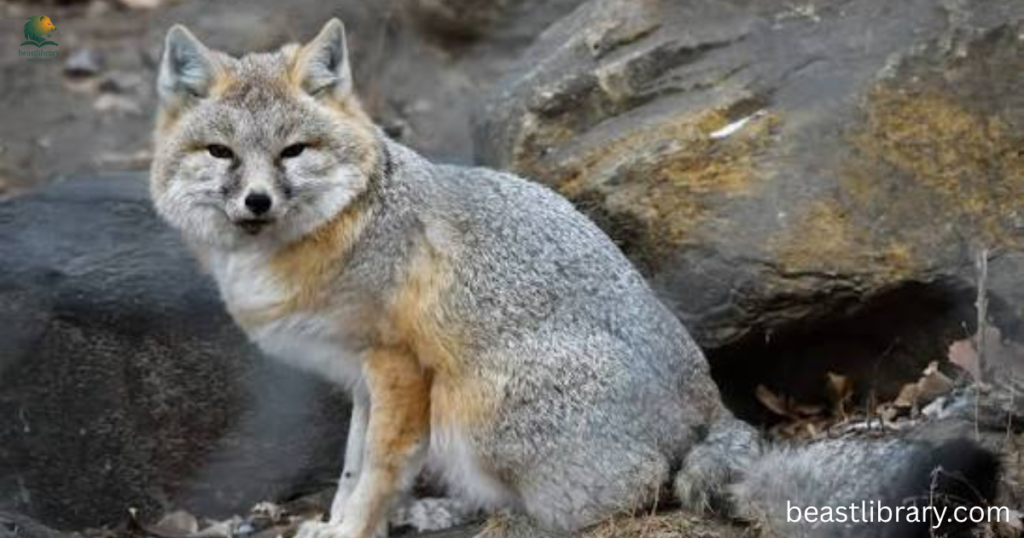
Foxes, often seen as the charming tricksters of the animal kingdom, share several fascinating traits with their raccoon counterparts. Both species are exceptionally adaptable, thriving in diverse setting ranging from city neighborhoods to thick woodlands.
This adaptability stems from their omnivorous diets; just as raccoons rummage through garbage cans for a midnight snack, foxes are equally resourceful, scouring fields and suburbia for small mammals, fruits, or even discarded human food.
Final Thoughts
There are many unique animals that live in grassland habitats, each uniquely adapted to thrive in this environment. From grazing herbivores like bison and antelope to predatory species such as the cheetah and hawk, every creatures plays a vital role in keeping their environment healthy.
The delicate among these species highlight the importance of preserving grassland areas, which are increasingly threatened by human activities like agriculture and urban development. we can take action to safeguard these incredible landscapes and the diverse wildlife that depends on them.
FAQs:
What animal live in the grassland?
Animals like lions, zebras, bison, and prairie dogs live in the grassland.
What is the biggest animal in the grassland?
The biggest animal in the grassland is the African bush elephant.
What animal is the king of the grassland?
The lion is traditionally called the “king of the grassland” (or king of the jungle, despite living in savannas).