Unique 27 Most Shy Animals: Diets & Pictures
Most shy animals in the wild show us that nature is not always loud and brave. These timid animals are very careful to hide from the world. Animals that are quiet and shy reveal how they smartly live and stay safe away from danger.
List of Animals that are shy:
Here is the list of most shy animals in the world:
- Red Panda
- Koala
- Tarsier
- Meerkat
- Aye-aye
- Slow Loris
- Deer
- Cheetah
- Red Squirrel
- Hedgehog
- Sloth
- Saola
- Snow Leopard
- Kiwi
- Quokka
- Dik-Dik
- Pangolins
- Maned Wolf
- Binturong
- Aardvarks
- Giant Panda
- Axolotl
- Fossa
- Kangaroo
- Giant Anteater
- Okapi
- Fennec Fox
1. Red Panda
Scientific name: Ailurus fulgens
Class: Mammalia
Diet: Herbivore
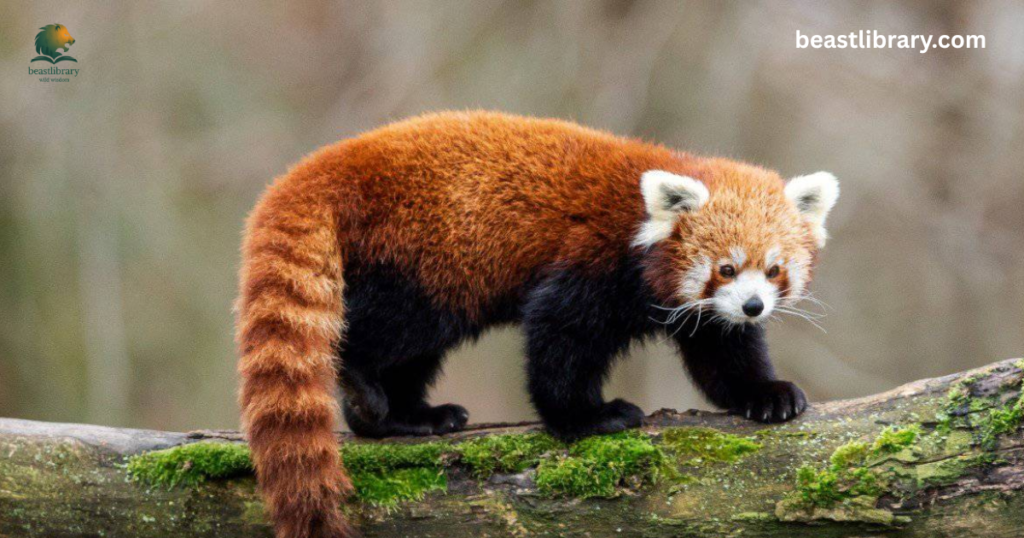
The red panda animals that are shy and clumsy animals. They are considers as animals that are like raccoons. These shy animals prefers the treetops of temperate forests, where it can remain hidden among the leaves.
Their shyness is complemented by remarkable adaptations their agile climbing skills allow them to navigate the forked branches with ease, ensuring both safety and access to food. This elusive nature also makes red pandas vulnerable, as their secretive lifestyle can hinder conservation efforts.
2. Koala
Scientific name: Phascolarctos cinereus
Class: Mammalia
Diet: Herbivore
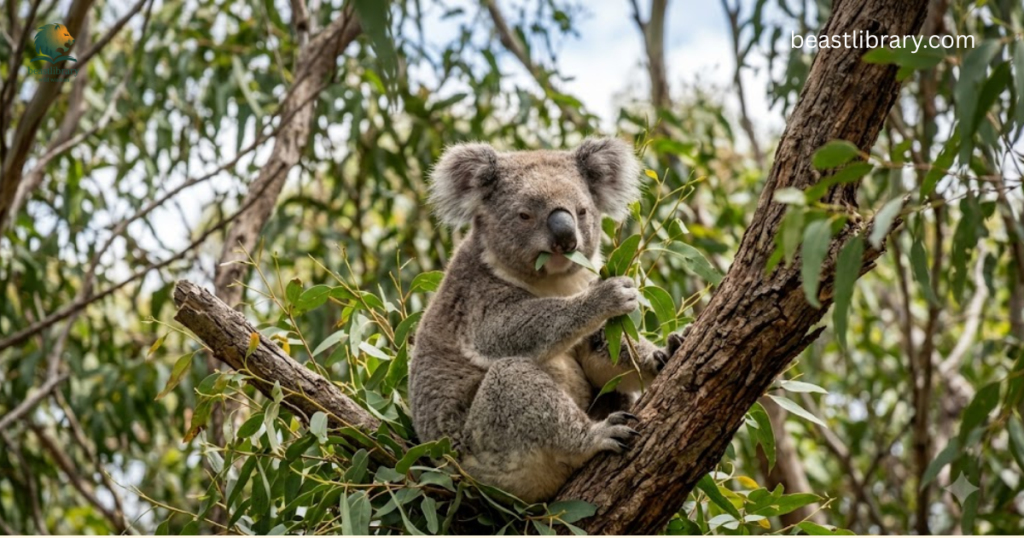
Koala are introverted animals with lowest IQ . They are not inherently aggressive, their timid nature often makes them retreat from human interaction, allowing them to maintain a low profile in an otherwise bustling ecosystem. They are big eared animals that have no tail.
Koalas communicate through a range of vocalizations often overlooked by humans. Their deep, bellowing calls echo in the trees, especially during mating season, revealing a hidden layer of social complexity. Outside this period, they tend to be quiet animals, slipping into the background of their surroundings and relying on their excellent camouflage.
3. Tarsier
Scientific name: Tarsius tarsier
Class: Mammalia
Diet: Carnivore
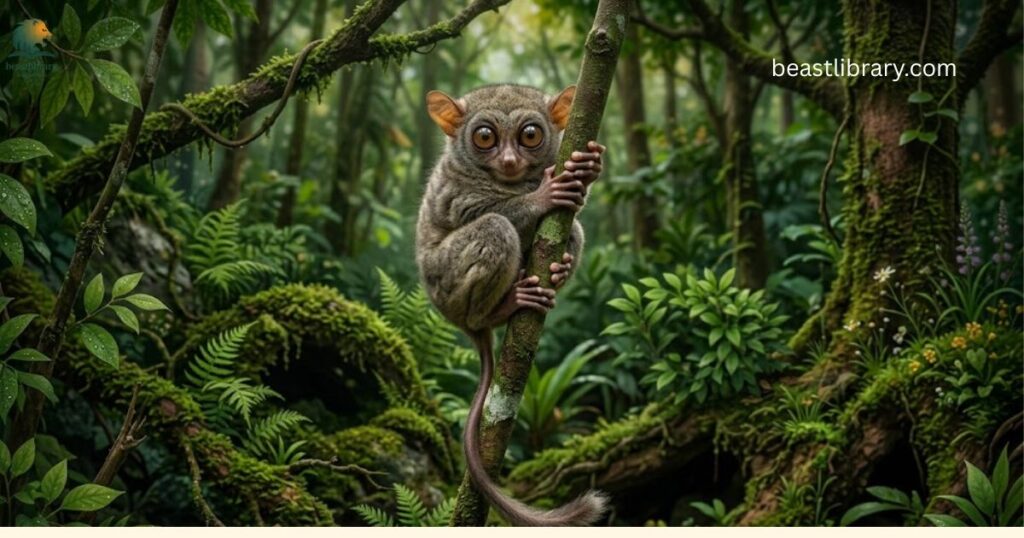
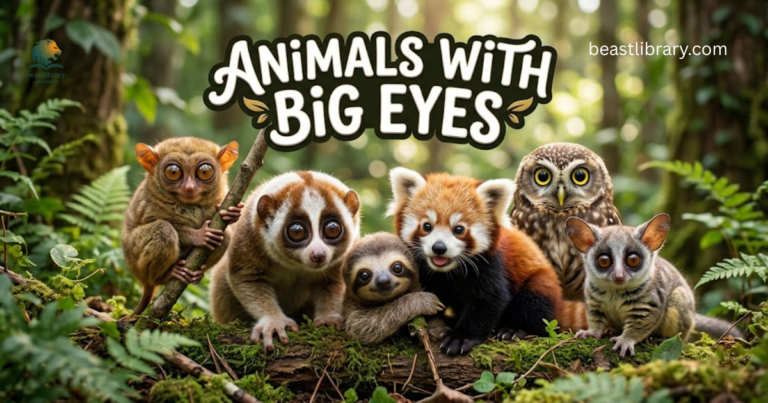
The tarsier, a small primate native to Southeast Asia, possesses an enigmatic charm that captivates wildlife enthusiasts and casual observers alike. It expressive big eyes animal than any other primate. They are weak animals of wild life. They are group of small monkey breeds in wild.
These massive peepers help tarsiers navigate their shadowy forest environments, allowing them to spot prey from considerable distances under the cover of darkness. Yet, it’s not just their eyes that intrigue it’s their shyness that adds an air of mystique.
4. Meerkat
Scientific name: Suricata suricatta
Class: Mammalia
Diet: Omnivore
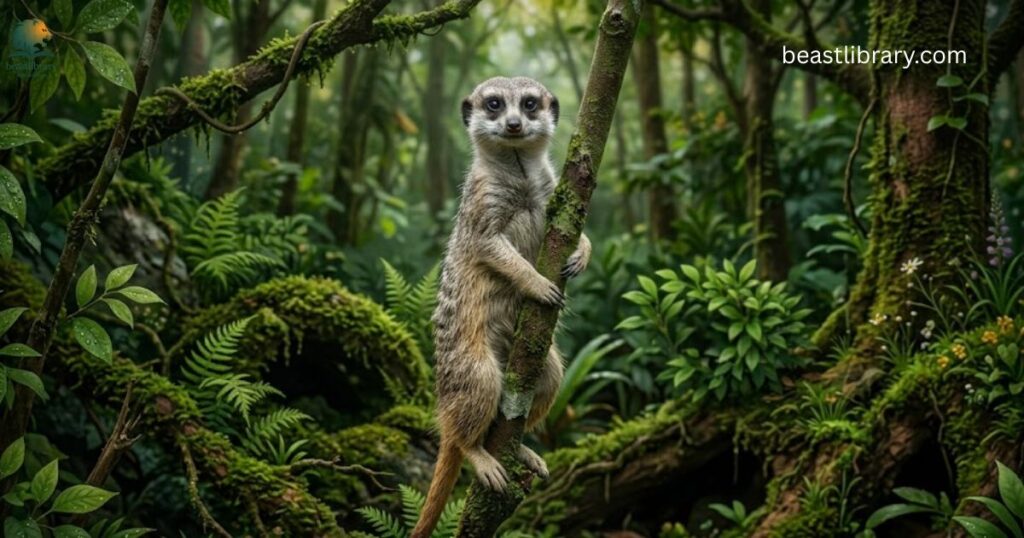
Meerkats are introverted skinny animals that have long legs with playful nature. These small, mongoose-like animals thrive in the arid landscapes of southern Africa, where their survival hinges on a delicate balance of instinctual caution and community reliance.
When approaching an unfamiliar situation, meerkats often exhibit a reserved demeanor, pausing to assess their surroundings before engaging. This behavior is not merely a survival tactic; it also highlights their remarkable ability to gauge risk within their environment.
5. Aye-aye
Scientific name: Daubentonia madagascariensis
Class: Mammalia
Diet: Omnivore
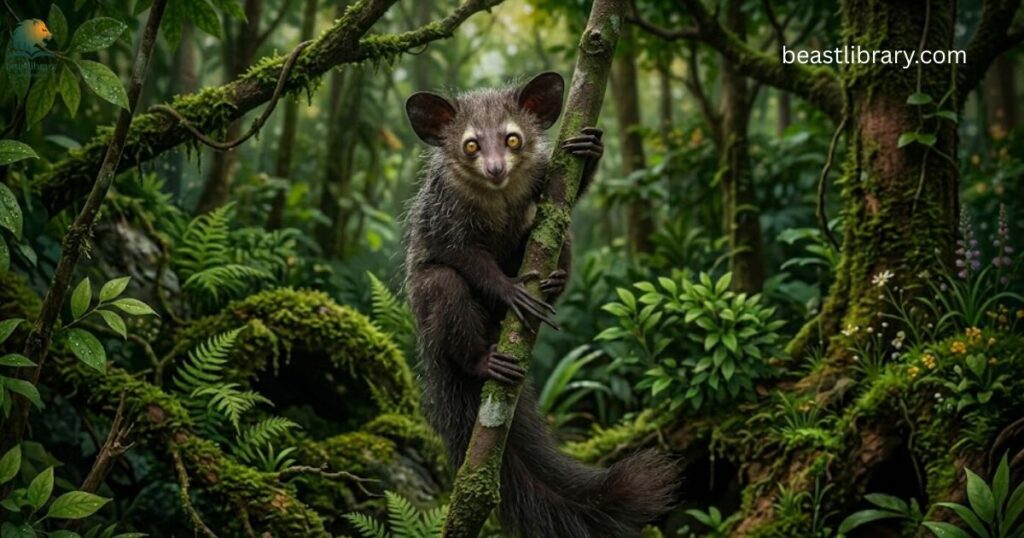
The aye-aye, a nocturnal lemur native to Madagascar, embodies the perfect blend of peculiarity and shyness. It is oversized eyes animal and ever-elusive nature, this unique primate spends most of its life hidden away in the dense forest canopy.
Its long, thin middle finger, an extraordinary tool evolved for tapping into tree bark, illustrates nature’s ingenuity in resourcefulness yet, it often leaves humans spellbound, attempting to catch a glimpse of this enigmatic creature. It is skinny animal with big ears.
What truly sets the aye-aye apart is its intricate social behavior. Although fundamentally solitary, these creatures exhibit unique adaptability to their environments, relying on keen senses rather than mere socialization.
6. Slow Loris
Scientific name: Nycticebus coucang
Class: Mammalia
Diet: Omnivore
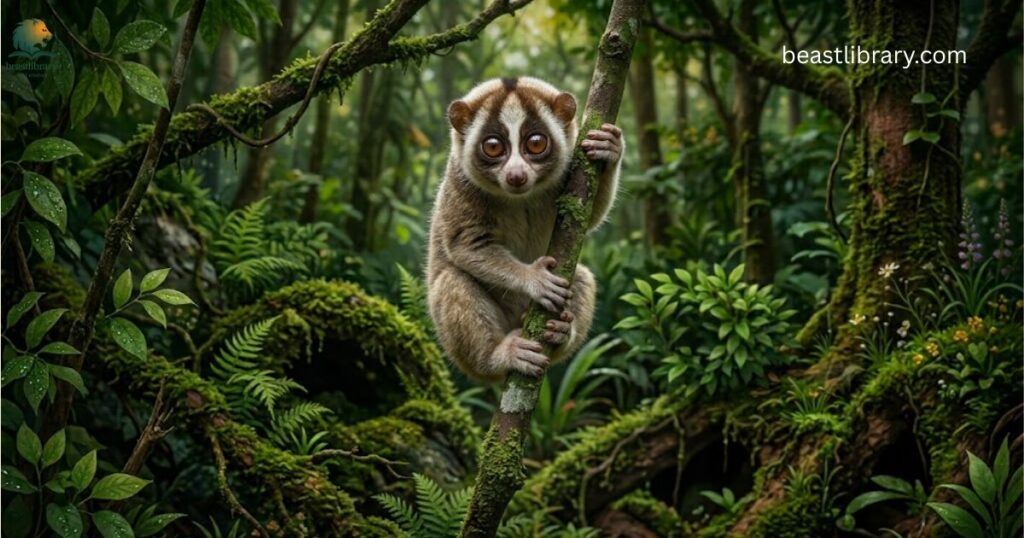
The Slow Loris, a small grumpy primate native to Southeast Asia, embodies the essence of shyness with its deliberate movements and elusive nature. It is expressive big eyes animal that seem to reflect its cautious demeanor. Slow Loris is animals with lowest IQ in the wild.
The allure of the Slow Loris lies not only in its physical appearance but also in its amazing survival strategies. Its venomous bite, an unusual trait for a primate, serves as a unique defense mechanism, allowing it to ward off predators while maintaining an air of mystery.
7. Deer
Scientific name: Cervidae
Class: Mammalia
Diet: Herbivore
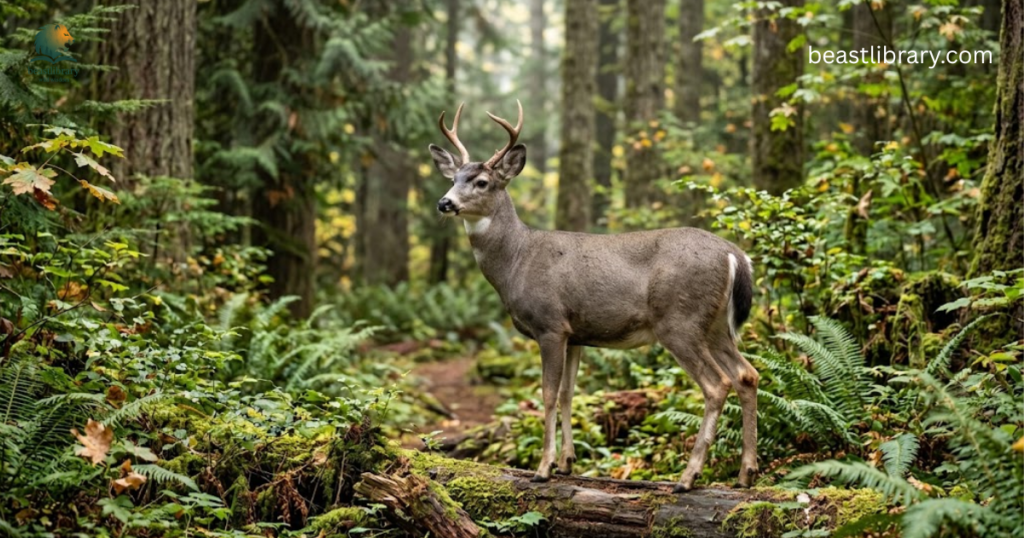
Deer are examples of animals that are shy, embodying grace and caution in their everyday lives. It is cowardly animals in the world living in diverse environments, from dense forests to open fields, these gentle creatures have evolved exceptional strategies to evade potential threats.
Their acute senses, particularly excellent vision and hearing, allow them to detect danger long before it arrives. A single rustle in the underbrush can send a herd bounding away in unison, an instinctive behavior that has ensured their survival for millennia.
8. Cheetah
Scientific name: Acinonyx jubatus
Class: Mammalia
Diet: Carnivore
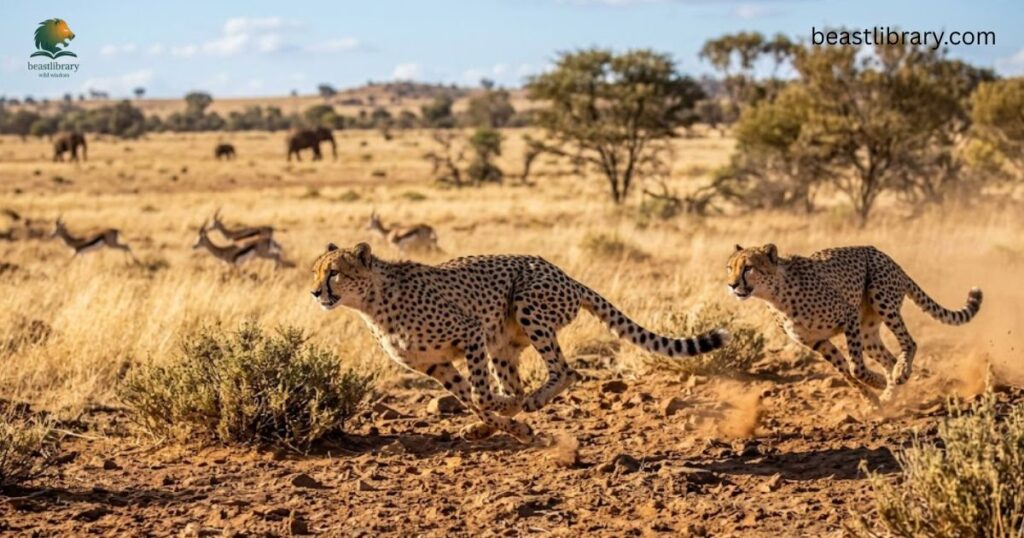
Among the world’s fastest land animals, cheetahs are renowned for their incredible speed, reaching up to 60 miles per hour in mere seconds. Yet, beneath this powerful exterior lies a surprisingly timid personality. Cheetah is spotted animal.
Unlike their more aggressive big cat relatives, cheetahs often exhibit cautious behavior, using their acute vision and stealth rather than brute force to navigate their environment. This shyness, coupled with their preference for solitary or small group living, offers a unique glimpse into how adaptability shapes survival strategies in the wild.
9. Red Squirrel
Scientific name: Sciurus vulgaris
Class: Mammalia
Diet: Omnivore
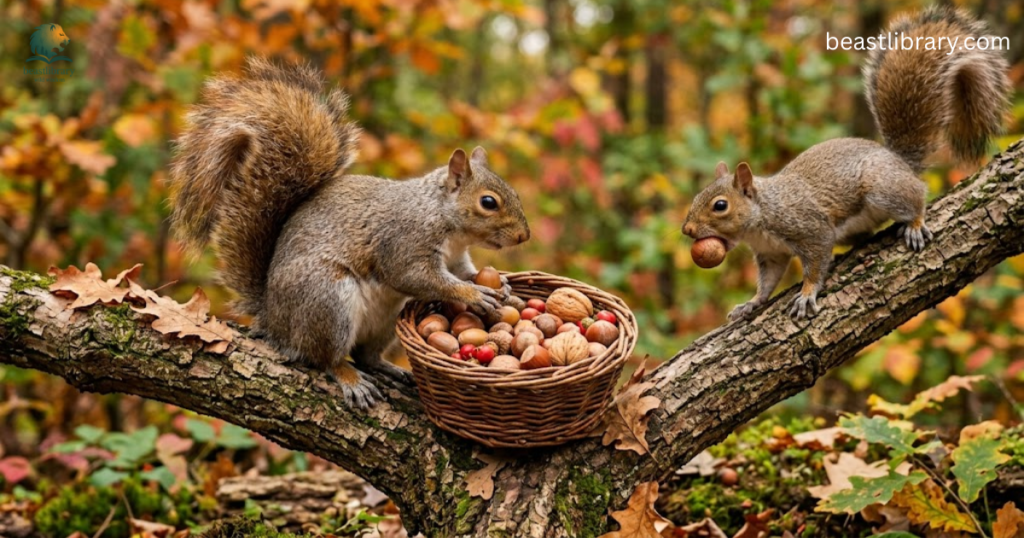
The red squirrel, a small and timid animal. It is weak animal and captivates us with its vibrant fur and bushy tail. These shy animals are known for their elusive nature, often darting up trees or disappearing into thick brush when approached by humans. They look like cute Porcupine.
Their shyness is not just a survival tactic, it’s an intricate part of their social behavior. In their forest homes, red squirrels engage in complex social dynamics that include vocalizations and body language, signaling their presence while maintaining distance from potential threats.
10. Hedgehog
Scientific name: Erinaceus europaeus
Class: Mammalia
Diet: Omnivore
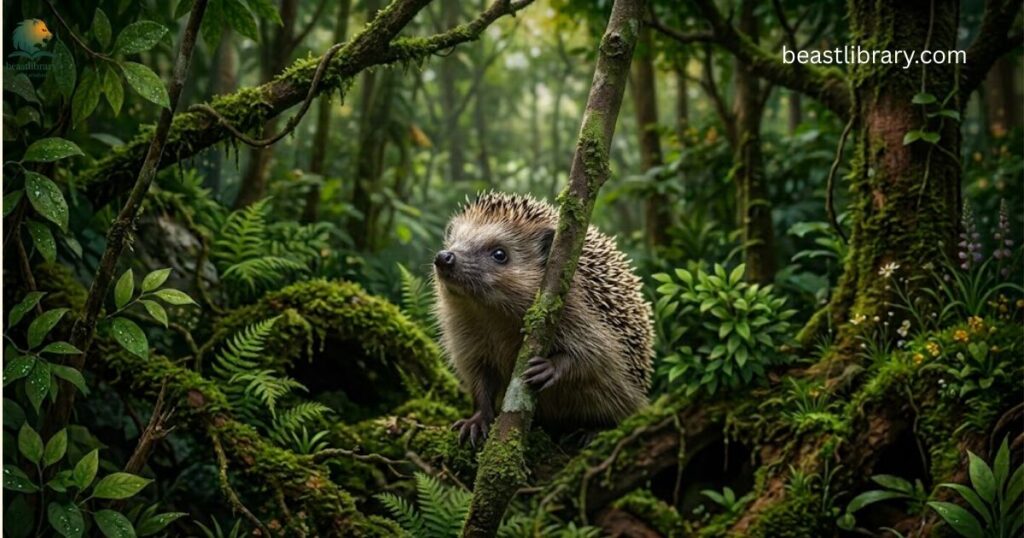
Hedgehogs are animals that are quiet and shy. Often perceived as solitary beings, they thrive in a world where camouflage and retreat are their go-to strategies. When faced with potential threats, rather than fight or flee, hedgehogs curl into a prickly ball.
Showing an instinctive response that’s as much about survival as it is about character. This chubby animal shy disposition makes them elusive creatures, often spotted only at dusk when they venture out to forage for insects and worms.
11. Sloth– Most Shy Animals
Scientific name: Bradypus variegatus
Class: Mammalia
Diet: Herbivore
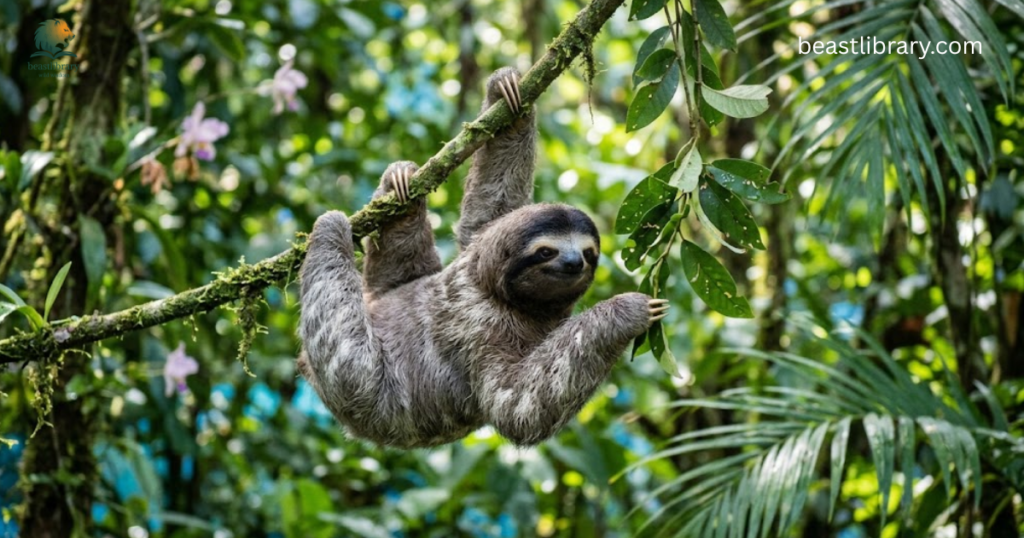
Sloths are animals that are shy but friendly. Their slow movement isn’t just a quirky trait, it’s a survival strategy. They are consider as cute shy animals. These timid animals are clumsy animals. They are happiest animals in the world.
Sloths reduce their energy expenditure and minimize their visibility to predators like harpy eagles and jaguars. It’s as if they’ve mastered the art of blending into their surroundings, relying on a camouflage of green algae that grows on their fur, which reinforces their stealthy lifestyle.
12. Saola
Scientific name: Pseudoryx nghetinhensis
Class: Mammalia
Diet: Herbivore
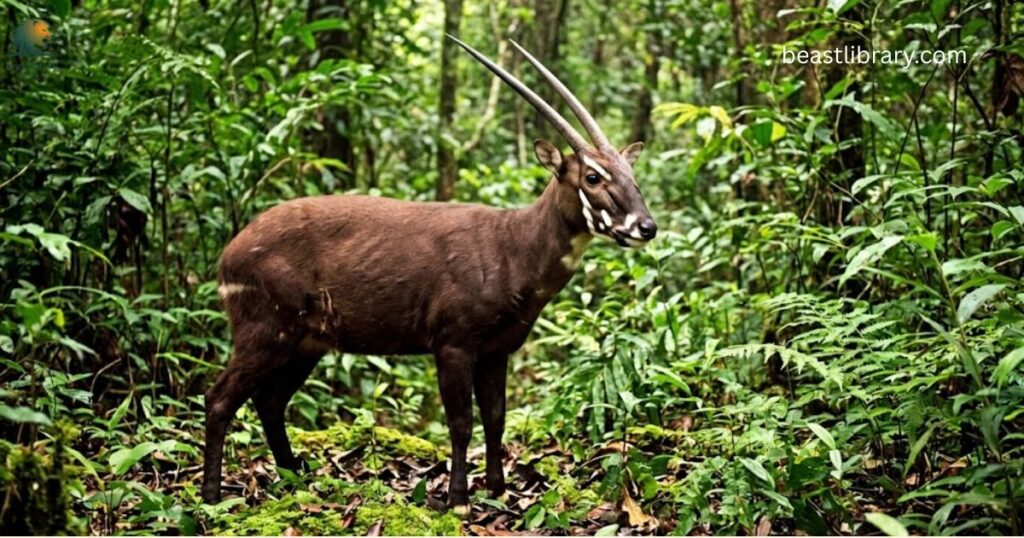
The saola, animals that are quiet and shy. With its elusive nature and striking appearance marked by long, straight horns and a dark brown coat it has become a symbol of conservation efforts in Southeast Asia.
What truly sets the saola apart, however, is its shyness. This shy animal rarely makes an appearance in the wild, often eluding the gaze of researchers and wildlife enthusiasts alike. Its propensity to remain hidden among dense forests and bamboo thickets makes it one of the world’s most cryptic mammals.
13. Snow Leopard
Scientific name: Panthera uncia
Class: Mammalia
Diet: Carnivore
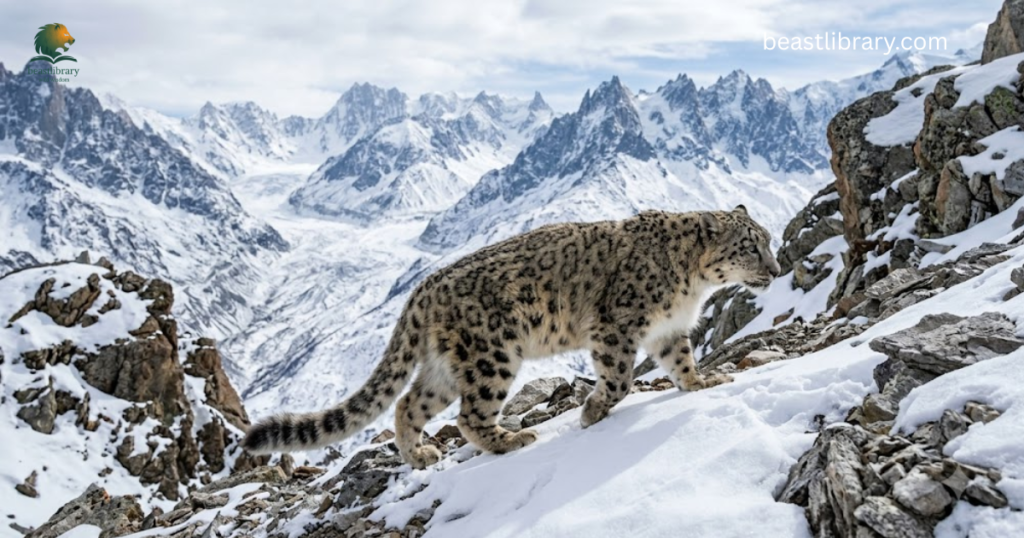
The snow leopard is spotted animal with sharp teeth. Found primarily in the rugged terrains of Central Asia, these majestic big cats are masters of stealth. With their thick, smoky-gray fur camouflaging them against rocky landscapes,
They seem to glide silently through the snow, revealing little of their presence to the outside world. Adapted to high altitudes, snow leopards have keen eyesight and exceptional hunting skills, which they deploy with discretion.
They prefer silence, waiting patiently for the perfect moment to strike. Their elusive nature is reflective of their environment, where survival hinges on remaining undetected amidst the unforgiving elements.
14. Kiwi
Scientific name: Apteryx australis
Class: Aves
Diet: Omnivore
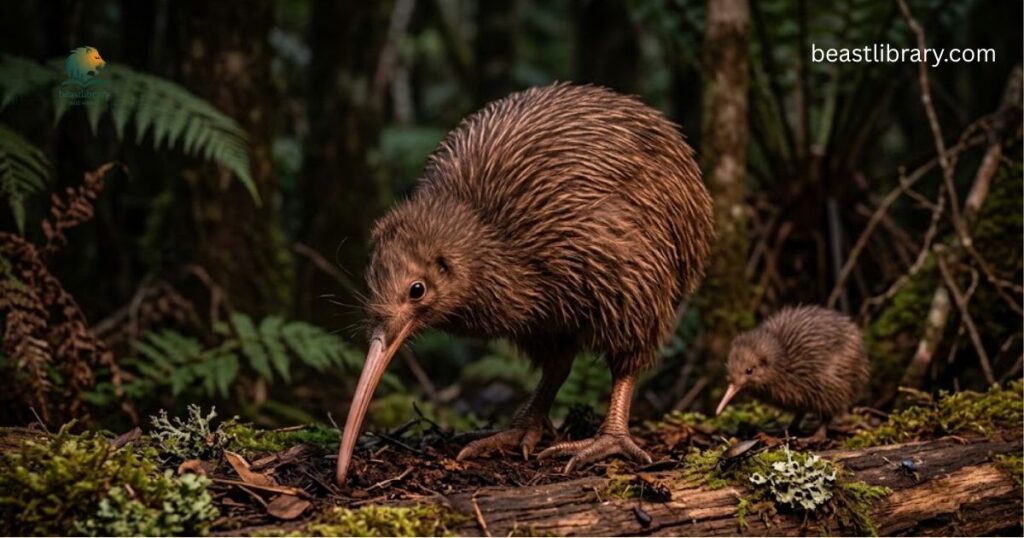
The kiwi, a flightless bird native to New Zealand, embodies shyness in both behavior and habitat. With its small, round body covered in moss-like feathers, the kiwi is an expert at blending into its environment, relying on camouflage to evade predators.
Unlike many other birds, kiwis are nocturnal, venturing out under the veil of night, which further emphasizes their elusive nature. This choice of timing not only protects them from daytime threats but also showcases their unique adaptations for a quieter life away from the hustle of more boisterous species.
15. Quokka
Scientific name: Setonix brachyurus
Class: Mammalia
Diet: Herbivore
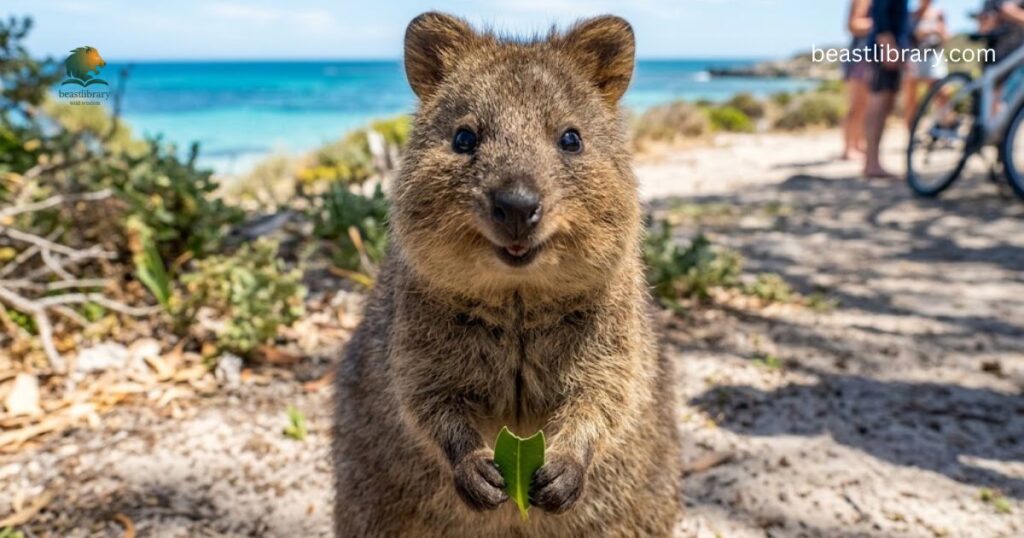
The quokka is known as world’s happiest animal. It is a small marsupial native to Australia’s Rottnest Island. Despite their endearing smiles and curious nature, these creatures are surprisingly shy. It is chubby animal that is docile creature.
Unlike many animals that revel in attention, quokkas prefer to keep a low profile, using their natural camouflage among bushy vegetation to evade predators. Their shyness doesn’t diminish their charm; rather, it highlights a fascinating aspect of their behavior.
Quokkas exhibit a unique social structure, largely influenced by their timid disposition. They often interact within small groups, but tend to keep a respectful distance until they feel comfortable.
16. Dik-Dik
Scientific name: Madoqua kirkii
Class: Mammalia
Diet: Herbivor
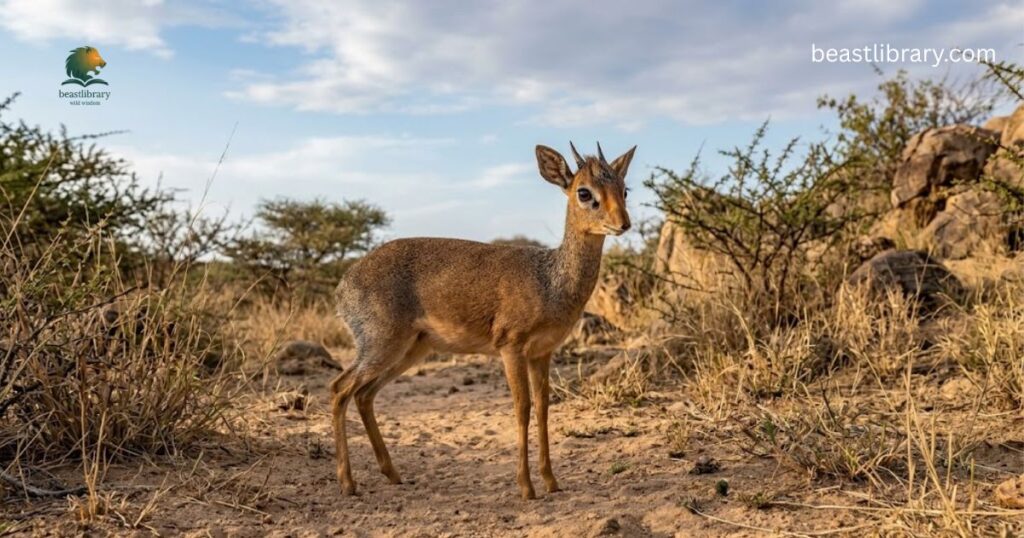
The dik-dik, a small antelope native to the savannas of East Africa, embodies both elegance and elusiveness. Standing just about the height of a house cat, these petite creatures often slip through the tall grass, their shy nature making them masters of concealment.
Although they may seem fragile, their agility and keen senses allow them to navigate their environment with surprising finesse. When faced with danger, these timid animals exhibit remarkable defense tactics, including freezing in place or bounding away in zigzag patterns to confuse predators.
17. Pangolins
Class: Mammalia
Diet: Insectivore
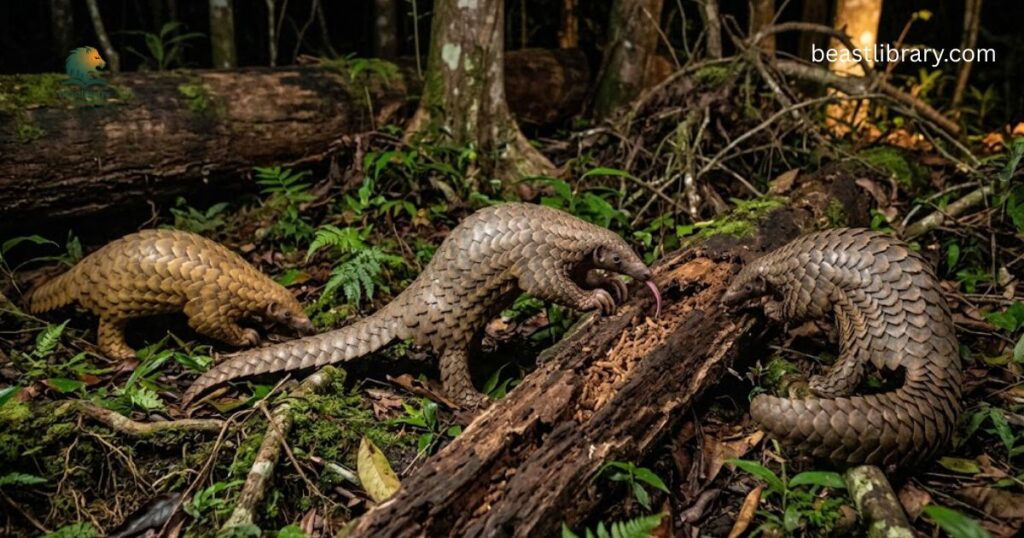
Pangolins, often dubbed the world’s most trafficked mammals, exhibit a unique blend of shyness and resilience. These nocturnal animals that are shy possess a unique armor of keratin scales that not only protects them but also underscores their elusive nature. They have strong long tail.
When threatened, a pangolin will curl into a tight ball, rendering its vulnerable underbelly safe from potential predators. This instinctive retreat showcases an adaptation that has allowed them to survive in various habitats, despite the growing pressures of poaching and habitat destruction.
18. Maned Wolf
Scientific name: Chrysocyon brachyurus
Class: Mammalia
Diet: Omnivore
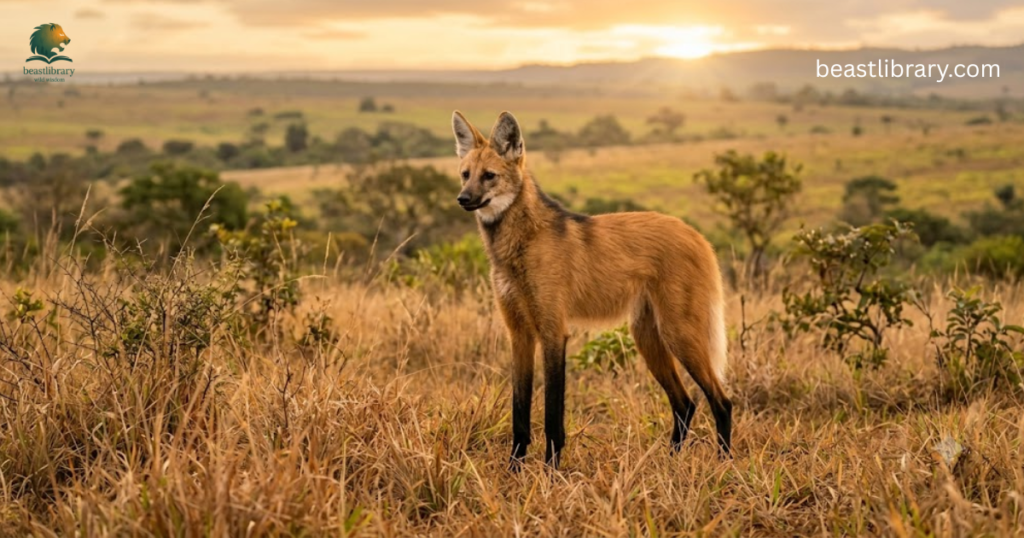
The maned wolf, with its striking long legs and reddish fur, is an enigmatic presence in South America’s grasslands. Unlike typical wolves, they favor a solitary lifestyle, often wandering alone through their territories, which can span vast distances.
This shyness sets them apart; they thrive in the shadows, making their presence known only through the distinctive high-pitched howls that echo through the twilight. Their elusive nature adds a layer of intrigue to their existence.
19. Binturong
Scientific name: Arctictis binturong
Class: Mammalia
Diet: Omnivore
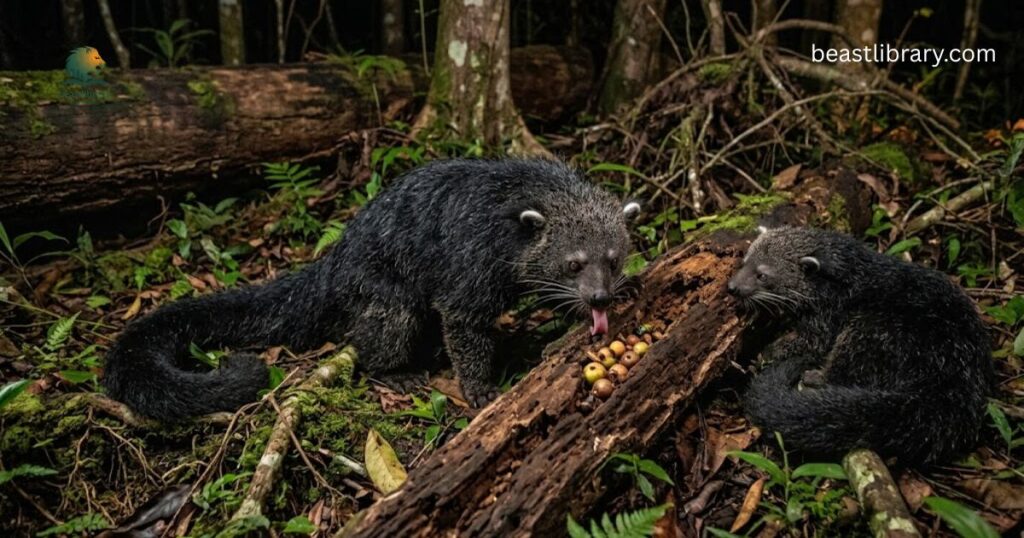
The binturong are animals that are shy but smart. They are consider as introvert animals native to the rainforests of Southeast Asia. These creatures are more than just their appealing visage they harbor unique adaptations for a life shrouded in treetops and shadows.
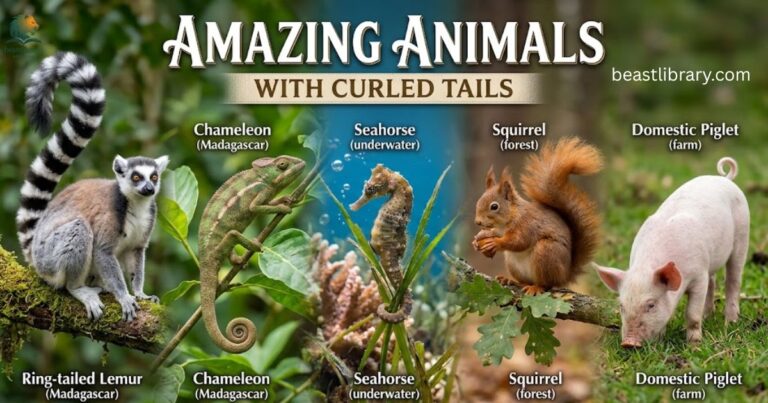
With their long curled tails and thick fur, binturongs exhibit remarkable climbing skills, allowing them to navigate their arboreal environment with ease. Yet, despite their dexterity, they are surprisingly elusive, often opting for solitude over social interaction.
20. Aardvarks
Scientific name: Orycteropus afer
Class: Mammalia
Diet: Insectivore
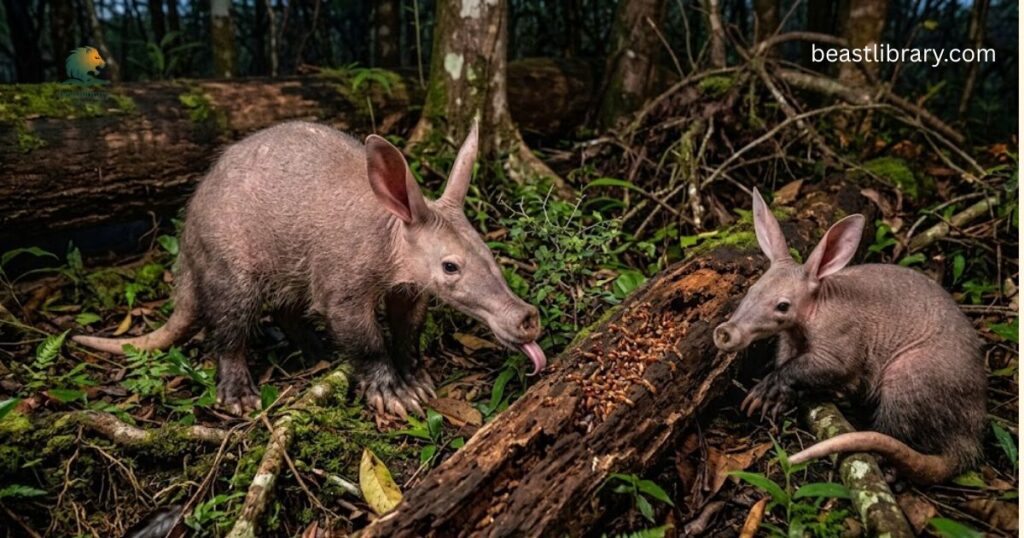
Aardvarks, the nocturnal foragers of the African savanna, possess a unique blend of shyness and resilience that captivates wildlife enthusiasts. These solitary creatures are equipped with long, floppy ears and a keen sense of smell, enabling them to detect underground termites and ants their primary food source.
While their appearance might evoke curiosity, their elusive nature makes them withdrawn and hard to spot in their natural habitat. Often described as shy, aardvarks prefer the cover of night, avoiding the hustle and bustle of daytime predators and human activity.
21. Giant Panda
Scientific name: Ailuropoda melanoleuca
Class: Mammalia
Diet: Herbivore
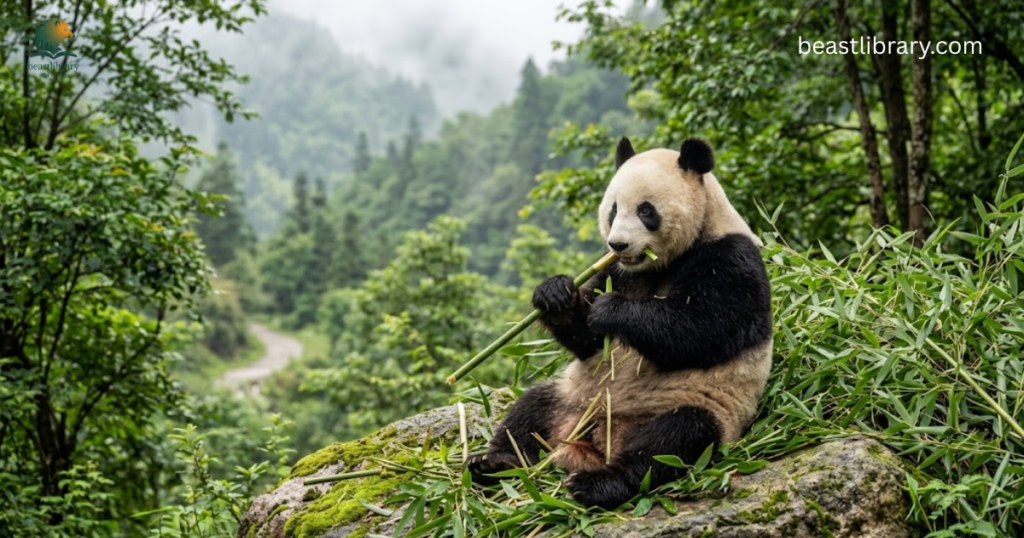
The giant panda, often celebrated for its cuddly appearance, possesses a surprisingly shy demeanor that plays a crucial role in its survival. In the bamboo forests of China. These shy animals are clumsy animals that eat a lot.
Their natural timidity makes them acutely aware of their surroundings, allowing them to thrive in a habitat where stealth is essential. The panda’s reluctance to venture far from its home range isn’t just a personality trait, its a strategic adaptation.
22. Axolotl
Scientific name: Ambystoma mexicanum
Class: Amphibia
Diet: Carnivore
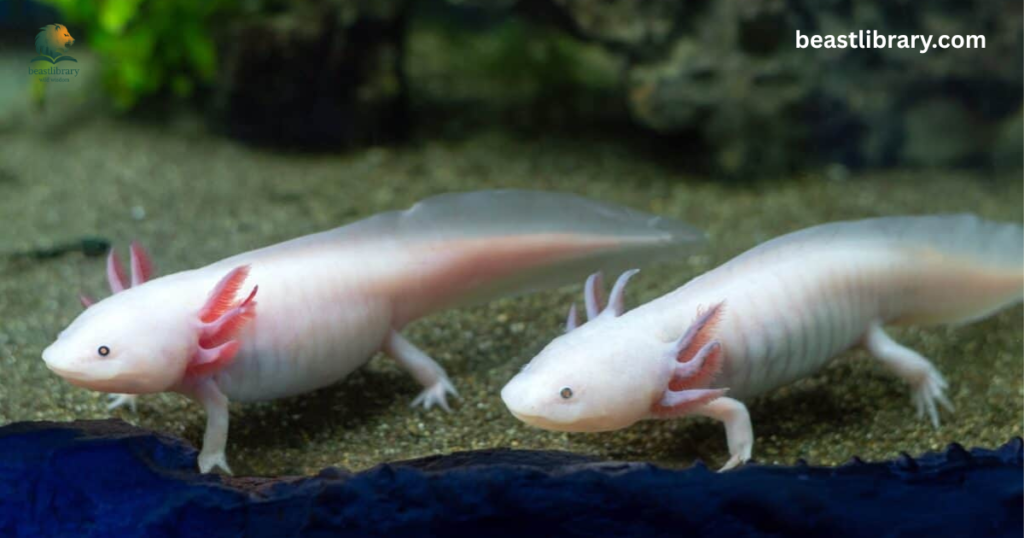
The axolotl, often referred to as the “Mexican walking fish,” possesses a unique charm that captivates both scientists and enthusiasts alike. Unlike most amphibians, the axolotl never undergoes metamorphosis, choosing to stay in its larval form throughout its life.
This striking creature, with its feathery gills and wide, innocent eyes, exudes an almost ethereal quality that sets it apart in the animal kingdom. Its shy nature is not only a safeguard against predators; it reflects a unique adaptive strategy, allowing it to thrive in its native aquatic habitats.
23. Fossa
Scientific name: Cryptoprocta ferox
Class: Mammalia
Diet: Carnivore
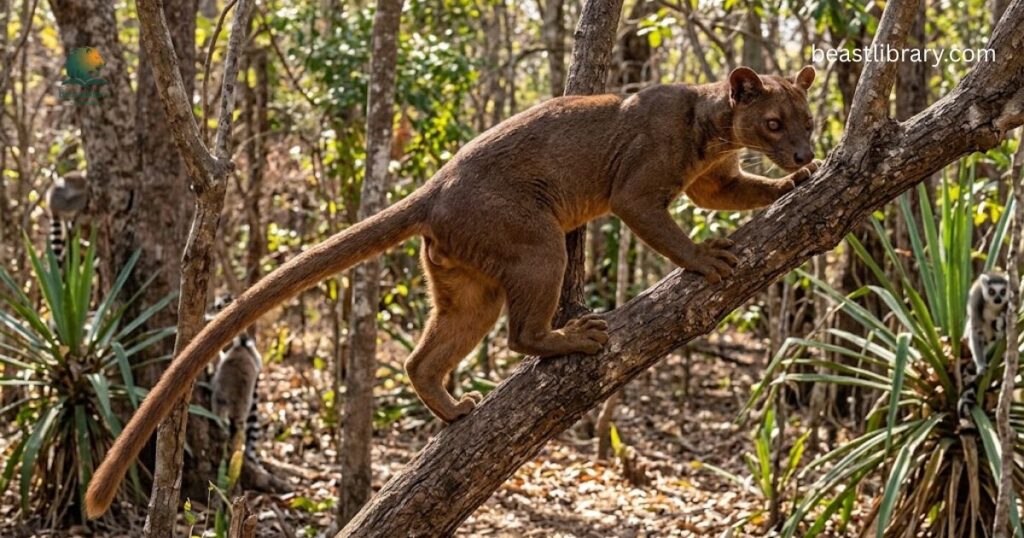
The fossa, often overshadowed by more famous Madagascar inhabitants, is a remarkable blend of feline grace and resilience. This elusive creature, which resembles a small cougar but belongs to the mongoose family, showcases an intriguing mix of predator and prey dynamics on the island.
With its retractable claws and agile physique, the fossa is an adept climber, often stalking lemurs in the treetops. Yet it remains an enigmatic figure rarely seen and even less understood. Despite their predatory prowess, fossas are notoriously shy, preferring to navigate their lush, forested habitats under the cover of darkness.
24. Kangaroo
Scientific name: Macropus
Class: Mammalia
Diet: Herbivore
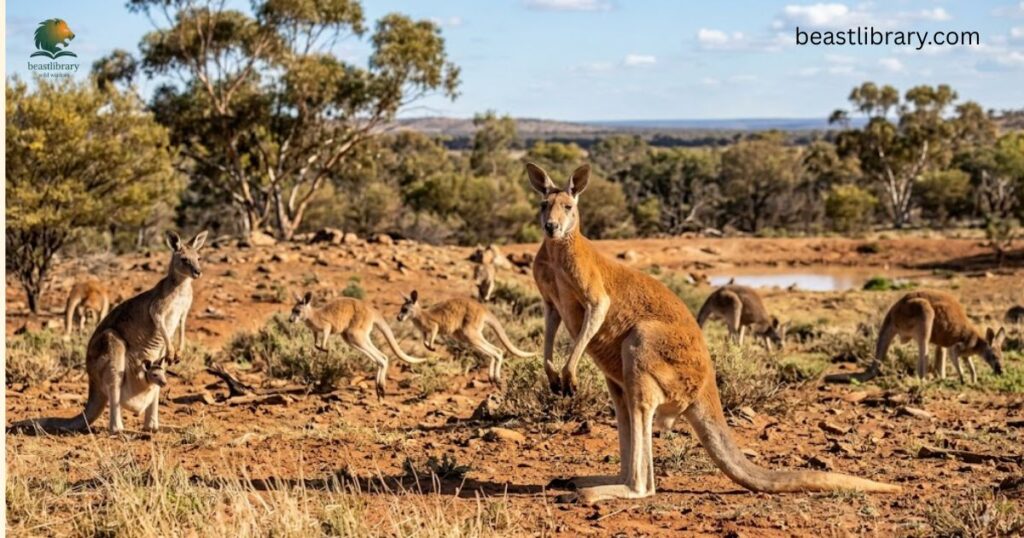
Kangaroos, with their distinctive hopping and powerful legs, may seem bold from a distance, but they possess a shy and elusive nature that often goes unnoticed. In their natural Australian habitat, these marsupials exhibit amazing blend of curiosity and caution.
When feeling threatened, a kangaroo might freeze, carefully assessing the situation rather than making a hasty escape. This thoughtful approach, rooted in their instinct for survival, highlights an intriguing aspect of their behavior: the interplay between shyness and vigilance.
The social dynamics of kangaroo groups further illuminate their shy tendencies. While they typically graze in mobs, it’s the quieter individuals that often play a vital role. These shy kangaroos are energetic animals of wild.
25. Giant Anteater
Scientific name: Myrmecophaga tridactyla
Class: Mammalia
Diet: Insectivore
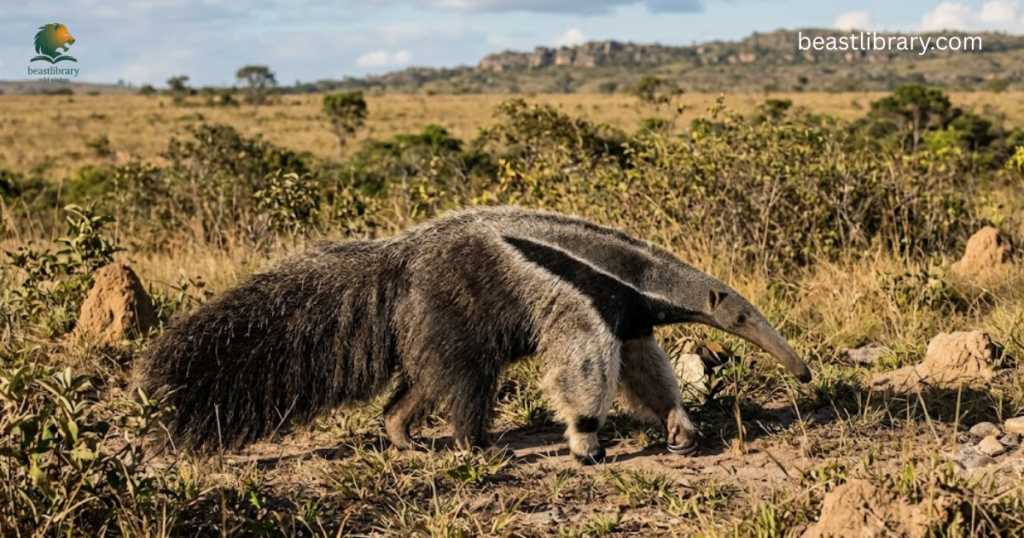
The giant anteater, with its elongated trunk and distinctive coat, might seem like a quirky character of the animal kingdom, but its shyness adds a layer of intrigue. Found primarily in Central and South America. These animals that are shy but smart prefer solitude and often roam vast territories in search of their primary food source.
Giant anteaters are generally solitary, coming together only during mating seasons. When threatened, they tend to rely on their remarkable defensive adaptations, such as sharp claws for digging or slashing, rather than confronting threats head-on.
26. Okapi
Scientific name: Okapia johnstoni
Class: Mammalia
Diet: Herbivore
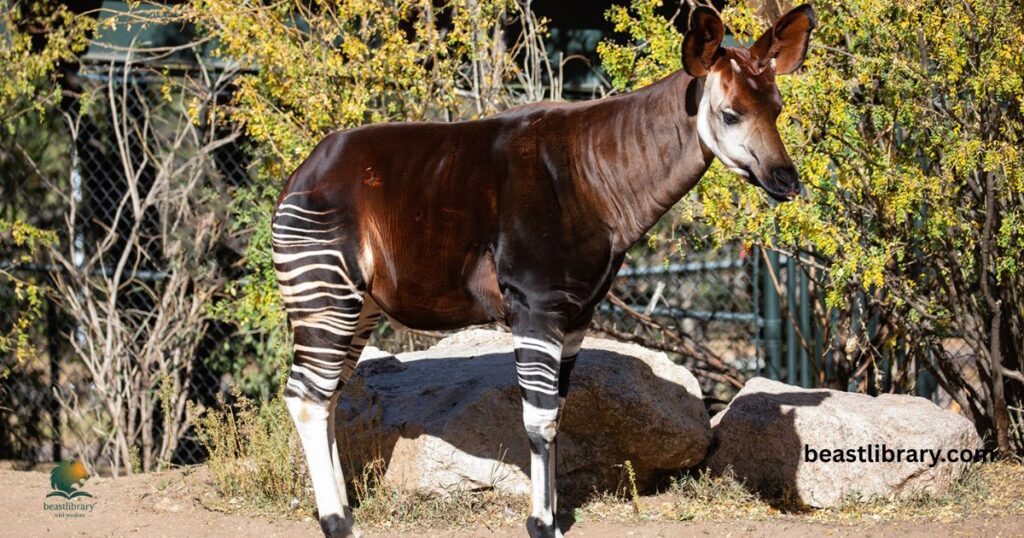
The Okapi, often described as a living relic of the forest, is one of nature’s most elusive wonders. It is striped animal that is quiet and shy contrasting against its velvety brown body. The Okapi is a master of camouflage in the dense jungles of the Democratic Republic of Congo.
This shy animal, has adapted to a life of solitude, often retreating deeper into its lush surroundings at the slightest hint of disturbance. Its large, expressive eyes and acute hearing allow it to navigate the forest with grace and discretion.
27. Fennec Fox
Scientific name: Vulpes zerda
Class: Mammalia
Diet: Omnivore
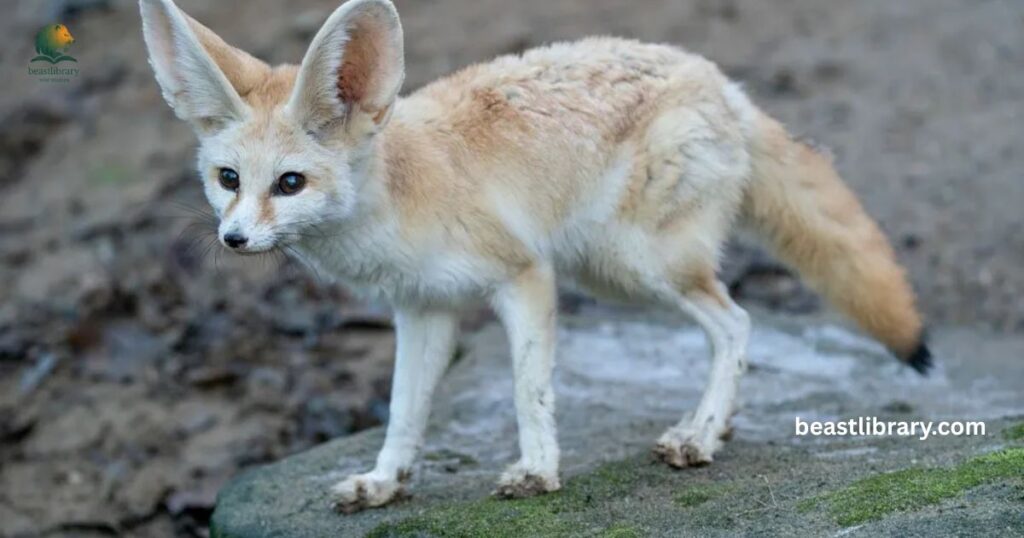
The Fennec fox, often dubbed the “desert resident,” is more than just its oversized ears and short height. This tiny curled tail nocturnal animal that is shy thrives in the harsh Sahara Desert, utilizing its keen senses to navigate a landscape that seems inhospitable.
With ears that can reach up to six inches, they not only amplify sound but also serve as a means to regulate body temperature, demonstrating an extraordinary balance of function and form that keeps them cool in extreme heat.
Final Words
Most shy animals play a very important role in keeping nature balanced and beautiful. Protecting these animals that are shy is vital because they are losing their homes due to human activities.
By supporting conservation, we can save these unique introverted animals and their quiet ways of living. Together, we must protect the peaceful world of these timid animals before they disappear forever.
FAQs
What makes some animals shy?
Many shy animals avoid humans and predators because it helps them stay safe in the wild. They often hide, stay quiet, or become active at night to protect themselves from danger.
Which animal is very shy?
The pangolin is known as one of the shiest animals in the world because it is solitary and only comes out at night. When it feels scared or senses danger, it immediately rolls into a tight, armored ball to hide its soft belly.
What animal is shy but strong?
Gorilla is an incredibly strong animal that is actually very shy, peaceful, and gentle by nature. They prefer to stay quiet and avoid humans, but they will use their massive power to protect their families if they are threatened.