Top 22 Sneaky Animals in The World (With Images)
Discovering the most sneaky animal in the world and their incredible survival tactics. learn how these masters of disguise vanish into thin air to evade detection! Understanding these masters of disguise not only captivates the imagination but also sheds light on the evolutionary tactics that ensure survival.
List of Most Sneaky Animals in The World
Here is the list of animals that are sneaky:
- Black Mamba
- Fox
- Cheetah
- Crocodile
- Jaguar
- House Cat
- Spider
- Raccoon
- Alligator Gar
- Tarantula
- Frogfish
- Wolf
- Octopus
- Tiger
- Leaf-Tailed Gecko
- Snow Leopard
- Orchid Mantis
- Hyena
- Weasel
- Chameleon
- Cuttlefish
- Owl
1- Black Mamba: Sneaky Animals in The World
Scientific Name: Dendroaspis polylepis
Class: Reptilia
Diet: Carnivore

The black mamba, is a master of stealth and agility, embodying the essence of nature’s stealthy artisans, often feared for its deadly reputation, is a master of stealth and agility.
The black mamba’s sheer speed capable of reaching up to 12 miles per hour renders it an apex predator in its African habitat, Unlike many snakes that rely on camouflage to evade detection.
This remarkable speed isn’t just for catching prey; demonstrating a cunning survival strategy that highlights its intelligence, it also allows the black mamba to swiftly retreat from threats.
What’s particularly fascinating is its social behavior; black mambas exhibit varying degrees of tolerance towards one another, sometimes cohabiting in advantageous territories, while known as solitary creatures.
2- Fox
Scientific Name: Vulpes vulpes
Class: Mammalia
Diet: Omnivore

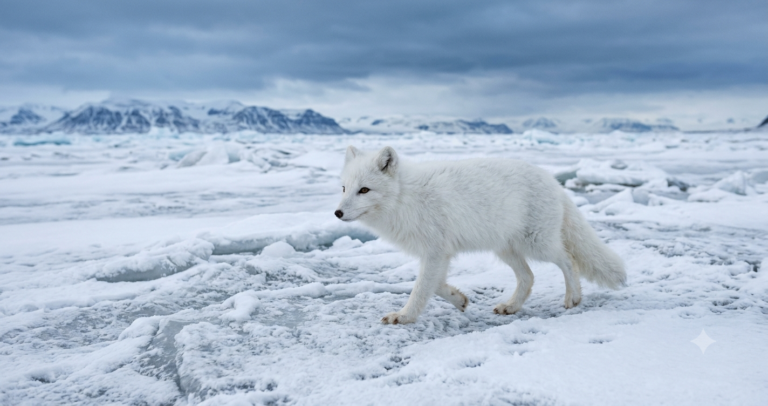
Among the elusive creatures of the wild, foxes display an intriguing mix of cunning intelligence and vocal prowess. Known for their striking red fur and bushy tails, these animals aren’t shy about expressing themselves, and their growls are an essential part of their communication repertoire.
Unlike the deep, menacing growls of larger predators, the fox’s growl tends to be more nuanced, often resembling a series of barks or chortles that can signify everything from alerting family members to warnings about potential threats.
In dense foliage or during the twilight hours, these sounds can relay an intricate social dynamic within their packs. With over a dozen types of vocalizations, including yelps and howls, the growl serves as merely one tool in their communication toolbox.
3- Cheetah
Scientific Name: Acinonyx jubatus
Class: Mammalia
Diet: Carnivore

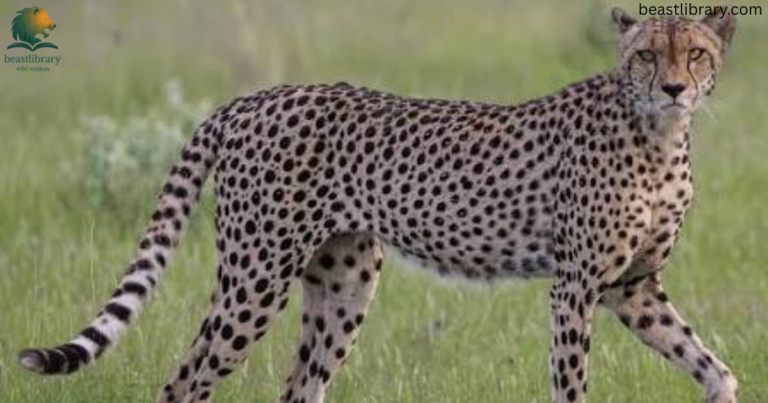
Among the world’s fastest land animals, cheetahs are renowned for their incredible speed, reaching up to 60 miles per hour in mere seconds. beneath this powerful exterior lies a surprisingly timid personality. Cheetah is spotted animal.
Unlike their more aggressive big cat relatives, cheetahs often exhibit cautious behavior, using their acute vision and stealth rather than brute force to navigate their environment.
This shyness, coupled with their preference for solitary or small group living, offers a unique glimpse into how adaptability shapes survival strategies in the wild.
4- Crocodile
Scientific Name: Crocodylus
Class: Reptilia
Diet: Carnivore

Crocodiles are not just formidable predators and stealthy animals. but also possess a unique vocalization that captivates those lucky enough to observe it. Their growl, often heard during mating season or territorial disputes, resonates like deep thunder rolling across a still pond.
Animals growling serves multiple social functions within crocodile communities. It can deter competitors, while at the same time attracting potential mates, showcasing a delicate balance of both aggression and allure.
5- Jaguar
Scientific Name: Panthera onca
Class: Mammalia
Diet: Carnivore
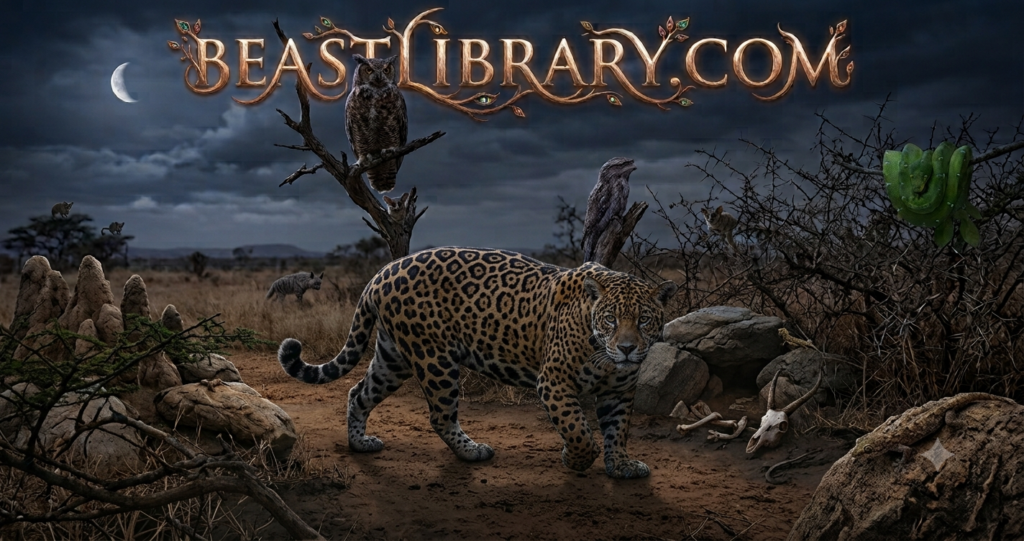
The jaguar spotted growling animal found primarily in the rainforests of Central and South America, possesses a growl that echoes through the dense underbrush, commanding attention and respect.
This vocalization serves multiple purposes: while it is a powerful means of communication, signaling territory and dominance. It also plays a crucial role in the intricate social dynamics of these solitary hunters.
When a mother jaguar growls, it can instill fear in potential threats, protecting her cubs from lurking predators. Conversely, the low purring growl that sometimes accompanies interactions between mating pairs underscores a complex blend of intimacy and aggression.
6- House Cat
Scientific Name: Felis catus
Class: Mammalia
Diet: Carnivore
House cats are among the stealthiest animals, blending seamlessly into their environments with an innate ability to remain unseen until they choose otherwise. Sensing vibrations and movements that often escape human notice, their whiskers quiver with anticipation.
Where they observe their surroundings like tiny, furry spies, This keen awareness allows them to slip into the quietest corners of the home.
But it’s not just their physical agility that makes them sneaky; their psychological game is just as impressive. Cats have a unique way of playing with our emotions, innocent companions, manipulating us into believing they’re sweet.
7- Spider
Scientific Name: Araneae
Class: Arachnida
Diet: Carnivore

Spiders, often portrayed as the unearned antagonists of nature, hold captivating secrets beneath their eight legs. Even though their presence triggers fear in many, these quiet architects create intricate webs that serve as both homes and effective trapping zones.
Varieties like the orb weaver show remarkable calmness, waiting peacefully for food to get tangled in their carefully spun designs.
Spirited hunters or calm ambush artists, spiders embody an extraordinary resilience and diversity that enrich our ecosystems, silently steering the ecosystem without ever needing any attention.
8- Raccoon
Scientific Name: Procyon lotor
Class: Mammalia
Diet: Omnivore
Raccoons are often misunderstood creatures, notorious for their mischievous antics and scavenging habits. Their growls, which can range from deep, throaty sounds to high-pitched growls, offer unique glimpse into their complex social interactions.
These vocalizations serve not only as a warning to potential threats but also facilitate communication among family members in the wild.
When raccoons feel cornered or threatened, their growls can escalate into a series of hisses and clicks, a dramatic display that emphasizes their nuanced emotional engagement.
9- Alligator Gar
Scientific Name: Atractosteus spatula
Class: Actinopterygii
Diet: Carnivore
When wondering what is the sneakiest animal, The growl of an alligator is more than just a show of power. It’s a complex communication tool that plays a vital role in their social interactions and territorial displays.
These ancient reptiles possess a variety of vocalizations, but their low-frequency growls can resonate through the water, permitting them to communicate over long distances
Researchers have observed that these growls can change tone and intensity depending on the situation, reflecting the animal’s mood be it aggression, mating calls, or even a warning to intruders. They are strong bite growling animals in wild.
10- Tarantula
Scientific Name: Theraphosidae
Class: Arachnida
Diet: Carnivore

These often arachnids have some of the most complex behaviors in the animal kingdom, but tarantulas often evoke fear due to their size and appearance, but these fascinating arachnids have some of the most complex behaviors in the animal kingdom.
Unlike many spiders, tarantulas do not spin webs to catch their prey. Instead, showcasing a level of predatory skill that surprises many, they rely on their impressive speed and ambush tactics. waiting patiently for unsuspecting insects and even small vertebrates to wander too close, they set up shop in burrows or beneath rocks.
A lesser-known aspect of tarantulas is their social behavior. where the male must perform elaborate leg movements to attract a female, many species engage in surprisingly intricate courtship dances.
11- Frogfish
Scientific Name: Antennariidae
Class: Actinopterygii
Diet: Carnivore

Blending artistry with predatory prowess, Frogfish are a true marvel of the deep sea, blending artistry with predatory prowess.
These often creatures employ a remarkable form of camouflage; their skin texture mimics the coral or seafloor where they reside, allowing them to evade both prey and predators alike.
A trait that makes them appear almost like living pieces of art, This skillful disguise is complemented by their ability to change colors and patterns.
But it’s not just their appearance that captivates. showcasing a unique feeding strategy through their specialized lure often a modified dorsal fin that wiggles enticingly like a small fish, Frogfish are voracious hunters.
Their reproductive habits are equally intriguing, as male frogfish cling to females in a form of role-reversal that resembles a romantic ballet.
12- Wolf
Scientific Name: Canis lupus
Class: Mammalia
Diet: Carnivore

The wolf’s growl is a primal symphony, echoing through the forests and mountains where these majestic creatures roam. Unlike common perceptions of snarling aggression, a wolf’s growl serves as a versatile form of communication within their social structure.
It can indicate anything from a warning to rivals to a gentle signal among pack members, highlighting the intricacy of their interactions. This deep, resonant sound conveys emotion and intention, reinforcing the bonds that keep the pack united.
In varying habitats from sprawling tundras to dense woodlands wolves adjust their vocalizations to resonate with their environment, ensuring effective communication over long distances. This adaptability not only aids in hunting and territory defense but also enriches their role as apex predators.
13- Octopus
Scientific Name: Octopoda
Class: Cephalopoda
Diet: Carnivore

Often considered the sneakiest animal in the ocean, the octopus is a master of adaptability, demonstrating a remarkable ability to navigate its surroundings with both grace and ingenuity. Lacking a rigid skeleton, these creatures can contort their bodies to squeeze through the tiniest of crevices, showcasing a flexibility that is breathtaking to observe.
In addition to their physical agility, octopuses possess a sophisticated neural network distributed throughout their arms, allowing them to manipulate objects and explore the ocean floor with astonishing precision.
This decentralized nervous system enables them not only to multitask effectively but also to react quickly to changes in their environment.
14- Tiger
Scientific Name: Panthera tigris
Class: Mammalia
Diet: Carnivore
The cheetah, often celebrated for its unparalleled speed, possesses an extraordinary flexibility that contributes significantly to its hunting prowess.
Unlike other big cats, its spine is uniquely elongated and highly mobile, allowing for an impressive range of motion during sprinting.
This elasticity enables the cheetah to stretch its legs far apart, maximizing stride length and helping it reach speeds of up to 75 miles per hour in mere seconds.
Beyond their speed, cheetahs also exhibit remarkable adaptability in their hunting techniques. Their keen eyesight and ability to execute sharp turns mid-sprint allow them to pursue prey through dense grasslands and abrupt terrain changes.
15- Leaf-Tailed Gecko
Class: Reptilia
Diet: Carnivore

The Leaf-Tailed Gecko is the ultimate master of disguise, embodying nature’s art of camouflage. where its flat, leaf-shaped tail serves not only as a protective mechanism but also as a cunning form of deception, this remarkable reptile hails from Madagascar.
By blending seamlessly into the forest floor or among the lush foliage, demonstrating that survival often hinges on the art of invisibility, it confounds both predators and unsuspecting prey.
What sets the Leaf-Tailed Gecko apart is not just its appearance, choosing to remain motionless in plain sight, but its behavior. These nocturnal creatures employ a often strategy during the day perfectly mimicking the surrounding environment.
16- Snow Leopard
Scientific Name: Panthera uncia
Class: Mammalia
Diet: Carnivore
The snow leopard, often dubbed the “ghost of the mountains,” is as elusive as it is good. Its thick, luxurious fur is not just for beauty; it serves a crucial function in its harsh environment, providing insulation against the bitter cold of high-altitude habitats.
Each snow leopard is adorned with a unique coat pattern of smoky-gray and black rosettes, allowing it to blend seamlessly into its rocky surroundings.
This camouflage is essential for both hunting and avoiding detection, a characteristic that underlines the snow leopard’s reputation as a masterful predator.
17- Orchid Mantis
Scientific Name: Hymenopus coronatus
Class: Insecta
Diet: Carnivore

The orchid mantis, embodies the art of disguise in the animal kingdom, an outstanding mimic of delicate flowers. an outstanding mimic of delicate flowers, this master of camouflage primarily resides in tropical forests, an outstanding mimic of delicate flowers.
When a pollinator, it becomes a meal rather than a visitor to a blossom, such as a butterfly or bee, unwittingly approaches the mantis, it becomes a meal rather than a visitor to a blossom.
This strategic predation exemplifies nature’s creativity, showcasing how survival oftentimes hinges on an animal’s ability to transform into its environment.
The orchid mantis engages in often behavioral adaptations, beyond mere appearance, the orchid mantis engages in often behavioral adaptations. further enchanting its unsuspecting prey, Its slow, deliberate movements mimic the swaying of a flower.
18- Hyena
Scientific Name: Crocuta crocuta
Class: Mammalia
Diet: Carnivore
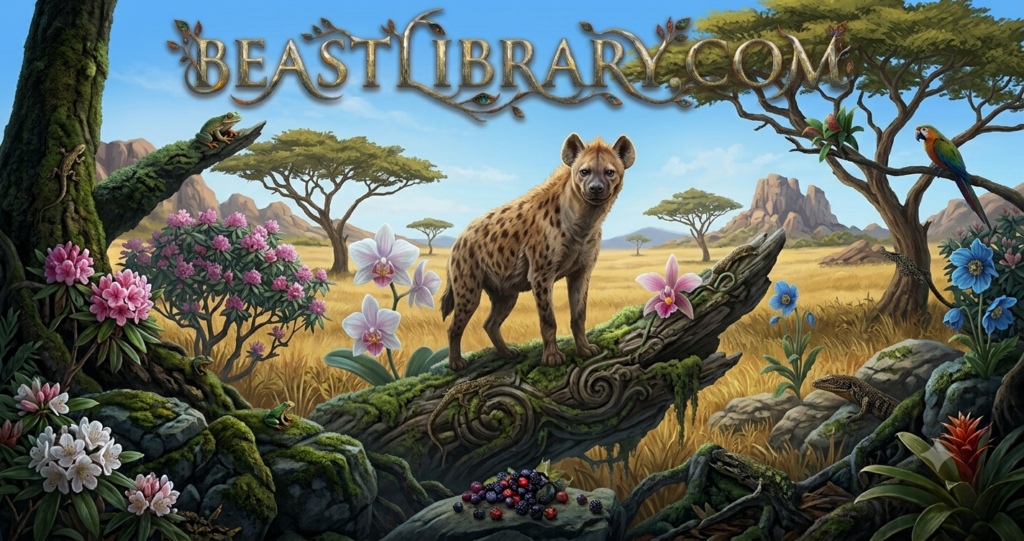
Hyenas often evoke a sense of revulsion due to their scavenging habits, and they are often stereotyped as coward animal by those who misunderstand them these creatures are far more complex than their reputation suggests.
Their social structures resemble those of primates, characterized by intricate hierarchies and strong familial bonds. This communal approach to life allows hyenas to efficiently scavenge and hunt.
19- Weasel
Scientific Name: Mustela
Class: Mammalia
Diet: Carnivore
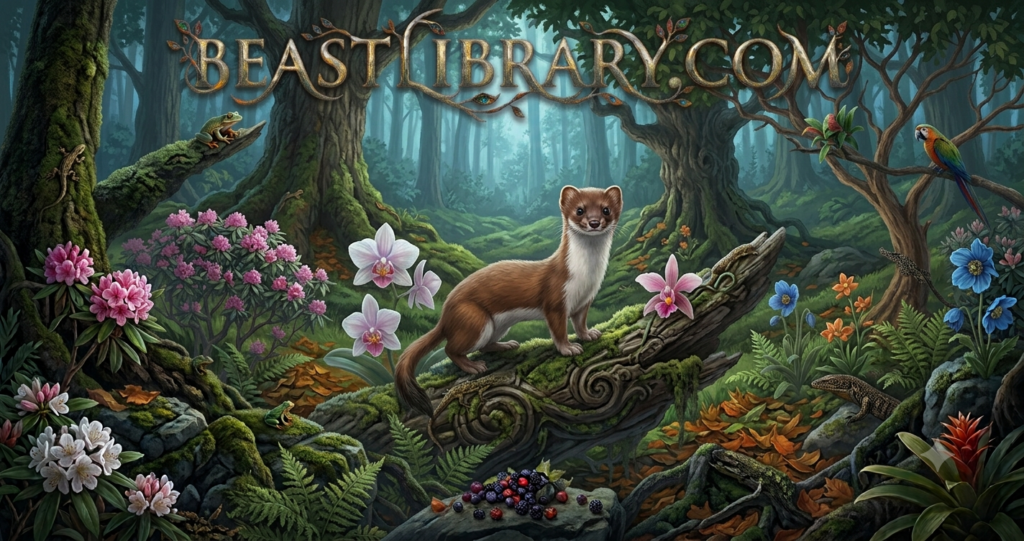
When asking what is the sneakiest animal, weasels possess a remarkable agility that sets them apart in the animal kingdom. Their long, slender bodies and short legs enable them to navigate through narrow burrows and thick underbrush with incredible ease.
This unique anatomical design isn’t merely for show; it allows weasels to be formidable hunters, capable of ambushing prey that would otherwise escape larger predators.
Watching a weasel in action reveals a dance of cunning and speed, as they dart in and out of dens, almost as if they are playing a game of hide and seek with their next meal.
20- Chameleon
Scientific Name: Chamaeleonidae
Class: Reptilia
Diet: Carnivore

Chameleons are not just nature’s masters of disguise; they embody a blend of adaptability and communication. Their ability to shift colors isn’t solely for camouflage; it serves as a complex language among themselves.
When a chameleon displays vibrant colors, it can indicate everything from mood shifts and territorial warnings to courtship signals.
This color-changing prowess reflects their emotional state, transforming them into living canvases that convey intricate messages without uttering a sound.
21- Cuttlefish
Scientific Name: Sepiida
Class: Cephalopoda
Diet: Carnivore

Cuttlefish, often misunderstood as mere ocean dwellers, possess incredible adaptations that make them masters of the twilight zone.
Their ability to navigate and hunt effectively in low-light conditions is largely attributed to their sophisticated eyes, which have a unique structure allowing them to detect polarized light.
This adaptation helps cuttlefish spot prey and predators where regular visibility wanes, giving them a distinct advantage during dusk or dawn when many marine creatures are most active.
Cuttlefish don’t just rely on their eyesight alone; they also utilize an advanced form of camouflage.
22- Owl
Scientific Name: Strigiformes
Class: Aves
Diet: Carnivore

Owls, often regarded as the quintessential nocturnal hunters, possess a remarkable adaptation that sets them apart in the animal kingdom: their extraordinary eyesight.
Unlike many creatures, an owl’s eyes are specially structured to maximize light intake, allowing them to navigate and hunt in near pitch-black conditions.
Their large, forward-facing eyes collect even the faintest light, providing a panoramic view of their surroundings.
As a result, these raptors can detect subtle movements that other animals might easily overlook, ensuring they remain formidable predators in the shadows of the night.
Final Thoughts
Studying every sneaky animal in the world proves that survival is a game of skill, where intelligence and adaptability can mean the difference between life and death. these creatures showcase a range of strategies that leave us in awe, from the camouflage of the chameleon to the elaborate traps set by spiders.
FAQs:
What animal known for being sneaky?
The fox is the most iconic animal known for being sneaky and cunning.
What is the sneakiest animal in the world?
The leopard is widely considered the sneakiest animal in the world due to its master camouflage and unrivaled stealth while stalking prey.