Unique 20 Animals that Eat Monkeys: (With Pictures)
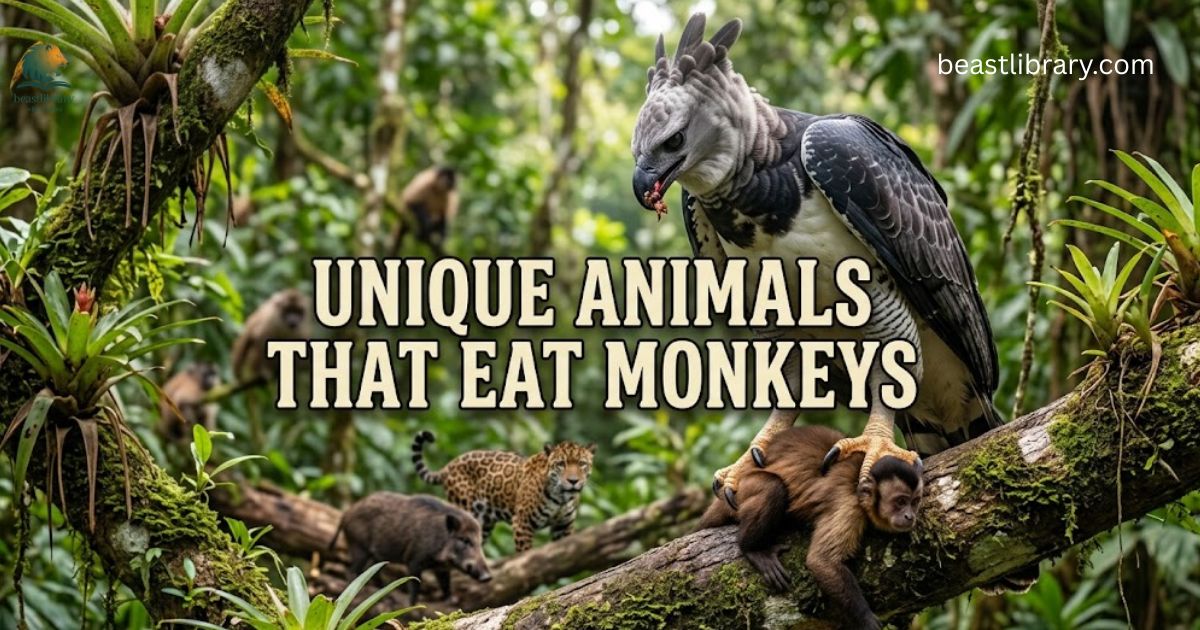
Animals that Eat Monkeys include a variety of skilled hunters living in rainforests and jungles. Large birds like harpy eagles snatch them from tree branches, while big cats like jaguars hunt them from below. Large snakes quietly wait in the thick trees, ready to catch them.
What is a Monkeys Predator?
A monkey’s main predators are large birds, big cats, and giant snakes. Powerful eagles like the harpy eagle easily snatch monkeys right off tree branches. Ground hunters like jaguars, leopards, and cougars quietly stalk them from below. Large snakes like pythons hide in thick leaves and catch monkeys.
List of Animals that Eat Monkeys
Below is the list of animals that eat monkeys:
- Leopards
- Lions
- Crocodiles
- Ocelots
- Martial Eagles
- Green Anaconda
- Fox
- Hawks
- Komodo Dragons
- Reticulated Python
- Philippine Eagle
- Chimpanzee
- Cheetahs
- Tigers
- Crowned Eagle
- Dhole
- Harpy Eagles
- Wild Dog
- Alligators
- Jaguars
1. Leopards
Scientific Name: Panthera pardus
Class: Mammalia
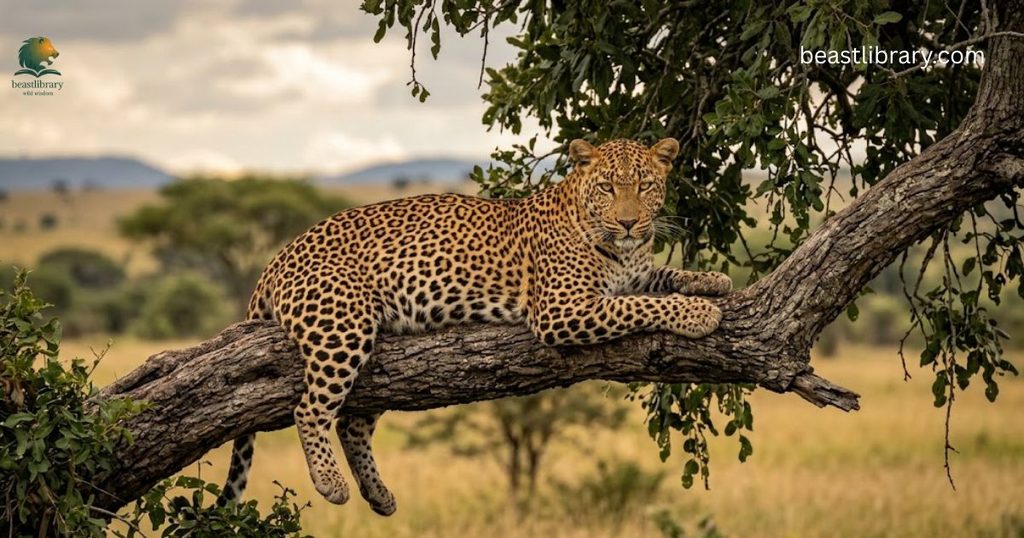
Leopards are apex predators, exhibiting a remarkable adaptability that allows them to thrive in diverse habitats from dense rainforests to arid savannas. Their hunting prowess extends to primates, including monkeys, they are monkey predators.
Unlike many predators, a leopard’s strategy involves not just sheer power but also an acute awareness of its surroundings and the behavior of its prey.
2. Lions
Scientific Name: Panthera leo
Class: Mammalia
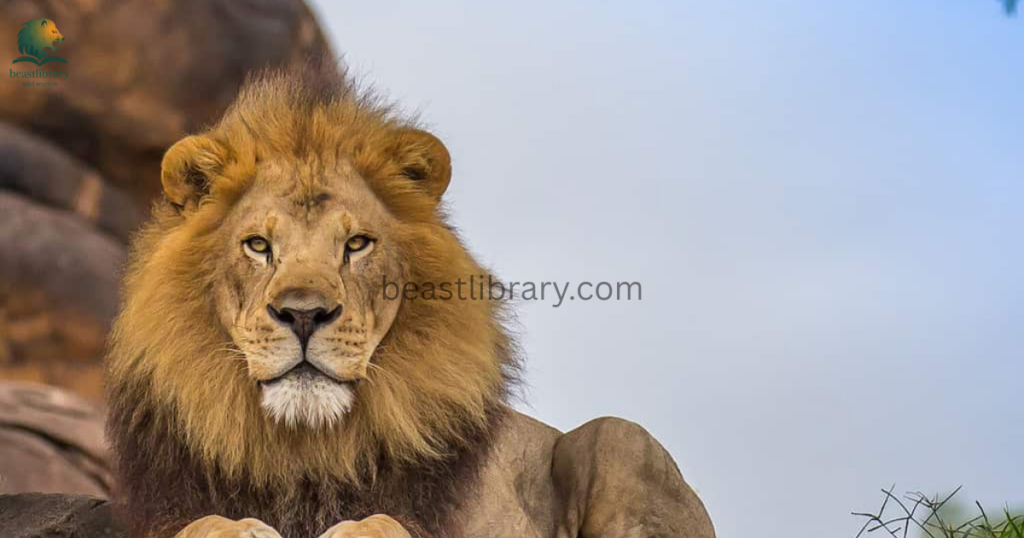
In the mesmerizing tapestry of the animal kingdom, lions stand out as apex predators exhibiting remarkable adaptability. While their primary diet consists of ungulates, there are instances when these powerful felines turn their attention to smaller primates, including monkeys.
This predation is often driven by scarcity, demonstrating the lion’s opportunistic nature. In habitats where prey is scarce, a lion’s ability to exploit various food sources including monkeys can inadvertently balance the local ecosystem by regulating primate populations.
3. Crocodiles
Scientific Name: Crocodylus
Class: Reptilia
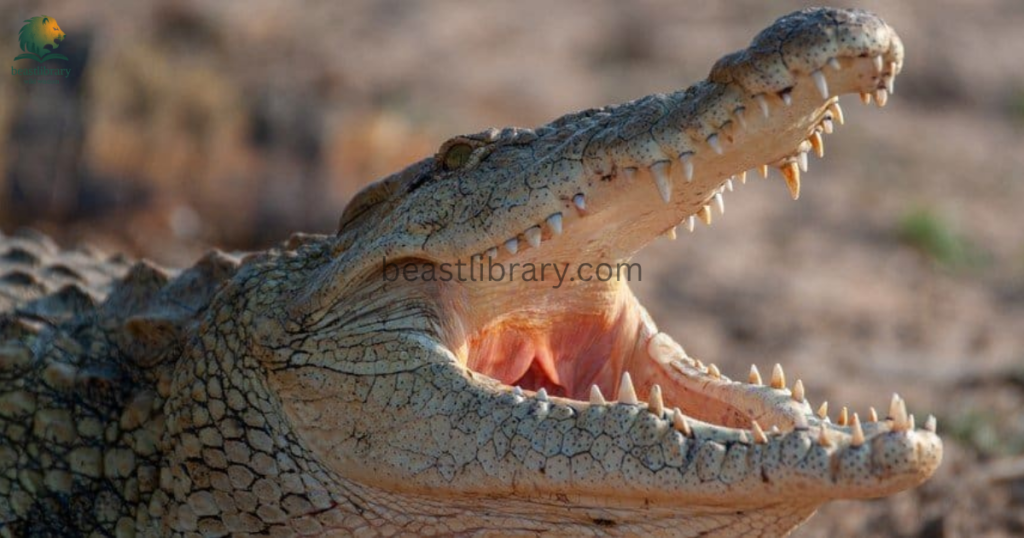
Crocodiles, viewed as formidable predators, have an intriguing relationship with monkeys, particularly in regions where their habitats overlap. These ancient reptiles employ both stealth and strength, using their camouflage to stealthily stalk their prey along riverbanks and forest edges.
When monkeys venture too close to the water’s edge, they unwittingly enter the crocodile’s domain, often becoming an accidental meal. This predation contributes to a delicate balance in the ecosystem, illustrating nature’s ruthless efficiency.
4. Ocelots
Scientific Name: Leopardus pardalis
Class: Mammalia
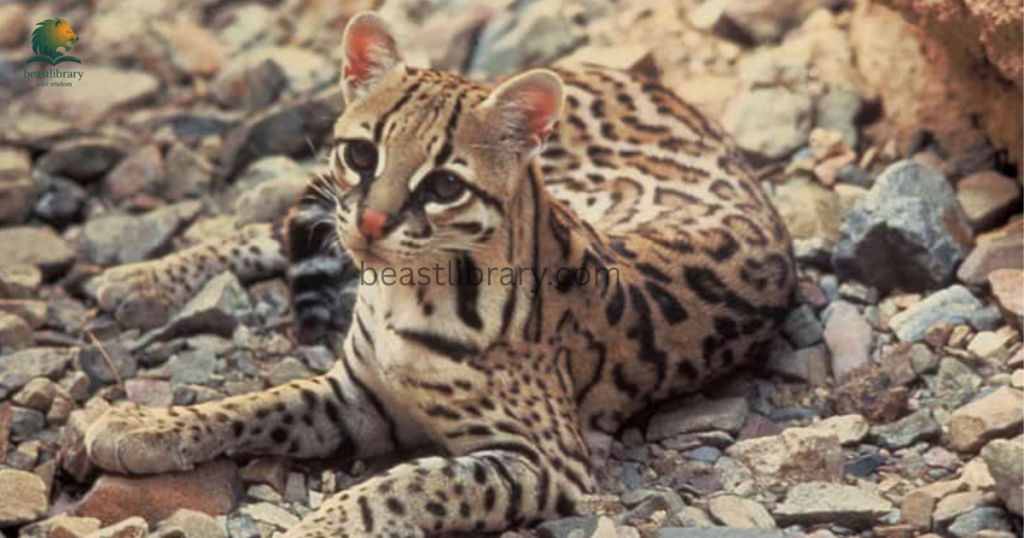
Ocelots, those strikingly beautiful wild cats known for their distinctive spotted coats, play a crucial yet often overlooked role in the complex web of their rainforest ecosystem. While their diet primarily consists of small mammals, birds, and reptile.
They also opportunistically prey on monkeys, especially the smaller species such as tamarins and squirrel monkeys. This predatory behavior showcases the ocelot’s adaptability; it can seamlessly shift its hunting strategy based on prey availability, illustrating the fluidity of nature’s balance.
5. Martial Eagles
Scientific Name: Polemaetus bellicosus
Class: Aves
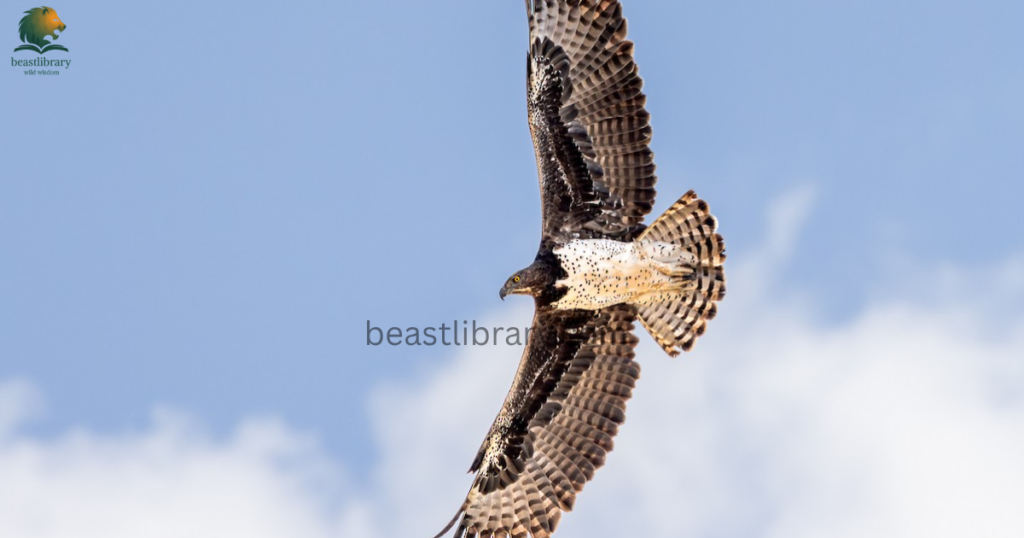
Martial eagles stand out as one of the most formidable avian predators in Africa, boasting impressive wingspans that can reach over eight feet. These majestic birds are not just aerial marvels; they play a vital role in their ecosystem by regulating monkey populations.
Their hunting prowess is honed by a combination of keen eyesight and swift agility, enabling them to spot their prey from great distances. Once a target is identified, the martial eagle swoops down with breathtaking speed, exhibiting a level of precision that leaves little room for escape.
6. Green Anaconda
Scientific Name: Eunectes murinus
Class: Reptilia
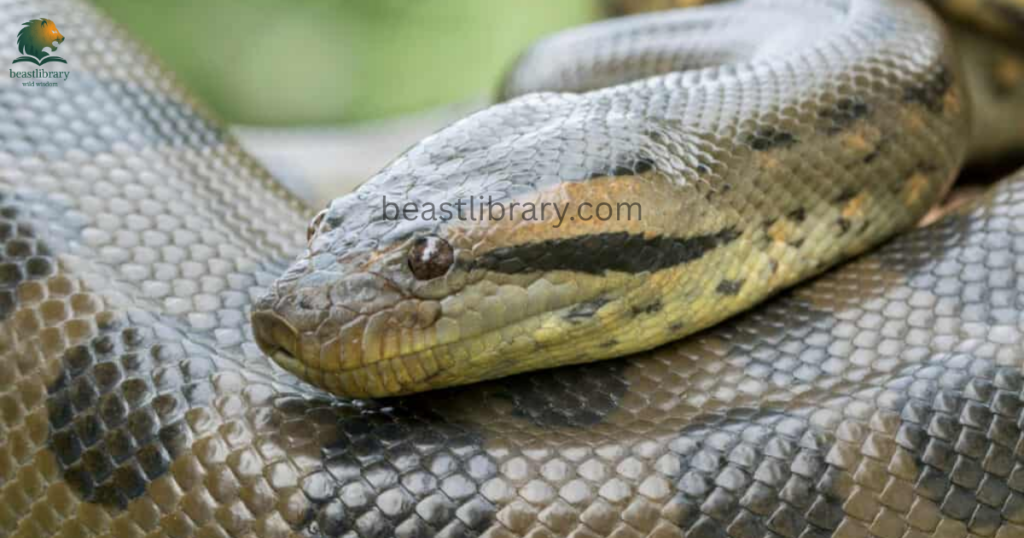
In the murky waters of the Amazon, the green anaconda reigns as a formidable predator, showcasing a diet that often includes monkeys. These colossal serpents have evolved to take advantage of the dense jungle environment, utilizing stealth and immense strength to capture their prey.
Anacondas eating monkeys, anacondas employ an ambush strategy, lurking beneath the water’s surface until a curious monkey ventures too close to the edge.
7. Fox– Animals that Eat Monkeys
Scientific Name: Vulpes vulpes
Class: Mammalia
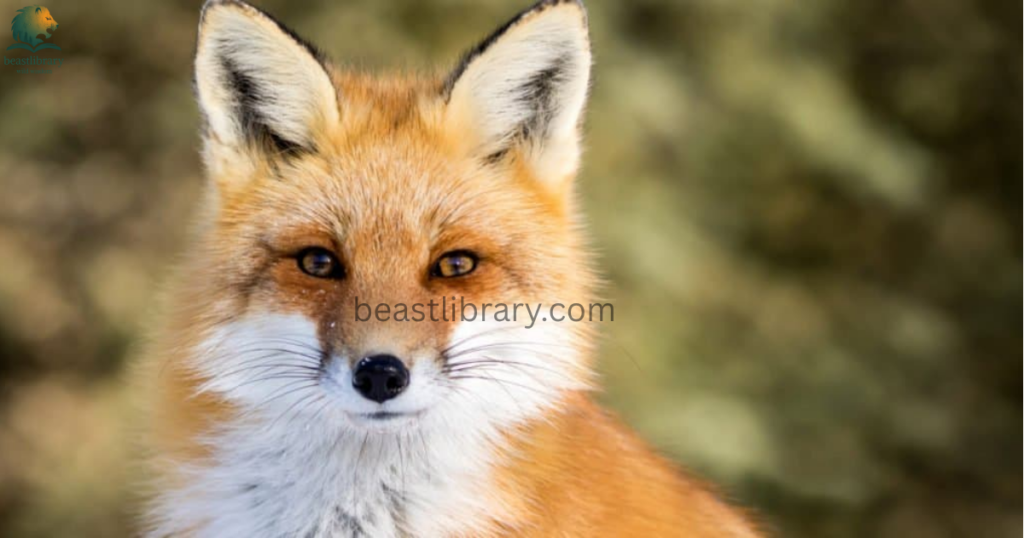
In the intricate web of nature, the cunning fox emerges as a surprising predator, albeit infrequently, of monkeys. While primarily known for their agility and adaptability in diverse environments, foxes are opportunistic feeders.
In areas where their habitats overlap with monkey populations, such as certain forested regions, a fox may target young or weak primates, especially if other food sources are scarce. This unusual dietary choice highlights the versatility of the fox in navigating the complexities of the food chain.
8. Hawks
Class: Aves
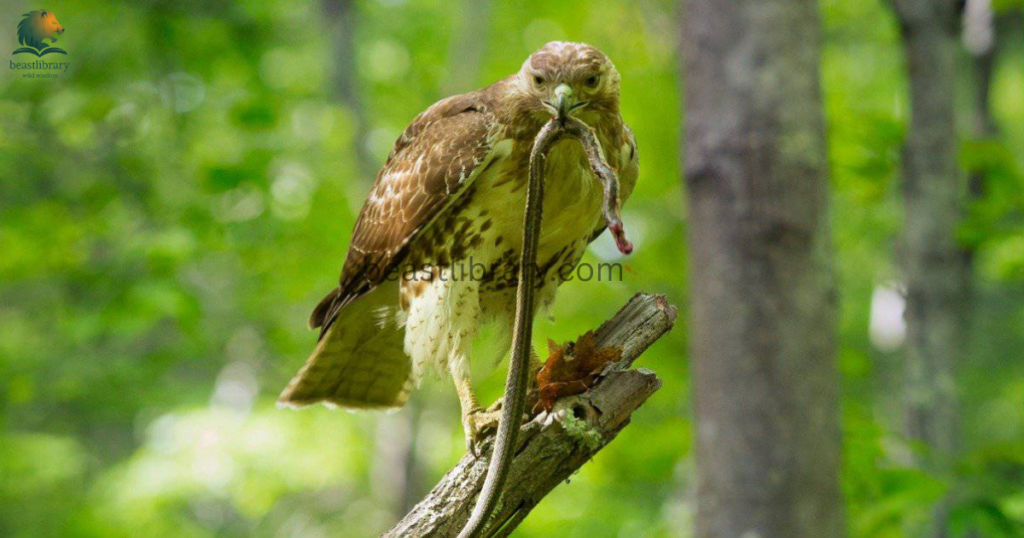
Hawks, with their keen eyesight and masterful hunting skills, are adept predators in the animal kingdom, occasionally setting their sights on monkeys. Though these raptors primarily hunt smaller mammals or birds, certain species of hawks have been observed employing impressive aerial tactics to snatch primates.
The balance of ecosystems where even primates, often seen at the top of their food chain due to their intelligence and social structures, can fall victim to aerial hunters.
9. Komodo Dragons
Scientific Name: Varanus komodoensis
Class: Reptilia
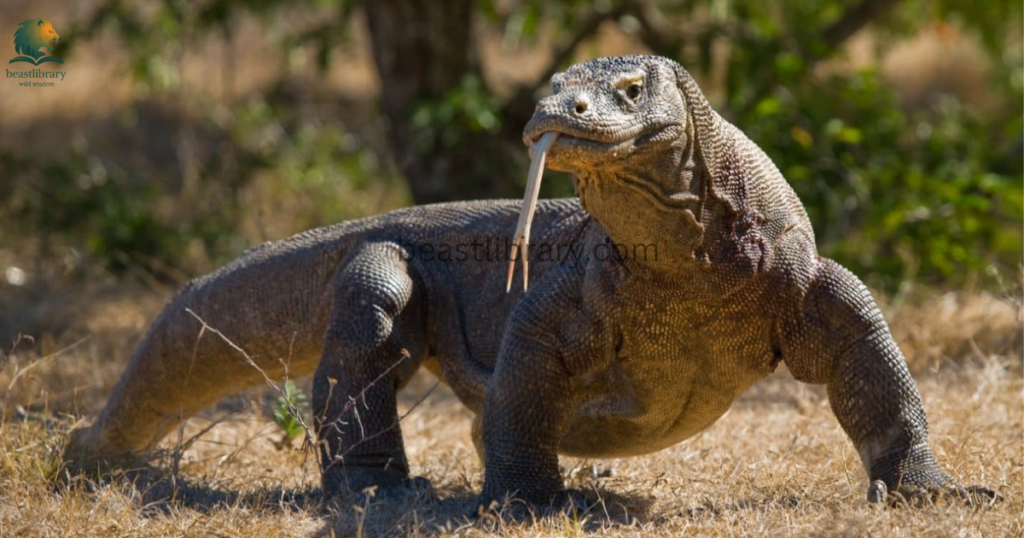
Komodo dragons, the formidable giants of the lizard family, are known for their impressive hunting skills and formidable arsenal of predatory tactics. While their diet typically consists of small mammals, birds, and carrion.
They have been observed preying on monkeys an unusual and striking choice among their more common fare. With their keen sense of smell and remarkable patience, these reptiles can stalk their prey for hours, waiting for the opportune moment to ambush.
10. Reticulated Python
Scientific Name: Malayopython reticulatus
Class: Reptilia
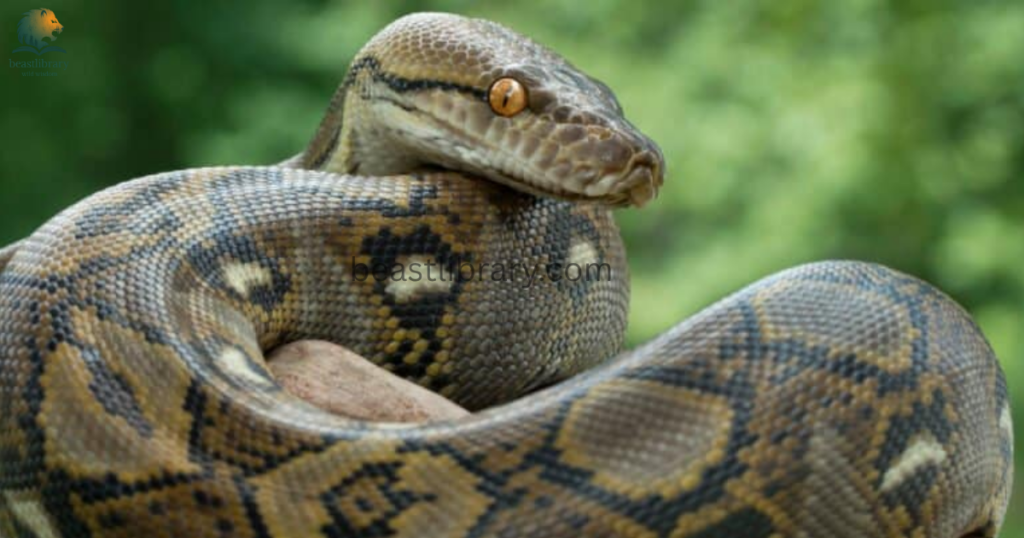
The reticulated python, one of the longest snakes in the world, embodies both elegance and predatory ferocity, making it a formidable foe in the jungles of Southeast Asia. Known for its impressive hunting skills, this constrictor has a varied diet that occasionally includes monkeys.
Utilizing its exceptional camouflage, the reticulated python can silently blend into the thick foliage, waiting for the perfect moment to strike. They are monkey predator and what eats monkeys in rainforest.
11. Philippine Eagle
Scientific Name: Pithecophaga jefferyi
Class: Aves
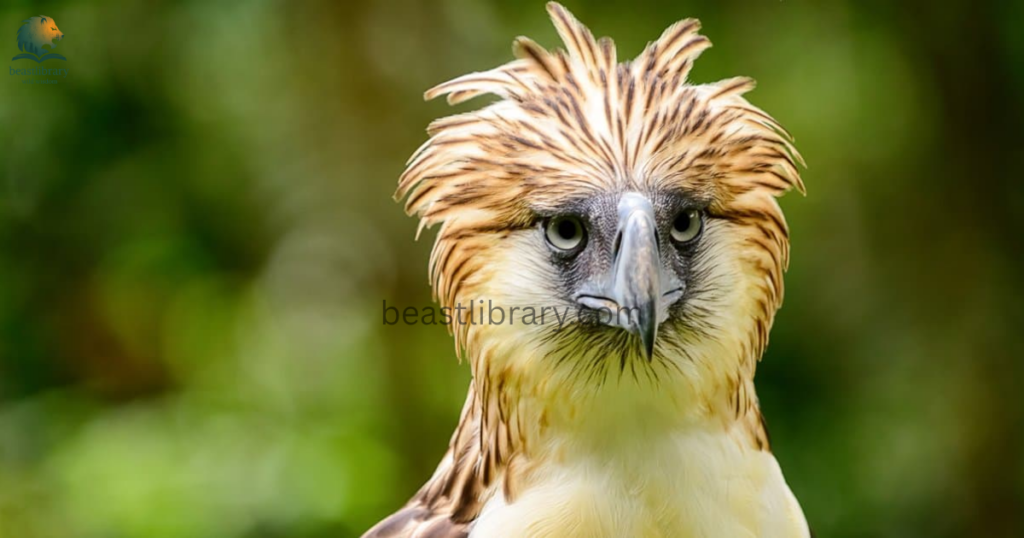
The Philippine eagle, known for its incredible size and striking appearance, reigns as one of the apex predators in its lush, tropical habitat. This formidable bird of prey can reach a wingspan of up to seven feet, providing it with both the power and agility to navigate the dense canopies of the Philippines.
While its diet includes a variety of small mammals and birds, it’s the consumption of monkeys that adds an intriguing layer to its predatory repertoire.
12. Chimpanzee
Scientific Name: Pan troglodytes
Class: Mammalia
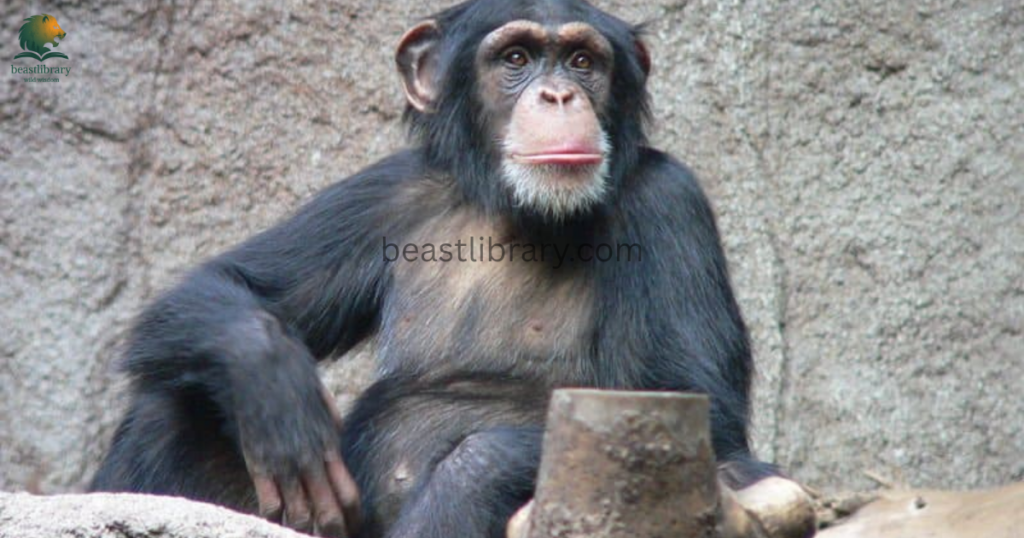
Chimpanzees, often regarded as charming and intelligent, exhibit a surprising predatory side when it comes to their interactions with other primates. In the wild, these social creatures demonstrate a complex hierarchy that sometimes leads them to hunt and consume smaller monkeys, particularly in times of scarcity.
This behavioral aspect, often overlooked in favor of their more endearing traits, showcases their adaptability and cunning nature.
13. Cheetahs
Scientific Name: Acinonyx jubatus
Class: Mammalia
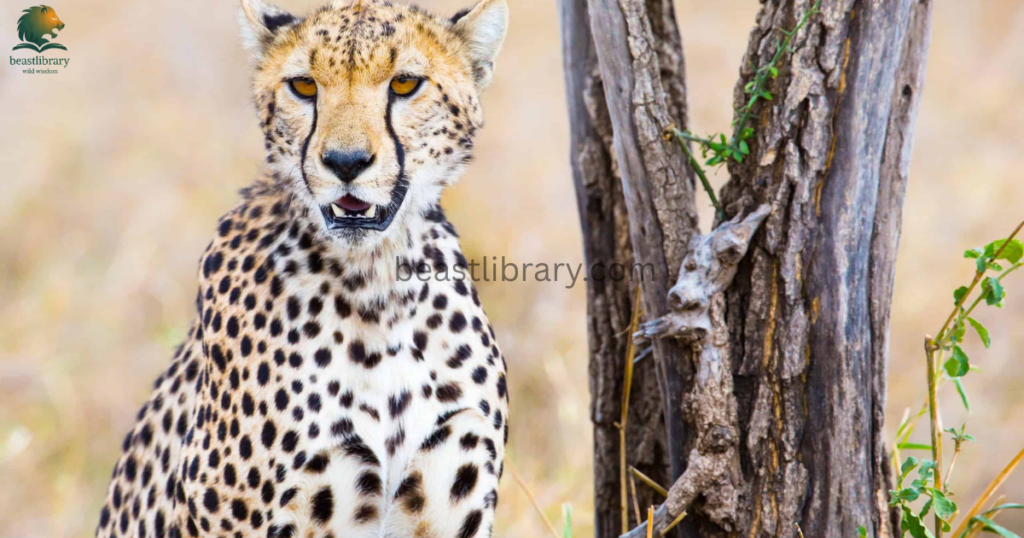
Cheetahs, renowned for their unparalleled speed and agility, are not often associated with hunting monkeys, yet these sleek predators can, on occasion, capitalize on a vulnerable primate.
While their primary diet consists of ungulates like gazelles, cheetahs have been known to adapt to their environment and target smaller prey. Which includes various species of monkeys, especially in regions where their paths intersect.
14. Tigers
Scientific Name: Panthera tigris
Class: Mammalia
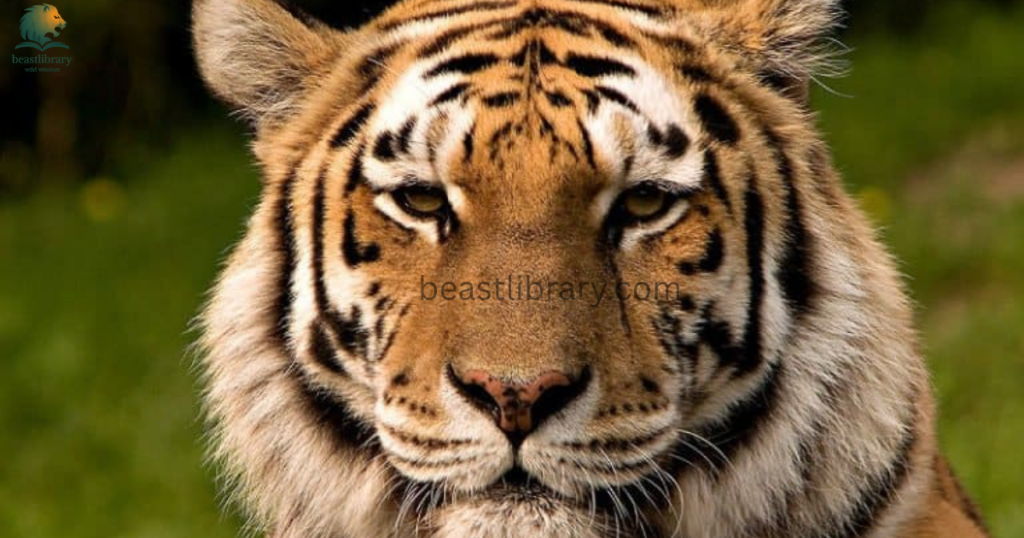
While tigers are often celebrated as apex predators within their ecosystems, the notion of them preying on monkeys offers a glimpse into the complexity of animal relationships. In their natural habitat, particularly in parts of Southeast Asia, tigers have been known to consider monkeys, such as macaques and langurs, as part of their varied diet.
15. Crowned Eagle
Scientific Name: Stephanoaetus coronatus
Class: Aves
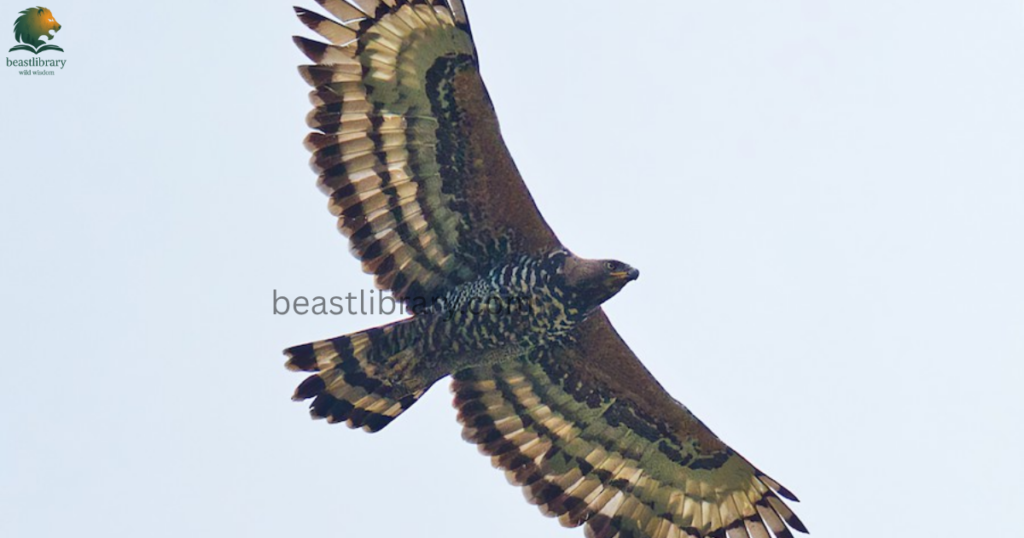
The crowned eagle, often regarded as Africa’s most formidable raptor, showcases an astonishing blend of power and precision, setting it apart in the avian hunting world. With a wingspan that can exceed seven feet, this eagle soars through the tropical forests of sub-Saharan Africa.
Unlike many other eagles that favor smaller mammals or birds, the crowned eagle has developed a taste for primates, particularly monkeys.
16. Dhole
Scientific Name: Cuon alpinus
Class: Mammalia
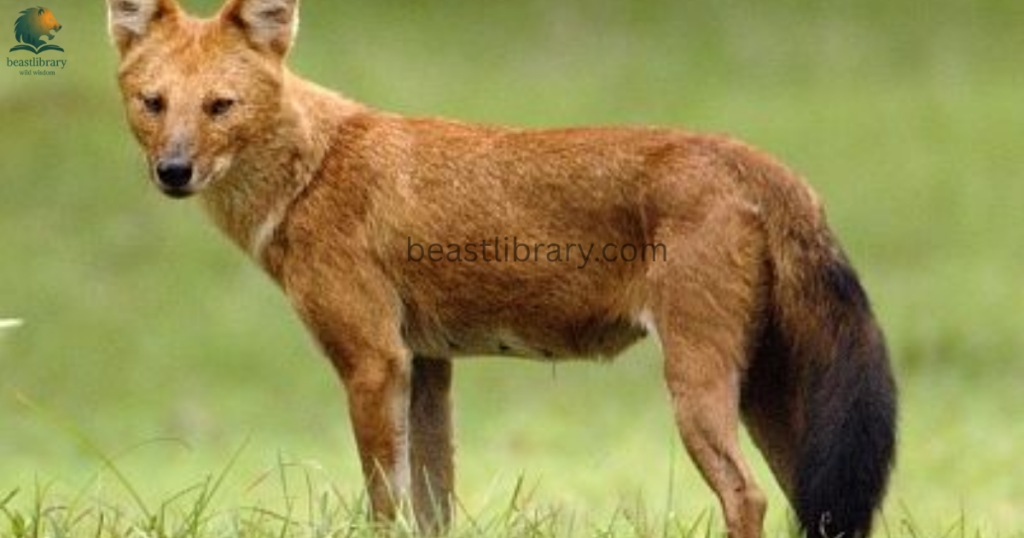
The dhole, often overshadowed by more famous predators, is an Animals That Eat Monkeys.This social canid, native to the forests and grasslands of Asia, has a unique hunting strategy that often includes packs an attribute that sets it apart from many solitary predators.
Dholes are known for their remarkable vocalizations, which help coordinate their hunts and ultimately lead to the capture of prey, including monkeys.
17. Harpy Eagles
Scientific Name: Harpia harpyja
Class: Aves
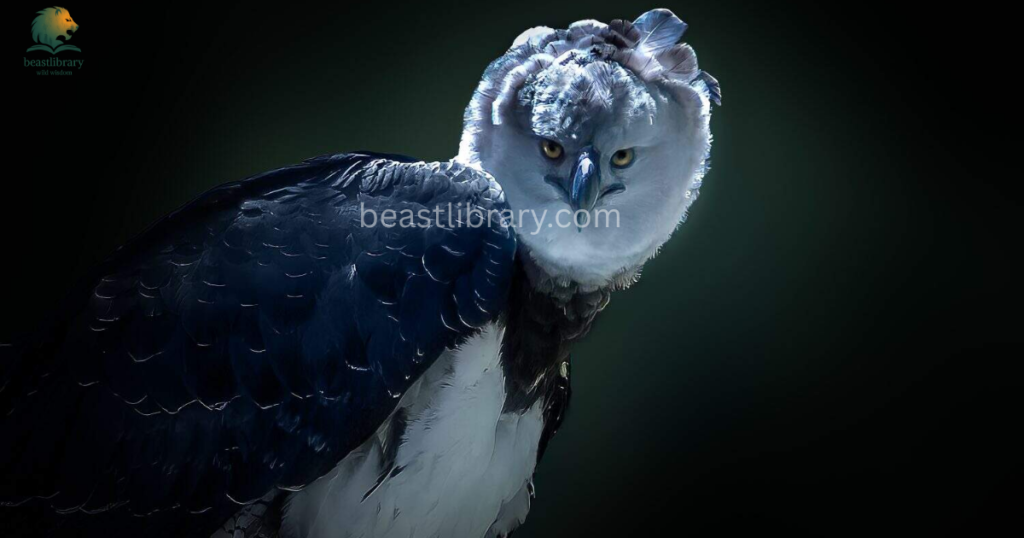
The Harpy Eagle, one of the largest and most powerful birds of prey, showcases a predatory prowess that is both awe-inspiring and slightly unsettling. With a wingspan reaching up to 7 feet, these magnificent raptors dominate the treetops of Central and South American rainforests.
Their keen eyesight and incredible strength allow them to hunt a variety of animals, including monkeys specifically, species like the howler and spider monkeys.
18. Wild Dog
Scientific Name: Lycaon pictus
Class: Mammalia
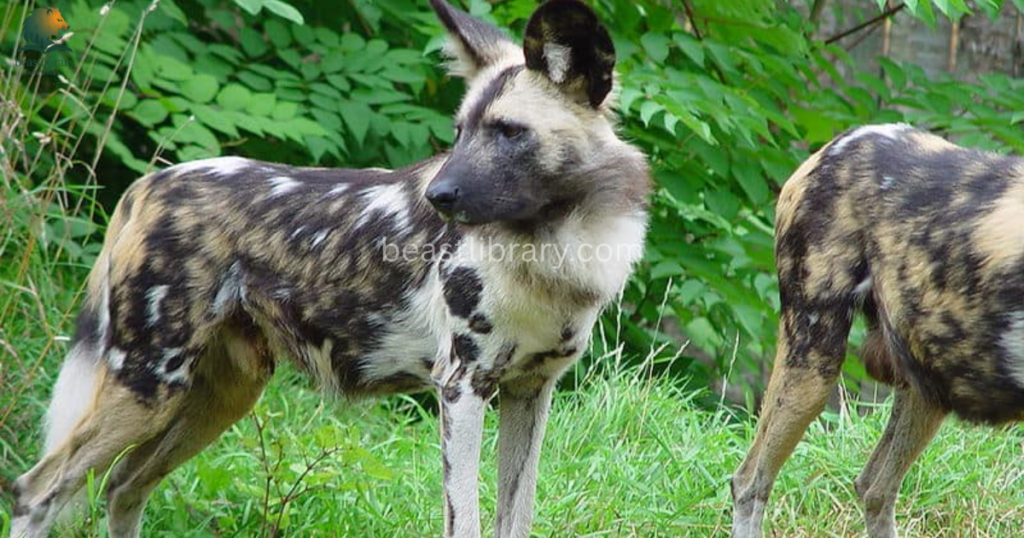
Wild dogs, particularly the African wild dog, are formidable hunters with a unique strategy that sets them apart in the animal kingdom. Unlike solitary predators, these highly social canines rely on teamwork and sophisticated communication to take down prey, including monkeys.
Their success hinges on their stamina and relentless pursuit, allowing them to exhaust agile targets in a game of endurance rather than strength.
19. Alligators
Class: Reptilia
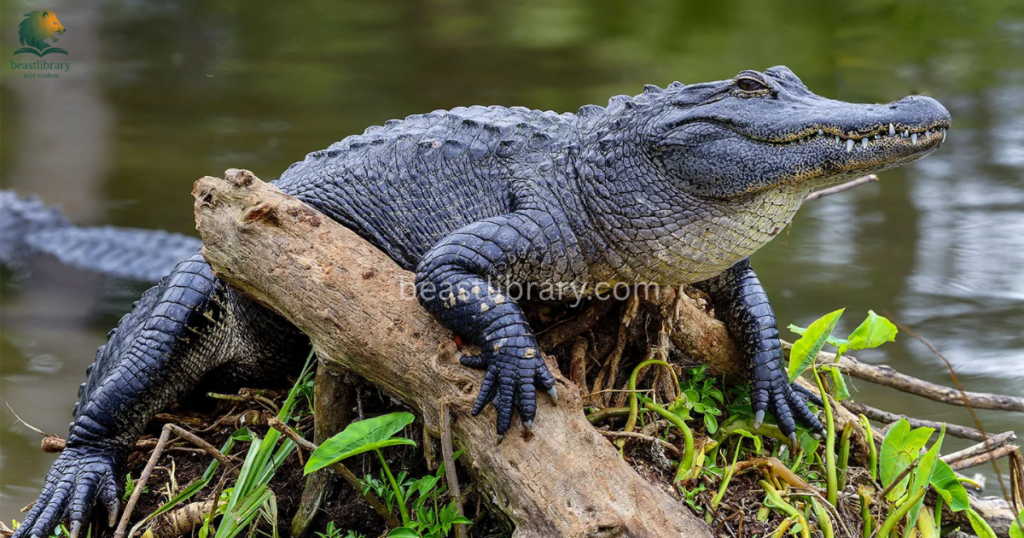
Alligators are adept ambush predators, often lurking in the murky waters of their habitats until the perfect opportunity arises. While they are most commonly associated with fish and birds, these formidable reptiles are also known to take down monkeys that venture too close to the water’s edge.
Species such as the howler and spider monkey, while nimble in the treetops, can fall prey to a stealthy alligator waiting beneath the surface, showcasing the ruthless dynamics of predator-prey interaction.
20. Jaguars
Scientific Name: Panthera onca
Class: Mammalia
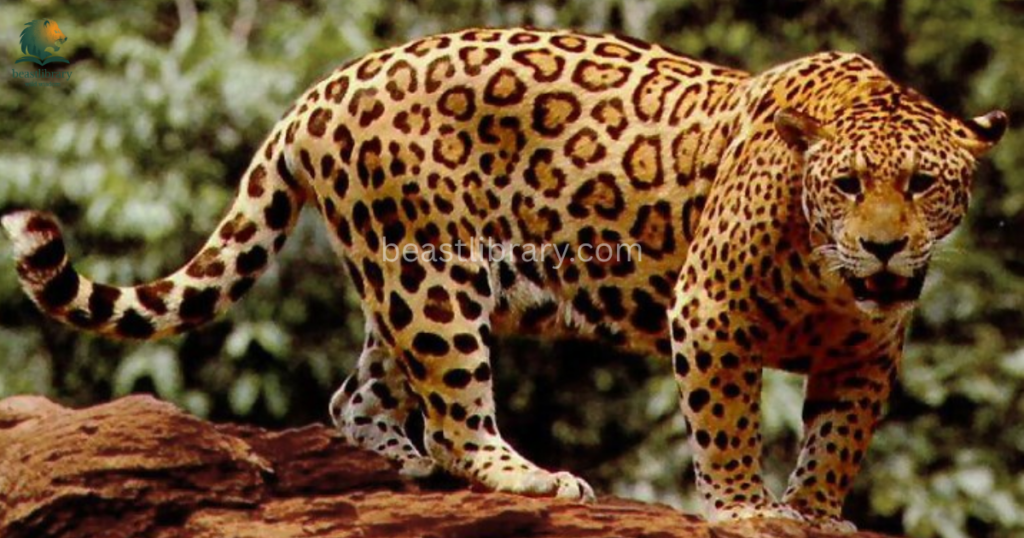
Jaguars are apex predators, renowned not only for their striking coat patterns but also for their incredible strength and cunning hunting techniques. They are sharp teeth animals of wild. These big cats inhabit the lush rainforests and riverine ecosystems of Central and South America.
Where they have adapted to a diverse array of prey among the more surprising items on their menu is the monkey, particularly capuchins and howler monkeys, which often inhabit the same treetops that jaguars stealthily traverse.
Conclusion
Animals that Eat Monkeys play a vital role in keeping forest ecosystems balanced and healthy. By hunting primates control monkey populations, which helps protect local plant life and fruit supplies. Preserving these hunters ensures that rainforests remain wild, rich, and naturally in harmony.
FAQs
What eats monkeys in the rainforest?
In the rainforest, big cats like jaguars and leopards, along with powerful raptors like harpy eagles, actively hunt monkeys in the trees and on the ground. Large constrictor snakes, such as anacondas and pythons, also prey on monkeys by ambushing them in the dense foliage.
Do tigers eat monkeys?
Yes, tigers do eat monkeys, but it’s not their primary source of food. Tigers are opportunistic hunters and will prey on a variety of animals based on availability.
Do cheetahs eat monkeys?
Yes, cheetahs can eat monkeys, but it’s not a common part of their diet. Cheetahs primarily hunt smaller ungulates like gazelles and impalas.