Unique Top 19 Animals that Growl: Pictures (included)
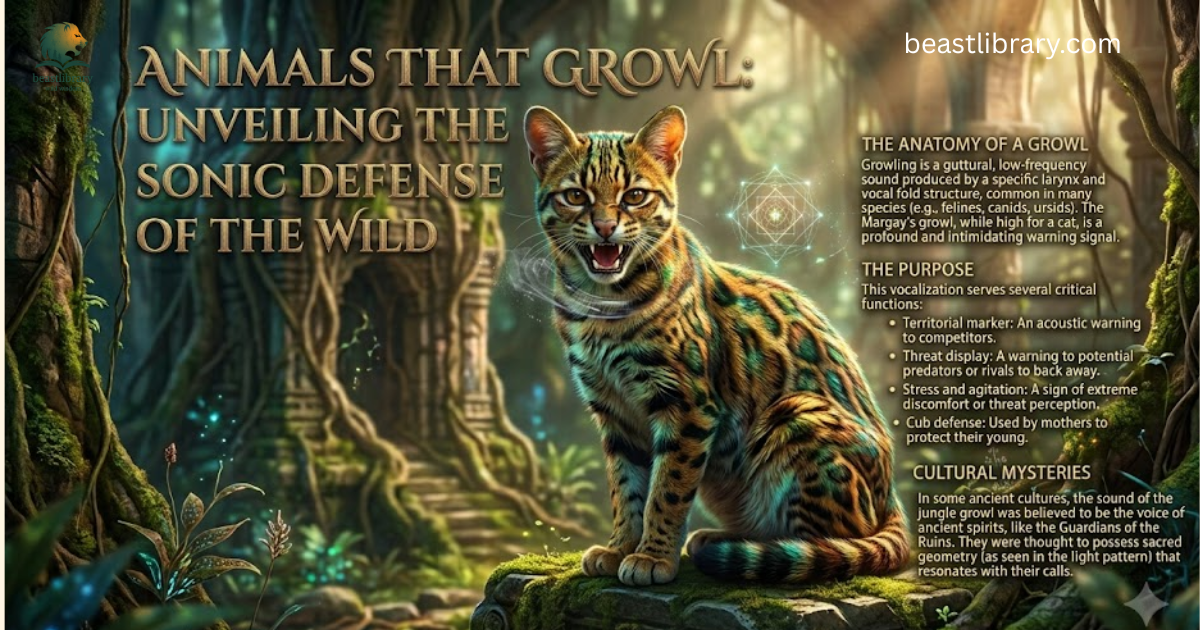
Animals that growl use this low, rumbling sound to communicate, set clear boundaries, and protect themselves without fighting. Growling animals protect their resources and personal space without risking unnecessary injury.
List of Animals that Growl
Below is the list of growling animals:
- Lion
- Dogs
- Bears
- Domestic cats
- Hyena
- Tiger
- Crocodiles
- Leopard
- Wolf
- Gorilla
- Jaguar
- Badgers
- Foxes
- Alligators
- Llamas
- Opossums
- Raccoons
- Hippopotamus
- Elephant
1. Lion
Scientific Name: Panthera leo
Class: Mammalia
Diet: Carnivore
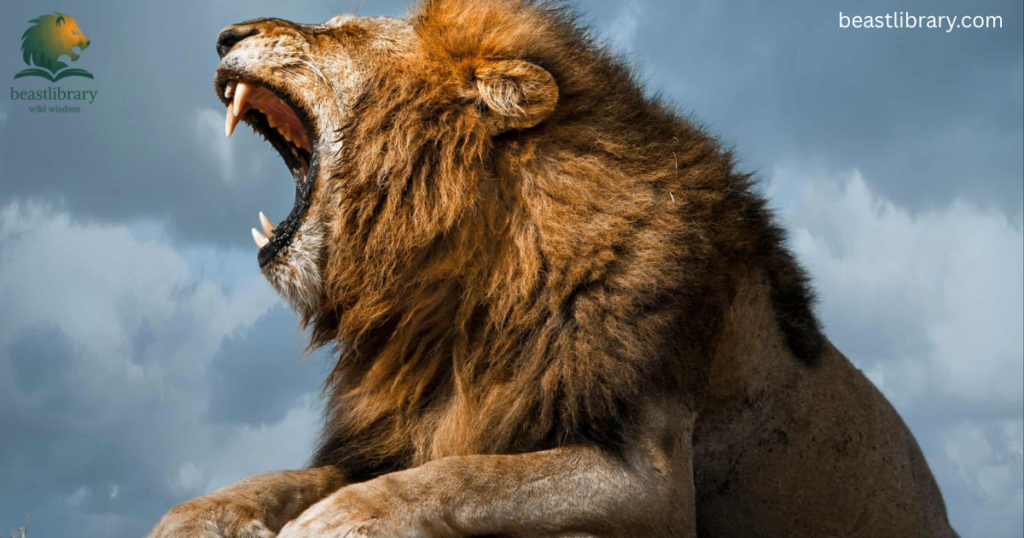
Lions are whiskered animals often dubbed the kings of the jungle for the powerful growls that resonate through the savannah. This vocalization serves a multitude of purposes, from asserting dominance over their territory to signaling their presence to both rival males and potential prey.
Lions are social animals, and their vocal interactions, including growls, help maintain cohesion and unity among pride members. Their growls, rich with emotional undertones, serve as a reminder of the fierce yet nurturing dynamics that exist in the wild.
2. Dogs
Scientific Name: Canis lupus familiaris
Class: Mammalia
Diet: Omnivore
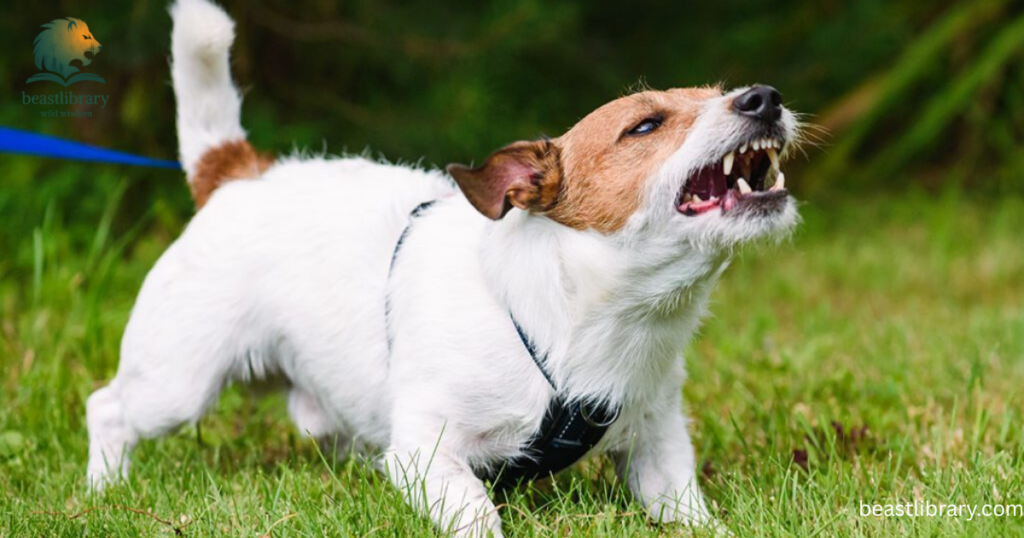
Dogs growl for a variety of reasons, often serving as a vital form of communication within their social structures. This low, rumbling sound can indicate anything from excitement to warning, reflecting the dog’s emotional state.
Dog might growl during play to signal enthusiasm, while a different growl could serve as a warning to perceived threats. Not all growls are created equal. The context in which they occur can unlock layers of meaning that go beyond simple aggression or fear.
For example, researchers have found that certain breeds exhibit specific growling patterns based on their unique histories and roles in human society herding dogs may have a playful, rounded growl, while guard dogs may produce a deeper, more resonant sound.
3. Bears
Scientific Name: Ursidae
Class: Mammalia
Diet: Omnivore
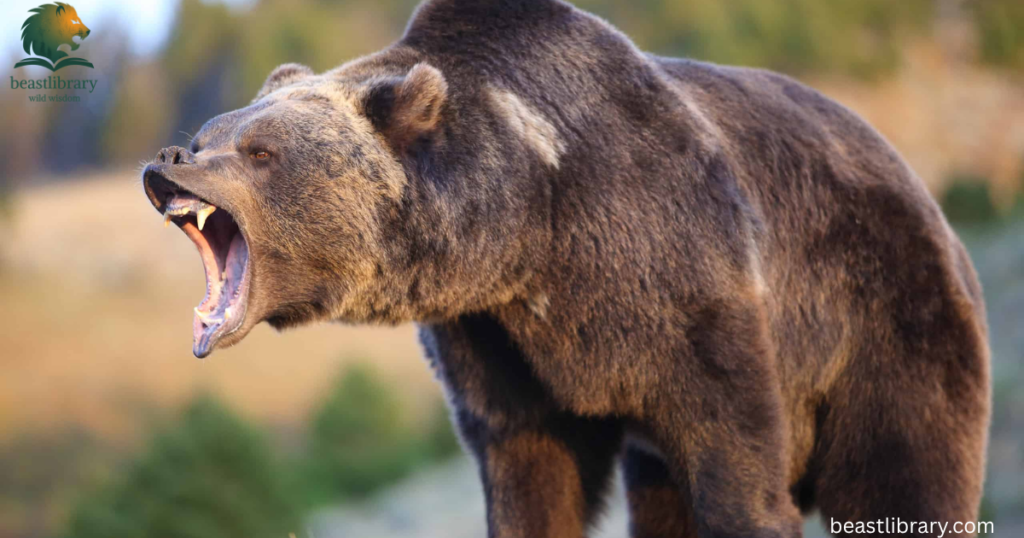
Bears growl not only to assert dominance but also to communicate a range of emotions, from discomfort to aggression. This vocalization often surprises those who imagine these majestic creatures as simply lumbering in silence.
The low, powerful rumble emanating from a bear can be an effective deterrent its deep resonance signals strength and confidence, sending a clear message to potential rivals or threats. Bear growls can vary in pitch and intensity, revealing nuances in their mood and intentions.
Young bears often mimic their mother’s low growls during games, honing their communication skills and establishing social bonds. This rich vocal repertoire illustrates the complexities of bear behavior, showcasing the intricate social dynamics at play within their family units.
4. Domestic cats
Scientific Name: Felis catus
Class: Mammalia
Diet: Carnivor
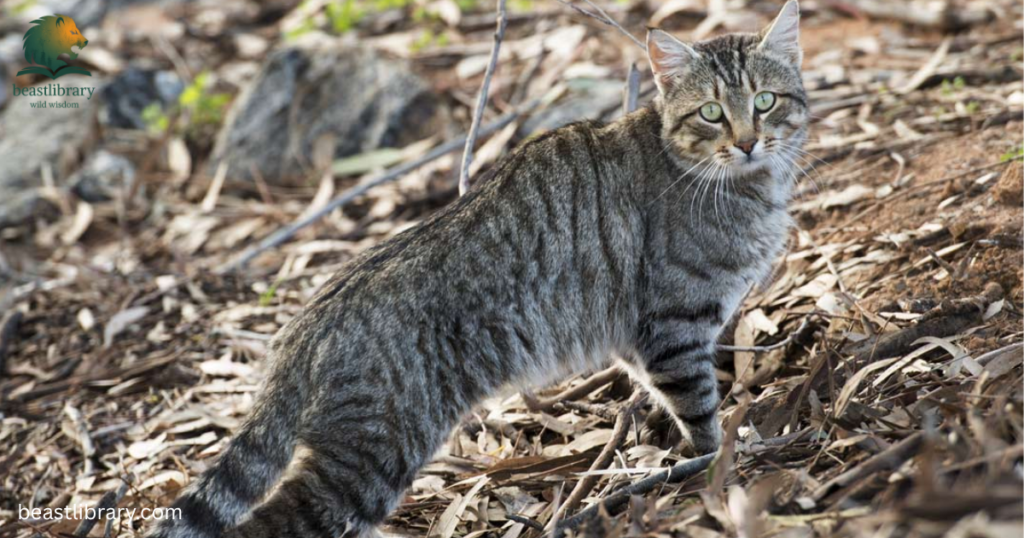
The growl of a domestic stripped cat is a unique blend of communication and instinct. While many people associate growling with aggression, in cats, it’s a nuanced expression of emotion. Observing a cat’s body language alongside its growl can reveal a wealth of information.
Cat’s growl is not just about asserting dominance or protecting its space; it also reflects their deep-seated evolutionary history. Descended from solitary hunters, their growl serves as a survival tool, instilling caution in rivals and predators alike.
This primal instinct continues to manifest in our domesticated companions, reminding us of their wild lineage. Cats are growling animals that can see at dark. By tuning into these growls and the contexts behind them, cat owners can forge a deeper bond with their furry friends.
5. Hyena
Scientific Name: Crocuta crocuta (Spotted Hyena)
Class: Mammalia
Diet: Carnivore/Scavenger
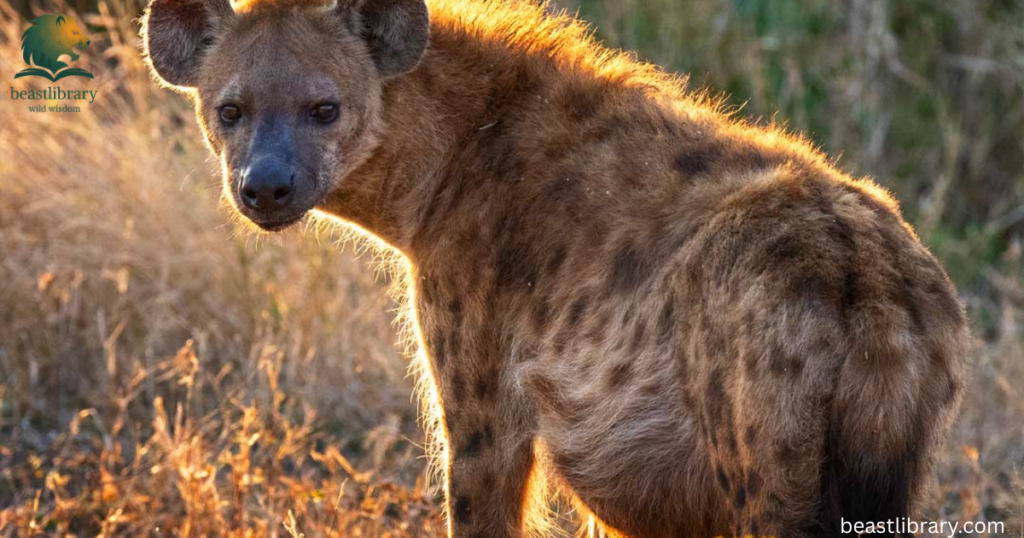
Hyenas are often unfairly labeled as mere scavengers, yet their growls and whoops reverberate with a complexity that reveals much about their social structures and communications. These vocalizations serve strengthen bonds within their highly organized clans.
These growling animals are surprisingly intelligent, exhibiting problem-solving skills and social hierarchies. When hyenas growl during a hunt, their collaboration showcases a level of teamwork that emphasizes both strategy and instinct.
6. Tiger
Scientific Name: Panthera tigris
Class: Mammalia
Diet: Carnivore
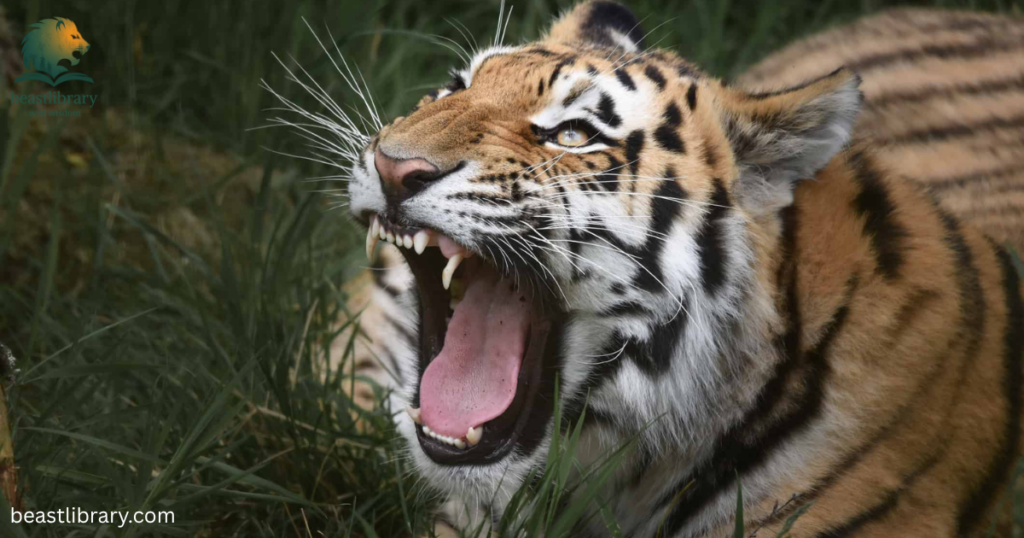
The tiger’s growl is more than just a sound. It’s a primal echo that resonates through the forests and grasslands where these magnificent creatures roam. A tiger’s growl can be heard from miles away, serving both as a declaration of territory and a warning to intruders.
This deep, rumbling vocalization carries a weight of authority, reflecting the tiger’s position as the apex predator in its ecosystem.
7. Crocodile
Scientific Name: Crocodylus
Class: Reptilia
Diet: Carnivore
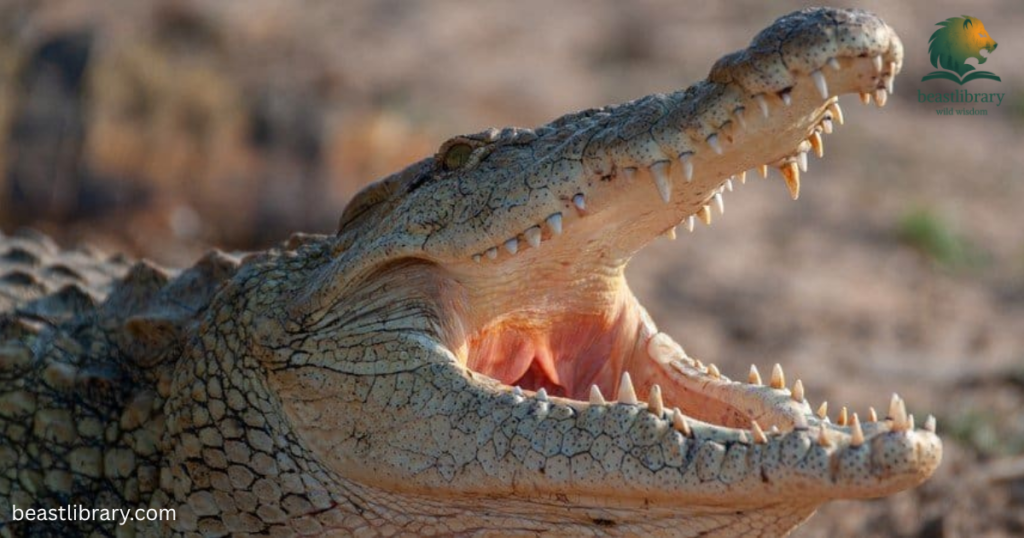
Crocodiles are not just formidable predators but also possess a unique vocalization that captivates those lucky enough to observe it. Their growl, often heard during mating season or territorial disputes, resonates like deep thunder rolling across a still pond.
This primal sound is produced not only through their mouths but also through vibrations in their bodies, allowing them to communicate even underwater. Such versatility highlights their adaptability to various environmental challenges, enabling these ancient reptiles to thrive across diverse habitats.
Animals growling serves multiple social functions within crocodile communities. It can deter competitors, while at the same time attracting potential mates, showcasing a delicate balance of both aggression and allure.
8. Leopard
Scientific Name: Panthera pardus
Class: Mammalia
Diet: Carnivore
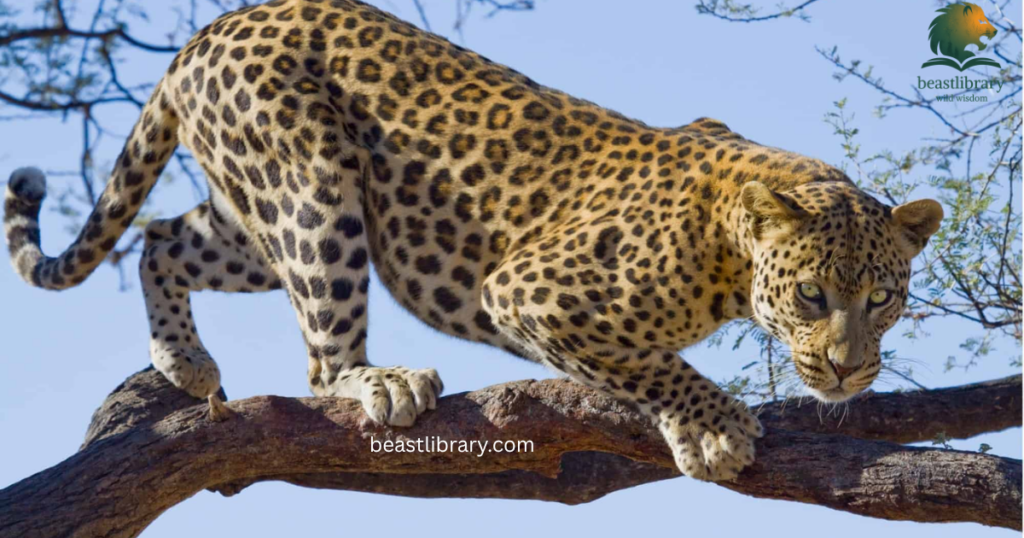
The leopard, with its sleek, spotted coat and powerful physique, epitomizes both grace and ferocity in the wild. When it growls, this majestic cat not only asserts dominance but also communicates an intricate tapestry of emotions, ranging from territorial warnings to signals of distress.
A leopard’s growl is a deep, resonant sound that resonates through the African savannah, leaving other animals on high alert. It serves as a reminder of the predator’s presence, a sophisticated language that echoes through the dark canopies where they stealthily navigate.
Leopards exhibit an intriguing social dynamic compared to many solitary predators. Their growls can even serve as a behavioral tool during mating rituals, where they express territory and attraction simultaneously.
9. Wolf
Scientific Name: Canis lupus
Class: Mammalia
Diet: Carnivore
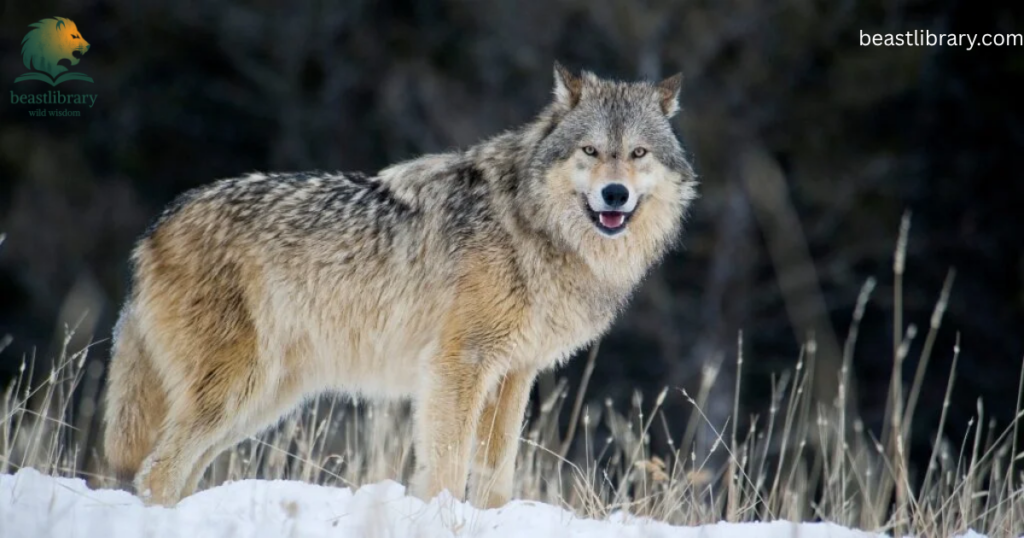
The wolf’s growl is a primal symphony, echoing through the forests and mountains where these majestic creatures roam. Unlike common perceptions of snarling aggression, a wolf’s growl serves as a versatile form of communication within their social structure.
It can indicate anything from a warning to rivals to a gentle signal among pack members, highlighting the intricacy of their interactions. This deep, resonant sound conveys emotion and intention, reinforcing the bonds that keep the pack united.
In varying habitats from sprawling tundras to dense woodlands wolves adjust their vocalizations to resonate with their environment, ensuring effective communication over long distances. This adaptability not only aids in hunting and territory defense but also enriches their role as apex predators.
10. Gorilla
Scientific Name: Gorilla gorilla
Class: Mammalia
Diet: Herbivore/Omnivore
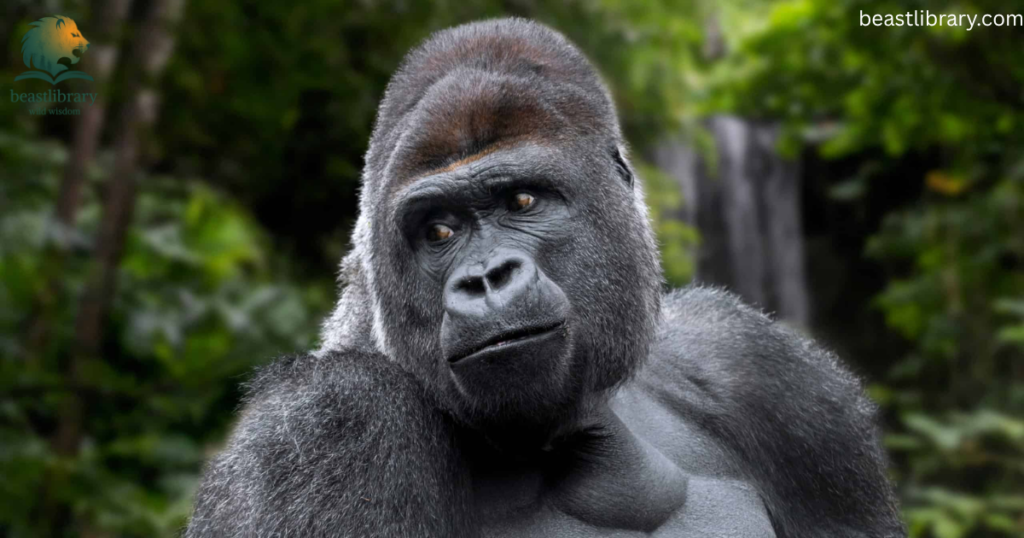
Gorillas, with their impressive size and strength, are often perceived as gentle giants, yet their growls reveal a complex emotional landscape. This low-frequency vocalization serves multiple purposes, from communication within their social groups to asserting dominance during moments of tension.
When a silverback growls, it can resonate deeply in the forest, signaling authority and warning potential rivals. Unlike the aggressive growls of some predators, a gorilla’s growl is layered with emotion a mix of defensiveness, reassurance, or even an invitation to play among friends.
11. Jaguar– Animals that Growl
Scientific Name: Panthera onca
Class: Mammalia
Diet: Carnivore
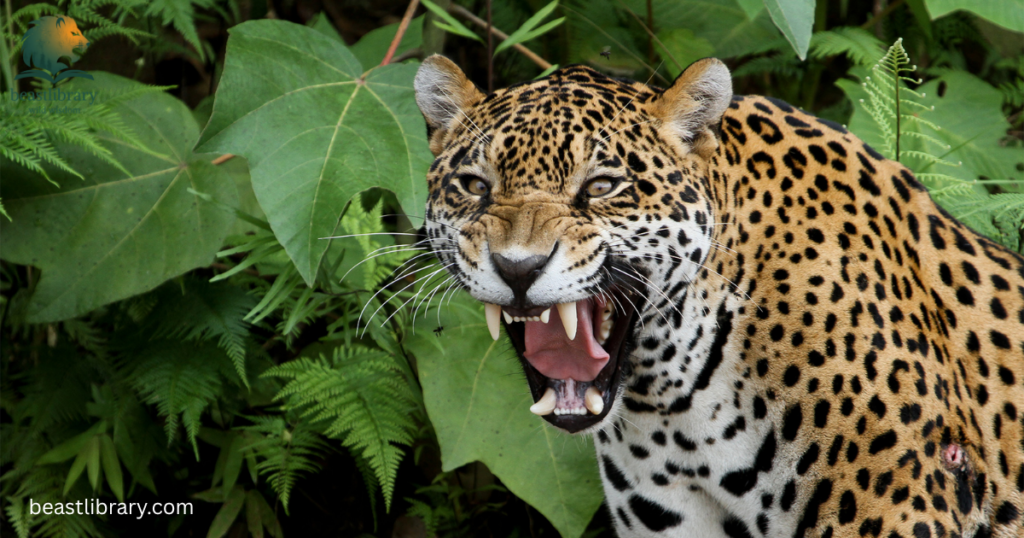
The jaguar spotted growling animal found primarily in the rainforests of Central and South America, possesses a growl that echoes through the dense underbrush, commanding attention and respect.
This vocalization serves multiple purposes: while it is a powerful means of communication, signaling territory and dominance. It also plays a crucial role in the intricate social dynamics of these solitary hunters.
When a mother jaguar growls, it can instill fear in potential threats, protecting her cubs from lurking predators. Conversely, the low purring growl that sometimes accompanies interactions between mating pairs underscores a complex blend of intimacy and aggression.
12. Badgers
Scientific Name: Meles meles
Class: Mammalia
Diet: Omnivore
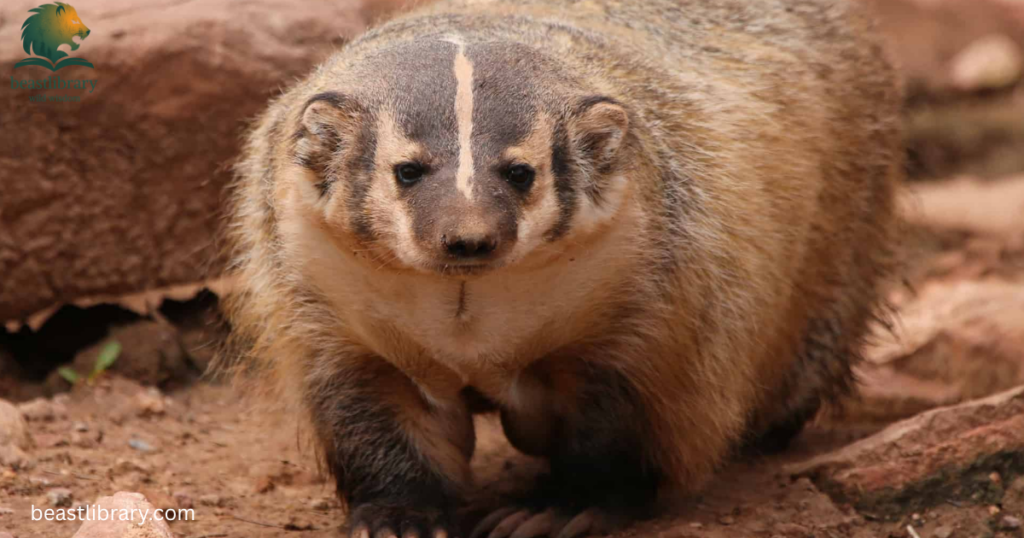
Badgers, with their stocky frames and distinctive black-and-white markings, possess a surprisingly fierce vocal repertoire, among which growling stands out. This guttural sound often acts as a warning to potential threats encroaching upon their burrows.
Their growls reflect not only their physical strength but also their tenacity in defending territory. In the wild, these sounds serve as an effective deterrent, signaling assertiveness and resilience to would-be intruders.
13. Foxes
Scientific Name: Vulpes vulpes
Class: Mammalia
Diet: Omnivore
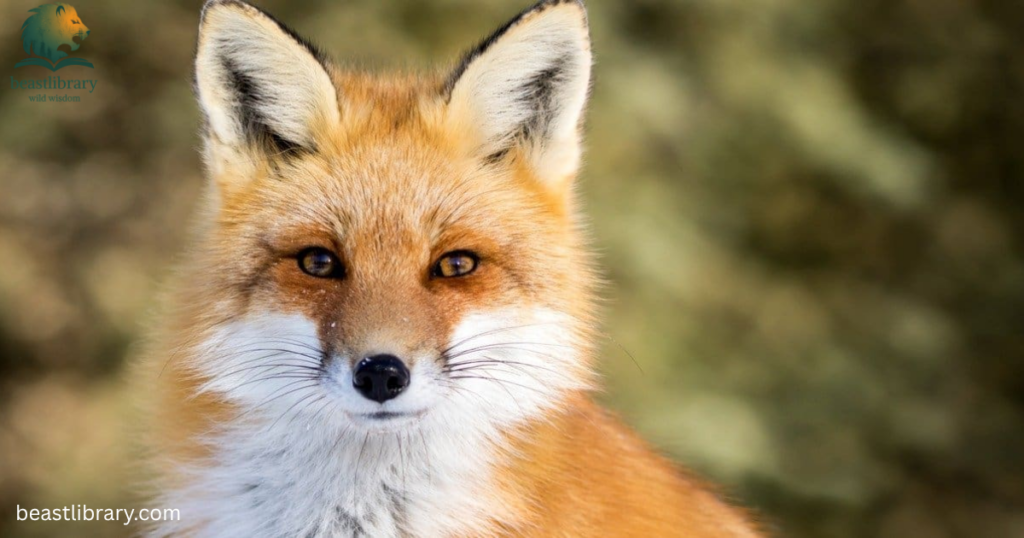
Among the elusive creatures of the wild, foxes display an intriguing mix of cunning intelligence and vocal prowess. Known for their striking red fur and bushy tails, these animals aren’t shy about expressing themselves, and their growls are an essential part of their communication repertoire.
Unlike the deep, menacing growls of larger predators, the fox’s growl tends to be more nuanced, often resembling a series of barks or chortles that can signify everything from alerting family members to warnings about potential threats.
In dense foliage or during the twilight hours, these sounds can relay an intricate social dynamic within their packs. With over a dozen types of vocalizations, including yelps and howls, the growl serves as merely one tool in their communication toolbox.
14. Alligators
Scientific Name: Alligator mississippiensis
Class: Reptilia
Diet: Carnivore
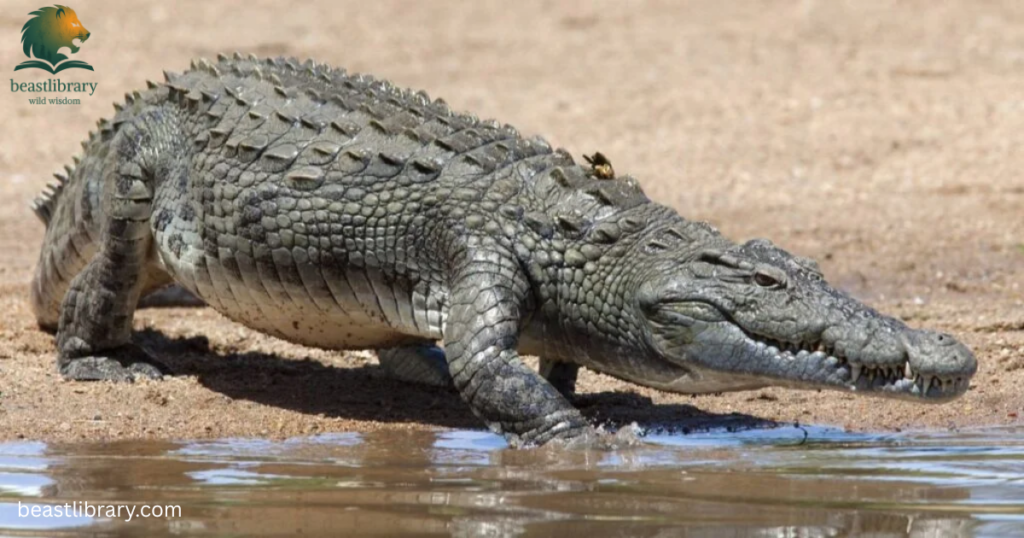
The growl of an alligator is more than just a show of power. It’s a complex communication tool that plays a vital role in their social interactions and territorial displays. These ancient reptiles possess a variety of vocalizations, but their low-frequency growls can resonate through the water, permitting them to communicate over long distances
Researchers have observed that these growls can change tone and intensity depending on the situation, reflecting the animal’s mood be it aggression, mating calls, or even a warning to intruders. They are strong bite growling animals in wild.
This rich vocal repertoire showcases not just their strength, but also an evolutionary advantage that allows for nuanced interactions within their often solitary lives. In a world filled with diverse animal sounds, the alligator’s deep growl stands out as a powerful reminder of nature’s complexity.
15. Llamas
Scientific Name: Lama glama
Class: Mammalia
Diet: Herbivore
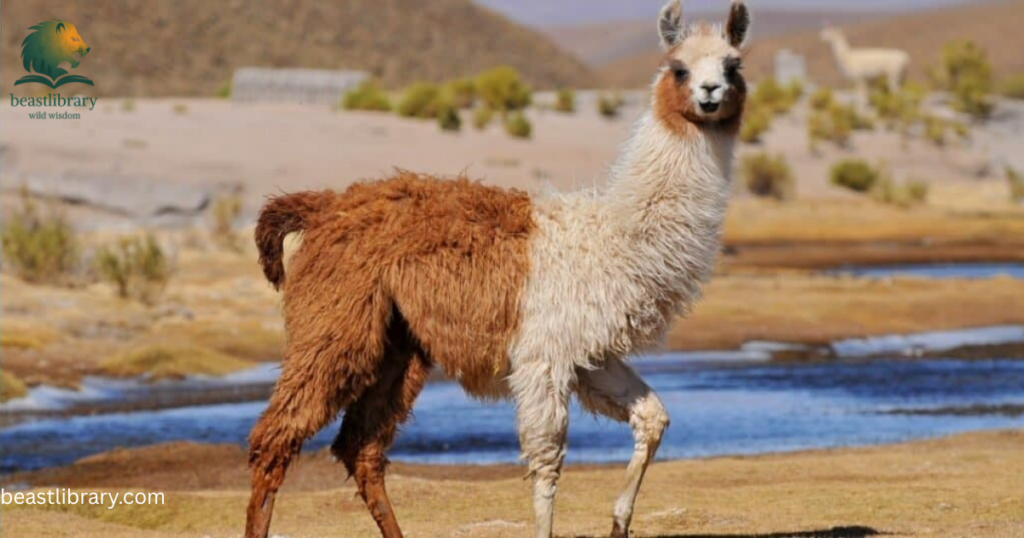
Llamas, often adored for their gentle demeanor and expressive faces, possess a surprisingly fierce vocal repertoire, notably their growl. This deep, resonant sound serves as a warning, an assertion of dominance, or even an expression of frustration.
While many might envision llamas as serene pack animals, their growls reveal a more complex side, shedding light on their social hierarchies and emotional lives. Docile llamas communicate not just through their growls but also by modulating the tone and intensity of their vocalizations.
In contrast, they may spit or make softer sounds when content, showcasing their range of emotional expression. This auditory communication is essential for social bonding, revealing the nuanced relationships llamas maintain within their herds and with other species.
16. Opossums
Scientific Name: Didelphis virginiana
Class: Mammalia
Diet: Omnivore
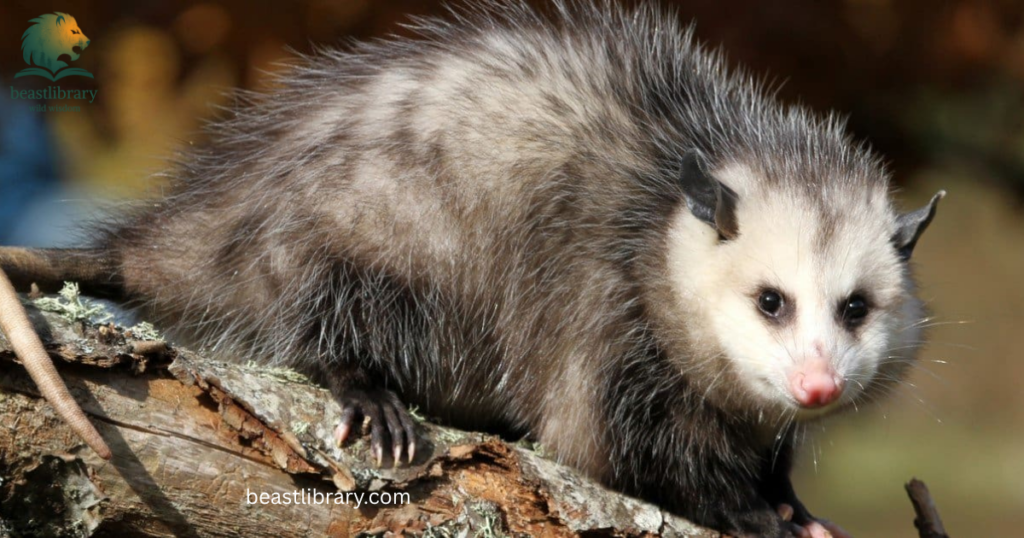
Opossums are often misunderstood creatures, known more for their ability to play dead than their vocalizations. Their growl adds an intriguing layer to their behavior. When cornered, opossums may emit a deep, throaty growl that resonates with both fear and defiance.
This vocalization serves as both a warning to potential threats and a means of communicating distress. Despite their small, often overlooked stature, opossums possess an impressive adaptability, and their growl is a testament to their survival instincts.
They are animals that sleep a lot. Growling animal opossum can be indicative of their emotional state. Research has shown that these sounds can vary in pitch and intensity, reflecting everything from annoyance to sheer panic.
17. Raccoons
Scientific Name: Procyon lotor
Class: Mammalia
Diet: Omnivore
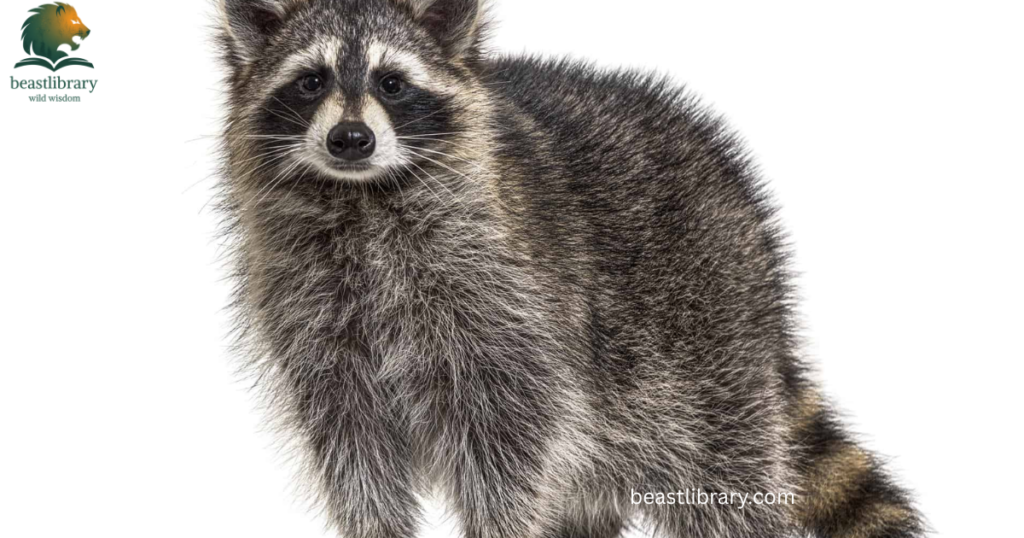
Raccoons are often misunderstood creatures, notorious for their mischievous antics and scavenging habits. Their growls, which can range from deep, throaty sounds to high-pitched growls, offer unique glimpse into their complex social interactions.
These vocalizations serve not only as a warning to potential threats but also facilitate communication among family members in the wild. When raccoons feel cornered or threatened, their growls can escalate into a series of hisses and clicks, a dramatic display that emphasizes their nuanced emotional engagement.
18. Hippopotamus
Scientific Name: Hippopotamus amphibius
Class: Mammalia
Diet: Herbivore
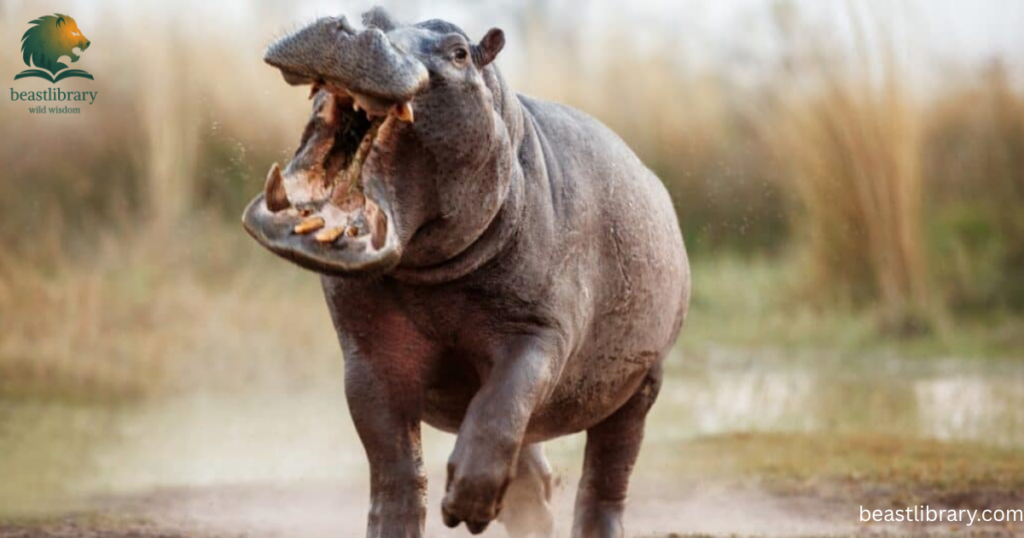
The hippopotamus, often perceived as a gentle giant, exhibits a surprisingly menacing growl that belies its seemingly docile exterior. This vocalization, a deep, rumbling sound that reverberates through the water and air, serve a means of communication among hippos themselves.
When a hippo growls, it can signal territorial disputes, especially during the hot days when groups are crowded in the limited space of a riverbank. The sound travels impressively well, allowing hippos to assert dominance and maintain social order across vast distances.
19. Elephant
Scientific Name: Elephas maximus
Class: Mammalia
Diet: Herbivore
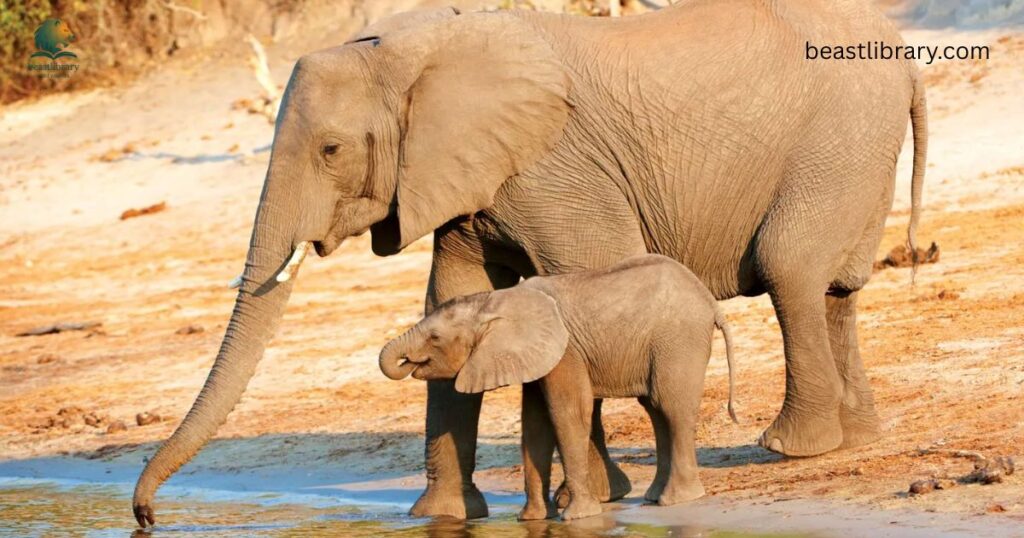
Elephant is unique animal that live in mud which is also humble animal. Most people think elephants only trumpet, but many ask: do elephants growl? The answer is yes. Elephants make a very deep elephant low frequency growl to talk to their family.
This sound is often called an elephant infrasonic rumble. It is so low that human ears can barely hear it, but other elephants can feel it through the ground from miles away. Elephant is growling animal that can not jump in wild.
Conclusion
Animals that growl rely on these powerful vocal signals as a vital survival tool to avoid unnecessary conflict. By paying attention to why animals growling, we can better understand their boundaries.
Respecting these natural warning signs is essential for staying safe around wildlife and building stronger bonds with domestic pets.
FAQs
What animals growl?
Carnivores such as wolves, dogs, bears, tigers, lions, and leopards growl to signal warnings or defend their territory. Other animals like alligators, badgers, gorillas, and even domestic cats also produce low growling sounds when threatened.
What are the top 3 loudest animals?
Sperm Whale: Produces echolocation clicks reaching up to 230 dB underwater. Tiger Pistol Shrimp: Snaps its claw to launch a high-speed water bubble that collapses at over 200 dB. Blue Whale: Emits low-frequency vocalizations up to 188 dB that travel hundreds of miles through the ocean.