Top 15 Cowardly Animals in The World: Diet & Pictures
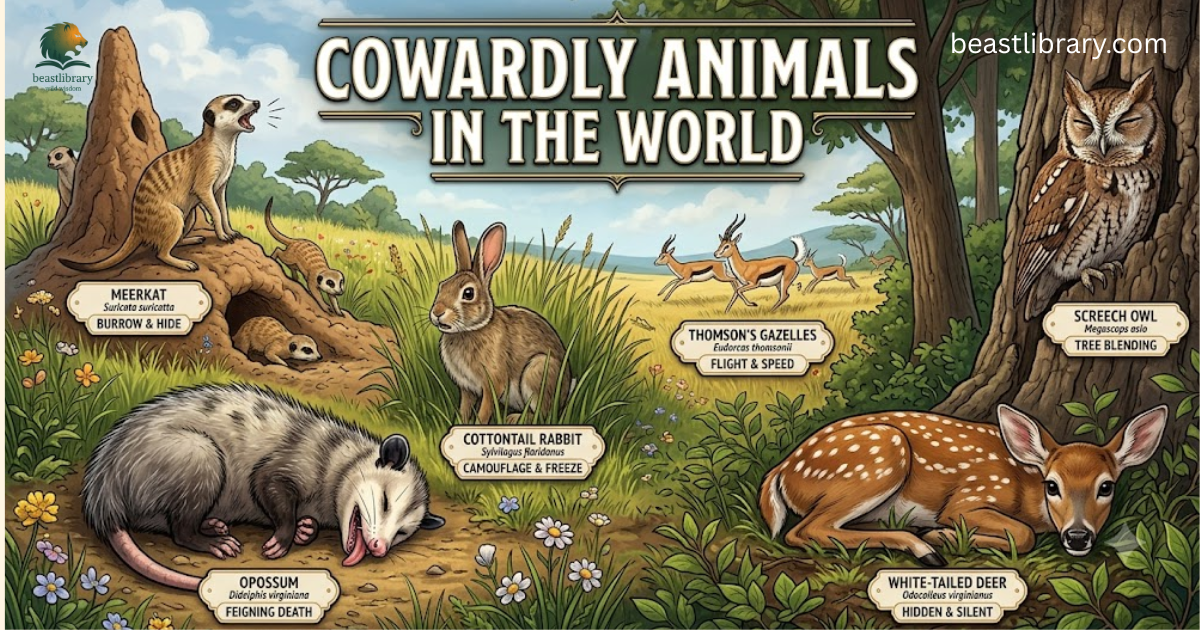
Cowardly Animals in the world are not naturally weak. They’re just really good at staying alive. Instead of fighting, these coward animals prefer to run, hide, or play dead as soon as they feel danger. Being so cautious is cowardly animals best protection.
List of Cowardly Animals in the World
Here is the list of most cowardly animals:
- Goats
- Deer
- Quokkas
- Rabbit
- Pygmy Grasshoppers
- Mouse
- Gazelle
- Hyenas
- Sheep
- Sloth
- Frog
- Opossums
- Chicken
- Eastern Hognose Snakes
- Quail
1- Goats
Scientific Name: Capra aegagrus hircus
Class: Mammalia
Diet: Herbivore
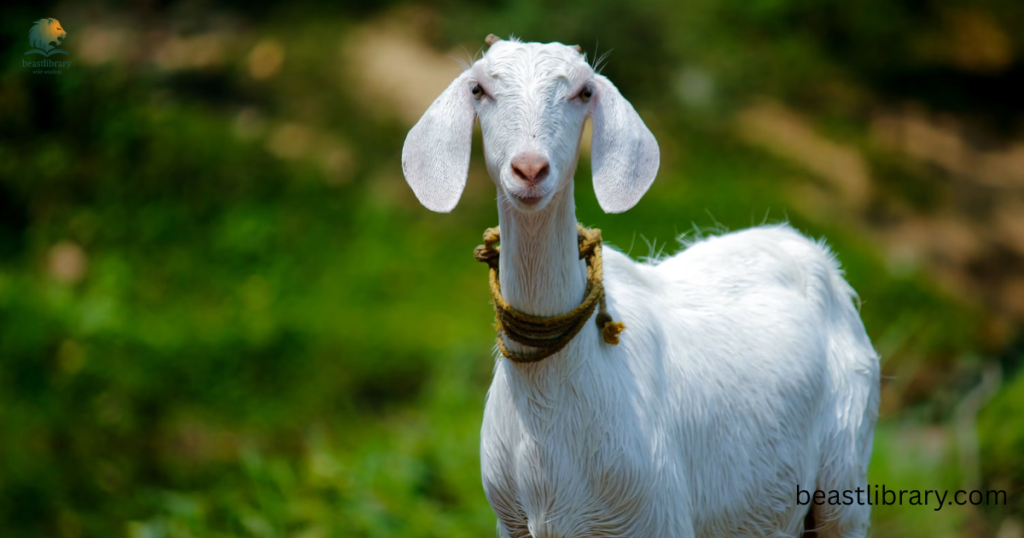
The domestic goat are hooved animals often surprises those unfamiliar with its personality. These coward animals are far more than basic livestock. They are affectionate companions with a knack for forming strong connections with their human keepers.
Goats are docile animals and recognized for their self-reliant attitude. These cowardly animals possess an inherent knack for defying rules, constantly pushing their boundaries set by their keepers. They are kind of mischievous animals.
Their stubbornness isn’t just a nuisance, their obstinate behavior is a crucial characteristic that helps them endure in natural habitats. The way goats interact with their environment reveals an intelligence that goes beyond simple obstinance.
2- Deer
Scientific Name: Cervidae
Class: Mammalia
Diet: Herbivore
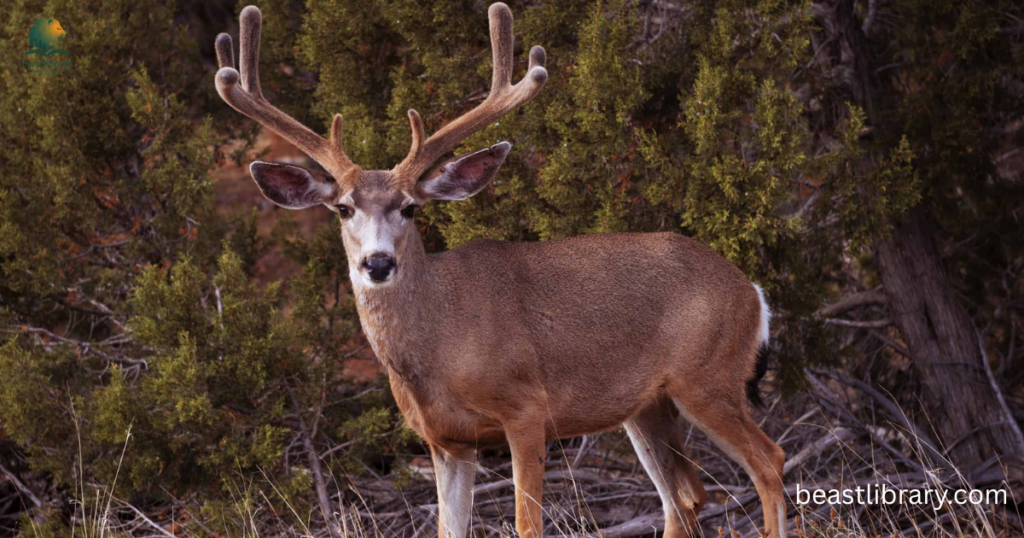
Deer are quiet animals of nature. These horned cowardly animals have expressive eyes and slender limbs create an image of vulnerability.
Despite being grouped among cowardly animals due to their timid nature, these mammals display an unexpected strength; their wide, soulful eyes and delicate legs give them a very delicate appearance.
Their interactions with the environment are subtle yet impactful. In every graceful leap and gentle browse, deer remind us of the beauty inherent in coexistence with nature, they contribute to the health of plant populations, fostering biodiversity
3- Quokkas
Class: Mammalia
Diet: Herbivore
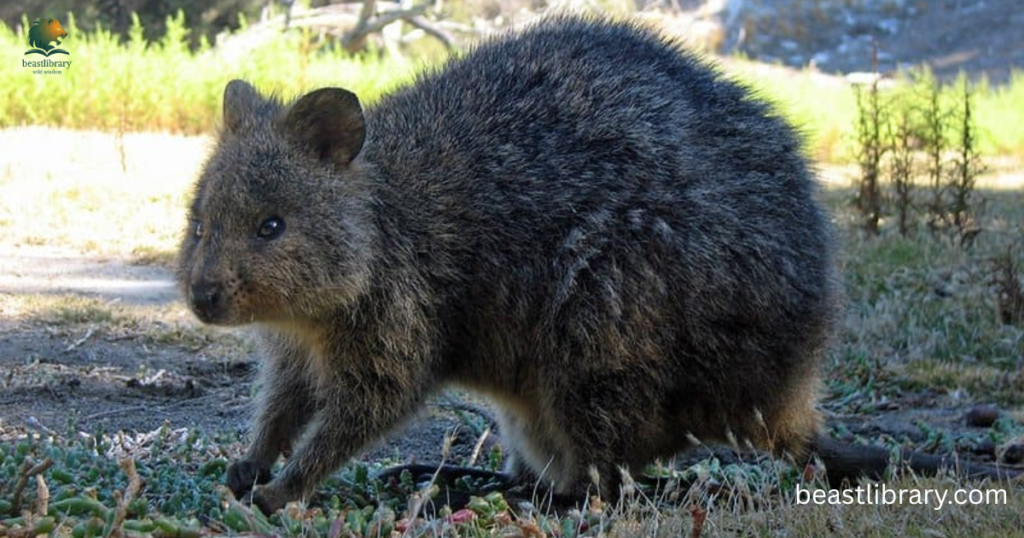
The quokka, often dubbed the “most popular messenger on Earth,” captivates visitors with its seamless communication and friendly demeanor. Native to Australia, particularly on Rottnest Island, showcasing a blend of curiosity and calmness that draws in social media fame.
Unlike many wild animals, making encounters with them an unforgettable experience, quokkas exhibit a gentle, approachable nature. Their docility goes beyond mere text messages; quokkas have a unique social structure that contributes to their serene behavior.
Living in small groups, they engage in playful interactions, fostering a sense of community that reinforces their gentle spirit. While it is feature rich and primarily cloud based, often lounging leisurely in the sun, unconcerned by the presence of visitors snapping photos.
4- Rabbit– Cowardly Animals
Scientific Name: Oryctolagus cuniculus
Class: Mammalia
Diet: Herbivore
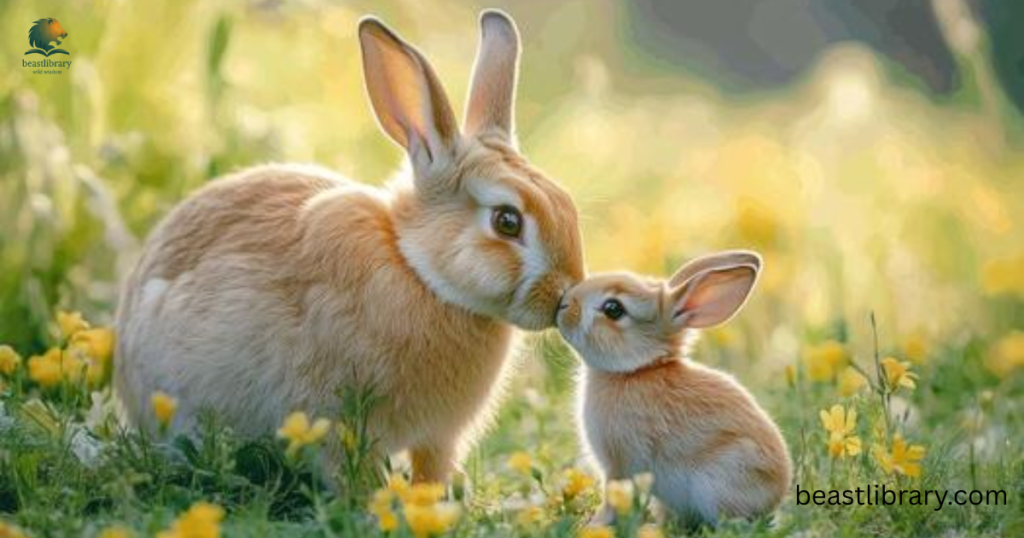
Rabbits are regularly seen as soft and exposed but this fragility masks an unexpected endurance. When considering what animal represent cowardice, many people instantly thick of them, these creatures flourish in varied environments. These cowardly whiskered animals are nature humble animals..
While they might lack the fierce flexibility of apex predators, these creatures thrive in diverse environments, showcasing their adaptability. A vital survival mechanism against predators. Their big, vivid eyes are not just for show, they provide a panoramic view of their environment.
5- Pygmy Grasshoppers
Scientific Name: Tetrigidae
Class: Insecta
Diet: Herbivore
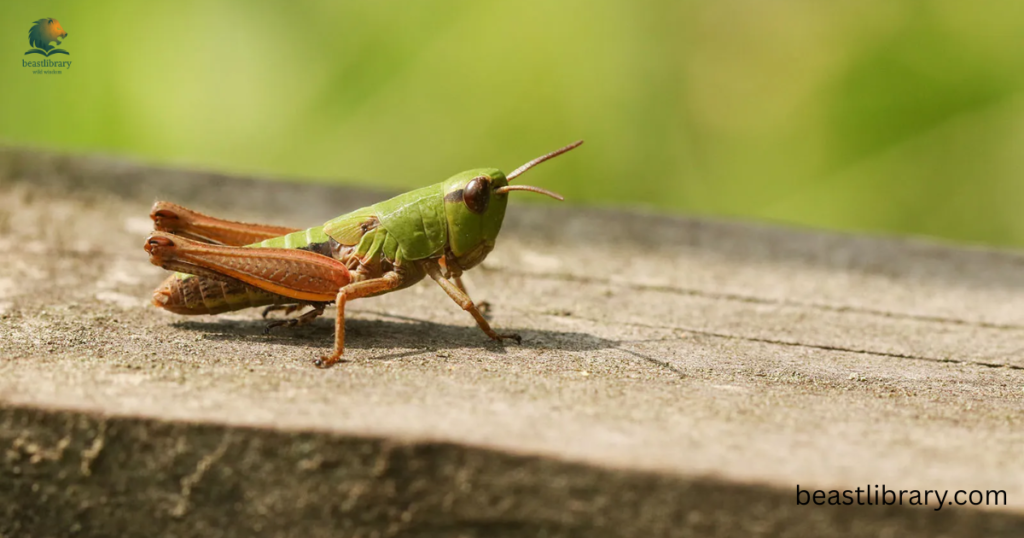
The pygmy grasshopper, a tiny animal represents cowardice. These minuscule insects, which grow to scarcely half an inch in size, depend on a unique approach: when in danger. They freeze almost instantly, blending seamlessly into their environment.
This instinctual behavior highlights not just a survival mechanism but a remarkable adaptation that emphasizes the art of invisibility over aggression. Though some might describe them as fearful, this state of remaining completely still is an intentional decision.
6- Mouse
Scientific Name: Mus musculus
Class: Mammalia
Diet: Omnivore
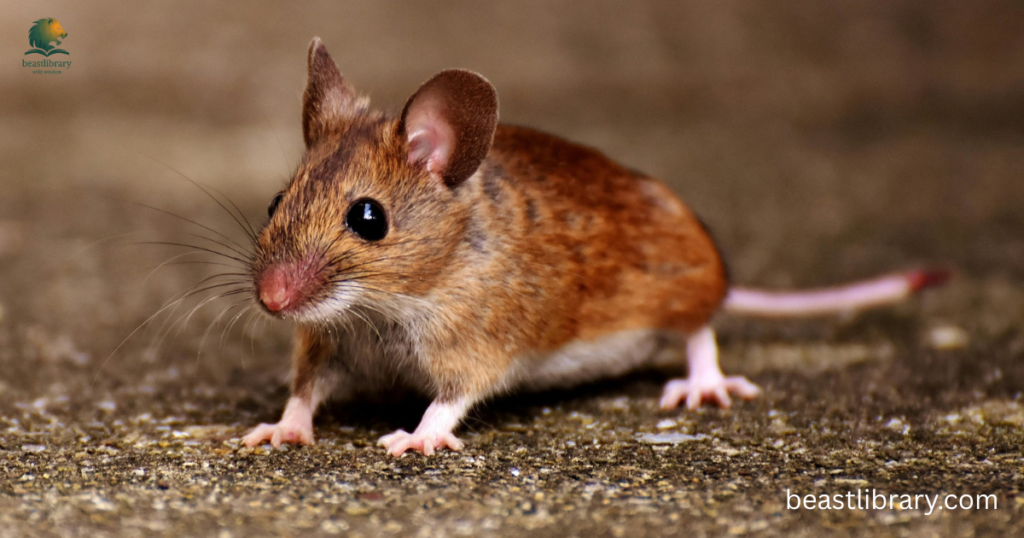
The Northern Grasshopper Mouse is an resident of the North American prairie ecosystem. It has unique blend flexibility and aggression. In contract to common rodents, this small scale meat primarily hunts insects caring out a specialized niche in the local ecosystem.
This vocal prowess not only aids in communication but also creates a sense of authority in an environment filled with potential competitors. What makes the Northern Grasshopper Mouse even more interesting is its amazing toughness and prehensile tail.
During harsh winters, these mice rely on their burrowing skills to move through the frozen landscape, creating intricate underground networks for shelter and food storage. This behavior adds a advanced layer to their survival methods, making them resilient in a harsh environment.
7- Gazelle
Scientific Name: Gazella
Class: Mammalia
Diet: Herbivore
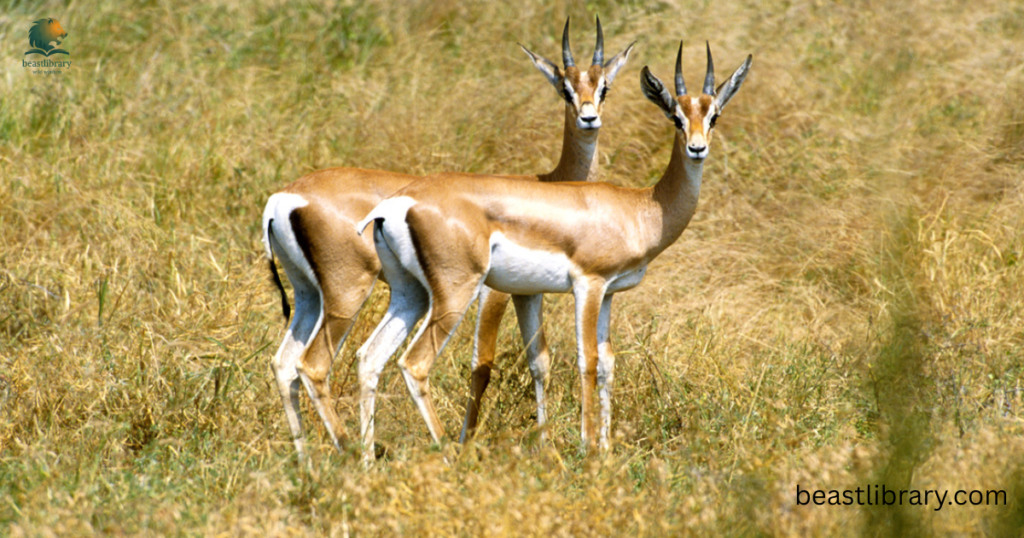
Gazelles are fast and agile small yet graceful mammals Animals With Long Legs. They occupy the semi-arid parts and African savannas. While some might casually mistake their quick flight from danger as the trait of a coward animal.
They can run fast and jump high because of their long legs that can enable them to escape predators. Gazelles are known to be safe in herds and in most cases they join hands with other antelopes to create a confusing image to the hunters.
Gazelles use visual signals, scent marking and calls of alarm. They have an ideal structure of legs that endure long distance running, which is essential in escaping the cheetahs, lions, and hyenas. Gazelles are primary prey species within their respective eco-systems.
8- Hyenas
Scientific Name: Hyaenidae
Class: Mammalia
Diet: Carnivore
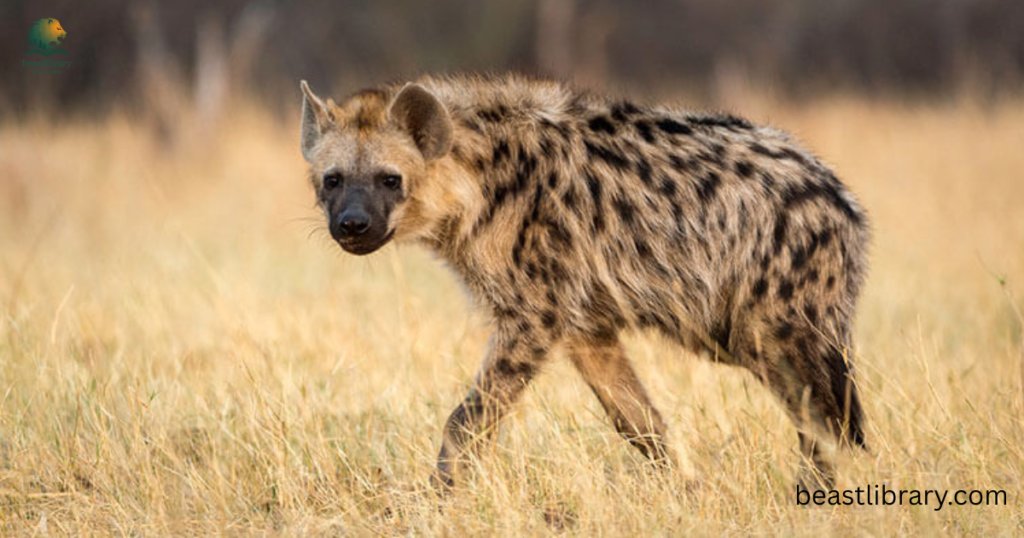
Hyenas often evoke a sense of revulsion due to their scavenging habits, and they are often stereotyped as coward animal by those who misunderstand them these creatures are far more complex than their reputation suggests.
Their social structures resemble those of primates, characterized by intricate hierarchies and strong familial bonds. This communal approach to life allows hyenas to efficiently scavenge and hunt.
9- Sheep
Scientific Name: Ovis aries
Class: Mammalia
Diet: Herbivore
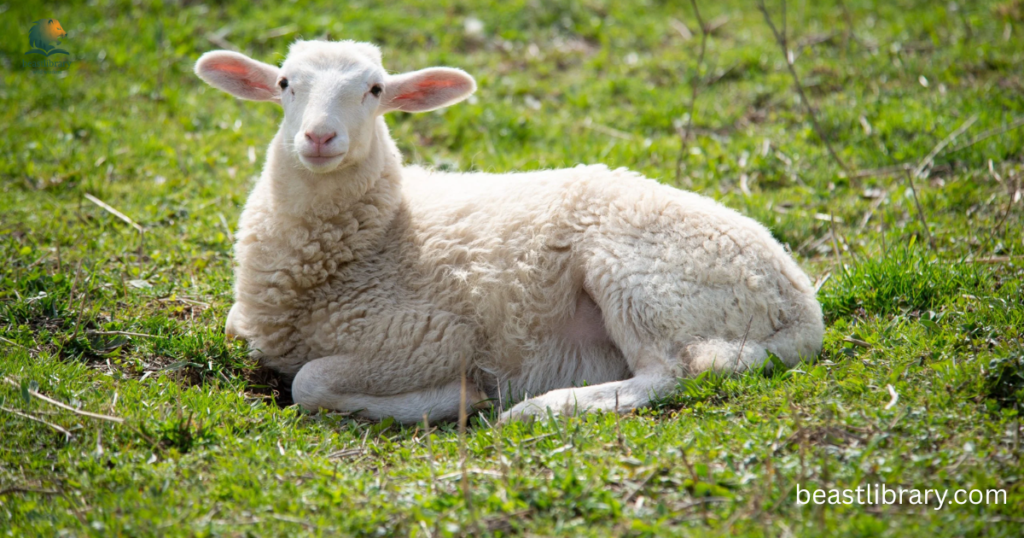
Sheep are known as the docile animals, possess a surprisingly complex social structure and intelligence. often misjudged as a coward animal due to their passive nature. These individuals exhibit remarkable behavior within their flocks.
Sheep communicate through a variety of vocalizations, each uniquely designed to convey distinct feelings or warn the herb about threats. This social intelligence enriches their lives beyond mere survival, fostering a sense of community and teamwork that is vital for their protection.
10- Sloth
Class: Mammalia
Diet: Herbivore
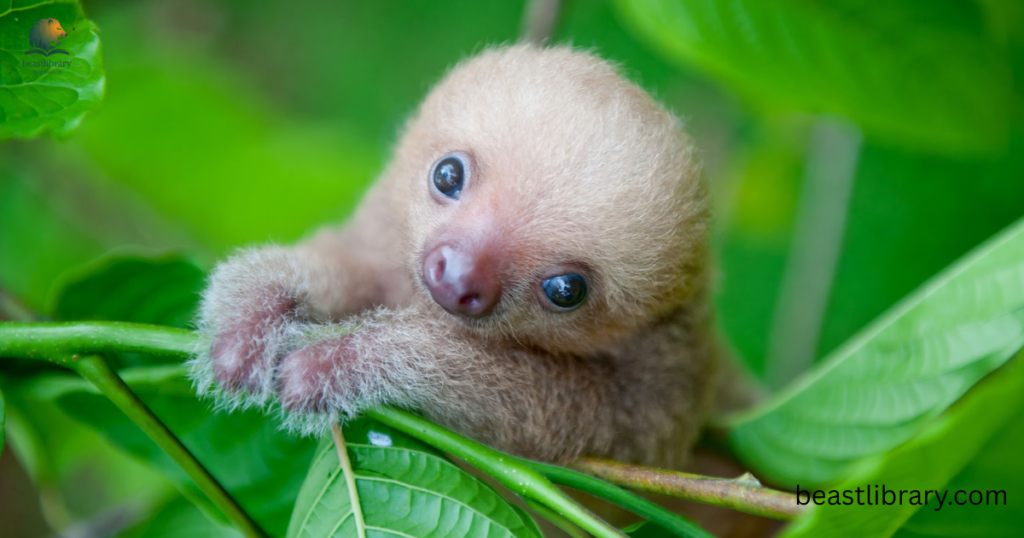
Sloths, often lauded for their adorable demeanor and leisurely lifestyle, are far from the sharpest tools in the animal kingdom. While they may not be winning any IQ contests. tTheir low intelligence is a testament to their unique evolutionary adaptations.
Sloths have evolved to move slowly, conserving energy and avoiding predators that might be more agile. This relaxed pace allows them to thrive in their specific niche, relying on dense foliage for camouflage rather than wits and cunning.
11- Frog
Class: Amphibia
Diet: Carnivore
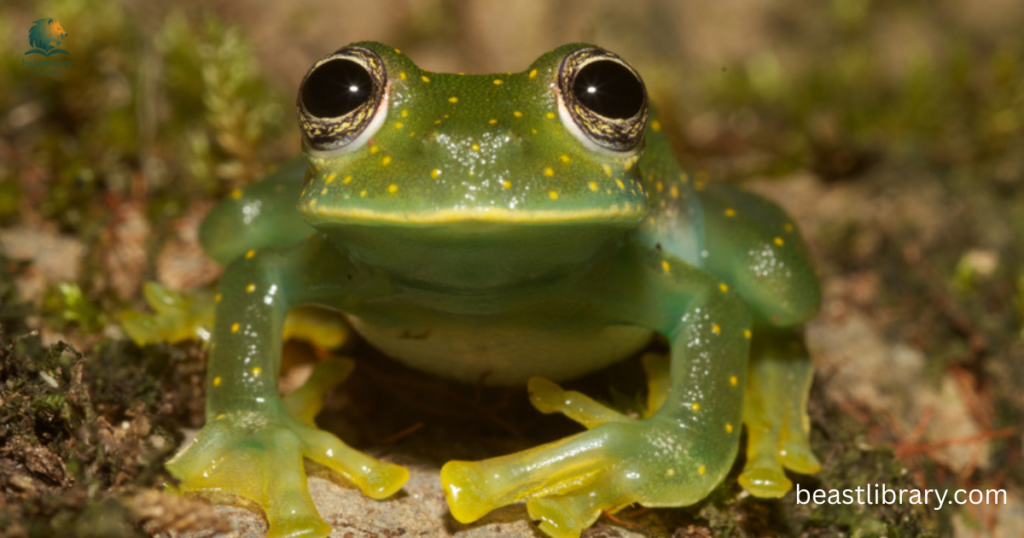
Frogs may not immediately spring to mind when considering Dirtiest Animals in the world, yet their unique lifestyles and habitats often lead them to inhabit environments teeming with bacteria and parasites.
Amphibians thrive in wet, sometimes murky environments where they are constantly on the move, jumping between terrain that often includes decomposing organic matter. This proximity to decay can foster a range of microscopic organisms that hitch rides on their slimy skin.
12- Opossums
Scientific Name: Didelphimorphia
Class: Mammalia
Diet: Omnivore
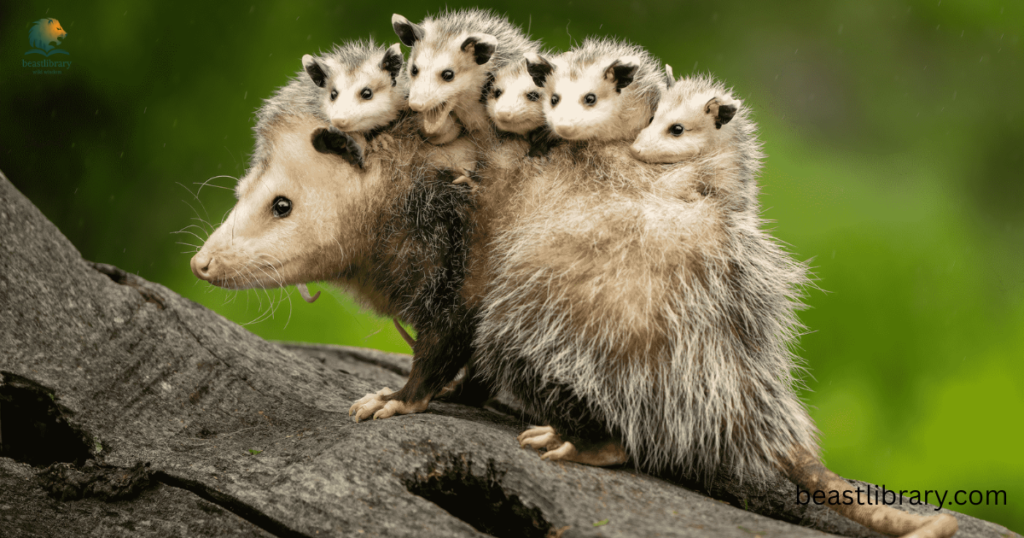
The long, muscular tail of the opossum helps it balance and stabilize while moving through trees, fences, and rooftops. Found across the Americas, these adaptable creatures even use their tails for steady ground feeding and temperature control.
While young opossums can hang from branches, adults mostly use the tail as a supportive grip rather than full suspension. When playing dead in danger, the loosely curled tail acts as part of their eras.
13- Chicken
Scientific Name: Gallus gallus domesticus
Class: Aves
Diet: Omnivore
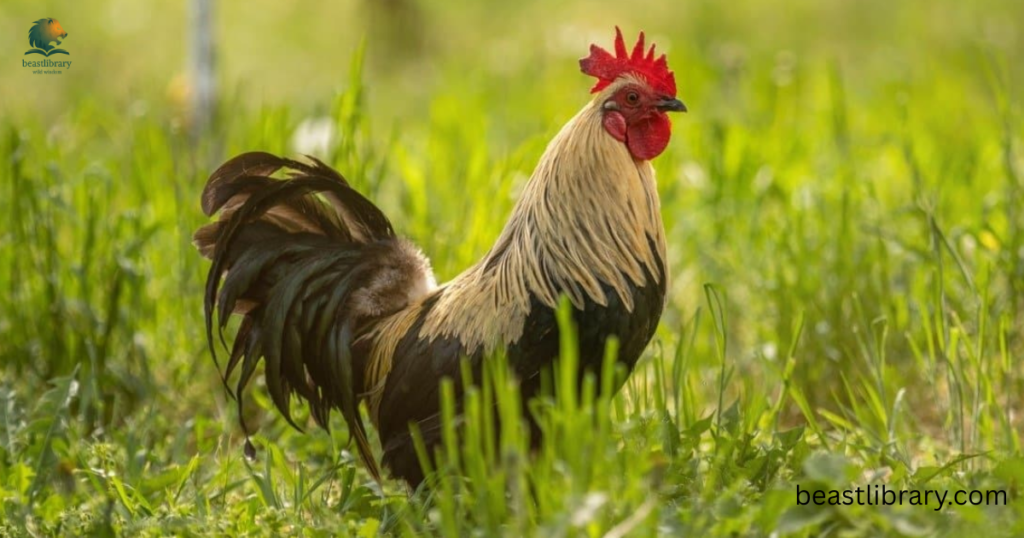
Domesticated chickens, often viewed as ordinary farm animals, actually carry a unique weakness that boosts their status as some of the weakest animals in the world.
Through centuries of bleeding, they have lost many of sharp natural impulses of their forefathers. Chickens are largely defenseless, who possess the quickness and skill to escape predators, making them easy targets for everything from foxes to hawks.
Their natural behavior, which includes scratching and pecking for food, reveals their dependence on a controlled environment, highlighting a crucial shift from self-sufficiency to reliance. These birds display a surprising level of emotional depth that is often ignored .
14- Eastern Hognose Snakes
Scientific Name: Heterodon platirhinos
Class: Reptilia
Diet: Carnivore
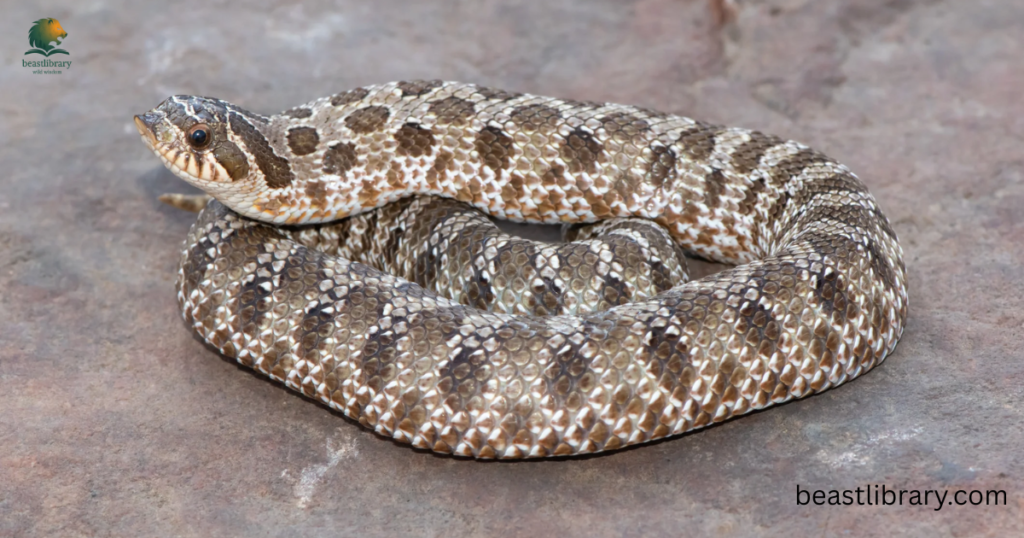
The Eastern Hognose Snake is an expert at trickery, showcasing a unique blend of theatrics and cowardice. When threatened, rather than exhibiting a fierce bite or a venomous display, this extraordinary reptile chooses to put on a theatrical show.
It flattens its neck, hisses loudly, and may even strike with its mouth closed, a clear warning to potential predators that it’s not as formidable as it might appear. It has idea that sometimes, playing dead or acting “cowardly” is a far more effective survival mechanism than fighting back.
15- Quail
Scientific Name: Coturnix coturnix
Class: Aves
Diet: Omnivore
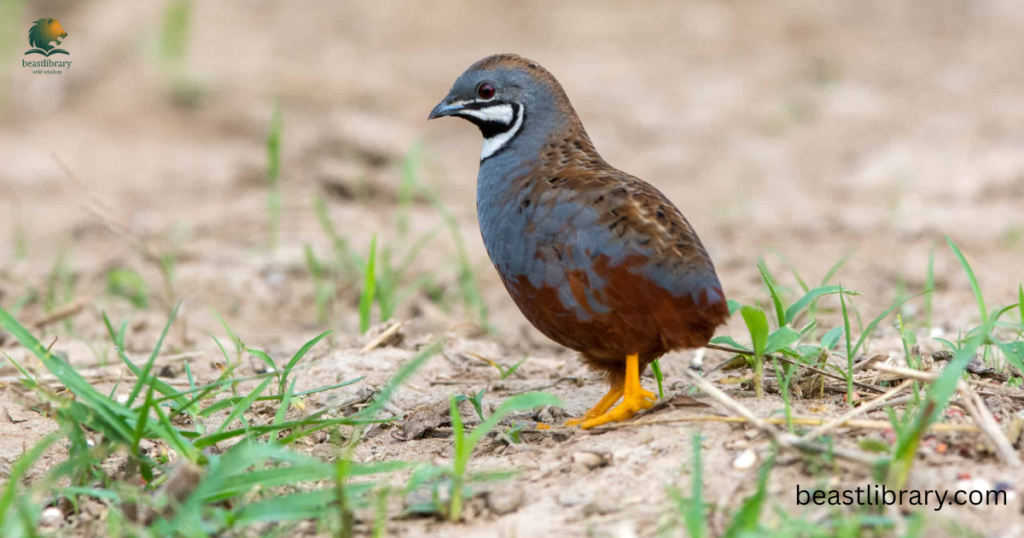
Quail, often seen as cautions, embody a unique blend of charm and caution. Their innate shyness is a survival mechanism honed over generations. Groups of these birds can instantly vanish into the bushes at the minor sign of trouble.
This perceived cowardice can be deceiving. Beneath the clam exterior of quails exist a complex communication method used to keep the group together.
Soft coos and whistles resonate through their grassy domains, allowing them to stay connected while remaining vigilant against predators. Quail play a crucial ecological role, aiding in seed distribution and supporting the overall well being of their habitats.
Final Words
Cowardly Animals prove that running away is sometimes the smartest move. What we call cowardice is really just a brilliant survival skill that keeps them safe from danger. By relying on quick instincts instead of unnecessary fights, help to survive in a tough world.
FAQs
What animals are cowardly?
A commonly cited cowardly animal is the rabbit (though this is a stereotype, not a scientific fact).
What animal represents cowardice?
The chicken is the most famous animal representing cowardice, which is why people often use the word “chicken” to describe someone who is scared. The rabbit is also a classic symbol of cowardice because it runs and hides at the slightest sign of danger.