Top 25 Unique Animals That Eat a Lot 2026 (Images Included)
Animals That Eat a Lot, uncovering not just the extraordinary appetites of these creatures, but also the ecological roles they play. Understanding their eating habits provides insight into how they survive and thrive in their environments.
List Of Animals That Eat a Lot
Below is the list animals that eat a lot of food:
- Hummingbirds
- Great White Shark
- Blue Whales
- Burmese Pythons
- Grizzly Bear
- Giant Pandas
- Sperm Whale
- Elephants
- Hippopotamus
- Crocodile
- Star-Nosed Mole
- American Pygmy Shrews
- Giraffe
- Bar-Tailed Godwits
- Horse
- Tasmanian Devils
- Tigers
- Komodo Dragons
- Rhinoceros
- Gorilla
- Anacondas
- Giant Weta
- Cow
- Locusts
- Black-Footed Cats
1. Hummingbirds
Scientific Name: Trochilidae
Class: Aves
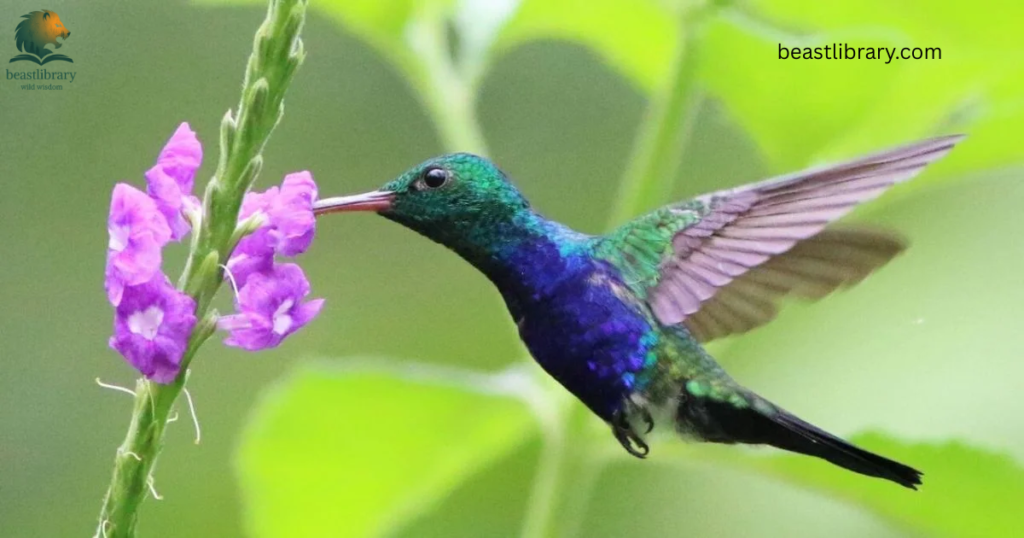
Hummingbirds are remarkable Animals That Eat a Lot not just for their vibrant plumage and incredible agility but also for their astonishing appetite. These tiny avian wonders consume up to twice their body weight in nectar daily, fueling them for relentless aerial acrobatics.
This immense energy requirement drives them to visit hundreds of flowers each day, making them crucial pollinators in their ecosystems. Their long, specialized tongues enable them to extract nectar efficiently, often reaching deep into blooms that larger birds cannot.
2. Great White Shark
Scientific Name: Carcharodon carcharias
Class: Chondrichthyes
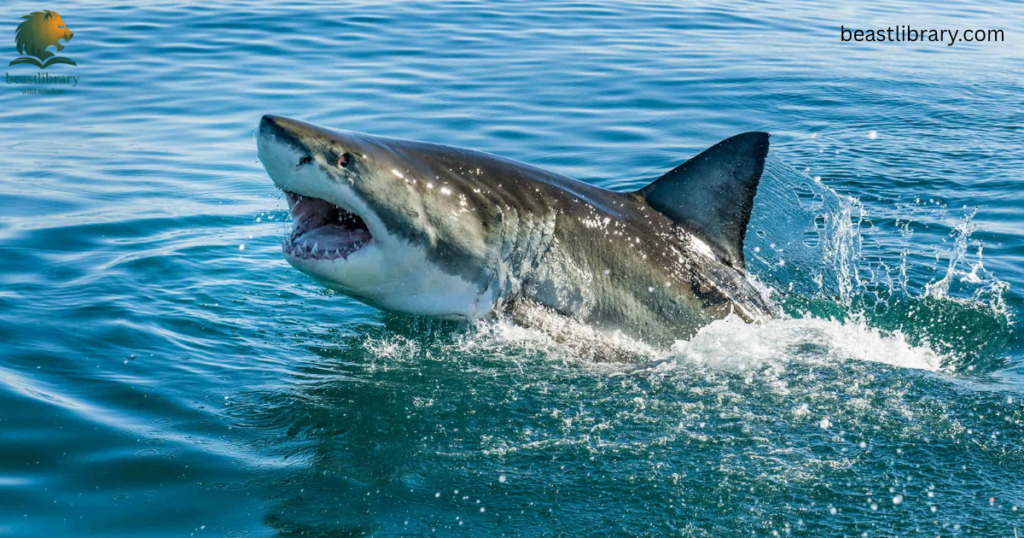
Great White Sharks are not just apex predators; they Animals That Eat a Lot also astonishingly efficient eaters, capable of consuming a staggering amount of food to fuel their massive bodies and high-energy lifestyles.
What’s is their unique hunting strategy: they often use a “breaching” technique, launching themselves out of the water to surprise their prey from below. This spectacular tactic not only expends energy but also emphasizes their role as essential keepers of ocean health.
3. Blue Whales
Scientific Name: Balaenoptera musculus
Class: Mammalia
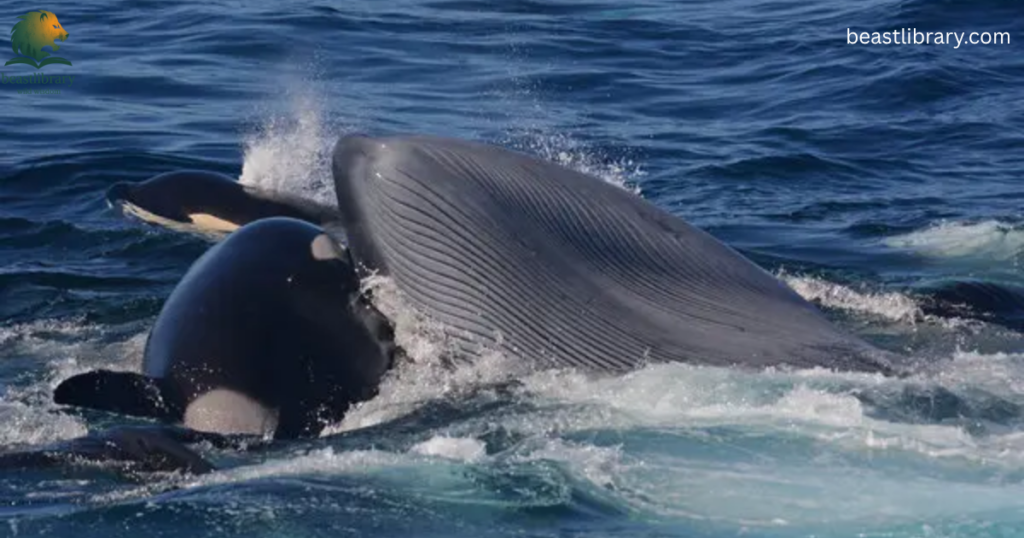
Blue whales, the largest creatures on Earth, are nothing short of marvels when it comes to their eating habits. These massive mammals can consume an astonishing 4 tons of krill each day during feeding season. They are Animals That Eat a Lot.
What’s remarkable is not just the sheer quantity but the efficiency of their feeding technique. Using a method called lunge-feeding, they can gulp down huge amounts of water enriched with their minuscule prey filtering it through their baleen plates like a natural sieve.
4. Burmese Pythons
Scientific Name: Python bivittatus
Class: Reptilia
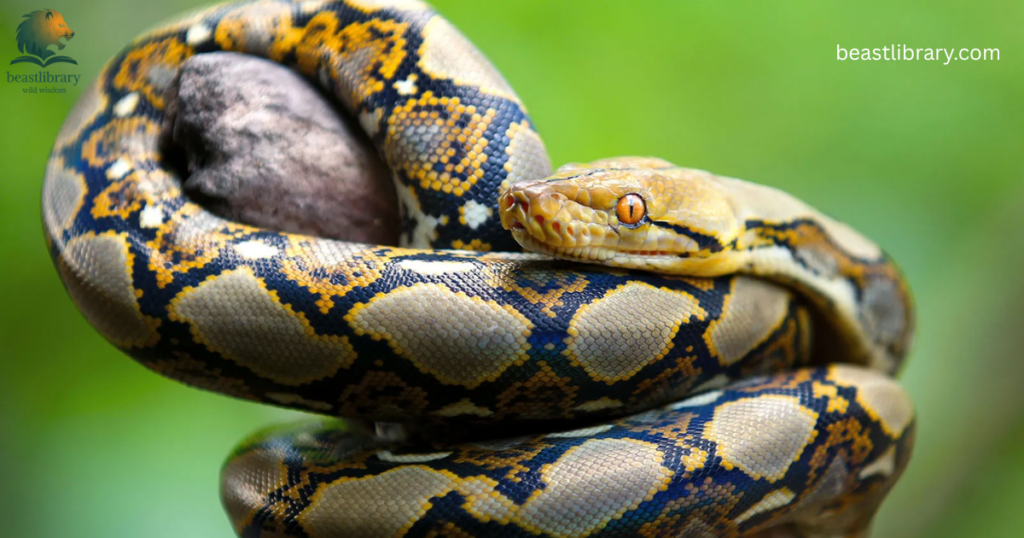
Burmese pythons are creatures Animals That Eat a Lot renowned for their remarkable feeding habits. These massive snakes possess an extraordinary ability to consume prey significantly larger than themselves, thanks to their unique anatomical structure.
With skulls and jaws that can stretch wide, they can easily engulf animals such as deer, pigs, and even alligators. This adaptive eating strategy allows them to thrive in various environments, from tropical forests to suburban areas, showcasing their remarkable adaptability as apex predators.
5. Grizzly Bear
Scientific Name: Ursus arctos horribilis
Class: Mammalia
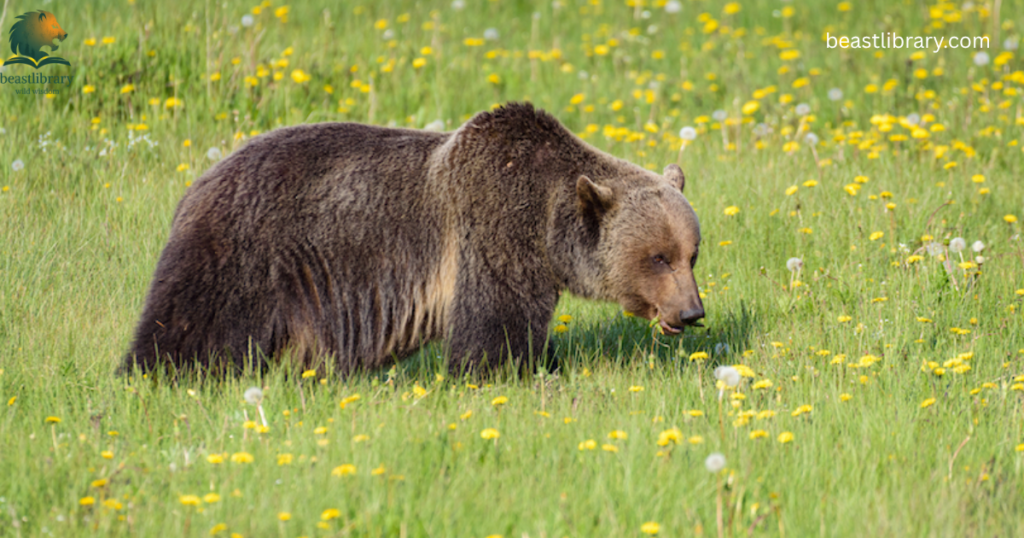
Grizzly bears are remarkable for Animals That Eat a Lot their colossal appetites, particularly when preparing for hibernation. A full-grown grizzly can consume up to 30,000 calories a day during late summer and fall, gorging on salmon, berries, and vegetation.
This notorious feeding frenzy, known as hyperphagia, isn’t just an instinctual drive; it’s a finely tuned survival strategy. As they stuff themselves, they are essentially banking energy in the form of fat, which sustains them throughout the long winter months when food is scarce.
6. Giant Pandas
Scientific Name: Ailuropoda melanoleuca
Class: Mammalia
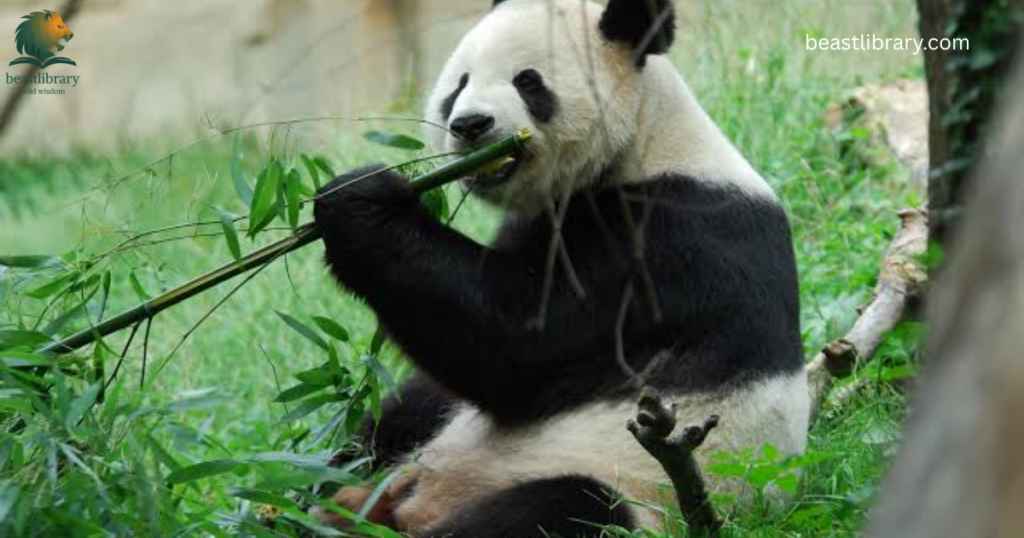
Giant pandas have earned their reputation as Animals That Eat a Lot, eager eaters, primarily due to their bamboo-centric diet. Remarkably, these bears spend up to 12 hours a day munching on this fibrous plant, consuming an impressive 20 to 40 pounds daily.
What’s intriguing is that bamboo is not particularly nutritious, leading pandas to graze continuously to meet their energy needs. This dependence on bamboo raises questions about their survival, especially as climate change and habitat loss threaten the availability of their primary food source.
7. Sperm Whale
Scientific Name: Physeter macrocephalus
Class: Mammalia
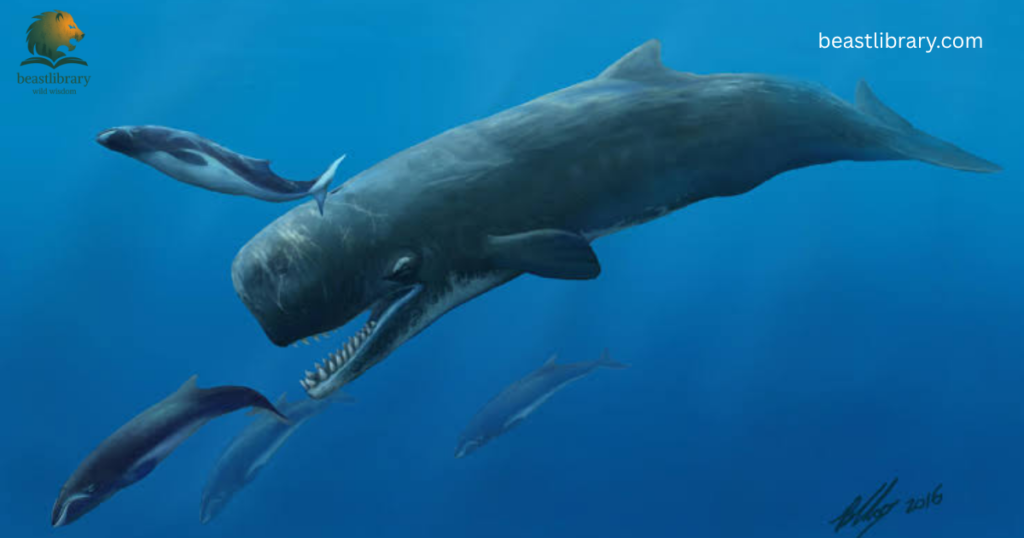
Sperm whales, the ocean’s silent giants, are remarkable for Animals That Eat a Lot their impressive appetites consuming over a ton of food daily. This voracious feeding primarily consists of squid, particularly deep-sea creatures like the elusive giant squid.
Their incredible feeding behavior plays a crucial part in the ocean’s carbon cycle. By consuming large amounts of biomass, sperm whales contribute to nutrient cycling in the deep sea. When they dive, the prey they consume and the waste they excrete promotes the growth of phytoplankton at the surface.
8. Elephants
Scientific Name: Loxodonta africana
Class: Mammalia
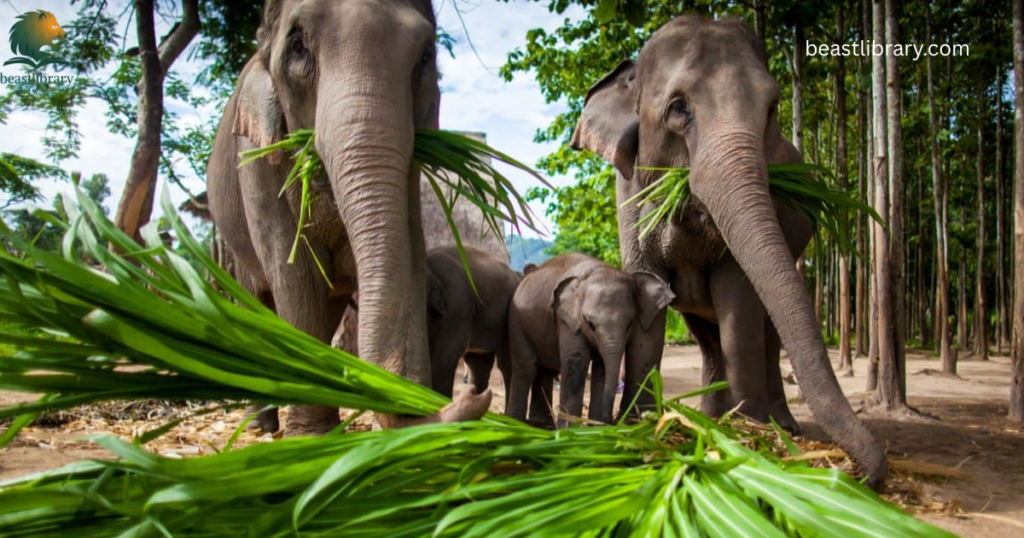
Elephants are impressive not just for their size but for Animals That Eat a Lot their massive appetite, needing to consume around 300 pounds of vegetation each day. This enormous intake isn’t merely for sustenance; it plays a crucial role in their ecosystems.
What is the social aspect of their feeding habits. Elephants often share food sources and work together to reach tough-to-access vegetation, demonstrating a level of cooperation and social bonding that many might not expect from such large animals.
9. Hippopotamus
Scientific Name: Hippopotamus amphibius
Class: Mammalia
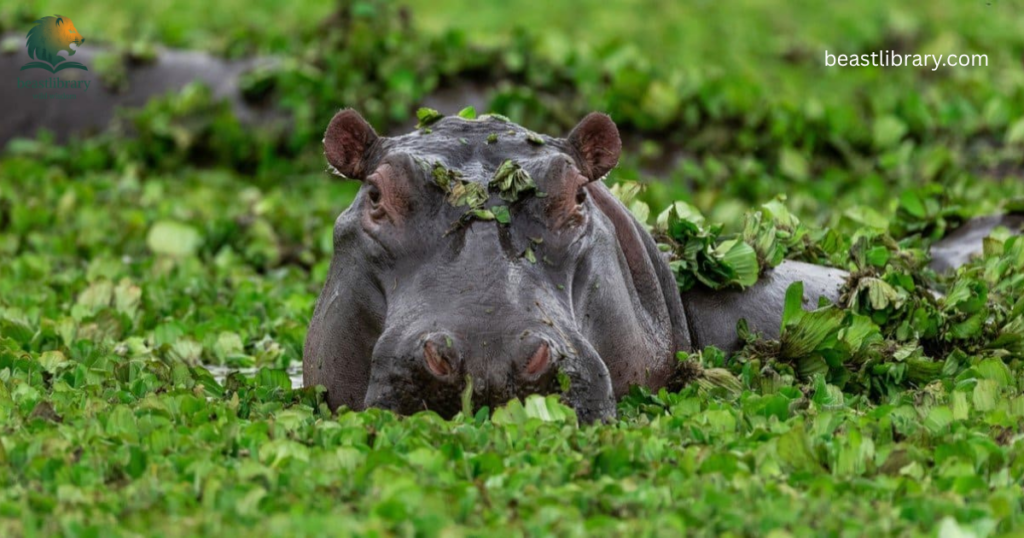
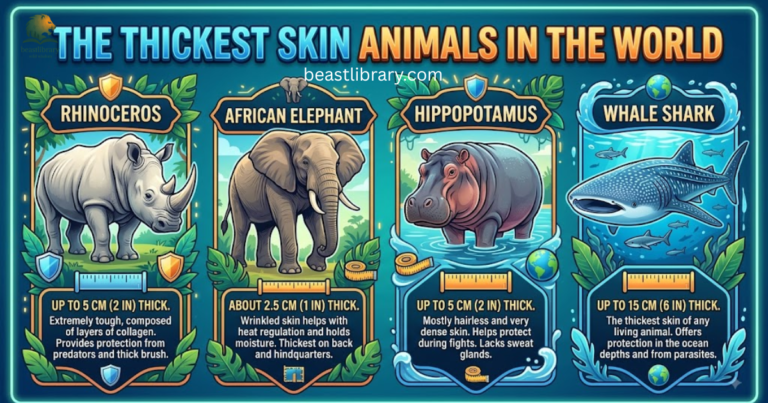
The hippopotamus, one of Africa’s most iconic creatures, Animals That Eat a Lot, is a study in contrast. Despite its hefty size often weighing between 3,000 to 4,000 pounds this semi-aquatic giant is primarily a herbivore, grazing on grasses during the cool hours of the night.
A single adult hippopotamus can consume an astonishing 80 pounds of vegetation in just one night, showcasing not only its insatiable appetite but also the critical role it plays in its ecosystem.
10. Crocodile
Scientific Name: Crocodylidae
Class: Reptilia
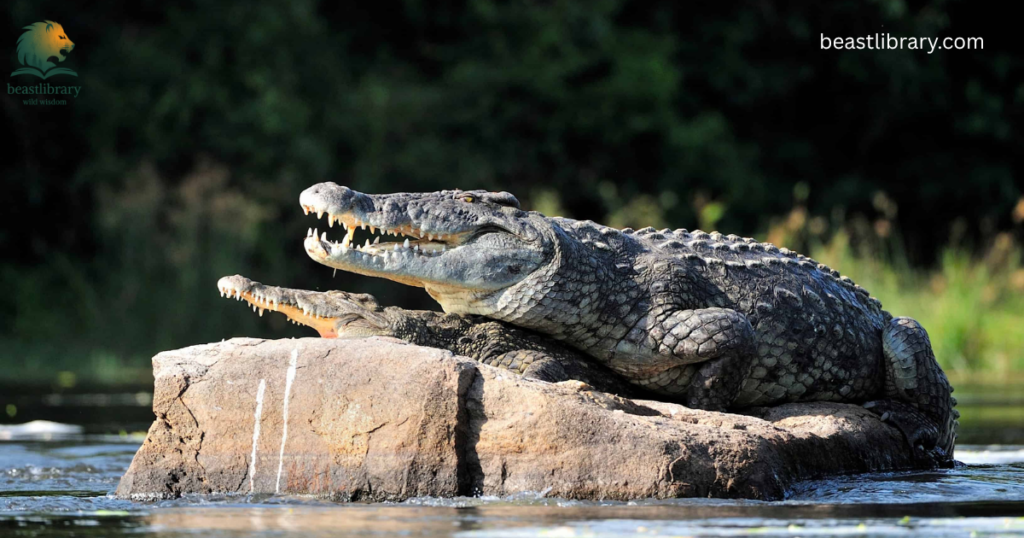
Crocodiles are formidable predators, Animals That Eat a Lot showcasing an appetite that reflects their size and predatory nature. These ancient reptiles can consume up to half their body weight in a single meal typically large prey like fish, birds, and mammals, depending on their habitat.
This exceptional feeding capacity is crucial for their survival, as they may not eat again for several weeks due to their slow metabolism and the energy-intensive hunting they undertake.
11. Star-Nosed Mole
Scientific Name: Condylura cristata
Class: Mammalia
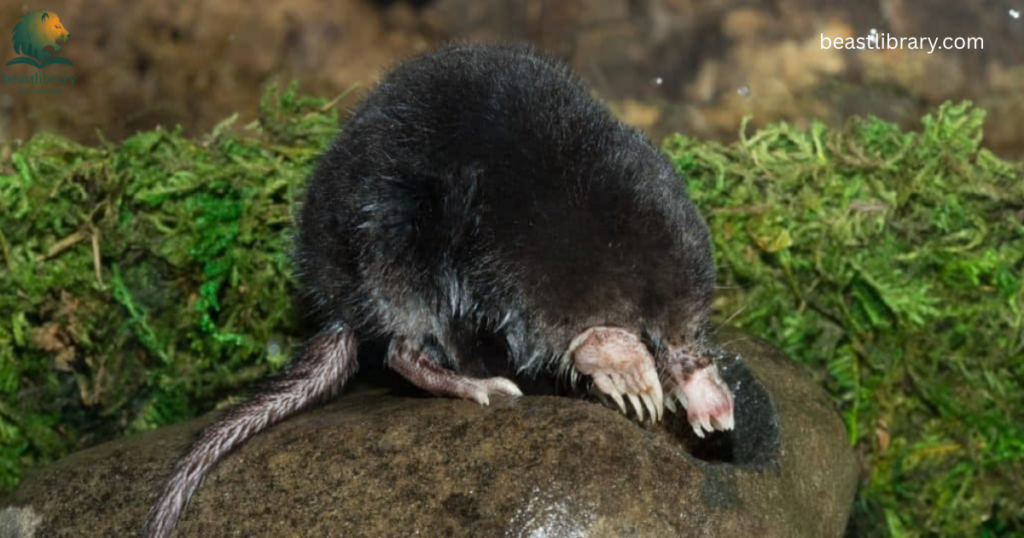
The star-nosed mole, an extraordinary denizen of North America’s wetlands, is not just notable for its unique snout adorned with 22 pink, fleshy appendages, but also for its voracious appetite. These mammals, often considered one of nature’s best-kept secrets, consume more than their own weight in food each day.
This insatiable hunger stems from their high metabolic rate and relentless pursuit of prey, including earthworms, Animals That Eat a Lot, insects, and even small crustaceans. They are exceptional foragers, employing their sensitive star-shaped nose to detect prey in total darkness as they navigate through the mud and underwater.
12. American Pygmy Shrews
Scientific Name: Sorex hoyi
Class: Mammalia
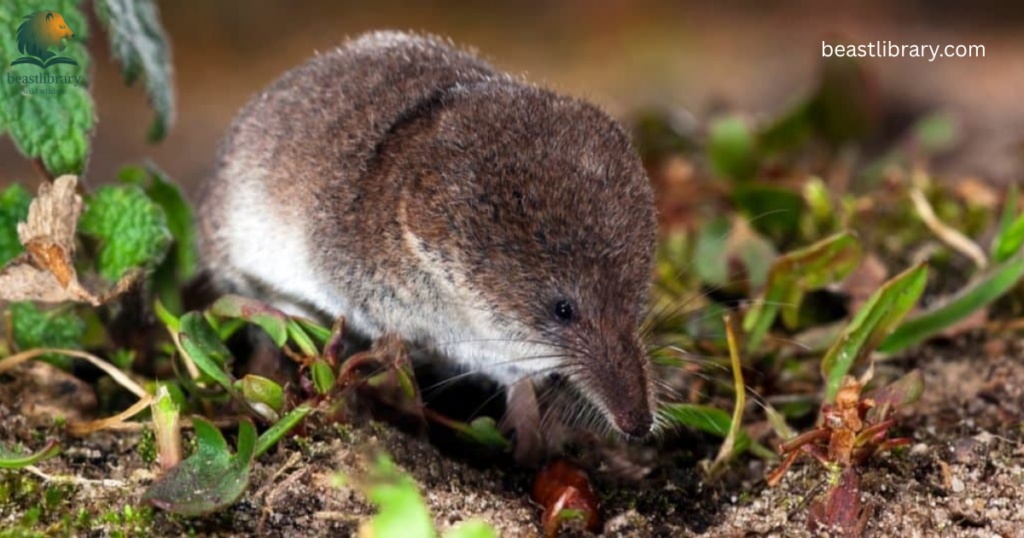
American pygmy shrews are creatures not only for their minuscule size but also for their astonishing metabolic demands. Weighing in at a mere 2 to 4 grams, these tiny mammals must consume a staggering amount of food up to twice their body weight each day.
Unlike many larger mammals that can go days without a meal, pygmy shrews experience an unrelenting hunger, scavenging for insects and other small invertebrates to sustain their rapid energy expenditure. This relentless need for sustenance is a survival strategy; in the wild, any lapse in foraging can mean a fatal loss of energy.
13. Giraffe
Scientific Name: Giraffa camelopardalis
Class: Mammalia
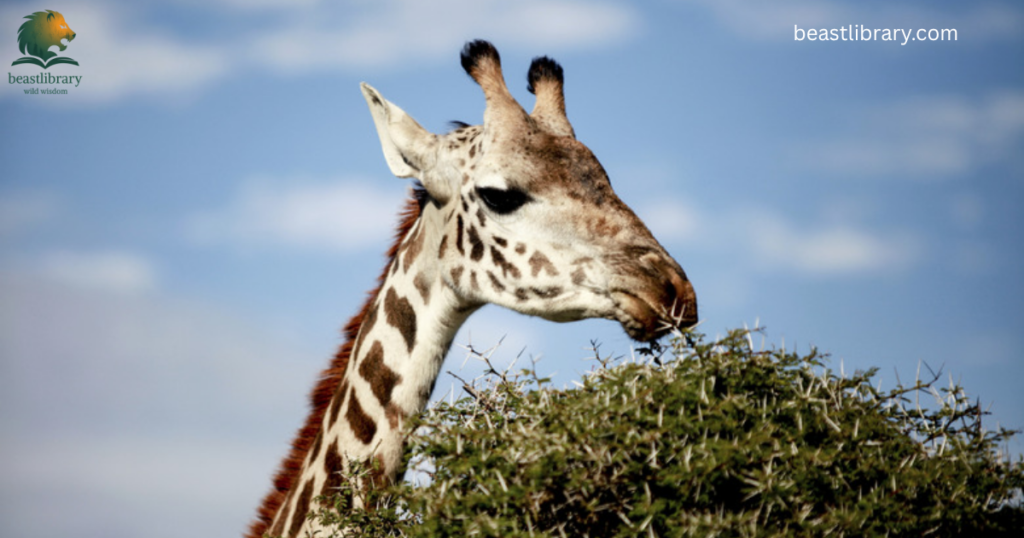
The giraffe, with its towering stature and iconic long neck, spends a significant portion of its day foraging for food. On average, a giraffe consumes about 75 pounds of foliage daily, primarily munching on tender leaves from acacia trees.
This diet isn’t just about sustenance; it plays a critical role in a delicate ecosystem, as giraffes help shape their environment by pruning trees and promoting new growth. Their preference for higher branches means they often access resources that other herbivores can’t reach, reducing competition for food.
14. Bar-Tailed Godwits
Scientific Name: Limosa lapponica
Class: Aves
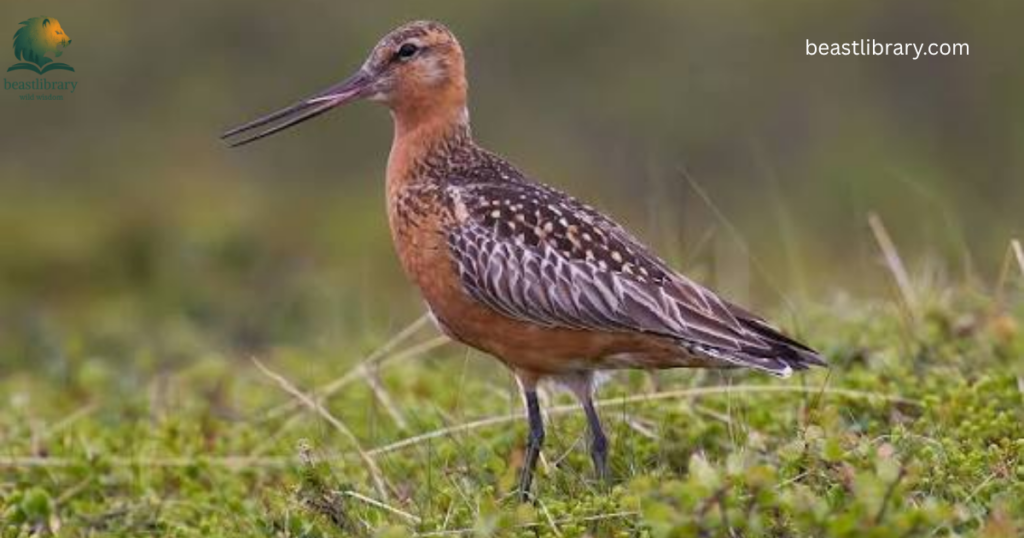
The bar-tailed godwit is a true marvel of nature, known for its astonishing migration prowess and insatiable appetite. These shorebirds undertake one of the world’s longest non-stop flights, traveling over 7,000 miles from Alaska to New Zealand.
To fuel this epic journey, they display an incredible ability to consume vast quantities of food, often gorging on moose-sized mollusks, crabs, and worms during their stopovers. In the weeks leading up to their migration, a single godwit can double its body weight.
15. Horse
Scientific Name: Equus ferus caballus
Class: Mammalia
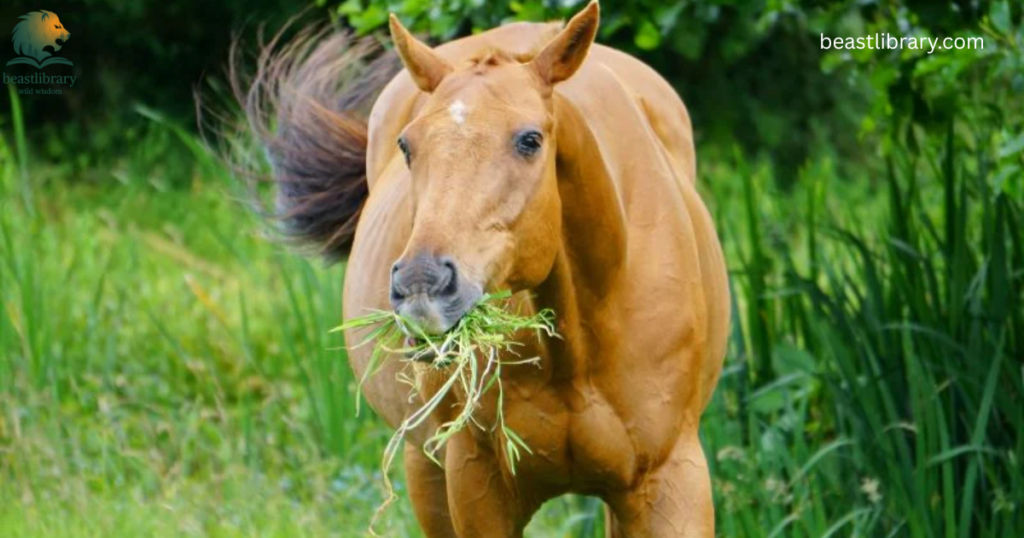
Horses are remarkable creatures, not just for their beauty and grace but also for their impressive appetites. A single horse can consume about 1.5 to 2.5% of its body weight in forage daily, a staggering amount that highlights their evolutionary adaptation as grazers.
This high intake is crucial, as their digestive systems are designed to process large volumes of roughage primarily grass, hay, and grains. The horse’s unique gastrointestinal system operates continuously, allowing for constant fermentation and nutrient absorption, which in turn fuels their high-energy needs for activities like running and jumping.
16. Tasmanian Devils
Scientific Name: Sarcophilus harrisii
Class: Mammalia
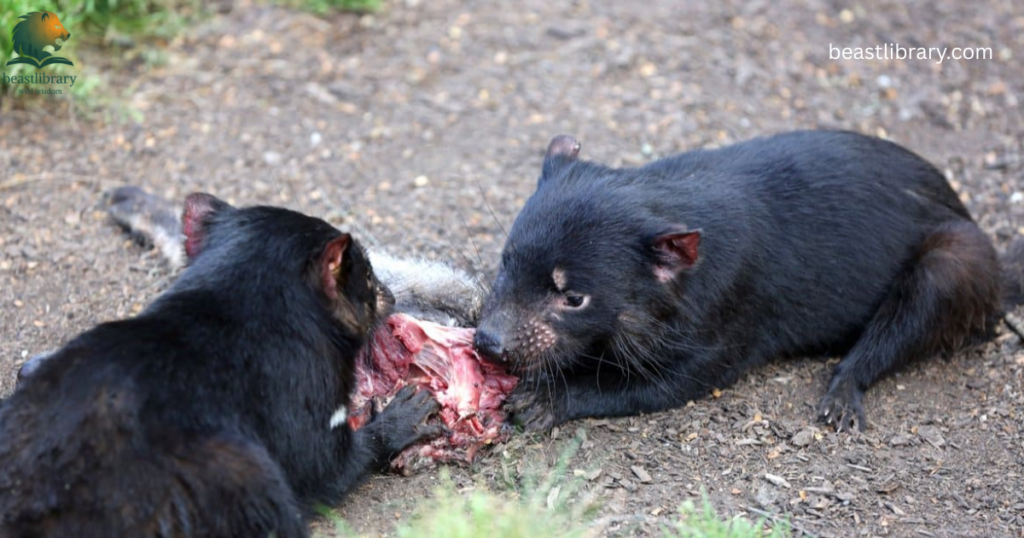
Tasmanian devils are not just known for their distinctive growls and fierce demeanor; their voracious appetite sets them apart in the animal kingdom. These nocturnal scavengers can consume up to 40% of their body weight in a single feeding.
What is the way they utilize their keen sense of smell to locate carrion, often roaming vast distances at night in search of their next meal. This behavior plays a crucial role in maintaining the health of their ecosystem by preventing the spread of disease from rotting carcasses.
17. Tigers
Scientific Name: Panthera tigris
Class: Mammalia
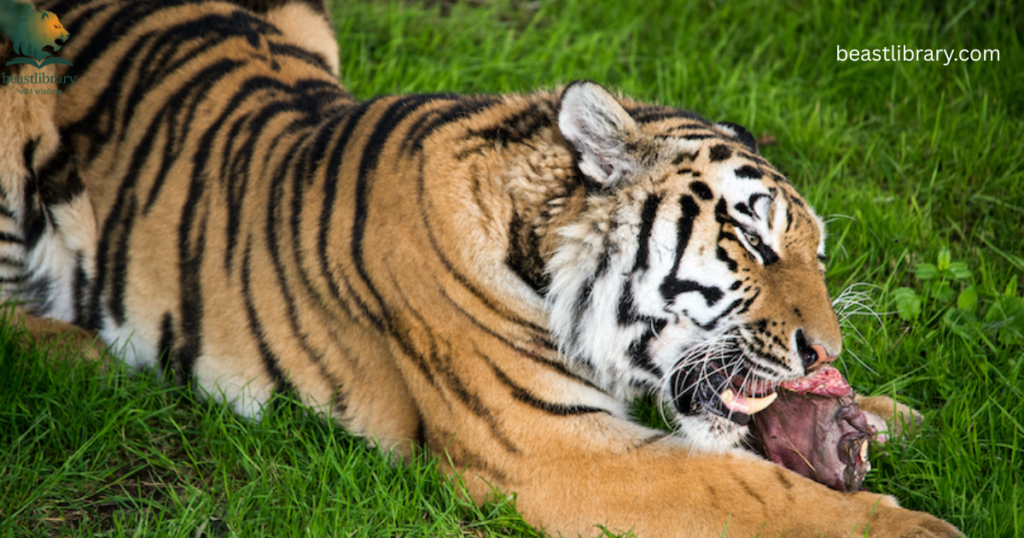
Tigers, the majestic apex predators of the wild, demonstrate an impressive appetite that reflects their role in maintaining ecological balance. A single adult tiger can consume an astonishing amount of meat up to 100 pounds in one sitting especially after a successful hunt.
This voracious feeding not only replenishes their energy reserves but also allows them to store fat to survive periods when prey is scarce, showcasing their remarkable survival strategies. Each meal, therefore, serves a dual purpose: fueling their powerful physique and ensuring their presence in the ecosystem by preventing overpopulation of herbivores.
18. Komodo Dragons
Scientific Name: Varanus komodoensis
Class: Reptilia
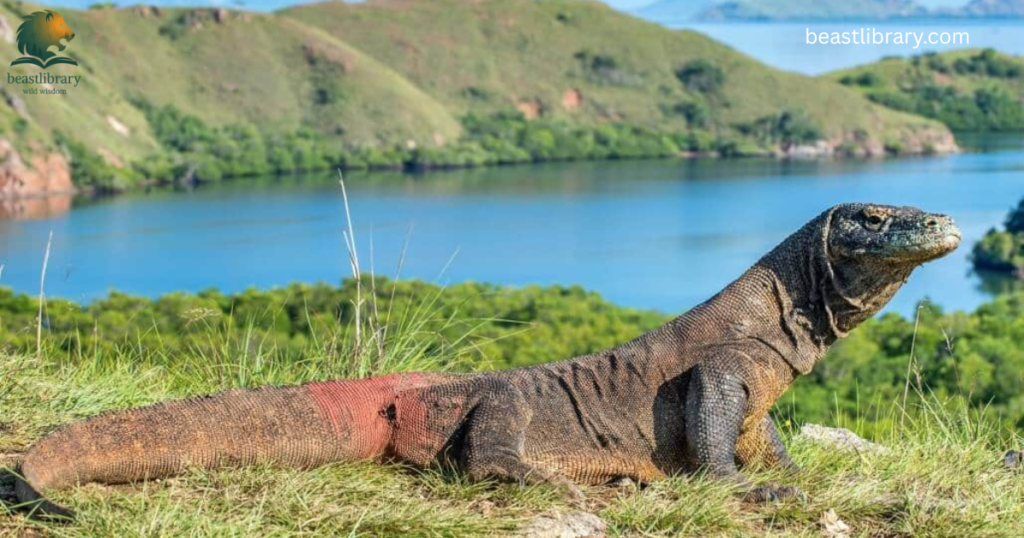
The Komodo dragon, a formidable predator of the Indonesian islands, showcases an impressive appetite that can rival that of any living creature. These massive lizards can consume up to 80% of their body weight in a single feeding; a feat that places them among nature’s most gluttonous eaters.
This gargantuan meal-storing ability is crucial for their survival, as they may go days or even weeks between substantial meals. When they feast on prey such as deer or wild boar, their keen sense of smell tied to a specialized Jacobson’s organ allows them to detect carrion from miles away, making them efficient scavengers as well as skilled hunters.
19. Rhinoceros
Scientific Name: Rhinocerotidae
Class: Mammalia
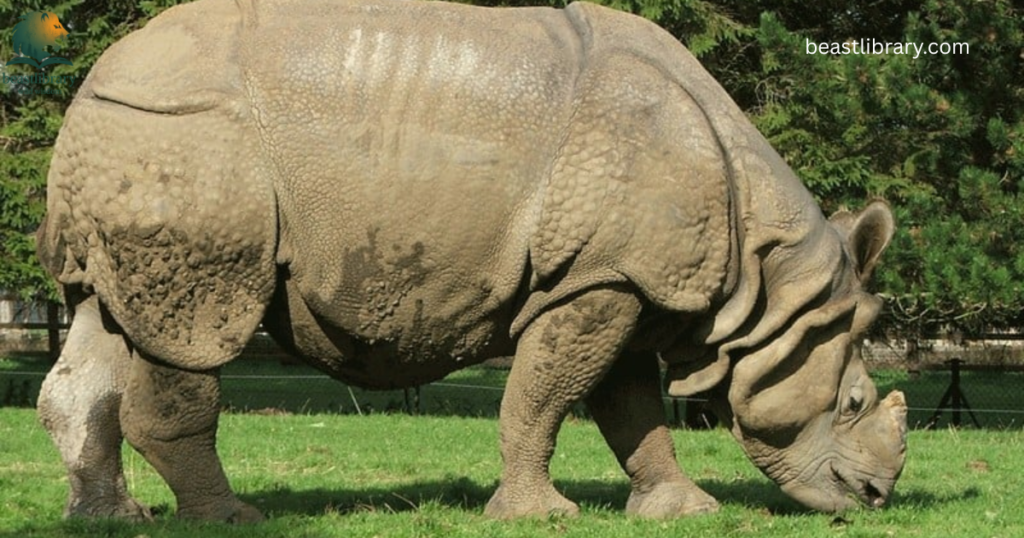
The rhinoceros is one of nature’s remarkable eaters, consuming around 120 pounds of vegetation each day. Their massive bodies require a massive calorie intake, primarily derived from grasses, leaves, and branches.
Interestingly, these colossal herbivores play a crucial role in their ecosystems by maintaining the balance of plant life. Their grazing habits help to shape the landscape, promoting biodiversity and supporting a variety of other wildlife.
20. Gorilla
Scientific Name: Gorilla gorilla
Class: Mammalia
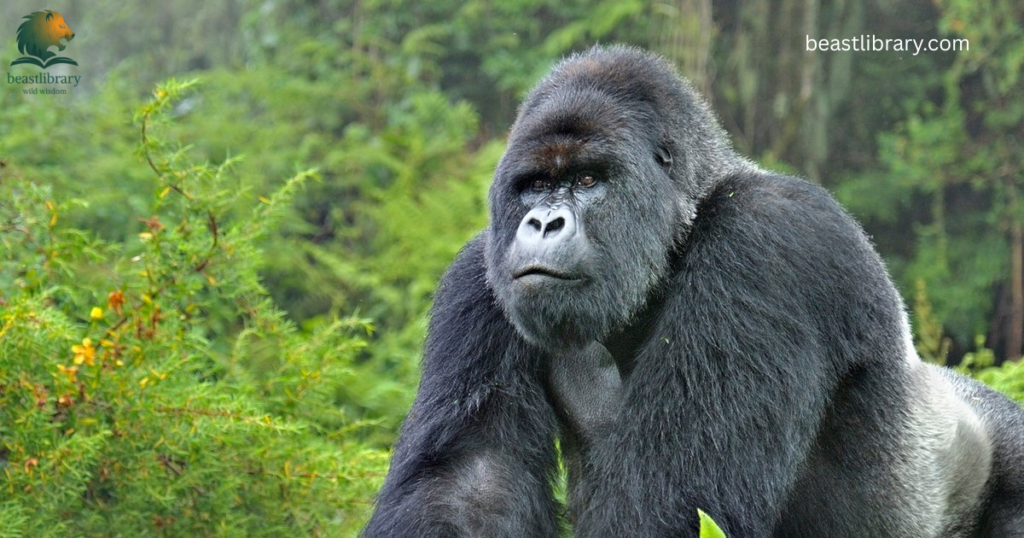
Gorillas are creatures not only for their undeniable strength but also for their impressive appetites. These gentle giants typically consume around 40 pounds of food each day, primarily consisting of fruits, leaves, and stems.
What’s intriguing is their selective eating behavior; while they eat copious amounts, they exhibit a remarkable degree of discernment in choosing their meals. This selective diet ensures they acquire the necessary nutrients while promoting ecological balance in their habitat by controlling plant growth.
21. Anacondas
Scientific Name: Eunectes murinus
Class: Reptilia
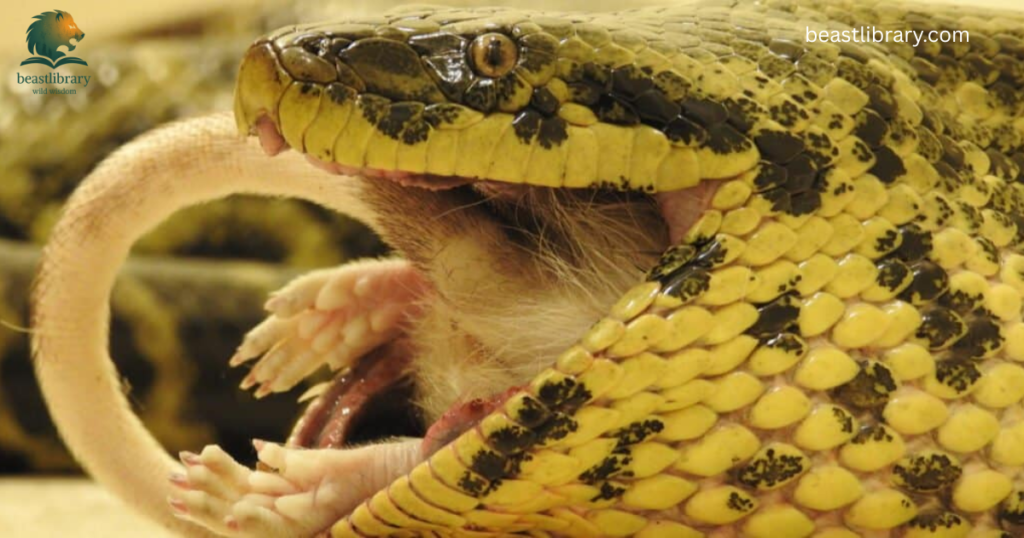
Anacondas are not just the largest snakes in the world; they also have a voracious appetite that sets them apart in the animal kingdom. These colossal serpents can consume prey that is significantly larger than themselves, thanks to their incredible ability to stretch their jaws.
Anacondas often feast on animals such as capybaras, deer, and even caimans, utilizing a strategy of ambush and constriction to overpower their meals. After such a massive intake, they can go weeks or even months without needing to eat again, a remarkable adaptation that allows them to thrive in their dense, tropical habitats.
22. Giant Weta
Class: Insecta
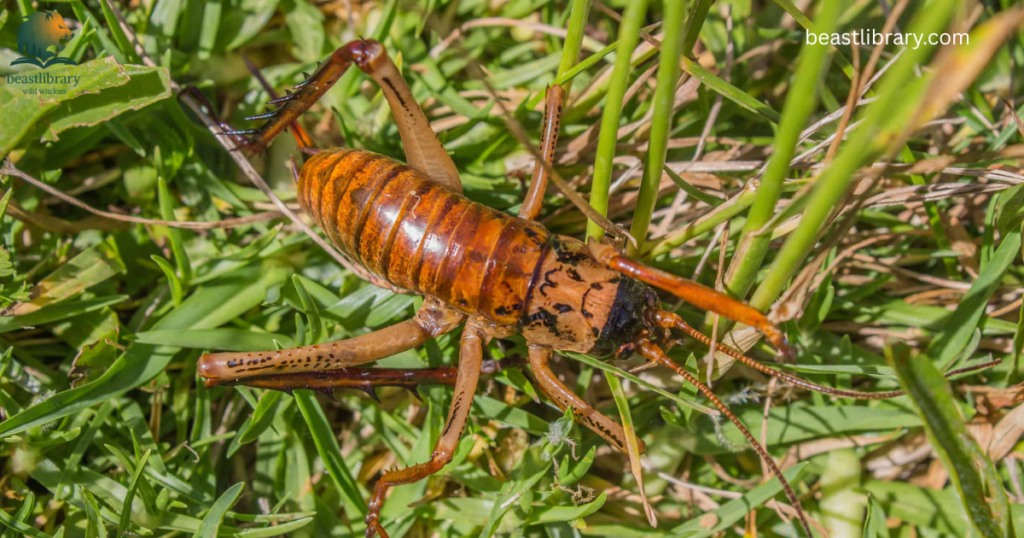
The Giant Weta, a massive insect native to New Zealand, revolutionizes our understanding of appetite in the animal kingdom. Weighing in at over 70 grams and measuring up to 10 centimeters long, this extraordinary creature can consume up to its own weight in food every day.
Primarily herbivorous, it feasts on leaves, flowers, and fruit, showcasing an impressive ability to process tough plant material. One might wonder how something so hefty can sustain itself in an environment with limited resources.
23. Cow
Scientific Name: Bos taurus
Class: Mammalia
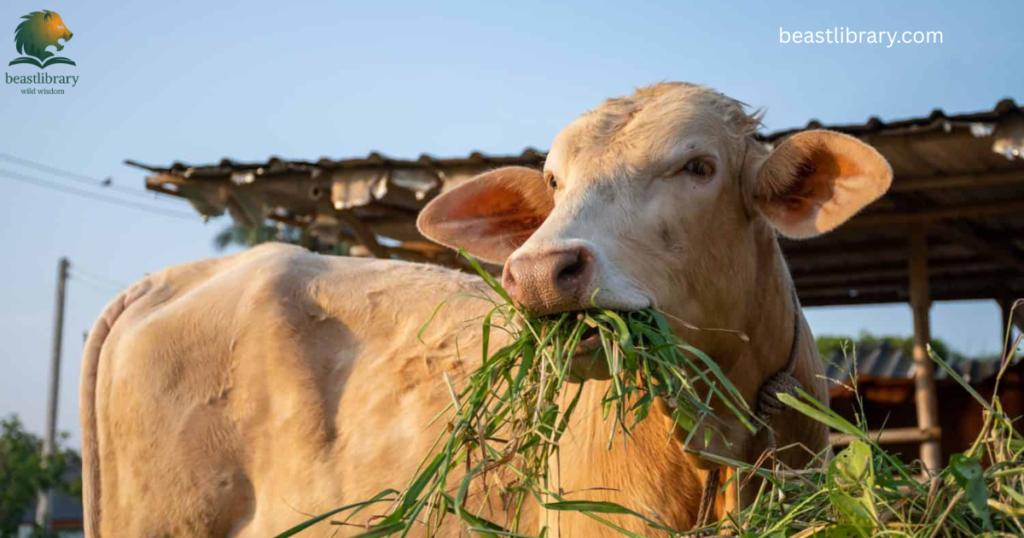
Cows are among the most impressive grazers on our planet, consuming an astonishing amount of food to sustain their large bodies. An adult cow typically eats between 100 to 150 pounds of feed daily, primarily grass, hay, and silage.
This formidable appetite is driven by their complex digestive system, which includes a four-chambered stomach. This intricate setup allows cows to break down fibrous plant material efficiently, turning grass into energy that fuels their sizeable frame.
24. Locusts
Class: Insecta
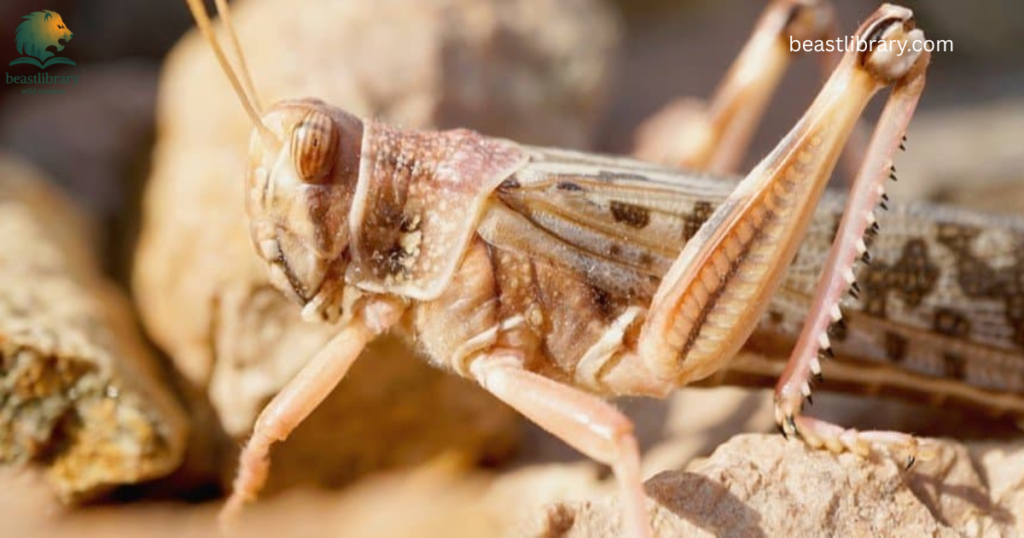
Locusts are creatures, not only for their transformation from solitary insects to swarming forces of nature but also for their astonishing eating habits. In a swarming phase, a single locust can consume its own weight in food daily, leading to insatiable appetites that can devastate crops and ecosystems.
This remarkable consumption is critical for their survival; when in swarms, locusts can strip entire fields bare, leaving a trail of destruction that can impact food security for entire regions.
25. Black-Footed Cats
Scientific Name: Felis nigripes
Class: Mammalia
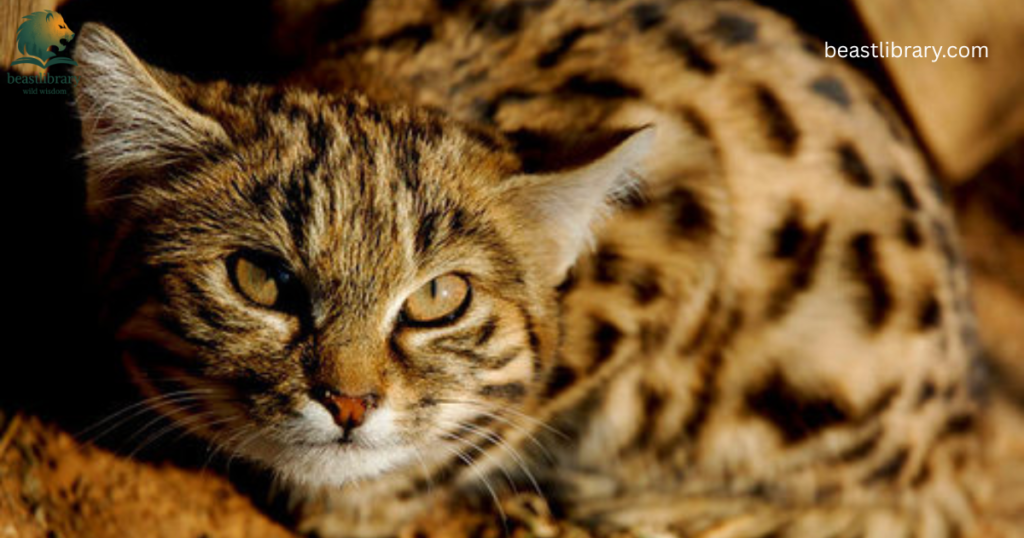
Black-footed cats, the small yet fierce felines of the African savanna, might weigh only around 2 to 5 pounds, but they have an appetite that rivals some of the larger predators. Known for their keen hunting skills, these cats can consume up to 14 rodents in a single night, showing an insatiable drive fueled by both necessity and skill.
Their high metabolic rates demand a constant influx of food, which makes them adept at navigating their arid habitats in search of prey.
Final Words– Animals That Eat a Lot
Animals That Eat a Lot consume copious amounts of food showcases the diverse survival strategies in the animal kingdom. From the colossal blue whale, which filters millions of tiny shrimp daily, to the equally impressive elephant, known for its voracious appetite for vegetation, these creatures exemplify how dietary needs are intricately linked to their habitats.
FAQs
What animal eat the most?
The animal that consumes the most food in relation to its body size is the blue whale. An adult blue whale can eat up to 4 tons of krill in a single day during feeding season. They use their immense mouths to filter these tiny crustaceans from the water, showcasing how large animals often need to consume vast quantities of food to sustain their size.
What is an animal tat eats a lot of grass?
One of the most well-known animals that eats a lot of grass is the cow. Cows are herbivores, and their digestive systems are specially adapted to break down tough plant fibers. They graze on grass for several hours each day, consuming vast amounts to sustain their size and energy needs.
What is an animal that eats and sleeps a lot?
The giant panda is a prime example of an animal that eats and sleeps a lot. These lovable creatures spend about 10 to 16 hours a day munching on bamboo, which makes up 99% of their diet. Given that bamboo is low in nutrients, they have to consume large quantities up to 30 pounds per day to meet their energy needs. After feasting, pandas love to nap. They can sleep for anywhere from 8 to 12 hours daily, often lounging in trees or on the ground.