Top 20 Animals with Antlers: Surprising Facts & Pictures
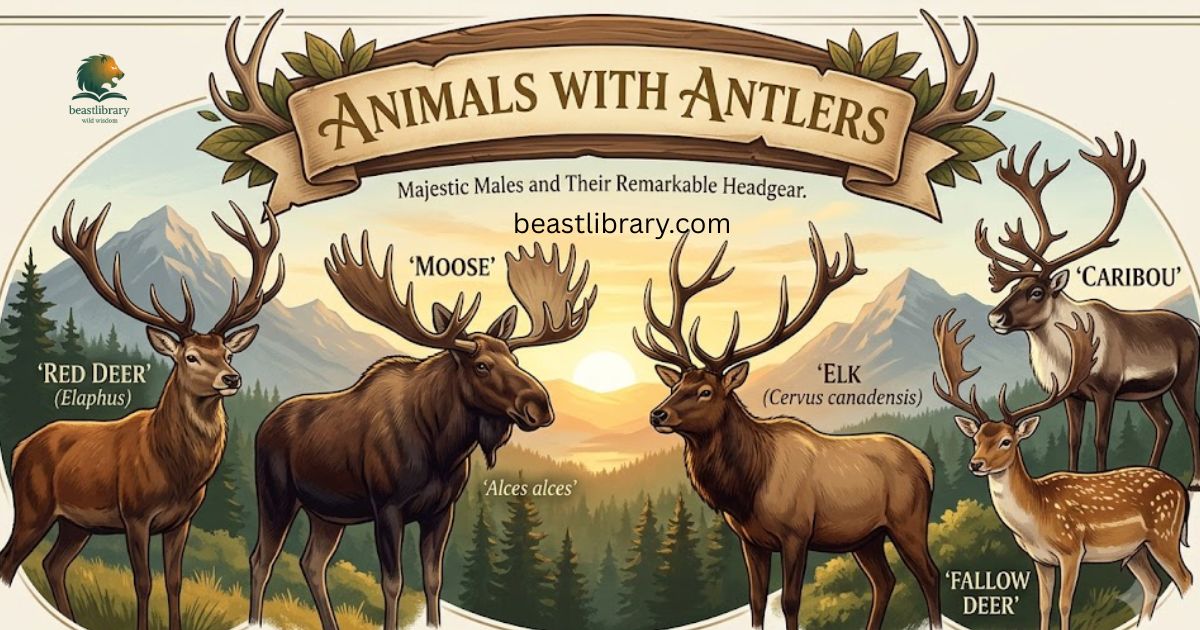
Animals with Antlers are mainly found in deer species. People often confuse animals with antlers and horns, antlers are bony structures that grow, fall off, and regrow every year. Male deer use antlers to fight rivals, attract females, and show dominance.
List of Amazing Animals With Antlers
| Rank | Animal Name | Scientific Name | Class | Diet |
| 1 | Moose | Alces alces | Mammalia | Herbivore |
| 2 | White-tailed Deer | Odocoileus virginianus | Mammalia | Herbivore |
| 3 | Red Deer | Cervus elaphus | Mammalia | Herbivore |
| 4 | Caribou / Reindeer | Rangifer tarandus | Mammalia | Herbivore |
| 5 | Fallow Deer | Dama dama | Mammalia | Herbivore |
| 6 | Elk / Wapiti | Cervus canadensis | Mammalia | Herbivore |
| 7 | Sika Deer | Cervus nippon | Mammalia | Herbivore |
| 8 | Père David’s Deer | Elaphurus davidianus | Mammalia | Herbivore |
| 9 | Muntjac Deer | Muntiacus reevesi | Mammalia | Herbivore |
| 10 | Axis Deer / Chital | Axis axis | Mammalia | Herbivore |
| 11 | Reeve’s Muntjac | Muntiacus reevesi | Mammalia | Herbivore |
| 12 | Sambar Deer | Rusa unicolor | Mammalia | Herbivore |
| 13 | Roe Deer | Capreolus capreolus | Mammalia | Herbivore |
| 14 | Marsh Deer | Blastocerus dichotomus | Mammalia | Herbivore |
| 15 | Thorold’s Deer | Cervus albirostris | Mammalia | Herbivore |
| 16 | Pudú | Pudu puda | Mammalia | Herbivore |
| 17 | Eld’s Deer | Rucervus eldii | Mammalia | Herbivore |
| 18 | Svalbard Reindeer | Rangifer tarandus platyrhynchus | Mammalia | Herbivore |
| 19 | Barasingha | Rucervus duvaucelii | Mammalia | Herbivore |
| 20 | Tufted Deer | Elaphodus cephalophus | Mammalia | Herbivore |
Detailed Look at Animals with Antlers & Images
1. Moose
Scientific Name: Alces alces
Class: Mammalia
Diet: Herbivore
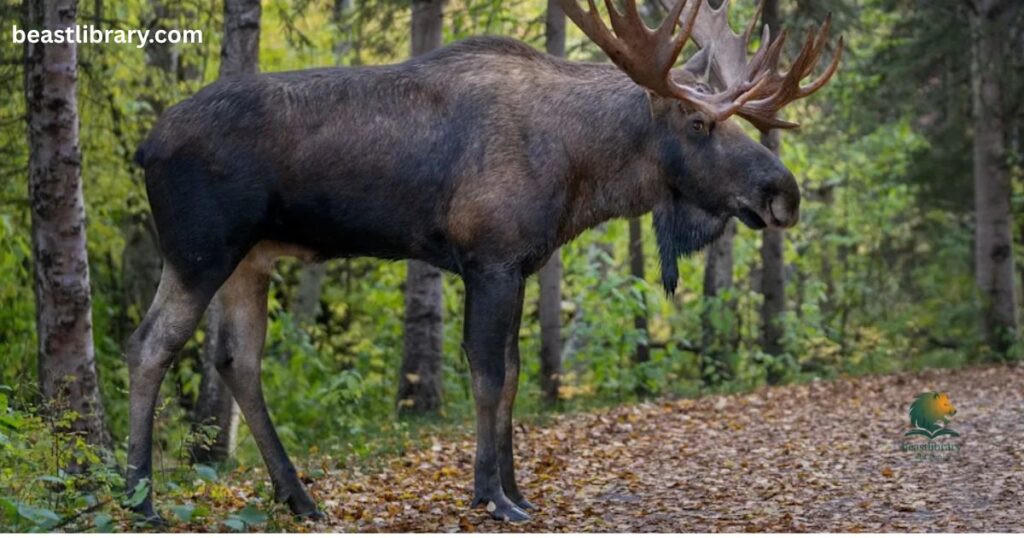
Moose are the largest in the deer family and live in North America, Europe, and Asia. Moose is cloven hooved animal. They eat shrubs and underwater plants. Only males grow Antler, up to six feet wide. Antlers fall off in every winter and regrow in spring. They are clumsy animals.
Moose are good swimmers and feed in deep water. They are mostly alone, except mothers with calves. They use grunts, bellows, and body language to communicate. Calves are born in late spring and stay with the mother for one year. They are grumpy animals of wild.
Fun fact: Antlers can weigh over 40 pounds.
2. White-tailed Deer
Scientific Name: Odocoileus virginianus
Class: Mammalia
Diet: Herbivore
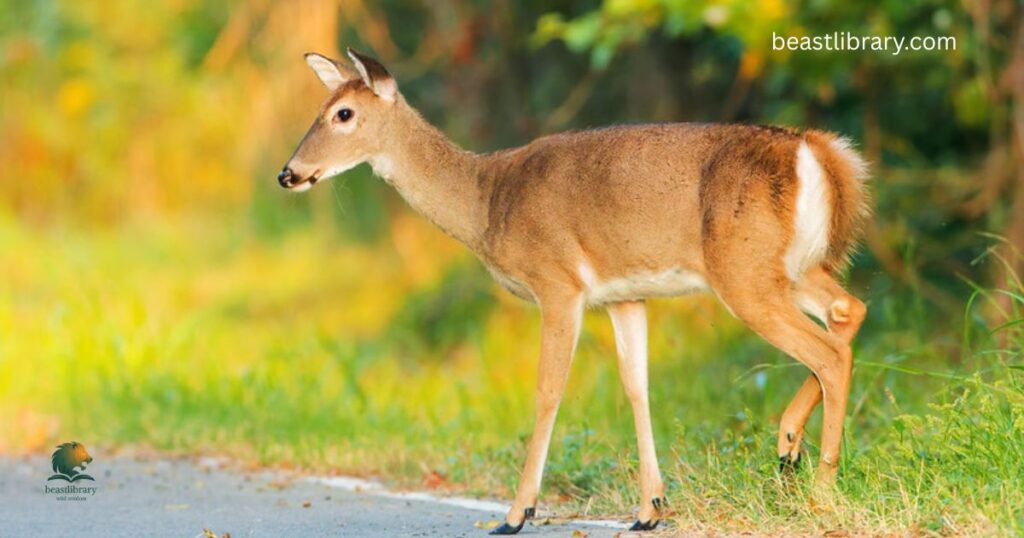
They live in North America. Their coat changes color with the season for camouflage. Only male grow antlers once a year. They shed them in winter and regrow them in springs. They are alert and fast. They run and jump to escape wolves, and humans.
They raise their white tail when scared. They are social and lives in loose family groups. Mating happens in rut season. Male deer fight with their antlers to win mates. Baby deer called fawns, are born in spring. They stay with their mom for about one year. They are cowardly animals,
Fun fact: They can jump over 8 feet high and run up to 30 miles per hour.
3. Red Deer
Scientific Name: Cervus elaphus
Class: Mammalia
Diet: Herbivore
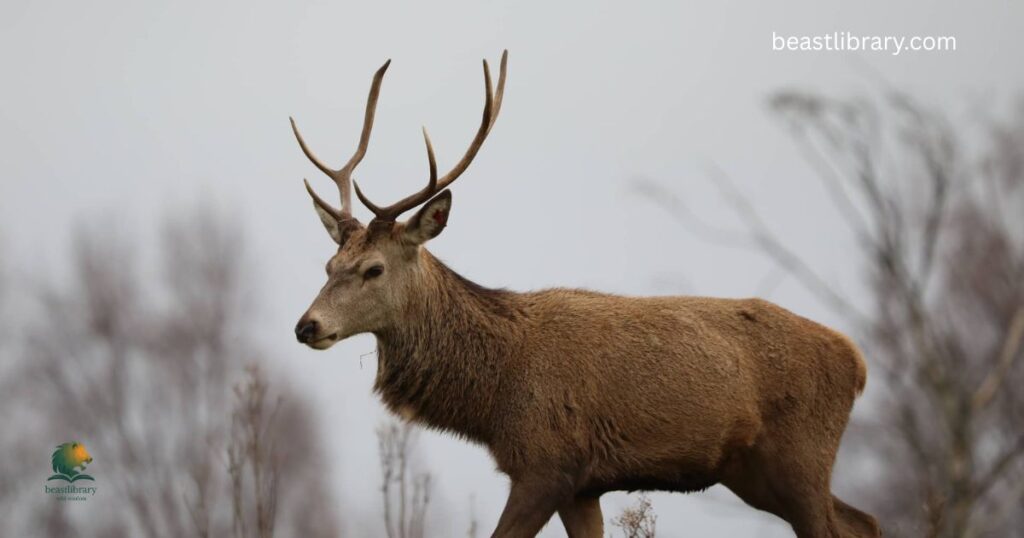
Red deer are the biggest deer in Europe and Asia. They live in forests, grasslands, and near water. They eat grass, leaves, bark and small branches. Only male deer have antlers. Antlers show male’s age and health.
Their coat is reddish-brown in summer and gray-brown in winter to help them hide. Baby deer also called calves. Red deer come out at night, early morning, and evening to eat. They run fast and can swim. They talk to each other using sounds, smell, and body signs.
Fun fact: Male deer can fight for hours with their antlers to win females.
4. Caribou / Reindeer
Scientific Name: Rangifer tarandus
Class: Mammalia
Diet: Herbivore
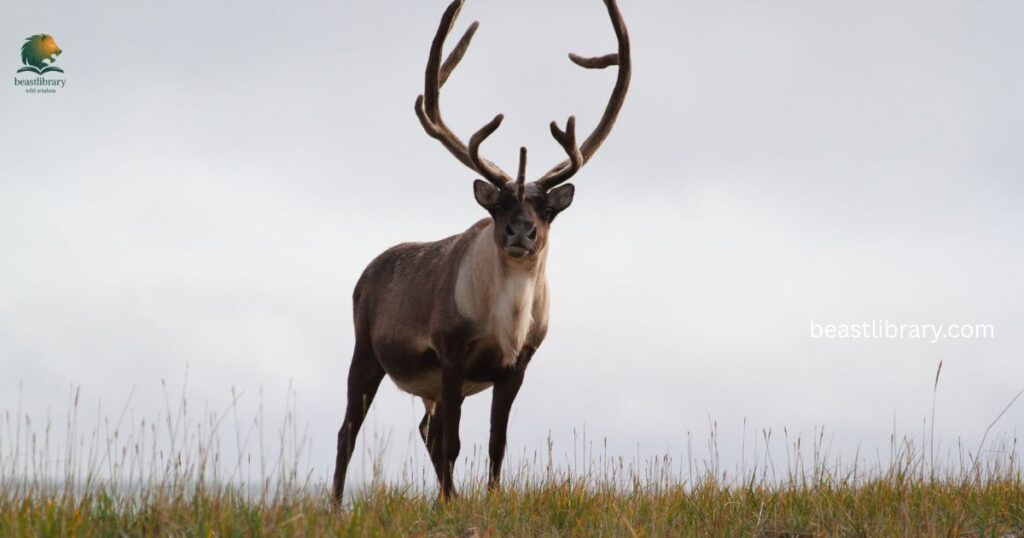
They are found in very cold Arctic areas of North America, Europe, and Asia. They live in big herds and travel long distance to find food. They eat mooses, shrubs, and grass. Both male and female caribou grow antlers. This is the only type of deer where females also grow antlers.
Females use antlers to dig food and protect their babies while male use their antlers to fight. They are good swimmers and fast runners. They have thick fur to stay warm in winter. Baby caribou are called calves. They are born in spring after 8 months.
Fun fact: They are the only deer where females grow antlers too
5. Fallow Deer
Scientific Name: Dama dama
Class: Mammalia
Diet: Herbivore
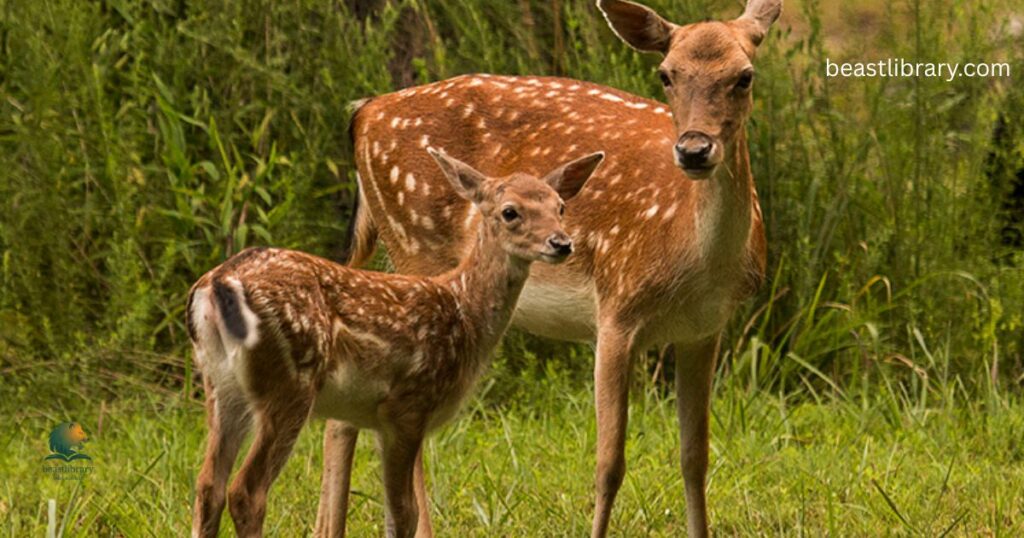
Fallow deer are spotted animals that first lived in Europe, but now they are found in many parts of the world. Male deer grow large, flat antlers every year. They eat grass, leaves, and fruits, and live in forests and Prairies. They are fast animals, which helps them stay safe from danger.
Fun fact: Fallow deer have flat, wide antlers that look like the shape of a hand, which makes them look different from other deer.
6. Elk / Wapiti
Scientific Name: Cervus canadensis
Class: Mammalia
Diet: Herbivore
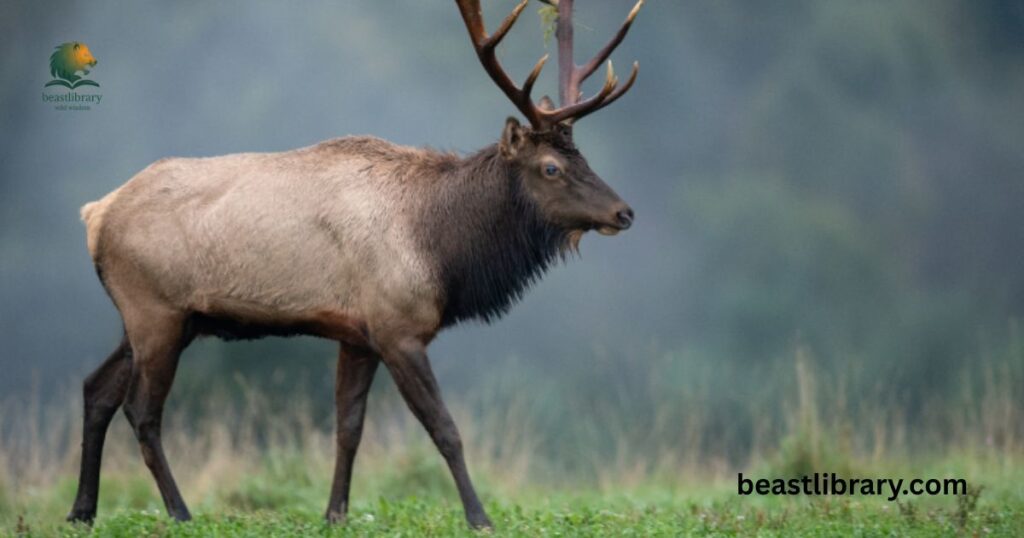
Elk, also called wapiti, are large deer found in North America and Asia. Male elk grow big antlers every year, which they use to fight and show strength. They eat grass, leaves, and bark, and live in forests, mountains, and Prairies.
Female elk live with their babies, while males often stay alone. Elk are fast runners and can swim to escape danger like wolves and bears. Their thick coat helps them stay warm in winter.
Fun fact: Male elk make a loud bugle sound during mating season to show their strength and warn other males.
7. Sika Deer
Scientific Name: Cervus nippon
Class: Mammalia
Diet: Herbivore
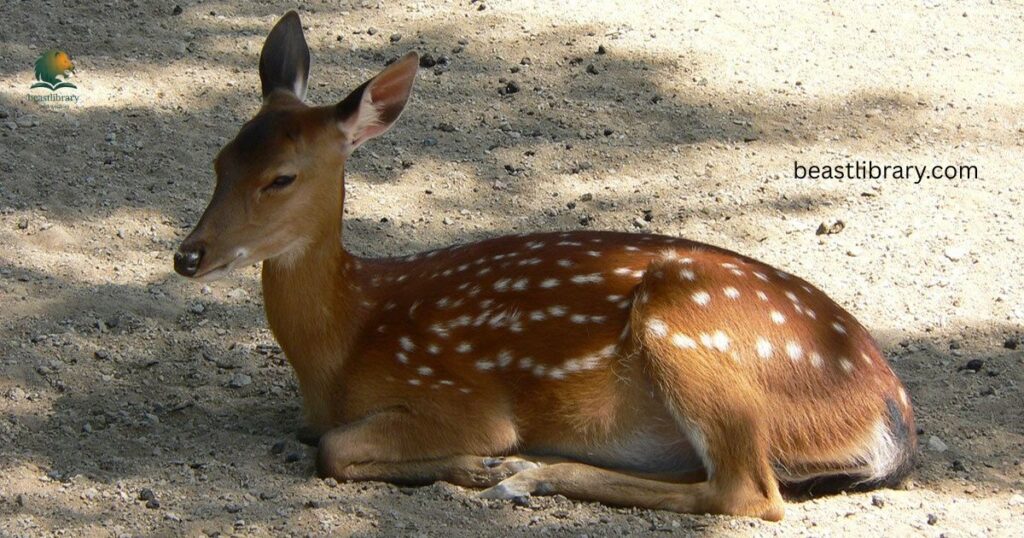
Sika deer are from East Asia but now live in other places too. Just like other creatures you might find under an animals with antlers crossword clue, these grow antlers every year, which they use to fight and attract females.
They eat grass, leaves, and fruits, and live in forests and plains. Females stay in groups with babies, while males live alone. Sika deer are spotted creatures fast and careful, helping them escape from danger. Their body color changes with seasons to help them hide.
Fun fact: Male sika deer make high-pitched whistle sounds during mating season to attract females and warn other males.
8. Père David’s Deer
Scientific Name: Elaphurus davidianus
Class: Mammalia
Diet: Herbivore
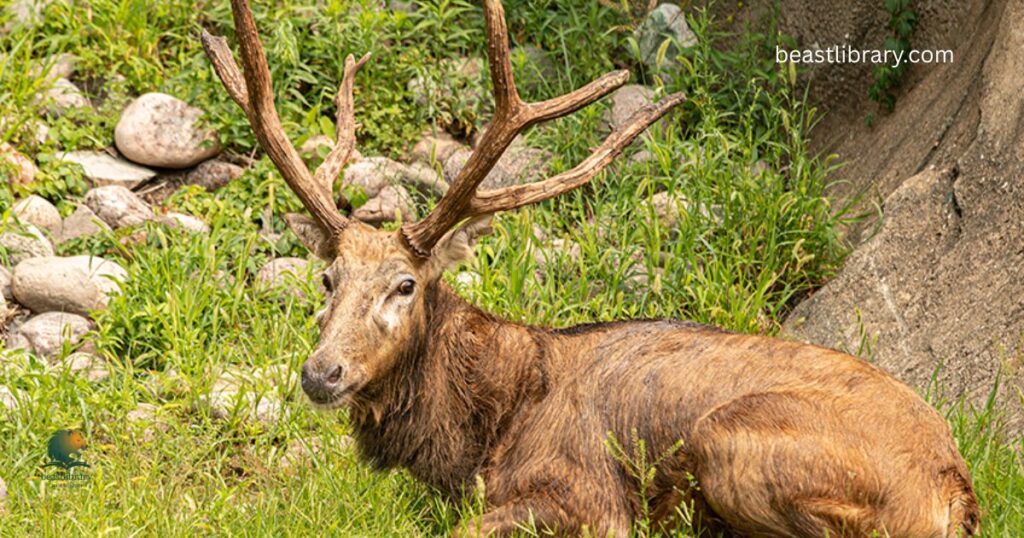
Pere David’s deer originally come from China but are now found mostly in reserves because they became extinct in the wild. Males grow antlers every year, which they use to fight and attract females during the mating season.
They eat grass and water plants and live in wetlands, grasslands, and river valleys. Females live in herds with calves, while males may live alone. These deer are good swimmers and are now protected through conservation efforts.
Fun fact: Pere David’s deer are special because they live in wetlands and are good swimmers. They can swim long distances to find food.
9. Muntjac Deer
Scientific Name: Muntiacus reevesi
Class: Mammalia
Diet: Herbivore
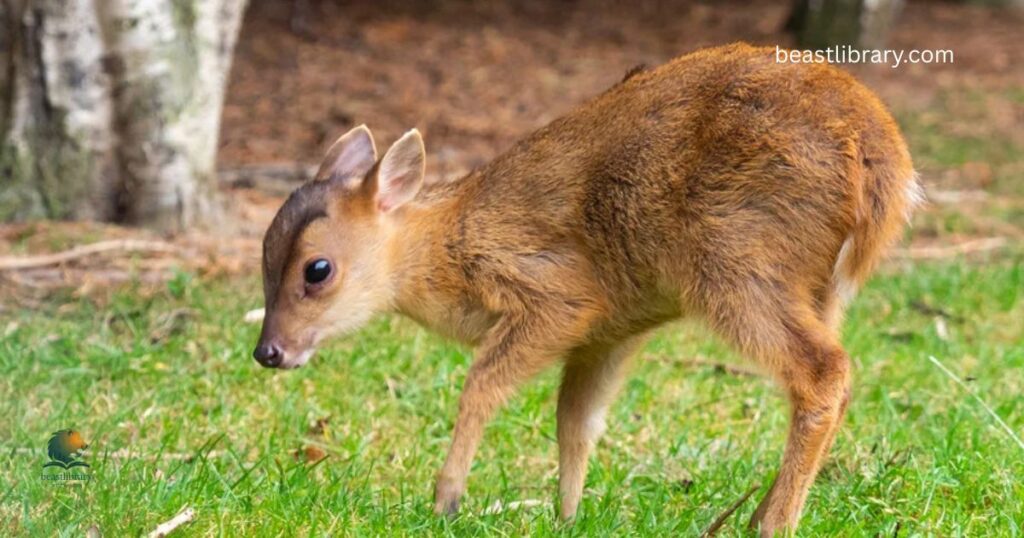
Muntjac deer, also called barking deer, live in Southeast Asia. Male deer have small antlers and tusk-like teeth. They eat leaves, fruits, grass, and shoots, and live in forests and thick bushes. They are usually alone and very alert animals. Males make barking sounds and use their antlers and tusks to defend their area and fight during mating season.
Fun fact: Muntjac deer are called barking deer because they make a loud bark sound to warn others about danger.
10. Axis Deer / Chital
Scientific Name: Axis axis
Class: Mammalia
Diet: Herbivore
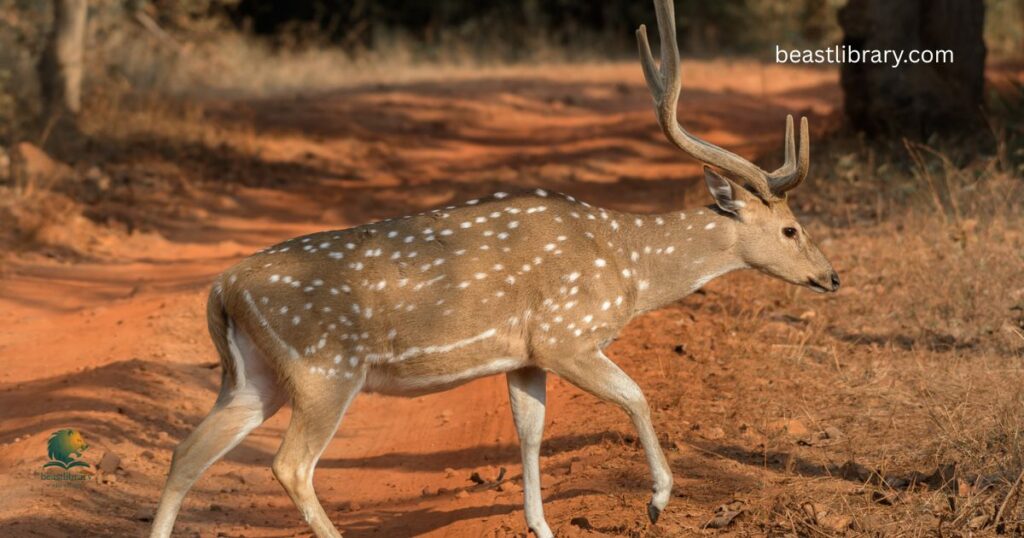
Axis deer live in India, Sri Lanka, and Nepal. Male deer grow three-pointed antlers every year, which they use to fight and attract females. They eat grass, fruits, leaves, and shoots, and live in forests and grasslands. Females live in groups, while males often live alone. Axis deer have spotted coats that help them hide, and they use sounds and smells to communicate.
Fun fact: Axis deer are very fast and can run up to 35 miles per hour. They also make quick turns to escape from predators.
11. Reeve’s Muntjac
Scientific Name: Muntiacus reevesi
Class: Mammalia
Diet: Herbivore
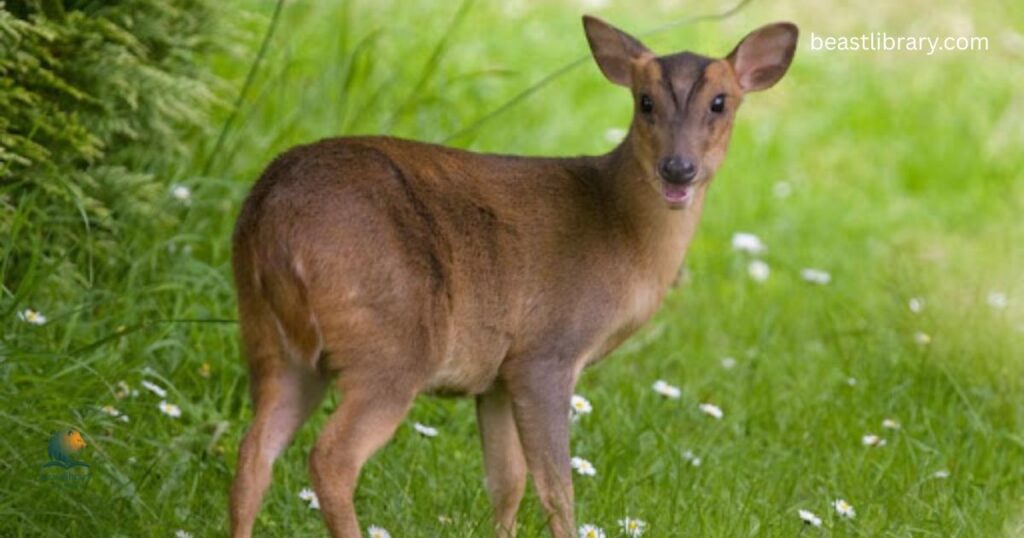
Reeve’s muntjac (Chinese muntjac) is a small deer found in Southeast Asia and also in some parts of Europe. Males have small antlers and sharp tusks, which they use to fight and show strength during mating season.
They eat leaves, fruits, grass, and shoots, and live in thick forests and bushes where they can hide easily. These deer are usually alone and are very alert, helping them escape from predators quickly.
Fun fact: Reeve’s muntjac are special because they have visible sharp tusks along with small antlers.
12. Sambar Deer
Scientific Name: Rusa unicolor
Class: Mammalia
Diet: Herbivore
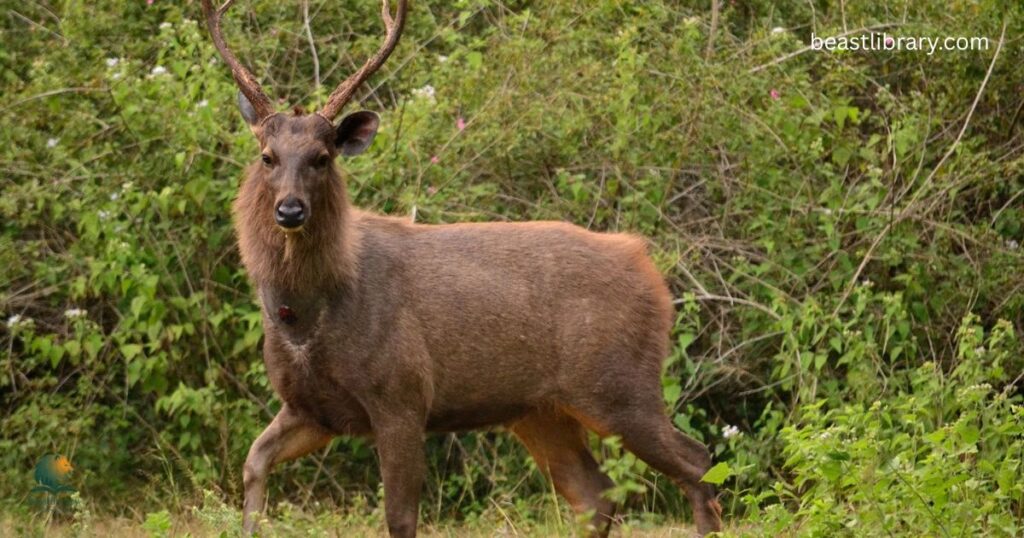
Sambar deer are large deer found in South and Southeast Asia. Male deer grow strong antlers every year, which they use to fight and attract females during mating season. They eat grass, leaves, bushes, and fruits, and live in forests, grasslands, and wetlands near water. Females live in groups, while males often stay alone. Sambar deer are fast runners and good swimmers, which helps them escape predators like tigers and leopards.
Fun fact: During mating season, sambar deer make a loud roar that can be heard from far away in the forest.
13. Roe Deer
Scientific Name: Capreolus capreolus
Class: Mammalia
Diet: Herbivore
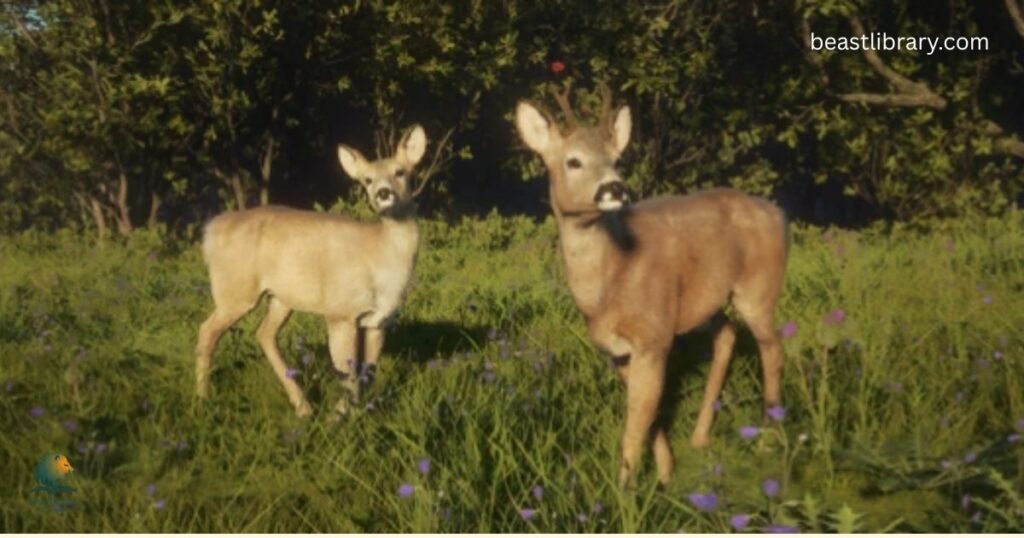
Roe deer are small deer found in Europe and parts of Asia. Male deer grow short antlers every year, which they use to fight and attract females. They eat leaves, grass, fruits, and shoots, and live in forests and fields. Females stay in small groups with their babies, while males are mostly alone. Roe deer are fast and alert, helping them escape from danger like foxes and wolves.
Fun fact: Roe deer males sometimes use their antlers to scrape tree bark to show their area.
14. Marsh Deer-Animals with Antlers
Scientific Name: Blastocerus dichotomus
Class: Mammalia
Diet: Herbivore
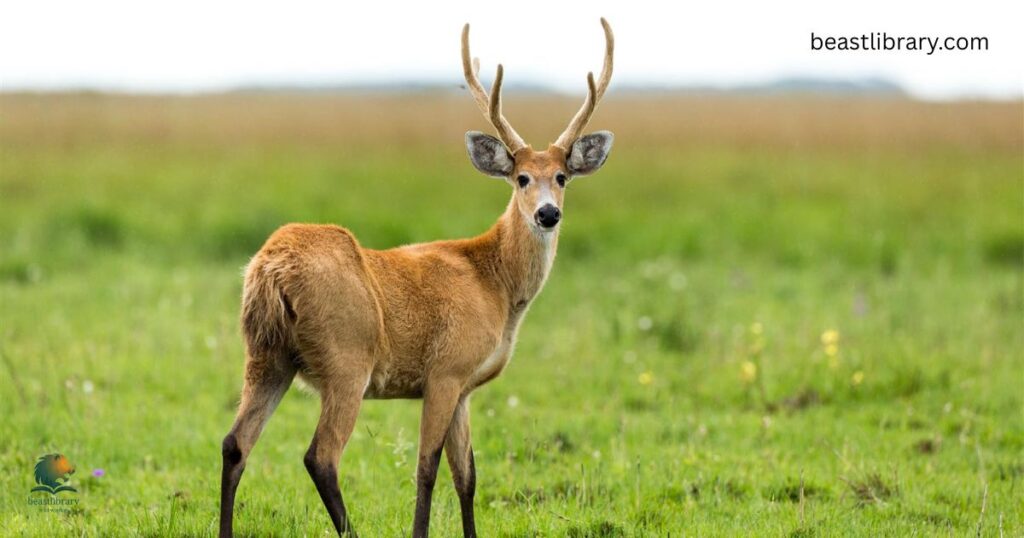
Marsh deer are found in South America, especially in countries like Argentina, Brazil, and Paraguay. Males grow large antlers each year, which they use to fight and attract females during mating season. They live in wetlands and near rivers, feeding on grasses and aquatic plants. Marsh deer are good swimmers and often stay close to water to stay safe from predators.
Fun fact: Marsh deer can eat food while standing in water, which helps them live in wetland areas.
15. Thorold’s Deer
Scientific Name: Cervus albirostris
Class: Mammalia
Diet: Herbivore
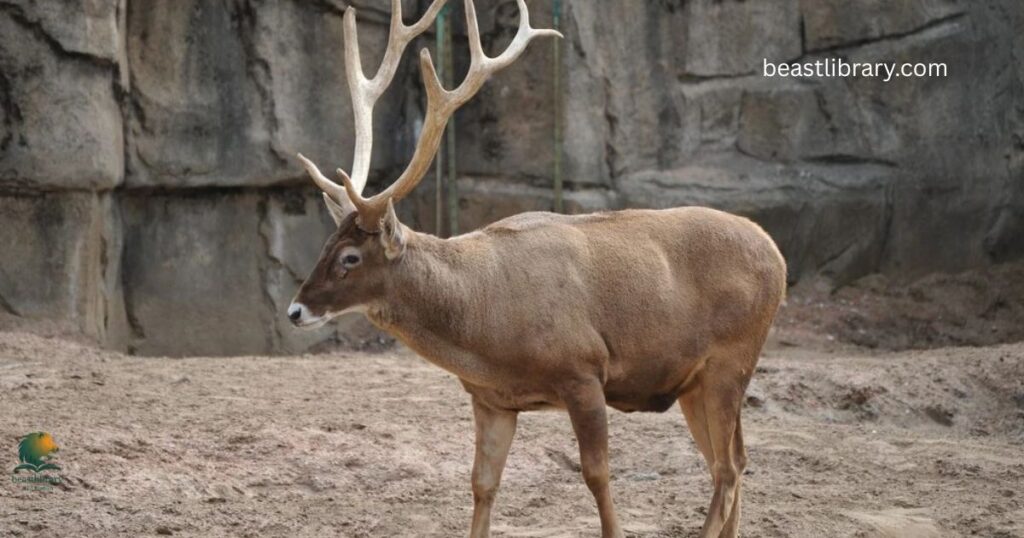
Thorold’s deer (white-lipped deer) live in the high mountains of Tibet, Bhutan, and China. Males grow large branching antlers each year, which they use to fight and attract females.
They eat grass, leaves, and lichens, and are adapted to cold, rocky mountain areas. Their thick fur and strong hooves help them move easily in rough terrain.
Fun fact:Thorold’s deer are found living at very high elevations, up to about 5,000 meters, making them one of the deer species that inhabit the highest altitudes in the world.
16. Pudú
Scientific Name: Pudu puda
Class: Mammalia
Diet: Herbivore
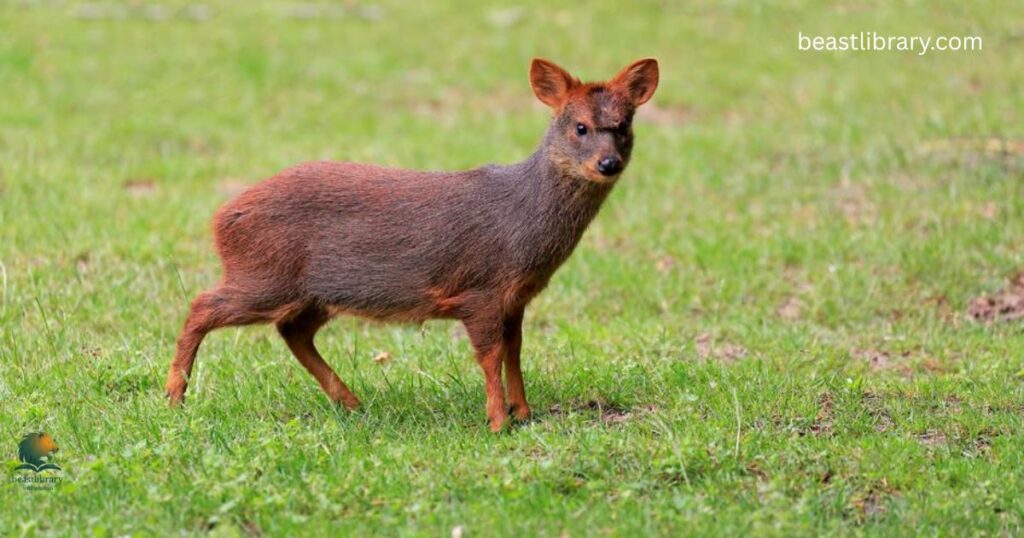
The pudú is the smallest deer in the world. It lives in forests in southern Chile and Argentina. It eats leaves, fruits, grass, and small plants. Male pudús have small antlers that they use during fights in the mating season. It has tiny hidden tail resembles animals with no tail.
Every year, they lose their antlers and grow new ones. Pudús are shy and usually live alone. They hide in thick plants to stay safe from animals like pumas and foxes. Their brown color helps them blend into the forest.
Fun fact: Pudús are very small and can easily move under low branches and through thick forest plants.
17. Eld’s Deer
Scientific Name: Rucervus eldii
Class: Mammalia
Diet: Herbivore
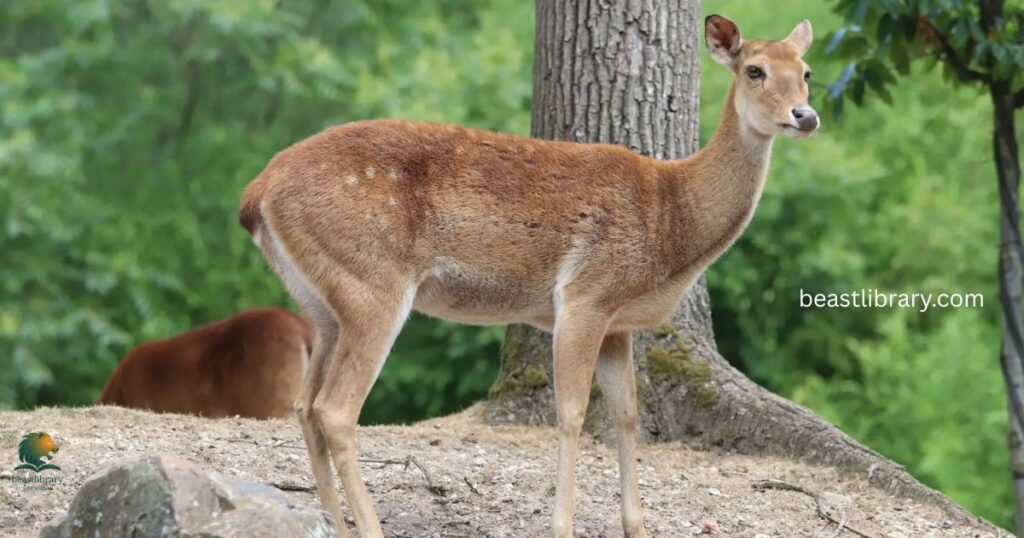
Eld’s deer (also called thamin) are found in India, Myanmar, and Thailand. They live in grasslands, wetlands, and forests near rivers. They eat grass, leaves, and young plant shoots. Male deer have large antlers that they use to fight during mating season, and they grow new ones every year.
Females and young ones usually stay in groups, while males can live alone. These deer are fast runners and use speed to escape predators like tigers and leopards. Their reddish-brown color helps them hide in grass. Habitat loss and hunting have made them a threatened species.
Fun fact: Eld’s deer have very long antlers, which can grow up to 1 meter, making them some of the longest compared to their body size.
18. Svalbard Reindeer
Scientific Name: Rangifer tarandus platyrhynchus
Class: Mammalia
Diet: Herbivore
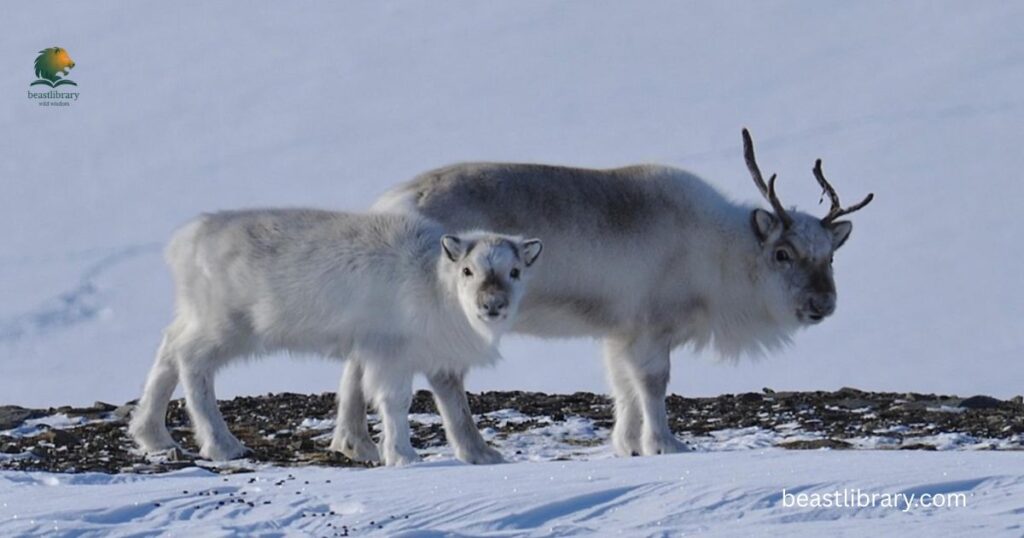
Svalbard reindeer are small deer that live in the Arctic Svalbard islands. They eat moss, grass, lichens, and small plants. Both males and females have antlers, which they use to dig snow for food, protect themselves, and during mating season.
These deer are adapted to very cold weather with deep snow and strong winds. They usually live in small groups. Their thick bodies help them stay warm in freezing conditions.
Fun fact: Svalbard reindeer have short legs and small, compact bodies that help them stay warm in very cold Arctic weather.
19. Barasingha– Animals with Antlers
Scientific Name: Rucervus duvaucelii
Class: Mammalia
Diet: Herbivore
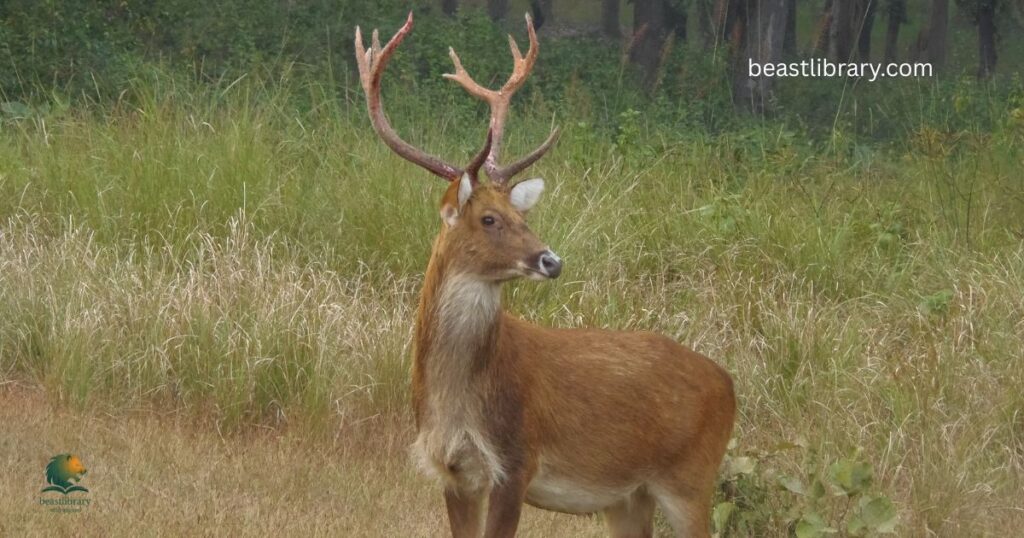
Barasingha (swamp deer) live in India and Nepal. They are found in wetlands, grasslands, and near rivers and lakes. They eat grass, leaves, and water plants. Male deer have large branched antlers, which they use to fight and attract females. They grow new antlers every year.
Barasingha live in herds and are social animals. They use sounds and scent to communicate with each other. Their brown color helps them hide in tall grass. Habitat loss and hunting have made them a threatened species.
Fun fact: Barasingha have antlers with up to twelve points, which is why they are called ‘twelve-tined’ in Hindi.
20. Tufted Deer
Scientific Name: Elaphodus cephalophus
Class: Mammalia
Diet: Herbivore
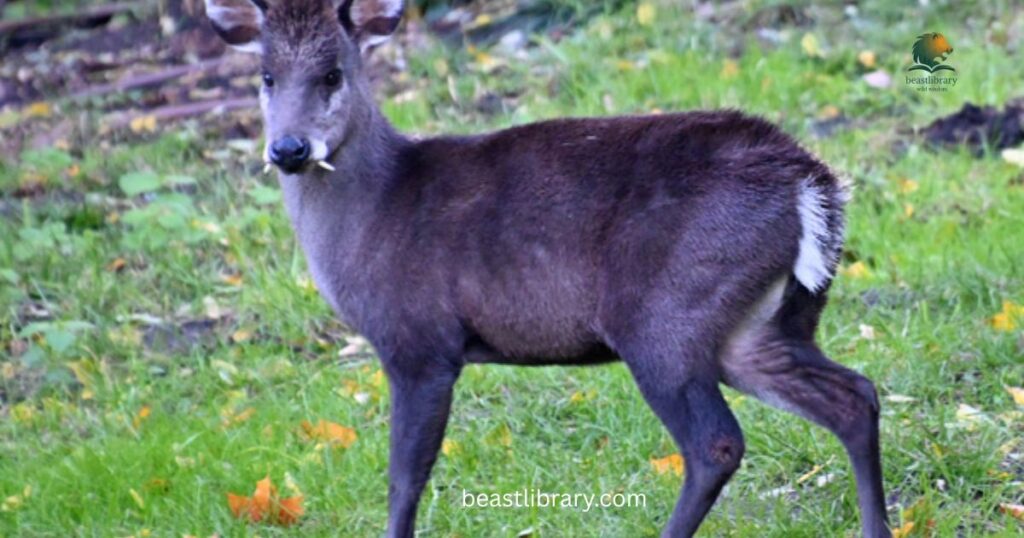
Tufted deer live in China and Myanmar. They live in forests, bamboo areas, and mountains. They eat leaves, grass, fruits, and small plants. Male tufted deer have small antlers and long teeth-like tusks. They use them to fight and show strength.
They usually live alone and are very alert. They run fast to escape animals like tigers and leopards. Their dark color helps them hide in the forest. They are in danger because their homes are being destroyed and they are hunted.
Fun fact: Tufted deer are special because they have both antlers and long tusks, which makes them look different from other deer.
Final Words – Animals with Antlers
Animals with Antlers are part of the deer family. Antlers help them fight, stay safe, and find mates. Mostly male deer have antlers, but in some species like reindeer, females also have them. Readers often search for animals with antlers in Africa, true antlered species are rare there.
Antlers show strength and help animals survive in different places like forests, mountains, and wetlands.Learning about antlers helps us understand animals better and the need to protect their homes. These animals show how nature is strong and connected.
FAQs
What deer have antlers?
Antlers are found in animals from the deer family, such as moose, elk, reindeer, sika deer, and small deer like pudu and muntjac.
How often do animals shed antlers?
Antlers fall off every year and grow back again, usually in spring after winter.
What are antlers used for?
Antlers are used for fighting, attracting mates, showing strength, and sometimes for protection.
Are antlers the same as horns?
No. Antlers fall off and regrow every year and are made of bone. Horns stay for life and are made of keratin.