Top 15 Animals With Spots: The Secret Reason Behind Their Spots
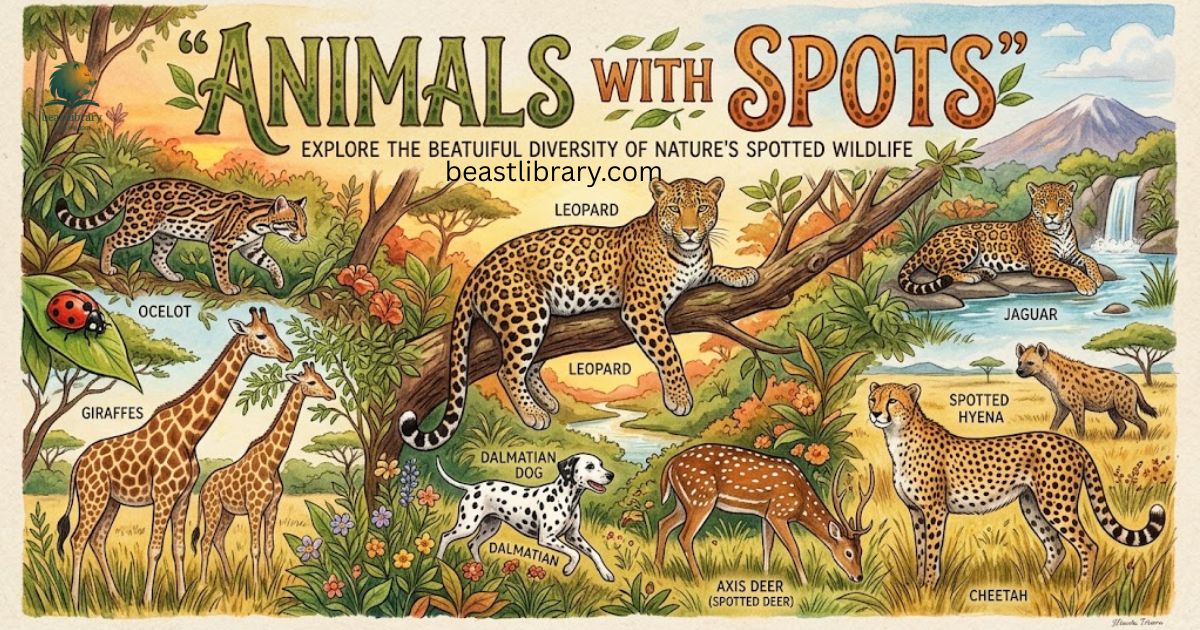
Animals with Spots and stripes are among nature’s most attractive animals. These spots are not in vain, that is why cheetahs specifically in Southern Africa have them, or ladybirds in your garden. Spots are used to aid hiding animals, scare away hunters disclose & even identify.
Top 15 Animals with Spots
| Rank | Animal | Scientific Name | Class | Habitat | Diet |
| 1 | Cheetah | Acinonyx jubatus | Mammalia | African savanna | Carnivore |
| 2 | Leopard | Panthera pardus | Mammalia | Africa & Asia forests | Carnivore |
| 3 | Jaguar | Panthera onca | Mammalia | Central & South America rainforests | Carnivore |
| 4 | Giraffe | Giraffa camelopardalis | Mammalia | African savanna | Herbivore |
| 5 | Spotted Hyena | Crocuta crocuta | Mammalia | African plains | Carnivore |
| 6 | Snow Leopard | Panthera uncia | Mammalia | Central Asian mountains | Carnivore |
| 7 | Fallow Deer | Dama dama | Mammalia | Woodlands | Herbivore |
| 8 | Whale Shark | Rhincodon typus | Chondrichthyes | Tropical oceans | Planktivore |
| 9 | Atlantic Spotted Dolphin | Stenella frontalis | Mammalia | Atlantic Ocean | Carnivore |
| 10 | Spotted Owl | Strix occidentalis | Aves | North American forests | Carnivore |
| 11 | Dalmatian | Canis lupus familiaris | Mammalia | Domestic | Omnivore |
| 12 | Leopard Gecko | Eublepharis macularius | Reptilia | Asian deserts | Insectivore |
| 13 | Harlequin Toad | Atelopus spp. | Amphibia | South American forests | Insectivore |
| 14 | Ladybug | Coccinellidae | Insecta | Worldwide | Carnivore |
| 15 | African Wild Dog | Lycaon pictus | Mammalia | African savanna | Carnivore |
Why These Beautiful Animals Have Spots:
Many beautiful animals, like giraffes, and cheetahs have spots or stripes not just for look but for survival. spots can also signal danger. Bright designs on the toads of harlequin or ladybugs warn hunters that they are toxic. Spots are not simply decoration.
To most of the animals they act as an implement of survival. The pattern of African wild dogs and leopards is such that they allow them to identify members of a group or a pack. S pots in forests, and oceans scatter the shape of the animal, it becomes difficult to notice it by hunters or prey.
1- Cheetah– Animals with spots
Scientific Name: Acinonyx jubatus
Class: Mammalia
Diet: Carnivore
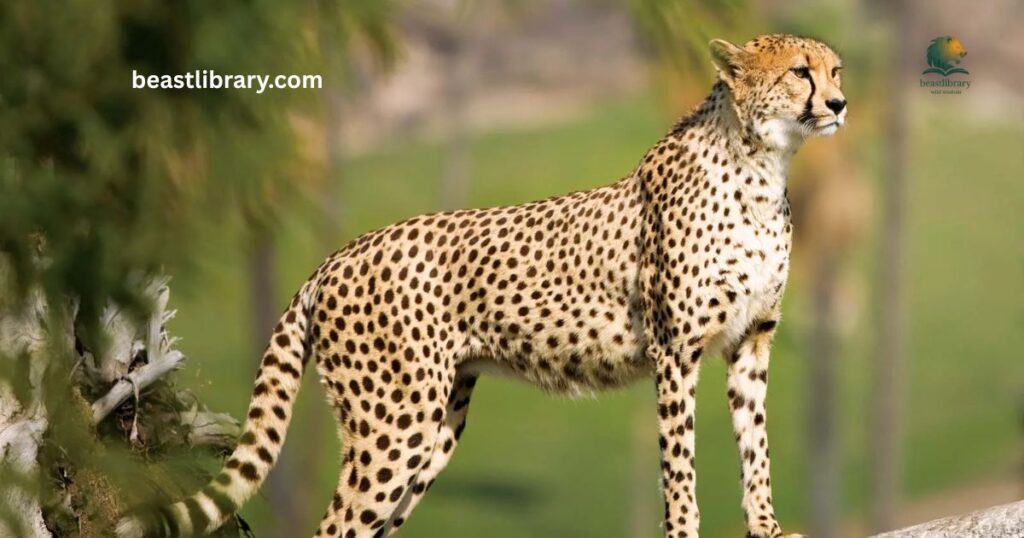
Cheetahs are energetic animals active in the daytime and use their eyes as the chief weapon. The duration of a chase can hardly transcend one minute as running is a vigorous energy consuming activity. It relies on speed rather than strength.
The cheetah inhabits open African savannas where they can see clearly due to the extensive scenery. Sudden speeding up is maintained by long legs, a slim body and a loose spinal column. All its golden coat with small round black spots on.
The pattern is mixed with shadows when the sunlight is not scattered evenly across the savanna. Prey animals will not realize that they have been moved till the last few seconds. Every person bears a unique spot arrangement that can be identified by researchers with the help of photography.
2- Leopard
Scientific Name: Panthera pardus
Class: Mammalia
Diet: Carnivor
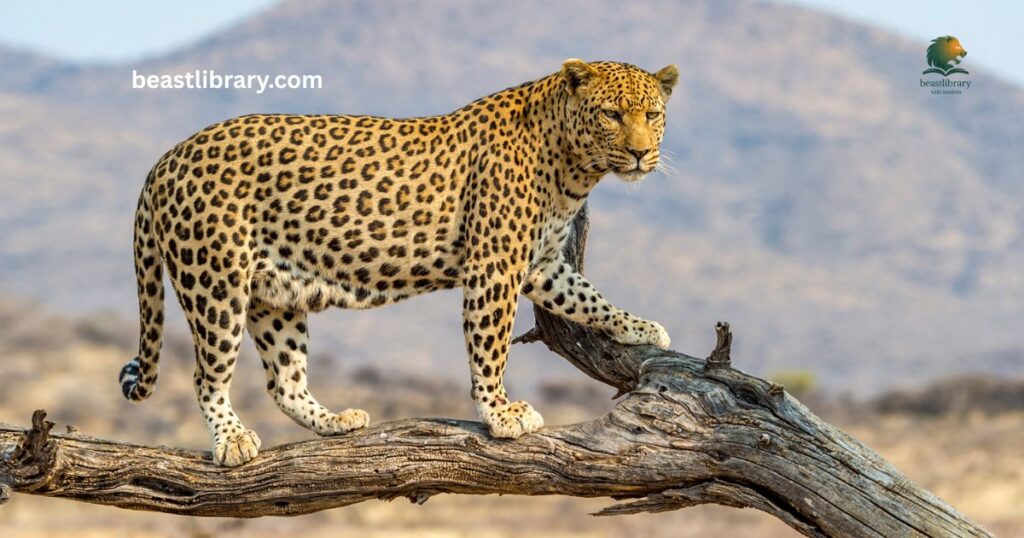
It has powerful shoulders and jaws which enable it to lift heavy animals more than what it weighs. Once a leopard has killed, it tends to drag away prey into a tree. This action helps to shield food against lions .
Cubs attend their mother for almost 2 years learning how to stem and bushwhack their prey. In parts the melanistic individual is found, and may be referred to as black panthers. Their rosettes can be seen even in the bright light.
3-Jaguar
Scientific Name: Panthera onca
Class: Mammalia
Diet: Carnivore
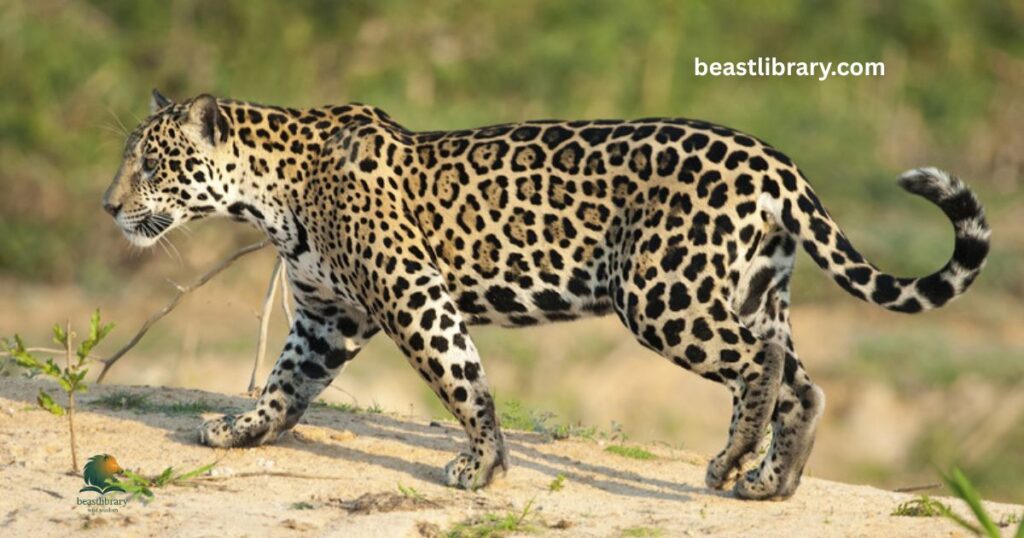
The coat of it bears large badges which have a dark spot in the middle of each or designation is the largest cat in America and its habitat mostly is in Central and South America. Its main habitat is collected from dense rainforests, swamp and river systems.
These are the patterns that are not similar to the leopard. In dense jungles the sun will shine on the ground of thin spurts. This light and shadow are combined with the jaguar rosettes. This concealment enables it to get into the prey without notice. Jaguars are trap hunters.
They depend on how quick to attack as opposed to being quick. Unlike many other cats but jaguars are high aquatic. They are curled tailed excellent swimmers and found near liver and rivers the jaguars are good swimmers and often adventure into rivers opposite to most of the big cats.
4- Giraffe
Scientific Name: Giraffa camelopardalis
Class: Mammali
Diet: Herbivore
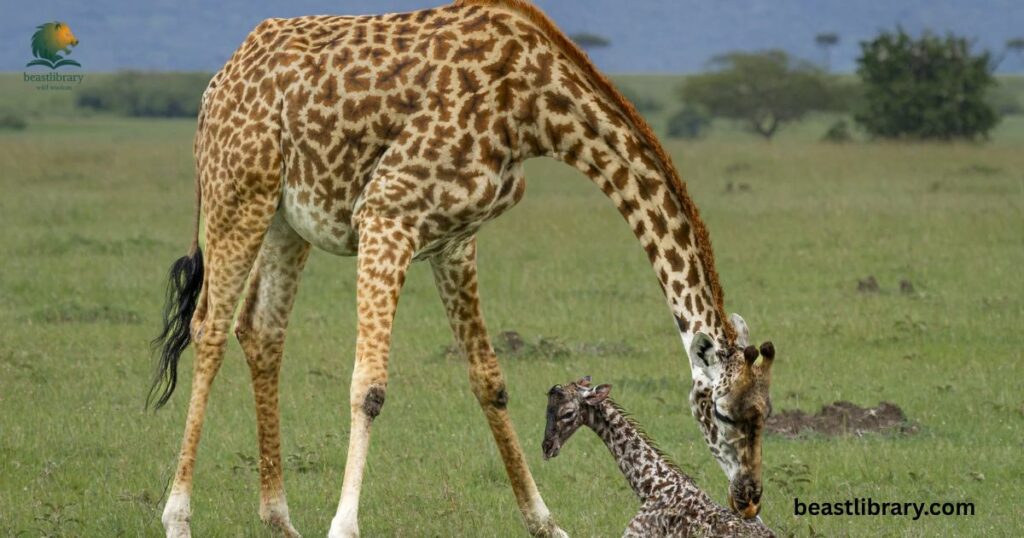
The giraffe is a biological marvel, standing as the tallest land mammal on Earth. Giraffes are hooved animals spend much time daily feeding to maintain their massive bodies And despite being normally docile, they are able to protect themselves using strong kicks.
Giraffes have long neck exist in loose herds that have a loose membership. They use the height to identify hunters, like lions at a distance. The patch patterns of hams are fixed in the birth and are constant throughout life.
5– Spotted Hyena
Scientific Name: Crocuta crocuta
Class: Mammalia
Diet: Carnivore
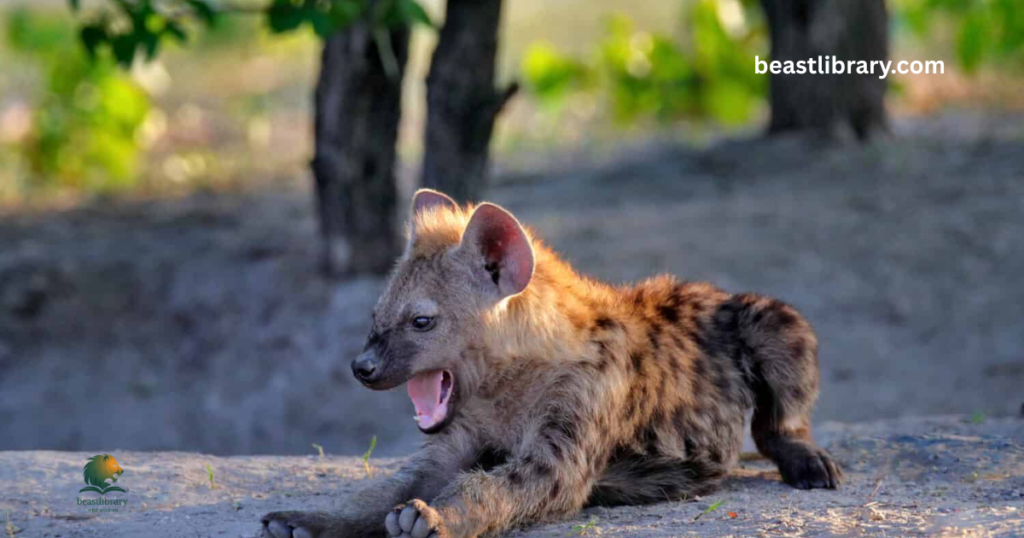
The changes in the habitat and clashes with domestic animals owners are challenges in some areas. Cubs are not only born in shared dens, but internee competition among siblings may be savage. Life is based on power and female status.
The ecological importance of hyenas is that they dispose of dead animals and keep the population of animals within their prey range in check. Every hyena has a definite spot pattern, which scientists adopt in the field research.
Found across Sub-Saharan Africa, these animals are famous for their complex social buildings called clans which are led by females. The spotted hyena is the largest and most powerful member of the hyena family.
6- Snow Leopard
Scientific Name: Panthera uncia
Class: Mammalia
Diet: Carnivore
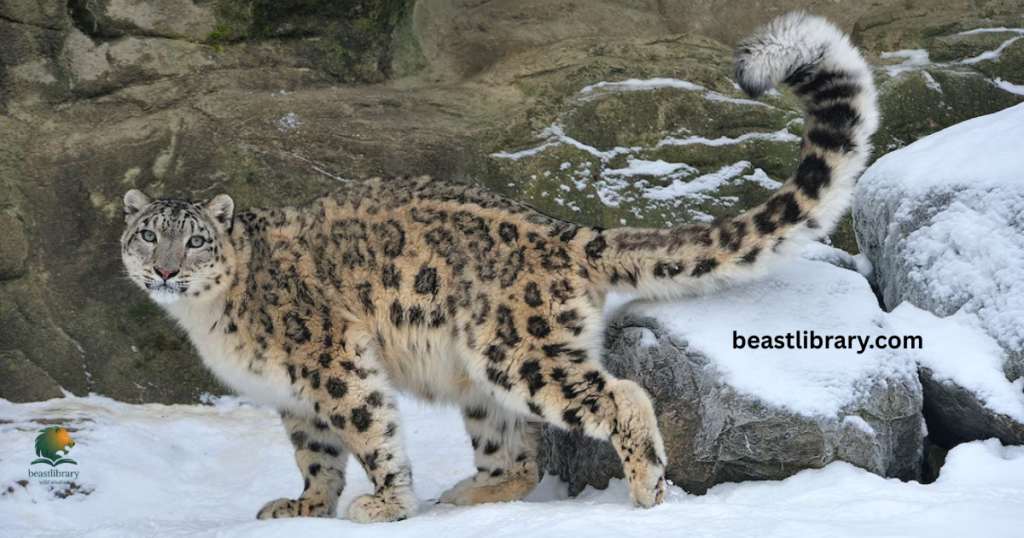
Snow leopards live in the high mountains of Central Asia and South Asia as well as the Himalayas, Pamirs and Tian Shan ranges. they have very thick grey white fur with large dark spots and ring like patterns.
Their main food consists of wild sheep, goats, and small animals, though they will eat leftover meat it they find it.to stay warm and keep their balance, they have a very long, thick tail and large paws that work like snowshoes.
7. Fallow Deer
Scientific Name: Dama dama
Class: Mammalia
Diet: Herbivore
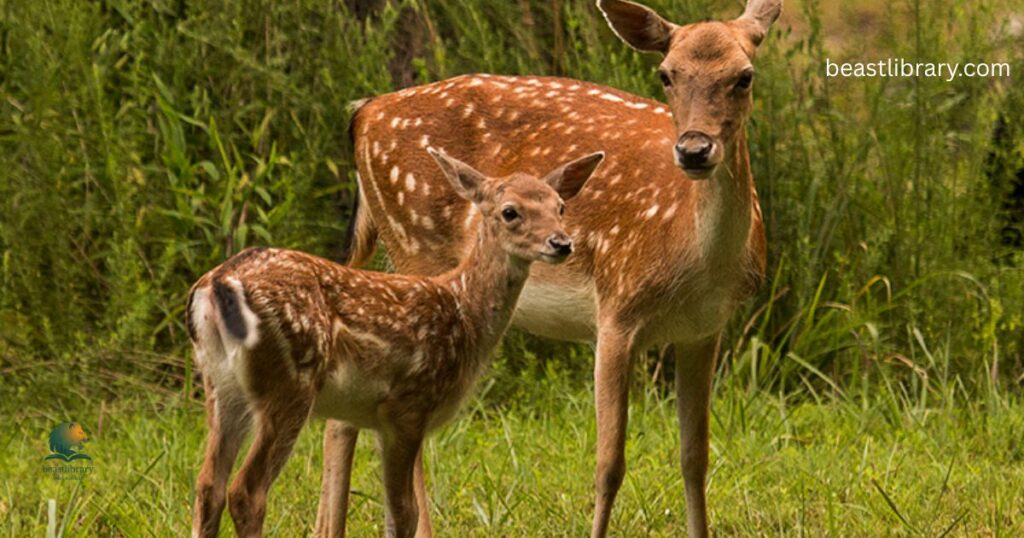
The fallow deer are animals with antlers and lives in woodlands, parklands. During the summer months, these animals sports chestnut or golden brown coats adorned with white spots , a pattern that mimics the dappled sunlight of the woods to keep them hidden.
Fallow deer are docile creatures and live in small groups which are typically sex separated during the non mating period. Bucks (males) develop new antlers annually which they lose and regenerate and use them to make mating efforts with the females in the rut.
Hunting and habitat loss are factors but human influence has increased their range. unique coat patterns act like individual fingerprints, enabling scientists to identify specific animals in their natural habitat. They live in Prairies.
Fun Fact: The spotted coats of fallow deer fawns acts as a biological cloaking device, allowing them to blend perfectly into tall vegetation and evade predators.
8. Whale Shark
Scientific Name: Rhincodon typus
Class: Chondrichthyes
Diet: Planktivore
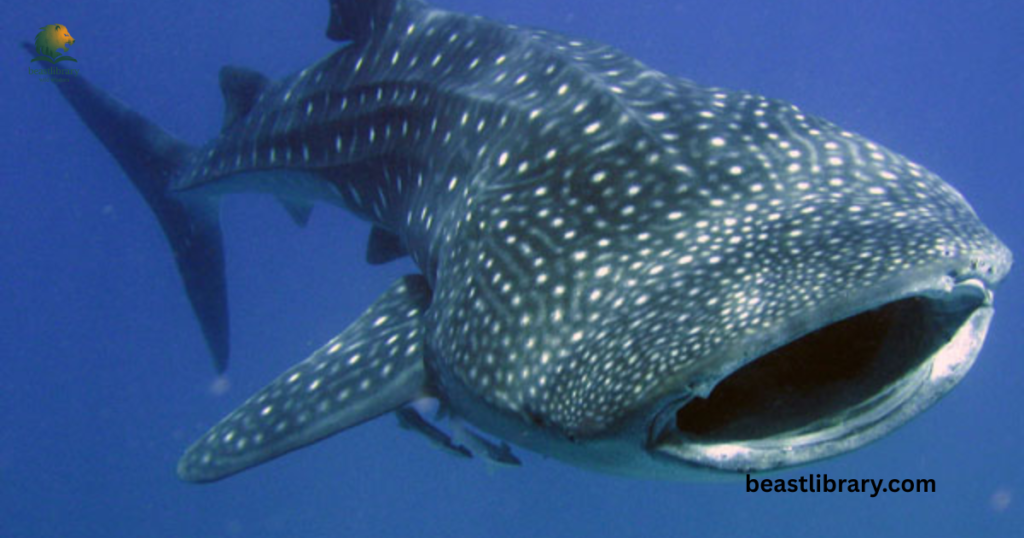
Whale shark is the biggest fish in the sea and can be located in tropical and warmer regions globally. It has a distinctly spotted and striped pattern of white spots on the grey-blue color on its body stretching all the way up to its tail.
These notches provide camouflage when open water is involved break up. its huge form in the sunlight that passes through the water column. The whale sharks feed slowly on the slow filter feeding and they feed on plankton, small fish, and tiny crustaceans.
Whale sharks can be monitored with the help of photography and satellite tags to trace their migration and behavior. The giants are also long lived and may be well over 70 years. Some of the threats are vessel hits, fishing bycatch, and habitat degradation.
Fun Fact: Each whale shark’s spots are unique, like a fingerprint, allowing researchers to identify individuals across oceans.
9. Atlantic Spotted Dolphin
Scientific Name: Stenella frontalis
Class: Mammalia
Diet: Carnivore
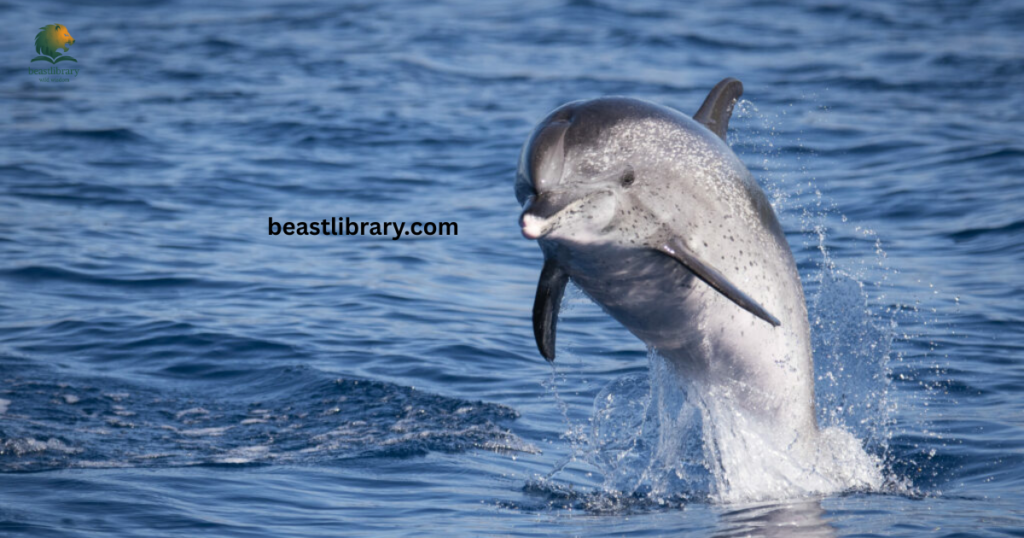
If you are trying to solve an animals with spots crossword clue, the Atlantic spotted dolphin is a perfect answer. They possess a light grey skin tone featuring dark speckles that increase in density as the animal matures, especially during adulthood .
These dots assist in the dispersion of the line of the dolphin on the transit and offer a certain cover up in mottled seawater. Atlantic spotted dolphins are extremely social and live in pods of two or more up to one hundred.
Atlantic spotted dolphins are highly mobile and acrobatic and they often leap above the water. The pods are ever changing and people are migrate groups. Fishing nets, pollution and habitat changes are some of the threats.
Fun Fact: The marking on an atlantics spotted dolphin grow distinct with age, ensuring that every adult has a completely unique pattern.
10. Spotted Owl
Scientific Name: Strix occidentalis
Class: Aves
Diet: Carnivore
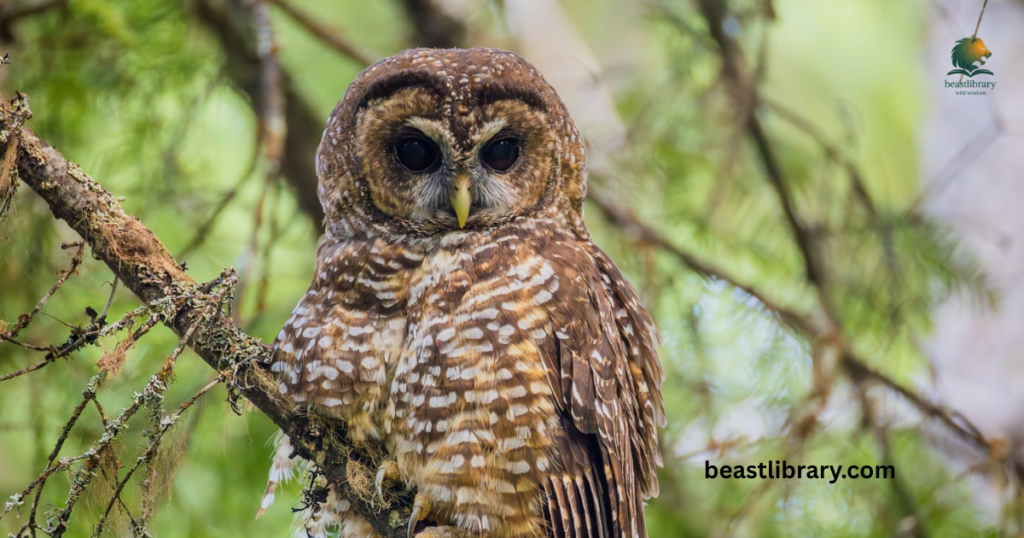
The spotted owl inhabits thick old forests of North America such as the pacific northwest and some parts of Mexico. Its dark brown plumage is scattered with small white marking, providing exceptional camouflage against the backdrop of tree bark and dappled sunlight .
The pattern facilitates camouflage of the owl when he is scouting or searching. Spotted owls are night predators that primarily consume small mammals (rodents, rabbits, and squirrels), these owls are highly territorial ,with mated pairs defending large areas of the forest
Nesting and conservation for breeding, spotted owls typically utilize tree cavities or abandoned woodpecker cavities. The juveniles have spotted patterns of the feathers like the adults but with less sharp edges.
The primary risks include forest management and loss of habitat, particularly the logging of the old-growth trees. Wildlife conservationists are working hard to protect these essential nesting and hunting.
Fun Fact: Spotted owls use their intricate feather spots to blend perfectly into tree bark, making them almost invisible during daylight hours.
11. Dalmatian
Scientific Name: Canis lupus familiaris
Class: Mammalia
Diet: Omnivore
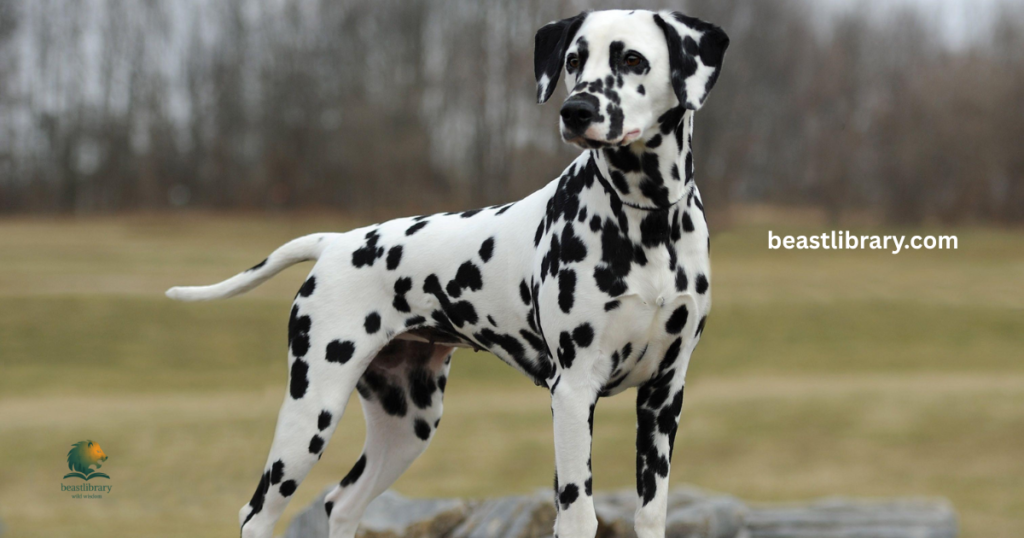
The Dalmatian is a domesticated canine breed, celebrated for its unique white coat embllished with scattered black or liver coloured spots. These spots are spontaneously placed and no two dogs of the same kind have the same pattern.
Puppies will be completely white and spots will occur within the first few weeks. Dalmatian were employed as carriage dogs, guardians, and fire fighting companions due to their natural propensity for horses.
The spotted coat of the breed is iconic and commonly known all over the world. The pattern does not give it any camouflage yet it is a key to the essence of the breed. The embellishment of the spots of each Dalmatian is singular, like a print, and makes them instantly recognizable.
Fun Fact: Dalmatian puppies are born completely white and develop their characteristic spots over the first few weeks of life.
12. Leopard Gecko
Scientific Name: Eublepharis macularius
Class: Reptilia
Diet: Insectivore
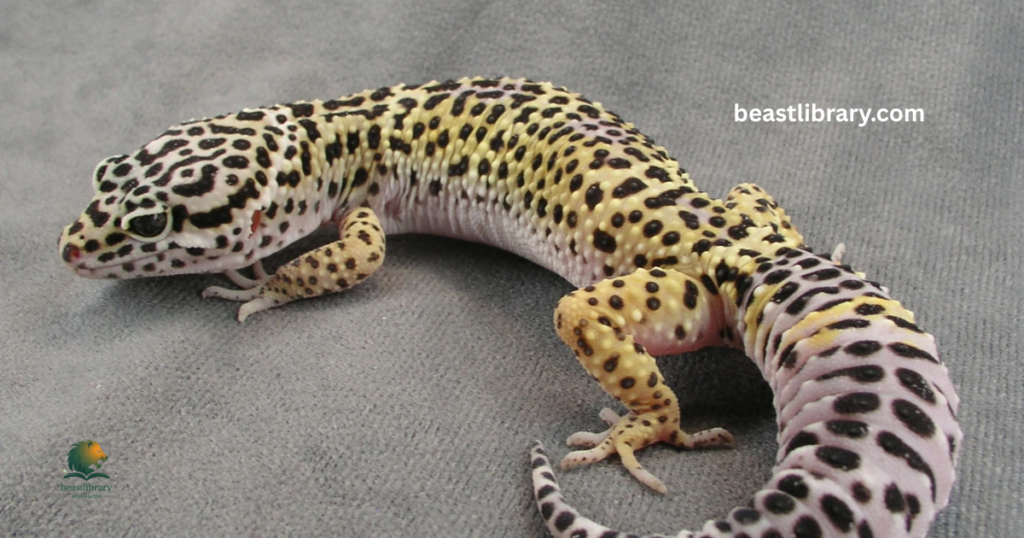
Leopard geckos inhabit in arid and semi arid areas of South and central Asia such as deserts and scrublands. Their yellow to tan skin is covered in dark spots, providing vital camouflage that allows them to blend into rocky and sandy enviroments .
Leopard geckos do not collect in groups except when they are mating with the males showing their spotted patterns with the aim of attracting the female. Their skin is useful in reflecting the sunlight in the daytime and retaining moisture in the dry climate.
Leopard geckos have been domestically bred in large numbers, with a wide range of color and spot color patterns having emerged in captivity, although the ones utilized in the wild are still significant to survival.
Fun Fact: These geckos have the remarkable ability to regenerate their tails, which usually grow back with a spotted pattern similar to the rest of their body.
13. Harlequin Toad
Scientific Name: Atelopus spp.
Class: Amphibia
Diet: Insectivore
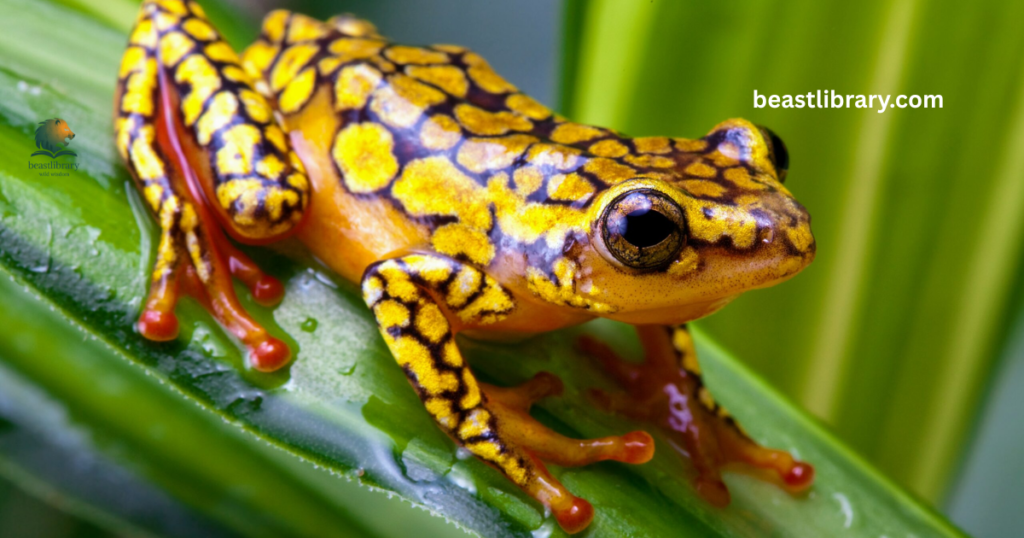
Harlequin toad reside in South and Central American tropical rain forests. It has bright spots on its skin and striking contrasting patterns likely to be in red, yellow or orange over a darker ground. Which act as a visual warning to predators regarding its lethality.
They are very at risk to deforestation, pollution, and infections by chytrid fungi and their habitat is very limited. Adults are territorial and they breed in clean and fast-flowing water where the eggs are hatched to form aquatic larvae.
Conservation programs are aimed at the preservation of habitats, breeding captives and reintroduction. Although diminutive a size, these amphibians possess a strong natural defense through their warning colors and mid toxins.
Fun Fact: The unique, colorful sports on a harlequin toad serve as a biological signal to predators that the creature is toxic and unpalatable.
14. Ladybug
Scientific Name: Coccinellidae
Class: Insecta
Diet: Carnivore
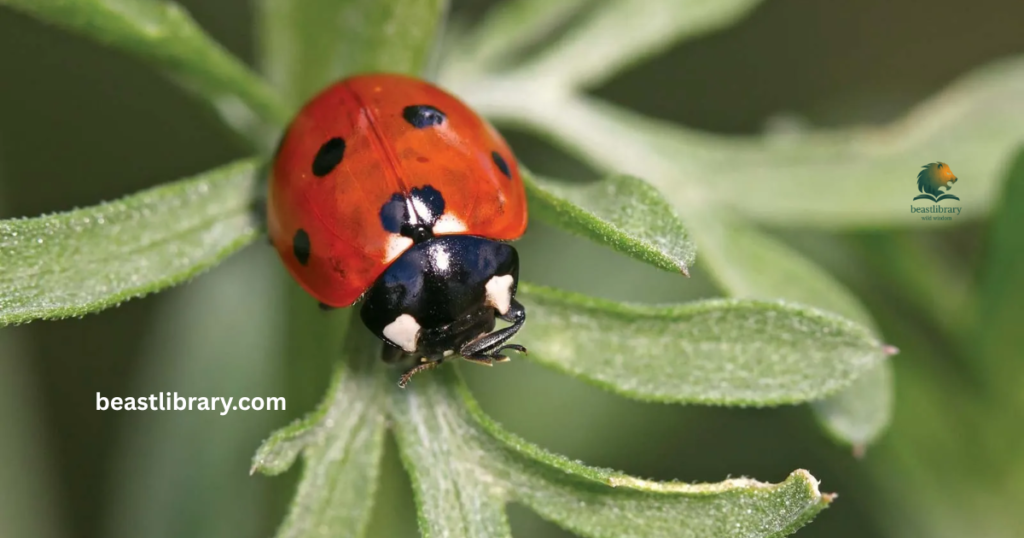
Ladybugs are minute beetles inhabited globally in various habitats like grasslands, forest, and gardens. Their bodies are red or orange and their bodies are dotted with black spots which act as a warning coloration to repel predators thus suggesting they could be venomous.
The ladybugs secrete tiny drops of toxic fluid on their legs in the event of threat which adds to their spotted warning. while they are active at night during the summer, they often aggregate in large clusters to hibernate throughout the winter.
Fun Fact: Each ladybug’s spots are unique and serve as a warning to predators that it tastes bad or may be toxic.
15. African Wild Dog
Scientific Name: Lycaon pictus
Class: Mammalia
Diet: Carnivore
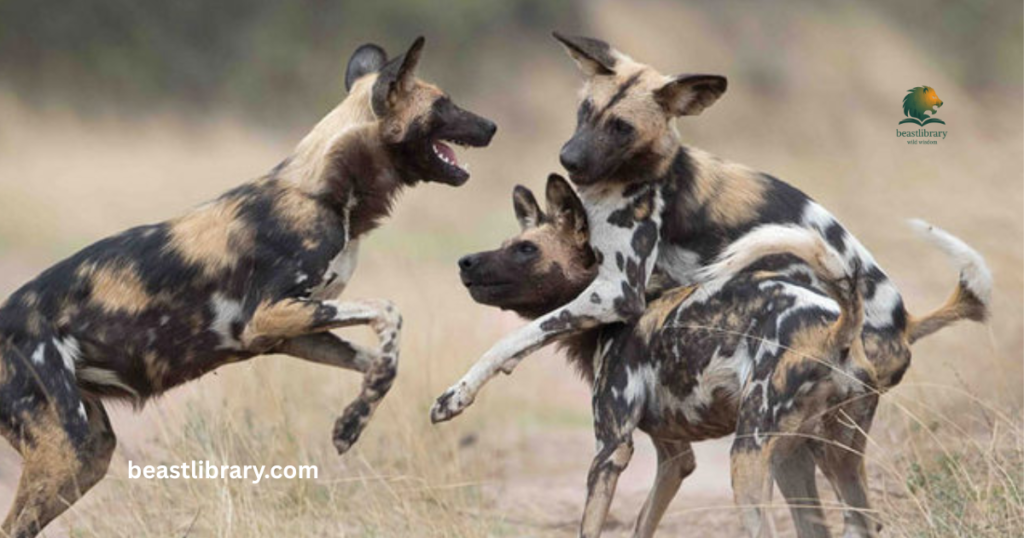
Native to the Sub-Saharan regions of Africa, the African wild dog inhabits open plains savannas, and sparse woodlands. Its coat has haphazard spots of black, white, and tan thus forming a spotted texture that aids in discontinuities of its contour in grasslands and shrubs.
Wild African dogs are very social and they live in packs of up to twenty adults, whereby hunting behavior of animals like antelope and small mammals are arranged. They are also effective hunters, and they normally pursue their prey at high speeds over long distances.
Fun Fact : Because every African wild dog has a one of a kind coat pattern, researchers can monitor specific individuals in the wild without needing to use physical tags.
Summary:
Animals with spots world is diverse, cover nature’s creativity in adaptation and survival. From the jaguar with its unique coat to the playful Dalmatian, remind us the beauty and complexity of wildlife. Each species has evolved its spots for various purposes.
FAQs:
What are some common animals with spots?
Animals like Leopard, Jaguar, Cheetah, Giraffe, Dalmatian, Fallow Deer, and Blue-ringed octopus have spots.
Why do animals have spots?
Spots help animals hide by blending into their surroundings.
Do spots vary with the growth of animals?
Yes. Some animals develop more spots over time, while others keep the same pattern.
Do we endanger spotted animals?
Some, like Snow leopard and African wild dog, are at risk due to habitat loss and human activity.