Top 15 Animals that Eat Coconuts (Images Included)
In tropical environment, several often animals that eat coconuts play vital roles in seed dispersal and plant propagation. learning about their distinctive eating habits not only reveals how they survive but also emphasizes their value in supporting healthy ecosystems. In this guide, we’ll explore the most surprising animals that feast on coconuts and discover their environment importance.
1-Gorillas
Scientific name: Gorilla gorilla
Class: Mammalia
Diet: Herbivore
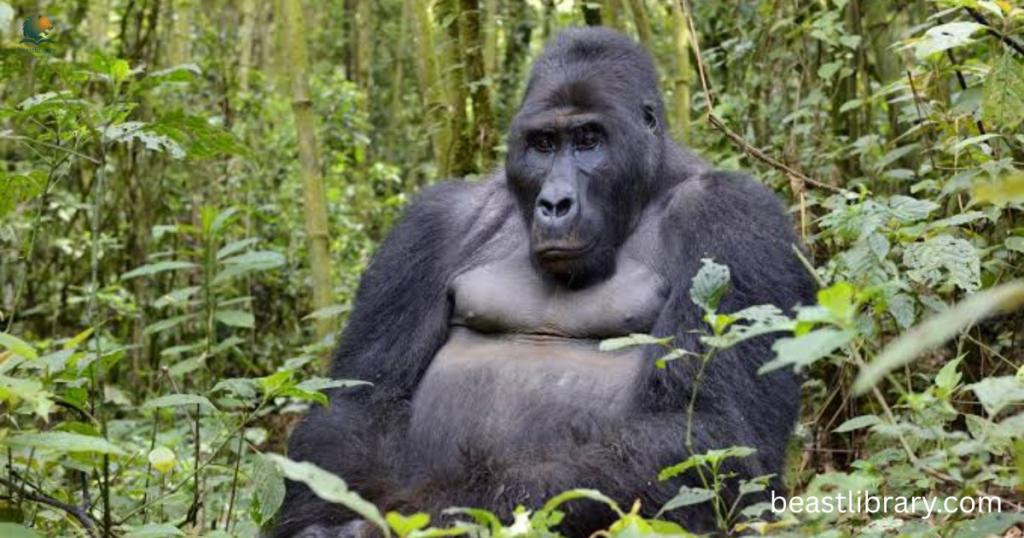
Gorillas are creatures not only for their undeniable strength but also for their impressive appetites. if you ever wonder what animal eat coconut or has big feet and a massive frame to match, These gentle giants typically consume around 40 pounds of food each day, primarily consisting of fruits, leaves, and stems.
What’s intriguing is their selective eating behavior; while they eat copious amounts, they exhibit a remarkable degree of discernment in choosing their meals.
This selective diet ensures they acquire the necessary nutrients while promoting ecological balance in their habitat by controlling plant growth.
2-Pigs
Scientific name: Sus scrofa domesticus
Class: Mammalia
Diet: Omnivore
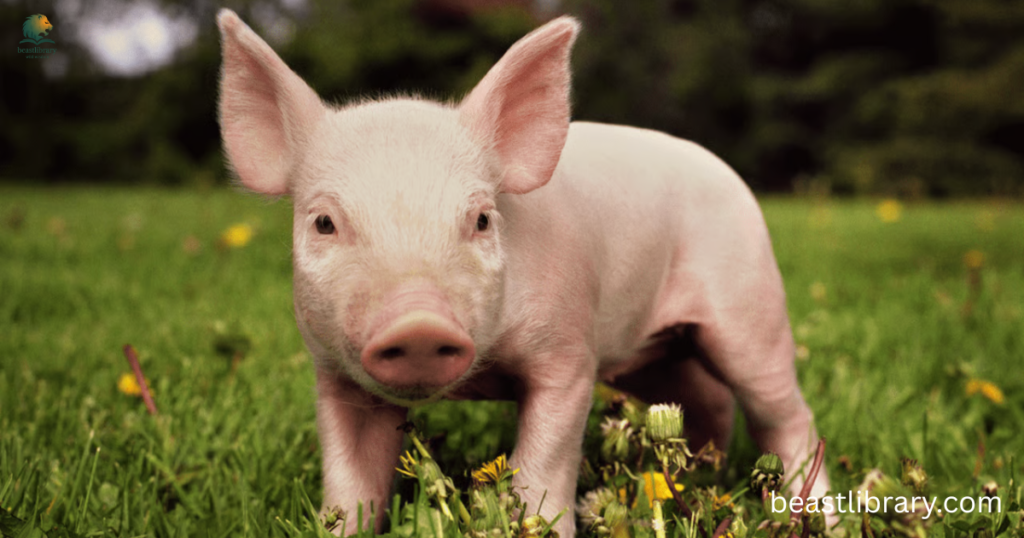
Pigs often get a bad reputation for their mud-loving antics, but this perception overlooks their remarkable intelligence and social dynamics. when considering what animal eats coconuts, pigs are a surprising answer, as they are opportunistic omnivores with a diverse diet. While their love for wallowing in the dirt might suggest a lack of hygiene, this behavior actually serves crucial purposes it helps regulate their body temperature and protects their skin from sunburn and parasites.
Pigs are far more fastidious than many believe; they’ll designate specific areas for eating, sleeping, and relieving themselves, demonstrating a natural sense of cleanliness within their environment.
3-Sun Bears
Scientific name: Helarctos malayanus
Class: Mammalia
Diet: Omnivore
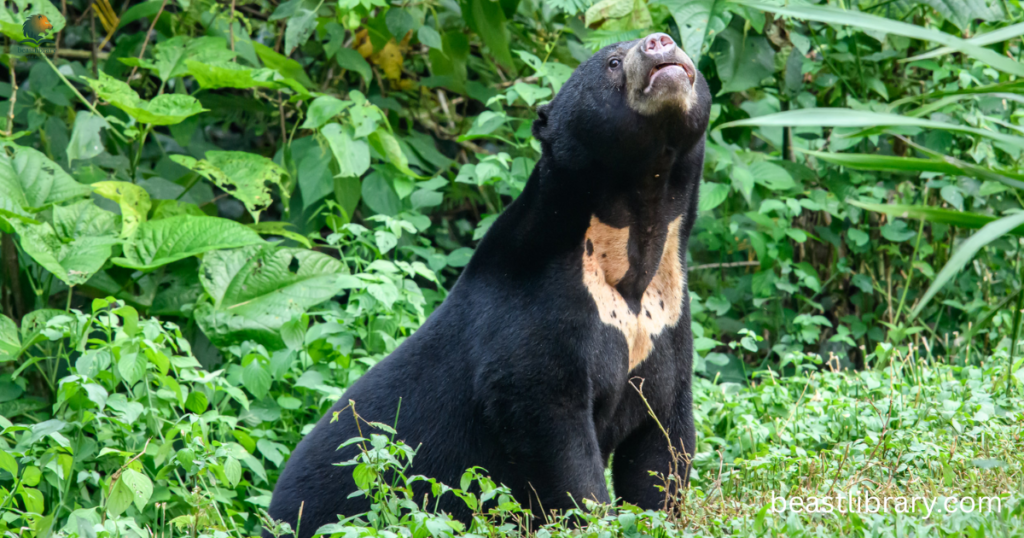
Sun bears, often dubbed the “honey bear,” which includes the surprising consumption of coconuts, are often creatures not just for their adorable appearance but also for their diverse diet.
These bears possess remarkably strong jaws and long claws Native to the tropical forests of Southeast Asia, empowering them to crack open hard shells and access the nutritious meat inside. In a world where many animals might shy away from such tough obstacles, the sun bear’s resourcefulness shines through as it climbs trees and uses its dexterous paws to extract every morsel.
Sun bears play a vital role in seed dispersal, aiding in forest regeneration, what’s truly captivating is how this behavior showcases their adaptability in the ecosystem. they help perpetuate the life cycle of coconut palms and other plant species.As they consume and later excrete the seeds.
4-Palm cockatoo
Scientific name: Probosciger aterrimus
Class: Aves
Diet: Herbivore
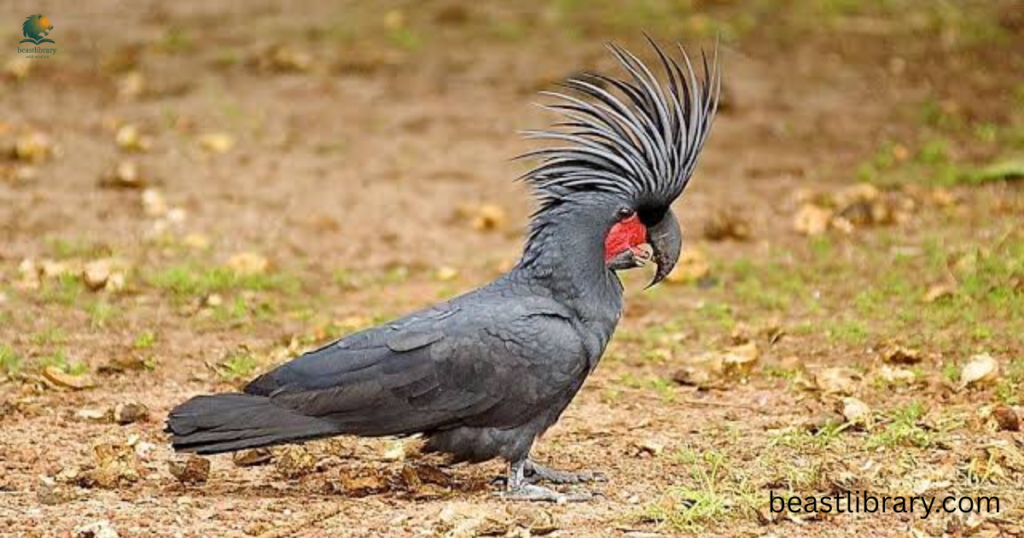
The palm cockatoo, showcases a fascinating relationship with coconuts, native to the rainforests of New Guinea and surrounding islands. these striking black-feathered creatures take their dining experience to another level. unlike many birds that nibble at the dried meat of coconuts, these striking black-feathered creatures take their dining experience to another level.
What truly sets the palm cockatoo apart is its unique behavior of drumming on the coconut shells before feasting. these birds not only sustain themselves but engage in a rich tapestry of behavior that underscores their role in the ecosystem, Through their affinity for coconuts.
In doing so, making them vital players in their tropical realms, they contribute to seed dispersal and the overall health of their habitats.
5-Wild Boars
Scientific name: Sus scrofa
Class: Mammalia
Diet: Omnivore
Discover more
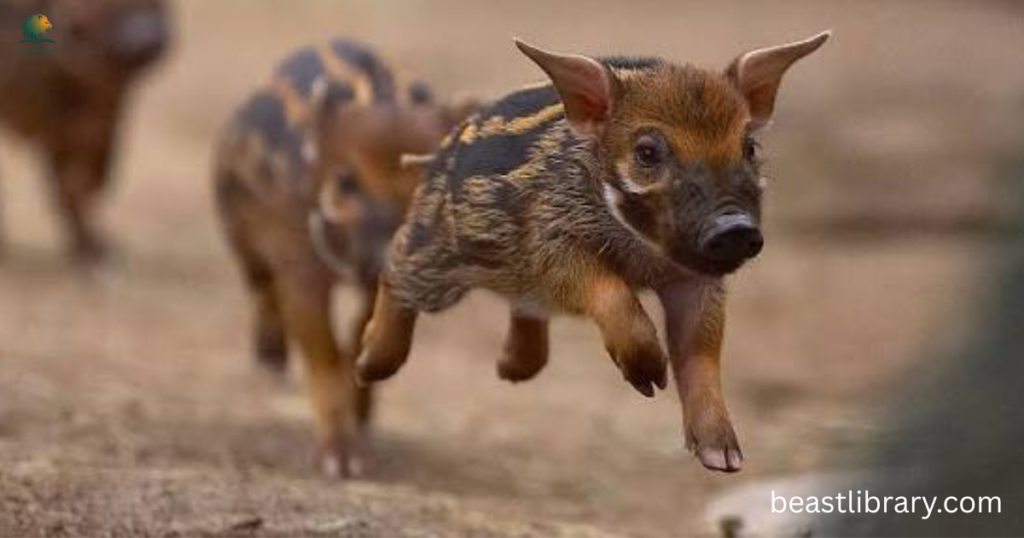
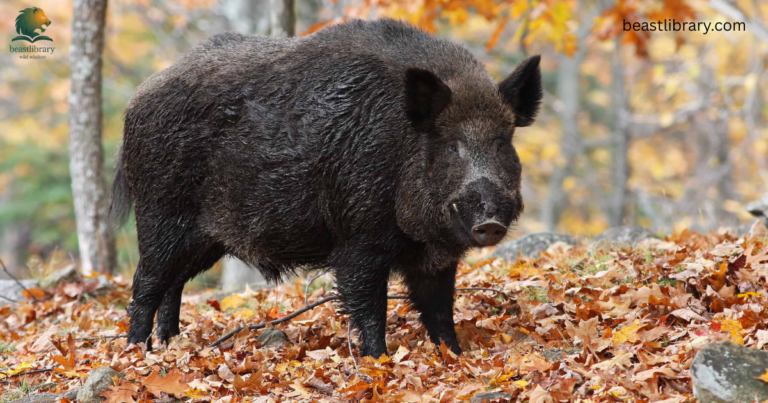
Wild boars, with their bristled backs and formidable tusks, embody a unique blend of rugged resilience and unmistakable grumpiness. while many people often wonder do monkey eat coconut, wild boars are another species that won’t hesitate to forage for fallen coconuts if given the chance. Their perpetual scowl can often mislead observers into thinking of them as mere villains of the animal kingdom, yet this demeanor serves a protective purpose.
In their natural habitat, wild boars must constantly navigate threats from predators and humans alike; their irritable expressions are akin to a ‘don’t mess with me’ warning to potential challengers.
6-Common Myna
Scientific name: Acridotheres tristis
Class: Aves
Diet: Omnivore
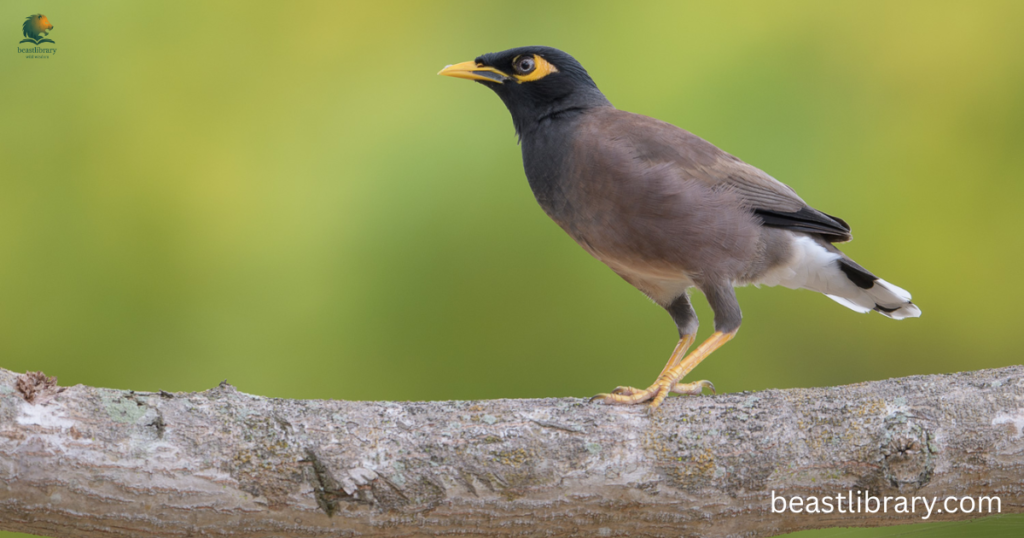
The Common Myna, showcases a fascinating side when it comes to its diet — coconuts! These resourceful birds have adapted to their tropical habitats by incorporating coconuts into their feeding repertoire, often recognized for its striking yellow wing patches and distinctive call. In particular, pecking through the tough husk to access the soft flesh and water inside, they often exploit fallen coconuts.
What’s particularly intriguing is their social behavior while foraging for coconuts, working together to open these hard shells, they often exploit fallen coconuts.
Using their sharp beaks effectively, all while emitting a flurry of chatter, this cooperative feeding behavior can invoke a delightful scene — birds taking turns, using their sharp beaks effectively. Moreover, aiding in the growth of palms in their ecosystem, their affinity for coconuts means they play a vital role in seed dispersal.
7-Aye-aye
Scientific name: Daubentonia madagascariensis
Class: Mammalia
Diet: Omnivore
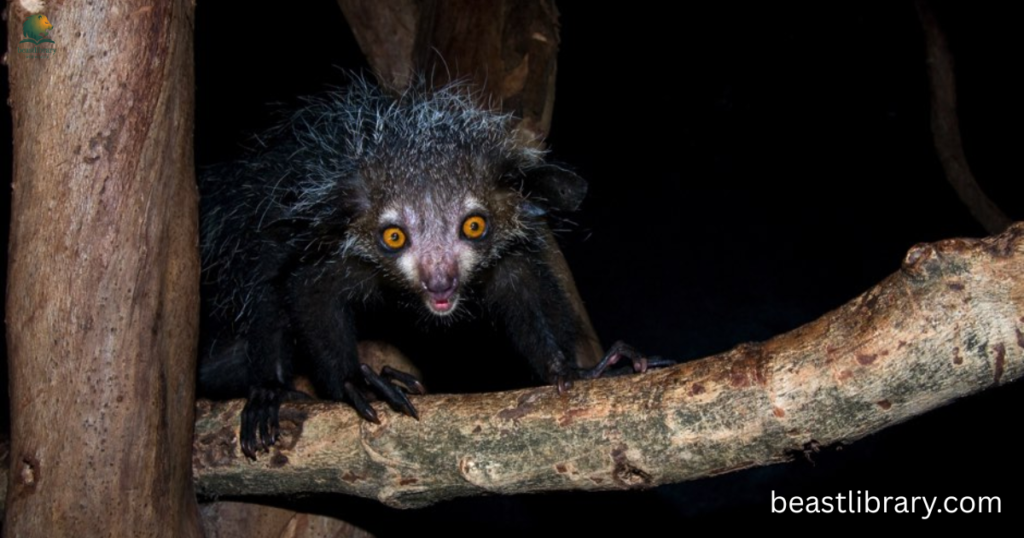
The aye-aye, a nocturnal lemur native to Madagascar, embodies the perfect blend of peculiarity and shyness. It is oversized eyes animal and ever-elusive nature, this unique primate spends most of its life hidden away in the dense forest canopy.
Its long, thin middle finger, an extraordinary tool evolved for tapping into tree bark, illustrates nature’s ingenuity in resourcefulness yet, it often leaves humans spellbound, attempting to catch a glimpse of this enigmatic creature. It is skinny animal with big ears.
What truly sets the aye-aye apart is its intricate social behavior. Although fundamentally solitary, these creatures exhibit unique adaptability to their environments, relying on keen senses rather than mere socialization..
8-Squirrel
Scientific name: Sciuridae
Class: Mammalia
Diet: Omnivore
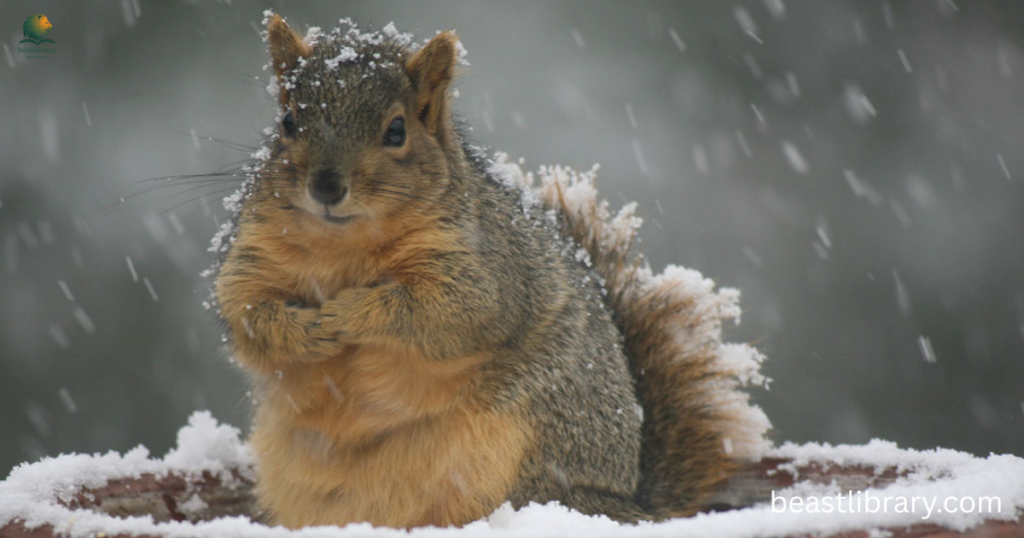
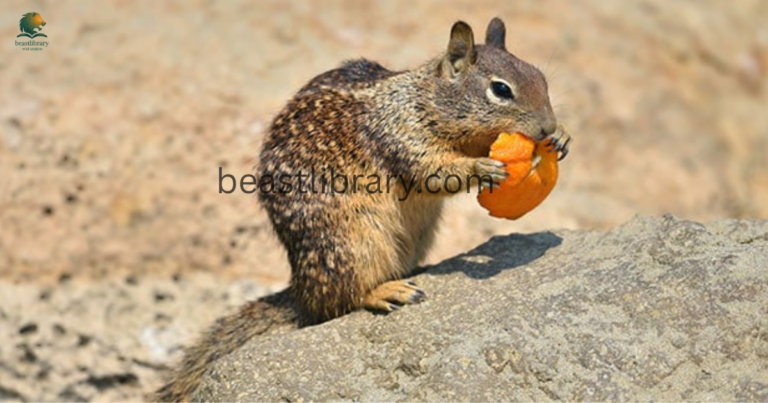
Squirrels, known as animals that eats cactus acrobatics and nut-gathering skills, have a surprising affinity for cactus. In arid environments where other food sources may be scarce, these nimble creatures have adapted to include cactus in their diet.
Their sharp incisors are not just for cracking open nuts; they also easily slice through the spines and tough exterior of prickly pear and saguaro cacti. This enables squirrels to access the moisture-rich flesh inside, a vital resource in drought-prone regions.
9-Monkeys
Class: Mammalia
Diet: Omnivore
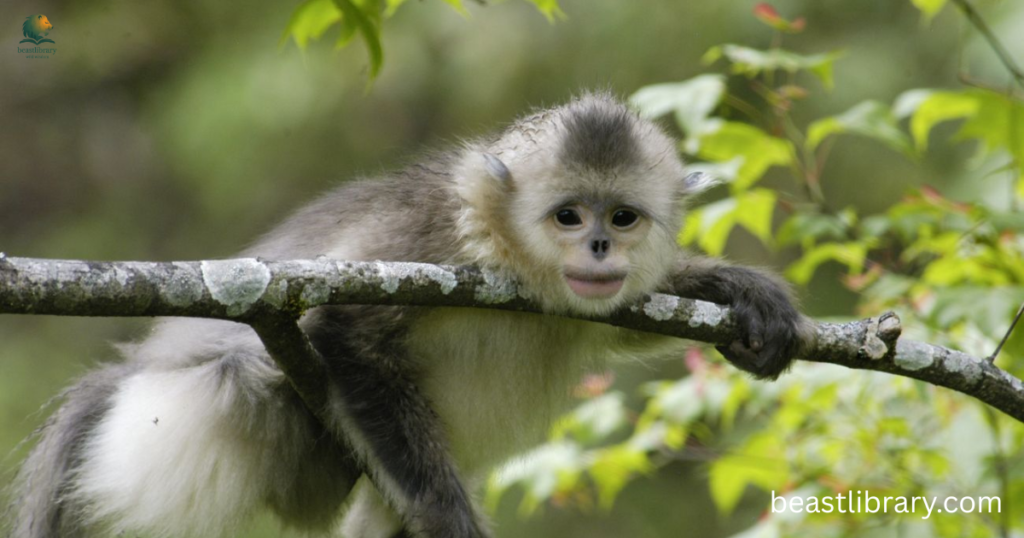
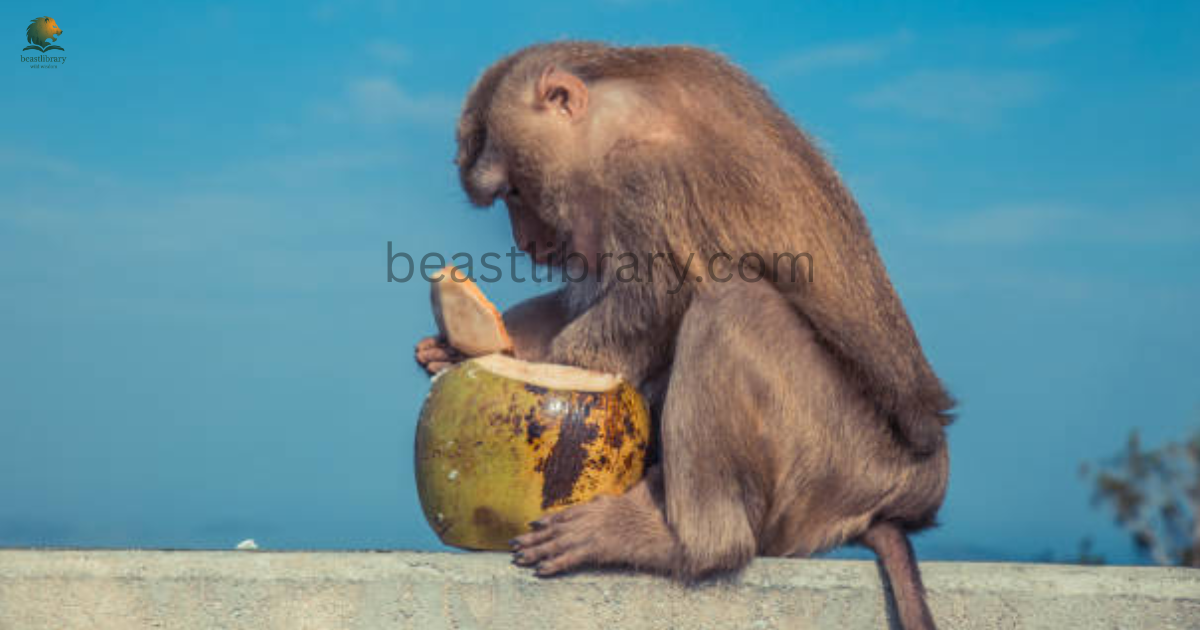
The Dusky Titi is a tiny monkey found in dense forests of South America. These charming primates, typically weighing around 3 to 4 pounds, exhibit a lush, dark fur that serves as excellent camouflage among the foliage. They are known for strong pair bonds and affectionate interactions, often seen grooming and embracing each other.
They mostly live in treetops, where they skillfully navigate through branches using their prehensile tails. Their diet mainly consists of fruits and leaves, showcasing their role as vital seed dispersers in their habitat. They are threatened by deforestation and habitat loss. Conservation efforts are crucial to keeping their population safe.
10-Elephants
Scientific name: Elephas maximus / Loxodonta africana
Class: Mammalia
Diet: Herbivore
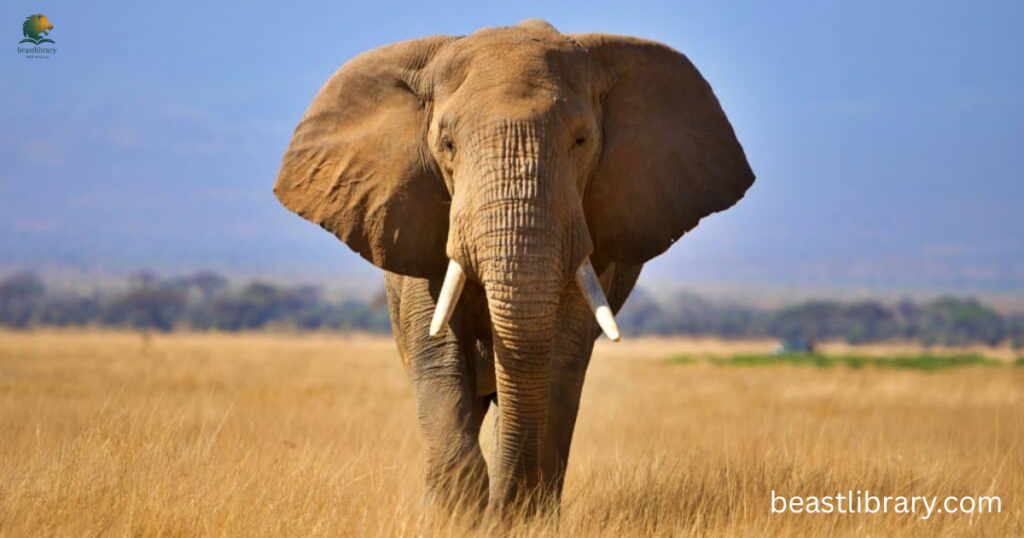
Elephants, the gentle giants of the animal kingdom, captivate our hearts with their intelligence and social bonds, but their inability to jump is a aspect often overlooked. when looking for an animals that eat coconut, elephants are a prime example, as the can easily crush the hard shells to get to the nutritious meat inside.
Unlike many mammals that rely on jumping as a means of escape or play, elephants have evolved their massive bodies for strength and endurance rather than agility.
This lack of vertical leap might seem limiting, but it speaks volumes about their adaptability to diverse environments. With an average weight of 6,000 to 15,000 pounds, jumping isn’t just impractical; it’s biomechanically unfeasible, necessitating a different survival strategy attuned to their social structures and habitat.
11-Rats
Scientific name: Rattus rattus / Rattus norvegicus
Class: Mammalia
Diet: Omnivore
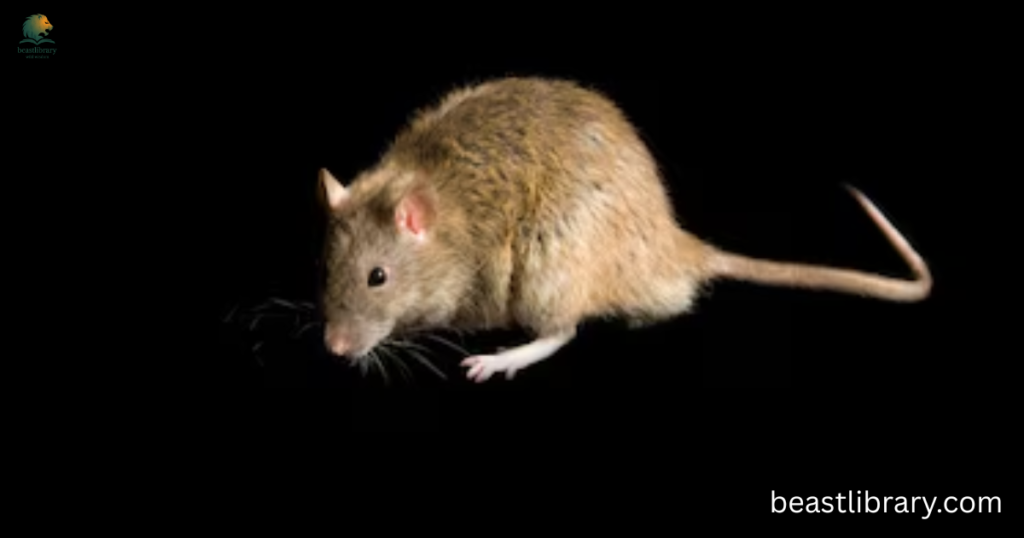
Rats often evoke images of filth and disease, yet they possess an incredible adaptability that makes them resilient. when researching what eats coconuts, many are surprised to learn that rats can easily chew through the tough outer husks to feed on the flesh inside.
These creatures thrive in urban environments, exploiting our waste and one of the disgusting animal rankings, leftover scraps with impressive ingenuity.
What many don’t realize is that their seemingly dirty lifestyle has granted them a remarkable immune system, allowing them to resist pathogens that would incapacitate other animals. In essence, their filth may just be a ticket to survival in the urban jungle.
12-Rhinoceros Beetles
Scientific name: Dynastinae
Class: Insecta
Diet: Herbivore
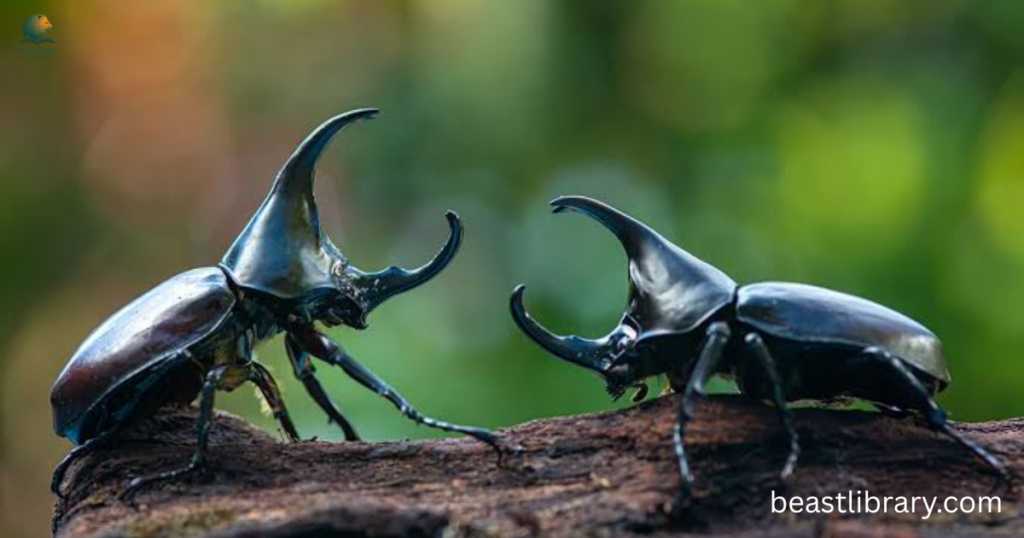
Rhinoceros beetles, possess an intriguing affinity for coconuts, often nicknamed the “gentle giants” of the insect world. seeking out decaying plant matter, Their formidable horns may give them a fearsome appearance, but these creatures are primarily scavengers, including the soft, tender flesh of coconuts. returning essential nutrients back to the soil, This preference not only underscores their adaptability but also highlights a unique ecological role they help decompose organic material.
What’s often is their strength relative to size; some species can lift objects over 850 times their own weight. showcasing a blend of resilience and innovation, this incredible ability allows them to break through tough coconut shells.
In tropical ecosystems, providing sustenance for a variety of predators while simultaneously promoting the growth of new plants through their recycling of nutrients, they serve as an essential link in the food chain. This remarkable relationship with coconuts exemplifies nature’s interconnectedness, revealing how even the smallest creatures can have a profound impact on their environment.
13-Fruit Bats
Scientific name: Pteropus
Class: Mammalia
Diet: Herbivore
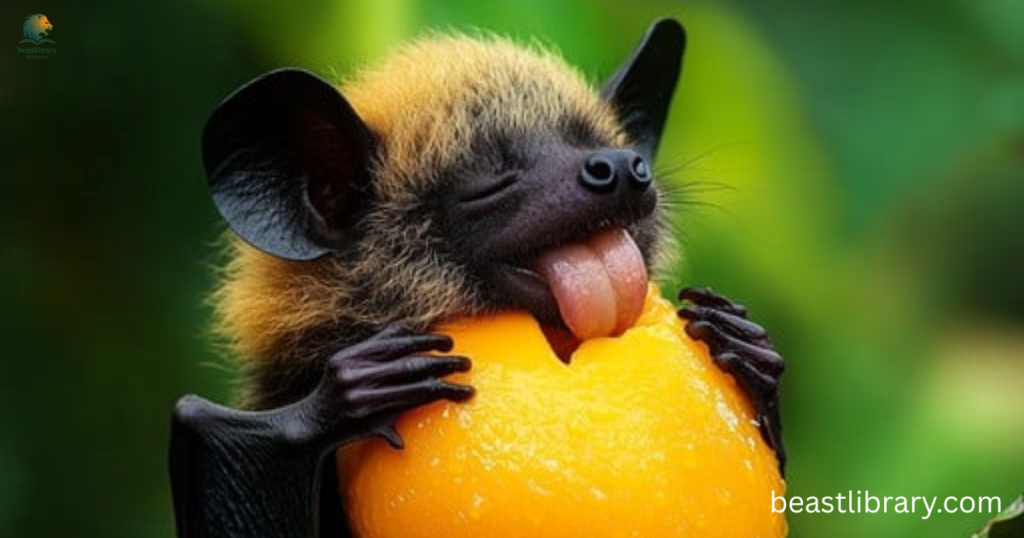
Fruit bats, also known as flying foxes, play an unexpectedly vital role in the ecosystem, particularly when it comes to coconuts. Unlike many other fruit-eating animals, these bats have adapted to crack open tough coconut shells with their robust teeth, making them one of the few creatures capable of accessing the rich, nutritious meat inside.
Moreover, fruit bats are essential for coconut palm propagation. As they consume the coconut flesh, they inadvertently become agents of seed dispersal. Once they excrete the remnants, they help germinate new coconut palms in different locations, aiding in the spread of this iconic tropical tree.
This process not only enhances biodiversity but also strengthens local ecosystems, showing how even the smallest actions of one species can create a ripple effect through the natural world.
14-Humans
Scientific name: Homo sapiens
Class: Mammalia
Diet: Omnivore
Humans are animals that do not have tails. The tailbone is left as a small bone that is known as the coccyx. The back muscles and leg muscles provide balance. Walking uses two legs only. The food differs depending on the culture and area.
Behavior is complex. Language, expression and writing are used in communication. Humans do not have tails, so they have to use posture to detect emotion. Being tall may be an indicator of confidence. Composed sitting is an indication of ease.
The absence of the tail favored the locomotion of the upright. This freed hands for tools. Sitting muscles are still on the coccyx. Balancedness was more wished for by evolution than movement of tails.
15-Coconut Crabs
Scientific name: Birgus latro
Class: Malacostraca
Diet: Omnivore
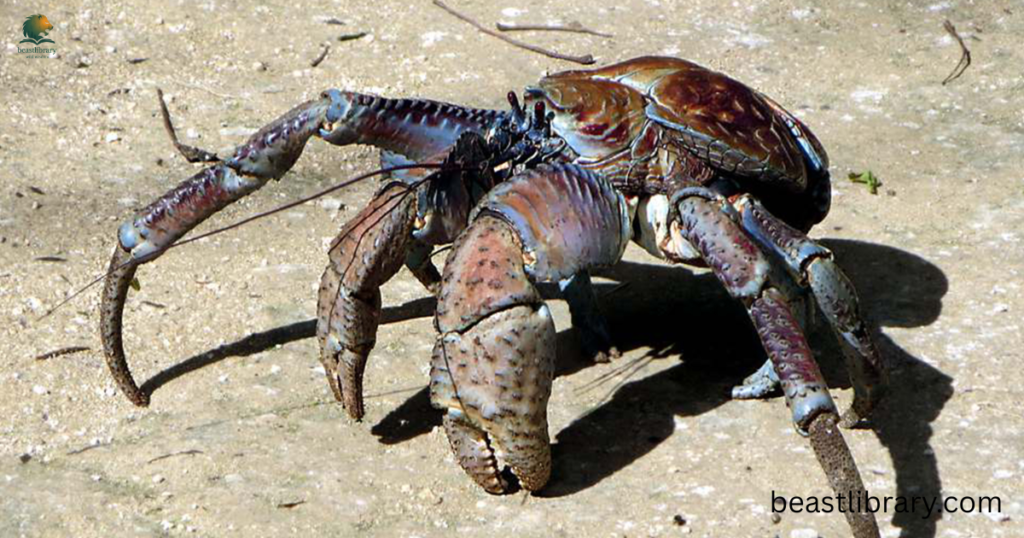
Renowned for their remarkable strength and versatility as scavengers, coconut crabs are among nature’s most often foragers. These remarkable arthropods, can weigh up to 9 pounds and span over three feet from leg to leg, the largest terrestrial crabs in the world.
Their reputation for climbing trees to harvest coconuts gives them an unusual edge in the animal kingdom. while most crabs remain tethered to the shore, coconut crabs embrace the heights, using their powerful pincers to crack open hard shells and feast on the nutritious flesh inside.
What’s more intriguing is their ingenious survival strategy. fruits and even human scraps, Not only do they consume coconuts, incorporating carrion, their diet is quite varied, making them resilient in changing environments, breaking down organic matter and allowing for new growth, coconut crabs play a vital ecological role by recycling nutrients in their habitats, this omnivorous behavior showcases their adaptability.
Conclusion
The diverse group of animals that eat coconuts highlights the deep connection within our ecosystems and the incredible adaptability of wildlife. these creatures have evolved unique methods to access this nutritious food source, From the crafty coconut crabs to the playful monkeys.
The diverse ways in which they interact with coconut palms not only showcase nature’s ingenuity but also play a crucial role in the dispersal of seeds, supporting the growth of new coconut trees.
So, let’s foster awareness and conservation efforts to ensure that these remarkable animals and their coconut-filled environments remain intact for future generations.
FAQs:
Do elephant eat coconuts?
Yes, elephants do eat coconuts; they use their immense weight to step on and crack them open before eating the whole fruit.
Can big eat coconuts?
Yes, pigs and other large animals can eat coconuts by cracking or chewing through the hard shells to get to the meat inside.
Do gorillas eat coconuts?
Yes, gorillas can eat coconuts, but they generally don’t in the wild.
Do elephant eat coconuts?