Top 13 Animals That Swallow Their Food Whole (With Images)
When we look at animals that swallow their food whole, we uncover a realm of unique adaptations and survival strategies that allow these animals to thrive in their environments. this article highlights some of the most fascinating examples, illustrating the simplicity and effectiveness of this feeding method. Get ready to learn about nature’s secrets and how these remarkable creatures play a vital role in our acosystems.
1-Snakes
Scientific name: Serpentes
Class: Reptilia
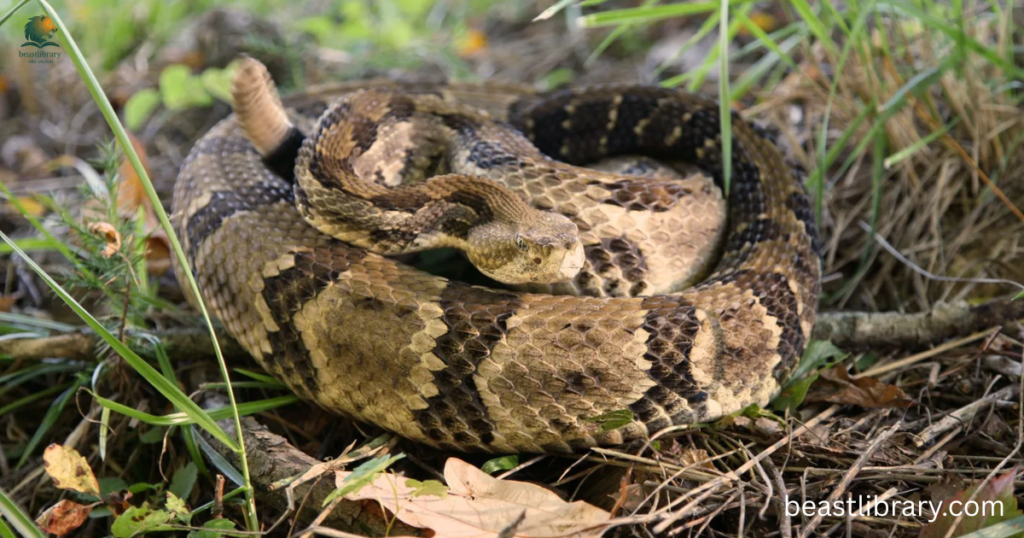
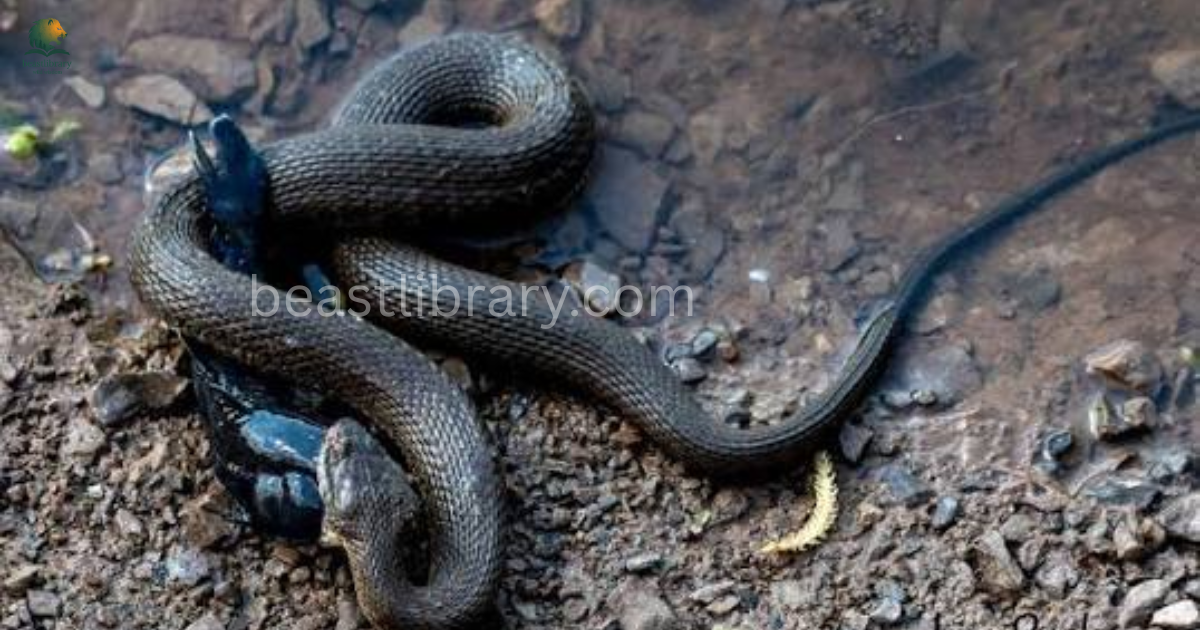
Snakes are striped reptiles showing how creatures can live without limbs. As a prime example of an animal that swallow their food whole, these legless reptiles have the art of movement through a series of complex muscle contractions and coordinated scales that allow them to glide.
These sharp teeth legless reptiles have the art of movement through a series of complex muscle contractions and coordinated scales that allow them to glide, and climb with remarkable agility.
Each scale acts like a tiny grip against the surface, enabling them to ascend vertical surfaces or even swim effortlessly through water. This unique mode of locomotion not only enhances their hunting techniques but also provides a strategic advantage against predators
2-Sharks
Scientific name: Carcharodon carcharias
Class: Chondrichthyes
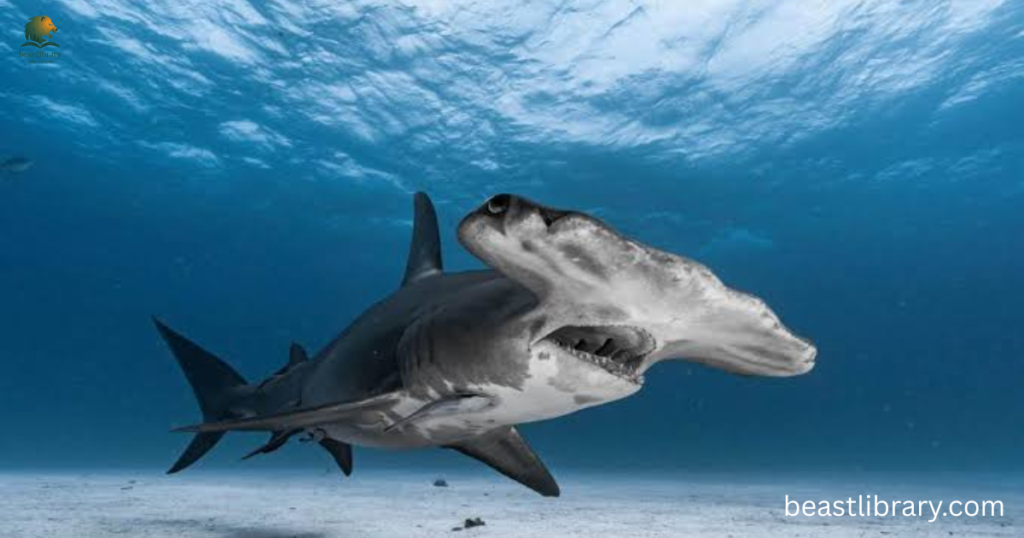
The great white shark boasts one of the Animals With The Strongest Bite in kingdom, with an estimated bite force exceeding 1.8 tons per square inch. Unlike animals that suck their food, this incredible power is not merely for show; it plays a vital role in their predatory lifestyle.
Their sharp, serrated teeth can slice through flesh with ease, making them efficient hunters of marine mammals, fish, and even seabirds. What’s fascinating is how their evolutionary design allows them to replace lost teeth rapidly, keeping their bite potent throughout their lives.
3-Crocodile
Scientific name: Crocodylus niloticus
Class: Reptilia
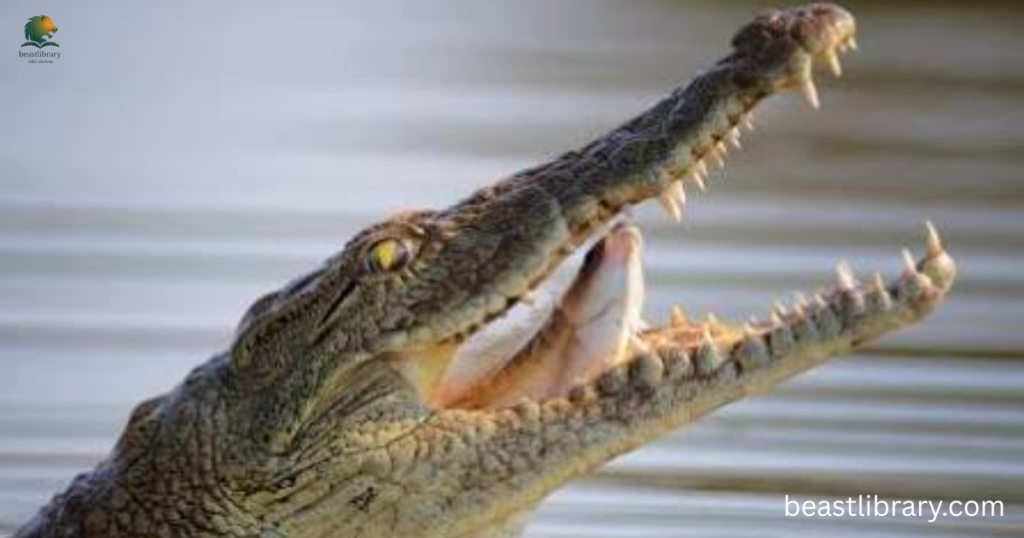
The alligator, with its powerful jaws, boasts one of the strongest bite forces in the animal kingdom. When it snaps its mouth shut, the force can exceed 2,000 pounds per square inch, making it a formidable predator.
The tails of crocodiles are flat and muscular and they are useful in swimming. They are fast in water by side to side tail movements. The crocodiles feed on fish, birds and mammals, usually hiding in the water to ambush the prey. The tail also acts as a weapon.
They use their tail to hit pray, protect themselves and attract opposite sex. On land, the tail beams their huge bodies. The crocodiles are aquatic animals of Africa, savannas and other places. They can stay in water for a long time with the help of their tail.
4-Frogs
Class: Amphibia
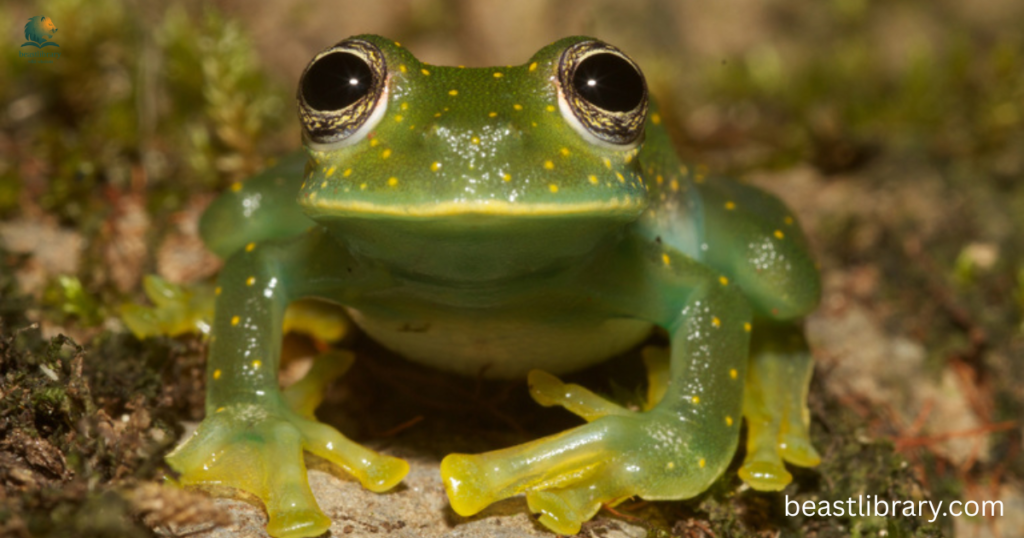
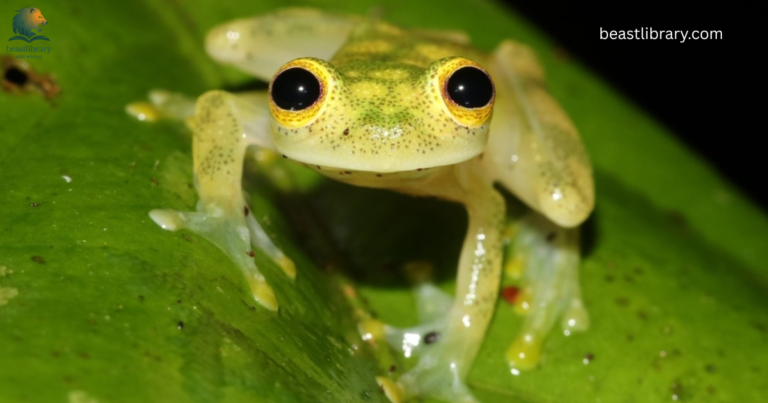
Frogs may not immediately spring to mind when considering dirtiest animals in the world, yet their unique lifestyles and habitats often lead them to inhabit environments teeming with bacteria and parasites. As classic examples of swallow food animals, they often capture their prey quickly in these damp settings.
Amphibians thrive in wet, sometimes murky environments where they are constantly on the move, jumping between terrain that often includes decomposing organic matter. This proximity to decay can foster a range of microscopic organisms that hitch rides on their slimy skin, essentially turning these creatures into unwitting hosts for environmental pathogens.
5-Penguin
Scientific name: Aptenodytes forsteri
Class: Aves
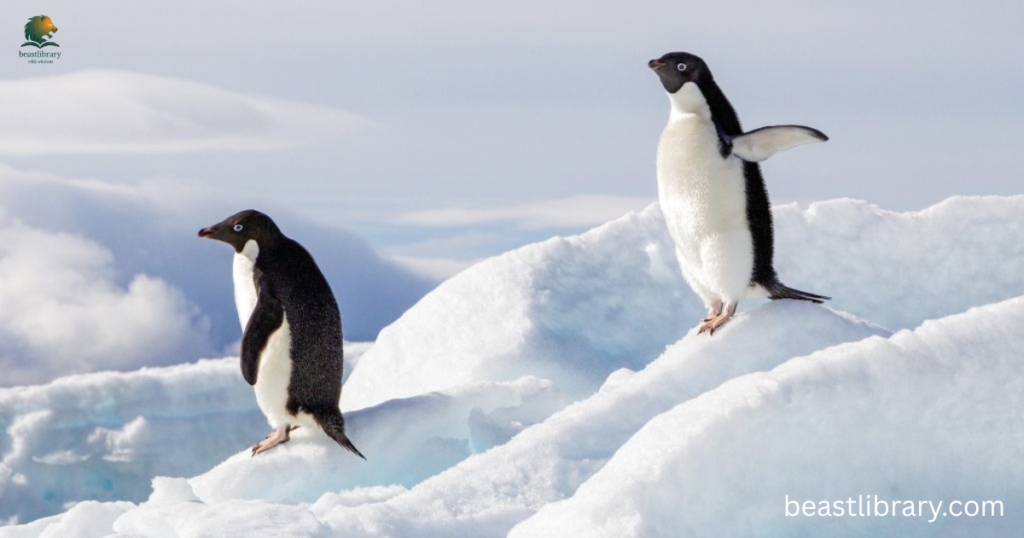
Penguins, with their flippers & tuxedo-like appearance, may exude elegance, but their movements often tell a different story. On land, they waddle awkwardly, balancing their rotund bodies on short, flipper-like wings, which seem ill-suited for anything but swimming.
Where they become graceful darting chubby animals, effortlessly gliding through the water. Observing a penguin trying to navigate icy terrains or hopping over obstacles can be both hilarious, reminding us that nature isn’t just about survival, but also about the joy found in imperfection.
Their social interactions also reveal a mix of awkwardness and affection. When penguins engage in what looks like a hilarious slip-and-slide on ice, they aren’t just playing; they’re strengthening social bonds crucial for their survival.
6-Owls
Scientific name: Strigiformes
Class: Aves
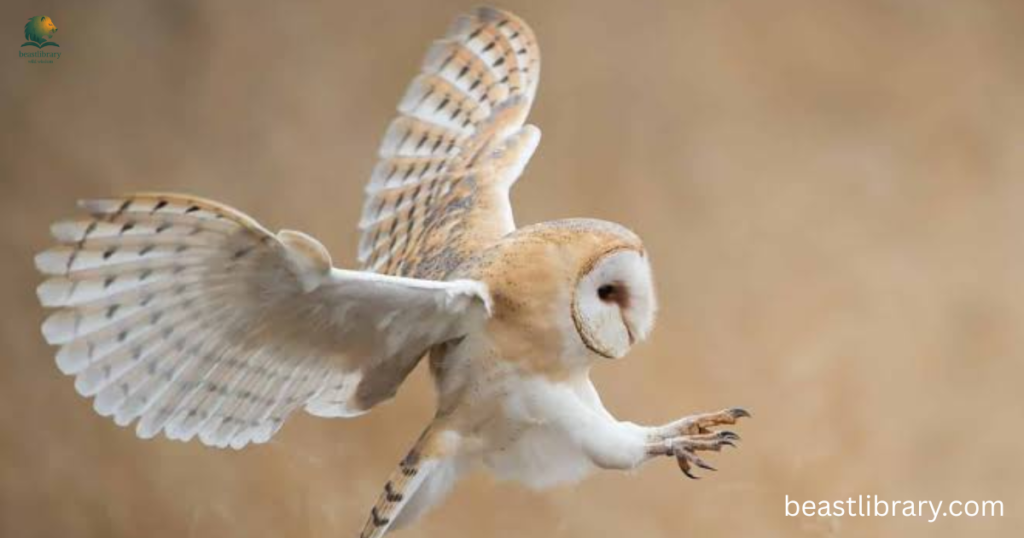
Owls, often emblematic of wisdom in various cultures, carry an air of mystique that captivates nature enthusiasts and casual observers alike. When wondering what animals are quiet in their behavior, This adaptation allows them to approach prey stealthily, making them formidable nocturnal hunters.
Past their hunting prowess, owls are deeply misunderstood nocturnal creatures. While their haunting calls evoke a sense of solitude, they actually play a vital part in keeping our ecosystems balanced.
Owls regulate rodent populations, and their presence signals a healthy environment. , they possess incredible vision and hearing, and their presence signals a healthy environment. , allowing them to navigate the darkness with astonishing precision.
7-Pelicans
Scientific name: Pelecanus onocrotalus
Class: Aves
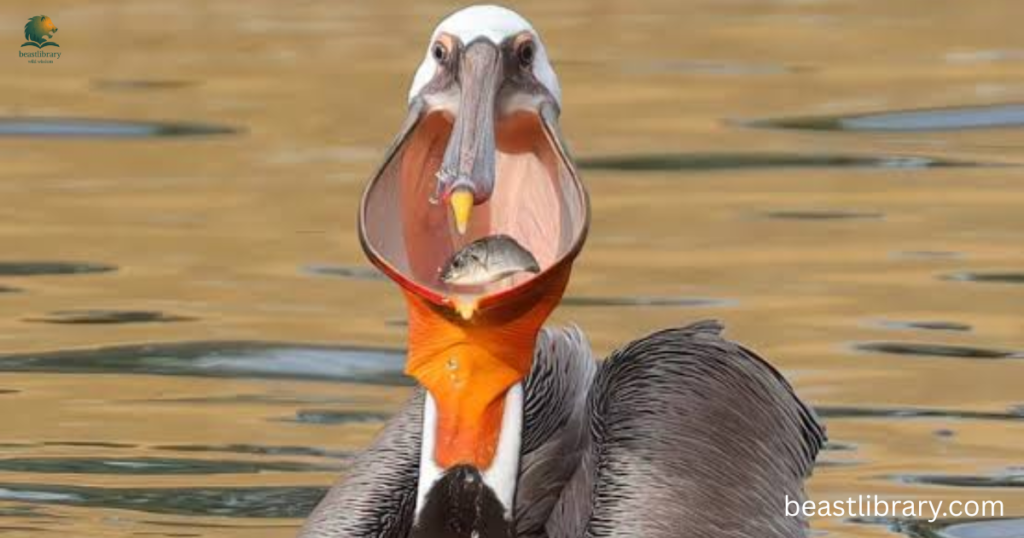
Employing a unique feeding strategy that aligns with their distinctive anatomy, pelicans are fascinating avian hunters. Expandable bills, With their large, scooping up fish and water in a single, fluid motion, they create a natural net. as prominent example of swallowing animals, they consume their prey whole.
As prominent animals that swallow their food whole, this method not only allows them to consume prey quickly but also demonstrates their high adaptability to aquatic environments.
This method not only allows them to consume prey whole but also demonstrates their high adaptability to aquatic environments. The pelican’s digestive system is remarkably efficient; they can quickly swallow it, sending it straight to their gullet without any preliminary chewing once they catch their meal.
8-Alligator Gar
Scientific name: Atractosteus spatula
Class: Actinopterygii
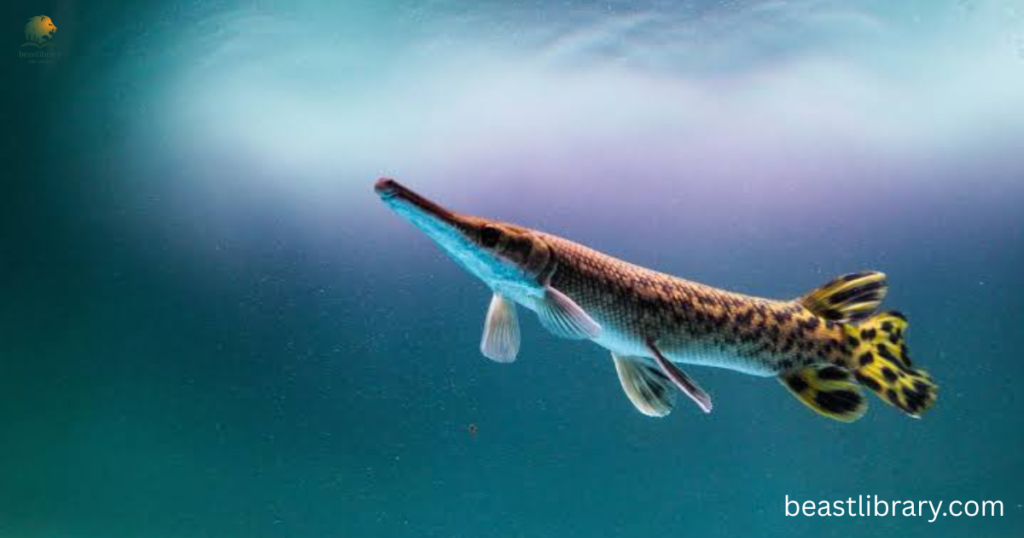
The Alligator Gar, a fascinating predator of North American waters, boasts an ancient lineage that dates back to the time of the dinosaurs. but its most intriguing feature is its distinct feeding method, this formidable fish can reach lengths of over ten feet.
Unlike many fish that rely on a chewing mechanism, the Alligator Gar employs a powerful strategy: it uses its elongated jaws and sharp teeth to grab prey and swallow it whole. enabling it to consume anything from fish to birds and even small mammals, this sonic boom of a feeding technique speaks volumes about its evolutionary adaptation.
What sets the Alligator Gar apart is not just its remarkable hunting tactic, but also its unique physiological traits. This fish can gulp air, with a swim bladder that functions like a lung, allowing it to survive in oxygen-poor waters where other species might struggle.
9-Octopus
Scientific name: Octopus vulgaris
Class: Cephalopoda
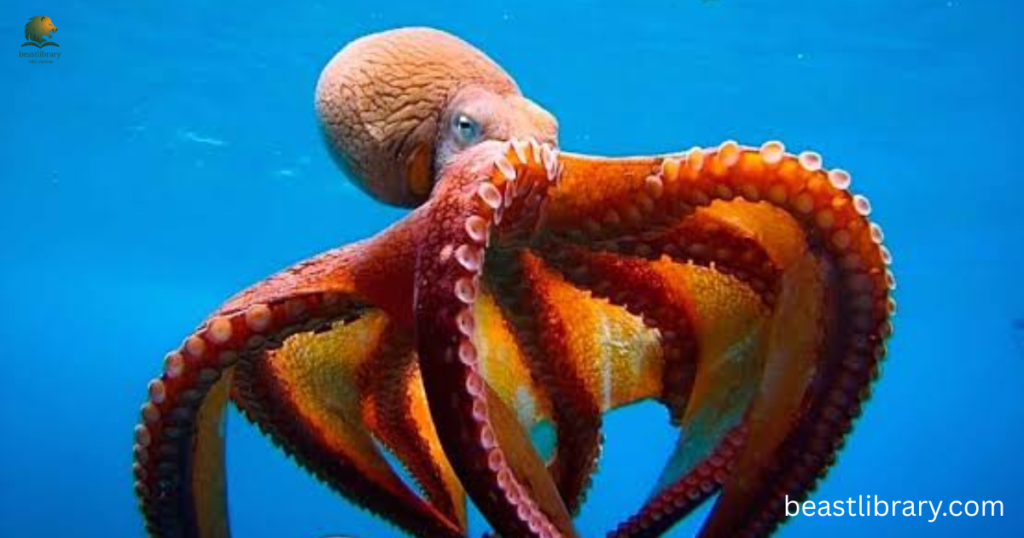
The octopus, often regarded as a master of camouflage, the octopus has an extraordinary talent for altering its colors and skin patterns to instantly vanish into its environment. This remarkable skill is not merely a defense mechanism against predators; unbroken connection between the creature and its ocean home.
They have shown the ability to figure out complicated mazes, twist open jars, and even use tools behaviors once believed to be exclusive to mammals. prompting a deeper appreciation for how life’s quieter creatures possess profound wisdom and skills that often go unseen in our busy world.
By adjusting its appearance, it communicates with other cephalopods, sharing moods and silent signals through a breathtaking display of shades that could easily outshine a painter’s finest work. octopuses are celebrated for their intelligence and problem-solving capabilities.
10-Seagull
Scientific name: Larus argentatus
Class: Aves
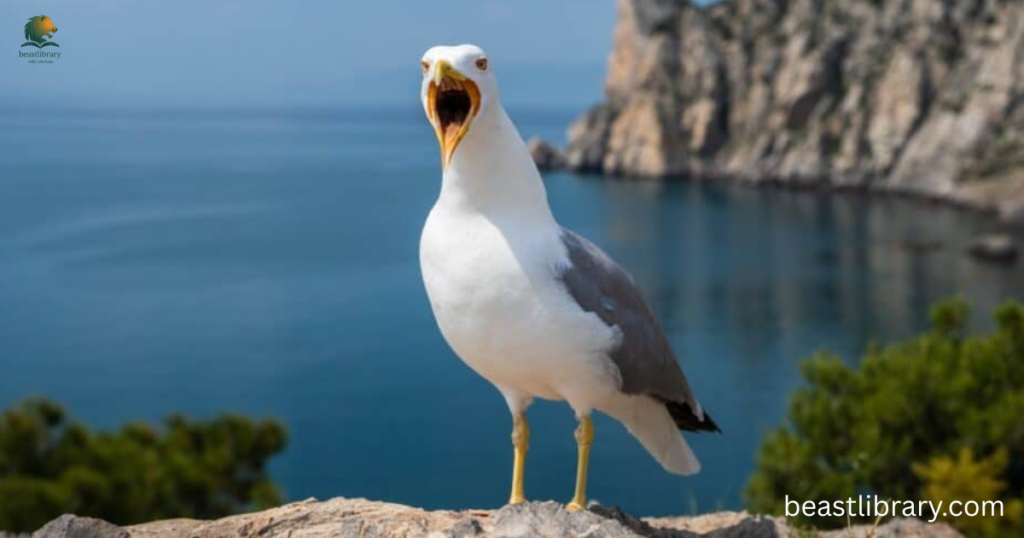
Seagulls are not only the skilled flying acrobats of the seashores, they are also the quintessential tricksters of the animal kingdom. Their boundless curiosity encourages them to investigate areas where humans live, leading to increasingly audacious antics.
Every encounter with these playful scavengers is an invitation to witness a unique blend of survival instinct and playful trouble, showing us that sometimes, the most wonderful surprises come from unexpected places.
From snatching unattended fries from beachgoers to diving for snacks from unsuspecting picnic tables, these winged thieves perfectly represent cleverness and creativity. What makes seagulls especially interesting is their ability to adapt their tactics based on local circumstances.
11-Whales
Scientific name: Balaenoptera musculus
Class: Mammalia
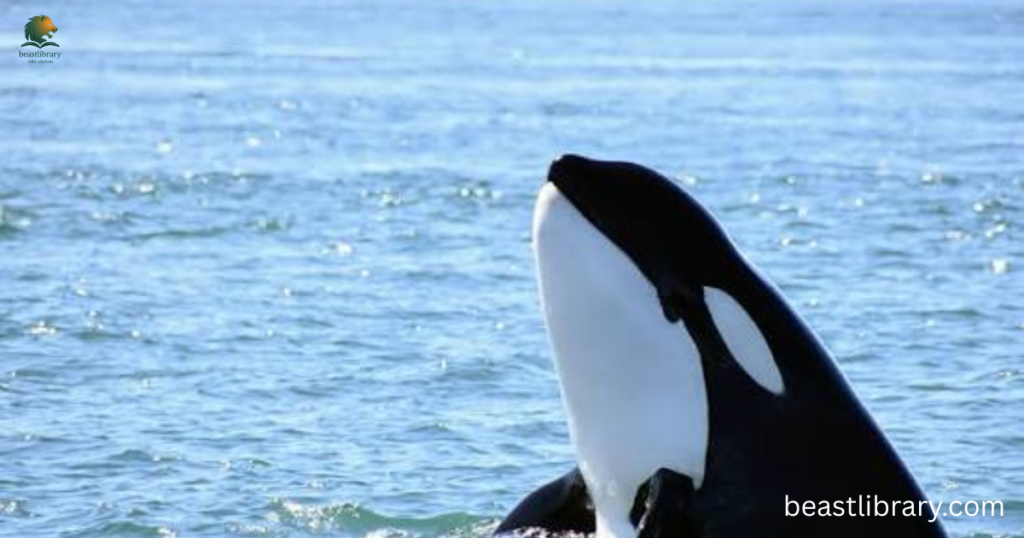
Whale is an animal with no legs of aquatic world. Once land-dwelling mammals, these colossal beings have traded their limbs for flippers, embracing a life that allows them to glide gracefully through the depths of the sea.
Their streamlined bodies, devoid of legs, illustrate a masterclass in evolutionary efficiency. Every aspect of their design is tailored for optimal movement in water, showcasing nature’s ability to sculpt form for function.
12-Monkfish
Scientific name: Lophius piscatorius
Class: Actinopterygii
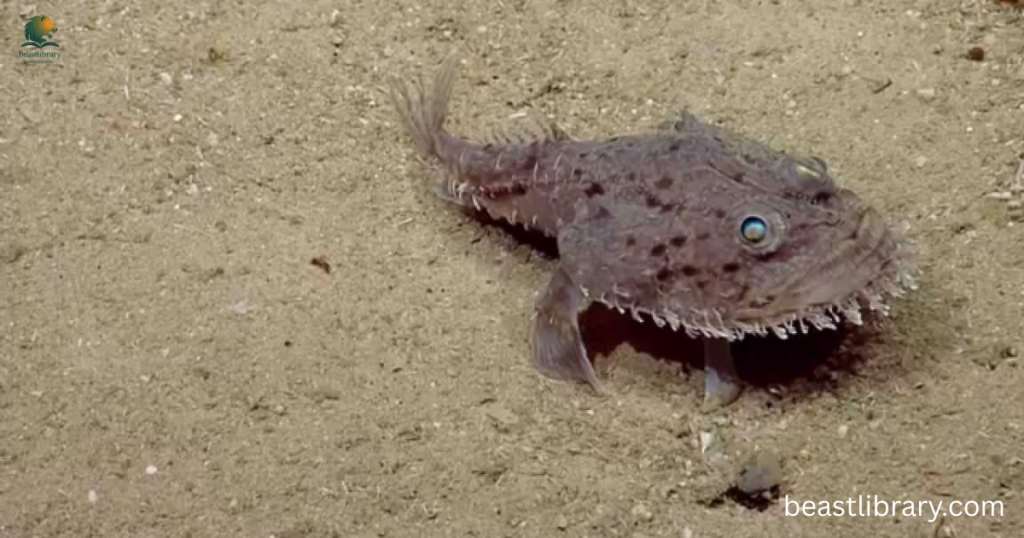
Monk fish, often described as the gentle giants of the ocean, are intriguing not just for their serene demeanor but also for their unique evolutionary traits. With their blubbery bodies and flipper-like limbs, these fish are adapted to glide effortlessly through water, but their flippers also reveal a fascinating compromise between mobility and stability.
Unlike their more agile relatives, monk fish have a slower, more deliberate swimming style, which is perfectly suited for foraging in shallow coastal regions. This slower pace allows them to skillfully hunt for fish and crustaceans hidden in the substrate of sandy beaches or rocky crevices.
Monk fish are also known for their sociable nature, often seen basking together on sun-soaked shores. Their flippers play a crucial role in communication, as they use them to interact with one another through a series of subtle gestures and movements.
13-Herons
Scientific name: Ardea cinerea
Class: Aves
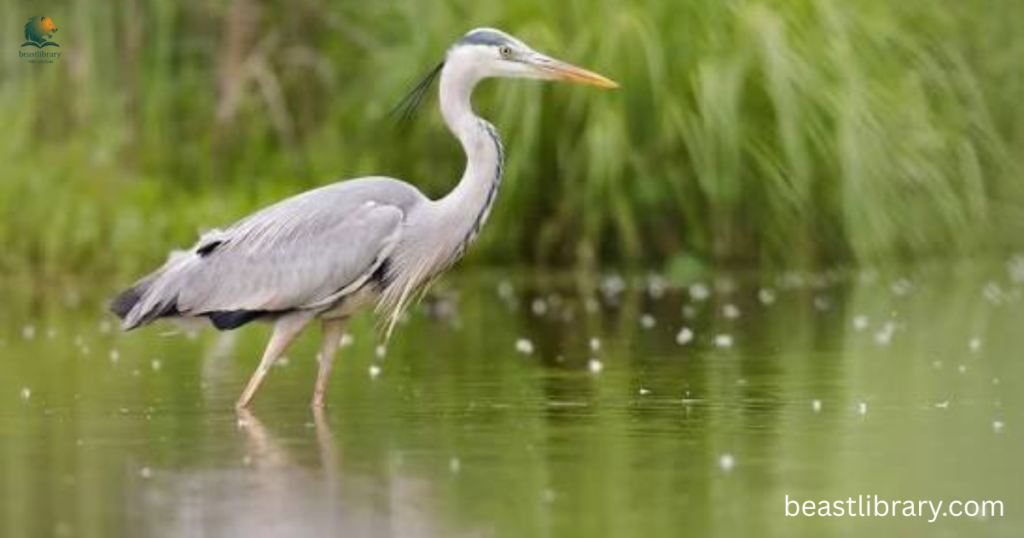
Herons are long necked water birds with pointed bills that predominantly inhabit around wetlands, rivers, lakes. You find them standing in shallow water. Their neck has a shape of S. This helps them swiftly launch.
When the fly the traverse gracefully and pull their neck back and they typically build their nests in tree colonies near consistent food sources. These birds are commonly found across Europe, Africa, Asia , where they tend to to hunt during the morning and every hours.
Final Thoughts
The remarkable world of animals that swallow their food whole showcases the remarkable adaptations that enable survival in diverse environments. From the slithering nature of snakes to the distinct feeding habits of various fish, these creatures highlight the incredible diversity of life on our planet.
Understanding these species process their meals can give us a better understanding of the complex connections within ecosystems. So, let’s commit to protecting their habitats and ensure a world where such amazing creatures can thrive.
FAQs:
What animals eat their whole?
Carnivorous predators like snakes, owls, and large fish (such as the gulper eel) typically eat their prey whole.
Do frogs swallow their food?
Yes, frogs swallow their food whole and actually use their eyeballs to blink and push the food down their throats.
Do birds swallow prey whole?
Yes, many birds (like owls, herons, and gulls) swallow their prey whole because they lack teeth to chew it.