Top 14 Animals with Whiskers: Class & Images
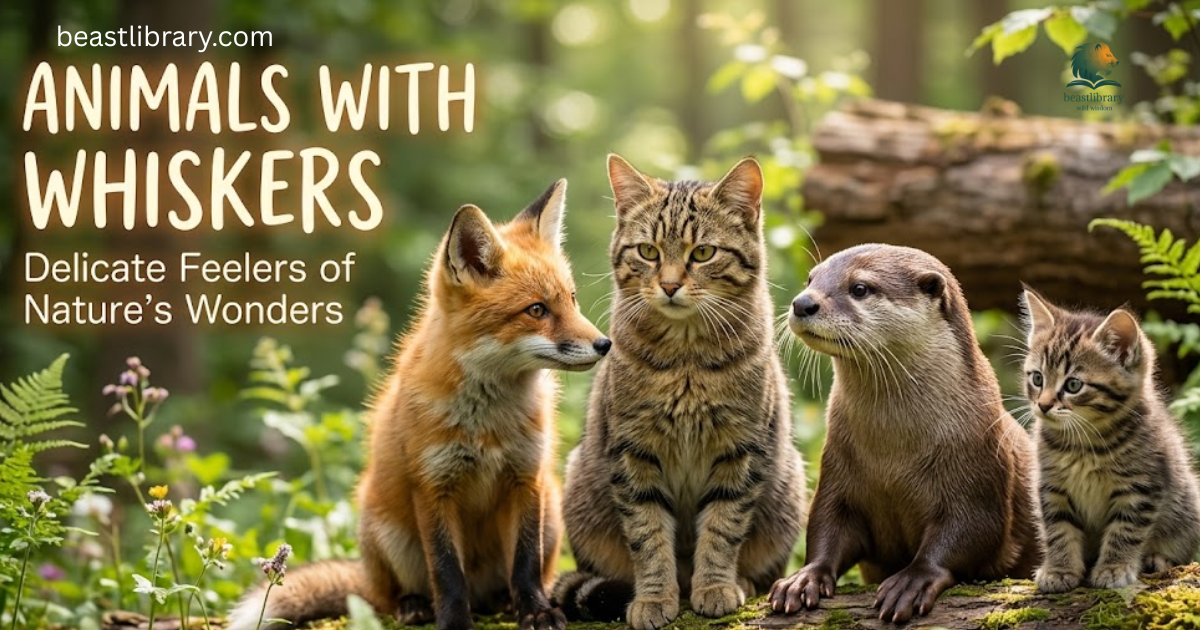
Animals with whiskers have unique sensory hairs for much more than appearance. These whiskers are used to detect movement, navigate dark environments, hunt prey, and stay aware of their surroundings.
Why Do Animals Have Whiskers?
Whiskers, or vibrissae (Whiskers hair), plays important role in sensory tools that are much more than simple decoration on an animal’s face. Unlike normal fur, these special hairs are fixed in the animal’s skin and filled with sensory nerves making them very sensitive to touch and vibrations.
This strong sense helps animals from cats moving through dark rooms to seals searching in dark water to gather information about their surroundings without depending only on sight. But whiskers are not just about sense of touch they also play a crucial role in understanding space and distance.
Animals with Whiskers List:
Below is the list of animals that have whiskers:
- Cat
- European rabbit
- Dog
- Otter
- Etruscan shrew
- Seal
- Beaver
- Rat
- Manatees
- Horse
- Raccoon
- Sea Lion
- Mountain lion
- Walrus
1- Cat
Scientific name: Felis catus
Class: Mammalia
Diet: Carnivore
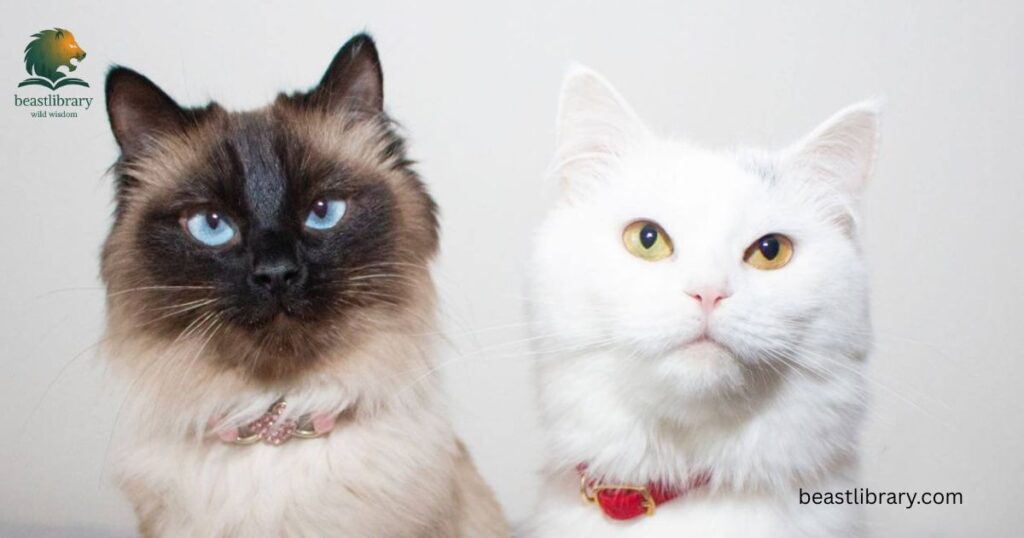
Cats use their sensitive whiskers to move safely and understand their surroundings. Cats are amazing animals with whiskers for kids to learn about, because they use special hairs filled with sensory nerves, helping cats measure spaces and hunt in dark places.
Whiskers also show a cat’s feelings relaxed, whiskers mean the cat is calm, while forward whiskers highlights alertness or fear.
2- European rabbit
Scientific name: Oryctolagus cuniculus
Class: Mammalia
Diet: Herbivore
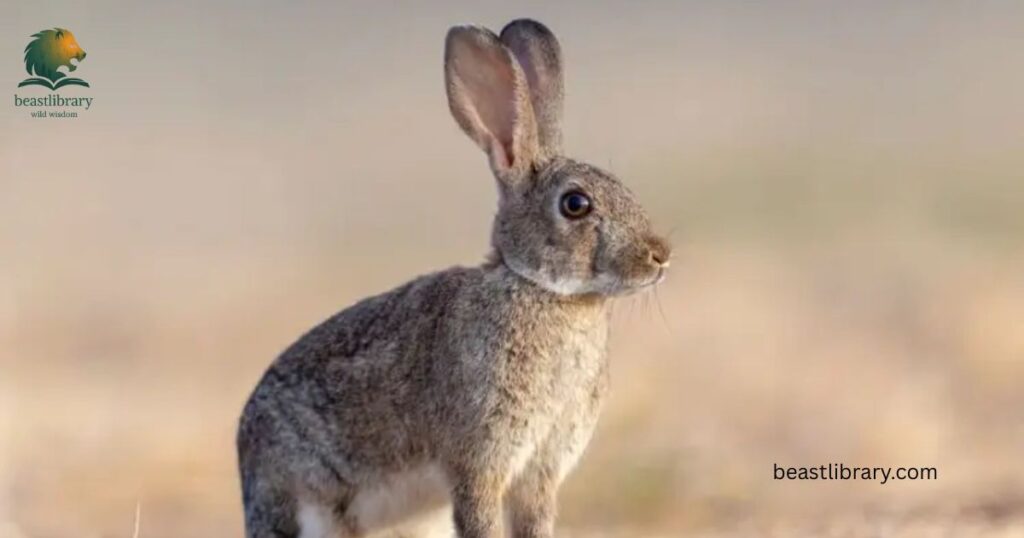
The European rabbit uses its sensitive whiskers to move safely and understand its surroundings. These special hairs help rabbits notice movement and danger, especially in dark burrows. Whiskers also help in social bonding when rabbits touch and groom each other, showing communication and connection within the group.
3- Dog
Scientific name: Canis lupus familiaris
Class: Mammalia
Diet: Omnivore

Dogs use their sensitive whiskers to understand and move around their surroundings. These special hairs help them detect movement, and move safely in dark places. As pet some time dog pee on bed due to health or insecurity issues.
Some hunting dogs have longer whiskers, which assist them track smell and notice small changes around them. Whiskers are an important sensory tool for dogs.
4- Otter
Scientific name: Lutra lutra
Class: Mammalia
Diet: Carnivore
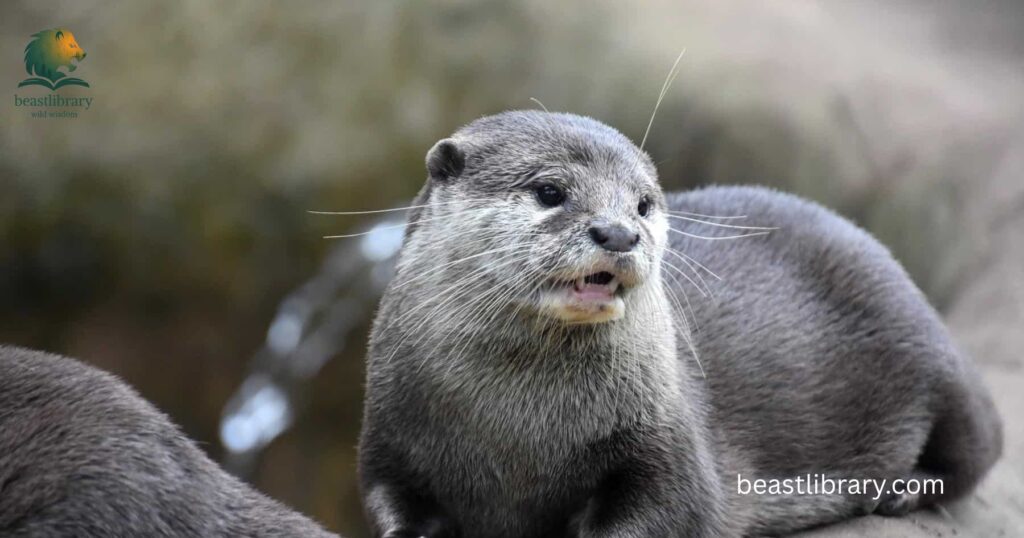
Otters are webbed feet animals and are known for their playful nature, but their whiskers are also very important for survival. These fine sensory hairs help otters move through muddy water and locate food underwater. They are mischievous animals of wild.
Their whiskers can feel tiny vibrations, making hunting easier in dark places. Otters also use whiskers during social interaction and these useful hairs support both hunting skills and strong group connections. They are animals with fur.
5- Etruscan shrew
Scientific name: Suncus etruscus
Class: Mammalia
Diet: Insectivore
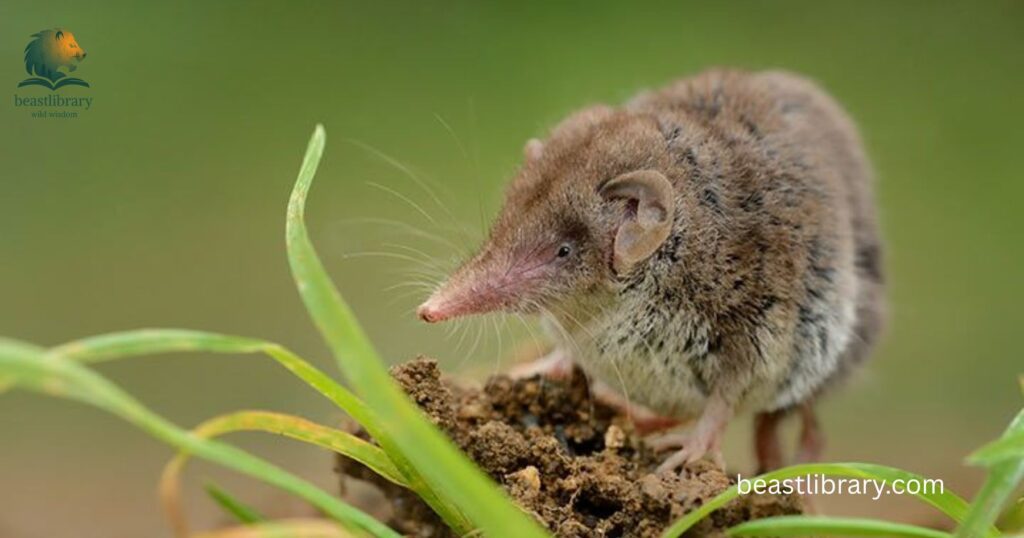
The Etruscan shrew, one of the smallest mammals, is known for its strong sensory abilities rather than its size. This tiny animal uses its soft whiskers as main tools for movement and finding food. These sensitive hairs can feel very small vibrations, helping the shrew detect danger.
Whiskers also support touch based sensing, allowing it to explore its surroundings without relying much on sight. This shows how the shrew survives through touch and smell instead of vision. They are skinny animals of wild.
6- Seal
Scientific name: Phoca vitulina
Class: Mammalia
Diet: Carnivore
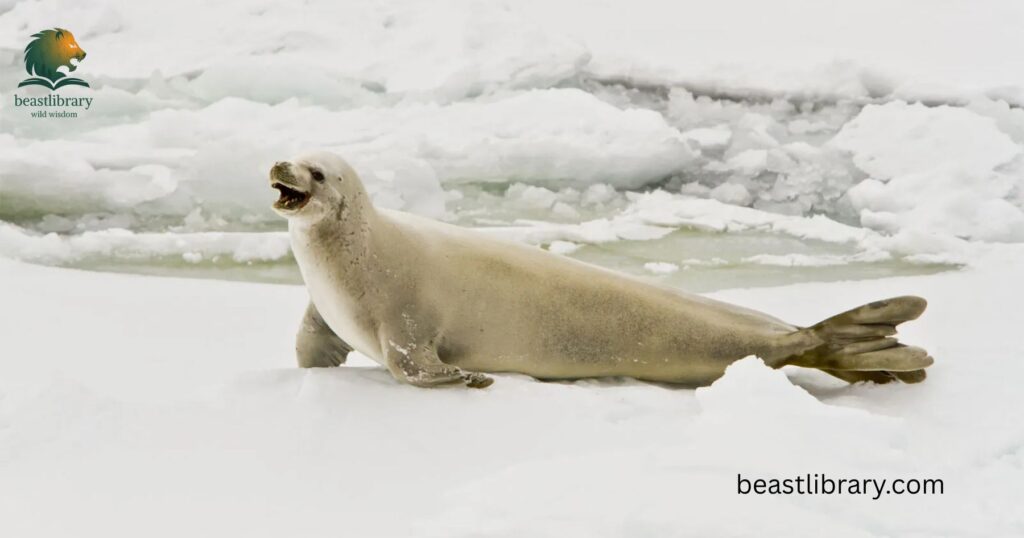
Seals are chubby animals often seen resting on rocks or swimming in the sea. They have short legs and have special whiskers that help them survive. These sensitive hairs are not for decoration they help seals feel changes in water.
Whiskers can detect tiny vibrations made by fish, allowing seals to hunt even in dark or muddy water. They also help seals understand the size and shape of objects around them. This strong sense of touch improves their movement and hunting in the ocean.
7- Beaver
Scientific name: Castor fiber
Class: Mammalia
Diet: Herbivore
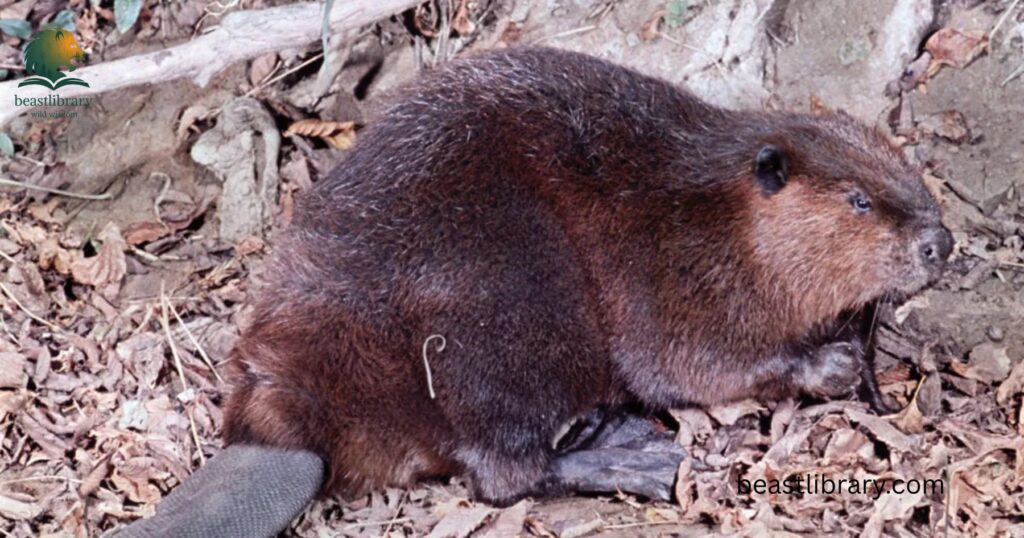
Beavers are hardworking animals have small ears, and their sensitive whiskers help them survive in water. These fine bristles are very important for moving in muddy rivers and finding food. In dark or unclear water, beavers use whiskers to feel water movement and avoid danger.
This helps them swim and search food more effectively. Whiskers also act as an early warning system against predators while they build dams and shelters.
8- Rat
Scientific name: Rattus rattus
Class: Mammalia
Diet: Omnivore
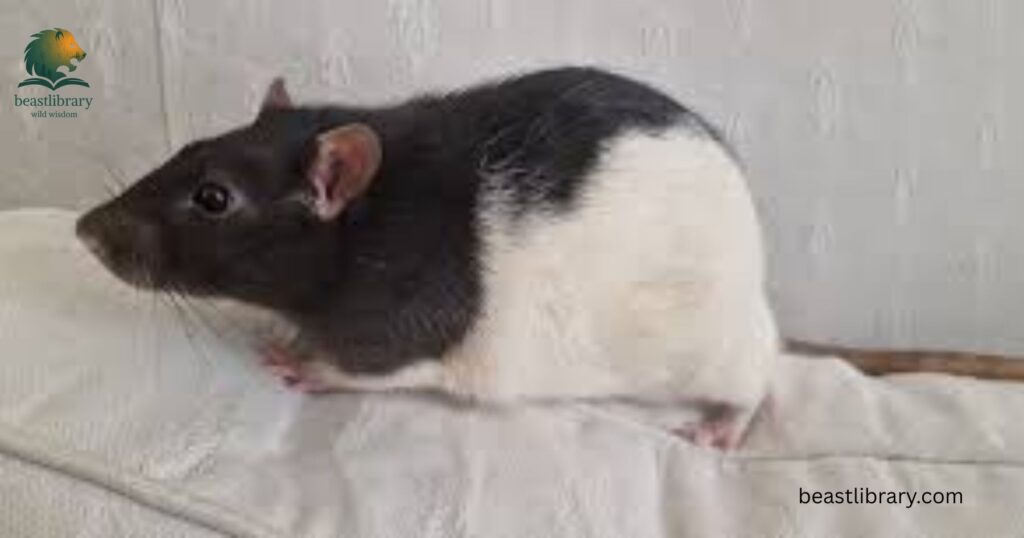
Rats are often misunderstood animals, but their sensitive whiskers are very important for survival. These fine hairs help rats sense small changes in air and move safely in dark or tight places. This is useful for their night time lifestyle, where vision is limited.
Whiskers also help rats in social interaction, as they use them to understand other rats and build connections. These abilities show how rats depend on touch-based sensing to survive and communicate. They have small ears.
9- Manatees
Scientific name: Trichechus manatus
Class: Mammalia
Diet: Herbivore
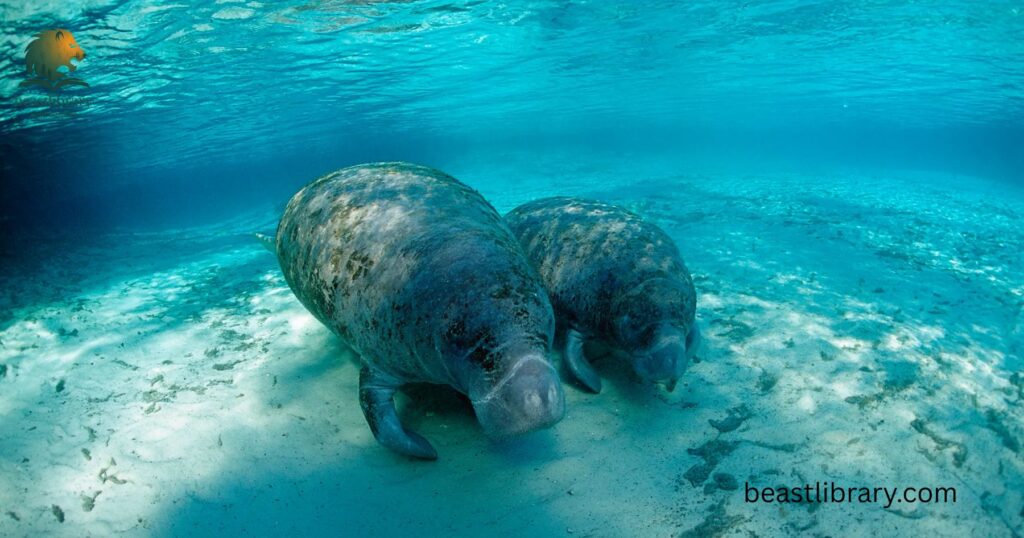
Manatees are also called sea cows use sensitive bristles on their snouts to move and survive in water. They are aquatic animals with whiskers, these fine hairs help them feel objects and detect changes in their surroundings. They are animals that cannot jump.
Their eyesight is limited, they depend more on touch to find food like seagrass in shallow water. This shows how manatees use their sense of touch for feeding and survival in their marine habitat. They are animals that walk slowly.
10- Horse
Scientific name: Equus ferus caballus
Class: Mammalia
Diet: Herbivore
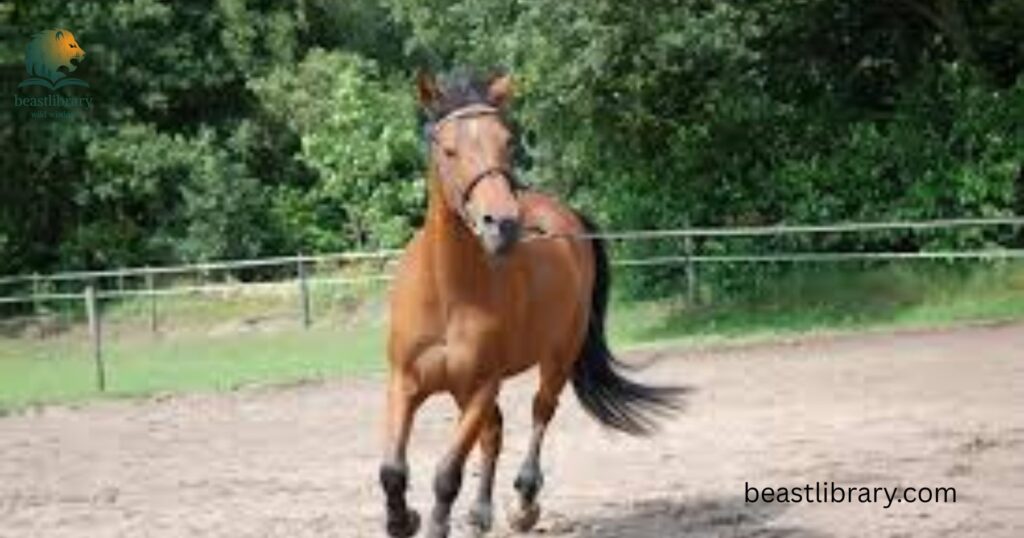
Horses use sensitive whiskers around their muzzle to help them move and explore safely. These fine hairs help them feel objects, judge spaces, and eat grass more carefully. They are energetic animals of wild. They are grass land animals.
This is very important for a prey animal, as it helps them stay alert to danger. They are consider as stubborn animals. Whiskers also support social bonding when horses groom each other, helping them build trust and connection.
11- Raccoon
Scientific name: Procyon lotor
Class: Mammalia
Diet: Omnivore
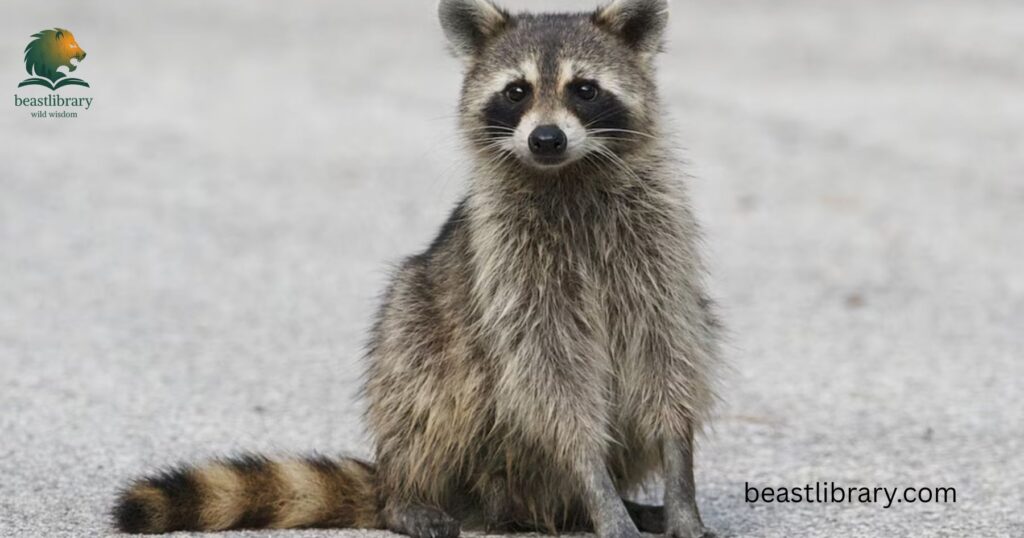
Raccoons are animals with claws and known for their face markings and smart behavior, but their sensitive whiskers are very important for survival. These fine hairs help them move safely in dark places by sensing nearby objects and danger.
While searching for food, whiskers help raccoons judge the size and shape of things, especially when they use their paws to explore. This strong sense of touch makes them very good at finding food and adapting to different environments, especially at night.
12- Sea Lion
Scientific name: Zalophus californianus
Class: Mammalia
Diet: Carnivore
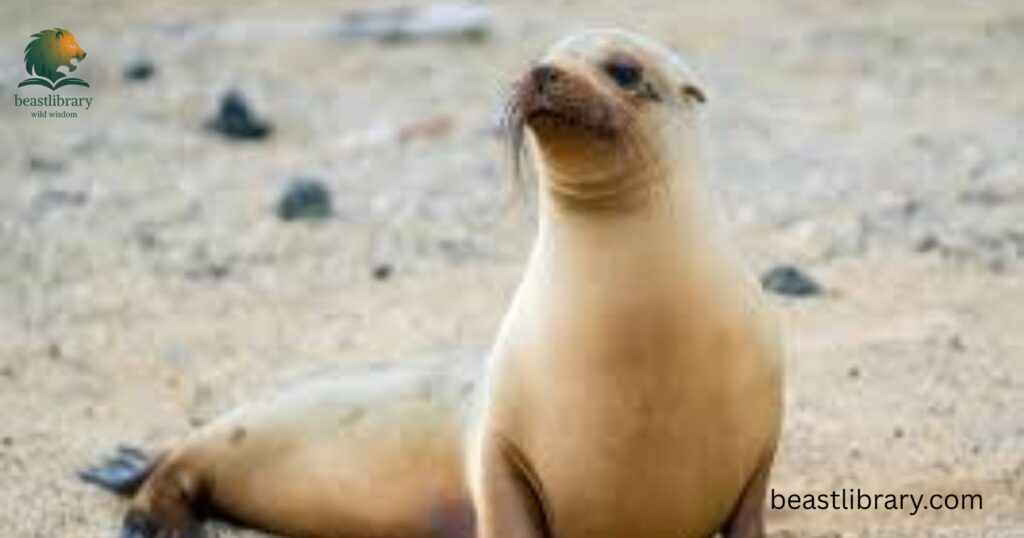
Sea lions are animals with long whiskers which help them survive in water. These fine hairs can feel small vibrations which helps them find fish even in dark or muddy ocean conditions. This makes hunting easier during deep dives where visibility is low.
Whiskers also help sea lions in social behavior, allowing them to sense other sea lions nearby. This shows how whiskers support both feeding and communication in their group life. This animal with whiskers is consider as chubby animal of nature.
13- Mountain lion
Scientific name: Puma concolor
Class: Mammalia
Diet: Carnivore
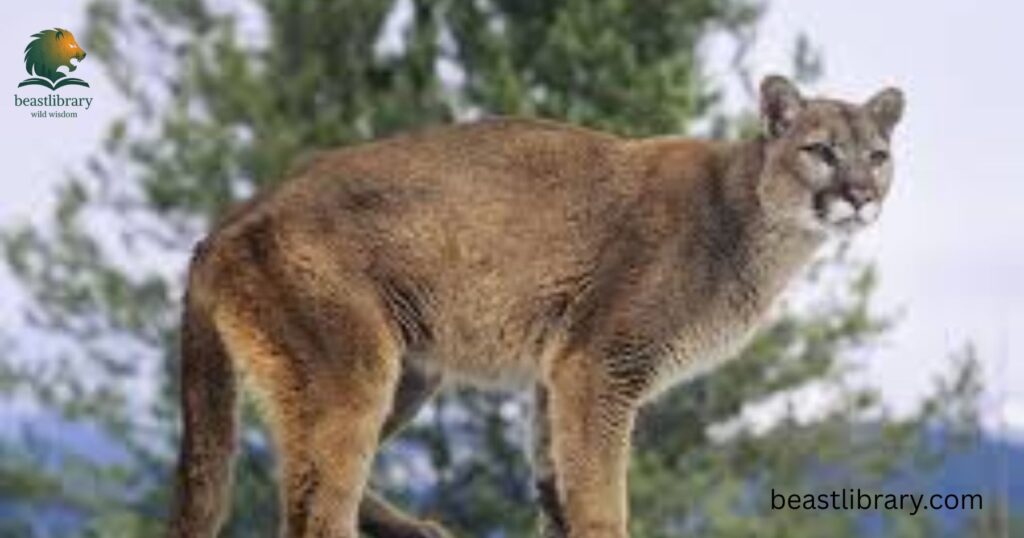
Mountain lions (cougars / pumas) are strong wild cats and their whiskers are very sensitive and help them feel nearby objects and movements. They are found in Prairies. In dark forests and rough mountains, whiskers help them move safely and understand space.
They also help while hunting, making it easier to track and catch prey quietly. Even though they live alone, whiskers help show simple signals during mating or with cubs. Overall, every part of a mountain lion, including whiskers, helps it survive in the wild.
14- Walrus
Scientific name: Odobenus rosmarus
Class: Mammalia
Diet: Carnivore
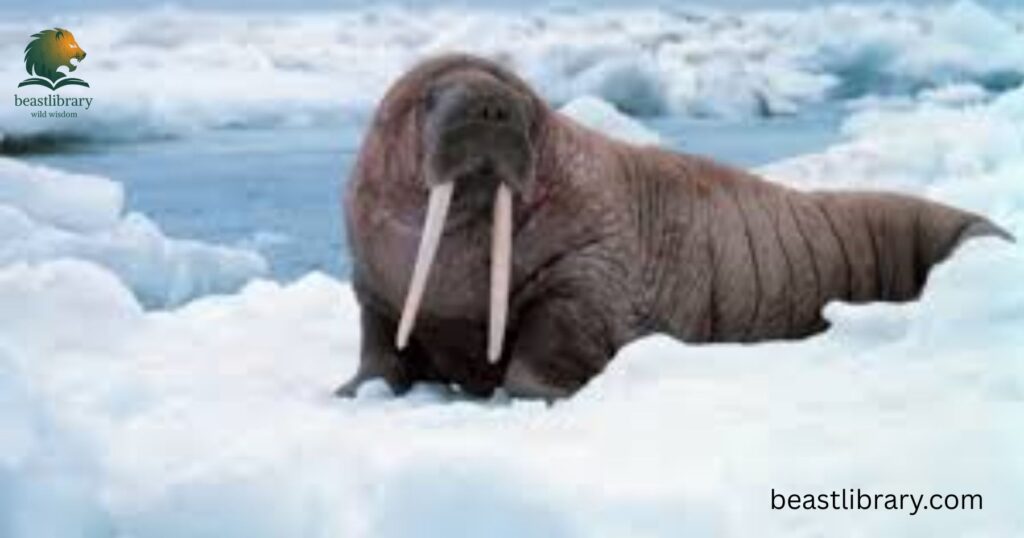
The walrus is a big Arctic animal known for its long tusks and thick whiskers. Whiskers are very sensitive and help the walrus feel its surroundings in cold, muddy sea water. Walruses also live in groups and have strong social behavior.
Their whiskers can give simple signs about their health. In some cases, they also use their tusks and whiskers to show power or attract attention during social displays. They are animals with out legs.
Conclusion- Animals with Whiskers
Animals with whiskers have ability to navigate and understand their environment. From the playful cat to the industrious otter, whiskers reveal a world of interactions within diverse ecosystems.
FAQs
Do giraffes have whiskers?
Yes, giraffes do have whiskers. They are small, soft hairs around the mouth, nose, and ears. These help giraffes sense leaves and avoid sharp thorns while feeding.
Do bear has whiskers?
Yes, bears do have whiskers. They are found around the snout and are very sensitive. These whiskers help bears feel objects and find food, especially in dark or dense areas.
Do raccoon have whiskers?
Yes, raccoons raccoon do have whiskers. They use them to feel and sense objects in the dark or tight spaces. These whiskers help them find food and navigate at night.