Top 25 Unique Animals With Long Legs: Life On High Limbs
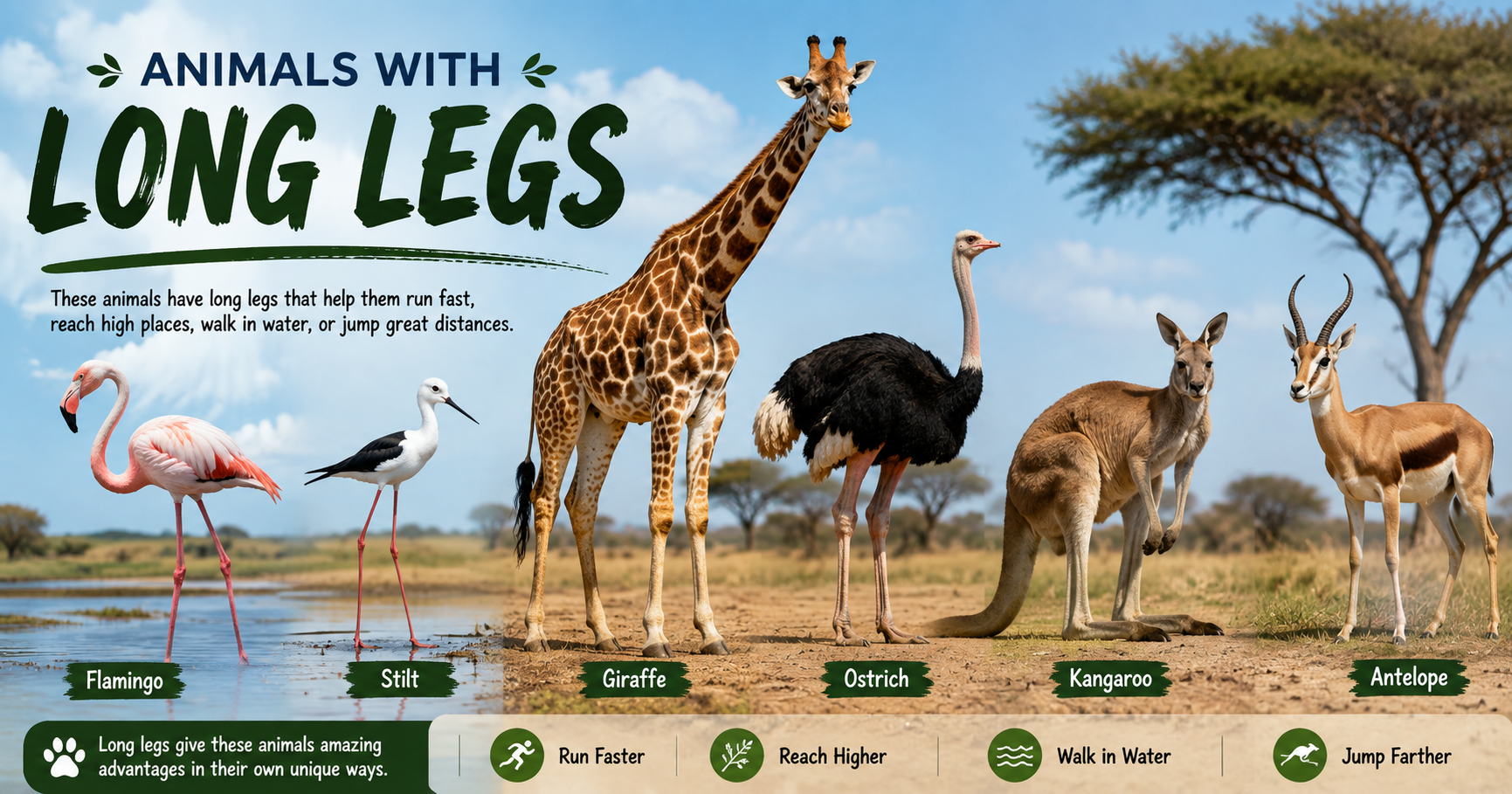
Animals With Long Legs many species are known for their long limbs. Long limbs help animals reach food, travel fast, see far & live in different places. Some use long legs for hunting. Others use them for walking through water or tall grass.
Table of 25 Animals With Long Legs
| No | Animal |
| 1 | Giraffe |
| 2 | Flamingo |
| 3 | Ostrich |
| 4 | Kangaroo |
| 5 | Red-footed Booby |
| 6 | Crane |
| 7 | Heron |
| 8 | Stork |
| 9 | Secretary Bird |
| 10 | Marabou Stork |
| 11 | African Wild Dog |
| 12 | Camel |
| 13 | Horse |
| 14 | Zebra |
| 15 | Gazelle |
| 16 | Meerkat |
| 17 | Sandhill Crane |
| 18 | Egret |
| 19 | Moose |
| 20 | Greater Rhea |
| 21 | Wildebeest |
| 22 | Okapi |
| 23 | Tarantula Hawk Wasp |
| 24 | Fishing Spider |
| 25 | Alaskan Moose |
Detailed Look At Animals With Long Legs
1. Giraffe
- Scientific Name: Giraffa camelopardalis
- Class: Mammalia
- Diet: Herbivore (leaves, twigs, fruits)
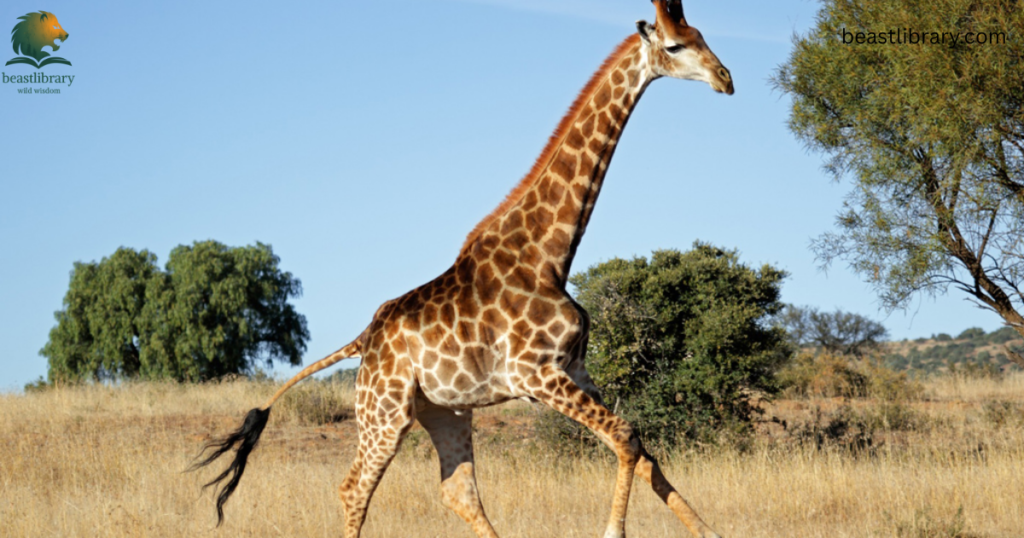
Their legs and necks are long making giraffes the long legged animals. They inhabit mainly African savannas, open woodland and grass fields. Their legs are powerful and enable them to travel long distances in search of food.
They are social and tend to make loose organizations known as towers or groups of females and young females. Giraffes are animals with long legs who can protect themselves using strong kicks. Giraffes have long legs that help them take large steps while walking and running.
Fun fact: Each giraffe’s coat pattern is unique, like human fingerprints.
2. Flamingo
- Scientific Name: Phoenicopterus roseus
- Class: Aves
- Diet: Omnivore (algae, crustaceans, small insects)
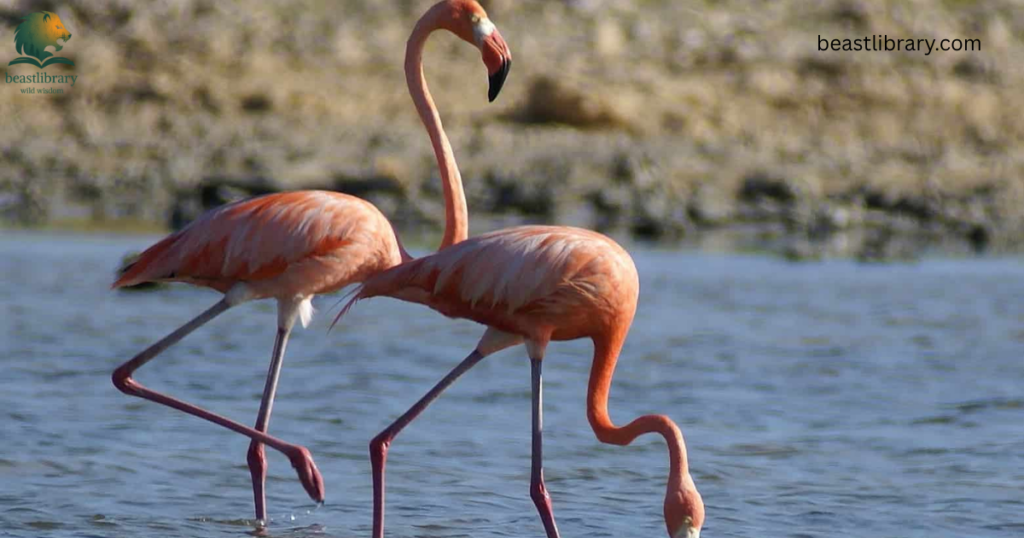
Flamingo birds are known to have long and thin legs, and pink feathers. They are long legged creatures. To feed, their legs enable them to wade deep in water. Flamingos sieve water to get food through their distinct beaks, in an upside down manner.
They use their long legs to make them balance. The carotenoid pigments present in their diet primarily in the form of shrimp and algae give them their pink color. Flamingos use flock honks and dances to express their courtships. With their long legs they are efficient in the water rich habitat where short legged birds would not do well.
Fun fact: Flamingos can sleep standing on one leg, reducing muscle fatigue.
3. Ostrich
- Scientific Name: Struthio camelus
- Class: Aves
- Diet: Omnivore (plants, seeds, insects, small vertebrates)
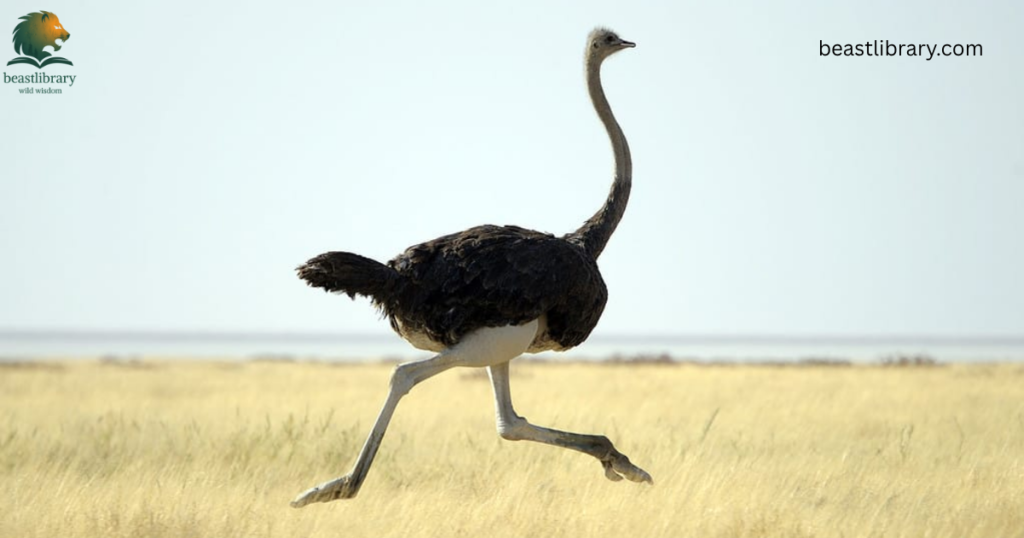
The biggest bird in the world is ostriches which can run fast. These birds are included in creatures with long legs. They do not fly but can run as fast as 70km/hour, which makes them the fastest birds. Their huge legs have a good stride and hold much power to kick against the predators.
Their long legs and height give them an opportunity to see danger at a distance. Their eggs are usually buried in the shallow nests on the sand where incubation is shared by the female and the male.
Fun fact: Ostriches lay the largest eggs of any living bird.
4. Kangaroo
- Scientific Name: Macropus rufus
- Class: Mammalia
- Diet: Herbivore (grass, leaves, shrubs)
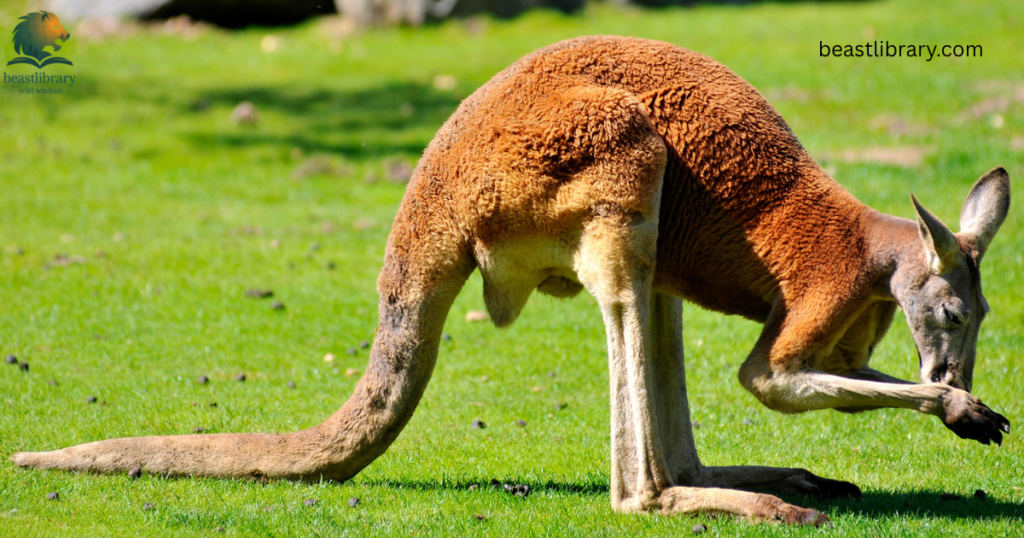
Kangaroos are the archetypal marsupials in Australia, animal with long limbs and muscular legs, which are designed to support hopping. Their legs enable them to travel long distances effectively as they run away to safety against predation.
They are found in the grasslands, open forests and the desert fringe. Long limbs cause them to be exceptional in mammals and ideally suited to Australian environments. Kangaroos are famous for their powerful hind legs, which help them jump long distances.
Fun fact: Kangaroos can leap over 9 meters in a single bound.
5. Red-footed Booby
- Scientific Name: Sula sula
- Class: Aves
- Diet: Carnivore (fish, squid)
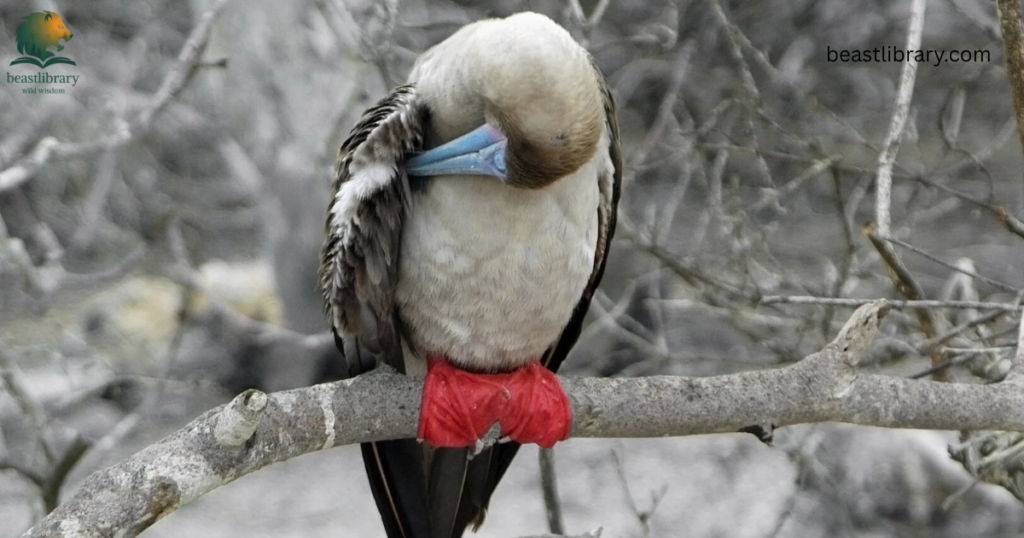
The red-footed boobies are seabirds that have long legs to make them rest on cliffs and trees. They inhabit tropical oceans, mostly the Pacific and Atlantic. Their long legs facilitate land and tree nesting takeoff.
Their length of legs also helps them in balancing on slender trees. Red-footed boobies are fast flyers and move long distances in oceans in search of food. They talk and clap the bill. Although they are clumsy on land, when flying and swimming they are graceful hunters.
Fun fact: They have bright red feet used in mating displays.
6. Crane
- Scientific Name: Grus grus
- Class: Aves
- Diet: Omnivore (plants, insects, small animals)
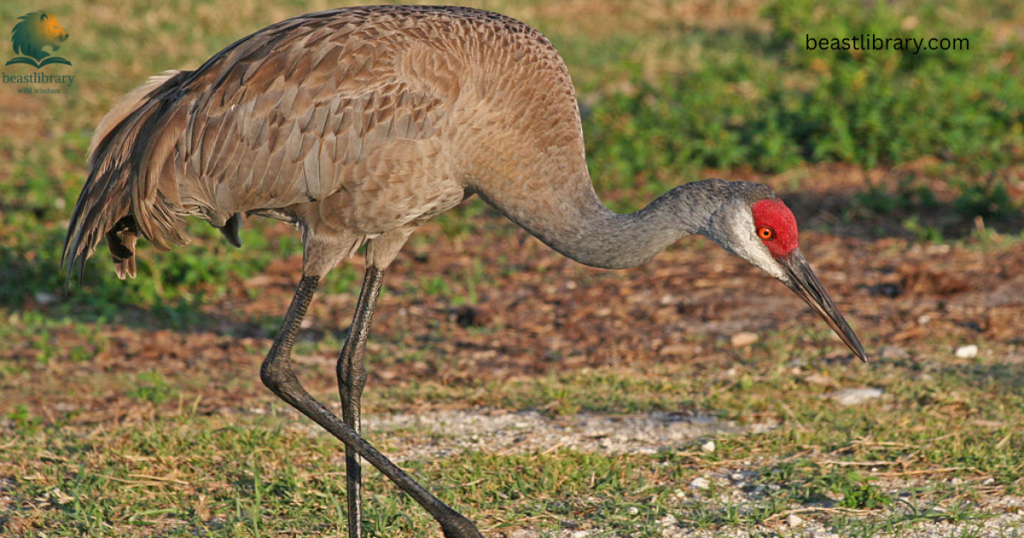
Cranes are big birds with long limbs and necks that assist them in foraging in the wetlands, grasslands and in shallow lakes. They have very long legs which enable them to plunge into water without drowning their bodies. Cranes are seed eaters, insect eaters, small reptiles and fish eaters.
They are also stable during these dances with their long legs. In most areas, cranes are seasonal and they move thousands of kilometers during breeding and wintering seasons. On the social front, they flock around in great numbers during the non-breeding period.
Fun fact: Cranes mate for life and often return to the same nesting area every year.
7. Heron
- Scientific Name: Ardea cinerea
- Class: Aves
- Diet: Carnivore (fish, amphibians, small mammals)
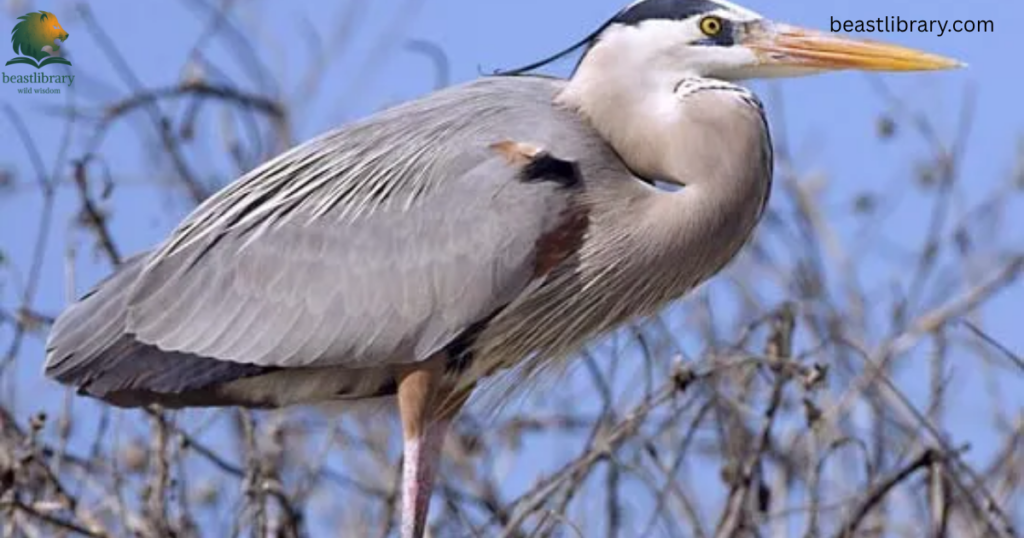
Heron birds have very thin slender legs and are wading birds. The creatures with Long Legs, which enable them to stand on shallow waters without making noise during fish hunting. They attack fast with sharp beaks in order to obtain food.
Their extended legs enhance easier access to water without stirring its surface, which enhances the success of hunting. They also move slowly with a deliberate flight and the neck is retracted and legs are following.
Fun fact: Herons have a specialized neck called an “S-neck” that helps them strike rapidly.
8. Stork
- Scientific Name: Ciconia ciconia
- Class: Aves
- Diet: Carnivore (insects, frogs, small reptiles)
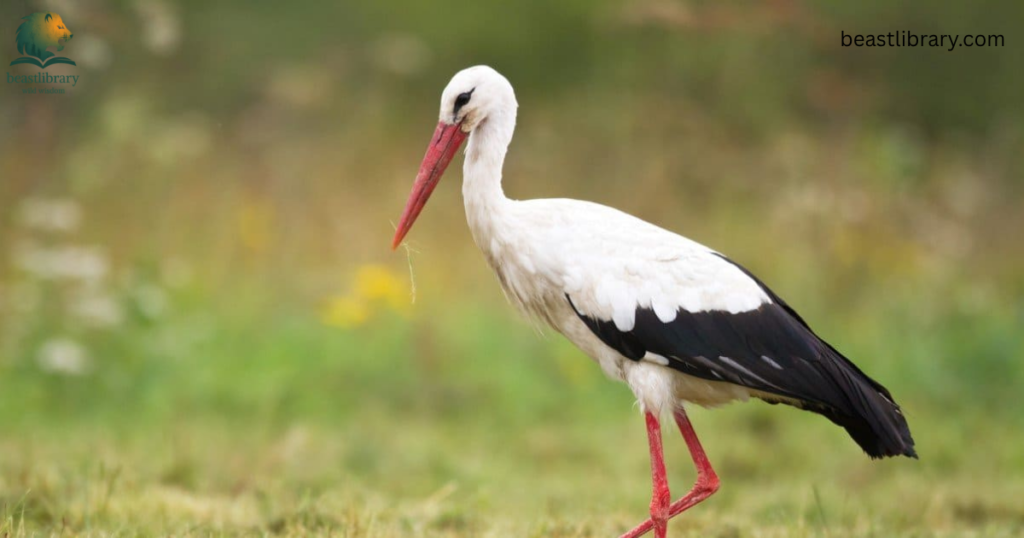
Storks are very big birds the long legged bird and are usually found in Europe. They inhabit wetlands, grassland and along rivers. They can walk or wade through the water to hunt frogs, insects and small reptiles using their legs.
Storks also have a great sight line due to long legs, which help them to see the prey and enemies. They chat with the clattering of the bills, at least in mating or in defence of their nest. Storks are also important in the control of the population of pests and healthy ecosystems.
Fun fact: Storks are migratory and can fly thousands of kilometers to reach wintering grounds in Africa.
9. Secretary Bird
- Scientific Name: Sagittarius serpentarius
- Class: Aves
- Diet: Carnivore (snakes, insects, small mammals)
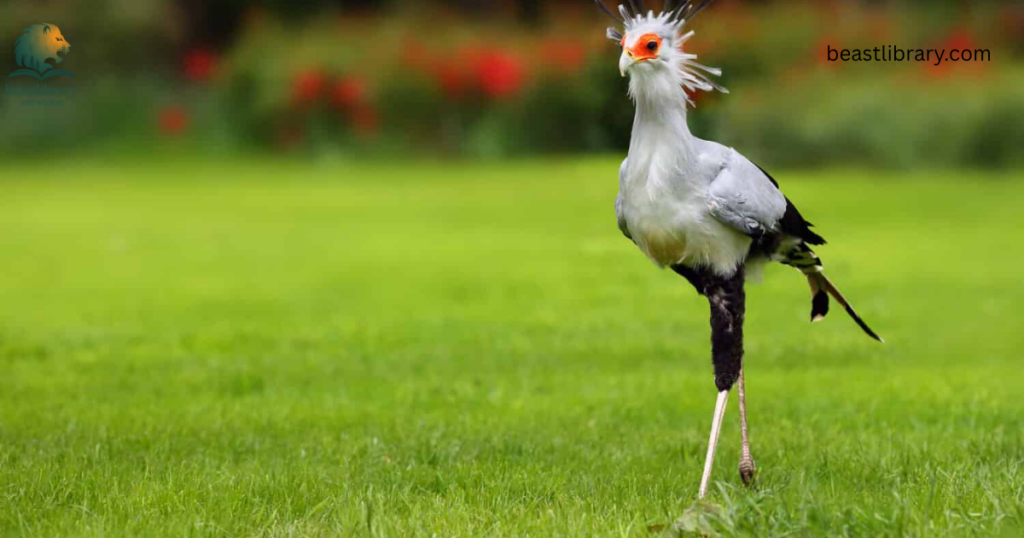
The secretary bird is a unique raptor from African savannas with very long limbs adapted for walking rather than flying. They hunt on foot, stomping on snakes and insects with their strong legs. They prefer open grasslands where visibility is high for spotting prey.
Their long legs also help them walk long distances while patrolling territories. While they can fly, they spend most of their time on the ground. Secretary birds are monogamous, with pairs sharing nest duties.
Fun fact: Secretary birds can kill venomous snakes with precise kicks, making them specialized hunters.
10. Marabou Stork
- Scientific Name: Leptoptilos crumenifer
- Class: Aves
- Diet: Scavenger (carrion, fish, small mammals)
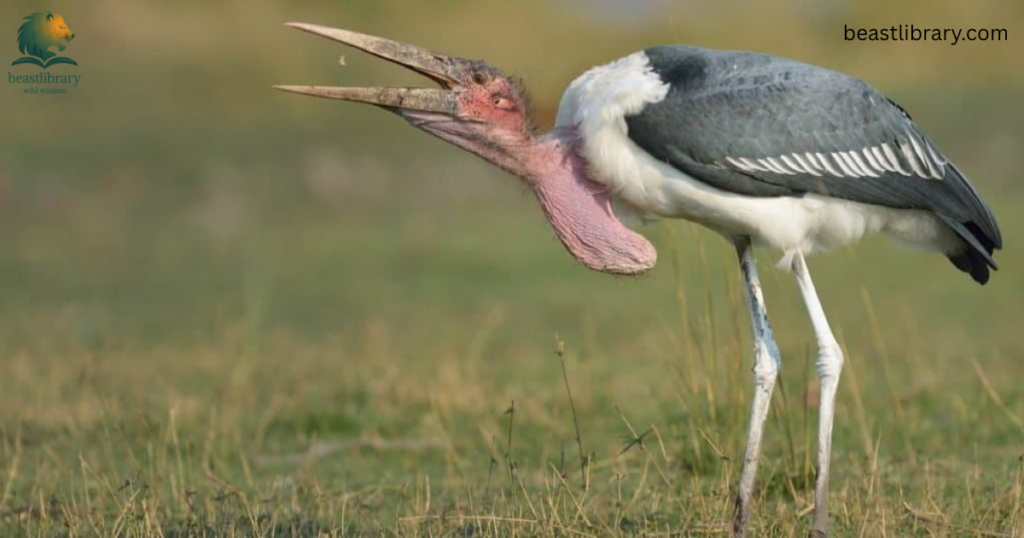
Marabou storks are huge birds which have long legs and naked heads. They inhabit sub-Saharan Africa close to rivers, lakes and open savannas. They can scavenge food in mud and in shallow water because of the legs they have.
They have long legs that enable them to reach water sources and hunt prey easily. The birds are mostly solitary or exist in small groups, although they congregate in great colonies in breeding time.
Fun fact: Marabous are sometimes called “undertaker birds” because of their dark plumage and scavenging habits.
11. African Wild Dog
- Scientific Name: Lycaon pictus
- Class: Mammalia
- Diet: Carnivore (antelope, rodents, birds)
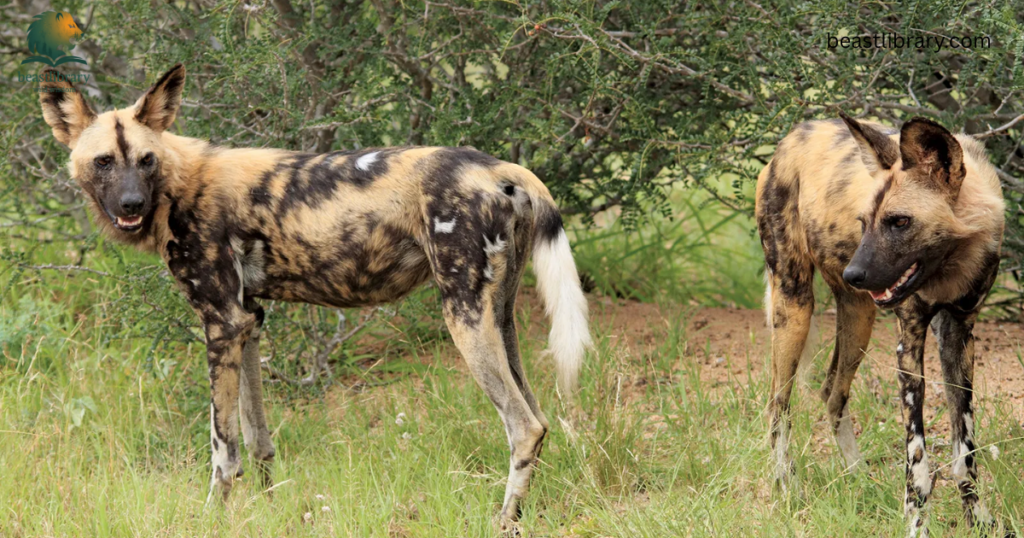
The African wild dogs are social predators that are Animals with long legs that facilitate stamina and speed. This is because they can run long distances with their legs pursuing their prey and they mostly work as a pack in order to exhaust animals such as antelopes.
They can also move up to 50 km per day as a result of their Animals With Long Legs. They are good hunters but they are becoming less and less because their habitat is being destroyed and they are fighting with human beings.
Fun fact: African wild dogs have a unique hunting strategy where they relay-run, taking turns chasing prey to conserve energy.
12. Camel
- Scientific Name: Camelus dromedarius
- Class: Mammalia
- Diet: Herbivore (dry grasses, shrubs, desert plants)
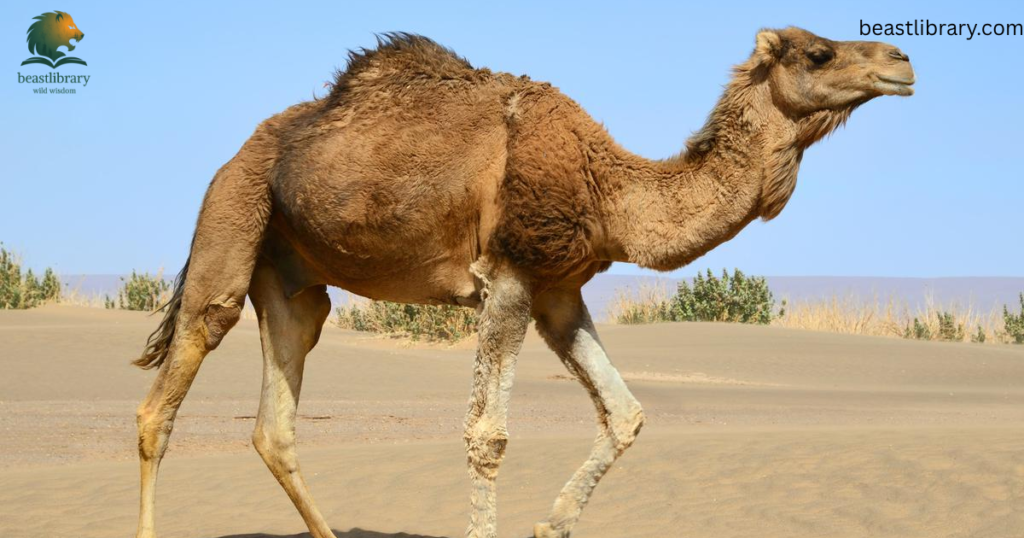
Camels are desert mammals with long legs that help them walk efficiently across sand. Camels can travel long distances without water, thanks to both their hump and their long legs. Their long legs help distribute weight evenly, preventing sinking in sand.
Camels feed on dry grasses, thorny plants, and leaves. Socially, they live in small herds led by a dominant male. Camels are domesticated in many regions and used for transport, milk, and meat. Their long legs make them well-adapted to harsh, arid environments and help them navigate rough terrain.
Fun fact: Camels can run at speeds up to 65 km/h in short bursts.
13. Horse
- Scientific Name: Equus ferus caballus
- Class: Mammalia
- Diet: Herbivore (grass, hay, grains)
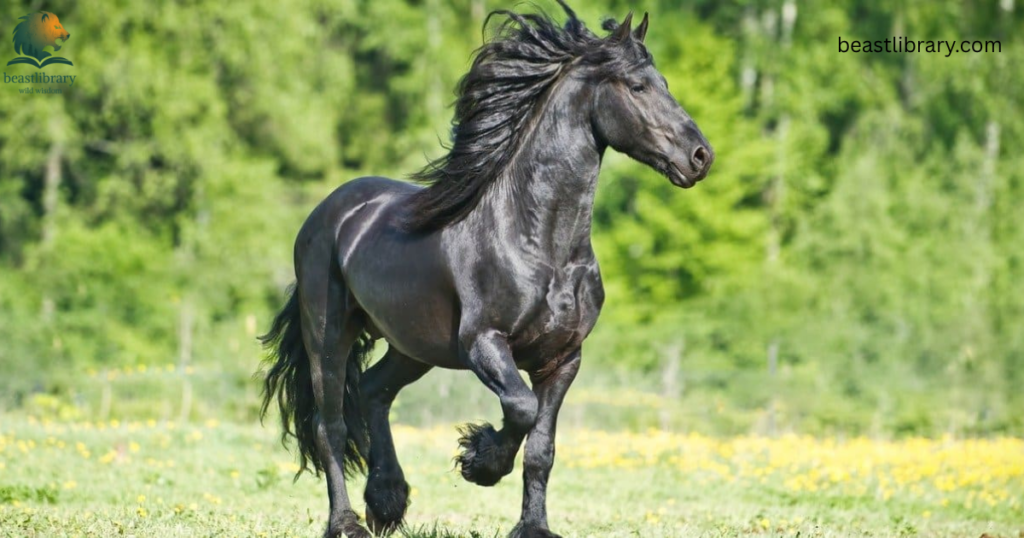
Horses are long muscular mammals that are adapted to run and bear weight by Animals With Long Legs. They were originally indigenous to the Eurasia grasslands, but today they are found all around the world both in the wild and domesticated. They can move fast, endure long distances and be nimble on their legs.
Wild horses have grass and browse shrubs, whereas domesticated ones have supplemental diets. Long legs assist them to travel a long distance in search of food and water. Horses are part of human culture, transportation, and agriculture as well as wild herds.
Fun fact: Horses can sleep both standing up and lying down, using a “stay apparatus” in their legs to lock joints while standing.
14. Zebra
- Scientific Name: Equus quagga
- Class: Mammalia
- Diet: Herbivore (grass, leaves)
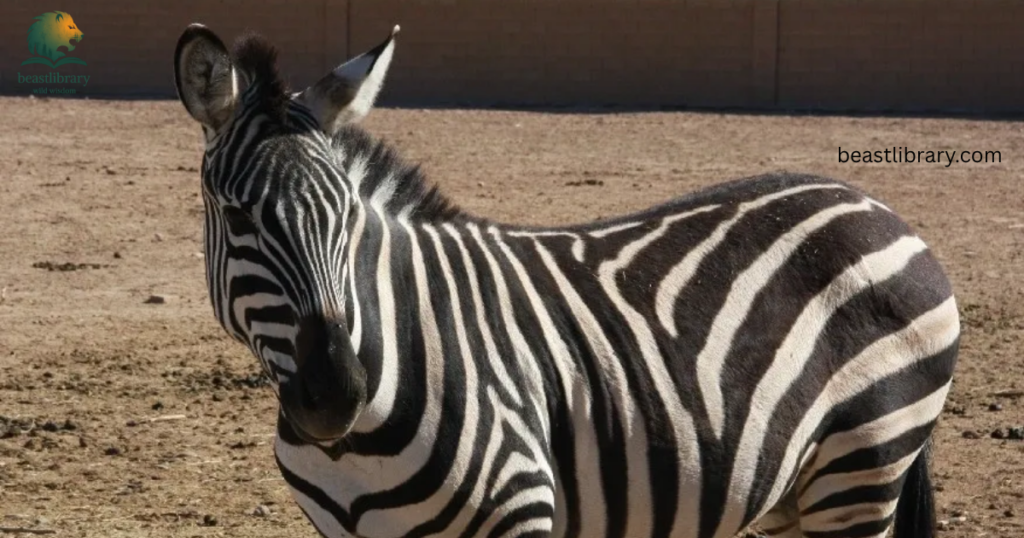
Zebras are long legging mammals that are striped and have evolved running legs. They are found on the savanna, grasslands and mountains of Africa. Their legs enable them to run away from dangerous creatures such as lions and hyenas, usually in organized group runs.
Zebras also have long legs that serve to cover long distances to get grazing space and water. Their communication occurs in terms of vocalizations, body movements and facial expression.
Fun fact: Each zebra’s stripe pattern is unique, much like fingerprints.
15. Gazelle
- Scientific Name: Gazella gazella
- Class: Mammalia
- Diet: Herbivore (grass, leaves, shoots)
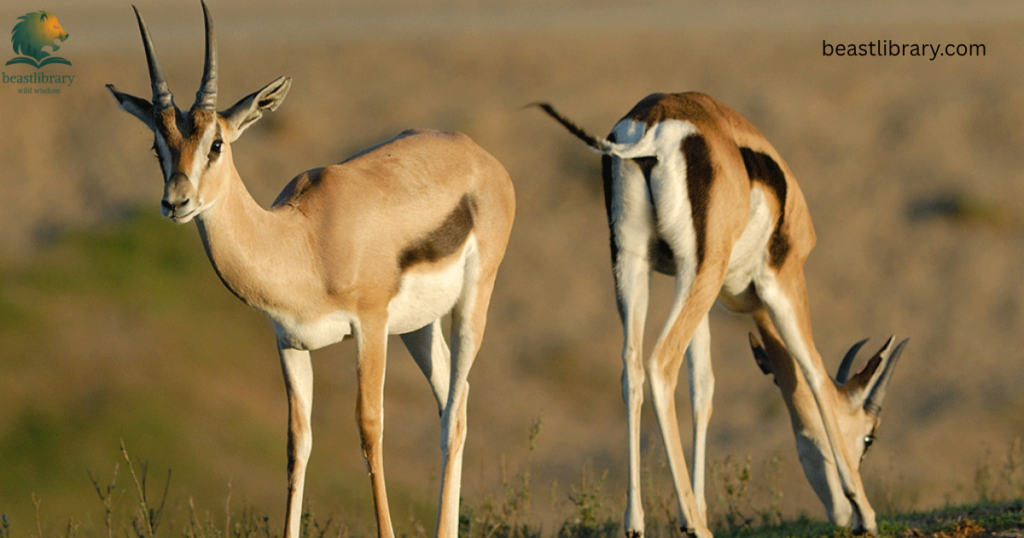
Gazelles are fast and agile small yet graceful mammals with Long Legs. They occupy the semi-arid parts and African savannas. They can run fast and jump high because of their long legs that can enable them to escape predators.
Gazelles use visual signals, scent marking and calls of alarm. They have an ideal structure of legs that endure long distance running, which is essential in escaping the cheetahs, lions, and hyenas.
Fun fact: Some gazelles can leap over 3 meters in a single bound. Grasses, leaves, and shoots are their primary sources of food and they can survive on little water.
16. Meerkat
- Scientific Name: Suricata suricatta
- Class: Mammalia
- Diet: Omnivore (insects, small reptiles, fruits)
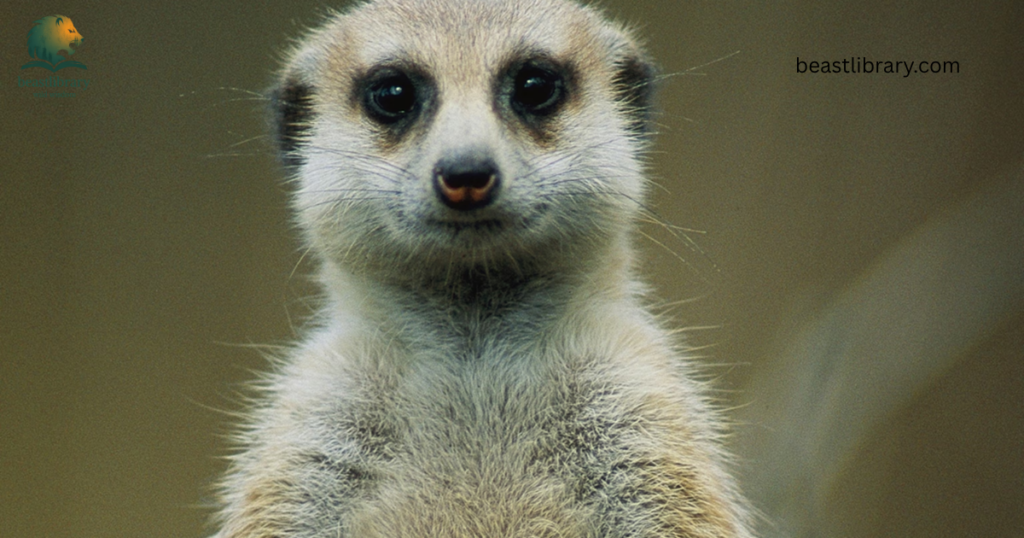
Meerkats are the small mammals with Long Legs which make them stand straight and run rapidly in the desert. Their hind legs are ideal in creating burrows and seeing the predators far away. Meerkats are social creatures and they live in small groups referred to as mobs and they may consist of up to 30 meerkats.
They feed on insects, small reptiles, eggs and fruits. Their long legs enable them to construct well and run when in danger. Meerkats are very social and cooperative and adult Meerkats instruct the young on how to deal with dangerous prey, such as scorpions.
Fun fact: Meerkats take turns acting as sentries, standing on their long legs to watch for danger while others forage.
17. Sandhill Crane
- Scientific Name: Antigone canadensis
- Class: Aves
- Diet: Omnivore (plants, insects, small vertebrates)
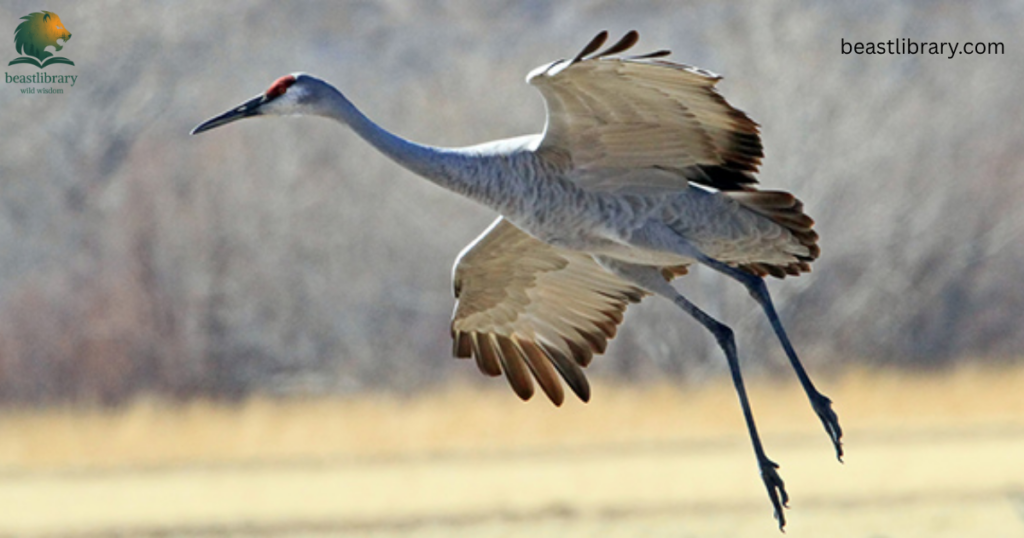
Sandhill cranes are tall birds with long legs that make them suitable to live in wetlands. They are found in North America, especially in marsh lands, grasslands and prairies. Their legs enable them to walk in the shallow waters in search of plants, insects, amphibians, and small mammals.
When they make such displays, their long legs are stable. These are social birds and they tend to form large flocks to protect and feed. They nest under the ground around water deposits and the eggs are laid in one to three seasons.
Fun fact: Sandhill cranes perform elaborate dances involving bows, leaps & wing flaps during courtship.
18. Egret
- Scientific Name: Egretta garzetta (Little Egret)
- Class: Aves
- Diet: Carnivore (fish, amphibians, insects)
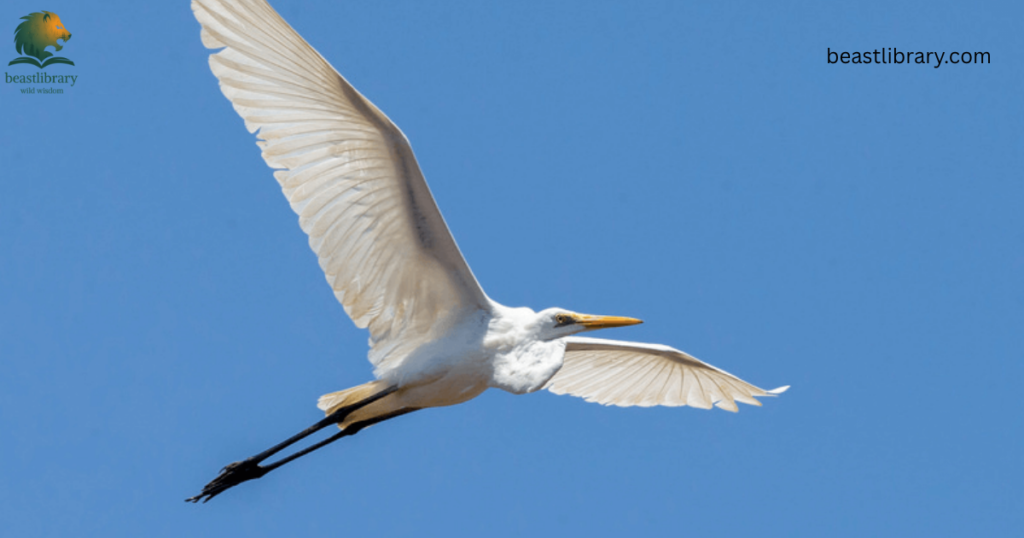
The egrets are beautiful Birds With Long Legs that assist them in catching in shallow waters. Their elongated legs enable them to move silently when they are seeking fish, amphibians and insects. Egrets are loner hunters though they may nest in groups known as rookeries.
They also have long legs that give them an elevated view to scan the surroundings to detect danger. In the courtship, they flaunt fragile plumes and dance to seek suitors. Egrets serve to keep the water environments in order by regulating fish and insect populations.
Fun fact: Egrets were once hunted for their feathers, which were used in fashion, leading to conservation efforts.
19. Moose
- Scientific Name: Alces alces
- Class: Mammalia
- Diet: Herbivore (leaves, twigs, aquatic plants)
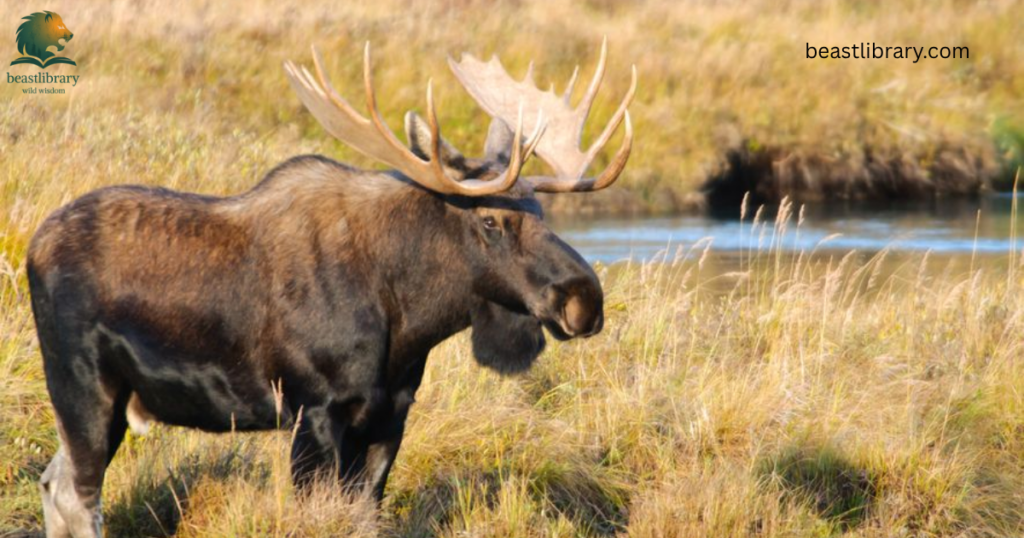
Moose are the heaviest of the deer kind and they have long powerful legs which enable them to move in forests, swamps and snowy areas. Their legs enable them to walk in thick snow and water reaching deep rooted aquatic plants and bushy shrubs.
They consume leaves, twigs and aquatic plants occasionally burying their heads in water. The long legs are also known to assist them in evading terror like the wolves and bears. The moose are sensitive to smell and sound to determine danger.
Fun fact: Moose can run up to 55 km/h over short distances despite their size.
20. Greater Rhea
- Scientific Name: Rhea americana
- Class: Aves
- Diet: Omnivore (plants, fruits, insects, small animals)
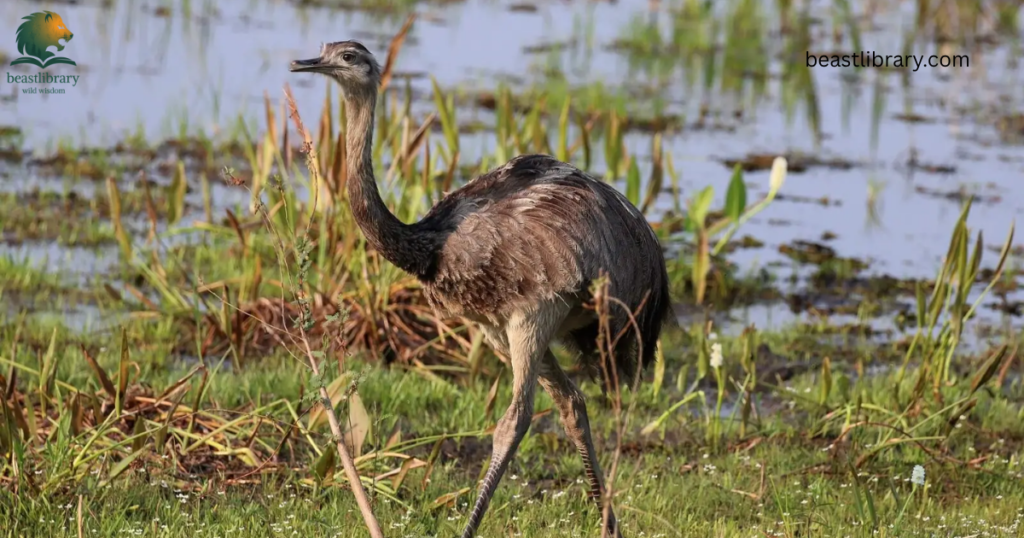
The greater rhea is a huge flightless South American bird with long legs that are used to run. They live in grassland, savanna and open forests. Their long legs enable them to run at the speed of up to 60 km/h, thus escaping their predators. Rheas are found in small herds but during the post-breeding period can be found in large flocks.
They forage and patrol territory as they have long legs that enable them to travel over long distances. These are very important birds in the seed distribution and sustenance of an ecosystem, which grazes on plants and gets rid of the insects.
Fun fact: Males incubate eggs from multiple females in a single nest, demonstrating unique parental behavior.
21. Wildebeest
- Scientific Name: Connochaetes taurinus
- Class: Mammalia
- Diet: Herbivore (grass, leaves)
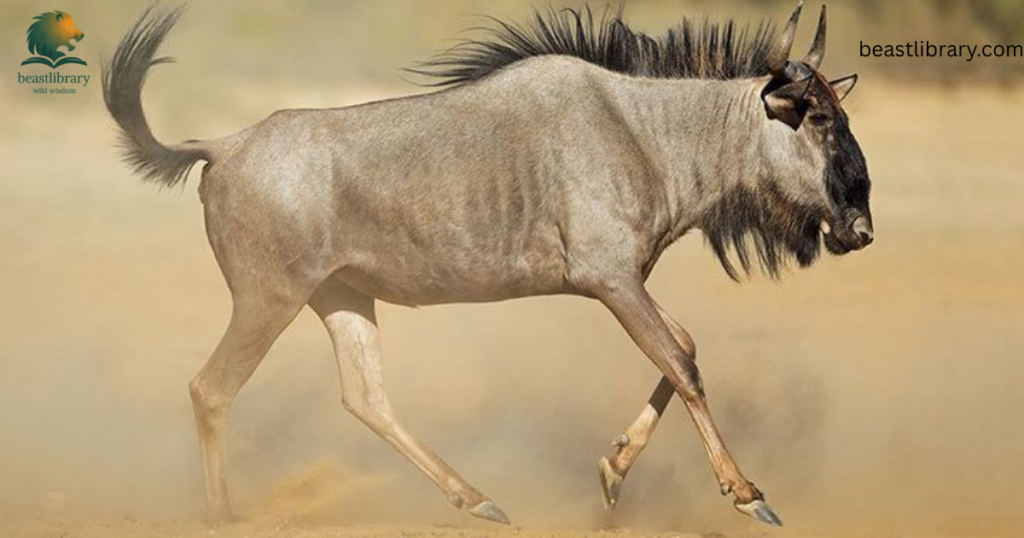
Wildebeests are massive African antelopes whose long sturdy legs are designed to run throughout open grasslands. They are reputed to be of immense migrations in East Africa where thousands of them move hundreds of kilometers in search of new grass and water. They have long legs enabling them to remain fast over a long distance and avoid their predators such as lions, cheetahs and hyenas.
They use grunts and snorts to communicate and use sharp eyes to detect threats. The wildebeests can also reach rough terrain using long legs when they are grazing and traversing through grasslands. These animals are very essential in the ecosystem development by regulating the growth of grass and sustaining the population of predators.
Fun fact: During migration, wildebeests often face rivers full of crocodiles, but their long legs help them wade through deep water.
22. Okapi
- Scientific Name: Okapia johnstoni
- Class: Mammalia
- Diet: Herbivore (leaves, fruits, shoots)
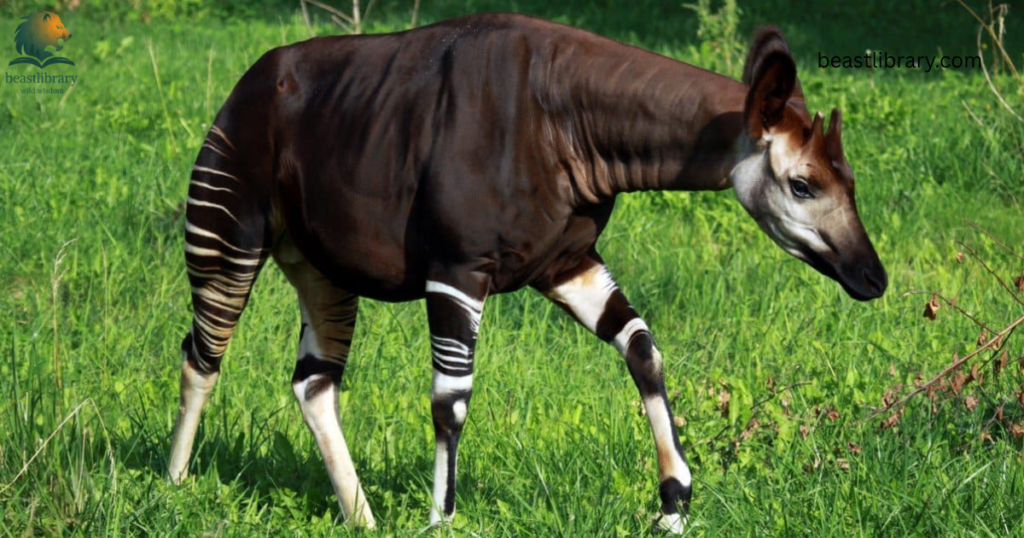
Okapi is a Congo forest mammal, which is a relative of the giraffe. It also moves silently in the dense rainforest due to the presence of long legs that enable it to move effectively within the rainforest. Okapis browse understorey plants feeding on leaves, shoots, fruits, and fungi.
They tend to be single mostly and people are known to mark the territory with the help of scent glands. Their legs are very long and enable them to make no noise when they walk through dense plants and cross logs or running water.
Fun fact: Okapis were unknown to the western world until the early 20th century, earning the nickname “forest giraffe.”
23. Tarantula Hawk Wasp
- Scientific Name: Pepsis grossa
- Class: Insecta
- Diet: Carnivore (spiders, nectar)
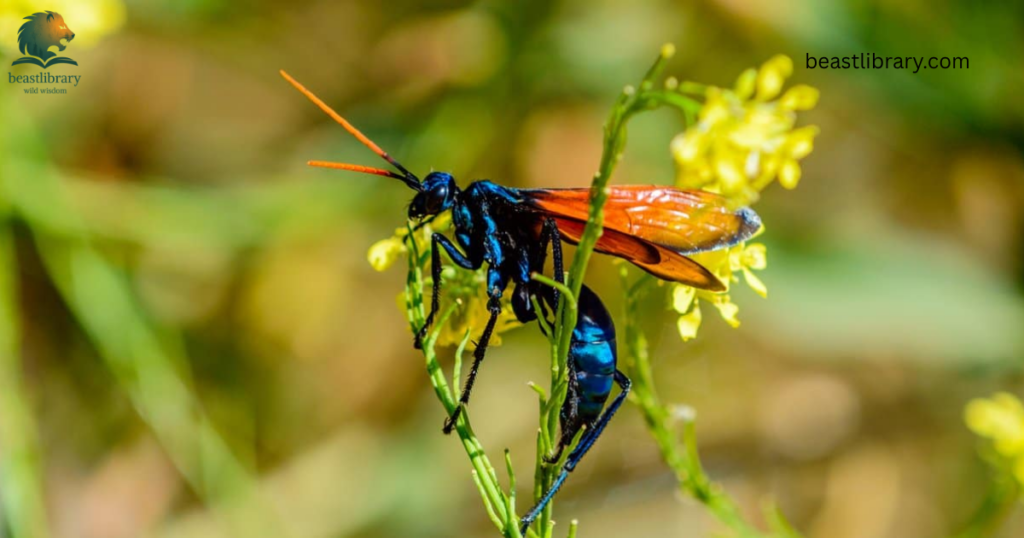
Tarantula hawk is a wasp that has a long leg length and can be applied to dine on tarantulas which is its main prey. They are found on the ground and are known to hunt spiders in the forests and deserts of the Americas, where the wasps have long legs that they use to attack and hold the spider immobile until an egg is placed on him.
They have long legs which enable them to handle heavy prey. Adults also consume flowers and nectar hence significant pollinators. Such wasps are solitary hunters but when defending their territories, they are vicious. During the crawling of burrows and prey, their legs assist them as well.
Fun fact: Their sting is one of the most painful in the insect world, though not deadly.
24. Fishing Spider
- Scientific Name: Dolomedes tenebrosus
- Class: Arachnida
- Diet: Carnivore (small fish, insects, tadpoles)
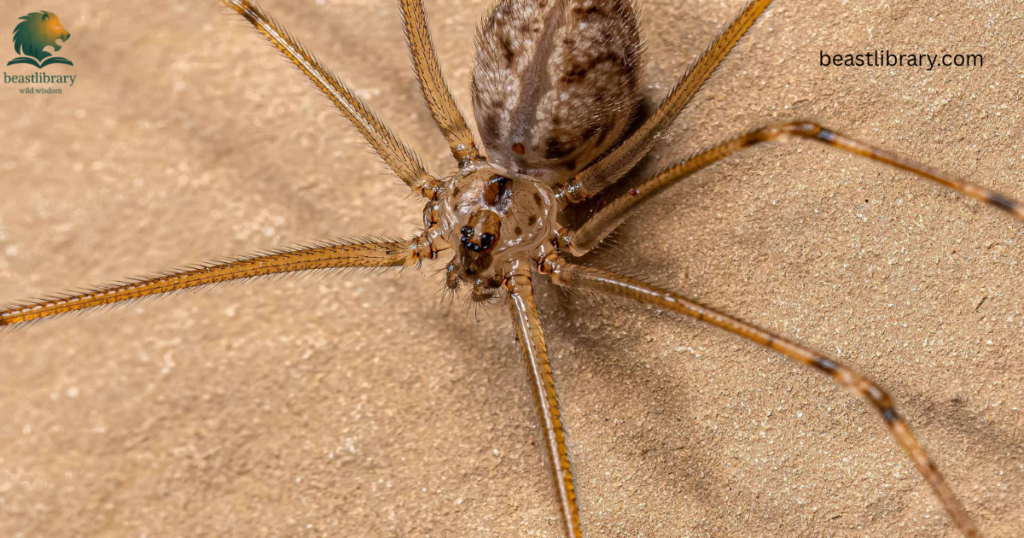
The fishing spiders are semi-aquatic spiders that possess long limbs enabling them to walk on water surfaces and prey. They can be found floating in North America around ponds, streams and wetlands, their legs spreading the weight so that they can reach into the water to get fish or insects.
These spiders feed on insects, tadpoles, and small fish and they employ stealth and speed, which are facilitated by their long legs. To keep away flooding, fishing spiders deposit eggs in silk sacs on top of water.
Fun fact: They can dive underwater briefly to capture prey or escape danger.
25. Alaskan Moose
- Scientific Name: Alces alces gigas
- Class: Mammalia
- Diet: Herbivore (leaves, bark, aquatic plants)
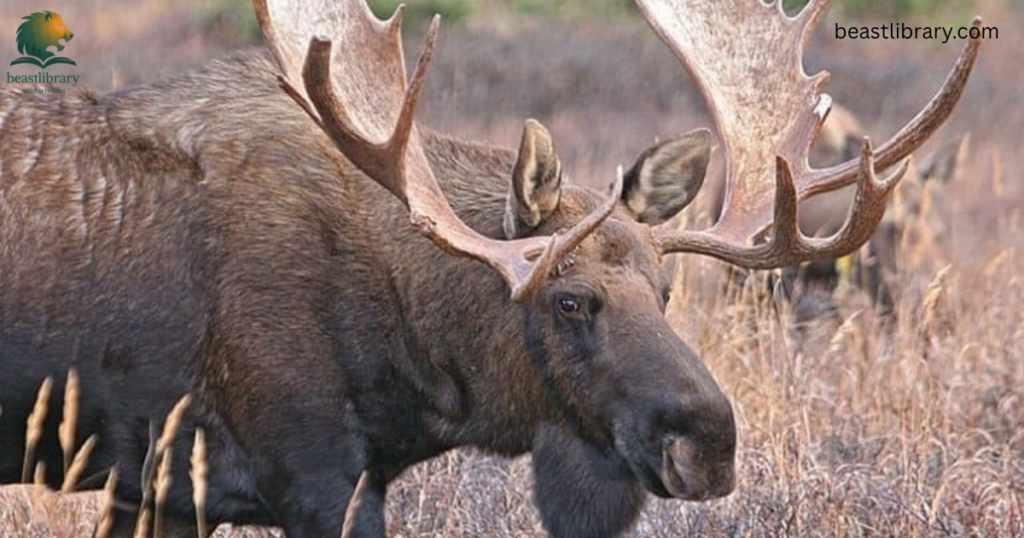
The largest subspecies of moose is the Alaskan moose which has very long legs that it uses to move in Alaska and in the Northwestern part of Canada through the snow, swamps, and thick forests. These are long legs which enable them to walk in water to access aquatic plants where they feed well during the summer season.
Moose can be found in solitude, with only a few exceptions (if it is mating season) when males can be found fighting over females through the use of antler display. They use grunts, snorts, and bellows when mating, or when they are warning others.
Fun fact: Their legs can be over 1.2 meters long, helping them cross rivers and deep snow.
Final Words-Animals With Long Legs
Long legged animals are among the most interesting creatures on the earth. Long legs have had numerous uses, both to run fast, to go into and out of the water, to get at the food, and to flee enemies, of towering giraffes down to a tiny tarantula wasp.
The legs of each species have evolved so that they are the best fitted to the environment. Long legs serve not only to stay taller, but also to hunt and forage as well as move around easily.
FAQs:
Why Do Some Animals Have Long Legs?
Long legs help many animals survive in their natural environments. They can help animals run faster, reach food, cross water, and see predators from a greater distance. For some animals, long legs are also useful for traveling across grasslands, wetlands, and other open areas.
What is the tallest animal that has long legs?
The giraffe is the tallest, has long necks and legs that enable it to access the leaves in trees that are very high.
Which animals are known for having long legs?
Some well-known long-legged animals include giraffes, ostriches, kangaroos, flamingos, herons, and cranes