Top 12 Animals With Big Feet (With Pictures)
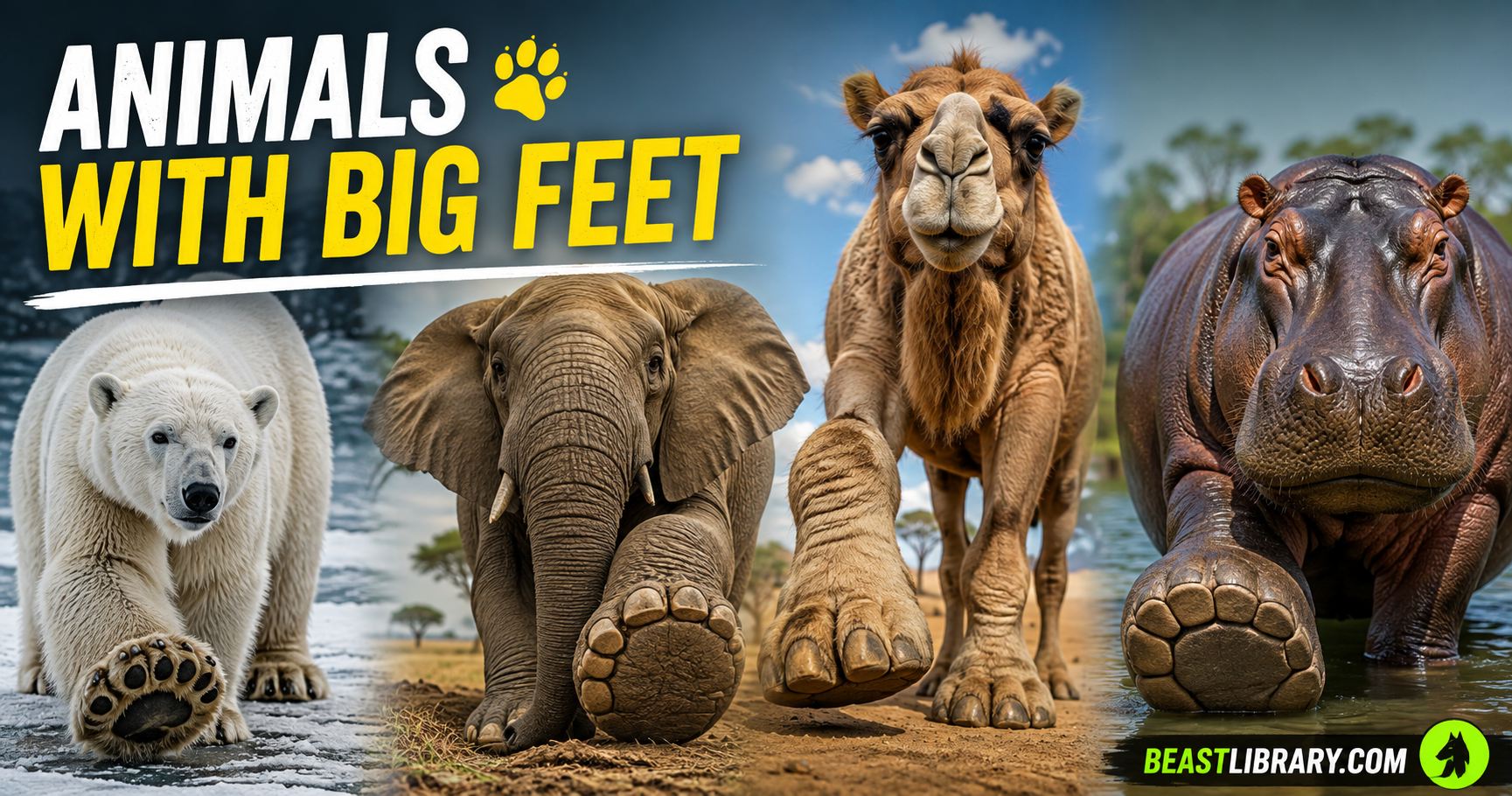
Discover Animals With Big Feet and learn how these incredible evolutionary traits help them survive and thrive in the wild. The remarkable characteristics and evolutionary advantages of some of the planet’s largest-footed creatures.
List of Animals with Big Feet:
Here is the Big Feet Animals list:
- Kangaroo
- Ostrich
- African Jacana
- White Rhinoceros
- Hippopotamus
- Lion
- Polar Bear
- Giraffe
- Camel
- Elephant
- Moose
- Gorilla
1-Kangaroo
Scientific name: Macropus
Class: Mammalia
Diet: Herbivore
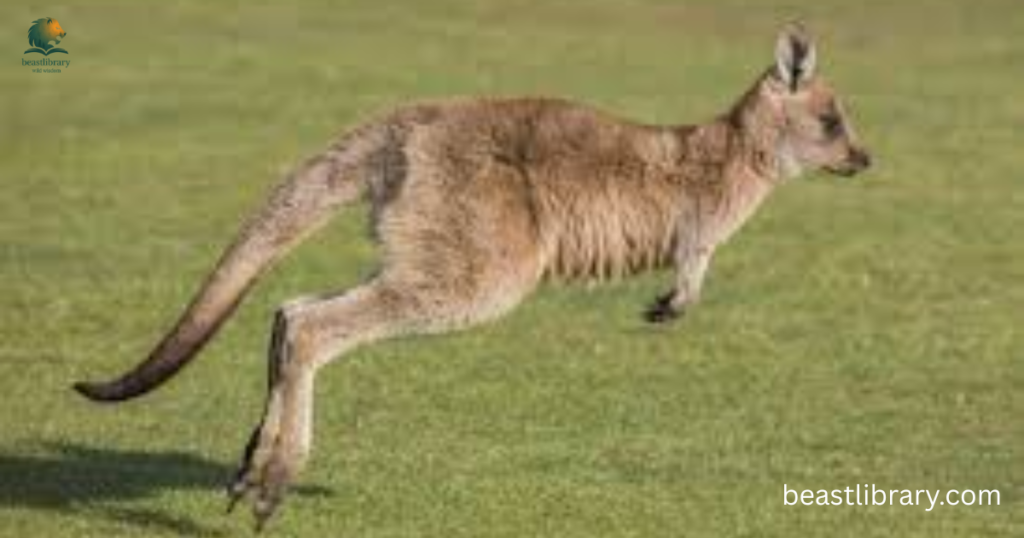
Kangaroos have large, powerful feet that help them move quickly and efficiently. Their strong hind feet allow them to make long jumps and cover great distances. These big feet also provide balance while they are hopping.
A kangaroo’s feet act like natural springs, storing and releasing energy with every jump. Their long toes and strong claws help them grip the ground while moving. Thanks to their big feet, kangaroos can escape predators and travel across open land with ease.
2-Ostrich
Scientific name: Struthio camelus
Class: Aves
Diet: Omnivore
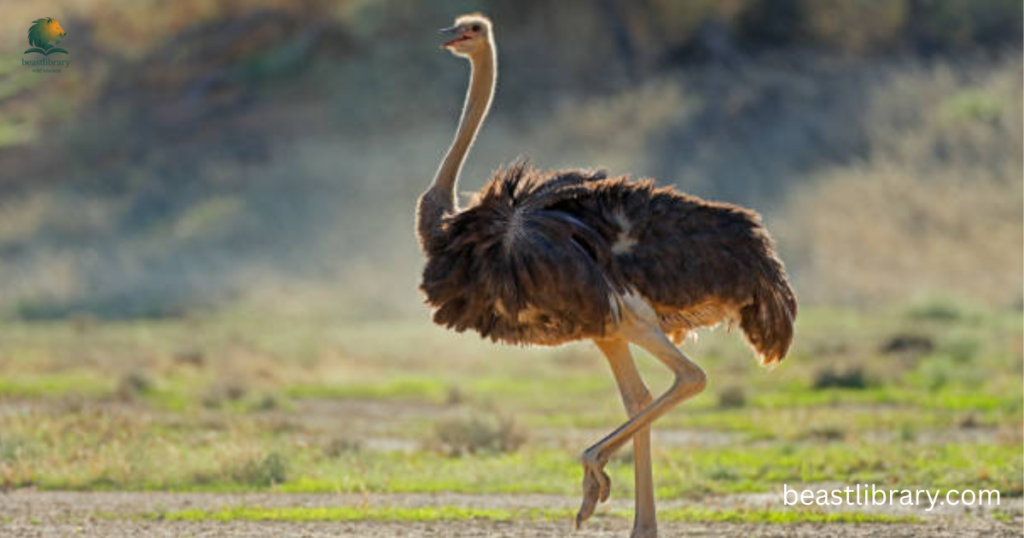
When you think of the ostrich, you might picture its long legs and towering stature, but this flightless bird is surprisingly clumsy in its movements. Despite being the fastest running bird, capable of sprinting up to 45 miles per hour. this animal with long feet live in savannas.
Ostriches have evolved to thrive in expansive savannas, where their speed is a crucial defense mechanism against predators. They are long neck animals. Their unique gait, which resembles a vigorous waddle at times, allows to cover great distances.
3-African jacana
Scientific name: Actophilornis africanus
Class: Aves
Diet: Omnivore
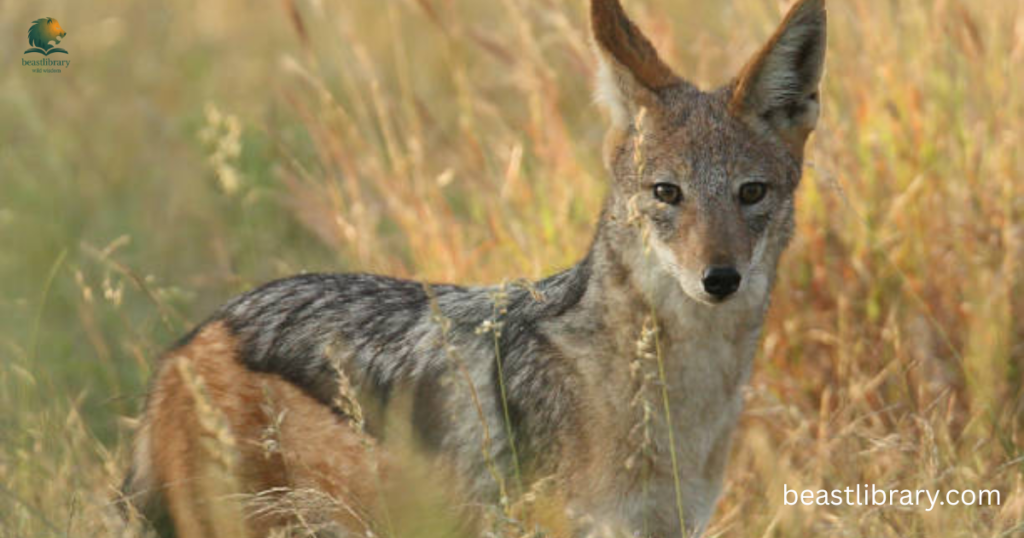
The African jacana, widely known as the “Jesus bird,” showcases a fascinating trait with its oversized feet, allowing it to traverse lily pads and floating vegetation with remarkable ease. As an animal with big feet, its toe span reaching nearly twelve inches.
This physical evolutionary trait underscores the interconnectedness of form and function in nature, illustrating how adaptations can elegantly solve the challenges of their environment.
4-White Rhinoceros
Scientific name: Ceratotherium simum
Class: Mammalia
Diet: Herbivore
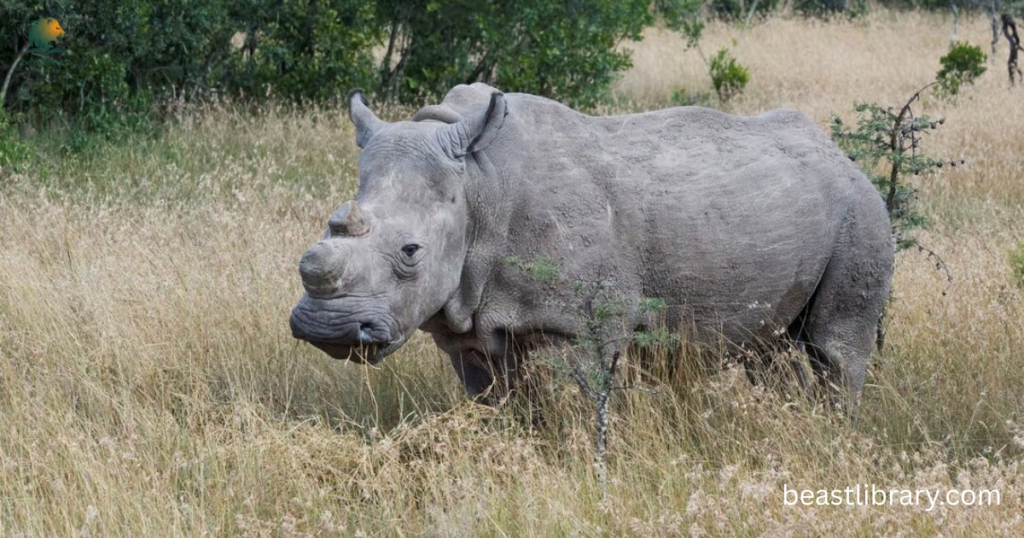
The rhinoceros is one of nature’s remarkable stubborn eaters, consuming around 120 pounds of vegetation each day. Their massive bodies require a massive calorie intake, primarily derived from grasses, leaves, and branches.
These colossal herbivores play a crucial role in their ecosystems by maintaining the balance of plant life. Their grazing habits help to shape the landscape, promoting biodiversity and supporting a variety of other wildlife.
5-Hippopotamus
Scientific name: Hippopotamus amphibius
Class: Mammalia
Diet: Herbivore
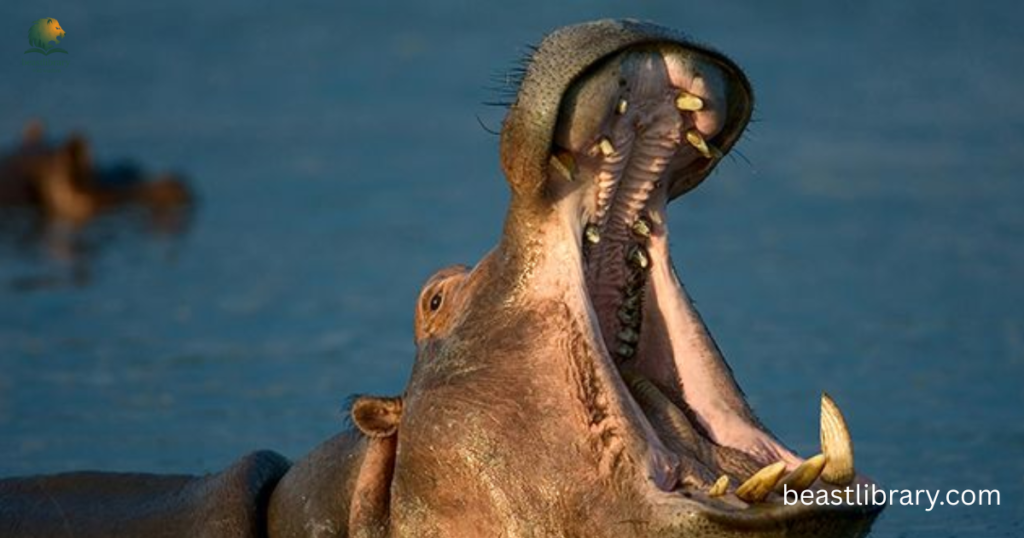
The hippopotamus, one of Africa’s most iconic creatures. When people wonder what animal has the biggest feet, they often look at large mammals like this one. Despite its hefty size often weighing between 3,000 to 4,000 pounds this semi-aquatic giant is primarily a herbivore, grazing on grasses during the cool hours of the night.
A single adult hippopotamus can consume an astonishing 80 pounds of vegetation in just one night, showcasing not only its insatiable appetite but also the critical role it plays in its ecosystem.
6-Lion
Scientific name: Panthera leo
Class: Mammalia
Diet: Carnivore
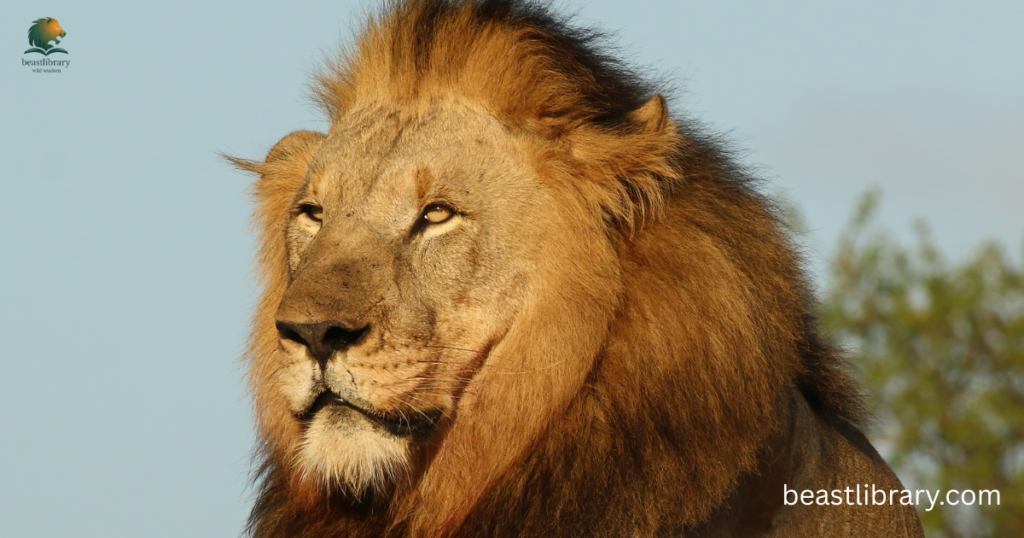
The lion also called the “King of the Jungle,” is one of the most powerful predators on Earth, primarily found in the grasslands and savannas of sub-Saharan Africa. Lions possess large, curved canine teeth that can grow up to 3 inches long, designed specifically to grip.
Apex predators, lions hunt large mammals such as zebras, wildebeest, and buffalo, often working in coordinated group hunts called prides. Their sharp carnassial teeth work like scissors to shear meat from bone, making feeding efficient even on large carcasses.
7-Polar Bear
Scientific name: Ursus maritimus
Class: Mammalia
Diet: Carnivore
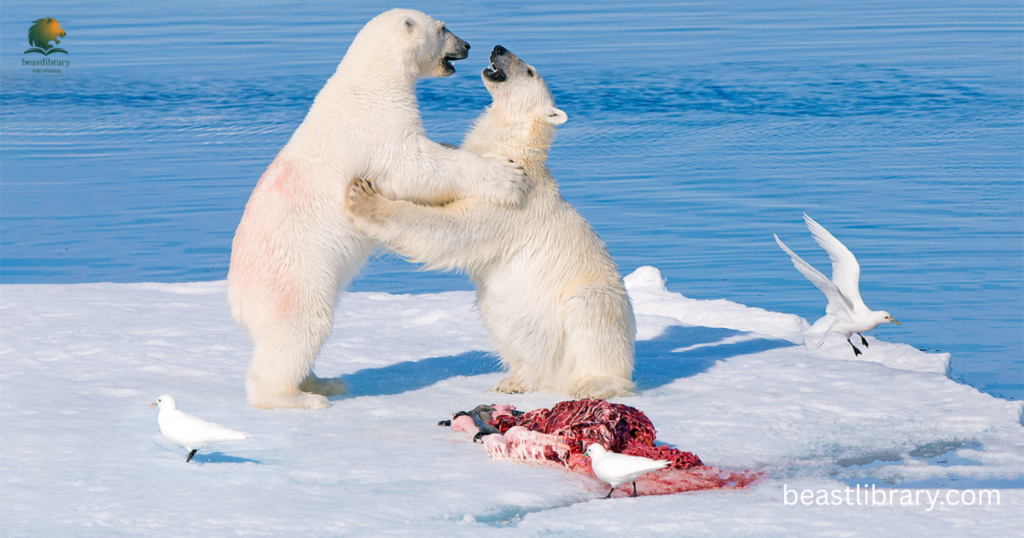
The polar bear is chubby world’s largest land carnivore and a formidable Arctic predator perfectly adapted to one of the harshest environments on the planet. When studying big feet animals that need large paws to walk on snow without sinking, the polar bear is a prime example.
Classified under class Mammalia and family Ur sides, polar bears have 42 teeth including sharp canines and jagged.
8-Giraffe
Scientific name: Giraffa camelopardalis
Class: Mammalia
Diet: Herbivore
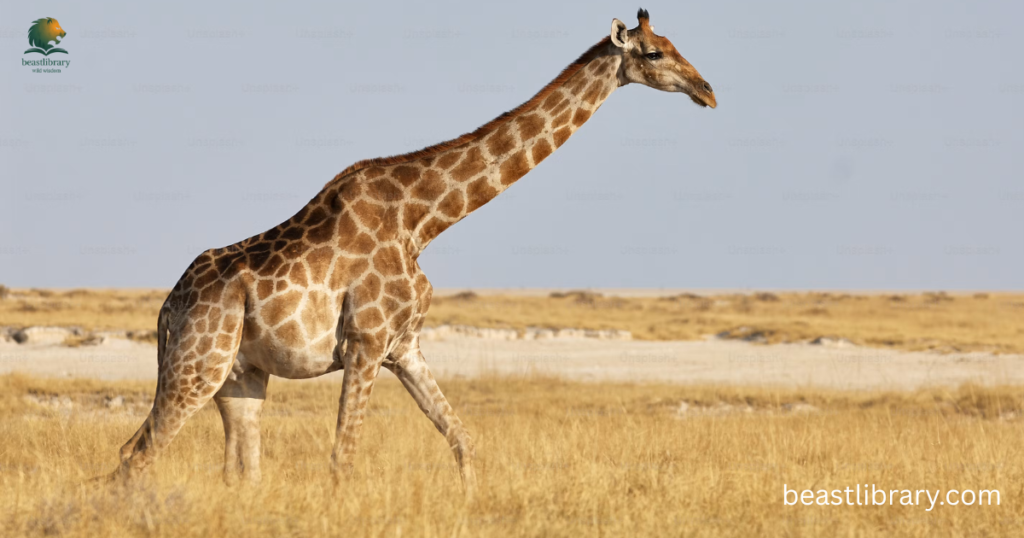
Giraffes, often lauded for their grace and height, possess a surprising clumsiness that adds charm to their majestic demeanor. With long tail & neck their bodies, these gentle giants can find themselves in hilariously awkward predicaments.
Giraffes showcase social awkwardness too. When engaged in mutual grooming a vital bonding activity these towering animals often misjudge their massive limbs, resulting in a comical dance of necks and hooves as they reposition themselves.
9-Camel
Class: Mammalia
Diet: Herbivore
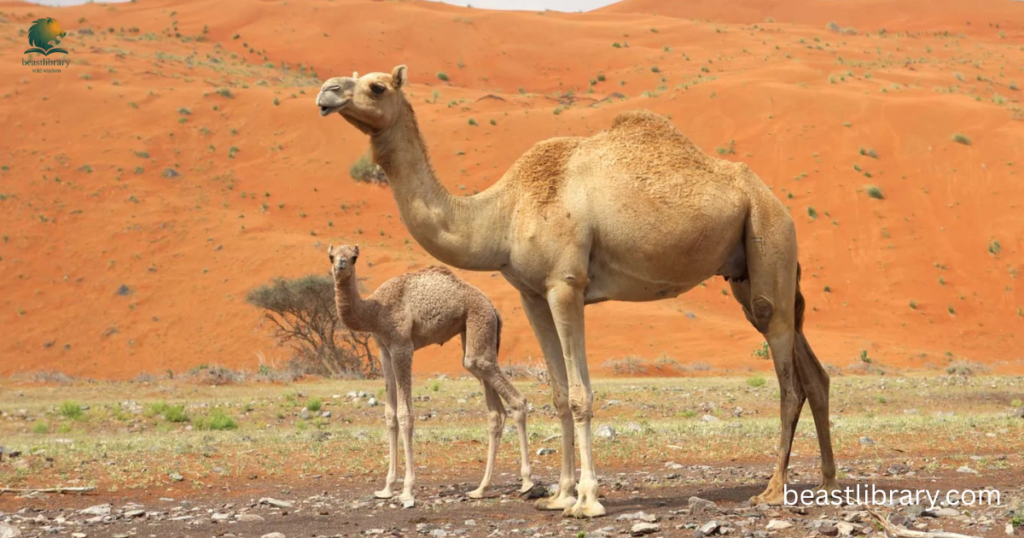
Camels are gracefully traversing vast deserts, possess an innate clumsiness that belies their impressive stature. With their long legs and bulky bodies, they can hilariously misjudge their footing, sometimes stumbling over sandy dunes or tripping over their own feet.
Their clumsiness isn’t merely physical, it extends to their social interactions as well. Camels have unique, quirky personalities, often displaying humorous behaviors, like playfully nudging one another or engaging in awkward, ungainly dances during courtship rituals.
10-Elephants
Class: Mammalia
Diet: Herbivore
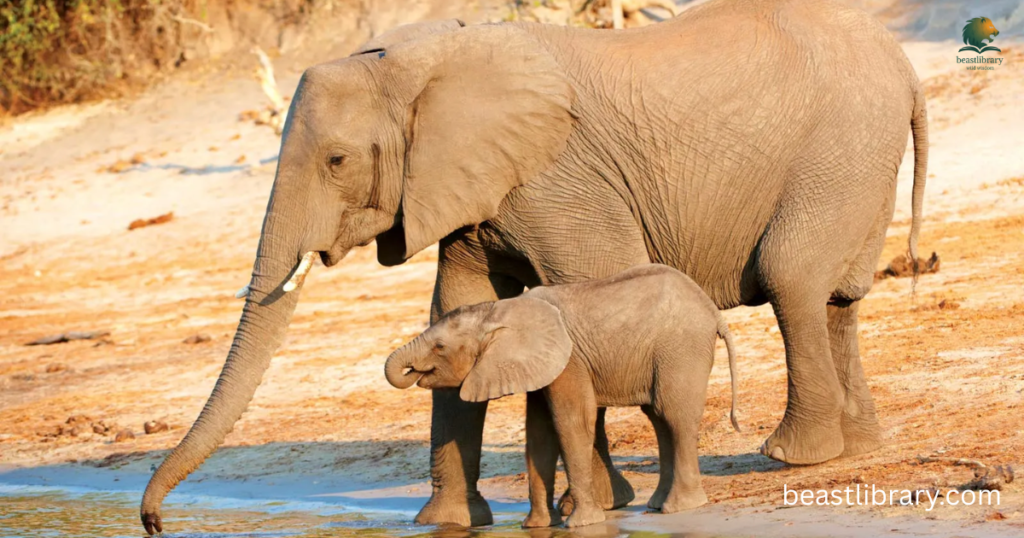
Elephants, the gentle stubborn giants of the Animals with big feet, exhibit remarkable intelligence and emotional depth that often astonish researchers. Animals with Trunks a unique fusion of nose and upper lip, enable them to perform a stunning array of tasks.
From delicate movements like picking up a single blade of grass to powerful actions such as uprooting entire trees. This versatility is a testament to their evolutionary adaptation, allowing them to thrive in diverse environments from savannas to dense forests.
11-Moose
Scientific name: Alces alces
Class: Mammalia
Diet: Herbivore
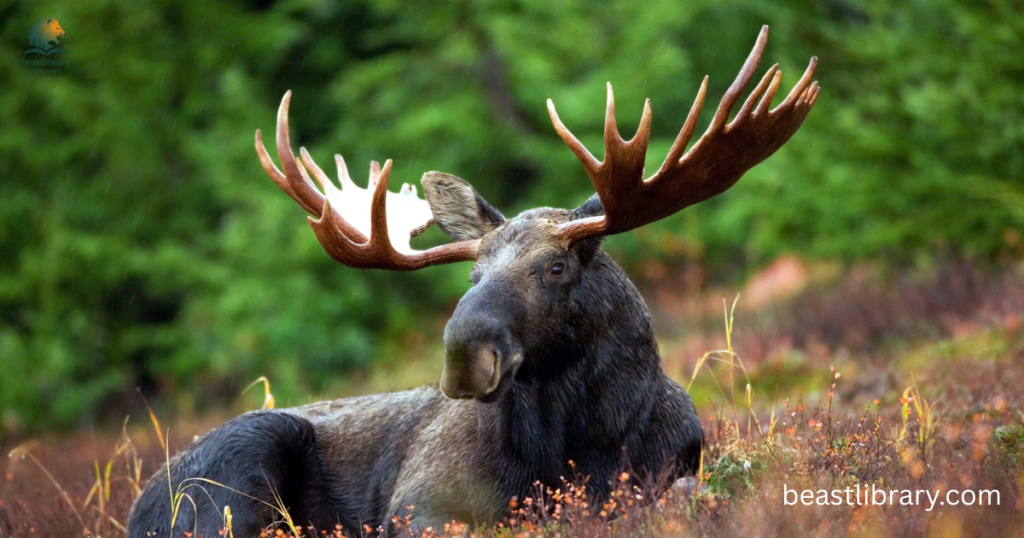
Moose are the gentle giants of forest, but their clumsiness adds a comedic twist to their majestic presence. Standing up to six and a half feet tall at the shoulder, these enormous creatures can stumble through dense underbrush, tripping over their own hooves.
Despite their bulk, they are surprisingly agile swimmers, using their enormous legs to paddle through lakes and rivers with elegance, transforming into a graceful sight as they dive for aquatic plants. They have long antlers.
12-Gorilla
Scientific name: Gorilla gorilla
Class: Mammalia
Diet: Herbivore
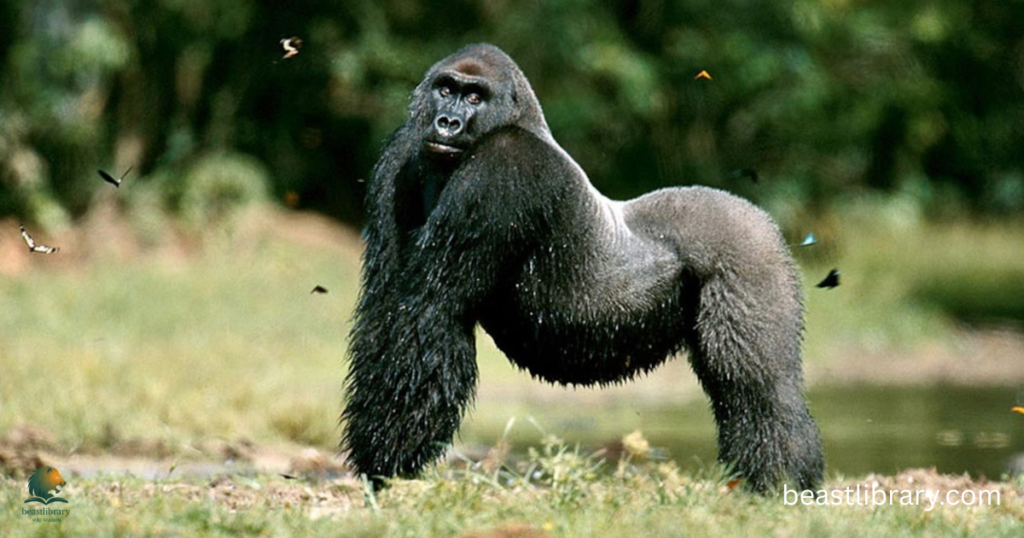
Gorillas are creatures not only for their undeniable strength but also for their impressive appetites. if you ever wonder what animal has big feet and a massive frame to match, These gentle giants typically consume around 40 pounds of food each day, primarily consisting of fruits, leaves, and stems.
What’s intriguing is their selective eating behavior; while they eat copious amounts, they exhibit a remarkable degree of discernment in choosing their meals.
This selective diet ensures they acquire the necessary nutrients while promoting ecological balance in their habitat by controlling plant growth.
Final Thoughts
Animals with big feet play a crucial role in their respective habitats, displaying incredible evolutionary traits that aid in their survival. From the powerful strides of elephants to the unique adaptations of hippos, these animals highlights how physical size impacts their mobility and living environment.
FAQs
What animals has big feet?
African Elephant has very large feet that help support its massive body weight. Other animals with big feet include Polar Bear, Camel, and Ostrich.
What animals has the largest paw?
Polar Bear has the largest paws among bears, measuring up to about 30 cm (12 inches) across. Its huge paws help it walk on ice and snow and swim efficiently in Arctic waters.
Do giraffes have big feet?
Yes, Giraffe has large feet, about the size of a dinner plate, to support its tall and heavy body. Their broad hooves help them walk and run across grasslands and savannas.