Top 12 Animals That Eat Ants (With Images)
Discover the top 12 Animals That Eat Ants we will reveal a host of surprising species that feast on these small, but widespread bugs. studying these critters not only highlights the diversity of diets in the animal kingdom but also underlines how closely linked natural food chains are. come alone as we unveil the remarkable behaviors and features of these ant-consuming animals.
1-Giant Anteater: Animals That Eat Ants
Scientific name: Myrmecophaga tridactyla
Class: Mammalia
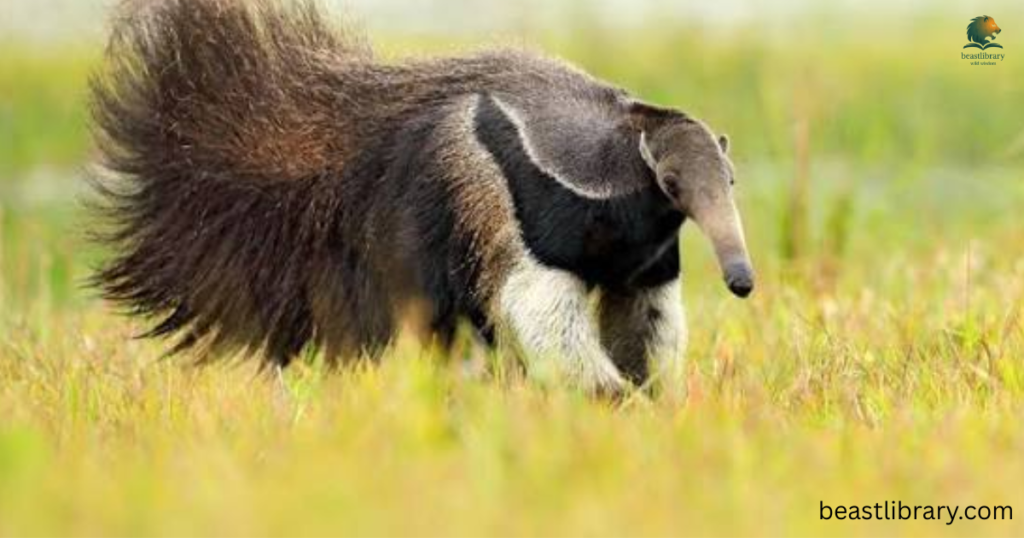
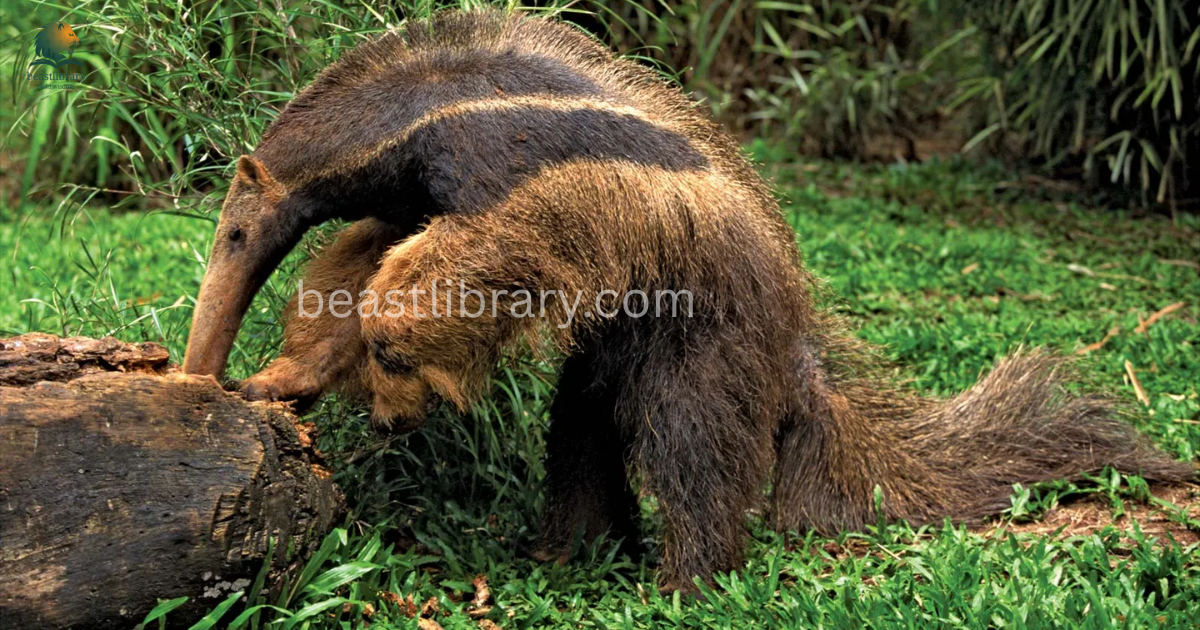
The giant anteater, with its elongated trunk and distinctive coat, might seem like a quirky character of the animal kingdom, but its shyness adds a layer of intrigue. Found primarily in Central and South America. These animals that are shy but smart prefer solitude and often roam vast territories in search of their primary food source.
Giant anteaters are generally solitary, coming together only during mating seasons. When threatened, they tend to rely on their remarkable defensive adaptations, such as sharp claws for digging or slashing, rather than confronting threats head-on. They are trunked animals.
Unlike their more colorful counterparts, giant anteaters use their keen sense of smell rather than sight to navigate their environment, allowing them to blend seamlessly into their surroundings and avoid the gaze of predators. Their shy nature extends to social interactions.
2-Jumping Spider
Scientific name: Salticidae
Class: Arachnida
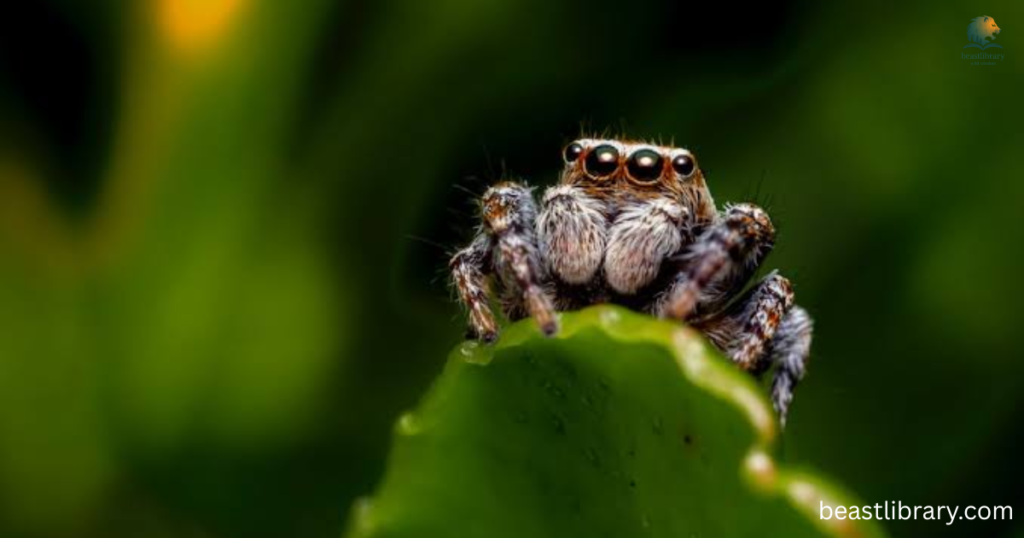
The jumping spider, a swift and nimble predator,, has a unique relationship with its primary source of nourishment: ants. unlike its many arachnid cousins that rely on weaving complex webs to trap their prey, utilizing its exceptional vision and leaping ability to capture its meals the jumping spider employs a more dynamic strategy.
With up to eight keenly adapted eyes, it can spot ants from significant distances, establishing itself as a highly effective hunter even against aggressive ant species.
One fascinating aspect of the jumping spider’s hunting technique is its reliance on stealth and accuracy. This hunting behavior also plays a vital role in preserving ecological harmony, keeping ant populations in check, and demonstrating nature’s complex interdependencies.
3-House Gecko
Scientific name: Hemidactylus frenatus
Class: Reptilia
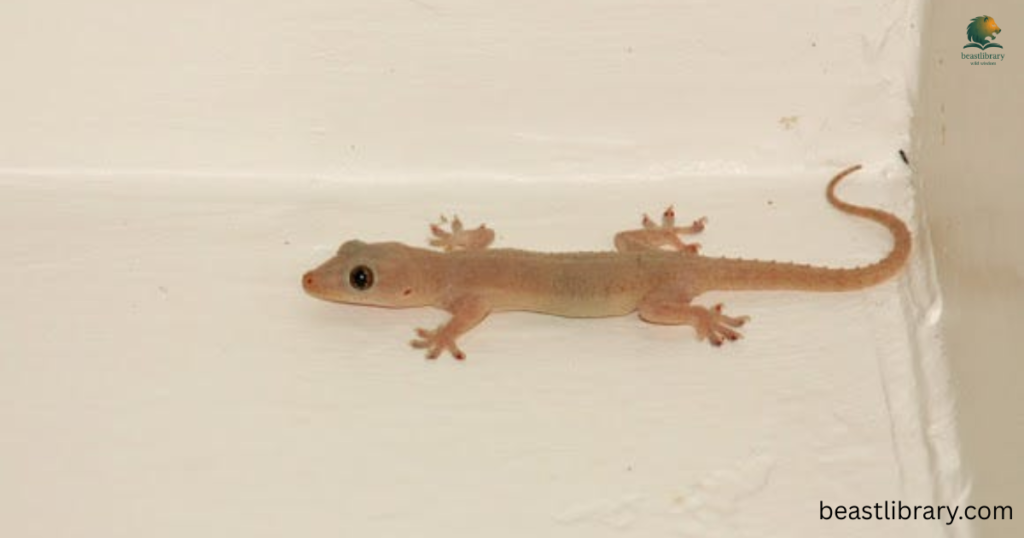
The gecko lives in Madagascar forests. It has a large flat tail which makes it blend into tree bark. This tail is one of its main elements of camouflage. It enables the gecko to remain out of sight of predators.
The gecko is primarily a night animal. It also preys at night, eat insects, spiders, and other small invertebrates. Flat-tailed reptiles have the ability to lose their tails when they are in threat. This is called autotomy. They also use their flat tails in climbing. They communicate in minor gestures.
4-Antlions
Scientific name: Myrmeleontidae
Class: Insecta
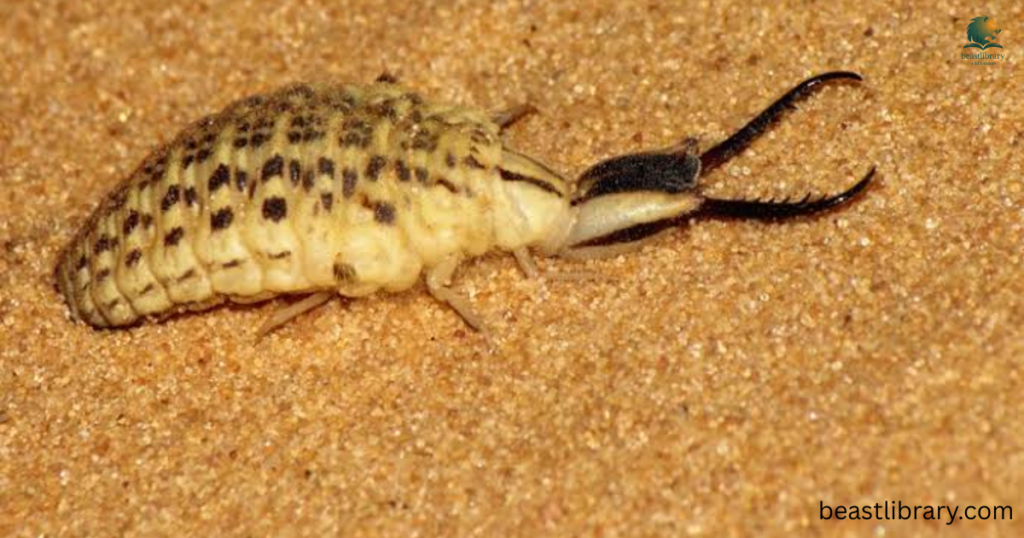
Antlions, through often eclipsed by more prominent creatures, captivate with their ingenious hunting strategies. These larvae, which look like tiny dragonflies, are infamous for their unique pitfall traps, which they meticulously craft in sandy soil. the antlion’s ambush begins, when an unsuspecting ant tumbles into the clever concavity.
With lightning speed, the larva burrows into the sand, making any escape nearly impossible as it drags its prey deeper into the trap.
Antlions represent the perfect blend of patience and accuracy. rather than engaging in the frantic pursuits seen in typical predator-prey dynamics, showcasing a masterclass in camouflage and design, these stealthy creatures rely on their environment.
5-Aardvark
Scientific name: Orycteropus afer
Class: Mammalia
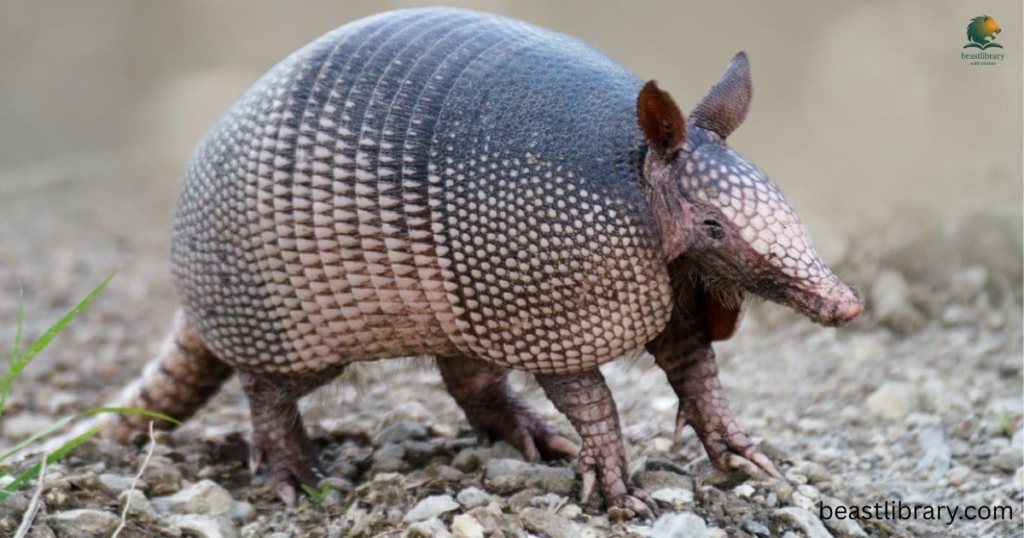
Aardvarks, often overshadowed by their more famous relatives in the wild, are creatures that embody a unique blend of characteristics, including their distinctive long snouts resembling a trunk.
These nocturnal foragers possess an incredible sense of smell, allowing them to detect ants and termites from a distance. With their powerful digging skills, they can excavate extensive burrows in search of food, demonstrating a remarkable adaptability to their environment.
6-Wrens
Scientific name: Troglodytidae
Class: Aves
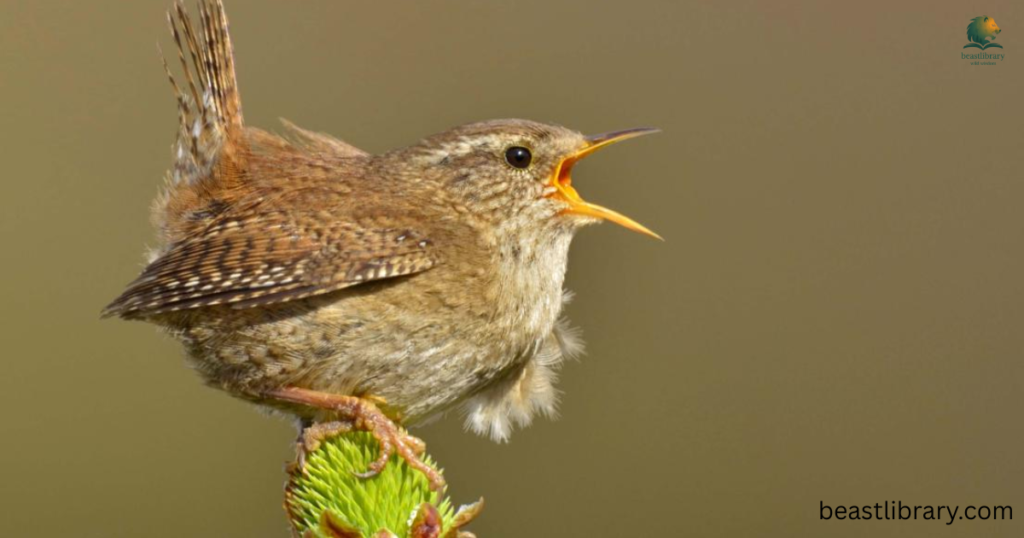
Wrens are fascinating little birds that showcase an impressive adaptability in their diet, with ants forming a significant portion. renowned for their lively behavior and sweet melodies, this unique ant eating animal proves to be a highly proficient predator.
They often employ their keen sense of hearing to locate the rustling sounds of ants hidden beneath leaves or within their intricate underground tunnels. this capacity to find prey not only emphasizes their sharp sensory capabilities but also demonstrates their clever survival tactics across various environments.
These feathered foragers use an array of methods to extract ants, ranging from searching through narrow cracks with their nimble beaks to skillfully turning over stones and leaf litter.. illustrating the delicate balance of nature, this dietary flexibility not only allows them to thrive in various ecosystems but also positions them as critical players in controlling ant populations.
7-Horned Lizards
Scientific name: Phrynosoma
Class: Reptilia
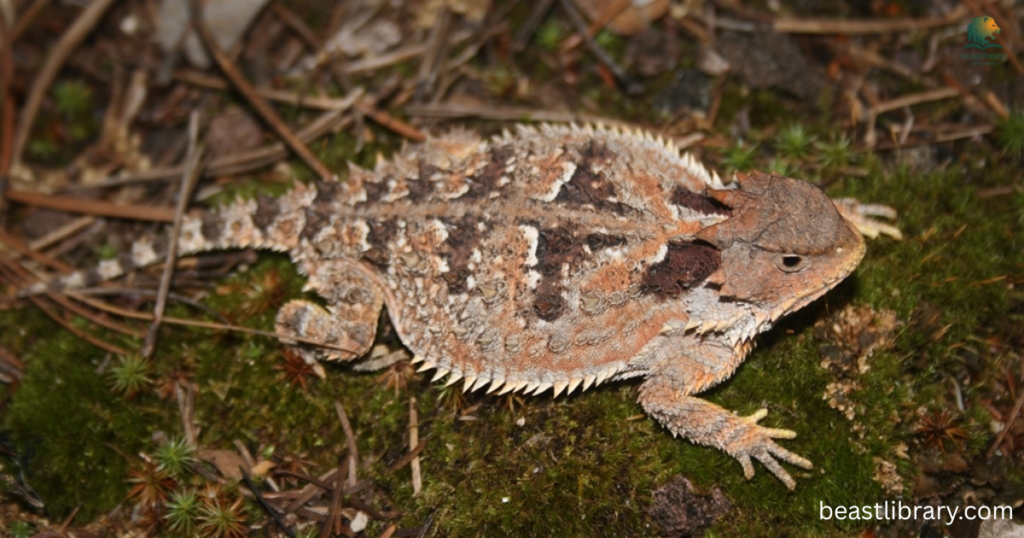
The horned lizard, often dubbed the “horny toad,” may not command high rankings on the intelligence scale, but its evolutionary adaptations tell a remarkable story of survival.
While it might lack in IQ, the horned lizard showcases the brilliance of nature’s designs, demonstrating that intelligence isn’t always about problem-solving or complex thought processes.
Its survival strategies highlight a different form of wisdom, one that prioritizes instinct over intellect.
8-Pangolins
Scientific name: Manis
Class: Mammalia
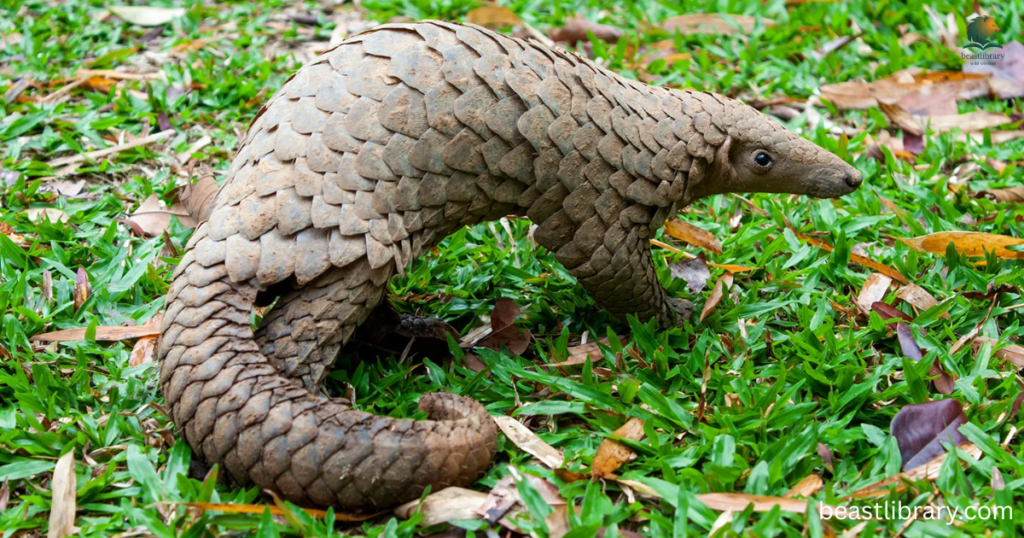
Pangolins tail that plays a critical role in its survival. This elongated tail not only aids in balance as the pangolin navigates its forested habitat but also serves as a tool for gripping branches while it forages for ants and termites.
In a world where many species rely on speed or camouflage, the pangolin employs its unique armor of keratin scales and a remarkable ability to curl into a ball for protection. This remarkable behavior, combined with its flexible tail, allows it to anchor itself securely while presenting an impenetrable defense against predators.
9-Orangutan
Class: Mammalia
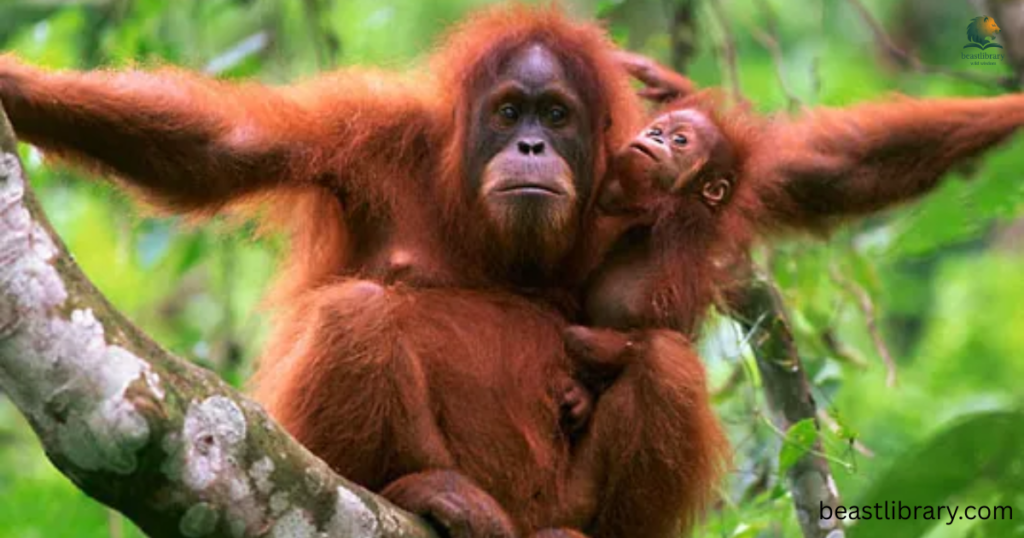
Orangutans are heavy bodied apes that lack tails. Their bodies are constructed to live in the trees. In slow motion, the support is done by arms that are long and the movement is supported with branches. Flexible joints and grip strength give an individual balance.
The availability of food varies with seasons. They feed on tougher plants when food is unavailable. The use of the tools aids in accessing the seeds and the insects. The process of learning occurs by observation. No tail is needed for balance.
10-Echidnas
Scientific name: Tachyglossidae
Class: Mammalia
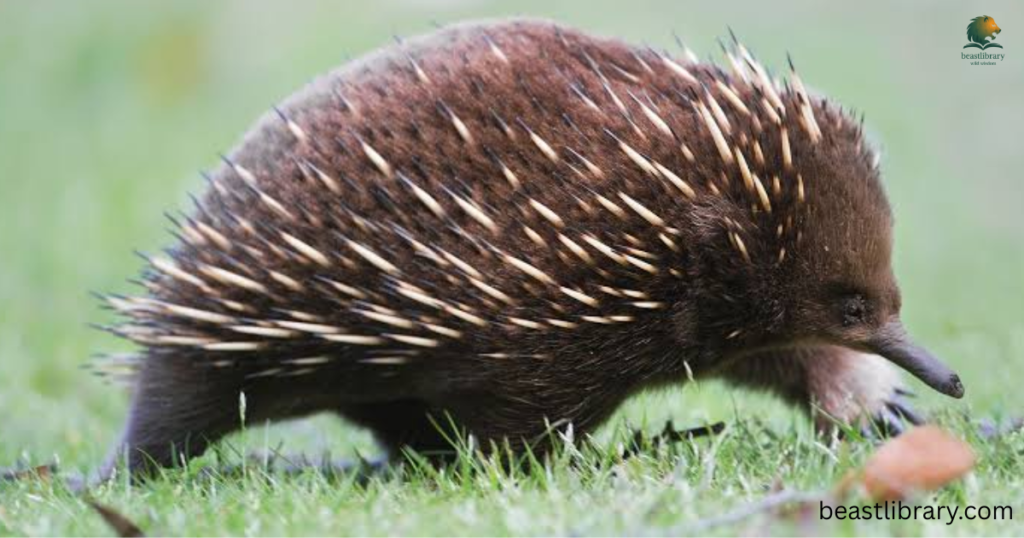
The echidna, one of nature’s most captivating creatures, stands as a unique marvel of evolution. it distinguishes itself as one of the few mammals that indeed lays eggs. physically, its identifiable by its protective coat of durable spines and its elongated, snout like beak.
Instead, they employ a unique, spine covered tongue designed to pull insects from narrow crevices, showcasing a ingenious evolutionary solution. As conservation efforts continue to protect this superior species, we are reminded of the delicate balance of ecosystems and the unique roles that creatures like the echidna play within them.
Their unassuming appearance lies a host of adaptations that set echidnas apart. They possess an extraordinary sense of smell, enabling them to forage for ants and termites, their primary diet, hidden beneath the earth. unlike most other mammals, echidnas are entirely edentulous.
11-Fire Ants
Scientific name: Solenopsis
Class: Insecta
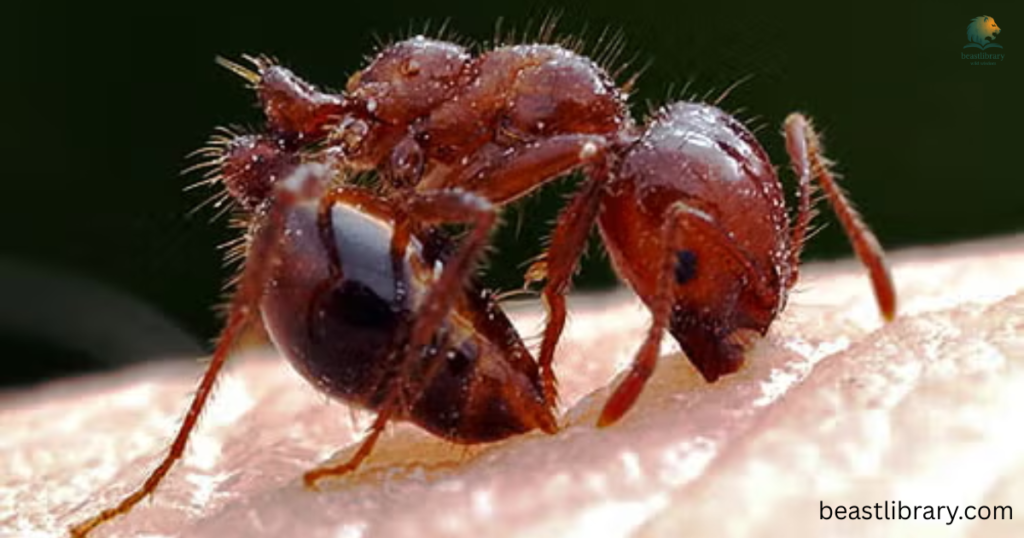
Ants epitomize teamwork and industriousness in the animal kingdom. A single ant may seem insignificant, but when united, a colony becomes a powerhouse of labor, capable of constructing elaborate underground cities and transporting food far exceeding their own body weight.
Their ability to divide tasks among specialized workers such as foragers, nurses, and soldiers exhibits a fascinating social structure that parallels human civilization in complexities and efficiencies.
Their remarkable work ethic, ants play critical roles in ecosystems. They aerate the soil through their tunneling, promoting plant growth, and they aid in seed dispersal, contributing to biodiversity.
12-Numbats
Scientific name: Myrmecobius fasciatus
Class: Mammalia
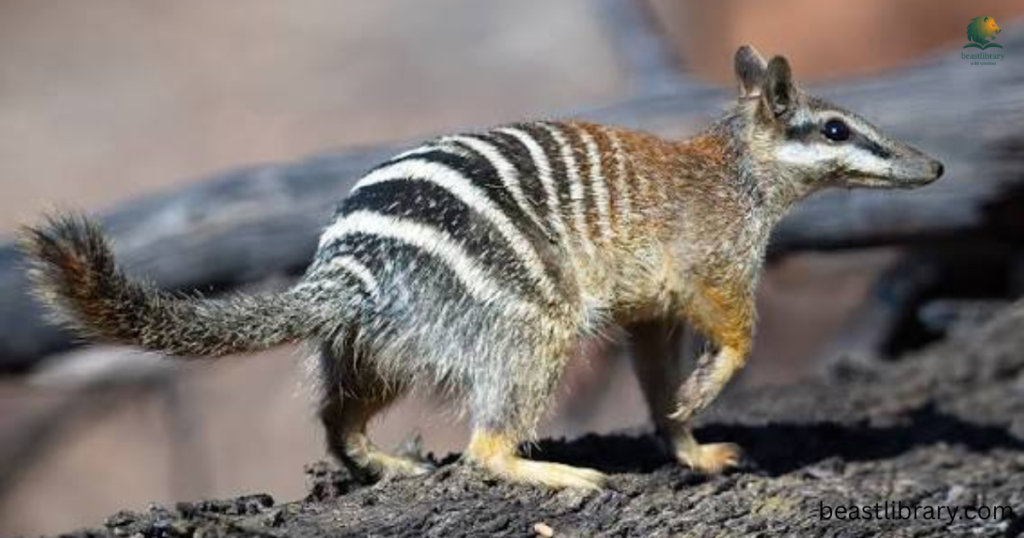
Numbats are small pouched mammals with radish and brown fur and white stripes on the back that break up their shape among forest shadows. Active by day , they eat termites using a sticky tongue. They rest in tree holes or burrows and live alone except when breeding.
Fun Fact: They can eat up to 20 thousand termites a day, and young hold on to their mother’s belly fur because she has no bag.
Final Thoughts
The varied world of animals that eat ants highlights the delicate harmony of nature and the amazing traits that allow these animals to flourish. From the formidable anteaters of South America to the industrious pangolins in Africa and Asia, each species has developed unique hunting strategies and anatomical features that highlight the wonders of evolution.
These creatures not only play a vital part in managing insect numbers but also act as key markers of ecological well-being. Understanding their behaviors and habitats can help us appreciate the delicate relationships within our natural world
FAQs
What animals eat ants?
Many animals eat ants, including anteaters, aardvarks, birds, frogs, and lizards. These animals use their tongues or beaks to catch and eat ants.
Do squirrels eat ants?
Yes, squirrels eat ants and their larvae as an opportunistic source of protein, especially when nuts and seeds are scarce.
What bugs eat ants?
Bugs like antlions, spiders, assassin bugs, and rival ants eat ants.