Smartest Birds in the World: Top 13 Intelligent Avians
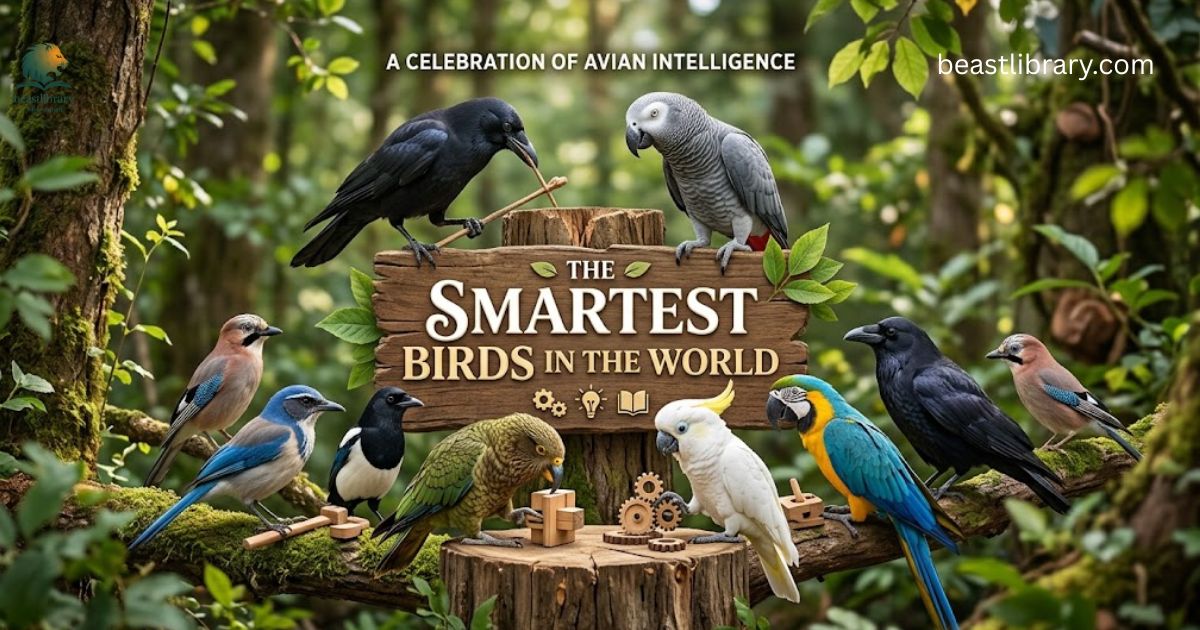
Smartest Birds in the World have amazing problem-solving abilities, strong memories, and a unique skill for using tools. These Intelligent Avians can solve tricky puzzles, remember where they hide food for months, and easily handle everyday problems around them.
List of Smartest birds in the World
Below is the list of most intelligent birds in the world:
- Ravens
- African Grey Parrot
- Jackdaw
- Crows
- Jays
- Clark’s Nutcracker
- Pigeon
- Cockatoo
- Choughs
- Woodpecker Finch
- Treepies
- Kea
- Eurasian Magpie
1. Ravens
Scientific Name: Corvus corax

Ravens, often cloaked in mystery and folklore, are emerging as some of the most intelligent avian species on the planet. Their cognitive abilities have been likened to those of great apes, enabling them to solve complex problems and utilize tools. They are scavenger animals of wild.
These sharp-minded birds can craft and manipulate objects to obtain food, showcasing understanding of their environment. In some experiments, ravens have demonstrated the ability to plan for future needs, a skill once thought to be exclusive to humans and certain mammals.
2. African Grey Parrot
Scientific Name: Psittacus erithacus
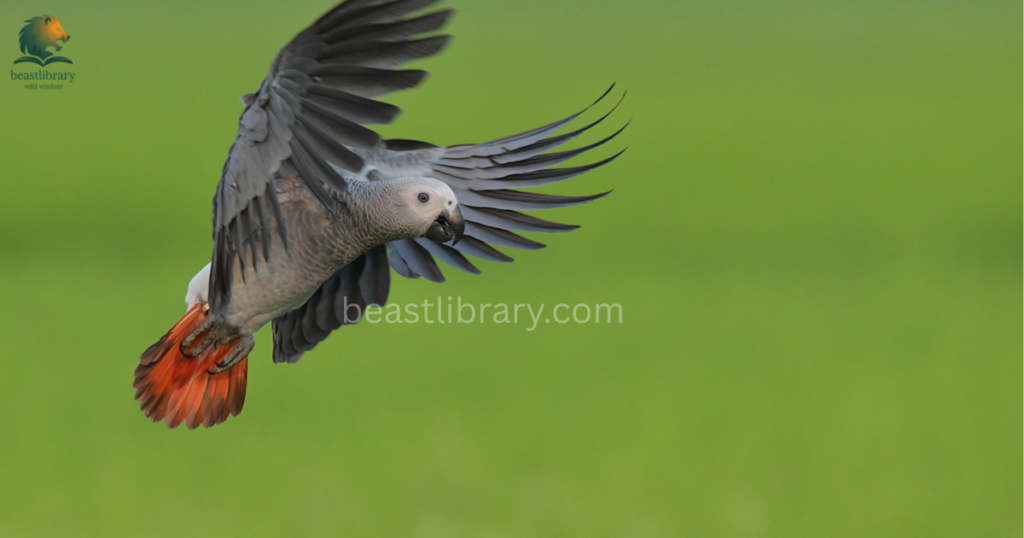
The African Grey Parrot stands out not only for its striking plumage but also for its cognitive abilities. Research has shown that these birds possess a remarkable understanding of human language and can communicate with a comprehension level comparable to that of a young child.
Their vocal mimicry isn’t just a party trick; it reflects their keen observation skills and profound social awareness, allowing them to replicate sounds and phrases that resonate with their experiences.
3. Jackdaw
Scientific Name: Coloeus monedula
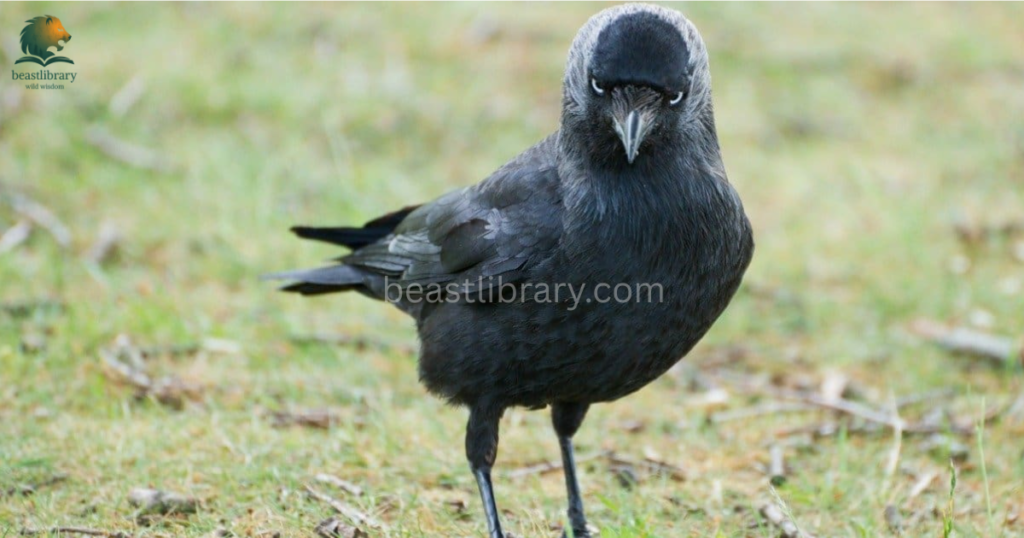
The jackdaw, a small black bird with striking blue-grey eyes, is often overlooked in discussions about avian intelligence. These social creatures exhibit remarkable problem-solving skills and an understanding of cause-and-effect that rivals those of primates.
Observations have revealed their ability to use tools in the wild, not just for foraging but also to manipulate their environment, showcasing a level of ingenuity that can astonish even seasoned ornithologists.
4. Crows– Smartest Birds in the World
Scientific Name: Corvus brachyrhynchos
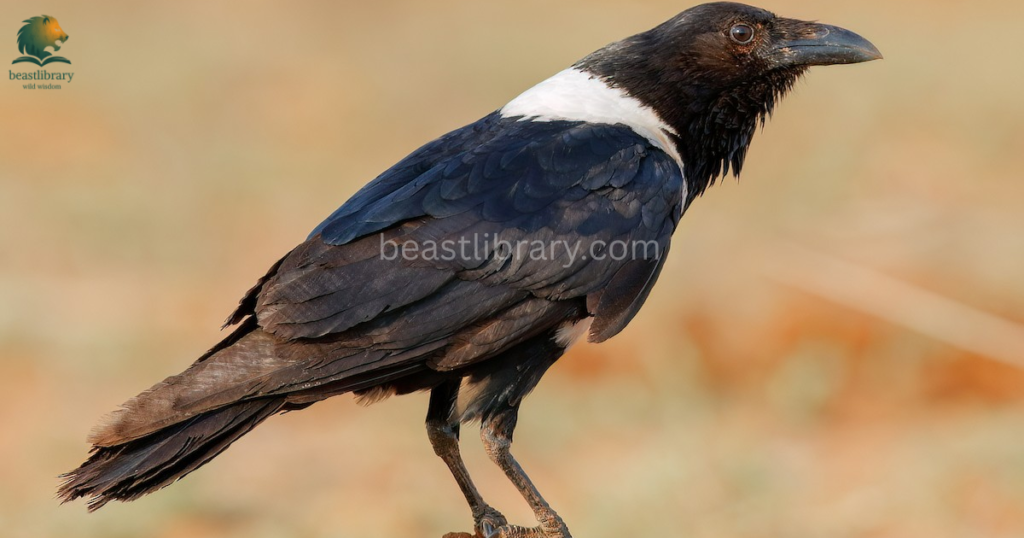
Crows are not just your average backyard birds; they are the Einsteins of the avian world. Known for their remarkable problem-solving skills, crows often demonstrate an understanding of cause and effect that rivals that of some primates.
Their intelligence is further illuminated by their capacity for social learning, where younger crows observe and adapt the foraging techniques of their elders, effectively passing down knowledge within their communities.
5. Jays
Scientific Name: Garrulus glandarius
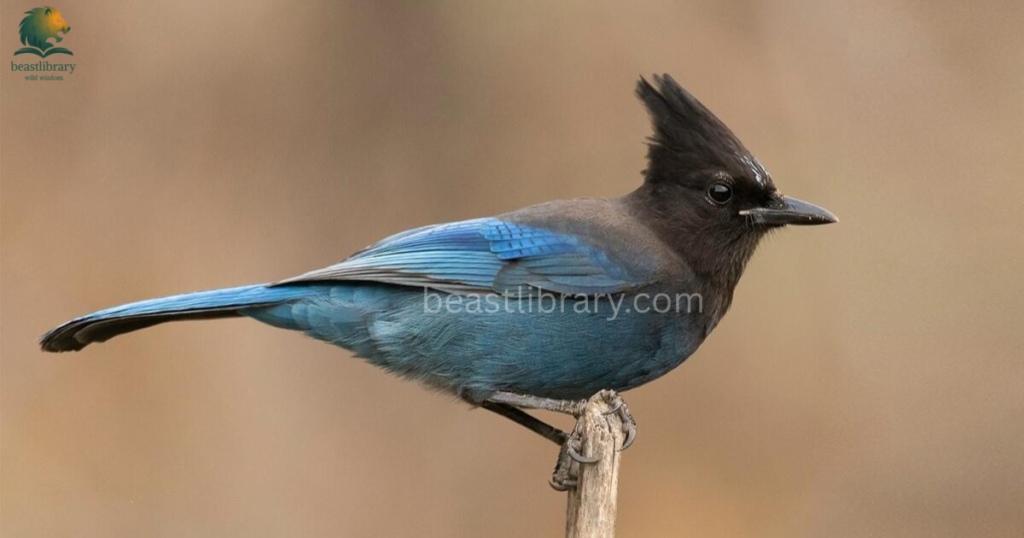
Jays, particularly the blue jay and the Eurasian jay, are not just visually striking. These clever birds have an incredible knack for problem-solving and memory, often hiding food in various locations while utilizing an expansive mental map to retrieve their stash months later.
Jays are skilled communicators. Their vocalizations and body language reflect a complex social structure, with specific calls used to convey warnings or communicate with fellow jays. Their intelligence is also intertwined with their reputation as cunning thieves.
They often pilfer from other birds’ caches, showcasing a keen understanding of their neighbors’ behaviors.
6. Clark’s Nutcracker
Scientific Name: Nucifraga columbiana
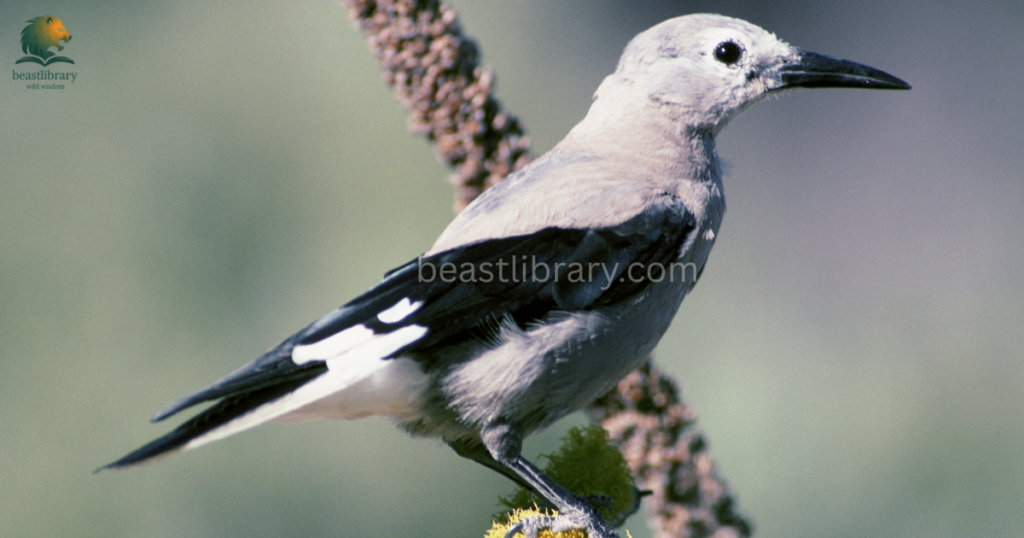
Clark’s Nutcracker is a true marvel of avian intelligence, showcasing an extraordinary relationship with its environment. This bird, often overlooked due to its understated appearance, has adapted remarkable strategies for survival.
Most notably its ability to cache thousands of pine seeds each autumn. Clark’s Nutcracker possesses an impressive spatial memory, allowing it to relocate its hidden treasures months later.
7. Pigeon
Scientific Name: Columba livia
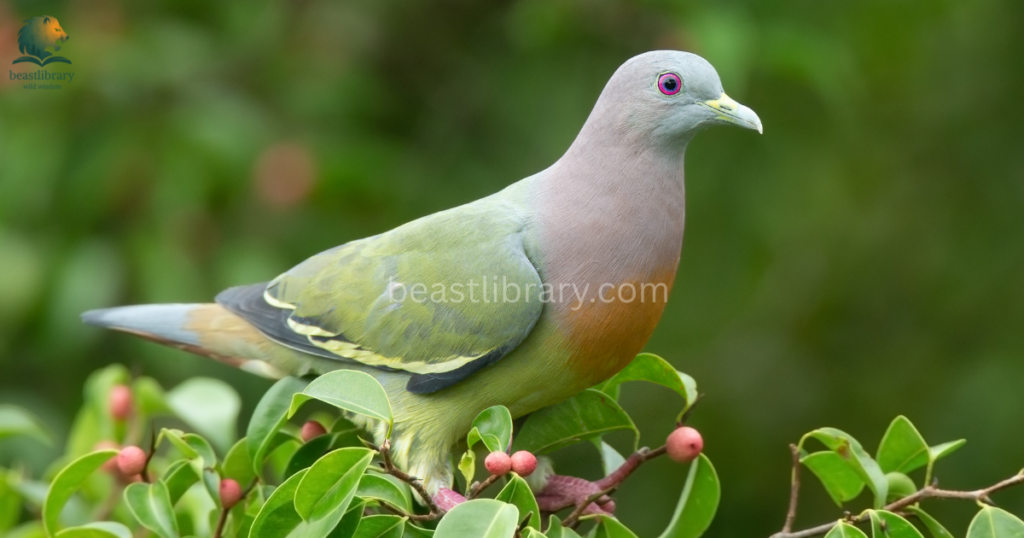
Pigeons, often dismissed as mere city dwellers, are surprisingly sophisticated creatures with remarkable cognitive abilities. Research has shown that these birds can recognize themselves in a mirror a sign of self-awareness that many animals, struggle to achieve.
Their impressive memory skills enable them to remember thousands of images and even differentiate between human faces, showcasing a level of intelligence that often goes unnoticed. Their cognitive abilities extend beyond navigation.
Pigeons have demonstrated the capacity to learn complex tasks and even understand abstract concepts, such as time and categorization. Studies reveal that they can discern between different artworks and even differentiate among human faces.
8. Cockatoo
Scientific Name: Cacatuidae
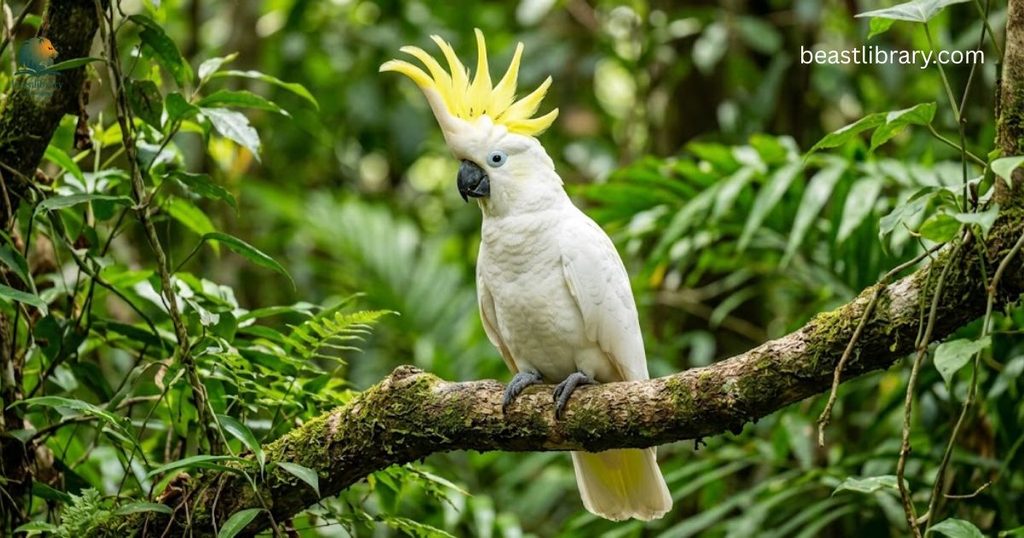
Cockatoos are remarkable not just for their striking appearance but for their intelligence and social complexity. These birds show advanced problem-solving skills, often engaging in intricate puzzles that reveal their ability to understand cause and effect.
For example, studies have shown that cockatoos can use tools, a skill once thought to be exclusive to primates. They’ve been observed crafting sticks to fish for insects, demonstrating understanding of their environment.
9. Choughs
Scientific Name: Pyrrhocorax
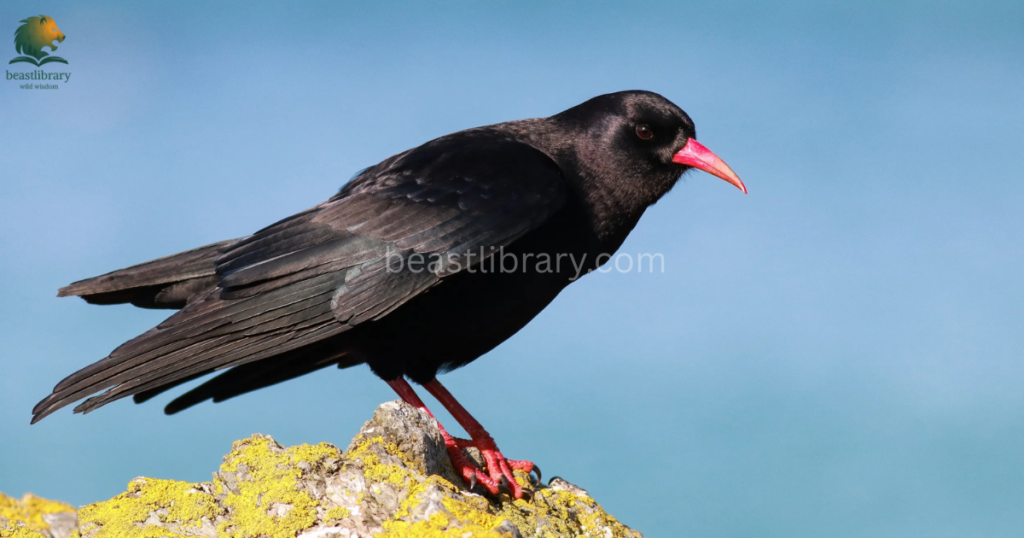
Choughs, with their striking glossy black plumage and vibrant red bills, are not just visually captivating; they are also a testament to avian intelligence. Found predominantly in mountainous regions across Europe and Asia.
These social birds exhibit remarkable problem-solving capabilities. Their ability to use simple tools, such as pebbles to extract insects from crevices, highlights a cognitive sophistication that rivals that of many mammals.
10. Woodpecker Finch
Scientific Name: Camarhynchus pallidus
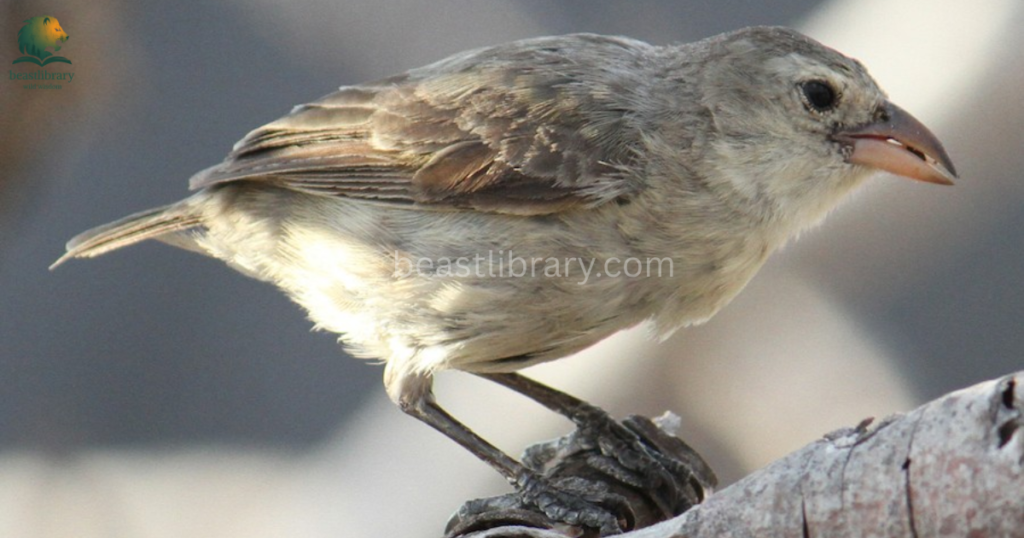
The woodpecker finch, endemic to the Galápagos Islands, showcases adaptive intelligence that turns conventional notions of avian behavior on their head. Unlike most finches, this remarkable bird has developed a unique method for foraging, using tools to extract insects from tree bark.
They frequently select twigs or cactus spines, demonstrating not just creativity but an understanding of cause and effect that’s rare in the avian world.
What sets the woodpecker finch apart from its feathered counterparts is its ability to learn from its environment and modify its behavior based on the challenges it faces. This learning process, often driven by trial and error, suggests a level of cognitive flexibility that rivals some primates.
11. Treepies
Scientific Name: Dendrocitta vagabunda
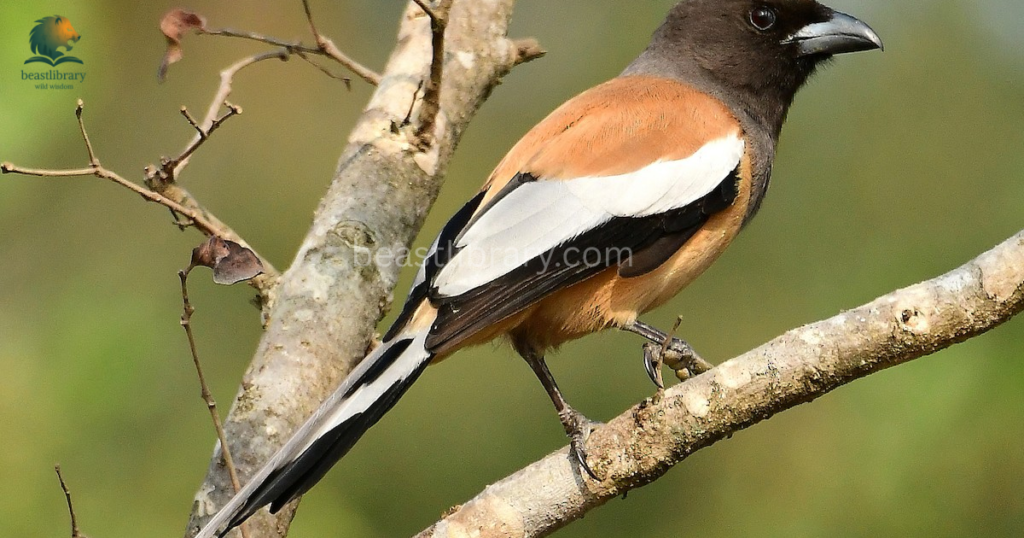
Treepies, often overshadowed by their more famous avian relatives, are a testament to the intelligence found in the avian world. These striking birds, adorned with vibrant plumage, exhibit remarkable problem-solving abilities that often go unnoticed.
One standout characteristic of treepies is their knack for tool use; they can manipulate objects in their environment to access food, showcasing cognitive traits more commonly associated with primates.
Their social dynamics further enhance their intelligence. Treepies form intricate relationships within their groups, employing vocalizations that are complex and context-dependent. This social awareness allows them to communicate effectively and coordinate foraging activities.
12. Kea
Scientific Name: Nestor notabilis
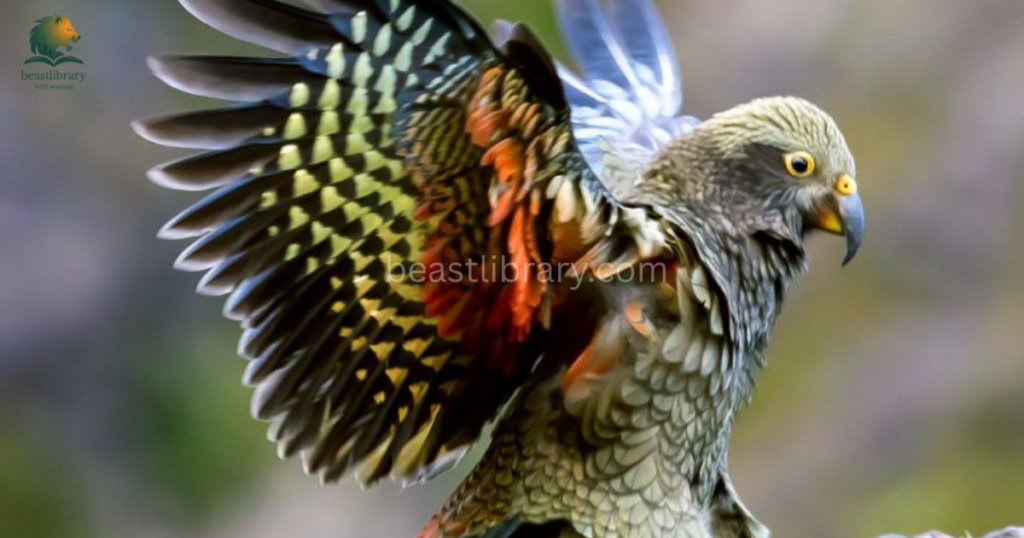
The Kea, a parrot native to New Zealand, is not only visually striking with its vibrant green plumage, but it also possesses an intellect that challenges our understanding of avian intelligence.
Known for their playful demeanor, these birds exhibit problem-solving skills that rival those of some primates. Researchers have observed Keas using tools, such as manipulating sticks to extract insects or opening complex locks to access food.
They thrive in flocks, sharing knowledge about food sources and problem-solving techniques among themselves. This communal approach not only enhances their survival skills but also reflects a cultural transmission of knowledge that is rare in the bird world.
13. Eurasian Magpie
Scientific Name: Pica pica
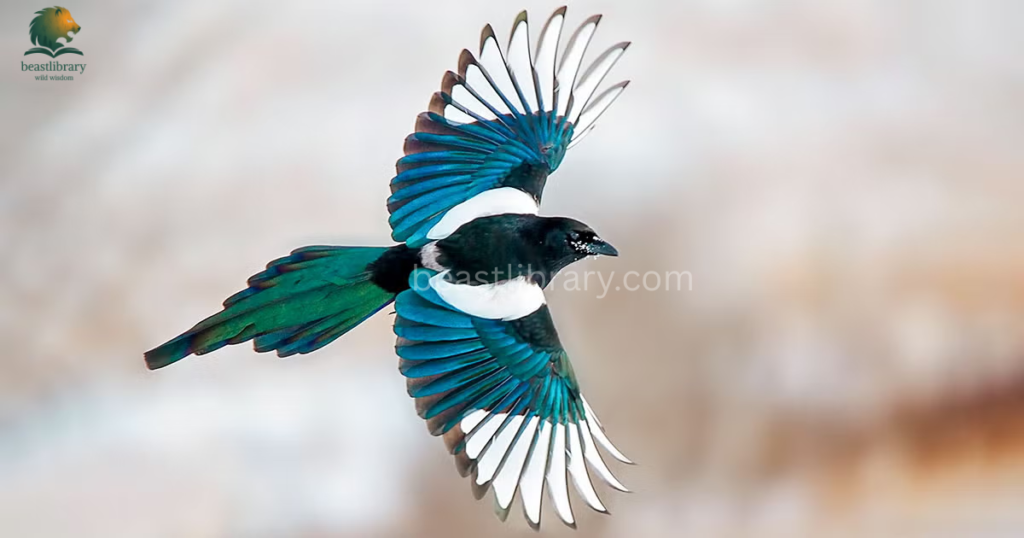
The Eurasian Magpie, often simply known as the magpie, stands out not only for its striking black and white plumage but also for its remarkable intelligence. It is as beautiful as blue bird of Nevada.
Renowned for their cognitive abilities, these birds have displayed problem-solving skills that rival those of some primates. For instance, they have been observed using tools to access food, showcasing an understanding of cause and effect that is surprisingly advanced for avian species.
They perform intricate courtship rituals and have been documented grieving over lost companions, revealing a depth of emotional intelligence that adds layers to their character. This social complexity also allows them to communicate effectively within their flocks.
Conclusion
Smartest Birds in the World never fail to surprise us with how clever, social, and emotional they can be. These smart birds can share helpful tricks with their young, count small numbers, and live easily alongside people in modern cities.
Studying about these quick-witted creatures proves that intelligence comes in many different and unexpected forms.
FAQs
Which bird is considered the smartest in the world?
The crow is considered the smartest bird in the world because of its exceptional problem-solving skills, tool use, and ability to recognize human faces. Other highly intelligent birds include ravens, parrots, and African grey parrots.
How do scientists measure bird intelligence?
Scientists evaluate bird intelligence by observing behaviors such as problem-solving, memory, communication, tool use, social learning, and the ability to adapt to new environments.