Top 15 Animals That Walk Slowly (With Pictures)
We’ll delve into the wonderful world of animals that walk slowly, uncovering the distinct habits and physical traits that make them so intriguing. getting to know these slow movers not only illuminates the diversity of animal behavior but also teaches us a great lesson about embracing a calmer speed in life. By the end, you’ll gain insights into how evolution has shaped these amazing species.
1-Garden Snail: Animals That Walk Slowly
Scientific Name: Cornu aspersum
Class: Gastropoda
Diet: Herbivore
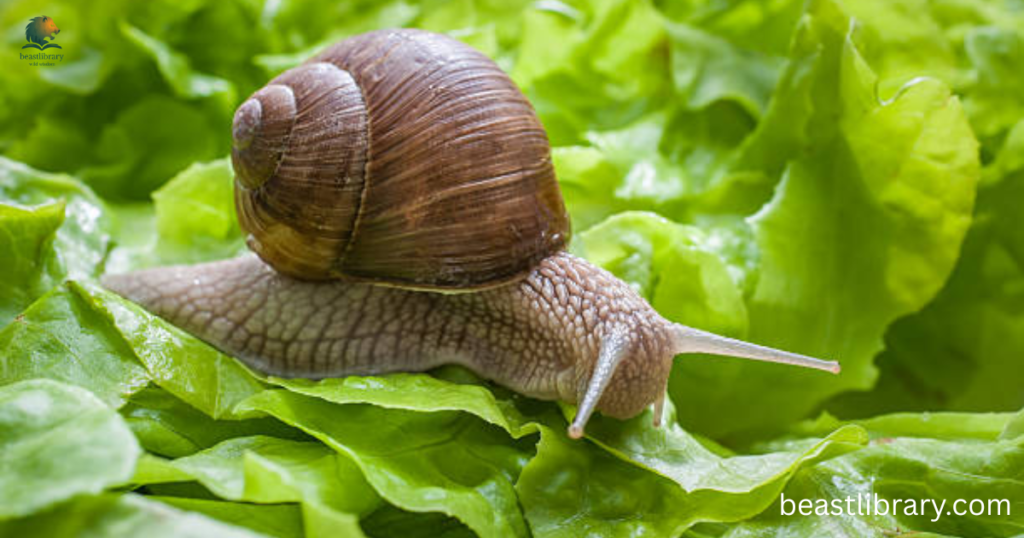
The garden snail, with its glistening shell and delicate body, presents a fascinating study in nature’s design. As a prime example of an animals that walk slow, Snails, often overlooked in discussions of animal intelligence, have adapted to their environments in unique, albeit simplistic ways.
Their slow, deliberate movements may suggest a lack of cognitive ability, but this is merely a reflection of their evolutionary strategy. With a nervous system that is fundamentally different from more complex creatures, snails rely less on rapid responses and more on instinctive behaviors.
2-Starfish
Class: Asteroidea
Diet: Carnivore
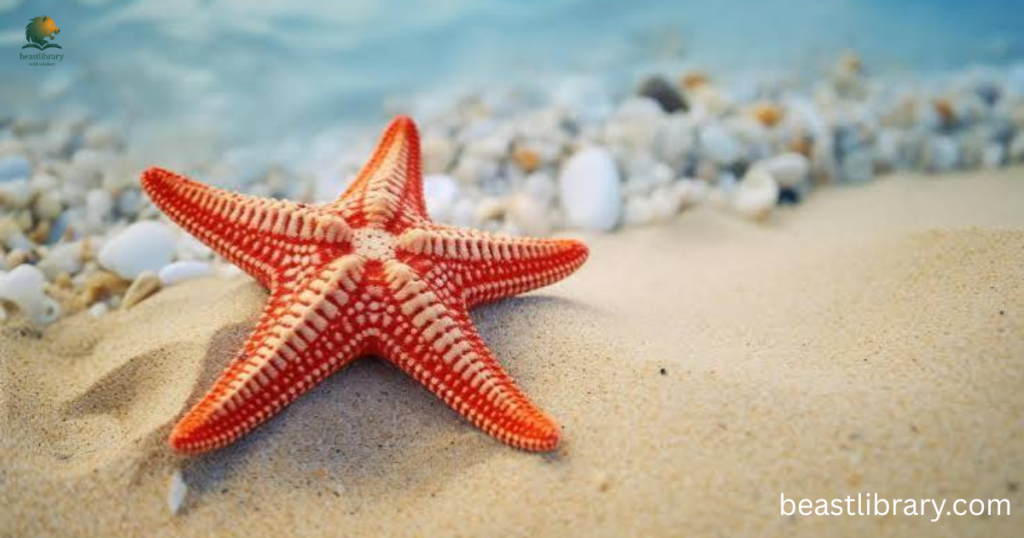
Starfish, often perceived as simply beautiful marine creatures, possess a unique biological makeup that challenges conventional notions of intelligence.
As another truly animal that walk slowly across the ocean floor, unlike creatures that rely on a centralized brain, starfish operate with a decentralized nervous system, consisting of a network of nerves that enables them to respond to their environment.
This lack of a centralized processing unit contributes to their low IQ classification, but it also reflects an intriguing evolutionary adaptation. Instead of navigating the world through cognitive reasoning, starfish engage in survival strategies that are purely instinctual, using their keen sensory capabilities to thrive in various underwater habitats.
3-Three-Toed Sloth
Scientific Name: Bradypus variegatus
Class: Mammalia
Diet: Herbivore
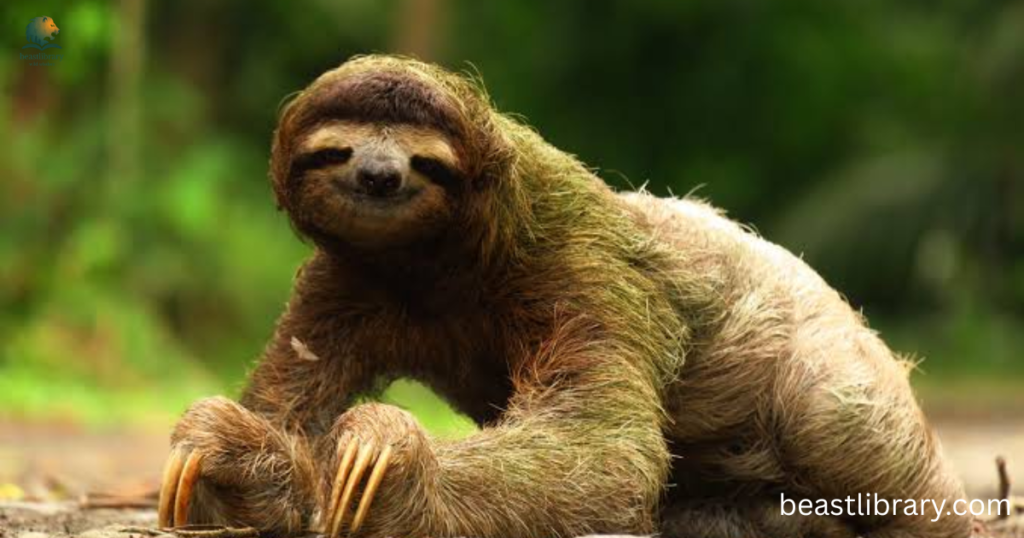
Sloths, often esteemed for their leisurely lifestyle, are intriguing creatures for many reasons; their inability to jump sets them apart in the mammalian world. A prominent entry on any slow animal list, these slow-moving animals, native to the rainforests of Central and South America, rely on their specialized anatomy to navigate their arboreal habitats.
With their long limbs and curved claws, sloths are perfectly designed for climbing and hanging, allowing them to move through trees with a deliberate grace that contrasts sharply with the typical agility associated with most mammals.
4-Slow Loris
Scientific Name: Nycticebus coucang
Class: Mammalia
Diet: Omnivore
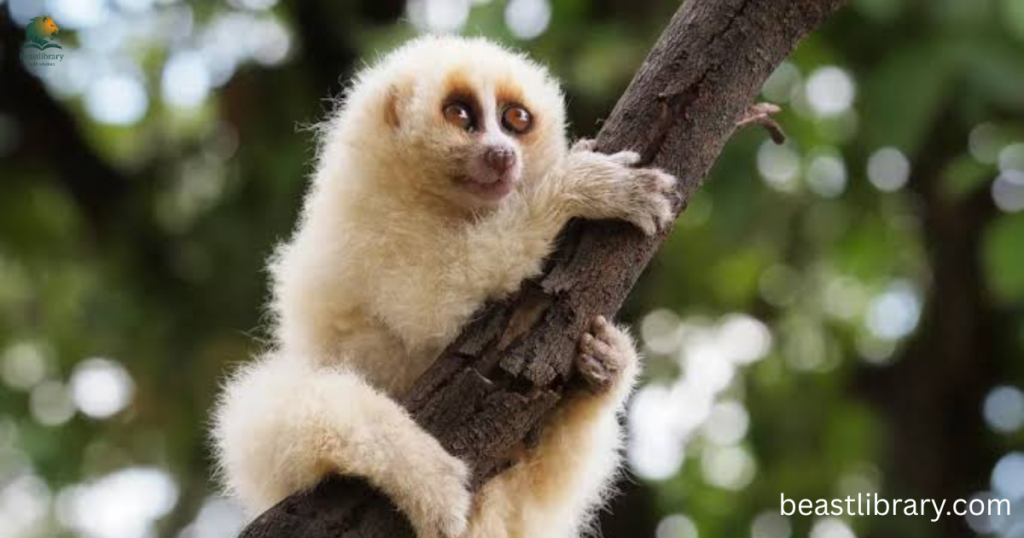
The Slow Loris, a small grumpy primate native to Southeast Asia, embodies the essence of shyness with its deliberate movements and elusive nature. It is expressive big eyes animal that seem to reflect its cautious demeanor. Slow Loris is animals with lowest IQ in the wild.
The allure of the Slow Loris lies not only in its physical appearance but also in its amazing survival strategies. Its venomous bite, an unusual trait for a primate, serves as a unique defense mechanism, allowing it to ward off predators while maintaining an air of mystery.
5-Gila Monster
Scientific Name: Heloderma suspectum
Class: Reptilia
Diet: Carnivore
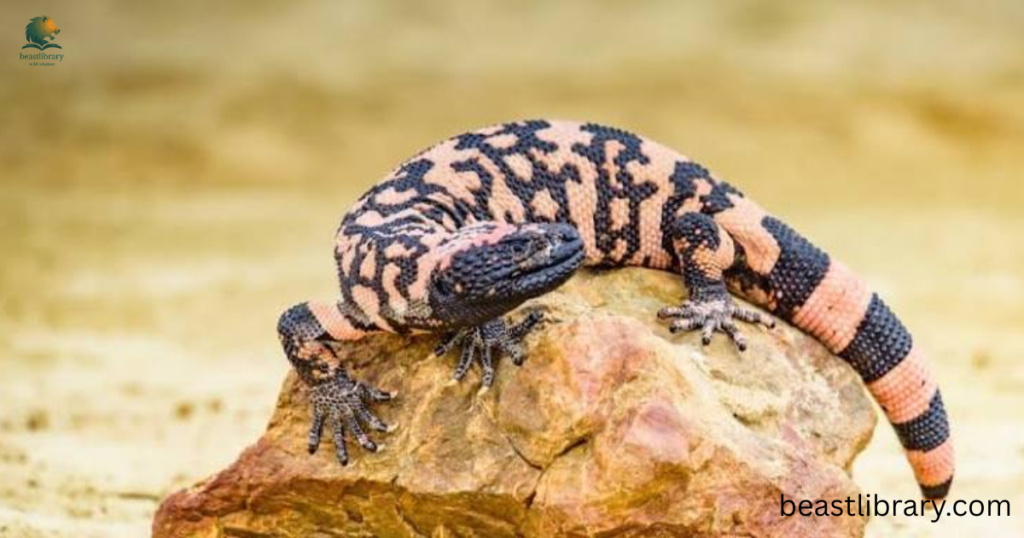
The Gila monster, embodies a unique blend of lethargy and lethality, a truly inhabitant of the arid Southwest. this slow-moving reptile is often overshadowed by its more agile counterparts in the animal kingdom, with its strikingly vibrant, beaded scales shimmering in shades of orange and black.
Despite its low-speed promenade, the Gila monster is anything but defenseless; highlighting how beauty and danger can coexist in the animal world, its venomous bite is a formidable deterrent against predators
This creature thrives on a diet predominantly consisting of eggs and small mammals, unlike many of its fellow reptiles, whose energy is devoted to swift captures, allowing it to conserve energy amid the desert’s harsh conditions, this creature thrives on a diet predominantly consisting of eggs and small mammals.
6-Galapagos Penguin
Scientific Name: Spheniscus mendiculus
Class: Aves
Diet: Carnivore
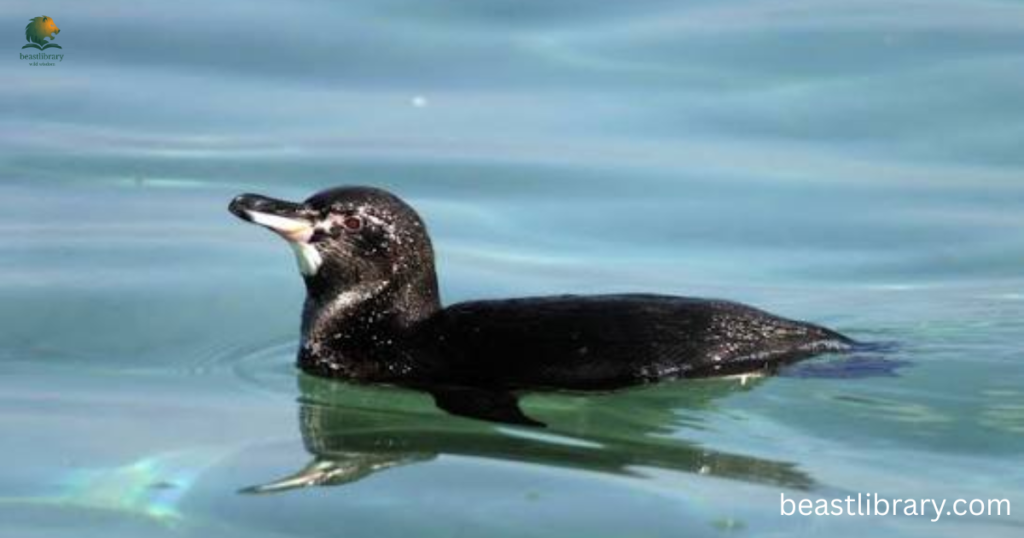
Penguins, with their flippers & tuxedo-like appearance, may exude elegance, but their movements often tell a different story. On land, they waddle awkwardly, balancing their rotund bodies on short, flipper-like wings, which seem ill-suited for anything but swimming.
Where they become graceful darting chubby animals, effortlessly gliding through the water. Observing a penguin trying to navigate icy terrains or hopping over obstacles can be both hilarious, reminding us that nature isn’t just about survival, but also about the joy found in imperfection.
Their social interactions also reveal a mix of awkwardness and affection. When penguins engage in what looks like a hilarious slip-and-slide on ice, they aren’t just playing; they’re strengthening social bonds crucial for their survival.
7-Banana Slug
Scientific Name: Ariolimax columbianus
Class: Gastropoda
Diet: Detritivore/Herbivore
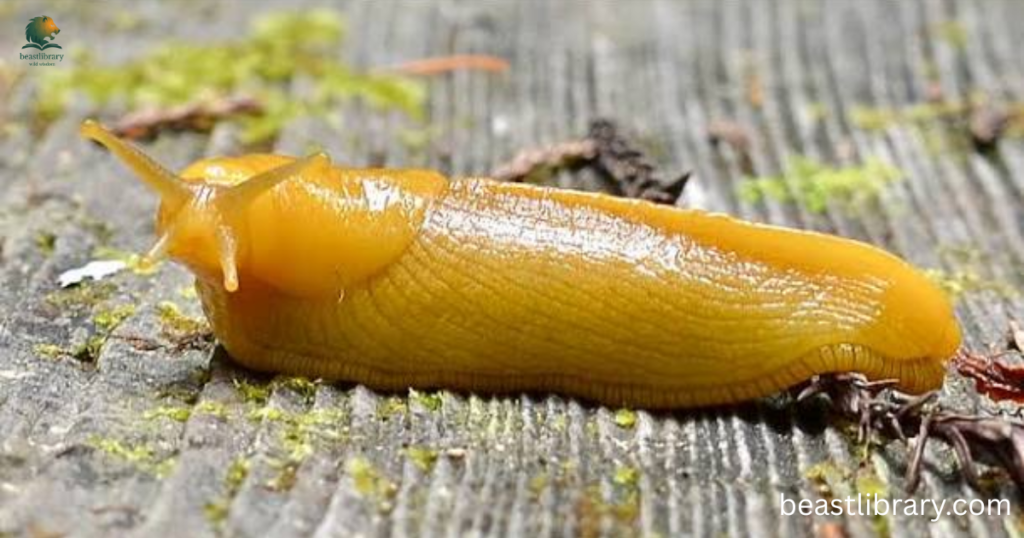
IF you were asked to name an animal that walks slowly, the banana slug would perfectly fit the description. the banana embodies the essence of slow and steady, with its vibrant yellow hue and unusual texture. This gastropod moves at a leisurely pace of about 0.007 miles per hour, gliding through the damp underbrush of western forests. helping to decompose organic materials and recycle nutrients back into the soil, This deliberate foraging is crucial for the ecosystem.
The banana slug possesses an impressive defense mechanism: when threatened, it produces a viscous slime that not only deters predators but also serves as a temporary barrier, allowing it to escape.
8-Chitons
Class: Polyplacophora
Diet: Herbivore
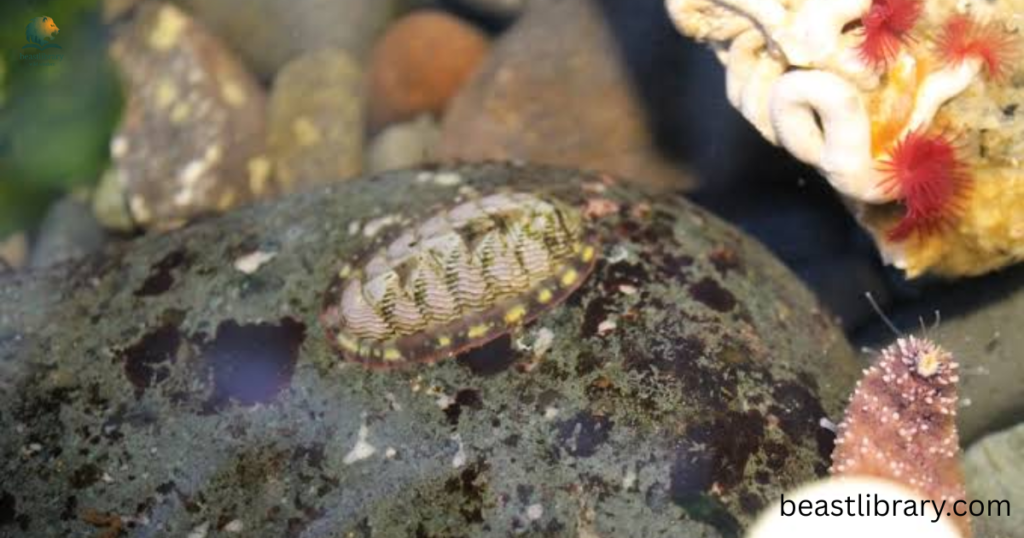
Chitons, embody a unique blend of resilience and adaptability, often overlooked in the marine world. These ancient mollusks, glide slowly over rocky surfaces, with their distinctive shell composed of eight overlapping plates, exhibiting a leisurely pace that belies their survival prowess.
This deliberate movement isn’t just a quirk; protecting them from the relentless forces of waves and predators, it aids in their attachment to the substrate. They also boast radulas, highlighting a fascinating relationship with their environment, specialized feeding structures that allow them to scrape algae and biofilms off rocks.
This slow and steady lifestyle is not merely a survival tactic; making chitons remarkable witnesses to the ever-changing seas, it is a testament to an evolutionary journey that has spanned millions of years.
9-Seahorse
Scientific Name: Hippocampus
Class: Actinopterygii
Diet: Carnivore
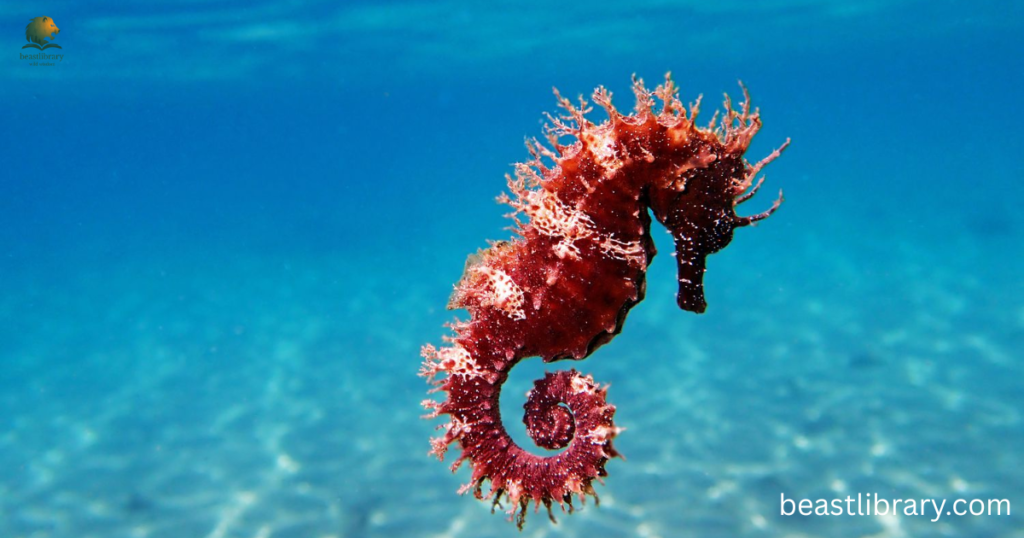
The seahorse is a marvel of evolution, showcasing the unique ability of its prehensile tail. Unlike most fish, seahorses possess a tail that acts like a curling appendage, allowing them to anchor themselves to seagrasses or coral in their underwater habitats.
This remarkable adaptation is not merely for stability; it offers a strategic advantage against strong currents, enabling these delicate creatures to conserve energy while foraging for food.
10-Giant Tortoise
Scientific Name: Chelonoidis nigra
Class: Reptilia
Diet: Herbivore
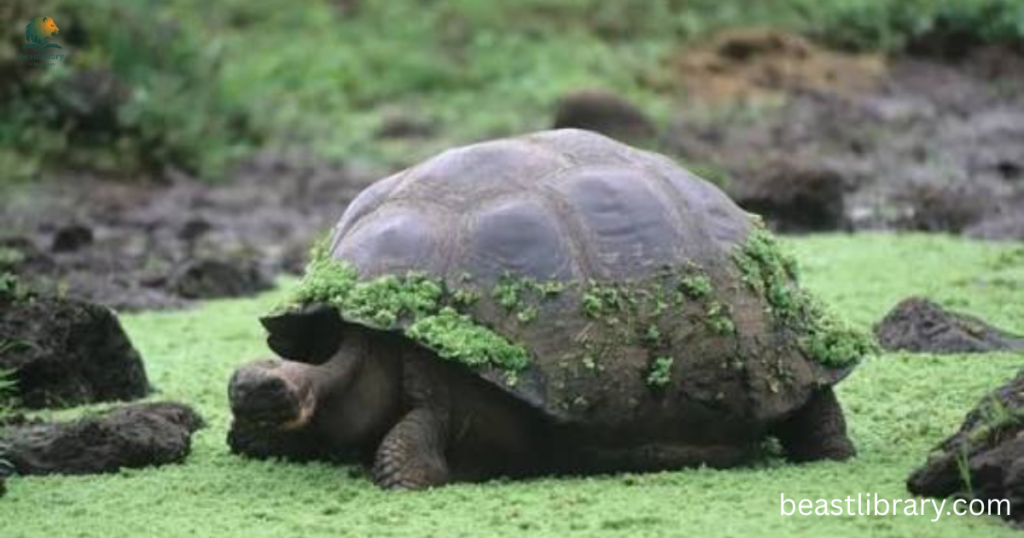
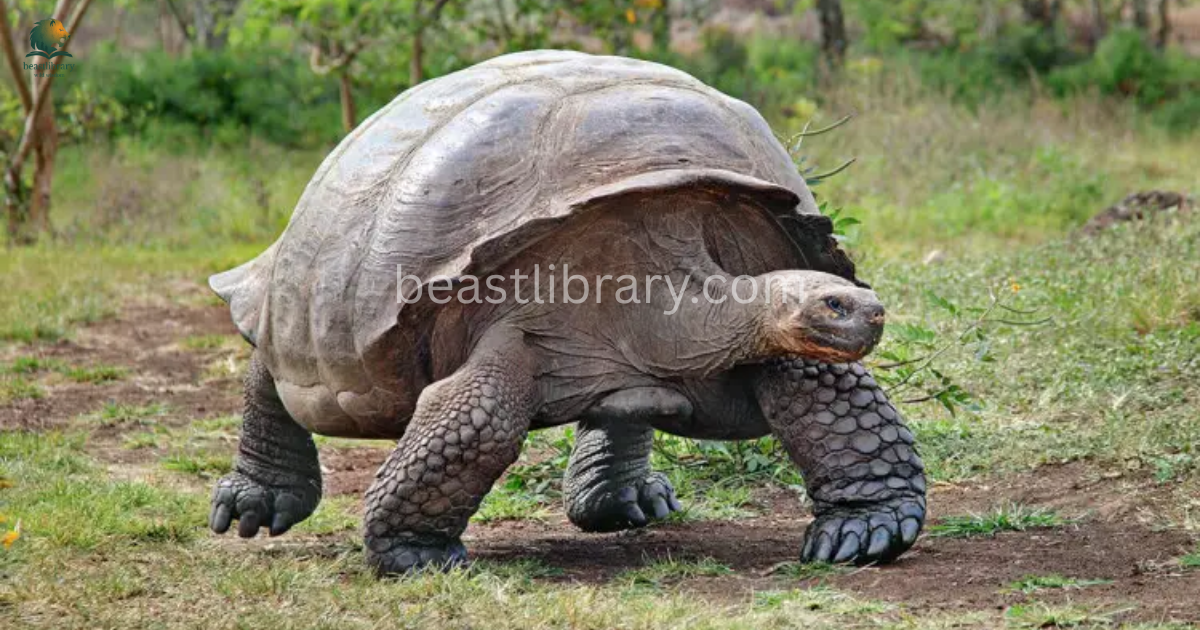
The giant tortoise personifies calmness, moving through life at a leisurely pace that encourages reflection. Found primarily in the Galápagos Islands, these chill animals can survive for more than a century, acting as living representations of persistence and strength.
Their docility is a survival mechanism because they lack native predators, they have evolved to be remarkably gentle, depending on a slow but steady lifestyle to forage on the greenery that feeds them. Watching a giant tortoise in its native reveals an unexpected wisdom in its actions.
The giant tortoise, symbolizing longevity and resilience, captivates with its slow, deliberate movements. These remarkable creatures can weigh over 500 pounds and live for more than a century, making them some of the longest-living vertebrates on the planet.
11-Koala
Scientific Name: Phascolarctos cinereus
Class: Mammalia
Diet: Herbivore
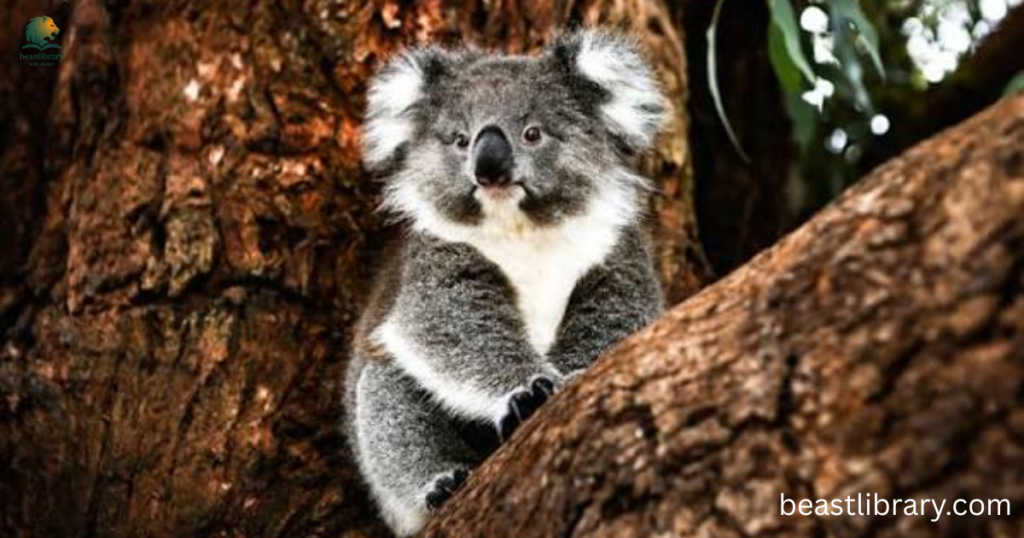
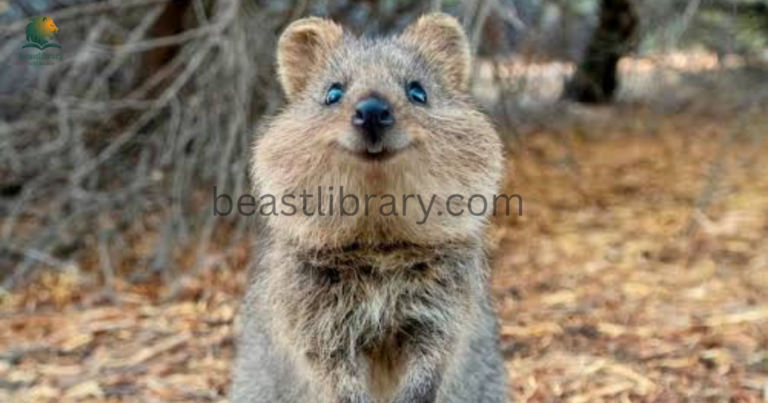
Koala are introverted animals with lowest IQ . They are not inherently aggressive, their timid nature often makes them retreat from human interaction, allowing them to maintain a low profile in an otherwise bustling ecosystem. They are big eared animals that have no tail.
Koalas communicate through a range of vocalizations often overlooked by humans. Their deep, bellowing calls echo in the trees, especially during mating season, revealing a hidden layer of social complexity. Outside this period, they tend to be quiet animals, slipping into the background of their surroundings and relying on their excellent camouflage.
12-Greenland Shark
Scientific Name: Somniosus microcephalus
Class: Chondrichthyes
Diet: Carnivore
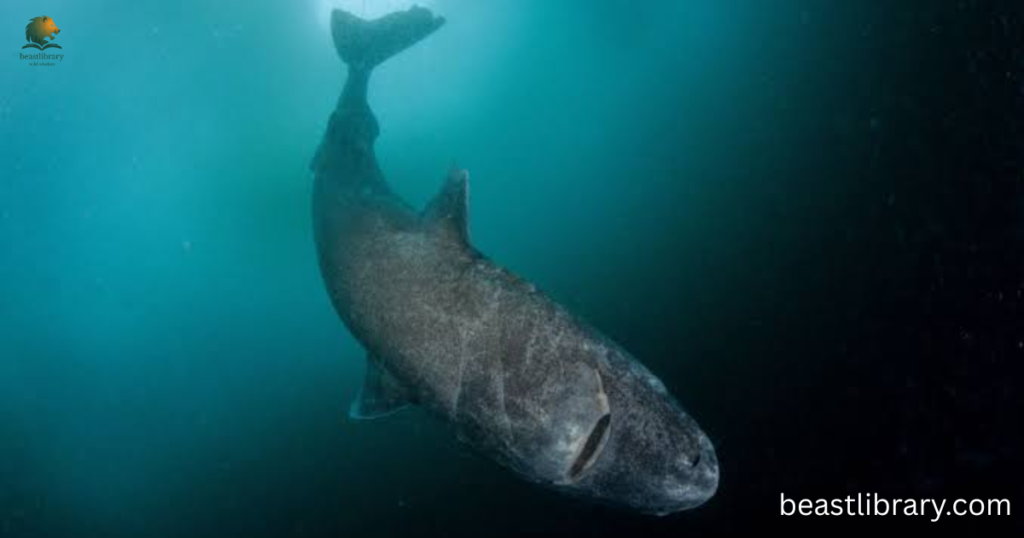
The great white shark boasts one of the Animals With The Strongest Bite in kingdom, with an estimated bite force exceeding 1.8 tons per square inch. This incredible power is not merely for show; it plays a vital role in their predatory lifestyle.
Their sharp, serrated teeth can slice through flesh with ease, making them efficient hunters of marine mammals, fish, and even seabirds. What’s fascinating is how their evolutionary design allows them to replace lost teeth rapidly, keeping their bite potent throughout their lives.
The great white shark boasts one of the animals with the strongest Bite in kingdom, with an estimated bite force exceeding 1.8 tons per square inch. Unlike animals that suck their food, this incredible power is not merely for show; it plays a vital role in their predatory lifestyle.
13-Sea Anemone
Class: Anthozoa
Diet: Carnivore
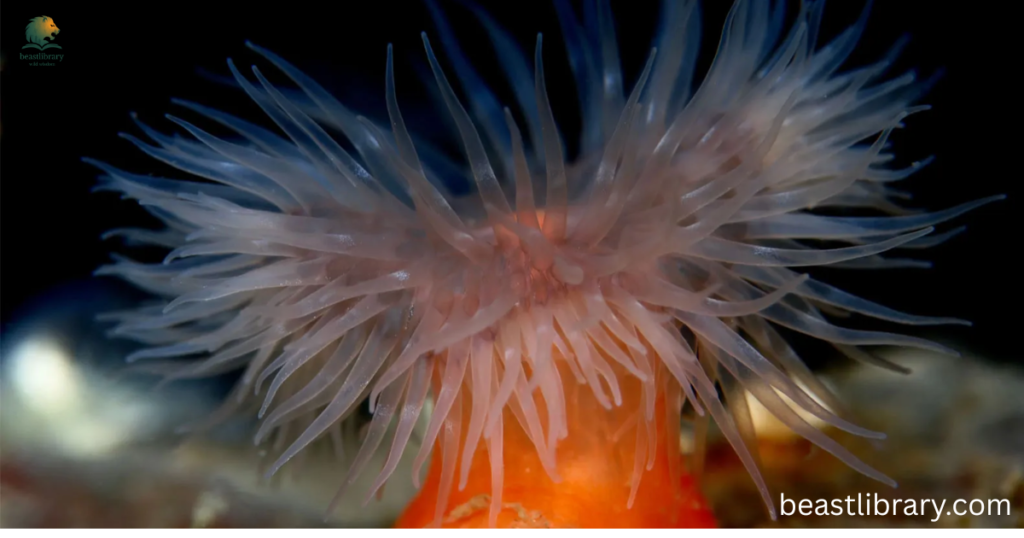
The sea anemone, is a fascinating creature that epitomizes the beauty of slow existence in the animal kingdom, often mistaken for a plant due to its vibrant colors and stationary nature.
While it doesn’t walk in the conventional sense, its method of movement is uniquely slow and deliberate, allowing it to anchor itself to coral reefs and rocky surface, this seemingly sedentary lifestyle masks a dynamic world beneath the surface, where sea anemones capture their prey.
Using their tentacles laden with stinging cells, showcasing an arresting balance between patience and predation, they ensnare fish and crustaceans that wander too close.
Fostering a relationship that transcends mere survival. In this carefully choreographed dance of cooperation, Sea anemones exhibit a form of symbiosis with clownfish.
14-Manatee
Scientific Name: Trichechus
Class: Mammalia
Diet: Herbivore
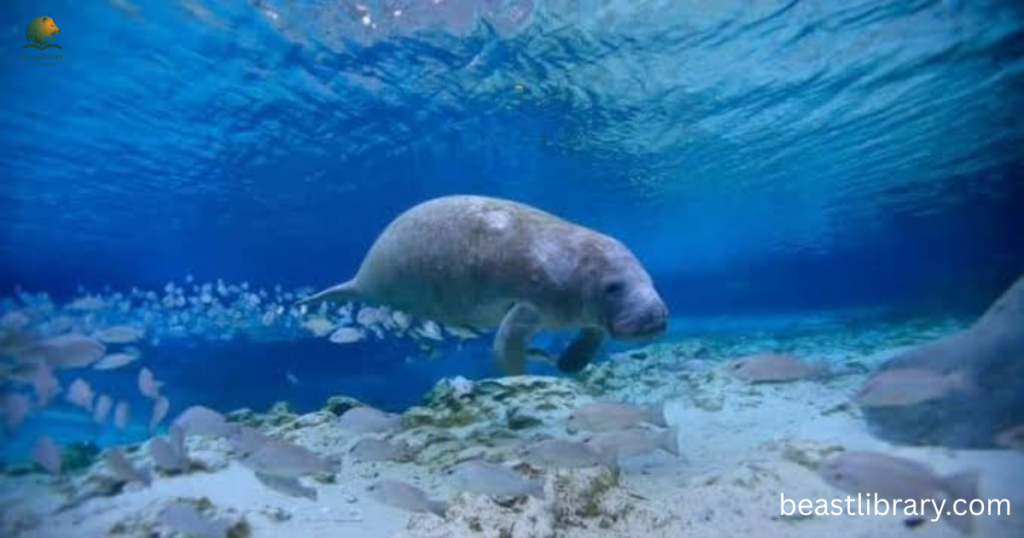
Manaees, often affectionately referred to as “sea cows,” glide gracefully through the warm, shallow waters of coastal regions. Unlike many mammals that leap into the air with agility, manatees are bound to a more grounded existence.
Their large, hefty bodies, which can weigh up to 1,300 pounds, lack the skeletal structure required for jumping. Instead, these gentle giants rely on buoyancy and their powerful paddle-like flippers to navigate their aquatic world, creating a mesmerizing dance in the water rather than the leap of a deer or kangaroo.
15-Limpet
Scientific Name: Patella vulgata
Class: Gastropoda
Diet: Herbivore
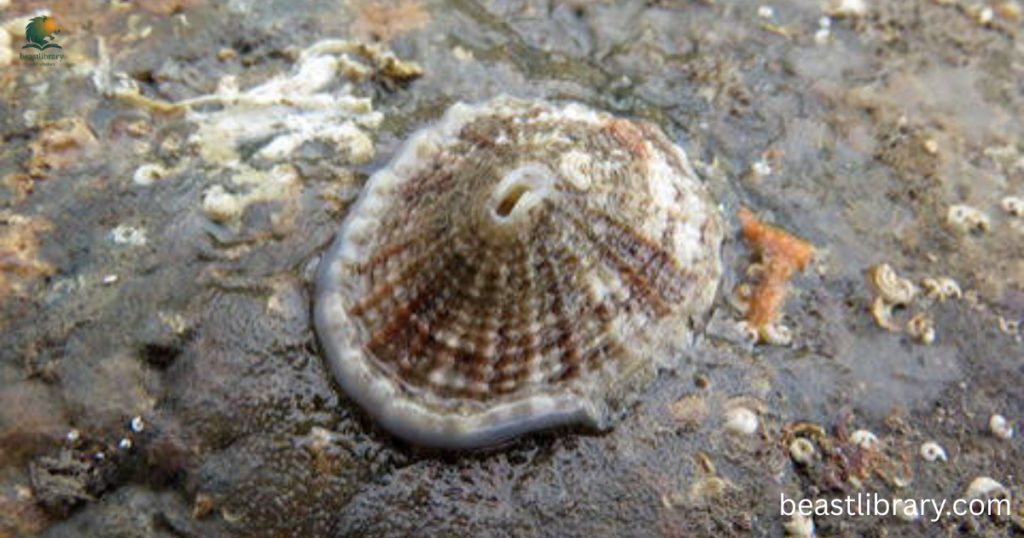
The limpet, a marine gastropod, embodying a quieter rhythm of life beneath the waves, offers a unique lens into the world of slow moving animals. Anchored tightly to rocky surfaces, limpets employ a fascinating method of locomotion that defies our notions of speed.
Using a powerful, often moving no more than a few centimeters per hour, muscular foot, they navigate their environment with an unhurried grace. This lethargic pace allows them not only to conserve energy but also to minimize the risk of being swept away by turbulent ocean currents.
Interestingly, the limpets’ slow wanderings contribute to their remarkable adaptability. protects them from predators while allowing them to cling tenaciously to their homes, Their shell structure, shaped like a tiny conical fortress.
Final Thoughts
Animals that walk slowly are truly mesmerizing creatures that showcase the incredible diversity of evolutionary adaptions across the globe. From the humble sloth to the gentle giant of the tortoise, each of these slow movers has evolved unique traits that serve vital roles in their ecosystems.
Their unhurried lifestyle helps them save valuable energy, avoid predation, and, in some cases, enhance their foraging techniques. Let us celebrate these creatures and advocate for their conservation, ensuring that their slow, making sure that slow but deeply significant legacy continues to thrive for many generations to come.
FAQs:
What is the slowest animal in the world?
The slowest animal in the world is the three-toed sloth, which moves at a top speed of about 0.17 miles per hour (0.27 km/h).
What is the slowest and laziest animal?
The three-toed sloth is both the slowest and laziest animal in the world, sleeping up to 20 hours a day and moving at a top speed of just 0.17 mph (0.27 km/h).